
August 14, 2026
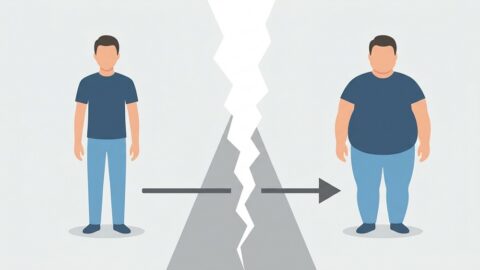
A massive human genetics study identified rare folliculin-interacting protein 1 (FNIP1) mutations associated with favorable metabolism and much lower cardiometabolic disease risk. Experiments in human liver cells and mice suggest a therapeutic route [1]. Longevity hidden in the genome For decades, aging researchers have hoped that human genetics might reveal genuine “longevity genes” whose altered...
May 12, 2026
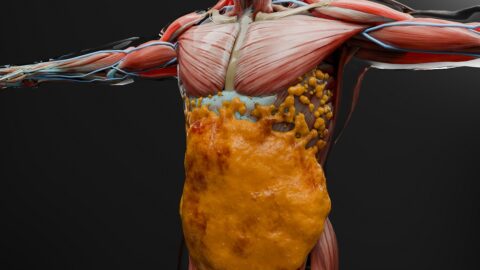
A new study suggests that GLP-1 receptor agonists do not affect muscle mass any more than weight loss caused by caloric restriction, and this appears to be true for strength as well [1]. What do we lose when we lose weight? GLP-1-based drugs, such as semaglutide and tirzepatide, have transformed obesity treatment. People on these...
April 28, 2026
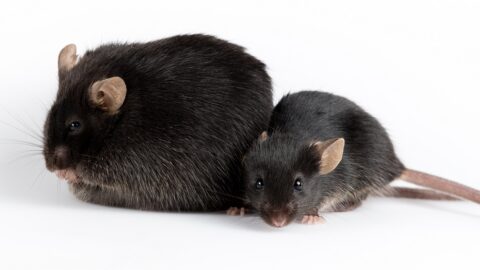
A new study has suggested that T cells might retain a pro-inflammatory phenotype long after normal weight is regained following a period of obesity. In mice, the effect lasts for weeks, while its existence and duration in humans are to be determined [1]. The inflammation that stays Obesity is a chronic, relapsing condition linked to...
February 24, 2026
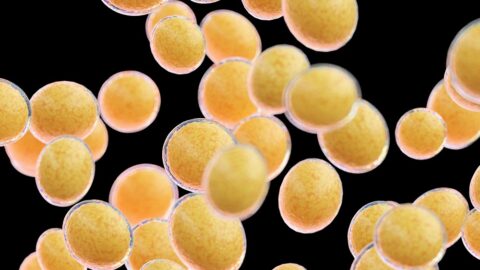
Scientists have discovered that, like brown fat, white fat has a mechanism that burns fuel to produce heat. This effect could potentially be used to create weight loss drugs [1]. Central heating Cells use energy to power various cellular processes, with heat being a byproduct. However, we might need additional heat to survive. Brown adipocytes...
January 20, 2026
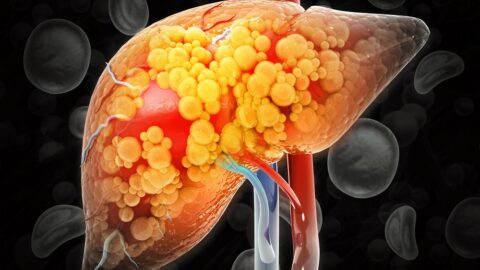
Scientists have discovered that obesity causes macrophages to ramp up mitochondrial DNA production, leading to more inflammation [1]. Obesity and inflammation Obesity is associated with multiple acute and chronic conditions, including cardiovascular disease and various metabolic disorders [2]. Increased sterile (not pathogen-induced) chronic inflammation is a major mechanism behind this wide impact [3]. A new...
January 05, 2026
Scientists have found that a single microbial species can blunt the negative effects of a high-fat diet due to the unique mix of lipids it produces [1]. They intend to identify its specific lipids in future work. Good neighbors The billions of gut microbes that we share our bodies with can profoundly influence our health....