
October 28, 2026
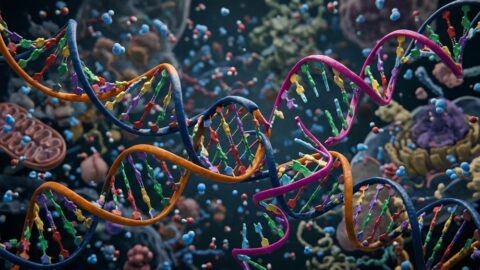
A recent study identified SRSF1, an RNA-processing and splicing factor, as a molecule with geroprotective potential. Inducing SRSF1 expression rejuvenated human cells in vitro, extended lifespan, and significantly reduced frailty in mice [1]. Alternative approaches Differentiated cells have the capacity to rejuvenate if an appropriate molecular environment is provided. The best-known factors that enable cellular...
February 27, 2026
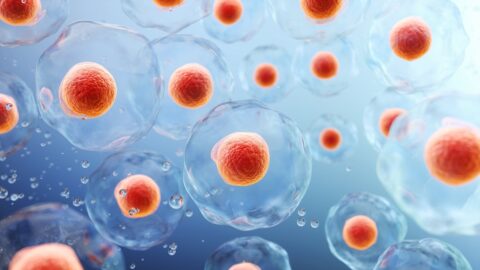
Cellular reprogramming is one of the technologies most associated with longevity. The field was created in 2006, when Shinya Yamanaka showed that a cocktail of four transcription factors, commonly known as OSKM, can cause de-differentiation and massive rejuvenation of a cell, creating an iPSC (induced pluripotent stem cell). About a decade later, partial reprogramming was...
October 06, 2025
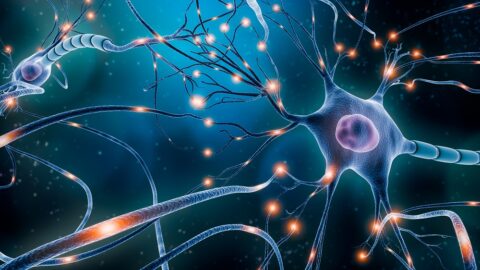
In Advanced Science, a team of researchers has explained how partial cellular reprogramming through the OSKM factors restores nerve repair ability to older animals. Stress as a signal This paper focuses on Schwann cells, glial cells that are often responsible for maintaining the protective sheaths of myelin around neuronal axons and help peripheral nerves to...

September 17, 2025
In a recent study, researchers investigated aging- and disease-associated changes in gene expression related to epithelial-mesenchymal transition. Inducing the Yamanaka factors in mice allowed them to rejuvenate cells and tissues and reverse some of these aging-associated changes [1]. Rejuvenating cellular identity Aging-related epigenetic changes result in decreased capacity to maintain cellular identity [2], and some...

February 05, 2025
The authors of a recent study reported that OSKM/Yamanaka factor gene therapy in rats results in higher fertility at an older age compared to controls and allows older rats to have regular cycles [1]. Rejuvenating Yamanaka factors Yamanaka Factors - Opportunities for RejuvenationDrs. Takahashi and Yamanaka showed that they could use Oct4, Sox2, Klf4, and c-Myc...
October 25, 2024
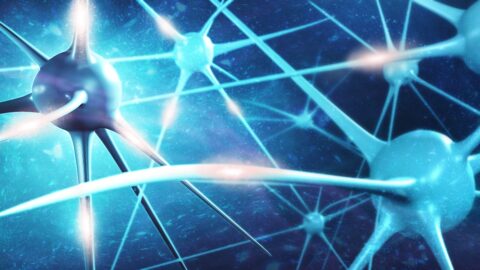
Scientists have shown that long-term intermittent reprogramming limited to hippocampal neurons increases their fitness and improves cognitive function in a mouse model of Alzheimer’s disease [1]. Targeted in time and space Partial cellular reprogramming is one of the hottest directions in longevity research for a reason: it allows to rejuvenate cells without driving them all...