




FDA-Approved Drug Is a Candidate for Dry AMD Treatment
In a new paper published in Aging, researchers have determined that directly improving autophagy through flubendazole (FLBZ) is potentially useful in treating dry age-related macular degeneration (AMD), a disease that

NMN Human Trial Suggests Improved Muscle Glucose Metabolism
In recent years, there has been considerable interest in the naturally occurring molecule and dietary supplement nicotinamide mononucleotide (NMN) and its potential influence on aging. While there have been numerous

GrimAge Links Aging and Major Depression
People with major depressive disorder may have a biological age as much as two years greater than their chronological age, according to a new study [1]. The discovery provides a

Spermidine for Cognitive Function in Flies, Mice, and Humans
Recently published research in Cell Reports provides a detailed account of dietary spermidine improving cognition and mitochondrial function in flies and mice, with some prospective human data to top it

B-cell Depletion Ameliorates Alzheimer’s in Mice
According to a new study, Alzheimer’s disease is connected to inflammaging, which causes B-cells to change their phenotype and hamper amyloid-β (Aβ) removal [1]. Following successful experiments in vivo, the

Increased Longevity and Overpopulation
Any discussion of rejuvenation biotechnology almost certainly includes the subject of overpopulation and the objection that medical advances that directly address the various processes of aging will lead to an overpopulated world. Such dire

Diet, Exercise Reduce Epigenetic Age in Human Clinical Trial
In a randomized, controlled human clinical trial, researchers have found that an eight-week program of diet, exercise, and meditation reduces epigenetic age by approximately two years in males between the

RNA Deep Sequencing Uncovers Parkinson’s Progression
A massive RNA sequencing effort has identified changes in microRNA associated with Parkinson’s. Some of the changes correlated with disease progression, holding out hope that they could be useful as

Rejuvenation is Not Immortality
When conducting science, it is crucially important to have clear, unambiguous definitions. These definitions must be firmly established to avoid confusion and misunderstandings and possibly to prevent people from going

The All-Party Parliamentary Group on UK Healthcare Equality
The UK All Party Parliamentary Group for Longevity (APPG) launched the Levelling Up Health initiative recently. The initiative aims to close the life expectancy gap, address health inequality in the

Hypoxia Reduces SASP Without Reducing Senescent Cell Burden
A new study in Molecular Cell has shown that the benefits of hypoxia may be derived from a suppression of the inflammatory SASP. Can less oxygen be a good thing?

Researchers Convert Astrocytes to Neurons in Vivo
Scientists have successfully reprogrammed astrocytes (a type of brain cell) into healthy neurons in the brains of living mice. This technique could potentially be used for replenishing the neuronal population

New CRISPR Technology Allows Turning Genes Off and On Again
A new technique allows researchers to turn epigenetic methylation off and back on again, thus allowing the silencing and unsilencing of certain genes. A CRISPR breakthrough CRISPR/Cas9 is a well-known

Researchers Claim Serum Albumin Increases Mouse Lifespan
Before we begin, it should be noted that this study was published on biorxiv, a pre-print website that hosts papers prior to peer review. Therefore the data should not be

A Non-Invasive Biomarker to Track Cellular Senescence
A lipid metabolite could serve as a novel biomarker to test the performance of senolytics, according to a new study [1]. Such a biomarker can be detected from blood or

FDA-Approved Drug Is a Candidate for Dry AMD Treatment
In a new paper published in Aging, researchers have determined that directly improving autophagy through flubendazole (FLBZ) is potentially useful in treating dry age-related macular degeneration (AMD), a disease that causes vision loss. An accumulation of lipids Dry AMD shares a surprising commonality with atherosclerosis. As

NMN Human Trial Suggests Improved Muscle Glucose Metabolism
In recent years, there has been considerable interest in the naturally occurring molecule and dietary supplement nicotinamide mononucleotide (NMN) and its potential influence on aging. While there have been numerous animal studies suggesting that it may be useful in combating some age-related decline, there has been

GrimAge Links Aging and Major Depression
People with major depressive disorder may have a biological age as much as two years greater than their chronological age, according to a new study [1]. The discovery provides a first step towards understanding the biological mechanisms that link depression to decreased lifespan. A link between

Spermidine for Cognitive Function in Flies, Mice, and Humans
Recently published research in Cell Reports provides a detailed account of dietary spermidine improving cognition and mitochondrial function in flies and mice, with some prospective human data to top it off. Spermidine and longevity Spermidine is known to decline with aging, and treatment with spermidine extends

B-cell Depletion Ameliorates Alzheimer’s in Mice
According to a new study, Alzheimer’s disease is connected to inflammaging, which causes B-cells to change their phenotype and hamper amyloid-β (Aβ) removal [1]. Following successful experiments in vivo, the scientists propose B cell depletion as a possible therapy. The darker side of B cells Alzheimer’s

Increased Longevity and Overpopulation
Any discussion of rejuvenation biotechnology almost certainly includes the subject of overpopulation and the objection that medical advances that directly address the various processes of aging will lead to an overpopulated world. Such dire predictions are a common theme in many discussions involving advances in medicine that could increase human

Diet, Exercise Reduce Epigenetic Age in Human Clinical Trial
In a randomized, controlled human clinical trial, researchers have found that an eight-week program of diet, exercise, and meditation reduces epigenetic age by approximately two years in males between the ages of 50 and 72. A prescription for health For this study, the researchers used entirely

RNA Deep Sequencing Uncovers Parkinson’s Progression
A massive RNA sequencing effort has identified changes in microRNA associated with Parkinson’s. Some of the changes correlated with disease progression, holding out hope that they could be useful as prognostic or diagnostic biomarkers to help guide research and evaluate potential therapies. Pinning down Parkinson’s Although

Rejuvenation is Not Immortality
When conducting science, it is crucially important to have clear, unambiguous definitions. These definitions must be firmly established to avoid confusion and misunderstandings and possibly to prevent people from going around telling everyone that you’re working on something that you’re actually not. The I-word It’s not

The All-Party Parliamentary Group on UK Healthcare Equality
The UK All Party Parliamentary Group for Longevity (APPG) launched the Levelling Up Health initiative recently. The initiative aims to close the life expectancy gap, address health inequality in the UK, and foster a preventative approach to healthcare to support healthy longevity. It is estimated that

Hypoxia Reduces SASP Without Reducing Senescent Cell Burden
A new study in Molecular Cell has shown that the benefits of hypoxia may be derived from a suppression of the inflammatory SASP. Can less oxygen be a good thing? Cell cultures are typically maintained in conditions close to atmospheric oxygen levels, but these are much

Researchers Convert Astrocytes to Neurons in Vivo
Scientists have successfully reprogrammed astrocytes (a type of brain cell) into healthy neurons in the brains of living mice. This technique could potentially be used for replenishing the neuronal population in people suffering from brain damage and age-related cognitive decline [1]. Cellular fate is not sealed
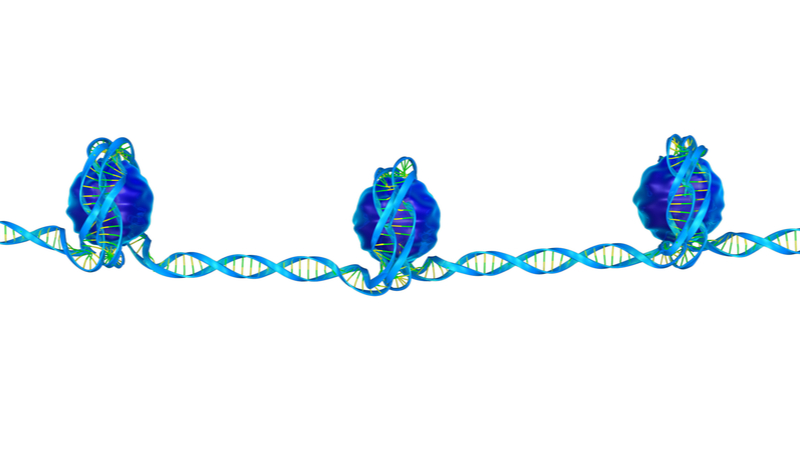
New CRISPR Technology Allows Turning Genes Off and On Again
A new technique allows researchers to turn epigenetic methylation off and back on again, thus allowing the silencing and unsilencing of certain genes. A CRISPR breakthrough CRISPR/Cas9 is a well-known technology for editing the genome, but its potential for epigenetic editing had never been previously explored.

Researchers Claim Serum Albumin Increases Mouse Lifespan
Before we begin, it should be noted that this study was published on biorxiv, a pre-print website that hosts papers prior to peer review. Therefore the data should not be regarded as conclusive or accurate until it has been subject to the peer review process and

A Non-Invasive Biomarker to Track Cellular Senescence
A lipid metabolite could serve as a novel biomarker to test the performance of senolytics, according to a new study [1]. Such a biomarker can be detected from blood or urine, allowing for non-invasive testing, and experiments have shown that it plays a functional role in