Properly untangling aging means untangling its various counterbalances, sometimes on the individual level. Here’s what’s been investigated this month.
Interviews
 Wei-Wu He: People Should Become the CEOs of Their Own Health: Wei-Wu He is an unusual combination of scientist and businessman, and his current company focuses on using precision medicine to lengthen people’s lives.
Michael Snyder: We Need to Track Health, Not Disease: Michael Snyder, Director of the Center for Genomics and Personalized Medicine at Stanford University, is convinced that wearables will help drive the transition from “sickcare” to healthcare.
Advocacy and Analysis
 Why Democratizing Rejuvenation Is an Economic Imperative: Worldwide healthcare faces an unsustainable situation. We spend trillions managing the late-stage effects of biological aging, yet routinely overlook the underlying causes that drive them. Driven by an aging society, the financial burdens of treating diabetes, dementia, and heart disease are pushing Social Security and Medicare towards increasing and potentially catastrophic budget deficits.
Research Roundup
Valine Restriction Increases Male Mouse Lifespan by 23%: A new study has found that restricting dietary valine extends both median and maximum lifespan in male mice while improving healthspan in both sexes.
 A New Transcriptomic Clock for Intervention Analysis: A team of researchers has developed Pasta, a transcriptomic clock that accurately predicts the age-related effects of various compounds and gene expressions.
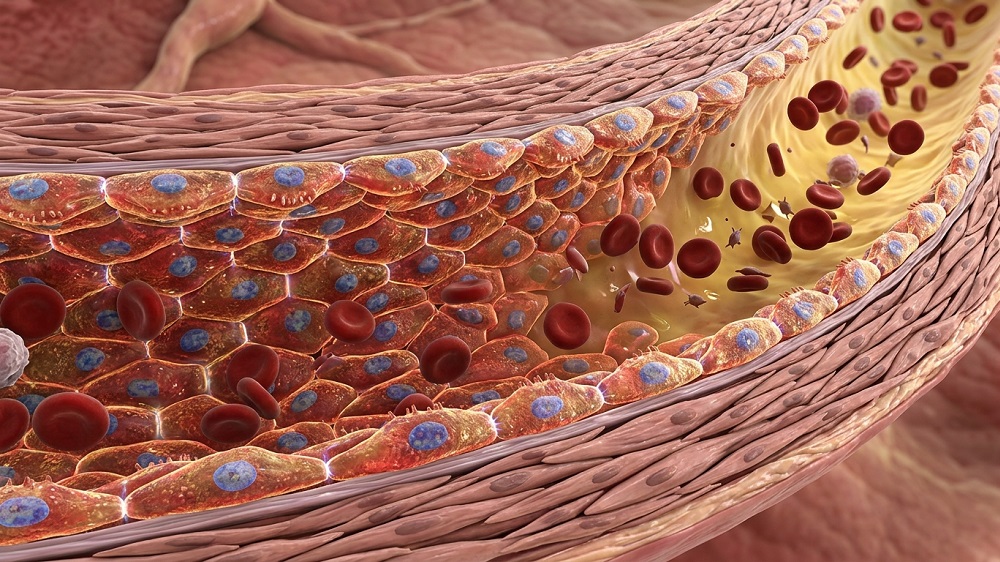
A New Target Against High Blood Pressure: Researchers have discovered why the protein AGGF1 has significant effects on blood pressure and published their findings in Aging Cell.
 Why Affecting Aging in Complex Organisms Is So Hard: A new study proposes a theoretical framework that explains why the more complex an animal is, the harder it is to move the needle on its rate of aging.
A Drug Combination Fights Both Senescence and Cancer: In Aging, the Conboys and their team have described how a combination treatment kills both senescent and cancer cells and lengthens the lives of old mice.
 A Million-Person Study Finds a Protective Metabolic Gene: A massive human genetics study identified rare folliculin-interacting protein 1 (FNIP1) mutations associated with favorable metabolism and much lower cardiometabolic disease risk. Experiments in human liver cells and mice suggest a therapeutic route.

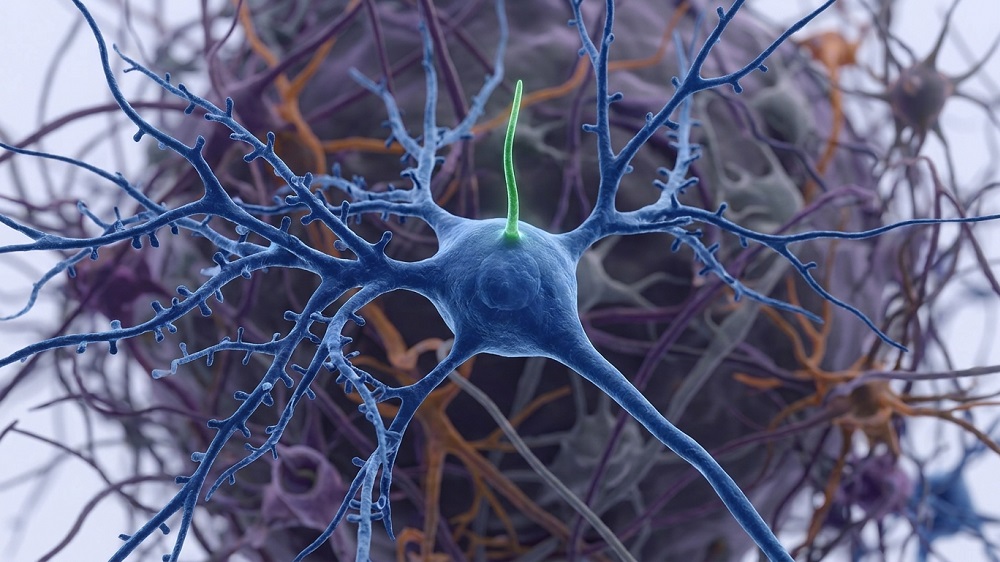
How Senescence Spreads Between Brain Cells: Researchers have gone into deep detail regarding how each of five senescent brain cell types expresses and receives factors that encourage other cells to become senescent.
 How Old Fat Cells Trigger Inflammation and Raise Risks: Using cohort studies and a mouse model, researchers have found that the circulating factor ANGPTL8, which is produced by senescent fat cells, is related to age-related diseases and mortality in mice and people.
In ALS, Microglia Eat Living Neurons, Mistaking Them for Dead: This study suggests that in amyotrophic lateral sclerosis – and possibly other neurodegenerative diseases – the brain’s immune cells devour stressed but still living neurons due to altered signaling.
 A Tougher Extracellular Matrix Strengthens Tendons in Rats: Researchers have found that an upstream promoter of two extracellular matrix proteins increases healing and strength capabilities in the tendons of rats.
Short, Intense Exercise Elicits Beneficial Metabolic Changes: Compared to moderate-intensity exercise, high-intensity sprint-interval exercise produced larger changes in circulating protein and metabolite levels and stimulated proteins associated with cardiometabolic health benefits.
 Why Turning Off Cancer Genes Doesn’t Always Work: A recent study has examined whether senescence might allow cancer cells to survive oncogene withdrawal and become even more dangerous.
A Mechanistic Explanation for SIRT1’s Effects: Researchers have found that the sirtuin SIRT1 stabilizes the human genome by suppressing retrotransposition, which occurs when parts of the genome transcribe themselves onto other parts.
Impact of N-PEP-12 Supplementation on Attentional Performance and Mental Wellbeing in Healthy Adults with Subjective Cognitive Complaints: These findings support further investigation of N-PEP-12 as a nutritional intervention for early subjective cognitive changes associated with aging.
Diet-dependent, beneficial and adverse effects of rapamycin on life span of Drosophila melanogaster: These results confirm the adverse effects of rapamycin during development and demonstrate its potential to switch between beneficial and harmful effects on adult life span depending on other components of the diet.
Natural Bioactive Compounds Targeting Key Hallmarks of Aging: Functional Food Potential of Spermidine, Fisetin, Berberine, and Urolithin A: Together, the four compounds primarily target distinct but complementary aging-associated pathways (autophagy, senolysis, metabolic regulation, mitophagy), suggesting rational potential for combined functional food formulations.
A Systems Pharmacology Model of Aging Identifies Optimal Combination Therapies With Secondary Benefits on Weight Loss and Metabolic Health: Metabolic optimization and aging optimisation are distinct objectives that do not converge on the same drug combination.
A machine learning-derived dietary pattern for aging: The MYTH Diet may offer a biologically informed, scalable framework for developing personalized nutrition strategies aimed at supporting healthy aging and longevity.
Social media use duration and epigenetic aging among U.S. adults in the MIDUS refresher study: These findings provide preliminary evidence that social media use duration is associated with the pace of biological aging as measured by DunedinPACE.
Living Beyond Our Evolutionary Warranty: Why Non-Communicable Diseases May Be The Inevitable Costs of an Extended Lifespan: Accepting NCDs as partially intrinsic to extended lifespan while pursuing interventions delaying onset may yield more realistic health goals than assuming complete preventability.
Intrasplenic Thymus Organogenesis from Injectable Tissue Fragments Restores Functional T-Cell Immunity: These results identify the spleen as an optimal ectopic niche for thymus regeneration and provide a promising strategy for clinical immune reconstitution and regenerative immunology.
Beyond Diabetes: Continuous Glucose Monitoring as a Candidate Precision Tool for Cardiovascular Prevention and Healthy Longevity: The shared longevity genes identified in this work offer potential targets to promote healthy aging and decrease age-onset disease.
News Nuggets
 Forever Healthy Launches the Evipedia Browser Extension: The extension currently recognizes 3,700+ terms across 630+ evidence reviews. It is free to use and available for Chrome, Firefox & Safari. Installing the extension is a simple one-click process from Evipedia’s extension page.
GenBio Launches a “Virtual Cell” AI Model: This AI startup, which lists Nobel laureate David Baker among its co-founders, has announced a “world model” of a cell that can simulate both its natural state and responses to successive perturbations, potentially transforming biological research.