Mice With Growth Hormone Halted in Middle Age Live Longer
- The effects are very different between males and females.

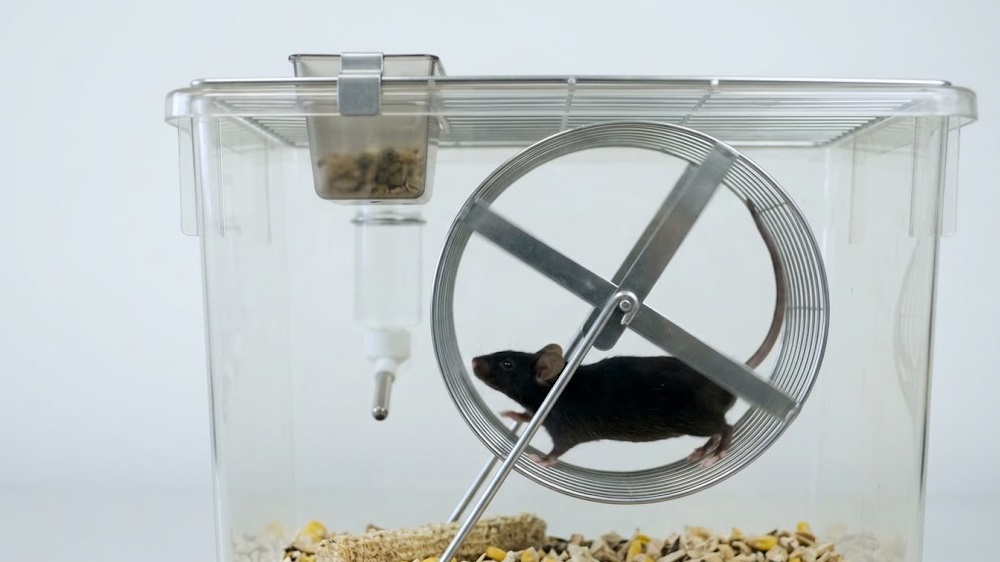
- Mice with the growth hormone receptor knocked out at 12 months of age live longer.
- While the male mice are smaller in old age, and both sexes have less lean mass and more fat mass, they do not exhibit obesity-related metabolic problems nor do they lose strength.
Researchers publishing in Aging Cell have described how stopping growth hormone receptor production in midlife significantly lengthens the lives of mice.
Growth but diabetes
Growth hormone affects the metabolism of fats (lipids), increasing the levels of circulating fatty acids while increasing insulin-like growth factor 1 (IGF-1) and impairing the function of insulin itself [1]. Growth hormone has been associated with tissue-specific forms of aging [2], and people who are congenitally insensitive to growth hormone (Laron syndrome) exhibit increased resistance to multiple aspects of aging, including diabetes, cognitive decline, and cardiovascular problems [3].
This relationship between growth hormone and aging is similar in mice and people [4]. Mice with reduced levels of growth hormone live longer than their unaltered counterparts [5], and such mice also have significant reductions in debilitating age-related conditions, such as osteoarthritis [6].
Those mouse models, however, are genetically modified, with effects from birth. Bringing this into the clinic requires affecting growth hormone in adulthood in order to avoid interfering with growth and development. This team has previously developed a mouse model in which growth hormone is disrupted in young adulthood, finding that such mice live longer than wild-type mice [7].
In this study, the researchers built on their previous findings by using a mouse model that ceases production (knockout) of the growth hormone receptor (GHR) at 12 months of age, which roughly corresponds to midlife in humans: a time during which many people would presumably begin to seek treatment for age-related disorders.
The longest-lived mice live even longer
The very first result that the researchers discuss is lifespan, which was markedly improved in both males and females. While they were shorter and smaller than their unaltered counterparts later in life, GHR knockout males had an improved survival curve compared to the male control group. Females with GHR knocked out had no changes in body weight or size but also an improved survival curve.
Interestingly, this lifespan increase was found predominantly in the longest-lived animals, particularly in females; while the shortest-lived members of both the control and GHR knockout groups died at roughly the same ages, the longest-lived female GHR knockout mice lived for four months longer than the longest-lived female control mice. This increase in lifespan occurred alongside significant reductions in IGF-1, particularly in males.
Under normal circumstances, an increase in fat mass and a decrease in lean mass is a cause for concern, and treatments that improve healthspan metrics in mice often do the exact opposite. With a GHR knockout, however, both sexes had increased fat mass and decreased lean mass in later life compared to the control group. Despite this induced obesity and reduction in muscle mass, inflammatory biomarkers were largely unaffected, the mice were not weaker overall according to physical performance tests, and males in the GHR knockout group had improved insulin responses and less fasting glucose; females were unaffected in this area.
Tissue-specific effects
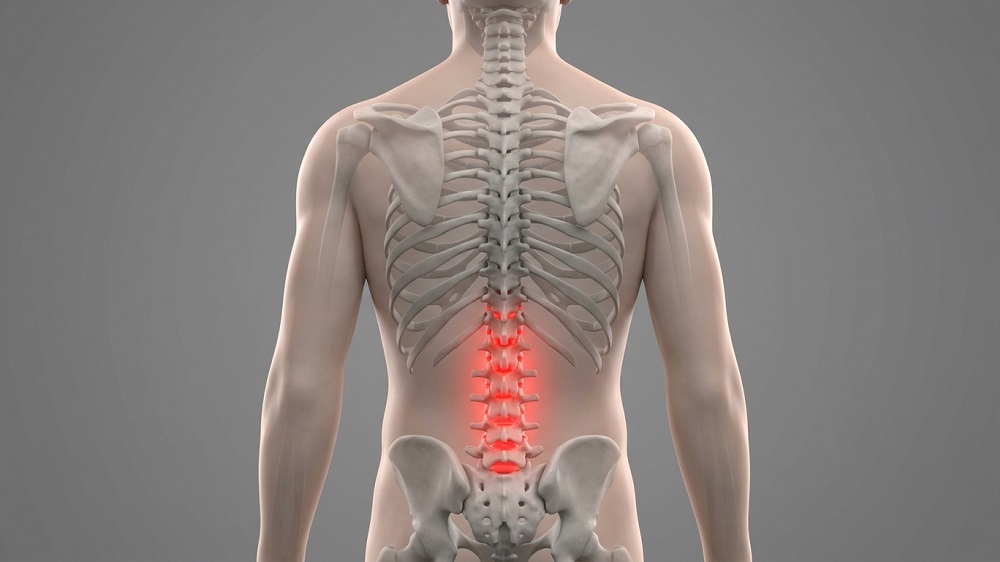
The porous parts of the spinal bones (vertebral trabecular bone) were significantly preserved in male mice, with porosity and bone mineral density being more like that of younger mice. Females were unaffected in this area.
The liver responds strongly to growth hormone signaling, so it is unsurprising that its gene expression was significantly changed when GHR was knocked out, with males being more strongly affected than females. Interestingly, the livers of male mice began exhibiting gene expression that was more associated with that of female mice, and even female mice with GHR knocked out had reduced expressions of genes that are more strongly expressed in males.
Near the end of this paper, the researchers express the opinion that “these findings reinforce the central role of the GH/IGF-1 axis in aging biology and support the concept that pharmacological inhibition of GH signaling during adulthood may represent a feasible strategy for promoting healthy aging.” They reaffirm their findings in a short communication sent to Aging Cell, in which they note the multiple potential problems with completely restricting growth hormone and focus on growth hormone antagonism as a potential treatment avenue.
There is already such an antagonist that has been approved by the FDA, Pegvisomant, which has never been clinically tested for any potential anti-aging effects, despite proposals having been made to do so [8]. While this research provides evidence for the potential of such a trial, it may also be the case that treatments that impact growth hormone at a tissue-specific level can provide tangible lifespan and healthspan increases in people, although substantial work needs to be done in development and trials in order to confirm this.
Literature
[1] Vijayakumar, A., Novosyadlyy, R., Wu, Y., Yakar, S., & LeRoith, D. (2010). Biological effects of growth hormone on carbohydrate and lipid metabolism. Growth Hormone & IGF Research, 20(1), 1-7.
[2] Chesnokova, V., Zonis, S., Ainsworth, R., Apaydin, T., Valencia, C. W., Greiner, E. C., … & Melmed, S. (2025). Local Growth Hormone Facilitates Aging of the Colon Epithelial Microenvironment. Aging Cell, 24(10), e70187.
[3] Guevara-Aguirre, J., Mishra, A., Canepa, M., Guevara, C., Villacres, Á., Guevara, A., … & Longo, V. D. (2024). Normal or improved cardiovascular risk factors in IGF-I-deficient adults with growth hormone receptor deficiency. Med, 5(7), 816-825.
[4] Qian, Y., Berryman, D. E., Basu, R., List, E. O., Okada, S., Young, J. A., … & Kopchick, J. J. (2022). Mice with gene alterations in the GH and IGF family. Pituitary, 25(1), 1-51.
[5] Bartke, A., & Darcy, J. (2017). GH and ageing: Pitfalls and new insights. Best Practice & Research Clinical Endocrinology & Metabolism, 31(1), 113-125.
[6] Liu, H., Davis, T., Duran-Ortiz, S., Martino, T., Erdely, A., Profio, S., … & Zhu, S. (2024). Growth hormone-receptor disruption in mice reduces osteoarthritis and chondrocyte hypertrophy. Geroscience, 46(5), 4895-4908.
[7] Duran‐Ortiz, S., List, E. O., Ikeno, Y., Young, J., Basu, R., Bell, S., … & Kopchick, J. J. (2021). Growth hormone receptor gene disruption in mature‐adult mice improves male insulin sensitivity and extends female lifespan. Aging cell, 20(12), e13506.
[8] Longo, V. D., Antebi, A., Bartke, A., Barzilai, N., Brown‐Borg, H. M., Caruso, C., … & Fontana, L. (2015). Interventions to slow aging in humans: are we ready?. Aging cell, 14(4), 497-510.
About the author

Josh Conway