

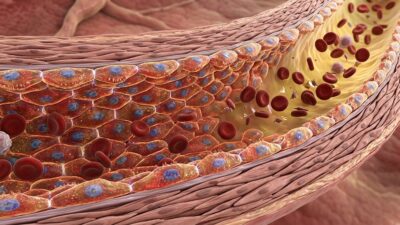
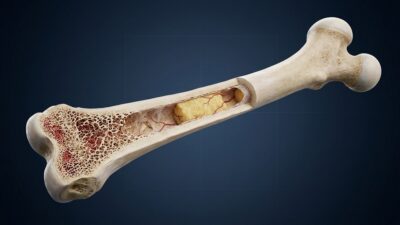



mTOR and SGLT-2 Inhibitors Impact Age-Related Processes
The authors of a recent review propose that there may be positive synergistic effects from combining mTOR inhibitors and sodium-glucose co-transporter-2 (SGLT-2) inhibitors [1]. Inhibition of two molecules is better

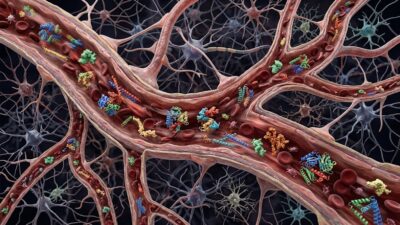
Boosting Autophagy in Astrocytes Might Help Cure Alzheimer’s
With Alzheimer’s disease, most of the focus has been on neurons. A new study’s researchers suggest boosting the process of cellular junk removal in astrocytes, brain cells that perform maintenance

Rejuvenation Roundup September 2024
This past month, we’ve covered plenty of research news and information about conferences, but now we have some news of our own. Here’s what’s been happening in the rejuvenation biotechnology

lifespan.io and SENS Research Foundation Unite
October 1, 2024 – Lifespan.io (Lifespan Extension Advocacy Foundation) and SENS Research Foundation are excited to announce the completion of their merger, forming a new 501(c)(3) non-profit: Lifespan Research Institute.

How Lifesaving Treatments Can Cause Long-Term Harm
A research paper published in Aging explored a link between breast cancer, hematopoietic cell transplants (HCTs), an increase in physical frailty, and cellular senescence. Treatment comes at a cost HCTs

Study Suggests Mammals’ Lifespan Is Limited by Epigenetics
Juan José Alba-Linares and his research team have published a preprint study that examined why different animals age at different rates. They found that epigenetic changes over time could explain

A Bank of Centenarian Stem Cells
Researchers are keeping a bank of induced pluripotent stem cells (iPSCs) derived from centenarians and their descendants. They describe the purpose of this bank and its uses in Aging Cell.

Reprogramming Senescent Cells Extends Lifespan in Mice
Dr. Belmonte’s group at Altos Labs targeted stressed and senescent cells with partial reprogramming, producing large increases in lifespan in male mice [1]. What are they doing there? Since the

A Likely Beneficial Compound Also Predicts Mortality
Researchers publishing in Aging have found that fibroblast growth factor 21 (FGF21), an apparently beneficial protein naturally produced by the human body, heralds a greater likelihood of death. Multiple documented

Metformin Slows Aging in Non-Human Primates
In a new study, metformin, which has already shown good results in rodents and in human epidemiological studies, alleviated multiple signs of aging in male cynomolgus monkeys [1]. Now in

MSC Treatment Improves Age-Related Phenotypes in Rats
In a recent study, researchers injected rats with mesenchymal stromal cells. They observed improvements in aging-related biomarkers and phenotypes in many organs [1]. The rejuvenating role of MSCs Mesenchymal stromal

The Greenland Shark’s Genome Reveals Clues to Its Longevity
Scientists have compiled the most complete genome ever of the Greenland shark, an exceptionally long-lived species. Living up to 400 years probably has a lot to do with superior DNA

Axolotls’ Epigenetic Clocks Stop Ticking
In a preprint published in bioRxiv, researchers have published their findings in applying an epigenetic clock to the axolotl, a salamander species that does not age like humans. More than

For the 11th Year in Copenhagen: Highlights from ARDD 2024
The Copenhagen-based Aging Research and Drug Discovery Meeting (ARDD) was already enormous. Last year, there were well over a thousand physical participants, and many more online, attending five days of
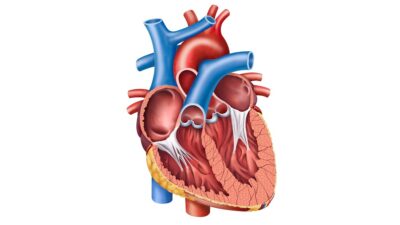
The Ventricles of the Heart Age Differently
In Aging Cell, researchers have published their findings on how the right ventricle of the heart ages differently from the left one. Not just organs, but parts of organs Research

mTOR and SGLT-2 Inhibitors Impact Age-Related Processes
The authors of a recent review propose that there may be positive synergistic effects from combining mTOR inhibitors and sodium-glucose co-transporter-2 (SGLT-2) inhibitors [1]. Inhibition of two molecules is better than one mTOR is a well-known molecule in aging research. Inhibition of mTOR has been shown
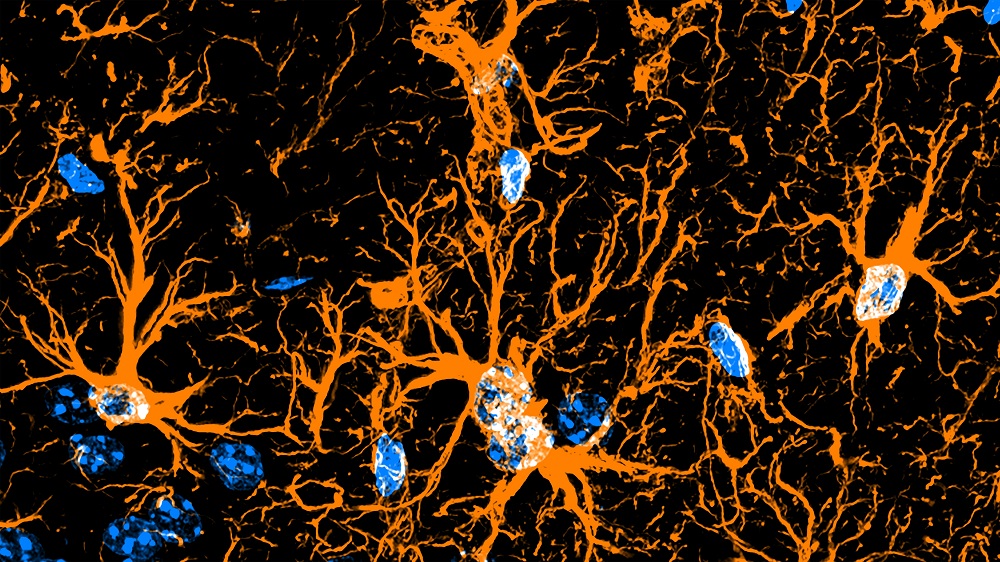
Boosting Autophagy in Astrocytes Might Help Cure Alzheimer’s
With Alzheimer’s disease, most of the focus has been on neurons. A new study’s researchers suggest boosting the process of cellular junk removal in astrocytes, brain cells that perform maintenance tasks, as a new pathway [1]. Looking at a different cell type Accumulation of amyloid beta,

Rejuvenation Roundup September 2024
This past month, we’ve covered plenty of research news and information about conferences, but now we have some news of our own. Here’s what’s been happening in the rejuvenation biotechnology world. LEAF News Lifespan.io and SENS Research Foundation Unite to Launch a New Powerhouse in Aging
lifespan.io and SENS Research Foundation Unite
October 1, 2024 – Lifespan.io (Lifespan Extension Advocacy Foundation) and SENS Research Foundation are excited to announce the completion of their merger, forming a new 501(c)(3) non-profit: Lifespan Research Institute. Lifespan Research Institute (“LRI”) will develop, promote, and ensure widespread access to regenerative medicine solutions targeting

How Lifesaving Treatments Can Cause Long-Term Harm
A research paper published in Aging explored a link between breast cancer, hematopoietic cell transplants (HCTs), an increase in physical frailty, and cellular senescence. Treatment comes at a cost HCTs and breast cancer treatment are lifesaving procedures. However, chemotherapy in breast cancer sharply increases p16INK4a, a

Study Suggests Mammals’ Lifespan Is Limited by Epigenetics
Juan José Alba-Linares and his research team have published a preprint study that examined why different animals age at different rates. They found that epigenetic changes over time could explain why some animals live longer and estimated an upper limit for mammalian lifespan [1]. A problem

A Bank of Centenarian Stem Cells
Researchers are keeping a bank of induced pluripotent stem cells (iPSCs) derived from centenarians and their descendants. They describe the purpose of this bank and its uses in Aging Cell. A category of their own Centenarians don’t merely live for a hundred years; they spend more

Reprogramming Senescent Cells Extends Lifespan in Mice
Dr. Belmonte’s group at Altos Labs targeted stressed and senescent cells with partial reprogramming, producing large increases in lifespan in male mice [1]. What are they doing there? Since the discovery of cellular reprogramming almost two decades ago, a lot of hopes have been put into

A Likely Beneficial Compound Also Predicts Mortality
Researchers publishing in Aging have found that fibroblast growth factor 21 (FGF21), an apparently beneficial protein naturally produced by the human body, heralds a greater likelihood of death. Multiple documented benefits FGF21 plays crucial roles in the human body. Secreted by the liver and many other

Metformin Slows Aging in Non-Human Primates
In a new study, metformin, which has already shown good results in rodents and in human epidemiological studies, alleviated multiple signs of aging in male cynomolgus monkeys [1]. Now in monkeys Metformin, a well-established anti-diabetes drug, has been touted as a possible geroprotector since a study

MSC Treatment Improves Age-Related Phenotypes in Rats
In a recent study, researchers injected rats with mesenchymal stromal cells. They observed improvements in aging-related biomarkers and phenotypes in many organs [1]. The rejuvenating role of MSCs Mesenchymal stromal cells (MSCs) can be obtained from diverse sources, including bone marrow, adipose tissue, perinatal tissue, and

The Greenland Shark’s Genome Reveals Clues to Its Longevity
Scientists have compiled the most complete genome ever of the Greenland shark, an exceptionally long-lived species. Living up to 400 years probably has a lot to do with superior DNA repair mechanisms. Methuselahs of the sea Greenland sharks, giant, slow-moving abyss dwellers, hold the title of

Axolotls’ Epigenetic Clocks Stop Ticking
In a preprint published in bioRxiv, researchers have published their findings in applying an epigenetic clock to the axolotl, a salamander species that does not age like humans. More than just regeneration Axolotls, and salamanders more generally, are well-known for their regenerative capabilities, being able to
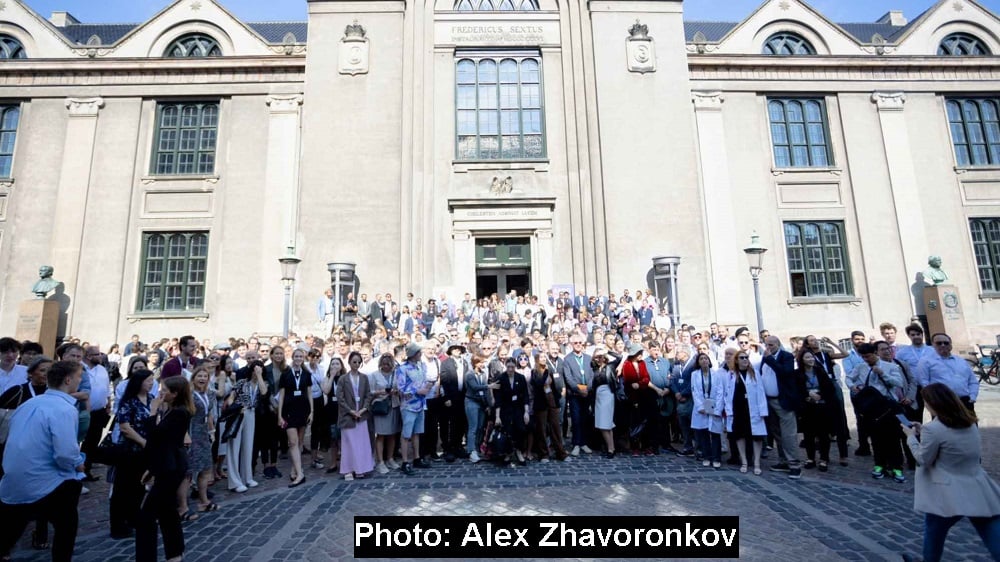
For the 11th Year in Copenhagen: Highlights from ARDD 2024
The Copenhagen-based Aging Research and Drug Discovery Meeting (ARDD) was already enormous. Last year, there were well over a thousand physical participants, and many more online, attending five days of wall-to-wall talks: more than a hundred in total. We called it “the mother of all longevity
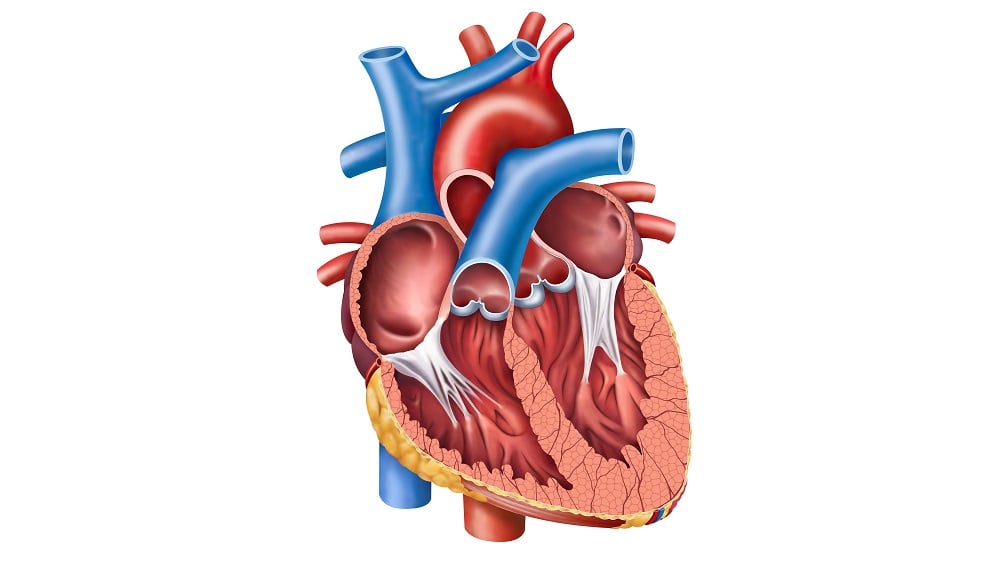
The Ventricles of the Heart Age Differently
In Aging Cell, researchers have published their findings on how the right ventricle of the heart ages differently from the left one. Not just organs, but parts of organs Research on aging has agreed that organs age differently: that the arteries, brain tissue, muscles, and skin,