


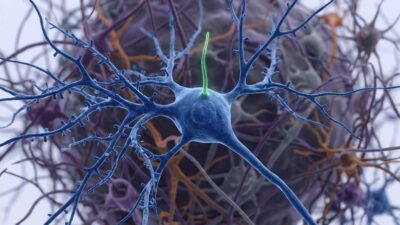


How Aging Leads to a Gene Transcription Problem
In Nature Genetics, researchers have described how a defect in RNA transcription constitutes a previously undiscovered mechanism of aging. When the blueprint becomes harder to read Gene expression begins when

Rejuvenating Cells with Epigenetic Reprogramming
The authors of a recent review published in Ageing Research Reviews summarize the research on epigenetic reprogramming and its potential as a rejuvenation therapy [1]. Epigenetics in aging Aging leads

Mutation-Carrying CAR T Cells Eradicate Cancer in Mice
Scientists have found that giving CAR T cells a particular oncogenic mutation greatly improves their efficiency against blood and solid cancers [1]. Less than cancer One reason why cancer is

Predicting Dementia a Decade in Advance
In Nature Aging, researchers have published a method of predicting dementia over a decade before it actually occurs. Early detection was known to be possible It has been known that

Reversing Senescence in Cells Using Ultrasound
A new study claims that low-frequency ultrasound can reverse aspects of replicative and chemically induced senescence in vitro [1]. Not just chemicals The age-related increase in senescent cell burden is

Exhausted Microglia Accumulate in Alzheimer’s
A recent paper published in Immunity has described the accumulation of exhausted microglia in the brains of people who are vulnerable to Alzheimer’s, potentially spurring and worsening the disease. Proteostasis

Caloric Restriction Extends Reproductive Lifespan in Hens
According to a new study, prolonged severe caloric restriction in hens, known as “molting”, restores their egg-laying capacity, slows aging, and increases survival [1]. Lay fast, die young The domestic

Chitosan Treatment Reduces Ovarian Senescence in Mice
Recent research published in Immunity and Ageing suggests that chitosan can be used as a potential treatment to alleviate some of the aging processes in ovaries [1]. Quickly declining fertility

New Combination Therapy Eradicates Cancer in Mice
Scientists have discovered a mechanism that lets senescent tumor cells undermine chemotherapy. With this mechanism blocked, standard chemotherapy led to complete regression of mammary tumors in mice [1]. Senescent yet

Stress Impairs Gut Health via the Microbiome
A new study done in mice sheds light on how mental stress contributes to intestinal problems by altering microbiome composition [1]. Mind over matter Some experiences are not called “gut-wrenching”
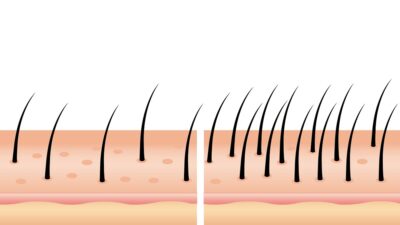
Rapamycin Rescues Hair Growth in Mice
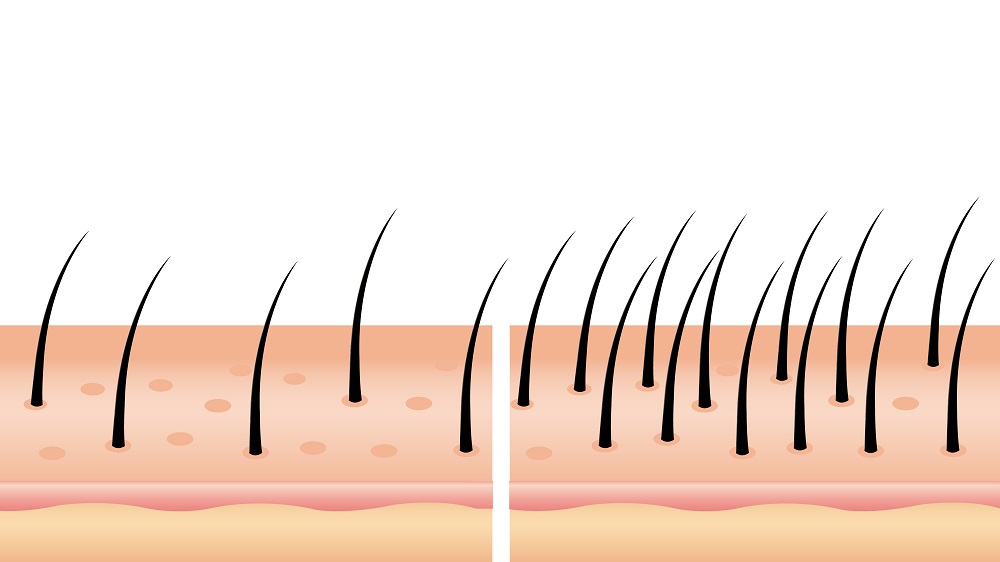
A new study has found that autophagy plays an important role in activating hair follicle stem cells and keeping the hair growth cycle going. By boosting autophagy, rapamycin improved hair
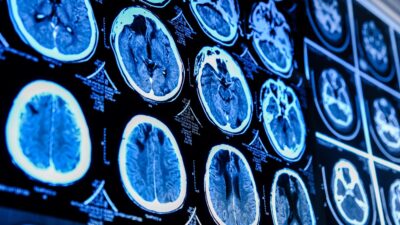
Brain Cancer and Therapy May Lead to Brain Aging
In a recent study published in Aging Cell, researchers found similarities between glioblastoma and Alzheimer’s disease patients in their gene expression and protein profiles [1]. Brain tumors and neurocognitive dysfunction

Epicatechin Protects Rats from Myocardial Infarction
A new study suggests that the flavonoid epicatechin, found in chocolate, tea, and berries, provides robust protection against reperfusion injury in myocardial infarction [1]. Reperfusion injury: friendly fire Myocardial infarction
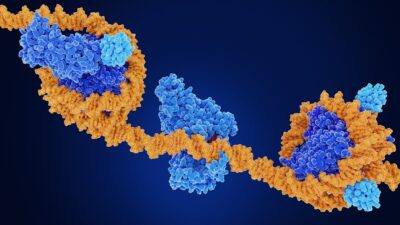
Epigenetic Reprogramming to Repair Genetic Damage
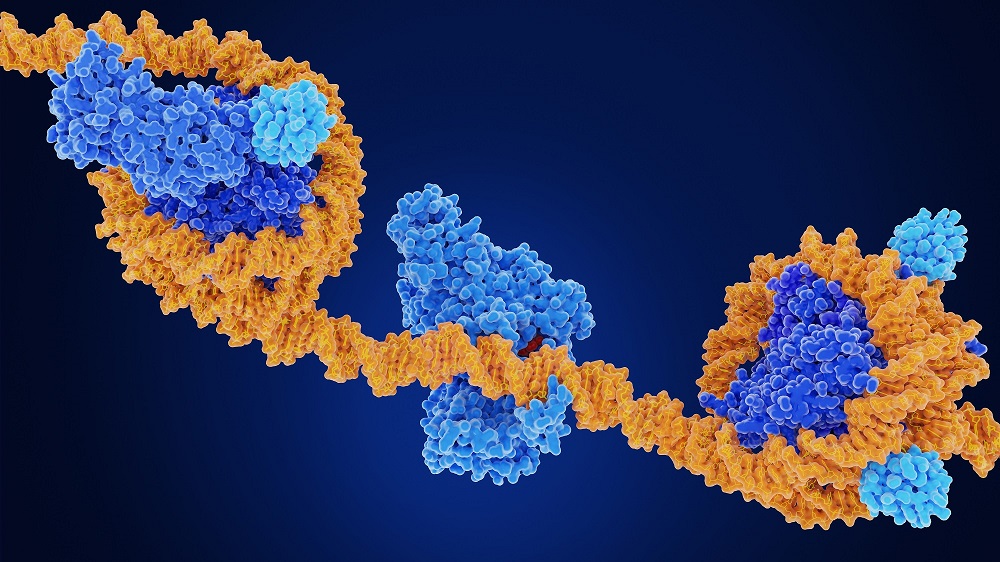
Steve Horvath, Vera Gorbunova, Alejandro Ocampo, and their team have used partial reprogramming to repair DNA damage in a mouse model. They published their findings in Frontiers in Aging. Building
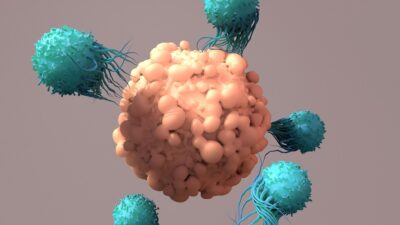
CAR T Therapy Lowers Senescence, Improves Health in Mice
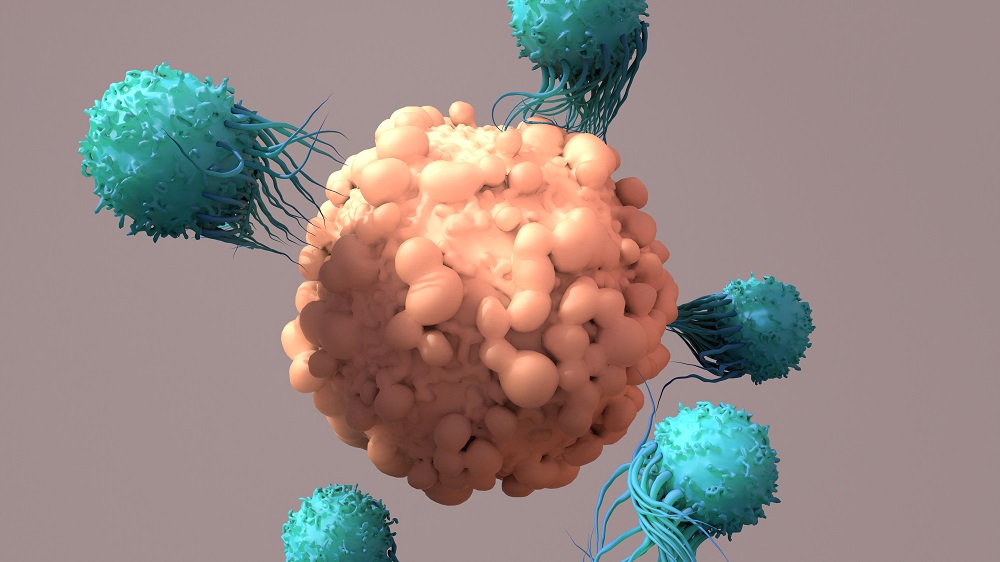
Scientists have created CAR T cells that target senescent cells. This approach alleviated metabolic dysfunction in mice [1]. Immunotherapy is not just for cancer Cellular senescence plays a complex and

How Aging Leads to a Gene Transcription Problem
In Nature Genetics, researchers have described how a defect in RNA transcription constitutes a previously undiscovered mechanism of aging. When the blueprint becomes harder to read Gene expression begins when a cell transcribes RNA from DNA protein codes. This process, like almost all others, is affected

Rejuvenating Cells with Epigenetic Reprogramming
The authors of a recent review published in Ageing Research Reviews summarize the research on epigenetic reprogramming and its potential as a rejuvenation therapy [1]. Epigenetics in aging Aging leads to changes in the epigenome. Those changes can lead to alterations in gene regulation, affecting cellular
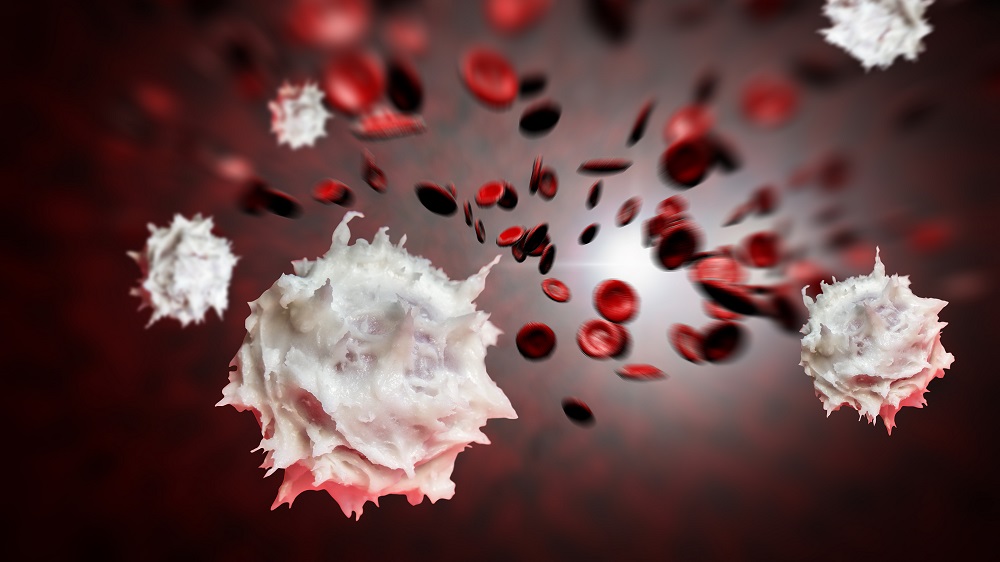
Mutation-Carrying CAR T Cells Eradicate Cancer in Mice
Scientists have found that giving CAR T cells a particular oncogenic mutation greatly improves their efficiency against blood and solid cancers [1]. Less than cancer One reason why cancer is so dangerous is that oncogenic mutations boost cancer cells’ survivability, just like a genetically modified monster

Predicting Dementia a Decade in Advance
In Nature Aging, researchers have published a method of predicting dementia over a decade before it actually occurs. Early detection was known to be possible It has been known that it is possible to observe early signs of brain deterioration years before dementia occurs [1]. However,

Reversing Senescence in Cells Using Ultrasound
A new study claims that low-frequency ultrasound can reverse aspects of replicative and chemically induced senescence in vitro [1]. Not just chemicals The age-related increase in senescent cell burden is thought to contribute to many processes of aging. Most of the attempts to deal with it

Exhausted Microglia Accumulate in Alzheimer’s
A recent paper published in Immunity has described the accumulation of exhausted microglia in the brains of people who are vulnerable to Alzheimer’s, potentially spurring and worsening the disease. Proteostasis and inflammation Alzheimer’s is characterized by amyloids, but these misfolded protein accumulations are not its only

Caloric Restriction Extends Reproductive Lifespan in Hens
According to a new study, prolonged severe caloric restriction in hens, known as “molting”, restores their egg-laying capacity, slows aging, and increases survival [1]. Lay fast, die young The domestic hen is not the go-to animal model in aging studies, but perhaps it could offer new

Chitosan Treatment Reduces Ovarian Senescence in Mice
Recent research published in Immunity and Ageing suggests that chitosan can be used as a potential treatment to alleviate some of the aging processes in ovaries [1]. Quickly declining fertility Mother Nature has imposed some tough challenges on human females. They need to make the decision

New Combination Therapy Eradicates Cancer in Mice
Scientists have discovered a mechanism that lets senescent tumor cells undermine chemotherapy. With this mechanism blocked, standard chemotherapy led to complete regression of mammary tumors in mice [1]. Senescent yet still dangerous Chemotherapy and radiation therapy, still the two most common treatments for solid tumors, subject

Stress Impairs Gut Health via the Microbiome
A new study done in mice sheds light on how mental stress contributes to intestinal problems by altering microbiome composition [1]. Mind over matter Some experiences are not called “gut-wrenching” just metaphorically, as the brain can indeed influence gastrointestinal function in a myriad of ways. While
Rapamycin Rescues Hair Growth in Mice
A new study has found that autophagy plays an important role in activating hair follicle stem cells and keeping the hair growth cycle going. By boosting autophagy, rapamycin improved hair growth in mice and in a human hair organ culture [1]. Round and round it goes

Brain Cancer and Therapy May Lead to Brain Aging
In a recent study published in Aging Cell, researchers found similarities between glioblastoma and Alzheimer’s disease patients in their gene expression and protein profiles [1]. Brain tumors and neurocognitive dysfunction The majority of patients with brain tumors develop irreversible, progressive neurocognitive dysfunction, sometimes long after their

Epicatechin Protects Rats from Myocardial Infarction
A new study suggests that the flavonoid epicatechin, found in chocolate, tea, and berries, provides robust protection against reperfusion injury in myocardial infarction [1]. Reperfusion injury: friendly fire Myocardial infarction (heart attack) is the injury caused by complete or partial cessation of blood flow to a
Epigenetic Reprogramming to Repair Genetic Damage
Steve Horvath, Vera Gorbunova, Alejandro Ocampo, and their team have used partial reprogramming to repair DNA damage in a mouse model. They published their findings in Frontiers in Aging. Building a path to rejuvenation The researchers begin their paper by discussing these four well-known factors along
CAR T Therapy Lowers Senescence, Improves Health in Mice
Scientists have created CAR T cells that target senescent cells. This approach alleviated metabolic dysfunction in mice [1]. Immunotherapy is not just for cancer Cellular senescence plays a complex and context-dependent role. It is important in organismal development and wound healing, but as the number of