

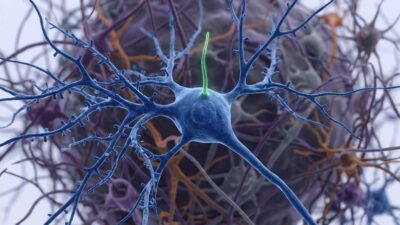



Developing Nanobodies to Fight Parkinson’s Disease
A team of researchers publishing in Nature Communications has described nanobodies that can destroy the α-synuclein aggregates that characterize Lewy bodies, which are associated with dementia and Parkinson’s disease [1].

Ghrelin Is Associated with Worse Muscle Aging in Mice
A team of researchers publishing through Multidisciplinary Digital Publishing Institute has described an association between the peptide ghrelin and skeletal muscle aging in mice [1]. An appetite stimulant with potential

VitaDAO Backs Research into Chronic Oral Disease
Periodontal disease affects more than 47% of adults aged 30 and over. For people over 65 years of age, that number rises to over 70%, making periodontitis one of the

Caloric Restriction Improves Immune System Function
A new study published in Mechanisms of Aging and Development has shown that caloric restriction effectively restores T cell abundance in aged mice [1]. Is it really just about getting

Hesperetin Upregulates Metabolism and Longevity in Mice
Researchers publishing in Journal of Biomedical Science have concluded that hesperetin, a compound found in various herbs, improves longevity in mice by promoting the expression of the pro-longevity gene Cisd2.

Epigenetic Age Acceleration Is Correlated with Mortality
In an important step for the longevity field, scientists have found that epigenetic age acceleration, as measured by four popular methylation clocks, is correlated with aging and mortality in humans
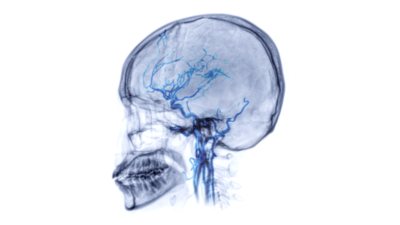
Loss of IGF-1 May Contribute to Neurovascular Aging
Researchers publishing in GeroScience have reported that the age-related decline in IGF-1 levels is associated with neurovascular aging [1]. IGF-1 and brain vasculature This paper begins with a discussion of

Social Frailty Is Correlated with All-Cause Mortality
Scientists have shown that social frailty – a composite index based on income level, household status, and social activity – significantly affects all-cause mortality in the elderly, with poverty being

NAD+ Helps Natural Killer Cells to Fight Cancer
Scientists have shown that the effectiveness of natural killer cells, a crucial component of the immune system, is directly linked to NAD+ levels [1]. Naturally deadly Natural killer cells (NK)

Oocytes Age Slowly by Remodeling Electron Transport
Scientists have discovered that immature oocytes maintain their youth by shutting down one of the protein complexes that produce energy in mitochondria [1]. Live slow, stay young Every female is
Fighting Muscle Atrophy with Gene Editing
In a new study published in Journal of Nanobiotechnology, researchers prevented muscle atrophy both in vitro and in vivo by delivering a CRISPR-Cas9 gene editing system packaged in engineered extracellular

Rejuvenating old human skin through VEGF-A
Journal Club, hosted by Dr. Oliver Medvedik, will return on July 26, 2022 12:00 PM Eastern Time. This month, we are going to be taking a look at a recent

The Evandro Fang Lab Receives VitaDAO’s Third IP-NFT Funding
On June 15, 2022, VitaDAO hosted an online IP-NFT Transfer Ceremony honoring its third project funded via an IP-NFT: Evandro Fang Lab. The finances delivered to this lab will go

The Importance of Mitochondria in Joint Health
Publishing in Aging, a team of Spanish researchers has found that changing the mitochondria of standard Black 6 mice leads to marked improvements in joint health. Conplastic mice The Black

Mild COVID Can Cause Protracted Neurological Problems
Researchers have shown that even mild SARS-CoV-2 infection can cause lingering neurological symptoms. These findings might shed light on the infamous “long COVID” [1]. Mild doesn’t mean harmless COVID survivors

Developing Nanobodies to Fight Parkinson’s Disease
A team of researchers publishing in Nature Communications has described nanobodies that can destroy the α-synuclein aggregates that characterize Lewy bodies, which are associated with dementia and Parkinson’s disease [1]. What are nanobodies? Traditional antibody therapies, while promising in some studies, are too large to enter

Ghrelin Is Associated with Worse Muscle Aging in Mice
A team of researchers publishing through Multidisciplinary Digital Publishing Institute has described an association between the peptide ghrelin and skeletal muscle aging in mice [1]. An appetite stimulant with potential side effects Ghrelin is a peptide containing 28 amino acids. Its main function is to stimulate

VitaDAO Backs Research into Chronic Oral Disease
Periodontal disease affects more than 47% of adults aged 30 and over. For people over 65 years of age, that number rises to over 70%, making periodontitis one of the most commonly observed age-related illnesses. Jonathan An’s lab seeks to research inflammation-targeting compounds that can help

Caloric Restriction Improves Immune System Function
A new study published in Mechanisms of Aging and Development has shown that caloric restriction effectively restores T cell abundance in aged mice [1]. Is it really just about getting fewer calories? Caloric restriction has become a well-known anti-aging intervention, as it can reverse several hallmarks

Hesperetin Upregulates Metabolism and Longevity in Mice
Researchers publishing in Journal of Biomedical Science have concluded that hesperetin, a compound found in various herbs, improves longevity in mice by promoting the expression of the pro-longevity gene Cisd2. Mitochondria and Cisd2 This paper begins with an explanation of mitochondrial dysfunction, one of the hallmarks

Epigenetic Age Acceleration Is Correlated with Mortality
In an important step for the longevity field, scientists have found that epigenetic age acceleration, as measured by four popular methylation clocks, is correlated with aging and mortality in humans [1]. Lack of human data Studying aging obviously requires having reliable biomarkers of aging. Epigenetic clocks

Loss of IGF-1 May Contribute to Neurovascular Aging
Researchers publishing in GeroScience have reported that the age-related decline in IGF-1 levels is associated with neurovascular aging [1]. IGF-1 and brain vasculature This paper begins with a discussion of neurovascular coupling (NVC) and its relationship to vascular dementia. Blood flow to the brain is extremely

Social Frailty Is Correlated with All-Cause Mortality
Scientists have shown that social frailty – a composite index based on income level, household status, and social activity – significantly affects all-cause mortality in the elderly, with poverty being the predominant factor [1]. There is more than one way to be frail Physical frailty is

NAD+ Helps Natural Killer Cells to Fight Cancer
Scientists have shown that the effectiveness of natural killer cells, a crucial component of the immune system, is directly linked to NAD+ levels [1]. Naturally deadly Natural killer cells (NK) are an important part of the innate immune system. They got this designation, in arguably the

Oocytes Age Slowly by Remodeling Electron Transport
Scientists have discovered that immature oocytes maintain their youth by shutting down one of the protein complexes that produce energy in mitochondria [1]. Live slow, stay young Every female is endowed with a finite number of oocytes that form before birth, then reside in the ovaries

Fighting Muscle Atrophy with Gene Editing
In a new study published in Journal of Nanobiotechnology, researchers prevented muscle atrophy both in vitro and in vivo by delivering a CRISPR-Cas9 gene editing system packaged in engineered extracellular vesicles [1]. When just using it doesn’t quite cut it Aging is accompanied by the loss

Rejuvenating old human skin through VEGF-A
Journal Club, hosted by Dr. Oliver Medvedik, will return on July 26, 2022 12:00 PM Eastern Time. This month, we are going to be taking a look at a recent paper where researchers showed that old human skin rejuvenated when implanted in young mice [1]. The

The Evandro Fang Lab Receives VitaDAO’s Third IP-NFT Funding
On June 15, 2022, VitaDAO hosted an online IP-NFT Transfer Ceremony honoring its third project funded via an IP-NFT: Evandro Fang Lab. The finances delivered to this lab will go toward further research into identifying novel mitophagy inducers that contribute to healthy brain aging and longevity.

The Importance of Mitochondria in Joint Health
Publishing in Aging, a team of Spanish researchers has found that changing the mitochondria of standard Black 6 mice leads to marked improvements in joint health. Conplastic mice The Black 6 mouse is well-known in research as a standard in the industry. However, it is not

Mild COVID Can Cause Protracted Neurological Problems
Researchers have shown that even mild SARS-CoV-2 infection can cause lingering neurological symptoms. These findings might shed light on the infamous “long COVID” [1]. Mild doesn’t mean harmless COVID survivors sometimes experience cognitive symptoms, such as “brain fog”, that can linger for months. Those symptoms can