




Impact of Off-Label Low-Dose Rapamycin on Healthy Adults
A team of scientists has reviewed the clinical data regarding low-dose rapamycin therapy in healthy adults. They concluded that, while there is plenty of preclinical data regarding the impact of
Partial Reprogramming Enhances Nerve Repair in Rats
In Advanced Science, a team of researchers has explained how partial cellular reprogramming through the OSKM factors restores nerve repair ability to older animals. Stress as a signal This paper
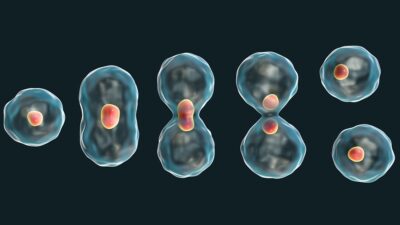
Cell Cycle Stage Impacts the Efficacy of Senotherapeutics
A recent study reported that the effectiveness of the senotherapeutic drug ABT-263 depends on the cell’s DNA content, which is based on the cell cycle phase at which the senescent
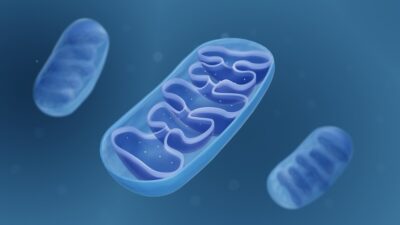
Faulty Mitochondrial DNA Copying Might Cause Inflammaging
Scientists have discovered a possible mechanism behind age-related inflammation. It involves wrong building blocks being incorporated into mitochondrial DNA during replication and can be countered by adding the correct ones
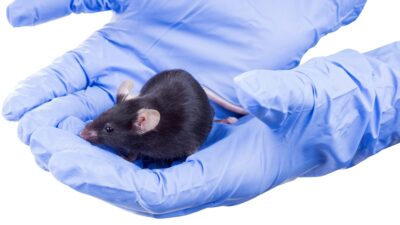
A Combination Greatly Extends Lifespan in Male Mice
The Conboy lab in Berkeley has discovered a treatment combination that greatly extends lifespan in old male mice and published its findings in Aging. A combination with systemic effects The
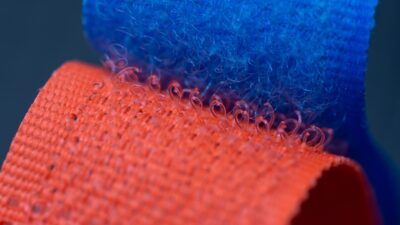
New Universal Therapy Effective in Multiple Tumor Types
Scientists have reported a breakthrough in treating solid tumor cancers using a Velcro-like tool that targets glycans, surface sugars especially abundant in cancer cells. This potentially off-the-shelf therapy does not
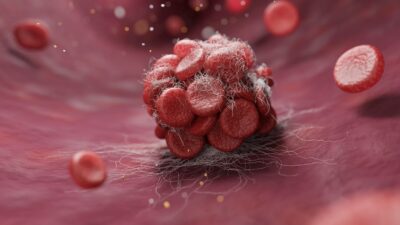
A Potential Reason Why Clotting Increases With Age
In Aging Cell, researchers have described a method by which platelet-forming cells are rapidly generated from hematopoietic stem cells (HSCs), bypassing the intermediate cell types that are normally used to

Personalized Medicine Approach to Senolytics Clinical Trials
Recent commentary in Nature Aging summarized the results of clinical trials for senolytics and discussed recommendations for future clinical trials that use personalized medicine approaches [1]. From basic science to

Lipid Metabolism Is Causal in Some Alzheimer’s Cases
In Aging Cell, researchers have outlined the relationship between Alzheimer’s, increased pain sensitivity, and the enzyme LPCAT2. Pain is among the earliest signs The key characteristics of Alzheimer’s disease, such

Partial Reprogramming Rejuvenates Aged Cells and Tissues
In a recent study, researchers investigated aging- and disease-associated changes in gene expression related to epithelial-mesenchymal transition. Inducing the Yamanaka factors in mice allowed them to rejuvenate cells and tissues

How Macrophages Manage Obesity and Change With Age
In Nature Aging, researchers have identified and categorized several macrophage subtypes, including a subtype that appears with aging and another that manages nerve function. Not all macrophages follow the same
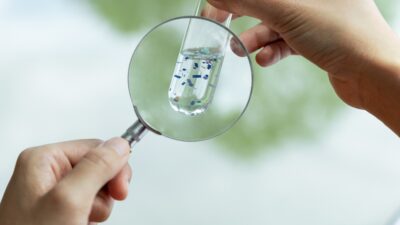
Microplastics Cause Cognitive Deficits in APOE4 Mice
Scientists have demonstrated that short-term exposure to microplastics causes Alzheimer’s-like effects in mice expressing human APOE4 versus APOE3. These effects were sex-dependent, mirroring the disease in humans [1]. Microplastics and

Regular Glucosamine Use Linked to Fewer Chronic Diseases
An analysis of UK Biobank data showed an association between regular glucosamine use and significantly lower risks of seven non-communicable chronic diseases [1]. A common supplement Glucosamine, a sugar molecule
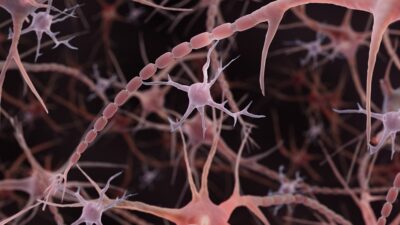
Microglial Aging Is Determined by Their Environment
A new preprint study from Calico has found that the local brain environment is the primary driver of microglial aging. After being transplanted into old brains, young cells adopted aged

Study Boosts Brain Mitochondria, Rescues Memory in Mice
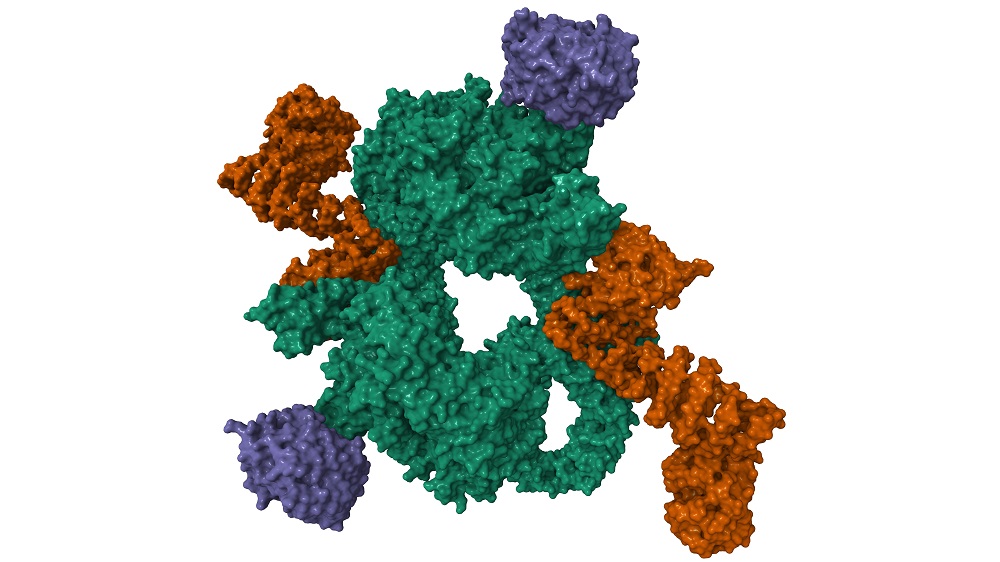
Scientists have found a way to directly stimulate the assembly of Complex I in mitochondria, rescuing memory deficits in mouse models of Alzheimer’s and frontotemporal dementia [1]. Mitochondrial signal transducers
Impact of Off-Label Low-Dose Rapamycin on Healthy Adults
A team of scientists has reviewed the clinical data regarding low-dose rapamycin therapy in healthy adults. They concluded that, while there is plenty of preclinical data regarding the impact of rapamycin, there is no sufficient evidence that low-dose rapamycin use can extend healthspan and lifespan in
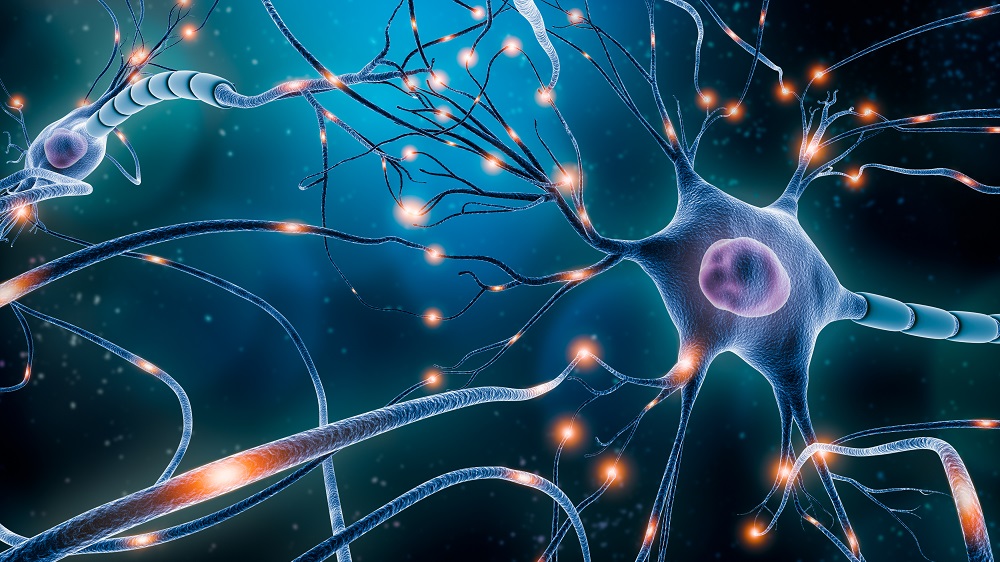
Partial Reprogramming Enhances Nerve Repair in Rats
In Advanced Science, a team of researchers has explained how partial cellular reprogramming through the OSKM factors restores nerve repair ability to older animals. Stress as a signal This paper focuses on Schwann cells, glial cells that are often responsible for maintaining the protective sheaths of
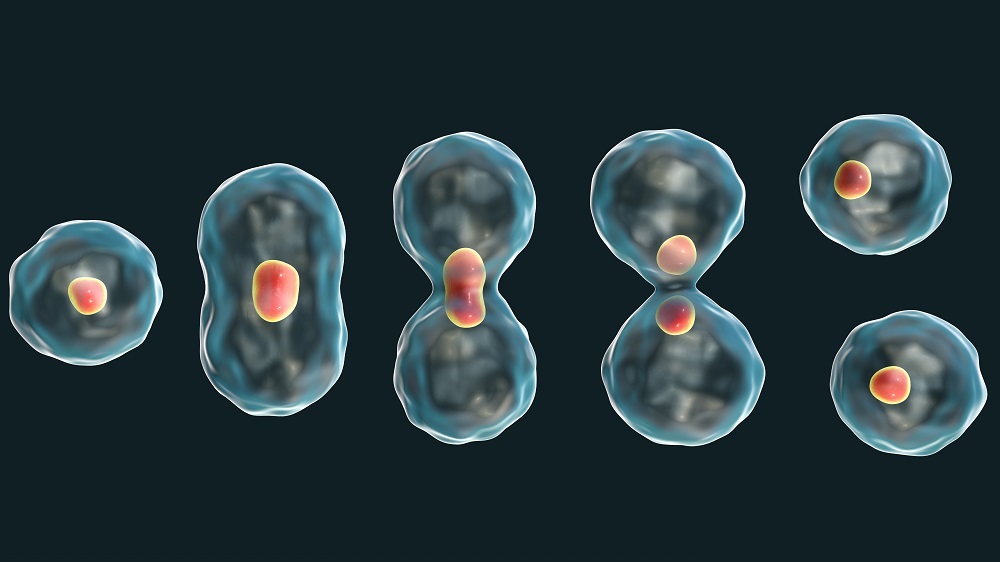
Cell Cycle Stage Impacts the Efficacy of Senotherapeutics
A recent study reported that the effectiveness of the senotherapeutic drug ABT-263 depends on the cell’s DNA content, which is based on the cell cycle phase at which the senescent cell was arrested [1]. A personalized approach Last week, we discussed clinical trials of senolytics and
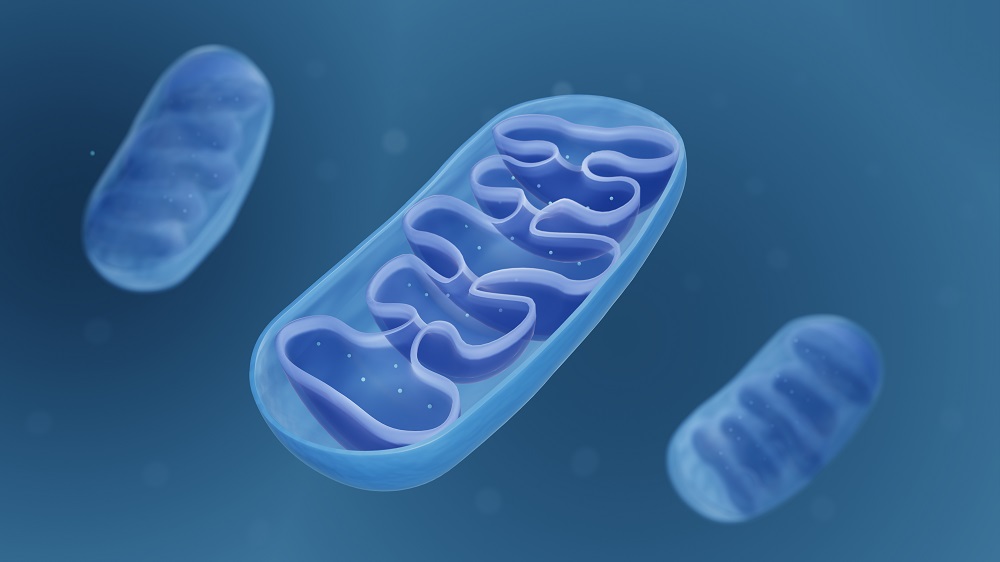
Faulty Mitochondrial DNA Copying Might Cause Inflammaging
Scientists have discovered a possible mechanism behind age-related inflammation. It involves wrong building blocks being incorporated into mitochondrial DNA during replication and can be countered by adding the correct ones [1]. Too similar to bacteria Mitochondria, the cells’ energy-producing organelles, are considered to have developed from
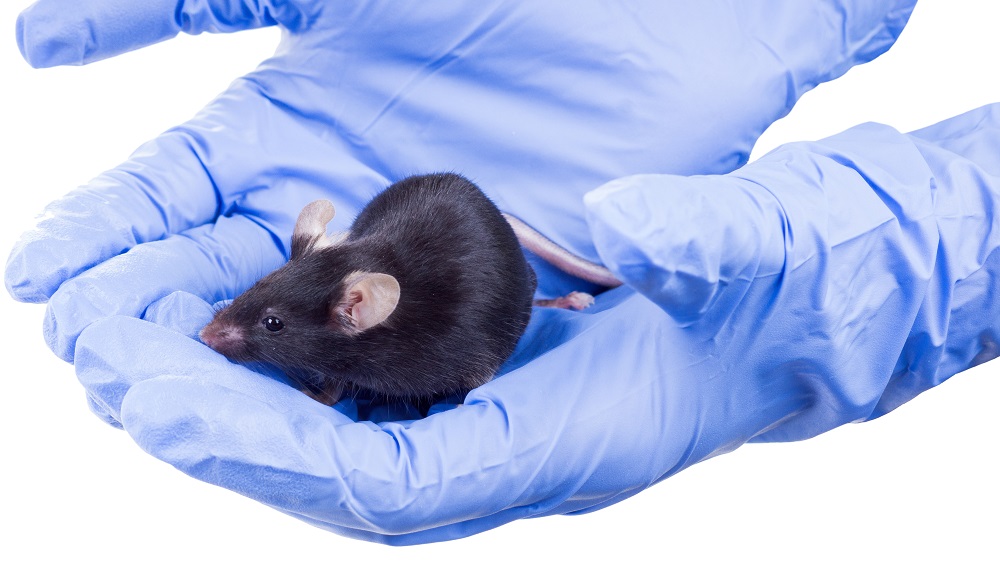
A Combination Greatly Extends Lifespan in Male Mice
The Conboy lab in Berkeley has discovered a treatment combination that greatly extends lifespan in old male mice and published its findings in Aging. A combination with systemic effects The researchers begin this paper with a discussion of well-known interventions and their drawbacks. For example, they
New Universal Therapy Effective in Multiple Tumor Types
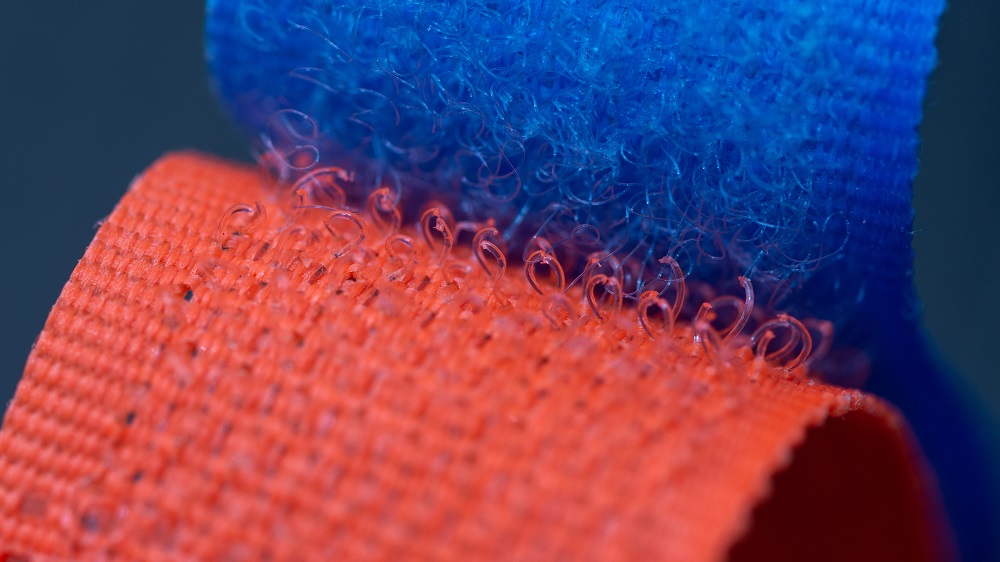
Scientists have reported a breakthrough in treating solid tumor cancers using a Velcro-like tool that targets glycans, surface sugars especially abundant in cancer cells. This potentially off-the-shelf therapy does not need adjustment to individual cancer types or patients. No sugarcoating this Antibody-based cancer immunotherapies, such as
A Potential Reason Why Clotting Increases With Age
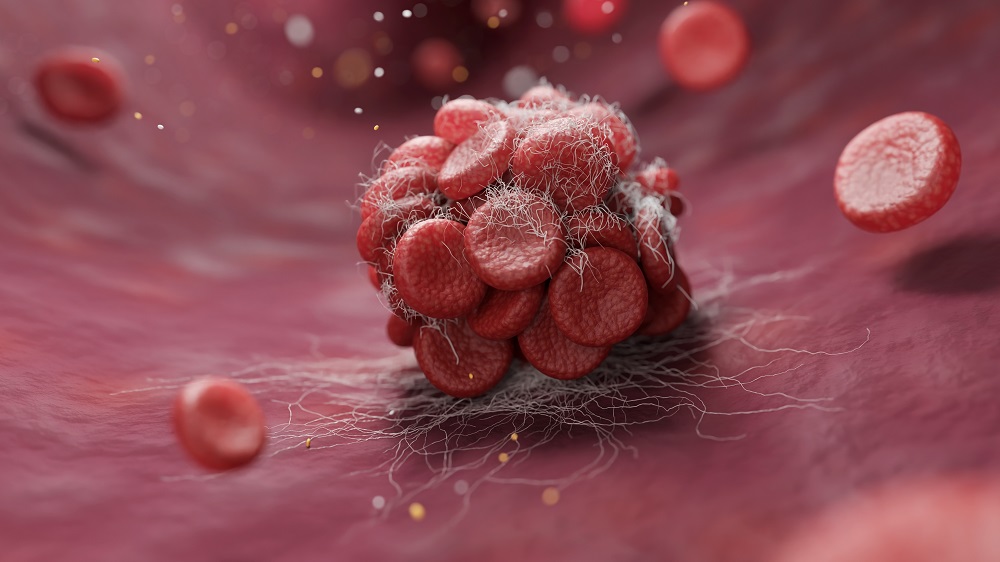
In Aging Cell, researchers have described a method by which platelet-forming cells are rapidly generated from hematopoietic stem cells (HSCs), bypassing the intermediate cell types that are normally used to get there. Canonical and non-canonical formation It is well known that blood clots, which form when

Personalized Medicine Approach to Senolytics Clinical Trials
Recent commentary in Nature Aging summarized the results of clinical trials for senolytics and discussed recommendations for future clinical trials that use personalized medicine approaches [1]. From basic science to clinical trials Destroying senescent cells using senolytics may mitigate some aging-associated symptoms or diseases. Preclinical studies

Lipid Metabolism Is Causal in Some Alzheimer’s Cases
In Aging Cell, researchers have outlined the relationship between Alzheimer’s, increased pain sensitivity, and the enzyme LPCAT2. Pain is among the earliest signs The key characteristics of Alzheimer’s disease, such as cognitive decline and brain deterioration, are very well-known [1]. However, other symptoms, such as pain

Partial Reprogramming Rejuvenates Aged Cells and Tissues
In a recent study, researchers investigated aging- and disease-associated changes in gene expression related to epithelial-mesenchymal transition. Inducing the Yamanaka factors in mice allowed them to rejuvenate cells and tissues and reverse some of these aging-associated changes [1]. Rejuvenating cellular identity Aging-related epigenetic changes result in

How Macrophages Manage Obesity and Change With Age
In Nature Aging, researchers have identified and categorized several macrophage subtypes, including a subtype that appears with aging and another that manages nerve function. Not all macrophages follow the same rules Macrophages declining with age is a well-known problem, and many proposed solutions involve changing their
Microplastics Cause Cognitive Deficits in APOE4 Mice
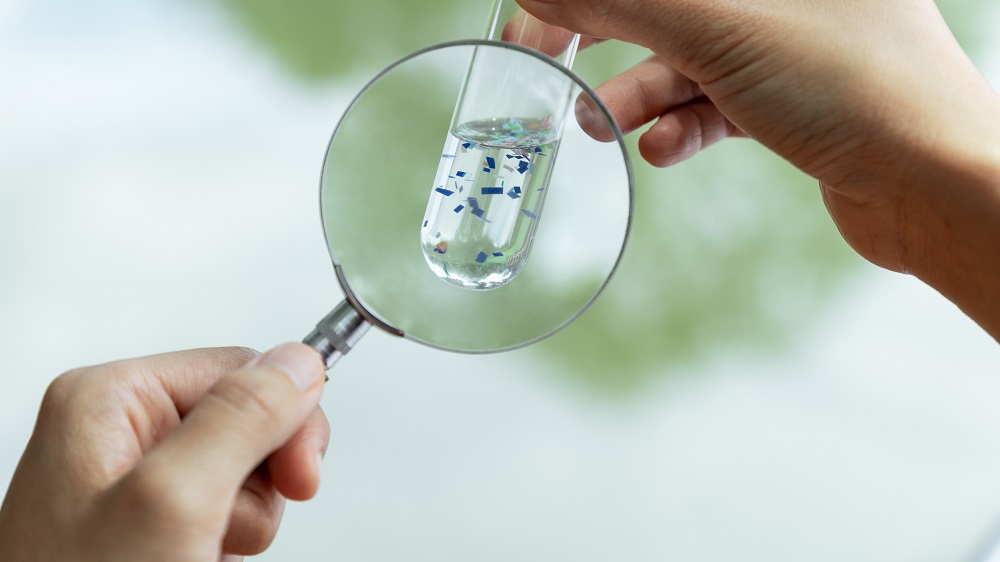
Scientists have demonstrated that short-term exposure to microplastics causes Alzheimer’s-like effects in mice expressing human APOE4 versus APOE3. These effects were sex-dependent, mirroring the disease in humans [1]. Microplastics and the brain Exposure to tiny particles that plastic products shed (microplastics) has been linked to increased
Regular Glucosamine Use Linked to Fewer Chronic Diseases
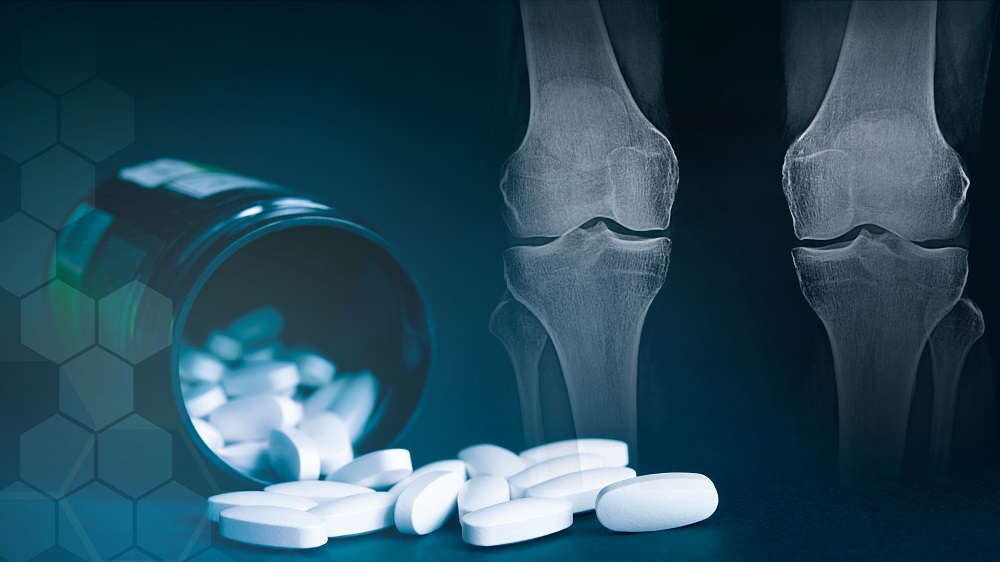
An analysis of UK Biobank data showed an association between regular glucosamine use and significantly lower risks of seven non-communicable chronic diseases [1]. A common supplement Glucosamine, a sugar molecule with an amine group (amino sugar), is a supplement used by almost 20% of middle-aged adults
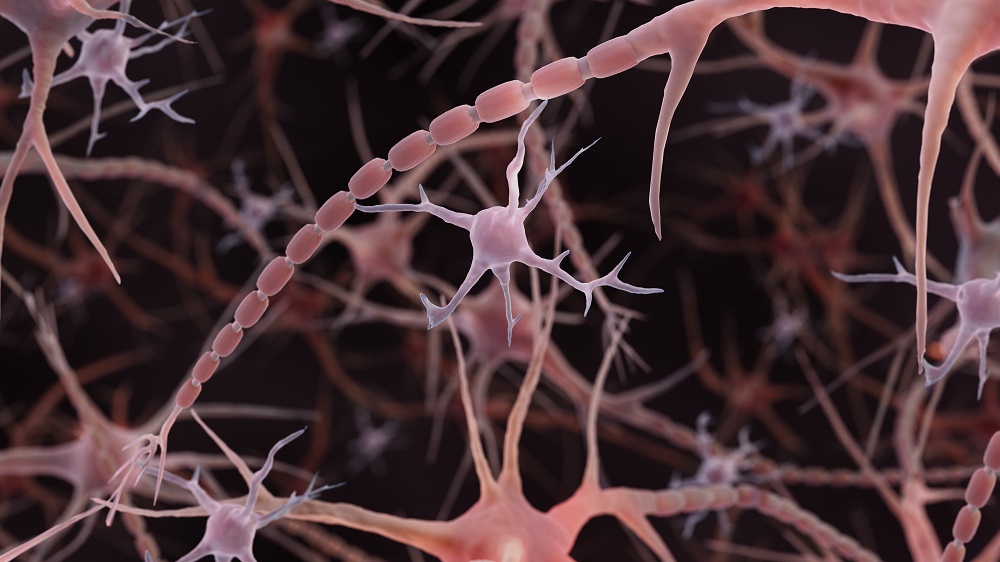
Microglial Aging Is Determined by Their Environment
A new preprint study from Calico has found that the local brain environment is the primary driver of microglial aging. After being transplanted into old brains, young cells adopted aged characteristics, but their susceptibility to these signals could be turned off [1]. Microglia grow old and

Study Boosts Brain Mitochondria, Rescues Memory in Mice
Scientists have found a way to directly stimulate the assembly of Complex I in mitochondria, rescuing memory deficits in mouse models of Alzheimer’s and frontotemporal dementia [1]. Mitochondrial signal transducers Many neurodegenerative diseases, such as Alzheimer’s disease, are associated with mitochondrial dysfunction [2], which might lead