



Avoiding Osteoporosis with Alpha-Ketoglutarate
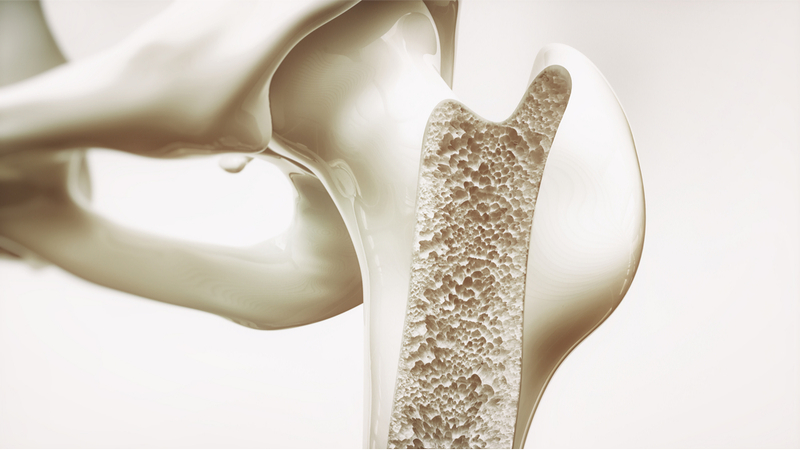
Research on rodents shows that alpha-ketoglutarate could be an effective way to treat or even prevent osteoporosis [1]. Feeling frail Osteoporosis increases the risk of bone fractures in older people,

Inflammation Decreases NAD+ During Aging
Nicotinamide adenine dinucleotide (NAD+) is a coenzyme found in all living cells and is essential for cells to work; without it, life would be impossible. The connection between aging and

Diluting Aged Blood Rejuvenates Old Brains
There has been a great deal of interest in the last few years in the potential regenerative properties of blood factors. This has led to two broad schools of thought:

Aged Blood Makes Young Cells Old
A team of researchers, including Dr. Tony Wyss-Coray, co-founder of Alkahest, has discovered that exposing young cells to aged blood makes their gene expression like old cells. Signaling cells to
Researchers Use Lung Organoids to Study COVID
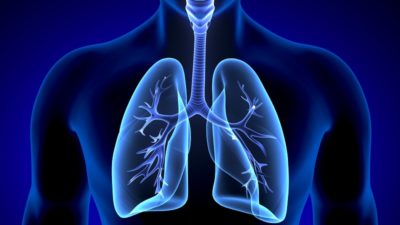
Using a novel 3D lung organoid model, new research published in Cell Stem Cell has shed light on the body’s infection response to COVID-19. Generating lung tissue in vitro Lung

AI and Longevity Meet in a New Book
Artificial intelligence is the next big thing in medicine, or, using Silicon Valley’s jargon, the next big disruptor. Not a thing of the future, AI is already here, changing our

OneSkin Has Released a Senotherapeutic Skin Cream
If there is one thing about aging research that is almost sure to grab public attention, it is something that has a visible effect. A new product on the market

The Extracellular Matrix Is Key to Heart Health
A new article published by the International Journal of Molecular Sciences sheds light on the differences between the extracellular matrix (ECM) of healthy people and people in end-stage heart failure.

Metformin and Resistance Training: Downside and Upside
A new study published in Aging has shown that although taking metformin while undergoing resistance training limits muscle growth, it promotes youthful gene expression. The downside As the researchers of

Cartilage Regeneration Accomplished in Vitro
New research published in Stem Cell Research and Therapy has improved the regenerative potential of chondrocytes in vitro. The challenges of cartilage regeneration Regenerative medicine strategies aim to regenerate the

Breanna Deutsch Explains How to Find the Fountain
Aging research is still an emerging field, and its emergence has been laden with difficulties. Until recently, the budgets were scarce, the ideas ridiculed, and public involvement nonexistent. The tide

Partial Cellular Reprogramming Improves Memory in Old Mice
Today, we want to highlight another study that takes us a step closer to getting partial cellular reprogramming to the clinic. Can we both have our cake and eat it?

A Genetic Footprint of Aging
A new analysis has revealed a core set of genes involved in aging in both humans and mice. Together with a broader set of age-related genes assembled by the study

Generating Neural Progenitor Cells from iPSCs
The latest research published in the Journal of Tissue Engineering and Regenerative Medicine has reprogrammed pig fibroblast cells into neural progenitor cells.

A New Mechanism of Telomere Lengthening in T Cells Discovered
An international collective of scientists has discovered a new cellular process: telomere transfer from antigen-presenting cells to T cells that boosts the latter’s lifespan and proliferative potential [1]. T cells,
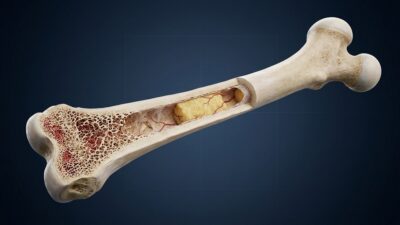
Avoiding Osteoporosis with Alpha-Ketoglutarate
Research on rodents shows that alpha-ketoglutarate could be an effective way to treat or even prevent osteoporosis [1]. Feeling frail Osteoporosis increases the risk of bone fractures in older people, harming them as individuals and increasing the load on hospitals as the average age of the

Inflammation Decreases NAD+ During Aging
Nicotinamide adenine dinucleotide (NAD+) is a coenzyme found in all living cells and is essential for cells to work; without it, life would be impossible. The connection between aging and the accompanying loss of NAD+ has been the subject of much research, and a new study

Diluting Aged Blood Rejuvenates Old Brains
There has been a great deal of interest in the last few years in the potential regenerative properties of blood factors. This has led to two broad schools of thought: one in which there are regenerative factors in young blood that can be isolated, and another

Aged Blood Makes Young Cells Old
A team of researchers, including Dr. Tony Wyss-Coray, co-founder of Alkahest, has discovered that exposing young cells to aged blood makes their gene expression like old cells. Signaling cells to act older We have known from the heterochronic parabiosis and plasmapheresis research performed by Dr. Irina

Researchers Use Lung Organoids to Study COVID
Using a novel 3D lung organoid model, new research published in Cell Stem Cell has shed light on the body’s infection response to COVID-19. Generating lung tissue in vitro Lung tissue regeneration is an elusive scientific goal that would have a major implications for treating patients

AI and Longevity Meet in a New Book
Artificial intelligence is the next big thing in medicine, or, using Silicon Valley’s jargon, the next big disruptor. Not a thing of the future, AI is already here, changing our lives, and soon our healthcare, beyond recognition. Given how rapidly AI is invading the field of

OneSkin Has Released a Senotherapeutic Skin Cream
If there is one thing about aging research that is almost sure to grab public attention, it is something that has a visible effect. A new product on the market that claims to reduce senescent cells in aged skin could achieve that, assuming that the pending

The Extracellular Matrix Is Key to Heart Health
A new article published by the International Journal of Molecular Sciences sheds light on the differences between the extracellular matrix (ECM) of healthy people and people in end-stage heart failure. The key to the heart could be its ECM Regeneration of heart tissue following a heart

Metformin and Resistance Training: Downside and Upside
A new study published in Aging has shown that although taking metformin while undergoing resistance training limits muscle growth, it promotes youthful gene expression. The downside As the researchers of this study point out, previous research shows that taking metformin while undergoing physical resistance training (PRT)

Cartilage Regeneration Accomplished in Vitro
New research published in Stem Cell Research and Therapy has improved the regenerative potential of chondrocytes in vitro. The challenges of cartilage regeneration Regenerative medicine strategies aim to regenerate the natural cartilage itself to its former glory. This can be either by kick-starting the body’s own

Breanna Deutsch Explains How to Find the Fountain
Aging research is still an emerging field, and its emergence has been laden with difficulties. Until recently, the budgets were scarce, the ideas ridiculed, and public involvement nonexistent. The tide is turning, with more private and institutional players eager to spend money and effort on the

Partial Cellular Reprogramming Improves Memory in Old Mice
Today, we want to highlight another study that takes us a step closer to getting partial cellular reprogramming to the clinic. Can we both have our cake and eat it? As previous studies [1] have taught us, partial cellular reprogramming is a balancing act of epigenetically

A Genetic Footprint of Aging
A new analysis has revealed a core set of genes involved in aging in both humans and mice. Together with a broader set of age-related genes assembled by the study [1], this resource will serve as a launching point for further investigations of the mechanisms behind

Generating Neural Progenitor Cells from iPSCs
The latest research published in the Journal of Tissue Engineering and Regenerative Medicine has reprogrammed pig fibroblast cells into neural progenitor cells.

A New Mechanism of Telomere Lengthening in T Cells Discovered
An international collective of scientists has discovered a new cellular process: telomere transfer from antigen-presenting cells to T cells that boosts the latter’s lifespan and proliferative potential [1]. T cells, an important element of our adaptive immune system, are born as non-proliferating cells and, as such,