

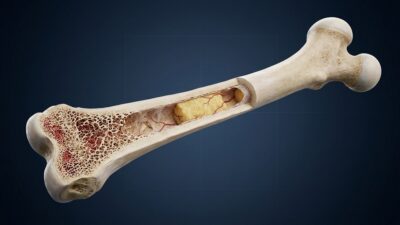

A New Likely Mechanism Behind Osteoporosis Discovered
A group of Japanese scientists has found that advanced glycation end products (AGEs) tend to accumulate in osteoblasts with age, inducing apoptosis via endoplasmic reticulum stress. This mechanism likely contributes

Niacin Increases NAD+ Significantly in Human Trial
Researchers have concluded a human trial using niacin, a very old vitamin discovered over 80 years ago, and have shown that it can increase the presence of an energy compound

Update from CellAge
Today is one of those days when we must deliver some bad news. Science is hard, particularly when it concerns the biology of aging, and things do not always go

Alkahest Human Trial to Address Cognitive Impairment
Alkahest has announced plans to launch a Phase 2 clinical trial that aims to address cognitive impairment and takes the unusual approach of using an external medical device that filters
The CellAge Database with Dr. João Pedro de Magalhães
On Tuesday, June 30, the Journal Club returns, and our special guest Dr. João Pedro de Magalhães will be giving a talk and taking questions about the CellAge database. Dr.

New Epigenetic Clock Can Help Discover Anti-Aging Drugs
Researchers have proposed a new epigenetic clock designed to measure subtle epigenetic changes in vitro [1]. They hope that their discovery will help to expedite the creation of new anti-aging

A Vaccine for Senescent Cells
Could a vaccine approach to removing harmful senescent cells that accumulate with age be an alternative to senolytic drugs, which destroy them? Some researchers certainly believe it might and have

The CellAge Database Charts Cellular Senescence
The Human Ageing Genomic Resources (HAGR) is a collection of curated databases and tools designed to help researchers study the genetics of human aging through modern approaches such as functional
A New Method for Detecting Mitophagy
Researchers from the Laboratory for Cell Function Dynamics in Japan have developed a new method for detecting mitophagy, the process of recycling damaged mitochondria. The Necessity of Mitophagy Our mitochondria

lifespan.io Appears on the Damage Report
As part of our mission to engage the wider public audience, Lifespan.io President Keith Comito has recently appeared on the Damage Report, a politics and current events show hosted by
The Plasma Proteome Reveals a New Target for Osteoporosis
Recently, a group of South Korean scientists has analyzed the blood proteome of mice to determine how it changes with age and to identify aging-related proteins that have previously eluded

NAD+ and the Circadian Rhythm
A new study may shed some light on how aging and circadian rhythms may be linked by discovering a role for nicotinamide adenine dinucleotide (NAD+) in preventing the age-related disruption

SYK Inhibitors May Be a New Class of Senolytics
At this moment in history, the study of the biology of aging frequently brings us new discoveries, and today is no exception. Researchers have discovered a new drug that appears

New Possible Treatment for Osteoarthritis Reported
Researchers have successfully reversed the course of osteoarthritis in rats by combining two molecules, one of which, a-Klotho, has long been a popular subject of anti-aging research. A classic age-related
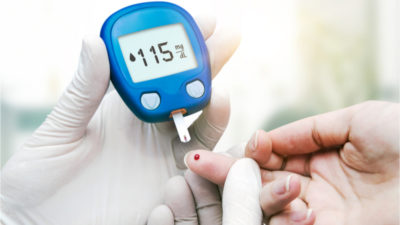
Metformin Enhances Autophagy and Alleviates Inflammaging
A recent study published in Cell Metabolism has shown that metformin, a drug that has been previously shown to be effective against some aspects of aging, ameliorates inflammaging by promoting

A New Likely Mechanism Behind Osteoporosis Discovered
A group of Japanese scientists has found that advanced glycation end products (AGEs) tend to accumulate in osteoblasts with age, inducing apoptosis via endoplasmic reticulum stress. This mechanism likely contributes to the development of osteoporosis [1]. AGEs and age Advanced glycation end-products, fittingly abbreviated as AGEs,

Niacin Increases NAD+ Significantly in Human Trial
Researchers have concluded a human trial using niacin, a very old vitamin discovered over 80 years ago, and have shown that it can increase the presence of an energy compound essential to cellular function. Niacin and NAD+ Niacin is a form of water-soluble vitamin B3 and

Update from CellAge
Today is one of those days when we must deliver some bad news. Science is hard, particularly when it concerns the biology of aging, and things do not always go to plan. There are no guarantees that a project will succeed, and, quite simply, the more
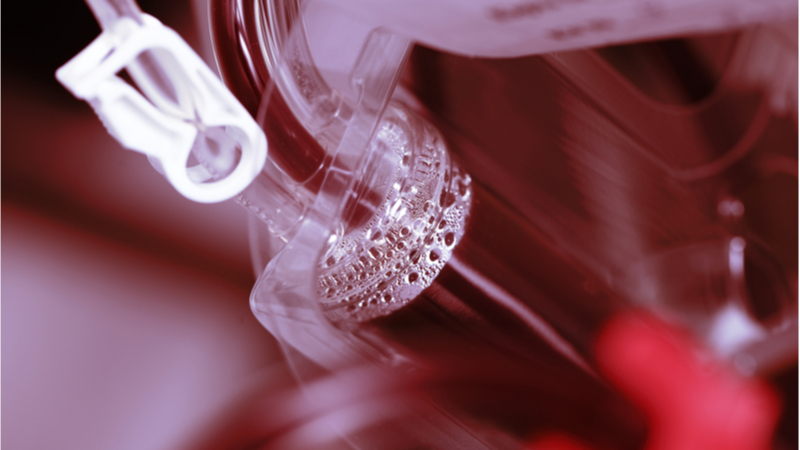
Alkahest Human Trial to Address Cognitive Impairment
Alkahest has announced plans to launch a Phase 2 clinical trial that aims to address cognitive impairment and takes the unusual approach of using an external medical device that filters a harmful protein from the blood of end-stage renal disease patients. The medical device, known as

The CellAge Database with Dr. João Pedro de Magalhães
On Tuesday, June 30, the Journal Club returns, and our special guest Dr. João Pedro de Magalhães will be giving a talk and taking questions about the CellAge database. Dr. João Pedro de Magalhães and his team at the University of Liverpool recently published a new

New Epigenetic Clock Can Help Discover Anti-Aging Drugs
Researchers have proposed a new epigenetic clock designed to measure subtle epigenetic changes in vitro [1]. They hope that their discovery will help to expedite the creation of new anti-aging drugs. Measuring biological age Aging research is all about the difference between chronological and biological age.

A Vaccine for Senescent Cells
Could a vaccine approach to removing harmful senescent cells that accumulate with age be an alternative to senolytic drugs, which destroy them? Some researchers certainly believe it might and have published a new mouse study showing just that. What are senescent cells? As you age, increasing

The CellAge Database Charts Cellular Senescence
The Human Ageing Genomic Resources (HAGR) is a collection of curated databases and tools designed to help researchers study the genetics of human aging through modern approaches such as functional genomics, network analyses, systems biology and evolutionary analyses. One of the many databases in the HAGR
A New Method for Detecting Mitophagy
Researchers from the Laboratory for Cell Function Dynamics in Japan have developed a new method for detecting mitophagy, the process of recycling damaged mitochondria. The Necessity of Mitophagy Our mitochondria are the powerhouses of our cells, turning the food we eat into ATP, the form of

lifespan.io Appears on the Damage Report
As part of our mission to engage the wider public audience, Lifespan.io President Keith Comito has recently appeared on the Damage Report, a politics and current events show hosted by John Iadarola, political host for the online news network The Young Turks. Regardless of anyone’s political
The Plasma Proteome Reveals a New Target for Osteoporosis
Recently, a group of South Korean scientists has analyzed the blood proteome of mice to determine how it changes with age and to identify aging-related proteins that have previously eluded researchers. After identifying several such proteins, the group focused on a specific protein, cadherin-13, that seems

NAD+ and the Circadian Rhythm
A new study may shed some light on how aging and circadian rhythms may be linked by discovering a role for nicotinamide adenine dinucleotide (NAD+) in preventing the age-related disruption of circadian rhythms in mice. A circadian rhythm is an automatic process that regulates a cycle

SYK Inhibitors May Be a New Class of Senolytics
At this moment in history, the study of the biology of aging frequently brings us new discoveries, and today is no exception. Researchers have discovered a new drug that appears to destroy lingering senescent cells, and it achieves this without using any of the previously known

New Possible Treatment for Osteoarthritis Reported
Researchers have successfully reversed the course of osteoarthritis in rats by combining two molecules, one of which, a-Klotho, has long been a popular subject of anti-aging research. A classic age-related disease Osteoarthritis (OA) is a classic example of a wear-and-tear disease. Its manifestations are in the

Metformin Enhances Autophagy and Alleviates Inflammaging
A recent study published in Cell Metabolism has shown that metformin, a drug that has been previously shown to be effective against some aspects of aging, ameliorates inflammaging by promoting autophagy, the cellular recycling of damaged components. Mitochondrial dysfunction, autophagy, and TH17 Mitochondrial dysfunction is one