

November 06, 2026
In a clinical trial, the supplement NOVOS Core was associated with significant improvements in artery function and systolic blood pressure. It is unknown which particular ingredients are responsible for the effect [1]. To the Core of the matter Led by Christian Heiss, Professor of Cardiovascular Medicine, researchers at the University of Surrey put NOVOS Core,...
August 10, 2026
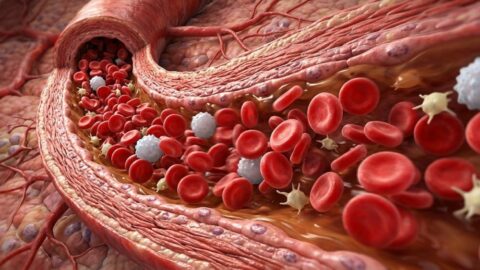
Researchers have discovered why the protein AGGF1 has significant effects on blood pressure and published their findings in Aging Cell. Blood pressure is a condition of its own The authors begin their paper by discussing high blood pressure (hypertension), one of the most commonly known medical issues and a significant contributor to both disability and...
June 19, 2026
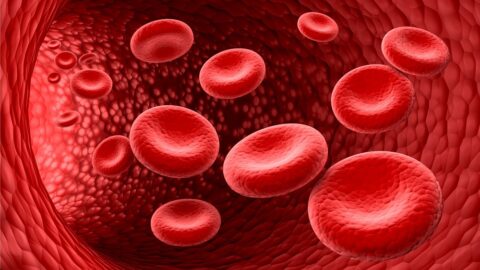
Scientists have targeted the thin fat layer around blood vessels with a transcription inhibitor, reducing symptoms of cardiometabolic disease [1]. When vessels can’t “just relax” Cardiometabolic disease (CMD) – characterized, among other things, by obesity combined with high blood pressure – is one of the largest drivers of cardiovascular death [2]. It does its damage...
October 18, 2023
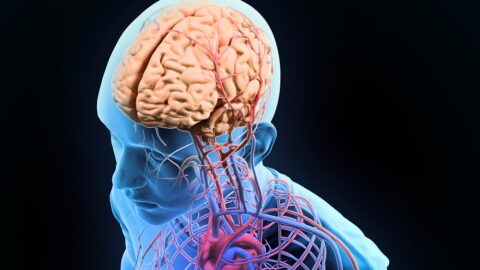
Research published in JAMA Geriatrics analyzed the link between blood pressure, hypertension, and the risk of dementia [1]. Inconsistent research Published research is inconsistent regarding the link between hypertension and dementia. Some studies suggest an association between midlife hypertension and increased dementia risk. Other studies have observed no association between hypertension and dementia, a lower...

August 04, 2023
In a new expansive meta-analysis comparing several types of exercise, isometric exercises, which include wall squats and planks, were linked to the biggest decrease in blood pressure [1]. Lowering the pressure As is very well-known, exercise confers numerous health benefits, including age-related benefits, and it has been linked to lower cardiovascular and cancer risks, better...

August 11, 2022
Researchers publishing in Aging have found that enlarged perivascular spaces (ePVS) in the brain are correlated with vascular disorders [1]. These spaces, which are part of the brain's glymphatic system, allow for the drainage of potentially dangerous metabolites such as beta amyloid [2]. A known biomarker of brain disorders As they become enlarged, perivascular spaces...