The Blog

Building a Future Free of Age-Related Disease

Thorough CRISPR

Working the Deletion Problem out of CRISPR

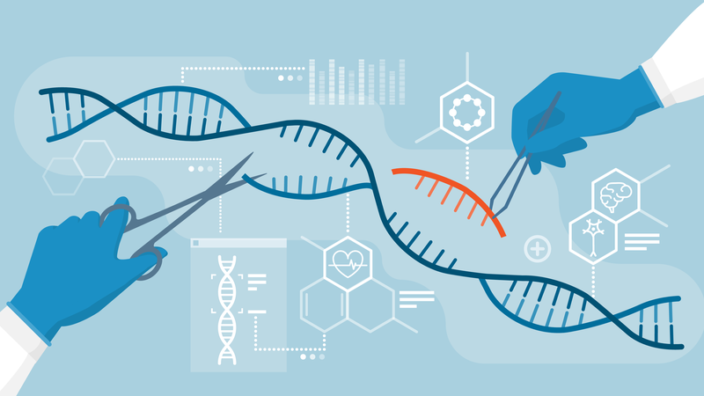
In a study published in Genome Biology, researchers explain how they are working to make CRISPR less prone to large, accidental deletions of genetic material [1].

A previously unknown large problem

While this seems counterintuitive, previous technology only allowed for the ready identification of deletions below 100 base pairs. New technology has allowed for larger sequencing [1], and what they found was striking: thousands of bases were being lost, substantial sections of the genome removed. These deletions occur when cells are transfected using Cas9-riboprotein (RNP), a modern delivery system for CRISPR that has fewer off-target effects than the older plasmid approach.

The researchers tested three cell types: T cells, hematopoietic stem and progenitor cells (HSPCs), and induced pluripotent stem cells (iPSCs). Of the three, T cells suffered from the most deletions, HSPCs suffered from some deletions, and iPSCs suffered from very few deletions at all. The researchers hold that this is due to stem cells’ natural ability to repair DNA.

Bringing in the repair with the editing

The researchers wanted to discover whether or not they could bring in repair ability along with the edits, allowing cells to quickly fix the damage dealt by RNPs. To this end, they analyzed multiple different approaches: single-stranded oligodeoxynucleotides (ssODNs) donating homology-directed repair (HDR) sequences to the cleavage site, adeno-associated viruses (AAVs) donating HDR, and double-stranded oligodeoxynocleotides (dsODNs) that are mediated by non-homologous end-joining (NHEJ).

Although each approach has its own strengths and weaknesses, having dramatically different effects at different genetic loci, all three of these approaches showed promise in both T cells and HSPCs. ssODNs, inserting 6 base pairs or 18 base pairs of HDR into the cleavage site, reduced deletion indexes by 40% overall while preventing 60% of large deletions. AAVs, which were larger but inserted the same HDR, performed even better; 80% of large deletions and deletion indexes were prevented with this approach. In cases when HDR is inappropriate, the researchers showed that inserting a 28- to 34-base-pair dsODN through NHEJ reduced large deletions by 60%.

While the analogy is imperfect, all three of these approaches effectively included glue along with the cuts, allowing cells to rebuild DNA strands instead of losing pieces of them.

Conclusion

Papers like this explain why RNP-based CRISPR, despite being more efficient than plasmids, is still not completely safe for use in living humans and why CRISPR-based therapies are only largely used for very serious diseases. In medicine, the cure must not be worse than the condition that is being treated.

We do not yet live in a world in which we can safely edit all the genes of all our cells, especially our non-dividing cells, to remove traits we don’t like while giving us traits we want. In such an ideal world, we could increase our longevity while giving ourselves resistance to diseases, including Alzheimer’s and other diseases of aging, while improving our immune systems to better repel infectious diseases.

However, this research shows that errors introduced by current CRISPR techniques can be mitigated if not eliminated entirely. Hopefully, future approaches will make off-target effects and unwanted deletions things of the past, allowing for the safe delivery of gene therapies that cure crippling genetic diseases and allow everyone to enjoy extended healthspans.

We would like to ask you a small favor. We are a non-profit foundation, and unlike some other organizations, we have no shareholders and no products to sell you. All our news and educational content is free for everyone to read, but it does mean that we rely on the help of people like you. Every contribution, no matter if it’s big or small, supports independent journalism and sustains our future.

Literature

[1] Wen, W., Quan, Z. J., Li, S. A., Yang, Z. X., Fu, Y. W., Zhang, F., … & Zhang, X. B. (2021). Effective control of large deletions after double-strand breaks by homology-directed repair and dsODN insertion. Genome Biology, 22(1), 1-22.

[2] Lu, H., Giordano, F., & Ning, Z. (2016). Oxford Nanopore MinION sequencing and genome assembly. Genomics, proteomics & bioinformatics, 14(5), 265-279.

Longevity Investors Conference is an investors only event focused on investing in rejuvenation biotechnology.

The Longevity Investors Conference

Press Release

The second investors only conference focusing on Longevity will take place on the 27th of September 2021 Zug, 24. August 2021 – The Longevity Investors Conference targets the global investor community and brings private and institutional investors from (U)HNWIs, Family Offices, VCs, Private Equity Funds, Private Banks and Asset Managers together with top class and longevity-experienced speakers.

Longevity will be one of the largest, if not the largest, investment opportunity in the decades to come. The Longevity Investors Conference provides relevant insights into the subject, expert education, investment opportunities and excellent networking opportunities.

This year’s speaker selection includes outstanding individuals such as Dr. Aubrey de Grey (Chief Science Officer at SENS Research Foundation), Dr. Dina Radenkovic (Partner at Salt Bio Fund and Chief Scientific Officer at HOOKE), Sergey Young (Founder at Longevity Vision Fund), Dr. Wei-Wu He (Executive Chairman, Human Longevity), Dr. Brian Kennedy (Director at Centre for Healthy Ageing and Professor Departments of Biochemistry and Physiology at National University of Singapore), Michael Greve (Founder at Forever Healthy Foundation) and many more.

The conference is being organized by the two successful entrepreneurs and investors Dr. Tobias Reichmuth (Founding Partner of Maximon, Founder of SUSI Partners and Chairman of Crypto Finance Group) and Marc P. Bernegger (Founding Partner of Maximon and serial entrepreneur focusing on exponential technologies) who are also behind CfC St. Moritz, the most exclusive conference for digital assets happening every year right before the World Economic Forum (WEF). In 2021 both entrepreneurs launched “Maximon” – a new company builder which aims to extend the health-span and to allow humans to reach a fit, healthy and happy longevity.

The motivation to organize the second ‘Longevity Investors Conference’, so Dr. Tobias Reichmuth is clear: “The longevity industry is highly attractive for investors. We state a lack of education and information for investors and want to change this. While there are scientific-oriented conferences, a professional and global investor focused longevity conference was missing which was shown by the big success of our first ‘Longevity Investors Conference’ last year.” Marc P. Bernegger adds “The recent progress in radical life extension is very impressive and creates unique and massive investment opportunities. We see more and more traditional investors joining the space and our conference is a platform where leading aging scientists and longevity entrepreneurs meet high level investors from all over the world”.

The Longevity Investors Conference will take place on the 27th of September. The Conference usually takes place in St.Moritz, Switzerland, however, due to Covid-19 it will be held as an online format in 2021.

For more information please visit the longevity investors conference website.

Bahnhofplatz CH-6300 Zug Switzerland info@longevityinvestors.ch #LongevityInvestors

Stressful stimuli

Stress, Sensory Gating, and Cognitive Decline With Age

Researchers publishing in Aging have found that stresses, both biological and in daily life, harm one of our fundamental abilities to correctly process what’s going on around us.

What is sensory gating?

Sensory gating is the brain’s ability to filter out irrelevant stimuli after the first time it experiences them. It reflects our ability to stop paying attention to repetitive things. Without sensory gating, we would be constantly aware of everything, even the very mundane things, that our senses detect. This would leave us unable to focus on the important and different elements of our environment [1].

Previous studies have discovered a link between cognitive abilities and sensory gating [2], and the links between aging and stress have also been explored [3]. However, the link between sensory gating and the combined problems aging and stress has not yet been thoroughly examined. Here, the researchers endeavored to study this link in order to better understand how our brains change as we age.

Direct nerve stimulation

To measure sensory gating directly, the researchers didn’t rely on behavior, even unconscious behavior. Instead, they measured the effects of electrical stimulation on the right median nerve. They stimulated the nerve in the same way twice and analyzed how it reacted both times. The comparison between these two reactions is called the gating ratio. A lower gating ratio is almost always better, as it means that the redundant stimulus is being naturally, automatically filtered out.

The results

Both stress and aging were found to be predictive of a high gating ratio, although in different ways. People who live stressful lives did not respond as much as the average person to the first stimulus, although they responded as much during the second. People who are suffering from accelerated aging respond as much as the average person to the first stimulus, but they have greater responses during the second. Both of these phenomena lead to the same outcome in this study: a higher gating ratio.

The researchers then used an intensive testing system to analyze the test participants’ cognitive abilities. Interestingly, some parts of brain function were not linked to gating ratio: executive function and motor skills. Processing speed was only slightly affected. However, learning, memory, and attention were all significantly, negatively affected by a high gating ratio, which concurs with the results of a previous study [2].

Conclusion

While they did not perform a biochemical analysis, the researchers point to the amino acid GABA, which is the main inhibitory transmitter in humans. They also suggest that hypermethylation of neurons may be responsible for a lack of GABA, leading to a higher gating ratio.

It is clear that the most basic, fundamental abilities of our neurons are affected by both stress and aging. This isn’t a matter of how our neurons are configured. The gating ratio is a fundamental result of how our neurons themselves react to stimuli. As the researchers themselves note, future studies may make use of the gating ratio to test stress-reducing or anti-aging interventions that affect the brain.

We would like to ask you a small favor. We are a non-profit foundation, and unlike some other organizations, we have no shareholders and no products to sell you. All our news and educational content is free for everyone to read, but it does mean that we rely on the help of people like you. Every contribution, no matter if it’s big or small, supports independent journalism and sustains our future.

Literature

[1] Cromwell, H. C., Mears, R. P., Wan, L., & Boutros, N. N. (2008). Sensory gating: a translational effort from basic to clinical science. Clinical EEG and neuroscience, 39(2), 69-72.

[2] Cheng, C. H., Chan, P. Y. S., Niddam, D. M., Tsai, S. Y., Hsu, S. C., & Liu, C. Y. (2016). Sensory gating, inhibition control and gamma oscillations in the human somatosensory cortex. Scientific reports, 6(1), 1-8.

[3] Booth, T., Royle, N. A., Corley, J., Gow, A. J., Hernández, M. D. C. V., Maniega, S. M., … & Deary, I. J. (2015). Association of allostatic load with brain structure and cognitive ability in later life. Neurobiology of aging, 36(3), 1390-1399.

Longeveron

Longeveron Takes Aim at Aging with Cell Therapy

Longeveron has just announced the first data from its Phase 2b clinical trial that targets frailty with Lomecel-B, an MSC-based cell therapy.

A longevity strategy built in

More and more, biotech start-ups are applying longevity strategies to their therapeutic pipelines. Among them, Longeveron stands out as one of the few companies taking a cell-based approach. Relative to the more commonly employed strategy of using drugs, cell therapy is a more novel and interesting, although still unproven, technique. Drugs typically have well-defined mechanisms of action that do not change with time or environment. Their delivery, absorption, and removal from the body are also easy to measure and predict.

Cells, on the other hand, have an immeasurable number of behaviors that could impact pathology. They migrate, divide, differentiate, signal to other cells, degrade and build the extracellular matrix, and release inflammatory and anti-inflammatory cytokines. Cells are also not predictably metabolized by the liver like drugs are. Often, transplanted cells eventually die off, but it’s possible that they can also integrate with the recipient’s tissue and survive for years.

Perhaps most importantly, cells also respond to their environment. While a drug is still the same chemical compound whether it’s in a young, healthy kidney or surrounded by amyloid beta plaques in the brain, a cell’s behaviors will change dramatically. There are many cellular behaviors that may play a role, but the latest evidence is beginning to point to the secretion of bioactive molecules and direct cell-to-cell contact as the responsible mechanisms behind the therapeutic effects that have been seen in animal models.

Most cell therapies under development focus on a single disease and tissue, but Longeveron’s strategy targets the whole body. Its lead candidate, Lomecel-B, is a type of medicinal signaling cell (MSC) derived from the bone marrow of young, healthy donors. These cells have been shown to promote tissue repair and immune function, among other benefits. While autologous cells harvested from the patients themselves trigger less of an immune response, patient-derived cells may have the same defects of aging and disease that they are being used to treat. MSCs have been shown to provoke a minimal immune response, even when derived from a different donor. They can also be collected from young, healthy patients without much consequence to the donor.

A Phase 2b study for frailty

Frailty decreases quality of life, reduces the body’s ability to cope with stressors, and increases the risk of morbidity, mortality, and healthcare usage. It is also well accepted that frailty is a multi-organ condition and aging-related, making it a good target for anti-aging treatments in the absence of an approval pathway [1].

In this study, a single intravenous infusion of MSCs was given to patients at four different doses (25, 50, 100, and 200 million cells) along with a placebo, with approximately 30 patients per group. These patients were between the ages of 70-85, mildly to moderately frail, and had elevated TNF-a levels (an inflammatory cytokine). The primary endpoint was the distance that patients could walk in a six-minute walk test (6MWT) relative to baseline, 6 months after treatment.

The three highest doses all showed significant increases from baseline to 6 months, while the lowest dose and placebo groups did not. However, when adjusting for multiple comparisons, this statistical significance disappeared, although the highest dose was nearly significant at p = 0.0653. In this group, patients were able to walk an average of 49.3 meters further than their baseline, compared to the 8.0 meters further achieved by those receiving the placebo.

A secondary analysis of the primary endpoint was also conducted to determine if there was a dose-response relationship between Lomecel-B and 6MWT. The relationship was found to be statistically significant, with patients who received a higher dose of cells showing a greater improvement on the 6MWT. Further, patients who received either 50 or 200 million cells improved significantly at the exploratory time point of 9 months compared to placebo, even with the statistical correction.

Secondary endpoints included a patient-reported questionnaire on physical function (SF-20a) and TNF-a levels. The SF-20a showed no differences between placebo and any of the treatment arms and TNF-a levels are still being analyzed. Additionally, no serious adverse events related to Lomecel-B treatment were reported. Other, exploratory measures also have not yielded significant differences, including “assessments of physical function, sexual function, fear and risk of falling, depression, cognition, frailty status, pulmonary function, and clinical outcomes.”

Conclusion

Like many clinical trials, the results from this phase 2b study are ambiguous. Complicating this interpretation even further, this data has not yet been peer reviewed. We should be careful about drawing conclusions from data reported via press release prior to being published in a scientific journal.

Improvements in the 6MWT were seen at 9 months and in the dose-response analysis, but not for the 6 month, pre-determined primary endpoint. The highest dose also showed the highest efficacy, leaving open the possibility that even higher doses or perhaps multiple rounds of treatments could yield better outcomes. The treatment also continues to show good signs of safety. However, other secondary and exploratory measures did not improve like we might expect they would if the treatment were broadly impacting aging and frailty.

Investors did not respond favorably to the news, as Longeveron’s stock price fell by approximately 30%. While the market is not a particularly reliable interpreter of scientific data, it may hint at how Longeveron’s leadership will decide to move forward given these results. Geoff Green, the CEO of Lonveveron, stated that the company plans on reviewing the trial data with frailty experts and potentially regulatory bodies before committing to a future direction.

We would like to ask you a small favor. We are a non-profit foundation, and unlike some other organizations, we have no shareholders and no products to sell you. All our news and educational content is free for everyone to read, but it does mean that we rely on the help of people like you. Every contribution, no matter if it’s big or small, supports independent journalism and sustains our future.

Literature

[1] Chen, X., et al. Frailty syndrome: an overview. Clinical Interventions in Aging (2014). https://dx.doi.org/10.2147%2FCIA.S45300

Mouse Brain Internal

The Hedgehog Protein Reduces Microglial Inflammation in Mice

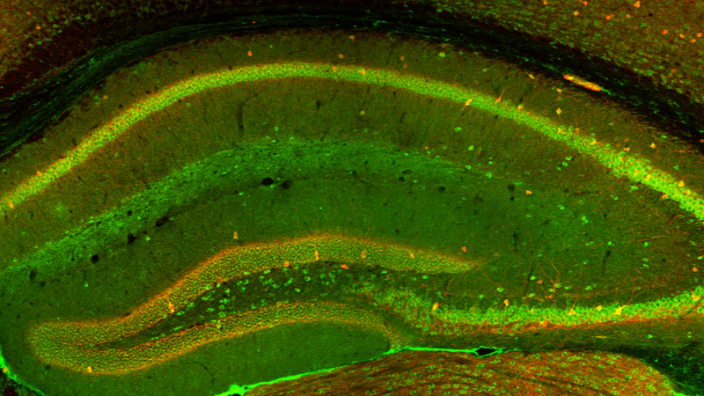
Researchers, publishing in the journal Aging, have discovered that a protein called hedgehog alleviates the tissue-specific, age-related inflammation of the microglia, the maintenance cells of the brain.

The aging differences between tissue types

To begin this research, the team first performed a gene expression analysis on four different types of murine macrophages: bone marrow-derived macrophages (BMDMs), peritoneal cavity macrophages, Kupffer cells, and microglia. This analysis discovered which genes were expressed and repressed with aging, attempting to find out which age-related gene changes these cells had in common.

The answer was that there were remarkably few. Each of these four types of macrophages appears to genetically age in its own way; there were only seven genes whose expression changed with age between both sexes and among all macrophages. The researchers tested the pathways involved, with the idea that perhaps different genes were yielding similar results, and they found that even the fundamental pathways between these cell types were different.

Upon stress, old microglia secrete considerably more types of inflammatory factors than old macrophages of other types, and microglia have roughly 200 genes that are upregulated with age and 900 that are downregulated, which is considerably more than any of the other types. The researchers found that a full two-thirds of genes that are specific to microglia are affected by age. They hypothesized that this is due to the microglial environment rather than an inherent aging program.

A root cause and a potential treatment

One commonality between the macrophages was that genes that signal the hedgehog protein (Hh) were reduced. The researchers injected mice with vismodegib, a compound that inhibits Hh, and evaluated the macrophages. The results were striking; seven inflammatory factors dramatically increased, some by more than two orders of magnitude.

This led the researchers to question whether or not they could accomplish the reverse. They treated naturally aged mice with the Hh agonist Hh-Ag1.5. These results were also significant: mice treated with Hh-Ag1.5 were found to express the inflammatory factor tumor necrosis factor (Tnf) at levels nearly that of young mice.

Conclusion

The researchers suggested that the differences between macrophages might be dependent on their distance from the basal stem cells that originally created them. Microglia, for example, self-renew and are rarely created from stem cells, while other macrophages are more frequently created that way. The researchers did not go as far as to determine the fundamental reasons why Hh signaling decreases with age, although they conjectured that this is due to selection within the body.

It must be noted that Hh is a many-edged sword; not only has it been found to increase inflammation in other contexts [1], its oncogenic (cancer-causing) effects can be so profound that the Hh inhibitor used in this experiment is FDA approved to treat cancer [2].

Therefore, as the researchers note, any future treatment focused on increasing Hh in microglia must affect only those cells and only to the degree necessary to reduce inflammation. However, if such a treatment could be developed and brought to market, treating inflammaging in the human brain could possibly have profound effects on multiple causes of cognitive decline.

We would like to ask you a small favor. We are a non-profit foundation, and unlike some other organizations, we have no shareholders and no products to sell you. All our news and educational content is free for everyone to read, but it does mean that we rely on the help of people like you. Every contribution, no matter if it’s big or small, supports independent journalism and sustains our future.

Literature

[1] Kwon, H., Song, K., Han, C., Chen, W., Wang, Y., Dash, S., Lim, K. and Wu, T. (2016), Inhibition of hedgehog signaling ameliorates hepatic inflammation in mice with nonalcoholic fatty liver disease. Hepatology, 63: 1155-1169. https://doi.org/10.1002/hep.28289

[2] Axelson M, Liu K, Jiang X, He K, Wang J, Zhao H, Kufrin D, Palmby T, Dong Z, Russell AM, Miksinski S, Keegan P, Pazdur R. U.S. Food and Drug Administration approval: vismodegib for recurrent, locally advanced, or metastatic basal cell carcinoma. Clin Cancer Res. 2013; 19:2289–93. https://doi.org/10.1158/1078-0432.CCR-12-1956

DNA Blood Cells

Stem Cell Helper Heat Shock Protein Identified

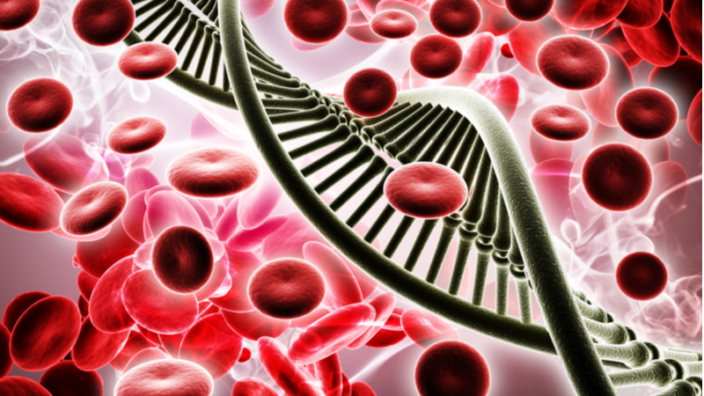
Researchers publishing in Cell Stem Cell have identified a protein that helps hematopoietic stem cells (HSCs) both in ex vivo cultures and in aging tissues.

The problem with culturing cells

As the researchers explain, HSCs give rise to both red and white blood cells, making their continued function critically important. When these cells’ proteins are stressed, they activate heat shock factor 1 (Hsf1), which promotes proteostasis maintenance. Under normal circumstances, protein production in HSCs is limited and controlled, as even modest increases in protein production harm the proteome of these cells, disrupting their ability to constructively divide and perform their function [1].

However, the researchers found that, unlike similar cells, cultured HSCs produce ten times as much protein as rapidly dividing HSCs in vivo and a full twenty times as much protein as ordinary, quiescent HSCs, and this fact has significant implications for the cells. Cultured HSCs produce a significant amount of Hsf1 along with other proteins, but their protein recycling machinery is still harmed.

The researchers proved this by taking cells from mice that have been genetically engineered to express the fluorescent protein GFP. Under normal circumstances, these cells would quickly digest this protein; however, when the related proteostasis mechanisms are degraded, this highly visible protein accumulates in the cells. This is exactly what happened when the researchers cultured HSCs under ordinary circumstances.

A heat shock solution

Looking for a way to mitigate this, the researchers investigated the properties of the Hsf1 gene, which produces the Hsf1 protein. Interestingly, they found that deleting this gene only initially affected artificially cultured cells; HSCs in living mice that could not express Hsf1 were not significantly different from HSCs that could, but this changed when the mice reached older ages.

The team found that while 3-month-old and even 10-month-old Hsf1-deficient mice were generally indistinguishable from their normal counterparts, cells taken from 12-month-old mice without Hsf1 were significantly less able to divide. According to the researchers, this data shows that Hsf1 is critical to the function of HSCs in aged animals.

Next, the researchers examined two compounds that promote the expression of Hsf1: 17-AAG and HSF1A. While the distinctions between cultured cells treated with these compounds and ordinary cultured cells were not statistically significant immediately, they showed their power in secondary transplants.

The goal was multilineage reconstitution, the ability of these stem cells to continue to replace somatic cells. While only 11 of 32 recipients of secondary transplants of ordinary cultured HSCs fulfilled this goal, 31 of 37 17-AAG recipients and 22 of 33 HSF1A recipients did. In fact, cultured HSCs treated with 17-AAG performed better than freshly extracted HSCs from living mice.

Conclusion

While the usefulness of this research for stem cell cultures is clear, identifying a gene that only provides benefit for older individuals is an interesting development, and it provides fodder for two separate lines of research. First, it opens up the idea of developing drugs that increase Hsf1 in older people, potentially allowing them to continue to produce fresh cells as they had in youth. It also begs the question of how our cells change over time to require that protein at all; perhaps, as we learn more about the protein structures that govern aging, we may find ways to allow our stem cells to continue to divide without extra help.

We would like to ask you a small favor. We are a non-profit foundation, and unlike some other organizations, we have no shareholders and no products to sell you. All our news and educational content is free for everyone to read, but it does mean that we rely on the help of people like you. Every contribution, no matter if it’s big or small, supports independent journalism and sustains our future.

Literature

[1] San Jose, L. H., Sunshine, M. J., Dillingham, C. H., Chua, B. A., Kruta, M., Hong, Y., … & Signer, R. A. (2020). Modest declines in proteome quality impair hematopoietic stem cell self-renewal. Cell reports, 30(1), 69-80.

Storm

Senescent Cells and the Cytokine Storm

Research recently published in Aging shows how senescent cells overreact to inflammatory stimuli, causing them to excessively excrete compounds that promote inflammation.

The researchers hypothesize that this is one cause of the cytokine storm, an immune overreaction that is more common in the elderly and is known to cause severe dysfunction and even death when triggered by infectious diseases, including COVID-19 [1].

A simple cellular experiment showed substantial gene expression

The researchers took human umbilical vein endothelial cells (HUVECs) and irradiated half of them in order to induce senescence. These irradiated cells are known as IR HUVECs, while the control group consisted of NC HUVECs. The researchers confirmed that the IR HUVECs were senescent through an analysis of the SASP, and they then exposed these two groups to three chemicals: lipopolysaccharide (LPS) and the inflammatory factors interleukin 1 beta (IL1ß) and tumor necrosis factor alpha (TNFa).

The results were very clear. LPS was the strongest stimulant, and while its effects on NC HUVECs were minimal, its effects on IR HUVECs were dramatic. At a high dose of 30 ng/ml, LPS substantially increased certain inflammatory factors in non-senescent cells. For example, TNFa expression, as measured by mRNA, was increased roughly 30-fold in NC HUVECs but nearly 1500-fold in IR HUVECs.

Exposure to IL1ß and TNFa resulted in similarly dramatic results, with IR HUVECs expressing inflammatory factors at one or two orders of magnitude greater than NC HUVECs. This includes the factors IL1ß and TNFa, both of which are normally expressed by senescent cells as part of the SASP. While this process clearly does not self-perpetuate indefinitely, it is reasonable to hypothesize that this self-stimulation of inflammatory factors is a part of the cytokine storm.

The chemical results

The researchers then measured the amounts of inflammatory factors secreted by these cells. These results were less stark than the mRNA gene expression results, but they were still substantial. Of note is that while gene expression of these inflammatory factors skyrocketed in NC HUVECs, their actual chemical production of each factor, even after stimulation with LPS, was universally lower than that of unstimulated IR HUVECs. Stimulating the IR HUVECs nearly doubled the production of these factors.

This was not largely due to senescent cells being simply more receptive to inflammatory factors. The researchers tested multiple receptors and found that the only relevant receptor that IR HUVECs had substantially more of was TNFR1, which is receptive to TNFa.

The researchers then examined if the p38 pathway was involved in this hyperstimulation. They treated NC HUVECs and IR HUVECs with losmapimod, a compound that interferes with this pathway. Not only was the p38 pathway shown to be strongly linked to the gene expression of inflammatory factors, treatment with losmapimod resulted in such a strong repression that NC HUVECs were producing more inflammatory gene expressions, upon stimulation, than IR HUVECs were.

The NF-kB pathway was also found to be involved, although the results between factors were more mixed than the p38 pathway. Still, the compound BMS-345541, which inhibits this pathway, was shown to have substantial effects.

Conclusion

This is a cellular study that was not conducted in animals, and so the researchers call for a “paradigm shifting study” in order to prove that senescent cells are central, not indirectly related, to the development of inflammatory pathologies such as the cytokine storm. As age-related inflammation (inflammaging) continues to cause damage in the elderly and makes deadly diseases such as COVID-19 even worse, it is clear that senotherapeutics and senolytics are worth researching for their potential effects on this process.

We would like to ask you a small favor. We are a non-profit foundation, and unlike some other organizations, we have no shareholders and no products to sell you. All our news and educational content is free for everyone to read, but it does mean that we rely on the help of people like you. Every contribution, no matter if it’s big or small, supports independent journalism and sustains our future.

Literature

[1] Karki, R., Sharma, B. R., Tuladhar, S., Williams, E. P., Zalduondo, L., Samir, P., … & Kanneganti, T. D. (2021). Synergism of TNF-a and IFN-? triggers inflammatory cell death, tissue damage, and mortality in SARS-CoV-2 infection and cytokine shock syndromes. Cell, 184(1), 149-168.

Clock

A New Clock Tracks Inflammatory Aging

Epigenetic clocks have become a mainstay of longevity research over the past few years, with new clocks regularly being established for different species and tissues as well as promising research that uses and builds on these clocks. An international research team has recently created a different kind of clock, an inflammatory aging clock that predicts biological age based on inflammatory and immune markers [1].

Measuring the immunome

The researchers built their clock using data from the Stanford 1000 Immunomes project, a longitudinal study of aging and vaccination that collected blood samples between 2007 and 2016 from 1,001 participants aged 8 to 96. The samples were subjected to deep immune phenotyping using rigorously standardized procedures. Analyses included gene expression, serum cytokine levels, cell subset composition, and cellular responses to various stimuli.

The researchers wanted to use this data to construct a metric for age-related chronic inflammation that could be used to assess a person’s inflammatory burden. To that end, they used an unbiased deep-learning neural network built to compactly capture the nonlinear structure of of immune networks. The model was trained with ten age-related clinical features as outcomes, ranging from cancer and cardiovascular disease to psychiatric evaluations.

A metric for inflammation

This resulted in a metric that the team dubbed the ‘inflammatory clock of aging’, or iAge, which reflects the total inflammatory burden. Analysis showed that iAge correlated well with multimorbidity, or total age-related diseases, as well as with frailty and cardiovascular aging. In other words, like other aging clocks, iAge predicts biological age – in this case, based on inflammatory burden – rather than chronological age.

The team validated iAge in a second cohort, which included hundreds of people over 60 and 19 centenarians. Remarkably, iAge grouped the centenarians together with younger individuals, while older people were separated into a separate group.

Learning from the clock

Rather than resting on their laurels, the researchers immediately used iAge to improve our understanding of age-related inflammation. The most significant contributor to the iAge score was CXCL9, a chemokine produced by cells in inflammatory lesions. Levels of the CXCL9 protein increased significantly with age, reinforcing the notion that it might be an important player.

CXCL9 is strongly expressed in endothelial cells. To understand how it contributes to age-related disorders, the researchers silenced CXCL9 in endothelial cell cultures. They found that this reduced inflammation as well as cellular senescence and malfunction. However, CXCL9 is also important for immune surveillance, so knocking down this gene isn’t a viable, straightforward longevity therapy. Nevertheless, it offers an entry point to improving our understanding of age-related chronic inflammation and, particularly, the importance of the vascular system in this process.

While many diseases of aging have been linked to the immunological system, immune metrics capable of identifying the most at-risk individuals are lacking. From the blood immunome of 1,001 individuals aged 8–96 years, we developed a deep-learning method based on patterns of systemic age-related inflammation. The resulting inflammatory clock of aging (iAge) tracked with multimorbidity, immunosenescence, frailty and cardiovascular aging, and is also associated with exceptional longevity in centenarians. The strongest contributor to iAge was the chemokine CXCL9, which was involved in cardiac aging, adverse cardiac remodeling and poor vascular function. Furthermore, aging endothelial cells in human and mice show loss of function, cellular senescence and hallmark phenotypes of arterial stiffness, all of which are reversed by silencing CXCL9. In conclusion, we identify a key role of CXCL9 in age-related chronic inflammation and derive a metric for multimorbidity that can be utilized for the early detection of age-related clinical phenotypes.

Conclusion

Building on the concept of aging clocks by applying them to other aspects of biological aging seems like a rewarding approach. In addition to the obvious benefit of providing tools to measure other dimensions of how we age and assess how therapeutics affect them, research like this also provides an opportunity to identify and investigate important players in the various processes that make up aging and age-related decline.

We would like to ask you a small favor. We are a non-profit foundation, and unlike some other organizations, we have no shareholders and no products to sell you. All our news and educational content is free for everyone to read, but it does mean that we rely on the help of people like you. Every contribution, no matter if it’s big or small, supports independent journalism and sustains our future.

Literature

[1] Sayed, N. et al. An inflammatory aging clock (iAge) based on deep learning tracks multimorbidity, immunosenescence, frailty and cardiovascular aging. Nature Aging (2021), doi: 10.1038/s43587-021-00082-y

Investigation

Dr. Aubrey de Grey Faces Allegations of Sexual Harassment

Early yesterday, LEAF became aware of allegations against Aubrey de Grey, the Chief Science Officer of the SENS Research Foundation, of sexual harassment. The allegations were raised by Laura Deming (Longevity Fund) and Celine Halioua (biotech startup Loyal) – via their accounts on Twit­ter and personal websites – claiming inappropriate behavior from Aubrey and other unnamed members of the organization.

Aubrey has issued a statement denying the accusations in a post appearing on his Facebook page. SENS Research Foundation has also issued a statement indicating that they have opened an independent investigation upon first hearing of the allegations in late June, and that Aubrey has been placed on administrative leave pending the outcome of this investigation.

As a news outlet, we are governed by our Ethics Code, which requires us to empower the public by communicating facts. As such, we shall not speculate or pass judgement on the aspects of this story that are currently inconclusive.

Regardless of the outcome of these unfortunate circumstances, it is important that the field of longevity research be a welcome place for all people, that allegations such as this are treated with seriousness, and that proper accountability is held for proven offenses.

We also note that SENS Research Foundation has been a long-time ally of LEAF in its mission to fight age-related disease and is a sponsor of our upcoming EARD conference. Aubrey de Grey is also currently a member of LEAF’s scientific advisory board. As such, we disclose potential conflict of interest when reporting on this case.

We would like to ask you a small favor. We are a non-profit foundation, and unlike some other organizations, we have no shareholders and no products to sell you. All our news and educational content is free for everyone to read, but it does mean that we rely on the help of people like you. Every contribution, no matter if it’s big or small, supports independent journalism and sustains our future.
Old and young collagen

Young ECM Expression in Predicting Longevity Drug Discovery

A recent study published in Aging Cell has turned up potential new therapeutics to target the aging extracellular matrix (ECM).

Longevity drug discovery 

The discovery of new targets injects fresh lifeblood into the race to develop anti-aging compounds. The strategies used to identify these targets have seen significant innovation recently, with various types of databases and analysis tools being developed over the last decade. These days, longevity drug discovery studies often examined genome-wide data, comparing youthful and older gene expression profiles. Several research groups have cross-referenced these findings with the changes in gene expression that occur when known geroprotectors, such as metformin, NMN, and rapamycin, are administered [1-4]. Those studies have all come to similar conclusions, but researchers at the university ETH Zürich have taken the same strategy a step further by focusing onto the extracellular matrix (ECM) [5].

Could the ECM be overlooked in longevity research?

From cancer to high blood pressure to wrinkled skin, ECM modifications are front and center in many age-related diseases. 1027 protein-encoding genes have been implicated in forming, modifying, or remodeling the ECM [6]. Changes in the expression of many of these genes have been implicated as causes of aging, effects of aging, or both. Known geroprotectors have been previously been reported to alter the expression of ECM components, but these mechanisms are rarely considered the main drivers of their therapeutic benefits. The authors hypothesized that these pathways are often overlooked as targets for longevity therapeutics and therefore took advantage of them as the focus of their study.

Mining databases for clues

For the in silico portion of their study, the researchers started with DrugAge and GeroProtectors, databases of compounds that are known to alter lifespan. Cross-referencing these 567 longevity compounds on PubMed, only 16 have published studies reporting on their effects on the ECM. Attempting a different strategy, they then turned to the Connectivity Map database (CMap) on human cell cultures. Here, 41 of 47 longevity compounds significantly altered ECM gene expression, and these compounds represented 10 of the top 12 most differentially expressed ECM profiles. These findings suggest that known geroprotectors may often act through the ECM while also highlighting the lack of published literature on the topic.

Next, the researchers turned to the GTEx dataset to compare the ECM-related gene expression for young vs old human tissues. Their search confirmed previous findings that the expression of collagens decreases with age while matrix proteases increase. However, each tissue type had different ECM gene expression profiles, and the age association also varied between tissues. Because of these differences, their analysis required some tweaking and supplementation with several other published studies. Ultimately, 99 genes were identified whose expression embodies the aging ECM phenotype, which the authors call the “matreotype”.

Using the matreotype to identify missed opportunities 

While known geroprotectors helped to identify the matreotype, one of the main goals of the study was to discover novel compounds which modulate both lifespan and ECM. Using this matreotype and the CMap database, 185 compounds were identified, 24 of which have already been shown to increase lifespan in model organisms and 42 of which had previously been predicted, although not proven, to extend lifespan.

The authors sought to verify their in silico results using lifespan and a novel measure of collagen expression in the roundworm model C. elegans. Tretinoin (a retinoic acid receptor agonist) has previously been predicted to extend lifespan, but a single concentration had failed in a large-scale, rapid screening experiment. In this experiment, tretinoin prolonged both collagen expression and lifespan when given at a lower dose to these worms. Experiments into genistein (an isoflavone derived from soybeans) and royal jelly oil (a milky secretion produced by honeybees) also followed a parallel story when optimized for drug delivery methods and concentrations.

Given the functional implication of ECM in healthy aging, we hypothesized that a youthful matreotype might predict drugs promoting healthy aging. Here, we define a youthful human matreotype using data from the Genotype-Tissue Expression (GTEx) project (Consortium, 2013). We query this young matreotype signature with the drug resource Connectivity Map (CMap) (Lamb et al., 2006) data to identify longevity-promoting compounds. We then developed a novel in-vivo tool as a surrogate marker for longevity to find appropriate drug doses to be used for C. elegans‘ lifespan assays. Our results implicate previously known longevity drugs as well as novel drugs, providing a proof-of-concept for our approach.

Conclusions 

This study presents a novel strategy and resource for candidate drugs that benefit both ECM and longevity. The newly characterized, age-related matreotype could also be a unique and valuable tool in future research. It successfully predicted a higher number of compounds using fewer possibilities than the strategy that utilized the entire ECM-related genome. However, many of these longevity compounds were associated with the aged, rather than the young, matreotype, leaving many questions regarding its future applicability.

One possibility, the authors suggest, is the different ECM gene expressions between different tissue types. For example, increased collagen expression indicates improved ECM maintenance in tissues like the skin and cartilage, but they are associated with age-related fibrosis in liver and kidneys. Several longevity drugs, for example, impact collagen expression differentially in different tissues, including resveratrol, rapamycin, and genistein [7-9]. Regardless, many compounds that are ripe for further research and development were identified through this strategy.

We would like to ask you a small favor. We are a non-profit foundation, and unlike some other organizations, we have no shareholders and no products to sell you. All our news and educational content is free for everyone to read, but it does mean that we rely on the help of people like you. Every contribution, no matter if it’s big or small, supports independent journalism and sustains our future.

Literature

[1] Dönertas, H.M., et al. Identifying Potential Ageing-Modulating Drugs In Silico. Trends in Endocrinology & Metabolism (2019). https://dx.doi.org/10.1016/j.tem.2018.11.005

[2] Fuentealba, M., et al. Using the drug-protein interactome to identify anti-ageing compounds for humans. PLOS Computational Biology (2019). https://doi.org/10.1371/journal.pcbi.1006639

[3] Janssens, G.E., et al. Transcriptomics-Based Screening Identifies Pharmacological Inhibition of Hsp90 as a Means to Defer Aging. Cell Reports (2019). https://dx.doi.org/10.1016/j.celrep.2019.03.044

[4] Komljenovic, A., et al.  Cross-species functional modules link proteostasis to human normal aging. PLoS Computational Biology (2019). https://doi.org/10.1371/journal.pcbi.1007162

[5] Statzer, C., et al. Youthful and age-related mateotypes predict drugs promoting longevity, Aging Cell (2021). https://doi.org/10.1111/acel.13441

[6] Naba, A., et al. The extracellular matrix: Tools and insights for the “omics” era. Matrix Biology (2016). https://dx.doi.org/10.1016/j.matbio.2015.06.003

[7] Chen, G., et al. Rapamycin ameliorates kidney fibrosis by inhibiting the activation of mTOR signaling in interstitial macrophages and myofibroblasts. PLoS One (2012). https://doi.org/10.1371/journal.pone.0033626

[8] Li, P., et al. Resveratrol inhibits collagen I synthesis by suppressing IGF-1R activation in intestinal fibroblasts. World Journal of Gastroenterology (2014). https://doi.org/10.3748/wjg.v20.i16.4648

[9] Matorit, H., et al. Genistein, a soy phytoestrogen, reverses severe pulmonary Hypertension and prevents right heart failure in rats. Hypertension (2012). https://doi.org/10.1161/HYPERTENSIONAHA.112.191445

Stroke Recovery

Computer Modeling Rapamycin Derivatives for Treating Stroke

In a study published in Aging, Chinese researchers have described how they used computer modeling in order to create a new rapalog that is designed to reduce the long-term impact of stroke.

Reperfusion injury, autophagy, and mTORC1

Stroke and other ischemic events, such as heart attack, occur when a blockage causes blood to stop flowing to certain bodily tissues. This results in hypoxia (a lack of oxygen), which, as expected, causes cells to die. However, when this blood flow is restored, that also leads to damage, which is known as reperfusion injury [1]. As the researchers explained, when this occurs after a stroke, it is known as cerebral ischemia/reperfusion injury (CIRI).

A previous study has shown that autophagy aids in preventing damage from CIRI in a rat model of stroke [2]. That study had also found that inhibiting mTORC1 through a rapalog called eugenol enhances autophagy.

What is a rapalog?

The well-known compound rapamycin was discovered on Rapa Nui (Easter Island) and has been shown to have multiple metabolic effects. As researchers discovered the pathways that facilitated these effects, they named these pathways after the compound that affected them: this is why mTOR had originally gained the name “mammalian target of rapamycin”.

However, despite its known benefits, rapamycin has potential side effects and toxicity, particularly if given in larger doses. For example, it can affect the mTORC2 pathway in a harmful way. Therefore, researchers have been seeking compounds that exclusively target the mTORC1 pathway. Any compound that affects an mTOR pathway is known as a rapalog.

The researchers of this study used computer modeling to screen for compounds that target the mTORC1 pathway in a more efficient and safe way than rapamycin.

How the modeling was done

First, the researchers used a program to model the mTORC1 binding site, digitally reconstructing the structure. They then ran software in order to find the compounds that can bind to this receptor the strongest, beginning with rapamycin itself. This software was called libdock, and the researchers evaluated compounds based on their libdock score.

The researchers also considered toxicity. Using another piece of software called TOPKAT, they evaluated candidate compounds on multiple estimates of toxicity, including developmental toxicity, blood-brain barrier penetration, mutagenicity, liver toxicity, and their propensity for being carcinogenic (causing cancer).

The results

The researchers found a great many promising compounds, all of which were more effective in targeting mTORC1 than rapamycin. Interestingly, the top two compounds they found in terms of site binding were found to be considerably less mutagenic and less generally toxic than rapamycin, for both mouse and rat estimates. These two compounds were chosen for a follow-up study.

Conclusion

This was entirely done with computer modeling, and the resulting compounds have not yet been tested in animals. However, this research is an excellent starting point; once these compounds can be created and analyzed in rodent models, which these researchers intend to do, the research community can determine if this modeling system is valid and if the compounds it creates are safe and effective enough to proceed to human clinical trials. If this turns out to be the case, a new drug to treat CIRI may be on the horizon.

More generally, if this kind of in silico modeling can be used for drug discovery, it will greatly speed up research, leading to more rapid deployment of useful drugs – possibly drugs that effectively treat currently untreated diseases or directly impact the processes of aging themselves.

We would like to ask you a small favor. We are a non-profit foundation, and unlike some other organizations, we have no shareholders and no products to sell you. All our news and educational content is free for everyone to read, but it does mean that we rely on the help of people like you. Every contribution, no matter if it’s big or small, supports independent journalism and sustains our future.

Literature

[1] Khalil, A. A., Aziz, F. A., & Hall, J. C. (2006). Reperfusion injury. Plastic and reconstructive surgery, 117(3), 1024-1033.

[2] Sun, X., Wang, D., Zhang, T., Lu, X., Duan, F., Ju, L., … & Jiang, X. (2020). Eugenol attenuates cerebral ischemia-reperfusion injury by enhancing autophagy via AMPK-mTOR-P70S6K pathway. Frontiers in pharmacology, 11, 84.

Exercising with data

Humanity Launches an App to Help You Slow Down Aging

Humanity has launched a longevity app in the UK that could help you stay healthier for longer and potentially achieve longevity. The HUMANITY app has been launched on the iPhone, and it is due to get an Android version in the near future. This longevity app will be available in the US in September.

An app to help more people enjoy longevity

The founders of Humanity, Michael Geer and Pete Ward, have been working on the app for over two years. They wanted to create an app that could collect a person’s biological data and provide advice on how to slow down their rate of aging based on that data. The aim of the app is ultimately to help each user make optimal lifestyle choices that could impact health and longevity.

Ward explains:

We saw a major issue with most health and longevity apps, that even once you might get a good reading of your Biological Age, you were left on your own to figure out how to change it. So we set out to make that the main focus of Humanity. Much like a traffic navigation app advises you on where to turn to get to your destination faster, Humanity uses similar data techniques to guide you to better health and longer healthspan faster.

There is a free version available, but if you want all the bells and whistles that allow you to continuously monitor your health data, you will need to choose the premium subscription service for £30 (currently just over $40) a year. Premium users will be able to watch their biomarkers and discover how their actions change their biological ages.

There is nothing particularly new about recording biomarkers in real time; researchers do this in the lab all the time. However, what is new is taking that real-time data monitoring and moving it to an accessible mobile longevity app that anyone can use. Geer highlights:

Both Pete and I became huge believers in the science that clearly shows we can slow our rate of aging and thus live healthier for longer. We wanted to do our part to bring this to everyone and be radically inclusive. We are partnering with the most amazing scientists, companies, and institutions. Two great examples being Gero, who we collaborate with for their advanced GeroSense algorithms, and Chronomics, who we work with on the epigenetics side. We are all on this mission together now.

We are frequently advised to eat less junk food, exercise often, drink plenty of water, and get enough quality sleep by our doctors. This is good advice and could help us to live longer and healthier lives. Founders Geer and Ward set out to take advice like this and benchmark it against a real-world population to help more people achieve healthy longevity.

In other words, the app does not merely adjust your biological age and report that you have slowed down aging just because you did something like exercise; rather, it compares you against real-world population data. The longevity app draws on data from a scientific database, and you are being compared to that, not just other users of the app.

So, how does this longevity app work?

Once you have registered on the app, you will need to enter basic information such as your age, weight, height, etc. It then links into the Apple Health system, and you are given a “Humanity Score”, or H score, in four different categories: movement, mind, recovery, and nutrition. The idea is to improve the H scores in these four categories, and, over time, you may see your biological age slowed or even reversed.

The app can connect to sensors in your phone and health wearables to track a variety of biomarkers, such as heart rate, walking distance, and sleep quality. It then compares this data to its scientific database, building a profile of your biological age and how fast you are aging.

Based on your data, the app will then make suggestions to improve your H score, such as taking a walk, getting more sleep, and so on. Many fitness apps already do this, of course, but because your data is validated against real-world population data taken from longitudinal biobanks, its advice is based on the long-term data of what really could influence your lifespan and longevity.

Free version available now, but full access is invite-only

Humanity is currently rolling out their longevity app on an invite-only basis to build interest and drive publicity. Social media platform Clubhouse used this approach when it launched, and this approach may also work for the HUMANITY app.

The company claims to have a waiting list of tens of thousands of people, and while you need an invite to use the full features of this longevity app, you can get the free version now. The app store states that “Anyone can install, sign up and track their Rate of Aging and then can request an invite from an existing user to gain full access.”

Addressing concerns about privacy, the app stores as much information locally on your phone as it can and runs its algorithms as much as possible on your device. The company claims that any data that goes to its servers is encrypted during transmission and storage and that it keeps its data private.

Conclusion

There is a great deal of enthusiasm among the community, especially biohackers, to optimise health and aging biomarkers with the goal of increasing longevity. A longevity app like this could be a valuable quantified self tool and could be incorporated into your personal longevity strategy.

We would like to ask you a small favor. We are a non-profit foundation, and unlike some other organizations, we have no shareholders and no products to sell you. All our news and educational content is free for everyone to read, but it does mean that we rely on the help of people like you. Every contribution, no matter if it’s big or small, supports independent journalism and sustains our future.
Gut Brain Connection

The Aging Microbiome Impacts Immune Function in the Brain

Aging causes changes to the diversity and numbers of bacteria that live in our guts, and it has become a growing area of interest for researchers in recent years.

The gut microbiome

The gut microbiome is a constantly changing environment populated by vast numbers and types of archaea, eukarya, viruses, and bacteria. It is a complex ecosystem where many bacteria interact with, and can regulate, gut function, immune system, nutrient supply, and metabolism.

The gut contains many beneficial bacteria that also help to control the growth of pathogenic bacteria, prevent invading microorganisms, and maintain the intestinal barrier’s integrity.

Unfortunately, as we age, the microbiome begins to move away from a helpful environment, instead favoring harmful bacteria and inflammation. Accompanying this is the decline of many of the beneficial bacteria, which leads to further issues.

A number of researchers suggest that these age-related changes may in fact be a cause of aging and that they should be added to the nine established reasons we age. This research is still in its infancy, and the jury is out on whether or not changes to the gut microbiome are a cause or consequence of aging.

That said, the evidence to date supports that harmful changes to the microbiome can accelerate aging and that keeping it more youthful appears to slow down some aspects of aging.

Some researchers believe that detrimental age-related changes to the microbiome are the origin point of inflammaging , the chronic level of inflammation typically seen in older people. This is a persistent, low-grade inflammation that interferes with stem cell mobility, cellular communication, and the immune system’s ability to operate correctly.

Changes to the microbiome have consequences for brain health

This recent review discusses how microbiome changes can have far-reaching effects , even in the brain despite its protection by the blood-brain barrier [1].

There are various immune cells present in the brain that serve to keep it safe and protected from invading pathogens, and one of the more common types is the microglia. Between 10-15% of the total cells in the brain are microglia. They are tissue-resident macrophages, and they are the first and foremost form of immune defense in the central nervous system.

Like the rest of the immune system, they too become increasingly dysfunctional and inflammatory with advancing age, which is part of the decline of the immune system known as immunosenescence.

There is considerable evidence to suggest that inflammation in the brain is a key factor in the development and progression of various neurodegenerative diseases. The gut microbiome is also contributing to this inflammation as we age, which makes it a target for interventions that could prevent that from happening.

The review is worth a read if you are particularly interested in the impact of changes to the microbiome on the brain and, in particular, how it harms the microglia. This data makes it clear that changes in the microbiota can have a significant influence on the innate immune system in the brain.

Abstract

The immune system is crucial for defending against various invaders, such as pathogens, cancer cells or misfolded proteins. With increasing age, the diminishing immune response, known as immunosenescence, becomes evident. Concomitantly, some diseases like infections, autoimmune diseases, chronic inflammatory diseases and cancer, accumulate with age. Different cell types are part of the innate immunity response and produce soluble factors, cytokines, chemokines, and type I interferons. Improper maturation of innate immune cells or their dysfunction have been linked to numerous age-related diseases. In parallel to the occurrence of the many functional facets of the immune response, a symbiotic microbiota had been acquired. For the relevant and situation-dependent function of the immune system the microbiome plays an essential role because it fine-tunes the immune system and its responses during life. Nevertheless, how the age-related alterations in the microbiota are reflected in the innate immune system, is still poorly understood. With this review, we provide an up-to-date overview on our present understanding of the gut microbiota effects on innate immunity, with a particular emphasis on aging-associated changes in the gut microbiota and the implications for the brain innate immune response.

Conclusion

Restoring the microbiome to a more youthful state would be the obvious solution to reducing inflammation from this source, and there is a currently available solution, although it is somewhat crude.

Fecal transplants are one possible way to seed the gut of an older person with the youthful microbiome from a younger person. It would not be too difficult to organize a clinical trial to see how this affects aging in people; certainly, in animal studies, fecal transplants increased healthy lifespan.

Of course, more research and understanding of the ideal gut microbiome for youthful function is needed. Once we have a more complete understanding, more refined and personalized solutions can be developed that balance the microbiome based on individual needs.

We would like to ask you a small favor. We are a non-profit foundation, and unlike some other organizations, we have no shareholders and no products to sell you. All our news and educational content is free for everyone to read, but it does mean that we rely on the help of people like you. Every contribution, no matter if it’s big or small, supports independent journalism and sustains our future.

Literature

[1] Mossad, O., & Blank, T. (2021). Getting on in old age: how the gut microbiota interferes with brain innate immunity. Frontiers in Cellular Neuroscience, 250.

Grapefruit is a source of spermidine.

What is Spermidine? A Summary of Spermidine

Found in grapefruit, spermidine is one of the more interesting polyamines. Some research suggests that spermidine may slow down aging and promote healthy longevity.

What is spermidine?

Spermidine is a polyamine, meaning it has two or more primary amino groups. It is naturally occurring and is widely encountered in ribosomes and living tissues. It plays a critical role in cell function and survival.

Spermidine was first discovered in 1678 by Dutch scientist Anton Van Leeuwenhoek in a sample of human semen. Shortly after, spermidine was discovered in human sperm. In the body, spermidine is created from its precursor putrescine. It is the precursor for another polyamine called spermine, which is also important for cellular function.

Spermidine and putrescine are known to stimulate autophagy. A system that breaks down waste inside cells and recycles cellular components. It is an important quality control mechanism for the mitochondria, the powerhouses of our cells. Autophagy allows damaged or defective mitochondria to be broken down and disposed of. The disposal of mitochondria is more tightly controlled than was before believed [1].

Polyamines can bind to many different types of molecules making them very useful. They support processes, including cell growth, DNA stability, cell proliferation, and apoptosis [2]. It also appears that polyamines function in a similar way to growth factors during cell division. This is why putrescine and spermidine are important for healthy tissue growth and function.

What foods are high in spermidine?

Grapefruit is a source of spermidine.There are many dietary sources of spermidine including grapefruit, soy products, legumes, corn, whole grain, chickpeas, peas, green peppers, broccoli, oranges, green tea, rice bran, and fresh green pepper.

It can also be found in shitake mushrooms, amaranth grain, wheat germ, cauliflower, broccoli, and a variety of mature cheeses, and durian.

It is worth noting that much of the Mediterranean diet contains spermidine rich foods. This may at least explain the phenomena of the “blue zones” and why people there often live longer than elsewhere.

If you struggle to get enough in your diet you can also get it as a spermidine supplement. The synthetic spermidine used in supplements is identical to the naturally occurring molecule.

What is putrescine?


Before we dive into some of the interesting research behind spermidine and why some researchers think it might be useful in slowing down aging, we should first take a look at how it is created.

There are two pathways in which putrescine is created, though both start with the amino acid arginine.

The first pathway sees arginine converted into agmatine with support from an enzyme known as arginine decarboxylase. In the next step, the agmatine gets converted into N-carbamoyl putrescine by agmatine imino hydroxylase. Finally, N-carbamoyl putrescine is transformed into putrescine, and the transformation is complete.

The second pathway simply converts arginine into ornithine followed by its conversion into putrescine by the enzyme ornithine decarboxylase.

What is spermidine used for?

Some research suggests that it may prevent liver fibrosis and hepatocellular carcinoma, common causes of liver cancer. Some people take it as a supplement believing it may have an impact on aging and promote longevity.

It is most well known for its ability to boost autophagy, a cellular recycling routine that can help cells remove waste and unwanted components, which is also the most likely reason it may influence aging.

Spermidine benefits 

There are some potential health benefits from supplementing or eating enough spermidine in the diet. Even better, it may also influence aging and support healthy longevity.

Spermidine and autophagy

As mentioned before, putrescine allows the creation of spermidine as part of a process in which putrescine breaks down decarboxylated S-adenosylmethionine.

It plays an important role in the regulation of various biological processes, including levels of intracellular pH and the maintenance of cell membrane potential. Spermidine also plays a central role in a number of important biological processes, including aspartate receptors, cGMP/PKG pathway activation, nitric oxide synthase, and cerebral cortex synaptosome activity.

Spermidine is of interest to scientists in the context of aging because it is a key morphogenetic determinant for the lifespan of cells and living tissues [3].

Spermidine triggers autophagy.

The ability of spermidine to trigger autophagy is thought to be the main mechanism by which it appears to slow down aging and support longevity [4].

It has been demonstrated to induce autophagy in mouse liver cells, worms, yeast and flies [5].

A defective autophagy mechanism and a lack of spermidine are highly correlated with reduced life spans, chronic stress, and acute inflammation.

Spermidine anti-inflammatory properties

Although the primary way in which spermidine appears to support longevity is via autophagy, there is also evidence that it supports health and longevity in other ways. Some studies suggest that it has anti-inflammatory properties [6-7] and is involved in lipid metabolism, cell growth and proliferation [8-9], and programmed cell death, which is known as apoptosis [10].

It is widely accepted that while inflammation plays a helpful role in wound healing and repelling invading pathogens, the persistent inflammation associated with aging, often called inflammaging, is harmful. Chronic inflammation prevents healthy tissue regeneration, causes immune cells to become dysfunctional, and can even accelerate the speed at which healthy cells become senescent. Spermidine appears to reduce this chronic inflammation and may slow down one way in which cells and tissues age.

Spermidine and may delay aging

On the longevity front, the administration of spermidine has been shown to increase lifespan in a number of animal studies and prevents liver fibrosis and hepatocellular carcinoma [11-12]. This also appears to be the case with a diet rich in polyamines [13]. There is also some evidence to suggest that it improves resistance to stress and that the age-related decline of spermidine supports the onset of age-related diseases [14-15].

Lipid metabolism is a known regulator of lifespan, and dysfunctional lipid metabolism can have serious ramifications for both healthspan and lifespan. The role that spermidine plays in the process of adipogenesis, the creation of adipocytes (fat cells) from stem cells, and its ability to modify lipid profiles could suggest another way in which spermidine influences lifespan. Spermidine facilitates the differentiation of preadipocyte cells into mature adipocyte cells as part of the adipogenesis process [16].

A study showed that administration of a-difluoromethylornithine (DFMO), an inhibitor of polyamine synthesis, could halt adipogenesis entirely [17]. This total disruption of lipid metabolism could be reversed by the administration of spermidine despite DFMO still being present. The researchers observed that spermidine also restored the expression of transcription factors needed for preadipocyte differentiation as well as those associated with late adipocyte markers.

If these compounds are taken together, the combination of effective autophagy, reduction of inflammation, lower oxidative stress levels in the cell, improved cell growth, and improved lipid metabolism may potentially support healthy longevity.

Spermidine may reduce cognitive decline

Research published in 2021 in the journal Cell Reports provides a detailed account of dietary spermidine improving cognition and mitochondrial function in flies and mice, with some prospective human data to top it off [18]. While this study was interesting, it had some limitations, and additional dose-response data is needed before a firm conclusion can be made about benefits to human cognition.

Spermidine for cancer and cardiovascular health

There is also some evidence that it might reduce the risk of cardiovascular disease. In a 2016 study, spermidine was found to turn back the aging clock and improve cardiovascular function in aged mice [19]. At the organ level, heart structure and function were improved in the aged mice given spermidine. The same mice also saw improvements to their metabolism due to restoration of mitochondrial structure and function following spermidine supplementation.

In humans there were two population based studies (summarized in the same paper) whose data suggests that spermidine intake is linked to a reduction of all cause, cardiovascular and cancer-related mortality in humans [20].

Based on this data and other studies, some researchers conclude that spermidine delays aging in humans [21]. We should be cautious at this stage as it is still early days for spermidine but the data so far is certainly worthy of further study to see if this anti-aging effect can be confirmed.

Human observational studies also found a link between the intake of dietary spermidine with a reduced risk of colon cancer [22].

Is spermidine safe?

Yes, it is a naturally occurring product in the body and part of our natural diet. The data suggests that spermidine supplementation using a spermidine supplement is safe and well-tolerated.

Spermidine side effects

There are no known adverse side effects from spermidine supplementation. There have been a number of studies conducted with it, and the results suggest that it is well tolerated. Of course, as with any supplement, if you do experience side effects, cease taking it immediately and consult your doctor.

Disclaimer

This article is only a very brief summary, is not intended as an exhaustive guide, and is based on the interpretation of research data, which is speculative by nature. This article is not a substitute for consulting your physician about which supplements may or may not be right for you. We do not endorse supplement use or any product or supplement vendor, and all discussion here is for scientific interest.

We would like to ask you a small favor. We are a non-profit foundation, and unlike some other organizations, we have no shareholders and no products to sell you. All our news and educational content is free for everyone to read, but it does mean that we rely on the help of people like you. Every contribution, no matter if it’s big or small, supports independent journalism and sustains our future.

Literature

[1] Goldman, S. J., Taylor, R., Zhang, Y., & Jin, S. (2010). Autophagy and the degradation of mitochondria. Mitochondrion, 10(4), 309-315.

[2] Minois, N., Carmona-Gutierrez, D., & Madeo, F. (2011). Polyamines in aging and disease. Aging (Albany NY), 3(8), 716-732.

[3] Deeb, F., van der Weele, C. M., & Wolniak, S. M. (2010). Spermidine is a morphogenetic determinant for cell fate specification in the male gametophyte of the water fern Marsilea vestita. The Plant Cell, 22(11), 3678-3691.

[4] Eisenberg, T., Knauer, H., Schauer, A., Büttner, S., Ruckenstuhl, C., Carmona-Gutierrez, D., … & Fussi, H. (2009). Induction of autophagy by spermidine promotes longevity. Nature cell biology, 11(11), 1305-1314.

[5] Eisenberg, T., Knauer, H., Schauer, A., Büttner, S., Ruckenstuhl, C., Carmona-Gutierrez, D., … & Fussi, H. (2009). Induction of autophagy by spermidine promotes longevity. Nature cell biology, 11(11), 1305-1314.

[6] Bjelakovic, G., Stojanovic, I., Stoimenov, T. J., Pavlovic, D., Kocic, G., Rossi, S., … & Bjelakovic, L. J. (2010). Metabolic correlations of glucocorticoids and polyamines in inflammation and apoptosis. Amino acids, 39(1), 29-43.

[7] Choi, Y. H., & Park, H. Y. (2012). Anti-inflammatory effects of spermidine in lipopolysaccharide-stimulated BV2 microglial cells. Journal of biomedical science, 19(1), 31.

[8] Landau, G., Ran, A., Bercovich, Z., Feldmesser, E., Horn-Saban, S., Korkotian, E., … & Kahana, C. (2012). Expression profiling and biochemical analysis suggest stress response as a potential mechanism inhibiting proliferation of polyamine-depleted cells. Journal of Biological Chemistry, 287(43), 35825-35837.

[9] Landau, G., Bercovich, Z., Park, M. H., & Kahana, C. (2010). The role of polyamines in supporting growth of mammalian cells is mediated through their requirement for translation initiation and elongation. Journal of Biological Chemistry, 285(17), 12474-12481.

[10] Minois, N., Carmona-Gutierrez, D., & Madeo, F. (2011). Polyamines in aging and disease. Aging (Albany NY), 3(8), 716-732.

[11] Yue, F., Li, W., Zou, J., Jiang, X., Xu, G., Huang, H., & Liu, L. (2017). Spermidine prolongs lifespan and prevents liver fibrosis and hepatocellular carcinoma by activating MAP1S-mediated autophagy. Cancer Research, canres-3462.

[12] Eisenberg, T., Abdellatif, M., Schroeder, S., Primessnig, U., Stekovic, S., Pendl, T., … & Tong, M. (2016). Cardioprotection and lifespan extension by the natural polyamine spermidine. Nature medicine.

[13] Soda, K., Dobashi, Y., Kano, Y., Tsujinaka, S., & Konishi, F. (2009). Polyamine-rich food decreases age-associated pathology and mortality in aged mice. Experimental gerontology, 44(11), 727-732.

[14] Minois, N., Carmona-Gutierrez, D., Bauer, M. A., Rockenfeller, P., Eisenberg, T., Brandhorst, S., … & Madeo, F. (2012). Spermidine promotes stress resistance in Drosophila melanogaster through autophagy-dependent and-independent pathways. Cell death & disease, 3(10), e401.

[15] Landau, G., Ran, A., Bercovich, Z., Feldmesser, E., Horn-Saban, S., Korkotian, E., … & Kahana, C. (2012). Expression profiling and biochemical analysis suggest stress response as a potential mechanism inhibiting proliferation of polyamine-depleted cells. Journal of Biological Chemistry, 287(43), 35825-35837.

[16] Vuohelainen, S., Pirinen, E., Cerrada-Gimenez, M., Keinänen, T. A., Uimari, A., Pietilä, M., … & Alhonen, L. (2010). Spermidine is indispensable in differentiation of 3T3-L1 fibroblasts to adipocytes. Journal of cellular and molecular medicine, 14(6b), 1683-1692.

[17] Hyvönen, M. T., Koponen, T., Weisell, J., Pietilä, M., Khomutov, A. R., Vepsäläinen, J., … & Keinänen, T. A. (2013). Spermidine promotes adipogenesis of 3T3-L1 cells by preventing interaction of ANP32 with HuR and PP2A. Biochemical Journal, 453(3), 467-474.

[18] Schroeder, S., Hofer, S.J., Zimmermann, A., Pechlaner, R., Dammbrueck, C., … & Madeo, F. (2021). Dietary spermidine improves cognitive function. Cell Reports, 35(2), 108985. https://doi.org/10.1016/j.celrep.2021.108985

[19] Eisenberg, T., Abdellatif, M., Schroeder, S., Primessnig, U., Stekovic, S., Pendl, T., … & Madeo, F. (2016). Cardioprotection and lifespan extension by the natural polyamine spermidineNature medicine22(12), 1428-1438. [20] Kiechl, S., Pechlaner, R., Willeit, P., Notdurfter, M., Paulweber, B., Willeit, K., Werner, P., Ruckenstuhl, C., Iglseder, B., Weger, S., Mairhofer, B., Gartner, M., Kedenko, L., Chmelikova, M., Stekovic, S., Stuppner, H., Oberhollenzer, F., Kroemer, G., Mayr, M., Eisenberg, T., … Willeit, J. (2018). Higher spermidine intake is linked to lower mortality: a prospective population-based studyThe American journal of clinical nutrition108(2), 371–380. https://doi.org/10.1093/ajcn/nqy102 [21] Madeo, F., Carmona-Gutierrez, D., Kepp, O., & Kroemer, G. (2018). Spermidine delays aging in humans. Aging (Albany NY), 10(8), 2209. [22] Vargas, A. J., Ashbeck, E. L., Wertheim, B. C., Wallace, R. B., Neuhouser, M. L., Thomson, C. A., & Thompson, P. A. (2015). Dietary polyamine intake and colorectal cancer risk in postmenopausal womenThe American journal of clinical nutrition102(2), 411-419.
Old Fact Check

The Facts and Fiction of the Movie Old

I started to like sci-fi movies as a child, and I am still a fan. However the more I learn about science and technology, the harder it is to ignore inconsistencies and fantasy the producers present as facts in order to excite the viewer.

One can still try to enjoy the movie by not thinking about it. But in light of tremendous technological progress, separating facts from fiction has become a favorite game of mine, and today I want to play it with the movie Old that recently hit the screens. Let’s see what phenomena presented in the movie are real and which ones are fake!

There’s something wrong with this beach

The movie Old is a thriller produced by M. Night Shyamalan and released in 2021. It is based on the novel Sandcastle by Pierre Oscar Levy and Frederik Peeters. Spoiler alert!

Several families take a vacation in a luxury hotel in the tropics. The central family is pretty normal, with its problems like cheating, planning a divorce, fights, and secrets. Some medical issues are present as well. The family is invited to spend time on a secluded private beach, but when they arrive there, something seems wrong.

Children grow extremely fast, an old person suddenly dies and others experience the horror of accelerated aging. They try to leave the beach but at the end after countless efforts most members of the group are destined to stay, get old, and die of an age-related disease. The only survivors are the former kids who end up returning to the outer world as 50-year-old adults after just one day and night on the mysterious beach.

What is true or false in the story told in the movie Old?

Time to play a game of true or false around some of the plot from the movie.

Accelerated aging exists. True or false?

True. There are several genetic mutations that predispose accelerated aging, and people suffering with related diseases have a greatly reduced lifespan. One of the most well-known diseases of this kind is progeria. People with progeria start to experience symptoms of age-related diseases in their early childhood and typically only live to around 15 years of age.

The plot of the movie Old implies that the accelerated aging can be caused by a natural environment – rocks with specific rare minerals. These rocks were radiating harmful magnetic fields or some other waves that caused accelerated aging. True or not?

True. While rocks that accelerate aging is somewhat far-fetched, the environment can have harmful effects on the way we age. As we know from the research on astronauts, radiation can cause damage to their DNA, which is one of the mechanisms of aging. DNA mutations lead to a faster than normal health deterioration. It is also true for pilots and people who fly very often, and people working with radioactive materials. Astronauts are protected by the metal walls of the spacecraft and suits, while direct exposure to radiation can lead to radiation sickness and death within weeks.

The travelers in the movie Old realized that they experience accelerated aging, and not only them but their kids as well are under threat of premature death. They were asking themselves if it was possible to find a cure against their condition, and concluded that it was impossible. There is no way to control or reverse aging – true or false?

False. While it was true in the context of the movie Old, in the real world, researchers of aging consider aging a modifiable factor and work on finding medications and therapies that would slow down and reverse biological aging. In animal studies, it is possible to slow down the progression of aging and reverse aging of specific systems, so the feasibility of age reversal is actually proven.

In some species like worms or yeast it was possible to prevent aging so effectively that the specimens remained healthy and lived 10 times longer than normal. Supplements like glucosamine, apigenin, quercetin, NMN, and NAD; drugs like metformin, sartans, and rapamycin; and therapies like stem cell or immune cell rejuvenation and transplantation are considered promising candidates to slow down human aging.

However, there were only a few successful human trials so far that lead to age reversal. On the other hand, there are over a hundred official clinical trials of therapies targeting the root causes of aging happening around the globe right now, and it is only a matter of time when some of them will succeed. You can visit lifespan.io/roadmap to learn more about the most promising scientific projects aimed at bringing aging under medical control.

In the movie Old, there were no fish or shellfish in the waters of the mysterious beach. The travelers thought that the influence of the beach was killing wildlife very fast, that is why it could not be found. Is it true that there are no species that could be resilient to aging?

False. There are many species that scientists call negligibly senescent, essentially they do not age. Because of their genetic layout, they are believed to remove damage caused by natural aging faster than it is accumulated. In other words, these species possess strong regeneration or protection against age-related diseases, and remain in a youthful state during their long lifespans. Among these species are several types of fish, shellfish and jellyfish as well as sea sponges, corals and trees. Certain tortoises are also believed to be negligibly senescent. So if a harsh environment existed that caused accelerated aging like in the movie Old, it could still be visited and maybe even populated by negligibly senescent animals.

At the end of the movie Old, the travelers learn that the owners of the age-accelerating beach are representatives of a pharmaceutical company running human trials of various drugs and therapies. They give those treatments to the visitors and then lure innocent people to the improvised experimental environment to find out the long-term effects of their candidate drugs as fast as possible. Does something like that exist in reality?

False. Generally, no. The scientific method for identifying new drugs is based on 2 principles, transparency and informed consent. The people must know enough about the trial and its potential risks and downsides before the trial begins. The only form of disguise that is regularly used by the medical researchers is the procedure of blinding and placebo control. Blinding means that the participants and the nurses administering the treatment don’t know if they are receiving placebo or a real drug.

If there is a selection of drugs tested against one another, they don’t know which drug this particular volunteer is receiving. This is done to avoid cognitive biases that would make the researchers see the results more positively than they should. But other than that, it is against medical ethics to deceive a participant of the trial. Deviation from this rule is rather an exception.

So, what to say in conclusion about the movie Old?

It is scary, it is exciting, and thought-provoking. I am glad that the production team decided to look at the problem of aging and show just how painful are the limitations placed by aging on the human experience. A family that didn’t have any time to resolve its issues.

People experiencing rapid development of age-related disease, willing to live but condemned to lose their lives all too fast. In a way, this movie speaks about our own destiny, unless we put more effort into medical research and develop rejuvenation biotechnology in our lifetime.