The Blog

Building a Future Free of Age-Related Disease

mRNA

BioNTech mRNA Cancer Treatment Enters Human Trials

The current pandemic has brought mRNA vaccines into the spotlight and have likely sped up the widespread adoption and usage of this technology. Now, a company has its sights set on treating cancer with mRNA technology, and the initial animal data is positive.

mRNA steps up to treat cancer

mRNA vaccines look like they are here to stay, and while probably best known thanks to the current pandemic, their development began years before this. The way they work gives them a great amount of utility, and now their application for other diseases is being explored. In particular, mRNA therapies have become a new focus for Pfizer’s vaccine partner, BioNTech, in developing a cancer treatment.

BioNTech has published data in the journal Science Translational Medicine for one of its mRNA cancer therapies for the treatment of colon cancer and melanoma. The data has been promising enough in these animal studies to prompt a move towards clinical trials.

The researchers created an mRNA cocktail that, once delivered to the target cells, prompts them to produce four anticancer molecules. In mouse models of colon cancer and melanoma, the treatment was able to suppress tumors. Even better, when the mRNA mix was combined with a checkpoint inhibitor, the results were further improved.

The mRNAs included in the cocktail code for four cytokines: interleukin-12, interferon-alpha, granulocyte-macrophage colony-stimulating factor, and IL-15 sushi. These particular cytokines were chosen due to how they support the immune system to combat cancer.

The short half-life of these cytokines makes their direct injection challenging as a treatment, and this method is potentially harmful. Previous studies have shown that delivering cytokines to tumors through gene therapy can work but carries the risk of side effects. Using mRNA gets around this problem, as it allows for the transient production of cytokines at the target cells.

What the study showed

In the study, the researchers administered the mRNA cocktail into colon and melanoma tumors in 20 mice. They reported that treatment was able to halt tumor growth, leading to total regression in 17 of the mice.

Following that, the researchers combined the mRNA mixture with either anti-CTLA-4 or anti-PD-1 checkpoint inhibitors. Adding either of these increased the anti-tumor effects as well as regression speed.

Based on this data, BioNTech and co-authors Sanofi have joined forces to further develop the approach. A phase 1 basket trial of the drug called SAR441000 is to begin enrolling patients with solid tumors. A basket trial tests how well a new drug works in patients who have different types of cancer but that share the same mutation or biomarker.

The trial will test the mRNA both solo and in combination with Libtayo, a PD-1 inhibitor launched by Sanofi and Regeneron last year.

Abstract

Local immunotherapy ideally stimulates immune responses against tumors while avoiding toxicities associated with systemic administration. Current strategies for tumor-targeted, gene-based delivery, however, are limited by adverse effects such as off-targeting or antivector immunity. We investigated the intratumoral administration of saline-formulated messenger (m)RNA encoding four cytokines that were identified as mediators of tumor regression across different tumor models: interleukin-12 (IL-12) single chain, interferon-a (IFN-a), granulocyte-macrophage colony-stimulating factor, and IL-15 sushi.

Effective antitumor activity of these cytokines relied on multiple immune cell populations and was accompanied by intratumoral IFN-? induction, systemic antigen-specific T cell expansion, increased granzyme B+ T cell infiltration, and formation of immune memory. Antitumor activity extended beyond the treated lesions and inhibited growth of distant tumors and disseminated tumors. Combining the mRNAs with immunomodulatory antibodies enhanced antitumor responses in both injected and uninjected tumors, thus improving survival and tumor regression. Consequently, clinical testing of this cytokine-encoding mRNA mixture is now underway.

Conclusion

The current pandemic has without a doubt propelled it into the spotlight, but the technology has been in development long before that arrived. Cancer is predominantly an age-related disease, so the development of mRNA therapies to treat it is most welcome. It is great to see it being used on cancer, and there could be many other uses for mRNA in the treatment of age-related diseases.

If you enjoyed this story you might also enjoy the Lifespan News show’s coverage of this too.

We would like to ask you a small favor. We are a non-profit foundation, and unlike some other organizations, we have no shareholders and no products to sell you. All our news and educational content is free for everyone to read, but it does mean that we rely on the help of people like you. Every contribution, no matter if it’s big or small, supports independent journalism and sustains our future.
Muscles in motion

Boosting NANOG to Revitalize Muscle Cell Progenitors

Boosting the expression of the transcription factor NANOG reduces markers of cellular senescence in cultured muscle cells and in live mouse models, according to new research [1]. This holds out the hope that cells could be rejuvenated without reprogramming them to pluripotency, avoiding some of the associated risks such as oncogenicity. However, some of the changes only last while NANOG expression was increased, so further work is needed to understand the pathways involved and identify potential interventions.

Each plays its part

Both aging and cellular senescence result in a decline in the number of progenitor muscle cells and in their reproductive capacity. This is linked with a familiar set of hallmarks: genomic instability, telomere shortening, a loss of proteostasis (leading to larger cells), and mitochondrial dysfunction. Earlier research has shown that senescence can be reversed – and the hallmarks ameliorated – by interventions such as partial reprogramming with the OSKM factors.

Reprogramming cells to pluripotency with OSKM activates a set of transcription factors, including NANOG, OCT4, and SOX2. NANOG has proven essential for maintaining the self-renewal of stem cells, and recent experiments showed that expressing NANOG in senescent muscle precursor cells restored their ability to differentiate and produce muscle cells. These findings prompted a team of researchers in the US to investigate whether and how changing NANOG expression might affect markers of senescence and aging.

Taking center stage

The team began by engineering human muscle precursor cells to express NANOG in an inducible manner. They next cultured the cells until they were senescent and then induced NANOG expression in some of them. Senescent cells normally take longer to double their population, but the doubling time was decreased in those with boosted NANOG, indicating that it helped reduce senescence. The researchers also found that NANOG restored the expression of many genetic pathways that had been impaired by senescence, restored the size and shape of the nucleus, and re-established heterochromatin in senescent cells. However, they note that these epigenetic changes only lasted as long as NANOG expression was induced; when the induction was removed and NANOG levels returned to normal, heterochromatin levels also decreased.

Cells with increased NANOG expression also had improved DNA damage repair as well as increased proteolysis and autophagy. Improvements in proteolysis help restore proteostasis, while increased autophagy could clear out dysfunctional mitochondria to help the cells restore proper energy homeostasis. Taken together, all of these changes represent an amelioration of the hallmarks of senescence and signify that increased NANOG expression reverts the cells to a more youthful state.

Finally, the researchers looked at the effect of boosting NANOG in mice that were engineered to age prematurely. The increased expression was induced by an injection into the muscles of transgenic mice, enabling the team to study immediate local effects rather than dealing with the complexity of a systemic increase in NANOG. Skeletal muscle cells from the injection site showed a decrease in the senescence marker SA-ß-gal and restored the activity of muscle progenitor cells.

Senescence of myogenic progenitors impedes skeletal muscle regeneration. Here, we show that overexpression of the transcription factor NANOG in senescent myoblasts can overcome the effects of cellular senescence and confer a youthful phenotype to senescent cells. NANOG ameliorated primary hallmarks of cellular senescence including genomic instability, loss of proteostasis, and mitochondrial dysfunction. The rejuvenating effects of NANOG included restoration of DNA damage response via up-regulation of DNA repair proteins, recovery of heterochromatin marks via up-regulation of histones, and reactivation of autophagy and mitochondrial energetics via up-regulation of AMP-activated protein kinase (AMPK). Expression of NANOG in the skeletal muscle of a mouse model of premature aging restored the number of myogenic progenitors and induced formation of eMyHC+ myofibers. This work demonstrates the feasibility of reversing the effects of cellular senescence in vitro and in vivo, with no need for reprogramming to the pluripotent state.

Conclusion

These findings pretty clearly demonstrate that NANOG induction is an effective way to alleviate senescence in these cells. However, it’s also clearly not going to be an intervention that anyone can directly use. Nevertheless, showing that NANOG can rejuvenate cells without the need for reprogramming or induced pluripotency opens a path towards understanding the mechanisms involved in this process, which will not only improve our grasp of how rejuvenation works but could also point towards potential therapeutics.

We would like to ask you a small favor. We are a non-profit foundation, and unlike some other organizations, we have no shareholders and no products to sell you. All our news and educational content is free for everyone to read, but it does mean that we rely on the help of people like you. Every contribution, no matter if it’s big or small, supports independent journalism and sustains our future.

Literature

[1] Shahini, A. et al. Ameliorating the hallmarks of cellular senescence in skeletal muscle myogenic progenitors in vitro and in vivo. Science Advances (2021), doi: 10.1126/sciadv.abe5671

Old Mouse

MTOR Inhibition Leads to 30% Life Extension in Progeric Mice

Researchers have created a new mouse model for studying Hutchinson-Gilford progeria syndrome (HGPS) and achieved 30% lifespan extension in these animals by genetically downregulating mTOR [1].

HGPS: accelerated aging

HGPS, sometimes referred to just as ‘progeria’, is a rare disease that affects one in 4 to 8 million people and is widely thought to be a form of accelerated aging. The analogy is not perfect, but HGPS patients do seem to accumulate many age-related types of damage very quickly, and the average lifespan among them is just 14.5 years. Most HGPS patients die of cardiovascular diseases, the number one age-related killer.

HGPS is genetic, but not hereditary: it is caused by a spontaneous mutation in a parent’s germline, and affected offspring mostly do not live long enough to pass the mutation down to the next generation. The mutation results in incorrect (“cryptic”) splicing that, instead of producing the protein lamin A, churns out a faulty and truncated peptide chain that folds into the toxic protein progerin.

Lamins participate in the formation of the nuclear lamina, a thin inner layer of the nuclear wall that enhances its structural integrity. Progerin interferes with this process, which results in deformed nuclei. HGPS is currently considered incurable.

Just how much does HGPS resemble normal aging? The mechanism of the disease’s progression remains unclear, with one of the possible culprits being DNA instability, a major driver of normal aging. Progerin production has also been linked to telomere attrition, another hallmark of aging. As one study notes, natural aging and the premature aging in HGPS are mediated by similar signaling pathways [2]. “Most features of natural aging are found in HGPS”, this paper says. “While the primary cause of HGPS is quite different, the secondary downstream causes and their consequences at the organismal level are very similar to natural aging. Thus, HGPS indeed represents bona fide accelerated aging, not merely a semblance of aging.” Aging acceleration in HGPS has also been confirmed by methylation clocks.

Mice that produce the human protein

Animal models of HGPS are important both for developing cures for HGPS and for studying normal aging, since the latter, thankfully, takes a long time to play out. The problem with murine models of HGPS has been that a similar mutation in the homologous mouse gene does not fully recapitulate the symptoms and progression of human HGPS.

In this new study, the researchers, instead of manipulating mouse genes, introduced a human mutated (progerin-producing) gene carried by a bacterial artificial chromosome (BAC). This means that the genetically engineered mice produce both normal lamins and human progerin, similarly to human HGPS patients, who are always heterozygous for the disease. Mice with two copies of BAC recapitulate many HGPS symptoms, most notably cardiovascular ones. Since this model produces the human version of the protein, it might be more useful for developing anti-HGPS drugs than previous models.

Having created their HGPS mouse model, the researchers tried a treatment: genetic downregulation of the mechanistic target of rapamycin (mTOR) pathway. This is a major nutrient sensing regulator, and its suppression has been shown to prolong lifespan and healthspan in numerous model organisms, including primates [3]. Rapamycin, one of the most promising compounds in geroscience, does just that, and is currently in human trials crowdfunded by LEAF. A human trial of the rapamycin analog everolimus for people with HGPS is also underway, with results expected within a year. Another way to downregulate mTOR is via caloric restriction, a potent anti-aging intervention.

Long live the mTOR-deficient mice!

The researchers created genetically engineered mice with impaired mTOR production and cross-bred them with their HGPS-prone mice. The offspring enjoyed an average 30% increase in lifespan over HGPS-prone mice with normal mTOR levels. On the other hand, some symptoms of HGPS were not affected in the new model. The authors of this study are unsure about the mechanism that led to such a substantial lifespan increase and conclude that more research is needed. They also note that mTOR takes part in two different protein complexes – mTORC1 and mTORC2 – with only the first one being directly affected by rapamycin and its analogs [4]. The genetic approach that the scientists took alters the production of both complexes and thus might not perfectly mimic the effects of known mTOR inhibitors.

Conclusion

This research resulted in the creation of a new mouse HGPS model which might help in finding treatments for this horrible disease. On top of that, the study expands our understanding of the link between HGPS and normal aging and suggests an interesting possible treatment option: downregulation of mTOR. Even though there is an ongoing everolimus trial in HGPS patients, the genetic approach might eventually be proven superior.

We would like to ask you a small favor. We are a non-profit foundation, and unlike some other organizations, we have no shareholders and no products to sell you. All our news and educational content is free for everyone to read, but it does mean that we rely on the help of people like you. Every contribution, no matter if it’s big or small, supports independent journalism and sustains our future.

Literature

[1] Cabral, W. A., Tavarez, U. L., Beeram, I., Yeritsyan, D., Boku, Y. D., Eckhaus, M. A., … & Collins, F. S. (2021). Genetic reduction of mTOR extends lifespan in a mouse model of Hutchinson-Gilford Progeria syndrome. Aging Cell, e13457.

[2] Ashapkin, V. V., Kutueva, L. I., Kurchashova, S. Y., & Kireev, I. I. (2019). Are There Common Mechanisms Between the Hutchinson–Gilford Progeria Syndrome and Natural Aging?. Frontiers in genetics, 10, 455.

[3] Papadopoli, D., Boulay, K., Kazak, L., Pollak, M., Mallette, F. A., Topisirovic, I., & Hulea, L. (2019). mTOR as a central regulator of lifespan and aging. F1000Research, 8.

[4] Schreiber, K. H., Ortiz, D., Academia, E. C., Anies, A. C., Liao, C. Y., & Kennedy, B. K. (2015). Rapamycin-mediated mTORC 2 inhibition is determined by the relative expression of FK 506-binding proteins. Aging cell, 14(2), 265-273.

Gut brain inflammation

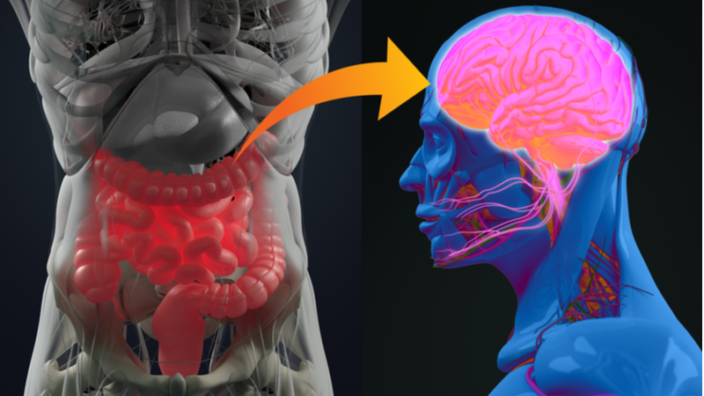
Fecal Transplantation for Alzheimer’s Disease

A recent review published in Cureus shows why fecal microbial transplantation (FMT) might be able to help sufferers of Alzheimer’s disease, showing how tightly the gut and brain are intertwined.

Why would this ever work?

The gut and brain are closely linked through biochemistry, and last month, we published an article about how the gut impacts immune function in the brain. This review notes the associations between gut flora and cognitive health and then takes this idea a step further, collating research showing that gut dysbiosis is a key player in Alzheimer’s disease.

The researchers outline a chain of biological relationships. Gut dysbiosis increases the level of harmful compounds in the gut, decreases beneficial compounds such as short-chain fatty acids, and negatively impacts tight junction proteins, such as zonulin and occludin, which affect intestinal permeability [1] and directly affect the blood-brain barrier [2].

Increased intestinal permeability has a negative impact on inflammation. Bacteria crossing the intestinal barrier have been shown to activate toll-like receptors 2 and 4, triggering the inflammatory factor NFkB and leading to the release of inflammatory cytokines [3].

As the blood-brain barrier has been opened up by the loss of tight junctions, these cytokines lead to immune cells going where they are not wanted in addition to microglia becoming triggered by inflammation, breaking down the extracellular matrix and causing brain cells to suffer dysfunction, triggering the known pathologies of Alzheimer’s disease [2].

With this in mind, several research groups singled out what they believe to be the bacterial culprits in this chain of events. One of the most notable is Bacteroides, which was found to be associated with increased amyloid-beta (Aß) in the brain: the key hallmark of Alzheimer’s disease [4].

Therefore, directly replacing these bacteria in the gut is an approach worth exploring.

The evidence for fecal transplants in Alzheimer’s

The reviewers cite a great many studies showing that FMT, which replaces the gut microbiota with bacteria from another source, may be useful in the treatment of Alzheimer’s disease. Two different mouse studies showed that fecal transplantation, depending on the source, can improve spatial learning and memory [5] as well as performance on the well-known Morris maze test [6].

One transgenic mouse study showed that FMT can decrease inflammatory cytokines, partially restoring the microglia in the brain [7]. Another compelling study also involved transgenic mice, showing that FMT decreased both tau and two different Aß proteins while improving cognitive abilities and increasing neuroplasticity, reflecting the brain’s ability to learn new things [8].

Dietary interventions

While the reviewers do not cite any study showing that a dietary change can ameliorate Alzheimer’s in humans, they do cite a previous review showing that omega-3 fatty acids, antioxidants, a reduced intake of animal proteins, and reduced fat and sugar are linked to a decreased incidence of Alzheimer’s disease [9]. This shows the possibility of prevention rather than a cure. Another team found that long-term caloric restriction can decrease the bacterial culprits involved in the cascade [4].

Conclusion

Fecal transplantation is certainly a disgusting thing to contemplate, but the link between harmful chemicals in the gut and their downstream effects on the brain is supported by substantial evidence. While curing Alzheimer’s disease is an extremely difficult and so far largely fruitless endeavor, preventing or at least delaying Alzheimer’s just might be a far simpler thing to do.

Hopefully, we will soon be able to develop tests and diagnostics that detect people at risk for Alzheimer’s disease, preventing the protein aggregations that are at its core. Before then, eating a healthy diet and maintaining a healthy gut microbiome can be reasonably assumed to be one of the best current approaches to staving off this deadly neurodegenerative disease.

We would like to ask you a small favor. We are a non-profit foundation, and unlike some other organizations, we have no shareholders and no products to sell you. All our news and educational content is free for everyone to read, but it does mean that we rely on the help of people like you. Every contribution, no matter if it’s big or small, supports independent journalism and sustains our future.

Literature

[1] Janeiro MH, Ramírez MJ, Solas M: Dysbiosis and Alzheimer’s disease: cause or treatment opportunity? [In Press]. Cell Mol Neurobiol. 2021, 10.1007/s10571-020-01024-9

[2] Parker A, Fonseca S, Carding SR: Gut microbes and metabolites as modulators of blood-brain barrier integrity and brain health. Gut Microbes. 2020, 11:135-57. 10.1080/19490976.2019.1638722

[3] Ganesh BP, Versalovic J: Luminal conversion and immunoregulation by probiotics. Front Pharmacol. 2015, 6:269. 10.3389/fphar.2015.00269

[4] Cox LM, Schafer MJ, Sohn J, Vincentini J, Weiner HL, Ginsberg SD, Blaser MJ: Calorie restriction slows age-related microbiota changes in an Alzheimer’s disease model in female mice. Sci Rep. 2019, 9:17904. 10.1038/s41598-019-54187-x

[5] Zhan G, Yang N, Li S, et al.: Abnormal gut microbiota composition contributes to cognitive dysfunction in SAMP8 mice. Aging (Albany NY). 2018, 10:1257-67. 10.18632/aging.101464

[6] Yu F, Han W, Zhan G, et al.: Abnormal gut microbiota composition contributes to cognitive dysfunction in streptozotocin-induced diabetic mice. Aging (Albany NY). 2019, 11:3262-79. 10.18632/aging.101978

[7] Dodiya HB, Kuntz T, Shaik SM, et al.: Sex-specific effects of microbiome perturbations on cerebral Aß amyloidosis and microglia phenotypes. J Exp Med. 2019, 216:1542-60. 10.1084/jem.20182386

[8] Sun J, Xu J, Ling Y, et al.: Fecal microbiota transplantation alleviated Alzheimer’s disease-like pathogenesis in APP/PS1 transgenic mice. Transl Psychiatry. 2019, 9:189. 10.1038/s41398-019-0525-3

[9] Pistollato F, Iglesias RC, Ruiz R, et al.: Nutritional patterns associated with the maintenance of neurocognitive functions and the risk of dementia and Alzheimer’s disease: a focus on human studies. Pharmacol Res. 2018, 131:32-43. 10.1016/j.phrs.2018.03.012

Hidden information

Altos Labs Launches with a Focus on Cellular Reprogramming

A new company focused on aging has launched, and it has the backing of Yuri Milner and Jeff Bezos among other wealthy people interested in tackling aging.

Altos Labs is founded to treat aging itself

In recent months, there have been some hints but considerable secrecy surrounding the formation of a new aging research company by some prominent members of our community. Finally, the mystery of this new, large-scale venture has been solved.

Altos Labs has been announced and has the backing of a number of high net worth individuals from business and philanthropy communities. An article appearing in Technology Review revealed some of the details of this new company.

While that publication’s choice of title, Meet Altos Labs, Silicon Valley’s latest wild bet on living forever, makes the common mistake of conflating aging research with living forever or immortality, it also includes some factual information alongside the usual misunderstandings and misinterpretation of what our field is seeking to achieve.

Among the backers of Altos Labs are Russian-born billionaire Yuri Milner along with Jeff Bezos, the world’s richest person, the former CEO of Amazon who stepped down in July this year.

Could this time be different?

Regular readers will no doubt be familiar with past formations of similar companies, such as the Google-backed Calico Labs, which appeared with a great amount of hype and talk about how Google was taking on death and other such nonsense. While considerable fanfare heralded its arrival, very little in terms of tangible rejuvenation tech has resulted.

Instead, that company has produced a great deal of fundamental research about the biology of aging, which of course has a valid place, but such research does not exactly live up to the expectations that the community had for the company.

That said, the one exception to this was its recently published work with cellular reprogramming, which may prove useful in the future. This is an area of research that we are happy to see Calico exploring, so we hope that the company continues to do so.

Sadly, we have not seen much to be excited about from Google, so the greatly hyped arrival of another organization with big money behind it should be taken with a pinch of salt.

However, as for whether this time could be different, we will answer that with a cautious and somewhat more optimistic yes. The reason for this optimism is that, unlike the fairly vague goals that accompanied Calico’s arrival, Altos Labs has set its sights on a promising target.

Its focus is going to be on cellular reprogramming, which has been shown to reverse epigenetic alterations in mice. We are enthusiastic about the potential of cellular reprogramming, given that it directly targets one of the nine reasons we age.

Some great researchers are involved

Partial cellular reprogramming pioneer, Carlos Izpisúa Belmonte, a Spanish biologist at the Salk Institute, is rumoured to be joining Altos Labs. Belmonte famously demonstrated that living animals could have their cells rejuvenated using partial cellular reprogramming in 2016. While Salk has not confirmed this at the time of writing, if he is on the team, that gives us more confidence in this venture leading to something useful.

Steve Horvath, pioneer of DNA methylation clocks, the gold standard for aging biomarkers, is also joining the company. He has a wealth of experience regarding aging biomarkers and has spent years constantly improving and refining aging clocks to support the progress of our field.

Shinya Yamanaka, the co-discoverer of cellular reprogramming, will also be on the scientific advisory board.

There is no doubt that this roster of researchers will continue to grow in the next few months, and we will be interested to see who else joins the team.

Excerpt from Technology Review

Last October, a large group of scientists made their way to Yuri Milner’s super-mansion in the Los Altos Hills above Palo Alto. They were tested for covid-19 and wore masks as they assembled in theater on the property for a two-day scientific conference. Others joined by teleconference. The topic: how biotechnology might be used to make people younger. Milner previously started the glitzy black-tie Breakthrough Prizes, $3 million awards given each year to outstanding physicists, biologists, and mathematicians. But Milner’s enthusiasm for science was taking a provocative and specific new direction. As the scientific sessions progressed, experts took the stage to describe radical attempts at “rejuvenating” animals.

That meeting has now led to the formation of an ambitious new anti-aging company called Altos Labs, according to people familiar with the plans. Altos hasn’t made an official announcement yet, but it was incorporated in Delaware this year and a securities disclosure filed in California in June indicates the company has raised at least $270 million. Altos is pursuing biological reprogramming technology, a way to rejuvenate cells in the lab that some scientists think could be extended to revitalize entire animal bodies, ultimately prolonging human life. The new company, incorporated in the US and in the UK earlier this year, will establish several institutes in places including the Bay Area, San Diego, Cambridge, UK and Japan, and is recruiting a large cadre of university scientists with lavish salaries and the promise that they can pursue unfettered blue-sky research on how cells age and how to reverse that process.

Conclusion

While it is tempting to think of past disappointments and judge this new venture based on it, it is better to wait and see what happens. The company has the right focus and some of the right people, and it certainly has the money. We will be keeping a close eye on Altos Labs and seeing how things develop in the future.

We would like to ask you a small favor. We are a non-profit foundation, and unlike some other organizations, we have no shareholders and no products to sell you. All our news and educational content is free for everyone to read, but it does mean that we rely on the help of people like you. Every contribution, no matter if it’s big or small, supports independent journalism and sustains our future.
Neurons

A Peptide Boosts Cognition in Mouse Study

Cognitive decline and neurological aging may involve a peptide known as adropin, according to new research. The identification of this link offers a new perspective on the aging brain and points to novel potential therapies.

A newly discovered metabolic neuropeptide

The adropin protein is encoded by the Energy Homeostasis Associated (ENHO) gene, and as the name suggests, it has been implicated in metabolic processes. However, ENHO expression is higher in the brain than in non-neural tissues, and other observations also suggest that adropin serves as a neuropeptide. Adropin levels in plasma decline with age, and expression levels in rat brains correlate with markers of oxidative stress.

An international collaboration led by researchers at the Saint Louis University School of Medicine built on this background by investigating the relationship between adropin levels and cognitive decline [1]. The researchers used a combination of open access sequence data and experiments in mouse models to show that adropin levels are linked with cognitive decline and that adjusting them may prove to be a fruitful therapy.

Staving off cognitive decline

Expression of the ENHO gene correlated with processes related to redox reactions and mitochondrial activity, consistent with the notion that adropin is a metabolic peptide. Expression levels were also highest in the brain, underscoring its role in neurobiology.

Adropin levels also peak early in life – during the first decade in humans – and mice lacking adropin had defects in synapse formation, decreased locomotor activity, and impaired motor coordination. In cultures, adropin enhances the growth and activity of neurons. Altogether, these data suggest that adropin plays an important role in neurodevelopment, probably one that involves the energy metabolism of the brain.

The researchers used open access transcriptomic data to assess the levels of adropin in individuals of different ages as well as people with and without dementia. In people with dementia, adropin expression was correlated with genes involved in mitochondrial activity, while in people over 75 without dementia, its expression was correlated with gene networks involved in morphogenesis and synaptic function.

However, the researchers stress that this may be a consequence of survivorship bias rather than reflecting any beneficial effects of adropin. In other words, the changes in adropin could be a consequence of better gene regulatory control, which allows people to live longer and healthier.

That said, the researchers provide further evidence for the benefits of adropin via experiments with mouse models of cognitive decline. They showed that increasing adropin levels (whether through genetic manipulation or directly via injection) improved their performance on cognitive function tests compared to untreated mice. Adropin improved cognitive performance even when it was administered to older mice, suggesting that it can reverse age-related cognitive impairment instead of only preventing it.

Abstract

The neural functions of adropin, a secreted peptide highly expressed in the brain, have not been investigated. In humans, adropin is highly expressed in astrocytes and peaks during critical postnatal periods of brain development. Gene enrichment analysis of transcripts correlating with adropin expression suggests processes relevant to aging-related neurodegenerative diseases that vary with age and dementia state, possibly indicating survivor bias. In people aged <40 y and ‘old-old’ (>75 y) diagnosed with dementia, adropin correlates positively with genes involved in mitochondrial processes. In the ‘old-old’ without dementia adropin expression correlates positively with morphogenesis and synapse function. Potent neurotrophic responses in primary cultured neurons are consistent with adropin supporting the development and function of neural networks. Adropin expression in the ‘old-old’ also correlates positively with protein markers of tau-related neuropathologies and inflammation, particularly in those without dementia. How variation in brain adropin expression affects neurological aging was investigated using old (18-month) C57BL/6J mice. In mice adropin is expressed in neurons, oligodendrocyte progenitor cells, oligodendrocytes, and microglia and shows correlative relationships with groups of genes involved in neurodegeneration and cellular metabolism. Increasing adropin expression using transgenesis improved spatial learning and memory, novel object recognition, resilience to exposure to new environments, and reduced mRNA markers of inflammation in old mice. Treatment with synthetic adropin peptide also reversed age-related declines in cognitive functions and affected expression of genes involved in morphogenesis and cellular metabolism. Collectively, these results establish a link between adropin expression and neural energy metabolism and indicate a potential therapy against neurological aging.

Conclusion

These findings present a lot of new questions for researchers to follow up on. Does adropin expression correlate with lifespan? What are the mechanisms linking adropin with neurobiology? Do they involve metabolic regulation, and does that change with age? How does adropin respond to nutrient perception mechanisms? What is the potential of adropin as a therapeutic tool for maintaining brain health? Clarifying these issues will help us understand the link between age, energy metabolism, and cognitive health, and we look forward to covering that research as it unfolds.

We would like to ask you a small favor. We are a non-profit foundation, and unlike some other organizations, we have no shareholders and no products to sell you. All our news and educational content is free for everyone to read, but it does mean that we rely on the help of people like you. Every contribution, no matter if it’s big or small, supports independent journalism and sustains our future.

Literature

[1] Banerjee, S. et al. Adropin correlates with aging-related neuropathology in humans and improves cognitive function in mice. NPJ Aging and Mechanisms of Disease (2021), doi: 10.1038/s41514-021-00076-5

Intercellular Communication

Exploring the Senescence-Associated Secretory Phenotype

Today, we want to highlight a recent review that charts the pro-inflammatory signals produced by senescent cells [1].

What is the senescence-associated secretory phenotype?

As we grow older, an increasing number of aged cells in our body enter a state called senescence. At this point, the cells no longer divide and, under normal conditions, should initiate a self-destruct sequence known as apoptosis. The immune system then disposes of these old cells, allowing fresh replacement cells to take their place.

Unfortunately, like many things in our bodies, this disposal process breaks down and starts to grind to a halt. This results in an increasing number of senescent cells evading apoptosis and remaining at large in the body. Cellular senescence is one of the reasons that we are thought to age.

The problem is that these cells don’t just hang around taking up space that could be used by healthy new cells, they also cause inflammation. Senescent cells secrete a mixture of pro-inflammatory cytokines, chemokines, and extracellular matrix proteases, which, together, form the senescence-associated secretory phenotype, or SASP.

The SASP contributes to the smoldering background of chronic inflammation that typically accompanies aging and can cause many problems.

Disrupting the lines of communication

Not only does the SASP cause inflammation and disruption to various cellular processes, it can also mess up cell-to-cell communication, leading to things like the immune system going haywire and triggering other cells exposed to the SASP to become senescent. Altered intercellular communication is also a proposed reason we age.

It doesn’t take many senescent cells at all to create this pandemonium. Even by the time we reach advanced age, only a small percentage of the total cells in our body are senescent. This means that a relatively small amount of these cells can create a problem many times greater than their number.

Reviewing the senescence-associated secretory phenotype

This review takes a look at the SASP and how its influence contributes to systemic aging in the context of altered intercellular communication and cellular senescence. The review explores the mechanisms of how senescent cells and their secreted SASP, NAD+ metabolism, and circulating factors regulate systematic aging.

It also takes a look at some of the potential solutions to these problems using various therapies for age reversal.

Abstract

With 100% incidence rate and individualized symptoms, aging is a highly complex process which simultaneously affects multiple organ systems (Ahadi et al., 2020). In addition to probing for the cell-autonomous mechanisms of aging, there is growing awareness of that deregulated intercellular communication contributes to decline in tissue/organ health with aging (Lopez-Otin et al., 2013). Intercellular communication refers to both direct interactions between neighboring cells and indirect cell communication via various message signals. A harmonious intercellular communication system is very important for organ development, stress response, cell survival and etc. In contrast, a disordered intercellular communication can be detrimental in aging progression and promote aging-related diseases (Fafian-Labora and O’Loghlen, 2020).

The best-known means of regulating intercellular communication are soluble factors in blood or extracellular matrix that can easily cross cell membrane to take effect through autocrine or paracrine signaling (Acosta et al., 2013). These soluble factors exist in various forms including proteins, metabolites or nucleic acids. Protein factors are the most well-studied, with the proactive secretome of senescent cells, known as senescence-associated secretory phenotype (SASP) factors, accounting for the vast majority. Senescent cells amass with age and secret more and more SASP factors into extracellular matrix, resulting in chronic low-grade immune response activation, or “Inflammaging,” which systematically compromise physiological functions and contribute to age-related dysfunctions in different organs or tissues such as neurodegeneration (Frederiksen et al., 2019; Ogrodnik et al., 2021), atherosclerosis (Childs et al., 2016), osteoarthritis cancer (Jeon et al., 2018), and kidney dysfunction (Valentijn et al., 2018), etc. Apart from SASP factors, non-SASP circulating protein factors and metabolites, particularly NAD+, have been extensively researched in recent years for their roles in aging development. Studies designed to counteract the change of these factors or metabolites caused by aging have shown that they are promising targets for anti-aging interventions. Moreover, recent studies have accumulated evidence that non-coding RNA molecules are linked to several biological aspects of aging such as senescence or autophagy, indicating more research attention needed.

Here, we review some major means of intercellular communication that affect aging such as senescence and senescence associated secretion phenotype (SASP) in the context of physiological or pathological scenario. We also go over the regulatory mechanisms of circulating aging-related factors including proteins factors, NAD+ and non-coding RNAs, as well as potential anti-aging strategies that target them. In light of the close tie of NAD+ metabolism with aging, we discuss how different organs use this highly mobile cofactor to shape cellular microenvironment. In light of the close tie of NAD+ metabolism with aging, we-discuss how different organs use this highly mobile cofactor to shape cellular microenvironment.

Conclusion

While we are still some way from a more complete understanding of aging and how the nine reasons we age are linked and regulated, that knowledge is growing. We are much further down the road to understanding and ultimately bringing aging under medical control than we were just ten years ago. This review collates a great deal of that knowledge and helps order it in a logical way that makes for a worthwhile read.

One of the urgent needs for our field is moving toward a unified theory of aging that puts all the pieces of the puzzle together. Reviews like this help to consolidate what we have learned and contribute towards that unified theory of aging.

That said, while it is certainly true that we do not yet understand aging fully, we know enough to start testing interventions against aging. Therapies such as senolytics as well as those that seek to restore metabolic homeostasis, such as NAD+ repletion, are likely near-future prospects and could significantly change how we age. This review does a good job of discussing these and other potential solutions.

We would like to ask you a small favor. We are a non-profit foundation, and unlike some other organizations, we have no shareholders and no products to sell you. All our news and educational content is free for everyone to read, but it does mean that we rely on the help of people like you. Every contribution, no matter if it’s big or small, supports independent journalism and sustains our future.

Literature

[1] Tan, Q., Liang, N., Zhang, X., & Li, J. (2021). Dynamic aging: channeled through microenvironment. Frontiers in Physiology, 12.

Fasting clock

Fasting May Be Beneficial For Human Longevity

A recent study in Clinical and Translational Medicine followed people who went 5 days without eating and found improvements both immediately afterwards and up to 98 days later.

Fasting for longevity

Fasting is a practice in which an individual abstains from food and calories for a given length of time. There have been many preclinical studies suggesting the anti-aging effects of fasting, such as reducing cancer and extending lifespan [1-3]. Many, although not all, studies in humans also suggest benefits. It is believed these benefits are largely due to longevity-related pathways such as loss of excess fat, reduced oxidative stress, reduced inflammation, and increased autophagy [1-3].

However, it is unclear what fasting regimen (duration, frequency, etc.) is ideal, and long-term studies are still lacking. It also remains controversial whether fasting is beneficial in normal-weight individuals or only in people who are overweight [4]. A clinical trial in which 45 normal-weight individuals fasted for 5 days was recently conducted at Shanghai University [5].

Is it safe to fast for 5 days?

Participants were monitored closely by the study team to ensure their safety. Additionally, they were also permitted water with salt and mineral supplements. On the sixth, seventh, and eighth days, participants began eating 30%, 60%, and 100% of their recommended daily caloric intake, respectively, before returning to their previously unrestricted diets.

Various safety measures showed that 5 days without food was well-tolerated by the participants, including measures of liver function, kidney function, electrolyte levels, and blood cell counts. Uric acid levels increased during the fasting window, suggesting that fasting may not be appropriate for gout patients or those with impaired kidney function. Hunger levels increased approximately 4-fold on a 20-point scale, but measurements of depression and anxiety remained constant throughout the fast, and no other adverse events were reported to the study team.

Benefits of the extended fast

Many positive effects were seen initially from the 5-day fast. Participants lost an average of 4.6 kg (10.1 lbs) and 9.9 cm (3.9 inches) of waist circumference by the end of their fast. Systolic and diastolic blood pressures were reduced by approximately 10 and 20 mmHg, respectively. Insulin levels were reduced by 64% and IGF-1 by 27%. T3, a thyroid hormone negatively associated with longevity, decreased by over half. Treg cells, which reduce inflammation, were increased throughout fasting.

Many of these benefits lasted well beyond the fasting period, but only waist circumference and Treg cell populations remained improved by day 98 of the study. Insulin levels had returned to baseline after the participants’ three days of slowly reintroducing food (day 8). Diastolic blood pressure, IGF-1, and T3 returned to baseline between days 8 and 38. Body weight and systolic blood pressure returned to baseline between days 38 and 98.

The authors also investigated many glucose metabolism and ketogenic pathways, all of which showed improvements but returned to normal (except lactic acid) by day 38. Lipid levels increased dramatically as the body began burning fat for energy, but they returned to baseline shortly after the fasting period concluded. Of particular note, the well-characterized anti-aging “ketone body” ß-hydroxybutyrate increased by 51-fold by day 5 of fasting and returned to normal by day 8.

In summary, the present study suggests that 5-day water-only fasting reduces metabolic-syndrome and aging biomarkers. Water-only fasting upregulates Tregs to prevent or treat inflammation-related diseases, as well as potentially promote anti-aging by decreasing T3, insulin, IGF-1, and significantly increasing ß-hydroxybutyrate. The results of the present study are very promising as 5-day water-only fasting has many critical beneficial effects without toxicity.

Conclusion

This study adds to the body of literature showing similar benefits to other studies that have investigated caloric restriction and other fasting methods in humans. Beneficial ketone bodies increased much more dramatically in this study of extended fasting than what is typically seen during intermittent fasting, caloric restriction, and other fasting mimetics. Interestingly, whether participants were over or under 45 years of age did not influence most of the results reported in the study. This may be a hint that fasting can be beneficial across a wide range of ages.

Unfortunately, this study had no experimental comparisons or non-fasting control groups. All outcomes were assessed relative to the participants’ pre-fasting levels, but how this method might have compared to other strategies would have been particularly beneficial to see. We cannot say from this study whether a 5-day fast was beneficial relative to a regular healthy diet, caloric restriction, or a different fasting pattern, for example. It also should be noted the study population was exclusively Chinese. This provides interesting data to compare to studies with other participant backgrounds, but it potentially limits our ability to assume that its findings apply to other populations.

Finally, the intervention used in this study is quite difficult to achieve. Beyond self-control and determination, it also requires special attention to electrolyte maintenance and a re-feeding strategy. While 5 days without eating is much more feasible than might be assumed by people who are unfamiliar with fasting, it is still very difficult for inexperienced fasters. The authors themselves state how the study was conducted in a specialized clinic and that extended fasting should be guided by a clinical team.

If you are interested in learning more about fasting, check out our summary article “What is fasting and how does it work?

We would like to ask you a small favor. We are a non-profit foundation, and unlike some other organizations, we have no shareholders and no products to sell you. All our news and educational content is free for everyone to read, but it does mean that we rely on the help of people like you. Every contribution, no matter if it’s big or small, supports independent journalism and sustains our future.

Literature

[1] Fontana, L. and Partridge, L. Promoting health and longevity through diet: from model organisms to humans. Cell (2015). https://doi.org/10.1016/j.cell.2015.02.020

[2] Longo, V.D. and Mattson M.P. Fasting: molecular mechanisms and clinical applications. Cell Metab. (2014). https://doi.org/10.1016/j.cmet.2013.12.008

[3] Nencioni, A. et al. Fasting and cancer: molecular mechanisms and clinical application. Nat Rev Cancer (2018). https://doi.org/10.1038/s41568-018-0061-0

[4] Harvie, M. and Howell, A. Potential Benefits and Harms of Intermittent Energy Restriction and Intermittent Fasting Amongst Obese, Overweight and Normal Weight Subjects—A Narrative Review of Human and Animal Evidence. Behavioral Sciences (2017). https://doi.org/10.3390/bs7010004

[5] Jiang, Y., et al. Five-day water-only fasting decreased metabolic-syndrome risk factors and increased anti-aging biomarkers without toxicity in a clinical trial of normal-weight individuals. Clinical and Translational Medicine (2021). https://doi.org/10.1002/ctm2.502

Rejuvenation Roundup thumbnail August

Rejuvenation Roundup August 2021

August is over, and with it, our annual Ending Age-Related Diseases conference! EARD2021 was a great success, and we would like to thank our attendees and sponsors for their support. We will be releasing videos from this event over the coming months, so stay tuned.

LEAF News

EARD2021

Geroscience and Gilgamesh’s Quest: As the introduction to our fourth annual Ending Age-Related Diseases conference, lifespan.io president Keith Comito discusses the epic of Gilgamesh and how it relates to our modern quest of curing the diseases of aging.

Lifespan News

Is Niacin a Parkinson’s Disease Treatment?: Brent Nally discusses niacin supplementation and how this vitamin affects metabolic pathways related to aging and could benefit sufferers of Parkinson’s disease.

CRISPR for Immune System Invisibility: We discuss CRISPR-engineered stem cells that do not evoke an immune response, which makes them ideal for therapeutic purposes.

Rejuvenation Roundup Podcast

Ryan O’Shea of Future Grind hosts this month’s podcast, showcasing the events and research discussed here.

Advocacy and Analysis

The Facts and Fiction of the Movie Old: Elena Milova breaks down M. Night Shymalan’s recent movie, which features supernaturally rapid aging.

Education

Berberine: Derived from barberries, berberine is a popular supplement in the life extension community that is often touted as being similar to metformin.

Grapefruit are a source of spermidine, which may have anti-aging properties.Spermidine: Found in grapefruit, spermidine is one of the more interesting polyamines. Some research suggests that spermidine may slow down aging and promote healthy longevity.

Quercetin: Found in many fruits and vegetables, quercetin may have some potential in the context of aging. We take a look at this natural compound and popular dietary supplement.

Diagram of NADHNicotinamide Adenine Dinucleotide: NAD is a is a key coenzyme found in all living cells. It is a dinucleotide, which means that it consists of two nucleotides joined through their phosphate groups.

Resveratrol: Probably best known for its presence in grapes and wine and being popularly associated with longevity, this popular dietary supplement may have a few tricks up its sleeve.

Research Roundup

OocyteGene Found to Restore Egg Cell Function in Mice: A study conducted at the Institute of Reproductive Medicine in South Korea has shown that the protein expressed by growth-associated gene 6 (GAS6) ameliorates age-related decline in egg cells (oocytes).

The Links Between Sleep Deprivation and Aging: A team of Russian researchers has shown what happens to the cognitive capabilities and brain structures of young and old sleep-deprived mice. Sleep-deprived mice act somewhat like sleep-deprived people.

Older people playing chessCognition Has Improved in Older Adults Between 2004 and 2013: New research shows society-wide improvements in cognition for older adults, but it also highlights a need to specifically target age-related cognitive decline.

The Aging Microbiome Impacts Immune Function in the Brain: A recent review discusses how microbiome changes can have far-reaching effects, even in the brain, despite its protection by the blood-brain barrier.

Stroke RecoveryComputer Modeling Rapamycin Derivatives for Treating Stroke: Chinese researchers have described how they used computer modeling in order to create a new rapalog that is designed to reduce the long-term impact of stroke.

Young ECM Expression in Predicting Longevity Drug Discovery: Using multiple databases, researchers have turned up potential new therapeutics to target the aging extracellular matrix (ECM).

ClockA New Clock Tracks Inflammatory Aging: The researchers built their clock using data from the Stanford 1000 Immunomes project, a longitudinal study of aging and vaccination that collected blood samples between 2007 and 2016 from 1,001 participants aged 8 to 96.

Senescent Cells and the Cytokine Storm: Research shows how senescent cells overreact to inflammatory stimuli, causing them to excessively excrete compounds that promote inflammation.

DNA Blood CellsStem Cell Helper Heat Shock Protein Identified: Researchers have identified a protein that helps hematopoietic stem cells (HSCs) both in ex vivo cultures and in aging tissues.

The Hedgehog Protein Reduces Microglial Inflammation in Mice: Researchers have discovered that a protein called hedgehog alleviates the tissue-specific, age-related inflammation of the microglia, the maintenance cells of the brain.

Stressful stimuli

Stress, Sensory Gating, and Cognitive Decline With Age: Researchers have found that stresses, both biological and in daily life, harm sensory gating, which is a fundamental part of our ability to correctly process what’s going on around us.

Working the Deletion Problem out of CRISPR: In a study published in Genome Biology, researchers explain how they are working to make CRISPR less prone to large, accidental deletions of genetic material.

Hair LossCollagen, Senescence, and Age-Related Hair Loss: A study has reported similar mechanisms of TGF-ß2 and collagen on hair follicle aging, dermal papilla cell senescence, and in vitro spheroid formation.

Early Antibiotic Exposure Can Decrease Lifespan in Mice: Early-life exposure to antibiotics that destroy the gut flora can harm the lifelong development of mice, including lifespan.

Press the reset buttonYamanaka Factors and Making Old Cells Young: We chronicle the progress of partial cellular reprogramming and discuss how this powerful treatment may be able to reprogram cells back into a youthful state.

The Road Between Inflammation and Heart Aging: This paper outlines the cellular link between age-related inflammation and the physical aging of heart muscle cells (cardiomyocytes); the inflammasome NLRP3 is critical in this process.

Neuroprotective Effect of Trans-Resveratrol in Mild to Moderate Alzheimer’s Disease: Trans-resveratrol has potential neuroprotective roles in the treatment of moderate to mild AD, and its mechanism may involve a reduction in the accumulation and toxicity of Aß in the brain of patients.

Effect of Dietary Pyrroloquinoline Quinone Disodium Salt on Cognitive Function in Healthy Volunteers: This study shows that supplementation of PQQ disodium salt is useful in improving memory, attention, judgment, and cognitive function in middle-aged to elderly people.

Oral Supplementation with Hydrolyzed Fish Cartilage Improves the Morphological and Structural Characteristics of the Skin: A significant reduction in wrinkles and an increase of dermis echogenicity were observed after a 90-day period of treatment.

Association Between Dietary Melatonin Intake and Total and Cause-Specific Mortality in Japanese Adults: The researchers estimated habitual dietary melatonin intake and examined its association with total and cause-specific mortality in a population-based cohort study in Japan. The data suggest a potential benefit of dietary melatonin with regard to mortality rates.

Epigenetic age is associated with baseline and 3-year change in frailty: Both the GrimAge and Hannum clocks showed a measurable relationship with this physical problem.

Sex- and age-dependent outcomes of 9-hour time-restricted feeding of a Western high-fat high-sucrose diet in C57BL/6J mice: While it does not prevent weight gain in female mice, time-restricted feeding was shown to protects against multiple conditions in both sexes.

A stem-cell basis for skeletal ageing: This study shows how aging hobbles the ability of skeletal stem cells to maintain a healthy balance between driving bone formation and bone destruction.

Telomerase therapy reverses vascular senescence and extends lifespan in progeric mice: The researchers conclude that vascular rejuvenation using telomerase mRNA is a promising approach for progeria and other age-related diseases.

Young and Undamaged rMSA Improves the Healthspan and Lifespan of Mice: With an eye towards the problems associated with aging human serum albumin, the researchers showed that fresh recombinant mouse serum albumin is beneficial for mice.

Bone marrow mesenchymal stem cells derived from juvenile macaques reversed ovarian ageing in elderly macaques: These cells increased ovarian volume, aided sex hormones in regulation, strengthened blood vessels, and helped in many other ways.

Treatment with the BCL-2/BCL-xL inhibitor senolytic drug ABT263/Navitoclax improves functional hyperemia in aged mice: This treatment improved both learning and memory in older animals by improving neurovascular coupling, which is the fine control of blood flow in the brain.

Local delivery of a senolytic drug in ischemia and reperfusion-injured heart attenuates cardiac remodeling and restores impaired cardiac function: ABT263-PLGA reduces inflammation and destroys senescent cells without causing systemic toxicity.

News Nuggets

Exercising with dataHumanity Launches an App to Help You Slow Down Aging: Humanity has launched a longevity app in the UK that could help you stay healthier for longer and potentially achieve longevity. The HUMANITY app has been launched on the iPhone, and it is due to get an Android version in the near future.

Longeveron Takes Aim at Aging with Cell Therapy: Longeveron has just announced the first data from its Phase 2b clinical trial that targets frailty with Lomecel-B, an MSC-based cell therapy.

TruDiagnostic logoA New Generation of Epigenetic Aging Clock: Hannah Went of TruDiagnostic explains her company’s new epigenetic aging clock, DunedinPACE, and how it uses data gleaned from the Dunedin cohort to determine biological age.

Coming up in September

Virtual Conference on Big Data, AI, and Healthy Longevity: On September 9, HEALES is hosting a conference in order to discuss the use of anonymized health data for research purposes.

The Longevity Investors Conference: The second investors-only conference focusing on longevity will take place on September 27. This conference targets the global investor community in order to bring private and institutional investors together.

We would like to ask you a small favor. We are a non-profit foundation, and unlike some other organizations, we have no shareholders and no products to sell you. All our news and educational content is free for everyone to read, but it does mean that we rely on the help of people like you. Every contribution, no matter if it’s big or small, supports independent journalism and sustains our future.
Removing senescent cells with senolytics may reverse some aspects of aging.

What are Senolytics? A Summary of Senotherapeutics

In this article we will take a look at senolytics and how they have the potential to reverse some aspects of the aging process.

Senescent cells and aging

As your body ages, increasing amounts of your cells enter into a state of senescence. Senescent cells do not divide or support the tissues of which they are part; instead, they emit a range of potentially harmful chemical signals that encourage nearby cells to enter the same senescent state. The signals they secrete are pro-inflammatory cytokines, chemokines, and extracellular matrix proteases, which, together, form the senescence-associated secretory phenotype, or SASP.

Their presence causes many problems: they degrade tissue function, increase levels of chronic inflammation, and can even eventually raise the risk of cancer. Senescent cells normally destroy themselves via a programmed process called apoptosis, and they are also removed by the immune system; however, the immune system weakens with age, and increasing numbers of these senescent cells escape this process and build up.

By the time people reach old age, significant numbers of these senescent cells have accumulated in the body, causing inflammation and damage to surrounding cells and tissue. The accumulation of senescent cells are one of the reasons we age [1-2].

What are senolytics?

It has long been proposed that the therapeutic removal of senescent cells could be a solution to the problem of their accumulation.

A new class of drugs known as senolytics focuses on the destruction of these stubborn “death-resistant” cells from the body in order to reduce inflammation and improve tissue function. These drugs are being developed to be selective, meaning they can trigger apoptosis in senescent particular cells while leaving healthy cells alone.

How do Senolytics work?

Senolytics work by targeting one of several pro-survival pathways that senescent cells use to evade apoptosis and cling onto life. One of the challenges in dealing with senescent cells is that there are a number of differing populations of these cells in our tissues and organs, each using different pro-survival pathways. It could be that multiple senolytic drugs need to be used to remove senescent cells using different pathways to survive.

Also, some senescent cells play a role in wound healing too so a better understanding of what these different populations of senescent cells are doing is critical before deciding which ones to target.

How senolytics were discovered

The health and lifespan of mice have been demonstrated to improve by the removal of senescent cells (and reducing the SASP) using a transgenic suicide gene [3], and additional experiments showed that the same could be achieved using small molecules. The SASP is thought to significantly contribute to aging [4] and cancer [5]; thus, senolytics and the removal of the SASP are a potential strategy for promoting health and longevity.

It was discovered through transcript analysis that senescent cells have increased expression of pro-survival genes consistent with their resistance to apoptosis [6]. Drugs targeting these pro-survival factors selectively killed senescent cells. Two such drugs were dasatinib and quercetin, which were both able to remove senescent cells but were better in different tissue types.

However, it was discovered that a combination of the two drugs formed a synergy that was significantly more effective at removing some senescent cell types [7].

In other studies, removing only thirty percent of senescent cells was sufficient to slow down age-related decline. These results suggest the feasibility of selectively ablating senescent cells and the efficacy of senolytics in alleviating the diseases of aging and promoting healthy longevity [8, 9, 10].

Senolytics and age-related diseases

Further confirming the potential of senolytics to treat age-related disease, a recent study demonstrated the benefits of senolytics for certain aspects of vascular aging [11]. This was the first study to show that clearance of senescent cells improves aspects of vascular aging and chronic hypercholesterolemia, thus making senolytics a possible viable method of reducing morbidity and mortality from cardiovascular diseases.

Even more recently, progress has been made in treating atherosclerosis using senolytics to address the “foam cells” that contribute to this disease [12]. There has also been progress in ways to treat type 2 diabetes using senescent cell removal [13]. Senolytics also have the potential for slowing skin aging [14] and treating osteoarthritis [15].

Senescent cells, however, are not all bad, and evidence shows that they play a role in cellular reprogramming [16] and wound healing. Like all things in biology, it is therefore clearly a question of balance: too much clearance of senescent cells would be bad for wound healing and cellular reprogramming, but too many senescent cells lead to damage [17, 18].

Therefore, the key to developing effective senolytic therapies that combat the diseases of aging is the creation of even more accurate biomarkers to measure senescent cell numbers in tissue [19] combined with effective delivery methods for the selective removal of senescent cells.

The companies developing senolytics

In the last few years interest in senolytics has increased massively. There has been an influx of investment money flowing into this area of the field and today there are multiple companies developing senolytic drugs. This is by no means an exhaustive list and we will keep adding to it over the coming months.

Unity Biotechnology

Based in South San Francisco, Unity Biotechnology was founded in 2011 by Drs. Nathaniel David, Jan Van Deursen, Judy Campisi, and Daohong Zhou. The company saw significant investment from the Longevity Fund, Jeff Bezos Expeditions, Founders Fund, and ARCH Venture Partners. Unity gained $200 million in venture funding and raised $85 million at IPO.

Unity was created based on the discoveries of the van Deursen lab at the Mayo Clinic and the Campisi lab at the Buck Institute which suggested that clearing senescent cells was beneficial in mice and could increase healthspan and potentially lifespan.

As the leader of the pack and the first biotechnology company to hit the clinic with senolytics, Unity was always going to have a harder time than the companies following closely behind. Being the first to do something, to push ahead into the unknown, and to try to become a game changer is rarely easy.

This was evidenced by some disappointing news for Unity biotech last year with their first shot on goal with drug candidate UBX0101, a MDM2-p53 inhibitor for knee Osteoarthritis, unfortunately failing to succeed. Aging biology is complex, results in mice do not always translate, and things do not always go as hoped, this is just the nature of the beast.

A bump in the road but research continues

Thankfully Unity has continued to persevere and push ahead with other drug candidates in their development pipeline.

UBX1325 for diabetic macular edema is currently in phase 1 clinical study. The drug inhibits Bcl-xL (Bcl-2 family), an alternative prosurvival pathway senescent cells use to evade apoptosis. The trial is currently enrolling participants and we anticipate that the trial results will be announced sometime around July 2021 or soon after.

UBX1967 is also in their pipeline for eye diseases which may include diabetic macular edema, diabetic retinopathy, and adult macular degeneration. There is currently no timeline for when this might reach clinical trials.

Further out, Unity also has an early pipeline for neurology due to researchers at the Mayo Clinic having discovered a connection with senescent glial cells and tau pathology and the resulting onset of neurodegenerative diseases in a 2018 study.

An uncertain future

Unity is using a small molecule approach with repurposed cancer drugs and a limiting factor to this could be toxicity. These cancer drugs can be harmful to healthy cells as well as senescent cells which limits the dosage that can be used and makes systemic treatment a challenge.

For example, Bcl-xL inhibitors (including UBX1325) are known to destroy platelets and can cause thrombocytopenia at high dosage. It may be the case that low dose localized injections of these drugs are not sufficient to effectively remove senescent cells and the harmful SASP they produce.

The other thing to consider is that Unity is using first generation senolytics based on research that used repurposed cancer drugs like dasatinib and navitoclax or plant flavonols with poor bioavailability such as quercetin and fisetin. This could be a problem further down the line as companies hot on their heels are already developing second generation senolytics that have the potential to be more selective and can be delivered more efficiently via methods such as gene therapy and nanoparticle delivery systems.

That is not to say Unity cannot still succeed here but being leader of the pack is not an easy place to be when the stakes are so high and there are others close behind seeking to innovate on what has gone before.

Siwa Therapeutics

Siwa has been with us as far back as 2006 making them the oldest senolytics company in the field. Founded by Lewis Gruber and Misty Gruber the company is based in Chicago, Illinois. Compared to Unity, the company has a much more modest $1.6 million in funding for their candidate 318H which is currently at the preclinical stage.

Their approach is somewhat more unusual than the typical small molecule approach being used by others as they have chosen to develop an immunotherapy answer to senescent cells, specifically a monoclonal antibody.

Founder Lewis Gruber said in a 2020 interview with lifespan.io, “It’s just a straight typical monoclonal antibody product, the same sort of immunotherapy that’s used in a variety of cancer therapies.”

SIWA has identified that both senescent and cancerous cells have higher levels of  glycolysis, the first step in the breakdown of glucose to extract energy to be used in cellular metabolism. The 318H monoclonal antibody targets senescent and cancerous cells through an antigen marker of this increased glycolysis which the company is yet to reveal.

In preclinical studies, naturally aged mice treated with 318H saw a 66% reduction of p16INK4a positive senescent cells and an increase in muscle mass. Muscle mass loss, known as sarcopenia, is typically observed during aging and its reversal suggests some level of tissue rejuvenation is occurring as the result of treatment. SIWA also reports a significant 30% reduction in metastasis in triple-negative breast cancer mouse models.

While SIWA has not yet announced a date for any clinical trials to begin, they have completed tolerability studies in primates and are preparing an Investigational New Drug (IND) application with the FDA. It is likely that 318H will find application with cancer before age-related diseases.

Senolytic Therapeutics

Based in Barcelona and part of the Life Biosciences group of companies, Senolytic Therapeutics was created in 2017 and co-founded by Dr. Marc Ramis Castelltort and Dr. Manuel Serrano.

Details of what the company is working on are currently somewhat shrouded in mystery due to them not publicly revealing too much information about their pipeline. However, there is some information out there if one hunts around enough to piece together at least some of what they are doing.

They have two senolytic candidates, STX519 and STX43, and based on the conference presentations from this company, it seems likely that future clinical trials will be focusing on fibrotic diseases of the liver, lungs and kidneys.

They also have STX255, a monoclonal antibody that targets senescent cell surface proteins and then recruits the immune system to clear senescent cells. STX255 has been licensed out to Swiss biotech company Rejuveron who are focused on the immune-mediated clearance of senescence cells in the fields of oncology and aging. This twin cancer and senescent cell approach makes sense as harsh chemotherapy is known to create senescent cells as collateral damage so removing chemotherapy-induced senescent cells may help to prevent cancer relapse.

They are also developing a Nanoparticle delivery system to provide a more targeted approach and to deliver senolytic payloads to target cell populations.

Conclusion

Senolytic research has exploded in the last few years and there are now many companies developing these drugs. With some currently in human trials and others close behind, the hope is that before long one of them will succeed.

Another approach to dealing with these problem cells is not to destroy them, but instead to alter the signals they send, this is known as senomorphics. If successful this would render the cells less inflammatory and harmful.

Which of the two methods for dealing with senescent cells is the most efficient is currently unknown and both approaches are being developed currently.

Literature

[1] López-Otín, C., Blasco, M. A., Partridge, L., Serrano, M., & Kroemer, G. (2013). The hallmarks of aging. Cell, 153(6), 1194-1217.

[2] van Deursen, J. M. (2014). The role of senescent cells in ageing. Nature, 509(7501), 439-446.

[3] Baker, D. J., Wijshake, T., Tchkonia, T., LeBrasseur, N. K., Childs, B. G., Van De Sluis, B., … & van Deursen, J. M. (2011). Clearance of p16Ink4a-positive senescent cells delays ageing-associated disorders. Nature, 479(7372), 232-236.

[4] Freund, A., Orjalo, A. V., Desprez, P. Y., & Campisi, J. (2010). Inflammatory networks during cellular senescence: causes and consequences. Trends in molecular medicine, 16(5), 238-246.

[5] Coppé, J. P., Desprez, P. Y., Krtolica, A., & Campisi, J. (2010). The senescence-associated secretory phenotype: the dark side of tumor suppression. Annual review of pathology, 5, 99.

[6] Zhu, Y., Tchkonia, T., Pirtskhalava, T., Gower, A. C., Ding, H., Giorgadze, N., … & O’Hara, S. P. (2015). The Achilles’ heel of senescent cells: from transcriptome to senolytic drugs. Aging cell, 14(4), 644-658.

[7] Zhu, Y., Tchkonia, T., Pirtskhalava, T., Gower, A. C., Ding, H., Giorgadze, N., … & O’Hara, S. P. (2015). The Achilles’ heel of senescent cells: from transcriptome to senolytic drugs. Aging cell, 14(4), 644-658.

[8] Tchkonia, T., Zhu, Y., Van Deursen, J., Campisi, J., & Kirkland, J. L. (2013). Cellular senescence and the senescent secretory phenotype: therapeutic opportunities. The Journal of clinical investigation, 123(3), 966-972.

[9] Zhu, Y., Armstrong, J. L., Tchkonia, T., & Kirkland, J. L. (2014). Cellular senescence and the senescent secretory phenotype in age-related chronic diseases. Current Opinion in Clinical Nutrition & Metabolic Care, 17(4), 324-328.

[10] Zhu, Y., Tchkonia, T., Pirtskhalava, T., Gower, A. C., Ding, H., Giorgadze, N., … & O’Hara, S. P. (2015). The Achilles’ heel of senescent cells: from transcriptome to senolytic drugs. Aging cell, 14(4), 644-658.

[11] Roos, C. M., Zhang, B., Palmer, A. K., Ogrodnik, M. B., Pirtskhalava, T., Thalji, N. M., … & Zhu, Y. (2016). Chronic senolytic treatment alleviates established vasomotor dysfunction in aged or atherosclerotic mice. Aging cell.

[12] Childs, B. G., Baker, D. J., Wijshake, T., Conover, C. A., Campisi, J., & van Deursen, J. M. (2016). Senescent intimal foam cells are deleterious at all stages of atherosclerosis. Science, 354(6311), 472-477.

[13] Palmer, A. K., Tchkonia, T., LeBrasseur, N. K., Chini, E. N., Xu, M., & Kirkland, J. L. (2015). Cellular senescence in type 2 diabetes: a therapeutic opportunity. Diabetes, 64(7), 2289-2298.

[14] Velarde, M. C., & Demaria, M. (2016). Targeting Senescent Cells: Possible Implications for Delaying Skin Aging: A Mini-Review. Gerontology.

[15] Xu, M., Bradley, E. W., Weivoda, M. M., Hwang, S. M., Pirtskhalava, T., Decklever, T., … & Lowe, V. (2016). Transplanted Senescent Cells Induce an Osteoarthritis-Like Condition in Mice. The Journals of Gerontology Series A: Biological Sciences and Medical Sciences, glw154.

[16] Lluc Mosteiro, Cristina Pantoja, Noelia Alcazar et al. (2016) Tissue damage and senescence provide critical signals for cellular reprogramming in vivo. Science, 354(6315).

[17] Demaria, M., Ohtani, N., Youssef, S. A., Rodier, F., Toussaint, W., Mitchell, J. R., … & Hoeijmakers, J. H. (2014). An essential role for senescent cells in optimal wound healing through secretion of PDGF-AA. Developmental cell, 31(6), 722-733.

[18] Tominaga, K. (2015). The emerging role of senescent cells in tissue homeostasis and pathophysiology. Pathobiology of Aging & Age-Related Diseases, 5.

[19] Matjusaitis, M., Chin, G., Sarnoski, E. A., & Stolzing, A. (2016). Biomarkers to identify and isolate senescent cells. Ageing research reviews, 29, 1-12.

Heart Inflammation

The Road Between Inflammation and Heart Aging

A team of Chinese researchers has outlined the cellular link between age-related inflammation (inflammaging) and the physical aging of heart muscle cells (cardiomyocytes).

NLRP3 and why it matters

We have previously discussed the NLRP3 inflammasome, which releases inflammatory cytokines upon exposure to irritants [1], including reactive oxygen species (ROS) [2]. The researchers hypothesized that ROS, in addition to its direct effects, triggers NLRP3 and thus contributes to inflammaging of the heart.

In order to induce premature aging, the researchers exposed cells to D-galactose. As expected, the senescence markers ß-galactosidase, p53, and p21 were increased, as were the inflammatory cytokines IL-1ß and IL-18. Lactate dehydrogenase (LDH), an indicator of cell toxicity, was also increased.

The researchers found that NLRP3 was increased, showing its role in at least this model of accelerated aging. ROS was also found to be increased with D-gal exposure.

The team then tested cells pre-treated with MCC950, a known inhibitor of NLRP3. As expected, treatment with this compound reduced ß-gal, p53, and p21, providing evidence that NLRP3 is responsible for generating these compounds.

Previous research has linked NLRP3 to ROS [2], and this study aimed to better flesh out the relationship. In this vein, one of the first things the researchers did was to inhibit NLRP3 with MCC950 and then measure ROS production. This gave a negative result, implying that while ROS may affect NLRP3, the relationship is not bidirectional.

The researchers then confirmed the relationship between ROS and NLRP3 by using NAC, a well-known scavenger of ROS. They pre-administered NAC to cells slated to be given D-gal and then observed ROS and NLRP3 production. As expected, both ROS and NLRP3 were decreased.

While D-gal is a stimulator of NLRP3, its other effects may have confounded the results. Therefore, the researchers also used a compound called nigericin to directly stimulate NLRP3 and observed its effects. ß-galactosidase, p53, and p21 were all upregulated in response, as were IL-1ß, IL-18, and LDH. Therefore, the researchers conclude that NLRP3 itself is responsible for these effects.

Conclusion

This study is instrumental in bringing a few disparate concepts in aging research together. While this is only a cellular in vitro study and was not conducted in living organisms, it shows exactly how an inflammatory response that is beneficial in the short term can be constantly triggered by long-term damage (the accmulation ROS) and lead to further damage (inflammaging) on its own.

With this knowledge comes the opportunity to develop treatments that might directly interfere with this process and so curb inflammaging. If a treatment can be developed to minimize the impact of the NLRP3 inflammasome on cardiac tissue, it could potentially have significantly beneficial effects for people at risk of heart disease.

We would like to ask you a small favor. We are a non-profit foundation, and unlike some other organizations, we have no shareholders and no products to sell you. All our news and educational content is free for everyone to read, but it does mean that we rely on the help of people like you. Every contribution, no matter if it’s big or small, supports independent journalism and sustains our future.

Literature

[1] Swanson, K. V., Deng, M., & Ting, J. P. Y. (2019). The NLRP3 inflammasome: molecular activation and regulation to therapeutics. Nature Reviews Immunology, 19(8), 477-489.

[2] Tschopp, J., & Schroder, K. (2010). NLRP3 inflammasome activation: The convergence of multiple signalling pathways on ROS production?. Nature reviews immunology, 10(3), 210-215.

Three Baby Mice

Early Antibiotic Exposure Can Decrease Lifespan in Mice

A study published in Cell Reports has shown that early-life exposure to antibiotics that destroy the gut flora can harm the lifelong development of mice, including lifespan.

Antibiotic Mice

Three groups with different microbiota

To begin the study, the researchers fed 20 baby mice, as well as their mothers, amoxicillin and neomycin, and they established a control group of 20 baby mice that were fed normally.

The researchers then equally subdivided the antibiotic-exposed mice into groups based on how their intestines were recolonized. The first group, PAM I, was largely recolonized by Erysipelotrichaceae and Enterococcaceae bacteria. On the other hand, PAM II was recolonized by Lachnospiraceae bacteria, such as Blautia and Coprococcus.

The basic results

Many critical aspects of metabolism were unaffected by this experiment, such as body weight and body fat percentage. Glucose tolerance increased with age among all three groups, but there was no significant difference between them. There was also no difference in 5-HT, a compound that has been found in prior research to regulate glucose in a microbially mediated manner [1]. Because the mice had similar gut flora in later life, gut inflammation at older ages was also not affected.

These null results highlight the statistically significant results. Insulin resistance was dramatically impeded in PAM II mice, which the researchers explain is likely due to an observed increase of the inflammatory cytokine IL-1ß. PAM I mice enjoyed a statistically insignificant increase in survival over the control group, but more than half of the PAM II mice did not survive for two years.

Other findings

The PAM II mice also significantly suffered from brain aging at an increased rate compared to the other groups. Microglia are the chaperone cells of the brain, and microglia containing IBA1, a known marker of inflammaging, were increased in PAM II mice.

Metabolism was affected, as was the immune response and inflammation. Both PAM I and PAM II mice had increased signaling in the mTORC1 pathway, which is known to affect lifespan.

Vaccination was also affected: the three groups were given a flu vaccine at 84 weeks, and influenza-specific immunoglobulin G was significantly decreased in PAM II mice. As was expected, aged mice in all three groups did not respond to vaccines nearly as well as young mice.

The researchers explain many of these findings as being linked to a ‘weaning reaction’, which occurs in mice at approximately three weeks. This is when the immune system of mice strongly reacts to the bacteria in their guts, and the researchers hypothesize that this reaction biochemically teaches their immune systems how to behave for the rest of their lives. Under this hypothesis, this permanent imprint combines with the other effects of aging to produce the different results seen in these groups of mice.

Conclusion

While the immune systems and gut flora of mice and people do have differences, the idea that early-life exposure to different influences affects lifelong development, including susceptibility to different aspects of aging, is not strange or controversial. Analyzing and altering the microbiota of young children in order to protect them from later-life problems may become an accepted part of pediatric practice.

However, even more ideally, it would be possible to one day develop therapies that affect these early-life influences more directly, reprogramming the body’s various systems to behave in a more pro-longevity way.

We would like to ask you a small favor. We are a non-profit foundation, and unlike some other organizations, we have no shareholders and no products to sell you. All our news and educational content is free for everyone to read, but it does mean that we rely on the help of people like you. Every contribution, no matter if it’s big or small, supports independent journalism and sustains our future.

Literature

[1] Martin, A. M., Yabut, J. M., Choo, J. M., Page, A. J., Sun, E. W., Jessup, C. F., … & Keating, D. J. (2019). The gut microbiome regulates host glucose homeostasis via peripheral serotonin. Proceedings of the National Academy of Sciences, 116(40), 19802-19804.

TruDiagnostic logo

DunedinPACE – A Next Generation Epigenetic Aging Clock

With so many health and disease outcomes connected to the biological aging processes, research into quantifying and tracking aging has surged in recent years due to the work of Steve Horvath, Morgan Levine, and others. Currently, epigenetic analysis of biological aging is thought to be the most comprehensive and accurate measurement of aging that is currently available.

Through interpreting epigenetic methylation data, most aging algorithms output the lifetime state of an individual’s biological age as an age estimate. With this age, you can determine if you are undergoing accelerated or decelerated aging. Obviously, as age is the number one risk factor for most chronic diseases, accelerated aging would predispose you to these conditions.

Conversely, decelerated aging would be protective of these age-related outcomes. Knowing where you stand can be helpful, as it allows you to make changes that affect your risk factors. However, just knowing your overall age still leaves something to be desired, as it can lead to limitations in our understanding of aging.

Finding a better snapshot

One major limitation is that we are unable to ascertain our current trajectory of aging. For instance, someone’s prior history of poor nutrition or diet might not give them an appropriate idea of how they are aging right at the moment.  How much of our aging is from things that have happened in the past, compared to recent changes? Because most of the Horvath aging clocks have approximately 40% heritability, how much is due to our genetics or ancestry?

While the overall picture of age might be useful for knowing risk factors and predicting the outcome of our bodies’ aging phenotypes, it is limited in how it can help us with treatments in interventions due to its scope and precision.

Is there an algorithm that can give us a better snapshot in time?

The Dunedin Pace of Aging measurement is poised to revolutionize aging measurements by offering an instantaneous look at a person’s current pace of aging.

TruDiagnostic image 1

The DunedinPACE algorithm acts like a speedometer, showing how accelerated or slowed a person’s aging is at the time they took the test, with only one test. This provides a much more precise method to track and understand the impact of aging interventions along with how changes in disease states or lifestyle impact epigenetic aging.

The creation of DunedinPACE: 50 years in the making

The DunedinPACE algorithm was created by researchers from Duke, Columbia, and the University of Otago. Duke professors Terrie Moffitt and Acshalom Capsi headed a team of six, who finished developing this tool in early 2021.

However, this research had been building for over 42 years.

It started in 1975 with the creation of the Dunedin cohort. Through the Dunedin Multidisciplinary Health and Development study that started in 1972, researchers studied 1037 New Zealanders from birth. The idea of this cohort was to track people over the course of their lifetime in a biobank setting and to measure multiple different lab values and phenotypic measures, such as DEXA imaging, dental evaluation, MRI, and many aging phenotypes. As a result, this cohort is perfect to study the epigenetic effects of aging and one of the only cohorts where these phenotypic markers exist.

When Dr. Moffit’s lab first applied for funding for research, it was interested in the aging rates found in young individuals. However, the National Institute of Aging denied its first attempts at funding. The NIA thought that there would probably not be any variation in aging, and if there was, the agency thought that it probably wouldn’t be significant. Despite this, the investigation continued.

After several periods of investigation, this research culminated in the creation of the DunedinPACE algorithm, which is able to measure this rate of aging. It was created by using phenotypic data to create a pace of aging, and with that, the team was able to regress the data against methylation factors.

TruDiagnostic image 2

Comparisons to first- and second-generation clocks

The generation of epigenetic age algorithms is usually defined by what they are regressed against. Regression is a mathematical method of drawing a quantitative connection between two variables. For instance, the first-generation algorithms are regressed against chronological age in order to predict age. However, if you want to just accurately predict age in clinical medicine, you can usually just ask for a birthdate.

That is how the second-generation algorithms started. The second-generation algorithms are regressed against phenotypic markers, such as PhenoAge, which was regressed against a phenotypic score influenced by blood levels and morbidity.

This allows us to more accurately predict outcomes associated with age. With GrimAge, the algorithm was regressed against proteomic values and, ultimately, time until death so that we can predict lifespan.

A new third-generation algorithm

The DunedinPACE algorithm has been theorized to be the first third-generation algorithm, as it reveals a new metric of aging. Additionally, due to the 43-year longitudinal dataset used to create it, it has many features that might have been considered limitations of previous aging clocks.

For instance, unlike many of the other clocks, it is not confounded by generational exposures.  The previous clocks were created using single point-in-time measurements from many publicly accessible biobanks. Some of these samples were taken over various years and different generations when exposures were, most likely, not the same.

For instance, we are now no longer exposed to leaded gasoline. However, we probably are more exposed to plastic chemicals and antibiotics. In the Dunedin cohort, all of the individuals are of the same generation, so these exposures are mostly controlled for, and the aging signals are more easily detectable.

Additionally, one general limitation of aging clocks is intra-sample variability. For example, if you were to test the same blood draw twice to assess age, would we get the same answer? Or will one say 50 and the other 55? Unfortunately, the epigenetic clocks published to date have been relatively imprecise. However, the DunedinPACE algorithm shows a higher reliability.

Maximizing reliability

One way to measure reliability is via a measurement called Intra Class Correlation (ICC). ICC is a descriptive statistic that can be used when quantitative measurements are made on units that are organized into groups. It describes how strongly units in the same group resemble each other.

Measurements closer to one are generally more highly correlated. When comparing DNA samples tested twice from 183 patients, DunedinPACE yields an ICC of .90 vs. Horvath’s .65, Hannum’s .62, PhenoAge’s .77, and GrimAge’s .78. This shows that DunedinPACE has less variation between samples, and, as a result, it might be better for comparing treatment interventions in small periods of time.

With better sensitivity, detection, shorter retest cycles, and fewer subjects required to research significant insights, DunedinPACE is quickly becoming a key monitoring tool in personalized aging treatment programs.

With real-time feedback on an individualized basis, healthcare practitioners can even test the impact of certain supplements or diets on a single person. Since two patients may have drastically different responses to the same medication or supplement, healthcare practitioners can instead gauge how a single patient’s aging is being influenced by a certain supplement to make aging a far more personalized experience.

What outcomes can DunedinPACE predict?

Because the Dunedin Pace of Aging algorithm was trained on detailed data from a wide array of ages and health outcomes, it became one of the most highly predictive algorithms for health and disease. Even from very early in life, DunedinPACE was able to correctly identify accelerated aging and predict individuals who had a greater long-term risk of poor health, chronic disease, and dying earlier. Similarly, individuals who the DunedinPACE algorithm identified as aging more slowly, later performed significantly better on tests of balance, strength, and mental ability.

Measured with the algorithm, individuals whose pace of aging value was even slightly accelerated beyond the ‘normal’ bounds (a rate of aging above 1 biological year per chronological year) had increased their risk of death in the next 7 years by 56% and increased their risk of chronic disease diagnosis by 54%.

Phenotypic changes associated with and predicted by accelerated aging measured with DunedinPACE include:

  • Facial phenotypes
  • Balance & coordination
  • Grip strength
  • Cortical thickness & brain surface area
  • Eyesight
  • Hearing
  • Lung function
  • Dental health
  • Bone density
  • Additional values
 

TruDiagnostic image 3

Each data point represents 20/2938 cohort members at age 45. You can see on the top left that fast agers have poor balance as adults. On the top right, the faster agers also had weaker grip strength already by age 45. On the bottom left, fast agers had more decline on tested cognitive function from childhood to age 45. On the bottom right, fast agers even had faces which researchers rated as older looking at age 45. 

Individuals in this render all share the same birth year – 1972. Overlaying the faces from the 10 slowest aging, 10 average-aging, and 10 fastest-aging individuals as detected by the DunedinPACE algorithm, it’s clear that outward facial aging is connected to the methylation biomarkers that DunedinPACE is tracking.

TruDiagnostic image 4

What changes or influences DunedinPACE?

Children who grow up socioeconomically disadvantaged face an increased burden of disease and disability throughout their lives. One hypothesized mechanism for this increased burden is that early-life disadvantage accelerates the biological processes of aging, increasing vulnerability to subsequent disease.

According to Belsky et al. 2020 eLife, DunedinPACE is accelerated in young adults exposed to early-life adversity, such as low family social class and higher levels of victimization. We see this same trend in Harden et al. 2021 as well. DunedinPACE is accelerated in children and adolescents exposed to early-life adversity, such as family-level socioeconomic disadvantage and neighborhood-level socioeconomic disadvantage.

To ascertain the potential usefulness of DunedinPACE as a measure for trials of geroprotective treatments, the algorithm was applied to DNA methylation data from a randomized trial of caloric restriction, CALERIE [Ravussin et al., 2015]. The pace of aging clock shows that caloric restriction by 20% does indeed slow the pace of aging in its treatment participants.

In addition, TruDiagnostic (licenseholder of the DunedinPACE algorithm) partnered with Weill Cornell Medicine to perform a longitudinal study of DNA methylation and epigenetic aging in the blood of healthy participants prior to and following test-confirmed COVID-19. The investigation reported, “We also examined whether COVID-19 impacted measures from DNA methylation quantification of the pace of biological aging (DunedinPACE) and observed no significant difference pre vs. post-COVID-19 in these measures.”

DunedinPACE is currently being studied in over 30 clinical trials to understand what really moves this metric.

What is next for this algorithm?

As the cohort from New Zealand continues to age, they will continue to be evaluated for additional insights into the aging process to improve the accuracy and reliability of the DunedinPACE algorithm. However, there are also many more areas for scientific research regarding the benefit of this algorithm.

In a recent press release from TruDiagnostic, Terrie Moffitt from Duke University said:

We are now applying DunedinPACE in 19 other large health-tracking studies. One goal is to test just how sensitively it detects when people change their lifestyles and health behaviors. We are looking at many thousands of people: different ethnic groups, age groups, and men and women, living in different countries. DunedinPACE is the only aging measure so far that was trained on biological change, and the enthusiasm from the international teams who are participating is super exciting!

In addition to looking at the applicability for monitoring age related interventions, this algorithm is being validated in saliva. Investigations into genomic associations have already begun.

If you’re interested in learning the pace of your own aging, measured with the DunedinPACE algorithm, TruDiagnostic currently has the algorithm licensed and available to the public as a report expansion on its TruAge epigenetic testing service.

We would like to ask you a small favor. We are a non-profit foundation, and unlike some other organizations, we have no shareholders and no products to sell you. All our news and educational content is free for everyone to read, but it does mean that we rely on the help of people like you. Every contribution, no matter if it’s big or small, supports independent journalism and sustains our future.
Grapes

What is Resveratrol? A Summary of Resveratrol

Probably best known for its presence in grapes and wine, this popular dietary supplement may have a few tricks up its sleeve.

What is resveratrol?

Resveratrol is a stilbenoid, a type of natural phenol. It is a phytoalexin, a growth-inhibiting substance created by plant tissues in response to injury or contact with pathogens such as bacteria or fungi. Naturally produced by various species of plants as part of this injury response and probably best known for its antioxidant properties.

It exists as two geometric isomers: cis- and trans-. The cis- form of resveratrol is not present in grape extract, whereas the trans- form is present and appears to be the more common and stable form. Because of this, it is much easier to obtain the trans-resveratrol form as a supplement.

It is very chemically similar to another related stilbenoid called pterostilbene, which is also popular among life extension and health enthusiasts.

How was it discovered?

Resveratrol was first isolated in 1939 from white hellebore, a poisonous medicinal plant, by Michio Takaoka [1]. In 1963, Nonomura, another Japanese scientist, isolated it from Japanese knotweed [2], whose roots had been used for centuries in traditional medicine to treat cardiovascular diseases and liver ailments.

It was discovered in grapevines in 1976 [3], but only as recently as 1992 was its presence in wine confirmed [4]. This association with wine seems to have endured despite the amount of resveratrol in wine being quite low. We are going to assume this is because people just like an excuse to have a drink.

Its popularity has grown since the 90s, which was fueled by several animal studies that have demonstrated its ability to increase lifespan in yeast, worms, flies, and mice [5].

What foods are high in resveratrol?

Resveratrol can be found in a wide variety of natural foods, including peanuts, pistachios, grapes, blueberries, cranberries, cocoa, dark chocolate, and wine. [6-7].

Red wine is thought to have higher levels than white wine, because of its high concentration in the skin of grapes, which are fermented during the production of red wine and give it its characteristic color. The average concentration in red wine is 1.9±1.7 milligrams per liter of trans-resveratrol, with wines made from the Pinot Noir and St Laurent grape varieties boasting the highest levels of resveratrol [8].

Trans-resveratrol is more active than cis-resveratrol, and it is thought to have more positive effects on inflammation and the proliferation of cancer cells [9-10].

Because of its high reactivity, the bioavailability of resveratrol is very low, and several studies have shown that only around 10% of the average oral dose ends up in blood serum [11-12]. As a result, this could limit its utility in healthcare. But the good news is that co-ingestion with other flavonoids, particularly quercetin, has recently been found to increase resveratrol bioavailability [13-14] because of the competition of these molecules for the same metabolizing enzymes [15].

The presence of other bioflavonoids in wine has also been purported to increase the bioavailability of resveratrol [16]. So that makes reaching for an extra glass of wine in the evening all the more tempting. But this is not a great way to get resveratrol into your diet. This is because compared to the amount of resveratrol present in typical dietary supplements (100mg and upwards), wine has very small amounts not to mention its poor bioavailability.

It should probably not need stating, but we certainly do not recommend drinking excessively because this can lead to serious health problems and is a poor health and longevity strategy.

What does resveratrol do?

So how does resveratrol work? This is a fairly complicated question to answer as it has a number of interactions within the body which we will discuss.

Resveratrol is known to bind to sirtuins, increasing its ability to make use of NAD+ and increasing sirtuin activity [17]. NAD+ is an essential molecule central to metabolic function and is thought to be a key to aging.

Its protective action is thought to be mediated through the sirtuins, an ancient gene family that is highly conserved in multiple species. Because of the Sirtuins’ association with aging, this has led to some people calling them the “longevity genes”. So, this activation of sirtuins is one way in which resveratrol may influence aging and the onset of age-related diseases.

Another way it works is by triggering the cellular waste disposal system called autophagy. This cleaning system breaks down and recycles unwanted and damaged proteins and other cellular components.

It is known that caloric restriction triggers autophagy via its activation of SIRT1 [18]. Resveratrol is able to activate the sirtuins directly to induce autophagy and is able to trigger autophagy independently of SIRT1 by reducing the activity of the mammalian target of rapamycin (mTOR). The mTOR pathway is linked to deregulated nutrient sensing and is a reason we age [19]. So, this ability to induce autophagy via two different methods means that it may be useful in slowing down aging and disease.

Resveratrol potential health benefits

Resveratrol is one of the best studied flavonoids, particularly in the context of aging. However, despite its popularity, only a relatively small number of clinical trials have been conducted in humans.

Resveratrol and cardiovascular disease

Because of its interaction with SIRT1 and adipocyte development, resveratrol has been proposed as a possible therapeutic agent for the improvement of heart disease and other cardiovascular diseases.

Supplementation has been shown to improve left ventricle diastolic function and endothelial function, reduce LDL cholesterol, and protect against harmful hemorheological changes measured in patients with coronary artery disease [20].

A 2012 study involving 75 participants taking statins for cardiovascular disease prevention saw improvement when combined with a daily intake of resveratrol-enriched grape extract. After six months, the participants showed a decrease in several cardiovascular risk factors compared to before they entered the study [21]. Not only that, participants also saw LDL cholesterol fall by 4.5 percent, oxidized LDL was down by 20 percent, and apolipoprotein B decreased by 9.8 percent.

In a follow-up study, the participants were given double the original dose for a further six months [22]. Two inflammatory biomarkers, tumor necrosis factor-a (TNFa) and interleukin-6 (IL-6), were reduced while levels of the anti-inflammatory interleukin-10 increased. This is positive because inflammation supports the onset on many age-related diseases.

Resveratrol and cancer

In patients with colorectal cancer treated with resveratrol, tumor cell proliferation seems to be reduced after surgery [23], while chemoprotective effects have also been found for breast cancer [24].

A 1997 landmark study indicated that the topical application of resveratrol acted as a powerful chemopreventive treatment for skin cancer [25]. Recent studies have also shown that it is a very effective UV filter for use in sunscreens, particularly in combination with other antioxidants [26].

But resveratrol may have a promising future as a cancer preventative rather than a direct treatment. Two clinical trials saw healthy participants given varying doses of resveratrol between 1 – 2.5 grams, which reduced IGF-1 (insulin-like growth factor 1). This is good because IGF-1 is associated with tumor formation and cancer metastasis [27-28].

The researchers also reported that treatment increased levels of the enzymes glutathione S-transferase and glucuronosyltransferase. Good news because these enzymes function as antioxidants and are useful in the context of cancer prevention.

Resveratrol and metabolic syndrome 

Resveratrol has also been thought to have great therapeutic potential for metabolic syndrome and obesity. This is because some studies have shown it to have a beneficial effect on glucose metabolism, and it temporarily increases insulin sensitivity in diabetics [29-30].

In obese subjects, it confers a protective and antioxidant effect [31-32] and reduces resting metabolic rate by a mechanism that mimics calorie restriction [33].

Recently, it has been proven to stimulate fat metabolism by increasing cyclic adenosine monophosphate (a derivative of ATP) in cells through a mechanism analogous to that used by known fat burners such as caffeine and green tea catechins [34]. Because of this, it could potentially find use for weight loss and weight control.

Resveratrol and longevity

There has been a lot of interest in resveratrol in the context of aging. And certainly, in various animals, resveratrol has been shown to increase lifespan [35].

Its influence on aging and lifespan may be because of its anti-inflammatory and antioxidant activity, along with its interaction with the sirtuin genes and proteins that regulate cellular health and are associated with longevity.

It has also been proposed that it is its interaction with AMPK and NAD+, not SIRT1, that may be the primary cause of its longevity effects [36-37]. And to further add to the contention, some researchers suggest that it may increase lifespan by reducing the risk of common causes of death such as cardiovascular disease and cancer, rather than extending lifespan per se.

While it appears to increase the longevity of multiple species and through common biological pathways shared with humans, the jury is still out on whether or not it is useful for human aging. This is because the long-term studies needed to determine that have yet to be conducted, and more research needs to be done.

Resveratrol side effects

No studies to date have discovered any severe side effects, not even when taken in large doses. However, resveratrol supplements may interact with blood thinners like warfarin and medications like aspirin and ibuprofen, the result of which may raise your chance of bleeding. And as with any supplement, if you experience any adverse effects, you should cease taking it immediately and consult your doctor.

Disclaimer

This article is only a very brief summary, is not intended as an exhaustive guide, and is based on the interpretation of research data, which is speculative by nature. This article is not a substitute for consulting your physician about which supplements may or may not be right for you. We do not endorse supplement use or any product or supplement vendor, and all discussion here is for scientific interest.

Literature

[1] Takaoka, M., (1939). Resveratrol, a new phenolic compound, from Veratrum grandiflorum (Title in Japanese). Nippon Kagaku Kaishi 60: 1090-1100.

[2] Nonomura; Kanagawa (1963). Chemical constituents of Polygonaceous plants. I. studies on the components of Ko-jo-kon. Yakugaku Zasshi 83: 988–990.

[3] Langcake P., Pryce R.J., (1976). The production of resveratrol by Vitis vinifera and other members of the Vitaceae as a response to infection or injury. Physiology and Plant Pathology 9: 77–86.

[4] Siemann, E.H., Creasy, L.L., (1992). Concentration of the Phytoalexin Resveratrol in Wine. American Journal of Enology and Viticulture, 43: 49-52.

[5] Bhullar, K. S., & Hubbard, B. P. (2015). Lifespan and healthspan extension by resveratrol. Biochimica et Biophysica Acta (BBA)-Molecular Basis of Disease, 1852(6), 1209-1218.

[6] Higdon, J., Drake, V.J., Steward, W.P., (2016). “Resveratrol”. Micronutrient Information Center. Linus Pauling Institute, Oregon State University, Corvallis, OR.

[7] Sales, J.M., Resurreccion, A.V., (2014). “Resveratrol in peanuts.”. Critical reviews in food science and nutrition. 54 (6): 734–70.

[8] Stervbo, U.,Vang, O., Bonnesen, C., (2007). “A review of the content of the putative chemopreventive phytoalexin resveratrol in red wine”. Food Chemistry. 101 (2): 449–57.

[9] Agarwal, B., Baur, J.A., (2011). Resveratrol and life extension. Annals of the New York Academy of Science.

[10] Howitz, K.T., et al. (2003). Small molecule activators of sirtuins extend Saccharomyces cerevisiae lifespan. Nature 425: 191-196.

[11] Walle, T. et al. (2004). High absorption but very low bioavailability of oral resveratrol in humans . Drug Metabolism and Disposition 32(12):1377-82

[12] Cottart, C.H., et al. (2010). Resveratrol bioavailability and toxicity in humans. Molecular Nutrition and Food Research 54(1):7-16.

[13] Pacifici, G.M. (2004). Inhibition of human liver and duodenum sulfotransferases by drugs and dietary chemicals: a review of the literature. International Journal of Clinical Pharmacolology and Therapeutics 42(9): 488-95.

[14] Arias, N., (2016). The combination of resveratrol and quercetin enhances the individual effects of these molecules on triacylglycerol metabolism in white adipose tissue. European Journal of Nutrition, 55(1): 341-348.

[15] Chaudhary, A., et al. (1993). Multiple-dose lorazepam kinetics: shuttling of lorazepam glucuronide between the circulation and the gut during day- and night-time dosing intervals in response to feeding. Journal of Pharmacology and Experimental Therapeutics 267(3):1034-8.

[16] Belguendouz, L., Frémont, L., Gozzelino, M.T., (1998). Interaction of transresveratrol with plasma lipoproteins. Biochemical Pharmacology 55(6): 811-6.

[17] Gertz, M., Nguyen, G. T. T., Fischer, F., Suenkel, B., Schlicker, C., Fränzel, B., … & Steegborn, C. (2012). A molecular mechanism for direct sirtuin activation by resveratrol. PloS one, 7(11), e49761.

[18] Morselli, E., Maiuri, M. C., Markaki, M., Megalou, E., Pasparaki, A., Palikaras, K., … & Kroemer, G. (2010). Caloric restriction and resveratrol promote longevity through the Sirtuin-1-dependent induction of autophagy. Cell death & disease, 1(1), e10-e10.

[19] Park, D., Jeong, H., Lee, M. N., Koh, A., Kwon, O., Yang, Y. R., … & Ryu, S. H. (2016). Resveratrol induces autophagy by directly inhibiting mTOR through ATP competition. Scientific reports, 6(1), 1-11.

[20] Magyar, K., et al. (2012). Cardioprotection by resveratrol: A human clinical trial in patients with stable coronary artery disease. Clinical Hemopheology and Microcirculation, 50(3): 179-187.

[21] Tomé-Carneiro, J., (2012). Consumption of a grape extract supplement containing resveratrol decreases oxidized LDL and ApoB in patients undergoing primary prevention of cardiovascular disease: a triple-blind, 6-month follow-up, placebo-controlled, randomized trial. Molecular Nutrition and Food Research, 56(5): 810-821.

[22] Tomé-Carneiro, J., Gonzálvez, M., Larrosa, M., Yáñez-Gascón, M. J., García-Almagro, F. J., Ruiz-Ros, J. A., García-Conesa, M. T., Tomás-Barberán, F. A., & Espín, J. C. (2012). One-year consumption of a grape nutraceutical containing resveratrol improves the inflammatory and fibrinolytic status of patients in primary prevention of cardiovascular disease. The American journal of cardiology, 110(3), 356–363. https://doi.org/10.1016/j.amjcard.2012.03.030

[23] Patel, K.R., et al. (2010). Clinical pharmacology of resveratrol and its metabolites in colorectal cancer patients. Cancer Research 70(19): 7392–7399.

[24] Zhu, W., et al. (2012). Trans-resveratrol alters mammary promoter hypermethylation in women at increased risk for breast cancer. Nutrition and Cancer 64 (3): 393–400.

[25] Jang, L., et al. (1997). Cancer chemopreventive activity of resveratrol, a natural product derived from grapes. Science 275: 218–220.

[26] Freitas et al. (2015). Trans-resveratrol and beta-carotene from sunscreens penetrate viable skin layers and reduce cutaneous penetration of UV-filters. International Journal of Pharmaceutics, 484 (1-2): 131-137.

[27] Chow, H. S., Garland, L. L., Hsu, C. H., Vining, D. R., Chew, W. M., Miller, J. A., … & Alberts, D. S. (2010). Resveratrol modulates drug-and carcinogen-metabolizing enzymes in a healthy volunteer study. Cancer Prevention Research, 3(9), 1168-1175.

[28] Brown, V. A., Patel, K. R., Viskaduraki, M., Crowell, J. A., Perloff, M., Booth, T. D., … & Brenner, D. E. (2010). Repeat dose study of the cancer chemopreventive agent resveratrol in healthy volunteers: safety, pharmacokinetics, and effect on the insulin-like growth factor axis. Cancer research, 70(22), 9003-9011.

[29] Baile, C.A., et al. (2011). Effect of resveratrol on fat mobilization. Annals of the New York Academy of Science 1215: 40-7.

[30] Fischer-Posovszky, P., et al. (2010). Resveratrol regulates human adipocyte number and function in a Sirt1-dependent manner. American Journal of Clinical Nutrition 92(1):5-15.

[31] De Groote, D., et al. (2012). Effect of the intake of resveratrol, resveratrol phosphate, and catechin-rich grape seed extract on markers of oxidative stress and gene expression in adult obese subjects. Annals of Nutrition and Metabolism, 61(1): 15–24.

[32] Wong, R.H., et al. (2011). Acute resveratrol supplementation improves flow-mediated dilatation in overweight/obese individuals with mildly elevated blood pressure. Nutritional Metabolism and Cardiovascular Disease 21(11): 851–856.

[33] Timmer, S. (2011). Calorie restriction-like effects of 30 days of resveratrol supplementation on energy metabolism and metabolic profile in obese humans. Cell Metabolism 14(5): 612–622.

[34] Vaz-da-Silva M., et al. (2008). Effect of food on the pharmacokinetic profile of trans-resveratrol. International Journal of Clinical Pharmacology and Therapeutics 46(11): 564-70.

[35] Pacholec, M., et al. (2010). SRT1720, SRT2183, SRT1460, and resveratrol are not direct activators of SIRT1. Journal of Biological Chemistry 285(11):8340-51

[36] Beher, D., et al. (2009). Resveratrol is not a direct activator of SIRT1 enzyme activity. Chemical Biology and Drug Design 74(6):619-24.

[37] Bhullar, K. S., & Hubbard, B. P. (2015). Lifespan and healthspan extension by resveratrol. Biochimica et Biophysica Acta (BBA)-Molecular Basis of Disease, 1852(6), 1209-1218.
Hair Loss

Collagen, Senescence, and Age-Related Hair Loss

Last week, a new study published in Aging reported similar mechanisms of TGF-ß2 and collagen on hair follicle aging, dermal papilla cell senescence, and in vitro spheroid formation.

Aging hair follicles

Hair follicles reside in the epidermal and dermal skin layers. At their base is the dermal papilla, where hair growth is controlled by dermal papilla cells (DPCs). DPCs aggregate together both in vitro and in vivo, a behavior that is central to hair growth. However, like most cells of the body, their function declines with age. This contributes to one of the most well-known effects of aging: hair loss.

Dermal papilla cells in vitro 

Cell culture experiments (i.e. in vitro, meaning “in glass”) are exceptionally useful because they are cheap, fast, easily controlled, and don’t require animal or human subjects. Unfortunately, there are also many differences between the way cells behave in cell culture and in vivo (meaning in “within the living”), limiting the applicability of the findings.

Researchers are constantly discovering new techniques to make the cell culture environment more similar to the cell’s niche in the body. DPCs, for example, lose their ability to proliferate and grow hair after several passages when cultured in 2D environments, but they maintain that ability much longer when cultured in 3D cell aggregates [1,2].

In their recent collaboration, Epi Biotech and Yonsei University in South Korea began their investigation by comparing the two cell culture environments [3]. First, they looked at genes whose expression levels were at least 1.5 times higher in 3D-cultured DPCs than in 2D-cultured DPCs. Gene Ontology (GO) analysis revealed that extracellular matrix (ECM) gene expression was heavily influenced by culture environment and collagen-related genes in particular.

They further narrowed this list of genes by cross-referencing it with gene expression levels in healthy, in vivo hair follicles and with genes that decline even further with serial passaging in 2D cell culture. Ultimately, the researchers chose to focus on COL13A1, COL15A1, and COL23A1 in subsequent experiments.

DPCs display aging and senescent characteristics after repeated cell divisions

Human DPCs were repeatedly passaged in 2D to induce senescence. This resulted in the typical senescence markers of an enlarged, flattened morphology, SA ß-gal staining, and an increased p16 and p21 expression. 3D cell aggregates created with high-passage cells were much less compact, formed irregular shapes, varied wildly in their diameters, and did not form hair follicles. These results were each in stark contrast to aggregates created from low passage DPCs.

Gene expression of COL13A1, COL15A1, and COL23A1 were also reduced in the senescent spheroids. However, immunofluorescent staining (which looks at the amount of proteins that have accumulated over time rather than the genes actively expressed at a given time point) found no differences in COL23A1, and so it was not investigated further.

These in vitro results were then corroborated in young and old mice in vivo. Aged hair follicles were positive for SA ß-gal and had lower expression levels of COL13A1 and COL15A1, similar to the human cells subjected to repeated passaging.

COL13A1 and COL15A1 drive senescence in DPCs

With the association of COL13A1 and COL15A1 with senescence and cell aggregation identified, the researchers next turned to cause and effect. They reduced COL13A1 and COL15A1 expression levels using small interfering RNA. Reducing either gene resulted in increases in SA ß-gal staining, p16, p21, and dysfunctional cell aggregation, suggesting that both may play a role in the mechanisms behind DPC senescence induction.

The researchers next turned further downstream. Previous research suggested that the TGF-ß family of proteins may be involved in this pathway. Looking at aged mouse hair follicles, TGF-ß2 expression in particular was reduced. Supplementing their 2D-cultured DPCs with TGF-ß2 delayed senescence and increased COL13A1 and COL15A1 levels. TGF-ß2 treatment also maintained the DPCs’ aggregation abilities and their ability to form hair follicles despite a high passage number. Similarly, an in vitro model of TGF-ß2 knockout produced the reverse results in all assessments, further confirming its role.

Abstract

In this study, we investigated whether collagen expression changes in hDPCs are involved in the senescence and hair inductivity of hDPCs and further examined the underlying molecular mechanism of collagen regulation. This study reported that TGF-ß2 inhibited the cellular senescence and induced spheroid formation of hDPCs by upregulating COL13A1 and COL15A1 expression.

Conclusions 

The immediate impact of this study involves the optimal culture of DPCs. By supplementing with TGF-ß2, researchers may be able to better study aggregated DPCs and, therefore, the process of their aging and loss of hair growth abilities.

Whether these findings have any broader effects on longevity will require further investigation. A reduction in collagen expression is already a well-known driver/result of aging in multiple tissues. Increasing TGF-ß2 expression has shown context-dependent results in other tissues – sometimes resulting in accelerated aging and sometimes showing anti-aging properties. It’s possible that a treatment specific to age-related hair loss could spring from this study, but that would require significant development beyond this work.

We would like to ask you a small favor. We are a non-profit foundation, and unlike some other organizations, we have no shareholders and no products to sell you. All our news and educational content is free for everyone to read, but it does mean that we rely on the help of people like you. Every contribution, no matter if it’s big or small, supports independent journalism and sustains our future.

Literature

[1] Higgins, C.A., et al. Microenvironmental reprogramming by three-dimensional cultures enables pdermal papilla cells to induce de novo human hair-follicle growth. Proc Natl Acad Sci USA (2013). https://doi.org/10.1073/pnas.1309970110

[2] Topouzi, H., et al. Methods for the isolation and 3D culture of dermal papilla cells from human hair follicles. Experimental Dermatology (2017). https://doi.org/10.1111/exd.13368

[3] Kim, H., et al. TGF-ß2 and collagen play pivotal roles in the spheroid formation and anti-aging of human dermal papilla cells. Aging (Albany) (2021). https://doi.org/10.18632/aging.203419