The Blog

Building a Future Free of Age-Related Disease

RNA strand

Long Non-Coding RNAs as an Alternative to Senolytics

New research has identified a set of long noncoding RNAs involved in inflammaging and the senescence-associated secretory phenotype (SASP) [1]. These RNAs are conserved across a range of species, including humans, and may prove a valuable avenue for controlling senescence.

Age-related RNAs

RNA can broadly be divided into protein-coding RNAs and noncoding RNAs, which have multiple different types and functions. Some have been known for a long time, while others have been discovered more recently and are less well understood. Noncoding RNAs longer than 200 nucleotides are called long noncoding RNAs (lncRNAs). A significant proportion of lncRNAs seem to be evolutionarily conserved and differentially expressed in specific cell types, but their functions are generally unknown.

To identify lncRNAs that might be involved in aging, Donghong Cai and Jing-Dong Han of the Chinese Academy of Sciences and Peking University analyzed publicly available RNA sequencing data from eleven species at different ages. The species included humans, a couple of other primates, rats, pigs, wolves, two fish, fruit flies, and nematodes. They report that protein-coding RNAs usually had more age-dependent expression than lncRNAs. However, to their surprise, they found that lncRNAs associated with aging were more strongly evolutionarily conserved than other lncRNAs.

Figuring out function

The researchers used a “guilt-by-association” approach to determine the function of these lncRNAs. That is, their function was inferred based on their coexpression with protein-coding RNAs in specific tissues. Based on this, they found that the function of lncRNAs that were downregulated with age differed between tissues, but a set of 13 lncRNAs upregulated across a range of tissues were involved in regulating the NFκB pathway. The duo dubbed these “NFκB modulating aging-related lncRNAs”, giving them the impressive acronym NFKBMARLs.

Further work on one of these, NFKBMARL-1, showed that it is upregulated during inflammation and senescence in response to NFκB. However,  NFKBMARL-1 also activates NFκB by controlling the expression of NFKBIZ, a regulator of NFκB involved in the SASP. The combination of the two regulatory relationships links  NFKBMARL-1 and NFκB in a positive feedback loop, though the precise dynamics await further exploration.

Activation of NFκB is a key component of the SASP. NFKBMARL-1 thus regulates the SASP via its effect on NFκB, but it may not affect senescence more generally, since senescence and the SASP are independently regulated. If so, then NFKBMARL-1 or some of the other lncRNAs identified in this study may offer a viable avenue for senomorphic therapies which, unlike senolytics, aim to modulate the SASP while leaving the beneficial effects of senescence intact.

The transcriptome undergoes global changes during aging, including both protein-coding and noncoding RNAs. Using comparative genomics, we identify aging-associated long noncoding RNAs (lncRNAs) that are under evolutionary constraint and are more conserved than lncRNAs that do not change with age. Aging-associated lncRNAs are enriched for functional elements, including binding sites for RNA-binding proteins and transcription factors, in particular nuclear factor kappa B (NFκB). Using CRISPR screening, we discovered that 13 of the aging-associated lncRNAs were regulators of the NFκB pathway, and we named this family ‘NFκB modulating aging-related lncRNAs (NFKBMARLs)’. Further characterization of NFκBMARL-1 reveals it can be traced to 29 Ma before humans and is induced by NFκB during aging, inflammation and senescence. Reciprocally, NFκBMARL-1 directly regulates transcription of the NFκB inhibitor NFKBIZ in cis within the same topologically associated domain by binding to the NFKBIZ enhancer and recruiting RELA to the NFKBIZ promoter. These findings reveal many aging-associated lncRNAs are evolutionarily conserved components of the NFκB pathway.

Conclusion

It’s far too early to say how valuable this work is or will be. If these lncRNAs offer an effective way to decouple the SASP and senescence, they may prove to be clinically valuable tools for longevity interventions. Even if that’s not the case, the identification of a set of age-related regulatory RNAs that are conserved across such a wide range of species seems like an invaluable resource for future research. Whether that is the case, and what the fruits of that research will be, only time can tell.

We would like to ask you a small favor. We are a non-profit foundation, and unlike some other organizations, we have no shareholders and no products to sell you. All our news and educational content is free for everyone to read, but it does mean that we rely on the help of people like you. Every contribution, no matter if it’s big or small, supports independent journalism and sustains our future.

Literature

[1] Cai, D and Han, JDJ. Aging-associated lncRNAs are evolutionarily conserved and participate in NFκB signaling. Nature Aging (2021), doi: 10.1038/s43587-021-00056-0
Oisin Logo

Oisín Announces $5 Million in New Seed Funding

Today, Oisín Biotechnologies, a well-known developer of senolytics, drugs that destroy harmful senescent cells, has announced that it has more than doubled its total funding through an oversubscribed round. This has taken its total funding from $4.5 million to $9.5 million.

Named after a legendary Irish hero who discovered a land of eternal youth, Oisín has been developing a lipid nanoparticle system that delivers senolytic therapies directly to senescent cells. The goal is to remove these harmful cells and so decrease the SASP, thus restoring some youthful abilities and ameliorating age-related diseases.

In preclinical studies, its senolytics have increased the lifespan of mice by 20%, and its main current focus is chronic kidney disease, which afflicts 14% of Americans; its preclinical investigation on this focus will conclude later this year. This funding will also go towards investigating other clinical indications and move towards filing with the FDA in order to begin a human clinical trial.

The full press release is below.

SEATTLE – May 27, 2021 – Oisín Biotechnologies, a privately held, preclinical biotechnology company focused on mitigating the effects of age-related diseases, today announced it has completed an oversubscribed round raising $5 million in new seed funding. Led by early-stage investing firm Althea Group, LLC, the round brings Oisín’s total funding to $9.5 million. Oisín will use the proceeds to advance its preclinical pipeline, including its most advanced investigational therapy aimed at chronic kidney disease (CKD).

“The support for Oisín’s novel approach to slowing or halting age-related diseases has been strong,” said Matthew Scholz, Oisín Biotechnologies’ chief executive officer and co-founder. “Chronic kidney disease, our initial therapeutic focus, has seen little in the way of therapeutic advances over the past several decades. We believe Oisín is well positioned to address this unmet medical need and will continue to explore other applications in tandem.”

Oisín’s highly precise, DNA-based interventions are designed to clear senescent cells, which can trigger aging pathologies and shorten lifespan, from the body. Its proprietary SENSOlytics® technology is a third-wave innovation that uses a novel proteo-lipid vehicle drug delivery platform to induce a senescent cell to trigger apoptosis without harming surrounding healthy cells. In preclinical studies, Oisín’s investigational therapeutics have significantly reduced senescent cell burden in naturally aged mice and extended lifespan by more than 20%, even when the treatment was started in old age. “Oisín’s technology has the potential to upend traditional therapeutic approaches aimed at age-related diseases,” said Raymond Chan, Ph.D., general partner at Althea Group. “The company’s interventions have shown significant early promise and if clinically validated, could have broad applicability. We’re proud to support this talented group and look forward to its continued progress.”

Oisín expects the first readouts from its preclinical study in CKD, OB-001, later this year. The initial data will inform its next series of studies and eventually, its first proposed clinical trial design. While using this latest funding to accelerate its CKD work, the company is continuing to progress other planned studies in its preclinical program, advance additional pipeline indications and move towards a regulatory filing to begin its first clinical trial.

About Althea Group

Althea Group is an early stage venture fund with a track record of significant value creation. Althea’s unique global network spanning finance, academia, public corporations, and start-up operators, enables it to identify, invest in, and grow mission-driven, tenacious founding teams focused on building great products and companies. For more information email us at info@altheagroup.com or visit us at https://www.linkedin.com/company/altheagroupllc or https://www.linkedin.com/in/raymondcchan/

About Oisín Biotechnologies

Oisín is a late preclinical stage company developing therapeutics to reduce the effects of the aging process. Headquartered in Seattle, Washington, the company’s first therapies target senescent cells using its proprietary technology platform, SENSOlytics® . For more information, visit www.oisinbio.com.

We would like to ask you a small favor. We are a non-profit foundation, and unlike some other organizations, we have no shareholders and no products to sell you. All our news and educational content is free for everyone to read, but it does mean that we rely on the help of people like you. Every contribution, no matter if it’s big or small, supports independent journalism and sustains our future.
Magnifying glass on DNA

Cytosolic dsDNA as a Marker of Senescence

Senescent cells are surprisingly hard to identify, but a recent publication in Tissue and Cell makes the case for using cytoplasmic DNA as a marker of senescence.

What makes a cell senescent?

In order to study the behavior of senescent cells, or to treat them with senolytics or senomorphics, researchers need to know what cells are senescent in the first place. Unfortunately, biology is complex, and identifying senescent cells is a practice riddled with exceptions and inconsistencies, often dependent on things like the cell type or mode of senescence induction.

SA-ß-gal staining is perhaps the most well-known marker of senescence, but it is a notoriously technical stain to conduct appropriately and is questionably effective for certain cell types, such as epithelial cells and neurons. Senescent cells don’t divide, so a lack of replication can be an indicator of senescence. Depending on the cause of senescence, markers such as DNA damage, shortened telomeres, reactive oxidative species (ROS), and/or cell cycle inhibitors, such as p16 or p19, may also be present. Senescent cells often show enlarged morphologies and disrupted nuclei as well. Some senescent cells resist apoptosis through SCAPs, the pathways targeted by the well-known senolytics dasatinib and quercetin (D+Q). Many senescent cells also exhibit the SASP, releasing inflammatory cytokines. Among all of these, only absence of proliferation is accepted as a universal requirement of senescent cells. Further complicating matters, all of these factors may be exhibited by non-senescent cells. For example, quiescent stem cells can be healthy but not actively dividing, and activated immune cells promote inflammation as part of their normal functions [1].

Wayward DNA

DNA exists inside the cell nucleus. Since double-strand DNA breaks and a compromised nuclear membrane are both common characteristics of senescent cells, researchers at the Kunming University of Science and Technology investigated whether double-stranded DNA found outside of the nucleus in the cytoplasm (c-dsDNA) could be a useful marker of senescence [2]. Senescence was induced in mouse embryonic fibroblasts through multiple different methods. Fibroblasts were cultured under high-oxygen conditions to induce oxidative stress. Additional fibroblasts were repetitively passaged under normoxic conditions to induce replicative stress. In the third part of the experiment, fibroblasts received two gene knockouts: telomerase, an enzyme that maintains the length of telomeres, and WRN, a genomic stability protein implicated in Werner Syndrome.

A novel senescence marker

These senescence inducers resulted in enlarged morphology, slowed proliferation, increased SA-ß-gal staining, an increase in the SASP gene MMP12, and an increase in the cell cycle inhibitor p16. In addition, c-dsDNA was found to be increased significantly in all three parts of this experiment. The authors suggest the c-dsDNA signals were more sensitive then more traditional markers of senescence. In particular, SA-ß-gal could not detect differences in senescence in the oxidative stress condition, and MMP12 was not increased by replicative stress. However, c-dsDNA was found to be significantly increased under both of these conditions. The authors also investigated some mechanisms by which c-dsDNA may trigger the SASP. The c-dsDNA was detected by AIM2 in oxidatively stressed fibroblasts, triggering the pyroptosis pathway to an extent that increased inflammation but did not result in apoptosis.

We propose that cytosolic dsDNA might be a highly sensitive biomarker for different types of MEF senescence, particularly for cases in which SA-ß-Gal activity fails to properly discriminate pre-senescent cells. Senescence-related cytosolic dsDNA may induce significant pyroptosis activation in oxidative-induced pre-senescent MEFs, providing experimental evidence for inflammageing.

Conclusion

There are multiple issues with SA-ß-gal staining that make it a less-than-ideal marker as the “gold standard” identifier of senescent cells. c-dsDNA as a marker may help bring clarity to what cells are truly senescent and may also be useful as an aging marker beyond simple senescence. However, whether it also marks senescence in other cell types, in other species, in other modes of inducing senescence, and in vivo is not yet known. This study did not investigate if any population of non-senescent cells may exhibit c-dsDNA or if any senescent cell populations might be possible without exhibiting c-dsDNA.

The more that is uncovered about the behavior of senescent cells, the more effectively researchers can develop therapies to promote longevity. The complexity and heterogeneity of senescent cells, while providing endless fodder for scientific debates surrounding what makes a cell senescent, also provides a therapeutic opportunity to more specifically target senescent cells.

We would like to ask you a small favor. We are a non-profit foundation, and unlike some other organizations, we have no shareholders and no products to sell you. All our news and educational content is free for everyone to read, but it does mean that we rely on the help of people like you. Every contribution, no matter if it’s big or small, supports independent journalism and sustains our future.

Literature

[1] Gillispie, G.J., Sah, E., Krishnamurthy, S., Ahmidouch, M.Y., Zhang, B., & Orr, M.E. (2021). Evidence of the cellular senescence stress response in mitotically active brain cells – implications for cancer and neurodegeneration. Life, 11:153. https://doi.org/10.3390/life11020153

[2] Zhou, R., Xie, X., Qin, Z., Li, X., Liu, J., Li, H., Zheng, Q., & Luo, Y. (2021). Cytostolic dsDNA is a novel senescence marker associated with pyroptosis activation. Tissue and Cell, 72:101554. https://doi.org/10.1016/j.tice.2021.101554

Overwork

Overwork Linked to Heart Disease and Stroke

In the largest study of its kind to date, researchers have revealed that a considerable part of all deaths from ischemic heart disease and stroke worldwide is caused by working long hours [1].

Beware of Karoshi

What can we do to live longer until science can produce a suitable solution to aging? One of the answers seems to be “work less”. Working fewer hours means more time for potentially more enjoyable and fulfilling activities, and it can greatly benefit your health.

This is a common wisdom, of course, immortalized in idioms and proverbs in many languages, but the world seems to be paying little attention. The average working time was in a steady decline worldwide over the second half of the 20th century, but this trend either stopped or reversed itself in many countries during the 21st century. This study  has found that the percentage of people working long hours increased substantially between 2010 and 2016.

During these years, we also saw some horrifying anecdotal evidence that long working hours can kill, such as the story of the Merrill Lynch intern Moritz Erhardt, 21, who was found dead in his shower after working for 72 hours straight. Erhard had epilepsy that could have been exacerbated by the enormous stress of working three days non-stop. Although Erhard’s death was never directly linked to overwork, in the aftermath of this event, Goldman Sachs capped its interns’ working days at 17 hours – which is still very far from normal. Since then, the infamous overworking culture in the financial sector has been implicated in several suicides, mostly of young employees.

In Japanese, “Karoshi” means sudden death from overwork. The term was coined in 1978, but the first incident that brought this phenomenon to the nation’s attention was the fatal stroke of a 29-year-old clerk a decade earlier. Karoshi deaths skyrocketed during Japan’s economic boom in the 80s, with this pattern repeating itself all over the world; it seems to be that rising prosperity exacerbates overwork. According to the study, in 2016, 8.9% of the global population was working long hours. Tellingly, Southeast Asia and Eastern Pacific, the region that includes Japan, are the most affected.

Most victims of overwork are men: they work more and suffer more from the consequences, and the study found that 72% of deaths had occurred among males. Sadly, the researchers were not able to account for the immense amount of unpaid work that women perform out of their regular work hours. Age is also a factor, with most of the deaths being recorded among people aged 60-79 who had worked for 55 hours or more per week between the ages of 45 and 74 years.

750,000 deaths a year

In this largest study of its kind to date, the researchers explored just two health outcomes in connection to overwork: deaths from ischemic heart disease and stroke. A meta-analysis of dozens of studies led them to conclude that long working hours (55 hours a week or more) were responsible for 745,000 deaths from these two factors in 2016 alone. Of these, 398,000 deaths were from stroke and 347,000 from heart disease. Between 2000 and 2016, the number of deaths from heart disease due to working long hours increased by 42%, and from stroke by 19%. Of all deaths from ischemic heart disease and stroke in 2016, 3.7% and 6.9% respectively were attributable to overwork.

Multiple threats

Needless to say, heart disease and stroke are not the only possible health consequences of working long hours [2]. Overwork is thought to be responsible for about one-third of the total work-related disease burden – more than any other factor.

The researchers suggest two pathways that can cause health problems due to overwork. The first is the direct effect of psychosocial stress that leads to the release of stress hormones. It can cause dysregulation of the cardiovascular system and even structural harm, such as lesions. The second pathway involves behavioral responses to stress, such as tobacco and alcohol use, overeating and an unhealthy diet, physical inactivity, and impaired sleep quality.

This last factor, sleep deprivation, is quickly emerging as a major health hazard [3]. Not only can it result in overeating and obesity due to food cravings, sleep deprivation also increases the risk of heart disease by 48%, of colorectal cancer by 36%, and of Type 2 diabetes threefold. Usually, we focus on the health aspects of longevity, but a car crash can also be abruptly detrimental to long life. Sleep deprivation causes around 6,000 fatal car accidents a year in the US alone.

The study was conducted on data before the COVID-19 pandemic, which has greatly accelerated the transition towards remote work. It remains to be seen how much of a threat this is. On one hand, remote work decreases commute time, but on the other, it contributes to the blurring of the boundaries between work and leisure.

Conclusion

The drive to overachieve is understandable, but the culture of workaholism exacts a heavy price. As disastrous health consequences of working long hours become clearer, more people might want to reconsider their priorities. Stepping away from overworking can considerably lessen the disease burden in the population and contribute to a longer lifespan and healthspan.

We would like to ask you a small favor. We are a non-profit foundation, and unlike some other organizations, we have no shareholders and no products to sell you. All our news and educational content is free for everyone to read, but it does mean that we rely on the help of people like you. Every contribution, no matter if it’s big or small, supports independent journalism and sustains our future.

Literature

[1] Pega, F., Náfrádi, B., Momen, N. C., Ujita, Y., Streicher, K. N., Prüss-Üstün, A. M., … & Woodruff, T. J. (2021). Global, regional, and national burdens of ischemic heart disease and stroke attributable to exposure to long working hours for 194 countries, 2000–2016: A systematic analysis from the WHO/ILO Joint Estimates of the Work-related Burden of Disease and Injury. Environment International, 106595.

[2] Sparks, K., Cooper, C., Fried, Y., & Shirom, A. (2018). The effects of hours of work on health: A meta-analytic review. In Managerial, Occupational and Organizational Stress Research (pp. 451-468). Routledge.

[3] Altevogt, B. M., & Colten, H. R. (Eds.). (2006). Sleep disorders and sleep deprivation: an unmet public health problem.

Reset button

OSKM in Early Life Increases Lifespan in Mice

An article preprint published on bioRxiv shows that a single OSKM treatment in early life provides lifelong benefits in mice.

A single reset versus lifetime resetting

The team chose a group of heterozygous progeric mice as a mouse model. These mice suffer from a single mutation of the Lamin A gene, which causes the nuclear lamina to deteriorate; most progeric mice used in these experiments have two of these genes. They were also genetically engineered to express OSKM upon the administration of doxycycline, as has been done in previous experiments.

The team tested an OSKM epigenetic reset on these mice in four different ways, in addition to a control group. One group received a constant, low dose of doxycycline in the drinking water, a second group received a high dose over a two-day-a-week cycle, the third group received a low dose for only two and a half weeks, and the fourth group received a medium dose for two and a half weeks. All of these interventions began at the age of two months.

The results were striking. As expected, the constant low-dose and lifetime cyclic dose groups lived much longer than the control group. The limited-time low-dose group did not live much longer, but the limited-time medium-dose group showed an interesting pattern; the mice who survived past the median age lived substantially longer than their unmodified counterparts.

The team also conducted a second test of non-progeric mice. The mice that received the single OSKM reset lived slightly, but noticeably, longer than their unmodified counterparts. Half of the treated mice lived to 125 weeks of age, while fewer than a quarter of the control group did.

While it is clearly more effective to have continuous OSKM resetting rather than a single epigenetic reset, these results show that the effects of just one epigenetic reset continue throughout the rest of the animal’s lifespan.

Cellular effects

The researchers claimed that their approach, in which OSKM is induced by a single allele, did not create iPSCs or induce teratomas; it youthened cells without causing them to revert back to a pluripotent state, a frequent concern of OSKM treatment. Instead, the researchers reported that, in skin fibroblasts, the treatment decreased DNA damage, decreased senescence, and increased autophagy. It also doubled the number of mitochondria per cell.

As expected of an epigenetic treatment, it changed the gene expression of mice in many ways, but the pathways it affected were not all expected. Genes related to organ and tissue development were affected, such as muscle, bone, and kidney tissue, but gene expression related to age-related diseases, such as fibrosis, osteoarthritis, and dilated cardiopathy, was also affected.

Physical effects

After analyzing the cells, the researchers then set out to see what effects these gene expression alterations had on animals. In later life, mice gain fat mass and lose lean mass, but mice that had received a single OSKM treatment, induced by the medium dose of doxycycline, lost considerably less muscle and gained considerably less fat than untreated mice.

Skin and bone integrity were also positively affected. Heterozygous progeric mice that had received the reset had skin that was 40% thicker than their untreated counterparts at 8 months; the underlying fat and smooth muscle were a full 120% thicker. The effects on bone were less stark, but the treated mice enjoyed less osteoarthritis and stronger bones than untreated mice. Lung, spleen, and kidney tissue were also positively affected.

All of these long-lasting effects, which continued over the mice’s lifespan, were from a single intervention at a young age.

Abstract

Forced and maintained expression of four transcription factors OCT4, SOX2, KLF4 and c-MYC (OSKM), can reprogram somatic cells into induced Pluripotent Stem Cells (iPSCs) and a limited OSKM induction is able to rejuvenate the cell physiology without changing the cell identity. We therefore sought to determine if a burst of OSKM might improve tissue fitness and delay age-related pathologies in a whole animal. For this, we used a sensitive model of heterozygous premature aging mice carrying just one mutated Lamin A allele producing progerin. We briefly treated two months-young heterozygotes mice with OSKM and monitored their natural age-related deterioration by various health parameters. Surprisingly, a single two and a half weeks reprogramming was sufficient to improve body composition and functional capacities, over the entire lifespan. Mice treated early in life had improved tissue structures in bone, lung, spleen, kidney and skin, with an increased lifespan of 15%, associated to a differential DNA methylation signature. Altogether, our results indicate that a single short reprogramming early in life might initiate and propagate an epigenetically related rejuvenated cell physiology, to promote a healthy lifespan.

Conclusion

The usual caveats apply: this is a preprint mouse study that has not yet been subjected to peer review, and most of the studied mice were progeric. Additionally, while the genetic alteration and study protocol were apparently sufficient to prevent the mice’s cells from experiencing the usual symptoms of OSKM overactivation (induction of pluripotency, teratoma formation), it is not at all clear how this could translate into a therapy.

However, these are still inspiring and significant results. If an epigenetic reset could possibly be safely delivered to human beings, such an intervention could potentially have significantly positive downstream effects even with irregular or occasional treatment. If this turns out to be the case, we may see a future in which an epigenetic reset therapy is regularly delivered in a clinical setting in order to stave off age-related diseases.

We would like to ask you a small favor. We are a non-profit foundation, and unlike some other organizations, we have no shareholders and no products to sell you. All our news and educational content is free for everyone to read, but it does mean that we rely on the help of people like you. Every contribution, no matter if it’s big or small, supports independent journalism and sustains our future.
Respiratory tract infection

Human Trials of mTOR Inhibitors for Immune Aging

A new study published in The Lancet shows the results of Phase 2a and Phase 3 clinical trials for the effectiveness of mTOR inhibition to bolster the aging immune system against respiratory illnesses.

Immunosenescence increases disease risk

As we grow older, our immune systems become increasingly dysfunctional and less able to defend us from the many pathogens that seek to invade our bodies. This gradual deterioration of the immune system is known as immunosenescence.

The adaptive immune system is affected more by immunosenescence than the innate immune system. It affects our ability to respond to pathogens and harms long-term immune memory, making it a huge problem for the health of the older population.

Respiratory tract infections (RTIs) are typically caused by viruses and are a major cause of illness and death in people aged 65 years and over. This has become particularly apparent during the COVID-19 pandemic, as the risk of contracting and dying from this disease strongly correlates with increasing age. Almost certainly, immunosenescence plays a key role in older people’s vulnerability to contracting RTIs.

The immune system involves the activation of many genes, particularly ones that encode cytokines known as interferons (IFNs), which trigger antiviral gene expression in cells when they detect a virus. A stunted type I interferon response, typically the first line of defense against viral invaders, could be a key reason that older people are more susceptible to infectious diseases.

In addition, the autoantibody system attenuates IFN response to prevent damage from inflammation caused by pathogens. In individuals with mutations to the genes involved in IFN regulation that reduce the IFN response more than normal, researchers found COVID-19 infections were more severe and the risk of death was higher. This suggests that a person’s genetics may determine the clinical course of COVID-19 infection as a recent study concludes [1].

mTOR is the target of human trials

During aging, the mechanistic target of rapamycin (mTOR) signaling pathway is typically overactivated, which is part of the aging process known as deregulated nutrient sensing.

mTOR is composed of the mTORC1 and mTORC2 protein complexes. It senses amino acids and is associated with nutrient abundance. It is a kinase, which means it adds phosphates to molecules. mTOR is a master regulator of anabolic metabolism, the process of building new proteins and tissues. At any given moment, the metabolism is either breaking down old parts (catabolism) or building new ones (anabolism).

Reduced activity of the mTOR pathway has been shown to increase the lifespan of mice, yeast, worms, and flies. However, reducing mTOR activity too much is potentially harmful and low expression can interfere with wound healing and insulin sensitivity.

A 2014 clinical trial that targeted the mTOR pathway showed that mTOR inhibitors were able to boost the immune response in people over 65 to an influenza vaccine [2]. A phase 2a clinical trial in 2018 using mTOR inhibitor RTB101 showed an increased IFN response and improved antiviral gene expression. This resulted in decreased RTIs in people aged 65 and over [3].

Two more human trials that target aging

Recently, Dr. Joan Mannick, who was involved in the previous two studies, followed up on these findings with Phase 2b and Phase 3 trials [4]. The trials were conducted at multiple sites, randomized, double-blinded, and placebo-controlled to maximize the quality of data. The trial participants were given RTB101 in winter during the influenza season for a 16-week period.

Phase 2b saw 652 participants enrolled who all had an increased risk of RTIs and were aged between 65 and 85. The participants had underlying conditions, such as asthma, type 2 diabetes, chronic obstructive pulmonary disease (COPD), or congestive heart failure, were current smokers, or had an emergency room or hospitalisation due to an RTI within the last year.

Participants were administered RTB101, a combination of RTB101 and everolimus (a rapalog related to rapamycin and an mTOR inhibitor), or a placebo. A daily dosage of 10 mg of just RTB101 significantly reduced laboratory confirmations of RTIs, which supported the previous 2018 Phase 2a trial results.

It failed to have any effect on smokers or people with COPD. It appeared to be most beneficial to people aged 85 or older and people aged 65 or older who had asthma. Worth noting was that treatment with RTB101 also reduced the percentage of patients developing RTIs with severe symptoms.

The Phase 3 trial saw the enrollment of 1024 people aged 65 and over. Participants in this phase did not have COPD and were not current smokers. Again, a daily dosage of 10 milligrams of RTB101 was used for the study group, and this was a placebo-controlled trial.

Moving the goalposts

Prior to launching Phase 3, the FDA requested a change in the primary endpoint from laboratory confirmation of an RTI to the number of participants who had at least one symptom of an RTI. This meant that compared to the Phase 2b, the Phase 3 trial involved participants who had a lower risk for RTIs and a revised primary endpoint that was less easy to associate with changes to immune function and efficiency.

Without laboratory confirmation that patients had an actual RTI, this change to the primary endpoint likely muddied the waters and is perhaps the reason why the study authors reported no significant reduction in RTIs. Unfortunately, this meant that this trial failed to meet its primary endpoint.

On the positive side, in both Phase 2a and Phase 3, daily administration of RTB101 boosted the expression of the IFN-responsive antiviral genes in blood samples compared to placebo. The authors suggest that boosting the activity of IFN-responsive antiviral genes might be an effective approach against coronaviruses or influenza viruses and resulting RTIs.

Abstract

The COVID-19 pandemic highlights the need for therapies that improve immune function in older adults, including interferon (IFN)-induced antiviral immunity that declines with age. In a previous phase 2a trial, RTB101 (previously known as BEZ235), an oral mechanistic target of rapamycin (mTOR) inhibitor, was observed to increase IFN-induced antiviral gene expression and decrease the incidence of respiratory tract infections (RTIs) in older adults. Therefore, we aimed to investigate whether oral RTB101 upregulated IFN-induced antiviral responses and decreased the incidence of viral RTIs when given once daily for 16 weeks during winter cold and flu season.

Conclusion

Despite the Phase 3 trial failing to meet its revised primary endpoint, taken together, the studies suggest that it is possible to target an aging process directly via mTOR in order to reduce the risk of developing RTIs.

This really comes back to one of the foundational ideas of rejuvenation biotechnology: to treat the aging processes directly to prevent diseases rather than treating the symptoms as modern medicine does. This could also help to prevent other types of infections in the older population and pave the way for the wide acceptance of treating aging directly to delay, prevent, or even reverse age-related diseases.

We would like to ask you a small favor. We are a non-profit foundation, and unlike some other organizations, we have no shareholders and no products to sell you. All our news and educational content is free for everyone to read, but it does mean that we rely on the help of people like you. Every contribution, no matter if it’s big or small, supports independent journalism and sustains our future.

Literature

[1] Bastard, P., Rosen, L. B., Zhang, Q., Michailidis, E., Hoffmann, H. H., Zhang, Y., … & Casanova, J. L. (2020). Autoantibodies against type I IFNs in patients with life-threatening COVID-19. Science, 370(6515).

[2] Mannick, J. B., Del Giudice, G., Lattanzi, M., Valiante, N. M., Praestgaard, J., Huang, B., Lonetto, M. A., Maecker, H. T., Kovarik, J., Carson, S., Glass, D. J., & Klickstein, L. B. (2014). mTOR inhibition improves immune function in the elderly. Science translational medicine, 6(268), 268ra179.

[3] Mannick, J. B., Morris, M., Hockey, H. P., Roma, G., Beibel, M., Kulmatycki, K., Watkins, M., Shavlakadze, T., Zhou, W., Quinn, D., Glass, D. J., & Klickstein, L. B. (2018). TORC1 inhibition enhances immune function and reduces infections in the elderly. Science translational medicine, 10(449), eaaq1564.

[4] Mannick, J. B., Teo, G., Bernardo, P., Quinn, D., Russell, K., Klickstein, L., … & Shergill, S. (2021). Targeting the biology of ageing with mTOR inhibitors to improve immune function in older adults: phase 2b and phase 3 randomised trials. The Lancet Healthy Longevity, 2(5), e250-e262.

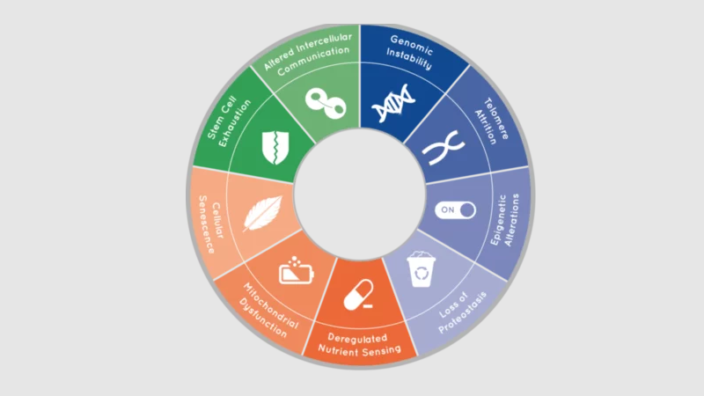
The Hallmarks of aging are the nine proposed reasons we age.

Move Beyond the Hallmarks, Urges New Paper

The hallmarks of aging, as presented in a 2013 paper [1], have been useful but do not provide a genuine explanatory paradigm, argue David Gems of University College London and João Pedro de Magalhães of the University of Liverpool in a pre-print paper [2]. They propose that biogerontology would benefit from replacing the hallmarks with a framework that provides a basis for understanding the mechanistic underpinnings of the diverse aspects of aging.

An idea with merit…

The authors aren’t arguing against the utility or value of the hallmarks. “The hallmarks are a very nice introduction to the field, which we both recommend to students,” explained Dr. de Magalhães. However, they argue that the hallmarks should not be taken as the final word in aging because they don’t have sufficient explanatory power. “The issue is that in the past few years, people have taken the hallmarks far too seriously,” explains de Magalhães. “I think the hallmarks can be useful to biogerontology as a non-exhaustive list of  hypotheses to be tested, not as a dogma, and not by assuming that they are all there is in mechanisms of aging.”

The paper starts by tracing the motivation behind the hallmarks of aging to the hallmarks of cancer. According to this account, the hallmarks of aging aimed to accomplish for biogerontology what the hallmarks of cancer had provided for oncology: a conceptual structure that unites various mechanisms into an explanatory framework and guides further successful research in the field. As the authors point out, this is a specific use of the term ‘hallmark’ to mean an element of this explanatory framework rather than its common meaning, ‘a typical characteristic’.

This is the goal against which the hallmarks of aging are then measured. The 2013 Hallmarks paper is perhaps the most cited paper in the field of longevity research, and researchers often refer to one or more hallmarks in a paper or presentation as a way to legitimize the relevance of research to longevity. The hallmarks are also used as a conceptual map of the field, guiding where researchers position themselves and the directions they pursue. It is important to evaluate whether the hallmarks merit such a central, dominant role in the field.

…taken too far

The paper describes the hallmarks as “an original and brave attempt to restore order to a jumbled subject” but argues that they do not succeed in the same way that the hallmarks of cancer did. The hallmarks of aging follow the template of the hallmarks of cancer, in which a primary cause or mechanism results in a set of secondary alterations, leading to different forms of disease. However, the authors argue that this, in fact, obscures the uncertainty in the field rather than increasing explanatory power.

The first problematic element is the primary cause embedded in the models. In the case of cancer, the primary mechanism is the mutation of tumor suppressors and proto-oncogenes. This underlies a set of secondary causes, which are the hallmarks of cancer. The authors argue that the hallmarks of aging paper makes an analogous claim that the accumulation of cellular damage is the main driver of aging, the primary cause that then leads to the  hallmarks are secondary causes. In both cancer and longevity research, the primary cause is implicit in the model rather than being part of the hallmarks. However, while mutation is generally considered the driver of cancer by oncologists, Drs. Gems and de Magalhães contend that cellular damage is not universally agreed upon as the primary cause of aging. Other potential primary mechanisms were being discussed at the time, according to them, and the hallmarks of aging sidestep these and maintain the cellular damage paradigm as a hidden component of the model.

“I don’t think that damage is necessarily the driving force of aging, which is the underlying assumption of the hallmarks,” de Magalhães stated. “I think there are programmatic features of aging that are likely important.”

In addition, the authors contend that the list of hallmarks linked with aging is relatively arbitrary. They point out that a review published around the same time identified seven pillars of aging, only three of which were also listed in the hallmarks paper. This is because biogerontology was – and still is – a relatively immature field with a variety of factors and theories proposed to underlie aging. In principle, the hallmarks of aging should bring unity to this confusion by providing an effective basis for deciding which factors to include, a task at which Gems and de Magalhães claim they fail.

Further criticisms include a lack of justification for the hallmarks’ distinction between primary, secondary, and tertiary causes of aging, as well as doubts about whether the hallmarks all arise as consequences of the unspoken primary cause, which is accumulated cellular damage as a whole. Gems and de Magalhães also argue that the hallmarks fail to explain how these secondary causes combine to give rise to aging, in part because of a lack of clarity about what ‘aging’ means – in particular, whether aging is an independent process that increases the risk of age-related diseases or whether the two are part of the same process.

Looking forward

The paper goes beyond merely critiquing and also offers a sketch of what a successful paradigm of aging might look like. They propose that it should include multiple primary causes of aging, and they list several to consider. The resulting multi-cause model would look different from the hallmarks of cancer. Rather than an implicit primary cause driving many secondary causes, there would be many classes of primary causes that combine in different ways to cause the different, specific effects of aging. Gems and de Magalhães suggest that the set of primary causes would be universal across animals, but their relative importance would differ between taxa and perhaps even between tissues. Such a framework, they argue, would provide an effective paradigm for understanding aging.

“There’s been a shift in focus in the biology of aging from understanding the mechanisms of aging to developing interventions for aging, including many based on the hallmarks,” said de Magalhães. “I am very excited about developing therapies for aging, as I recently covered in another article. But the field, including funding, has moved somewhat away from trying to understand why we age, which I think is a real problem. We still do not understand why humans age, and figuring the mechanisms of aging is key to developing interventions. So in a way I think we need to go back to fundamental research and focus on understanding the mechanisms of human aging.”

Abstract

With the goal of representing common denominators of aging in different organisms López-Otín et al. in 2013 described nine hallmarks of aging. Since then, this representation has become a major reference point for the biogerontology field. The template for the hallmarks of aging account originated from landmark papers by Hanahan and Weinberg (2000, 2011) defining first six and later ten hallmarks of cancer. Here we assess the strengths and weaknesses of the hallmarks of aging account. As a checklist of diverse major foci of current aging research, it has provided a useful shared overview for biogerontology during a time of transition in the field. It also seems useful in applied biogerontology, to identify interventions (e.g. drugs) that impact multiple symptomatic features of aging. However, while the hallmarks of cancer provide a paradigmatic account of the causes of cancer with profound explanatory power, the hallmarks of aging do not. A worry is that as a non-paradigm the hallmarks of aging have obscured the urgent need to define a genuine paradigm, one that can provide a useful basis for understanding the mechanistic causes of the diverse aging pathologies. We argue that biogerontology must look and move beyond the hallmarks to understand the process of aging.

Conclusion

While the hallmarks are strongly prominent in the field, this critique deserves thoughtful consideration. According to Dr. de Magalhães, researchers have generally responded positively to the manuscript, and some even said they had been thinking of writing something similar; however, of course, some people disagree. The paper is open access, so have a look at it if you’re interested in knowing more about the critique or the authors’ proposal for what a new paradigm might look like.

We would like to ask you a small favor. We are a non-profit foundation, and unlike some other organizations, we have no shareholders and no products to sell you. All our news and educational content is free for everyone to read, but it does mean that we rely on the help of people like you. Every contribution, no matter if it’s big or small, supports independent journalism and sustains our future.

Literature

[1] López-Otín C, Blasco MA, Partridge L, Serrano M, Kroemer G. The hallmarks of aging. Cell (2013), doi: 10.1016/j.cell.2013.05.039

[2] Gems, D and de Magalhães, JP. The hoverfly and the wasp: A critique of the hallmarks of aging as a paradigm. (2021) doi: 10.20944/preprints202105.0310.v1

Elevant Logo

Elevant’s Leaders Introduce Elevant Prime

Elevant launched its first product, Prime, in January 2021. Prime is a daily NMN supplement featuring a unique form of cGMP-manufactured NMN called NMN-C.

Guillaume Bermond is a French entrepreneur and founder of Elevant, an American health and wellness brand that develops cellular health solutions with leading scientists. Dr. Alessia Grozio is Elevant’s Chief Scientific Officer and a recognized leader in the field of NAD+ metabolism and aging.

First, congratulations on the recent launch of your product, Elevant Prime. How has the launch gone so far? How has its reception been among consumers and the scientific community?

GB: Thank you! Our first few months in-market with Elevant Prime have gone very well. We’ve been really pleased with the feedback we’ve received from customers. People are becoming more educated about NAD+ boosting, and NMN in particular, so they’ve responded very positively to the fact that we are making our own form of NMN (NMN-C) and producing Prime at cGMP facilities in Europe. Given the online nature of the cellular optimization industry, transparency and product accountability can be hard to find for consumers. The peace of mind we provide in those respects has struck a chord.

People have told us they are experiencing the benefits of supplementing with NMN in varying ways and degrees – which makes sense as, obviously, we’re all individuals and everyone’s biology is different. But we are receiving a lot of positive feedback about the effects people are feeling – elevated energy, mood stabilization, better sleep, and increased capacity for physical activity. We believe the product and timing is right for success as we are seeing people who usually take vitamin supplements telling us they are turning to Elevant, looking for something that works at a cellular level to support health and well-being.

AG: It’s been heartening to receive positive feedback (sometimes begrudgingly!) from industry players around our commitment to undertaking clinical research to further advance understanding and potential therapeutic uses of NMN. We are in a ‘take-no-prisoners’ industry, so to get that acknowledgement goes to show we are doing something right. Although recognition is nice, the motivator for us remains the benefit that more and more clinical evidence around NMN as a strategy to support healthspan can bring for people and communities.

Readers of lifespan.io are likely already familiar with NAD+ and the NAD+ precursor NMN, but for those who aren’t, can you give us an overview of the science behind this supplement? And what are the advantages of NMN as opposed to other NAD precursors?

GB: A key differentiator – and advantage – of NMN compared to other molecules marketed to consumers as NAD+ boosters is the biochemical processes involved. While other NAD+ precursors require conversion to NMN before finally converting to NAD+, NMN is the immediate precursor to NAD+ in what is called the ‘salvage pathway’. As the final step in the biochemical chain reaction that produces NAD+, NMN is a highly efficient route to generating NAD+ and, in turn, supporting vital molecular pathways that keep your body running well.

AG: Other NAD+ precursors have some characteristics that NMN does not (or if it does, it displays them to a much lesser extent).

For example, nicotinamide (NAM) does not efficiently increase NAD+ in cells because, to generate NMN, it uses nicotinamide phosphoribosyltransferase (NAMPT), which is a rate-limiting enzyme in the salvage pathway, meaning that NAMPT has a plateau of activity that can’t be overcome even if more NAM is provided.

Furthermore, NAM is also a byproduct of NAD+ catabolism. At millimolar (high) concentrations it has been shown to act as a feedback inhibitor for NAD+-dependent enzymes, such as PARPs and sirtuins (which are important for longevity) [1] [2], and to increase methylated NAM. High levels of methylated NAM have been associated with the pathogenesis of type 2 diabetes, Parkinson’s disease and cardiac diseases [3].

Nicotinamide Riboside (NR) is unstable in body fluids (blood and plasma) and it is degraded into NAM; therefore, all the caveats of NAM mentioned above can potentially be applied to NR [4] [5].

The Hallmarks of Aging is a common framework used to understand how interventions might modulate the aging processes. Which of these hallmarks has NMN been shown to impact and in what ways?

AG: NAD+ decline has been correlated with numerous hallmarks of aging, such as genomic instability, epigenetic alterations, telomere attrition, dysregulation of nutrient sensing, altered cellular communications, mitochondrial dysfunction, and compromised autophagy.

Boosting NAD+ levels via NMN administration has shown beneficial effects by promoting DNA repair (genomic instability), gene expression (epigenetic alterations), and oxidative phosphorylation and mitophagy (mitochondrial dysfunction and autophagy) by ameliorating glucose intolerance and insulin sensitivity (deregulated nutrient sensing) and by reducing telomere shortening (telomere attrition) and circulating pro-inflammatory cytokines (altered cellular communication/inflammaging).

NMN exerts these functions by enhancing metabolic reactions and enzymatic activities of sirtuins and PARPs [6] [7].

With aging, the entire body is affected. In this context, we would expect an anti-aging intervention to benefit many tissues in the body in contrast to the single-disease approach typically taken by the pharmaceutical industry. Which tissues and organ systems have been shown to benefit from NMN supplementation?

AG: Yes, you’re correct to note that our approach is not a single-pathology one. Indeed, due to NAD+’s involvement in physiologic processes like DNA repair, metabolism, and cell death, supplementation with NMN presents a high-potential therapeutic opportunity to address multiple age-related pathological processes.

In terms of organs, NMN administration has been demonstrated to have beneficial effects in several organs, including skeletal muscle, kidney, liver, heart, eyes, brain, pancreas, adipose tissue, and the vascular system [8].

In several pathophysiological conditions, NMN has shown to improve multi-organ insulin sensitivity and glucose tolerance, physical endurance, age- and diet-associated body weight gain, cardiac functions, large elastic artery stiffness, and capillary density.

It has also shown to protect from photoreceptor and corneal nerve fiber degeneration, renal and cardiac ischemia-reperfusion injury, and cognitive and memory loss.

The body of scientific literature backing the benefits of NMN is certainly impressive. Elevant Prime isn’t the only NMN supplement on the block, however. Could you talk a little bit about what differentiates your product from others? 

GB: Rather than rely on third-party sources for the NMN in Prime (as well as other upcoming Elevant products), we developed our own proprietary manufacturing process and undertook extensive preclinical and clinical research on NMN itself.

This high degree of transparency is a key advantage of Prime over other NMN supplements. As I mentioned before, the online nature of the cellular optimization industry means that transparency and product accountability can be hard to find. In contrast, our proprietary formulation (NMN-C) is verified safe and is demonstrated to be well tolerated. A recent OECD 408 toxicology study – the first of its kind to be undertaken on NMN (based on our review of publications on PubMed as of January 1, 2021) – analyzed the No-Observable Adverse Effect Level (NOAEL) of NMN, with results showing our NMN-C to be an extremely well-tolerated option in comparison to other popular NAD+ boosters.

Furthermore, NMN-C acquired self-affirmed Generally Recognized as Safe (GRAS) status in accordance with stringent U.S. FDA regulatory guidelines. Performed by an independent panel of toxicology and nutrition experts, the successful self-GRAS review is a major endorsement of the quality and integrity of our NMN.

The proprietary manufacturing and formulation processes we use to create Elevant Prime were developed over several years in collaboration with leading NAD+ experts like Dr. Grozio. The result is a manufacturing process at cGMP-certified facilities in Europe that can be applied at a large enough scale to make safe, high quality NMN affordable for consumers.

We maintain strict control over every element of our processes, from production and manufacturing to dispatch, which ensures that Prime delivers what we are confident are the highest levels of quality available in an NMN supplement today.

The data backing up the safety of NMN-C is really robust which is crucial to any supplement. However, when we discussed the benefits of NMN, I’m guessing that most of those studies were conducted with other forms of NMN since NMN-C is a new product. Is there any reason to think that the efficacy of NMN-C may be different than other forms of NMN, for better or for worse?

AG: Our NMN-C formulation contains the same NMN molecule that is present naturally in our body. It will behave in the same way as the NMN used in studies that have demonstrated that NMN can provide myriad benefits as a result of boosting NAD+. It is the same molecule, so it will undergo the same biochemical reactions in the body.

One of the very positive things we are seeing specifically with NMN-C is that it is very well tolerated. The toxicology study I mentioned before determined a No-Observable Adverse Effect Level (NOAEL) for NMN-C to be = 1500 mg/kg/d, meaning that it is an extremely well-tolerated option. No other NMN has been tested in an OECD408 study, which means that the impurities coming with other NMN has not been proven to be safe at any dose. If you are curious, check out the full details of the study

We should also note that most of this efficacy data is from preclinical models such as mice and that translating these results into humans is notoriously difficult. What efficacy data for NMN in humans do we have so far? Do you know of any human studies in progress we should be keeping an eye on?

AG: Several human clinical trials are ongoing to assess the efficacy of NAD+ boosting strategies, of which NMN is a key one, in different pathophysiological conditions.

Given that the first clinical trial to evaluate the safety and bioavailability of NMN was only published in 2019 (single oral administration of NMN up to 500 mg was safe and effectively metabolized in healthy subjects without causing severe adverse effects), we are about to see a rapid increase in the body of clinical research being published for NMN.

In fact, just recently in April 2021, a human clinical study was published and showed that NMN improves metabolism in aged women with prediabetes [9]. Oral administration of NMN (250 mg/day) for 10 weeks showed significant improvement of skeletal muscle insulin signaling, insulin sensitivity, an increase of NAD+ levels in peripheral blood mononuclear cells (which give selective responses to the immune system and are the major cells in human immunity), and molecules derived from NAD catabolism/usage in skeletal muscle in postmenopausal obese women with prediabetes. Interestingly, NR administration (1 or 2g/day for 6 or 12 weeks) was not shown to improve insulin sensitivity in obese humans in several clinical trials [10] [11] [12] [13].

GB: Following soon will be the first results from our program of clinical research, which is assessing the kinetics and tolerance of NMN in human subjects. Two trials have already been completed on skin health and skin anti-aging, and two more will be completed by the end of June in Canada and France.

Five further trials are under preparation and will take place Q3 and Q4 2021.

These trials will assess the effect of NMN on different conditions, such as muscle recovery, metabolic syndrome, infection, and neurodegenerative disease. We have some of the world’s leading NAD+ and NMN minds undertaking these studies, which will help us continue to expand our platform of products that are evidence-based and grounded in scientific rigor.

Given that NMN has demonstrated efficacy and benefits in animal models of human diseases, we are really excited about several other clinical trials that we are aware of that are currently studying NMN’s clinical applicability. As efficacy data accumulates, awareness of scientifically validated consumer solutions will grow, meaning that more people will experience the potential benefits of NMN to health and lifespan sooner.

Thank you so much for taking the time to talk with us. We are definitely excited about the work that Elevant and its parent company Seneque are doing. Let’s end on future plans – can you give us a sneak peek at what is next for you two and the company?

GB: Thank you for the opportunity. It’s a very exciting time to be operating in the NMN and NAD+ boosting space. As Dr. Grozio mentioned before, in the very near future, we are going to be seeing more and more clinical studies published on NMN – not only from Elevant and Seneque, but also from other respected research organizations and sources within the cellular optimization industry. And – I don’t want to pre-empt their results, but we can’t ignore the potential benefits of these molecules already highlighted by existing research – we are confident that many of these findings are going to hold very positive indications for human health and longevity. We firmly believe that NMN-based interventions have the potential to spark a new era of therapeutic approach to health.

In Q4 2021, Elevant will launch a new patented formulation called Prime plus, which will contain NMN and a synergetic molecule drastically increasing its efficacy.

AG: I have always been fascinated by the pivotal role that NAD+ plays in maintaining homeostasis in our body and the plethora of cellular processes in which it is involved. So personally, I’m really excited to keep innovating with Elevant and Seneque by applying the latest technologies to refine our understanding on the biological processes in which NMN and NAD+ are involved. And, of course, to translate our discoveries into realities!

We would like to ask you a small favor. We are a non-profit foundation, and unlike some other organizations, we have no shareholders and no products to sell you. All our news and educational content is free for everyone to read, but it does mean that we rely on the help of people like you. Every contribution, no matter if it’s big or small, supports independent journalism and sustains our future.

Literature

[1] Saldeen, J., Tillmar, L., Karlsson, E. et al. Nicotinamide- and caspase-mediated inhibition of poly(ADP-ribose) polymerase are associated with p53-independent cell cycle (G2) arrest and apoptosis. Mol Cell Biochem 243, 113–122 (2003). https://doi.org/10.1023/A:1021651811345

[2] Avalos, J., Bever, K., Wolberger, C., Mechanism of Sirtuin Inhibition by Nicotinamide: Altering the NAD+ Cosubstrate Specificity of a Sir2 Enzyme. Molecular Cell, 17 (6), 855–868 (2005). https://doi.org/10.1016/j.molcel.2005.02.022

[3] Hwang ES, Song SB. Possible Adverse Effects of High-Dose Nicotinamide: Mechanisms and Safety Assessment. Biomolecules. 2020 Apr 29;10(5):687. https://doi.org/10.3390/biom10050687

[4] Ratajczak J, Joffraud M, Trammell SA, Ras R, Canela N, Boutant M, Kulkarni SS, Rodrigues M, Redpath P, Migaud ME, Auwerx J, Yanes O, Brenner C, Cantó C. NRK1 controls nicotinamide mononucleotide and nicotinamide riboside metabolism in mammalian cells. Nat Commun. 2016 Oct 11;7:13103. https://doi.org/10.1038/ncomms13103

[5] Giroud-Gerbetant J, Joffraud M, Giner MP, Cercillieux A, Bartova S, Makarov MV, Zapata-Pérez R, Sánchez-García JL, Houtkooper RH, Migaud ME, Moco S, Canto C. A reduced form of nicotinamide riboside defines a new path for NAD+ biosynthesis and acts as an orally bioavailable NAD+ precursor. Mol Metab. 2019 Dec;30:192-202. https://doi.org/10.1016/j.molmet.2019.09.013. Epub 2019 Oct 3.

[6] Fang EF, Lautrup S, Hou Y, Demarest TG, Croteau DL, Mattson MP, Bohr VA. NAD+ in Aging: Molecular Mechanisms and Translational Implications. Trends Mol Med. 2017 Oct;23(10):899-916. https://doi.org/10.1016/j.molmed.2017.08.001. Epub 2017 Sep 9.

[7] Covarrubias AJ, Kale A, Perrone R, Lopez-Dominguez JA, Pisco AO, Kasler HG, Schmidt MS, Heckenbach I, Kwok R, Wiley CD, Wong HS, Gibbs E, Iyer SS, Basisty N, Wu Q, Kim IJ, Silva E, Vitangcol K, Shin KO, Lee YM, Riley R, Ben-Sahra I, Ott M, Schilling B, Scheibye-Knudsen M, Ishihara K, Quake SR, Newman J, Brenner C, Campisi J, Verdin E. Senescent cells promote tissue NAD+ decline during ageing via the activation of CD38+ macrophages. Nat Metab. 2020 Nov;2(11):1265-1283. https://doi.org/10.1038/s42255-020-00305-3. Epub 2020 Nov 16. Erratum in: Nat Metab. 2021 Jan;3(1):120-121.

[8] Hong W, Mo F, Zhang Z, Huang M, Wei X. Nicotinamide Mononucleotide: A Promising Molecule for Therapy of Diverse Diseases by Targeting NAD+ Metabolism. Front Cell Dev Biol. 2020 Apr 28;8:246. https://doi.org/10.3389/fcell.2020.00246. PMID: 32411700; PMCID: PMC7198709.

[9] Yoshino M, Yoshino J, Kayser BD, Patti G, Franczyk MP, Mills KF, Sindelar M, Pietka T, Patterson BW, Imai SI, Klein S. Nicotinamide mononucleotide increases muscle insulin sensitivity in prediabetic women. Science. 2021 Apr 22:eabe9985. https://doi.org/10.1126/science.abe9985. Epub ahead of print.

[10] Dollerup OL, Christensen B, Svart M, Schmidt MS, Sulek K, Ringgaard S, Stødkilde-Jørgensen H, Møller N, Brenner C, Treebak JT, Jessen N. A randomized placebo-controlled clinical trial of nicotinamide riboside in obese men: safety, insulin-sensitivity, and lipid-mobilizing effects. Am J Clin Nutr. 2018 Aug 1;108(2):343-353. https://doi.org/10.1093/ajcn/nqy132.

[11] Dollerup OL, Chubanava S, Agerholm M, Søndergård SD, Altintas A, Møller AB, Høyer KF, Ringgaard S, Stødkilde-Jørgensen H, Lavery GG, Barrès R, Larsen S, Prats C, Jessen N, Treebak JT. Nicotinamide riboside does not alter mitochondrial respiration, content or morphology in skeletal muscle from obese and insulin-resistant men. J Physiol. 2020 Feb;598(4):731-754. https://doi.org/10.1113/JP278752. Epub 2019 Dec 26.

[12] Remie CME, Roumans KHM, Moonen MPB, Connell NJ, Havekes B, Mevenkamp J, Lindeboom L, de Wit VHW, van de Weijer T, Aarts SABM, Lutgens E, Schomakers BV, Elfrink HL, Zapata-Pérez R, Houtkooper RH, Auwerx J, Hoeks J, Schrauwen-Hinderling VB, Phielix E, Schrauwen P. Nicotinamide riboside supplementation alters body composition and skeletal muscle acetylcarnitine concentrations in healthy obese humans. Am J Clin Nutr. 2020 Aug 1;112(2):413-426. https://doi.org/10.1093/ajcn/nqaa072.

[13] Elhassan YS, Kluckova K, Fletcher RS, Schmidt MS, Garten A, Doig CL, Cartwright DM, Oakey L, Burley CV, Jenkinson N, Wilson M, Lucas SJE, Akerman I, Seabright A, Lai YC, Tennant DA, Nightingale P, Wallis GA, Manolopoulos KN, Brenner C, Philp A, Lavery GG. Nicotinamide Riboside Augments the Aged Human Skeletal Muscle NAD+ Metabolome and Induces Transcriptomic and Anti-inflammatory Signatures. Cell Rep. 2019 Aug 13;28(7):1717-1728.e6. https://doi.org/10.1016/j.celrep.2019.07.043.

Deep Longevity

Deep Longevity Partners With LifeHub & LifeClinic

Today, we have a bit more positive news with the announcement that Deep Longevity has added LifeHub and LifeClinic to its network of longevity-focused companies. This company plans to use multiple AI-based biological aging clocks to test a variety of longevity interventions, including supplements, drugs, and lifestyle choices.

Teaming up to offer longevity healthcare

This is good news because there is a serious lack of human data for longevity interventions, and this is a step in the right direction. Dr Alex Zhavoronkov, Chief Longevity Officer of Deep Longevity Inc. and his team have been developing AI-based biomarkers of aging for many years now. Their AI-based technology has been used successfully in the past for rapid drug discovery, and now they are going to be using it to search for promising longevity interventions.

LifeHub and LifeClinic are large wellness centers based in Hong Kong and are going to use the Deep Longevity aging biomarkers to support their healthcare and longevity services. Rather than waiting for symptoms to occur as current medicine typically does, the aging biomarkers that Deep Longevity uses will potentially allow them to spot signs of illness and longevity bottlenecks sooner. This could allow their personalized healthcare services to be more effective.

Alex Zhavoronkov, Ph.D.

Insilico Medicine Inc. - CEO

My dream is to build a longevity ecosystem, a seamless network, where life and health insurance companies are linked to healthcare providers, drug developers, and researchers using a range of standard aging biomarkers. The objectives of all participants of this ecosystem are aligned – they benefit from extending human longevity. Hong Kong is a great city to pilot this ecosystem. Many insurance companies have regional HQs there, there is a developed healthcare infrastructure, and it has the highest life expectancy on the planet – 85.2 years. We are very happy to partner with LifeHub and LifeClinic, as these organizations are consumerizing longevity and wellness and are developing a franchise approach similar to Starbucks for all kinds of IV drips. Coupled with a powerful set of aging clocks, this model may help demonstrate the effectiveness of some of the interventions and personalize them.

The Press Release

Date, May 19th, 2021. Today, Deep Longevity (wholly owned by Regent Pacific Group Limited Hong Kong Stock Code: 00575) a leading provider of deep biomarkers of aging and longevity, LifeHub, and LifeClinic announced a collaboration to deploy an extensive range of AI-powered aging clocks to explore the effectiveness of longevity interventions including lifestyle choices and drug regimens.

Based in Hong Kong, LifeHub and LifeClinic are possibly the largest Functional Medicine-based Medical Wellness and Medical Clinic facilities in the region. They take a science-based approach to Health Optimization and Longevity by addressing their clients’ physiological imbalances that could stem from nutritional deficiencies or other factors like hormonal imbalances or the effects of environmental pollutants.

As part of the partnership, LifeHub and LifeClinic medical professionals are being engaged in advanced research with Deep Longevity and trained in deep aging clocks to provide their clients with biological age reports to customize their clients’ wellness journeys.

Deep Longevity aging clocks are supported by a number of academic publications that are summarized in a recent review titled “BioHorology and biomarkers of aging: Current state-of-the-art, challenges, and opportunities”.

Biological Aging clocks are a new holistic biomarker of health and wellbeing that reflect the biological age of the person, and not their passport age. These markers are usually much more predictive of mortality and can be used for early disease diagnosis, prevention, clinical trial management and in insurance applications. Deep Longevity is the original inventor of deep aging clocks – biomarkers of aging using deep learning and has granted patents on the technology.

“I am delighted that we will be able to use Deep Longevity’s most advanced aging clocks to assess and improve LifeHub and LifeClinic various youth extension products and services”, said Dr Jonathan Seah, Chairman of LifeHub and LifeClinic.

“The traditional approach to preventative medicine is focused on preventing disease by diagnosing the symptoms early or reducing the risks of disease. AI-guided longevity medicine goes much further than that by focusing on tracking the person’s rates of aging at many levels, on the identification of longevity bottlenecks, and on utilizing the latest advances in science and technology to slow down or potentially even reverse biological and psychological aging. We are very happy to have both LifeHub and LifeClinic join the rapidly growing network of our research and clinical partners focused on providing customers with extra years of productive and happy life”, said Dr Alex Zhavoronkov, Chief Longevity Officer of Deep Longevity Inc.

Check out the original press release.

We would like to ask you a small favor. We are a non-profit foundation, and unlike some other organizations, we have no shareholders and no products to sell you. All our news and educational content is free for everyone to read, but it does mean that we rely on the help of people like you. Every contribution, no matter if it’s big or small, supports independent journalism and sustains our future.
Blood cells

Nicotinamide Riboside Rejuvenates Blood Stem Cells in Mice

Researchers have reversed the age-related decline in the function of hematopoietic stem cells (HSCs) in older mice using nicotinamide riboside. This success can make our blood more youthful and increase the effectiveness of stem cell transplantation [1].

There will be blood

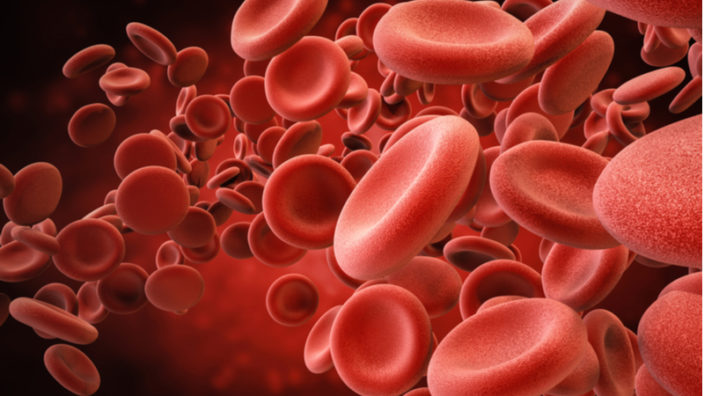
HSCs are the progenitors of all our blood cells. HSCs reside in the bone marrow and are quite rare. Nevertheless, by constantly dividing, they give rise to around 500 billion blood cells daily [2], including the cells that constitute the backbone of the immune system, such as B-cells and T-cells. This phenomenal proliferative potential is utilized in hematopoietic stem cell transplantation (HSCT) – a treatment against some types of cancer, blood disorders, and immune system disorders.

HSCs behave quite differently from most other cell types. They spend the lion’s share of their time in a quiescent state, sort of a “sleep mode”, only waking up, entering the metabolically active state, and proliferating when needed. With age, HSCs become permanently activated. This age-related boost in metabolism is accompanied by increased mitochondrial activity but makes aged HSCs dysfunctional, with only a small subset of HSCs retaining the abilities to effectively clear excess mitochondria via autophagy and to maintain a low metabolic state with a high regenerative potential.

More years, less NAD

Nicotinamide adenine dinucleotide (NAD) is a coenzyme found in all living cells and an important regulator of mitochondrial activity. NAD levels decline with age, which contributes to the development of many age-related diseases. The NAD precursors nicotinamide mononucleotide (NMN) and nicotinamide riboside (NR) have been shown to ameliorate certain effects of this age-related decline. They are deemed safe for consumption and are gaining popularity as dietary supplements.

NR has already been found to boost the function of young HSCs by decreasing their overall metabolic activity and facilitating mitochondrial clearance [3]. This time, the researchers wanted to explore the effects of NR supplementation on HSCs in aged mice.

NR restores calm

As a result of 8-week-long NR supplementation, HSCs in old mice became much “calmer”, with their levels of metabolic activity decreased and their proliferative potential largely restored. The treatment also lowered the mitochondrial mass (the overall volume of mitochondria in the cell) via clearance of defective mitochondria. The researchers also found that NR treatment reduces several markers of mitochondrial stress. Collectively, these results suggest that the NR-induced restoration of the youthful phenotype in HSCs indeed works by mediating mitochondrial activity.

The researchers also analyzed transcription profiles of young and aged HSCs. Prior to the treatment, some 3000 genes were expressed differently in young and old cells. This number decreased dramatically to about a thousand after old cells were treated with NR. Many of the genes that were upregulated in the aged HSCs and downregulated following the NR treatment are associated with basic metabolic processes. In general, the transcriptional response was consistent with increased mitophagy and reduced metabolic output.

Unfortunately, the effects lasted only for as long as the treatment itself. As soon as NR supplementation was discontinued, HSCs quickly returned to their aged phenotype. The researchers conclude that the therapeutic effects of NR supplementation require a continuous intake of NR. This, probably, is not much of a problem, since, as we mentioned above, NR is generally safe.

Older people can do it too

Finally, the researchers performed several experiments involving HSC transplantation in mice. Weak “homing” (HSCs’ movement towards suitable niches in the bone marrow) and engraftment are currently a major problem with HSCT. Only about 10% of transplanted HSCs successfully populate the bone marrow following transplantation and begin proliferating [4]. Rates of success are also negatively correlated with the donor’s age, which is consistent with the age-related decline in HSC function.

The researchers have found that NR treatment restores HSCs’ homing and engraftment ability almost to youthful levels. Yet again, the effect lasted only for as long as the treatment itself. Moreover, the success depends on both the donor and the recipient receiving NR.

In HSCT, the compatibility between the donor and the recipient is of utmost importance. Ideally, the donor should be a close relative of the recipient. Age-related decline in HSC function narrows the pool of possible donors by excluding the older ones. By boosting the function of aged HSCs, NR supplementation could make transplants from older people more effective.

Conclusion

Because HSCs give rise to all our blood cells, their aging must have immense consequences. This research shows a possible way to reverse HSC aging and contributes to our understanding of the important role NAD plays in cellular metabolism and in age-related disorders. Since NAD precursors are largely safe and widely available, every piece of new evidence of their rejuvenating activity has substantial importance.

We would like to ask you a small favor. We are a non-profit foundation, and unlike some other organizations, we have no shareholders and no products to sell you. All our news and educational content is free for everyone to read, but it does mean that we rely on the help of people like you. Every contribution, no matter if it’s big or small, supports independent journalism and sustains our future.

Literature

[1] Sun, X., Cao, B., Naval-Sanchez, M., Pham, T., Sun, Y. B. Y., Williams, B., … & Nilsson, S. K. (2021). Nicotinamide riboside attenuates age-associated metabolic and functional changes in hematopoietic stem cells. Nature Communications, 12(1), 1-17.

[2] Silva, A. S., Anderson, A. R., & Gatenby, R. A. (2011). A multiscale model of the bone marrow and hematopoiesis. Mathematical biosciences and engineering: MBE, 8(2), 643.

[3] Vannini, N., Campos, V., Girotra, M., Trachsel, V., Rojas-Sutterlin, S., Tratwal, J., … & Naveiras, O. (2019). The NAD-booster nicotinamide riboside potently stimulates hematopoiesis through increased mitochondrial clearance. Cell Stem Cell, 24(3), 405-418.

[4] Caocci, G., Greco, M., & La Nasa, G. (2017). Bone marrow homing and engraftment defects of human hematopoietic stem and progenitor cells. Mediterranean journal of hematology and infectious diseases, 9(1).

Research mouse

SIRT6 Linked to Slower Aging in Mice

A study published in Aging has shown that the sirtuin SIRT6 has positive effects on multiple hallmarks of aging in the hearts of mice.

Sirtuins

Sirtuins are a family of proteins that have been shown to have significant effects on longevity in multiple model organisms. In a previous study, the sirtuin SIRT2 was shown to have positive effects on inflammation and insulin resistance. Of course, as with many things in biology, there is also a downside; this same protein was shown to have negative effects on Alzheimer’s pathology as well.

This study focused on SIRT6, a protein that naturally declines with age in mice and has been associated with lifespan in a human study [1]. The researchers aimed to discover what occurs in mice as well as human cells that have been genetically altered to express additional SIRT6.

The cellular experiment

For their cellular testing of SIRT6 against cellular senescence, the researchers injected an adenovirus into human heart muscle cells in order to cause SIRT6 overexpression. They also injected some of these cells, as well as some cells of the control group, with doxocirubin (Dox), a harmful chemical known to cause senescence.

Cells that had been subjected to Dox but did not express additional SIRT6 suffered from significant problems related to aging. They expressed markers related to cellular senescence, such as SA-beta-gal and p16, they showed significant mitochondrial DNA lesions and shortened telomeres, and, unsurprisingly, they expressed less SIRT6 than the control group.

Cells that had been treated with SIRT6, however, showed much fewer of these symptoms when exposed to this senescence-inducing chemical. They expressed almost no p16, they suffered from far fewer mitochondrial DNA lesions, and their telomeres and SA-beta-gal levels were partially protected.

However, these results only showed the effects of cells exposed to artificially induced senescence, so a mouse model was used to better ascertain the effects of SIRT6.

The mouse experiments

The first thing the researchers did was determine the fates of mice that did not express SIRT6 at all. These SIRT6 knockout mice, compared to a wild-type control group, suffered from substantially increased aging in many ways. Even at the age of four weeks, these mice suffered even more than their naturally aged counterparts, according to such metrics as NAD+ and citrate synthase expression, telomere length, mitochondrial DNA lesions, and 8-oxo-dG, a marker of oxidative DNA damage. These results made it clear that SIRT6 is required to stop premature aging in mice.

After this experiment, another two populations of mice were established: wild-type mice and mice that had been genetically engineered to overexpress SIRT6.

Cardiac hypertrophy (an enlarged heart) is a telltale sign of aging in mice. Two-year-old wild-type mice have substantially larger hearts than their youthful counterparts; however, in SIRT6-overexpressing mice, this effect was substantially reduced, as measured both structurally and biologically. The SIRT6 mice also enjoyed less cardiac fibrosis and increased NAD+ and citrate synthase, and they expressed less 8-oxo-dG. They had fewer mitochondrial DNA lesions, and their telomeres were longer.

While these markers did not quite match those of youthful wild-type mice, the overexpression of SIRT6 showed a substantial effect, and it is not an exaggeration to say that the hearts of SIRT6-overexpressing mice simply aged slower than those of their wild-type counterparts in at least four ways: genomic instability, cellular senescence, mitochondrial dysfunction, and telomere attrition.

Abstract

Sirtuins have been shown to regulate the aging process. We have previously demonstrated that Sirt6 blocks the pressure overload-induced cardiac hypertrophy in mice. Here, we show that Sirt6 can also mitigate aging-induced cardiomyocyte senescence and cardiac hypertrophy. We found that aging is associated with altered Sirt6 activity along with development of cardiac hypertrophy and fibrosis. Compared to young mice (4-months), the hearts of aged mice (24-months) showed increased levels of mitochondrial DNA damage, shortened telomere length, and increased accumulation of 8-oxo-dG adducts, which are hallmarks of aging. The aged hearts also showed reduced levels of NAD+ and altered levels of mitochondrial fusion-fission proteins. Similar characteristics were observed in the hearts of Sirt6 deficient mice. Additionally, we found that doxorubicin (Dox) induced cardiomyocyte senescence, as measured by expression of p16INK4a, p53, and ß-galactosidase, was associated with loss of Sirt6. However, Sirt6 overexpression protected cardiomyocytes from developing Dox-induced senescence. Further, compared to wild-type mice, the hearts of Sirt6.Tg mice showed reduced expression of aging markers, and the development of aging-associated cardiac hypertrophy and fibrosis. Our data suggest that Sirt6 is a critical anti-aging molecule that regulates various cellular processes associated with aging and protects the heart from developing aging-induced cardiac hypertrophy and fibrosis.

Conclusion

Given its strongly positive effects and apparent lack of downside, it is reasonable to conjecture that altering human cells, or human beings, to express additional SIRT6 may be a method of partially protecting against multiple aspects of human aging. However, considerable safety and efficacy research must be carried out before this approach could be brought to the clinic, including a carefully detailed examination of potential side effects. Still, if this approach is developed further, a therapy based on SIRT6 overexpression may substantially increase our lifespan and resilience against age-related diseases.

We would like to ask you a small favor. We are a non-profit foundation, and unlike some other organizations, we have no shareholders and no products to sell you. All our news and educational content is free for everyone to read, but it does mean that we rely on the help of people like you. Every contribution, no matter if it’s big or small, supports independent journalism and sustains our future.

Literature

[1] TenNapel, M. J., Lynch, C. F., Burns, T. L., Wallace, R., Smith, B. J., Button, A., & Domann, F. E. (2014). SIRT6 minor allele genotype is associated with> 5-year decrease in lifespan in an aged cohort. PLoS One, 9(12), e115616.

Crypto is an important source of support for longevity tech.

Crypto and Aging With Vitalik Buterin and Aubrey de Grey

VitaDAO, the world’s first decentralized intellectual property collective, hosted a discussion and AMA on Youtube yesterday. The event featured guests Dr. Aubrey de Grey from SENS Research Foundation and Vitalik Buterin, one of the co-founders of Ethereum.

Introducing Aubrey de Grey and Vitalik Buterin

Dr. Aubrey de Grey is a British biomedical gerontologist who researched the idea for and founded SENS Research Foundation. He is Editor-in-Chief of Rejuvenation Research, is a Fellow of both the Gerontological Society of America and the American Aging Association, and sits on the editorial and scientific advisory boards of numerous journals and organizations.

Aubrey is a well-known figure in the rejuvenation biotechnology community and has been trying to convince the public that aging is a problem worth tackling for the best part of 20 years. When he originally set out to do this, he was often portrayed as a crackpot for suggesting that aging could be solved.

However, in more recent years, his ideas have gained increasing traction as research has built up in support of his ideas. He has become a leading figure in the field and very much a driving force for its progress.

Vitalik Buterin is a 27-year-old Russian-Canadian programmer and is considered to be one of the most influential people on Earth. In 2013, he developed Ethereum, a unique platform for online services, and became the co-creator of the Ethereum cryptocurrency.

Vitalik has been a keen supporter of rejuvenation biotechnology and has donated considerable sums of money to the field through his cryptocoin wealth. Indeed, he is such an avid supporter of increased longevity through science and technology that he said that The Best Thing to Donate Money to Is the Fight Against Aging during a 2018 interview with us.

The key points from the AMA

The topic at hand was rejuvenation biotechnology, web3, and where the two might intersect to support the development of longevity tech. Web3, in the context of Ethereum, refers to decentralized apps that run on the blockchain, allowing anyone to participate without the monetizing of personal data.

lifespan.io President Keith Comito attended the event and gave his impressions below.

    • There is a large amount of capital in cryptocurrencies such as Ethereum and Bitcoin, and if the crypto community gets behind an idea, it can drive progress quickly: Vitalik gave Zero Knowledge Proofs as an example.
    • Vitalik is seeking ways to facilitate broad collective funding of public goods instead of case-by-case outcomes that require narrow funding channels. This has thematic overlap with the strategy of focusing on aging instead of disparate end-stage diseases in isolation.
    • There was additional discussion on how blockchain facilitates new governance possibilities and models (like DAOs), and Vitalik believes that grander imagination is needed to envision new possible futures.
    • Blockchain involves notions of “legitimacy” to work (like which fork people go with when a token branches), which Aubrey relates with notions of public consensus on acceptable biology research, and what kind of futures people allow themselves to expect.
    • Vitalik believes strongly in the power of telling a compelling story in order to drive change, including the value of memes and narratives to help bring the value of life extension research to the public. This strongly overlaps with our own work, especially the films and videos that we are making about longevity, rejuvenation, and life extension.
  • I asked a question on how blockchain might help the field of longevity beyond just funding – such as facilitating crowdsourced clinical trials, standardization of / access to health and biomarker data, etc. – to which Vitalik responded that this question is a tough one, and that blockchain technologies may need to mature more fully before large-scale changes of this nature can take effect.
  • Aubrey hints that a mysterious big player will be joining the fight against aging in a month or two. Some commenters speculate it could be someone like Jeff Bezos, as Aubrey referenced Larry Ellison and Larry Page during the relevant discussion.
  • The conversation concluded with discussion on how different cultural narratives shape perception of aging throughout the world, and the possibilities for cryptocurrency – and blockchain generally – to catalyze progress and positive societal change in this perception globally.

Conclusion

In the last few years, there has been a huge increase in interest and support from the crypto community for rejuvenation biotech, and Vitalik Buterin is doubtlessly part of the reason why. Needless to say we are happy that such a visionary sees the value of this kind of work and hope that it may inspire others from a tech background to get involved in the fight against aging.

We would like to thank Vitalik Buterin, Dr. Aubrey de Grey, and the VitaDAO team for making this livestream possible. If you would like to learn more about VitaDAO, check out our interview about Biotech by Democracy with founder Tyler Golato.

We would like to ask you a small favor. We are a non-profit foundation, and unlike some other organizations, we have no shareholders and no products to sell you. All our news and educational content is free for everyone to read, but it does mean that we rely on the help of people like you. Every contribution, no matter if it’s big or small, supports independent journalism and sustains our future.

Elderly woman sleeping

Why Quality Sleep Should Be Part of Your Longevity Strategy

Quality sleep is one of the foundations of health, and a new study suggests that poor sleep quality is a major risk factor for developing Alzheimer’s disease and other dementias.

Dementia is a rising global problem

Worldwide, close to fifty million people currently live with Alzheimer’s disease or other forms of dementia. According to the World Health Organization, that number is expected to potentially triple by 2050.

Dementia is a chronic age-related condition that affects the brain and leads to a deterioration of cognitive function. People who suffer from this condition typically struggle with memory, thinking, orientation, learning, understanding language, calculation, and judgement. This is often accompanied by a decline of emotional control and social behavior.

Poor sleep is a major risk factor for dementia

The results of a recent study suggest that getting enough high-quality sleep could reduce the risk of developing dementia by a considerable amount along with all-cause mortality [1].

It is well known that getting sufficient sleep is important for health and that not enough or broken sleep puts you at risk for various chronic conditions, such as heart disease, diabetes, stroke, obesity, and kidney disease.

The researchers of this study wanted to examine the link between poor sleep quality, or sleep deficiency, and developing dementia. To do this, the researchers used data from the National Health and Aging Trends Study (NHATS), an ongoing study of older adults in the US. Over 2800 people with an average age of 77 participated in the study. They completed questionnaires about their sleep quality.

The researchers then followed the participants for five years to see how many developed dementia or passed away from other causes. They discovered that people who reported having less than 5 hours of sleep a night had double the risk of developing dementia than people who slept 7-8 hours a night. Also, people who took longer than 30 minutes to fall asleep once in bed had a 45% increased risk of developing dementia.

Additionally, people who had less than 5 hours sleep a night, daytime sleepiness, and a need for regular daytime naps experienced increased mortality during their 5-year participant follow-up.

Your brain needs sleep to wash itself clean

This study’s findings are unsurprising given that the brain cleans itself during sleep via the glymphatic system, which mostly happens during deep (slow wave) sleep. This system consists of a series of vessels that surround the brain and uses cerebrospinal fluid (CSF) to distribute essential molecules and remove waste build-up from the brain [2].

This includes removing amyloids such as amyloid beta, which is associated with Alzheimer’s disease. Amyloid beta accumulates during aging, forming plaques in the brain, can interfere with the synapses between neurons, and is likely the major factor in the development of Alzheimer’s and other types of dementia.

It is also likely the case that amyloid plaques also interfere with sleep quality and make deep sleep difficult. Research suggests that this becomes a vicious cycle where poor sleep increases the buildup of plaques, which then further harms sleep quality and leads to more plaques. This feedback loop then leads to increasingly poor brain health and the probable onset of dementia.

Abstract

Background: Sleep disturbance and deficiency are common among older adults and have been linked with dementia and all-cause mortality. Using nationally representative data, we examine the relationship between sleep disturbance and deficiency and their risk for incident dementia and all-cause mortality among older adults.

Methods: The National Health and Aging Trends Study (NHATS) is a nationally-representative longitudinal study of Medicare beneficiaries in the US age 65 and older. Surveys that assessed sleep disturbance and duration were administered at baseline. We examined the relationship between sleep disturbance and deficiency and incident dementia and all-cause mortality over the following 5 years using Cox proportional hazards modeling, controlling for confounders.

Results: Among the sample (n = 2,812), very short sleep duration (=5 hours: HR = 2.04, 95% CI: 1.26 – 3.33) and sleep latency (>30 minutes: HR = 1.45, 95% CI: 1.03 – 2.03) were associated with incident dementia in adjusted Cox models. Difficulty maintaining alertness (“Some Days”: HR = 1.49, 95% CI: 1.13 – 1.94 and “Most/Every Day”: HR = 1.65, 95% CI: 1.17 – 2.32), napping (“Some days”: HR = 1.38, 95% CI: 1.03 – 1.85; “Most/Every Day”: HR = 1.73, 95% CI: 1.29 – 2.32), sleep quality (“Poor/Very Poor”: HR = 1.75, 95% CI: 1.17 – 2.61), and very short sleep duration (=5 hours: HR = 2.38, 95% CI: 1.44 – 3.92) were associated with all-cause mortality in adjusted Cox models.

Conclusions: Addressing sleep disturbance and deficiency may have a positive impact on risk for incident dementia and all-cause mortality among older adults.

What you can do to help improve sleep

So, given that poor-quality sleep is a major risk factor for developing Alzheimer’s and other dementias, what can you personally do?

Some sleep strategies that may help:

  • Keep the room temperature cool when sleeping, around 60 to 67 degrees Fahrenheit (15.6 to 19.4 degrees Celsius) is ideal. Everyone is different, so experiment.
  • Avoid bright light in the evening.
  • Make use of blackout curtains to reduce ambient light in the room.
  • Avoid light sources from devices such as LED bedside clocks.
  • Seek bright light in the morning.
  • Avoid caffeine, alcohol, and other stimulants in the evening.
  • Avoid using sleeping tablets as some data suggests they can reduce brain plasticity in animal studies and may increase cancer risk.
  • You may wish to invest in a health wearable watch, and even some lower-end models now include sleep monitoring. This will allow you to ascertain if the above measures are helping you get enough quality sleep.

Note that this is not intended as medical advice, but you may find that some of these ideas help to improve sleep quality.

Conclusion

Sleep, exercise, social interaction, and a balanced, healthy diet are the cornerstones of health and could allow you to remain in good health for longer. We are living during a historical time in which researchers are starting to unravel the secrets behind the aging processes. In the future, that science could help us all to live longer, independent and healthy lives, but before we reach that point, we should strive to maintain our health to live long enough to benefit from that science.

We could be a decade or perhaps more from the arrival of the first rejuvenation technologies capable of addressing one or more of the aging processes directly. This is why it is important to do everything you can to increase your chances of being here when those technologies finally arrive. Ensuring that you get enough quality sleep is an essential part of an effective longevity strategy and something that we can all work on personally.

We would like to ask you a small favor. We are a non-profit foundation, and unlike some other organizations, we have no shareholders and no products to sell you. All our news and educational content is free for everyone to read, but it does mean that we rely on the help of people like you. Every contribution, no matter if it’s big or small, supports independent journalism and sustains our future.

Literature

[1] Robbins, R., Quan, S. F., Weaver, M. D., Bormes, G., Barger, L. K., & Czeisler, C. A. (2021). Examining sleep deficiency and disturbance and their risk for incident dementia and all-cause mortality in older adults across 5 years in the United States. Aging (Albany NY), 13(3), 3254.

[2] Xie, L., Kang, H., Xu, Q., Chen, M. J., Liao, Y., Thiyagarajan, M., O’Donnell, J., Christensen, D. J., Nicholson, C., Iliff, J. J., Takano, T., Deane, R., & Nedergaard, M. (2013). Sleep drives metabolite clearance from the adult brain. Science (New York, N.Y.), 342(6156), 373–377. https://doi.org/10.1126/science.1241224

Ramadan is a time of fasting.

Intermittent Fasting During Ramadan Alters Gut Bacteria

Intermittent fasting changes the composition of the gut microbiome, according to new research [1]. An increase in the abundance of a group of bacteria known as Lachnospiraceae may explain some of the health benefits linked with dietary restriction.

A natural experiment

Intermittent fasting—the repeated, severe restriction of food intake—is an extremely reliable method of extending lifespan in a wide range of species. Though its efficacy has not been demonstrated in humans, many people find the idea attractive. However, voluntarily refraining from eating can be challenging, especially in the long term. Uncovering the mechanistic basis for the effects of intermittent fasting could help us find alternative approaches to gain the same benefits.

To investigate this in humans rather than lab animals, researchers in China and the Netherlands took advantage of the fact that many Muslims voluntarily refrain from eating between sunrise and sunset during the Islamic lunar month of Ramadan. This provided a ready-made cohort to measure the changes caused by intermittent fasting. Because studies in lab animals have suggested that alterations to the gut microbiome provide some of the benefits of intermittent fasting, the team decided to focus on the composition of the gut microbiome and whether it correlated with physiological metrics.

An important change

The researchers measured changes in the gut microbiome and physiological metrics in two age cohorts of men who were fasting during Ramadan. Unfortunately, only one of the cohorts had matched non-fasting controls, making the data from the other cohort less valuable. Samples from both cohorts were collected at the start of Ramadan (when intermittent fasting began) and at the end of the month. The team also collected samples from one of the cohorts (the one with a control group) one month after the end of Ramadan, enabling them to check whether the changes persisted.

The researchers reported a “substantial remodeling of the gut microbiome” in both cohorts. They note as especially important an increase in Lachnospiraceae as a result of fasting, and this increase correlated with improvements in physiological markers such as blood glucose and BMI. The increase in Lachnospiraceae and the improvement in physiological markers both disappeared after fasting stopped, meaning the effects were reversible rather than long-term.

Lachnospiraceae produce butyric acid, a bioactive substance that is known to provide metabolic benefits by affecting the brain-gut neural circuit and that has been linked with reduced cancer incidence, improvement of inflammatory bowel disease, and other health benefits. The researchers therefore speculate that the increase in Lachnospiraceae may be an important factor in the health benefits of intermittent fasting.

Background: Intermittent fasting is a popular dietary intervention with perceived relatively easy compliance and is linked to various health benefits, including weight loss and improvement in blood glucose concentrations. The mechanistic explanations underlying the beneficial effects of intermittent fasting remain largely obscure but may involve alterations in the gut microbiota. Objectives: We sought to establish the effects of 1 mo of intermittent fasting on the gut microbiome. Methods: We took advantage of intermittent fasting being voluntarily observed during the Islamic faith-associated Ramadan and sampled feces and blood, as well as collected longitudinal physiologic data in 2 cohorts, sampled in 2 different years. The fecal microbiome was determined by 16S sequencing. Results were contrasted to age- and body weight–matched controls and correlated to physiologic parameters (e.g., body mass and calorie intake). Results: We observed that Ramadan-associated intermittent fasting increased microbiome diversity and was specifically associated with upregulation of the Clostridiales order–derived Lachnospiraceae [no fasting 24.6 ± 13.67 compared with fasting 39.7 ± 15.9 in relative abundance (%); linear discriminant analysis = 4.9, P < 0.001 by linear discriminant analysis coupled with effect size measurements] and Ruminococcaceae [no fasting 13.4 ± 6.9 compared with fasting 23.2 ± 12.9 in relative abundance (%); linear discriminant analysis = 4.7, P < 0.001 by linear discriminant analysis coupled with effect size measurements] bacterial families. Microbiome composition returned to baseline upon cessation of intermittent feeding. Furthermore, changes in Lachnospiraceae concentrations mirrored intermittent fasting–provoked changes in physiologic parameters. Conclusions: Intermittent fasting provokes substantial remodeling of the gut microbiome. The intermittent fasting–provoked upregulation of butyric acid–producing Lachnospiraceae provides an obvious possible mechanistic explanation for health effects associated with intermittent fasting.

Conclusion

Teasing apart the effects of intermittent fasting is important not only because it might offer a path to an alternative approach but also because it could enable us to separate potentially beneficial and harmful effects. It’s also interesting to note that while the diversity of the gut microbiome increased in both age cohorts, the change was only significant in the younger cohort, “probably because of age-related factors such as immunosenescence and differences in nutrient absorption.” Further research into the interplay between age, health, diet, and the gut microbiome could help us learn how to manipulate these dynamics to our advantage.

We would like to ask you a small favor. We are a non-profit foundation, and unlike some other organizations, we have no shareholders and no products to sell you. All our news and educational content is free for everyone to read, but it does mean that we rely on the help of people like you. Every contribution, no matter if it’s big or small, supports independent journalism and sustains our future.

Literature

[1] Su, J, Wang, Y, Zhang, X, Ma, M, Xie, Z, et al. Remodeling of the gut microbiome during Ramadan-associated intermittent fasting. The American Journal of Clinical Nutrition (2021) doi: 10.1093/ajcn/nqaa388

Spinal degradation

DHE Reduces Inflammation, Senescence in Intervertebral Discs

Recent research out of Frontiers in Pharmacology has shown that a natural herbal compound reduces senescence and intervertebral disc degeneration in mice.

Cellular senescence in intervertebral disc degeneration

Located between our vertebral bones, intervertebral discs are the shock-absorbing tissues that allow the spine to bend. Like all tissues in the body, they degrade with age. In many people, this progressive degradation negatively impacts their quality of life, contributing to such things as back pain, degenerative disc disease, and herniated discs. It’s been long established that inflammation contributes to an unbalanced extracellular matrix (ECM) homeostasis. When new ECM is being laid down more slowly than old ECM is being degraded, the result is disc degeneration. In recent years, senescent cells have been implicated in this process.

In particular, the nucleus pulposus (NP), a gel-like region in the center of intervertebral discs, and the cells that reside there play a critical role in ECM remodeling. Senescent NP cells contribute to local inflammation, which, in turn, causes an ECM imbalance. Hypothesizing that the inflammatory SASP is largely to blame for disc degeneration, researchers at Shanghai Jiaotong University School of Medicine investigated the therapeutic abilities of dehydrocostus lactone (DHE) [1].

DHE can alter cellular senescence in vitro

DHE is a natural compound with known anti-inflammatory effects. It has been used in other studies targeting age-related diseases, including the lung and bone. However, it had not previously been studied in the cell types of the intervertebral disc. NP cells were used in vitro to investigate the cytotoxicity and senotherapeutic effects of DHE. While the highest concentrations tested did have cytotoxic effects, the lower doses did show marked benefits. NP cells exposed to the inflammatory cytokine TNF-a increased their ECM dysregulation and markers of senescence, such as SA ß-Gal, p21, and p53. When treated with DHE, each of these measures were improved, although they were not rescued completely to baseline. Deeper exploration suggested that the NF-?B, MAPK, and dsDNA-STING pathways were responsible for the therapeutic benefits seen with DHE treatment.

DHE reduced disc degeneration in mice

DHE also proved to be beneficial in a mouse model of spinal instability. DHE-treated mice had better spinal structure as scored using both X-ray and H&E staining. Inflammation was reduced (as measured via TNF-a and IL-1ß), and ECM dysregulation was improved (as measured via aggrecan). However, the researchers did not investigate the drug’s effects on senescence in vivo.

Considered together, the results of this study show that DHE can ameliorate the senescence of NP cells via reduced STING signaling activation and by alleviating inflammatory factors through inhibition of NF-?B and MAPK pathways. Moreover, our in vivo data show the protective function of DHE in the progression of IDD. Notably, clinically available drugs containing DHE, such as compound ancklandia and berberine tablets, have been used for their anti-inflammatory actions to treat digestive tract diseases. Therefore, DHE may be considered safe and reliable for clinical use. On the basis of the beneficial effects of DHE on IDD observed in this study both in vivo and in vitro—including reductions of inflammation, ECM catabolism, and cellular senescence—DHE may be considered as a treatment for IDD, either by oral administration or as a local IVD injection.

Conclusion

As the field advances, more drugs that can modify, prevent, or eliminate senescent cells are being discovered. This study provides an interesting, early look at DHE, but it leaves much unanswered. The researchers primarily focused on its anti-inflammatory properties while only briefly touching on senescence. It is not clear whether DHE indirectly reduced senescence by reducing inflammation or if it is having an impact directly on senescence.

As a longevity drug, DHE will also require more investigation. The results of this study were promising, but the animal model was of acute injury. What results it may have on more chronic conditions and how it influences other hallmarks of aging beyond inflammation and senescence will say a lot about its potential to extend healthy lifespan.

We would like to ask you a small favor. We are a non-profit foundation, and unlike some other organizations, we have no shareholders and no products to sell you. All our news and educational content is free for everyone to read, but it does mean that we rely on the help of people like you. Every contribution, no matter if it’s big or small, supports independent journalism and sustains our future.

Literature

[1] Chen, Z., Yan, X., Zhou, Y., Liang, Z., Chen, C., … & Zhao, J. (2021). Dehydrocostus Lactone Attenuates the Senescence of Nucleus Pulposus Cells and Ameliorates Intervertebral Disc Degeneration via Inhibition of STING-TBK1/NF-?B and MAPK Signaling. Frontiers in Pharmacology, 12:641098. 10.3389/fphar.2021.641098