The Blog

Building a Future Free of Age-Related Disease

The robot eye of AI

AI Identifies Senescent Cells and Tests New Drugs

A group of scientists has created a neural network that identifies senescent cells by their morphology and can be used for senolytic drug screening [1].

Image recognition is a showcase triumph of artificial intelligence. While this problem was considered extremely hard to crack in previous decades, algorithms have now exceeded human abilities in multiple cases. Automated image recognition has already been employed in medicine. For instance, algorithms are better at recognizing some malignant tumors than human radiologists [2].

Computers owe their success in this and many other fields to machine learning: the ability of machines to learn from data and get constantly better at virtually anything. Most machine learning algorithms rely on neural networks, which are inspired by the way the human brain works. In this new paper, a group of Japanese scientists describes an intriguing new application for automated image recognition: determining whether a cell has gone senescent.

The shape of senescence

When talking about cellular senescence, we usually refer to the cell’s operation and chemical output, but senescence also changes the cell’s morphology. For instance, healthy epithelial cells are elongated but upon entering senescence they acquire a rounder shape.

In this paper, researchers have shown that a fairly basic convolutional neural network (CNN) can correctly predict if a cell has gone senescent solely from its shape. CNNs are widely used for image recognition because their operation is similar to our own vision. They start with recognizing the simplest patterns (a straight line, a dot, etc.) and work their way up several layers of virtual neurons, recognizing increasingly more complex parts of the whole image. Simply speaking, we recognize a face by identifying its elements first, and this is also how CNNs work.

Cellular senescence can be induced by various internal and external factors. To make the model more robust, the researchers used two types of senescence inducers: oxidation stress (by applying oxygen peroxide) and an anti-cancer drug (camptothecin). CNNs were trained to distinguish between individual images of senescent cells and of healthy control cells obtained by phase-contrast microscopy. The researchers trained three CNNs, one on each type of a senescence inducer and an additional one on both types. Each CNN was then tested on data that included both of those types along with cells whose senescence was induced by replicative stress. In each combination, the accuracy of prediction hovered around a respectable 90%. The researchers called their model Deep Learning-Based Senescence Scoring System by Morphology (Deep-SeSMo).

The scientists also established that Deep-SeSMo can work with images obtained at another institution, Kyoto University. While all CNNs did the job well, the best results, unsurprisingly, were demonstrated by the CNN that had been initially trained on the datasets from both institutes.

Then, the group examined whether Deep-SeSMo could identify senescence in a different cell type. Initially, the authors used human umbilical vein endothelial cells (HUVECS), but Deep-SeSMo was just as successful when trained and tested on human diploid fibroblasts (HDFs). Interestingly, CNNs trained on HUVEC datasets were also able to recognize senescent HDFs. This suggests that senescent cells of various types share certain morphological characteristics that can be identified by a morphology-based CNN.

Looking for new drugs

The researchers suggest that this method can be used in senolytic drug screening. As a proof of concept, they screened several substances known as either senescence-suppressing, senolytic, or senescence-neutral. Nicotinamide mononucleotide (NMN) and metformin are known to suppress senescence, and Deep-SeSMo successfully assessed their effect on the ratio of senescent cells in the tissue. Deep-SeSMo also correctly identified the senolytic effect of the ABT263 drug and correctly flagged a few substances as lacking any senescence-related activity.

Finally, the researchers used a kinase inhibitor library to look for new compounds that suppress cellular senescence. Of the several compounds tested, terreic acid, a metabolite of the fungus Aspergillus terreus, known for its anti-bacterial properties, showed the most promise. The authors suggest that terreic acid can be a viable candidate senolytic.

Conclusion

This research shows that machine learning techniques can bring inspiring results when applied to problems in the medical field. The amalgamation of conventional medicine with big data and machine learning technologies is already happening, and it will keep yielding breakthroughs as biologists become more open to novel computational methods and more tech companies enter the field. For a deeper dive into AI and medicine, read our recent review of Tina Wood’s book, “Live Longer With AI”.

Literature

[1] Kusumoto, D., Seki, T., Sawada, H., Katsuki, T., Kimura, M., Ito, S., … & Yuasa, S. (2020). Anti-senescent Drug Screening by Deep Learning-based Morphology Senescence Scoring. Circulation, 142(Suppl_3), A13576-A13576.

[2] Boulos, M. N. K., Peng, G., & VoPham, T. (2019). An overview of GeoAI applications in health and healthcare.

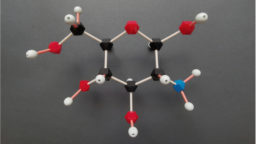
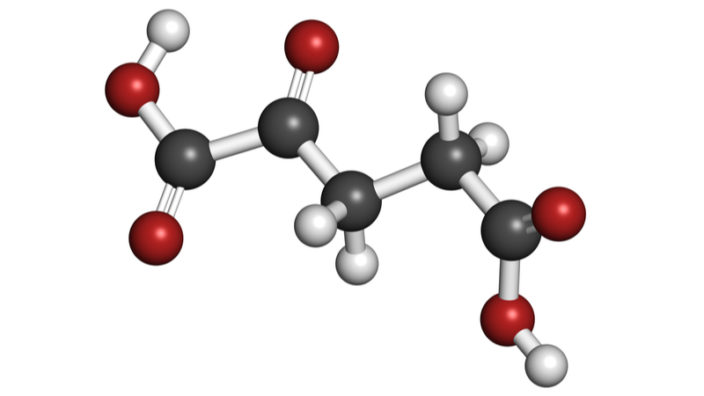
A picture of the Alpha-ketoglutarate molecule

Alpha-Ketoglutarate Delays Age‐Related Fertility Decline

Alpha-ketoglutarate (AKG) is a popular dietary and sports supplement frequently used in the bodybuilding world, but interest in this molecule has more recently reached the aging research field for its potential to slow down aging.

AKG is a naturally occurring endogenous intermediary metabolite, which means that our own bodies create it, and is part of the Krebs cycle. The supplement industry manufactures AKG, and such molecules are chemically identical to natural ones.

In a new study, researchers investigated the link between AKG and aging of the reproductive system in mammals, including mice, pigs, and humans. Previous studies have also suggested that AKG declines in certain human tissues during aging. While ascertain ing the mechanisms at play in this decline, they demonstrated that AKG has an influence on the age-related decline of fertility of mice.

Delayed fertility decline and telomere attrition

The mice treated with AKG retained ovarian function, with egg quality and quantity above that of untreated control mice of the same age.

The long-term supplementation of AKG also appeared to slow down the mice’s rate of telomere attrition, which is one reason that mice and humans are thought to age. The researchers compared the telomere length in the ovaries of 14-month-old mice with those of 8-week-old mice. As expected, the old mice in the control group had significantly shorter telomeres than the young mice. However, the mice that had been given regular AKG had significantly longer telomeres than the control mice of the same age.

The AKG treated mice also showed slightly, but not significantly, telomerase activity compared to the untreated control mice. The data showed that the expression of Sirt6, Tert, and Terc, genes that play a role in telomere maintenance, were all down-regulated in the ovaries of the control mice; in the AKG-treated mice, this down-regulation was significantly reversed.

Increased SOD and reduced mTOR signaling

The activity of the superoxide dismutase (SOD) enzyme was also observed to be slightly elevated in the ovaries of the AKG-treated mice. SOD is an enzyme that helps to break down potentially harmful oxygen molecules within cells and could reduce or prevent damage to tissues.

AKG treatment also appeared to inhibit mTOR signaling, whose elevated levels are thought to be another reason we age. Reduced mTOR activity lengthens lifespan in model organisms, such as mice, yeast, worms, and flies. Previous studies also show that mTOR activity increases in the hypothalami of aged mice, which promotes late-life obesity.

Mitochondria is a primary target of AKG

The mitochondria also appear to be a primary target of AKG, and treatment affected 17 mitochondrial genes, increasing the activity or some genes and reducing others. One way in which AKG appears to influence mitochondria is by inhibiting ATP synthase, a ubiquitous enzyme involved in the energy metabolism of most living cells.

AKG suppresses ATP synthase, which leads to a reduction of available ATP, decreased oxygen consumption, and an increase of autophagy in the cells. This means that mitochondrial function is being somewhat suppressed by AKG, particularly the electron transport chain. This partial suppression is also associated with increased lifespan as seen in previous studies with C.elegans, and the hope is that these results may translate to humans.

It’s rather like the popular saying “Life fast, die young”: AKG allows cells to “Live slow, die old”. This slowing down of metabolism is likely a reason why AKG appears to delay aging.

The fecundity reduction with aging is referred as the reproductive aging which comes earlier than that of chronological aging. Since humans have postponed their childbearing age, to prolong the reproductive age becomes urgent agenda for reproductive biologists. In the current study, we examined the potential associations of α‐ketoglutarate (α‐KG) and reproductive aging in mammals including mice, swine, and humans. There is a clear tendency of reduced α‐KG level with aging in the follicle fluids of human. To explore the mechanisms, mice were selected as the convenient animal model. It is observed that a long term of α‐KG administration preserves the ovarian function, the quality and quantity of oocytes as well as the telomere maintaining system in mice. α‐KG suppresses ATP synthase and alterations of the energy metabolism trigger the nutritional sensors to down‐regulate mTOR pathway. These events not only benefit the general aging process but also maintain ovarian function and delay the reproductive decline. Considering the safety of the α‐KG as a naturally occurring molecule in energy metabolism, its utility in reproduction of large mammals including humans deserves further investigation.

Conclusion

This study, which builds on previous work with C.elegans, supports the idea that AKG could slow down aging and support healthspan in humans if its results translate from mice to humans.

AKG has been in the spotlight in recent months with researchers such as Dr. Brian Kennedy, who gave a talk that included AKG at Ending Age-Related Diseases 2020. Brian is working hard to launch studies including AKG in humans to see if results like this study translate.

We would like to ask you a small favor. We are a non-profit foundation, and unlike some other organizations, we have no shareholders and no products to sell you. All our news and educational content is free for everyone to read, but it does mean that we rely on the help of people like you. Every contribution, no matter if it’s big or small, supports independent journalism and sustains our future.

2021 on a stethoscope

Looking Forward to a Productive 2021 in Aging Research

The world of rejuvenation biotechnology is a rapidly changing and ever developing place. As with any disruptive technology, the challenges are significant and include not only the technical aspects of developing these technologies but also the hurdles of societal acceptance of the desirability of longer, healthier lives.

While I do not accept the idea proposed by some people in our community that there is any large and organized opposition to longevity technology, there are certainly some concerns about the idea. However, I do not think such objections are the bulk of the challenge in bringing about societal acceptance. I believe it is more the case that the majority of people simply do not know about this fascinating field of science nor its potential.

There is also the case to be made that the majority of people probably do not even contemplate that they themselves will one day need the longevity technology our field hopes to develop. The old saying “You don’t know what you lost till it’s gone” is apt here, until people experience the limitations of their lifestyle and independence due to age-related diseases, it’s hard for them to visualize it happening to them.

That is not to say that reaching out to the public and engaging them about our field is a lost cause; it absolutely isn’t. Instead, it is really an opportunity for us to consider the messaging being used by our community and see where things might be improved or changed to better relate to what the person on the street will appreciate.

For me personally, I think the gateway to greater support for bringing aging under medical control, thus increasing human health and longevity, lies not in the radical but in the more incremental and visually obvious things. This means supporting technologies that may not give us radically longer lives but that may have an immediate impact that people can see and get behind. So, while an approach that reserves grey hair is probably not going to add many years to our lives, it could be the catalyst for greater support.

Also, success with these gateway technologies could also mean greater investor confidence and an increase in funding for more ambitious projects and technologies to be developed, and those could lead to significant increases in healthy human longevity and the end of age-related diseases.

Today, I am going to highlight some of these gateway technologies and the companies developing them along with some more ambitious ones that I think are worth keeping an eye on in 2021.

BioAge

Led by Kristen Fortney, BioAge is a company that uses machine learning to analyze patient datasets in order to identify existing drugs and compounds that could potentially be used to treat age-related diseases. Late last year, the company closed a $90 million series C funding round and has two candidate drugs poised to enter clinical trials in 2021: BGE-117 and BGE-175.

BGE-117 is an inhibitor of hypoxia-inducible-factor prolyl-hydroxylase (HIF-PH). According to BioAge, the Hypoxia-inducible factor (HIF) pathway is associated with both lifespan and healthspan, the period of life you experience free from disease. Blocking or reducing the activity of HIF-PH allows the activation of the target HIF-1 genes, which are associated with tissue regeneration, erythropoiesis, glycolysis, glucose uptake, vascular remodeling and angiogenesis. Through their activation, the potential to treat multiple age-related diseases may be possible.

The company’s second candidate, BGE-175, is an inhibitor of the PGD2 DP1 prostaglandin receptor, which plays an important role in the age-related decline of the immune system known as immunosenescence. According to BioAge’s proprietary aging data, BGE-175 influences various pathways associated with lifespan and healthspan. Reducing or blocking PGD2 DP1 receptor signaling influences several immune system mechanisms, activating dendritic and natural killer cells and reducing neutrophil infiltration. BioAge’s preclinical studies show that BGE-175 inhibits neutrophil migration and that PGD2 DP1 inhibition improves dendritic cell function, both of which counteract immunosenescence.

Perhaps the most immediate gateway aspect of this second candidate is its potential ability to combat respiratory infections, which includes COVID-19 and similar viruses. If successful in trials, BGE-175 could help to keep the immune systems of older people working better, allowing them to better resist infections and diseases. In a pandemic situation such as COVID-19, such a therapy could find broad usage to boost disease resistance.

LyGenesis

With a $21 million boost in January 2021 and FDA approval for a Phase 2A trial of its cell therapy for patients with end-stage liver disease, LyGenesis is a regenerative medicine company to watch this year. This spun-off biotech company from the University of Pittsburgh is developing an approach for liver regeneration via the injection of allogeneic hepatocytes into patient lymph nodes.

The regeneration of the liver is just the start; its drug development pipeline also includes plans for regenerating pancreatic, nephric, and thymic tissues. Being able to regenerate any of these organs would be groundbreaking and have an immediate and very positive impact that would be almost certain to garner wide public attention and support for the field. The work that LyGenesis is doing is a wonderful example of a gateway technology that could usher in wide societal support.

Gensight Biologics

In December 2020, Gensight announced that its Phase 3 clinical trial was a success, meaning that mitochondrial gene therapy is now a reality in humans. The trial showed that the vision of those suffering from LHON, a mitochondrial condition that leads to loss of vision, could be restored somewhat through this gene therapy.

An expanded clinical trial is expected to follow shortly, and should the results of this remain positive, it is likely that this gene therapy will be approved and enter healthcare usage. Gensight is a true rising star and among the top biotech companies that you should be paying close attention to this year.

AgeX Therapeutics

Led by Dr. Michael West, AgeX is a company developing an off-the-shelf embryonic-derived cellular transplant therapy system. It has two candidates: VASC1, which consists of vascular endothelial progenitor cells for cardiac ischemia, and BAT1, which is comprised of brown adipocytes for the treatment of age-related metabolic disorders, including Type II diabetes.

AgeX is also developing an induced tissue regeneration (iTR) system using epigenetic reprogramming. Its drug candidate iTR1547 is poised to enter phase 1 clinical trials for the treatment of chronic heart failure. iTR1547 is designed to restore regenerative capacity in a range of aged tissues, so if the initial trials for chronic heart failure are a success, it would be no surprise to see the drug expanded to other age-related diseases.

The AgeX candidates have been in development for many years, so we are hopeful that 2021 may see at least one of the candidates move into clinical trials.

Insilico Medicine

2020 was a year when you couldn’t go anywhere without seeing the name Insilico Medicine in relation to publishing a new aging clock or deep learning algorithm. Among the company’s many achievements last year, it showed off a deep learning algorithm that was able to quickly identify novel DDR1 Kinase inhibitors.

It also announced a historic partnership with Taisho Pharmaceutical Company in Japan for the discovery of senolytic drug candidates. We are confident that this will lead to the identification of many new senolytic compounds that could potentially improve on the first generation of known senolytic drugs.

Insilico Medicine is proving that AI and deep learning are going to change how we discover and develop medicines forever, and we are looking forward to seeing what this company does in the coming year. One thing is certain, Dr. Alex Zhavoronkov and his team show no signs of slowing down, and they continue to drive the field forward.

Samumed

Founded by Osman Kibar back in 2008, Samumed is a $12 billion biotech company developing drugs that target the Wnt signalling pathway. This pathway plays a pivotal role in stem cell renewal and differentiation and thus tissue regeneration.

Back in May, 2019 Samumed launched its Phase 3 clinical program of its candidate drug lorecivivint (SM04690) for the treatment of knee osteoarthritis. We are eagerly awaiting the results of its ongoing Phase 3 clinical trial, which we anticipate will finish in the later part of this year.

Lorecivivint has shown promise in early clinical phases, in which data suggested that the drug spurred cartilage regeneration as well as reducing patient-reported pain in cases of knee osteoarthritis.

If Samumed succeeds, lorecivivint could find broad application for treating multiple age-related conditions through the Wnt pathway. Many people suffer from age-related joint pain, and the crippling consequences of conditions such as osteoarthritis, so a drug that regenerates tissue would be a powerful demonstration that targeting the aging processes is the way forward. If the clinical trial results are positive, the impact on public perception and support for our field could be significant.

Unity Biotechnology

2020 was a bad year for many of us, and it was no exception for senolytic development company Unity Biotechnology. Back in August 2020, we reported on the disappointing news that its Phase 2 study of senolytic drug candidate UBX0101 had failed.

The drug is an MDM2-p53 inhibitor designed to treat osteoarthritis of the knee, but it suffered a spectacular failure in this trial. There are a number of potential reasons why: it could be that the target tissue just did not contain enough senescent cells using that particular pro-survival pathway for their removal to achieve much, that senescent cell accumulation does not play a key role in osteoarthritis, that the drug simply did not remove senescent cells, or even that senescent cell clearance in humans is not beneficial as it is in other animals. The reason remains unclear.

It really serves as a reminder that our field is highly challenging and that setbacks and failures will happen. This is just how science is: it takes time, failures, blood, sweat, and tears before success. However, despite some people declaring Unity a lost cause, it is my view that they could still turn things around.

It has another candidate drug, UBX1325, a Bcl-xL inhibitor that targets a different pro-survival pathway that senescent cells use to evade destruction, and this drug could potentially be Unity’s salvation. UBX1325 is in Phase 1 trials to treat diabetic macular edema, and results are anticipated during the first half of 2021. Should the initial results be positive, then a Phase 2 trial is sure to follow, and things could start looking up for Unity again.

Unity was always in a hard place, being the first senolytic company to reach trials and leading the pack. Any failures would be particularly hard on this company, but there is a pack of other senolytic companies hot on its heels with second-generation drugs and therapies, such as plasmid-based approaches. Therefore, even if Unity’s second roll of the dice does not pan out, there are plenty of other potential successors ready to step up. That said, Unity may well rise like the legendary phoenix in 2021, so keep your eyes on it.

FoxBio

We have been keeping our eye on this joint venture between Juvenescence and Antoxerene, a portfolio company of Ichor Therapeutics, as it is developing senolytic drugs that target the FOXO4-p53 pro-survival pathway. FoxBio launched in 2018 with $10 million of equity financing and drug development experience from Juvenescence combined with Antoxerene’s library of small molecules.

Juvenescence recently announced its plans to go public within the next six months or so, at which point it will be possible to own some of FoxBio. It has been a while now since that initial launch, so hopefully this news indicates that we may hear some news on the senolytic front from the company in 2021.

Senolytic Therapeutics

Senolytic Therapeutics is a biotech company that is a part of the Boston-based Life Biosciences group of companies co-founded by Dr. David Sinclair. It has two senolytic candidates, STX519 and STX434, which, given the time they have been in development, could potentially be ready for clinical trials this year. Based on the presentations from this company that I have attended, it seems that its future trials will be focusing on fibrotic diseases of the liver, lungs and kidneys.

Numeric Biotech

Another biotech company that we are keeping an eye on this year, Numeric is a spin-off of the Erasmus Medical Center in the Netherlands and is developing a treatment targeting FOXO4-p53 using the FOXO4-DRI peptide originally discovered by Dr. Peter de Keizer. It is planning a clinical trial of its candidate drug NBT-103, which will likely be for addressing neuro-inflammatory or autoimmune diseases, in the second quarter of 2021.

Oisin Biotechnologies

Oisin is probably taking the most unusual solution to senescent cells with its gene therapy approach, which involves a DNA construct. The DNA plasmid encodes a suicide gene, caspase-9, the activity of which is regulated by the promoter for p16, a gene that is commonly strongly expressed by senescent cells and is central to cell cycle regulation.

This genetic payload is encapsulated in a neutral-lipid nanoparticle, which allows it to be delivered to the target cells and unloaded directly into the cell cytoplasm. The DNA transgene remains inactive and only switches on in p16-expressing cells. As an additional safety measure, this does not destroy the cell; instead, a low dose of rapamycin is required to activate the senolytic treatment fully and cause the senescent cell to die. It also has a spinoff company called OncoSenX, which is using the same technique but is focused on the p53 promoter instead for treating cancer.

It has been a while since we heard news from the Oisin team, so I am hoping that 2021 might be the year that the company announces that it is finally ready to begin clinical trials.

Rubedo Life Sciences

Having closed an $11 million seed financing round, Rubedo Life Sciences plans to launch Phase 1 trials for pulmonary fibrosis this year. This company, founded by Dr. Marco Quarta, has been developing a senolytic treatment that takes advantage of the elevated levels of beta-galactosidase observed in senescent cells in order to destroy them.

Next-generation apheresis

The research of Drs. Irina and Michael Conboy over the last decade or so has increasingly supported the approach that periodically filtering aged blood of harmful factors could spur youthful tissue regeneration and stem cell function. Certainly, their many animal studies have continued to suggest that it could be possible to “reset” the signature of aged blood and restore it to a more youthful state thanks to the multiple feedback loops in our biology.

Filtering the blood of the various problematic factors that drive aging and block tissue regeneration could be achieved using an already approved technique known as apheresis. This is a medical procedure that involves removing whole blood from a patient and separating the blood into individual components so that one particular component can be removed. The remaining blood components then are reintroduced into the bloodstream of the patient.

Turning this into a treatment that could potentially de-age old blood would require some modification of the standard procedure followed by rigorous clinical trials to ensure that it is optimally safe and effective. To that end, the Conboys have founded the startup biotech company IMYu to bring next-generation apheresis to the clinic, and I anticipate that we may hear about a clinical trial this year.

Looking forward to a better year

I could have easily written twice as much as this and named many more exciting companies that are working in this space and worthy of attention, but I will leave it here for now. While we are by no means out of the woods yet and COVID-19 continues to make its presence known, I remain positive that 2021 will be a better year and that there is much to look forward to in the field.

A long-eared, long-tailed mouse

A Genetic Pathway for Preventing Hearing Loss

Activation of a genetic pathway controlled by the NRF2 gene reduces age-related hearing loss, according to a new study [1]. In the long run, drugs or treatments that target this pathway could help us keep our hearing sharp as we get older.

It’s getting harder and harder to hear

Age-related hearing loss is extremely common, often beginning with an inability to detect higher frequencies and progressing to trouble with mid-frequency sounds. Since conversation consists predominantly of mid-range frequencies, this can make it difficult to follow what’s being said, reducing the quality of life of elderly people.

The precise mechanisms behind age-related hearing loss still aren’t well understood. There’s evidence that oxidative stress might be involved [2], and studies have shown that knocking out the transcription factor NRF2 increased both age-related hearing loss [3] and noise-induced hearing loss [4]. Now, researchers have shown that increasing the activity of the NRF2 pathway in mice reduces the development of age-related hearing loss.

Helping mice hear

The experiments were done in a mouse strain that loses its hearing relatively early. In this strain, 5-month old mice are already a bit hard of hearing, and 12-month old mice have what the paper calls “fully developed age-related hearing loss”. Before starting their experiments, the researchers confirmed that NRF2 and the genes it controls are expressed normally in this strain even though it develops hearing trouble early.

Secure in that knowledge, they then engineered mice with reduced expression of the gene KEAP1, which suppresses NRF2 expression. With reduced KEAP1, NRF2 expression increases and the genes it regulates become more active. These mice had better hearing when they were 12 months old than wild-type mice, though the difference was only at low and medium frequencies; they performed about the same as wild-type mice at higher frequencies. They also showed that activity of the NRF2 pathway reduced oxidative stress in cochlear tissues, which is probably how it prevents hearing loss.

The ineffectiveness of the treatment at higher frequencies could mean that NRF2 is already more active in tissues that detect mid- and low-frequencies but needs to be boosted even more to prevent oxidative stress in tissues that detect high frequencies. It’s also possible that high-frequency hearing loss results not from oxidative stress but another mechanism, such as mechanical stress. A third possibility is that boosting NRF2 only delayed the onset of hearing loss rather than preventing it and that insensitivity to high frequencies is the first sign of eventual hearing loss in these mice.

Age-related hearing loss (AHL) is a progressive sensorineural hearing loss in elderly people. Although no prevention or treatments have been established for AHL, recent studies have demonstrated that oxidative stress is closely related to pathogenesis of AHL, suggesting that suppression of oxidative stress leads to inhibition of AHL progression. NRF2 is a master transcription factor that regulates various antioxidant proteins and cytoprotection factors. To examine whether NRF2 pathway activation prevents AHL, we used Keap1-knockdown (Keap1[FA/FA]) mice, in which KEAP1, a negative regulator of NRF2, is decreased, resulting in the elevation of NRF2 activity. We compared 12-month-old Keap1[FA/FA] mice with age-matched wild-type (WT) mice in the same breeding colony. In the Keap1[FA/FA] mice, the expression levels of multiple NRF2 target genes were verified to be significantly higher than the expression levels of these genes in the WT mice. Histological analysis showed that cochlear degeneration at the apical and middle turns was ameliorated in the Keap1[FA/FA] mice. Auditory brainstem response (ABR) thresholds in the Keap1[FA/FA] mice were significantly lower than those in the WT mice, in particular at low–mid frequencies. Immunohistochemical detection of oxidative stress markers suggested that oxidative stress accumulation was attenuated in the Keap1[FA/FA] cochlea. Thus, we concluded that NRF2 pathway activation protects the cochlea from oxidative damage during aging, in particular at the apical and middle turns. KEAP1-inhibiting drugs and phytochemicals are expected to be effective in the prevention of AHL.

Conclusion

These findings point towards a possible intervention to delay or prevent age-related hearing loss by inducing NRF2 expression. Nevertheless, there are still many questions to answer, from explaining the persistence of high-frequency hearing loss to figuring out the exact mechanisms linking NRF2 and age-related hearing loss. We hope that research into both the basic biology and possible therapies will continue so that we can keep hearing about advances in longevity research as we age.

We would like to ask you a small favor. We are a non-profit foundation, and unlike some other organizations, we have no shareholders and no products to sell you. All our news and educational content is free for everyone to read, but it does mean that we rely on the help of people like you. Every contribution, no matter if it’s big or small, supports independent journalism and sustains our future.


Literature

[1] Oishi T, Matsumaru D, Ota N, Kitamura H, Zhang T, Honkura Y, Katori Y, and Motohashi H. Activation of the NRF2 pathway in Keap1-knockdown mice attenuates progression of age-related hearing loss. npj Aging and Mechanisms of Disease (2020), doi: 10.1038/s41514-020-00053-4

[2] Fujimoto C. & Yamasoba T. Oxidative stresses and mitochondrial dysfunction in age-related hearing loss. Oxid. Med. Cell Longev. (2014), doi: 10.1155/2014/582849 [3] Hoshino T, Tabuchi K, Nishimura B, Tanaka S, Nakayama M, Ishii T, Warabi E, Yanagawa T, Shimizu R, Tamamoto M, and Hara A. Protective role of Nrf2 in age-related hearing loss and gentamicin ototoxicity. Biochem. Biophys. Res. Commun. 415, 94–98 (2011), doi: 10.1016/j.bbrc.2011.10.019 [4] Honkura Y, Matsuo H, Murakami S, Sakiyama M, Misutari K, Shiotani A, Yamamoto M, Morita I, Shinomiya N, Kawase T, Katori Y, and Motohashi H. NRF2 is a key target for prevention of noise-Induced hearing loss by reducing oxidative damage of cochlea. Sci. Rep. (2016), doi: 10.1038/srep19329
The NOVOS company logo in orange

NOVOS Explains Its New Nutraceutical

NOVOS is a nutraceutical company focused on developing science-based nutraceuticals to slow down aging and will offer tests to track people’s aging processes to get a better picture of their health.

The company offers two nutraceutical products, NOVOS Core and NOVOS Boost. Core contains 12 ingredients that the company believes can slow down aging. Boost contains only one ingredient: Nicotinamide mononucleotide (NMN).

This is the conclusion of a two-part interview; the previous part of the interview explored why the founders of NOVOS believe that their product could shake up the nutraceutical industry.

Today, we are going to drill down into the science behind their two new products. CEO Chris Mirabile and CSO Dr. Kris Verburgh took the time to answer some questions we had about NOVOS.

Okay, so NOVOS Core contains a number of compounds that may be familiar to biohackers and people interested in supplements. Before we dive into the individual elements, can you explain your screening process and your selection criteria for a particular substance?

Kris: Currently, no golden standard test for a longevity drug or nutraceutical has ever been conducted, given that this would entail a clinical trial following thousands of people for 30 to 50 years to see if they actually live longer. Such a study would take decades and would cost tens of millions of dollars. So, to identify the most promising substances to slow down aging, we currently have to rely on other scientific evidence. We used specific guidelines and principles to select the most interesting substances to slow down aging. We specifically looked for substances that act on important aging mechanisms, such as epigenetic dysregulation, mitochondrial dysfunction, protein accumulation, senescent cells, DNA damage, and so on. Furthermore, the ingredients should work on not just one aging mechanism but on multiple aging mechanisms, enabling synergistic effects. For example, alpha-ketoglutarate can improve mitochondrial health but also has epigenetic effects, just like lithium, which can also improve autophagy – the digestion of proteins – while glycine is a chaperone protecting proteins, which enables further synergistic effects with lithium. Of course, the ingredients have to extend lifespan in well-conducted scientific studies, preferably in different species, hinting at conserved evolutionary pathways. The ingredients also need to have been associated with reduced risk of multiple aging-related diseases and symptoms in humans, which suggests that they act on an underlying process, namely aging itself or at least mechanisms of aging. Ideally, their use is also associated with reduced mortality in humans. For example, studies in the US and Europe showed that glucosamine was one of the very few supplements that was associated with reduced mortality – and also reduced cardiovascular disease, by the way.

How do you take the potential interactions of these substances into account?

Chris: We specifically focused on substances that have a very low side effect profile and

that have been recognised as safe by the FDA or EFSA, the European Food Safety Authority. Also, many substances have been taken for decades or even centuries without the risk of serious side effects. For example, alpha-ketoglutarate has been taken for decades by athletes and bodybuilders to improve strength and stamina with no serious side effects, while, only recently, studies showed that it also can extend lifespan in animals.

We also use doses that are not too high. For example, one of our ingredients is micro-dosed lithium amounting to 1 milligram per day. Lithium is used as a mood-stabilizing drug in psychiatric settings at doses up to a thousand times higher, chronically. Interestingly, very low doses of lithium have been associated with longer life spans and less risk of aging-related diseases.

For fisetin, we use a daily low dose of 100 mg instead of taking a very high one-off dose to kill senescent cells, which can be around 1,500 mg in one day. We did this after deliberation with one of our scientific advisors, Dr. Pamela Maher from the Salk Institute, who is one of the world’s leading authorities on fisetin. Continuous lower doses of fisetin can also extend lifespan.

 
Fisetin

Fisetin


Many substances are also naturally present in our body and decline with age, like glycine and alpha-ketoglutarate, the latter of which our blood levels can drop tenfold as we age. Using low “physiological” doses, often to restore declining levels to more youthful levels, and not using much higher “pharmaceutical” levels substantially reduces the risk of side effects. So, using combinations of safe, nature-based, tried-and-tested supplements in not too high doses substantially mitigates the risk of side effects.

 
Alpha-ketoglutarate

Alpha-ketoglutarate


Our substances demonstrated beneficial lifespan effects and can reduce the risk of various aging-related diseases. We often see in medicine that combining beneficial substances or interventions leads to even stronger positive synergistic effects instead of drawbacks. And, of course, we ran our formulation with our scientific advisory board and consultants, consisting of top scientists in the aging field.

At a glance, a lot of these compounds in the Core product focus in one way or another on epigenetics. Is modulation of the epigenome a central focus of your design philosophy, and, if so, why do you think epigenetics plays such an important role in aging?

Kris: When creating our formulation, we focused not only on epigenetics but also on many other aging mechanisms, like protein accumulation, mitochondrial dysfunction, senescent cells, inflammation, and so on. But, we indeed believe that epigenetic alterations play a very important role in aging and could perhaps be one of the most important reasons why we age.

The epigenome is the complex machinery that determines which genes are switched on or off. During aging, this process goes awry. Some genes that should protect our cells are switched off, such as housekeeping genes, while other genes that can damage our cells are switched on, like cancer genes. Various substances in NOVOS Core act on the epigenome, like alpha-ketoglutarate, lithium, glycine and fisetin, but the epigenome is only a part of our story. Other ingredients in our formulation target other hallmarks of aging. For example, fisetin can clear senescent cells, while pterostilbene reduces inflammation and malate improves mitochondrial health.

It is proposed that there are nine reasons we age called the Hallmarks of Aging. How is NOVOS designed to address some or even all of these hallmarks?

Chris: NOVOS is the first nutraceutical that specifically focuses on the nine hallmarks of aging. This makes NOVOS unique, given that most other “anti-aging” supplements focus on one or two aging mechanisms at best, such as the NAD+ pathway or free radicals. Aging is a complex process caused by multiple mechanisms.

Compare the aging body to a house in disrepair: only fixing the gutter is not going to help a lot if you don’t also fix the flooded basement, broken windows, leaky roof, and so on. You need to address all these at the same time to really make the house stay around for longer, but this is not what most supplement companies are doing, nor is pharma. Pharma mainly develops one drug for one pathway. Hopefully, NOVOS could be a wake-up call for them in the sense that the longevity pill of the future is likely not going to consist of one substance but of multiple substances acting on multiple aging pathways.

You opted to include NMN in your Boost product. Why choose NMN over other NAD+ precursors such as NR?

Kris: There are many reasons to believe that NMN is likely superior to NR. We explain this in depth on our website. For example, studies show that NR is very unstable and quickly broken down into nicotinamide, a B vitamin. This already happens in the gut lumen before NR is taken up into the body. In contrast, NMN is much more stable in the gut and blood.

Of course, if you take NR, you will also increase NAD+ levels, given that nicotinamide is also a precursor to NAD+. That is probably why many NR companies rightfully claim that NR increases NAD+ levels while they probably know you can do the same when taking nicotinamide. If we also look at the whole of scientific studies, NMN seems to have stronger effects than NR regarding improving various biomarkers of aging and aging-related diseases. There are good reasons why top experts on NR / NMN / NAD+ metabolism, like David Sinclair, take NMN themselves and not NR.

We also see that various biotech companies are currently developing analogues of NMN, not NR, to mitigate aging. Some websites claim that NMN is not well absorbed when taken orally, but that’s not the case. In fact, online NR is touted on many sites, mostly by NR companies. Some important reasons for this is that NMN was too expensive to produce and even study until recently and that the production of NR is patented, so various companies that have the licenses keep advocating NR and downplaying NMN, while NMN is probably significantly better. That is why we offer NMN and not NR.

A number of compounds included in the Core supplement are also associated with inflammation via differing pathways. Was tackling age-related inflammation part of your strategy and how important do you think inflammation is in the aging process as a whole?

Kris: We believe that inflammation plays an important role in aging. When we get older, our bodies become more and more inflamed. This inflammation stems from various sources, like senescent cells. These cells arise everywhere in our body and secrete pro-inflammatory substances. During aging, our gut also becomes more leaky, while the skin barrier becomes more permeable, causing pro-inflammatory substances to leak into our bloodstream, fanning systemic inflammation.

Abdominal fat, also called a beer belly, also secretes many inflammatory substances. Retrotransposons jumping around in our cells stir up inflammation. When we get older, the immune system becomes too overactivated in some ways, further fueling inflammation.

When we get older, our mitochondria become more damaged, making them secrete substances that fan inflammation, such as freely circulating mitochondrial DNA, DAMPs, and so on.

This increase in inflammation significantly contributes to the aging process. Therefore, we included various substances that reduce inflammation, like fisetin, glucosamine, glycine and pterostilbene.

What about cheap and readily available Niacin, which was recently shown to increase NAD+ in a human trial?

Chris: Niacin is a form of vitamin B3, which can increase NAD+ levels, as can another form of vitamin B3, namely nicotinamide. However, I would be careful with taking too high doses of vitamin B3. For example, nicotinamide could actually suppress the activity of sirtuins. Sirtuins are proteins that help to repair and maintain DNA, but some scientists believe that despite the fact that nicotinamide could inhibit sirtuins, it can have other beneficial effects. Nonetheless, studies like the one that Rafael de Cabo published in Cell Metabolism show that nicotinamide does not extend lifespan in mice. Some studies seem to suggest that niacin poses less of a problem than nicotinamide in that regard, but NMN is likely better than niacin and nicotinamide in improving NAD+ levels and in also exerting multiple other beneficial effects.

To keep costs down, you include NMN as a separate product called Boost. What makes NMN so costly, anyway; is it the manufacturing process?

Chris: The manufacturing of NMN is very complex. It was up until very recently that it was prohibitively expensive to manufacture, so even for scientific studies, scientists had to use NR instead of NMN. In recent years, the price of producing NMN has come down considerably, but it is still very expensive. This leads some unscrupulous sellers of NMN to adulterate it with flour, NR, or plain nicotinamide. Some “NMN” sold online is 100 percent nicotinamide!

Also, often producers claim that their NMN is high-purity. However, they do not measure absolute purity, but relative purity, by comparing their NMN supplement with one that is even more impure. There are a lot of bad-quality NMN products on the market, unfortunately, because the production process is so complex and expensive.

Vitamin C is somewhat of a surprise to see included given how common it is. What’s the rationale behind including a generic vitamin like this?

Kris: We added vitamin C because it works synergistically with alpha-ketoglutarate to improve the functioning of TET enzymes. TET enzymes are important epigenetic enzymes that play a role in stem cell-ness and overall methylation. TET enzymes ideally need both alpha ketoglutarate and vitamin C to work properly. Vitamin C also has other epigenetic functions. In fact, most people think of vitamin C as an antioxidant, but we like it much more for its epigenetic effects.

Why do you use pterostilbene and not resveratrol?

Kris: Pterostilbene and resveratrol look very similar as molecules, but the few extra methyl groups on pterostilbene provide it with multiple advantages over resveratrol. Pterostilbene is considerably more absorbable in the gut and is stable for much longer in the blood. Resveratrol has a very low half life in the body, meaning that it’s broken down very quickly after absorption. Pterostilbene stays around considerably longer. We also see in scientific studies that pterostilbene outperforms resveratrol, for example to treat brain aging.

 
Pterostilbene

Pterostilbene


Why do you use calcium alpha-ketoglutarate instead of alpha-ketoglutarate?

Chris: The most recent lifespan studies have been done with calcium alpha-ketoglutarate, not just plain alpha-ketoglutarate. The calcium form improves stability and transit time in the gut, enabling a slower release of the alpha ketoglutarate form in the gut, among other advantages.

Rhodiola Rosea is also not something I have seen discussed often in biohacking circles; while it has a traditional use for reducing stress, it isn’t something I see talked about in the context of life extension. What’s the reasoning behind this being part of the mix?

Kris: Rhodiola rosea is an interesting herb. It has been shown to extend lifespan in different organisms. Specific components of Rhodiola, like salidroside, can induce regeneration of nerves. It can also protect the brain of rodents against toxic insults. Rhodiola rosea has been used for centuries in people in northern Europe and Asia as an adaptogen to improve resilience against physical and mental stress. Its lifespan effects and abilities to improve cognition and reduce fatigue make it an interesting ingredient.

We find it important that people can also experience immediate benefits when taking NOVOS. Improved cognition is one of them, but we also used specific longevity ingredients that can improve skin health, like glucosamine, hyaluronic acid containing acetyl-glucosamine, and alpha-ketoglutarate.

What will the future bring for NOVOS?

Chris: We are planning to further improve on our formulation and release additional products focused on longevity. So, when novel studies appear in the coming years, it’s possible that we will change NOVOS Core’s ingredient formulation and add to the lineup. We will also offer tests on our website to measure biological age and health. NOVOS wants to empower people to take their health and aging process into their own hands. This is also because most physicians do not currently know a lot about aging, let alone how to mitigate or measure it.

We also want to advance the aging field, so we have elected to register as a Public Benefit Corporation (PBC), meaning that a part of our profits will be donated to aging research and for the public good.

Kris: There is a big need for more science-based supplements to address aging. In the last year, lots of research and insights have come about, paving the way for this kind of supplement. We want to create through NOVOS more awareness around the important need to address aging. Pharma is not focusing on it, because aging is not an official disease that can be reimbursed, while many interesting molecules cannot be patented by them. On the other hand, many food supplement companies have been selling antioxidants and multivitamins as “anti-aging” supplements with very little or no scientific evidence. It’s time that supplements like NOVOS advance the field and public perception, demonstrating that there are already very interesting substances available to address aging. By developing science-based nutraceuticals, we will bridge the no-man’s land between supplement companies and big pharma.

We would like to thank Chris and Kris for taking the time to answer our questions.

Disclosure: A portion of the profits and equity from NOVOS are being donated to nonprofits working in the longevity science space, which includes us here at lifespan.io.

Our Vice President, Dr. Oliver Medvedik, is also a scientific consultant, putting him in good company with Dr. Joao Pedro Magalhaes, Dr. Pamela Maher, Dr. Avi Rosenbaum, and Dr. Matt Kaeberlein, names with whom regular readers may be familiar.

Chris and Kris provided us with a non-exhaustive list of scientific studies to substantiate the ingredients used in NOVOS, which you can find below:

FISETIN

ALPHA-KETOGLUTARATE

GLUCOSAMINE

MICRO-DOSED LITHIUM

GLYCINE

NMN

PTEROSTILBENE

THEANINE

HYALURONIC ACID & ITS COMPONENT ACETYL-GLUCOSAMINE

VITAMIN C (AND SYNERGY WITH ALPHA KETOGLUTARATE ON THE EPIGENOME INCLUDING TET ENZYMES)

RHODIOLA ROSEA (& SALIDROSIDE)

MALATE and MAGNESIUM

GINGER

Disclosure: A portion of the profits and equity from NOVOS are being donated to nonprofits working in the longevity science space, which includes us here at lifespan.io.

Our Vice President, Dr. Oliver Medvedik, is also a scientific consultant, putting him in good company with Dr. Joao Pedro Magalhaes, Dr. Pamela Maher, Dr. Avi Rosenbaum, and Dr. Matt Kaeberlein, names with whom regular readers may be familiar.

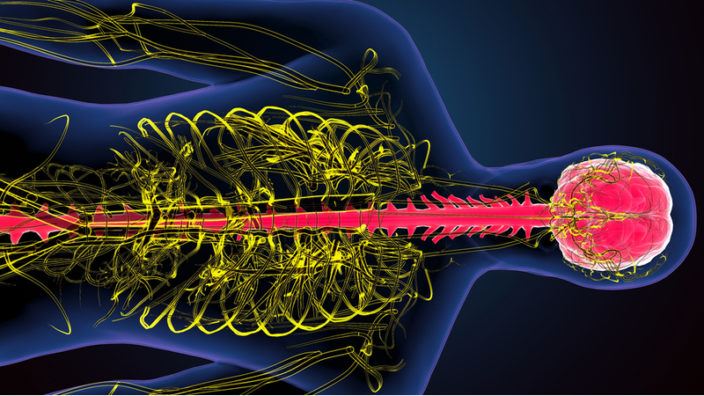
The sympathetic nervous system

Senescent Cells Recruit Sympathetic Nerves

Researchers publishing in Frontiers of Aging Neuroscience Journal have discovered a new way in which senescent cells contribute to aging and chronic disease.

The sympathetic nervous system in age-related diseases

Our nervous systems are divided into the central nervous system, which consists of the brain and spinal cord, and the peripheral nervous system, which is everything else. The peripheral nervous system is divided further into the autonomic and somatic nervous systems. ‘Autonomic’ refers to the aspects we do not consciously control, such as heart rate, while the somatic nervous system controls conscious actions, mostly skeletal muscles. Finally, the autonomic nervous system is split into two opposing systems of nerves: the sympathetic and parasympathetic. Activated sympathetic nerves are best known for their role in the fight-or-flight response. They elevate blood pressure, suppress digestion, and make us start to sweat, among others, while the parasympathetic system does the reverse.

An overactive sympathetic nervous system, perhaps unsurprisingly as a stress response, has been implicated in a number of age-related disorders, especially high blood pressure and cardiovascular disease. A high density of sympathetic nerve fibers (SNFs) has also been found in many tumor types. Suppression of sympathetic nervous activity (most often done with beta blockers, which counteract adrenaline and reduce blood pressure) can have a wide array of unexpected effects, but there have been a limited number of studies.

A collaboration between Hubei University, Peking University, and Hunan Normal University in China has recently investigated the role that senescent cells play in sympathetic nervous system over-activity [1]. They first showed SNF density to increase in two models of aging: in various tissues of naturally aged mice and in human colon adenoma tissues. Senescent cells were found alongside SNFs as evidenced by expression of p16, which suppresses proliferation, and SA β-gal, a marker of cellular senescence.

Propranolol hydrochloride, a beta blocker that inhibits sympathetic nerve activity, was then injected into naturally aged mice. Behavioral tests suggested that cognition was improved in these mice. Additionally, denervation with the neurotoxic drug 6-OHDA reduced the progression of fatty liver disease in a mouse model.

Senescent fibroblasts recruit SNFs via Netrin-1

Hypothesizing that the secreted factors (the SASP) of the senescent cells were recruiting the sympathetic fibers, the researchers conducted an in vitro co-culture of a dorsal root ganglion (an SNF) and fibroblast cells. They induced senescence using three different methods in two different types of fibroblasts. All six combinations recruited SNF outgrowth in greater numbers than their non-senescent counterparts. Subcutaneous implantation of bleomycin-induced senescent fibroblasts in mice also recruited SNFs, while young fibroblasts did not. Next, the researchers surgically induced osteoarthritis in mice and observed an increase in SNFs in these joints. Intra-articular injection of the senolytic drugs dasatinib and quercetin (D+Q) reduced both the senescent cell and SNF burden.

Six secretory factors known to be involved in nerve fiber growth were then investigated. Of them, Netrin-1 was found to increase 10-fold in senescent cells, while no change was found in the other five. Even more convincingly, blocking Netrin-1 activity completely prevented the SNF recruitment seen in the previous experiments both in vitro and in vivo.

In summary, in the present study we found elevated SFs densities in naturally aged mouse tissues and human colon adenoma tissues. Mechanistically, senescent cells-secreted netrin-1 induces the infiltration of SFs, which contributes to elevated SF, increasing their density in aging tissues. The recruited SFs upregulate the SASP profile by releasing the adrenalin transmitter, which acts on senescent cells. Furthermore, the increased SF density impairs brain cognitive performance in naturally aged mice and mediates hepatic steatosis in APOE−/− mice (Figure 8). Our finding suggests that clearing senescent cells or targeting netrin-1 are promising preventive strategies for treating SNS hyperactivity-induced aging-related pathologies.

Conclusion

One of the identified benefits of cellular senescence is in wound healing. In this context, it is not surprising that the SASP would contain recruitment factors in order to encourage nerves to re-enervate the newly formed tissue. It also follows that when this signaling becomes chronic and systemic, as is the case with age-related senescent cell burden, it would contribute to the overactivity of the sympathetic nervous system.

As with most research, we are left with more questions. Do these findings apply to non-fibroblast senescent cells? Can the effects of Netrin-1 be targeted to reduce age-related decline? Importantly, the mechanisms by which SNFs contribute to age-related decline are largely unexplored and may provide insights into how to intervene in these processes with fewer side effects. This study represents an important step in connecting these concepts for the benefit of human health.

We would like to ask you a small favor. We are a non-profit foundation, and unlike some other organizations, we have no shareholders and no products to sell you. All our news and educational content is free for everyone to read, but it does mean that we rely on the help of people like you. Every contribution, no matter if it’s big or small, supports independent journalism and sustains our future.

Literature

[1] Yu, A. Q., Wang, J., Zhou, X.J., Chen, K.Y., Cao, Y.D., Wang, Z.X., and Mao, Z.B., (2020). Senescent Cell-Secreted Netrin-1 Modulates Aging-Related Disorders by Recruiting Sympathetic Fibers. Frontiers of Aging Neuroscience, 12:507140. https://doi.org/10.3389/fnagi.2020.507140

An elderly woman practicing pilates

Exercise Found to Have Anti-Senescence Effect

A new review paper delivers evidence that exercise, a powerful anti-aging tool, may be a natural senolytic [1].

Progress in the field of senolytics has been mixed. After the initial hype that had spawned dozens of startups, enthusiasm has waned somewhat in the wake of the failure of the much-anticipated experimental drug UBX0101, which was developed by Unity Biotechnology [2]. While this one setback does not invalidate the whole concept, and Unity itself has its hopes vested in a new senolytic, there are other ways of dealing with these harmful cells.

Exercise and senescence: is there a link?

This new review posits a link between exercise and senescent cell load. Exercise, of course, is one of the best anti-aging interventions we have to date. It has been proven to alleviate many processes associated with aging; it keeps your weight, blood pressure, and glucose levels at bay while delaying sarcopenia and frailty. This review shows that one of the underlying mechanisms of exercise is that it diminishes the number of senescent cells.

One study has found that lifelong exercise prevents thymic involution – the age-related degeneration of the thymus, a gland that produces T cells, which are a vital element of our immune system [3]. Another study demonstrated that thymic involution is associated with cellular senescence [4]. In another example, one of the most well-researched beneficial effects of exercise is on the vascular system, while cellular senescence promotes vascular stiffness [5], a major factor in cardio-vascular diseases. Finally, strong evidence links physical activity to lower risk of several types of cancer, while cellular senescence plays an important, if equivocal, role in cancer development (early-stage senescence protects from cancer, while prolonged senescence promotes it) [6].

It is rather peculiar, then, that this topic is not well-researched. The reviewers were only able to identify 21 related studies, including eight human studies, twelve animal studies, and one that included both humans and animals. The total number of participants in human studies was 535. The studies were heterogeneous in many aspects. In different studies, participants included sedentary or active volunteers, athletes or casual exercisers, healthy or ill people, as well as various age groups. Four out of nine human studies were cohort studies, while three were intervention studies (i.e. measured amounts of physical activity were applied and studied as a medical intervention). Animal studies showed even more variance: for instance, some of them included forced exercise, which researchers cannot do to humans for obvious reasons.

The results are in

Of the 21 articles, 16 demonstrated the senolytic effects of exercise on various markers of senescent cells. The P16INK4a protein, a popular marker of cellular senescence, was used in most of the studies. The main takeaway from the human studies was that, in general, physically active people have fewer senescent cells than sedentary people. Three of the studies have found that habitual physical activity is negatively associated with p16INK4a in the immune cells of healthy participants aged 18–80. According to two other studies, chronic exercise training reduced senescence markers in the mononuclear cells (lymphocytes and monocytes) and the vascular endothelial cells of healthy, regularly exercising participants compared to sedentary controls.

In animal studies, prolonged voluntary wheel running decreased p16INK4a levels in various organs, tissues, and cells of mice and rats, including heart, blood vessels, and fat. In summary, 10 out of 13 animal studies showed senolytic effects, which were dependent on the form and dosage of exercise, type of senescent tissue, health, and age. Remarkably, forced exercise showed contradictory effects on senescence markers, while acute bouts of exercise, including prolonged swimming, actually drove them higher. This is evidence that common knowledge is correct: forced exercise or too much exercise is not as good for you as a healthy helping of voluntary physical activity.

Despite the limited number of studies, the scientists consider the evidence for the senolytic effect of exercise to be convincing, and they call for more research on humans and animals and on various organs and tissues.

A clearer picture of mechanisms underlying senolytic effects of exercise may contribute to the discovery and development of ‘exercise mimetics’ or ‘exercise pills’ against senescent cells.

Conclusion

While aging research is looking for new interventions and therapies that would extend our lifespan and healthspan, among the few we have now, exercise is one of the most powerful and widely available. This review uncovers one of the possible mechanisms behind the anti-aging effect of exercise.

We would like to ask you a small favor. We are a non-profit foundation, and unlike some other organizations, we have no shareholders and no products to sell you. All our news and educational content is free for everyone to read, but it does mean that we rely on the help of people like you. Every contribution, no matter if it’s big or small, supports independent journalism and sustains our future.
Literature

[1] Chen, X. K., Yi, Z. N., Wong, G. T. C., Hasan, K. M. M., Kwan, J. S. K., Ma, A. C. H., & Chang, R. C. C. (2020). Is exercise a senolytic medicine? A systematic review. Aging Cell, e13294.

[2] Dolgin, E. (2020). Send in the senolytics. Nature Biotechnology.

[3] Duggal, N. A., Pollock, R. D., Lazarus, N. R., Harridge, S., & Lord, J. M. (2018). Major features of immunesenescence, including reduced thymic output, are ameliorated by high levels of physical activity in adulthood. Aging cell, 17(2), e12750.

[4] Barbouti, A., Evangelou, K., Pateras, I. S., Papoudou-Bai, A., Patereli, A., Stefanaki, K., … & Gorgoulis, V. G. (2019). In situ evidence of cellular senescence in Thymic Epithelial Cells (TECs) during human thymic involution. Mechanisms of ageing and development, 177, 88-90.

[5] Katsuumi, G., Shimizu, I., Yoshida, Y., & Minamino, T. (2018). Vascular senescence in cardiovascular and metabolic diseases. Frontiers in cardiovascular medicine, 5, 18.

[6] Zeng, S., Shen, W. H., & Liu, L. (2018). Senescence and Cancer. Cancer translational medicine, 4(3), 70–74. https://doi.org/10.4103/ctm.ctm_22_18

Blood cells in an artery

Arterial Stiffening Correlates With Cognitive Decline

Today, we want to highlight the results of a recent long-term study, which collected data over a four-year period to investigate the link between aortic stiffening and cognitive decline, including dementia.

During aging, our blood vessels become increasingly stiff and lose their flexibility, and the cells comprising it struggle to contract and relax properly. Blood vessels, particularly arteries, need that flexibility in order to cushion the force of blood being pumped around our bodies; without it, our organs take the brunt of that force, which damages them over time.

As blood vessels stiffen, a typical consequence is hypertension, an elevation of blood pressure, which leads to a number of health issues and contributes to various age-related diseases. Blood pressure is a tightly controlled process that includes various feedback systems, but when blood vessels lose their ability to contract and relax properly, the result is increased blood pressure.

Increased blood pressure frequently leads to damage to delicate tissues, such as the rupturing of small blood vessels, pressure damage to sensitive eye cells that leads to loss of vision, and damage to the blood-brain barrier. In the brain itself, excessive blood pressure can cause micro-strokes, which damage small areas of the brain but often go unnoticed. Over time, this damage mounts up and contributes to increasing cognitive decline.

Blood vessels stiffen with age for multiple reasons, such as the formation of crosslinks in the extracellular matrix. Made from advanced glycation end-products (AGEs) such as glucosepane, which the body is unable to break down and dispose of, these persistent bonds reduce the elasticity of the tissue they are in. In the case of blood vessel walls, this leads to hypertension, and we can even see this happening in our outer skin as we age; crosslinks make our skin less elastic and more wrinkled.

Another purported cause of blood vessel stiffening is the increasing presence of senescent cells, which cause chronic inflammation and inhibit healthy tissue regeneration.

Aortic stiffness is closely linked with cardiovascular diseases (CVDs), but recent studies suggest that it is also a risk factor for cognitive decline and dementia. However, the brain changes underlying this risk are unclear. We examined whether aortic stiffening during a 4-year follow-up in mid-to-late life was associated with brain structure and cognition in the Whitehall II Imaging Sub-study.

Our findings indicate that faster rates of aortic stiffening in mid-to-late life were associated with poor brain WM microstructural integrity and reduced cerebral perfusion, likely due to increased transmission of pulsatile energy to the delicate cerebral microvasculature. Strategies to prevent arterial stiffening prior to this point may be required to offer cognitive benefit in older age.

Conclusion

There are a number of technologies being developed that may help to address arterial stiffness, particularly the crosslink-breaking drugs from Revel Pharmaceuticals, which could help remove glucosepane from the extracellular matrix. Meanwhile, while we wait for more robust solutions to arrive, we should all do our best to maintain healthy lifestyles and healthy hearts.

We would like to ask you a small favor. We are a non-profit foundation, and unlike some other organizations, we have no shareholders and no products to sell you. All our news and educational content is free for everyone to read, but it does mean that we rely on the help of people like you. Every contribution, no matter if it’s big or small, supports independent journalism and sustains our future.

Senolytics Reduce Gut Inflammation in Mice

A few years ago, a team at Mayo Clinic led by Dr. James Kirkland treated mice with the cancer drug dasatinib and the popular dietary supplement quercetin, with results suggesting that the combination was able to destroy senescent cells.

This combination was part of the first generation of drugs known as senolytics, compounds that encourage senescent cells to self destruct in a process known as apoptosis, thus reducing chronic inflammation and improving tissue regeneration. Senolytics are thought to be a possible way to address some of the aging process and could potentially support healthy longevity if the life extending results seen in previous mouse studies can be translated to humans.

A new preprinted study explores the long-term effects of exposure to dasatinib and quercetin (D+Q) on gut microbiome composition, senescent cell populations, and inflammation.

Until now, it was unknown what influence senolytics such as D+Q have on the populations and diversity of bacteria living in the gut microbiome. With 10 controls and 10 aged mice, the researchers examined the guts of the animals to determine how D+Q affected senescent cells in intestinal walls. They used the biomarkers p16 and p21, both of which are involved in the cell cycle process and whose elevated levels indicate the presence of senescent cells. Mice given D+Q had significantly reduced p16 and p21, suggesting a corresponding reduction of senescent cell activity and/or presence.

The researchers also investigated how D+Q influenced the presence of the inflammatory biomarkers Cxcl1, Il1β, Il6, Mcp1, and Tnfα. The data showed that there was a reduction of these inflammatory biomarkers in the mice given D+Q.

Finally, after analysis, the team noted that there were significant differences between the microbial signatures of the mice given D+Q and the control mice. The researchers also noted that there was a direct correlation between elevated senescence and inflammation biomarkers and particular microbial signatures.

Cellular senescence contributes to age-related disorders including physical dysfunction, disabilities and mortality caused by tissue inflammation and damage. Senescent cells accumulate in multiple tissues with aging and at etiological sites of multiple chronic disorders. The senolytic drug combination, Dasatinib plus Quercetin (D+Q), is known to reduce senescent cell abundance in aged mice. However, the effects of long-term D+Q treatment on intestinal senescent cell and inflammatory burden and microbiome composition in aged mice remain unknown. Here, we examine the effect of D+Q on senescence (p16 Ink4a and p21 Cip1) and inflammation (Cxcl1, Il1β, Il6, Mcp1, and Tnfα) markers in small (ileum) and large (caecum and colon) intestine in aged mice (n=10) compared to age-matched placebo-treated mice (n=10). Additionally, we examine microbial composition along the intestinal tract in these mice. D+Q-treated mice show significantly lower senescent cell (p16 and p21 expression) and inflammatory (Cxcl1, Il1β, Il6, Mcp1 and Tnfα expression) burden in small and large intestine compared with control mice. Further, we find specific microbial signatures in ileal, cecal, colonic and fecal regions that are distinctly modulated by D+Q, with modulation being most prominent in small intestine. Further analyses reveal specific correlation of senescence and inflammation markers with specific microbial signatures. Together, these data demonstrate that the senolytic treatment reduces intestinal senescence and inflammation while altering specific microbiota signatures and suggest that the optimized senolytic regimens might improve health via reducing intestinal senescence, inflammation and microbial dysbiosis in older subjects.

Conclusion

While this is only a small study, this data suggests that senolytics may have a beneficial effect on the gut microbiome and might potentially reduce intestinal permeability and inflammation by addressing cellular senescence and modulation of the microbiome.

We would like to ask you a small favor. We are a non-profit foundation, and unlike some other organizations, we have no shareholders and no products to sell you. All our news and educational content is free for everyone to read, but it does mean that we rely on the help of people like you. Every contribution, no matter if it’s big or small, supports independent journalism and sustains our future.

Literature

[1] Saccon TD, Nagpal R, Yadav H, Cavalcante MB, Nunes ADC, Schneider A, Gesing A, Hughes B, Yousefzadeh M, Tchkonia T, Kirkland JL, Niedernhofer LJ, Robbins PD, Masternak MM. Senolytic combination of Dasatinib and Quercetin alleviates intestinal senescence and inflammation and modulates the gut microbiome in aged mice. J Gerontol A Biol Sci Med Sci. 2021 Jan 6:glab002. doi: 10.1093/gerona/glab002. Epub ahead of print. PMID: 33406219.

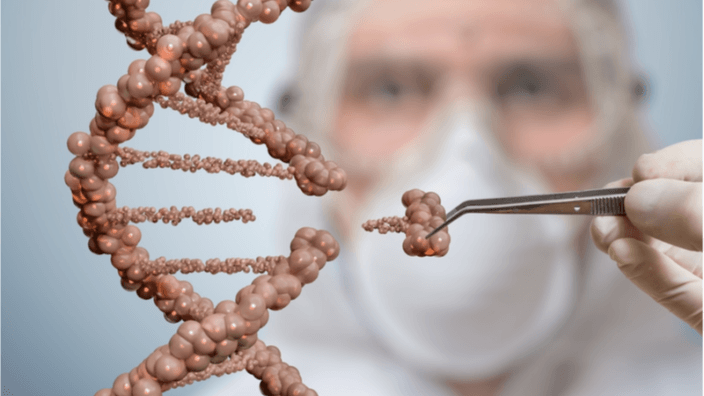
Tweezers remove a single gene

Groundbreaking New Therapy for Progeria

A gene editing technique published in Nature has proven to be effective in a mouse model of Hutchinson–Gilford progeria syndrome (HGPS).

A single error causes tremendous damage

HGPS is a well-known disease that causes visible aging and early death in children. In progeria, the lamina that protects the genetic information in the nucleus is greatly weakened, leading to genomic instability, one of the primary hallmarks of aging. Children with this disease visibly suffer, as its symptoms include stunted growth, a lack of musculature, visible veins, and intensely wrinkled skin. The majority of children with HGPS die of heart failure in their teens.

The basic cause of HGPS, however, is simple. In progeria, the gene LMNA, which is responsible for encoding the critical nuclear protein lamin A, a genetic mutation has turned a single T/A base pair into a G/C base pair at a specific location. This single error is ultimately responsible for the myriad downstream effects of this disease.

A specialized solution

In order to restore the G/C base pair to its original T/A form, the researchers chose to employ an adenine base editor. This technique directly affects the base pair without employing any genetic splices; while this would be an ineffective strategy for more complicated errors, it is uniquely useful for the problem at hand. Introducing this therapy directly into human cell cultures was able to repair 87 to 91% of the progeric cells, and curing the genetic disease was shown to repair its downstream effects. Importantly, this therapy did not result in any off-target mutations.

Unfortunately, when this therapy was introduced into live transgenic mice two weeks after their birth through a single injection of an adeno-associated virus, only 20% to 60% of their cells in multiple organs were affected six months after injection. However, this partial improvement resulted in much healthier vasculature and more than doubled their average lifespan of 215 days to 510 days.

Conclusion

Curing progeria and other genetic diseases directly through gene therapies that affect existing cells in situ, as opposed to stem cells (patient-derived or otherwise), has long been a dream of the research community. If this therapy can be proven to work in humans, children with progeria may be able to look forward to much longer and healthier lives, particularly if researchers discover a better vector for introducing adenine base editors into living tissue.

Additionally, this gene editing technique may be useful against other small but significant genetic mutations, including those that influence, or are influenced by, the genomic instability of aging. While the epigenome and proteome have been shown to have tremendous effects on the pathologies of aging, the genome itself has long been considered to be the holy grail of biological interventions, and the more we master it, the closer to we are to a world in which every last one of the hallmarks of aging can be considered a solvable problem rather than an insurmountable wall.

We would like to ask you a small favor. We are a non-profit foundation, and unlike some other organizations, we have no shareholders and no products to sell you. All our news and educational content is free for everyone to read, but it does mean that we rely on the help of people like you. Every contribution, no matter if it’s big or small, supports independent journalism and sustains our future.

double strand break

A Cause of Genomic Instability Discovered

Research further illuminating the mechanisms of impaired DNA damage repair associated with aging has recently been published in the journal Aging.

DNA damage repair is reduced as we age 

While we have multiple mechanisms for repairing genomic damage, one type of damage, double-strand breaks, is particularly dangerous to cells. When both strands of the DNA double helix are broken, the broken ends can link together, preventing it from being repaired. The two main repair mechanisms for double-strand breaks are non-homologous end joining (NHEJ) and homologous recombination (HR). Both of these processes are highly regulated and while NHEJ occurs during all parts of the cell division cycle, HR occurs primarily from the mid-S to the G2 phase.

This study, produced by the Universitat Autònoma de Barcelona in Spain, has investigated these two pathways and their changes with age in mammary epithelial cells. [1] First, the researchers compared cells from aged (greater than 60 years) and young (less than 27 years) donors. The aged cells had significantly less NHEJ activity and HR activity than young donors, suggesting that both repair mechanisms are impaired with age.

Investigating the cause of reduced DNA repair

Next, the authors looked at the marker 53BP1, which localizes to double-strand breaks to initiate the NHEJ repair response. After DNA damage was induced by exposing the cells to radiation, less 53BP1 was found at double-strand breaks in the aged donor cells. This specifically implicates 53BP1 in the age-related decline of NHEJ. A different marker, BRCA1, plays a similar role during the HR repair response. No differences in BRCA1 were seen between young and aged cells in the G2 phase, despite overall HR activity being reduced. This apparent contradiction was explained by RAD51, a core protein further downstream in the process from BRCA1, which was found to be reduced in the aged cells.

The researchers then investigated what was causing the decrease in 53BP1 recruitment to double-strand breaks. Several lines of investigation looking into the synthesis and maintenance of these two proteins showed no differences between the young and aged cells. In other words, 53BP1 and RAD51 were present in similar amounts at different ages, suggesting that the problem instead lies with their recruitment to the sites of double-strand breaks. Several epigenetic explanations were investigated before decreased expression of SETD8 was finally identified as the most likely culprit.

Interestingly, it was also found that BRCA1 was localizing to double-strand breaks even in G1 cells. Cells in the G1 phase of the cell cycle are usually limited to the 53BP1/NHEJ repair response. However, the impaired localization of 53BP1 allowed BRCA1 to localize to G1 cells instead. Despite the localization of BRCA, these double-strand breaks were not able to be repaired by the HR process as evidenced by an absence of the downstream RAD51 protein.

In summary, we propose that 53BP1 deficient recruitment to DSBs is a hallmark of age, and we present a model for a DSB repair pathway choice in HMECs from aged women (Figure 5). Upon induction of DSBs in YD cells, 53BP1 is recruited in the G1 phase and promotes c-NHEJ. In contrast, AD cells fail to recruit 53BP1 to DSBs efficiently, allowing their ectopic occupancy by BRCA1, which is followed by CtIP-mediated DNA-end resection. If resection is extensive enough, single-stranded fragments are coated by RPA while awaiting ligation. Because the c-NHEJ pathway is inhibited by extensive DNA-end resection of breaks and HR cannot be launched in G1, we speculate two possible outcomes for these DSBs: they might remain extensively processed and unrepaired until the cells progress to S phase and HR can be fully launched in the presence of a DNA template or, otherwise, they become substrates for alternative and highly mutagenic backup mechanisms of DNA repair, such as Alt-EJ repair. The present work evidences the connection between genome integrity and aging. Future efforts addressing the exact mechanism to counteract BRCA1/CtIP activity during the G1 phase in cells from older individuals could be of extreme interest, as they would allow the restoration of DNA repair fidelity during aging and prevent a rise in genomic instability in older individuals.

Conclusion

Several questions remain regarding the application of these findings for broader purposes. These findings were specific to mammary epithelial cells in 2D culture, isolated from 11 female donors, with double-strand breaks induced by radiation. It is unknown whether the same results would have been found in vivo, in different cell types, in men, in the broader population, or after other causes of DNA damage.

However, this study is an excellent example of continuing to go upstream to find underlying causes for age-related impairments. The mechanisms outlined here could help explain the increase in defective DNA repair seen in older cells, which is known to lead to negative effects, including cellular death, senescence, and cancer. While not directly resulting in any treatment for genomic instability, basic research like this study is the foundation on which translational work is built which may lead to healthy longevity.

We would like to ask you a small favor. We are a non-profit foundation, and unlike some other organizations, we have no shareholders and no products to sell you. All our news and educational content is free for everyone to read, but it does mean that we rely on the help of people like you. Every contribution, no matter if it’s big or small, supports independent journalism and sustains our future.
Literature

[1] Anglada, T., Genescà, A., Martín, M. (2020). Age-associated deficient recruitment of 53BP1 in G1 cells directs DNA double-strand break repair to BRCA1/CtIP-mediated DNA-end resection. Aging (Albany NY), 12(24); 24872-24893. https://doi.org/10.18632/aging.202321

Interview image for Tina Woods

Tina Woods: A Social Entrepreneur in the Longevity Field

Tina Woods is a UK-based founder of several social enterprises in healthcare and longevity and the author of the book Live Longer with AI, which we recently reviewed. In this interview, Tina shares valuable insights on how social entrepreneurship works in our field, what governments can and must do to promote healthy aging, and what kind of people dedicate their lives to longevity research.

How did you get into the longevity field? What do you find fascinating about it?

I have been fascinated by genetics and the biology of life ever since I was young. I remember pouring over second-hand medical textbooks to understand everything from embryology to obstetrics- any topic connected to birth. I ended up studying genetics at Cornell University just before the Human Genome Project was kicking off. I ended up working in the pharma industry for many years before moving into health technology and innovation. It was only when I started working with UK Research and Innovation on the Healthy Ageing Industrial Strategy and connected up my other interests in data and artificial intelligence that I really started to get serious about understanding the science of longevity and the ecosystem of people involved. I was intrigued by the scientists and entrepreneurs working in this space and always like meeting people who challenge the status quo. I first heard about Aubrey de Grey in 2016. I remember seeing Bioviva CEO Liz Parrish’s talk in 2017 about the results she was getting as ‘patient zero’ taking her own gene therapy, and then reading other research showing that the telomere lengthening that Liz talked about, for example, could also be achieved with less radical means (like doing yoga). That set me off to explore further.

What is your role as a social entrepreneur? You have founded several enterprises in the field. What do they do?

I am very entrepreneurial but motivated by missions, not money. I am driven by spotting opportunities for positive systemic change and making things happen in a creative process usually involving many people and organisations. There are so many vested interests in healthcare that paralyse progress and so many siloed institutions focusing too narrowly on the wrong problems. We need to work together in far more ambitious and collaborative ways to solve the big challenges in health – and we need to dismantle the perverse incentives that preserve the status quo and old thinking. 

The first social enterprise I set up was Collider Science, to inspire young people in science and technology while equipping them with the creative skills to cope with uncertainty. The next one was Longevity International, which is focused on maximising access to the longevity dividend and that also manages the All-Party Parliamentary Group for Longevity. The last one is Business for Health, launched in November 2020. This is a business-led coalition of socially responsible employers, purchasers, investors and innovators supporting long-term sustainable innovation and investment in preventative health and care. Its aim is to enhance the health and economic resilience of the UK by devising practical ways to incentivise business contributions to health.

Let us talk about the political aspect. You are the architect of the All-Party Parliamentary Group for Longevity in the UK. How does it work, is it a success, and can it serve as a blueprint for other countries?

All-party parliamentary groups (APPGs) provide a forum to bring together parliamentarians across political parties and interested stakeholders on issues of policy relating to a particular area. As of February 2020, there were 355 APPGs in the UK addressing topics ranging from acquired brain injury to zoos. Most are not particularly active, but the APPG for Longevity has been described as an ‘incubator for ideas and action’ since it first formed in March 2019 to develop a plan for achieving five extra years of healthy life expectancy while minimising health inequalities, or ‘HLE+5’ as shorthand, a stated government goal. In a process lasting less than a year, the APPG developed and published the Health of the Nation strategy in February 2020, which involved convening over a hundred experts across disciplines and about 50 corporate partners, SMEs and third sector organisations (including The Health Foundation, Kings Fund, Genomics England, UK Research & Innovation, and Centre for Ageing Better) to identify core ideas and curate the evidence base underpinning key recommendations.

The APPG is now calling for more concerted action to address the UK’s ‘unhealthy nation’ as published on 8 December in Lancet Healthy Longevity, which cites progress made throughout the pandemic on two of the nine core recommendations of the Health of the Nation strategy.

The first is the launch of Business for Health, and its first project in 2021 will be the development of a ‘Business Index’ to help identify positive ‘commercial determinants of health’ (and call out negative ones), share best practice, and facilitate research for companies to do their part in improving employee and population health. The approach will be cross-sectoral, and the working model will encourage smaller as well as larger businesses to be involved. It is complex, as it will need to be multi sector- it will probably emerge as a kitemark or accreditation rather than the Index as such- but will be guided by our Business for Health community to help us design and co-create it while learning and sharing and iterating as we go on how business can create health. Our ‘collaborative improvement forum’ will start to come together in early 2021 to begin the process. We expect that shorter-term gains will come from business as an employer, with longer-term gains expected from the investment community guided by ESG mandates to invest in socially responsible preventative health and care aligned to HLE+5 in a model akin to what exists in the climate change space.

The APPG has also set in train the Open Life Data Framework to work out how best to harness datasets across the life course for better health. We have formed a task group exploring how we can harness public and private data to increase healthy longevity via ethical data models underpinned by the best data infrastructure and standards. Two task groups have been run to date and these have also informed our responses to the UK’s National Data Strategy consultation submitted on 9 December. We are continuing our work to publish the framework later in 2021.

As part of our thinking, we believe there needs to be more focus on private sector data and ‘non-health’ data to leverage the potential of multimodal AI in understanding wider determinants of health and devising solutions for social impact at scale for wider societal benefit. This will drive social and business model innovation, unearth new models on how data can grow economies in a fairer, more equitable way and offer alternatives to US market-led approaches and Chinese state-driven ambitions to lead in AI.

We also want to leverage fascinating developments with ageing biomarkers, which could lead to the development of strategies to minimise the risk of the diseases of ageing, including chronic diseases like dementia. Aided by AI, scientists are working out which biomarkers will be most useful to track the ageing process but, most importantly, practically assess which interventions, whether those are lifestyle, microbiome, nutrition, fitness, social, economic or pharmaceutical interventions, work best at a personalised health level but also at a wider population health level, which is important for health prevention and building up innate resilience to Covid-19 and other pandemic threats.

The APPG task group is looking at moonshot initiatives like the creation of an open repository for ageing biomarkers to enhance AI-driven research.

As far as a blueprint is concerned for other nations, first, we have a lot to learn from countries like Japan, Singapore, Israel and the Nordic countries, who are ahead in many respects in turning the challenge of ageing into an opportunity for longevity. But, having a mission of HLE+5, which policymakers and other stakeholders can get behind, has been crucial in our success- as well as the drive to just get on with it in a collaborative way.

At the International Longevity Policy & Governance Summit you hosted in November, several speakers suggested that we have to approach policymakers with practical arguments, what we call “The Longevity Dividend” – longevity will raise productivity, cut healthcare costs, etc. What about moral arguments such as “death is bad” or “living longer is good”?

The APPG for Longevity is completely focused on the very important ethical argument of addressing health inequalities and narrowing the gap of healthy life expectancy between the poorest and richest citizens. I would say that achieving health equity and social justice fits within the definition of moral arguments. Personally, I don’t regard death as bad; instead, having a bad death should be avoided, so I would argue that a bad death is bad, and for myself, I would aspire to have a good death. I don’t agree with the blanket assumption that living longer is good; indeed, living longer in bad health with a poor quality of life does not seem to me a desirable goal, so I would instead suggest that living longer in good health is good.

Your recently published book deals with longevity and artificial intelligence. Can you describe its main message in a few sentences?

My book, Live Longer with AI, is about personal discovery and societal change seen through the eyes of several experts. There has been an explosion of books on aging and longevity in the last year, but the vast majority are focused narrowly on either the latest science, or the social implications, or the business potential. This book aims to combine all strands of the debate, synthesizing viewpoints from across the spectrum to mobilize ourselves as citizens in changing how we think about health, engage in our health and how we can change health from its focus on sickcare to one that embraces wellbeing across the lifecourse from conception to death. It explores the impact that AI has on understanding the cellular basis of aging and how our genes are influenced by our environment – with the pandemic highlighting the interconnectedness of human and planetary health. I wanted the book to show the promise and the potential of technology – and how all of us can be optimistic if we tread the path with a sense of shared responsibility and respect for humanity.

The book touches upon many other topics, including the current pandemic. What is your personal take on it? What challenges and opportunities has it underscored?

My book explores how the pandemic has exposed the fracture lines of society and why we need to act fast to prevent another type of epidemic becoming an even greater crisis, one driven not by viruses but by lifestyle-driven chronic diseases.

I was fortunate to have been able to interview one of the world’s most respected virologists, Professor Baron Peter Piot, who is director of the London School of Hygiene and Tropical Medicine and advises the EU Commission on COVID-19 (and who suffered quite badly with COVID-19 himself, as described in the book). I agree completely with his assessment that we have a once-in-a-lifetime opportunity to learn from the pandemic, a bigger disruptor than even technology itself, to change how we view health – and the steps we need to take to protect it as our greatest asset. The book describes how we can harness data to understand why COVID-19 has impacted people in poor health and in deprived areas most and how to equip ourselves better and build resilience in time for the next pandemic.

Overall, we need to focus far more on prevention, but we also need to tackle health inequalities – and this requires a whole system change of how our society is structured at the moment in the western world. Capitalism has worked well to a point, but the problems with it have been laid bare and we need alternative models to come through.

Do you see a shift towards prevention culture across governments? Do you think this effort now may intensify and become more coordinated in light of the pandemic?

I really, really hope so. Prevention is always going to be better than the best treatment.

We have what the Lancet calls a ‘syndemic’- the lethal combination of a viral pandemic and a more serious epidemic of rampant chronic disease. This is at the heart of the Lancet article I mentioned earlier, ‘Our Unhealthy Nation’. The APPG is focused on supporting the system changes that are needed to focus more on prevention. Of course, government has a key role in enabling this shift and funding it with the instruments at its disposal, but it will require a pan-society effort, involving business, academia, our healthcare system, and citizens themselves.

Technology will play an important role. AI can drive down costs and increase efficiency in healthcare systems and procedures in the current ‘sickcare’ model, in which the response to an increasing aging population and disease burden is to build yet more hospitals. But as AI and data are mobilized to help us stay healthy and well – in preventative health and wellbeing strategies – this could dramatically decrease downstream healthcare costs and vastly improve our quality of life.

Government can support business to have a bigger role. Business for Health, which I referred to earlier, is planning to develop a risk management framework for health aided by the Business Index. We recognize the link between human health and planetary health, and we want to take lessons from climate change into our approach. Indeed, health is where the climate change agenda was 10 years ago. Crucially, we are arguing that we need to prioritize capital for large-scale, long-term, sustainable investment in preventative health and should be guiding investment and innovation decisions by Environmental, Social and Governance (ESG) mandates like we do for climate change, applying them to healthy life expectancy and societal health.

In the future, institutional investors should be thinking about the stranded asset risk of things that cause health risks, and businesses should report on health risks like they are doing increasingly on climate issues. Reducing stranded asset risk will minimise shareholder action suits and maximise reputations.

In your book, you are not afraid to discuss the sensitive subject of extreme life extension and even to use the “I-word”: immortality. This is quite uncommon for someone who is trying to muster political and public support for our cause. Most people in our field think that either extreme life extension is a mirage or that we should not talk about it because it scares people away. Do you agree with that? What does your personal experience tell you?

My personal philosophy is that to get a well-informed perspective on any issue, you have to listen to all sides of an argument, including at the extreme edge. The technologies and innovations that are required to achieve extreme life extension and even immortality are motivating some of the scientists, investors and entrepreneurs in this field, but they are also the same tools that will help us achieve a longer, healthier and hopefully better life more generally. My personal belief is that we should focus our energies and resources on achieving a healthier life, that is, to maximise healthspan- but the positive side effect of this is an extended lifespan too. No one can argue with this, whether from a moral, social, or economic standpoint, and this includes politicians too. The COVID-19 experience has profoundly influenced thinking in the longevity field, which is moving towards a position of ‘healthy longevity for all’ so that everyone has equal access to the benefits that developments in science and technology can bring to humanity.

You have interviewed many stars in our field. What do they have in common? Does longevity research attract a certain kind of people?

I am incredibly lucky to meet and interface with leading authorities in the course of my day-to-day work. People like Nir Barzilai, Nic Palmarini, Alex Zhavoronkov, Jose Cordeiro, Sergey Young, and Aubrey de Grey, who I interviewed in my book, are awe-inspiring in what they are achieving yet are incredibly down-to-earth, generous people driven by the pursuit of knowledge and desire to help people. Many involved in longevity are classic mavericks – relentless in their pioneering approach, driven by a burning inquisitiveness and quest for excellence, and challenging convention and the status quo. This goes for Eddie Hall too, the world’s strongest man, who is driven by a ferocious competitive instinct and quest to understand himself- right down to his genetics.

It was striking that in most of my interviews, when I asked people about their secret to living longer well, and what they do personally to achieve this, it really boiled down to the fundamentals. The overriding message was that while technology will empower us in many ways, it’s the simple things in life, whatever our age, that matter most: following a good diet, getting enough exercise, spending time with family and friends, and being optimistic. I would say that having a highly attuned sense of purpose is probably the attribute that was shared by most of my interviewees. That, and a virtuoso level of curiosity!

Google’s AlphaFold AI has generally solved the protein folding problem, which was considered one of the toughest in our field. What’s next? Which breakthroughs do you think we should expect soon?

I was pleased that I managed to include mention of Google’s AlphaFold innovation in the book just before it went to press for publication in October- and well before it hit the headlines in the mass media a couple of months later.

I think the implications and applications of our increased understanding of the microbiome will go big in 2021.

I am also really fascinated by some work, which I refer to in my book, that is about harnessing biological intelligence on a mass scale, not just for people but for all living things. Today, biology has become fully digital, so DNA information can effectively be coded as ones and zeros and can thus be programmed to unleash a powerful nature-inspired innovation engine. Advances in AI and causal machine learning will be able to decode the many complex interactions between all organisms and provide a new foundation for biological discovery and innovation at an unprecedented rate.

As I describe in my book, scientists are now pulling together what they call the “book of life”, the genetic sequences of all complex species on the planet and the relationships between them. So far, they have only decoded 0.28 percent of the relevant DNA, but with DNA sequencing seeing a million-fold decrease in costs since 2003 (when human DNA was first mapped), this has made it more viable. Juan Carlos Castilla-Rubio, chairman of SpaceTime Ventures, has launched the Earth BioGenome Project, which aims to fully sequence everything on the planet, on land and in the oceans, over the next 10 years. When it reaches full sequencing capacity, the project will be generating about 1,000 to 2,000 times more data than that produced by Twitter and YouTube combined.

Castilla-Rubio’s aim is to create a new inclusive bioeconomy that can help solve the majority of humanity’s problems in energy, water, food, materials, healthcare, and transport in a rapidly changing climate. Preserving life on the planet is not only critical to our own survival as a species but also to preserving nature’s vast biological intelligence, which has been codified in the book of life over the past 3.5 billion years of evolution.

I agree with Castilla-Rubio’s view that biology will be the most valuable enterprise in the 21st century, and far more valuable than monetizing people’s data. But we need to make sure we share the value of the assets fairly between and across nations.

Your example shows that one does not have to be a researcher or a renowned scientist in order to make an impact in the longevity field. What is your message to people who want to help our cause but do not know where to start?

Go with your passion and just do it. Big things can happen in very small places, no matter who you are, and where you come from. Collaborate with others, and do far more together!

We would like to ask you a small favor. We are a non-profit foundation, and unlike some other organizations, we have no shareholders and no products to sell you. All our news and educational content is free for everyone to read, but it does mean that we rely on the help of people like you. Every contribution, no matter if it’s big or small, supports independent journalism and sustains our future.
Strawberries

Fisetin May Be Useful in Treating Pulmonary Fibrosis

The results of a recent study suggest that fisetin appears to reduce the development of bleomycin-induced pulmonary fibrosis [1].

Fisetin is a plant polyphenol and part of the flavonoid group in the flavonol sub-category. The earliest record of isolated fisetin dates back to 1833 from the smoke bush (Rhus cotinus). Its basic chemical characteristics were later defined by J. Schmidt in 1886, but it was not until the 1890s when S. Kostanecki defined its chemical structure and confirmed it via synthesis. Kostanecki launched a study of plant pigments during this period and coined group names for sub-categories, including flavones, flavonol, chromones, and chalcones.

Fisetin, like many plant polyphenols, is known to have antioxidant properties and demonstrates the specific biological activity of protecting functional macromolecules against stress, resulting in a benefit to cellular cytoprotection. It is also known to have anti-inflammatory, chemopreventive, and chemotherapeutic properties.

More recently, it has also shown promise as a senolytic, a compound that encourages aged or damaged senescent cells to destroy themselves rather than lingering in the body and contributing to inflammaging, the chronic, age-related inflammation that is associated with a wide range of age-related diseases.

Fisetin for fibrosis

Perhaps the most interesting way in which fisetin seems to achieve its effects, at least in part, is by rescuing the alveolar epithelial cells from senescence.

During the development of fibrosis, some epithelial cells become senescent and start secreting a cocktail of growth factors, cytokines, and proteases that collectively form the senescence-associated secretory phenotype (SASP). The SASP leads to chronic inflammation, drives more cells to become senescent, and supports the onset of various age-related diseases, including fibrosis.

Previous studies have shown that exposure to fisetin appears to inhibit the secretion of pro-inflammatory cytokines, such as IL-1β, TNF-α, IL-6 and NF-κB, which are all part of the SASP.

The researchers of this study observed that treating fibrotic mice with fisetin had the same anti-inflammatory effect seen in other studies, reducing the pro-inflammatory cytokines TNF-α, IL-6 and IL-1β along with the pro-fibrosis factor TGF-β. Alveolar epithelial cell senescence was reduced along with NF-κB activity while AMPK was upregulated, which suggests that the AMPK/NF-κB signaling pathway is key to the anti-senescence and anti-fibrotic effects of fisetin.

Idiopathic pulmonary fibrosis is an aging-associated disease, satisfactory therapies are not yet available. Accelerated senescence of alveolar epithelial cells plays an important part in Idiopathic pulmonary fibrosis pathogenesis. Fisetin (FIS) is a natural non-toxic flavonoid, which has many pharmacological functions. However, the role of FIS in pulmonary fibrosis has not been established. In this study, we found that FIS treatment apparently alleviated BLM-induced weight loss, inflammatory cells infiltration, inflammatory factors expression, collagen deposition and alveolar epithelial cell senescence, along with AMPK activation and the down regulation of NF-κB and TGF-β/Smad3 in vivo. In vitro, FIS administration significantly inhibited the senescence of alveolar epithelial cells and senescence-associated secretory phenotype, followed by reduced transdifferentiation of fibroblasts to myofibroblasts as well as collagen deposition in fibroblasts, which was blocked by an AMPK inhibitor, Compound C. Together, these results suggest that FIS can alleviate the development of BLM-induced pulmonary fibrosis, which is related to the inhibition of TGF-β/Smad3 signaling and the reduction of alveolar epithelium cell senescence by regulating AMPK/NF-κB signaling pathway. FIS may be a promising candidate for patients with pulmonary fibrosis.

Conclusion

If these results can be translated from mice and cell cultures into humans, fisetin may be a promising candidate for addressing pulmonary fibrosis.

We would like to ask you a small favor. We are a non-profit foundation, and unlike some other organizations, we have no shareholders and no products to sell you. All our news and educational content is free for everyone to read, but it does mean that we rely on the help of people like you. Every contribution, no matter if it’s big or small, supports independent journalism and sustains our future.

Literature

[1] Zhang, L., Tong, X., Huang, J., Wu, M., Zhang, S., Wang, D., … & Fan, H. (2020). Fisetin Alleviated Bleomycin-Induced Pulmonary Fibrosis Partly by Rescuing Alveolar Epithelial Cells From Senescence. Frontiers in Pharmacology, 11, 1935.

The pro-aging trance stops people seeing aging as a problem.

Emerging From the Pro-Aging Trance

Has the tide turned for rejuvenation biotechnology?

It seems that opposition against medicine that seeks to slow, halt, or reverse aging may be slowly starting to crumble. For example, lifespan.io’s current crowdfunding campaign is going extremely well, and journalists begin to talk about senolytics in more positive terms, without any predictions of doom and gloom resulting from these upcoming drugs.

However, make no mistake—the pro-aging trance is still alive and well; for every journalist who puts time and effort into actually understanding senolytics and the health benefits that they could potentially bring to older people, there’s probably five others who show little to no knowledge of the subject and rage against unspecified “immortality” technology and related impending catastrophes. This should tell us something about the kind of understanding they have of what they criticize—or how badly they need a clickbait piece to bring in visitors.

Today, the pro-aging trance is something that only rejuvenation advocates are aware of and battle against, but maybe, fifty years from now, it will be an interesting phenomenon of the past for psychologists to figure out. Maybe, on the YouTube of 2068, there will be videos making fun of it in pretty much the same way that some people today make fun of the old belief that hysteria was caused by stray uteruses wandering around women’s bodies.

The pro-aging trance is rather interesting indeed, as people who are subject to it tend to commit fallacies that they would never commit in other contexts. A very good example of this is the objection to inequality of access: this reasoning assumes that rejuvenation would not be available to everyone who needs it, for economical, political, or whatever reasons; understandably, this is perceived as a profound injustice, which pushes a fair number of people to make a leap and conclude that the best way to avoid this injustice is to never develop rejuvenation to begin with.

What if rejuvenation technology was plumbing, would people feel the same?

It’s hard to believe that they would still reason this way if “rejuvenation” were replaced by something else. Suppose I lost my mind and said, “Plumbing is not available everywhere in the world, and that’s unjust! They should never have invented it in the first place, and we should take it away from those who already have it to put an end to this injustice!” Arguably, every sensible person would mentally eye-roll at me and then patiently explain that if plumbing had never been invented, or if we took it away from people who already have it, nobody would benefit from this; we would all be more equal in that no one would have the benefits of running, clean water in their homes, but you can’t quench thirst or shower with equality.

Obviously, the best option here is to do all it takes to bring plumbing wherever it is needed; it’s very regrettable that, to this day, there still are people who don’t have plumbing, but that only means that we need to increase our efforts to get it to them, not take it away from others.

The example becomes even more effective if we replace rejuvenation with human rights. Not all fundamental rights are respected, or even recognized, everywhere in the world, in spite of the Universal Declaration of Human Rights and the work of the UN, UNICEF, and so on. Even slavery, though theoretically abolished in all recognized countries, is still a thing. Who in their right mind would ever argue that human rights should be taken away from people who have them, or should never have been thought up in the first place, for the sake of equality? “Equal” is not the same as “just” or “desirable”, and being equally in trouble is a rather cold comfort.

Some arguments are more equal than others

The fact that inequality of access can appear to be a reasonable objection in the case of rejuvenation but not for other topics suggests there might be something special about our perception of aging that causes this difference. What it actually is is anyone’s guess, but one could speculate that this might be a manifestation of our deep, inborn desire to live, which flies right into the face of the common narrative about the supposed horrors and undesirability of eternal life.

We want to exist. We all popped into existence, in a sense out of nowhere, into a world full of marvels and pleasures as well as dangers and sorrow, but the former induce in us a desire to stay that, in most cases, is far stronger than the desire to leave that might be caused by the latter. Yet, at some point, all of us had to come to terms with the fact we can’t stay here forever. We will have to give up on everything and everyone we’ve come to know and love, our memories, our passions, and ourselves. Realizing that your own life is finite is terrible, especially if it happens during your childhood, when you’re likely to be very enthusiastic about everything in your life.

This seems unjust enough as it is, and it would hardly feel better if you were one of only some people who’re doomed to oblivion. We can get over, and even used to, really unjust things, but could we ever get over the fact that other people could go on living, maybe forever, but not ourselves? If, as some people fear, rejuvenation were really to become a privilege accorded only to people with a certain socioeconomic status, and you were left out, you would probably experience a crushing, absolutely understandable resentment for people who, unlike you, are entitled to keep existing; the thought of your own mortality would become more imposing and difficult to bear.

Fear of missing out underpins the pro-aging trance

It may be that some people are so afraid to end up in that situation that they’d rather have rejuvenation never come to pass—even if it means giving up on whatever chance they’d have to benefit from it themselves. Maybe, in this particular case, being equally in trouble might be preferable to finding yourself in a position where your deepest desire is achievable in principle but not in practice. After all, as long as rejuvenation doesn’t exist, it’s easy to tell yourself that you don’t want it, because the object of your temptation simply isn’t there; if it was there, it would arguably be much more difficult to cope with your inability to get it.

It’s possible that this is why the pro-aging trance pushes so many people to abandon rationality entirely and indulge in all sorts of fallacies, double standards, and mental gymnastics that, in a different context, they would find extremely embarrassing; in a way, it’s there to protect us from our own desires. It’s a refined defense mechanism that we put in place to protect us from terrifying thoughts about something that, thus far, has been absolutely inevitable. The only defense against a slow but relentless and invincible enemy is accepting the unacceptable and justifying that which is unjustifiable. The only way to do that is to relinquish rationality.

That is what the pro-aging trance is today; but, hopefully, sometime soon, it will just be an intriguing piece of defunct human psychology.

Rejuvenation Roundup image

Rejuvenation Roundup December 2020

Happy holidays from the Lifespan Extension Advocacy Foundation! While 2020 has been a trying year in many respects, rejuvenation research has continued throughout, and we are pleased to announce that we have plenty to discuss before we part for the holiday season.

LEAF News

We would like to remind you once again that on January 26-28, 2021, the third annual Longevity Therapeutics Summit will commence! This fully online event will feature more than a hundred leaders in the longevity industry, including researchers and biotech executives, and will discuss ways to target, reverse, and delay the onset of age-related diseases.

Lifespan News

Oxygen Therapy and Telomeres: The hyperbaric oxygen study, a longevity-focused school for doctors, inflammation and its effects on NAD+, aged blood and old brains, and the Longevity Dialogues featuring Dr. Aubrey de Grey.

Osteoporosis and Alpha-Ketoglutarate: Elevian’s $15 million equity financing, osteoporosis and AKG, a new scaffold for liver regeneration, a gene that protects against the negative effects of obesity, and healthy longevity for all.

Reversing Cellular Age in Mice Restores Vision: The restoration of vision through reversing cellular age, a drug that reverses cognitive decline within days, a gene that links diet and longevity, kidney progenitor cells in urine, and the relationship of epigenetics to Alzheimer’s disease.

Interviews

Biohackers Perform First Plasma Dilution Experiment on Humans: Alexander Fedintsev conducted this plasma dilution experiment, which was similar to the Conboys’ mouse research, on a pair of biohackers in Russia. We interviewed all three of these men about the nature of the experiment and why they underwent it.

EARD2020

This month, we are releasing a video from Ending Age-Related Diseases 2020 on every weekday! Subscribe to our YouTube channel to see even more videos from our annual conference.

Steve Horvath on Epigenetic Clocks: Dr. Horvath discussed the GrimAge epigenetic clock and how it can predict death. Such a clock can be used to evaluate the effectiveness of rejuvenation biotechnology therapies, providing useful clinical endpoints that don’t involve waiting for people to age and die.

Polina Mamoshina on Deep Biomarkers: Deep learning, an advancement over older algorithms of artificial intelligence, has allowed for the useful collection of various data. It allows slightly inaccurate biomarkers to be combined for greater effectiveness.

Alexander Fedintsev on Cross-Linked Collagen: Dr. Fedintsev provides evidence showing that the stiffened extracellular matrix leads to stem cell depletion, cellular senescence, and the failure of neurons to form synapses. Reversing this process could reverse some aspects of aging.

Gabriela Bunu on Longevity Genes: SynergyAge is a database designed to calculate which genes are responsible for longevity, and which genes have been associated with a lack of longevity, in several distinct organisms, including mice.

Judith Campisi on Senescent Cells: Prof. Campisi discussed the effects of senescent cells, including the senescence-associated secretory phenotype (SASP) along with senolytics, the drugs that remove these aged cells.

Alexey Moskalev on Drosophila Genetics: Drosophila is a common subject for aging research, as it is a short-lived insect that shares many of the same aging-related genetic pathways as larger animals, and the genetic effects of certain interventions can be mapped in detail.

Jonathan Clark on Cross-Linked Collagen: This presentation was on the effects of cross-linked collagen on the elastic deformation of our tendons, which connect muscles and bones. The information presented here may be surprising.

Eric Leire on Genflow Biosciences: Genflow is intervening directly in the biology of aging, affecting SIRT6, which, like other sirtuins, is a known regulator of aging. The company intends to develop its SIRT6 plasmid as an epigenomic therapy that will affect downstream hallmarks of aging

Kris Verburgh on Multiple Approaches: Both high-technology and low-technology approaches have their uses in fighting aging, and Dr. Verburgh suggests that we ought to use what we have available right now.

Tyler Gelato on Decentralized Development: Dr. Golato advertises Molecule as a method of fostering collaboration between early developers and pharmaceutical companies in order to bridge the gap between research and business.

Thomas Weldon on Reversing Epigenetic Age: Ponce de Leon Health intends to substantially increase human healthspan by using compounds that are generally recognized as safe (GRAS) as a polytherapy.

Gordan Lauc on Glycans: Dr. Lauc expresses the idea that, as we age, our glycoproteome becomes destabilized and that glycans can be used to return this neglected aspect of aging to a more youthful state.

Michael Geer on Increasing Healthspan: His company, Humanity, intends to allow people to monitor their rates of aging, as doing so can encourage the development of therapies and technologies that prevent age-related diseases.

Paul Spiegel Goes Beyond Retirement: As Mr. Spiegel explains, we may need a new social contract in which radical life extension is given freely in order to remove the problems and expenses posed by pensions and retirement funds and to allow citizens to live happier, consistently productive, and much longer lives.

Sajad Zalzala on a Human Rapamycin Trial: PEARL is a human trial of rapamycin that uses the participation of ordinary people in order to get a large sample size without the expense of a traditional clinical trial.

Science to Save the World

Blood Transformation: We discuss the various blood types and showcase a new approach to transforming type A positive blood into valuable type O negative blood that can be given to anyone, revolutionizing the blood donation system.

Rejuvenation Roundup Podcast

Ryan O’Shea of Future Grind hosts this month’s podcast, showcasing the events and research discussed here.

Helpful Information

Neurological Aging and the Lifespan Limit: Nina Khera returns with information suggesting that our lifespans may be intrinsically limited if we can’t do something about ordinary neurological aging.

Research Roundup

CRISPR Successfully Deployed Against Two Cancer Types: Scientists have successfully tested a new nanoparticle-based delivery system for CRISPR kits, achieving drastic improvements in mouse models of glioblastoma and ovarian cancer.

A Key Gene Links Diet and Longevity: A key gene mediating the effect of dietary restriction on longevity has been identified, improving our understanding of the link between the two and raising the prospect of more targeted therapeutic interventions.

A New Biomaterial for Thymic Cells: This new biomaterial, which encourages the growth and development of cells specific to the thymus, makes it more feasible to regenerate the human thymus in its entirety.

Reversing Cellular Age in Mice Restores Vision: Researchers at the Sinclair Lab at Harvard Medical School have restored lost vision to old mice, and mice with damaged retinal nerves, using partial cellular reprogramming.

Study Links Glucosamine and Chondroitin to Reduced Mortality: Glucosamine and chondroitin are commonly bundled together as a dietary supplement. This study suggests that taking it may reduce all-cause mortality.

Reviewing CD38, a Regulator of NAD+: This review focuses on one of the primary culprits of NAD+ decline: the enzyme CD38, which actively consumes NAD+ in ever-increasing amounts as we get older.

Kidney Progenitor Cells Derived from Urine: This study, published in Scientific Reports, has characterized human urine-derived renal stem cells, a potential non-invasive source for kidney tissue engineering and regenerative medicine.

Aging Brain Function Partially Restored With Small Molecule: Researchers from the University of California, San Francisco have discovered that a small molecule partially restores the cognitive abilities of mice suffering from age-related memory decline.
Gene Therapy Trial Successfully Improves Vision: Researchers have successfully treated 37 participants suffering from Leber hereditary optic neuropathy (LHON). The results of this phase 3 clinical trial are a very important milestone in gene therapy, particularly the treatment of mitochondrial diseases.

New Aging Clock May Be Most Accurate to Date: DeepMAge, a DNA methylation aging clock developed using deep learning, has recently been created by the Hong Kong-based company Deep Longevity.

New Discovery in How Stem Cells Protect Telomeres: Scientists have discovered a new telomere-protecting mechanism in embryonic stem cells. This discovery can bring us closer to solving the notorious problem of telomere attrition and to understanding the immortality of cancer cells.

Decellularized, Functional Thymus Regeneration in Mice: Recent research published in Nature Communications has regenerated a functional thymus in mice, making several other discoveries along the way.

MYSM1 Prolongs Lifespan by Regulating DNA Repair: New research has shown that a DNA repair gene modulates lifespan in mice. This may serve as a therapeutic avenue or at least open the way towards dissecting the links between DNA damage and senescence.

Stem Cell Growth Factors Treat Alzheimer’s in Aged Mice: Two stem cell-activating growth factors have shown promise in treating Alzheimer’s, as they are effective in older mice.

Inhibition of prostaglandin-degrading enzyme rejuvenates aged muscle: Inhibition of 15-PGDH, by targeted genetic knockdown or a small molecule inhibitor, increases aged muscle mass, strength, and exercise performance.

Autologous adipose mesenchymal stem cell administration in arteriosclerosis and potential for anti-aging application: This treatment significantly improved HDL, LDL, and remnant-like particle (RLP) cholesterol levels, with no adverse effects or toxicity.

Autophagy in T cells from aged donors is maintained by spermidine and correlates with function and vaccine responses: Autophagy, a critical function for immune and overall health, occurs in healthy humans when an antigen, such as a vaccine, is applied. Spermidine may aid older people in this response.

The melatonin metabolite N1-acetyl-5-methoxykynuramine facilitates long-term object memory: Overall, these results support this compound as a potential therapeutic agent to improve or prevent memory decline.

Carnitine promotes recovery from oxidative stress and extends lifespan in C. elegans: This study suggests an important role of L-carnitine in oxidative stress recovery that might be important for healthy aging in humans.

Resveratrol confers neuroprotection against high-fat diet in a mouse model of Alzheimer’s disease: This study suggests that resveratrol can correct the harmful effects of HFD in the brain and may be a potential therapeutic agent against obesity-related disorders and AD pathology.

The Gut Microbiome, Aging, and Longevity: A Systematic Review: The researchers integrated findings of microbial composition and downstream functional pathways and metabolites, offering possible explanations regarding age-related processes.

Stem Cell-Derived Exosomes as Therapeutic Approach for Neurodegenerative Disorders: This review aims to revisit biogenesis and the content of exosomes, showing ways in which such approaches might be used to treat debilitating brain diseases.

Genetic Factors of Alzheimer’s Disease Modulate How Diet is Associated with Long-Term Cognitive Trajectories: These researchers have found that adding cheese and red wine to the diet daily, and lamb on a weekly basis, may improve long-term cognitive outcomes.

Coffee Extends Yeast Chronological Lifespan through Antioxidant Properties: Coffee infusions significantly extend the lifespan of Saccharomyces cerevisiae yeast cells by protecting cells against reactive oxygen species.

News Nuggets

AI Cracks the Protein Folding Problem: Alphabet’s subsidiary DeepMind has all but solved the problem of predicting a protein’s shape from its amino acid sequence. DeepMind’s program AlphaFold reached close to 90% average accuracy, which is comparable to experimental structural analysis.

NOVOS Plans to Launch a Nutraceutical for Aging: NOVOS is a nutraceutical company that is focused on developing science-based nutraceuticals to slow down aging and will offer tests to track people’s aging processes and get a better picture of their health.

We would like to ask you a small favor. We are a non-profit foundation, and unlike some other organizations, we have no shareholders and no products to sell you. All our news and educational content is free for everyone to read, but it does mean that we rely on the help of people like you. Every contribution, no matter if it’s big or small, supports independent journalism and sustains our future.