The Blog

Building a Future Free of Age-Related Disease

Aggregated α-synuclein leads to cell death in Parkinson’s

An open-access paper published in Nature Communications sheds light on how an accumulation of α-synuclein protein in brain cells contributes to causing Parkinson’s disease. In particular, the researchers discovered how clumps of the protein damage important proteins on mitochondrial surfaces, leading to impaired energy production, swelling and bursting of the mitochondria themselves, and, ultimately, cell death [1].

Study abstract

Protein aggregation causes α-synuclein to switch from its physiological role to a pathological toxic gain of function. Under physiological conditions, monomeric α-synuclein improves ATP synthase efficiency. Here, we report that aggregation of monomers generates beta sheet-rich oligomers that localise to the mitochondria in close proximity to several mitochondrial proteins including ATP synthase. Oligomeric α-synuclein impairs complex I-dependent respiration. Oligomers induce selective oxidation of the ATP synthase beta subunit and mitochondrial lipid peroxidation. These oxidation events increase the probability of permeability transition pore (PTP) opening, triggering mitochondrial swelling, and ultimately cell death. Notably, inhibition of oligomer-induced oxidation prevents the pathological induction of PTP. Inducible pluripotent stem cells (iPSC)-derived neurons bearing SNCA triplication, generate α-synuclein aggregates that interact with the ATP synthase and induce PTP opening, leading to neuronal death. This study shows how the transition of α-synuclein from its monomeric to oligomeric structure alters its functional consequences in Parkinson’s disease.

Parkinson’s disease and the Hallmarks

Parkinson’s disease (PD) is a severely debilitating neural disease whose incidence rises with age. It impairs sufferers’ independence by reducing their mobility, stiffening their muscles, and causing tremors. It can either be familial or sporadic: some people have a genetic predisposition to the disease, but other people can get it without inheriting this predisposition. We have known for a while that both mitochondrial dysfunction and loss of proteostasis, two of the Hallmarks of Aging, are implicated in both versions of the disease, and this research confirms that fact. The accumulation of α-synuclein protein leads to the death of neural cells, but until recently, it wasn’t clear how this happened. A study resulting from a collaboration between scientists at the Francis Crick Institute, UCL, the UK Dementia Research Institute at the universities of Cambridge and Edinburgh, New York University, and other institutions provides new insight on this key question; as the study title says, the culprit is an interaction between α-synuclein clumps and ATP synthase.

What is α-synuclein?

α-synuclein is a protein found primarily in brain cells, though it is also found in smaller amounts in other types of tissue. Its exact function is currently unknown, but some possible functions have been suggested—for example, it might be involved in regulating the release of the neurotransmitter dopamine.

What is ATP synthase?

ATP synthase is an enzyme that makes the production of ATP, the so-called “energy currency of cells”, possible. ATP (adenosine triphosphate) is synthesized from ADP (adenosine diphosphate) and inorganic phosphate, but the reaction is energetically unfavorable—in other words, it cannot happen spontaneously, and it rather tends to happen the other way around, breaking down ATP into phosphate and ADP. ATP synthase catalyzes this reaction and allows the synthesis of ATP in mitochondria; ATP is then used to power cellular functions.

The study

α-synuclein is known to regulate ATP synthase, thereby improving the efficiency of ATP production, when it is in its monomeric form—that is, when it is not aggregated with other  α-synuclein molecules. In this study, the researchers wanted to see if aggregate forms of α-synuclein made any difference in this respect.

They investigated this question in both rat brain cells and human brain cells. To obtain the latter, they sampled skin cells from patients carrying a mutation in the gene encoding α-synuclein that leads to early-onset PD; then, they induced the skin cells to transform into pluripotent stem cells, thereby obtaining so-called induced pluripotent stem cells, or iPSCs, and, finally, they made the iPSCs differentiate into neurons.

They observed that, unlike the monomeric form, clumps of α-synuclein oxidized both ATP synthase and mitochondrial membranes; this, in turn, induced a decrease in the production of ATP, and thus the overall energetic efficiency of the cells, and damaged the surfaces of mitochondria, increasing the odds that a protein called the permeability transition pore (PTP) might open and make the mitochondria swell and burst, eventually leading to cell death. The researchers also observed that inhibiting the oxidation induced by clumped α-synuclein prevents PTP opening.

Conclusion

The study provides an explanation of why the accumulation of α-synuclein aggregates is harmful and how it may lead to PD. The researchers hope that this may pave the way to new drugs that target the aggregated form of α-synuclein while leaving alone the healthy, monomeric one.

Literature

[1] Ludtmann, M. H., Angelova, P. R., Horrocks, M. H., Choi, M. L., Rodrigues, M., Baev, A. Y., … & Al-Menhali, A. S. (2018). α-synuclein oligomers interact with ATP synthase and open the permeability transition pore in Parkinson’s disease. Nature communications, 9(1), 2293.

Senolytics for Age-Related Muscle Loss and Frailty

Today, we want to draw your attention to an open-access review that focuses on the role of senescent cells in sarcopenia, the age-related loss of muscle mass and strength that leads to frailty.

Aging is the prime risk factor for the broad-based development of diseases. Frailty is a phenotypical hallmark of aging and is often used to assess whether the predicted benefits of a therapy outweigh the risks for older patients. Senescent cells form as a consequence of unresolved molecular damage and persistently secrete molecules that can impair tissue function. Recent evidence shows senescent cells can chronically interfere with stem cell function and drive aging of the musculoskeletal system. In addition, targeted apoptosis of senescent cells can restore tissue homeostasis in aged animals. Thus, targeting cellular senescence provides new therapeutic opportunities for the intervention of frailty-associated pathologies and could have pleiotropic health benefits.

The accumulation of senescent cells is one of the known sources of inflammaging, the chronic, age-related inflammation that is thought to contribute to the decline of the immune system, the loss of tissue regeneration, and the development of many age-related diseases, including most cancers, heart disease, and arthritis.

This review puts forward the case that the accumulation of senescent cells is a significant reason why we age. While their presence in tissue is relatively small even with advanced age, they are extremely harmful to neighboring cells, which they encourage to become senescent as well by secreting proinflammatory signals known as the senescence-associated secretory phenotype (SASP).

The review looks at the various harmful things that the SASP can do, including reducing tissue repair, disturbing the balance between bone formation and resorption, and impairing the function of stem cells. Finally, it also discusses senolytics, which are therapies that remove senescent cells.

Literature

[1] Baar, M. P., Perdiguero, E., Muñoz-Cánoves, P., & de Keizer, P. L. (2018). Musculoskeletal senescence: a moving target ready to be eliminated. Current opinion in pharmacology, 40, 147-155.

Credit: Shutterstock.com

NAD+ Precursor Has Therapeutic Potential Against Parkinsons Disease

Today, we will be taking a look at a new study showing that an NAD+ precursor was able to improve mitochondrial function in cells and flies with a model of Parkinson’s disease.

While mitochondrial dysfunction is emerging as key in Parkinson’s disease (PD), a central question remains whether mitochondria are actual disease drivers and whether boosting mitochondrial biogenesis and function ameliorates pathology. We address these questions using patient-derived induced pluripotent stem cells and Drosophila models of GBA-related PD (GBA-PD), the most common PD genetic risk. Patient neurons display stress responses, mitochondrial demise, and changes in NAD+ metabolism. NAD+ precursors have been proposed to ameliorate agerelated metabolic decline and disease. We report that increasing NAD+ via the NAD+ precursor nicotinamide riboside (NR) significantly ameliorates mitochondrial function in patient neurons. Human neurons require nicotinamide phosphoribosyltransferase (NAMPT) to maintain the NAD+ pool and utilize NRK1 to synthesize NAD+ from NAD+ precursors. Remarkably, NR prevents the age-related dopaminergic neuronal loss and motor decline in fly models of GBA-PD. Our findings suggest NR as a viable clinical avenue for neuroprotection in PD and other neurodegenerative diseases.

What is Parkinson’s disease?

Parkinson’s disease (PD) is a severely debilitating neural disease whose incidence rises with age; it impairs sufferers’ independence by reducing their mobility, stiffening their muscles, and causing tremors.

Research increasingly suggests that mitochondrial dysfunction, one of the hallmarks of aging, plays an important role in PD, and a recent study adds further support to this idea by showing that nicotinamide riboside improves mitochondrial function in neurons derived from PD patients and has neuroprotective effects in fly models of the disease [1].

Cause or effect?

The fact that mitochondria become dysfunctional in aged neurons has recently been shown by Salk researchers; however, a team at the Hertie Institute for Clinical Brain Research and Tübingen University wanted to find out if, in the case of the neurons constituting the so-called substantia nigra, mitochondrial dysfunction was a cause or an effect of Parkinson’s disease. The substantia nigra is an area of the brain rich in dopaminergic neurons and is heavily involved in movement control; in PD patients, these neurons tend to die off.

To find out the role of defective mitochondria in the disease, the researchers sampled skin cells from PD patients with a defective GBA gene—this defect being a frequent risk factor for PD—turned them into pluripotent stem cells, and, finally, turned these into neurons; these neurons had defective mitochondria and therefore lower energy available.

At this point, the researchers tried to boost the cells’ energy by supplying them with nicotinamide riboside, a form of vitamin B3 that is a precursor to the NAD+ coenzyme, which plays a central role in oxidative phosphorylation—a metabolic pathway used by mitochondria to extract energy from food. As a result, NAD+ levels in the treated cells rose and so did their energy levels, even fostering the creation of new mitochondria.

However, positive effects in the petri dish don’t always translate into living beings; for this reason, the researchers tried a similar approach in vivo using a fly model of Parkinson’s disease. A group of GBA-knockout flies was supplied with nicotinamide riboside-enriched feed, whereas a control group wasn’t. While the control group continued to exhibit typical symptoms of the disease—poorer motor skills as they aged—the treatment group fared much better, retaining more neurons and more neuronal mobility for a longer time.

Conclusion

This study provided further evidence that faulty mitochondria are a cause, not an effect, of Parkinson’s disease; additionally, the researchers suggest that while NAD+ precursors, in general, may constitute viable therapeutic avenues against the disease, nicotinamide riboside might be a prime choice in that it is readily available, has extremely low toxicity, and is better able to cross the blood-brain barrier—a crucial feature needed of any drugs that are supposed to affect the brain. Naturally, flies are not humans, and it is not yet established that this substance can yield benefits in people, but further studies may help shed light on that.

Literature

[1] Deleidi, M., Whitworth, A.J., Gasser, T., …, Baden, P., Ivanyuk, D., Schöndorf, D.C. (2018). The NAD+ Precursor Nicotinamide Riboside Rescues Mitochondrial Defects and Neuronal Loss in iPSC and Fly Models of Parkinson’s Disease. Cell Reports.

Using a Natural Antibody to Combat Atherosclerosis

Researchers at the University of California San Diego School of Medicine have shown that they can block inflammation in mice, thereby protecting them from liver disease and hardening of the arteries while increasing their healthy lifespan.

The study, published in the journal Nature, shows that inflammation can be blocked using a naturally occurring antibody that binds with oxidized phospholipids (OxPL), molecules that are located on the cell surface and are modified by inflammation [1]. This is the first time in a living animal that OxPL has been shown to trigger inflammation that leads to the formation of arterial plaques, the foundation of heart disease.

The mice were given a high-fat diet and treated with the antibody, which prevented artery-hardening arterial plaques from forming, prevented liver disease, and increased their lifespan. The study results also highlight a potential new approach to preventing or reversing a variety of inflammatory diseases.

The researchers observed that whenever there is inflammation, there is OxPL. While this fact does not suggest that OxPL is the cause, the researchers knew that it has an important role in that process and the resulting diseases. Phospholipids are molecules that form the cell membrane, and they are prone to modification from reactive oxygen species, thus forming OxPL. This happens in inflammatory diseases such as atherosclerosis, in which plaques form and block the arteries, leading to heart attack and stroke.

For a disease model, the research team created specially engineered mice with a genetic mutation that made them prone to atherosclerosis. They also generated a piece of a naturally occurring antibody called E06 that could bind to OxPL and prevent it from causing inflammation in immune cells. They then gave the mice a high-fat diet, which is generally enough to encourage them to develop atherosclerosis due to their genetic mutation.

Compared to the control mice, the E06 antibody-producing mice had between 28-57 percent less atherosclerotic plaque, even a year later, while having high cholesterol. The antibody also reduced the hardening and narrowing of the aortic valves, fatty liver disease, and inflammation in the liver. The E06 mice also showed a 32 percent reduction in serum amyloid A, a biomarker of systemic inflammation.

Finally, the E06 mice lived longer than their control counterparts. After a 15-month period, all of the E06 mice were still alive, while only 54 percent of the control mice were.

The study shows for the first time that OxPL is pro-inflammatory, plays a major role in the development of atherosclerosis, and, most importantly, can be countered using the E06 antibody. This suggests that therapies that reduce the activity of OxPL could prove useful in reducing inflammation while helping to combat atherosclerosis and similar diseases. The researchers are now testing the E06 antibody in mouse models of other inflammatory diseases, including osteoporosis and nonalcoholic liver disease.

Conclusion

The effective control of pro-inflammatory processes that encourage the development of atherosclerosis is very welcome news. Should these researchers successfully develop an E06 antibody therapy for people, it may be a solution to combating heart disease.

This is one of a number of approaches currently being explored by researchers to address atherosclerosis, so hopefully, we may have more effective methods in the near future.

Literature

[1] Que, X., Yeang, C., Hung, M. Y., Yamaguchi, F., Diehl, C. J., Gonen, A., … & Mellon, P. L. (2016). Oxidized Phospholipids Are Proinflammatory and Proatherogenic.

Mitochondrial dysfunction in aged brain cells

Thanks to a new technique, researchers from the Salk Institute’s Gage laboratory have shown that impaired energy production might be a reason why human brains are susceptible to age-related diseases in the first place [1].

In particular, Salk scientists observed that induced neurons (iNs) obtained from fibroblasts of older individuals had dysfunctional mitochondria and therefore decreased energy levels compared to younger neurons. Out-of-shape mitochondria have previously been implicated in degenerative brain diseases, such as Alzheimer’s and Parkinson’s, and this finding might help reveal more about the connection between these diseases and this particular hallmark of aging.

Mitochondrial dysfunction 101

Our readers are probably familiar with the 2013 study “The Hallmarks of Aging”, a review describing in detail what is known of the typical signs of age-related degeneration at the molecular level [2]. Mitochondrial dysfunction is a hallmark in its own right, and it can be thought of as the meltdown of cellular energy production facilities.

Mitochondria are organelles found in each and every of your cells; they are responsible for harnessing the chemical energy of the food you eat to keep you alive. Mitochondria generate energy but also toxic waste—namely, reactive oxygen species, also known as free radicals. Free radicals are molecules with unpaired electrons desperately looking to pair up, which makes them extremely reactive and prone to stealing electrons from nearby molecules. Molecules they steal electrons from become damaged; mitochondrial DNA, which is different from nuclear DNA and nowhere near as well protected from free radicals, is easily damaged by the free radicals created by mitochondria themselves. These mutations reduce mitochondrial efficiency and tend to spread out, with healthy mitochondria being slowly supplanted by mutated ones, ultimately turning cells into free-radical production facilities.

A novel way to study older neurons

Neuronal tissue isn’t easy to obtain from living humans. Samples have been taken from deceased donors, of course, but being able to study neurons coming from patients who are still alive may provide useful insights. Up until recently, this was achieved by turning different types of cells more easily sampled from living patients, such as skin cells, into pluripotent stem cells first and finally into neurons. However, this procedure has the side effect of largely rejuvenating the converted cells, wiping away the very signs of aging that the researchers wish to study.

While it is possible to simulate the effects of aging on these cells by exposing them to stressors, this procedure doesn’t necessarily lead to the same markers that aging would produce; for this reason, in 2015, the Gage lab researchers developed a method to turn human fibroblasts directly into neurons without having to turn them into pluripotent stem cells first and showed that doing so preserves age-related changes, such as gene expression [3]. Neurons so obtained are the previously mentioned induced neurons.

Results on mitochondria

In 2018, Salk researchers decided to use their 2015 technique to investigate the state of mitochondria in aged neurons. The scientists sampled skin cells from humans between the ages of zero and 89 years, examined their mitochondria, turned the cells into iNs, and finally observed mitochondria again after the conversion.

While they were still fibroblasts, harvested cells from every patient exhibited few age-related changes in general, but this was no longer the case once the cells were turned into neurons. Mitochondria in neurons induced from fibroblasts of older donors were fragmented, less dense, and less efficient than in iNs coming from younger fibroblasts; this hints that neural mitochondria are more sensitive to age-related changes than skin cell mitochondria. Researchers found these neural mitochondria to be defective in virtually every aspect; it is their guess that, since neurons rely more heavily on mitochondria for energy than other cells do, the effects of aging on them are more prominent than on other cell types.

Conclusion

The authors of this paper believe that their creation will be a very useful tool to study neurological aging and age-related diseases in general; indeed, Gage lab researchers believe that their 2015 method to turn fibroblasts directly into neurons may be adapted to create older heart and liver cells, for example, enabling scientists to more easily study the effects of aging in the body.

As always, the road ahead is still very long, but every newly added piece of the puzzle, however tiny, gets us closer to understanding and addressing the causes of age-related diseases.

Literature

[1] Kim, Y., Zheng, X., Ansari, Z., Bunnell, M. C., Herdy, J. R., Traxler, L., … & Schlachetzki, J. C. (2018). Mitochondrial Aging Defects Emerge in Directly Reprogrammed Human Neurons due to Their Metabolic Profile. Cell Reports, 23(9), 2550-2558.

[2]  López-Otín, C., Blasco, M. A., Partridge, L., Serrano, M., & Kroemer, G. (2013). The hallmarks of aging. Cell, 153(6), 1194-1217.

[3] Mertens, J., Paquola, A. C., Ku, M., Hatch, E., Böhnke, L., Ladjevardi, S., … & Gonçalves, J. T. (2015). Directly reprogrammed human neurons retain aging-associated transcriptomic signatures and reveal age-related nucleocytoplasmic defects. Cell stem cell, 17(6), 705-718.

A New Way to Control High Blood Pressure

Researchers at the National University of Singapore (NUS) have potentially found a new way to combat hypertension by discovering how blood pressure is controlled.

What is hypertension?

High blood pressure, or hypertension, rarely has noticeable symptoms. However, if it is left untreated, your risk of serious problems, such as heart attack and stroke, is increased.

Persistently high blood pressure can increase your risk of a number of serious and potentially life-threatening conditions, such as heart disease, heart attack, stroke, heart failure, peripheral arterial disease, aortic aneurysm, kidney disease, and vascular dementia.

The only way to find out if your blood pressure is too high is to have your blood pressure checked. Blood pressure is recorded using two numbers. The systolic pressure (upper number) is the force at which your heart pumps blood around your body. The diastolic pressure (lower number) is the resistance to blood flow in the blood vessels. They are both measured in millimeters of mercury (mmHg).

You can test your blood pressure at home using a blood pressure monitoring device, and your physician can also test this for you. In general, the guidelines for blood pressure are:

Blood Pressure CategorySystolic mm Hg (upper number)Diastolic mm Hg (lower number)
NORMALLess than 120andLess than 80
ELEVATED120 – 129andLess than 80
HIGH BLOOD PRESSURE Stage 1 Hypertension130 – 139or80 – 89
HIGH BLOOD PRESSURE Stage 2 Hypertension140 or higheror90 or higher
HYPERTENSIVE CRISIS Consult your doctorHigher than 180and/orHigher than 120

Generally, patients with Stage 1 hypertension are mostly recommended to make lifestyle changes to reduce their risks, but those with Stage 2 hypertension or higher normally have to take anti-hypertensive medicines to keep their blood pressure under control. This new research could potentially lead to better ways of managing high blood pressure.Hypertension is a very common condition worldwide. The World Health Organization estimates that high blood pressure causes 7.5 million deaths globally; this is over 12 percent of all deaths.

A new way to combat hypertension

A new study published in the journal Circulation showed that the protein galectin-1 influences the function of another protein known as the L-type (Cav1.2) calcium channel [1]. The L-type Cav1.2 calcium channel is found throughout the animal kingdom and is critical for CNS function, cardiac and smooth muscle contractility, neuroendocrine regulation, and many other processes.

In the arteries, the L-type Cav1.2 calcium channel causes the blood vessels to contract, and by lowering the activity of this calcium channel, the researchers showed that galectin-1 can reduce blood pressure. Given that hypertension leads to the development of other diseases, preventing it has the potential to halt or delay the development of many diseases at once.

Traditionally, calcium channel blockers (CCBs) are used to treat hypertension, but the problem with these is they can have serious side effects. Such medications can increase the risk of heart failure in people with hypertension, as they totally shut down the calcium channel. This makes the discovery here very important, because having a drug that can adjust the activity of the L-type (CaV1.2) calcium channel, not just shutting it down totally and preventing normal function, could prove to be a solution to hypertension.

There is more good news: Galectin-1 only targets the L-type (CaV1.2) calcium channel in blood vessels, meaning that it does not interfere with other calcium channels elsewhere in the other tissues of the body and so does not disrupt their function. The researchers believe that this signifies minimal side effects.

Conclusion

Ways to better control hypertension are certainly welcome, and while this does not address the age-related damage that causes blood pressure to rise in the first place, it is a potentially better solution than CCBs.

Literature

[1] Hu, Z., Li, G., Wang, J. W., Chong, S. Y., Yu, D., Wang, X., … & Colecraft, H. M. (2018). Regulation of Blood Pressure by Targeting CaV1. 2-Galectin-1 Protein Interaction. Circulation, CIRCULATIONAHA-117.

Increased Autophagy Promotes Healthy Longevity in Mice

A new study suggests that autophagy, the recycling, and disposal system that cells use to remove unwanted garbage, can extend the healthy lifespan of mammals.

The study, led by Drs. Salwa Sebti and Alvaro Fernández from the Center for Autophagy Research, has discovered that mice with higher levels of autophagy live longer and healthier than regular mice.

This study builds on decades of research suggesting that autophagy aids longevity and that the body’s gradual, age-related loss of autophagy likely drives an aging process. However, this question has remained unanswered: “Does increasing autophagy throughout the life of a mammal increase healthy lifespan?”

In order to answer this question, the research team created special, genetically engineered mice that were designed to have more autophagy than regular mice. They achieved this by creating a mutation in the already known autophagy-associated protein Beclin 1, a protein that reduces its binding to the Bcl-2 protein, which normally inhibits the function of Beclin 1. This resulted in the mice having a higher level of autophagy from birth.

The mice in the study had around a 10% increase in lifespan and were less likely to develop age-related diseases, such as cancer and age-related, pathological changes to the heart and kidneys. They also demonstrated that increased autophagy protects the mice from the premature death that normally occurs when mice lack the longevity-associated hormone Klotho.

Abstract Autophagy increases the lifespan of model organisms; however, its role in promoting mammalian longevity is less well-established1,2. Here we report lifespan and healthspan extension in a mouse model with increased basal autophagy. To determine the effects of constitutively increased autophagy on mammalian health, we generated targeted mutant mice with a Phe121Ala mutation in beclin 1 (Becn1F121A/F121A) that decreases its interaction with the negative regulator BCL2. We demonstrate that the interaction between beclin 1 and BCL2 is disrupted in several tissues in Becn1F121A/F121A knock-in mice in association with higher levels of basal autophagic flux. Compared to wild-type littermates, the lifespan of both male and female knock-in mice is significantly increased. The healthspan of the knock-in mice also improves, as phenotypes such as age-related renal and cardiac pathological changes and spontaneous tumorigenesis are diminished. Moreover, mice deficient in the anti-ageing protein klotho3 have increased beclin 1 and BCL2 interaction and decreased autophagy. These phenotypes, along with premature lethality and infertility, are rescued by the beclin 1(F121A) mutation. Together, our data demonstrate that disruption of the beclin 1–BCL2 complex is an effective mechanism to increase autophagy, prevent premature ageing, improve healthspan and promote longevity in mammals.

Conclusion

It is increasingly clear that enhancing autophagy is beneficial, and this study suggests that it should be safe to consistently increase autophagy. The results suggest that improved autophagy could help to combat neurodegeneration.

Rejuvenation Roundup May 2018

Summer is coming, and, albeit on a slightly longer timeframe, so is a world free of aging! So, grab an iced drink, sit comfortably on your beach chair, and let’s have a look together at some of the latest rejuvenation news.

The first LEAF conference in NYC is coming!

May saw us announce Ending Age-Related Diseases: Investment Prospects & Advances in Research, a special one-day conference taking place on July 12th in the heart of New York City. Join us for an action-packed day of research and biotech investment talks and panels from industry leaders as we build the longevity research and investment ecosystem!

We have confirmed the following exciting speakers for the event, and we invite you to visit our event page to learn more about them and the packed event program.

Dr. Aubrey de Grey – SENS Research Foundation Keith Comito – lifespan.io Dr. Oliver Medvedik – Kanbar Center for Biomedical Engineering, lifespan.io Dr. Vadim Gladyshev – Harvard Medical School Michael West – AgeX,  Biotime Joe Betts Lacroix – Vium Dr. Mark Hammond – Deep Science Ventures Ramphis Castro – ScienceVest Dr. Sudhir Paul – Covalent Bioscience Steven A. Garan – Center for Research and Education on Aging (CREA) Reason – Fightaging.org, Repair Biotechnologies Kelsey Moody – Ichor Therapeutics Bobby Brooke – Intervene Immune Dr. Antonei Csoka – Howard University Stephen Hilbert – Oisin Biotechnologies Dr. Alvaro Macieira-Coelho – INSERM (French Institute of Health and Medical Research) Dr. Vera Gorbunova – University of Rochester Dr. James Peyer – Apollo VC

To book your tickets, visit the Eventbrite ticket page today. We are also offering all Lifespan Heroes a 75% discount off the ticket price of the conference—our way of thanking you for supporting our work! If you would like to take advantage of this special offer, please either contact Javier or apply your discount code, if you know it, during the ticket purchasing process.

More great interviews

Our job here at LEAF is to bring the general public and the rejuvenation world closer together, and a great way to do that is through interviewing the people who are actually part of this world.

During UA2018, we talked to Dr. Nichola Conlon, CEO of Nuchido, a company that is soon to be launched and whose goal is to translate into human therapies some recent breakthroughs in the rejuvenation of aged mammals. Nuchido will investigate both NAD+ and senolytics for their potential as rejuvenative treatments.

We’ve also had the pleasure to have a chat with Dr. Sarah Constantin from the recently founded Longevity Research Institute. The LRI aims to identify, by 2030 at the latest, life-extending therapies that demonstrably work. As she explained in her interview, there are several compounds that are very good candidates for the job, yet not enough follow-up studies on them have been done; this is where the LRI plans to step in to change the situation.

We have also interviewed Dr. Matt Kaeberlein, one of the minds behind the Dog Aging Project. Dr. Kaeberlein and his team are working on canine aging and are hopeful that the treatments they’re testing might add up to five years to the healthy lifespan of dogs and cats.

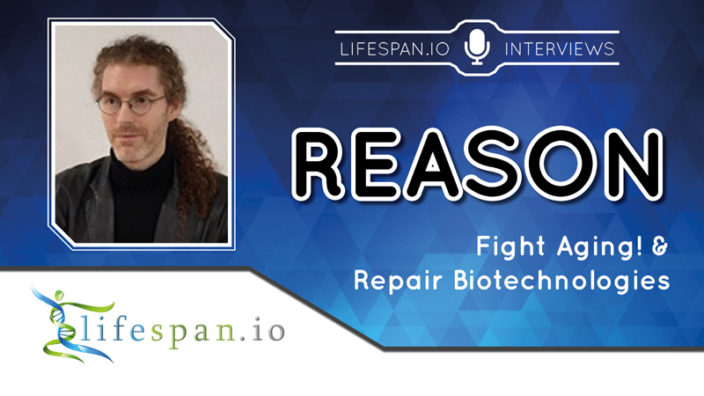
Last but not least, we had an exclusive interview with Reason, the creator of Fight Aging!—quite likely the original rejuvenation advocacy blog. In occasion of the launch of Repair Biotechnologies, the biotech startup that he co-founded with Bill Cherman, we talked with Reason about his motivation to work in this field, his company’s plans, and his opinions on the current state of the rejuvenation industry and what we can expect from it in the future.

We’re nowhere near being done with interviews, so expect more in the coming months!

FA! digest

The debate over whether human adult neurogenesis occurs is far from settled, with evidence pointing in opposite directions; however, researchers have recently discovered that the flow of cerebrospinal fluid in the brain affects the activity of neural stem cells and thus the rate of neurogenesis. The study was reported and commented on FA! here.

Several compounds appear to have senolytic properties—that is, the ability to selectively prune senescent cells from the body without harming other cells. The mechanisms of some of these compounds are fairly clear to scientists, but others, such as piperlongumine, are much less so. As reported by Reason here, a group of scientists has recently published a paper on this compound.

It’s not at all clear why aging, a nearly universal phenomenon, seems to spare a few, lucky organisms such as the hydra—a tiny freshwater polyp that is functionally immortal, meaning that its risk of death, low to start with, doesn’t increase over time as it does for the rest of us. FA! reports a recent study in which researchers suggest that the lower structural complexity of the nuclear envelopes of the hydra’s cells might be a contributing factor to the tiny animal’s non-senescence.

Engineering better cells

Viruses, pretty much like cancer, have a great ally on their side: the power of evolution. Throwing drugs at them may well succeed at keeping them in check, but at the same time, it triggers an arms race where both we and they constantly strive to outsmart each other—which, when you consider that viruses manage quite well and yet aren’t even consciously trying, can be a bit frustrating. A way to end the war once and for all might be to engineer human cells that are resistant to viruses, and possibly other health threats as well, by recoding the human genome through the elimination of redundant codons. That’s what the Human Genome Project-write is set up to do, as explained in this article by Steve Hill.

More UA2018 videos

The organizers of UA2018, the very first conference of the Undoing Aging series, have uploaded three more videos of the talks that took place during the event last March. The newest entries are talks by AgeCurve Ltd. founder Attila Csordas, Director of the Centre for Healthy Ageing at the National University of Singapore Brian Kennedy, AgeX co-CEO Mike West, and Oisin Biotechnologies CSO John Lewis.

LEAF news

Besides crowdfunding, LEAF embarked on a new adventure last month: the Longevity Investor Network led by LEAF board member Javier Noris. This initiative is meant to bring together young rejuvenation biotech companies and potential investors in order to increase startups’ chances of making it through the initial development phase and bringing their ideas to the clinic. Any rejuvenation company opening an investment round may want to give this a shot!

Speaking of our amazing supporters, another one has recently joined the club and became a Lifespan Hero by pledging the very generous amount of 2,000 dollars per month. We’re immensely grateful to this anonymous contributor for his or her trust in us; this pledge is a great leap forward to the $10,000/month goal, which will allow us to organize an annual, full-scale longevity conference in New York City. Our deepest gratitude to all of our heroes, individuals and organizations who made a single contribution, too!

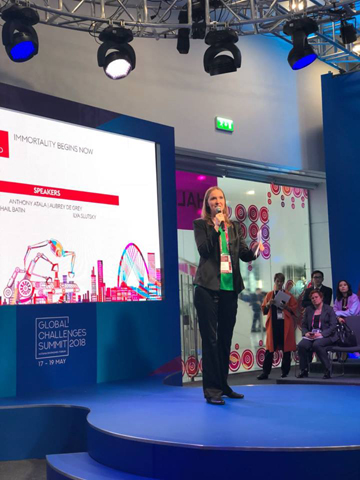
Two of our board members had their birthdays this month: Elena Milova and Steve Hill. They both celebrated in their own, unique ways. Steve organized an individual fundraising campaign on Facebook in support of LEAF; Elena celebrated in Astana, Kazakhstan at the Global Challenges Summit, where she was invited to moderate the longevity panel “Immortality begins now”, which featured Aubrey de Grey, Anthony Atala and Mikhail Batin. She was also a panelist of “Longevity as the new branch of the economy. Regulatory framework”.

As she explained in her opening speech in the first session, our desire to live a life free of diseases has been with us since the early days of our species, has survived in myths, and has been making its way into the reality of our healthcare system; if we put our minds to it, it may finally come completely true once aging is finally defeated.

A possible new weapon against progeria

Progeria—a syndrome that looks an awful lot like accelerated aging and strikes one out of every several million children at a very young age—is caused by a mutation in a gene called LMNA. In this short article on Long Long Life, Anne Fischer talks about progeria and remodelin, a new molecule that appears to ameliorate progeria in mice.

LE and SciFi

Have you ever noticed that, while even the most improbable—and sometimes straight-up impossible—things happen in science fiction, the defeat of aging is hardly ever presented as a future scenario? When the possibility of rejuvenation is touched upon, it generally only has a very marginal role in the story, and in a worst-case scenario, it ends up being demonized more or less overtly. We discussed a few examples of this interesting phenomenon and the possible reasons behind it in this article.

Speaking of science fiction, in the recent movie Avengers: Infinity War, the very same concern of overpopulation that some bring up in the context of life extension is the core motivation of the movie’s villain, Thanos. Thanos’ way of dealing with overpopulation is a little too drastic, as LEAF President Keith Comito explained in his newest article.

Aubrey de Grey on Chronicle Chats

On May 8, the Herbst Theatre in San Francisco hosted a conversation between Dr. Aubrey de Grey, CSO of SENS Research Foundation, and Prof. William Hurlburt from Stanford Medical School. The conversation, moderated by San Francisco Chronicle Editor in Chief Audrey Cooper, was focused on the topic of life extension and the ethical implications of potentially unlimited lifespans. The event was streamed live, but in case you missed it, you can still watch it here.

News from Ichor Therapeutics

Ichor Therapeutics, a company famous for its early-stage implementation of a LysoSENS-based approach to treating age-related macular degeneration, has recently published a paper about RPtag—an antibody-like scaffold with applications in protein manufacturing, diagnostics, and even clinical antibody therapy. RPtag’s resilience and stability make it easy to administer and preserve, even under extreme conditions.

In other Ichor-related news, on May 11, the rather aptly named stem cell-focused bioengineering company Ship of Theseus announced the initiation of a lifespan study on mice, which will be conducted at Ichor Therapeutics. Particularly, this study will be examining the effects of hematopoietic stem cell treatments on aging. Another lifespan study, this time by the Longevity Research Institute, has recently been announced and will be conducted at Ichor Therapeutics.

WHO Programme of Work: a certified victory!

Many of you will surely remember that, some time back, many organizations in the area of life extension were concerned that WHO had almost completely neglected to mention aging and the problems faced by elderly people in the draft of its Programme of Work. Thanks to the efforts of advocates in the LE community, LEAF included, WHO made a U-turn and included several provisions related to healthy aging in a newer draft of the same document. Today, we’re extremely happy to announce that the document has been approved and signed. Resolutions can be found here. This is no small achievement, but it was obtained with individual efforts: people like us were concerned about WHO’s choices and sent it feedback that asked for healthy aging to be included in its new Programme. This is a testament to how much we can achieve if we work together!

More acceptance of life extension even among religious people

One might think that religious people would all be completely against life extension, for ethical reasons among others, but it is not necessarily so. Early in May, during the Fourth International Vatican Conference, a panel on the morality of life extension was held featuring Reverend Nicanor Pier Giorgio Austriaco, Ph.D., 16th US NIH Director Francis S. Collins, M.D., Rabbi Edward Reichman, Elder Dale G. Renlund, M.D., and XPRIZE  Founder and Chairman Peter H. Diamandis, M.D. It might surprise you to learn that, while religious panelists weren’t eager to live to 250—as they understandably look forward to the afterlife in which they believe—they don’t really think that there’s anything unethical about life extension, and they seem to mostly agree on the benefits that it would bring to everyone.

Art for life extension

Dr. Laura Weston, a medical doctor, artist, and LEAF volunteer, has recently launched her own high-end art gallery featuring transhumanist themes and is supporting LEAF with proceeds from the sale of her work. We’re very grateful to Laura for her support, and if you are passionate about art as well as life extension, you may want to check out her awesome pieces.

In conclusion, we’d like to look back on this time period as the initial stage of an age-free future. Therefore, we’d like to thank researchers for their pioneering intellectual contributions, biotechnology corporations for bringing new, effective therapies into the clinic, fellow LE advocates for helping let the world know about rejuvenation biotechnology, and, of course, our Heroes for their consistent support!

A Health and Longevity Strategy

Who wants to lose weight, feel great, and live a long and healthy life, and what does it take to achieve these goals? Diet and exercise are equally important in long-term health, but let’s look at what recent science is telling us about the healthiest diets.

This article will rely heavily on University of Southern California professor Valter Longo’s work because I consider it to be the gold standard for nutrition research, and his recommendations in his book The Longevity Diet are well-supported with both data and good logic. Longo is the director of the Longevity Institute at USC and the IFOM Program on Longevity and Cancer in Milan.

He comes from an area of Italy known for very long lives, and part of his research focus has been looking at similar areas around the world and why those people live so much longer than normal.

Longo’s Longevity Diet

The short summary of Longo’s “Longevity Diet” is as follows:

  • Eat mostly plant-based foods, with occasional low-mercury fish or other seafood (2-3 times a week) and lots of nuts and olive oil
  • Generally eat modest amounts of protein, whether it’s plant-based or animal-based
  • Very limited or no dairy; goat’s milk and cheese are okay
  • Minimize saturated fats and sugar
  • Eat foods from your ancestral homelands as long as they are otherwise healthy
  • Eat 2-3 meals a day, ideally two solid meals and one snack, in a 10-12 hour window, and don’t eat 3-4 hours before bedtime
  • Take multivitamins every three days
  • A few times a year, if you are under age 65-70 and otherwise healthy, do a five-day water fast or a “fasting-mimicking diet,” which includes food but mimics the benefits of actual fasting.

Longo’s longevity diet is a plant-centric diet, which means that the large majority of what you eat is plants, fruits, nuts and legumes. It’s not going to kill you to eat occasional meat or dairy, but if you are under age 65, Longo recommends that you keep these very low or absent in your diet. However, if you are over age 65, Longo recommends eating higher portions of animal protein along with good sources of plant protein because our bodies are programmed to lose muscle mass as we age.

Longo argues against a strictly vegan diet or cutting out oil, as some researchers have recommended. He argues that consumption of fish, nuts and olive oil is associated with reduced risk of heart disease as well as very long lives in communities in Japan, Greece, and Italy (the famous “blue zones” where people are living to 100 years old far more than the average population).

There are definitely good ethical and environmental reasons to be a strict vegan, and a later piece will examine these arguments, but Longo argues that being strictly vegan, as opposed to mostly vegan, is not optimal for human health.

Longo advises strongly against the various “keto” diets that include high animal protein, high fat, and low carbs. While these diets will help you lose weight in the short term through increased ketogenesis, they are likely to lead to potentially serious health problems down the road.

Longo writes: “If we examine the laboratory studies, we see that both high protein intake and high saturated fat intake are associated with aging and disease, an additional and key vote against a high-protein, high-saturated-fat diet.” If there is any doubt, he adds later in the book that this kind of diet is “the worst of all possible regimens” for overall mortality risk, cancer risk, heart disease and diabetes.

In short, diet and good exercise may be the magic pill for health and longevity that isn’t available (yet) in actual pill form. Longo doesn’t promise immortality, of course, in following his recommendations. But he does suggest that we’ll maximize our chances of living to a hundred or more.

The new science of fasting

Author Michael Pollan got basic eating advice pretty much right in his well-known book The Omnivore’s Dilemma: “Eat food, not too much, mostly plants.” [1].

Unpacking Pollan’s statement a little, his point of view is that we should eat real, whole foods, not overly processed pretend foods; we should eat in moderation; and we should stick mostly to plants, fruits, and nuts, with occasional meat and fish to taste.

This is still great advice, but we are now at the point that, due to the efforts of researchers such as Longo, we can make more specific recommendations based on well-established science.

Longo would probably agree entirely with Pollan’s three-part mantra, though he doesn’t discuss it explicitly in his book. Where Longo goes beyond the mantra is in his recommendations on intermittent fasting and the fasting-mimicking diet.

Longo recommends eating within a 10-12 hour window each day, which is a type of intermittent fasting. He also recommends engaging in either a water (no food) fast or a fasting-mimicking diet, which achieves the same or similar results as actual fasting, two or more times a year.

The benefits of caloric restriction and intermittent fasting are now well-established. We don’t really understand yet why evolution built us this way, but it seems that when we stress our body by mimicking mild starvation, it responds by cleaning things up inside our cells as well as killing off sickly cells, and, more generally – as Josh Mitteldorf argues here – by slowing down many of the programmed aging aspects that are built into our genes. This includes increased telomere length, which I’ll cover in a later article.

Many times in his book, Longo stresses the need to consult with a doctor or other medical professional before engaging in any fast longer than a day.

Can diet really prevent or even cure disease?

This leads to what is perhaps the most groundbreaking area of Longo’s research: the fact that he and other researchers have now developed a body of work that shows remarkable preventive and even curative effects of diet, fasting, and exercise on many serious diseases. As he explains, “Genetic or dietary interventions can not only delay diseases but actually eliminate a major portion of chronic diseases in mice, monkeys, and even humans to extend longevity.” Mice fed various versions of Longo’s longevity diet have lived up to 40 percent longer than average.

Longo presents good data showing that the diet he recommends does not only lead to optimal weight and health but also provides strong protection against the major ailments of old age, including cancer, cardiovascular disease, diabetes, and even Alzheimer’s and other neurodegenerative diseases.

For example, Longo shows (citing a 2007 study [2]) that cardiovascular disease and cancer occur with remarkably lower frequency among Okinawans, and the Japanese more generally, than among Americans. Longo and the study’s authors pin the difference on diet.

I’m embarking on my own adventure using Longo’s longevity diet to improve my health and longevity. I’ll report back with results at a later date.

A key benefit of Longo’s diet recommendations is that they can be eased in and nothing needs to be eliminated entirely from your diet. For people who prefer not to go “cold turkey” on giving up things they like to eat, this can be a real benefit. At the end of his book, Longo includes a two-week meal plan for getting started on his longevity diet.

Eating a plant-centric diet can be very fulfilling and lead to all sorts of tasty new meals. Once you get past the notion that a “good meal” needs to have some kind of meat, a whole new world of tastes and satisfaction awaits.

Literature

[1] Pollan, M., & Andrews, M. (2015). The omnivore’s dilemma: The secrets behind what you eat. Listening Library.

[2] Willcox, B. J., Willcox, D. C., Todoriki, H., Fujiyoshi, A., Yano, K., He, Q., … & Suzuki, M. (2007). Caloric restriction, the traditional Okinawan diet, and healthy aging. Annals of the New York Academy of Sciences, 1114(1), 434-455.

Thanos, Overpopulation, and How to Save the Universe

Now that some time has passed since the release of Avengers: Infinity War, we should probably talk about Thanos, the nigh-omnipotent “Mad Titan” at the heart of Marvel’s latest blockbuster, and how he perfectly embodies one of the most pervasive societal misconceptions circling the topic of life extension. This might, therefore, be the first post here on LEAF that necessitates a spoiler warning, so here it is!

SPOILER ALERT — IF YOU CARE ABOUT HAVING INFINITY WAR, WHICH IS AN EXCELLENT MOVIE THAT YOU SHOULD SEE, SPOILED, PLEASE ABANDON SHIP AND HEREUPON RETURN AFTER WATCHING

Why Thanos Is Wrong

In Infinity War, the character of Thanos, his name itself an analog for the Greek death god Thanatos, is singularly focused on destroying half of all life in the universe as a means to “balance the scales”. Fairly textbook villain stuff, perhaps, but where it gets interesting and relevant is his reasoning behind this goal.

After witnessing the downfall of his home planet, Thanos reckoned that this culling is a necessary panacea to the anticipated side effects of overpopulation, such as scarcity of resources and environmental destruction.

Watching this play out, it is impossible not to think of the 18th-century cleric and demographer Thomas Malthus, whose influential 1798 treatise An Essay on the Principle of Population sounded dire warnings against the ills of a growing population – famine, war, disease, and poverty – as food production fails to keep pace.

While Malthus did not advocate genocide as a solution to this problem, opting instead for preaching abstinence and delayed marriages, his theories went on to inspire many draconian population control tactics throughout history, such as the Poor Law Amendment Act of 1834, denial of food aid during the Irish Potato Famine, and justification for the darker aspects of eugenics.

These ideas have also left a powerful mark on pop culture long before Thanos stepped onto the silver screen: Ebenezer Scrooge in A Christmas Carol initially stating that the poor should die quickly to decrease surplus population, contraceptive-dispensing “Malthusian Belts” in Aldous Huxley’s Brave New World, the villain from Dan Brown’s Inferno seeking to release a plague on the world to keep population at bay, etc.

Of particular note in recent history is the 1968 best-seller The Population Bomb by Paul and Anne Erlich, which predicted impending Malthusian doom for the entire planet and had a powerful impact on public discourse. To quote from the early editions: “The battle to feed all of humanity is over…at this late date, nothing can prevent a substantial increase in the world death rate.” As one specific case, for example, they stated that it would be impossible for the country of India to ever reach food sustainability, and they expressed support for government-mandated sterilization of all Indian males with three or more children as a solution to the problem.

So, what happened?  

It turns out that at the very same time the Ehrlich’s were preaching calamity, the Indian food production problem was already being solved. This was thanks largely to the work of Norman Borlaug, who used genetic crossbreeding techniques to create variations of wheat that were vastly more productive. This was the birth of the “Green Revolution”, and it is innovations like this that doomsayers like Malthus and the Ehrlich’s failed to predict. As this chart shows, the decline of poverty has been rapid thanks to technological and scientific progress.

When it comes to sustainability, the issue is far more complex than only the number of people on the planet: it is the efficiency of the tools that people use to generate resources from the land, how these resources are allocated, and the capacity for human ingenuity to anticipate and solve problems, as Norman Borlaug did. This is, fundamentally, what Thanos got wrong.

That being said, issues like inequity of resources, species extinction, and ecological destruction are legitimate concerns to be discussed and addressed, but their root lies chiefly in matters of policy, not population. A particularly salient example of this is the current situation in Venezuela, where its command and control economic structure has left the majority of the population susceptible to extreme resource shortage and poverty. This is actually an issue that is addressed directly in another recent Marvel blockbuster, Black Panther, with how certain characters critique the policies of Wakanda regarding the sequestration of wealth and resources. To quote William Gibson: “The future is already here — it’s just not evenly distributed”.

History is rich with examples of how improper management of resources and growing economic inequality leads to societal collapse; it is therefore on all of us to work towards policies and goals that overcome these eventualities. Call me optimistic, but I believe that we can do far better than Thanos in coming up with solutions to such challenges.

Why Thanos Is Stupid

In addition to Thanos being incorrect in his assumptions, it is also worth pointing out how his chosen solution is straight-up stupid — even if his overpopulation-as-the-root-of-all-evil assessment was true. Forbes and others have already run pieces explaining a few reasons why, but here’s a few more and some expounding on those already mentioned:

    • If the goal is to create a paradise where everyone’s basic needs are sustainably met, Thanos could simply use the Infinity Gauntlet to directly make this a reality rather than perhaps achieving this indirectly via population control. Indeed, one would think that randomly murdering half the population of every inhabited planet would yield highly unpredictable results. Thanos seems familiar with Earthling media, judging from his knowledge of Tony Stark, but apparently, he’s never watched the Leftovers.
    • Even if the only answer was to limit population growth, why not *snap* to sterilize a certain percentage of the population, or, better yet, make easy and effective contraceptives available to everyone and see how it goes for a bit.
    • Thanos acts as if once he accomplishes the “halvening”, his work will be forever done and he can enjoy the peace of a grateful universe. Due to the fact that birth rates historically have a far greater effect on population growth than death rates, however, Thanos would likely have to repeat his work every generation to keep total population stable over time. While it could, to be fair, turn out that Thanos timed his snap perfectly in terms of making Earth’s population sustainable over the long term, this timing is in no way guaranteed for every planet in the universe.
    • Even if the power of the Infinity Gauntlet is somehow unable to solve the problem of limited resources directly, Thanos could surely use it to create a Dyson Sphere around Earth’s sun and the stars of other inhabited solar systems — supplying effectively infinite energy for everyone in the universe. You might suggest that maybe he did not think of this, but the great forge Nidavellir, where Thor and Peter Dinklage fashion Stormbreaker, is essentially a limited Dyson Sphere, and we know Thanos has been there.

Why Thanos Could Use Some Coffee And Conversation

Despite his moniker as the “Mad Titan”, the version of Thanos we see in Infinity War is actually quite sane, measured, and even empathetic (in his own way). This leads me to believe that he, just as others who may think like him in the real world, can be reasoned with. For Thanos, the chain of his logic is understandable, given the starting point of his assumptions; however, it is in these assumptions themselves where he has gone wrong.

Thanos might be convinced to be reasonable.Perhaps if he were to be engaged on this directly, with earnest conversation rather than violent confrontation, he could come to see things differently.

It is easy to fall in love with the trappings of heroism: Cap’s shield, Iron Man’s lasers, drawing a sword to slay a dragon. Sometimes, this is necessary, but, sometimes, being a hero means seeking to understand the real problem that both you and your “enemy” are trying to solve and finding a way forward together.

Who knows; this could indeed be how the universe is restored in Avengers: Infinity War Part 2. In the meantime, if you see him, please point Thanos my way; I’d love to share some coffee and talk over some graphs.

And if you enjoyed this discussion about why Thanos was wrong, there is also a video on the topic over at Youtube Channel WorldofGeekdom.

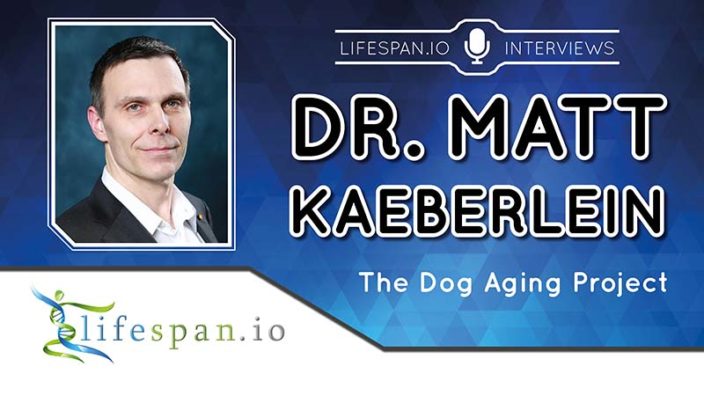
Matt Kaeberlein interview

Dr. Matt Kaeberlein – The Dog Aging Project

The Dog Aging Project (DAP) has sparked wide interest, and today, we have the pleasure to bring you an interview with one of the lead scientists behind it, Dr. Matt Kaeberlein.

In much the same way that other projects are aiming to extend healthy human lifespan, the DAP team intends to do the same, targeting the aging processes directly. Given the rate of progress in geroscience over the past years, Dr. Kaeberlein and his team are optimistic that, in the near future, the interventions that have been shown to slow down aging in mice and rats could do the same in our furry companions.

Besides Dr. Kaeberlein—who is a Professor of Pathology and an Adjunct Professor of both Genome Sciences and Oral Health Sciences at the University of Washington in Seattle—the DAP team is comprised of Dr. Daniel Promislow, Professor of the Departments of Pathology and Biology at the University of Washington; Dr. Kate Crevy, Associate Professor of Small Animal Internal Medicine at Texas A&M University’s College of Veterinary Medicine; Dr. Tammi Kaeberlein, a research scientist at the Department of Pathology at the University of Washington; Dr. Silvan Urfer, a veterinarian and Senior Fellow of Washington University’s Department of Pathology; and Kelly Jin, a doctoral student currently pursuing a Ph.D. in Molecular Medicine and Mechanisms of Disease at the University of Washington.

The team believes that extending our pets’ healthy lifespan will have benefits in both their and our lives, which is perfectly understandable. We all would like to spend a longer time with our loved ones—and these rightfully include our pets—in the prime of their and our health. To this end, DAP intends to run a longitudinal study of aging in pet dogs and is running a rapamycin intervention trial in dogs, phase 1 of which has already been completed. Rapamycin is an mTOR pathway inhibitor.

Dr. Kaeberlein was kind enough to answer our questions about the DAP’s story and work; without further ado, here’s what we talked about.

Could you tell us the story of DAP? How did it all start?

About 5 years ago, I was able to recruit Daniel Promislow to the University of Washington to join the UW Healthy Aging and Longevity Institute. At that time, Daniel had recently obtained a small grant from NIH to develop companion dogs as a model to understand the genetic and environmental determinants of aging. After a series of discussions with Daniel, it occurred to me that we had an opportunity not just to study aging in dogs but to potentially develop interventions to delay or even reverse aspects of aging in dogs from those that had already been shown to increase lifespan and healthspan in laboratory rodent models.

I decided to focus on rapamycin first, because it was (and still is) the most validated and effective pharmacological approach for increasing longevity in mice, and it has the added benefit that it is effective even when initiated in middle age. After spending a couple of months convincing myself that we could safely perform a rapamycin veterinary clinical trial in dogs, I organized a conference in Seattle in 2014, where I pitched the idea. Soon after that, we started getting quite a bit of media attention, and we decided that we should officially form the Dog Aging Project, which, at the time, consisted of myself, Daniel, my wife Tammi, and our lead vet, Kate Creevy. Tammi quickly built the website, and I started putting together funds for our Phase I rapamycin intervention trial.

What can you tell us about trials you’ve already run and their results?

So far, we’ve only completed one trial, a 10-week, randomized, double-blind, placebo-controlled study of rapamycin in pet dogs. The results of that study were as positive as we could have hoped.  We saw no evidence for increased side effects in the dogs that received rapamycin and statistically significant improvements in two of the three measures of age-related cardiac function that we looked at.

Are there any trials you’re running right now or are preparing to launch soon?

Yes, the Phase 2 rapamycin intervention trial is currently enrolling dogs. That trial is funded by the Donner Foundation and is a one-year trial to, again, assess effects of rapamycin on cardiac function and to also look at effects on cognitive function and activity.

Depending on the outcome of our submitted NIH grant, we hope to begin officially enrolling dogs into the Longitudinal Study of Aging and Phase 3 of the rapamycin intervention trial toward the end of 2018 or early 2019. We hope to have an official announcement on the outcome of that proposal within the next 3-4 weeks.

Can I volunteer my dog for the program, and how do I do that?

Anyone can nominate their dog to participate in either the Longitudinal Study of Aging or the Rapamycin Intervention Trials through the Dog Aging Project website at www.dogagingproject.com. The Longitudinal Study is currently open to all breeds, ages, and sizes of dogs. The Rapamycin Intervention Trials are restricted to healthy dogs of at least 6 years old and at least 40 lbs in weight.

What are the most promising lines of intervention that you are studying to extend the healthy lifespan of dogs?

Currently, rapamycin is the only intervention we are testing due to budgetary limitations.  I have recently begun pitching the idea of a Companion Animal Intervention Testing Program to take the most promising interventions from basic geroscience research and test them in pet dogs as long as that can be done safely. Obvious candidates would include NAD+ precursors, metformin, acarbose, deprenyl, 17α-estradiol, spermidine, and NDGA.

On your website, you say that the possibility to increase the healthy lifespan of our pets by up to five years is within our reach. Could you give us an estimate of how long it’ll take before these therapies might be available for our pets?

I’ll answer that assuming you want to know how long it will take to obtain scientifically rigorous evidence that an intervention is working. There is nothing stopping an owner from giving NAD+ precursors or rapamycin to their pet if that person can identify a vet who will prescribe it.

Based on our power calculations, we anticipate that it will take about 3 years of treatment, beginning in a middle-aged cohort of appropriate size, to detect significant extension of lifespan. Our Phase 3 study plans to enroll dogs over the first year and a half, so the total timeframe is 5 years, start to finish. Other changes, such as improvements in heart function, can be detected much more rapidly.

Those same power calculations and design features are equally applicable to other interventions. When and if we are able to test them will depend on funding.

What about cats; do you think we might do the same for our pet cats as well as dogs?

In general, I expect that any intervention that slows aging in dogs will have a similar effect in cats, although it is the case that certain compounds are toxic in cats and not in dogs and vice versa. I know that rapamycin has been used in cats for other indications, and there’s nothing about the biology of mTOR that makes me think that rapamycin will be less effective in cats than it is in dogs. From a clinical trial perspective, it makes sense to start in dogs for a couple of reasons. First, big dogs age faster than cats, to the outcome is knowable in a shorter time frame. Second, it’s easier for owners to give a pill to their dogs than to their cats.

How expensive do you imagine the first generation of anti-aging therapies for pets will be? Can we expect them to eventually become affordable?

If rapamycin is shown to be effective at slowing aging in dogs, I think it will become quite affordable. The cost of rapamycin currently is largely driven by relatively low demand, but it is off-patent, and generic versions are available. If there is sufficient demand to drive competition, prices will drop substantially. Even at current prices, it would probably cost an owner $50-200/month, depending on the size of dog and dose given, which is affordable to many people. Some other candidates from the list I suggested are even cheaper than rapamycin.

Recently, Prof. George Church co-founded a new start-up, Rejuvenate Bio, which is poised to reverse aging in dogs using gene therapy in the hopes of eventually doing the same in people. What do you think of this approach?

I think the approach is viable in theory and could turn out to be quite powerful in the future, but it has yet to even be proven in a laboratory mouse model of aging. Show me that you can increase the lifespan and healthspan of a mouse by 25% through this approach without significant detrimental effects, and I’ll be more optimistic. Reproduce it in a dozen labs as has been done with rapamycin in mice, and I’ll jump on board the bandwagon.

I don’t know precisely what they are planning, but I do have major concerns about the safety of applying gene therapy to healthy dogs at this stage. In general, I would urge anyone considering performing intervention studies in companion animals to recognize how important it is to ensure that you don’t harm anyone’s pet.

I suspect that they will start with specific diseases of aging, and I’ve read that they are planning to attempt some sort of gene therapy to treat heart disease in Cavalier King Charles Spaniels. Again, I would like to see proof of principle that such a therapy can work in a laboratory model of valvular regurgitation (the primary problem in that breed of dogs) before moving to testing in people’s pets.

It is clear that in the last decade, there has been a real leap in our understanding of what aging is and the processes and potential points of intervention. While we do indeed have lots more work ahead of us before the medical control of aging is plausible, are you optimistic about progress in the field?

Absolutely. I’m more optimistic than I’ve ever been, both because of the scientific advances and because of the growing recognition and respect that geroscience is receiving among the broader scientific community and the biotech/pharmaceutical world. I do have concerns that the field continues to be hindered and progress is delayed by fringe elements who give us a bad reputation among funders and policy makers, but we are gradually overcoming this as real interventions that have been validated in preclinical studies begin to make their way to the clinic.

What are some of the key studies that convinced you that doing something about aging was plausible?

I never really doubted it once I became knowledgeable about the field.  It seems obvious that longevity is quite malleable – all you have to do is look across the animal kingdom to see that. We’ve known for many years that single-gene mutations can alter aging rates in every laboratory species that we’ve examined, and it’s increasingly becoming clear that it’s not that hard to find them. So, aging is malleable at the species level as well. The big unknown in my mind is how well laboratory interventions will translate into the real world. I think that this is where companion animals can help immensely, since a true longevity clinical trial in people is simply not feasible.

If I have to point to one study though, it is the ITP study showing that rapamycin treatment increases lifespan in mice when started in middle age. Before this, everyone was testing interventions beginning in young age, which is obviously not translationally viable. Now, we know of several interventions that appear to have effects in middle age in mice (NAD+ precursors, senolytics, “young blood”, etc.) and that all of these interventions probably not only slow aging but actually rejuvenate function in at least some organs and tissues in aged animals. In the case of rapamycin at least, there is now initial evidence that mTOR inhibition can rejuvenate immune function in healthy elderly people as well. I would be surprised if other effects of rapamycin in mice don’t translate just as well.

Currently, one of the most highly regarded theories of aging is the 2013 Hallmarks of Aging, which describes the various aging processes with particular emphasis on humans. How relevant to humans is your research in dogs; do they share the same aging processes?

Everything we know indicates that dogs age very much like people, only 7-10 times faster. Dogs get all of the same diseases of aging that people do, although not necessarily at the same frequency. Vascular disease, for example, is a bigger killer in people than in dogs.

Do you think that your work may prove useful to scientists working on therapies against human aging?

For the longitudinal study of aging, undoubtedly.  Any environmental or genetic factor that we can correlate to healthy aging in dogs will be a high-priority candidate for validation in humans.

If we are successful at showing that rapamycin (or another intervention) can increase healthy longevity in dogs, this will demonstrate that the intervention works in a large mammal that shares the human environment. It’s an important next step toward human application. Perhaps equally important is that this should be quite helpful in terms of convincing the FDA and other regulatory bodies that aging is a viable endpoint for treatment. Keep in mind that the FDA also regulates veterinary medicine. While it’s not feasible to do a lifespan study in healthy elderly people, it is completely feasible to do several of them in healthy elderly dogs, so a true clinical trial with longevity and/or healthspan as the endpoint is doable.

In addition, if we are able to convince owners that it is possible to slow aging in their pets, this should accelerate acceptance of and support for geroscience among the general public.

Clearly, the DAP team thinks that we can at the very least slow down aging; do you think we might be able to reverse its effects, potentially postponing “the unpleasantries of extended life”, as Prof. Jay Olshansky once put it, indefinitely?

It’s clear that most of the interventions I’ve mentioned above can restore function to at least a subset of aged organs and tissues. I don’t know if this is really “reversing aging” as a whole, but it is at least functionally rejuvenating some aspects of aging.

Whether this can be done indefinitely is pure speculation at this point. Is it possible? Probably. Is it likely in the near future? I’m doubtful, but I’ve been wrong before and I wouldn’t mind being wrong now. My personal opinion is that it’s irresponsible and damaging to the field for people to talk about immortality being a reality in X number of years from now. These people simply don’t understand the complexity of biological aging if they think they can put a number on how long it will take to achieve immortality when the best we’ve been able to do in a rodent is a 50% extension of lifespan. That’s not much better than Clive McCay managed in 1935.

Some researchers suggest that aging is a disease or, more specifically, a co-morbid syndrome; would you agree with this or not, and why?

Frankly, I think it’s a semantic argument that some people in the field spend way too much time arguing about. Despite what some people think, it doesn’t matter from a regulatory perspective, since aging could be an indication if you had sufficient quantitative endpoints to prove efficacy of an intervention.

I think the more fundamental question here is whether aging is actually a molecular process that can be targeted or a collection of unrelated ways that different organs and tissues break over time to cause different diseases of aging. To me, the answer is obvious. You can’t explain the unrelated processes model given that we know about single gene mutations that not only extend lifespan but also delay most (if not all) of the functional declines of aging.

I think what we still don’t quite have a handle on is whether aging at some level can be boiled down to one molecular process/pathway or if it will turn out to be a collection of processes (i.e. the current Hallmarks framework). In any case, there are key nodes in the network that you can hit, such as mTOR, that appear to affect all of the Hallmarks simultaneously, so, at some level, there is a unifying mechanism.

The idea of human life extension is often met with fierce, irrational opposition. In your experience, do people react in a similar way to canine life extension, or are they more supportive of your work?

I’ve never really experienced fierce opposition to the idea of increasing healthy longevity in pets. Some people do express concern that there are already many pets in need of homes and wonder if this might make it harder to find good homes for those pets. The point I make in the context of targeting aging, for both dogs and people, is that this is really no different in principle than what we already do. If your dog or your spouse has cancer, your goal is to treat the cancer to keep them alive longer. We are just trying to do it in a more efficient and humane way by preventing our dogs and our loved ones from getting sick in the first place. When explained that way, most people get it.

In the past few years, senolytics have made the headlines more than once as the first bona fide rejuvenation therapies that might become clinically available for people. Are you optimistic about senolytics as a potential way to address aging in both dogs and humans?

Definitely. I think there are still some concerns about safety with the current generation of senolytics, but I expect that this will be improved upon. I do wonder if they will be any more effective than rapamycin, however. So far, there’s not much evidence that I’m aware of to suggest that will be the case. The excitement may have gotten a bit ahead of the data in that regard. It will be important to test combination treatments of senolytics and mTOR inhibition in mouse models to address this question.

What do you think is the greatest bottleneck to progress in aging research?

Funding and perception, and these two are related. There is insufficient funding for scientific research in general and insufficient funding for geroscience in particular. That has been the biggest bottleneck to research progress. The field has also suffered from a reputation problem for many years as not being particularly rigorous, and this has hurt the flow of research dollars into the field. This has been changing but is still a problem.

Do you have a take-home message for our readers?

I think we know enough about the biology of aging to increase healthy longevity in pet dogs by 3-5 years today. Almost certainly, one or more of the interventions we could test today would be successful. I know that we all want progress in translational geroscience to be as rapid as possible, and I believe that rigorously demonstrating that we can increase healthspan and lifespan in pet dogs will be a huge step toward gaining the support and credibility that the field needs.  Plus, I want my dogs to live longer ☺.

We thank Dr. Kaeberlein for taking the time to talk to us, and we look forward to seeing the future results and developments of the Dog Aging Project.

Brain synapses

Alzheimer’s Reversed by Editing a Single Gene


Researchers at Gladstone Institutes in San Francisco report that a gene variant associated with Alzheimer’s works differently in mice and humans, and they also demonstrate how modifying this gene could potentially prevent the plaques associated with Alzheimer’s from forming and damaging the brain[1].

An ApoE4 gene variant is associated with Alzheimer’s disease

The gene apolipoprotein E3 (ApoE3) has a variant known as ApoE4, which is associated with the development and progress of Alzheimer’s disease. People with just one copy of the ApoE4 gene are at twice the risk as people without this gene variant. Some people even have two copies of the ApoE4 gene, which makes their risk of Alzheimer’s a staggering twelve times greater.

Both the ApoE genes produce their own forms of ApoE protein, which differ in structure. The ApoE4 protein is fragile and fragments because it cannot function in the same way as the regular ApoE3 protein in human nerve cells. These fragmented protein pieces are associated with the increased production of amyloid-β peptides and tau phosphorylation that are typical of Alzheimer’s disease.

The researchers wanted to find out how ApoE4 is linked to Alzheimer’s disease. They considered the possibility that the increased amyloid-β and tau phosphorylation from the fragmentation of ApoE4 drives disease progression. Another possibility involved the negative consequences of a lack of ApoE3 proteins, as they were replaced by the ApoE4 variant. The team also considered a combination of both of these possibilities.

The team investigated these potential answers by examining the effects of ApoE3 and ApoE4 on human nerve cells. Neurons were created by using pluripotent stem cells taken from volunteers who had either two copies of ApoE3 or two copies of the ApoE4 gene, and the researchers programmed these cells to become the desired type of neuronal cell.

The team compared the ApoE3 and ApoE4 neurons against neurons that were unable to produce either type of the ApoE protein. They discovered that neurons that produced no ApoE protein worked the same as those that produced ApoE3. This confirmed that it was not a lack of ApoE3 causing the problem but that ApoE4 protein alone was linked to Alzheimer’s disease.

This finding also sheds light on why treatments for Alzheimer’s that work in mice fail to translate to humans. The production of amyloid-β in mice is not influenced by ApoE4; this means that treatments that prove effective in mice may not work in humans, as the mouse models of the disease do not emulate the ApoE4-related form of Alzheimer’s that humans get. However, therapies that focus on reducing amyloid-β have worked in mice[2], so while ApoE4 functions differently in mice and humans, this is not the full story of Alzheimer’s. This research does, however, clearly show a way in which mouse models differ from humans, helping to guide future research.

Converting ApoE4 to ApoE3

The results of the study suggest that therapies that seek to modify the ApoE4 gene protein before it fragments might be a way to combat Alzheimer’s. This is how traditional medicine would generally approach the problem, treating the symptoms and not the cause.

However, the researchers took this one step further to a far more robust solution. Rather than simply attempting to treat the consequences of having an ApoE4 gene producing sub-par proteins, they completely removed the problem by using gene therapy to edit the genes and convert them from ApoE4 to ApoE3.

The converted genes ceased to produce the unstable ApoE4 protein and produced the stable ApoE3 version of it instead. This served to correct the problem at the root rather than trying to slap a band-aid on the consequences.

Conclusion

With so many failures to combat Alzheimer’s disease, it is easy to become disillusioned. We have seen mice cured of the disease numerous times, but these cures have failed to translate to humans. These new findings help to progress knowledge in the field and offer potential new ways to defeat Alzheimer’s.

What is refreshing about this study is how the researchers have opted to attack the problem at the root cause: the production of misfolded proteins that lead to the progression of the disease. It is becoming ever more clear that if we are going to make progress on ending age-related diseases, we must target the aging processes themselves, which cause these diseases.

Literature

[1] Yuang, Y. et al. (2018) Gain of toxic apolipoprotein E4 effects in human iPSC-derived neurons is ameliorated by a small-molecule structure corrector. Nature Medicine doi:10.1038/s41591-018-0004-z

[2] Hu, X., Das, B., Hou, H., He, W., & Yan, R. (2018). BACE1 deletion in the adult mouse reverses preformed amyloid deposition and improves cognitive functions. Journal of Experimental Medicine, jem-20171831.

NAD+ Regulates the Creation of Fat Cells

Researchers from the University of Texas have discovered how NAD+ creation and consumption in cells is linked to glucose metabolism and their transformation from preadipocytes into adipocytes, or as most people know them, fat cells.

INTRODUCTION Nicotinamide adenine dinucleotide (NAD) is an essential small molecule that is involved in a variety of physiological and pathological processes. The oxidized form, NAD+, serves as a cofactor in metabolic pathways, as well as a substrate for various enzymes that consume it, such as the poly[adenosine diphosphate (ADP)–ribose] polymerases (PARPs) and sirtuins (SIRTs). PARPs and SIRTs cleave NAD+ into nicotinamide and ADP-ribose, resulting in the irreversible breakdown of NAD+. Therefore, the resynthesis of NAD+ is necessary for maintaining normal cellular functions. Increasing evidence has revealed that (i) reduced NAD+ levels result in altered metabolism and increased disease susceptibility and (ii) restoration of NAD+ levels can prevent disease progression. Thus, understanding NAD+ synthesis and catabolism is important for understanding physiological and pathological processes.

NAD+ regulates adipogenesis

Adipogenesis is a process of cell transformation, called differentiation, by which preadipocyte cells become adipocyte (fat) cells. The new study, published in the journal Science, shows how glucose is converted into fat and how NAD+ plays a key role in this process. During the study, the research team looked at why consuming too much glucose makes the body produce fat and results in weight gain.

Previous studies have demonstrated that NAD is a key molecule that plays a role in a myriad of cellular and pathological processes. The oxidized form, NAD+, has been shown to act as a cofactor in metabolic pathways and is consumed by a number of enzymes involved in gene regulation.

After NAD+ is consumed, it is broken down into nicotinamides and ADP-ribose; the researchers concluded that this means that NAD+ must be resynthesized following this in order for normal cellular functions to continue. This converges with previous studies, which suggest that NAD+ decline leads to changes in metabolism and an increased risk factor for some diseases; this typically happens as the result of aging, as NAD+ levels begin to fall.

With this in mind, the research team thought that cellular metabolism and gene regulation were potentially connected to NAD+ synthesis. They discovered evidence suggesting that compartmentalized NAD+ synthesis and the subsequent consumption are integrated with glucose metabolism and adipogenic transcription as part of the adipocyte differentiation process.

NAD+ synthesis acts as a mediator of PARP-1-regulated transcription during the differentiation of adipocytes, linking cellular metabolism and the adipogenic transcription process. During adipogenesis, nuclear NAD+ levels fall, causing the induction of NMNAT-2, the cytoplasmic NAD+ synthase. This increased level of NMNAT-2 then reduces the availability of NMN and leads to a reduction of nuclear NAD+ synthesis via NMNAT-1. The drop in NAD+ levels then results in decreased PARP-1 activity, which then reduces levels of inhibitory ADP-ribosylation of the adipogenic transcription factor C/EBPβ. Reduced ADP-ribosylation of C/EBPβ means that it is able to bind its target genes, thus promoting the differentiation of preadipocytes into adipocytes. In other words, a decline of NAD+ encourages an increase of preadipocytes turning into adipocyte fat cells.

The researchers found that directly decreasing NAD+ synthesis significantly reduced the activity of PARP-1 and increased adipogenesis. They also found that blocking the decline of NAD+ levels reduced adipogenesis and the creation of fat cells. Finally, supplying exogenous NMN to preadipocytes bypassed the competition to consume NMN between NMNAT-1 and NMNAT-2; this led to an increased level of nuclear NAD+ synthesis during the differentiation process, which increased PARP-1 activity and ultimately blocked adipocyte differentiation. In summary, providing higher amounts of NAD+ precursor NMN reduced the creation of fat cells.

Conclusion

This study shows that compartmentalized synthesis of NAD+ regulates the differentiation of adipocytes, a process that is critical for metabolic health, via transcriptional control. It also explains why a decline of NAD+ results in an increasing amount of fat cells and weight gain.

Literature

[1] Ryu, K. W., Nandu, T., Kim, J., Challa, S., DeBerardinis, R. J., & Kraus, W. L. (2018). Metabolic regulation of transcription through compartmentalized NAD+ biosynthesis. Science, 360(6389), eaan5780.

The right to die and the right to live

On May 10 this year, Australian ecologist David Goodall took his own life before aging could. The scientist, aged 104, reportedly said he “regretted” having reached that age, because the quality of his life had significantly deteriorated as a consequence of his declining health. Unhappy with his condition, though not suffering from any terminal disease—except for aging itself—Goodall opted to end his life through assisted suicide. As the practice is currently not allowed in Australia, he flew with friends and family all the way to a clinic in Switzerland, where he flipped a switch and administered his own lethal injection while listening to Beethoven’s Ninth Symphony. Interestingly, the cost of his trip to Switzerland was covered with money collected through a crowdfunding campaign.

A matter of rights

Goodall was a lifelong supporter of euthanasia, and both he and his fellows from Exit International—a non-profit organization advocating the legalization of voluntary euthanasia and assisted suicide—said that people should have the right to die with dignity when they feel the time has come.

As he himself put it, the elderly scientist didn’t have much time left anyway, and, given the circumstances, this is an understandable choice. Given the current state of rejuvenation medicine, there was no chance he could ever benefit from it; the odds are that he might have never heard of it. This was his personal choice, and I doubt I would have made the same one, but there is rather little point to life when it is reduced to prolonged suffering with no hope of improvement and a near certainty of worsening. This suffering is both physical and psychological, as in advanced old age, you have to come to terms with the fact that the person you used to be is really no more and what you loved doing is now beyond your capabilities. If the situation really is so dire and grim, and all hope for a better life is utterly lost, then euthanasia should be an available option. Hopefully, cryonics might one day become a reliable lifeline to make euthanasia unnecessary, but as your life really is your own and nobody else’s, you should have the right to decide to terminate it if you see fit, provided your judgment is not impaired in any way.

On the page of Dr. Goodall’s crowdfunding campaign, there is a striking bolded sentence. It reads “All rational adults deserve a peaceful death at a time of their choosing.” Assuming that a person desires death for whatever reason, there’s no reason why it shouldn’t be peaceful; why make it worse than it has to be? (As a side note, the fact there are organizations campaigning for the right of people to have a “good death”—which is exactly what the Greek word “euthanasia” means—betrays the already obvious fact that death isn’t generally very good.) Making death peaceful is already well within our technical abilities; the only obstructions are some obsolete legal frameworks. However, it’s the “at a time of their choosing” part that’s worrisome—as things stand, you can choose to hasten your death, but you can’t really choose to postpone it. If a rational adult chose age 200 as his or her preferred time of death, this right to choose couldn’t currently be honored. Shouldn’t we fight for this right as well?

More similar than you think

Naturally, the battles for euthanasia and for life extension are fought against two different foes. The former is a battle against inconsiderate laws; the latter is a battle against the limitations that nature didn’t bother removing. However, the two causes share a common goal.

Crowdfunding someone’s death is, intrinsically, somewhat disturbing, and there is a stark contrast between the kind of crowdfunding that lifespan.io does, which is aimed at giving people longer, better lives, and what Exit International did in this case. However, the goal of the crowdfunding campaign for Goodall’s trip to Switzerland wasn’t that of terminating his life; the goal was terminating his suffering, and, at that point, this goal could only be achieved through death. Because of this, I commend Exit International and the campaign backers for allowing Goodall to free himself of his pain as he wished.

The shared goal of life extension and euthanasia is to end pointless suffering. Life extension, being basically nothing more than next-generation medicine, is meant to eliminate unnecessary suffering the old-fashioned way: eliminating the diseases that cause it. Unlike other types of medicine, though, the diseases in the crosshairs of life extension are age-related diseases, and to prevent them, it is imperative to attack aging itself. On the other hand, euthanasia is an extreme solution, the last resort that may be used when all else has failed and a person is ready to pay the highest price to be relieved from useless, unbearable suffering.

Because of this shared goal, it’s logical to believe that people willing to donate to ending Dr. Goodall’s suffering would also donate towards ending age-related diseases, thus helping to prevent the terrible suffering that results in euthanasia becoming a sensible choice.

The obvious reality of aging

In some pictures taken shortly before his death, Goodall sports a jumper with a tag reading “Ageing disgracefully”. His arthritis was bad enough that, in a somewhat bitter twist of irony, he didn’t even manage to flip the lethal injection switch the first time. This jumper refers to the concept of “aging gracefully”, which is largely a myth. A healthy lifestyle, combined with winning the genetic lottery, may certainly make your aging less worse than others’; however, the chronic diseases of aging don’t all happen because most people have unhealthy lifestyles or got unlucky with their genes. They happen because aging is, by definition, a chronic, progressive process of deterioration and loss of functionality. However “gracefully” you may be deteriorating—whatever that means—it will always, invariably, kill you. Think about it: however gracefully or disgracefully aging is happening in your body, it is always, with absolutely no exception whatsoever, serious enough to eventually cause death.

Sometimes—too often, in fact—aging is disgraceful enough that not everyone is willing to wait until the end. Goodall himself waited quite a while, but he eventually decided to check out before aging could make his life any more miserable. The popular comedian Robin Williams, struck by an unusually aggressive form of Lewy body disease, did so much earlier and in a more tragic fashion—he hung himself at age 63. He couldn’t bear with how his condition was eating away his mental faculties.

Neither Goodall nor Williams were alone. Although suicide rates in general have been slowly but steadily decreasing during the past 30 years or so, suicide rates among the elderly are, by far, the highest in the world, as can be seen from the chart below (courtesy of Our World In Data).

In 2016, 27 out of every 100,000 people aged 70 and older took their own lives. If that doesn’t seem like much, the grand total of people in that age cohort who committed suicide that year was over 110,000. Given that aging kills just about that number of people in one day, it’s a bit as if 2016 had one extra day when everyone over the age of 70 who died did so at their own hand. From the same source, here is the breakdown of suicides by age range since 1990.

Younger people constitute a larger portion of the total suicides each year—somewhat unsurprisingly, since at the moment world population is comprised of far more people below age 60 than above—but suicides from age 50 and up still accounted for nearly 40% of the total in 2016.

Research on suicide among the elderly is still somewhat neglected, though loss, loneliness, and psychological as well as disability and physical disease are all contributing factors, particularly among older white men, who are especially likely to take their own lives [1]. Despite the lack of data, you don’t have to be a clairvoyant to realize that losing your friends and relatives (who are dying of aging just every bit as you are), being disabled, having a chronic illness that can only get worse, and feeling cut out from the world all have extremely good chances of making you depressed and your life less worth living; worse, they can make it unbearable to be alive.

Double standards

The general attitude toward death is interestingly ambivalent. The WHO website speaks of suicide in terms of something that can and should be prevented. We have suicide hotlines that you can call for help if you’re having suicidal thoughts. Euthanasia, as we have seen, is a very controversial topic, and it’s frowned upon and largely prohibited even when patients actively don’t want to live anymore and there’s no hope for their conditions to improve. This might be due to the rather clear fact that, if a person wishes to die, there’s quite likely something very bad going on in his or her life, and as there’s no going back once the plug has been pulled, we feel that it’s advisable to try to solve whatever problem is causing suicidal wishes—especially since people who feel suicidal may easily see reality as being far bleaker than it is, their judgement being clouded by their intense desire to put an end to their pain.

You’d think that, given this premise, we should be a society that strives to prevent death by all possible means, putting more effort into addressing the leading and more widespread causes of death. This is indeed what we do in most cases; aging is the only exception to the norm. If someone was letting himself die by starvation, no matter his age, we’d call that suicide and urge him to seek help; we’d do the same if someone was letting herself die by refusing treatment for a lethal though curable condition. On a grander scale, though, most people don’t consider the acceptance of age-related death to be suicide; they call it the “natural cycle of life”, the “completion of an arc”, “walking into the sunset”, and similar things. Why is that? If we, as a society, insist that people don’t give up on their lives, however hard the times they’re going through may be, why do we demand that everyone should give up on life in old age, rejecting the idea of even trying to prevent all these deaths? If a young person, however sick or desperate, should not let go because he or she still has so much time ahead and there’s so much left to accomplish, why should we consider the life of an 80 year old to be “complete” and ripe for termination by aging? Instead, shouldn’t we attempt to give this person the same health of a youngster and abundant time to live? The idea itself that life could ever be complete, as if it were a sticker album, is laughable—besides, when you complete an album, you can always get a new one if you want to. Maybe, one day, you might feel like you’ve had enough of attaching stickers, but you should have the option to keep going if you so wish.

The third option

Goodall was faced with only two options to end his suffering: waiting for his health to deteriorate enough to cause his death, making whatever was left of his life even more miserable, or choosing a quick, painless death. He chose the latter course of action because his failing body was making him unhappy. However, what if his body hadn’t been failing him? What if he had been in perfect health, completely able-bodied and disease-free? Would he have felt that the time was ripe for him to die just because he was 104? This would be for him, and others in the same situation, to decide, but he didn’t have this chance. None of us do. We can’t currently decide to live for however long we see fit; in a best-case scenario, we can only choose which way to die. Life extension biotechnology could give us a third option: preserving our health, potentially indefinitely, allowing us to choose life rather than the least worse of two deaths.

Simply trying to keep the elderly engaged, suggesting that they attend yoga or computer classes, making resolutions to spend more time with our aged parents or grandparents, or providing them with better, cheaper nursing homes doesn’t cut it. These measures, although better than nothing, won’t give old people their health back and won’t, as a rule, spare them a forced choice between two evils. Forget about wishy-washy solutions; if we really care about our elderly, then it’s time to take life extension seriously.

Literature

[1] Alves, V. D. M., Maia, A. C. C., & Nardi, A. E. (2014). Suicide among elderly: a systematic review. MedicalExpress, 1(1), 9-13.

Reason – Fight Aging! blog and Repair Biotechnologies

Most people interested in rejuvenation and life extension are familiar with Fight Aging!, one of the very first rejuvenation advocacy blogs dating back all the way to the early 2000s; if you’re one of them, then you certainly are familiar with Reason, the man behind FA!.

Over the years, Reason has been a patient yet relentless advocate, acting not only as an information provider for the public but also helping out innumerable organizations and companies in the field of rejuvenation biotechnology in financial and other ways. Back in the day when SRF didn’t exist yet, Reason was a volunteer for Methuselah Foundation; eventually, he helped fund companies such as Oisìn Biotechnologies, CellAge, and LysoCLEAR; and, earlier this month, Reason and Bill Cherman co-founded Repair Biotechnologies, a company focused on gene therapy for rejuvenation, as announced on FA!.

Bill Cherman is an investor in the rejuvenation community who, just like Reason, has contributed to development of many ventures in the field. He is a holder of a gold medal in the Brazilian Mathematics Olympiad, a BA in economics, and a candidate in the Master of Biotechnology Enterprise and Entrepreneurship program at Johns Hopkins. He founded Front Seat Capital, a venture capital firm looking to invest in startups with the potential to change the world.

Repair Biotechnologies, which is presently looking for a Chief Science Officer, will kickstart its activities with a project on thymic regeneration in partnership with Ichor Therapeutics—the creators of LysoCLEAR, Antoxerene, and RecombiPure. The goal of the company, as you can imagine, is to shorten the journey of rejuvenation therapies from the lab to the clinic.

It is extremely heartening to see more and more rejuvenation-focused companies and organizations sprouting and building up to the turning point when this emerging field of science will cease being fringe and become a hot topic not only in the relatively small circle of biogerontology (where it has been one for a while now) but also in business and public discourse. We’re very grateful to Reason and Bill for taking us yet another step closer to the finish line and for answering our questions.

We’d like to ask some details of your story as a rejuvenation advocate. When and under what circumstances did it become clear to you that aging is a problem?

While it would be delightful to claim that I am a rational entity who came to that conclusion through utilitarian thought, in fact, it was more of a bolt from the blue. For no apparent reason, it suddenly came to me one evening that I didn’t want to die – and not in the academic way that most people hold that conviction but a deep, visceral, adrenaline-laden realization of the sort in which one accepts immediately that something important in life has been done and determined, a corner turned. Before that happened, I was no more than passingly interested in aging as a topic, but afterwards… well, I woke up. Of course, that was a long time ago now, far prior to my present understanding of what is plausible and possible, and realization on its own achieves nothing. It took years to learn enough to progress any sort of understanding as to how a non-life-scientist could make a difference.

We have noticed that there has been a sea change in both progress and enthusiasm from the academic community for rejuvenation biotechnology and targeting aging directly to prevent age-related diseases. Have you observed a similar rise in support, and what factors, if any, do you think are driving this?

I think that these things progress in cycles, based on the timescale of human collaboration. It takes a few years to go from desire to setting up an organization, a few years for the organization to get somewhere, and a few years for others to be inspired to their ventures by the organization. Bootstrapping only looks smooth in hindsight. We have been transitioning from one business cycle to another these past few years, which looks like a big leap in enthusiasm as it occurs, but the roots of this were set down five to ten years ago. I would say those roots included the final tipping point studies for senolytics, the spin-off of the SENS Research Foundation from the Methuselah Foundation, the injection of funding for SENS around then, and a number of other, related items.

It we look around today, a bigger community is planting a larger crop of seeds that will come to fruition in the mid-2020s, and today’s seeds include startup biotechnology companies in the SENS space, new advocacy initiatives like LEAF hitting their stride, and so forth.

Thanks to the efforts of many advocates, yours included, public perception of rejuvenation is also shifting. How close do you think we are to widespread acceptance?

I don’t think acceptance matters – that might be the wrong term to focus on here. Acceptance will occur when the therapies are in the clinic. People will use them, and everyone will conveniently forget all the objections voiced. The most important thing is not acceptance but rather material support for development of therapies. The help of only a tiny fraction of the population is needed to fund the necessary research to a point of self-sustained development, and that is the important thing. Create beneficial change, and people will accept it. Yet, you cannot just go and ask a few people. Persuading many people is necessary because that is the path to obtaining the material support of the necessary few: people do not donate their time and funds to unpopular or unknown causes; rather, they tend to follow their social groups.

Last year, you talked about the importance of sustained advocacy being as important as supporting the research itself. You wrote about a number of approaches to advocacy, including ours. Have you noticed an improvement in the quality of advocacy since then, and do you still maintain that professional advocacy is as important to the cause as research is?

Fishing for compliments? I’m very pleased with the progression of LEAF and with advocacy in general in our space. People have come and gone over the years, but this latest group of advocates appears to have set up shop for the long term. That is important and a welcome change. I can’t keep writing Fight Aging! forever, if only because hands and schedules eventually give way under the accumulated burdens of the years. There must be far more voices doing this same sort of work, all in their own varied ways. Diversity and redundancy are both important aspects of advocacy – many people arguing in their own ways for a given point of view are needed in order to persuade the world at large.

Presently, rejuvenation is a relatively unknown topic; people who say they’re against this technology probably don’t think it’s a concrete possibility anyway. However, as more important milestones will be reached—for example, robust mouse rejuvenation—this might change. Do you think that these milestones will result in opponents changing their attitudes or becoming more entrenched?

Opposition to human rejuvenation therapies is almost entirely irrational; either (a) it’s a dismissal of an unfamiliar topic based on the heuristic that 95% of unfamiliar topics turn out to be not worth the effort when investigated further, or (b) it’s a rejection of anything that might result in sizable change in personal opinion, life, and plans, such as the acceptance of aging and death that people have struggled to attain. This sort of opposition isn’t based on an engagement with facts, so I think a sizable proportion of these folk will keep on being irrational in the face of just any scientific advance or other new factual presentation short of their physicians prescribing rejuvenation therapies to treat one or more of their current symptoms of aging.

On the other hand, there will be steady progress in winning people over in the sense of supporting rejuvenation in the same sense as supporting cancer research: they know nothing much about the details, but they know that near everyone supports cancer research, and cancer is generally agreed to be a bad thing, so they go along. Achieving this change is a bootstrapping progress of persuading opinion makers and broadcasters, people who are nodes in the network of society. Here, milestones and facts are much more helpful.

After years of financially supporting other rejuvenation startups, you’re now launching your own company focused on gene therapies relevant to rejuvenation. What drove your decision to do this?

In the course of funding companies, one learns a great deal about the bounds of what might be achieved and the sort of work that is needed: it isn’t uncommon for investors to become entrepreneurs and vice versa. There are large overlaps in the mental toolkits required, and it is a logical evolution seen from either side. Moreover, in the course of investing in startups, one meets people in the community, such as my cofounder Bill, who intend to both fund and run companies, and it turns out that we work together quite well. As in all such things, it has a lot more to do with happenstance leading to the right arrangements of people and much less to do with the technical landscape at the time.

Your company’s first objective is thymic regeneration. Why do you think the thymus is the ideal initial target for your work?

It is a very straightforward goal, with a lot of supporting evidence from the past few decades of research. It think it is important to set forth at the outset with something simple, direct, and focused, insofar as any biotechnology project can be said to have those attributes. This is a part of the SENS rejuvenation research agenda in the sense of cell atrophy: the core problem is loss of active thymic tissue, which leads to loss of T cell production and, consequently, immunodeficiency. However, the immune system is so core to the health of the individual that any form of restoration can beneficially affect a great many other systems. The many facets of the immune system don’t just kill off invading pathogens; they are also responsible for destroying problem cells (cancers, senescent cells), and they participate in tissue maintenance and function in many ways.

You are using gene therapy; why have you chosen this delivery method specifically and not, for example, a small-molecule approach?

If your aim is to raise or lower expression of a specific protein, and you don’t already have a small molecule that does pretty much what you want it to do without horrible side-effects, then you can pay $1-2M for a shot at finding a starting point in the standard drug discovery databases. That frequently doesn’t work, the odds of success are essentially unknown for any specific case, and the starting point then needs to be refined at further cost and odds of failure. This is, for example, the major sticking point for anyone wanting to build a small-molecule glucosepane breaker – the price of even starting to roll the dice is high, much larger than the funding any usual startup crew can obtain.

On the other hand, assuming you are working with a cell population that can be transduced by a gene therapy to a large enough degree to produce material effects, then $1-2M will fairly reliably get you all the way from the stage of two people in a room with an idea to the stage of having animal data sufficient enough to start the FDA approval process.

You are working with SRF spin-off company Ichor Therapeutics; what was the reason for choosing to work with Kelsey and the Ichor team?

Because they are great. Kelsey has achieved considerable success, bootstrapping from nothing but a plan, and has an excellent team. Their philosophy of development dovetails well with ours, both in terms of short-term development of a biotech startup and in the longer term of how we’d like to see this industry develop over the next 10-15 years.

Will your company focus on lab work, or do you plan to run human trials once a sufficiently advanced stage has been reached?

We’re absolutely signed up for the end-to-end path of getting a therapy into the clinic. That is the whole point of the exercise – to bring therapies into general availability. Of course, there will be a great deal of lab work to accomplish between here and there.

The FDA doesn’t recognize aging as a disease, so it won’t approve drugs to target it directly. Is this a problem for your company’s activities?

Remember that when talking to the FDA, one usually starts with just a small patient group with a single age-related condition, a fraction of everyone that might eventually be helped. This is done to control costs and ensure the best possible chance of a successful approval by narrowing the focus to a very clear, simple experiment. After this, one expands to larger patient groups and more expensive trials. As it happens, the effects of immunosenescence on health are so widespread and similar from individual to individual that it wouldn’t be hard to pick a clearly defined condition and patient population that covers near everyone in late life. Unfortunately, one would have to have very deep pockets indeed to pick that as the first option for entering the approval process – one has to work up to it.

What are Repair Biotechnologies’ possible future targets after thymic regeneration?

We’re looking into a couple of interesting options, guided by the SENS philosophy of damage repair, but it is very challenging to say at this stage which of them will prove the most advantageous to attempt. Obviously, at this stage, the primary focus has to be on success in our first venture.

What do you think are currently the most promising research avenues within each rejuvenation therapy subfield?

We have a challenge today in that we have the DNA of a patient advocacy community trying to get work to proceed at all. So, for fifteen years, our measure of success was “are people paying more attention to this?” Now, we have to start thinking like a development community, in which success revolves around “does this implementation actually work in humans, and how well does it work, and how much does it cost?”

In all too many cases, we don’t yet know the answers to these questions: the data isn’t there yet for senolytics, for example. So, you can look at senolytic efforts and know who has the most funding and attention but have no idea which of the therapeutic approaches actually represent the most significant progress at the end of the day. For all we know, dasatinib might turn out to be the most cost-effective of all of the current small-molecule approaches, with everything everyone has done since then coming in a poor second-best, and we won’t find this out for years, as no one has any incentive to run the necessary large-scale trials on an existing drug.

Dr. de Grey is hopeful, but not certain, that immunotherapy might make OncoSENS unnecessary. What do you think?

I have long thought that canonical OncoSENS – whole-body interdiction of lengthening of telomeres – might be rendered unnecessary by sufficiently advanced incremental progress in other areas of cancer research. That said, it should be so cost-effective that it is hard to imagine “sufficiently advanced incremental progress” not incorporating interference with telomeres in some way. People other than SENS-funded groups are working on it, after all.

If you think about it, restoring the immune system to youthful capacity should also help to achieve this goal; there is evidence to suggest that age-related immune dysfunction drives age-related cancer risk and that this correlates well with thymic decline. The world will still need highly effective, low-side-effect cancer therapies even if everyone has the cancer risk profile of a young adult, of course, but far less frequently.

What do you realistically expect might happen, over the next 25 years, in terms of rejuvenation research results, funding, clinical applications, and availability?

Well, that’s an essay in and of itself. I think my views on the technology itself are fairly widely known: I’ve written a few short essays on likely ordering of development. The funding will  continue to grow year-over-year to the degree that any success is achieved in the clinic. However, everything takes a very long time in medicine due to the way in which regulation works, no matter how fast the technology is running in the labs, and the pace of technological progress in biotechnology is accelerating. At some point, the system exemplified by the FDA will break because cheap and effective therapies coming out of the labs will be so far ahead of what is available in the clinic that they will leak out into some other form of commercial development. Who knows what that will look like? Perhaps it will be a network of overseas non-profits that run their own, lighter and faster, validations of trials and presentations of human data gathered from participating clinics. I think that next-generation gene therapies, evolutions of CRISPR, will likely precipitate this sort of reordering of the landscape.

Do you expect that aging might relatively soon be officially considered a disease, or a co-morbid syndrome, by WHO and the FDA?

No. Regulation typically lags behind reality by many years. What will probably take place is some sort of battle of wills and lawyers over widespread off-label use for rejuvenation therapies, most likely senolytics, that have only been narrowly approved for specific age-related conditions. That will go on for a while and, ultimately, generate sufficient critical press attention to induce regulators to back off from trying to suppress that off-label use and, instead, accept aging as an approved indication. This hypothetical scenario could run a decade or more from beginning to end.

The availability of rejuvenation therapies doesn’t depend only on their cost; it also depends on how they’re regulated in each specific country. Do you imagine “rejuvenation tourism” will exist for long, or at all, before these treatments are part of the standard medical toolkit everywhere?

The development of stem cell therapies is the example to look at here. These therapies were available via medical tourism for a decade prior to the first approved treatments in the US, and this continues to be the case even afterwards, as only a narrow slice of therapies have been approved. Medical regulation is slow-moving, and so medical tourism will be long-lasting. I think this will work exactly the same way for other broad classes of therapy, such as gene therapies.

What is, in your view, the biggest bottleneck to progress in aging research?

Either (a) the lack of funding for research and early-stage startup development or (b) the low number of entrepreneurs, one of the two. Probably funding, as money can be used to craft an 80/20 solution to the shortage of entrepreneurs, but entrepreneurs can only reliably solve the lack of funding problem if there are a lot of them. Almost every specific instance of things not moving forward that I’ve seen could be addressed by a well-thought-out application of funds to the situation.

The chasm between academic research and early-stage commercial development is also a sizable issue. The academic side does a terrible job of reaching out to find entrepreneurs and companies that can carry forward their research to benefit patients. The entire biotechnology industry (entrepreneurs, investors, bigger companies and funding entities) collectively does a terrible job of reaching back into the academic community to fund, encourage, and adopt the most promising research. So, projects that should move instead languish for years because no one is taking the obvious steps to improve on the situation.

Right now, there don’t seem to be any unexpected problems with the science that might jeopardize the development of rejuvenation. Do you think that any particular areas of research might run into difficulties down the road?

No. I think all the unexpected problems will be implementation details. It is perfectly possible to have the correct strategy and the wrong tactics, and this happens all the time in complex fields such as biotechnology – it doesn’t take much of an error in interpreting research results to derail the original plan and require a new direction. Most such challenges are short-term and can be worked around with some loss of time and money, but there are certainly past instances in which the company is lost because there is no viable way to salvage a better path.

This is what happened to one of the early AGE-breaker efforts, the development of ALT-711: removing AGEs still seems very much a correct approach to the age-related stiffening of tissues, but a drug that works in rodents will do nothing in people because the physiologically relevant AGEs are completely different. At that time, the researchers didn’t have that critical piece of information. We will no doubt see similar stories occur again in the future.

Caloric restriction and exercise may also potentially convey some small increase in life expectancy. Given that the goal is to reach longevity escape velocity, do you practice a particular diet or exercise program, and would you encourage people to consider such approaches?

I have always suggested that people look into the simple, reliable things they can do for better health. The way to look at this is through the lens of cost-effectiveness. Calorie restriction and exercise are cheap, easy, and highly reliable. They don’t adjust your life expectancy by decades, but since they are cheap, easy, and reliable, you should still look into it. There are many different ways to approach both, so just because an attempt fails or isn’t palatable, that’s no excuse to give up on the whole endeavor. At the end of the day, it is a personal choice, of course. We can always choose to be less healthy; that’s easy to do in the present environment.

You’ve written many articles on the topic of self-experimentation on FA. Can you summarize your views?

The current self-experimentation community – and here I include many disparate groups, only tenuously linked, with interests in nootropics, anti-aging, muscle building, and so forth – is woefully disorganized and ill-educated when it comes to the risks and scientific knowledge of the compounds they try. If one in twenty of the people who have tried dasatinib as a senolytic have (a) read the papers on pharmacokinetics in human volunteers, (b) recalculated likely human doses from the senolytic animal studies and compared them with human chemotherapy studies, or (c) actually tested the compound delivered by a supplier to ensure purity, I would be astoundingly surprised.

The bar for quality and safety in this community needs to be raised, and that is the primary purpose behind my writing articles on self-experimentation. Whatever I say, people are going to be out there trying senolytics – many of these compounds are cheap, easily available, and hyped. What they should be doing instead of rushing in is thinking for themselves and reading widely. If I can do a little to help make that happen, then all to the good.

What is your take-home message for our readers?

There is always a way to help accelerate the development of rejuvenation therapies – there is always something that one can do and feel good enough about doing to do it well. Don’t know what that something might be? Then talk with people in the community. Reach out, go to meetings, post online. Don’t force it. It will come to you in time.

Best of luck to Reason and Bill in their new endeavor. If they can bring thymic rejuvenation to the clinic, they might possibly save millions of people from several devastating, age-related diseases.