The Blog

Building a Future Free of Age-Related Disease

DNA Replication Can Happen Without ORC1

According to a study conducted by Hollings Cancer Center scientists at the Medical University of South Carolina, DNA replication in murine cells is possible even in the absence of origin recognition complex 1 (ORC1), a protein encoded by the homonymous gene that was previously thought to be indispensable [1].

Study abstract

The largest subunit of the origin recognition complex (ORC1) is essential for assembly of the prereplicative complex, firing of DNA replication origins, and faithful duplication of the genome. Here, we generated knock-in mice with LoxP sites flanking exons encoding the critical ATPase domain of ORC1. Global or tissue-specific ablation of ORC1 function in mouse embryo fibroblasts and fetal and adult diploid tissues blocked DNA replication, cell lineage expansion, and organ development. Remarkably, ORC1 ablation in extraembryonic trophoblasts and hepatocytes, two polyploid cell types in mice, failed to impede genome endoreduplication and organ development and function. Thus, ORC1 in mice is essential for mitotic cell divisions but dispensable for endoreduplication. We propose that DNA replication of mammalian polyploid genomes uses a distinct ORC1-independent mechanism.

DNA replication and ORC1

Multicellular life depends on the ability of individual cells to divide; new cells must be created from existing ones when an organism is developing or every time older cells die or are damaged. Each of an organism’s cells should contain an exact copy of its parent cell’s DNA, as mutated DNA might make newborn cells dysfunctional or, worse, cancerous. For this reason, multicellular organisms have evolved quality-control mechanisms that make DNA replication as perfect as possible as well as repair mechanisms to fix imperfect DNA.

Cells use the protein encoded by the ORC1 gene as a tool to make sure that their offspring cells have their same DNA. The protein binds to the DNA location where the process of replication is supposed to start on each chromosome, which is something that the DNA replication machinery needs to ‘know’ in order to accurately replicate the cell’s genome.

Until now, it was generally accepted that ORC1 was essential for DNA replication in all cells; however, the study authored by Dr. Takayuki Okano-Uchida and Dr. Gustavo Leone, among others, showed that, while ORC1 is indeed essential for murine development, liver and placenta cells appear to be able to replicate their DNA even in the absence of this protein.

The study

The scientists found out that DNA replication in two types of murine polyploid cells appears to be unaffected by the lack of ORC1. Polyploid cells, unlike most other (diploid) cells, have more than two copies of each chromosome. The cells in question were from the livers and placentae of the mice, and while they express high levels of ORC1 during division, ORC1 levels seem to fall as the animals age. At this point, the cells cease dividing but keep making copies of their own DNA (that is, they become polyploids)—a process known as endoreduplication or endocycling. This tipped off the scientists, who started to suspect that liver and placenta cells in mice might not need ORC1 to replicate their DNA. Indeed, the authors of the study tested their hypothesis by deleting the ORC1 in cells of the two polyploid tissues, and found out that in the absence of the protein, the cells would simply start endocycling sooner than normal. However, the same deletion in other tissues, such as embryo fibroblasts and adult diploid cells, ended up blocking DNA replication and cell division.

Future developments

While this study offers insight on how ORC1 relates to murine development, it is unclear whether its results are also true in humans; it also remains to be seen whether what has been observed in murine liver cells will happen in human liver cells as well, which is what the researchers seek to test next. ORC1 might also be important in cancer cell replication; processes similar to endocycling have been observed in some cancers, whose cells don’t express much ORC1 at all and yet manage to spread like wildfire. According to Okano-Uchida, it is possible that DNA replication in the absence of ORC1 may lead to an accumulation of mutations as the cell replicates, which, in turn, may well drive cancer.

Literature

[1] Okano-Uchida, T., Kent, L. N., Ouseph, M. M., McCarty, B., Frank, J. J., Kladney, R., … & Leone, G. (2018). Endoreduplication of the mouse genome in the absence of ORC1. Genes & development, 32(13-14), 978-990.

Rejuvenation Roundup August 2018

We hope August has treated you well—it certainly did so for life extension, as this has been another month full of great news for the field. Don’t be upset with the departure of summer and the arrival of autumn, because little by little, we’re getting close to pushing away the autumn of years.

More investments against aging

The fight against aging is being taken more and more seriously by a growing number of investors, who realize the world-changing potential of effective rejuvenative treatments as well as the great opportunity for profit. Juvenescence Limited, which recently closed a 10-million deal with Ichor Therapeutics‘ Antoxerene, has now announced the purchase of 14.4 million shares of BioTime’s AgeX Therapeutics—a company focused on extending healthy human lifespan—for a total of over $43 million. AgeX’s work focuses on telomerase upregulation and cell therapies, and Juvenescence has invested in AgeX before. The news has been reported and commented on on Fight Aging! as well.

Ichor Therapeutics isn’t sitting about either, having recently launched its own strategic fund, Grapeseed.bio. Ichor already has a very interesting company portfolio, which includes Antoxerene and LysoCLEAR, and is now helping other rejuvenation startups grow by providing them seed funding, mentorship, and laboratory access in exchange for equity. Grapeseed.bio has, thus far, raised millions of dollars for rejuvenation startups and has recently been joined by Repair Biotechnologies, the company launched earlier this year by Fight Aging!’s editor Reason.

On August 6, San Diego-based biotech company Samumed announced having raised $438 million for the development of anti-aging therapies, with a focus on osteoarthritis, degenerative disc disease, idiopathic pulmonary fibrosis, and Alzheimer’s disease.

Speaking of investments, we’d like to remind you of LEAF’s Longevity Investors Network, our own initiative to foster investments in rejuvenation research. If you are interested in becoming an investor or want to pitch your own rejuvenation-related startup, or know anyone building a promising longevity-focused company, please make sure to get in touch with our Longevity Investor Network leader Javier at  javier@lifespan.io.

LEAF News

Kicking things off, the new episode of the Rejuvenation Roundup Podcast is available today.

Team and activities

In August, three more renowned experts have joined our advisory boards: Steven A. Garan from the Center for Research and Education on Aging and Dr. Irina Conboy from UC Berkeley have joined our Scientific Advisory Board, and Michael Kope from SENS Research Foundation has joined our Industry Advisory Board We’re absolutely thrilled to have them on board, and we look forward to working with them!

Thanks to the generosity of our community, in late 2017, we crowdfunded the AgeMeter Biomarker System—a device to measure several aging biomarkers and estimate a patient’s functional age, which may differ from his or her chronological age. This device, the successor to the 1990s H-SCAN, is now an iOS-based tablet and has been endorsed by big names of the aging research field, such as Dr. George Church and Dr. David Sinclair; it can already be bought on the AgeMeter website and will be delivered to the crowdfunding campaign backers as early as September 4th.

Videos from Ending Age-Related Diseases, our conference that we held in New York City last July, are currently being released publicly; if you’re a Lifespan Hero, remember that you get early access! Thanks for supporting us!

Our own Elena Milova, tireless advocate for rejuvenation biotechnologies, has recently given a talk on the subject at the biggest Russian science festival, Geek Picnic, which was held in Saint-Petersburg last month. If you speak Russian, you can watch a video of her talk here.

lifespan.io Interviews

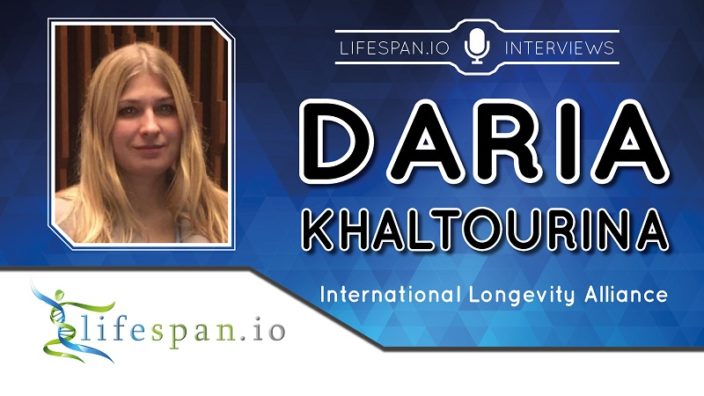
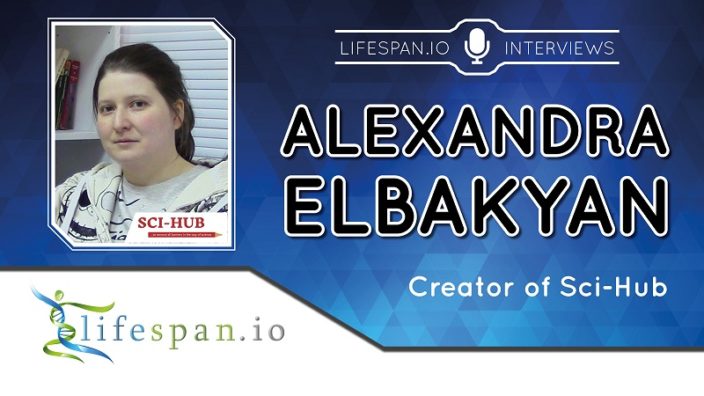
Last month, we’ve had the pleasure to have Didier Coeurnelle from HEALES, who talked about the Longevity Film Competition and rejuvenation advocacy; we are also happy to share Elena Milova’s new interview with Alexandra Elbakyan, the creator of Sci-Hub, a website devoted to removing paywalls in science and allowing for the free dissemination of scientific information. Thanks to the crucial work of Alexandra, the world is finally starting to pay attention to the problem of restricted access to scientific knowledge; we’re proud to help her carry out this important job. Finally, we also have an interview with Daria Khaltourina, one of the many  extraordinary people we’ve got to thank for the introduction of the new “ageing-related” extension code in the latest version of the International Classification of Diseases

Research roundup

The brain and Alzheimer’s disease

Neuroplasticity and neurogenesis—the brain’s ability to remold itself and create new neurons, respectively—are hotly debated topics in neuroscience; it is generally accepted that these two abilities decline over time, but it’s as of yet unclear how much they actually do. While it was believed that they both essentially come to a grinding halt once a certain age has been hit, new evidence is challenging that belief. It appears that neuroplasticity decline can be mitigated if you exercise your brain, similar to how physical exercise helps you preserve your fitness as you age; speaking of neurogenesis, as discussed on FA!, recent studies have reached opposing conclusions, finding evidence for the existence of adult human neurogenesis and lack thereof. An intriguing hypothesis, again pointed out by FA!, is that humans and other mammals with large brains may exhibit decreased or absent neurogenesis as an evolutionary consequence of losing olfactory function over time.

Having a clear picture of what actually happens with neurogenesis and neuroplasticity with age is important, because nobody wants to live longer only to eventually lose his or her mind; for similar reasons, it is also important to address neurodegenerative diseases, such as Alzheimer’s. The prevailing hypothesis—that the accumulation of amyloid-beta proteins triggers the disease—has been seriously challenged by innumerable failed clinical trials in which clearing amyloids has yielded no real benefits as well as by the existence of people with abundant amyloids but no symptoms of the disease. Other hypotheses, such as the possibility that Alzheimer’s disease might arise as the extreme consequence of lifelong, persistent infection, are coming forward. Still, clearing aggregate tau protein from the brains of murine models of late-stage Alzheimer’s seems to yield cognitive function improvements; some forms of the protein are associated with altered neuronal activity, and it’s possible, though not certain, that reducing tau aggregates may benefit human AD patients as well.

Cellular Senescence

We’ve been talking a great deal about cellular senescence and senolytics and this month is nothing new.

Senescence and cancer are often thought to be rival demons: the former is a state of zombie-like quiescence in which cells cease dividing, and the latter is uncontrolled, furious growth. Cellular senescence is likely to have evolved as a defense against cancer, as damaged cells that might end up becoming cancerous generally turn senescent before this can happen; however, researchers have recently taken this a step further, developing drugs that are capable of triggering senescence in already cancerous cells in certain types of murine tumors. Having many senescent cells in your body is not good for you, but having cancer is worse; assuming these new drugs will become a therapy, the trade-off is good, especially if senolytics will then be able to clear out the tumor cells turned senescent. On Fight Aging!, you can find further commentary on this news.

Another interesting news item on cellular senescence is also discussed on FA!—it appears that delivering hydrogen sulfide into cells in culture slows down the pace at which cells turn senescent. Whether clearing excess senescent cells or slowing down the pace of senescence is the better option remains to be seen, although simply slowing down senescence is likely to result in a delay of its negative effects instead of eliminating these effects once they have started manifesting.

Senescent cell ablation appears to ameliorate, among many other ailments, tau pathology; it’s exciting to see that addressing a single hallmark of aging might have a beneficial effect on a broad range of age-related conditions.

In addition to the two “traditional” senolytic approaches—small-molecule drugs and gene therapy—nanorobots offer a third option. Senescent cells in different tissues exhibit different properties, so different senolytics will be needed to target them; however, multifunctional nanorobots capable of targeting different types of senescent cells at once may be designed and employed to address cellular senescence.

Gut microbiota

It’s a well-known fact that the inside of a human body is anything but aseptic—like all plants and animals, we’ve got bacteria all over and inside us. In particular, bacteria living in your guts are essential for your well-being, allowing you to better process the food you ingest; however, our relationship with these microscopic creatures is not all unicorns and rainbows, as they appear to have a role in aging—more specifically, they seem to contribute to the chronic, age-related background inflammation known as “inflammaging”. As discussed in a review pointed out by Fight Aging!, changes in the gut microbial populations with age might also be a contributing factor in the emergence of sarcopenia and frailty—the loss of muscle mass and increased vulnerability to minor physical stressors. One intriguing hypothesis is that a reduced ability to process dietary proteins might translate into a reduced ability to synthesize new muscle tissue.

Targeting the microbiota may therefore be a viable option to ameliorate aging; for example, Salk researchers recently stumbled upon the discovery that depleting gut microbiota in mice leads to better insulin sensitivity. Granted, you definitely don’t want to deplete your gut microbiota, but less drastic interventions might be able to yield similar benefits in humans.

News Nuggets

Over the past few years, Ichor Therapeutics has been making a name for itself in the rejuvenation biotech industry; besides actively conducting rejuvenation research and helping other startups in the field to thrive, the company has now teamed up with ESF, the State University of New York College of Environmental Science and Forestry, to help graduate students train in researching drugs to treat age-related ailments.

Unity Biotechnology, a biotech company currently running a Phase 1 human clinical trial for its candidate senolytic drug UBX0101, has recently released its second quarter financial results. The financial position of the company is strong, and it hopes to share preliminary data of its trial in the first quarter of 2019.

Videos of the Undoing Aging 2018 conference keep rolling out; you can now see the talk by Dr. Vera Gorbunova, Professor of Biology at Rochester University and member of our Scientific Advisory Board.

Coming up in September

Paywall: The Business of Scholarship

The more that scientific research is widespread and freely accessible, the faster that researchers can make progress—including in the field of life extension. However, scientific papers are behind paywalls more often than not, forcing scientists and universities to spend significant amounts of money on buying papers, if only for the purpose of reviewing the existing literature involving their fields of research. Academic literature is a billion-dollar business, which, as you might recall, is being openly opposed by initiatives such as Alexandra Elbakyan‘s Sci-Hub; now, the topic is receiving further attention thanks to the forthcoming release of Paywall: The Business of Scholarship, a documentary revealing the flawed nature of the current system of scientific publishing. The documentary was conceived and directed by journalist and filmmaker Jason Schmitt of Clarkson University, and it features librarians, researchers, students, and open access publishers who share their opinions on the problem and its potential solutions.

“Twenty-five billion dollars a year goes into academic publishers—for-profit academic publishers,” Schmitt said to LEAF for the Rejuvenation Roundup Podcast. “Away from education, away from science, away from progress, this fuels these for-profit companies to have incredible profit margins, and we’re talking 35 to 40% profit margin, more than Facebook, more than Google, more than Apple Computers.” Schmitt added, “The future, I think, is pretty clear; there is no way that this system is going to continue to perpetuate itself in the manner it has.”

Jason contacted us seeking our permission to use an old interview with Alexandra; however, when Elena, who conducted it, took a look at the project, she was so impressed that she was determined to help the team get an original piece of footage featuring Alexandra Elbakyan. Our supporters Ivan Kondratiev and Josh Conway helped with the footage and translation, and we contributed the resulting material to the movie.

On September 5th, the global premiere of Paywall: The Business of Scholarship will take place at 5:30 PM at the Landmark Theatre in Washington D.C.; in October, there will be a screening in the United Nations Headquarters in New York City, where it will be a part of the annual festival in support of Open Science. Information about other screenings, which are planned in multiple countries, can be found here.

LEAF fully stands by the idea that scientific knowledge should be free and that paywalls should be abolished, and commends the initiative by Schmitt’s team; indeed, we will be streaming the movie’s premiere on September 5th (a couple hours later than the Paywall team’s premiere) on our Facebook page.

Lifespan-X lecture

Tatjana Kochetkova, an expert in bioethics and human development, will hold a Lifespan-X lecture in Leiden, Netherlands. This event is part of our Lifespan-X series—Lifespan-branded events independently organized by our volunteers and supporters. More specific details are yet to be confirmed, so stay tuned for updates! We will also make an event page on Facebook with all the information you need.

Basel Life 2018

On September 11-14 in Basel, Switzerland, the Basel Life 2018 conference will take place. One of its many events will be the Aging and drug discovery symposium sponsored by Insilico Medicine and chaired by Dr. Morten Scheibye-Knudsen and Dr. Alex Zhavoronkov. This symposium will see leading experts in the field of aging research and top investors discussing the latest scientific discoveries as well as the possible commercialization of the fruits of longevity research.

Mechanisms of Aging and Age-Related Diseases

Elena Milova will be attending Mechanisms of Aging and Age-Related Diseases, an international educational event that will be held at Moscow Institute of Physics and Technology from September 30 to October 4, 2018. It is an extension of Biomembranes 2018, a conference intended to educate people about the science of the aging processes. We hope that Elena will get back with multiple interviews featuring the leading researchers.

Humans X Tech & BDYHAX East

There are also two events coming up in Pittsburgh, Pennsylvania at which Ryan O’Shea, host of the Rejuvenation Roundup podcast, will be speaking. On September 20, 2018, Ryan will be moderating a panel on human augmentation at the Thrival Innovation & Music Festival’s “Humans X Tech” symposium, where the ethics of life extension will be discussed. Two days later, on September 22, Ryan will be speaking at BDYHAX East, which will explore bioethics and gene editing technologies. Tickets for both of these events are now available but are selling quickly.

It’s good to see that progress in the field of rejuvenation never really stops, even during a restful summer month; it’s exciting to think about what else this year might have in store. Stay tuned to find out!

Getting Aging Classified as a Disease – Daria Khaltourina

We are pleased to report that lobbyists have made more progress towards classifying aging as a disease. The World Health Organization (WHO) has implemented the extension code ‘Ageing-related’ (XT9T) in the latest version of the International Classification of Diseases (ICD).

The inclusion of the new code is thanks to the efforts of activists at the Biogerontology Research Foundation (BRF), the International Longevity Alliance (ILA), and the Council for Public Health and the Problems of Demography (CPHD). The proposal was developed by Daria Khaltourina (ILA), Anca Ioviţă (ILA), Franco Cortese (BRF), Yury Matveyev (CPHD), and Aleksey Alekseev (CPHD) with support from Alex Zhavoronkov of Insilico Medicine and other researchers in the field.

The impact of their work has been so successful that the news has even appeared in The Lancet, a prestigious weekly medical journal, where their success was reported most favorably.

What is the ICD?

In this short video, the WHO explains what the ICD is and why it is so important.

The previous version, the ICD-10, was released in 1983 and is now replaced by the new version, the ICD-11, which is expected to serve the medical community for many years, much as its predecessor has.

The new extension code

In the new ICD code, ‘ageing-related’ means “caused by pathological processes which persistently lead to the loss of organism’s adaptation and progress in older ages”. This is an important step forward for our field because ICD codes are a prerequisite for the registration of new drugs and therapies. It also marks the recognition that aging is a pathological process and represents a solid step forward in overcoming regulatory barriers to developing therapies that directly target the aging processes themselves.

This is also particularly good news, as WHO reports that by 2050, around 2 billion people (22% of the world’s population) will be age 60 or over. In 2015, that number was only 900 million (around 12%), but thanks to globally rising life expectancies, that number is soaring rapidly. It is projected that by 2020, there will be more people over 60 years old than children under 5.

This is commonly referred to as the “Silver Tsunami”, and it is a real concern because society will become increasingly unable to cope with the rising numbers of elderly and potentially sick people, as aging is the greatest risk factor for multiple age-related diseases. The solution to this problem is to develop therapies that address the aging processes to keep older people healthy, active, and contributing to society rather than being burdens on healthcare systems, and that is without even considering the personal benefit of keeping people alive and healthy.

While the inclusion of the new code in the ICD-11 cannot be regarded as the WHO officially accepting aging as a disease, it does show that the WHO recognizes that aging is the primary risk factor for age-related diseases such as cancer, diabetes, atherosclerosis, Parkinson’s, Alzheimer’s, amyloidosis, and osteoarthritis. This is good news, as we need a solution to the impending silver tsunami and the public health problem it poses.

We asked Dr. Aubrey de Grey, a leading biomedical gerontologist, what he thought about the new code.

The ICD is not just a taxonomy. It greatly influences how drugs are prescribed in most nations, because a physician’s justification for writing a prescription must typically be documented in terms of an ICD code describing the diagnosis. As such, the addition of an extension code to denote aging may have a really huge impact on the financial rewards that drug developers can expect to reap if they bring treatments for age-related ill-health to the market.

Is aging a disease?

There is also considerable debate as to if aging is a disease or not; we propose that it is a co-morbid syndrome and that aging fits the medical definition of a syndrome in every way as defined by the British Medical Association [2].

A syndrome is a set of medical signs and symptoms that are correlated with each other and, often, with a particular disease or disorder.

This really does describe aging perfectly: it is a group of symptoms (hallmarks) that consistently occur together and is a condition characterized by a set of associated symptoms. Ultimately, aging is an umbrella term describing a range of pathological changes; it may struggle to be accepted as a disease, but it already qualifies as a syndrome.

Regardless of semantics, one thing is clear: aging leads to pathology and to the diseases of old age, and it is a problem that needs to be addressed urgently for both personal and societal benefits. The next step will be for lobbyists to push forward to get WHO to officially recognize aging as a pathological process with identifiable and quantifiable clinical indications that can be intervened upon.

We had the opportunity to catch up with Daria Khaltourina, a member of the team of lobbyists who worked on the proposal and talk with her about the new code.

Why do you think there is so much resistance to the idea that aging, or at least its constituent processes, is a disease?

The idea that aging is a disease breaks the traditional worldview. People are used to thinking that aging is normal, and now it suddenly becomes a challenge to work against. Some people even approve it, welcoming generation change, which reminds me of Stockholm syndrome, as aging ultimately brings horrible diseases like stroke and cancer.

Some researchers resist calling aging a disease for semantic reasons. But, since a united definition of disease is lacking, these discussions can go on forever. Yet, there is a practical need to alleviate the burden of aging-related pathologies, which are not separate processes but are highly interconnected. We need to classify aging as a disease to officially enable the development of drugs and clinical practice guidelines to prevent and treat aging-related health damage.

Can you explain why clinical trials are important and why we need them to develop therapies against aging?

Human organisms are very complex and fragile, and the science does not yet explain comprehensively how our body works. Clinical trials are the only kind of properly organized scientific experiments specifically designed to test our guesses about the safety and effectiveness of medicines and other therapies.

Historically, the whole legislative framework for clinical trials comes from the Nuremberg Code, a set of research ethics principles for human experimentation set as a result of the subsequent Nuremberg trials at the end of the Second World War. Further, it was complemented by the Declaration of Helsinki, a set of ethical principles regarding human experimentation developed for the medical community by the World Medical Association. This led to the development of Good Clinical Practice (GCP), the international quality standard for clinical trials, which is being incorporated into the national legislation of many countries.

Promoting untested cures even with good intentions can eventually result in people experiencing the worst kinds of suffering. The same might happen sometimes to paid participants in clinical trials. The difference between clinical trials and self-experimentation is in global medical knowledge accumulation, which helps to prevent adverse effects and cure diseases in the future.

Publishing failed clinical trial results is also crucial because it stops wasting resources while aging and diseases are taking a toll on human life.

People might think that organizing a clinical trial is nearly impossible because it requires up to a billion dollars, which is a large figure even for the US. Yet, in cheaper countries like Russia, according to my knowledge, a full cycle of high-quality FDA/GCP-compliant clinical trials for a cheap drug might cost as little as 1 million USD, and for a gene or cell therapy, it might cost about 10 million USD.

Therefore, life extensionists should not avoid but rather promote the idea of new clinical trials on anti-aging cures.

How do you think the new code could help researchers, particularly in clinical trials? Can you describe how such a code might be used in a clinical trial?

Many aging-related syndromes and conditions have specific underlying mechanisms compared to those driven by infections or toxins. For example, aging-related immune deficiency is caused by programmed cessation of T-cell regeneration, while aging-related vascular pathologies are exacerbated by vascular elastic layer loss. Since these pathologies have special codes now, new treatments that address specific mechanisms of aging can be developed.

If effective T-cell regeneration methods are developed, this might result in a measurable decrease in mortality in older adults, at least due to flu and pneumonia. In this case, medical insurance organizations would have to include such life-saving therapies into their programs. In fact, every person after 60 years old would have such treatment prescribed, just as is the case now with pneumococcal vaccines. This makes the development of anti-aging technologies more lucrative for biomedical investors than before.

Do you think that these changes may be enough to encourage pharmaceutical companies to move into anti-aging drug development, and why?

Such changes look forthcoming, but they still might require some advocacy work to promote new opportunities to biomedical and pharmaceutical companies, in terms of both priority change and identification of the most promising R&D direction.

Can you explain the significance of the “Ageing-related” extension code, and does it relate to a reimbursement scheme, grants, or anything similar that currently exists in any country?

In general, of course, it is possible to get the payments for effective anti-aging technologies reimbursed by governments and insurance companies. The reimbursement schemes are decided nationally, and in each country, the process is different.

What will be the next step for your team in regards to making additions to the ICD?

We, as a group of the ICD proposal’s co-authors, are preparing papers for publication that explain our views. We will continue to advocate classifying aging as a disease, while a better description of specific aging-related conditions might also be helpful. Further progress in promoting the development of effective anti-aging therapies for clinical practice requires consultations with the medical community, including gerontologists, regulators, and biomedical, pharmaceutical, and insurance companies.

What can people do to get involved with your efforts?

People with biomedical and medical backgrounds could take part in writing research and analytical papers. IT specialists might help us with information management. Other longevity activists might help by generally promoting the cause and promoting specific campaigns, as has happened twice in promoting aging as the agenda of the World Health Organization. Strong support from the longevity community is instrumental.

What do you think will happen in aging research in the next 10-20 years; do you think we could have some effective therapies during this time?

I hope that we will have at least effective senolytics tested for primary prevention in high-quality clinical trials (longer than the currently published clinical trials of quercetin) and prescribed by the doctors all over the world if this approach turns out to be safe and effective.

Do you have a final take-home message for our readers?

Aging is the number one killer, so fighting aging is the most meaningful activity in the world.  

We would like to thank Daria for taking the time to do this interview with us and give us some insight into how this step forward happened.

Conclusion

It remains to be seen if the inclusion of the new code will make it easier to develop therapies that directly target aging; however, progress will continue regardless. Naturally, we are in favor of anything that could make that progress easier, and we hope that these positive changes will encourage the pharmaceutical industry to throw its weight behind research focused on targeting the aging processes. Time will tell.

Literature

[1] The, L. D. E. (2018). Opening the door to treating ageing as a disease. The lancet. Diabetes & endocrinology, 6(8), 587.

[2] The British Medical Association (BMA) (2002). Illustrated Medical Dictionary. A Dorling Kindersley Boo. p. 536

Alexandra Elbakyan is the creator of Sci-Hub.

Alexandra Elbakyan – The System is Holding Back Scientific Progress

Today, we have an interview with Sci-Hub creator Alexandra Elbakyan, who is committed to the free flow of scientific knowledge and is challenging the unfair journal system, which charges outrageous fees to view scientific publications.

Hiding scientific knowledge behind paywalls

Around 70% of scientific publications are hidden behind paywalls, restricting access to knowledge and progress. We believe that this is unfair and that putting profit before the health of others is morally repugnant, and this is part of why we support the concept of Open Science, particularly the work of Alexandra Elbakyan.

Alexandra is the founder of Sci-Hub, a website devoted to providing scientists, students, and researchers with free access to scientific publications that would otherwise be locked behind paywalls.

Sci-Hub bypasses the publishers’ paywalls by allowing access through educational institution proxies. Sci-Hub then stores papers in its own repository for anyone to obtain and benefit from the knowledge contained. It is thought that over 67 million scientific publications and articles are now available via the Sci-Hub service.

The system is holding back scientific progress

Many researchers have told us that Sci-Hub is really important in helping them gain access to research that they could otherwise not reach due to the unreasonable prices of academic journals. When researchers working on new, potentially life-saving, medicines and therapies cannot review the existing data due to the cost of accessing this information, it becomes a very serious matter indeed, because they cannot build on top of existing data to push our knowledge further.

Our colleagues at non-profit public health organizations claim that their quite modest budgets don’t allow them to subscribe to any scientific academic journals. They consider themselves lucky if some of their members happen to be affiliated with scientific institutions and can find full-text articles for them. How can they make any sort of informed decision about public health if they cannot get a full picture of the problems they are dealing with?

The third type of complaint comes from doctors who wish to remain properly informed about the most recent clinical trial results in order to be able to help their patients better. This is where the situation becomes really sad.

The lack of access to science is a serious problem

When both scientists and the public are complaining about a lack of access, this highlights the significance of the problem. Of course, everyone deserves fair compensation for the jobs they are doing, but it is very hard to justify why the results of taxpayer-funded research cannot be freely accessed by the public when they have already paid for it once.

On one hand, the current model of placing science behind paywalls is not only limiting public access to knowledge, it is also holding back scientific progress. On the other hand, the attempts to change this system often face quite strong resistance. Sci-Hub is facing legal action by publishers who argue that putting their articles into open access is theft and wish to close Sci-Hub down. It is our view that the system needs to change and that a fairer way that facilitates the sharing of knowledge should be created for the benefit of society and scientific progress. Luckily, Alexandra’s activities keep the attention of the global community on this critical issue, and in the last few years, we have seen Open Science initiatives develop in many countries, particularly in the European Union.

LEAF Director Elena Milova interviewed Alexandra last year, and Elena was fortunate enough to get in touch with Alexandra recently and interview her about the progress in her work.

We would like to thank Alexandra Elbakyan for taking the time to speak with us about the ongoing battle for open access to scientific research and why the current academic journal system is broken. We appreciate the work that she is doing for the scientific community.

Paywall: The Business of Scholarship

It seems that we are not alone in our disgust for the current paywalling of science by academic journals. Earlier this year, researchers at Clarkson University in Potsdam, New York decided that this problem deserves the attention of decision makers and the general public, and they started producing a documentary in order to reveal the flaws of the existing system of scientific publications and to propose solutions. This documentary is Paywall: The Business of Scholarship.

The producer of the documentary, journalist and filmmaker Jason Schmitt, contacted university representatives, university and public libraries, open access publishing houses, and researchers around the globe to ask them if they have ever hit paywalls and how paywalls affected their professional activities. They were brave enough to reveal the unpleasant truth about the problem of paywalls, and their stories were collected into a powerful film.

lifespan.io conducted an interview with Alexandra Elbakyan last year, and Jason contacted us to ask our permission to include it in the movie. However, when Elena took a look at the project’s website, she decided that the team deserved much more support, so she found a way to create new footage with Alexandra specifically for the documentary. Preparing it was truly a team effort: our supporter from Russia Ivan Kondratiev served as an operator, and Josh Conway, who was our volunteer editor at the time, agreed to help Elena edit the translation.

On September 5th, the global premiere of Paywall: The Business of Scholarship will take place at 5:30 PM at the Landmark Theatre in Washington, D.C.; in October, there will be a screening at the United Nations Headquarters in New York City, where it will be included in the annual festival in support of open science.

We are very happy that we were able to contribute to the very important cause of scientific progress and the open sharing of knowledge. The movie has an open license, which basically means that anyone is entitled to spread it however they want. Once the movie is released, we suggest that you help spread it as widely as possible so that more heads can work on the problem of paywalls and find a way to solve them.

Update September 6th: You can find the full film in both English and Russian language format.


Telomerase Gene Therapy Does Not Increase Cancer Risk

Researchers have demonstrated that telomerase gene therapy does not increase the risk of cancer, even in strains of mice that are particularly susceptible to cancer [1].

A tale of telomeres

Short telomeres trigger cellular senescence and are thought to be one of the primary hallmarks of aging, which has led to various researchers seeking ways to restore the telomeres in order to prevent cells from dying and to encourage division and tissue regeneration. We won’t go over the basics of telomeres and how they influence aging  here, but you can learn more about telomere attrition here.

Ever since Dr. Maria Blasco and her team at the Spanish National Cancer Research Centre (CNIO) first used telomerase gene therapy in mice back in 2012, a debate has raged about the potential of telomerase for regenerating tissue and reversing some aspects of aging versus the risk of it causing cancer.

Despite the concerns, it has proved effective against infarction by spurring regeneration of cardiac tissue and in treating aplastic anaemia and idiopathic pulmonary fibrosis in mice; all of these conditions are associated with critically short telomeres.

The CNIO’s Telomeres and Telomerase Group, which conducted the new study, has been investigating the potential of using telomerase therapy to treat age-related diseases for many years. Its 2012 publication featured a specially developed gene therapy that used an adeno-associated virus (AAV) to deliver a payload to cells that reactivated the telomerase gene, which can restore lost telomeres by creating the telomerase enzyme, and it appeared to delay and reverse certain aspects of aging [2].

Its AAV therapy is special in that the vectors do not integrate into the genomes of the target cells. Therefore, the telomerase activation only lasts for a few cell cycles before its effects cease. This transient activation of telomerase makes for a safety net, as unlimited cell division is only a step away from cancer.

Abstract

Short and dysfunctional telomeres are sufficient to induce a persistent DNA damage response at chromosome ends, which leads to the induction of senescence and/or apoptosis and to various age-related conditions, including a group of diseases known as “telomere syndromes”, which are provoked by extremely short telomeres owing to germline mutations in telomere genes. This opens the possibility of using telomerase activation as a potential therapeutic strategy to rescue short telomeres both in telomere syndromes and in age-related diseases, in this manner maintaining tissue homeostasis and ameliorating these diseases. In the past, we generated adeno-associated viral vectors carrying the telomerase gene (AAV9-Tert) and shown their therapeutic efficacy in mouse models of cardiac infarct, aplastic anemia, and pulmonary fibrosis. Although we did not observe increased cancer incidence as a consequence of Tert overexpression in any of those models, here we set to test the safety of AAV9-mediated Tert overexpression in the context of a cancer prone mouse model, owing to expression of oncogenic K-ras. As control, we also treated mice with AAV9 vectors carrying a catalytically inactive form of Tert, known to inhibit endogenous telomerase activity. We found that overexpression of Tert does not accelerate the onset or progression of lung carcinomas, even when in the setting of a p53-null background. These findings indicate that telomerase activation by using AAV9-mediated Tert gene therapy has no detectable cancer-prone effects in the context of oncogene-induced mouse tumors.

More support for telomerase gene therapy

Despite this safety measure, the medical use of telomerase therapy has been held back due to concerns of cancer risk, so the researchers at CNIO set out to see if this concern is justified.

To do this, they used this gene therapy in a mouse model that is at high risk of lung cancer. Their results showed that activating the telomerase gene via their gene therapy does not increase the risk of developing cancer, not even in this cancer-prone mouse strain.

These findings suggest that this gene therapy appears to be safe even in a pro-cancer environment. The authors chose this cancer-prone mouse strain to create a “killer experiment”, which creates a worst-case scenario that tests a hypothesis to its limit; if the hypothesis holds true despite the extreme scenario, it shows that the hypothesis is good. Because this therapy did not increase cancer risk in this extremely vulnerable mouse population, it demonstrates that telomerase gene therapy is possibly safe enough to use in humans.

The road ahead

The safety and utility of telomerase therapy is becoming more apparent with each passing year. The purpose of this new study was to demonstrate the plausibility of using telomerase to safely treat many diseases that currently have no cure, such as pulmonary fibrosis, and to help speed up its progress into human clinical trials. Conclusion

The potential of telomerase gene therapy has long been debated amid cancer concerns, but this experiment suggests that those concerns are unfounded. There is no doubt that telomerase can and does regenerate tissue when it is delivered via gene therapy and that it does reverse various aspects of aging in multiple models.

Can we safely use what some people describe as a double-edged sword and apply it the fight against aging? This experiment strongly suggests that yes, we can.

Literature

[1] Muñoz-Lorente, M. A., Martínez, P., Tejera, Á., Whittemore, K., Moisés-Silva, A. C., Bosch, F., & Blasco, M. A. (2018). AAV9-mediated telomerase activation does not accelerate tumorigenesis in the context of oncogenic K-Ras-induced lung cancer. PLoS genetics, 14(8), e1007562.

[2] de Jesus, B. B., Vera, E., Schneeberger, K., Tejera, A. M., Ayuso, E., Bosch, F., & Blasco, M. A. (2012). Telomerase gene therapy in adult and old mice delays aging and increases longevity without increasing cancer. EMBO molecular medicine, 4(8), 691-704.

Dr. Irina Conboy Joins the LEAF Scientific Advisory Board

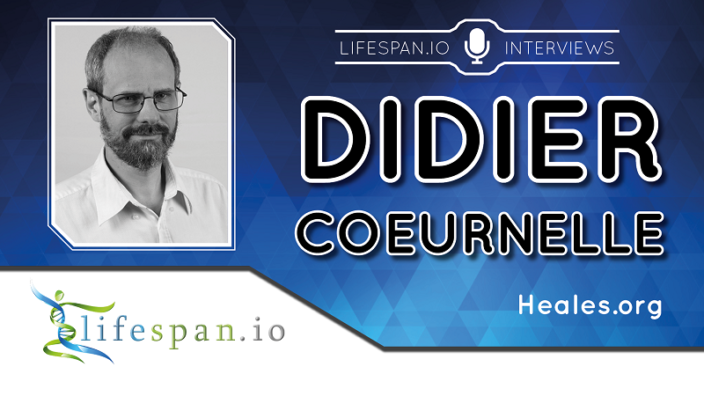
We are growing fast as an organization thanks to the support of the community, particularly our monthly patrons, the Lifespan Heroes. We are delighted to announce that another respected scientist, Dr. Irina Conboy, has joined our scientific advisory board and will be providing us with expert advice and guidance.

Dr. Conboy received her Ph.D. in Cellular and Molecular Immunology from Stanford University in 1998. Dr. Conboy is an assistant professor of bioengineering at UCB, and she joined the department in November of 2004. Her research is focused on the cellular signaling pathways that control the behavior of adult stem cells and understanding the age-related changes that affect this signaling. She is also an experienced rodent researcher and pioneered some of the early parabiosis research examining the role of signaling factors in aging and tissue regeneration.
Since 2005, she has been a faculty mentor for the UC Berkeley chapter of the Student Society for Stem Cell Research and a sponsor of the DeCal class Stem Cells: Science and Society. She is also a reviewer for the CIRM training grant program at UC Berkeley and a member of the peer review committee for the state of Maryland’s stem cell initiative, an invited peer reviewer for the Neurogenesis and Cell Fate Study Section at the NIH, and a reviewer for the Nathan Shock Center of Excellence in the Basic Biology of Aging. Irina Conboy received the CIRM New Faculty Award in 2008, the Glenn Award for Research in Biological Mechanisms of Aging in 2008, and the New Scholar in Aging award from Ellison’s Medical Foundation in 2005.

We are happy that Irina has joined our scientific advisory board and that we will be able to benefit from her great experience in stem cell research, rodent studies, and regenerative medicine. If you would like to learn more about her research, check out the interview we did with her here.

An Interview With Didier Coeurnelle

As you might remember, we have recently posted about the Longevity Film Competition, an initiative by HEALES, ILA, and the SENS Research Foundation that encourages supporters of healthy life extension to produce a short film to popularize the subject.

Didier Coeurnelle is a jurist and the co-chair of HEALES, the Healthy Life Extension Society promoting life extension in Europe, as well as a long-standing member of social and environmental movements.

We got in touch with Didier, who serves as co-director of the competition, to ask him about the initiative and to share his thoughts on advocacy in general.

Didier, let’s first introduce you to our readers; can you tell us your story as a supporter of healthy life extension?

For decades, I gave a big part of my income to fight hunger in the world. I was giving this money against hunger as well as against easy-to-avoid diseases. One day, a little over 10 years ago, I asked myself, “Which diseases are easy to avoid?”, and I discovered that most “modern” deaths come from diseases related to old age and that there are people who try to stop these diseases. What convinced me to be active was “The fable of the dragon-tyrant” by Nick Bostrom. Now, I give a big part of my income to defeat aging (and a smaller part against world hunger).

You are the co-founder and a board member of HEALES; can you summarize the history of your organization for us and tell us about its activities?

When I “discovered” life extension, my first activity was to invite Aubrey de Grey to meet friends and activists. He came to Brussels and also to France. I met Sven Bulterijs, a Dutch-speaking, young Belgian longevity activist, who was only 19 then. He convinced me to create an NGO. Aubrey convinced us to meet each month. I decided to write a monthly newsletter in French called “La mort de la mort” (now also available in English). We organized a few activities (conferences, stands, etc), and then, after a few years, we decided to organize a big 3-day conference. It happened in 2012, 2014, and 2016 and will happen again soon on November 8-10.

How was the idea of the Longevity Film Competition born?

The idea was born about four years ago. We have scientists working for longevity as well as activists working in many fields, but we do not have so many artists. When you see fiction or even documentaries concerning life extension, in most cases, they give a negative view. Video is probably the best way to inform and entertain people nowadays. So, we decided to organize the first competition in 2015.

What was the most interesting aspect of the first edition of the competition? Were there any unexpected insights?

We were worried that we did not have many candidates, but during the last days, 8 people sent us something useful. The winning video and some other videos have a nice personal touch.

What are the conditions of this year’s contest? Are there any limitations on who can take part?

There are no limitations except that, of course, judges cannot compete nor can their children, siblings, parents or spouses. The film must be about one of the themes approached in the next question. The full rules are on https://longevityfilmcompetition.com/rules/.

The themes for this year’s edition of the competition are the false dichotomy between aging and disease, the Tithonus error, the appeal to nature fallacy, and the concern that rejuvenation biotechnologies will be a privilege for the rich. Can you tell us why you chose these particular topics?

These aspects are many of the criticisms that are too often heard. For each of these four questions, explaining rationally why it is an error can be useful. However, we are not only rational beings. One (animated) image is often worth a thousand words.

Besides sharing the winning submissions on social media, do you plan to organize screenings in order to maximize visibility of the future winning movies?

Sure. First, we will have some symbolic action on the first of October, which is the international day of older people and the international day of longevity. We also hope to get the attention of some press. I’m not sure if it will work; they are not so used to spreading positive news. However, sometimes, things change.

Let’s talk about advocacy in general. You have been an advocate for quite some time now; how successful do you think collective advocacy efforts have been over the years?

Not enough yet and not fast enough. The “pro-aging” narrative is, sadly, powerful. Defeating aging looks “too good to be true” and makes people feel uneasy. However, there are changes. For example, in the French-speaking world, sometimes we see articles about “amortalité” (life without senescence) in the press; a few years ago, you would see only articles speculating about billionaires wanting “immortality” (which makes people afraid).

In November, HEALES will organize the next Eurosymposium on Healthy Ageing (EHA), and we can already see many famous names from the research field on the list of speakers. However, unlike ordinary scientific conferences, EHA and Undoing Aging each have a section focused on advocacy. Why did you decide to include it?

I think most scientists wanting big progress for longevity know that having public opinion on our side will help. Also, PR is useful in order to raise money. However, many scientists feel uneasy about these issues. That’s why we decided to have a day dedicated to social aspects. Not all scientists will stay for the last day, and we will also try to reach a larger public on the last day.

Another aspect is that Brussels is the European capital. One of our goals is to convince people there. Let’s be honest: there is a long way to go. However, for a year or two now, some European civil servants who have been promoting “healthy aging” (we know it is an oxymoron) seem to be very interested in big data on health and scientific research. We will be keeping an eye on these developments.

You don’t need to convince people that saving the lives of children is a good thing to do; however, you do need to convince them that saving elderly lives is a good thing. Why do you think this difference exists?

Nor do you need to convince people that defeating cancer or Alzheimer’s disease would be good, but death by old age is a step too far. For me, the fundamental reason is a variant of Stockholm syndrome called the terror management theory. Death by old age is awful and unavoidable. We must think that longevity is not better, otherwise it would be too awful to die. This process is unconscious.

How far do you think we are from the point when people won’t need persuading anymore, if ever?

Aubrey de Grey said it will be when a mouse becomes “immortal”, because people will feel that rejuvenation therapies will be available soon. I think that it could be sooner if more and more scientists start to speak out more about it.

With some luck, the effects of first-generation rejuvenation therapies, such as senolytics, will be tangible soon. Assuming that the effects are measurably positive, how do you think the world will react to the news, and how do you think that this will affect advocacy?

It would be interesting even if senolytics have only a moderate effect. I think some groups who are not in the “longevity camp” will start asking to use them. Maybe, in some countries, they will even start asking for reimbursement from social security programs. Some groups on the other side will probably ask not to use these products or will stress risks, but it will be especially difficult for “deathists” to fight against senolytics, which are, in a way, very classical drugs.

The general public can be especially unreceptive to the message of life extension; in your experience as advocates, what is the most effective way to convey it?

There is not one way; there are many ways. Explaining scientific progress, debunking false negative ideas, sharing positive news, and sometimes using short and radical messages but also sometimes long and detailed information.

Lobbying efforts, such as those of the Biogerontology Research Foundation, have resulted in WHO introducing the new “aging-related” extension code for the International Classification of Diseases. Do you think that  lobbying efforts might prove successful with politicians as well, leading, for example, to making aging research a key point of their political agendas, or is it still too early for that?

It will not be easy to convince politicians. However, I think that the idea of a moonshot project for longevity can be appealing for some. Offering the possibility to be one of the first to propose a big project can be interesting

Do you have a personal message to offer our readers?

First, evidently, please compete (or tell artists who could compete), but more generally, be vocal and promote a positive idea of longevity by sharing news and making declarations while avoiding pseudoscience. Today is the best day in the history of humanity to be alive, but 110,000 people will die of old age. New therapies can change this, and it can happen faster with our actions.

We would like to thank Didier for taking the time to answer our questions, and we look forward to watching this year’s competition winners!

Glucose and the Gut Microbiome

Somewhat serendipitously, Salk Institute researchers discovered that depleting the microbiomes of mice causes the animals to have lower levels of blood glucose as well as improved insulin sensitivity [1].

Abstract

Antibiotic-induced microbiome depletion (AIMD) has been used frequently to study the role of the gut microbiome in pathological conditions. However, unlike germ-free mice, the effects of AIMD on host metabolism remain incompletely understood. Here we show the effects of AIMD to elucidate its effects on gut homeostasis, luminal signaling, and metabolism. We demonstrate that AIMD, which decreases luminal Firmicutes and Bacteroidetes species, decreases baseline serum glucose levels, reduces glucose surge in a tolerance test, and improves insulin sensitivity without altering adiposity.

These changes occur in the setting of decreased luminal short-chain fatty acids (SCFAs), especially butyrate, and the secondary bile acid pool, which affects whole-body bile acid metabolism. In mice, AIMD alters cecal gene expression and gut glucagon-like peptide 1 signaling. Extensive tissue remodeling and decreased availability of SCFAs shift colonocyte metabolism toward glucose utilization. We suggest that AIMD alters glucose homeostasis by potentially shifting colonocyte energy utilization from SCFAs to glucose.

The human condo

Microbiomes are communities of microorganisms living in and on plants and animals; they may be in symbiotic relationships with their hosts, but they may be pathogenic as well. In humans, estimates about the ratio of microorganisms to human cells vary, with older estimates being as high as 10 to 1 and more recent ones as low as 1 to 1. These organisms inhabit different parts of the body, and, as they co-evolved with us, many have several crucial functions. Gut microbiota in particular are important for extracting energy from food, and they are thought to have a role in aging as well.

An accidental discovery

The original scope of the Salk study wasn’t related to glucose or insulin sensitivity; rather, the researchers had set out to discover what happens to the circadian rhythm of murine metabolism when the microbiome is depleted. Normally, to carry out an experiment like this, mice are raised in a germ-free environment, but as Salk researchers didn’t have access to such mice, they depleted the gut microbiota of lab mice using antibiotics.

The researchers made use of four different antibiotics, which predictably resulted in a severe depletion of the animals’ microbiomes. What came out as much more surprising was that the mice became able to clear glucose from their blood at a much faster rate than normal and had higher insulin sensitivity. As the researchers found out, the size of the mice’s colons had significantly increased as a consequence of the depletion, and the colon cells were absorbing a high amount of their blood glucose.

It appears that the depletion of the gut microbiome produced changes in the liver function of the mice, including the bile acids secreted by the liver. The increased insulin sensitivity and decreased blood glucose levels happened without any changes to the body fat composition of the animals or to their diet. These benefits are basically what type 2 diabetes patients aim for, but the researchers certainly don’t suggest that such patients should kill off their gut microbiomes in order to reverse the disease.

However, the discovery that microbiota can be manipulated in order to increase insulin sensitivity is intriguing; Salk researchers think that it might be possible to find out what components of the microbiome are responsible for this change and use them to induce better glucose regulation in humans.

Literature

[1] Zarrinpar, A., Chaix, A., Xu, Z. Z., Chang, M. W., Marotz, C. A., Saghatelian, A., … & Panda, S. (2018). Antibiotic-induced microbiome depletion alters metabolic homeostasis by affecting gut signaling and colonic metabolism. Nature Communications, 9(1), 2872.

Samumed in $438 Million Deal to Develop Anti-aging Therapies

Today, we were pleased to hear that Samumed, a San Diego-based biotech company working on regenerative medicine, has just raised $438 million towards developing anti-aging therapies.

SAN DIEGO – August 6, 2018 – Samumed, LLC, announced today that it has closed its A-6 Round of equity issuance with $438 million, bringing its total equity raised to date to more than $650 million.The pre-money valuation for the round was $12 billion. “We appreciate the strong support from our investors,” said Osman Kibar, Ph.D., Chief Executive Officer of Samumed, “and we are now in a fortunate position to both move our later stage programs to commercialization, as well as expand on our earlier stage science and clinical portfolio.”

Samumed is developing small-molecule drugs that target the regenerative potential of the Wnt pathway in order to reverse the progression of various age-related diseases. Its development pipeline includes therapies focused on osteoarthritis, degenerative disc disease, idiopathic pulmonary fibrosis, and Alzheimer’s disease. A number of these therapies are currently in human trials, and some of them are currently in phase 2 testing.

Harnessing our innate regenerative power

Our body is filled with stem cells that live in every single tissue and multiply in order to provide us with fresh and healthy cells to replace losses. Stem cells can produce more stem cells, or they can differentiate into specialized cells that form our various organs and tissues. During our lives, adult stem cells help to repair and maintain our tissues, and the focus of Samumed is to replenish them via the Wnt pathway.

The Wnt pathway is a primary signaling pathway that regulates the self-renewal and differentiation of adult stem cells. It plays a key role in tissue repair and upkeep, and it helps the body repair and regenerate following injury.

As we age, the Wnt pathway becomes deregulated, which leads to a decline of tissue regeneration and supports the progression of various age-related diseases. Samumed is focused on modulating the Wnt pathway in order to promote the restoration and health of diseased tissues by spurring effective regeneration.

Conclusion

While the company is some years away from delivering a marketable product aimed at one of the aging processes, it is great to see that, once again, the interest and support of investors is growing for rejuvenation biotechnology. Doing something about the aging processes is now a serious prospect not only to the scientific community but also to investors who are increasingly willing to invest in and support the development of these technologies. The data is finally starting to arrive and, hopefully in the near future, will bear fruit in the form of medicine that changes how we look at aging forever.

Whatever Future Comes, Life Extension Will Improve It

Right now, as I write this article, I’m sitting in a machine that, about 120 years ago, was laughed at as a pipe dream. The machine is a plane, by the way. The onboard wi-fi leaves much to be desired, but if you had told people living in the early 1900s that you could type an article on a paperless portable device while flying in a huge metal cabin at an altitude of 10.3 kilometers and a ground speed of 904 kilometers an hour (that’s what the huge metal cabin is magically telling my portable device through thin air), they’d have had you in a straitjacket before you could finish your sentence.

Talking about computers and planes in these terms today often feels cringeworthy, because we’re all familiar with this technology. We’re used to having all these cool devices and machines doing stuff for us; it isn’t surprising or awe-inducing in the least anymore. However, it’s not a bad idea to remind ourselves how what we now nearly shrug at wasn’t even conceivable not too long ago. Examples include a 27-kilometer ring buried underneath Geneva where ridiculously tiny particles are smashed together at near-lightspeed to unravel the inner workings of the universe and tools that allow us to modify the basic building blocks of your cells with unprecedented precision—neither of which would’ve made you come across as particularly sane, had you conjectured them in a conversation, say, 200 years ago.

This is not to say that people in the past lacked imagination; scientists and visionaries did try to predict what the future might look like—sometimes getting quite close to the mark and other times ending up embarrassingly far from it—but the average joes who had to tend their crops the whole day or work at some kind of drudgery 70 hours a week probably weren’t too optimistic about a future with sophisticated machines of all sorts that make your life much easier and open unthinkable possibilities. They were too used to the standards of the age in which they lived. In a similar way, people of today sometimes tend to look at the future as something that isn’t going to be much different from the present, as if most of what our species could realistically achieve—not only in terms of science and technology but also as a society—was already achieved, and all you could look forward to in the future was just more of the same, except perhaps with slightly fancier tools.

It’s easy to think that way when your days are taken up by a job you’re not crazy about, when you’ve got bills to pay, or when you don’t find world news too encouraging. It’s easy to fall into the trap of thinking that being alive 100 years from now wouldn’t be worth the trouble and just start looking forward to retirement and bowing out instead, but that’s all it is—a mind trap. A good chunk of the 1900s was a rather messy time to be alive, and people who witnessed not one but two World Wars had all the reasons to think that humanity was going south on them and that getting old and checking out was preferable to seeing whatever catastrophe the future might have in store. However, the world has been getting better and better since then as well as since the beginning of recorded history; if you’re not convinced of that, I recommend checking out Our World In Data and Gapminder, two excellent resources that demonstrate how our pessimism comes mostly from a tendency to focus on the negatives and disqualify the positives.

This is my answer to anyone who argues that longer lives would mean more time spent in an increasingly worsening world: The data simply don’t support this claim. At this point, a convinced pessimist would start throwing news items at me: world politics, climate issues, the refugee crisis, etc. I’m not denying the existence of these problems, nor that they may well have the potential to cause serious trouble if left unchecked; but their existence doesn’t mean that the world is getting worse. It only means that it is not getting better all at once; the state of human affairs isn’t improving at a uniform rate, but if you look at the general trend, you’ll see that it’s going up, with crests and troughs. Extrapolating from this general trend, it’s sensible to believe that things are likely to continue improving, but we cannot take for granted that things will get better of their own accord. That would be just as wrong as focusing only on the troughs in the graph and conclude that they signify that things are inevitably going to go downhill.

Now is a good moment to remind ourselves that life extension means, first and foremost, preserving our youthful health irrespective of our chronological age; any longevity benefits deriving from it would only be more than welcome side effects. Given this fact, even assuming that living on Earth will eventually be so intolerable that death would be preferable, it really makes no sense to wait for it to happen because of aging and go through about twenty years of declining health, thus adding insult to injury. To put it bluntly, people who really have had enough of life generally seek to terminate it quickly and painlessly; not too many choose pneumonia or ebola as a way out. Wanting to die of aging because you think the world won’t be worth living in beyond your “natural” lifespan is no different from wanting to die of pneumonia because you think that the world won’t be worth living in six months from now.

Eliminating the diseases of aging can only make life better, and it’s a different matter if it’ll be good enough to be worth living—that’s a personal choice that has nothing to do with whether life extension should be developed or not. To be completely honest, if you lived your entire life in a country torn by war, or fighting over food, then I would understand if you were pessimistic about the benefits of a longer life; however, when I hear people living reasonably comfortable lives in industrialized countries claiming “Living longer? Good God, that would be awful!” just because they don’t like their jobs or some other silly pretext like that, I can’t help thinking that they’re just having a bad case of first world problems.

Besides, what is a defeatist attitude going to accomplish? Assuming that life extension isn’t worth bothering with because the future won’t be worth it makes two more assumptions. The first is that the world is going to be too horrible to live in within the handful of decades of a currently normal lifespan, and the second is that it won’t really improve significantly after that point, so pulling through the bad times in the hopes of seeing better ones would be a waste of effort. If it really were that way, then we might as well throw in the towel, stop worrying about making the world a better place, stop having children, who could only expect to live in a world worse than we did, and just let everything collapse.

If we did this, the defeatist attitude would become a self-fulfilling prophecy, but thankfully, we don’t really do anything like that. We might be tempted to think like that when we feel discouraged, but throughout our history, we’ve always picked ourselves up and continued, not matter how dire the times, and always managed to make the world a little better than it was before. The right attitude is neither “the future will certainly be great” nor “the future will certainly be horrible”; the right attitude is “we don’t know for sure what the future will be like, but we are capable of making it better”. The data’s with us on that one.

Time Is Precious, So Let’s Enjoy More of It

At times, meeting people feels like going to the theater. Conversations tend to revolve around the same topics and can sound so cliché that they seem scripted. Of course, it depends on the people—close friends tend to be far more genuine than that—but if you pay attention during a conversation, a certain topic will pop up several times: aging.

Depending on the age of the people involved, the way they discuss aging will be different. Teenagers probably won’t even touch the subject; it generally starts creeping up in conversations once working life has begun or is about to begin. At this stage, chronological and biological aging are mostly conflated; responsibilities, more demanding schedules, and abandoning student life are all seen as hallmarks of growing older, when, in fact, they are only signs of growing up and are not absolute.

Still, it is largely true that we become more busy as we get older, independent of biological aging. This is, in fact, a common complaint that subtly slips into most “grown-up conversations”; this is especially true in the case of parents, whose free time is understandably even more curtailed. Wouldn’t we all like to have more time?

If you asked this question rhetorically, you’d get away with it scot-free. Everyone would probably nod approvingly, make a comment on how they’d love to have more time for their hobbies or their families, and that would be that. If you asked the question more seriously, you wouldn’t have it so easy.

Try it. Ask people if they would like to live longer, perhaps even much longer, so that they could have more time. Initially, they’ll say that the problem is quality, not quantity. If you live longer, you’re older for longer, and the prospect isn’t all that attractive. At that point, you can ask them to assume the existence of a magic anti-aging pill available to everyone. (Paradoxically, appealing to their suspension of disbelief is likely to prove more successful than providing evidence that rejuvenation is possible.)

Once you’ve convinced them to overlook all the problems they think that such a pill would cause and to focus only on the benefits, you’re bound to still face some skepticism. They will concede that time does fly, and that, in principle, it would be nice to have more of it; however, they have been carrying a lot of clichéd baggage for their entire lives, and it’s difficult for people to let go of that.

Nearly everyone grew up in a cultural context in which the fact that human life is limited is depicted as a blessing in disguise. There really isn’t any proof, or even convincing evidence, that living longer than we do now would wind up being demotivating or boring, yet it’s something that people commonly believe. Interestingly, there are also countless inspirational quotes reminding you that your time is limited, so you should make the most of it. These two attitudes seem to be somewhat contradictory in that the former suggests that the value of life tends to diminish with time, while the latter instills a sense of urgency to make every moment count because you’ve got only so many moments and they’re all equally precious. There seems to be no room for boredom in this view.

Both of these standpoints are wrong. First, there is no reason to assume that you will be tired of life after a predefined number of years; maybe you’ll be tired of it at some point, but it does not make sense that everyone would do so at around the same time nor that the average lifespan is just long enough to not be boring.

As for the second standpoint, as avid a lover of life as I am, there are dull moments, moments that I’d rather forget, moments that don’t count at all, and moments at which I’d rather lie down and slack off than “live to the fullest”. I am okay with that, because life is made of ups and downs. We’ve got needs that periodically require taking care of. That’s why you don’t want a party to last forever; after a while, you need quiet and privacy. Later on, you’ll feel more social again.

This is the point at which people are likely to draw a false analogy and say that life is just like that party: at some point, you’ll want to leave. The analogy doesn’t work because a party is a very specific event, whereas life is a changing sequence of events, some of which are regular and predictable and some that are not. (Also, unless the party was really bad, when you leave it, you won’t be thinking, “I never want to be at a party again.” When you leave life, what you are thinking doesn’t really matter; you won’t be coming back anyway.)

The second standpoint is not entirely without merit, though. Life should be enjoyed. This doesn’t mean that you should expect to be hyped all the time, but if you have a choice between enjoying any given moment and hating it fiercely, why not the former? If you can maximize your own enjoyment without harming anyone, why not? That’s something to think about in general and something that people who are skeptical about life extension should ask themselves. Being sick hardly helps you enjoy yourself; so, if you want to maximize your enjoyment, you want to stay disease-free as much as possible. This is the point at which people need to understand that elimination of disease and life extension are one and the same: you can’t really have one without the other.

Maximizing your enjoyment also entails extending its duration. There is nothing wrong with wanting to enjoy something for a long time, and only the beneficiary should get to decide how long is long enough. If you’re playing a game of golf for two hours and really feel like you want to go on for another two, how would you like it if I came along and decided for you that you’ve played long enough? That’s pretty much what happens when people tell you that the human lifespan is long enough—they’re breaking into your private golf course and telling you that you ought to stop playing. It’s none of their business, really.

As life extension technologies would likely allow us to live much longer, they would allow us to maximize our enjoyment by maximizing its duration; of course, this is only a possibility, as your enjoyment of your extra time depends very much on what you do with it. This is the point at which another objection is likely to be brought up: Are the extra years granted by life extension going to be more of the same old stuff?

I don’t have the foggiest clue, because it depends upon a number of unknown factors, one of which is you. Whether you firmly believe that a dystopia is lying ahead for humanity or that a utopia awaits us instead, you can rest assured that the world is going to be different, not just in the far future but even ten years from now. If you’re afraid that you’ll spend your additional years doing the same old boring job, I’d say that you’ve got a problem with your job, not with life extension. I am not even going to go all Star Trek on you and speculate that we won’t be needing jobs N years from now; I am just saying that you might want to think twice before gambling your life on the assumption that whatever lies ahead is not worth the trouble.

I love being alive. It’s not always great, but the good moments are worth it. I do what I can to maximize my good moments and minimize the bad ones. If I am concerned that the future might have bad surprises in store, I work to change that. That’s why I’m into life extension; aging is not just bad, it isn’t much of a surprise, either. I have reasons to believe that the future will be bright, but I don’t take it for granted. You shouldn’t, either; you should find a way to help ensure a bright future for humanity so that we can all look forward to living much, much longer.

Hair Loss Related to Western Diet Reversed in Mice

Scientists at the Johns Hopkins University reversed hair whitening and loss associated with a high-fat, high-cholesterol diet by using an experimental compound in a mouse model [1].

The compound

The experimental compound used by the researchers, called D-threo-1-phenyl-2-decanoylamino-3-morpholino-1-propanol (D–PDMP) acts by blocking the production of glucosphingolipids (GSL), which are lipids that are abundant in the uppermost layer of the skin and in keratinocytes, which are pigment cells that are responsible for the coloration of hair, eyes, and skin.

Based on previous studies, the researchers had reason to think that interfering with GSL production may have a positive effect on dermal biology, and they devised an experiment to establish its magnitude.

The experiment

The researchers genetically modified mice to develop atherosclerosis, which occurs when fatty deposits clog the arteries. These mice were then divided into two groups; for eight weeks, starting from the age of twelve weeks, one group was fed normal chow, whereas the second was fed a Western-style diet high in both fats and cholesterol.

Mice in the second group fared considerably worse than controls, developing skin lesions, hair greying, and hair loss that became even more pronounced when their unhealthy diet was protracted to week 36.

However, once they were twenty weeks of age, the mice were all fed D–PDMP in addition to their assigned diet. Some received 1 mg per kg of body weight in capsules, and others were fed 10 mg per kg of body weight in liquid form. While both drug forms had beneficial effects in mice fed the Western diet, the capsule form proved much more effective; the observed effects of the drugs were reversal of hair loss and discoloration as well as decreased skin inflammation and wounding. As the researchers found out upon microscopic examination of the mice’s cells, the high levels of inflammation observed in mice eating the Western diet were caused by infiltration of neutrophils, a type of white blood cell, into the skin; as D–PDMP reduced the overall levels of neutrophils, inflammation decreased as well.

Mice eating the Western diet also had lower levels of total ceramides, a type of fat that preserves skin moisture, and higher levels of lactosylceramides, which promote inflammation. D–PDMP seemed to return the levels of ceramides to normal.

Conclusion

The researchers suspect that a Western diet may cause hair discoloration and loss not only in mice but also in people. While D–PMDP hasn’t been tested, and might even be unsafe, in people, the scientists hope that their research might one day help reverse baldness, hair discoloration, and other skin conditions in humans.

Literature

[1] D. Bedja, W. Yan, V. Lad, D. Iocco, N. Sivakumar, V. Venkata, R. Bandaru, & S. Chatterjee. Inhibition of glycosphingolipid synthesis reverses skin inflammation and hair loss in ApoE−/− mice fed western diet. (2018). Scientific Reports.

Rejuvenation Roundup July 2018

Another month, another series of great news items for healthy life extension enthusiasts! It’s hard to believe that July is already behind us and, with it, the first lifespan.io conference in New York City; let’s take a look back and review the past month before diving into the next one.

Ending Age-Related Diseases wrap-up

We’re extremely proud of how our NYC conference turned out: a smashing success! With a hundred and sixty attendees, great talks, and praising feedback from our awesome speakers, we couldn’t be more happy. Here, you can read a summary accompanied by several pictures shot during the event and the first video from the conference, LEAF President Keith Comito’s opening speech.

More videos will be released relatively soon; our Lifespan Heroes, without whose support this event would simply not have been possible, will have early access to the videos as a small token of our appreciation. Thanks to everyone who has helped making this event possible, and rest assured that there will be a second edition of the conference in 2019!

Rethinking Alzheimer’s disease?

Alzheimer’s disease is enigmatic in that not all patients exhibiting an accumulation of amyloid-beta proteins in their brains show symptoms of degeneration. Indeed, the amyloid cascade hypothesis, according to which the accumulation of misfolded amyloid-beta proteins in the brain triggers Alzheimer’s disease, is being reconsidered by some scientists. As reported by Methuselah Foundation, several trials of anti-amyloid-beta antibodies have recently failed in Phase II or III, and as a consequence, they’ve been abandoned by their respective companies. Depressingly, in January 2018, Pfizer abandoned its entire neuroscience pipeline.

Other factors appear to be at play, such as inadequate flow of cerebrospinal fluid and even viral infections, particularly sufficiently common and relatively harmless ones, such as HSV-1 and cytomegalovirus. Given that generation of amyloids is part of our innate immunity, as explained on FA!, the presence of chronic infections of this kind may speed up amyloid production in the brain, exacerbating the clinical picture.

A day in the life of a 90 year old

On its recently revamped website, Methuselah Foundation shared the touching, fictional story of Mr. Howie, a 90-year-old man living in a nursing home. The story, based on the real-life work experiences of a geriatric nurse, describes in heart-wrenching detail the challenges and pain that Mr. Howie, just one of many other patients like him, has to go through to take care of his most basic needs. The old man lives every day knowing that it might well be the last time he’ll see his beloved wife, on whom aging has already taken an even bigger toll.

Mr. Howie’s story is a great wake-up call for everyone who thinks that aging isn’t their problem or that it isn’t a problem at all. Mr. Howie may be just fictional, but his fictional story is everyday life for most real 90-year-old people, and unless we step up against aging, one day, his story will be ours too.

lifespan.io interviews

In July, we had another batch of great interviews, starting with Dr. Peter de Keizer, whose research on cellular senescence is behind the clearance approach used by Cleara Biotech, a company co-founded by de Keizer himself and yet another great addition to the flourishing longevity ecosystem.

Later in the month, we had a very interesting and long interview with Dr. Aubrey de Grey by Yuri Deigin, CEO of Youthereum Genetics and LEAF volunteer, and another great interview with Dr. João Pedro de Magalhães.

In July, Elena gave a talk about life extension at the Singularity University Meetup; a video of her talk will hopefully be available soon.

The 200 Year Old

Have you ever tried to imagine what the world might look like on the birthday of the first 200-year-old person? Sanlam Life Insurance did and shared its vision through an ongoing series of podcasts titled The 200 Year Old. The series, set in 2218, long after aging has been defeated, tells the story of Lesedi Ndaba, who is about to become the first 200-year-old.

The premise is intriguing, and the story is not blatantly overly optimistic, presenting both the opportunities and challenges that might arise along the way in a similar situation. Featuring present-day experts, such as Dr. Aubrey de Grey, the podcast is an excellent occasion for reflection on the ageless future that might lie ahead, with pros and cons; may this reflection help us make this future the best it can be.

Repair Biotechnologies is hiring

As you might remember, Reason, the owner of the blog Fight Aging!, has launched his own rejuvenation biotechnology company earlier this year; the company, Repair Biotechnologies, is presently looking for a senior research scientist for a position as Project Lead. If you are interested, or you know someone who might be, we definitely recommend giving this a look.

Aging is one step closer to being on WHO’s most-wanted list

The Biogerontology Research Foundation, in collaboration with the International Longevity Alliance, has submitted a proposal to WHO to include aging as a disease in the International Classification of Diseases (ICD). Although aging per se is not yet classified as a disease, this proposal led WHO to include the new “aging-related” extension code in the ICD-11. Even though the classification of aging as a disease might be unnecessary to make rejuvenation therapies happen, the introduction of this new extension code shows that WHO is receptive to the idea of aging as a dangerous but treatable condition; the time really appears to be ripe for a major paradigm shift.

The Earth’s carrying capacity is not set in stone

By the time you’ve said “life extension”, somebody has already asked, “what about overpopulation?” This is, of course, a real phenomenon that we need to keep in mind, but defeating aging doesn’t necessarily mean that we’ll be swimming in people any time soon, if ever. It also doesn’t necessarily mean that we will have too many people for the resources available, because as noted in this Aeon article, the Earth’s carrying capacity is everything but fixed. If you feel like taking a deep dive into the topic of overpopulation, we’ve got you covered here, here, here, and here.

Senescent cell news

There’s no denying that senescent cell elimination is one of the hottest topics in regenerative medicine right now—if not the hottest. Companies developing their own senolytic approaches are popping up everywhere; as Reason points out here, most of these are small-molecule compounds, whereas Oisin Biotechnologies‘ approach focuses on suicide genes. At the recent International Cell Senescence Association conference, held early in July this year in Montreal, Oisin presented very good preliminary data on mouse survival six months into an ongoing senolytic trial.

Naturally, as senolytics attract more and more interest, more and more funds are being poured into them. Juvenescence Limited, which recently raised quite a pretty penny for life extension projects, has just closed a $10 million deal with the anti-aging drug discovery company Antoxerene.

There’s plenty of reasons to be enthusiastic about this, as more evidence that addressing cellular senescence through cell ablation is beneficial keeps piling up; meanwhile, other research avenues that might become more long-term solutions—such as manipulating the immune system—are being investigated as well.

An Interview With Dr. João Pedro de Magalhães

Today, we have an interview with Dr. João Pedro de Magalhães, the biogerontologist who created and runs senescence.info.

How do you think we age; are we programmed to die, do we wear out, or is the truth a mixture of both?

I don’t think we wear out. Humans and complex animals are made of cells and molecules that, by and large, have some turnover; we can replace most of our components, so I don’t think it’s correct to see aging as wearing out, at least not in complex animals like humans. (Please see here.) That said, I do think that some forms of cumulative damage contribute to the aging process, such as DNA damage. I also think that there are programmatic aspects to aging. That is, I think that genetic programs coordinating some aspects of growth and development persist into adulthood and become detrimental as forms of antagonistic pleiotropy. It is probably a combination of molecular damage and the inadvertent actions of genetic programs that causes aging.

There seems to be an increasing suggestion in academia that directly targeting the underlying aging processes, as opposed to individual age-related diseases or symptoms, is the most promising strategy if we wish to knock out multiple diseases at once. Are you enthusiastic about the approach, and why do you think there has been a surge of support for this strategy?

Absolutely; this is something that biogerontologists have been arguing for a very long time. I also think that the graying of the population means that there is a growing awareness of the need to develop approaches to tackle the process of aging and associated pathologies.

There also seems to be an increasing amount of investment in rejuvenation biotechnology in the last year, with big names like Jim Mellon, Jeff Bezos, and others investing funds into biotech aimed at aging. Why do you think we are seeing this big increase in investment; what has happened in science to encourage this commitment?

There’s more than one reason to explain this recent excitement in anti-aging biotech. One reason is the aforementioned graying of the population, making anti-aging interventions commercially very appealing. In addition, the discoveries of the past couple of decades showing that the process of aging is plastic and can be manipulated in model organisms has generated tremendous excitement. Even in mice, we can tweak one gene and extend lifespan by nearly 50%, retarding a multitude of age-related pathologies. If we could do that in humans, that would mean making people not only live longer but stay healthy for longer.  Again, from a financial perspective, that would have huge implications, and any company that were to develop a true anti-aging intervention would make huge profits. My recent review of the business of anti-aging science discusses this topic in more detail.

You said that “humans are not huge worms or big mice” in this review. While different species have developed a variety of different longevity pathways, and those pathways do not always work in the same way, there are some conserved pathways common to mice and humans that may prove useful. Are you optimistic that we might find and use some of these, or should we be moving away from mouse models and finding something better?

Indeed, we know of conserved longevity pathways across model organisms, and some of these may also be relevant to humans. The million-dollar question is knowing which pathway or target is relevant in humans or in which humans. My intuition is that most of what we discover about longevity manipulations in model systems will not be relevant to most people. However, some longevity genes and pathways from model systems may be important for at least some people.  The challenge is to discover and be able to predict (using genetic and phenotypic information) who will benefit from which longevity manipulations. Overall, I am optimistic that we will discover some uses of longevity genes and pathways, even if the effects in humans will not be as impressive as in animal models. As for whether we should be moving away from mice, not necessarily. We still need mouse models. That said, I think we need to employ a greater diversity of models, and that includes a greater diversity of mouse models and also other animal models, for example, dogs and primates, which some labs are using already.

If we are to move away from mice and other species, how do you feel about the prospects for creating better human analogues via either in silico modelling or organs on chips?

For a complex process like aging, I think that is still too early. We still lack the comprehensive understanding of biology to develop accurate predictive models. Although I am very fond of computational models, and clearly they are playing a growing role in not just research on aging but other fields as well, they are still far from perfect and still require experimental validation, ultimately in clinical trials.

There has been considerable interest in the NAD+ salvaging pathway in recent years, and, indeed, NAD+ plays a critical role in cellular functions and crosstalk with sirtuins to mediate blood vessel development and maintenance. Is NAD+ repletion via small molecules or other methods something that you have been following, and are you optimistic about the potential of this approach?

NAD+ is one of several promising longevity pathways in animal models. It’s been reported to have health benefits, but it only slightly extends lifespan in mice, so it’s not something I’ve been holding my breath about.

Senescent cell clearance has been a hot topic for the last couple of years, and with human trials poised to launch, it seems that we may have a potential anti-aging therapy. If the trials are successful, do you think it could be the catalyst to ignite wide public support for research focused on targeting the aging processes?

Any trial that is successful in demonstrating a retardation of aging or, ideally, rejuvenation of multiple aspects of aging would be a major breakthrough. Whether clearance of senescent cells will do this remains a big question. Most of the data we have so far on the role of cell senescence in aging comes from model systems and mice in particular, so it’s important to emphasize that we don’t really know if senescent cells play a significant role in human aging.

What are the components of your personal strategy to remain healthy for as long as possible?

I try to take some care of my health (like I think everyone should) by practicing regular exercise, not smoking, avoiding alcohol, and having a moderately balanced diet. My diet is not extremely healthy, however; I’m too fond of ice cream, particularly now in the summer. That said, life is about finding a balance between trying to stay healthy but also enjoying the pleasures of being alive. I am not like that married couple who didn’t drink alcohol, didn’t smoke, didn’t eat meat, and even their children were adopted!

What is the biggest bottleneck to progress in aging research, in your view?

Most scientists would say lack of funding, but while having more funding would certainly accelerate progress, I think it would only help so much. This is because experiments in aging, and potential human clinical trials, are intrinsically time-consuming. That is not going to change with more funding. I would argue that the biggest bottleneck to progress in aging is the nature of the aging process itself in that it takes quite a long time, which, in turn, means that studies and trials will also take a long time.

Thanks to Dr. de Magalhães for once again dedicating some of his precious time to share his views with us!

Dr. Aubrey de Grey – SENS Research Foundation

Today we have an interview with Dr. Aubrey de Grey from the SENS Research Foundation. This interview conducted by Yuri Deigin, CEO at Youthereum Genetics, was originally published in Russian language and he has kindly translated it into English so our audience can enjoy it too.

Yuri: Aubrey, thank you very much for agreeing to this interview. Why don’t we dive right in? I am sure everybody asks you this: how and when did you become interested in aging, and when did you decide to make it your life’s mission to defeat it?

Aubrey de Grey: I became interested in aging and decided to work on it in my late 20s, so, in the early 1990s. The reason I became interested was because that was when I discovered that other biologists were almost all not interested in it. They did not think that aging was a particularly important or interesting question. I had always assumed, throughout my whole life, that aging was obviously the world’s most important problem. I thought that people who understood biology would be working on it really hard. Then, I discovered that wasn’t true and that hardly any biologists were working on it. The ones that were weren’t doing it very well, not very productively as far as I could see. I thought I’d better have a go myself, so I switched fields from my previous research area, which was artificial intelligence.

Yuri: By the way, do you think there are disproportionately many people from computer science in aging research these days?

Aubrey de Grey: There are a lot, and there are lots of people who are supporting it. Most of our supporters are, in one way or another, people from computer science or from mathematics, engineering, or physics. I think the reason why that has happened is actually very similar to the reason why I was able to make an important contribution to this field.

I think that people with that kind of background, that kind of training, find it much easier to understand how we should be thinking about aging: as an engineering problem. First of all, we must recognize that it is a problem, and then we must recognize that it is a problem that we could solve with technology. This is something that most people find very alien, very difficult to understand, but engineers seem to get it more easily.

Yuri: So do you think that people who don’t have such a background, this way of thinking, have a chance of understanding the importance of this problem, or are they better off letting people with an engineering mindset figure it out?

Aubrey de Grey: Well, of course, there is always an overlap. The reason I spend so much time doing interviews and running around the world giving talks is precisely in order to help people, for whom this is not obvious, to think about these things. For any new idea or any new way of thinking, there are always people who understand it first and who then communicate that knowledge to other people.

Yuri: Right. And you have been running around giving talks for a very long time, as I understand. It’s been, what, twenty years?

Aubrey de Grey: Well, at least 15 years that I’ve been doing a lot of it.

Yuri: So between the time in your twenties, when you realized that aging is not something that’s being adequately covered by biologists, and the time when you decided to have a go at it yourself, how many years have passed? And can you give a bit more background on when you founded SENS and what SENS is?

Aubrey de Grey: Sure! The year in which I switched fields properly is probably 1995. For the next five years, I was basically just learning. I was going to all the conferences, getting to know the right people, leaders in the field. Learning a lot of what was known and doing a huge amount of reading, of course. The big breakthrough came in the summer of 2000 when I realized that comprehensive damage repair was a much more promising option then what people had been doing before. Since then, it has been a matter of persuading people of that.

There were a few years when I was just ignored and people thought I was crazy and didn’t think I made any sense. Then, gradually, people realized that what I was saying was not necessarily crazy. Some people found it threatening, so in the mid-2000s, I had a fair amount of battles to fight within academia. That’s normal; that’s what happens with any radical new idea that is actually right, so that happened for a while. This decade, it’s been rather easier. We founded the SENS Foundation; we’ve started getting enough donations into the SENS Foundation to be able to do our own research, both within our own facilities as well as funding research at universities and institutes. Gradually, this research had moved far along enough that we could publish initial results. Over the past two or three years, we’ve been able to spin off a bunch of companies that we have transferred technology to so that they can actually attract money from investors.

There are, of course, an awful lot of people out there who believe in what we are doing, but they fundamentally don’t like charities; they don’t like to give money away. They have been waiting for the point when these projects move far enough ahead that they are investable, and that’s resulting in much more money flowing into these areas.

Yuri: This is a good point you bring up – that a lot of wealthy people for some reason aren’t prepared to spend money on fundamental research on aging but somehow desire a financial return on their investments in this field. Do you know why that is? Why can’t they realize that in their position, it is much more rational to try to convert their wealth into something much more valuable that they cannot yet ever get back, which is years of healthy life. Why do they try to also make money on this research?

Aubrey de Grey: Well, it’s not really a rational decision, and it’s different for every individual, whether it’s for that reason or any other. Let me first say that it actually seems less of a problem in Russia. Our single biggest donor at the moment is Vitalik Buterin, the guy who created Ethereum, who is a Canadian of Russian heritage. Another major donor of ours is a guy named Michael Antonov, one of the co-founders of Oculus. I think maybe Russians have less of a problem with this. However, in general, the kind of people who have a lot of money and who are also visionary enough and understand technology enough, they tend to be the kind of people who made their money by doing certain things; they got it through the capitalist system. So, those kinds of people are inherently biased in favor of that system and against philanthropy. Then, of course, there are many other reasons. There are some people who won’t give us money because they don’t think it’s a good idea to defeat aging. There are plenty of people who want to give us money, but their wives think it’s crazy. I am not kidding! There are at least a couple of our major verbal supporters who I know for a fact that that’s why they are not giving us significant amounts of money. Another reason, I think, is that some people just have overly big egos, so they think they can do better than us even when they can’t.

Yuri: Let me probe you a little bit more on this. You brought up wealthy Russians and people who think they can have a go at aging themselves. Would Sergey Brin qualify as one of those people who decided they know better and founded their own company, Calico, for precisely this reason?

Aubrey de Grey: Yeah, I had a funny feeling you might ask me about that. I have a very low opinion of Calico. The fundamental reason for this is because of Larry and Sergey. In fairness to Sergey, my understanding is that Calico is mainly a Larry project, or at least more so than a Sergey project. Of course, they are both on the Board of Directors, and they both share the responsibility. At the end of the day, Calico is a catastrophe, and it’s their fault. They just created it wrongly.

They’ve known me for fifteen years; they could easily have told me, “Listen. We don’t like charity. We want to create a company, and we want you to run it,” and I would’ve said “No problem!” and they knew that. Instead, they decided to be more traditional about this. I don’t know why. Maybe they don’t like people who have beards.

The fact is that they made an absolute catastrophe of it. They started out reasonably sensibly by hiring Art Levinson, the world’s best biotech CEO, but what they didn’t do was tell him what to do next. They gave him a job to cure aging, and he doesn’t have the slightest idea how to cure aging, and he knows that he doesn’t have the slightest idea. So, he hired someone who he thought would have an idea how to do it and made him Chief Science Officer. Unfortunately, he didn’t know how to make that decision either, so he hired completely the wrong person. He hired a completely inveterate basic scientist, David Botstein, who is a fantastic scientist but who doesn’t understand technology. In fact, he went on record saying that he doesn’t have a translational bone in his body. You don’t get that sort of person to run an outfit that’s supposed to be solving a technological problem. Sure enough, they are doing fantastic research that will understand aging better and better as time goes on over the next century, but they will never, ever, if they follow their current strategy, actually make any kind of difference in how long people can stay healthy and, therefore, how long they can stay alive.

Yuri: Why do so few people have a sense of urgency that we need to do everything possible to combat aging within our lifetimes and not centuries to follow?

Aubrey de Grey: There are two answers to that. The David Botstein answer, the Calico answer, is that they just don’t understand the idea of knowing enough. People who work on basic science understand how to find things out, but that’s all they understand. For them, the best questions to work on are the questions whose answers will simply create new questions. Their purpose in life is to create new questions rather than to use the answers for a humanitarian benefit. They don’t object to humanitarian benefit, but they regard it as not their problem. You can’t change that. Botstein is a fantastic scientist, but he’s in the wrong job.

The other part of your question, why people, in general, do not regard aging with a sense of urgency, has a different answer. People weigh up the desirability and the feasibility. Remember that everyone has been brought up to believe that aging is inevitable, I mean completely inevitable in the sense that stopping it would be like creating perpetual motion. If the probability of doing something about this thing is zero, then the desirability doesn’t matter anymore. So, under that assumption, we really ought to put it out of our minds and get on with our miserably short lives. That’s all we can do.

Yuri: So it’s a case of learned helplessness?

Aubrey de Grey: Yes, exactly, it is learned helplessness, and it’s a perfectly reasonable, rational thing to be thinking until a plan comes along that can actually solve the problem: a plan that demonstrates that we actually might be within striking distance of genuinely solving the problem. That only happened quite recently. Of course, I have a huge mountain to climb to persuade people that we have crossed the boundary from this being just a recreational, exploratory field to it being a technological, translational field.

Yuri: Have you had success in the past fifteen years that you’ve been climbing this mountain; have you seen that the public’s perception has greatly improved?

Aubrey de Grey: Absolutely. Things have got hugely easier. I mean, there is a huge amount of the mountain still to climb, but we have climbed a hell of a lot of it. Just the nature of a conversation, the kinds of people who want to hear about this. The way in which credentialed scientists with reputations that they need to protect are willing to embrace this. We could not conceivably have created the scientific advisory board that we have now fifteen or even ten years ago. There are thirty people there who are all world-leading luminaries in their fields, and they are all signed up very explicitly to the ideas that comprehensive damage repair is a thing and that it actually has a good chance of genuinely defeating aging. So, I’ve won the scientific argument.

People are even reinventing the whole idea of comprehensive damage repair and pretending it’s a new idea. Five years ago, there was a paper called “The Hallmarks of Aging” published by five very senior professors in Europe. That paper is saying pretty much exactly what I said eleven years before it. The key difference is that unlike my work, this work is being noticed. In fact, it’s been more than noticed. It’s become the definition of what’s useful work to do. This one paper that was only published 5 years ago has been cited more than 2,000 times already. There’s no question that it’s going to be, by far, the most highly cited paper in the whole of the biology of aging this decade, and it has the same ideas that I put forward the previous decade. So that’s fantastic. I’d like to have more credit, but I really don’t care about that; what I care about is that the idea is now in the mainstream.

Yuri: You mentioned your plan for comprehensive damage repair; could you elaborate a little bit more on what the plan actually is?

Aubrey de Grey: Sure. The idea is to emulate what a mechanic would do to maintain a car. We know that this works; there are cars over a hundred years old that are still running and are doing so just as well as when they were built. We know that they are not doing that because they were designed to last that long; they were probably designed to last only ten years. They’ve vastly exceeded their warranty period, and they’ve done so because of comprehensive damage repair.

The only reason that we can’t do this to the human body already is that the human body has more complexity and more types of damage. However, it’s a manageable amount of complexity. In particular, the big thing that led me through to this route was when I realized back in the year 2000 that we could classify all of the types of damage that the body accumulates into seven major categories, for each of which there’s a generic approach to fixing it.

For example, one of the categories is cell loss, which is when cells are dying and not being automatically replaced by the division of other cells. The repair, of course, is stem cell therapy. We simply put cells into the body that have been pre-programmed into a state where they know what to do to divide and transform themselves into replacements for the cells that the body is not replacing on its own. That’s just one of the seven types of damage that I enumerated, and, of course, that direction is very well advanced. We have hardly ever done any work in stem cells because we didn’t need to; other people are doing all of the work that’s necessary.

The other six categories are more neglected; they are in an earlier stage. That’s why we created the SENS Foundation to push them forward. We’ve been very successful. A number of those things have reached a point where we could actually create a startup company and transfer technology into it, so it would attract investment from the kinds of people I was mentioning earlier who don’t like to give money away.

Yuri: So you’ve created several startups, could you elaborate on the ones that have the most potential?

Aubrey de Grey: They’re all doing pretty well. Let me just focus on one as an illustration: Ichor Therapeutics. Ichor is all about macular degeneration, which is, of course, the number one cause of blindness in the elderly. The category in SENS that it comes under is the accumulation of molecular waste products inside cells. They accumulate in different cells in many different ways. It’s a side effect of their normal operation. Different cells accumulate different types of waste products. One of them is a byproduct of vitamin A that is created in the eye as a side effect of the chemistry of vision, and it poisons cells at the back of the eye called retinal pigmented epithelial cells.

What we’ve done is identify enzymes in bacteria that are able to break down this toxic waste product. If they can break it down, the waste product no longer accumulates. We have identified the genes for these enzymes, and we’ve been able to incorporate them into human cells in such a way that they still work. Ichor is pursuing that, and it will probably soon start clinical trials to pursue this as a cure for macular degeneration later this year. This is dry macular degeneration, the major form in the elderly.

Yuri: Could you tell us about some other startups that you’ve spun out from SENS?

Aubrey de Grey: Sure. Ichor was part of LysoSENS. Another one that we’ve spun off is called AmyloSENS. We’ve got a problem of waste products that accumulate not inside the cells but in the spaces between the cells. In theory, those waste products are easier to get rid of, because they’re inherently easier to break down. The way we do it is by actually getting cells to swallow this stuff, internalize it, and then break it down. There are various ways to trick the immune system into doing that. In the case of Alzheimer’s, this was done some years ago, and it’s already working in clinical trials.

Our focus has been on other types of waste products that are similar to the plaques in Alzheimer’s disease, but they consist of different proteins, and they occur in different tissues. We’ve been able to fund a group in Texas that was able to create some antibodies that could break down the extracellular garbage which is actually the number one killer for really old people, people over the age of 110. That’s now been turned into a company.

Another example is a company that’s being run by the person who used to be our Chief Operating Officer. It’s a company focused on organ preservation. It’s well-known that there’s a huge shortage of organs for transplants. Many thousands of people die every year on waiting lists, just waiting for an organ that is sufficiently immunocompatible for them and that happens to be donated by somebody who dies really nearby. That is a requirement for that organ to be given to the recipient fast enough before it breaks down. We want to solve that transport problem and create whole banks of organs with a variety of immunological profiles. In order to do that, we need to be able to freeze them, but in order to freeze them, we need to develop ways that will not cause damage to the organ in the process of freezing. The company we spun out has got a wonderful new technology that is really good at that.

Yuri: Is that Arigos? The company that uses helium persufflation for cryopreservation?

Aubrey de Grey: That’s the one. You are very well-informed!

Yuri: Can you comment on Human Regeneration Biotechnologies?

Aubrey de Grey: That was our first spin-off, actually. It’s now got a shorter name. It’s called Human Bio, and it’s run and funded by a guy named Jason Hope, who was, for some time, one of our most major donors. He’s now focusing his funding on the company. It was initially created to do something very similar to what we’re doing with Ichor in macular degeneration. In that case, it was for atherosclerosis. The target was not this byproduct of vitamin A; instead, it was oxidized cholesterol, and they have kind of run into the sand a little bit on that. We’re trying to reactivate it right now, but they’ve got other interests as well. They’re working on senolytics, drugs that will kill senescent cells. They are potentially going to be quite a big player in a number of different areas at SENS. At the moment, they are a bit stealthy; they don’t need money, because they are funded by this wealthy guy. They are not going around telling everyone all that much about what they are doing, the way that most of these companies are.

Yuri: What about enzymes that are meant to break glucosepane crosslinks? Is there a startup for that?

Aubrey de Grey: We have funded research on glucosepane at Yale University. We’ve funded that for about 4-5 years now. They had a fantastic publication 2 years ago, where they made a huge breakthrough in this area. Essentially, they first had to be able to make glucosepane in large quantities without a high expense. That was published in Science; that’s our highest-profile publication in any area. It was important because it allowed them to proceed with obvious things, such as identifying enzymes that could break it. That was very successful: they have identified half a dozen enzymes that seem to be promising. For a couple of those enzymes, there’s a pretty good understanding of how they work. Now is the right time to create a company out of that, and that’s exactly what’s happening. That company is a month or two from being incorporated, and its funding is established.

Yuri: Great, so we’ll be on the lookout for an announcement for that company to be spun off.

Aubrey de Grey: It’s going to be called Revel.

Yuri: Ah, let’s hope we can one day revel in its accomplishments.

Aubrey de Grey: That’s right!

Yuri: We might have gotten a bit too deep into science for a casual reader. Maybe we can step back and you could elaborate on what you think actually causes aging? I know there are different schools of thought on that in the scientific community so maybe you can share your perspective?

Aubrey de Grey: I get rather sick of this question, actually. You know, there’s nothing that “causes” aging. What causes the aging of a car? You wouldn’t ask that question: you know that that’s a stupid question. All I really want to tell you is that the aging of a living organism is no different fundamentally than the aging of an inanimate machine like a car or an airplane. Therefore, questions like “What causes aging?” are no more sensible for a living organism than they are for a car.

Yuri: If the underlying causes of aging are the same for all organisms, why do you think there’s such a big difference in lifespan between different species: some live for just a few months, while others for centuries?

Aubrey de Grey: The analogy with inanimate machines like cars works perfectly well there too. Some cars are designed to last 50 years, like Land Rovers, for example, but most cars are only designed to last 10 years. It’s just the same for living organisms. Some living organisms have evolved to age more slowly. A perfectly good question is what causes evolution to create this disparity? Some species in a particular ecological niche, say, at the top of the food chain have an evolutionary imperative to age slowly, whereas species that get eaten a lot don’t need to have good anti-aging defenses built into them. That’s really the basis for why there is this variation in the rate of aging across the living world.

Yuri: The more interesting question is when will humanity actually conquer aging?

Aubrey de Grey: It all depends on how rapidly research goes, and that depends on money. Which is why when people ask me, “What can I do today to maximize my chances of living healthy and for a long time?” I tell them to write me a large check. It’s the only thing one can do right now. The situation right now is that everything we have today – no matter how many books are written about this or that diet or whatever – is that basically, we have nothing over and above just doing what your mother told you: in other words, not smoking, not getting seriously overweight, and having a balanced diet. If you adhere to the obvious stuff, you are doing pretty much everything that we can do today. The additional amount that you can get from just any kind of supplement regime, diet, or whatever is tiny. The thing to do is hasten the arrival of therapy for the betterment of what we have today. That’s where the check comes in.

Yuri: Some people probably couldn’t afford to write a sizable check; maybe they can do something else?

Aubrey de Grey: What I always say in relation to that is that the poorer you are, the more people you know who are richer than you. Therefore, the less you can do in terms of writing your own check, the more you can do in terms of persuading other people to write checks.

Yuri: So it’s activism, being vocal about aging research?

Aubrey de Grey: Absolutely. It’s activism and advocacy: it’s all about spreading the word and raising the level of people’s understanding of the fact that aging is the world’s biggest problem.

Yuri: Do you see any increase in funding for longevity research over the past 10 years?

Aubrey de Grey: Things have certainly improved. I mean, there’s more money coming into the foundation, a little bit more money, but there’s a lot more money coming into the private sector, into the companies I mentioned and other companies that have emerged in parallel with us. The overall funding for rejuvenation biotechnology has increased a lot in the past few years, and we need it to increase a lot more. The private sector can’t do everything, not yet, anyway. There will come a time when SENS Research Foundation will be able to declare victory and say, “Listen, everything that needs to be done is being done well enough in the private sector that we no longer need to exist.” For the moment, that’s not true. For the moment, there are still quite a few areas in SENS that are at the pre-investable stage where only philanthropy will allow them to progress to the point where they are investable.

Yuri: It’s great to hear that there is money coming into SENS because from what I understand, there was a time when you had to use your own money to fund the foundation, is that correct?

Aubrey de Grey: That’s right. I inherited 16.5 million dollars of which I donated 13 million. That was back in 2012 before we had any projects that we could spin out into companies. That inheritance was very timely, but the point is that I would still do it even now. If my mother died today, I’d probably do the same thing, because the foundation is still the engine room of the industry. For the foundation, it’s kind of double aid. The more progress we make, the more credible the whole idea becomes, which, of course, improves our ability to bring in money. We are also creating new opportunities where you can invest rather than donate, so it’s kind of a disincentive to donate. There’s a balance there. Of course, every donor is different; some donors are more philanthropically inclined than others.

Yuri: From what I understand, you’ve had some high-profile donors like Peter Thiel who’s been supporting the foundation for a number of years. Is he still a supporter?

Aubrey de Grey: Peter started supporting us in 2006, 12 years ago. He’s actually pretty much phased out now. I understand that. Ultimately, he’s much more comfortable with investing than donating. He wanted to be sure that we’re actually creating something, and sure enough, we are. We speak all the time to his investment advisors, who focus on investment opportunities in the biotech sector, especially in the anti-aging sector. I’m sure that he will continue to contribute financially to this field, though the contributions are quite likely to be focused more on the companies rather than the foundation.

One way in which Peter is donating indirectly right now is that he funded Vitalik Buterin four years ago as a Thiel Fellow under the 20 Under 20 program. That was how and where Vitalik created Ethereum, which of course made Vitalik very wealthy, and Vitalik donated 2.5 million dollars to us a few months ago. He is very much philanthropically inclined. So, Peter is still donating to us by proxy.

Yuri: What about his PayPal co-founder, Elon Musk? Has Peter ever connected you two or maybe you spoke to Elon yourself?

Aubrey de Grey: I have indeed met Elon many years ago, probably 10 years ago. I haven’t met him recently. In general, I think it’s quite unlikely that Elon will get heavily involved in this just because he’s got other things to focus on. It’s a bit like Bill Gates, though in the opposite direction. Bill Gates has pretty much explicitly said that his priority is to help the disadvantaged. He’s much more interested in mosquito nets in sub-Saharan Africa and less interested in people who already have advantages. Elon is kind of at the other end of the spectrum. He is more of a “toys for boys” kind of guy. He’s more interested in space travel and solar energy and so on. The thing is I don’t want to take money away from either one of those two people. I think that both of them are doing fantastic work that really matters for humanity. There are plenty of other people, such as Peter Thiel, who are in the middle, who do understand the enormous value of defeating aging, and who have the vision to understand who is likely to be able to do it, so I don’t want to distract either Elon or Bill from what they’re already doing.

Yuri: Do you think Elon might be moving in a somewhat different direction of mind uploading for circumventing aging?

Aubrey de Grey: Yes and no. I kind of pay attention to what he is doing with Neuralink and what people like Bryan Johnson are doing with Kernel. I am closely connected with those groups. I know a lot of people in that space. At the end of the day, I think they know as well as I do that it’s very, very speculative. Ways in which we might transfer our consciousness, our personality to different hardware, while still satisfying ourselves that we are genuinely the same person after the transfer rather than just creating a new person – those are pretty speculative ideas. There is a long way to go to make them even slightly comparable to something that competes with medical research.

Yuri: So you think that mind uploading, even if theoretically possible, is still far off in the future as something feasible?

Aubrey de Grey: It’s always dangerous these days to say that such and such technology is definitely not going to be developed until some particular number of years in the future. At some point, people said that the game of Go would never fall to a computer, but then AlphaGo came along. However, it is a certainty that the distance that we have to go is much larger in the case of mind uploading than in the case of the boring “wet approach” of medical research.

Yuri: Speaking of AlphaGo and AI, some researchers in the aging space are working AI as a kind of proxy to help us solve biology. What do you think about that approach?

Aubrey de Grey: There is definitely an intersection there. I actually know a lot of people who are at the cutting edge of AI research. I actually know Demis Hassabis, the guy who runs DeepMind, from when he was an undergraduate at Cambridge several years after me. We’ve kept in touch and try to connect every so often. I think it’s reasonable to view these things as very linked. I certainly agree with you that there are some AI researchers who are working on AI precisely because they don’t trust people like me to get the job done by the “wet approach”. That’s fine; they may be right, and if they are right, I’ll be just as happy for them to save my life rather than me saving their lives.

Yuri: Do you think we’re close to having AI help us with biology, or do you think it’s still years away?

Aubrey de Grey: There are some medical AI startups that are looking at ways to use machine learning against aging. One of the most prominent is InSilico Medicine led by Alex Zhavoronkov, which is largely focused on identifying drugs that can work in particular ways. It’s a very important area. I’m sure that we will use AI a lot in medical research in general. Whether we will go as far as supplanting medical research with the mind uploading approach, that’s a different question altogether.

Yuri: One of your most famous quotes is that you think that a person who will live for over 1,000 years has already been born. Do you still think so and what are the chances for, say, a 50-year-old person today to reach what you call Longevity Escape Velocity?

Aubrey de Grey: I certainly think what I used to think, and it is indeed as a result of the concept of the longevity escape velocity. I do not believe that even within the next hundred years, we’re likely to develop therapies that can completely 100% succeed in repairing all the damage that body does to itself in the course of its normal operation. I do believe that we have a very good chance within the next 20-25 years of fixing most of that damage, and most are good enough because it buys time to fix a bit more and then a bit more. The reason it buys time because the body is set up to tolerate having a certain amount of damage without significantly declining function. I think we’ve got a very good chance of getting to that point while we are staying one step ahead of the problem by improving the comprehensiveness of the therapies faster than time is passing.

Yuri: So that is essentially the definition of Longevity Escape Velocity, right?

Aubrey de Grey: Yes, to be precise, Longevity Escape Velocity is the minimum rate at which we will need to improve the comprehensiveness of these therapies subsequent to the point where we get the first ones working so they get us a couple of decades of extra life. The good news is that longevity escape velocity goes down with time, because the more we can repair, the longer it takes for the stuff we can’t repair to become problematic.

Yuri: If you had unlimited funding, how long do you think it would take for us to reach Longevity Escape Velocity or the technology necessary for it?

Aubrey de Grey: It’s actually pretty difficult to answer that question because the amount of funding is kind of self-fulfilling. Every increment of progress that we achieve makes the whole idea more credible, makes more people more interested, and makes it easier to bring in the money to make the next step. I think that, at the moment, unlimited funding could probably let us increase our rate of progress by a factor of three, but that does not mean that we will change the time to get to Longevity Escape Velocity by a factor of three, because when we get even a little bit closer to it, it will be easier to get money, and that factor of three will come down. I think that right now, if we got like a billion dollars in the bank, then, in the next year, we would probably do the same amount of work and make the same amount of progress that we would otherwise make in the next three years. In the year after that, only two years of progress, and in the year after that, only a year and a half, and so on. What that adds up to is that if I got a billion dollars today, we would probably bring forward the defeat of aging by about 10 years. And it’s a lot of lives, maybe 400 million lives.

Yuri: Yes, given that 100,000 people die per day from aging-related causes, it’s a lot of lives.

Aubrey de Grey: Yup.

Yuri: So, you said, “if I had a billion in the bank”. The Chan/Zuckerberg Initiative – they said they are prepared to spend 3 billion dollars to eradicate all diseases by 2099. Maybe they can set aside 1 billion for your work. Did you ever communicate with them?

Aubrey de Grey: All I can say is that my email address is not very difficult to find online. No, we have not been in talks, and they have not made it easy for us to get in touch with them.

Yuri: That’s disappointing, especially given your close geographic proximity and the fact that you probably have an overlapping social and professional network.

Aubrey de Grey: Yes, it is very disappointing. Of course, you can argue that it’s not quite as disappointing as the situation with Calico. Because in the case of Calico we are talking about people with equally deep pockets who have known me for 15 years and who have already decided that aging itself is a thing to target. Zuckerberg, first of all, he never met me, God knows how much he knows about what we even do. Certainly, none of the pronouncements from the Chan/Zuckerberg Initiative indicate that they even understand that aging is a medical problem. They may have a long way to get to the point of even considering this.

Yuri: Yes, they do use some odd phrasing, speaking about “eradicating all diseases”, considering that all age-related diseases have one root cause – the aging process.

Aubrey de Grey: This is part of the problem. People simply should not be using the word “disease” for age-related diseases. The fact is that if a medical condition is age-related, then it’s part of aging, as it mainly affects people who have been born a long time ago. That means that it shouldn’t be described using the terminology that makes people think that it’s a bit like infection. People will often tell each other that I say that aging is a disease or a collection of diseases. But that’s completely wrong: I say the exact opposite. I say that not only should the word “disease” not be broadened to include aging, it should be narrowed to exclude the so-called diseases of old age.

Yuri: So that would be cancer, Alzheimer’s and all kinds of heart conditions…

Aubrey de Grey: Yes, and atherosclerosis, everything that’s bad for people who have been born a long time ago but that very rarely, if ever, affects people in young adulthood.

Yuri: So would you call Alzheimer’s a pathology then? If it’s not a disease?

Aubrey de Grey: I would call it part of aging. The problem is the idea of carving up little bits of aging, pretending that they are separate from each other. They’re not; they’re all parts of – consequences of – a lifelong accumulation of damage.

Yuri: Interesting. There’s been quite a large ongoing effort among the aging research advocacy community to persuade WHO to include aging as a disease in its International Classification of Diseases.

Aubrey de Grey: Yes, it seems to be going quite well, and I am very pleased to see that this effort is being led by some Russians: Daria Khaltourina, who is very much Russian, and by Ilia Stambler, who is from Israel but of Russian extraction. Again, the Russians seem to “get it” much easier than most people and it’s very heartening to me.

Yuri: Do you support this inclusion of aging into ICD as a separate disease?

Aubrey de Grey: The ICD is a little bit different. The “D” in the ICD stands for disease, but the purpose of the ICD is to determine which things medicine should be attacking. It really should be the IC of “medical conditions”. We should be distinguishing medical conditions that are extrinsic, such as infections, from the ones that are intrinsic consequences of being alive, that are age-related. I believe that it would be better if we did that by using different words, but medical conditions of old age are medical conditions, and they ought to be listed in the ICD.

Yuri: I see. Thanks for clarifying! Can I ask you about your new role with Michael West at AgeX and BioTime?

Aubrey de Grey: Michael West and I have been friends for 20 years, and, of course, we have very closely aligned goals in life. We’ve never been able to work together in a formal capacity until now, but we’ve been very much mutual admirers. I’ve always looked up to Mike as someone who, way before anyone else, did something that I thought was impossible with the creation of an actual gerontology research company, as was the case with Geron 20 years ago. He’s done it three times by now: Geron, then Advanced Cell Technology, and now with BioTime.

AgeX is a new subsidiary of BioTime that is about to be floated independently on the stock market. The goal, of course, is very much our goal: damage repair. The area that AgeX is focusing on is stem cells. There are two main themes within AgeX. One of them is stem cell therapy in the normal sense: in other words, injecting stem cells. The particular differentiator that AgeX and BioTime have is the ability to create particularly pure populations of a particular type of stem cells, ones that will only do what you want them to do – they are lineage committed in a particular way. That’s something that other organizations don’t have the ability to do nearly so well, and it’s very important; you want to be able to give the people the type of stem cells they need and not give them the other ones in the wrong place, which might do damage. That’s one side.

The other side of AgeX, which is at a much earlier stage of development, so you shouldn’t be looking out for any products on the basis of this yet, is induced stemness. In other words, it’s giving an organism not stem cells per se but rather reagents that would cause cells already in the body to revert a little bit, become more stem-like and be more able to regenerate the tissues. We already have one compound that has this effect, but we have lots and lots more work to do that will allow this to be done safely and effectively.

Yuri: Is this based on Michael West’s work in planarians, axolotls and other animals that demonstrate the ability to regenerate lost limbs even in adulthood?

Aubrey de Grey: No, not really. Certainly, we pay attention to the regenerative capacity of lower organisms, but the main focus of AgeX’s work is on what happens in early development in mammals, particularly the phase change that happens during early development, which we call the embryonic-fetal transition. It’s a little bit imprecise; we are still characterizing it, and there’s still work to do and stuff to be understood. Basically, what happens is that over a relatively short period of time during development, there is a change in the level of expression in a number of genes; some of them go up, and some go down. The particular change that happens across the entire embryo seems to coincide with – and we think it’s causally related with – the loss of regenerative capacity. In other words, before this transition, a particular type of injury to the embryo is entirely reversed by regeneration, whereas after this transaction, the same type of injury is not reversed, it’s rather patched up with scarring. That’s what happens in the adult as well. We believe that this is very indicative of something that’s going on across the whole body and that has a close relationship with the decline in regenerative capacity and repair capacity against various problems within aging.

Yuri: Is that the COX7A1 gene that was described in a paper in conjunction with Alex Zhavoronkov?

Aubrey de Grey: Yes, COX7A1 is one of the genes that change expression during the embryonic-fetal transition. We do not yet know, or at least we’re not sure, whether it plays a causal role or whether it’s just a marker. We are definitely looking quite a lot at other genes that also change, but COX7A1 is the one we focused on first and most at this point, basically just because it has the sharpest transition in the cell types that we studied so far.

Yuri: Would gene therapy be the vehicle to deliver to the body a way to modulate that gene?

Aubrey de Grey: It might be. Exactly what you do depends on which cell types you decide matter the most in expressing or not expressing a gene and in terms of what gene you want to express. Yes, we might do it with gene therapy. Of course, there are different types of gene therapy. For example, if you want to knock a gene down, you can do RNA interference, which is something that doesn’t involve integrating a new gene into the cell’s DNA. If you want to knock a gene up, you can sometimes also do it by RNA interference, because you can sometimes find the genes that antagonize the gene you want to knock up. If you knock down the gene that antagonizes the gene you want to knock up, then it happens indirectly. There are lots of tricks that are specific to the details of the genetic network, but in general, we would want to manipulate the level of expression and effectiveness of certain genes that change during the embryonic-fetal transition.

Yuri: Can I ask you about a different potential gene therapy, for example, partial reprogramming using Yamanaka factors? Do you think it has any potential as a systemic anti-aging therapy?

Aubrey de Grey: This is the idea that’s actually very similar to what I just described when I talked about the idea of restoration of stemness that we are pursuing at AgeX. Mostly, we don’t know which way is going to work better. We believe that we have a priority in terms of intellectual property, which, of course, is important for investors, but that’s not my problem; I’m focusing on the science.

Obviously, we don’t know which way is going to work best. There are lots of possibilities. The guys who pioneered the idea of partial reprogramming in vivo – there’s a group in Spain led by Manuel Serrano, who is someone I know very well; he’s spoken at one or two of our conferences in Cambridge. He’s a great guy doing a number of other really useful things; he’s got a brilliant new innovation in terms of killing senescent cells as well, which is a completely different area of SENS, of course. More recently, someone in San Diego named Juan Carlos Izpisua Belmonte developed a similar technique that he was able to make work, and his technique involved the intermittent inducible expression of the Yamanaka factors. Essentially, what will determine which of these approaches is the best is not just how well it works but how much harm it does, because there is always a possibility with these things that you will cause cells to become more regenerative that you wished were less regenerative, such as cancer cells, and we need to find a way to control that. It’s possible that AgeX will be able to do this better by using different genes.

Yuri: Okay, great. The reason I knew about Arigos earlier is that I am a big proponent of cryonics. I wanted to ask about your views on cryonics and whether you would personally consider it for yourself?

Aubrey de Grey: Cryonics in general – my position is well known. I’ve been a member of Alcor and a member of its scientific advisory board for 16 years now. I am definitely a very strong supporter. I think that it’s an absolute tragedy that cryonics is still such a backwater publicly and that a large majority of people still believe that it has no chance of ever working. Complete nonsense! If people understood it better, there would be more research done to develop better cryopreservation technologies, and more people would have a chance at life.

The question is what can we do to make cryonics work really well? I certainly don’t have a strong philosophical position with regard to what kinds of revival constitute actual revival and what kinds constitute creating a totally new person from information that you got from the old person. I am not a philosopher, so don’t ask me about that. My personal inclination is that if I have to be cryopreserved at all, and I hope not to be just like any cryonicist, then I prefer to be woken up by being warmed up rather than by being rebuilt from some kind of information restored from slicing and scanning my original brain. Therefore, I am really interested in improving the cryopreservation process: in other words, reducing the amount of damage that is inflicted by the process of cryopreservation and therefore would need to be repaired for successful reanimation; of course, this is along with the damage that the body already had that led to it getting declared legally dead in the first place. Arigos, with its helium persufflation approach, is, in my mind, a massive breakthrough, a breakthrough even bigger than vitrification, which was made 20 or so years ago by Greg Fahy and his peers at 21st Century Medicine when they identified a rather elaborate cocktail of cryoprotectants called M22 that allows biological material of any size to be cryopreserved without any crystallization at all. It eliminated over 90% of the damage that cryopreservation would hitherto have done to biological tissues. After that, it had become the standard of care at Alcor, the Cryonics Institute, KrioRus, and elsewhere.

We need more because the fact is that we still got a lot of cracking that happens – large-scale fracturing – and we’ve also got the toxicity of cryoprotectants, which is mild but non-trivial. Persufflation appears to solve both of these problems pretty much 100% by pumping helium through the vasculature, thereby stopping cracks from propagating, and cooling so much faster that you can vastly lower the concentration of cryoprotectants and still get no crystallization.

Yuri: Did you work with Greg Fahy or Mike Darwin at all on this technology?

Aubrey de Grey: I don’t work with any of these people, but I certainly talk to them. I am not sure what Mike Darwin has done, but Greg, as far as I know, had no work with persufflation itself. Obviously, he pioneered vitrification, but persufflation is something that was first explored in the Soviet Union, I don’t know exactly where, decades ago. Rather like parabiosis, it’s an area that was explored in the Soviet Union and then fell into neglect, and then everyone forgot about it for a long time, and then people in California found out about it and started to do something. The big innovation that Arigos has introduced was using helium, which has a number of advantages for cryonics purposes, but we are definitely building on what was originally done in the Soviet Union.

Certainly, Greg Fahy has been involved in the conversation. He has been advising a lot, and my current understanding is that he is very optimistic about the promise of persufflation, which tells a lot about Greg. The fact is that if persufflation works as well as it’s probably going to work, it’s going to blow Greg’s last 20 years of work out of the water. It takes a lot of honor.

Yuri: Absolutely; Greg is an amazing scientist and human being. I think for him, just as for you, it’s all about defeating aging first, and everything else is secondary. In any case, do you have any other cryonics research planned as part of SENS or Arigos?

Aubrey de Grey: Not as part of SENS, but, of course, I talk to all these people all the time. Something that you might be aware of, which happened very recently, was that Alcor received a very large donation of 5 million dollars specifically for research from Brad Armstrong, one of the people who made plenty of money on cryptocurrencies.

Yuri: It’s great to see crypto millionaires donating money to longevity research.

Aubrey de Grey: Yes, 5 million dollars is a hell of a lot of money for research in cryonics compared to what’s been available up until now. I am actively helping Max More, CEO of Alcor, to decide how to spend it.

Yuri: That’s great to hear. Maybe we’ll get some research done on the restoration of brain activity after cryopreservation. I know that Greg Fahy has done some prior work on assessing LTP preservation, but it’s probably outside of the scope of our interview.

Switching topics, there’s a lot of talk about the biohacking community lately, and a lot of people call themselves biohackers these days. Some claim that taking supplements or working out qualifies as biohacking. Do you consider yourself a biohacker; do you take any supplements or nootropics like Ray Kurzweil or Dave Asprey or do anything else that could be considered as biohacking?

Aubrey de Grey: I don’t take any supplements; I don’t do anything special with my lifestyle. I am not saying that that’s my recommendation for other people. My situation is very strongly that I am prepared to listen to my body. I know that I am just a lucky guy. I am genetically built so that my aging is slow, and I am fortunate enough to have been tested for a total of five times now over the past 15 years; they’ve measured 150 different things in my blood and did all manner of physiological and cognitive tests. I always come out really well, way younger than I actually am, so I should be conservative: if it ain’t broke, don’t fix it.

I eat and drink what I like, and nothing happens. I will pay attention to the situation when it changes, but it’s not changing yet. There’s a couple of things that I do that are bad for my health, especially the fact that I travel so much that I am not getting enough sleep. I think I’ve been coping with that so far as well, and, of course, the reason I do this is to hasten the defeat of aging with all the work that I do. Maybe it’s a net win. The bottom line is that I’m lucky.

I don’t say that Ray Kurzweil is being dumb in doing what he’s doing. On the contrary, Ray is one of the unlucky people; he came down with Type 2 diabetes in his 30s, and his family has had a lot of cardiovascular problems. It probably makes sense for him to be taking all of these supplements in order to largely normalize his rate of aging. For somebody whose rate is normal or better, there’s no evidence that taking supplements could actually have any benefit.

Yuri: What about the cognitive enhancers that Dave Asprey is recommending? Have you ever found anything that works or that you have considered trying?

Aubrey de Grey: No, I let my brain do what it normally does. Even for jet lag or needing to go to sleep, I don’t need these things. I can get to sleep whenever I am tired, whatever time of day it is. I occasionally thought it might be good to have a stash of modafinil just to be able to get through times when I need to stay awake for a long time, but I managed to work my way around those periods, so I haven’t done that either.

Yuri: Maybe your brain is already overactive – I read that you do math problems for fun, and what was this preprint that you published that made a splash in the media?

Aubrey de Grey: I’ve always played with maths for fun. I am reasonably good with certain types of maths, especially those that don’t need too much background knowledge because I don’t even have a degree in maths like graph theory or combinatorics. Yes, earlier this year, I got lucky and made some progress on a very famous long-standing maths problem called the Hadwiger-Nelson problem, and that got a bit of attention. The thing that strikes me the most about all that is that a number of people said, “I always thought Aubrey de Grey was a bit of a lunatic and never paid any attention to what he said about aging, but now that he made progress in this maths problem, he’s obviously smart, so now I will pay attention to what he says about aging.” I think that’s the most fucked-up logic you can possibly imagine, but I’ll take it.

Yuri: From what I understand, despite your background in computer science and no formal training in biology, you actually also have a Ph.D. in biology for your work in mitochondrial respiration back in the 1990s. Is that correct?

Aubrey de Grey: Yes, that’s correct. I benefited from the fact that I’d done my undergraduate degree fifteen years earlier in Cambridge. Of course, that was in computer science, but there’s a system at Cambridge where if you do your undergrad degree there, then you don’t have to be a Ph.D. student to get a Ph.D. from Cambridge. You can just submit published work, it gets evaluated like a dissertation, and you do a thesis defense. Mitochondrial respiration was probably the first area in biology that I got interested in and that I was invited to write a book about, so I did. It included the material for the first six papers of mine, and that’s what I ultimately got my Ph.D. for.

Yuri: It seems that the mitochondrial theory of aging was all the rage back then but has lost a lot of its appeal over the past two decades.

Aubrey de Grey: Yeah, that’s a problem. The reasons why things move in and out of fashion in a biological field are often overly superficial. Nothing’s really changed. Twenty years ago, people were overly breathless about mitochondria and free radicals, and they were neglecting the importance of the shortcomings of those theories, which my first couple of papers helped to repair. I pointed out that you can’t just say “mitochondrial mutations matter because free radicals matter.” You’ve got to flesh it out, and I did flesh it out in a way that nobody else had bothered to do.

Conversely, what happened more recently is that people have swung the other way, saying “there’s various new evidence that free radicals don’t matter, therefore game over.” Again, they are being overly simplistic in the opposite direction. In fact, what this new evidence shows is that certain, particularly simplistic, versions of the free radical theory of aging are not true, but people like me who actually pay attention knew that all along. For me, nothing’s really changed.

Yuri: You make an excellent point that there seems to be some kind of fashion in the field of biology in general or aging research in particular. I wonder why; is it just human nature to jump on the bandwagon and reject all other ideas, or is it groupthink? What is it about science?

Aubrey de Grey: In science, I would say it’s even worse than groupthink. It’s not a question of people just being sheep because they can’t think for themselves. Scientists can think for themselves. The problem in science is that people are forced to follow fashion in order to get money, whether it’s in the form of a grant application, funding, getting promoted, or tenure, which is appalling, because the whole point of science is to go against the grain, to be in the minority of one as often as possible, and to find things out that people didn’t know before. However, the way that the scientific career structure these days actually works opposes that. It’s a tragedy.

Yuri: Indeed, the incentives for going against the grain seem to be misaligned. Is there any way to mitigate this?

Aubrey de Grey: The only solution is to throw a lot more money at science so that people can be career scientists in a way that they used to be 200 years ago when no scientists were without patrons, wealthy noblemen who kept them as pets. They were getting stuff done, and they didn’t have to worry about justifying how they were getting stuff done.

Yuri: Well, let’s hope some philanthropically inclined wealthy noblemen hear you and create more fellowships. Okay, final, semi-serious question: once humanity does reach negligible senescence, what would that do to relationships, family institutions, marriage, and children?

Aubrey de Grey: Nothing at all. The only things that would happen as a result of increased longevity are simply the continuation of societal changes that have already been occurring over the past century. What I see is that as people live longer and stay healthy longer, there’s a rapid increase in the number of divorces, the number of people who have multiple relationships over their lives, and it’s just going to be a continuation of that. It’s not interesting.

Yuri: And overpopulation is never going to be an issue, right?

Aubrey de Grey: This is the one that everybody is worried about, but it’s just so silly that people worry about it. I’ve been saying this since forever – and nobody contradicts my answer, they just ignore it – the answer is that the carrying capacity of the planet, the number of people it can sustain without a problematic amount of environmental impact, is going to go up much faster than the population can possibly go up even if we completely eliminated all death. It’s going to go up as a result of renewable energy, artificial meat, desalination, and all those things. It’s just so painfully obvious, and I’ve been saying this in so many interviews and so many talks, and people just ignore it. I think the only reason people are ignoring my answer is because they need to. They need to carry on believing that aging is a blessing in disguise and thus be able to put it out of their minds, get on with their miserably short lives, and not get emotionally invested in the rate of progress that we will make.

Yuri: Well, let’s hope we can shake them out of their learned helplessness in the face of death and aging.

Aubrey de Grey: Absolutely.

Yuri: Great, thank you so much for this interview! I really look forward to seeing you in Moscow soon and discussing some of these issues in person as well as hearing about your latest achievements in the fight against humanity’s biggest problem!

Aubrey de Grey: Indeed! Thanks so much, Yuri, it’s been great.

We would like to thank Yuri and Dr. de Grey for both taking the time to do this interview and allowing us to publish it here in English language for more people to enjoy.