The Blog

Building a Future Free of Age-Related Disease

Choose Your Own Story

Today, I would like to tell you two short stories describing what your far future might look like, depending on the choices that you—though not only you—will make in the near future. Feel free to leave a comment to let others know which one you’d rather have as your real future.

Story 1: A day in 2140

The blinds in your bedroom slowly whirr open, as a gentle melody gradually fills the environment. Ferdinand—your AI assistant, to whom you decided to give a far less extravagant name than most other people do—informs you that it’s 7:30, your bath is ready, and so will be your usual breakfast once you’re done in the bathroom. Getting up that early is never too easy, but your morning walk in the park is always worth it, because it puts you in a good mood.

As you enter the bathroom, you step into the health scanner, and, after a few seconds, a couple of charts and several biomarkers show up on the display—the final report says that you’re a perfectly healthy 137-year-old whose biological age is about 26. It’d be enough by itself, but you think the charts and the data look cool; Ferdinand knows that.

You’ve got one of those awesome bathrooms with HyperReal WallScreens—well, nearly everyone does anyway—so today you’re taking your bath in the rainforest. As you enjoy your hydromassage, you’re listening to the latest news; your heart almost skips a beat when you hear that the Stephen Hawking Deep Space Telescope, the one that NASA and the African Space Agency sent pretty much to the edge of the solar system, has finally confirmed earlier observations: JSS “Jessie” 431 c, an exoplanet 95 light-years away, harbors multicellular life. They’d been chasing “Jessie” for a while, and now the chase is over; it’s an unprecedented discovery, and while it took surprisingly long to finally get this data, this is a world-changing breakthrough, and it leaves you yelling and splashing around in joy embarrassingly loudly. As you quickly get out of the tub, you imagine that all the geeks at work won’t be talking about anything else.

Your breakfast, freshly out of your molecular assembler, is as delicious and tailored to your specific nutritional needs as Ferdinand got you used to, but you’re too hyped today to spend too much time eating. Ferdinand casts a virtual, disapproving glance at you as you quickly gobble your food up and leave the flat. Your usual walk is cancelled as well, you think as you get into the elevator, because you’re too eager to discuss the news at work. As Ferdinand leaves room for Alice—the building’s AI janitor—you look through the glass walls of the cabin, gaining inspiration from the several other elegant skyscrapers towering over your beautiful city. After a quick descent from the 87th floor, you’re finally on the ground and ready for the commute to work—a quick trip of about 400 kilometers, which, when you were in your 20s for real, would’ve been anything but quick.

At the time, the world was so very different, you think to yourself. Take work, for example: your life depended on it, in pretty much the literal sense of the word. Nowadays, although the word “work” stuck, it is just something you really enjoy doing and you’re good at, and people look back at the whole “having to earn a living” idea in pretty much the same way as they looked at hunter-gatherer tribes when you were a child. It’s unnerving to think that you could’ve missed all of this by a hair’s breadth; when you were in your early 20s, the social movement for the development of rejuvenation biotechnologies really started to pick up, and therapies eventually followed suit. If it hadn’t—and that might well have been—right now you’d be six feet under, just like your poor grandma. She’d have loved the world today, your father always says.

Anyway, there’s no time to get melancholic now; another great day awaits you.

Story 2: A day in 2078

If this story had the same year as the previous one, it’d be very short: you’re dead, and you’ve long been such. The end. However, that’s not how it’s titled, so it is going to be a little longer than that. Whether that’s better or not, I’ll leave up to you to decide.

You wake up in your hospital bed to the beeping coming from multiple monitors and sensors, which by now have become your most consistent companions. It’s not even morning: you fell asleep in the middle of the afternoon, and now that you think about it, some of your family was there with you. Probably, as you fell asleep, they decided it was best to let you rest.

Not that you’re that much awake, anyway. You feel barely conscious, and most of what you can feel is either pain or tiredness. Up until a month or two ago, you could still sort of manage with some difficulty, although with the help of your caregiver or your children, but then everything changed. You’ve been waking up in the same hospital bed ever since you passed out that day, and one of the first things you heard when you woke up right after they brought you in was that, at 92 years old, you’re lucky to be still alive.

You’d like to know what time it is, but you can’t quite make out the clock on the wall nor any of the screens around you. You could ask the computer in the room, if you had any breath left, but you don’t. If nothing else, it probably has alerted the doctors that you’re awake, and maybe someone will turn up soon. Spending energy to push the damn button doesn’t seem worth it, what’s the point, anyway, you wonder—today might well be your last day, and given the outlook, it’d be as good a day to go as any.

That’s too bad, though, you think, saddened. You’d really have wanted to see your great-grandkids grow up, and all in all, the world has surprised you, turning out much better than you expected. Not perfect, granted, but you’re genuinely curious to know how things will change in the coming decades, with all these advancements in technology and science—and the overall political situation looks okay, too. Well, looks like you’ll be taking your curiosity to the grave with you, because these advancements didn’t happen quite everywhere in science, nor did the bureaucrats do much to make them happen. Tough luck.

Bitterly, you think this was at least a little bit your fault too. You didn’t do much to make them happen either. When you were in your early thirties, there was a lot of talk about rejuvenation biotechnology, and the talk intensified somewhat by your late thirties, but the whole thing never really saw the light of day. Oh, you tell yourself, it’ll happen eventually, but not any time soon. It certainly didn’t happen in time to spare yourself what you’re going through right now—thankfully, it’s almost over.

Back in the day, you were in the “unsure” camp, tending to “best not to mess with nature.” In hindsight, you’re not so sure you actually agreed with that view; possibly, you only said so because so many other people said the same and you didn’t feel like being one of those fruitcakes who wanted to change everything, or something like that—what the heck, that was 60 years ago and the memories are foggy. You do remember, though, that when you saw your own parents go through an ordeal very similar to yours, some thirty years ago, the thought that you might have misjudged the “fruitcakes” crossed your mind, but it was already too late.

Unfortunately, by then, populist discourse appealing to the cycle of life, a bunch of other, supposedly more important issues, and “the future of our children” had won over the crowd, and rejuvenation research had taken a back seat, making way for better services for the elderly instead; they’re not bad, but maybe, if a choice was available between better machines to take you to the toilet and drugs that kept you able to walk there on your own, the latter might have been preferable.

The future for your great-grandchildren is similarly rosy, as they get to watch their own parents and grandparents turn into almost-vegetables and then die, not to mention the financial burden—not just on individual families, but the world as well. With so many old and dependent people, and fewer and fewer young people, the economy doesn’t look so okay. The way they’re going about this is by offering financial incentives for families with kids, which, coming from the very same people who opposed rejuvenation for fear of overpopulation among other things, is quite ironic.

Maybe, you tell yourself, you should’ve listened. Maybe you should have taken the whole issue more seriously and helped the early advocates somehow, rather than having dismissed the idea of rejuvenation. Maybe, if you had helped, and if others had too, it’ll have happened in time to save you, or at least your children—they’re in their sixties and seventies now, and if rejuvenation didn’t happen in the past sixty years, despite the initial wave of enthusiasm, you can bet that it isn’t going to happen in the next twenty years when nearly nobody cares.

You turn your head slightly towards the door. Nothing. No one’s coming, but then again, you’ve only been awake for ten minutes tops, and the doctors have got plenty of other geriatric patients in this wing. Your eyelids are becoming heavy again, and as you won’t accomplish much by staying awake anyway, you decide to let them go down. Who knows if they’ll open again.

Both of these stories are fictional, though the first one contains more fiction than the second, because it describes a future that might or might not come to be. The first story is perhaps overly optimistic and even a tad too Star Trek-ish for your taste, but it’s just my happy story—you are free to replace it with whatever positive future you’d like to see. It’s just a possible scenario, and for all we know, the future might be nothing like that and more like a dystopia. It’s hard to tell for a fact.

However, the second story contains much more reality than the first, because it’s pretty much what it means to be in your 90s these days; depending on a number of factors, even being in your 70s and 80s can be not much better, even if you’re not bedridden. Unless we do something about it today, a story similar to this will be our story—your story—too, just like stories of infectious diseases killing millions would’ve still been very much current even today if we hadn’t done anything to change those stories before they could unfold.

I’ve already chosen my favorite version of the story a long time ago. The question is, which one is yours?

Not classing aging as a disease is not a major problem

A common concern in the community is that the FDA, the EMA, and other bodies, such as WHO, do not classify aging as a disease and that this poses a problem for developing therapies that target aging. However, this is not really as serious an issue as some people would suggest; today, we will have a look at why that is.

Why this will not stop progress

Aging is a variety of distinct processes, damages, and errors; therefore, simply treating aging in clinical terms is not a viable endpoint. For a clinical trial to be conducted, it requires a verifiable indication, and aging is too general for the FDA and EMA to classify it as a disease.

It also is not a major challenge for damage repair-based approaches, such as those proposed by SENS and the Hallmarks of Aging, as these approaches are not focused on an all-in-one therapy with the indication of “aging”. They are based on a strategy of dividing damages into manageable groups and developing a suite of rejuvenation therapies that addresses each of them.

No single therapy will reverse or halt all of the aging processes when used alone, nor will it prevent all age-related diseases that accompany them. So, to have aging as an indication in any clinical trial would be pointless for any damage repair therapy.

Researchers are free to target aging processes

That said, researchers are very well aware that the processes of aging, which lead to the familiar diseases of aging, are a problem, and this is where the focus lies. There has been considerable effort to classify these processes and precursors of pathology as diseases themselves.

A prime example is the inclusion of sarcopenia (frailty and muscle loss) in the World Health Organization International Classification of Diseases (ICD) a few years ago thanks to lobbying by members of our community. Adding more general codes to the ICD that include these aging processes and precursors is an ideal solution, as it could potentially make it easier to organize trials and develop drugs that target the aging processes.

Back in June 2018, the World Health Organization released the new International Classification of Diseases (ICD-11). The previous version, ICD-10, was published in 1983, and the new ICD-11 will likely be the standard for years to come. The new ICD-11 now includes the extension code “Ageing-Related” (XT9T) for age-related diseases, and this should go a long way towards making focusing on aging easier for future drugs and therapies. Again, this is thanks to work by members of our community, who have spent countless hours researching and pushing for change.

Most aging hallmarks are very clearly linked to specific age-related diseases, such as beta-amyloid protein and malformed tau in Alzheimer’s, lysosomal aggregates in foam cells in atherosclerosis, and alpha-synuclein in Parkinson’s disease. Companies are perfectly welcome to target these aging processes directly, and indeed more and more researchers and big institutions are doing just that in order to treat age-related diseases.

Therefore, not classifying aging itself as a disease poses few barriers to developing therapies that address aging; it’s simply a case of working within the existing framework. UNITY Biotechnology is a prime example; this company is targeting senescent cells and applying its method to multiple age-related diseases; as everyone gets senescent cells, these therapies will be broadly applicable once they become available, and off-label use is likely to expand rapidly.

Also, rejuvenation therapies could, at first, be licensed as treatments for genetic disorders, even though the root cause of the pathology underlying those diseases is not aging. An example of this is the inherited mitochondrial disorders, known as mitochondriopathies, many of which are caused by mutations in the mitochondrial DNA (mtDNA). While these mutations are inherited and are not the result of age-related, deleterious damage to the mtDNA, the same repair-based approach can be applied: the allotopic expression of the protein in the nucleus, as proposed by MitoSENS, could potentially be used to repair the mtDNA allowing normal cellular function to resume.

The majority of damage repair therapies, if not all, could be developed as therapies for diseases with accepted indications and verifiable endpoints, which should satisfy bodies such as the FDA and EMA. Therefore, whether regulatory agencies perceive aging as a disease or not is of no consequence to the development of rejuvenation biotechnologies that address the aging processes.

This does not mean regulatory changes are not needed

Even though classifying aging as a disease is unnecessary, significant reform in the regulatory system is still needed in order to encourage investors and companies to put the time and money into researching and developing rejuvenation therapies.

One area in need of reform is the establishment of aging biomarkers, which indicate the repair or removal of age-related damage, as acceptable endpoints for rejuvenation therapies. Studies that use these biomarkers would also need to include long-term follow-up studies to ascertain the effects of a therapy over a longer period of time.

This would deviate from regulators’ normal requirements that therapies have to prove an effect on hard outcomes to be approved. In an ideal situation, patients should get rejuvenation therapies long before they are in immediate danger and once diseases have manifested, but this makes trials more time consuming and more costly to run.

However, back in February 2018, the FDA published a new guidance document detailing how early-stage Alzheimer’s patients might be identified, which, if accepted, would represent a significant change in policy and a step in the right direction. The document suggests that the results of imaging tests or suitable biomarkers could be enough to consider Stage 1 Alzheimer’s patients as suitable subjects for clinical trials.

This is a positive move as it means that therapies can be tested on people in the very early stages of Alzheimer’s rather than on those who have already suffered considerable if not irreparable damage to the brain, damage that no therapy could hope to address alone. This could mean that these early-stage patients could enroll in a clinical trial and take a therapy that could potentially prevent the disease from ever progressing further or reaching the point where cognitive decline begins.

In the case of repair-based therapies, it would then be a case of demonstrating that the early stages of Alzheimer’s disease were improved via the removal or repair of the underlying age-related damage, and suitable biomarkers would show this.

Moving with the times

Another area where regulatory bodies have struggled is keeping up with the rapid march of technology and medicine. Technologies such as gene therapies have struggled to gain traction due to an antiquated regulatory framework struggling to cope with them. Thankfully, this is also being acknowledged, and the regenerative medicine advanced therapies (RMAT) framework published earlier this year seeks to address this issue and make large-scale changes to how its regenerative medicine policy framework operates as a whole.

According to new FDA regulations, a drug is eligible for designation as an RMAT if:

  • The drug is a regenerative medicine therapy, which is defined as a cell therapy, therapeutic tissue engineering product, human cell and tissue product, or any combination product using such therapies or products, except for those regulated solely under Section 361 of the Public Health Service Act and part 1271 of Title 21, Code of Federal Regulations;
  • The drug is intended to treat, modify, reverse, or cure a serious or life-threatening disease or condition; and
  • Preliminary clinical evidence indicates that the drug has the potential to address unmet medical needs for such disease or condition.

While the FDA created these new guidelines, we joined forces with the Niskanen Center to submit comments to the agency so that it would hear the voice of our community.

Conclusion

Aging not being classified as a disease by the FDA, EMA, etc. is not a major issue; the real need is for policy changes that make developing drugs and therapies that target the aging processes easier and more financially viable. It is good that changes are being made to current frameworks and that progress will almost certainly continue in these areas.

Meanwhile, we can continue to support the development of repair-based approaches to aging knowing that such therapies, if they work, will be approved even in the current regulatory landscape.

Talking Senescent Cell Therapy with Dr. Peter de Keizer

We interviewed Dr. Peter de Keizer, a researcher who is engaged in studying senescent cells and designing therapies to destroy them in order to delay and prevent age-related diseases. Cleara Biotech is currently using his research to develop a senolytic peptide that accomplishes this via interfering with the interactions between p53 and FOXO4.

Senescent cells and aging

As your body ages, increasing amounts of your cells enter into a state of senescence. Senescent cells do not divide or support the tissues of which they are a part; instead, they emit a range of potentially harmful chemical signals that encourage other nearby cells to also enter the same senescent state.

Their presence causes many problems: they degrade tissue function, increase levels of chronic inflammation, and can even eventually raise the risk of cancer. Today, we will talk about what senescent cells are, how they contribute to age-related diseases, and perhaps most importantly, what science is hoping to do about the problem. Senescent cells normally destroy themselves via a programmed process called apoptosis, and they are also removed by the immune system; however, the immune system weakens with age, and increasing numbers of these senescent cells escape this process and build up. By the time people reach old age, significant numbers of these senescent cells have accumulated in the body and caused inflammation and damage to surrounding cells and tissue. These senescent cells are one of the hallmarks of aging and are thought to be a key process in the progression of aging.

In 2017, a research team led by Dr. de Keizer published a quite significant study on senescent cells [1]. The team discovered that the molecule FOXO4-DRI was able to cause these senescent cells to destroy themselves and was a candidate senolytic, a therapy designed to remove these problem cells.

We had the opportunity to speak with Dr. de Keizer and find out more about his research.

What impact did your publication in Cell have?

The most exciting aspect was that aging research as a whole gained a lot of attention. Even now, I notice that there is a lot of enthusiasm when discussing the various mini-revolutions in the lab. Many mainstream media outlets picked it up, and I think that this will be a boost for the field and our joint mission to raise awareness about targeting the negative aspects of aging.

It doesn’t seem like as many people in Europe talk about aging as in the U.S. Is being in Europe instead of the U.S. better or worse for your research?

As usual, the U.S. innovates, China imitates, and Europe hesitates. I returned to Europe for personal reasons, but I have been talking to American investors who want to explore Europe a bit more, and there are possibilities. People here do acknowledge aging as a problem, and the Undoing Aging in Berlin was a success. The downside with Silicon Valley is that there are big budgets and a great spirit, but we also need a style of research, which is, in every city, a little bit different.

In Europe, the focus is very much molecular. I would like to combine the great vision and budget of Silicon Valley with European quality and maybe a bit of skepticism. We never publish anything unless we are really convinced. In that sense, I like Europe because people are interested in aging here; you just have to talk to the right people, and many people are skeptical. When I talk to scientists about what we do, they also get excited.

Are the regulations regarding trials more stringent than in the U.S.?

Yes, that’s true, especially for animal work. There’s a lot of societal pressure not to do animal work. We have to deal with these hurdles, but there’s good money in science here, certainly in Western Europe, and we can make do quite well. This is generalizing, but we tend to talk less and do more.

Some researchers are worried about excessive lysis of cells, which might cause organ failure, particularly in the kidney, which contains more of these cells than other organs. How do you plan on addressing this issue?

This was found in fast-aging mice, which we used in our studies; they proved to have a lot of senescence in the kidneys. Natural aging, of course, is in virtually every organ, but the kidney is definitely susceptible.

Would you say that a potential side effect of the drug, if not used at the proper dose, could be excessive lysis?

The honest answer is “We don’t know.” I’ve seen in mice that you can go too far; if you look at the cell data, it’s tenfold more potent against senescent cells. That sounds like a lot, but if you want to treat relatively healthy people with this, if one in ten cells [that will be destroyed] is basically a healthy cell, I find it very risky. So, you need to have a perfect dose or a perfect range.

With mice, we could scale it and we could say if it’s too much or not, but for humans, it’s more difficult. What we’re doing now is trying to optimize this to make it tenfold more selective. This is version 4, and the published paper is on version 3; the first two were generated in the US in 2012, and they were not so effective. The first step was very short and had a very poor solubility, the second step lasted much longer, and the third peptide we made in D-amino acid is the one we published now.

Now, we’re making the fourth one because we know where the critical amino acids and the non-important and important ones are in the interaction domain of the two proteins. We plan on giving number 4 to a team of drug development experts to get it to a hundredfold selectivity, and then it should be much safer for use.

Is there a good biomarker right now for senescent cells?

There are some aging biomarkers, such as the epigenetic clock, but that’s not necessarily a marker for senescence. For senescence, the honest answer is that we’ve tried. We’ve looked for interleukins, and there’s very poor correlation because you don’t know which organ has been affected. We have to look for tissue-specific biomarkers to know what’s going on; but it’s very difficult to do.

Maybe we don’t entirely need to; if we can get a rough aging score from the blood based on the methylome, phenotypical markers, and a frailty index, perhaps then we can suggest a treatment. This is something we have to think about as a field. I would, of course, love to have biomarkers. This is also part of our plan for part two; the first part is optimizing the drugs, and the second part is finding markers for senescent cells so that we can actually do antigen studies.

How long would you say it’s going to be for this safe version four to be optimal?

That’s the fun part. It took me ten years to come to this third version because in academia, we always have 20 other things that are also interesting. Now, we actually teamed up with a company, Cleara, that we founded just recently. The team has 20 people, with 10 structural experts, and they’re going crazy on this. Every week, we have a meeting at which they have made some more progress, and it is super fast. We gave ourselves four months for a library screen on the first version, and then it’s another ten rounds of optimizations.

Once we have a lead candidate, we will start doing all the things that academia never wants to look at, like a liver update and all the stuff that scientists aren’t interested in but is important to have. I want to do ten rounds of that, and it’s three weeks per round, then we’ll know roughly where the weak spots are in our current version, and we can go back and add heavy metal toxicity, etc. We gave ourselves a year for optimization, but I hope sooner.

Once the peptide is optimized, that’s when the real work begins. Which biomarker would you use to assess its efficacy?

We’ve known for a while now that some therapy-resistant cancer cells, such as melanoma and glioblastoma, also upregulate FOXO-p53 complex. It also goes up in therapy-surviving cancer cells. So, our lead indication would be to go for a lethal form of cancer. The benefit is that we’d only need to do Phase 2 trials, not Phase 3, before we get approval to progress to the market.

If we go with Phase 2 for cancer, we can go for an age-related disease, or for aging as a whole, much easier. The problem is that aging is not accepted as an endpoint. However it is now with the FDA, in Europe, we’re fighting to get, first, frailty as an endpoint. There’s currently no trial possible for simply treating aging.

With cancer, it’s slightly easier; because you can just take biopsies from the tumor to actually show p21 or some interleukin marker; usually, it’s a combination of things, and those are usually high in a target tumor. Then, after a month, with whatever’s left, you can check for a reduction of those markers. You can do a blood base, or you can test the DNA. For tumors, it’s relatively straightforward; you can just take biopsies every now and then. That’s actually why we also go for cancer. If it’s proven, you know how it works in humans, then it’s much easier to go for osteoarthritis. Sarcopenia would also be something I’d be interested in seeing and then maybe aging as a whole.

How often do you think people would need senolytic treatments, will they be for older or younger people?

In mice, over a year; we did it once a month. It seemed to be enough, and I think we can actually reduce that frequency. But, I still have to do the experiment. If we do it once in a while, once every three months, once every half a year in mice, it might actually be sufficient. I don’t think they accumulate that fast. Maybe later in life, you’ll do it a bit faster. Early in life, there’s really no reason to do it so often. It’s like a car. If it’s only a couple of years old, you don’t go to the mechanic as often.

Do you expect to see the benefits of senolytics in people who are already showing signs of aging, or as more of a preventive treatment?

I think the first one. This was what we showed in the mouse study; we took mice that were already in bad shape and gave them senolytics. I think it could be like if you take a rusty car, and it’s in very bad shape, and remove the rust, you may be removing too much at once. You should do it very carefully and very gently, in gradual stages. If you have a reasonably okay car, I think it’s much safer to treat.

If you can take a human at 60 who’s starting to get senescent cells, it’ll work nicely. If you take a 90 year old who’s in very bad shape, I think you have to be very careful how much you take at once. But, the idea is, indeed, that you can do this. You might take a very old person and give him a few shots of an anti-senescence drug, and you would revitalize him.

My theory is that senescent cells, because they secrete all these inflammatory factors, they stop the neighboring cells from differentiating. You see a correlation of senescent cells and stem cells right next to them, at least in the kidney. This reprogramming is permanent, so if there’s a need for rejuvenation, it malfunctions because the stem cells are unable to differentiate. This is called senescent stem lock theory. But, if you remove the senescent cells, it means the stem cells can differentiate again, supporting tissue rejuvenation.

So, just by removing the senescent cells, you could unlock the stem cells’ potential?

Yes, that’s the idea. I think that the senescent cells are a brake on rejuvenation, so they prevent proper rejuvenation from taking place. They do two things. First of all, they are annoying for the environment, and second of all, if you have lots of them and you get injured, we know that rejuvenation doesn’t take place very well. But, if you remove senescent cells in mice, not just using my method but the genetic method used by Darren Baker, for instance, you see that the mice do better. There is a rejuvenation increase.

Arguably, you could do this with a very old person, that’s my theory. In mice, it works. If you take a mouse that’s 130 weeks old, which is really like 80, 90 years old in human years, you can restore the kidney function; that’s what we showed.

There’s a lot of heterogeneity in old mice, so it’s not easy to study a lot of things, because there is a lot of variation between individuals. This is why we use fast-aging mice, but I think it’s probably true for many organs, and that’s why if we have a drug that’s tenfold more potent, then I think we can treat for longer and higher doses.

The variation was always in the untreated group. The old mice always showed a lot of variation in aging. Some mice aged in better health and some mice were very sick. In the treated group, we could reduce the signs of aging, so this heterogeneity was not in the treatment group but in the control group.

To make a long story short, I think that if you have an old group of people and you don’t know how sick they are, you take biomarkers to know who’s in bad shape and who’s in good shape, and then you could create a personalized therapy. Some people could get a lot, and some people could get less. In theory, it’s all possible.

Can you tell me more about using FOXO4-DRI for people who have had chemotherapy?

Yes. There are many off-target effects of chemotherapy. What we have done a lot of work on, and you can look it up in publications, are chemotherapy-surviving cells. Breast, melanoma, and glioblastoma are usually the ones that we look at. They upregulate FOXO and active p53. That’s essentially what we find in senescence, but when they become senescent cells, they just keep on dividing.

The idea is that you use chemotherapy or radiotherapy and kill 90 percent of the cells, whatever is left becomes senescent-like, then you give anti-senescence treatment, such as the FOXO4 drug, in order to kill the other 10 percent, or maybe they go back to the original state, and you go back and forth. Chemotherapy, senescence therapy, repeat. That’s essentially what we are aiming for.

What would stem cells be doing in that situation? Would that be positive for cancer patients?

When you have chemotherapy-surviving cells, they become more stem-like. They have more pluripotency markers, and they become more migratory. They get epithelial mesenchymal transition. This is seen in patients, and it means that whatever you do not kill is more aggressive than the original and harder to treat. However, we now know their weak spot; we now know that they become senescent-like. This is why I am saying that if we do a combination therapy, with the chemo and anti-senescence, you may solve the problem to a large extent. This is, of course, still in the test phase. As soon as we have more information, I’ll let you know, but in the lab, it worked.

So, you’ve tested this sequence of chemo and senescence therapy?

Yes, we have done it in melanoma, for instance. However, we have only done it for one cycle, not ten. We do the chemo first, and if we have cells that are growing continuously, the very resistant survivors, we give an anti-senescence drug. The parental line is not sensitive to this drug, but the chemo survivors are. We create our own target, basically. We want to go for cancer first. If that works, we can measure the biomarkers; p21, for instance, is a good biomarker that should be up after chemotherapy and radiotherapy, and it goes down with senescence treatment. That’s the next biomarker assay we’d use, and it can be a test for age-related diseases.

If you wanted to change the way clinical trials are run, would that take years and require dealing with politicians?

The FDA is not known to be very progressive. The only thing we can argue for is that it should be easier for people to enroll. There are multiple compassionate care programs for terminal patients, but for volunteers, we don’t have anything. For aging, it should be possible for people to participate in a trial after a good amount of preclinical work. Right now, it’s not possible. I’m talking to a lot of politicians and am trying to convince them to do this, but it’s going to take a long time. It doesn’t mean we shouldn’t do it. It helps a lot that we have a lot of media attention.

Would you say that being out there, showing your face, and talking to journalists have played a large role in your work recently?

The irony is that universities are a bit reluctant to share their science. It’s a shame, because when I talk to people about aging, they’re always excited, and they always have the wrong ideas too. When we start, they all think we are working on immortality, and if the discussion progresses, it’s always about cryopreservation, crazy apps where you can exchange life hints, or unrealistic sci-fi. Then, I have to separate realistic science approaches from sci-fi.

Then, after doing that, the discussion is “Yeah, but if we are immortal, how would we deal with that? Are we psychologically not equipped for immortality?” It’s not the discussion we should have, we should instead teach the masses about what’s going on and what’s realistic: for instance, the nicotinamide work, rapamycin, the stem cell replacement work, the Yamanaka factors from the Belmonte group, and then the senolytic drugs. Those are all realistic revolutions in the lab in the last two years.

I would like to promote the message everywhere that if we do a good job now, in twenty years, we can have something that’s effective in humans. However, if we don’t do anything, we’ll only have old and frail humans. Society will be stuck with a lot of old people in bad shape, so we have to do something now.

Is anyone working on an immunotherapy approach to senolytics?

That’s what everybody’s been looking for. But, immunotherapy works because of mutation load; there’s a lot of mutation in melanoma, and it’s one of the most mutating type of cancer there is. Senescent cells are relatively genetically stable, so I think immunotherapy will be very difficult on senescent cells.

The T cells look for new antigens, and that’s why for melanoma and other cancers, it’s brilliant, and it’s why I don’t think classical immunotherapy using CAR-T will work. You would have to use natural killer cells or something like that.

What about the suggestion that the immune system is the best tool for finding senescent cells?

It’s a paradox, right? The natural killer cells in vitro can do this very well. However, moles, for example, are all senescent. We’re born with them, and, sometimes, we die with them 80 years later. We do not yet understand why.

So, it’s not clear how the immune system works with senescent cells.

I think it’s too easy to say that the natural killer cells destroy senescent cells. It’s true, but there are so many exceptions to that. I think it may be the secretion profile. As a field, we need to identify subtypes of senescent cells, because there is no such thing as just a senescent cell; there are different kinds.

Our drug, the FOXO drug, works very well against IL-6 cells, but it doesn’t work very well against MNP3-high cells. It definitely doesn’t work very well against low-inflamed senescent cells. So, we need to identify homogeneity in subtypes of senescent cells, and maybe each subtype has a different immune response. Let’s say that there are five or ten different senescent cell types.

In our lab, and you can look this up on my academic webpage, we’ve followed this goal for the last ten years and are now able to track individual cells in vivo. We track certain senescent cells and sort them, and then we see how they are different from other senescent cells at the same location in the body via single-cell sequencing. Then, you can quantify subgroups, which correspond differently to diseases. For cancer, IL-6 is a problem, but for aneurysms, MNP3 is a problem. So, different subtypes have different diseases and maybe different treatments.

Our peptide will not work against MNP3-high cells or IL-6 low cells, and it works well against IL-6 high cells. For immunotherapy, IL-6 is a decoy for the immune system. So, maybe if you have IL-6 senescent cells, they are not targeted by T cells, but the other ones are. It’s a very new concept.

Do cells become senescent differently due to their tissues of origin?

That’s probably true, because the kidney carries a lot of waste products, and there is a lot of oxidative stress in the kidney and the lung. The skin, liver, and kidney are heavily exposed to stress, although other organs are more shielded from oxidation. The skin can have damage-induced senescence, as UV rays can cause it. Let’s identify the tissue subgroups and then do tissue studies.

There is a new technique called Cytof, and it can do up to 20, and maybe even 50 in the future, stainings at once on a tissue. With Cytof, we shoot a small pixel out of the tissue, then incubate it with heavy metal-labelled antibodies. Fifty metals mean fifty antibodies. For each pixel, we get a range of values with different proteins. If we have a big tissue sample, we can get a whole grid. For the whole tissue, we can get 50 markers at once. This is what we want to do for aging, and we’re one of the first to do that.

We’re talking five or ten years from now. We’ll be able to know whether a particular tissue has 5% senescent cell subtype A and 20% senescent cell subtype B. That’s what I want to do: make an atlas of senescent subtypes.

Can the heterogeneity of cancer theory be applied to senescent cells?

Absolutely, except cancer goes faster because cancer mutates rapidly. This is not a genetic thing per se. We know that if we have a dish of senescent cells, they’re completely homogenous, so it’s a genomically stable cell line. If we synchronize the cell cycle and irradiate them so that they all get an equal amount of damage, there’s still a massive amount of heterogeneity. Only 20% of the cells are IL-6 positive, so 80% is something else.

The field still considers “senescent cells” as if they are one thing, like cancer. There is not one cancer, and there is not one senescence. This puts us on the wrong track. It’s something that I think more and more people realize, but now we actually have to identify the subgroups.

Would making senolytic drugs successful require finding the niche, focusing on the one type of senescent cells you’re going to target?

Yes. There is no magic bullet. Our drug only targets IL-6 high, but Navitoclax targets the BCL pathway, and there are quercetin and dasatinib; no one is sure if or how they really work, but maybe they target another subtype, as they seem to work on adipocytes, which we have not tested. It may be cell type-specific and also molecular background dependent.

FOXO p53 is only active in a subset of senescent cells, not in everything. So, we will end up with a bunch of senolytics. I don’t think anyone is going to say, “My senolytic is better than your senolytic.” It’ll be niche driven.

How well does this treatment compare to other treatment options, such as fasting?

With fasting, you don’t kill, you just delay the secretions from senescent cells. It’s like rapamycin and aspirin; it just blocks the secretion profile. Fasting offers a transient benefit for sure, but a week later, you eat again, and they’re just there again. It’s just making them dormant. We have not seen evidence that senescent cells are removed by fasting, in mice or in cells.

Fasting works well before exposure to damage. It increases chemosensitivity in patients if you fast the patient 24 hours in advance; it works really well because you prevent the build-up of senescence, that is my theory at least. If you do it right after, it’s completely toxic. They’ve done it in mice as well. If you fast 24 hours in advance, great, every mouse survives; if you do it 24 hours after transplantation, all the mice die. With senescence, it’s the same; we should not do it at the time of damage. There’s a tangent benefit of senescence, of wound healing. If you do it after the huge stress is gone, it’s fine.

Have you looked at other senolytics?

We tried a lot, and the BCL inhibitors look the most promising. We used navitoclax and ABT drugs 263 and 727. They identified the subgroups, and we could reproduce that in vitro, at least, not in humans. What we saw when comparing them to FOXO4 is that they are toxic at low levels and should not be given to healthy people. That’s the downside of these drugs.

However, in vitro, if you do low-level navitoclax on healthy cells, you get 10, 20 percent cell death. That’s relatively stable. That’s a decrease in viability because you’re affecting some cells that are apparently sensitive to BCL inhibition. We did not see that with FOXO4, and that’s what’s reported in our paper. You usually get a low level of toxicity with low-level navitoclax, so it’s questionable if you want to do this in a healthy 80-year-old.

As for quercetin and dasatinib, I’m absolutely not a fan of those. We’ve tried a couple of experiments; we’ve never seen a good result. Campisi’s lab has tried it extensively, and they said that quercetin actually prevents senescence. It upregulates stress responses through antioxidants and promoting DNA repair. But it’s’ still not clear, there is no known mechanism for quercetin.

Now there are Hsp90 inhibitors too, but we have not tested them.

What about gene therapies; could they be more powerful than senolytic drugs?

It depends on what gene you want to target. Maybe it relates to the Oisin work, with the p16 promoter. However, as we’ve seen with FOXO4, if you do something permanently, it’s not a good idea. These genes are there for a reason. If you always block p53, you get cancer. If you always block p16, you get cancer. If you block FOXO4, the mice are apparently normal, but if we treat the mice with chemotherapy, they all die. We don’t see that with the peptides, but we see with the p16 knockouts that we get a lot of other effects.

That’s why I like peptides so much because peptides are very specific: you only break one interaction. However, kinase inhibitors block everything, and if you do a knockout, then the whole protein is absent. I don’t think gene therapy will work for senescence.

What about a transient gene therapy?

Yes, that should probably work, such as with a temporary expression of the p16 promoter. The Oisin work seems plausible, and they’re testing it now for prostate cancer.

Is it difficult to design studies in vivo to show proof of concept?

That’s why I like fast-aging mice, where we know the driver of the aging phenotype, such as a DNA repair defect that causes senescence. We can also test late-stage cancer that upregulates the markers that we’re interested in. We’re different from all the other approaches that we focus on, and this direction is very niche-specific.

It’s not like p16 or p53; we don’t inhibit all p53, as every cell has p53. This is the only criticism I have with Oisin’s approach: their p53 construct will be activated in all stressed cells. That’s a risk. If you’re in an acute state of damage, then you don’t want to have that construct.

What stage is FOXO4-DRI currently at?

We are now trying to optimize the FOXO4-DRI peptide further so it will become truly potent, and especially safe, enough for human translation. FOXO4-DRI is the third therapeutic version in an evolutionary process of about a decade in research on FOXO4-p53. Right now, the selectivity of FOXO4-DRI for senescent cells is good enough for proof-of-concept experiments in experimental laboratory settings, but to truly allow for usage in humans, the safety profile needs to be even higher. Especially since it will take a long time and serious investments, we want to make sure translation happens with a version that is optimized to allow for this.

I recently become an assistant professor at the University Medical Center in Utrecht, the Netherlands, where there is great expertise on the molecular regulation of FOXO4 and when I started this journey so long ago, to make this a reality. Excitingly, we also teamed up with a group of drug development experts in our start-up company Cleara to really be able to make translation steps to the clinic.

What challenges are you facing in its development?

For one, the time and investment needed for a broadly applicable drug to make it to the market causes people to take matters into their own hands and resort to self experimentation. Darren Moore is an example hereof. I think Darren’s vision of targeting aging is very exciting. I still advise against such approaches though, as, of course, it is dangerous and could be harmful to the real development program if unexpected side effects occur. Gene therapy is a hallmark example hereof; this field is only slowly recovering now after some bad cases in the early days.

Another issue is that “aging” itself is not a measurable end point that the FDA or EMA considers for clinical translation. This means that we need to focus on single (age-related) diseases first, even though there may be broad applicability.

Last, the system of clinical trials dates back to the pre-internet era when people did not have easy access to experimental compounds and tended to rely more on the expert opinion of clinicians and scientists. Nowadays, compounds are easier than ever to obtain through the internet, and people have become more convinced of their own opinion. When left ignored, this is a recipe for disaster, as we will see more self-experimentation with anti-aging drugs.

To overcome this, I argue for an update in the rules and regulations for clinical trials to allow easier access for (late-stage) patients and potentially even volunteers to enrol in trials with drugs that have been effectively tested in preclinical studies.

How do you think anti-aging research could provide proof of principle in humans without having to run lifetime studies?

A valid, but tough, question. For one, it would be best if we can study the effects in patients that are middle/late aged and not just measure a delay but an actual reversal of one or more features of aging, such as tissue function (using blood/urine samples or biopsies) or methylation status. Studies on the prevention/delay of aging will be much harder. While I agree that this needs to be done properly and with scientific rigor, it should be easier for people to enrol when preclinical tests are (reproducibly) positive and the treatment shows little negative side effects.

We would like to thank Dr. de Keizer for taking the time to do this interview.

Literature

[1] Baar, M. P., Brandt, R. M., Putavet, D. A., Klein, J. D., Derks, K. W., Bourgeois, B. R., … & van der Pluijm, I. (2017). Targeted apoptosis of senescent cells restores tissue homeostasis in response to chemotoxicity and aging. Cell, 169(1), 132-147.

…but she had a good life, right?

You’re probably familiar with the feeling of slight disappointment that you may have when a good thing—say, a nice trip—is over. Just as you say that it’s too bad that the experience is already finished, someone will probably say that you had a good time nonetheless; an innocent, fitting expression to cheer you up a little bit. This phrase can be harmlessly used in a variety of circumstances, but there’s one in which it really doesn’t fit at all, yet people keep using it: when somebody dies of aging.

Not quite the same thing

In the summer of 2011, my 99-year-old grandmother was dying. She was relatively fine one day, and then on the next day, for no apparent reason, she was in bed, barely conscious. Throughout the subsequent month, she never got out of bed; all her physical necessities were being taken care of by my aunt, who was assisting her day and night. She was drip-fed for the entire month until her death. The doctors couldn’t really do anything for her, and my aunt, stressed to her limit, was torn between the sight of the non-life her mother was going through and the thought that suspending the drip feed would possibly have been the more humane choice. The drip was never suspended, and eventually, my grandmother died.

Many relatives came to visit my grandmother during that month. Many of them, in an attempt to cheer up my aunt, who was watching powerlessly as her mother slowly passed away, remarked how this was nothing but the closing of an arc; my grandmother, they said, had led a full life, a good one, and now it was coming to a conclusion. It was a simple as that. I was there; in a twist of fate, the dawning revelation that I didn’t want to age and die, nor did I want that for others, had struck me only a few months earlier. For the first time, I did not just nod approvingly at those clichés, although under the circumstances, I did not have the strength to reply to that, as it wouldn’t have been appropriate to start an argument about it.

My relatives’ observations on the cycle of life offered no comfort to my aunt, nor were they of any use to my dying grandmother, who probably couldn’t even hear them. They certainly didn’t change the fact that my grandmother was dying and that both she and my aunt were going through a horrible ordeal.

Does any of this sound like saying “well, she had a good life” is as acceptable as is saying “well, you had a good time” when your holidays are over?

Beware of false analogies

Don’t get me wrong; I’m not picking on people’s manners here. Death always has a profound impact on us all, and there’s little or nothing that you can say to cheer up people who are losing their loved ones. Yet, we all feel that we must attempt to relieve their pain, and this kind of cliché has been repeated over and over for millennia; it’s hard to give up on using it, as it’s the only weapon, however ineffective, that we can use to sugarcoat the bitter notion that what happened to my grandmother will happen, in some form, to all of us.

What I object against is how these set phrases are often used as more than mere uplifters; they become justifications for death. Just like people say “well, you had a good time” when your holiday is over, they say “well, she had a good life” when somebody dies, as if this made it any better; as a matter of fact, these two situations aren’t even similar.

First, notice how hardly anyone would dare say “well, you had a good life” to someone who is dying of aging or anything at all. People who may say this are either people who are dying themselves, to ease their own passing, or people who are trying to console the relatives of a dead or dying person. This phrase inherently attempts to diminish the negativity of death on the grounds that the life that preceded it was good; however, the fact that such life was good, or long, doesn’t mean that it is acceptable, good, or fortunate for it to end. That’s not much smarter than thinking that having made good use of your arms makes it any better if you happen to lose them.

Secondly, when even the most fantastic event of your life is over, you can always experience another event of the same kind, or another kind entirely, equally if not more fantastic. You have your memories of the event, you may have pictures, videos, souvenirs, and so on. You have been enriched, or at the very least changed, by the experience, and you bring this change within you; you can always look back at it.

When you die, whether or not your life has been great or horrible makes no difference. You can’t look back at it, you can’t remember what happened in it, you can’t look at pictures of it, and what the events of your life have made you into is lost entirely and forever. Forget that others will remember you (for most of us, this lasts for a generation, tops); you will not be there to notice the difference. When something nice in your life is over, you still carry its benefits within you, and you can look forward to more; that’s why “well, you had a good time” is an okay thing to say. When your life is over, there’s no longer any “you” that can carry any benefits of any kind or look forward to anything at all. So, no; the two situations are nothing alike.

Granted, if you’re dead, you also won’t be there to notice any of the above, so you might argue that it can’t be bad if you’re not there to experience it; and indeed it isn’t—for you. It is, though, for your loved ones who will be grieving and missing you for a while, even though they will probably move on, eventually. For you, the bad sides of death happen before it. If you happen to die unexpectedly, quickly, and painlessly, for example in a very violent accident or in your sleep, it probably won’t be so bad. However, in the case of aging or another slow cause of death, you’ve got all the time in the world to notice your own decay and realize what you’ve lost, what you’re losing right now, and what you will lose.

Double standards

As a side note, you wouldn’t say “well, he had a good life” in the case of someone who is dying before old age. You would say “oh, but he’s so young!” Apparently, if a young person is dying, whether or not that person has had a good life thus far doesn’t seem to make much of a difference. This betrays unintentional age-based discrimination: if you die young, that’s a tragedy; if you die old, it’s not so bad as it would have been had you died young.

This double standard is fueled by the misconception that an old person wouldn’t have much life left anyway, so it’s not much of a loss if he or she dies. However, the remaining life of old people isn’t short because they’re old—it’s short because they’re not healthy enough to live a long time, and we aren’t yet capable of fixing this. If a young person had a lethal disease that we can’t cure, he would be in the exact same situation as an old person—both people have very short lives ahead of them because of our inability to cure them. The young person would have still a life ahead of him if he wasn’t terminally ill; this is pretty much the same as the old person’s case, the only differences being that the old person has probably many different conditions competing to see which can kill him the fastest and that we treat these conditions much more nonchalantly than we do for conditions affecting younger people.

Conclusion

“Well, she had a good life” is part of a plethora of other set phrases and coping mechanisms that, historically, have allowed humans to come to terms with mortality and allow the species to go on. However, they’re just a hindrance now. It’s true that rejuvenation is not here yet, and we’re very far from being able to promise anyone that they will never die. However, rejuvenation science is in its infancy, and mindlessly perpetuating these coping mechanisms will only serve to delay its transition into adulthood. As we keep striving to bring aging to its knees, the time has perhaps come to find new, more rational ways to cope with the inevitable losses that will happen until that moment comes.

Too healthy for your own good?

Recently, Reason of Fight Aging! pointed out psychological research revealing a certain conservatism in terms of what people consider to be the “ideal” levels of happiness, intelligence, longevity, and even health.

It probably doesn’t come as a surprise that significant numbers of people in the studies weren’t too keen on the idea of living much longer than the average (around 90 years), and even under the assumption of eternal youth, their preference didn’t go past 120 on average; after all, LEAF wouldn’t be in business if the idea of healthy life extension wasn’t so inexplicably frowned upon. What’s really flabbergasting, though, is that even health—health!—is apparently something you can have too much of; on a scale from 0 (“completely unhealthy”) to 100 (“completely healthy”), the average preference gravitated somewhere between 80 and 90. These results provide us with an occasion for reflection.

(Il)logical conclusions

It’s uncertain whether the respondents in these studies realized the bizarre yet inevitable implications of their statements. If 100 means “completely healthy” and your “ideal” level of health is only, say, 85, does that mean that, should you ever perceive that you’re about “90” healthy, you’d deliberately start looking into ways of harming your own health to get back to your ideal level? How, exactly, would being “90” healthy be too much? What would you dislike about not being a little more sick? How would you benefit from being less than completely healthy? Has there ever been, at any point in your life, a moment when you thought, “Blimey, I’m far too healthy for my own good. Time to get sick”? Do you think a point will ever come when, while sick, you’ll think, “Perfect timing—I was just concerned that I was healthier than my ideal level”?

This is pretty much already straight-jacket crazy, and it doesn’t really get any better. If you work under the assumption that your health will inevitably deteriorate past age 70, then it’s understandable if even the most daring interviewees don’t wish to live much longer than average; it’s much less understandable that, even when granted eternal youth, people didn’t want to live past 120.

Perhaps the interviewees’ interpretation was that they’d be the only ones to get the magic pill that, in the study’s thought experiment, would have made them forever young, and thus they were concerned with the possibility outliving all of their loved ones; maybe they committed the same mistake as many others and thought that after 120 years, they’d be inevitably bored with life; these are all aspects that need to be clarified before asking people how long they’d like to live, given perfect health; otherwise, the answer may be skewed by incorrect assumptions. This is why the lifespan conservatism emerged in this study is not as much of an eye-popper as the fact that interviewees didn’t want perfect health or perfect happiness.

The same questions we asked in the case of “excessive” health apply to happiness. If you ever noticed you were too happy for your ideal level, would you try to get a little bit depressed? Perhaps you’d look for bad news in the paper, intentionally be late for an important appointment, tear the pages of your favorite book, or pick a fight with your significant other just to worsen the general mood a little bit? How would being happier than your ideal level negatively affect you? Would it make you… unhappy?

Don’t anger the gods

The interviewees were asked about their ideal level of a certain trait, not the level they’d be content with; regardless, it is very much possible that they didn’t answer according to their wishes but according to what they thought was reasonable to expect, given the circumstances. If this is the case, it would be interesting to know why. It is somewhat reminiscent of the time when humans in need turned to vengeful gods; they wouldn’t dare asking too much for fear of upsetting their deities. Perhaps more realistically, as Reason pointed out in his article, this conservatism is caused by our innate wish to conform to the expectations of the group. It’s arguable that, even if the respondents actually wanted to live 200 years, or forever, they might feel uncomfortable admitting to it, given that many people unjustly regard such a desire as the ultimate example of selfishness.

Preserving the status quo

With very few exceptions, people don’t advocate for a return to more primitive times. I’ve yet to hear anyone say that the average lifespan should shorten back to 40 years, that infectious diseases need to be brought back in full swing, or that automation and technology should be scaled down so that we can have the good old 14-hour working day back. Rather, it appears that people tend to oppose radical change that could fundamentally alter the way we currently think about life, work, and society in general.

Quite likely, before the Industrial Revolution, there were people who vehemently opposed the rise of automation because, for good or bad, it represented the end of their way of life; they defended the status quo not because it was intrinsically good but because it was what they were used to. Today, we look upon that age as very primitive and we’re glad we don’t live in it anymore, but, at the same time, we fail to realize that our age isn’t necessarily the pinnacle of our civilization and that our society hasn’t reached its final, eternal form—if such a thing could even exist.

Some people shudder at the thought that, in the future, we might no longer need to work for a living; that our average lifespan might increase well beyond a hundred; that old people might no longer look “old”; and that the stages of life as we know them might become meaningless. It is as though they expect that, say, 500 years from now, humans will still work eight hours a day; complain about their jobs and bills; and go to school, get jobs, marry, have children, retire, and die exactly on the same schedule and in the same way as today. It’s as if we’d already reached the way humans are supposed to live their lives and everything will happen exactly as it already does, perhaps just with fancier tools, as in an episode of The Jetsons.

It’s not possible to tell whether the future will or won’t be just more of the same, only with better technology, but people seem not only to think that it will be but also to wish it will be, to some extent. The idea of living, growing old, and dying just like their parents and grandparents might give people a sense that their lives are planned and structured and that they won’t have to go through the trouble of reinventing or rediscovering themselves every few decades; perhaps, they’d rather know that they’ll be dead in 50 years rather than not know where they might be.

How do we change this?

Making people snap out of this mindset is the hardest bit of an advocate’s job, and not just for the particular cause of life extension. Convincing anyone at all that abandoning the status quo in favor of a new paradigm could be beneficial is not easy, and data and fine reasoning might not be enough to make someone give up on the comfort offered by the thoughts that human life is generally fine as it is and that no effort is required to produce radical changes. In the case of rejuvenation biotechnology, advocacy is certainly useful in that it may plant the seed of doubt in the mind of the skeptics, and its efficacy increases as the topic grows more popular thanks to the efforts of more and more advocates; yet, it is likely that the tipping point when a significant number of people will wake up and acknowledge the desirability of an aging-free world will occur only when pioneering therapies in humans will conclusively prove its feasibility beyond a reasonable doubt. Thankfully, with the first rejuvenation clinical trial having already begun, that point might be closer than we think.

Other Solutions to Senescent Cells than Senolytics

Senolytics have been in the news a great deal ever since van Deursen and his team conducted a landmark 2011 study showing that removing senescent cells could delay age-related ill health in mice [1]. Since then, interest in what was once a niche topic has continued to grow at an ever-increasing pace. Now, there are many researchers engaged in exploring senescent cells and their role in aging and disease.

Lately, there has been enthusiastic interest in developing therapies to remove these problematic senescent cells, but are there potentially better ways to deal with senescent cells beyond periodically purging them with senolytic drugs and therapies?

The immune system

We recently interviewed Dr. Andrei Gudkov and discussed with him the potential of senolytic therapies. He holds the somewhat different view that nature has already provided us with the solution to senescent cells, the one which works perfectly well during the majority of our lives: the immune system.

Gudkov and his team have studied senescent cells and they have found that for a major portion of the lifespan of mice, these cells simply cannot be found. Now, this is not because they do not exist but simply that they do not exist for very long before being detected and destroyed by the immune system.

For the majority of our lives, the immune system is highly efficient and rapidly removes these problematic cells. For Gudkov, the accumulation of senescent cells means a malfunction of the immune system because the normal immune system gets rid of them very efficiently.

It is clear from the literature that the secreted pro-inflammatory signals secreted by senescent cells are harmful, but could the solution in the long term be to rejuvenate the immune system so that it works as it did in youth?

Senescence-associated macrophages

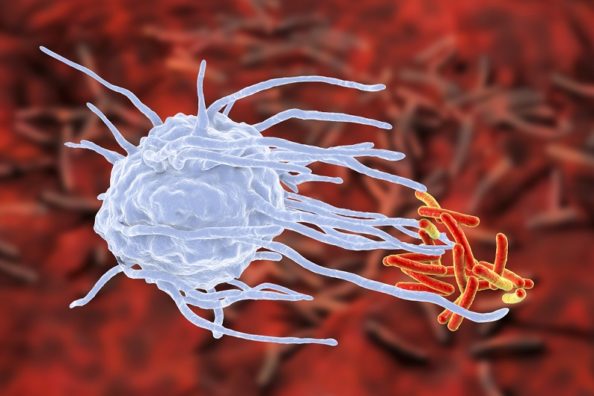
One possible therapeutic target are the macrophages. These garbage-gobbling immune cells clear away senescent cells while the immune system works, but with age, they become increasingly dysfunctional and begin to favor behavior that supports inflammation. Gudkov and his team have described these dysfunctional macrophages as senescence-associated macrophages.

A number of studies have manipulated the behavior of macrophages to make them work better, and this is one potential approach that we might use to get the immune system back on track [2-3].

Macrophages have a kind of behavioral pattern known as polarization, which places them into two broad categories, M1 and M2. This is a simplification, and the details are only now being explored.

M1-type macrophages aggressively destroy problematic cells while sending signals that promote inflammation and recruit other types of immune cells to the site. However, when there are too many M1-type macrophages present, that inflammation becomes excessive, and this hinders the repair and regeneration of tissues.

M2-type macrophages can be considered “healing” cells, as they facilitate the suppression of inflammation and promote tissue regeneration.

Manipulating the ratios of M1 and M2 macrophages to those typically observed in youth may be one possible route to improving the aging immune system. Gudkov and his team published a paper showing that macrophages and their behavior are reversible and inducible [4].

A second option could potentially be to develop senolytic therapies that specifically seek out dysfunctional macrophages and target them for destruction. The problem with this idea is that macrophages are some of the most robust cells in our body; because they process toxins and garbage, they would be highly resistant to being destroyed. It may also create an additional problem: destroying them could add to the cellular garbage that an already struggling immune system is unable to cope with.

Of the possible solutions here, reprogramming macrophage behavior seems to be the preferable approach. Modulating the behavior of immune cells is a very new area of research, but it holds a great deal of promise for managing immune cell dysfunction.

Conclusion

The current focus on removing senescent cells with senolytic therapies is certainly a very welcome development, although this approach may only be a short-term solution compared to rejuvenating the immune system and restoring it to a more youthful level of function.

There are two overall schools of thought in this field: one is that we should periodically repair the damage that aging does, and the other is that we should engineer resilience into our cells and organs so that they better resist the damage of aging. Some people argue as if these two positions are absolutes, however, why don’t we do both?

If we can develop the tools to periodically repair age-related damage, then surely it makes sense to also develop ways to make our biology more robust and resistant to that damage in the first place. The less often we need to repair ourselves, the better, so the two approaches go hand in hand.

We are excited about the potential for senolytic therapies in the near future, but we are also open to the possibility of engineering resilience in the longer term so that many decades down the road, senolytic therapies may be infrequent or even unnecessary, as the immune system would work properly.

Literature

[1] Baker, D. J., Wijshake, T., Tchkonia, T., LeBrasseur, N. K., Childs, B. G., Van De Sluis, B., … & van Deursen, J. M. (2011). Clearance of p16Ink4a-positive senescent cells delays ageing-associated disorders. Nature, 479(7372), 232-236

[2] Subramaniam, S. R., & Federoff, H. J. (2017). Targeting Microglial Activation States as a Therapeutic Avenue in Parkinson’s Disease. Frontiers in Aging Neuroscience, 9, 176.

[3] Karishma Rahman, Yuliya Vengrenyuk, Stephen A. Ramsey, Noemi Rotllan Vila, Natasha M. Girgis, Jianhua Liu, Viktoria Gusarova, Jesper Gromada, Ada Weinstock, Kathryn J. Moore, P’ng Loke, and Edward A. Fisher (2017). Inflammatory Ly6Chi monocytes and their conversion to M2 macrophages drive atherosclerosis regression. J Clin Invest. doi:10.1172/JCI75005.

[4] Hall, B. M., Balan, V., Gleiberman, A. S., Strom, E., Krasnov, P., Virtuoso, L. P., … & Leonova, K. I. (2017). p16 (Ink4a) and senescence-associated β-galactosidase can be induced in macrophages as part of a reversible response to physiological stimuli. Aging (Albany NY), 9(8), 1867.

Rejuvenation Roundup June 2018

July is here, and our upcoming conference in New York City is only a handful of days away!

About our NYC conference

On the off chance you’ve missed the news about it, Ending Age-Related Diseases: Investment Prospects & Advances in Research is our first conference to be held in New York City. It will take place on July 12th at Cooper Union, and it will feature talks and panels with several great speakers, such as Dr. Vera Gorbunova from Rochester University, Dr. Vadim Gladyshev from Harvard Medical School, Dr. Aubrey de Grey from SENS Research Foundation, Dr. Kelsey Moody from Ichor Therapeutics, and many more.

Exciting news from UNITY Biotechnology

On June 25, Unity Biotechnology has officially announced a human clinical trial of its new senolytic. This Phase 1 trial is aimed primarily at establishing the safety of UBX0101, which is to be directly injected into the knees of patients suffering from moderate to severe osteoarthritis; however, the study will also evaluate efficacy to some extent. This trial is designed to test UBX0101 for a specific age-related condition, so a successful result might pave the way for more advanced trials involving this particular condition and investigations into using it for other age-related conditions. Hopefully, one day, we will look back to June 25, 2018 as a milestone that marks the beginning of an era free from age-related diseases!

News from SRF and FH

As you probably know, SENS Research Foundation and Forever Healthy Foundation have long been a team in the fight against aging; last year, they inaugurated the Undoing Aging conference series, and given their great success in 2018, it is no surprise that next year’s conference has already been announced! UA2019 will be held in Berlin, Germany at the Umspannwerk Alexanderplatz on March 28-30. Tickets are already available, so you might want to book yours already and take advantage of the early-bird prices.

Speaking of Undoing Aging, videos from the 2018 edition keep rolling out; have a look at this one featuring the founder and CTO of Immusoft, Matthew Scholz.

Are you a subscriber to SRF’s newsletter? If not, you can see its June news on their website here, but do consider subscribing to its newsletter—and ours, too!

Ending Aging released in Portuguese

Ending Aging, Dr. Aubrey de Grey’s classic book, has been translated to many languages, but up until recently, not in Portuguese. This gap has now been filled thanks to the effort of Nicolas Chernavsky and Nina Torres Zanvettor, who recently released O fim do envelhecimento in electronic format. The book is available for purchase on Amazon here or here.

News from Juvenescence Limited

The name Jim Mellon is probably familiar to our readers—he’s a famous investor with a deep interest in fostering the development of a rejuvenation biotechnology industry, and he co-authored the book Juvenescence, which we reviewed. Recently, his investment company Juvenescence Limited raised $50 million dollars in a Series A financing round, which will be invested in a portfolio of biotech ventures that are paving the way to a world where age-related conditions are effectively treated rather than simply tolerated. It’s great to see more capital brought into this industry, as this will likely speed up its growth significantly.

Research news

Rejuvenation-related research projects are many and varied, and keeping track of them may seem like a daunting task. Fear not, we can help you with that: as announced earlier this month, our Rejuvenation Roadmap is out! This database of ongoing research projects is categorized according to the Hallmarks of Aging and provides details as to who’s working on each project, what exactly is being researched, and at what stage of clinical trials it is. The roadmap is still in its infancy, and there’s a lot to be added yet, so keep an eye on it!

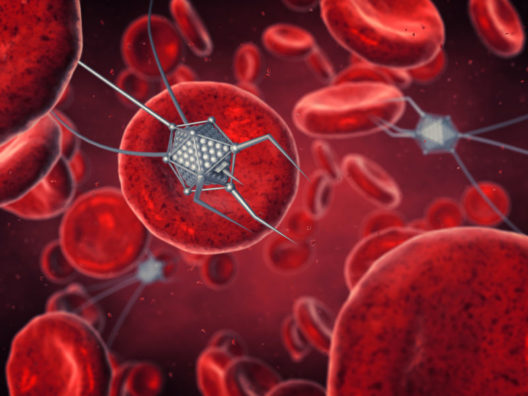
You might also be interested in reading about inflammaging and the microbial burden as well as the potential of senolytics to treat age-related frailty and the potential applications of nanomedicine against age-related diseases.

lifespan.io Interviews

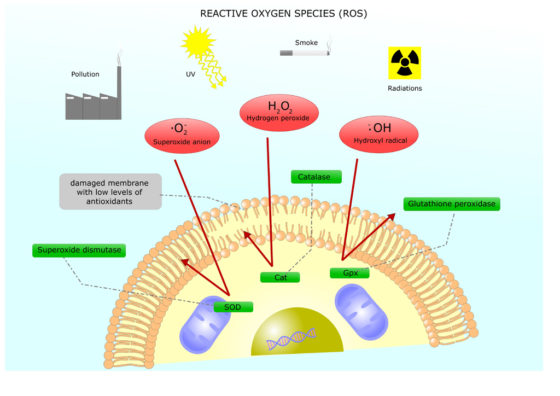
This month, we had another great round of interviews where Dr. Vadim Gladyshev discussed theories of aging and his research on redox biology, Dr. Anthony Atala talked about regenerative medicine, and finally, Dr. Michael Fossel granted us a two-part interview (here and here) on epigenetics, telomeres, gene therapy, and more!

In closing…

It’s been another great month for the whole field, and we hope to create even more momentum with our upcoming conference. We’d like to see you there!

The First Rejuvenation Therapy Reaches Human Trials

Today we are pleased to announce that UNITY Biotechnology is going into human clinical trials with the first true rejuvenation therapy that directly targets one of the processes of aging: senescent cells.

The quiet revolution

In our collective imagination, revolutions start with a bang; however, more often than not, real-life technological revolutions start quietly and unbeknownst to most people. This is pretty much what’s going on with the therapies that aim to prevent or reverse age-related diseases by targeting the aging processes directly.

The very first human trial designed to test senolytic drugs was announced less than a week ago, with most of the world probably completely oblivious to it and what its success might represent for the future of medicine. We’re talking about UNITY Biotechnology’s announcement that its candidate senolytic drug UBX0101 is now being tested in human patients who suffer from osteoarthritis.

Senolytics crash course

Senolytics are a class of drugs that could potentially address cellular senescence, which is one of the hallmarks of aging [1]. In simple terms, a cell becomes senescent when it loses its ability to divide. This happens as a response to DNA damage, and it is thus a sort of safety measure to prevent the proliferation of cells containing potentially harmful mutations, such as cancerous ones. This response may be triggered by telomere exhaustion as the cell hits the maximum number of divisions it can undergo—the so-called Hayflick limit—or by other external stressors, such as oxidative stress.

Cellular senescence helps prevent cancer, and senescent cells have been shown to have beneficial effects, such as helping wound healing; however, the accumulation of senescent cells over time appears to be harmful. Senescent cells secrete a cocktail of harmful chemicals known as the senescence-associated secretory phenotype (SASP), which has been associated with a number of age-related diseases; the SASP promotes tissue inflammation and induces senescence in nearby healthy cells, inducing a sort of chain reaction.

While senescent cells are normally cleared up by the immune system, increasing numbers of them escape destruction over time as a consequence of immunosenescence—the age-related decline of the immune system’s ability to perform its job. This, in turn, results in a build-up of senescent cells and a higher incidence of morbidity with age.

For several years, it has been proposed that the selective elimination of senescent cells might ameliorate, and potentially halt and reverse, some age-related conditions; several biotech startups and companies have developed different kinds of senolytic drugs that target senescent cells while leaving healthy cells unharmed. Results in mouse models of different age-related conditions have been very positive, but the only way to know whether senolytics would be beneficial to humans is to run a human clinical trial [2-4].

UNITY Biotechnology and the UBX0101 trial

UNITY Biotechnology was founded in 2011 by Founded by Drs. Jan van Deursen, Judith Campisi, Nathaniel David, and Daohong Zhou. UNITY’s focus is primarily on senescent cell clearance, but the company also works on mitochondrial dysfunction and loss of circulating youth factors. Its pipeline includes several drugs currently in the lead optimization phase, with UBX0101 having just entered Phase 1 of a randomized, double-blind, placebo-controlled, FDA-approved clinical trial.

UBX0101 is currently being tested for safety in patients suffering from mild to severe osteoarthritis, an age-related condition that affects joints and results from the breakdown of cartilage and bone. This condition may cause joint swelling, decreased mobility, joint pain, and stiffness, affecting everyday life. Cellular senescence has been linked to osteoarthritis, which may affect several different joints, but currently, UNITY’s trial is focusing on osteoarthritis of the knee. While this trial is designed mainly to assess the safety and tolerability of a single joint injection, efficacy will be monitored as well.

What’s next?

It’s early to say if and how well senolytics will work in humans, but regardless, this trial can be considered an important milestone on the way to a world free from age-related diseases. Even though this trial is focused on a specific condition, UNITY’s approach attacks a root cause of aging, attempting to reverse the disease or, at the very least, slow it down; currently, osteoarthritis can only be managed, like the vast majority of age-related conditions.

If this trial were to prove successful, we can imagine how it may foster more resources being spent on this kind of research in order to further refine the approach and possibly extend it to treat other conditions; other companies may follow UNITY’s lead and join the race to improve upon a technology already proven to work; more generally, a successful senolytic trial would provide proof of the concept that human aging is amenable to medical intervention not only in theory but also in practice. This might prove to be a fatal blow inflicted to the pro-aging trance, which leads so many people to believe that aging can’t and shouldn’t be interfered with.

UNITY also has a second drug candidate, UBX1967, an inhibitor of specific members of the Bcl-2 family of apoptosis regulatory proteins, which is slated for an IND application and a Phase 1 clinical study for an ophthalmological indication in the second half of 2019.

Conclusion

This is the first true rejuvenation therapy to reach clinical trials in humans that follows the repair approach to aging as advocated by Dr. Aubrey de Grey of the SENS Research Foundation. The removal of these problem cells has long been suggested as a way to combat age-related ill health, and, finally, we have reached the point at which over a decade of research is ready to be put to the test.

Should the trial not succeed, it will still likely provide us with invaluable data to deepen our understanding of aging and allow us to try again. Either way, it’s going to be a win-win. We’re happy to be able to update our Rejuvenation Roadmap to include UNITY’s endeavor, and we wish UNITY the best of luck! We can hardly wait to see the results.

Literature

[1] López-Otín, C., Blasco, M. A., Partridge, L., Serrano, M., & Kroemer, G. (2013). The hallmarks of aging. Cell, 153(6), 1194-1217.

[2] Baker, D. J., Wijshake, T., Tchkonia, T., LeBrasseur, N. K., Childs, B. G., Van De Sluis, B., … & van Deursen, J. M. (2011). Clearance of p16Ink4a-positive senescent cells delays ageing-associated disorders. Nature, 479(7372), 232-236. [3] Zhu, Y., Tchkonia, T., Pirtskhalava, T., Gower, A. C., Ding, H., Giorgadze, N., … & O’Hara, S. P. (2015). The Achilles’ heel of senescent cells: from transcriptome to senolytic drugs. Aging cell, 14(4), 644-658. [4] Roos, C. M., Zhang, B., Palmer, A. K., Ogrodnik, M. B., Pirtskhalava, T., Thalji, N. M., … & Zhu, Y. (2016). Chronic senolytic treatment alleviates established vasomotor dysfunction in aged or atherosclerotic mice. Aging cell.

Regenerative Medicine with Dr. Anthony Atala

After meeting him at the Astana Global Challenges Summit 2018, we’ve kindly been granted an interview by Dr. Anthony Atala, M.D., Director of the Wake Forest Institute for Regenerative Medicine and the W. Boyce Professor and Chair of Urology at Wake Forest University.

Dr. Atala is one of the most influential names in the field of regenerative medicine and biotechnology. His research focuses on growing human cells and tissues for use in transplants, and given the constant dire need for organ donors worldwide, his work is poised to improve—and save—the lives of millions. He and his team have already successfully engineered and transplanted bladders into living patients, and as he’s told us himself, more types of tissue have been engineered and tested in models; hopefully, they will one day be usable in patients as well.

Dr. Atala’s groundbreaking work has earned him countless awards, prizes, and nominations in well-known magazines, such as Scientific American, Time Magazine, the Huffington Post, and many others; he has also served on the boards and committees of several organizations, such as the National Institutes of Health, the National Cancer Institute, and SENS Research Foundation.

In addition to the aforementioned Global Challenges Summit, where he was part of a panel with Dr. Aubrey de Grey, Dr. Atala was one of the speakers at the Undoing Aging 2018 conference in Berlin, Germany, and we certainly hope to see him again during next year’s edition. Without further ado, here’s what Dr. Atala told us about regenerative medicine, tissue engineering, and aging. (All pictures in the interview below are courtesy of the Wake Forest Institute for Regenerative Medicine.)

What sparked your interest in regenerative medicine?

As a surgeon, I became interested in finding better solutions for patients who required repair with additional tissue, which was not available.

In 2009 and 2011, you gave very interesting TED talks about the state of tissue engineering and its potential to create replacement organs for transplants. At the time, transplantation of engineered bladders had already been successfully performed by your team, while kidneys were still a work in progress. How much has changed in the field since then?

In addition to the bladder, Wake Forest Institute for Regenerative Medicine (WFIRM) scientists have successfully engineered several categories of tissues and organs and implanted them in patients. What has changed in this time period is the advancement of technologies with the creation of the Integrated Tissue and Organ Printing (ITOP) System, which was developed over a 12-year period by scientists at WFIRM.  

We have printed bone, cartilage and muscle tissue that, when implanted in experimental models, developed a system of nerves and blood vessels. We showed that these structures have the correct size, strength and function for use in humans, proving the feasibility of printing living tissue structures to replace injured or diseased tissue in patients.

Ear and bone scaffold created by WFIRM’s Integrated Tissue-Organ Printing System in cell culture medium.

We are creating bioprinted organs like the kidney in the laboratory, but these are not yet ready for clinical use. The solid organs are the most challenging because they are dense with cells and have high oxygen requirements.

What’s the current situation in terms of need and availability of organs from human donors, and how much have engineered organs helped improve it so far?

We have successfully engineered several categories of tissues and organs and implanted them in small numbers of patients in clinical trials. These include flat organs such as skin, tubular organs such as urine tubes, and hollow, non-tubular organs such as the bladder. It is estimated that every 30 seconds, a patient dies from a disease that could be treated with tissue replacement, so the need is great.

Can we expect that tissue engineering will, one day, make organ donations completely unnecessary?

A bladder scaffold is “seeded” with cells and supports them as they grow and develop. Scaffolds are the essential components of tissue engineering efforts.

Someday in the future, regenerative medicine technologies may reduce the need for donors. There are simply not enough donor tissues and organs to meet demand, especially for kidneys. Regenerative medicine offers the hope of engineering replacement organs in the lab to help solve this shortage, and because these organs would be made with a patient’s own cells, there would be no issues with rejection.

Engineered organs may replace aged, failing organs as well as organs that fail for other reasons; however, do you think that cell therapies might allow us to repair existing organs rather than have to replace them?

We are working on many avenues of healing cell therapies for lung disease, diabetes, hemophilia and renal failure, for example. We have found that often the best strategy is to use the patient’s own tissue and organ-specific cells. We are pursuing multiple strategies to move our projects forward to meet our ultimate goal: making patients better.

The thymus starts shrinking at a very early age, eventually contributing to immunosenescence. How is progress going in creating a replacement thymus, and could the new organ carry on where the old one left off?

At WFIRM, we are working to apply tissue engineering techniques to create functional thymic tissue in order to fortify or replace the aging thymus, which has the potential to help restore the body’s immune response and ability to fight off infections.

One of the challenges of creating new organs is microvasculature; how are you overcoming the issues of ensuring that organs have ample blood vessel supply?

Vascularization is indeed a challenge for the most complex tissues, such as solid organs. We are using a number of strategies to help overcome these challenges, including bioprinting.

It is said that the heart is one of the most challenging organs to create; why is this so, and how is progress in engineering new hearts going?

The solid organs like the heart are the most complex to engineer. These are the most challenging because they are dense with cells and have high oxygen requirements. We have engineered solid organs that are not fully functional in vitro.

What is the major challenge when engineering new organs for a patient?

Vascularization for tissues and organs continues to be an area of research focus. The Integrated Tissue and Organ Printing (ITOP) System allows for a lattice of micro-channels to be printed throughout the structure in order to allow nutrients and oxygen from the body to diffuse and keep them alive while the tissues develop their own system of blood vessels and integrate with the body.

Is there a “holy grail” of regenerative medicine—for example, a particular kind of tissue that is still not possible to engineer?

Engineering fully functional solid organs, such as the kidney, liver and heart, is considered the “holy grail” of the regenerative medicine field.

Barring the effects of substance abuse and similar factors, do all our organs fail more or less at a similar rate, or are some of them especially long-lasting compared to others?

A person’s vital organs begin to lose some function as they age during adulthood, and aging changes occur at all levels in the body’s systems. Aging is a complex process and includes many influences, such as heredity, environment and diet, that affect an organ’s rate of failure. There is no way to predict exactly how anyone will age.

Albeit far more popular than it used to be, the idea of using regenerative medicine to extend healthy lifespan, possibly by a considerable amount, is still somewhat controversial in that many people still don’t approve of it. What do you think of it?

Our approach to regenerative medicine is to improve people’s lives. The intent is not to prolong lives, necessarily, but to ease suffering. For example, someone experiencing kidney failure will someday, hopefully, be able to have a new implanted kidney made from their own cells, which means no rejection nor any need for anti-rejection medicines for the rest of their lives.

Scientists studying the biology of aging or the applications of regenerative medicine to aging, such as Dr. David Gems and Dr. Aubrey de Grey, seem to agree that intervening directly on the root causes of aging might dramatically extend both healthspan and lifespan. Are you equally optimistic that this might be the case?

I believe that in the process of providing a solution for failing tissues and organs, one is, in fact, prolonging that patient’s lifespan. This definitely makes sense. We still have much to learn about aging, but it is inspiring to know that so much progress has been made in just the last decade.

I am definitely optimistic about the continued progress in the field of aging. New approaches are being developed, and new therapies are now evolving.

What is the biggest bottleneck to progress in tissue engineering?

We need to advance regenerative medicine manufacturing, like Henry Ford did with the automobile assembly line. Last year, WFIRM announced the launch of a five-year, $20 million effort involving a public-private partnership that involves the U.S. Army Medical Research and Materiel Command and the Medical Technology Enterprise Consortium (MTEC). This partnership has the goal of improving the manufacturing process to hopefully speed up the availability of replacement tissues and organs for patients.

Bladder scaffold in process on WFIRM’s Integrated Tissue-Organ Printing System.

Do you have a take-home message for our readers?

Not so long ago, the field of regenerative medicine was considered science fiction, and now so much of it has become fact. It is an exciting field that has the power to heal and improve patients’ lives, which is our ultimate goal.

We would like to thank Dr. Atala for this interview, and we share his excitement and hopes for the future of tissue engineering and its potential to revolutionize the way we do medicine. If, as he says, facts of today were science fiction in the recent past, there are good chances that the promises of today’s pioneering sciences may be the norm in the near future.

Has the Telomerase Revolution Arrived? Part Two

Today, we conclude our two-part interview with Dr. Michael Fossel, you can find part one here.

Changing tack a bit here, you talk a little bit in your book about programmed human death; we’re basically programmed to die through evolution’s weird workings and you kind of flesh out what Josh Mitteldorf calls the demographic theory of aging. Do you agree with that theoretic approach?

I think the teleology is wrong when we’re talking about programmed death. The usual programmed death meme goes something like this. I’m a great big tree, and I’ve got all these little trees that are growing underneath me; they’re my progeny, and I have to die to give them space to get to the sun. This becomes no longer science because I don’t know how you test this; to me, science is something you can test, and if you can’t test it, then stop calling it science; it becomes philosophy.

My argument would be that there are at least two levels of complexity going on here. One is that in any species, the shorter the lifespan, the faster the adaptation time. A lot of people tend to look at biology and ecology in a static sense, and they think that an organism has to adapt to its particular niche and the ecology, such as predators and prey. What they forget is that there’s no such niche and that the niche is always changing; if we have a long enough time span, the oxygen content of the atmosphere, the temperature of the Earth, and the acidity of the water all change dramatically over time, and they continue to change.

The same is true of an organism’s environment with regard to both its prey and its predators: the niche is always in flux. Niches are always changing. The first thing you would argue would be that you need the organism to be able to adapt fast enough to adapt to the rate of change in its niche. In bacteria’s case, you want something fast; human beings and elephants can take it more slowly.

The second thing I would argue, and that’s even more complex, is that you need to be able to adopt that rate of adaptation. For human beings, living for 75 years is fine if the environment isn’t changing very quickly. If the environment wasn’t changing [or changed very slowly], and we’re adapted to it, then we might be able to change the lifespan to adapt to that. In fact, that’s what you find if you look carefully. Again, I say this guardedly, because we’re not dealing with real data here, just a sort of correlational observation, but whenever you see a stressful situation in a [particular human] culture, what you see is that people tend to get married earlier and tend to die earlier. That makes sense, teleologically speaking; from an evolutionary perspective, that’s what should happen.

The lifespan of a species should adapt to the rate of change. The world around us is changing, but if the rate goes up or down, that has an effect on lifespan. If the world (or your niche) is changing slowly, then a long lifespan is evolutionarily desirable; if the world (or your niche) is changing quickly, then a short lifespan is absolutely necessary in order to keep up with that change and ensure the survival of the species. It’s remarkably complex.

The other piece of this argument has to do with mutation rates. Most of us tend to think of mutations as bad. From your perspective, they are; from the species’ perspective, you can’t live without them. You’ve got to have a certain amount of rate of change. That means mutation. At any given moment, there’s an optimal rate of mutation for a species, but when you think about it, that’s not good enough. You need to be able to change that rate of mutation. So, if the environment’s changing, you need to change your mutation rate, not enough to kill your species but enough to increase the adaptation rate. When the telomeres shorten, the rate of mutation goes up.

So, as you get older, and as your telomeres shorten, your rate of mutation goes up; you’d expect that. If the environment changes fast enough, people are increasingly stressed, they are losing telomere length faster and they are dying young, which also means that they’re mutating faster. Not good for you, personally, but in general, we like to have that rate of mutation closely track the rate of environmental change. I think it does. This is not science; this is just observation and correlation, so I wouldn’t take it too seriously. It’s the best I can come up with.

So, then, you would agree that telomere shortening is very likely a programmed approach to ensure species health and ecosystem health?

Putting it simply, yes.

If we accept the programmed-death theory of aging, what does that tell us about the best way to mitigate aging?

Change the program.

And what’s the best way to do that?

As I’ve often said, I don’t actually care what causes aging, and I certainly don’t think telomeres cause aging. What I’d like to find is not what causes aging but what the single most effective point of intervention is, clinically and financially. From my perspective, that answer is telomeres and resetting both telomere length and gene expression.

If I want to deal with your heart disease, I can do a heart transplant. It’s expensive; it has side effects and risks. I can put in stents, I can do a coronary bypass graft, I can put you on statins. All of those things have an impact on your mortality from age-related vascular disease. I would argue that none of them are remarkable for being efficient clinically or financially.

What I’m looking for is the most effective intervention, clinically and financially. To me, the answer is telomeres. Not because they cause aging, but because it’s a handy place to reprogram what we just talked about as programmed aging.

A big concern here is that increasing telomerase activity may increase cancer risk. You discuss this in your book; you say pretty clearly your view is that, actually, given the data we have already from animal models and human studies, the more likely outcome from increased telomerase and thus longer telomeres is a mitigation of cancer risk. Can you flesh this out; do you still hold that view?

It’s actually a lot more complicated than that. Here’s the simplistic part that you just alluded to. First, let’s start with an observation. Whether you’re looking at mice with a lifespan of two years or humans with a lifespan of 80 years, if you plot out the incidence of cancer per unit of lifespan, the curves exactly overlap; you find an exponential increase in rate of cancer. You can almost pick your species, and it depends on whether the species is prone to cancer or not. For mice and humans, the exponential curves match. It’s two years and 80 years for the X axis, but it’s the same curve otherwise, just contracted.

There are four major families of DNA repair enzymes, and every single one of them gets slowly turned down as cells become senescent and the gene expression changes. So, not only do you not identify the mutation in all of our cells, you don’t remove the abnormal base, replace the right base, and then ligate it into place. The rate of repair goes down, and that increases the likelihood of that mutation being passed on. That gets turned back up again when you reset gene expression.

The naive argument is that telomerase causes cancer. A slightly more sophisticated argument would be that telomerase prevents cancer, but the reality is more complex. It turns out that, in a simple analogy, we can look at two extremes. In one extreme, we’ve got a very young cell that has excellent DNA repair. It is not flawless, by the way. It’s just pretty darn good. So, you essentially have almost a zero rate of mutation. At the other extreme, you’ve got a senescent cell. The thing won’t divide no matter what you do; you can kick it as hard as you want, it won’t divide. It’s got all sorts of mutations and it’s still mutating, but it won’t divide, and so you don’t have cancer.

Except that, often, what happens is that those cells mutate just enough to express telomerase or use the ALT [Alternative Lengthening of Telomeres, a common way that cancer cells use to maintain telomere length] mechanism to extend telomere length just enough to permit cell division. So now, they’re still mutating all to hell, because they don’t have very long telomeres, but they’re just long enough to get another division and another division and another division. What you see is if you plot out telomere length versus rate of cancer and mutation, you find that with very long telomeres we see a low rate of mutation and a low rate of cancer. At very short telomere lengths, we see high rates of mutation and low rates of cancer. But, at pretty short but not completely short telomere lengths, you’ve got a huge peak where you’ve got a high mutation rate and the cells are still willing to divide. Bingo, you’ve got clinical cancer.

So, it’s not a simple curve. It’s two curves that overlap, and the peak point for cancer turns out to be pretty short telomeres but not completely short. If I take this back to a clinical case and say okay, that’s nice, but let’s get clinical here; let’s take a hundred patients, and let’s go ahead and treat them with telomerase, what’ll happen? It depends.

The quick answer is that you’d have a lower incidence of cancers coming on, and some of those cancers that they already have may be repaired, so you might be able to treat it, but not all. You’re going to have some cases where the mutation isn’t getting repaired; there’s still mutational damage in those cells, they’re still dividing, and they’ve got cancer. So, what is the outcome, clinically? The answer is that it’s complicated. Telomerase, in general, probably has benefits for cancer. That’s a nice blanket statement. But not for everything.

Let’s put a number around that. In terms of your confidence that telomerase therapy will actually mitigate cancer risk rather than increase it, what would you say the chances of that being true is, given your current state of knowledge of these mechanisms?

It’s not that simple, because, for some people, it’ll increase, for many people, it’ll decrease, so you’re looking at lumping all these people together. Let me put it in a different way, and this is a very practical way. Let’s say that I have Alzheimer’s disease, and you tell me that there’s an unknown, let’s say it’s 1 in 100, chance of increasing my cancer risk. Say it’s 1 in 10. Would I take it? The answer is “In a heartbeat,” because the Alzheimer’s is definitely going to kill me, and you’re telling me you’re not quite sure what the risk is, but it’s not zero.

Think of the practical outcome of this, which is another reason, in a strategic sense, we’re not going after wrinkles or osteoporosis. In all of human history, nobody’s died of osteoporosis, they’ve died of complications but not because of osteoporosis per se. With osteoporosis, you can break your hip and end up in the hospital, then you get pneumonia and die in the ICU. But, the osteoporosis didn’t kill you.

So, if I said I had an experimental treatment that may or may not cause cancer in a certain small percentage of people, we don’t know how much, would you take it for wrinkles? The answer is “Hell no, are you out of your mind?” For osteoporosis, the answer is “Come back in five years; tell me the results.” For cardiovascular disease, the answer is “I’ll think about it, but I have other options that may be as effective.” For Alzheimer’s, the answer is “Yes, absolutely.” That’s what I’m getting from the patients in our register, and that will be the most likely view from the FDA, too.

Do you see merit in the idea of “longevity escape velocity” (LEV)? This is the idea that initial therapies that address aging might add 10 years of extra lifespan, giving you enough time to benefit from the next improved versions of those therapies, which increases your lifespan further, and you keep on doing this.

Roughly. I’d add something else to it, which is that if I look back over the medicine of the past 200 years, we’ve made some interesting advances, and none of those advances involved things like robosurgery or wildly expensive new therapies. The things that had the greatest impact on human lives and suffering were hygiene when delivering babies, antiseptic surgery, germ theory, and vaccinations, which made a world of difference in terms of the medical stresses that you and I go through in our lives.

I think that we’re about to undergo something that will dwarf any of the medical changes that occurred in the last 200 years. We’re now finally, for the first time ever in history, going to be able to prevent and cure age-related diseases. Nothing we have done, ever, up until this point, has had any impact on the fundamental pathology of age-related diseases at all. We’ve all been treating symptoms. That’s about to change. We’re going to change not the mean lifespan, which has been going up for a while, but the maximum lifespan, which has never occurred.

The fact that we’re about to affect the maximum lifespan, to me, is interesting. I’m much more intrigued by the health and the suffering that play a role in people’s real lives.

Regarding senolytics (drugs that kill senescent cells), there have been some promising results from quercetin and dasatinib. Could you speak briefly about senolytics and about how people can experiment on themselves if they want to be very proactive?

I wouldn’t experiment with those, and I think that the approach is going to prove to be a problem. The rationale goes something like this. Say I’ve got a factory of a thousand people. In that factory, I notice that there are a hundred people who just don’t do their darn jobs. They’re just not very good at it, and I think that the thing to do is to fire them. Well, that’s okay, but that means that the other 900 people are going to have to do more work than before, and they’re going to grumble more. They’re going to have to work harder, they’re going to start complaining, and we’re going to have another hundred people who are now in the same position. If you keep firing the unhappy people and increasing the workload on the remainder, pretty soon you have an empty factory. What we’re advocating doing is not firing those hundred people [but instead] making them happy and effective workers.

Let’s take this down to the cellular level and look at your knee joint. Let’s say that ten percent of the cells are senescent. They’ve got SASP, gene expression that’s actually causing problems to neighboring cells. The senolytic approach is to remove those ten percent of the cells that are causing damage, and that sounds good, and, initially, it would be. The problem is that the remaining 90 percent have to divide to make up for the missing cells, which means that you’ve just accelerated senescence in the remaining cells. So, next year, you have to kill another 10 percent, and every time you do that, you’re increasing the rate of senescence of the remaining percentage of cells.

If you look at graphs of the published data, you find that, initially, there’s a little improvement in function, and then the vector goes down at a much steeper rate than when you don’t do anything at all. That’s what I think you’re going to find clinically. You’re going to find people with, for example, knee joints that have had senolytic therapy, and the osteoarthritis is gone for six months. Then, it starts creeping back, and next time you treat it, it comes back in five months, and then four months, and then it goes straight downhill and you get yourself an artificial joint. We’re suggesting that rather than temporary improvement followed by faster aging, the best approach is to reset the aging process itself by resetting gene expression. If you use telomerase gene therapy, you’ll end up with a young, functional joint. That’s the difference.

What about using iPS (induced pluripotent) stem cells to complement a senolytic approach to bring in new cells?

Kind of the same problem. It depends on where you get them. If you’re harvesting cells that have sufficiently long telomeres, then they’ll act like young cells. But, every time you do that, you have to go and spend the money to go through the process of getting those cells and hope that the cells are resetting telomere length completely, and most stem cells almost do, but they don’t, quite. So, over time, you’re still going to run into the same problem I just alluded to. The more iPS stem cells you harvest, the more senescent they will become.

The most effective approach is not to keep harvesting older and older cells but to reset cell aging and allow the younger, functional cells to cure the clinical problem. It’s a one-time treatment; you can come back in 10 years if you want and reset the clock again. You don’t need to keep adding (increasingly older) stem cells when you can instead simply reset the cells that are already in the tissue; the chondrocytes in the knee cartilage, for example, are perfectly capable of functioning if you just reset the telomeres. So, why waste time and money on iPS stem cells that are getting older with each treatment and are entirely unnecessary in the first place?

For the broader question of stem cell therapy, you’d say it’s easier to reset existing cells with telomerase therapy to be fully functioning than to transplant stem cells?

It depends. Let’s say you’ve got two knee joints, one of which has been replaced with an artificial joint and the other of which has bad osteoarthritis, and I say “Hey, I’ve got a wonder treatment; I’ve got telomere therapy, I can go fix the arthritic joint that’s still there,” and you go, “Great, thank you so much, what about my artificial joint?” Nope. My answer is that, once you’ve removed the natural joint, the only option is to use stem cells to rebuild the entire joint from scratch.

I can use telomerase gene therapy to cure a badly osteoarthritic joint, but once the joint has been removed, then you’ll need to use stem cells to rebuild it, although even then, you will want to use telomerase gene therapy to ensure that the stem cells are “young” and functional.

The point is that there are some things that telomerase therapy simply cannot do and will never be capable of doing. There are other things that stem cells can’t do and telomerase therapy can do. In that sense, there’s a complementarity there, but the complementarity isn’t simply a matter of using a little of both; it depends what you’re treating for.

There are companies claiming that they can predict, fairly reliably, the remaining years of life based on your epigenetic markers by using the Horvath clock. Is the data collected useful in terms of measuring aging?

About every three weeks, four weeks, I see another article come out that says something like “We took a hundred people and measured their telomere lengths. We instituted an intervention,” and here you can substitute diet, exercise, meditation, whatever. “We measured their telomere lengths six months later, and the telomere lengths were longer; therefore, we reversed aging.” Or, they say what you just said, which is “We measured a bunch of telomere lengths, and we tried to correlate with aging, and we think that we will predict it.” There are major problems with either of those types of papers. Almost all of the telomere lengths being measured are from leukocytes.

First, what is measured represents an extremely small percentage of the leukocytes around. So, it’s like saying, “I’m going to figure out what the average age of everyone living in New York is, so I’m going to measure the ages of 100 people working on one floor of one office building.” If the office building is in Manhattan, that’s not a good sample. The second problem is not even a technical one; it’s about how you measure because the wrong measure is mean telomere lengths rather than shortest telomere lengths. Then there’s the technical question of whether this measures the right cells. Your leukocytes divide peripherally. Let’s say the mean telomere length of a hematopoietic stem cell in the marrow is 10 kilo-base pairs. I don’t know that, because I didn’t do a bone marrow test on you. But I did a white cell sample on you, and I found that your mean telomere length was 9 kilo-base pairs [a very short telomere length]. But, at the same time, you just got fired from your job, your wife left you, your dog died, you have cancer and a virus, and you’re stressed. So, that’s part of why you have 9 kilo-base pairs.

But then, I Intervene and a few miracles occur: your wife comes back, your job is given back to you with a raise, you get over the viral infection, the cancer diagnosis turns out to have been an error, you buy a new dog, you’re fine, and you’re rich, and you’re happy. Now, what happens is you’re stressing your immune system less so that the churning of your white cells, peripherally, is going down, and now I measure your white cells and am getting 9.8 kilo-base pairs. I haven’t made you younger; all I’ve done is reduced the churning [of leukocytes].

This is like me saying there’s a block in Brooklyn that, 50 years ago, had a mean age of 73, and we’ve put in an urban renewal program, and it’s now got a mean age of 30. I haven’t made everybody younger; I’ve just changed the population I’m measuring. So, when you’re measuring your peripheral telomeres and predicting lifespan or measuring your methylation or your epigenetics, you’re measuring things that are peripheral and are churning, so you’d better measure them a lot over a number of years to get a good sample, otherwise, it’s not valid.

The other thing to remember is that if we are concerned about age-related disease, then peripheral leukocytes are the least of your problems. The majority of people on this planet are dying of vascular aging, which is to say endothelial aging, and I’ve never yet seen an article where somebody goes in, gets to snag a piece of your coronary artery, and measures telomeres in endothelial cells. Likewise, the second big group would be CNS sorts of dysfunctions, like Alzheimer’s. Nobody’s doing brain biopsy samples, I’m not surprised, nor would I want to do it or have it done to me. I wouldn’t do it to my patient.

However, even those studies that considered a gamut of human tissues are still missing the practical point, that of intervention. At its best, the Horvath clock is an overly complicated, data-intensive view of the outcome of telomere shortening. Far more importantly, the practical issue is the optimal point of intervention. As I’ve said before, we can’t reasonably address each and every one of thousands of genes and their percents of methylation using thousands of small molecular compounds, but we can use telomerase gene therapy to reset them all simultaneously and efficiently.

Could we develop a telomere clock?

We could if you focused on telomere loss rather than telomere length and if you focused on those cells that are clinically predictive for age-related disease, namely the endothelial cells of your arteries, the glial cells in your brain, the chondrocytes in your joints, etc. However, not only would this be ethically and technically difficult, but it’s not cost-effective either.

So, one, if you want to measure peripheral leukocytes, that’s okay, but you want to measure multiple times so you have time for all the various stresses in your life to even out. Two, that’s still not what kills you. If you’re one of those people who have very long telomeres, you’re a little more likely to have long telomeres not only in your leukocytes but in your CNS and elsewhere. If you’re one of those progeric kids who have short telomeres, yeah, you probably have them in your skin, your joints, and your endothelial cells. So, yeah, there is a correlation, but I’m not sure it’s worth paying money to get a study done.

In short, from a practical clinical perspective, I doubt the value of either a Horvath clock or a telomere clock. Let me put it this way: would you rather spend a lot of money to get information about some cell clock that may not be the best measure of your likelihood of getting a disease, or would you rather spend a lot less money to effectively cure and prevent age-related disease in the first place?

Thinking of future technologies, what do you think about the possibility of nanobots that can complete a comprehensive human bioassay relatively easily and cheaply?

I don’t know the value of that. It’s like saying, “Listen. I can do a genetics study, find out if you’ve got two ApoE4 alleles, which means that you have a slightly higher risk of getting Alzheimer’s disease. It will cost you $1000. Even if we know which alleles you have, that won’t improve your Alzheimer’s in any way. On the other hand, we could spend $10,000 and simply reset your genes and ensure that, whatever ApoE4 genes you have, we cure your Alzheimer’s disease.

What would you say? “Just cure it, I don’t care what my ApoE4 or ApoE2 is, I don’t really care.” I think that sooner or later, from a practical standpoint, that’s where we’re about to be with telomeres. In some sense, I don’t really care what my telomeres show, I just don’t want to die of an age-related disease, such as a heart attack or Alzheimer’s. Given a choice between finding out your risk (but not being able to prevent or cure the disease) or being able to prevent or cure the disease (but not measuring your telomeres or methylation), I think the human choice – and the medical choice – becomes quite clear. We want to improve health, not simply provide information about disease. Given a choice between academic measures of genes and methylation versus an effective treatment, I’ll take doing something, thank you.

Shifting gears, do you think that some real science is being done by “biohackers,” individuals experimenting on themselves?

There’s a long history of things like that, and the libertarian in me says “Go for it; you ought to just do it.”

On the other hand, as I said before, what I’m trying to do is cure Alzheimer’s on a worldwide basis, and I have to take a different approach because I have to convince other people, not myself, so it’s not a biohacker answer because nobody’s going to buy it, literally and figuratively.

So, in a generic way, I’m in favor of biohackers. One of the things I’ve always wanted to do is put together a crab apple tree that has luciferin and luciferase in it so that it’s bioluminescent and twinkles at night. I’ve always wanted to build that, but it’s probably illegal.

In light of everything you’ve said about telomerase therapy and gene therapy, it seems accurate to say that telomere therapy and most other kinds of rejuvenation therapies are various types of gene therapy. So, is the future of medicine in general gene therapy?

There are at least five different kinds of gene therapy. Some of them are things like CRISPR, where you’re rewriting the genes, some of them are things like what AveXis is doing, where they’re going and putting a new gene in, and some of this is things like designer bacteriophages to attack resistant bacteria. None of this has come to the clinic to my knowledge yet, although it’s very close in some cases.

Our telomerase therapy is a different approach from other gene therapies. Where we’re actually going is what I’ve been predicting for 50 years, which is that we’re going to end up with medicine divided into two categories: acute medicine (think trauma, poisonings, things like that) and gene therapy. Gene therapy will be used to fix things; acute medicine will be used for everything else. So, if you get hit by a truck, that’s acute medicine. If you have cancer, age-related diseases, or sickle cell, that’s gene therapy. Those are going to be the broad categories of medicine 50 years from now.

In Alzheimer’s research, there are two main camps, those who think tau protein is responsible for the disease and those who think that beta-amyloid is. In your book, you suggest that this is wrong and it is telomere attrition and the resulting gene expression changes that are the cause. Can you explain this a bit more?

Both tau protein and beta-amyloid are markers, not causes. Not surprisingly, when you treat markers instead of causes, you have almost no effect on the disease progression. It’s a bit like treating a patient in the ICU who has Ebola. Some people might notice they have a fever and want to treat that, and others see the patient has bleeding and try to treat that. That means you’re treating markers. What you need to do is kill the virus. You need to have an immune therapy or a vaccine for it. That’s what we’re dealing with here with Alzheimer’s. The wrong questions are: “Do I treat the fever?” and “Do I treat the bleeding?” for Ebola. The right question is: “Can you treat the underlying cause of these things?” In the case of Alzheimer’s, it’s not beta-amyloid, it’s not tau protein. Do they play a role? Yes. Are they pretty common in most of the patients? Absolutely. Do they actually cause damage? Absolutely, but they’re not the cause of the disease itself. The upstream cause has to do with changes in gene expression.

And why did you focus on Alzheimer’s? Is it more tractable than, say, cancer or heart disease, or do you think it’s equally intractable?

It’s a strategic reason that I alluded to earlier. One, it’s the high-hanging fruit. Everyone believes that Alzheimer’s can’t be cured, so if I do that, it’s a lot easier to go to step two, which is age-related vascular disease. The second reason has to do with the ethical and regulatory hurdles. As I said, if I’m treating osteoporosis, no one would be willing to undergo an experimental gene therapy at this point. On the other hand, if I’m treating Alzheimer’s, people are falling over themselves to volunteer for our trials. It’s strategic. Alzheimer’s disease is the “bogeyman” for most of us. We’re willing to do almost anything to cure it.

The other thing I’ve noticed is that if I go up to a thousand people and say, “How many of you have a neighbor, friend, relative, patient, or family member who’s got Alzheimer’s?” All hands go up. “How many of you don’t?” One hand goes up, and that one person is almost certainly very young, perhaps a teenager. When I talk about other things, people are not sure who’s got osteoporosis and who doesn’t. Everyone’s got wrinkles, and no one really cares, in a sense. Alzheimer’s is the bogeyman, so we’re going after it first. After that, vascular disease.

What do you see as the biggest challenge to a cheap and effective telomerase therapy?

That’s easy. It’s getting people to understand the model. I was talking with a chief scientist at a large, global pharmaceutical firm, a delightful woman, and the question was “Do you want to invest in us?” She said, “Where’s the evidence that telomerase therapy will lower beta-amyloid?” We said, “We don’t lower it, we just increase the turnover rate,” and I explain. In response, she said, “Okay, I get this, but where’s the evidence you’re lowering the total amount of beta-amyloid?” She doesn’t get it. She was still stuck in the static model in which beta-amyloid is a passive deposit that kills cells, and I couldn’t help thinking of the first car that pulled into a village in the middle of New England, the Model T, and an old man aks: “Where’s your horse?” The driver explains how the internal engine works, what gasoline does, and how the crankshaft turns the wheels. The old man listens politely, nods, and says, “Okay, I understand what you told me, and that’s fine, but I still have one question, which is: where’s the horse?”

And that’s what this chief scientist was doing. It’s not a question of a horse, it’s not a question of total beta-amyloid load, it’s a question of how fast it turns over. Getting that concept over to people is incredibly difficult.

They don’t get it. The people who get it most tend to be engineers because they’re used to what they call a systems approach. Biologists sometimes get it; the younger people get it. 20 years ago, if I asked what caused aging, I’d get these long explanations about reactive oxygen species and 40 other things. These days, I still get that from the 70-year-olds, but all of the young people, if they don’t know who I am, they’ve never heard of me, and I ask them to say what causes aging, the next five minutes will have the word “telomerase” or “telomere” in it, and we’ll talk about cell senescence. They don’t understand the model, but there’s a shifting acceptance that it plays a role someplace, which is fascinating to me. The biggest single problem is just that most people don’t get it. A few investors do, which is all I need right now.

You have seen the telomere theory of aging, for lack of a better term, kind of rise and fall in popularity and researchers supporting the notion. Is this dynamic mostly because of a lack of imagination or understanding?

Here’s another analogy. You and I, let’s say we’re back in the fifteenth century, and we’re in some little village in Eastern Europe, and you and I happen to know that smallpox will be devastating the village in a few months. It’s going to wipe out fully half of the village. We go to the local healers, and we explain how we can use cowpox vaccination to completely prevent smallpox deaths. The local healers, however, don’t understand what we’re telling them about viral infection and inoculation. The local healers have a different model, and they’re unwilling to re-examine their assumptions. The leading theory has to do with prayer, sin, demons, and the will of God, but nothing to do with viruses and the immune system. They don’t get it. They don’t see how vaccination can possibly affect what they see as the “real cause” of smallpox, which is original sin and God’s will.

To be fair, the local healers are truly knowledgeable about their herbs, and they have been effective for pain, fever, etc. But no matter what herbs they use, an herb really isn’t going to cure smallpox. The local healers are really good at herbal medicine, but they don’t get that smallpox is not a matter of willow bark and it’s not a matter of using foxglove. There’s something else going on, and the concept is very difficult to get through to people.

This is much the same problem that we have currently with Alzheimer’s disease. People start with assumptions about how these diseases work, their assumptions haven’t changed, and they don’t go back to look at the data and say “Let’s start again.”

What’s really going on here? The big pharma companies are beginning to realize that beta-amyloid just isn’t working out, but they’re having a hard time going back, re-examining all the assumptions, and asking, “Is there a better model, one that explains the disease accurately?” Too often, the answer is “Where’s the evidence it changes beta-amyloid?” The only thing to do is to fly the flying saucer down the National Mall and prove it. The hell with theories.

We would like to thank Michael for taking the time to talk to us about his work, and we wish him success in his attempt to defeat Alzheimer’s.


Has the Telomerase Revolution Arrived? Part One

Today, we have part one of a two-part interview with Dr. Michael Fossel, the driving force behind Telocyte, a new company focused on telomerase therapy for various diseases, and a strong advocate of telomerase therapy to treat human disease over the past three decades. You can find part two of the interview here.

I interviewed Dr. Fossel as an individual thought leader in this field and not in his role representing Telocyte, so the opinions stated here are purely his own.

Born in 1950, Michael Fossel grew up in New York and lived in London, Palo Alto, San Francisco, Portland, and Denver. He graduated cum laude from Phillips Exeter Academy, received a joint B.A. and M.A. in psychology in four years from Wesleyan University in Connecticut, and, after completing a Ph.D. in neurobiology at Stanford University in 1978, went on to finish his M.D. at Stanford Medical School in two and a half years. He was awarded a National Science Foundation Fellowship and taught at Stanford University, where he began studying aging with an emphasis on premature aging syndromes. Dr. Fossel was a Clinical Professor of Medicine at Michigan State University for almost three decades and taught the Biology of Aging at Grand Valley State University.

His academic textbook, Cells, Aging, and Human Disease, was published in 2004 by Oxford University Press. The book takes an in-depth look at the fields of telomere biology and cell senescence as they apply to human clinical diseases and aging. It includes in-depth discussions of Alzheimer’s disease, progerias, atherosclerosis, osteoporosis, immune senescence, skin aging, and cancer as well as the potential for using telomerase therapy to address these diseases.

His most recent book, The Telomerase Revolution, was published in 2015 and discusses aging, clinical disease, the potential for cheap telomerase therapy in the near future, and many other topics. My understanding of Fossel’s research and forecasts comes primarily from this very readable book.

I interviewed Dr. Fossel by phone in April of this year. The following interview has been edited for length and clarity.

How are things going with your telomerase research?

Where we are, without getting into the details of my new biotech company, Telocyte, is that we now have a technique that we can use. It has been philosophically consistent; the theory has been internally consistent. Most people don’t understand it, but it’s been internally consistent and predictively valid up until now. For example, 21 months ago, Eli Lilly announced its results with solanezumab, and I predicted the exact curves several months before they released the data. That kind of thing has gotten pretty easy. I can tell what’s going to work, what’s going to work a little bit, which way it’s going to work, and how. More importantly, Telocyte’s intervention [not solanezumab] ended up working well in animals [in early studies]. So, we’re now going to take it to humans, and human trials will be started in about a year.

So, you cannot talk about Telocyte beyond what you just said?

I’d prefer not, and I’ll give you some of the background of why. It’s a matter of credibility. If I’m Eli Lilly, and I publish a study like the solanezumab study, and I get negative results, people are going to say, “Yeah, I kind of expected that, there are more than 400-plus registered Alzheimer’s trials that all failed, so we’re not surprised.” If I talk, and I have, to major pharma groups and biotech companies, none of them believe that they can reverse, stop, or prevent Alzheimer’s, but most of them feel that if they catch it early enough, they can slow it down. That’s really their sweet spot, currently. Most of them are fairly honest about it, too. The problem is that, based on what we’re seeing [in our research], we should be able to take Alzheimer’s patients with a moderate degree of cognitive decline and actually reverse some of that cognitive decline. That’s a hell of a thing to say, so we’re trying not to say it that boldly, and as a biotech company, Telocyte won’t make such a claim.

Personally, I believe that we will be able to cure Alzheimer’s disease, but our position at Telocyte is simply that we see an enormous clinical potential and we will pursue it. Frankly, we expect that anybody rational who sees what we expect to be our data to question it on a historical basis and say it’s nonsense. All the other companies are looking for early Alzheimer’s patients, preferably somebody with no symptoms whatsoever, what the FDA is currently calling a Stage 1, which means that you’ve got some markers but your cognition’s fine. We’re not, and part of the reason is because we know full well that if we take patients with what used to just be called early Alzheimer’s or MCI, and we show that we can reverse the cognitive decline, people will say, “Clearly you can’t, so they must not have had Alzheimer’s.” With early Alzheimer’s, it’s sort of a soft, squishy diagnosis. So, we can’t afford to undercut ourselves.

Everything we’re doing is aimed at credibility. We are following everything the FDA and SCE want while staying out of the public limelight. When we bring this to the Alzheimer’s Association, we won’t announce that we’ve cured it; we’ll just say, “Here’s the data.” To push this a little further, one of the reasons we’re going after Alzheimer’s is that if I do something for skin wrinkles, osteoporosis, or even vascular disease, it hasn’t got nearly the same oomph as going after what’s clearly ‘the impossible moonshot’, the high-hanging fruit.

One more piece of this is to say that I have a friend who’s a physicist, and he says it’s like anti-gravity. It’s not that either one of us believes in anti-gravity, but if we did, we wouldn’t bother writing articles about it, because people know it can’t be done. We’d simply build the thing, sail it down the National Mall, and hope nobody shot us down. I think that’s where we are for reversing aging or Alzheimer’s. I don’t see the value of putting out academic papers about it. People tend to disagree and not understand their own unexamined assumptions. So, we’re just going to do it to prove our point. A theory is good, but data trumps it every time.

In terms of getting to that point, where you could put up good data and show results with completed clinical trials, don’t you need to have some pure research under your belt first, or are you saying you have enough funding and data now to go more directly to trials?

The quick and dirty way of saying that is that we don’t need to convince anybody but our investors. That’s almost true. We still need to convince the FDA and the global clinical community, but we need to convince them with clinical trial results. When you come to the FDA, and again, this is an overstatement, they’re more concerned about safety than efficacy. At least in our FDA phase 1 trial, we don’t have to prove efficacy, we just have to prove that the risk is sufficiently low, given our rationale.

That’s still not [entirely] true, because they’ll want a good enough rationale that they can accept a certain degree of risk, even with Alzheimer’s patients. Still, our role is not to convince the academic community first and not to convince the public first; it’s to convince the investors and the FDA, who are the key players in this.

You wrote your latest book, The Telomerase Revolution, in 2015. How is that revolution going three years later?

Always slower than I’d like it to be. I sometimes have said to my wife that there has never yet been a day when I’d come home and say “Let’s break out the champagne.” But there’s been a lot of days when the answer is “Yes, let’s pour a glass of wine.”

Things have been moved on perhaps more steadily and optimistically than I might reasonably have worried about, but there’s been nothing sudden, except maybe the last two weeks because of what’s been going on in gene therapy with AveXis and spinal muscular atrophy at the FDA. Have you followed this?

I have not; what has been happening?

Basically, gene therapy has been around for about 20 years, and there was an initial death with Jesse Gelsinger. In the last couple of years, things have begun to move again. Back in November, a friend of mine, Brian Kasper, published an article in the New England Journal of Medicine, and he’s the chief scientific officer and founder of AveXis, the gene therapy company (as well as a member of Telocyte’s Scientific Advisory Board). What this showed is that we can actually cure spinal muscular atrophy, which is a single-gene disease. It was safe, it went through the FDA, everybody is excited about it, and they used the vector that Telocyte will also be using. There had been some questions about it, but Brian and I both knew it was safe.

The viral vector?

A viral vector is the delivery agent, AAV9. One of the lead researchers for the initial gene therapy 20 years ago (that resulted in the death of Jesse Gelsinger) wrote an article back in January of this year saying that AAV9 is dangerous and it would be unsafe. None of the current clinical data backs that up, and that’s not what we saw in the human trials of these kids.

In any case, all of this has come to light in the last two weeks, and more importantly, two weeks ago, Novartis bought AveXis for $8.7 billion, which dropped a lot of jaws on the ground because that’s gene therapy; “They spent how much on this?” So, for the last two weeks, suddenly things have been moving along very nicely.

We’ve been moving along anyway. We’ll be going to the FDA and will probably have our committee meeting with the FDA in Q3 of this year. We’re just reviewing all of our protocols and our FDA application. We’ve got investors now lined up ready to do the term sheet. We have our provider for the vector lined up; we’ve got everything lined up. It’s just a matter of pulling the trigger and moving ahead, but still, it always takes at least twice as long as you think it would.

So when you say Telocyte is ready to go with the FDA application, that’s for clinical trials, right?

Correct. The FDA requires that you do what’s called animal toxicity studies. We already have one, but they’re going to require one with more animals and looking at some different data than the academic group did at CNIO in Madrid, and that group did the original proof-of-concept work. We’ll be doing that starting later this year, and the human trial will follow that in the next year or so.

2019 looks pretty good for the Alzheimer’s human trials to begin?

I hope so, but the timing depends upon the investor, the producer, and the FDA, which are outside my control.

And that’s using the viral vectors and the gene therapy approach?

Yes. We’re an unusual gene therapy company in that most gene therapy companies like AveXis want to go in and either replace the gene with a new one or rewrite it, as in the case of CRISPR technology. We don’t. What we’re doing is putting in a gene, and we’re perfectly happy if it’s no longer expressed in several months; we just want transient expression. No other gene company in their right mind wants that; they want permanent gene expression. We don’t. We’re perfectly happy with that limitation of the technique.

That transient expression is enough to lengthen the telomeres to achieve the desired result?

That’s all we need.

Most of us understand that telomere shortening leads to cells that can’t replicate anymore; the Hayflick limit is around 50 or so replications. What’s less clear to most people, including me, is how telomere erosion, in general, leads to cell senescence and worsens cell functions. Could you flesh this out?

Sure. You ever notice how people will use the same word and mean very different things by it? That’s happened with cell senescence. Many people, when they read an article about cell senescence, think it’s a black-and-white, all-or-nothing, digital phenomenon; it happened, or it didn’t happen. Zero or one. You’ve got a cell that’s capable of division, then the telomere shortens and it stops dividing.

Well, no; it’s more of an analog process. As the telomere shortens, several things happen, including slowing down of cell division. (Why is it in biology that division and multiplication are the same thing; have you ever noticed that?) Before that, what you see is an alteration of the pattern of gene expression. Let’s say I’ve got a fibroblast that’s got 30 cell divisions left to go. The pattern at 25 is different from that at 20, is different from that at 15, is different from that at 10 in terms of division, or we can look at it in kilo-base pairs: the same routine. There is a subtle but pervasive pattern of changes in gene expression.

So, when I’m looking at cell senescence, if you want to talk about a binary senescent or non-senescent cell, then you’re missing most of the important processes involved. The change in gene expression that occurs has ubiquitous effects throughout the cell, but among them, it turns down the rate of DNA repair, it turns down mitochondrial function, it turns down lipid turnover, it turns down beta-amyloid turnover between cells, it turns down the rate of turnover in elastin, collagen, and hundreds of other critical molecules. Those things are what’s going on as cells become senescent.

Granted, at the very end, you’ve got a cell that won’t divide, and it’s putting out all sorts of factors that are not very pleasant for the cells sitting next to it. Prior to this, there are subtle changes that have not only an internal effect but affect the cells around it as well, because the cell is becoming dysfunctional. What we have known since 1999 from Walter Funk’s article is that we can reset that [by lengthening telomeres again], and we know that when we do that, it works very nicely. That’s where we are.

Getting to the heart of the matter for any kind of practical treatments: in your book, you state that within the next decade, we’ll more than double the healthy human lifespan. You describe going into a clinic and getting a cheap IV treatment for about a hundred bucks by about 2025 that’ll turn the clock back by a few decades. You also acknowledged in the book that there’s no reliable telomere lengthening medications available today. So, given the lack of human clinical trials and data, do you stand by that prediction?

I do, but I have to say that I put that out there as sort of an argument. You and I both know that I don’t know [this with any real certainty]. Maybe I could say that it’ll make your life one year longer; I could say that maybe it’ll make your life a thousand years longer. The first wouldn’t intrigue anybody; for the second one, everyone would laugh hysterically, and they wouldn’t listen to you.

So, when I say double the human lifespan, what I’m trying to say is that we’re talking about something serious here; we’re talking about a big change. I don’t know how big it is, but we’re not talking about one year. So, I don’t know. If I look at the mouse data, for example, we’re looking at things like about a 24% increase in healthy lifespan. That depends on when you gave it and what changes in what gene we’ll be using; in short, we’re back to square one, which is “I don’t know; we’ll have to wait and see.”

I stand by it as a point of argument, but I wouldn’t bet my pension on it. I’ve bet my pension already on doing what we’re about to do. I only picked a figure so people would say, “God, are you really serious about that?” I am serious. I’m not sure how long it’s going to add to our lifespans and healthspans, but I’m not talking about [something as trivial as] an extra two years in a nursing home.

On a similar note, you mentioned already that you’re moving ahead with applications for clinical trials, and you’re discussing a lot of interesting new research; are we in a new boom in telomerase research? Have you arrived after 30 years of looking at this stuff?

Back when I wrote that first book 22 years ago and the articles back then, I had the thought that I was going to push the first couple of rocks in an avalanche, and it never happened. I have since come to realize that there are several problems.

One is that science, for all that it likes to think of itself as objective, rolls in fashion trends. There are waves of things that are in fashion and things that aren’t. Telomerase and telomeres went out of it for a while, came back, and went out again. That happens.

The other thing is something I mentioned also in the book, which is that most biotech and a lot of other companies don’t fail because of bad science; they fail because of human problems. I’ve seen that again and again in companies I won’t name, but it’s hard to get these things going, and sometimes it’s chance, like a California couple that once offered me more than a billion dollars to take all this to translational work. I didn’t know they were going to get a divorce [and the deal would go south]. I can’t control that.

As it turns out, my prediction back in ’96 was that we’d be able to show we could do something within 20 years. It took 11 years for the first of the astragaloside compounds to be out. We have made some progress, not nearly as much as I thought we would, but yes, I think we’re now finally about to do it because a lot of serious players are finally pushing on this.

In terms of research done to date, you’ve acknowledged in your book that there’s not a whole lot of data in humans for telomerase therapy. There is a lot of data for mice and other animal models. But mouse cells don’t express telomerase (they have much longer telomeres naturally and much shorter lifespans, so telomere erosion is generally not an issue for mice) and they have different telomere mechanics as a result. Given this difference, how can mice be a useful model for human aging?

Actually, mice are a good animal. Part of the problem with mice started with Jerry Shay almost 20 years ago when he pointed out that certain mice have telomeres that are literally 10 times longer than mine but those same mice have lifespans that are literally 40 times shorter than mine. And the upshot of that was that, obviously, telomere length doesn’t have anything to do with aging. It isn’t telomere length that matters but changes in telomere length, because changes in length change gene expression. Telomere length per se is an uninteresting variable in most cases.

In mice, what you find is that telomeres do play a role, it’s just not the simplistic one that people like to criticize. The strawman is that telomere length cannot be a reason we age. That’s true of telomere length, but that’s not the model. If you look at mice, what you find is that it’s not the telomere length, but the change in length that matters. As telomeres shorten, you get all of the changes in gene expression and the clinical issues associated with telomere attrition that I’ve talked about. It’s not the absolute length, it’s the relative length.

Is that with non-modified mice telomeres? I know that researchers have shortened them artificially and then re-lengthened them, so what you’re saying applies to mice with natural telomere length?

Yes, it does, although we’d have to go through article by article if you want to talk about it in detail. I’m on a committee with the Alzheimer’s Association. We’re trying to find proper animal models, for example. So, we’re dealing with genetically modified mice. Part of the problem is that people still tend to think of Alzheimer’s as a beta-amyloid problem, a tau protein problem, or a fill-in-the-blank problem.

There are a number of us, and I’m thinking of the president of Intervivo Solutions, which is a company that does dog models, and they feel that the appropriate model is an aging animal, not an animal where you’ve altered the beta-amyloid gene to reflect the human beta-amyloid protein.

So, when we’re dealing with altered mice, we’re already changing the rules. You have to go through study by study to decide what’s relevant and what’s not. If we’re looking at natural aging, almost all mammals – I can’t think of any exception, and there are a lot of non-mammals, too – you’re dealing with the same underlying mechanism, and it’s not a matter of telomere length. In some sense, I would argue that telomeres don’t cause aging; it’s the changes in gene expression that are critical. It just happens that, in the cases, I’m talking about, changes in gene expression are modulated by changes in telomere length. So, you have to be careful what you’re talking about.

So, in this case, even though mice have longer telomeres, they don’t die from telomere shortening. You’re saying that telomere attrition is as much a problem in mice as it is in any other mammal?

Let me say this boldly: absolute telomere length has nothing to do with aging. It’s the changes in telomere length that affect gene expression, which has to do with aging. For the past 20 years, the title “telomere theory of aging” has stuck, and I understand why: it’s short and sweet. It’s the wrong title; it should be called “the epigenetic theory of aging” or the “gene expression change theory of aging.”

But in a very realistic sense, the only thing important about telomeres is that they provide an effective point of intervention. Let’s say (this isn’t actually true), but let’s say that there are a hundred genes whose changes in gene expression over time resulted in everything you’d want to know about aging. Theoretically, you could come up with a hundred gene therapies that affected each and every one of those hundred genes. Pretty inefficient. Whereas if I go after telomere length, it resets them all very nicely. So, again, telomeres don’t cause aging, changes in telomere length are what’s important, but telomeres are an effective point of leverage, that’s all.

So if you called your theory the telomere attrition theory of aging, would that be more accurate?

I still wouldn’t, if I had my way. Mike West used to argue that we should never talk about embryonic stem cells; we should talk about pluripotent stem cells, because if you talk about embryonic, you get into this ethical debate that does you no good. I think the same thing is true here without quite all of the ethical implications and the emotions. It’s not a telomere theory of aging; it’s a change in gene expression theory of aging or an epigenetic theory of aging, which is shorter and sweeter.

Telocyte is looking to go to clinical trials by 2019 or 2020, it sounds like. How many clinical trials are there going on, or planned, for the various telomerase therapy approaches out there?

As far as I know, globally, we’re the only one that’s using telomerase therapy in the sense that I’m talking about. I know a group, again, in Korea, that’s doing it with a protein, but they’re not doing gene therapy, and they’ve got some problems. So, I think we’re the only one globally that’s doing telomerase gene therapy. To be more specific, we’re the only company that intends to go to FDA human trials and ensures credibility as well as clinical efficacy and medical safety.

If you use an epigenetic/telomerase therapy approach, you could potentially resolve the problem of gene expression that we’ve talked about already, but you are still going to get to AGEs and extracellular damage, right?

Let me give you an example that’s more common for most people. Let’s take elastin and collagen. If I look at, right now, the skin line below my mouth, I begin to see wrinkles forming as I get older. If you delve down into the extracellular space and ask why, what you find is that there are cross-links in the collagen, for example, the elastin isn’t as elastic, and so forth. People have a tendency to assume that that’s a static problem, and this is not true. They tend to believe that you’re born with collagen, you’re born with elastin, and after a while, everything breaks down; what do you expect?

The reality is that it’s a dynamic process. So, if you look at any protein what you find is the dynamic turnover of the protein. In the case of collagen, elastin, and beta-amyloid, for example, they’re continually being created in the extracellular space and being broken down. The extracellular proteins are bound, internalized, and degraded, and all of those processes slow down with age. So, what’s happening to collagen, elastin, beta-amyloid, etc., is that they tend to sit around externally longer than they did when you were ten years old. The upshot is, the percentage of damage goes up. But it’s still getting turned over, and all we’re doing when we reset gene expression using telomerase is turning it back up again.

Let me give you an example, say you’ve got a big law firm, and let’s say that they’ve got to clean their building every day, because every evening that the cleaning crew comes in, and they sweep, mop, and clean the windows, and every month or three, they come and paint the thing and fix the nicks in the wall. Let’s say they’re spending half a million dollars a year on all of this, but then the managing partner says that’s a waste of money: “Let’s turn that down to a hundred and fifty thousand dollars a year.” With the same amount of damage occurring, the building begins to become dirtier over time, and your clients are upset with you. That’s similar to what’s happening to our cells as they senesce.

The reason buildings get old is not simply because damage occurs, it’s because upkeep fails, and that’s what’s going on between skin cells. So, whether you’re looking at AGE byproducts, lipofuscin in cells, collagen, elastin, beta-amyloid, or tau proteins, in all those processes, you’re looking at a slowing down of the turnover rate. The recycling rate, if you will. That’s what gets turned back up [when we lengthen telomeres], and we’ve got a pretty good reason to think we can turn that back up in cells, tissues, and animals.

So if we rejuvenate cells through telomerase therapy, they’ll be active enough to clean up all the old damage?

That’ll take a while. I’ve got a house from 1836, and as I look up at the outside of it here, I think there are some things I should do. If I spend ten times as much maintaining it every year, it would slowly get better. It’s not going to get better tomorrow, next week, or next month. But, if I increase the budget substantially, if I improve the maintenance, then it’ll slowly get better. The same thing is true with cells and bodies.

The animal data suggests that if I’m looking at, for example, a human patient, and I’m looking at Alzheimer’s, it is not going to take ten years for them to get better. It isn’t going to happen in one day, either; it’s going to take a number of months. That’s not bad; in fact, that’s quite remarkable. Increasing the rate of turnover will improve the cell function, whether you’re looking at AGE byproducts, ROS damage, inflammation, or mitochondrial function.

We will be back tomorrow with part two of this interview as we delve deeper into the world of telomeres and aging with Dr. Fossel.

Antioxidant inhibitor might be a regulator of aging

According to scientists at the German Cancer Research Center (Deutsches Krebsforschungszentrum, or DKFZ), the enzyme TXNIP, which inhibits the enzyme TRX-1, might be a regulator of aging and might be a viable candidate for future interventions against age-related diseases [1].

Study summary

The “free radical theory of aging” suggests that reactive oxygen species (ROS) are responsible for age-related loss of cellular functions and, therefore, represent the main cause of aging. Redox regulation by thioredoxin-1 (TRX) plays a crucial role in responses to oxidative stress. We show that thioredoxin-interacting protein (TXNIP), a negative regulator of TRX, plays a major role in maintaining the redox status and, thereby, influences aging processes. This role of TXNIP is conserved from flies to humans. Age-dependent upregulation of TXNIP results in decreased stress resistance to oxidative challenge in primary human cells and in Drosophila. Experimental overexpression of TXNIP in flies shortens lifespan due to elevated oxidative DNA damage, whereas downregulation of TXNIP enhances oxidative stress resistance and extends lifespan.

Oxidative stress and aging

To understand the scope of this study and what attracted the researchers’ interest, it’s important to have a primer on oxidative stress, its involvement in aging, and the enzymes TRX-1 and TXNIP.

Reactive oxygen species (ROS) are part of a larger class of molecules known as free radicals, whose prominent feature is their high chemical reactivity. As a general rule, in order to be stable, atoms need to have their electrons paired up, and free radicals have at least one unpaired electron. As a consequence, they’ll tend to “steal” electrons from nearby molecules to achieve higher stability, damaging these molecules in the process. This kind of damage is called oxidative stress, and it tends to increase as a living organism ages.

The free-radical theory of aging, which states that aging is a consequence of oxidative stress build-up throughout the years, has been around since the 1950s. Indeed, oxidative stress does seem to play a role in aging; oxidative stress damages both mitochondrial and nuclear DNA, though more modern theories of aging—such as the Hallmarks of Aging [2]—encompass many other factors as well. Nothing is clear-cut in biology, and free radicals do have benefits as well, but over the long haul, oxidative stress may cause significant harm.

TRX-1 and TXNIP

Excess free radicals can be kept somewhat under control by the action of antioxidants; these are molecules that interfere in the oxidative reactions triggered by free radicals, possibly preventing damage. While the consumption of antioxidant supplements hasn’t been proven to do much for your health, oxidants and antioxidants coexist and interact in your body on a daily basis, with TRX-1 being one of the latter.

TRX-1, short for thioredoxin-1, is a known cellular antioxidant involved in DNA replication and repair; studies have shown that its action may protect against age-related diseases. TXNIP, on the other hand, works as an inhibitor of TRX-1; naturally, inhibiting TRX-1 also inhibits its antioxidant action, and more free radicals are thus free to roam the body.

The study

To account for the increased oxidative damage observed with age, DKFZ researchers wanted to see if levels of TXNIP also rise with age; in principle, more TXNIP should lead to more TRX-1 inhibition and thus more oxidative stress. The scientists tested their hypothesis in both human cells and in vivo in fruit flies.

For the human cell part of the study, they sampled T cells (part of the immune system) from the blood of one donor group aged 20-25 and another group aged over 55, and they observed that, indeed, the older subjects showed significantly increased levels of TXNIP; similar results were also observed in cells coming from different human tissues.

The rise in TXNIP production with age was also observed in fruit flies; to verify whether this had an effect on the lifespan of the insects, the researchers bred flies that produced much more TXNIP than normal as well as flies that produced much less of it. On average, the former kind lived much shorter lives than the latter, suggesting that TXNIP may be an important regulator of aging.

Conclusion

Humans are not fruit flies, and before the idea is thoroughly tested in people, we cannot say whether TXNIP regulation will have the same effects observed in this study. However, Prof. Peter Krammer, one of the lead authors of the study, observed that the human and fruit fly versions of TRX-1 and its antagonist TXNIP are very similar, thereby making it reasonable to think that they may also have very similar functions. Further studies will be required before we can tell whether TNXIP is an appropriate target for interventions against aging.

Literature

[1] Oberacker, T., Bajorat, J., Ziola, S., Schroeder, A., Röth, D., Kastl, L., … & Krammer, P. H. (2018). Enhanced expression of thioredoxin‐interacting‐protein regulates oxidative DNA damage and aging. FEBS letters.

[2] López-Otín, C., Blasco, M. A., Partridge, L., Serrano, M., & Kroemer, G. (2013). The hallmarks of aging. Cell, 153(6), 1194-1217.

Vadim Gladyshev is an important aging researcher.

Dr. Vadim Gladyshev – Talks Aging Research

We have recently had occasion to have a chat with Dr. Vadim Gladyshev, Professor of Medicine and Director of Redox Medicine at Brigham and Women’s Hospital, Harvard Medical School, in Boston, Massachusetts. He is an expert in aging and redox biology and is known for his characterization of the human selenoproteome. His research laboratory focuses on comparative genomics, selenoproteins, redox biology, and, naturally, aging and lifespan control.

Dr. Gladyshev graduated from Moscow State University, in Moscow, Russia; his postdoctoral studies in the 1990s took place at the National Heart, Lung, and Blood Institute, and the National Cancer Institute, in Bethesda, Maryland. Even when he was young, he was very much interested in chemistry and experimental science: he twice won the regional Olympiad in chemistry and graduated from high school with a gold medal. He also graduated with the highest honors from Moscow State University. This enviable track record is even more impressive considering that Dr. Gladyshev completed music school and high school at the same time and became a chess player equivalent to national master during his college years.

We had the opportunity to interview Dr. Gladyshev and discuss his work at the Gladyshev Lab, Harvard University.

How did you become interested in aging research?

I’ve been working in the area of redox biology, which is often discussed in the context of aging. I soon realized that nothing is certain in aging, even the definition of this process. I was attracted by this challenge and the importance of the problem.

Why do you think we age?

We age because the process of living is associated with deleterious consequences (in the form of molecular damage, mutations, epigenetic drift, imbalance, dysfunction, etc.), which accumulate over time. We call these deleterious changes the deleteriome, as they are much broader than molecular damage. So, we age because of the increasing deleteriome.

Some scientists suggest that aging is a disease or, more specifically, a co-morbid syndrome; would you agree or disagree with this, and why?

I think aging is neither a disease nor not a disease. On one hand, aging is a process, whereas disease is a condition. So, the question may need to be reformulated to whether being older is equivalent to having a disease. On the other hand, conceptually, both aging and disease are associated with deleterious changes, with pathology. Therefore, I think aging includes a combination of chronic diseases together with their preclinical development and other age-related, deleterious changes.

Do you agree that targeting the processes of aging directly has the potential to prevent multiple age-related diseases at once, and why do you think medicine is struggling to move away from the “infectious disease” model when it comes to treating age-related diseases?

I agree, if by ‘targeting the processes of aging directly’ you mean that we alter an organism in such a way that it accumulates fewer deleterious changes over time. However, by targeting aging, we will likely delay the onset of these diseases rather than prevent them. As aging is associated with deleterious changes and pathology, they will unavoidably come, although if we significantly extend lifespan, we may encounter different age-related diseases. I think medicine may be struggling to move away from the “infectious disease” model because no real aging interventions are currently available. I hope it will change completely once the first effective treatments become available.

According to our current understanding, aging is the result of the accumulation of different types of damage and errors in the body. Which of these issues do you think will be the hardest to address?

Aging is not only the result of the accumulation of damage and errors but also other deleterious changes. This is why I think the term ‘deleteriome’ better reflects what happens during aging. In live organisms, every biological process produces deleterious changes. These changes are so diverse and numerous that it would be impossible to fix them all or even sense most of them. Instead, it may be best to alter an organism so that it accumulates fewer deleterious changes (i.e. its deleteriome grows slower) or dilute damage by cell replacement and cell division.

I think focusing on a particular damage form is akin to focusing on a particular age-related disease. This approach has some merit, but it would not stop, reverse, or even significantly affect aging, as there could be no main or major damage form. Damage and other deleterious changes act together and need to be dealt with together if we are to target the aging process itself.

Do you have a favorite aging theory in particular, and why?

I think most classical models of aging have good ideas, but these theories are incomplete. We proposed the concept of the deleteriome, which extends and integrates various aging theories. For example, some people consider that aging happens due to stochastic damage, whereas other researchers prefer programmatic ideas consistent with the antagonistic pleiotropy theory. However, much of the damage is clearly not stochastic. For example, cells have specific enzymes that act on metabolites, and therefore, these enzymes will produce particular damage forms rather than any other damage when they make errors. In essence, production of these damage forms is encoded in the genome through the genes that encode the enzymes that create this damage.

So, the production of damage may be viewed as programmatic, or, one may say, quasi-programmed. Extending this logic to other enzymes, and in fact to any biomolecule purposely used by organisms, we may say that the use of any biomolecule has two sides. One side is beneficial, and this is the reason why these molecules were selected during evolution. However, the other side is bad, as their use also results in the production of damage and other deleterious changes that accumulate over time. These two sides correspond directly to the two sides of antagonistic pleiotropy.

It is just that the antagonistic pleiotropy theory proposed the appearance of certain genes that are beneficial when organisms are young but deleterious when organisms are old. However, it is clear that, first, such genes cannot suddenly emerge because all genes have these properties from the start. Second, these two-side properties apply to all molecules purposely used by organisms, not just some genes. So, while the antagonistic pleiotropy theory and the concept of stochastic damage have been very useful, they are incomplete. However, they can be extended and integrated.

Redox biology is one of the main focuses of your research, and, indeed, you are considered a redox pioneer. Could you summarize for us how it affects human aging?

Any global cellular process is important in aging because, when manipulated, it affects everything else in the cell. Examples are protein synthesis, mitochondrial function, DNA biology, etc. The role of redox biology in aging should be viewed from that perspective. Redox processes are central to cell metabolism and other functions, so they are important in aging, but they are not the most important, because there are no most important processes.

Mitochondrial dysfunction, and the consequent increase in oxidative stress as we age, is thought to be one of the causes of biological aging; allotopic expression of mitochondrial genes is one proposed approach to obviate this problem. Are you optimistic about this approach or not, and why?

I am not super optimistic about the approach of allotopic expression of mitochondrial genes, although it is an interesting direction of research. We must appreciate that everything changes with age, and most of these changes are in the direction of dysfunction. None of these changes are the most important, yet all of them can be viewed as the causes of aging. Targeting individual causes, or even a few causes together, can only lead to marginal effects on lifespan. These approaches may be good in the short term, but we should think beyond them.

Your paper on mammalian selenoproteomes [1] was a very important one, as it was cited nearly 2000 times since 2003. Could you tell us, in simple terms, about selenoproteomes and why they are so important?

In humans, selenium is an essential element. It is present in proteins in the form of selenocysteine residue, the 21st amino acid encoded by UGA codon. We identified a full set of human genes (25 genes) that code for selenoproteins through a combination of computational and experimental approaches. This allowed us to link the biology of selenium with the defined set of genes and identify new functions dependent on this trace element. I agree that this is an important study, yet perhaps it is cited so well in part because everybody can remember the number 25.

There are many different approaches being developed now to address the aging processes; which ones are you the most optimistic about?

Immediate approaches to extend lifespan may involve pharmacological interventions. Several of them work in mice, so there is no reason why some interventions would not work in humans. However, here we may be limited by the degree of lifespan extension made possible by these interventions. Future approaches may involve rejuvenation by reprogramming somatic cells, or, more generally, by the presence of younger and longer-lived cells and organs in older organisms. Eventually, we may begin cleaning up deleterious mutations from human genomes and incorporating pro-longevity genes and variants.

It seems that senolytics might be the first rejuvenation therapy to make it to patients in the relatively short term. How confident are you that they will be beneficial in humans, and how impactful you do think they might be in terms of healthspan and lifespan?

I have not worked with senolytics myself. While the initial data are exciting, it seems more evidence is needed to support the idea that senolytics may have a significant impact or that they may represent rejuvenation. As of now, I do not see why they would be advantageous over other pharmacological interventions.

What piece of the aging puzzle are you and your lab tackling right now?

We work both on mechanisms of aging and mechanisms of longevity. To begin to target aging, first we need to understand what aging is, which, in turn, should lead to better approaches for lifespan extension. An important element in this research is the ability to measure the biological age of organisms. The first-generation biomarkers of aging, most notably the DNA methylation clock but also other clocks, have now been developed by Steve Horvath and others, and they should be useful in testing longevity interventions, rejuvenation approaches, and other treatments and manipulations. For this purpose specifically, we have developed the mouse blood DNA methylation clock.

Aging research could definitely use wider public support. If early trials on senolytics, for example, prove successful, do you think that this might increase the public’s interest and approval?

Most definitely.

Different scientists have different views on how close we are to developing the first rejuvenation therapies against human aging. What do you think?

We are not close. We do not even agree on what aging is, when it begins, whether aging is a disease, or what exactly should be targeted. If we consider the analogy to the history of chemistry, we are just moving away from alchemistry and developing the first chemical principles. In aging, we do not yet have the analog of the periodic table. As a field, we often apply approaches akin to alchemists trying to make gold from other metals. I firmly believe that we cannot solve the problem before we understand it, and the longer we avoid trying to understand it, the longer we will remain aging alchemists.

Do you have a personal longevity strategy to mitigate aging while we wait for the development of rejuvenation therapies?

We do not know a single treatment that could extend human lifespan. We know how to shorten it (smoke, eat unhealthy foods, do not exercise, etc.) but not how to extend it. So, I do not have a personal strategy.

What are the main bottlenecks in aging research at the moment?

Lack of understanding of aging and limited resources.

Do you have a take-home message for our readers?

Let’s work together to solve this most interesting puzzle and most important problem in biomedicine.

Thanks to Dr. Gladyshev for this interview. We look forward to his talk at our conference.

Literature

[1] Kryukov, G. V., Castellano, S., Novoselov, S. V., Lobanov, A. V., Zehtab, O., Guigó, R., & Gladyshev, V. N. (2003). Characterization of mammalian selenoproteomes. Science, 300(5624), 1439-1443.

Using Nanoscale Robots to Fight Aging and Disease

At least in the developed world, cancer, heart diseases, and neurodegenerative diseases are among the greatest causes of mortality. One emerging and very promising way to prevent or cure these diseases is through bio-nanotechnology. Nanotechnology is the design, synthesis and application of materials or devices that are on the nanometer scale (one billionth of a meter). Due to the small scale of these devices, they can have many beneficial applications, both in industry and medicine. The use of nanodevices in medicine is called nanomedicine. Here, we will look at some applications of nanomedicine in curing or preventing the diseases that are most likely to kill us. Fighting cancer A paper published in January 2018 describes a DNA origami autonomous robot that is able to specifically target cancer tumor cells [1]. The nanorobot has a cylindrical shape. It has a DNA aptamer (a molecule that binds to another, specific target molecule) on the outside. This aptamer binds specifically to nucleolin, a protein that is significantly expressed on tumor-associated endothelial cells (cells that line the interior surface of blood vessels), thus giving the nanorobot specificity to tumor cells. The inside of the cylinder contains thrombin, a molecule that causes blood to coagulate. The DNA aptamer on the outside of the cylinder also acts as a trigger to open the cylinder upon binding to nucleolin. Therefore, when the nanorobot binds nucleolin in the blood vessels that are close to tumor cells (and which supply the tumor with blood, thus keeping it alive), it opens up and exposes thrombin, causing blood to coagulate. This, in turn, cuts the blood supply to the tumor. Without this blood supply, the cancerous cells die. This has so far been demonstrated to work in mice. Fighting neurodegenerative diseases Neurodegenerative diseases are diseases that affect the brain. The brain is special among our organs; it stores all our memories and personalities, so it cannot simply be replaced once it wears out or becomes damaged. Being such an important organ, it also has a special defense mechanism in the form of the blood-brain barrier. The blood-brain barrier has a role in protecting the brain from foreign substances by impeding the passage of molecules. However, it is also an impediment to delivering therapeutic drugs to the brain; drugs that are intended for the brain must be delivered in very high doses. Nanodevices can be engineered to have several components, each having their own role, and they make drug delivery to the brain more efficient [2-3]. For example, nanodevices can contain a component that recognizes a specific site, thus “going” to that specific place in the brain. It can contain another component that holds the drug, and another component serves as a trigger that releases the drug upon binding to the desired location. This allows better crossing of the blood-brain barrier through sustained local release. These devices must cross the blood-brain barrier because the brain, like other organs, accumulates amyloid plaques that interfere with its normal functioning [4]. These are a result of normal metabolism and accumulate over the years. In fact, they are present in all of us right now, but most of us do not have sufficient amounts to have any effect. However, if we live long enough and nothing else kills us, these plaques will. We cannot simply stop the metabolic processes that lead to the formation of these plaques, but we can potentially get rid of them directly by engineering nanodevices that specifically target them and that have a sort of enzyme that breaks these plaques apart, rendering them harmless. Indeed, it has been shown that some nanoparticles can interact with amyloids, thus hindering the assembly of amyloid monomers, resolubilizing them, and preventing their toxic effects. Preventing heart disease Coronary heart disease (CHD) is the major cause of death in the developed world. It comes as a result of plaque formation over the years in the coronary artery (the artery that supplies oxygen-rich blood to the heart muscle). This plaque is made of fat, cholesterol, calcium, and other substances in the blood. It gradually accumulates over the years at a rate that can be faster or slower, depending on lifestyle and diet, but as with amyloid plaques, it continuously builds up during your lifetime, and if nothing else kills you, CHD will. A group of scientists has managed to make nanoparticles that specifically target these plaques. They engineered lipid-based molecules with a protein at one end. When placed into an aqueous environment, these molecules aggregate to form a sphere, called a micelle, which has the proteins on its surface. These surface proteins detect and specifically bind to plaques as demonstrated in mouse studies [5]. On top of this, the surface proteins can be changed and adapted to different purposes. This is just the first step in developing multifunctional nanorobots that bind and then specifically break down these plaques, thus reducing or preventing the risk of a heart attack caused by these plaques. Current technology A 2011 paper described the first nanodevices tested in humans [6]. These were magnetic resonance imaging (MRI)-guided nanocapsules made for precise drug delivery. The nanocapsules were composed of several components, including a nanocarrier (where the drug was attached, and which gave solubility and biocompatibility to the nanocapsule), a sensing element that detected the status of the environment, and many components responsible for guiding the nanocapsules to the desired locations. This can be seen as a precursor to controllable precision nanorobots that we will use in the future for medical purposes. Future nanorobots Future nanorobots could be bacteria-sized and have many components that act independently, such as recognition and attachment components, enzymatic components, and even components that perform surgery at the nanoscale [7]. Robots that have nanoscale laser systems, nanoneedles, or nanotweezers may possibly be able to manipulate nanostructures, perform nanosurgery, revolutionize medicine, and have an enormous positive impact on our lives. Conclusion Nanorobots have an immense potential for life extension and rejuvenation technologies can be helpful for the entire field of medical science, and can potentially become some of our best allies in the fight against aging and diseases. Literature [1] Li, S. et al. (2018). A DNA nanorobot functions as a cancer therapeutic in response to a molecular trigger in vivo. Nature Biotechnology, 36, 258-64. [2] Re, F., Gregori, M., and Masserini, M. (2012). Nanotechnology for neurodegenerative disorders. Nanomedicine: Nanotechnology, Biology and Medicine, 8(S1), pp. S51-58. [3] Silva Adaya, D. et al. (2017). Nanobiomaterials’ applications in neurodegenerative diseases. Journal of Biomaterials Applications, 31(7), pp. 953-84. [4] de Grey, A., and Rae, M. (2007). Ending Aging: The Rejuvenation Breakthroughs that Could Reverse Human Aging in Our Lifetime. St. Martin’s Press. [5] Peters, D. et al. (2009). Targeting atherosclerosis by using modular, multifunctional micelles. Proceedings of the National Academy of Sciences of the United States of America, 106(24), pp. 9815-9. [6] Vartholomeos, P. et al. (2011). MRI-guided nanorobotic systems for therapeutic and diagnostic applications. Annual Review of Biomedical Engineering, 15(13), pp. 157-84. [7] Leary, S. P., Liu, C. Y., and Apuzzo, M. L. (2006). Toward the emergence of nanoneurosurgery: part III–nanomedicine: targeted nanotherapy, nanosurgery, and progress toward the realization of nanoneurosurgery. Neurosurgery, 58(6), pp. 1009-26.

Is aging not scary? The children’s tales that are killing us.

If you ask most people what they think about aging, they will shrug their shoulders and say that it is a natural process. With complete tranquility on their faces, they will agree that, yes, in old age, we are haunted by many diseases, but nothing can be done about it, so it makes no sense to worry about it while you are young and healthy. Just live your life.

Then, the conversation will turn towards an even stranger direction: they will start looking for something good about aging – for example, that it ensures a change of generations, prevents society from becoming stuck in obsolete ideas, and, in general, is the engine of evolution. They’ll explain that the notion of death gives meaning to life and makes us accomplish as much as possible in the little time we have.

Here’s the intriguing part. If you ask the same people what they felt when they first encountered the concept of aging and death from old age, they remember that they were frightened. They were not happy with the answers to “Mom, are you gonna get old and die?” and “Will I die too?” Many people remember that they cried bitterly after this conversation and were filled with sorrow for several days.

Out of sympathy, the distressed child’s parents found more and more arguments in favor of the idea that aging and death are not such a big problem. “You will live a long time,” they said, “so do not be afraid of aging.” “You have a brother, and even when Dad and I are not with you anymore, he will be with you, so you will not be alone.” “Dad and I are healthy, we will help you with everything, you will become independent and you will manage.” “Yes, your grandmother is old, but she has lived a good life and she has nothing to regret…”

All of these consolations are aimed at one thing: to extinguish the natural fear of death by aging, causing young people to turn a blind eye to the biggest killer of humans on earth, a war that humans have always lost and continue to lose.

The end result of this indifference is amazing. Our society holds the opinion that aging is not a problem. We are afraid of AIDS and Ebola, we are so upset when people are killed in air crashes that we create an international conflict, we are horrified when looking at the photos of young people killed in war, we send humanitarian aid to people who die of hunger in poor countries, we pursue and imprison killers, but we calmly look at the wrinkles of old people – and our own – and do nothing to stop the hand of time, which mutilates us and takes away our lives.

Funding is holding back progress

The whole field of research on the biology of aging is underfunded; there are no drugs against aging yet, and people continue to die of aging at the rate of 100,000 per day because no country in the world has a large social movement demanding the abolition of aging. Meanwhile, we keep spending billions on football matches, new smart devices, beautiful cars, and all-inclusive tours.

Don’t you think it’s unfair that, after everything you do to make your life better, such as studying, searching for your path, setting your own business, working late-night shifts, developing relationships with people, building a family, acquiring vital wisdom, and so on, aging leaves you with nothing, robbing you of all your achievements and destroying everything you’ve worked for, including your life?

Do not you find it unnatural to turn a blind eye to the work of a murderer simply because he kills slowly and his victims do not scream with horror and pain? Meanwhile, pain is what awaits each of us, because diseases caused by aging will be with us for at least the last 20 years of life.

Maybe it is time to stop kidding ourselves? Let’s realize that our parents told us fairy tales because we were small and would not be able to cope with the stress of truly understanding inevitable death from aging. True maturity comes when we are able to distinguish truth from lies, look straight at our fears, and start working on a solution to the problem that scares us.

Scientific research is slow, but it is ongoing. There are only about a dozen processes that form the basis of aging, and for each of them, researchers can discover a remedy, because these are physical processes that are amenable to medical intervention. When even one of the aging processes is addressed by new therapies, such as senolytics, laboratory animals become healthier and live much longer. Here is the truth you need to see: aging can be controlled and reversed through the application of knowledge and technology. There is not a single reason why we should tolerate it.

Taking action

If each of us would have the courage to stand up and say, “Yes, aging is bad, I want to get rid of it and be healthy as long as possible”, if each of us would invest a little bit of goodwill into solving the problem, we could finally stop living with lies – and stop dying because of lies.

Become a volunteer in an organization that promotes aging research, and spend at least an hour a week to seek a solution by donating your skills. For example, we at lifespan.io have a catastrophic lack of hands if you want to get involved.

If you can not invest your time – support the work of scientists by participating in crowdfunding for scientific research. Find 20 bucks a month, because you can live without these three hamburgers or a pizza, but you cannot live without health.

If you have neither time nor money, include the topic of aging in your informal communications. Talk with other people about the desirability and, most importantly, the possibility of reversing aging, because most people still do not know about the impending revolution in rejuvenation biotechnology. At least, try to make reposts, like posts, and write positive comments under articles discussing the progress of aging research. Six handshakes, as they say, allow you to hug the whole world!

The contribution of each individual person may be small – but when we unite our efforts, we reach the critical mass necessary to make positive changes. Get involved. Become the catalyst for these changes. Become a Lifespan Hero. Let’s create a world where we can stay healthy as long as we want and where it will not be necessary to console our frightened children by telling them false stories.