The Blog

Building a Future Free of Age-Related Disease

Running soldiers

How Individual Lifestyle Factors Affect Lifespan

A new study has reported that adopting more healthy lifestyle habits continuously lowers mortality risk, resulting in many years of added life expectancy [1].

The magnificent eight

Lead a healthy lifestyle, and you will live longer. This sounds trivial, but it is important for geroscience to quantify just how much lifespan extension is associated with each individual lifestyle factor. This was the topic of a new study published in the American Journal of Clinical Nutrition.

The paper was based on the Million Veteran Program, one of the largest and longest-running populational studies of its kind. The program contains a vast amount of health and lifestyle information on hundreds of thousands of US veterans. Age- and sex-specific mortality rates were calculated using data from more than 700,000 participants, while lifespan expectancy increases were estimated from a smaller subgroup of 276,000 who had provided data on all eight chosen lifestyle factors, which included never smoking, physical activity, no excessive alcohol consumption, restorative sleep, nutrition, stress management, social connections, and no opioid use disorder.

The middle and the extremes

This study’s primary limitation was that the lifestyle factors were calculated as binary values. For instance, smoking was only recorded as 1 for people who have never smoked and 0 for people who had ever smoked in their lives. Sleep was divided between people who got 7-9 hours a day and people who did not. There was also an arbitrarily defined maximum of 4 alcoholic drinks per day. The researchers considered a healthy diet one that’s mostly based on whole food from plant sources. They controlled for such possible confounders as age, sex, BMI, race, ethnicity, socioeconomic status, current marriage status, and educational attainment.

Possible reverse causation, in which people switch to a healthy lifestyle after having accumulated health concerns, was dealt with by sensitivity analyses based on the participants’ history of diseases. Importantly, the results were stratified by sex, despite females constituting just 7% of the sample. There are gender-based differences in average life expectancy as well as in certain aspects of aging.

Most of the participants had three to six risk-lowering lifestyle factors at baseline. The extremes were much less populated: only 1.5% had all eight factors, and only 0.2% had none. At baseline, participants with a higher number of risk-lowering factors were more likely to be married, more educated and more well-off, and less likely to be obese or of African descent.

Double-digit increases in lifespan

The mortality rates differed widely depending on the number of risk-lowering factors. For veterans with zero factors, it was 70.2 deaths per 1000 person-years, while for veterans with all eight factors, it was only 6.8 deaths per 1000 person-years: more than a ten-fold decrease. Importantly, the decrease in the mortality risk was continuous, going down when one more risk-lowering factor was added.

The individual factor providing the largest decrease in mortality risks was exercise. Being physically active was associated with a massive 50% decrease in mortality for men and 46% for women. The second place went to the factor that affected only a fraction of the sample: “no opioid use disorder”. Next on the list were “never smoking” (35% for men, 30% for women), “neither anxiety nor depression” (33% for men, 29% for women), “no frequent binge drinking” (25% for men, 19% for women), healthy diet (23% for men, 21% for women), “7-9 hours of sleep” (22% for men, 18% for women), and “positive social interaction score” (15% for men, 5% for women).

How does this translate into years of life? For veterans with zero risk-lowering lifestyle factors, estimated remaining life expectancy at 40 was 23 years for males and 27 for females. Among those who had adopted all eight factors, it was 47 years for males and 47.5 years for females. While the gap between the people with the healthiest and the unhealthiest lifestyles shrank with age, it was still considerable at 50: 21 years for males and 19 years for females.

This study employs an interesting design to highlight both the importance of each risk-lowering lifestyle factor and of adopting as many of them as possible. However, some design features make interpreting results harder. For instance, the large gap between the effects of physical activity and of healthy diet is unusual to see and might be explained by the variables’ binary nature and arbitrary cut-offs. As always, populational studies are prone to confounding and can only show correlation but not causation.

On the basis of data of 34,247 deaths accrued during >1 million person-years follow-up of veterans, we found that the reduced risk for mortality was associated with 8 individual low-risk lifestyle factors. We estimated that comprehensive adherence to all 8 low-risk lifestyle factors could prolong life expectancy at age 40 y by 24.0 y for male veterans and 20.5 y for female veterans, compared with those who adopted zero low-risk lifestyle factors.

We would like to ask you a small favor. We are a non-profit foundation, and unlike some other organizations, we have no shareholders and no products to sell you. All our news and educational content is free for everyone to read, but it does mean that we rely on the help of people like you. Every contribution, no matter if it’s big or small, supports independent journalism and sustains our future.

Literature

[1] Nguyen, X. M. T., Li, Y., Wang, D. D., Whitbourne, S. B., Houghton, S. C., Hu, F. B., … & Wilson, P. W. (2024). Impact of 8 lifestyle factors on mortality and life expectancy among United States veterans: The Million Veteran Program. The American Journal of Clinical Nutrition, 119(1), 127-135.

Intestine

Connecting Gut Metabolism to Grip Strength

In Aging, a team of researchers has outlined a possible relationship between low grip strength and compounds in the gut microbiome.

The gut-muscle axis

As these researchers note, previous work has described many of the various ways in which metabolism is related to age-related muscle dysfunction, including inflammation, oxidative stress, accumulation of advanced glycation end-products (AGEs), and mitochondrial dysfunction, which is a hallmark of aging.

These shifts in metabolism have been linked to the gut microbiome, the collection of bacteria that exist in the human intestine [1]. Other work has pointed to the possible existence of a gut-muscle axis, which, similarly to the gut-brain axis, links two separate organs through chemical pathways [2]. These researchers note the paucity of data describing this axis, however, and so they began a detailed chemical examination to uncover relationships.

Pinpointing the most likely metabolites

A total of 15 people between the ages of 77 and 90 were recruited for this small study, seven with normal handgrip strength and eight with weaker grips. While all participants had similar BMI and gait speed measurements, the people with weaker grips were more likely to have diabetes and to be taking its related medications.

Cinnamic acids were reduced in the weaker group, while their fatty acids were higher. A metabolic pathway analysis corroborated this, revealing that fatty acids were significantly higher in the weaker group. There was a direct correlation between a lack of cinnamic acids and a lack of grip strength.

A fecal analysis was also performed, and it found many of the same correlations as the metabolic analysis. Just like in their bodies, the cinnamic acids found in the feces of the weaker group was reduced. There was also a correlation between drug metabolites and reduced grip strength, although this is unlikely to be causative.

Correlations with the gut microbiome

The weaker group had fewer different varieties of microbiota in their intestines. This is in accordance with previous research demonstrating that a more diverse microbiome is correlated with better health in advanced age. Many of the bacterial species associated with ill health in previous work were also found to be associated with weaker grip strength here.

Most critically, the researchers found a direct correlation between the lack of cinnamic acids and the absence of specific bacteria that are associated with them. This, the researchers believe, is the key piece of the puzzle: that in people with reduced strength, there is likely to be a lack of cinnamic acids produced by the microbiome, which have been noted to cause multiple, potentially beneficial, effects [3].

However, this was a small study, and the way in which gut-derived cinnamic acids might affect muscle strength was not biologically explored. A substantial amount of future research will have to be conducted to further elucidate this relationship.

We would like to ask you a small favor. We are a non-profit foundation, and unlike some other organizations, we have no shareholders and no products to sell you. All our news and educational content is free for everyone to read, but it does mean that we rely on the help of people like you. Every contribution, no matter if it’s big or small, supports independent journalism and sustains our future.

Literature

[1] Ticinesi, A., Nouvenne, A., Cerundolo, N., Catania, P., Prati, B., Tana, C., & Meschi, T. (2019). Gut microbiota, muscle mass and function in aging: a focus on physical frailty and sarcopenia. Nutrients, 11(7), 1633.

[2] Ticinesi, A., Lauretani, F., Milani, C., Nouvenne, A., Tana, C., Del Rio, D., … & Meschi, T. (2017). Aging gut microbiota at the cross-road between nutrition, physical frailty, and sarcopenia: is there a gut–muscle axis?. Nutrients, 9(12), 1303.

[3] Song, F., Li, H., Sun, J., & Wang, S. (2013). Protective effects of cinnamic acid and cinnamic aldehyde on isoproterenol-induced acute myocardial ischemia in rats. Journal of ethnopharmacology, 150(1), 125-130.

Matthew O'Connor Interview

Solving Atherosclerosis: The Small but Mighty Molecule

Cyclarity Therapeutics is developing an affordable, plaque-busting small molecule that may be the cure for the world’s number one killer: cardiovascular disease. With human trials planned for this year, we decided that it was time to catch up with Cyclarity and its CEO of Scientific Affairs, Dr. Matthew O’Connor, to see how things were going.

Matthew O’Connor, Oki as he is known to many people in our field, is a biologist. He has a PhD in biochemistry, and he went into science to study aging. He was the Vice President of Research at the SENS Research Foundation for nine years before leaving to form the spinout company Underdog Pharmaceuticals, now called Cyclarity Therapeutics, a few years ago.

Its lead cyclodextrin drug candidate, UDP-003, targets 7-ketocholesterol, an oxidized form of cholesterol that accumulates in cells and tissues with age. Atherosclerosis is the buildup of plaque inside of your arteries, which is formed by the accumulation of this oxidized cholesterol.

The new candidate small molecule drug enters cells and tissues and even penetrates the plaque to grab hold of the oxidized cholesterol, pull it out, and take it away to be safely excreted.

During the last interview we did a year or so ago, Cyclarity was preparing to enter clinical trials here in the UK. You mentioned that there were two broad categories of things that you had to do, which were the safety testing and the manufacturing process. How is it going with those two things?

They’re going great. We finished the manufacturing process for the human quality drug material in what’s called the Current Good Manufacturing Practice. This human-grade material is packaged and in sterile single use vials ready for patients and volunteers.

We are still finishing the safety testing because we changed the formulation slightly along the road. So there’s some additional, confirmatory tests that we need to do before we can get it into people. There’s a lot of rules and regulations around putting new drugs into people, and so there’s just a few more hoops that we need to jump through that we’re finishing up in the next month or so.

Touching upon the manufacturing side, as you are well aware from your many years of working in this field, one of the big concerns of the community is accessibility. One of the traditional problems with, for example, gene therapies with viral vectors, et cetera, is that they are very expensive. Is what you’re developing something that could be built at scale and therefore is more likely to be accessible?

Yes, while our drug isn’t as cheap to manufacture as drugs like aspirin or statins, it’s a lot cheaper than biologics like therapeutic antibodies or gene therapies, and we’ve built our drug manufacturing process to be scalable. We’ve already scaled that up compared to when we started out. A few years ago, we were only making a couple hundred milligrams of our drug at a time, and now we are making multiple kilograms.

Our process is scalable to dozens or hundreds of kilograms at a time, and it’ll get cheaper as we go. At this point, I don’t think it’ll ever be dirt cheap, like pennies per dose, but it should be affordable to anyone and everyone who needs it.

Pennies are great, but of course those sorts of drugs have been in circulation for decades and are generics by now, making them very cheap. One of the main concerns is accessibility for people; that sounds positive.

When we talked last time, you were poised to go into human clinical trials in Cambridge, UK, working with the Medicines and Healthcare products Regulatory Agency (MHRA). I understand the situation a year on has changed, and you’ve decided to launch in another location, can you tell us more?

We’re continuing to engage with the MHRA. In fact, we have another scientific advice meeting in two weeks that we’ll be holding virtually. We’re excited to be working with the MHRA and hopefully doing part of our Phase 2 clinical trial in the UK.

To remind your readers, we were one of the first recipients of the UK’s ILAP program, the innovative licensing and access pathway, and that’s what really brought us to the UK. In addition to the good environment there, lots of collaborators, lots of innovation happening, especially in the imaging field in the UK.

The bad thing is that post Brexit, it seems that the MHRA has gotten a bit backlogged and isn’t able to keep up with our current demands on their time. It takes too long to get meetings and responses to applications currently. We’ve had to take our first human clinical trial to Australia, where it’s a faster, more streamlined, and cheaper process.

We are really excited to be working with some great people there. Stephen Nicholls, a world-renowned cardiologist, who we brought on as an advisor, has really helped pave the way and show us the ropes of how to navigate the system and get things going really fast in Australia. We think we’ll be able to efficiently get our trial done there.

This will be a Phase 1 trial, the safety phase, right?

Yeah, we are going to have 12 patients in the second part of our Phase 1 trial. That’s to make sure that it will be safe for patients, but it’s also going to give us a chance to look at those patients and see if their arterial disease and other health factors improve. That will help us with the design of the Phase 2 trial.

The Phase 2 trial will take longer because we have to follow up with patients a year later. That’ll be a bit of a longer process, but we do hope to observe those patients and see if they start seeing some benefits.

We are not talking about a great deal of time in the grand scheme of things, and I remember that you saying it has the potential to reduce the incidence of strokes and heart attacks potentially by 70 percent or higher. Is that right?

What our drug is designed to do is to help clear out the arteries, and that will improve blood flow. Like 70-80 percent of all heart attacks are caused by blockages in the arteries. Since we’re going to clear out the arteries, that should help that 70-80 percent of the population with heart disease that would otherwise have a heart attack.

That should be similar for strokes and actually similar with lung disease. It’s not something that we’re looking at right now, but the vast majority of lung failure, chronic obstructive pulmonary disease, is attributable to atherosclerosis, the blocking of the arteries.

Those are things that sound different, like having a stroke, a problem with your brain, having a heart attack, and lung failure, but they actually have related root causes and we think that in time, we’ll be able to address all of those issues with our drug.

Wow, who knew you could treat multiple age-related diseases at once by targeting the root causes of aging, right?

Obviously we knew, but it bears repeating. When you’re talking about the root causes of diseases, aging is by far the greatest contributor to cardiovascular disease and to dementia because you’re talking about the same aging process that happens in your blood vessels and your heart and in your brain. Fundamentally it’s the same molecules that are at play.

In the case of our drug, it’s cholesterol being damaged by free radicals. You have cholesterol everywhere in your body, anywhere, every single cell in your body has cholesterol in it. Anywhere that a cholesterol molecule gets hit by an oxygen free radical, you’re going to get something that our drug is going to target.

That’s why it’s not surprising when you hear these claims that a drug like ours, targeting a form of cholesterol, or a drug targeting mitochondria is going to help things in completely unrelated tissues.

The old way of thinking is that disease is one tissue or organ at a time, and you have a specialist whose focus is on bone, or muscle, or on the heart, or on the brain, and they don’t pay much attention to anything else. When you approach disease from the perspective of aging, you’re getting at root causes and you’re affecting multiple systems at the same time.

Yes, rather than play the modern medicine game of whack-a-mole, where a symptom pops up and you knock it down, then another one pops up, you do the same again, and repeat over and over, because that’s a game of diminishing returns. The sooner we can move from sick care to healthcare, the better. On that note, what has been the most challenging aspect of getting things to the clinic?

It’s time consuming and expensive to build new therapies. We discussed the scaling process before, which took a lot of time, a lot of money. The safety testing process is time consuming and expensive, but some of these things just take a little bit of time and money, and our field is maturing rapidly.

We have so many more companies like ours entering the biotech space, compared to ten years ago, when things were overwhelmingly at the basic research stage. Ten years before that, it was more academic, observational studies of what aging is.

A decade ago, it was “how can we fix different aspects of aging to address disease?” and now it’s “how can we apply what we’ve been learning for the past few decades to the human condition?” Things are moving along, and things are changing. That said, trying to get therapies into humans is a whole other level of expense, time, and all that.

The aging and rejuvenation biotechnology field has really matured, and there’s so many more investors now than there were just five years ago, let alone ten years ago, which is fantastic. But growing that pool of investors, or building bridges and alliances with more traditional biotech investors and big pharma, is, I think, a big challenge. It’s one that a lot of us at the clinical stage are struggling with now that we’re going to need to raise tens and maybe hundreds of millions of dollars to get this stuff through clinical trials and to market.

I can well imagine, and, as you say, there is a lot more interest. There’s a lot more money coming into the field compared to a decade ago. What do you think is now the biggest sort of barrier to progress for the field?

Well, I think it’s still money, but it’s money at a different stage of the game. For one thing, funding for the earlier preclinical research is a lot more plentiful than it was previously for companies, which is great.

That’s created an amazing ecosystem of longevity biotechnology companies, and there will be a lot of companies now, like us, translating the results from preclinical to clinical work, so we still need the money to grow with us and follow us into the clinic.

That’s one challenge. I think another challenge is in the regulatory realm, because if you come in and you say, “I have an anti-aging therapy”, it’s still tricky to figure out how to design a clinical trial around that.

What may be more practical right now is picking a specific measurable aspect of disease or aging, which I think we don’t really need to distinguish that much between, and asking “How are we going to measure this? How are we going to follow this? How are we going to demonstrate to the regulators that this is an indication that they can sink their teeth into, evaluate, and then approve?” How we are going to convince the regulators that a particular therapy is worthy of being approved for treatment is still a challenge.

I think there’s good news and bad news. I think there’s plenty of room to move forward even without any new definitions of aging as a target or treating aging itself as a therapy. I think it’s actually more important to change the minds of the people developing drugs, as we’ve been doing, by getting in there and doing it ourselves, but also getting other people who would normally be doing something a little more traditionally pharmaceutical to start thinking about it from the aging perspective and getting scientists, doctors, and regulators to be thinking in that context too.

When it comes down to picking an indication, there’s so many to choose from, because most of the major diseases right now are diseases of aging, so I don’t think people should get discouraged by saying, “Oh no, the bad regulators won’t recognize aging as a disease, so we can’t get anti-aging therapies into clinical trials”. Because you can, you just need to pick one aspect of aging to focus on and measure aspects of aging in things like heart disease, dementia, lung function, and muscle function.

Sarcopenia is muscle aging, and it is a recognized disease indication. You just need to put a name on an aspect of aging that you can specifically track and measure. You just need to be strategic about it, and if you can get your drug approved for one thing, you can then start opening it up to treat other, related conditions.

Right, so off-label use for other age-related diseases and conditions which share the same mechanisms and root causes. That makes sense.

Yes, but that said, I think there’s some work to be done in terms of pushing regulators to recognize biomarkers of disease and aging, which like I was saying earlier, are not fundamentally different from each other as things that can and should be measured in Phase 3 clinical trials.

We should be able to at least get conditional, or in some countries what’s known as accelerated or adaptive, approval for drugs. Then, once it’s available for some time, you can start showing things like a reduction in hospitalizations or even increased lifespan.

I think maybe your audience will be surprised to hear that increased lifespan is an entirely acceptable endpoint for a clinical trial, because if you can show people living longer lives, your drug will get approved.

I don’t think it’s a great endpoint for a short, concise trial, though, because people live a long time, so your clinical trial is going to run for a needlessly long time in order for you to prove that. If we can convince the regulators to be a little bit patient and let us get into the public with a convincing amount of data, and even more data on these longer-term endpoints, I think we will be in better shape. There are avenues for doing that. I think that in a lot of cases, we just need to convince the regulators to broaden those policies and let us use them.

Ironically, the more successful a therapy that increased lifespan was, the longer you’d have to wait for it to be approved under the current system, right?

That’s why I think that should be part of Phase 4, which is the post-approval data collection process, while we get convincing biomarker data in Phase 3 to get the approval or temporary approval on.

There’s always a case to be made for disease modification as an endpoint, which the FDA should be okay with, right?

Yes, but there’s a catch. For example, if I have a patient with an artery that’s 70 percent blocked with plaque and then we do our drug treatment and we reduce it to 20 percent, that would be amazing, right?

That would be a huge breakthrough, that would be a tremendous improvement in the health and state of the artery. That said, I don’t know of any country in the world that according to current policies would approve that drug on the basis of what I just said. According to the current standards, you need to demonstrate a reduction in heart attacks or strokes or deaths.

That is the difference that I’m talking about, that we need to push for approval on the basis of something measurable that seems like it obviously should have a beneficial effect, like a reduction in plaque, which will result in increased blood flow, which should result eventually in fewer heart attacks and strokes.

It’s really kind of morbid if you think about it. Being asked to sit and wait for people to have heart attacks and strokes to see if your treatment group is having them less frequently than your control group is having them, right?

Now, you still want to gather that data and see that people who are able or who choose to take your therapy have fewer heart attacks and strokes than people who aren’t taking your drug. That data should be gathered over time, but should we be forced to wait for people to get access to potentially life saving drugs until you can prove that? I really want to push on that right now.

Yes, some changes are clearly needed in the regulatory system. What else is going on at Cyclarity?

Yeah, so we’re excited to be starting Phase 1 soon in Australia and we’re continuing to test our drug for other disease indications. We’re collaborating with other groups to test our drug in other areas and are very interested in collaborations with other groups.

If there’s academic groups or other companies who have model systems for a disease that our drug might be effective in, we are open to collaborating. For example, we’re looking at liver disease. Basically liver aging when you get liver failure caused by the accumulation of lipids and potentially oxidized lipids like we’re interested in.

It would be great to have experts in different areas ask me for samples of our drug and get a collaboration going. To test and see what works and if there’s other applications for our drug that we’re not yet pursuing.

That’s something we’re looking at, and then we’re also developing new drugs. We’ve got a platform to build and design new drugs to grab toxic biomolecules that accumulate with age in various cells and tissues and remove them and hopefully rejuvenate them.

I don’t have anything to report, yet, but we have a lot going on. We have five papers that we wrote in the past year, and two of them have been published, and three more of them should be coming out soon.

We’ve got a lot of cool stuff in the works, and a lot of that has been in tool building. We’ve built an unparalleled computational chemistry platform for building cyclic carbohydrates that we have engineered to grab onto things and pull the junk out of tissues. We’re also doing a lot of computational modeling and using AI and machine learning algorithms.

Instead of us manually pointing and saying, do this, do that, we are training the systems to do it themselves. There’s been a lot of progress on the platform side of the company that gets overshadowed by the progress we’ve made with our lead drug going into the clinic. We hope that we’re going to have perhaps ten new drugs in the coming years in our development pipeline.

That sounds very interesting, sucking the junk out of tissues. Could that include things like lipofuscin or perhaps advanced glycation end products (AGEs)?

Yes, I would say lipofuscin but in a broader sense than the 1970s definition of it. I would call our first drug target a component of lipofuscin; it does accumulate in lysosomes, and it is molecular junk.

There are other things like that, other toxic lipids that we can target and environmental toxins like metals, air pollutants, and microplastics that are accumulating.

That would be great to have that technology to deal with environmental disasters and could be very useful for removing pollutants from humans and or wildlife. It could help with disasters like the nuclear accident that happened in the 80s in Chornobyl, Ukraine or the Fukushima, Japan nuclear accident.

As you say, that’s been overshadowed, but that’s very exciting because that’s something that stems from a repair based engineering approach to the root causes of aging. Again, it’s back to not just treating one disease at a time, instead targeting the foundational causes of aging to treat many conditions at once.

Any final thoughts for our readers that you would like to share?

Yes, keep track of us by following us on Cyclarity Twitter and Cyclarity Facebook, check out the Cyclarity website, and sign up for updates and get in touch if you want to collaborate or are an investor.

You heard it straight from the horse’s mouth. Get in touch if you’re interested in collaborating or investing, and hopefully next time we talk, the clinical trials will be underway. Thanks for joining us today Oki, and best of luck to the Cyclarity team!

We would like to ask you a small favor. We are a non-profit foundation, and unlike some other organizations, we have no shareholders and no products to sell you. All our news and educational content is free for everyone to read, but it does mean that we rely on the help of people like you. Every contribution, no matter if it’s big or small, supports independent journalism and sustains our future.
Writing down results

The Latest in Rapamycin Research on Humans

Reviewers have gone through the latest updates on studies featuring rapamycin and its derivatives in The Lancet Healthy Longevity.

Testing a well-known longevity promoter

Not many compounds actually extend life in healthy animals, but rapamycin is indeed one of them. These researchers report that its mechanism of action, the mechanistic target of rapamycin (mTOR), is linked to five of twelve hallmarks of aging [1]. They give a very long list of the conditions that mTOR affects, including osteoporosis [2], brain degeneration [3], cardiovascular disorders [4], and even cancer [5], a condition for which rapamycin and rapalogs can be prescribed.

Given how central mTOR is to signaling and function, it is no surprise that researchers have homed in on this pathway in an effort to develop potential treatments. These developments have moved beyond the in vitro and animal stage, and there have been enough human studies that this review specifically includes only those that target age-related diseases other than cancer.

After winnowing through ineligible material, 19 articles that reported on a total of 22 human rapamycin studies were included for analysis. 13 of these studies were on healthy participants, while the other 9 focused on people with age-related diseases.

These studies varied widely in composition and analysis, with some only having a handful of participants while others had hundreds. Most, but not all, of these studies were placebo controlled. Rapamycin itself was the most widely tested compound, but the rapalogs RTB101, everolimus, and temsirolimus were also tested. Dosages were also considerably different between these studies.

Some positive effects, but not a panacea

In many of these studies, rapamycin and rapalogs did not have statistically significant results. One milligram of rapamycin did not have any benefits for the brains of healthy people [6], and a different study found that a 2- to 6-milligram does did not help the cognitive function of people with multiple system atrophy either [7].

In two different studies [8, 9], low-dose rapamycin had a few positive results in the treatment of wet age-related macular degeneration (AMD), reducing the key physical effects associated with this gradually blinding disease. However, the side effects were such that rapamycin’s effects were largely negative, and rapamycin was not recommended for further study in this respect.

Everolimus fared better in a study of pulmonary hypertension. While this was an open-label study, and two of the ten patients suffered adverse events, the other patients fared better in pressure measurements. The participants’ hearts had to do less work, and they were able to process more oxygen. However, their cholesterol and triglycerides were also increased [10], and this was corroborated in another study reporting that everolimus reduces rheumatoid arthritis [11].

Rapamycin was found to have no clinically significant effects on glucose or grip strength in healthy older people [12], and, similarly to metformin, it may block rather than promote exercise-induced muscle building [13]. On the other hand, topically administered rapamycin was found to decrease the p16 biomarker of senescence in the skin [14].

Rapamycin and rapalogs had mixed effects on the immune system, with studies disagreeing on its immune effects. One study reported that everolimus improved response to an influenza vaccine in elderly people [15], although another study reported that it increased the inflammatory cytokine TNF-alpha [12].

In total, while rapamycin increases lifespan in mice, its effects in human beings have recently been found to be fairly limited. In the near future, rapamycin and rapalogs are likely to continue to be prescribed for their current purposes and may see use as treatments for rheumatoid arthritis and skin aging.

Literature

[1] Papadopoli, D., Boulay, K., Kazak, L., Pollak, M., Mallette, F. A., Topisirovic, I., & Hulea, L. (2019). mTOR as a central regulator of lifespan and aging. F1000Research, 8.

[2] Lin, Y., Chen, T., Chen, J., Fang, Y., & Zeng, C. (2021). Endogenous Aβ induces osteoporosis through an mTOR-dependent inhibition of autophagy in bone marrow mesenchymal stem cells (BMSCs). Annals of Translational Medicine, 9(24).

[3] Querfurth, H., & Lee, H. K. (2021). Mammalian/mechanistic target of rapamycin (mTOR) complexes in neurodegeneration. Molecular neurodegeneration, 16(1), 44.

[4] Sciarretta, S., Forte, M., Frati, G., & Sadoshima, J. (2018). New insights into the role of mTOR signaling in the cardiovascular system. Circulation research, 122(3), 489-505.

[5] Sabatini, D. M. (2006). mTOR and cancer: insights into a complex relationship. Nature Reviews Cancer, 6(9), 729-734.

[6] Kraig, E., Linehan, L. A., Liang, H., Romo, T. Q., Liu, Q., Wu, Y., … & Kellogg Jr, D. L. (2018). A randomized control trial to establish the feasibility and safety of rapamycin treatment in an older human cohort: Immunological, physical performance, and cognitive effects. Experimental gerontology, 105, 53-69.

[7] Palma, J. A., Martinez, J., Millar Vernetti, P., Ma, T., Perez, M. A., Zhong, J., … & Kaufmann, H. (2022). mTOR inhibition with Sirolimus in multiple system atrophy: a randomized, double‐blind, placebo‐controlled futility trial and 1‐year biomarker longitudinal analysis. Movement Disorders, 37(4), 778-789.

[8] Minturn, R. J., Bracha, P., Klein, M. J., Chhablani, J., Harless, A. M., & Maturi, R. K. (2021). Intravitreal sirolimus for persistent, exudative age-related macular degeneration: a Pilot Study. International Journal of Retina and Vitreous, 7, 1-10.

[9] Petrou, P. A., Cunningham, D., Shimel, K., Harrington, M., Hammel, K., Cukras, C. A., … & Wong, W. T. (2015). Intravitreal sirolimus for the treatment of geographic atrophy: results of a phase I/II clinical trial. Investigative ophthalmology & visual science, 56(1), 330-338.

[10] Seyfarth, H. J., Hammerschmidt, S., Halank, M., Neuhaus, P., & Wirtz, H. R. (2013). Everolimus in patients with severe pulmonary hypertension: a safety and efficacy pilot trial. Pulmonary circulation, 3(3), 632-638.

[11] Bruyn, G. A., Tate, G., Caeiro, F., Maldonado-Cocco, J., Westhovens, R., Tannenbaum, H., … & RADD Study Group. (2008). Everolimus in patients with rheumatoid arthritis receiving concomitant methotrexate: a 3-month, double-blind, randomised, placebo-controlled, parallel-group, proof-of-concept study. Annals of the rheumatic diseases, 67(8), 1090-1095.

[12] Kraig, E., Linehan, L. A., Liang, H., Romo, T. Q., Liu, Q., Wu, Y., … & Kellogg Jr, D. L. (2018). A randomized control trial to establish the feasibility and safety of rapamycin treatment in an older human cohort: Immunological, physical performance, and cognitive effects. Experimental gerontology, 105, 53-69.

[13] Drummond, M. J., Fry, C. S., Glynn, E. L., Dreyer, H. C., Dhanani, S., Timmerman, K. L., … & Rasmussen, B. B. (2009). Rapamycin administration in humans blocks the contraction‐induced increase in skeletal muscle protein synthesis. The Journal of physiology, 587(7), 1535-1546.

[14] Chung, C. L., Lawrence, I., Hoffman, M., Elgindi, D., Nadhan, K., Potnis, M., … & Sell, C. (2019). Topical rapamycin reduces markers of senescence and aging in human skin: an exploratory, prospective, randomized trial. Geroscience, 41(6), 861-869.

[15] Mannick, J. B., Del Giudice, G., Lattanzi, M., Valiante, N. M., Praestgaard, J., Huang, B., … & Klickstein, L. B. (2014). mTOR inhibition improves immune function in the elderly. Science translational medicine, 6(268), 268ra179-268ra179.

Glioblastoma

New Drug Shows Promise Against Glioblastoma

Scientists have discovered a small molecule that effectively kills glioblastoma, a highly aggressive and untreatable brain cancer, in cellular cultures [1].

When acidic means deadly

Despite scientists’ best efforts, some types of cancer remain almost as deadly as ever. This includes the dreaded glioblastoma, a type of brain cancer that is especially aggressive and resistant to known therapies [2]. Every year, about 300,000 cases of glioblastoma are diagnosed worldwide, and for the vast majority of patients, this means a death sentence, with the median survival time for adults being less than 15 months (children fare slightly better).

A new study by a group of scientists from Michigan State University might represent a much-needed breakthrough. The authors used the fact that a highly acidic tumor environment is a hallmark of glioblastoma. This acidity is a result of aerobic glycolysis, also known as the Warburg effect. Normally, glycolysis only happens when oxygen levels are low, but cancer cells switch to this less efficient energy production pathway even in normal conditions because it provides them with important survival benefits.

The acidity of the tumor microenvironments correlates with resistance to radiation therapy [3] and the abundance of a receptor called GPR68 on the surface of cancer cells. Additionally, the popular anti-anxiety drug Lorazepam (but not similar medications) has been linked to a substantially increased risk of several cancers and to worse prognoses. Lorazepam has the side effect of being a GPR68 agonist.

Finding a molecule in a haystack

The researchers employed an interesting strategy to screen for compounds that inhibit GPR68. Since embryonic development bears some resemblance to cancer, they looked for small molecules that can disrupt embryonic development of zebrafish in particular ways. They soon turned their attention to a molecule with the nearly unpronounceable chemical name of 5-ethyl-5’-(1-naphthyl)-3’H-spiro [indole-3,2’- [1, 3, 4]thiadiazole]-2-one. This molecule is also known as ogremorphin-1 (OGM). It turned out that OGM is a potent GPR68 inhibitor, which is also how it affected zebrafish development.

The researchers then began working on glioblastoma cells, both in 2D culture and assembled into 3D spheroids that resemble tumors in various ways, including increased acidity. They found that GPR68 probably promotes tumor growth and survival by “notifying” the cell about the increased acidity of the extracellular tumor microenvironment.

The natural-born glioblastoma killer

OGM treatment decreased the viability of glioblastoma cells almost to zero in 2D culture and substantially reduced the size of 3D spheroids. This happened again and again in every glioblastoma cell line that the researchers threw at the new molecule, which had no effects on non-cancerous cells. OGM performed much better than temozolomide (TMZ), the current first-line therapy for glioblastoma. Moreover, the researchers found signs of possible synergy between the two drugs.

TGF and OGM

To confirm that OGM worked by inhibiting GPR68, the researchers knocked down this receptor in glioblastoma cells using short interfering RNA. The knockdown indeed recapitulated the effects of the drug.

Since with time, immortal cancer cell lines can lose some of their similarity with actual tumors, the researchers repeated their experiments on patient-derived xenografts. OGM was just as effective in all six of the patient-derived cell lines. Finally, the researchers delved into the specific mechanisms of OGM-induced cell death and found that the molecule induces ferroptosis, a specific type of cell death mediated by iron.

Possible effectiveness in other cancers

The study’s authors expect that OGM1 will be found effective in other types of cancer that are also characterized by a highly acidified tumor microenvironment. “Because glioblastoma cells acidify their tumor environment and then use the acid-sensing receptor to survive, the OGM compound essentially cuts off their lifeline,” Charles Hong, the chair of the Department of Medicine at MSU College of Human Medicine and the study’s lead author, explained. “We haven’t found a single brain cancer cell line that it can’t kill.”

Hong called the molecule his team had discovered “an early but extremely promising path to a cure.” The “early” part is true: there is a long way from in vitro experiments to the clinic, but this study’s results are nevertheless hope-inspiring.

We report the identification of a novel class of small molecules, which we named ogremorphins (OGMs), that specifically antagonize GPR68, an extracellular proton-sensing GPCR. Using this drug class and genetic means, we demonstrate that GPR68 mediates a critical pro-survival pathway activated in glioblastoma cells in an autocrine manner by the acidic extracellular milieu.

We would like to ask you a small favor. We are a non-profit foundation, and unlike some other organizations, we have no shareholders and no products to sell you. All our news and educational content is free for everyone to read, but it does mean that we rely on the help of people like you. Every contribution, no matter if it’s big or small, supports independent journalism and sustains our future.

Literature

[1] Williams, C. H., Neitzel, L. R., Cornell, J., Rea, S., Mills, I., Silver, M. S., … & Hong, C. C. (2024). GPR68-ATF4 signaling is a novel prosurvival pathway in glioblastoma activated by acidic extracellular microenvironment. Experimental Hematology & Oncology, 13(1), 13.

[2] Kleihues, P., & Sobin, L. H. (2000). World Health Organization classification of tumors. Cancer, 88(12), 2887-2887.

[3] Bogdanov, A., Bogdanov, A., Chubenko, V., Volkov, N., Moiseenko, F., & Moiseyenko, V. (2022). Tumor acidity: From hallmark of cancer to target of treatment. Frontiers in Oncology, 12, 979154.

Damaged recording

How Aging Leads to a Gene Transcription Problem

In Nature Genetics, researchers have described how a defect in RNA transcription constitutes a previously undiscovered mechanism of aging.

When the blueprint becomes harder to read

Gene expression begins when a cell transcribes RNA from DNA protein codes. This process, like almost all others, is affected by aging. One key reason behind this is, of course, the hallmark of epigenetic alterations, which is when cells’ DNA gradually becomes methylated in a harmful way, causing the transcription of unwanted sequences and preventing the transcription of needed ones. Small, non-coding RNA segments known as microRNAs also contribute to this change in expression [1].

However, one transcriptomic analysis has found that such previously discovered mechanisms are not entirely at fault; there must be another reason behind why gene expression in organs tends to deteriorate in the same way [2]. Previous work with genetic damage, which is itself a hallmark of aging, has found similarities between chemically induced damage and this age-related change in transcription. Transcription-blocking lesions appear on the DNA, causing RNA to stall out in the middle of the process and summoning repair machinery [3]. Some previous work has found that these lesions appear with normal aging [4], but how much damage they cause to transcription was never before described.

These researchers, therefore, sought to close that knowledge gap, first by using naturally aging mice.

A decline in transcription

The researchers compared 15-week-old mice to 2-year-old mice; at that age, mice are nearly at the end of their lives. They injected the mice with a fluorescent chemical that bonds only to newly made RNA, and found that new transcriptions were significantly reduced in the old mice.

Looking more closely, the researchers analyzed the specific transcription compounds that these new RNA strands used. They found a significant decline in transcriptions that had used RNA polymerase II (RNAPII), despite the aged livers having substantially more of this polymerase than the younger livers. Mitochondrial RNA, RNAPI, and RNAPIII transcriptions, on the other hand, seemed to be largely unaffected; the researchers note later that these compounds are associated with considerably shorter sequences.

A closer look at how RNAPII was being used and synthesized confirmed the researchers’ hypothesis. The older cells were naturally calling for the same amount of RNAII-based transcriptions as the younger cells were. The underlying machinery simply wasn’t able to deliver as well.

Singling out the reason why

Through the use of antibodies, the researchers found that transcriptions with RNAII were beginning at the same rates in older and younger cells. The start of transcription, the first kilobase, was identical between the two. Confirming their previous result, the researchers found promotion of these sequences to be the same between young and old cells.

They then took a closer look at gene expression changes. They found first that their independently discovered results were the same as previously published work on transcriptional changes with age. They found also that, as the length of the genes increased, the more RNAPII sites they had and the less likely they were to be successfully transcribed in older animals. Transcription was beginning just fine; it was simply unable to finish.

The researchers returned to their original hypothesis, that DNA damage was the cause of this loss of transcription. Using cells from mice that are particularly prone to genetic damage, they found a direct relationship between the amount of genetic damage and the inability for longer RNA sequences to be transcribed. Damaging cells with UV radiation or oxidative stress yielded the same result.

Powerful downstream effects

Multiple genes related to known hallmarks of aging were found to be impacted by this increase in transcriptional stress. mTOR, insulin, and growth hormone signaling were all affected, as were autophagy, proteostasis, immune system function, and metabolism. Critically, a pathway related to oxidative stress was impacted, suggesting that this transcriptional dysregulation may be amplifying itself.

An analysis of other gene transcription banks, including data from fruit flies and human beings, confirmed that this phenomenon occurs across the animal kingdom and in multiple tissues. Cells that do not divide very much were found to be more vulnerable than proliferative cells, which divide frequently, suggesting that replication ameliorates the DNA lesions responsible for the RNAPII stalling.

This is an initial study that has noted the cause of a problem, and work on any potential solution has not yet been published. It is not known if any treatment could reduce the number of transcription-blocking DNA lesions and thus slow or reverse a very fundamental part of aging.

We would like to ask you a small favor. We are a non-profit foundation, and unlike some other organizations, we have no shareholders and no products to sell you. All our news and educational content is free for everyone to read, but it does mean that we rely on the help of people like you. Every contribution, no matter if it’s big or small, supports independent journalism and sustains our future.

Literature

[1] Harries, L. W. (2014). MicroRNAs as mediators of the ageing process. Genes, 5(3), 656-670.

[2] Schaum, N., Lehallier, B., Hahn, O., Pálovics, R., Hosseinzadeh, S., Lee, S. E., … & Wyss-Coray, T. (2020). Ageing hallmarks exhibit organ-specific temporal signatures. Nature, 583(7817), 596-602.

[3] Lans, H., Hoeijmakers, J. H., Vermeulen, W., & Marteijn, J. A. (2019). The DNA damage response to transcription stress. Nature reviews Molecular cell biology, 20(12), 766-784.

[4] Wang, J., Clauson, C. L., Robbins, P. D., Niedernhofer, L. J., & Wang, Y. (2012). The oxidative DNA lesions 8, 5′‐cyclopurines accumulate with aging in a tissue‐specific manner. Aging cell, 11(4), 714-716.

Epigenetic reprogramming

Rejuvenating Cells with Epigenetic Reprogramming

The authors of a recent review published in Ageing Research Reviews summarize the research on epigenetic reprogramming and its potential as a rejuvenation therapy [1].

Epigenetics in aging

Aging leads to changes in the epigenome. Those changes can lead to alterations in gene regulation, affecting cellular homeostasis, and can play a role in age-associated phenotypes. Epigenetic modifications, the addition or removal of chemical groups to the DNA or DNA-associated proteins, have a profound impact on gene expression, tissue functions, and identity [2].

This review’s authors believe epigenetic reprogramming to be among the most currently promising interventions to stop or delay aging, potentially even reversing it at the cellular level. They believe that epigenetics are the basis of aging; therefore, being able to impact the epigenome would allow them to address multiple Hallmarks of Aging simultaneously.

Reprogramming-induced epigenetic rejuvenation

Complete reprogramming of somatic cells aims to turn them into induced pluripotent stem cells, which can be created outside the body and used in regenerative treatments. On the other hand, when partial reprogramming is done correctly, the epigenetic rejuvenation doesn’t strip cells of their original phenotype [3, 4]. This allows them to continue to fulfill their original functions.

The authors believe that despite its potential for regenerative medicine applications, complete reprogramming might not be the best for anti-aging approaches [5]. Partial reprogramming minimizes the risk of tumors, making it a potentially safer approach.

Reprogramming-induced epigenetic rejuvenation can be achieved through transcription factors or small molecules. The Yamanaka factors are the most well-known and researched of the transcription factors.

Transient reprogramming that used transcription factors has already shown success in preclinical studies. In one of the most well-known studies, researchers used three of the Yamanaka factors delivered by a virus. They were able to rejuvenate neurons and reverse vision loss in a mouse model of glaucoma [6].

Another study has shown rejuvenation of the pancreas, liver, spleen, and blood in vivo following transient expression of Yamanaka factors in aged mice. Those researchers made some interesting observations about the process. First, the reprogrammed cells secreted factors that helped in the rejuvenation of non-reprogrammed cells. They also noted that many changes might not be apparent instantly and may take some weeks to occur [7].

Other research showed Yamanaka factors preventing musculoskeletal deterioration and fibrosis in mice [8], extending lifespan, and improving health parameters [9]. Other transcription factors used in cellular reprogramming also show promise in delaying aging phenotypes in mice [10].

Small molecules are an attractive alternative to the use of transcription factors, as they are cost-effective, can be administered orally, and are quickly mass-produced [11]. These molecules include a class called DNA methyltransferase inhibitors, which, as their name suggests, inhibit the process of DNA methylation, which is the basis of epigenetic alterations.

Previous research has linked abnormal DNA methylation to multiple age-related diseases such as cancer, diabetes, neurodegenerative disorders, and cardiovascular diseases [12, 13, 14, 15]. Therefore, it may be possible to use DNA methyltransferase inhibitors to prevent those diseases. Several candidates have already been identified, but only 5-azacitidine (5-AZA) and decitabine are FDA-approved for use as anti-tumor agents [16, 17].

Inhibition of DNA methylation by 5-AZA was shown in cell lines, including human-derived stem cells, to reverse age-related phenotypes and changes in DNA methylation patterns and improve cellular function. 5-AZA is also used in the clinic for cancer treatment [18, 19].

Preclinical studies also show the potential for different small molecule inhibitors, for example, RG108, which was shown to restore the methylation patterns of senescence-associated genes in a human cell line that was exposed to oxidative stress. Such restoration helped to alleviate cellular damage [20]. These small molecules can also work in concert with transcription factors to improve epigenetic reprogramming efficiency.

Histone deacetylase inhibitors are another group of molecules that target age-related histone modifications, which impact chromatin conformation. The authors summarize the preclinical research that shows their potential, including the prevention of obesity and insulin resistance, atherosclerosis and sarcopenia treatment, memory deficit treatment, amyloid plaque reduction, and antitumor and anti-inflammatory effects [21, 22]. Sodium butyrate, Panobinostat, and D-beta-hydroxybutyrate were observed to have some senolytic effects, reduce senescent cells, activate stress response pathways, extend lifespan, and improve some age-related phenotypes in experimental models.

Challenges ahead

Despite major progress in epigenetic reprogramming-induced rejuvenation, the field is also facing challenges. There is still a limited understanding of the role of epigenetics in cellular and molecular processes, and there is not yet any complete understanding of their long-term effects. There is also a need for better delivery strategies than currently used viral vectors. Some reprogramming factors might induce tumor growth, an unacceptable side effect that needs to be remedied. Finally, while there are many strategies developed in tissue culture or lab animals, there is a need to translate those to humans.

Despite these challenges, there is a significant interest in epigenetic reprogramming, both in academic research and in the biotech industry. The development of epigenetic reprogramming technologies might have a substantial economic impact, as increasing healthspan and lifespan would mean that each person could contribute to the economy for a more extended period. Economic estimates claim that “slowing down ageing by 1 year is worth US$38 trillion, and by 10 years could be even US$367 trillion” [23].

The authors summarize:

With such groundbreaking hypotheses, the manifestation of age-related diseases may one day be prevented and even reversed, which may lead to a revolutionary paradigm shift in traditional medicine. The plasticity and modulation of the epigenetic landscape play a pivotal role in the ageing process, nevertheless, such complexity is yet to be fully deciphered.

Literature

[1] Pereira, B., Correia, F. P., Alves, I. A., Costa, M., Gameiro, M., Martins, A. P., & Saraiva, J. A. (2024). Epigenetic reprogramming as a key to reverse ageing and increase longevity. Ageing research reviews, 95, 102204. Advance online publication.

[2] Kane, A. E., & Sinclair, D. A. (2019). Epigenetic changes during aging and their reprogramming potential. Critical reviews in biochemistry and molecular biology, 54(1), 61–83.

[3] Basu, A., & Tiwari, V. K. (2021). Epigenetic reprogramming of cell identity: lessons from development for regenerative medicine. Clinical epigenetics, 13(1), 144.

[4] Simpson, D. J., Olova, N. N., & Chandra, T. (2021). Cellular reprogramming and epigenetic rejuvenation. Clinical epigenetics, 13(1), 170.

[5] Al Abbar, A., Ngai, S. C., Nograles, N., Alhaji, S. Y., & Abdullah, S. (2020). Induced Pluripotent Stem Cells: Reprogramming Platforms and Applications in Cell Replacement Therapy. BioResearch open access, 9(1), 121–136.

[6] Lu, Y., Brommer, B., Tian, X., Krishnan, A., Meer, M., Wang, C., Vera, D. L., Zeng, Q., Yu, D., Bonkowski, M. S., Yang, J. H., Zhou, S., Hoffmann, E. M., Karg, M. M., Schultz, M. B., Kane, A. E., Davidsohn, N., Korobkina, E., Chwalek, K., Rajman, L. A., … Sinclair, D. A. (2020). Reprogramming to recover youthful epigenetic information and restore vision. Nature, 588(7836), 124–129.

[7] Chondronasiou, D., Gill, D., Mosteiro, L., Urdinguio, R. G., Berenguer-Llergo, A., Aguilera, M., Durand, S., Aprahamian, F., Nirmalathasan, N., Abad, M., Martin-Herranz, D. E., Stephan-Otto Attolini, C., Prats, N., Kroemer, G., Fraga, M. F., Reik, W., & Serrano, M. (2022). Multi-omic rejuvenation of naturally aged tissues by a single cycle of transient reprogramming. Aging cell, 21(3), e13578.

[8] Alle, Q., Le Borgne, E., Bensadoun, P., Lemey, C., Béchir, N., Gabanou, M., Estermann, F., Bertrand-Gaday, C., Pessemesse, L., Toupet, K., Desprat, R., Vialaret, J., Hirtz, C., Noël, D., Jorgensen, C., Casas, F., Milhavet, O., & Lemaitre, J. M. (2022). A single short reprogramming early in life initiates and propagates an epigenetically related mechanism improving fitness and promoting an increased healthy lifespan. Aging cell, 21(11), e13714.

[9] Cano Macip, C., Hasan, R., Hoznek, V.,, Kim, J., Metzger, IV, L.E., Sethna, S., Davidsohn, N., (2023) Gene Therapy Mediated Partial Reprogramming Extends Lifespan and Reverses Age-Related Changes in Aged Mice. bioRxiv

[10] Ribeiro, R., Macedo, J. C., Costa, M., Ustiyan, V., Shindyapina, A. V., Tyshkovskiy, A., Gomes, R. N., Castro, J. P., Kalin, T. V., Vasques-Nóvoa, F., Nascimento, D. S., Dmitriev, S. E., Gladyshev, V. N., Kalinichenko, V. V., & Logarinho, E. (2022). In vivo cyclic induction of the FOXM1 transcription factor delays natural and progeroid aging phenotypes and extends healthspan. Nature aging, 2(5), 397–411.

[11] Kim, Y., Jeong, J., & Choi, D. (2020). Small-molecule-mediated reprogramming: a silver lining for regenerative medicine. Experimental & molecular medicine, 52(2), 213–226.

[12] Al-Haddad, R., Karnib, N., Assaad, R. A., Bilen, Y., Emmanuel, N., Ghanem, A., Younes, J., Zibara, V., Stephan, J. S., & Sleiman, S. F. (2016). Epigenetic changes in diabetes. Neuroscience letters, 625, 64–69.

[13] Locke, W. J., Guanzon, D., Ma, C., Liew, Y. J., Duesing, K. R., Fung, K. Y. C., & Ross, J. P. (2019). DNA Methylation Cancer Biomarkers: Translation to the Clinic. Frontiers in genetics, 10, 1150.

[14] Mitsumori, R., Sakaguchi, K., Shigemizu, D., Mori, T., Akiyama, S., Ozaki, K., Niida, S., & Shimoda, N. (2020). Lower DNA methylation levels in CpG island shores of CR1, CLU, and PICALM in the blood of Japanese Alzheimer’s disease patients. PloS one, 15(9), e0239196.

[15] Luo, X., Hu, Y., Shen, J., Liu, X., Wang, T., Li, L., & Li, J. (2022). Integrative analysis of DNA methylation and gene expression reveals key molecular signatures in acute myocardial infarction. Clinical epigenetics, 14(1), 46.

[16] Dhillon S. (2020). Decitabine/Cedazuridine: First Approval. Drugs, 80(13), 1373–1378.

[17] Kaminskas, E., Farrell, A. T., Wang, Y. C., Sridhara, R., & Pazdur, R. (2005). FDA drug approval summary: azacitidine (5-azacytidine, Vidaza) for injectable suspension. The oncologist, 10(3), 176–182.

[18] Kornicka, K., Marycz, K., Marędziak, M., Tomaszewski, K. A., & Nicpoń, J. (2017). The effects of the DNA methyltranfserases inhibitor 5-Azacitidine on ageing, oxidative stress and DNA methylation of adipose derived stem cells. Journal of cellular and molecular medicine, 21(2), 387–401.

[19] Zhang, Z., Wang, G., Li, Y., Lei, D., Xiang, J., Ouyang, L., Wang, Y., & Yang, J. (2022). Recent progress in DNA methyltransferase inhibitors as anticancer agents. Frontiers in pharmacology, 13, 1072651.

[20] Li, Q., Zhai, Y., Man, X., Zhang, S., & An, X. (2020). Inhibition of DNA Methyltransferase by RG108 Promotes Pluripotency-Related Character of Porcine Bone Marrow Mesenchymal Stem Cells. Cellular reprogramming, 22(2), 82–89.

[21] Al-Mansour, F., Alraddadi, A., He, B., Saleh, A., Poblocka, M., Alzahrani, W., Cowley, S., & Macip, S. (2023). Characterization of the HDAC/PI3K inhibitor CUDC-907 as a novel senolytic. Aging, 15(7), 2373–2394.

[22] Martin, L. J., Adams, D. A., Niedzwiecki, M. V., & Wong, M. (2022). Aberrant DNA and RNA Methylation Occur in Spinal Cord and Skeletal Muscle of Human SOD1 Mouse Models of ALS and in Human ALS: Targeting DNA Methylation Is Therapeutic. Cells, 11(21), 3448.

[23] Scott, A. J., Ellison, M., & Sinclair, D. A. (2021). The economic value of targeting aging. Nature aging, 1(7), 616–623.


White blood cells

Mutation-Carrying CAR T Cells Eradicate Cancer in Mice

Scientists have found that giving CAR T cells a particular oncogenic mutation greatly improves their efficiency against blood and solid cancers [1].

Less than cancer

One reason why cancer is so dangerous is that oncogenic mutations boost cancer cells’ survivability, just like a genetically modified monster in a sci-fi movie. When T cells go haywire like that, they cause cancers such as leukemias and lymphomas.

On the other hand, it is practically impossible for cancer to be caused by a single mutation. To become cancerous, cells need to undergo several mutations [2]. What if we could pick one that increases T cells’ fitness but, on its own, does not make them cancerous – and apply this mutation to chimeric antigen receptor (CAR) T cells that have already been modified to attack cancer? This was the reasoning behind a new study published in Nature.

Genomic fusion

The researchers created a library of 71 mutations and introduced them into human and mouse CAR T cells to assess how each one of those mutations affects the cells’ phenotype. After examining various metrics of T-cell fitness and aggressiveness in culture and then in a mouse model of leukemia, the researchers singled out a rare mutation, previously only reported in one lymphoma patient, called CARD11–PIK3R3. 

The notation means this is a fusion of two genes, rather than a point mutation, in which a single nucleotide gets replaced or deleted [3]. Gene fusion happens when two or more genes, originally located separately on the genome, are joined by a chromosomal rearrangement such as translocation, deletion, or inversion. When genes fuse, the proteins they encode can also become fused, affecting their normal function or regulation.

Impressive synergy

CARD11–PIK3R3 enhanced the production of the cytokines NF-κB and IL-2, which play important roles in their ability to kill target cells (T cell cytotoxicity), but did not cause uncontrolled proliferation. However, the effect was dependent on CAR stimulation – that is, it only worked if CAR T cells carrying the mutation encountered cancerous cells carrying the antigen.

The researchers then experimented with several types of blood and solid cancer, pitting mutation-carrying CAR T cells against regular CAR T cells that are currently used to treat those cancers. In all cases, the combination of the mutation and the CAR vastly outperformed cells carrying either one, resulting in complete or nearly complete survival. 

The new therapy’s advantage was especially noticeable with low doses. While normally, CAR T therapies require injecting millions of T cells per kilogram of weight, much fewer of the mutation-carrying CAR T cells were enough to eradicate cancer. This is important since expansion of T cells prior to their injection can lead to exhaustion or senescence. The fewer the number of divisions the cells undergo, the fitter they potentially are.

Mutant CAR T Cells 1

Beyond CAR T

The researchers also experimented with T cell receptor (TCR) cells, a newer approach that uses a different kind of receptor [4]. TCR technology has yet to reach clinics, but it is considered highly promising for the treatment of solid cancers. In a melanoma model, an injection of just 20,000 mutation-carrying TCR cells was just as effective as 100,000 TCR cells without the mutation and led to a complete response in all cases.

Even at high doses, the treated animals gained weight after the injection, showing that the therapy was safe and well-tolerated. Importantly, the impressive therapeutic effect was achieved without reducing the number of lymphocytes in the body (lymphodepletion), which is often used to enhance CAR T cell therapy but can have detrimental health effects.

Mutant CAR T Cells 2

By screening T cell neoplasm mutations through both in vitro and in vivo arrayed assays, we identified how individual mutations can tune T cell signalling, improve cytotoxic T cell functions and promote in vivo accumulation. This approach identified a new gene fusion, CARD11–PIK3R3, which markedly enhances therapeutic T cell function and efficacy. CARD11–PIK3R3, although discovered in a CD4+ T cell lymphoma, had outsized effects in CD8+ T cells, increasing function in vitro and tumour control in vivo in xenograft and syngeneic models. Future work is required to better understand the mechanistic differences of CARD11–PIK3R3 signalling in CD4+ and CD8+ T cells, as well as PIK3R3 targets in CARD11–PIK3R3-expressing cells.

We would like to ask you a small favor. We are a non-profit foundation, and unlike some other organizations, we have no shareholders and no products to sell you. All our news and educational content is free for everyone to read, but it does mean that we rely on the help of people like you. Every contribution, no matter if it’s big or small, supports independent journalism and sustains our future.

Literature

[1] Garcia, J., Daniels, J., Lee, Y. et al. Naturally occurring T cell mutations enhance engineered T cell therapies. Nature (2024).

[2] Anandakrishnan, R., Varghese, R. T., Kinney, N. A., & Garner, H. R. (2019). Estimating the number of genetic mutations (hits) required for carcinogenesis based on the distribution of somatic mutations. PLoS computational biology, 15(3), e1006881.

[3] Taniue, K., & Akimitsu, N. (2021). Fusion genes and RNAs in cancer development. Non-coding RNA, 7(1), 10.

[4] Tsimberidou, A. M., Van Morris, K., Vo, H. H., Eck, S., Lin, Y. F., Rivas, J. M., & Andersson, B. S. (2021). T-cell receptor-based therapy: An innovative therapeutic approach for solid tumors. Journal of Hematology & Oncology, 14(1), 1-22.

Prediction

Predicting Dementia a Decade in Advance

In Nature Aging, researchers have published a method of predicting dementia over a decade before it actually occurs.

Early detection was known to be possible

It has been known that it is possible to observe early signs of brain deterioration years before dementia occurs [1]. However, actually performing accurate tests in a clinical setting has not been done, and figuring out ways of doing so has been identified as a research priority since 2016 [2]. Previous work has pushed towards this, discovering proteins associated with dementia, and one previous study had attempted to predict dementia using proteomics [3].

This study’s authors, however, believe that previous study to be underpowered. It had a relatively small sample size and did not categorize results into time groups, meaning that it could not estimate how long it would take for any particular individual to begin exhibiting the symptoms of dementia. Furthermore, it did not differentiate between types of dementia.

Therefore, these researchers sought to create a better study using the UK Biobank, one of the most exhaustive and well-used sources of biometric and population data in the world.

A robust cohort

Data from more than fifty thousand people, including levels of 1,463 plasma proteins, was used in this study. The participants did not have dementia at baseline and were, on average, 58 years old. 219 members of this group developed at least one form of dementia within five years, another 833 developed it within ten years, and a further 584 developed it after that.

The researchers were looking for three forms of dementia: all-cause, Alzheimer’s, and vascular. After adjusting for confounders, including sex, age, educational attainment, and the well-known Alzheimer’s-promoting allele APOE4, the researchers found hundreds of proteins associated with all-cause or vascular dementia and 16 proteins associated with Alzheimer’s.

In particular, the proteins NEFL, GFAP, and growth-differentiation factor 15 (GDF15) had among the strongest associations in predicting dementia of all three types. People with high levels of GFAP were nearly three times as likely to develop Alzheimer’s as people with low levels. Interestingly, GFAP was associated only with dementias and not with other neurological diseases, as was the protein LTBP2. Baseline elevated levels of NEFL and GDF15, on the other hand, were associated with a wide variety of neurological problems.

Combining those three biomarkers with demographic characteristics, the researchers found that they could predict future dementia with very high accuracy and few false positives in all three time period categories. Eight other additional proteins provided slightly more accuracy, but including many of the other proteins did not have any additional predictive value.

Cause or effect?

The researchers spend time discussing the roles of these proteins and review previous literature about their sources and effects. GDF15 has been previously identified as being produced in response to brain damage [4], and damage to axons has been found to cause the release of NEFL [5]. GFAP was singled out by the researchers for its accuracy and specificity to future dementia.

However, it is still unproven whether any of these proteins are potential sources of dementia or mere byproducts of brain damage. Therefore, this study offers a new method for clinicians to potentially diagnose and begin early mitigation strategies of Alzheimer’s or other dementias, but it does not directly offer any methods of treatment. Future research will have to be conducted to determine if these proteins are valid targets for potential therapies.

We would like to ask you a small favor. We are a non-profit foundation, and unlike some other organizations, we have no shareholders and no products to sell you. All our news and educational content is free for everyone to read, but it does mean that we rely on the help of people like you. Every contribution, no matter if it’s big or small, supports independent journalism and sustains our future.

Literature

[1] Swaddiwudhipong, N., Whiteside, D. J., Hezemans, F. H., Street, D., Rowe, J. B., & Rittman, T. (2023). Pre‐diagnostic cognitive and functional impairment in multiple sporadic neurodegenerative diseases. Alzheimer’s & Dementia, 19(5), 1752-1763.

[2] Shah, H., Albanese, E., Duggan, C., Rudan, I., Langa, K. M., Carrillo, M. C., … & Dua, T. (2016). Research priorities to reduce the global burden of dementia by 2025. The Lancet Neurology, 15(12), 1285-1294.

[3] Walker, K. A., Chen, J., Zhang, J., Fornage, M., Yang, Y., Zhou, L., … & Coresh, J. (2021). Large-scale plasma proteomic analysis identifies proteins and pathways associated with dementia risk. Nature Aging, 1(5), 473-489.

[4] Schindowski, K., von Bohlen und Halbach, O., Strelau, J., Ridder, D. A., Herrmann, O., Schober, A., … & Unsicker, K. (2011). Regulation of GDF-15, a distant TGF-β superfamily member, in a mouse model of cerebral ischemia. Cell and tissue research, 343, 399-409.

[5] Gisslén, M., Price, R. W., Andreasson, U., Norgren, N., Nilsson, S., Hagberg, L., … & Zetterberg, H. (2016). Plasma concentration of the neurofilament light protein (NFL) is a biomarker of CNS injury in HIV infection: a cross-sectional study. EBioMedicine, 3, 135-140.

Linden Interview

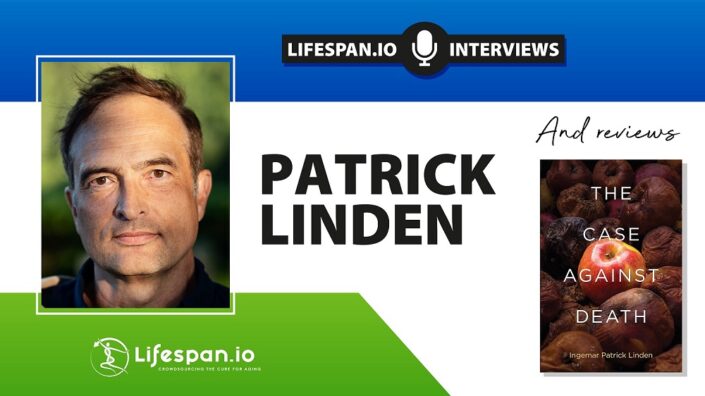
Patrick Linden’s Case Against Death

People come to the longevity field from all walks of life, bringing their unique expertise along. An activist engages in advocacy and fundraising. A physicist applies theories from a specific domain of knowledge. What happens when a philosopher joins in? Naturally, that person writes a book.

Patrick Ingemar Linden was born in Sweden but has spent a lot of time on the other side of the Atlantic. He got his PhD in philosophy from the City University of New York and proceeded to teach and research at NYU. At some point, he got interested in longevity and quickly bumped into all the usual objections to the self-evident (for us) idea that making people live longer and healthier is a good thing. So, Patrick sat down to dismantle those objections one by one and present arguments of his own. The result was the book “The Case Against Death”, which was published in 2022 by MIT Press.

The first question that came to my mind, maybe even before I began reading your book, just from looking at the cover, was “Why do we even need to argue that death is bad?” The fact that many people disagree with this simple statement baffles me.

I did have people make fun of me when I started writing it and explaining my ideas. They said, what’s your next title, “Kittens Are Cute”? But as you know, and as I show in the book, people out there are truly defending the status quo of aging and death. It’s real.

I agree, they started it. It’s not us who suddenly decided to argue the self-obvious – that death is bad, it’s them who try to argue that death is okay.

Yes, absolutely. And, if we dig deeper, this contradicts evolution itself (talking about “natural”). There’s an evolutionary story behind our morals, behind calling something “bad”. There must be some kind of overlap with what tends to kill us, or our tribe, or those close to us.

I would say that our moral evaluation is only explicable if we have a negative evaluation of death because otherwise, why do we value things that keep us alive? Ultimately, if you don’t care about dying, why do you care about having a safe home? Why do you care about food? Why care about anything? Why try to stay alive and wish for other people to stay alive?

What I’m saying is that if you don’t value death negatively, it’s a logically weird position. But people have come up with all kinds of tricks to defend this position, and this is what my book deals with.

The unwise view

Patrick says that he tried to make the book less academic and more suitable for a wider audience. While I think he succeeded, the book’s philosophical origins are unmistakable. It starts with describing what Patrick calls the “Wise View”: named so because “all the most important philosophers and teachers of mankind have taught that we should not fear death”.

The “Wise View” posits that death should be accepted humbly and honorably and even embraced. Fearing and loathing death, revolting against it is silly and ungainly. Death is the natural finale that crowns our earthly journey, and the question philosophy should mostly entertain is how to shape this journey in the most moral way possible.

This probably was the best humankind could come up with for most of its existence. Since acquiring consciousness, we began fearing death, and we needed to alleviate this fear in order to simply go on. However, the enormous strides that science has made have changed things. Conquering aging has become theoretically possible, and first steps in that direction have already been made. We might never be able to go the whole way, but we can do the best we can, prolonging human lifespan and eradicating diseases and suffering in the process. However, to mount a proper offensive on death, we need a lot of support.

This is where the “Wise View” barges in with its apology of death. “I call it the ‘Wise View’”, Patrick says, “because it is exactly what you expect every wise person to say. People don’t go to the wise person, the guru, and hear from them, ‘Be very afraid of dying.’”

Obviously, a lot of death-normalizing thinking comes from religion, but Patrick thinks it’s not even the worst kind. “Apologist thinking”, he says, “can be of the religious kind, and of the non-religious, or naturalist kind. In some sense, I have more sympathy for the religious kind because it says death is not what you think it is. Death is just a continuation of life. For me, that’s better because there’s at least an awareness that it would be bad if death was the end, which is exactly what I’m arguing. So, my main trouble is with scientific or secular-minded people who concede that life is finite but then come up with various justifications for the status quo of aging and death.”

Many intellectuals “have fallen into that trap of wanting to avoid a tragedy”, Patrick says, “because it’s a tragedy that we want to have more life, but we can’t. And then we tend to intellectualize, rationalize the situation.”

So, not dying is our sour grapes?

Yes, the sour grapes fallacy. We pretend that we don’t want it because until now, we haven’t been able to get it. People don’t believe that there’s hope, so they don’t allow themselves to have hope. This is why I had to sit down and write that book, which is so far, I think, the only full-length philosophical defense of the incredibly common-sensical idea that death is bad.

In his book, Patrick provides many examples of big names, such as Francis Fukuyama, offering what looks like nonsensical, bizarre, and inhumane apologies of death. Fukuyama, for instance, is quoted predicting multiple calamities that “population greying” will soon unleash on us and arguing that the government has the right to prevent people from living too long. Old people, according to Fukuyama, “just refuse to get out of the way”.

Leon Kass, a famous physicist and former chairman of the President’s Council on Bioethics, apparently called death “a blessing for every human individual, whether he knows it or not,” and complained that “the desire to prolong youthfulness [is] an expression of a childish and narcissistic wish incompatible with devotion to posterity.”

Process or project?

Patrick keenly captures this paradox of seemingly normal people, prominent intellectuals, engaging in logically and ethically dubious rhetoric when it comes to the question of aging and death. One of the fallacies he points to is the attempt to force a singular definition of “good life lived to a full extent” on everyone.

In this paradigm, life is a project, not unlike a video game, where you have to complete a sequence of stages. You grow up, make social connections, get an education, meet your future spouse, then have kids, a house, a career, and, finally, a well-earned retirement. After that, it’s goal achieved, mission accomplished, game over, you did good, now embrace your death. Yet, our idea of a “full life” is mostly shaped by our biology, i.e., by aging. To me, it’s a clear case of availability bias, when we confuse what’s available with what’s adequate or desirable.

Patrick, conversely, views life as a process rather than a project. For instance, he argues, we forge bonds of love or friendship not to complete this particular task, but to enjoy those relationships for as long as we can. We learn a foreign language so we can use it, not just to celebrate the accomplishment of having learnt it. Why would we ever get bored with that? Why would we ever be done exploring the world, reading books, listening to music, enjoying the company of other humans? If we get bored with our careers, what keeps us from starting anew – except, you guessed it, aging?

“The case against death”, Partick writes, “is, in brief, the following: It is bad to die because it robs a person of all the goods one would have enjoyed if one had continued to live. Among these goods are the mental skills, valued experiences, and personal relationships built up over the course of a life. Moreover, it is bad to die because it causes grief to those left behind.”

“It is not argued that there is anything intrinsically bad about the state of being dead (a corpse does not suffer),” the text goes. “The badness of death is explained in terms of what the dead person misses out on by not being alive. This is known as the deprivation account of the badness of death for the person who dies. The badness also follows from our liberal commitment to autonomy. Nothing is a greater infringement on our ability to do what we want than ceasing to exist. Death is a form of unfreedom.”

The indignity of aging

Apart from death itself, there’s also the undeniably excruciating and depressing process of aging that Patrick calls “an indignity”. In his book, he gives a soul-crushing account of his father being disabled by aging. “I once worked periodically in Swedish elder care and saw sadness and humiliation that I wish I had never seen,” he writes.

Interestingly, the idea of a perfectly lived life that leaves nothing to be desired is as much contradicted by our culture as it is supported by it. People have always lamented aging coming too soon, destroying our ability to enjoy, experience, and explore life. “We are on a cruel path when we gain knowledge of how to live as we lose our ability to live,” Patrick observes in his book.

Some people may still wish to die at some point, feeling they have exhausted life’s potential, but Patrick’s bet, which I agree with, is that much more often, people feel they don’t have enough time to do the things they love. Shouldn’t people be given a choice then? Why would Francis Fukuyama, or anyone else for that matter, decide for everyone what a “normal” and desirable lifespan is?

In the 21st century, more than two hundred years after the German philosopher Immanuel Kant’s death, many philosophical debates still converge on his famous ethical imperative. Patrick argues that expecting people “to get out of the way” to make room for new generations or avoid a climate catastrophe or an economic slowdown clearly violates Kant’s prohibition on treating humans as a means rather than an end.

I wonder why all those people who want to die at 80, which is their right, won’t leave me alone with my desire to live as long as possible? Why can’t they accept it? As you note in the book, in our liberal society, if people want something that doesn’t hurt other people, pursuing this has positive moral value.

Exactly. Liberalism at its heart is the enterprise of removing what we see as arbitrary constraints. And it’s surprising, as you point out, that people who see themselves as liberals don’t see that life extension is also emancipation, the removal of arbitrary constraints. It’s only through a very conservative or religious perspective that you could say that they’re not arbitrary. But sometimes, secular people replace God with Nature even though in other parts of their writing or thinking they don’t make this mistake.

Shouldn’t you be free to choose how long you want to live? It logically follows from their commitments as liberals, but they don’t see it because they’re in this as, Aubrey de Grey calls it ‘pro-death trance’ (and what I call the “Wise View”). It’s presented to us everywhere in stories and philosophy, and it’s normative.

I agree that it’s quite surprising to see bioethicists talking about this communal meaning of how long a human should live. It’s also very frightening because it’s exactly this kind of communal view of medicine that we got a really bad example of in World War II, where the doctors in Nazi Germany were primarily interested not in the well-being of the patient in front of them, but in the well-being of the nation.

I see the same principle when I look at people pointing at various imagined social problems that supposedly arise from people living longer. So, the solution, they say, must be that people die. They somehow become completely totalitarian in this particular area. It’s extreme communitarianism, where if you’re bad for the GDP, or something else, it’s better that you die.

Obviously, people are different. Some, if offered a much longer lifespan, would “procrastinate more, but some would just do more”. That’s fine! In our society, we embrace the vast variety of lifestyles, we don’t seek uniformity, and people are allowed to do as they please. Why would we then seek this uniformity in lifespan? One of Patrick’s most powerful, yet most self-evident, ideas is that additional lifespan is a gift no matter how people decide to use it. Hypothesizing that they will do this or that is, hence, both senseless and immoral. People will do with their extra years whatever they want to, and they shouldn’t be deprived of the opportunity to live those extra years.

Future problems will not be caused by life extension

After establishing that it’s not ethical to require people to succumb to death even to prevent social calamities, Patrick proceeds to argue that the prophecy of those calamities is far-fetched. Although this part is less philosophical and touches on much more material subjects, such as politics and economics, Patrick shines here too by offering original thoughts and new angles in the area I thought I knew like the back of my hand.

One of the most striking, yet most self-evident ideas is that population growth, the anti-longevity crowd’s favorite scarecrow, has almost everything to do with fertility and very little to do with longevity. Even if people will live infinitely longer than they do today, but will keep having around two children per woman, we will only see an initial bump in population numbers, when the first “immortal” cohort doesn’t die. There will be no overpopulation. But even if we are forced to start controlling population growth at some point in the future, wouldn’t it be infinitely more humane to prohibit people from having more than two or three children than letting them die?

Another compelling point is that considerable lifespan extension is not something we might see in the future, but, for now, can only hypothesize about. Life extension is already happening, big time! Developed countries and the world as a whole have seen life expectancy grow by decades. The population is already living much longer than was considered “natural” for most people in the past. We should already be experiencing the dire consequences of that, but are we?

Does a greying society necessarily become more conservative, less productive, more dysfunctional, overpopulated? Of course, not, Patrick says – just compare Japan or Germany, two of the “oldest” countries, to Afghanistan or Somalia, two of the “youngest.”

I think it was a brilliant idea on your part to consider our oldest societies. Our opponents constantly prophesy that longer-lived societies will become overpopulated, calcified, less productive, and otherwise dysfunctional. And then you say, you know what, why hypothesize? Let’s look at Japan. 

Yes, Japan is actually at risk of being underpopulated, and it hasn’t become a catastrophe of a society because people live so long in it. It looks better than most places in America. It’s still the world’s third biggest economy and one of the more innovative. Their demographic problem is that they’re not having enough children, not that they’re choking from overpopulation.

Reasons for optimism

Even if some consequences of life extension might be problematic, it is obviously not a reason to deprive people of the opportunity to live longer and healthier lives. However, as Patrick argues, those consequences we’re being threatened with are merely hypothetical at this point. They are not a done deal, far from it.

For instance, will life extension result in a slower rate of societal change and scientific progress? The data we have doesn’t seem to support it. People do not necessarily become more conservative, or less creative as they get older. Just like with overpopulation, Patrick writes, “if generational hegemony at the top turns out to be a serious concern, we could insist on a policy of generational diversity” instead of killing people.

“The aging of society has so far not hampered intellectual vigor and progress,” he continues. “Progress is not predicated on having a young population. Instead, it is predicated on having a functioning society and a commitment to freedom of inquiry and the scientific method… There has never been a greater proportion of old people, yet society has never changed as fast, not only technologically but also value-wise.”

Like me, Patrick is also a techno-optimist. He argues that anti-longevists tend to underappreciate the pace of humanity’s progress, which will eventually help to eradicate many of today’s problems and limitations. Yet again, this optimism is rooted in humanity’s recent history: just look at all the apocalyptic predictions that gave people nightmares half a century ago. Has the world become overcrowded? No. Hungry? No. Polluted to the point of unlivability? No.

Quite the opposite has happened: the air is cleaner today, the food supply more abundant, and yet we use almost the same amount of land to grow food as we did 60 years ago, due to advances in agriculture. Climate change presents a serious problem, but we will have to solve it soon, life extension or not. If we find ways to do it using technology, we will be fine. If not, keeping people from living longer will not help the situation. While we shouldn’t ignore possible problems, we shouldn’t blow them out of proportion either.

When longevity advocates are confronted with the argument that future life-prolonging treatments might not be available to everyone, they usually try to debunk it by pointing out that today, new treatments do become widely available soon after they’re out on the market, thanks to the prices declining as the demand and production capacity grow, and to the modern universal or near-universal healthcare systems.

It’s a strong point, but Patrick adds another one, which might put him in the hot water with the left-leaning part of the audience. He notes that here, too, the apologist view resorts to illiberalism. In our liberal society, we don’t deny people access to goods simply because not everyone can have them. “So much in life is not available to everyone who wants it, which is perhaps unfair,” Patrick writes, “but it is still much better that some have it than that no one has it.” That’s not to diminish the importance of making longevity interventions available to all, but rather to highlight the emotional, irrational, and self-contradictory nature of the anti-longevity lore.

Food for thought

Patrick’s book got me excited and intellectually engaged, and I might have made a couple of small contributions to the debate. First, I kept thinking about a particular problem that has long been on my mind, something I was unable to discard like I did most of the other anti-longevists’ arguments. What if after conquering aging, society will indeed become calcified in its views, ways, and hierarchies? What would happen, for instance, to scientific exploration? After all, as the famous saying goes, “science advances one funeral at a time.”

The book, as we have seen, offers some decent counterarguments, but I still wasn’t completely convinced. Then, I thought: what if people cling to their beliefs because they have too little time? Time, after all, is a limited resource. It’s hard to admit that your scientific theory is wrong when you have just wasted a large chunk of your life on it. But what if you had enough time to start over? Maybe if people lived longer, they would be more amenable to changing their minds.

My other thought, however, was less optimistic, and it concerned overpopulation. What if the advance of AI changes the equation by rendering many or even most humans irrelevant? When they have enough time on their hands, and no interesting, fulfilling projects in sight (because all the interesting stuff will be better done by AI), they might resort to bringing more children into the world. After all, raising children is one of those lifelong projects that give life meaning.

Such is the power of a good book: it makes you think. What I am sure of, though, is that none of those reservations is enough to dismiss Patrick’s splendidly presented case against death. After listening to the sides’ arguments and thorough deliberating, the jury of one person, me, has decided that death is guilty of hamstringing human desires and ambitions, and of causing immense suffering and grief, and thus must be wiped off the face of the earth. The gavel has fallen.

We would like to ask you a small favor. We are a non-profit foundation, and unlike some other organizations, we have no shareholders and no products to sell you. All our news and educational content is free for everyone to read, but it does mean that we rely on the help of people like you. Every contribution, no matter if it’s big or small, supports independent journalism and sustains our future.
Sound waves

Reversing Senescence in Cells Using Ultrasound

A new study claims that low-frequency ultrasound can reverse aspects of replicative and chemically induced senescence in vitro [1].

Not just chemicals

The age-related increase in senescent cell burden is thought to contribute to many processes of aging. Most of the attempts to deal with it involve senolytics: drugs that eliminate senescent cells.

However, it may be possible to re-educate them instead. Senomorphics are compounds that change senescent cells in a way that renders them benign, but they are much less common. The authors of this new pre-print study (it has not yet been peer-reviewed) claim to have found an even more impressive way to solve the senescent cell problem: by rejuvenating them with ultrasound.

Mechanical stimuli may go as far as chemical ones in restoring senescent cells. Connected to each other through the extracellular matrix, cells are constantly reacting to myriads of mechanical signals. Recently, it was found that cells can even be reprogrammed by culturing them on a surface with specific qualities [2].

The sound of rejuvenation

Interestingly, this new study started in a completely different direction. The same team had demonstrated several years earlier that low-frequency ultrasound (LFU) causes apoptosis (cellular death) in cancer cells. This time, the scientists tried to kill senescent cells in a similar way. Surprisingly, when subjected to LFU, senescent cells did the opposite: they started to move and reproduce again.

Cellular senescence is a notoriously heterogeneous phenomenon that looks different in various cell types and can be triggered by many stressors. To test the generality of the effect that they had discovered, the researchers applied LFU to cells in which senescence was induced by one of four compounds: doxorubicin, hydrogen peroxide, sodium butyrate, and bleomycin sulfate.

Most tests were done in bleomycin sulfate-treated cells. The researchers waited for 22 days after the treatment to make sure the cells were indeed senescent. By that time, all cell divisions ceased, and the cells’ migration was low. However, in 48 hours after LFU treatment, over 30% of cells underwent divisions, and cell migration grew twofold.

Scientists also documented the morphology and movement of the mitochondria in the cells, which is a good indicator of cellular health. In the senescent cells, mitochondria were often larger than usual and fused, which is abnormal. Following the treatment, the mitochondria grew smaller and considerably more agile.

The LFU treatment caused a dramatic decrease in several senescence markers. However, the researchers did not observe an increase in apoptosis, suggesting that LFU did not exert a senolytic effect. One of the common features of senescent cells is the senescence-associated secretory phenotype (SASP), a mix of molecules that senescent cells emit, causing inflammation and inducing senescence in neighboring cells. Following the treatment, levels of eight SASP components decreased significantly, including the pro-inflammatory molecules IL-6, TNF-α, IFN-γ, and VEGF. There was also a significant increase in the average telomere length in LFU-treated senescent fibroblasts.

The researchers were able to show that LFU increases autophagy: the process of removing intracellular junk. Adding rapamycin, which promotes autophagy by inhibiting the protein mTOR, amplified the effects of LFU. Interestingly, LFU alone also caused some inhibition of mTOR. Another longevity-related protein that apparently had a part in the process was sirtuin1. Inhibiting it largely blocked the LFU-induced rejuvenation of senescent cells.

Is it like exercise?

Probably the most common cause of senescence is replication. Most somatic cells stop replicating after a certain number of passages (divisions) and start exhibiting signs of senescence. This is what happened to control fibroblasts in this study, starting about passage 15. However, fibroblasts that were treated with LFU after each passage, simply continued to divide, maintaining a healthy growth rate until at least passage 24.

LFU Senescence

The scientists noted that LFU’s effect on cells has some similarities with that of exercise, another type of mechanistic influence. “We suggest that the effects of LFU mimic many of the effects of exercise at a cellular level with the added benefit that LFU can penetrate the human body to reach internal organs”, they wrote. Exercise has been shown to reduce cellular senescence [3], although its effects might be more of a chemical nature.

These studies show that senescent cells can be mechanically rejuvenated by LFU without transfection or other biochemical manipulations. The ultrasound pressure waves restore normal behavior irrespective of whether senescence is induced by chemical treatment or by repeated replication. There is no apoptosis with LFU and videos of senescent cells before and after LFU show a dramatic increase in cell motility as well as growth.

We would like to ask you a small favor. We are a non-profit foundation, and unlike some other organizations, we have no shareholders and no products to sell you. All our news and educational content is free for everyone to read, but it does mean that we rely on the help of people like you. Every contribution, no matter if it’s big or small, supports independent journalism and sustains our future.

Literature

[1] Kumar, S., Maroto, R., Powell, S., Margadant, F., Blair, B., Rasmussen, B. B., & Sheetz, M. (2022). Rejuvenating Senescent Cells and Organisms with Only Ultrasound. bioRxiv, 2022-12.

[2] Shou, Y., Teo, X. Y., Wu, K. Z., Bai, B., Kumar, A. R., Low, J., … & Tay, A. (2023). Dynamic Stimulations with Bioengineered Extracellular Matrix‐Mimicking Hydrogels for Mechano Cell Reprogramming and Therapy. Advanced Science, 2300670.

[3] Zhang, X., Englund, D. A., Aversa, Z., Jachim, S. K., White, T. A., & LeBrasseur, N. K. (2022). Exercise counters the age-related accumulation of senescent cells. Exercise and sport sciences reviews, 50(4), 213.

Brain model

Exhausted Microglia Accumulate in Alzheimer’s

A recent paper published in Immunity has described the accumulation of exhausted microglia in the brains of people who are vulnerable to Alzheimer’s, potentially spurring and worsening the disease.

Alzheimer's microglia

Proteostasis and inflammation

Alzheimer’s is characterized by amyloids, but these misfolded protein accumulations are not its only characteristic. Neuroinflammation, which is linked to helper cells called microglia, occurs as well [1]. Microglia play multifarious roles in Alzheimer’s, which can be helpful or harmful [2].

The well-known Apolipoprotein E (APOE) gene is also key to Alzheimer’s. APOE3 is the most common, people with APOE2 are far less likely to get Alzheimer’s, and people with APOE4 are far more likely to get it [3]. APOE also strongly affects immunity, including responses to cancer [4]. In this experiment, the researchers sought to determine if this immune response was part of why people with APOE4 are so much more likely to get Alzheimer’s disease.

A mouse model of APOE alleles

Mice don’t naturally get Alzheimer’s, so the researchers crossbred a common Alzheimer’s model mouse with various strains of mice that produce the three common human APOE alleles. These experiments were performed on cells derived from the mice when they were 96 weeks old, which is roughly equivalent to 80-year-old humans.

By using RNA sequencing to differentiate the populations of microglia, the researchers found a very specific subpopulation of terminally inflammatory microglia (TIMs), which were characterized both by their consistent expression of inflammation-related genes and their presence only in aged mice.

However, not all TIMs are created equal. The mice with APOE2 were heavy in “effector-hi” TIMs, and the mice with APOE4 were heavy in “effector-lo” TIMs. The “effector-lo” TIMs were far heavier in stress markers. All TIMs were inflammatory in nature, but the specific inflammatory factors they secreted were unusual for microglia, being rich in some and far less rich in others. “Effector-lo” and “effector-hi” TIMs also differed from one another in this respect.

Also pertains to people

With these murine results in hand, the researchers turned to RNA sequencing results derived from human brains and compared them. They found that TIM-related genes were enriched both in people with Alzheimer’s and in people who had the APOE4 allele but did not have the disease. These robust results were consistent across ten different sample sets, regardless of how the data was derived. Further analysis suggested that TIMs followed the same trends between people and Alzheimer’s-prone mice.

Looking closely at brains donated by people who had suffered from Alzheimer’s disease, the researchers found that APOE4 was correlated with increases both in TIMs and their proximity to gray matter. Additionally, more TIMs were found in regions with more amyloid-beta plaques.

They also found that TIMs, in general, are worse than normal microglia in dealing with amyloid-beta proteins. However, the researchers found that all effector-lo TIMs, which are more frequently found with APOE4, are worse at clearing this protein than normal microglia. They also found that the effector-lo TIMs with the APOE4 allele are uniquely poor at this task.

While this research is unlikely to lead directly to any new therapies, it does suggest targets and options for researchers interested in targeting various aspects of Alzheimer’s disease. If microglia in the TIM state can be targeted for removal or replaced with healthier microglia, it might represent a new front in fighting against this brain-destroying disease.

We would like to ask you a small favor. We are a non-profit foundation, and unlike some other organizations, we have no shareholders and no products to sell you. All our news and educational content is free for everyone to read, but it does mean that we rely on the help of people like you. Every contribution, no matter if it’s big or small, supports independent journalism and sustains our future.

Literature

[1] Hansen, D. V., Hanson, J. E., & Sheng, M. (2018). Microglia in Alzheimer’s disease. Journal of Cell Biology, 217(2), 459-472.

[2] St-Pierre, M. K., VanderZwaag, J., Loewen, S., & Tremblay, M. È. (2022). All roads lead to heterogeneity: The complex involvement of astrocytes and microglia in the pathogenesis of Alzheimer’s disease. Frontiers in Cellular Neuroscience, 16, 932572.

[3] Liu, C. C., Kanekiyo, T., Xu, H., & Bu, G. (2013). Apolipoprotein E and Alzheimer disease: risk, mechanisms and therapy. Nature Reviews Neurology, 9(2), 106-118.

[4] Ostendorf, B. N., Bilanovic, J., Adaku, N., Tafreshian, K. N., Tavora, B., Vaughan, R. D., & Tavazoie, S. F. (2020). Common germline variants of the human APOE gene modulate melanoma progression and survival. Nature medicine, 26(7), 1048-1053.

Chickens

Caloric Restriction Extends Reproductive Lifespan in Hens

According to a new study, prolonged severe caloric restriction in hens, known as “molting”, restores their egg-laying capacity, slows aging, and increases survival [1].

Lay fast, die young

The domestic hen is not the go-to animal model in aging studies, but perhaps it could offer new insights. A hen’s lifespan is about 6-8 years, which is relatively short for a bird its size. Artificial selection for reproduction may be to blame, since there seems to exist a tradeoff between reproductive capacity and longevity across the animal kingdom. However, this is not the reason why hens star in this new study published in GeroScience.

Hens are husbanded and selected for their egg-laying ability, which is nothing but impressive: an average hen lays an egg almost daily. However, as hens rapidly age, egg production begins to dwindle, until it drops below the level of commercial viability at around the age of two years.

Farmers have long practiced an unusual way to extend hens’ reproductive life: by severe, prolonged caloric restriction called “molting”. During molting, hens shed their feathers and lose about 30% of their body weight, but amazingly, their egg-laying capacity gets restored almost to peak levels. While this phenomenon has been a topic of agricultural research, this may be the first time it has been investigated in the context of aging.

Increased survival

The researchers raised a cohort of 64 hens and at the age of 21 months, randomly assigned them to two groups, one of which was fed ad libitum during the whole experiment, while the other was subjected to a ten-day molting and then to slow refeeding. As expected, molting was accompanied by feather shedding, weight loss, and complete cessation of egg-laying.

All these features were reverted following the refeeding, including the restoration of egg-laying capacity, which, in the control cohort, continued to dwindle. All 32 animals weathered the molting well, although three hens became sterile for unknown reasons, which did not affect the data analysis.

More importantly, molting seemed to profoundly affect survival. While the researchers did not follow the hens through their whole lifespan, by the age of 33 months, 34% of the control hens had died, while only 13% of the molted hens had done so. This is a statistically significant difference that suggests extended healthspan (compressed mortality) or lifespan. By that time, molted hens also weighed significantly more on average than the controls, possibly due to metabolic rejuvenation.

Slower metabolic aging

The researchers turned next to metabolism, developing an array of biomarkers to capture metabolic aging. It turned out that molted hens had experienced 25% slower metabolic aging. This is especially impressive considering that, despite randomization, baseline metabolic age at 21 months happened to be higher in the molting group. The researchers created a separate biomarker panel for reproductive aging, which was considerably slower in molted animals as well. Molting was also shown to slow down immune aging as measured by a panel of nine immuno-proteins.

Molting 1

The researchers also employed another interesting measure of aging: metabolic noise, or an increase in heterogeneity of various metabolic parameters in the population. This group had previously found metabolic noise to be a feature of aging in hens, humans, and mice [2]. Simply speaking, the older we get, the more metabolically diverse we become.

The researchers analyzed the noise of the entire metabolome in the molted group and in controls. Interestingly, molting reduced the heterogeneity of the metabolome: that is, metabolically, the hens became more alike. The same happened with the panel of biomarkers that represent laying capacity: in controls, its heterogeneity went up linearly, but it kept steady and even slightly declined in the molted population.

Molting 2

AKG as a common denominator

Since laying hens are a product of severe artificial selection, the researchers were concerned that their findings might not be relevant to other vertebrates. They, therefore, “looked for features that appear both as aging and reproductive biomarkers and were also consistent with molting slowing down aging and improving performance”.

In this analysis, α-ketoglutarate (AKG) stood out. This molecule has been on geroscientists’ radars for some time now since it extends lifespan in various animal models [3]. Pathway enrichment analysis revealed that all top aging and laying markers in hens were associated with AKG, suggesting similarity with other vertebrates.

While this study might not be immediately relevant to humans, it offers new insights into the rejuvenating potential of prolonged fasting. A lot of research has been done on various fasting regimens, but studies of this particular kind of caloric restriction are still sparse.

This study combined physiological assays, metabolic profiling, and cytokines arrays as a non-invasive methodology to quantify the systemic effect of molting on senesce and reproductive aging. Computational and machine learning schemes identified metabolic biomarkers that accurately and quantifiably predicted metabolic age and reproduction. Together, the molecular and physiological data indicated that molting systemically slowed down aging and even rejuvenated the hens. Furthermore, the aging biomarkers revealed metabolic changes in the molted cohort that are associated with the general process of aging, rather than the specific process of molting in hens.

We would like to ask you a small favor. We are a non-profit foundation, and unlike some other organizations, we have no shareholders and no products to sell you. All our news and educational content is free for everyone to read, but it does mean that we rely on the help of people like you. Every contribution, no matter if it’s big or small, supports independent journalism and sustains our future.

Literature

[1] Levkovich, G., Bendikov-Bar, I., Malitsky, S., Itkin, M., Rusal, M., Lokshtanov, D., … & Sagi, D. (2023). Reduction in metabolic noise reveals rejuvenation following transient severe caloric restriction. GeroScience, 1-16.

[2] Bendikov-Bar, I., Malitsky, S., Itkin, M., Rusal, M., & Sagi, D. (2021). Metabolomic changes are predictive of aging in laying hens. The Journals of Gerontology: Series A, 76(10), 1757-1768.

[3] Shahmirzadi, A. A., Edgar, D., Liao, C. Y., Hsu, Y. M., Lucanic, M., Shahmirzadi, A. A., … & Lithgow, G. J. (2020). Alpha-ketoglutarate, an endogenous metabolite, extends lifespan and compresses morbidity in aging mice. Cell metabolism, 32(3), 447-456.

Chitosan

Chitosan Treatment Reduces Ovarian Senescence in Mice

Recent research published in Immunity and Ageing suggests that chitosan can be used as a potential treatment to alleviate some of the aging processes in ovaries [1].

Quickly declining fertility

Mother Nature has imposed some tough challenges on human females. They need to make the decision about motherhood sooner rather than later, as research has demonstrated that fertility declines in the early thirties and that this is accompanied by an increased likelihood of miscarriage and pregnancy complications [2].

This rapid decline in female fertility has been a subject of extensive research. However, much of this research has focused primarily on oocyte aging, while the processes involved in the aging of the ovarian microenvironment have gone understudied.

The ovarian microenvironment is essential for such processes as oocyte maturation. The follicle is the sac that contains immature eggs, and its local immune system plays a role in its development and facilitates ovulation [3-5].

Macrophages are essential components of the immune system, and they are an essential part of inflammation and phagocytosis, ”a process of ingesting a variety of cellular substrates, mainly bacteria and cellular debris” [6].

The aging oocyte

The researchers started by comparing two female systems: “reproductive system, represented by the ovary and uterus, and the digestive system, represented by the liver.” They collected those organs from mice at 3 months, 6 months, and 9 months of age. The researchers chose such an age range as it is comparable to 20- to 37-year-old women.

Unsurprisingly, they observed increased senescence markers in the ovaries at earlier stages than in the liver and uterus. Ovarian aging was also observed in diminishing numbers of primordial follicle structures that contain immature eggs. While 3-month-old mice have vast reserves, by 6 months, those reserves had already decreased by 50% and declined further at 9 months. Additionally, the researchers observed the infiltration of inflammatory cells in an ovary from the 9-month-old mice.

The increase of inflammation in the aging ovary was also confirmed by measuring several inflammatory genes in the ovaries, which were found to increase with age. The authors also used human granulosa cells, which reside inside ovaries and regulate ovarian functions, for further testing. They used hydrogen peroxide to induce aging in those cells.

In aged cells, the researchers observed increased senescence-associated secretory phenotype (SASP) factors and high levels of ROS production which indicate oxidative stress. They linked oxidative stress to mitochondrial dysfunction in those cells, as the average mitochondrial membrane potential (MMP) was lower in the aged cells.

The immune system’s impact

Aged cells were found to be more likely to be committed to programmed cell death (apoptotic cells) compared to the control group. It is essential for such cells to be cleared, as the molecules they produce can lead to significant changes in the cellular environment. The immune system plays an important role in such a clearing process; therefore, these researchers analyzed some of its components.

Macrophages can be used as an inflammatory biomarker, as they can be classified into two groups: pro-inflammatory (M1) and anti-inflammatory (M2) [6]. In tissues obtained from 9-month-old mice, the authors observed elevated levels of M1 and reduced levels of M2 compared to 3-month-old mice.

To investigate the impact of those macrophage-related changes, the authors employed gene ontology analysis of previously used tissues from 3- and 9-month-old mice. They also analyzed aged macrophages in vitro, human monocytic and granulosa cell lines, follicular fluids from patients with diminished ovarian reserve (DOR), and single-cell transcriptome data of ovaries from young and old monkeys.

In total, their gathered evidence suggested that “the aged ovary exhibited impaired macrophage phagocytosis, likely influenced by aging granulosa cells”.

Delaying ovarian aging with chitosan

Armed with a better molecular understanding of ovarian senescence, the researchers tested chitosan, a polysaccharide derivative of chitin, since previous research implicated chito-oligosaccharides in enhancing the phagocytic function of macrophages [7].

While high-molecular-weight chitosan was implicated in anti-inflammatory processes and macrophage functions [8], low-molecular-weight chitosan’s role impact on ovarian macrophages was still unexplored.

Administration of low-molecular-weight chitosan resulted in significant changes in gene expression profiles, which resulted in macrophages showing M1 and M2 characteristics simultaneously.

The researchers explain that this dual function can be beneficial in such a dynamic organ as the ovaries. The pro-inflammatory response might be necessary for clearing damaged cells and pathogens. Anti-inflammatory functions might be required for tissue recovery.

Additionally, in vivo experiments suggested that treatment with low-molecular-weight chitosan can help with senescent cell clearance, increase the number of growing follicles, and impact sex hormones.

The need for effective treatment

These scientists believe that researching the ovarian aging process is particularly important due to the global trend of delayed childbearing, which results in decreased fertility [2]. They hope that with time, research will be able to propose some interventions and therapeutic strategies to help preserve women’s fertility.

The authors summarize:

In conclusion, we elucidated advanced reproductive age appears to be associated with impaired macrophage phagocytic function and aging GCs, indicating a positive correlation between macrophage phagocytic dysfunction and DOR during ovarian aging. LMWC can enhance macrophage phagocytosis and further alleviate ovarian aging.

We would like to ask you a small favor. We are a non-profit foundation, and unlike some other organizations, we have no shareholders and no products to sell you. All our news and educational content is free for everyone to read, but it does mean that we rely on the help of people like you. Every contribution, no matter if it’s big or small, supports independent journalism and sustains our future.

Literature

[1] Shen, H. H., Zhang, X. Y., Liu, N., Zhang, Y. Y., Wu, H. H., Xie, F., Wang, W. J., & Li, M. Q. (2024). Chitosan alleviates ovarian aging by enhancing macrophage phagocyte-mediated tissue homeostasis. Immunity & ageing : I & A, 21(1), 10.

[2] Weghofer, A., Barad, D., Li, J., & Gleicher, N. (2007). Aneuploidy rates in embryos from women with prematurely declining ovarian function: a pilot study. Fertility and sterility, 88(1), 90–94.

[3] Shirasuna, K., Shimizu, T., Matsui, M., & Miyamoto, A. (2013). Emerging roles of immune cells in luteal angiogenesis. Reproduction, fertility, and development, 25(2), 351–361.

[4] Duffy, D. M., Ko, C., Jo, M., Brannstrom, M., & Curry, T. E. (2019). Ovulation: Parallels With Inflammatory Processes. Endocrine reviews, 40(2), 369–416.

[5] Wu, R., Van der Hoek, K. H., Ryan, N. K., Norman, R. J., & Robker, R. L. (2004). Macrophage contributions to ovarian function. Human reproduction update, 10(2), 119–133.

[6] Yunna, C., Mengru, H., Lei, W., & Weidong, C. (2020). Macrophage M1/M2 polarization. European journal of pharmacology, 877, 173090.

[7] Zheng, K., Hong, W., Ye, H., Zhou, Z., Ling, S., Li, Y., Dai, Y., Zhong, Z., Yang, Z., & Zheng, Y. (2023). Chito-oligosaccharides and macrophages have synergistic effects on improving ovarian stem cells function by regulating inflammatory factors. Journal of ovarian research, 16(1), 76.

[8] Oliveira, M. I., Santos, S. G., Oliveira, M. J., Torres, A. L., & Barbosa, M. A. (2012). Chitosan drives anti-inflammatory macrophage polarisation and pro-inflammatory dendritic cell stimulation. European cells & materials, 24, 136–153.

Cancer cell

New Combination Therapy Eradicates Cancer in Mice

Scientists have discovered a mechanism that lets senescent tumor cells undermine chemotherapy. With this mechanism blocked, standard chemotherapy led to complete regression of mammary tumors in mice [1].

Senescent yet still dangerous

Chemotherapy and radiation therapy, still the two most common treatments for solid tumors, subject cells to powerful stress as they are designed to do. This stress drives cellular senescence. Since senescent cells stop proliferating, inducing senescence in cancer cells is considered a desirable outcome. However, this is not the end of the story.

Despite not being able to proliferate, senescent cancer cells are still capable of obstructing efforts to eradicate the cancer completely. First, they secrete the senescence-associated secretory phenotype (SASP), a complex mixture of various molecules, some of which interfere with anti-cancer immune responses. Second, they express PD-L1, a surface protein that tricks immune cells into thinking they’ve encountered a bunch of normal, law-abiding cells rather than a malignant tumor. A new study published in Nature Cancer, with a list of authors that includes the prominent geroscientists Manuel Cerrano and James Kirkland, uncovered yet another such mechanism.

Senescent cancer cells express PD-L2

To investigate the behavior of senescent cancer cells, the researchers induced senescence in human melanoma cells via chemotherapy. Their interest was then triggered by the notable senescent cell upregulation of PD-L2, another molecule that, just like PD-L1, binds to the checkpoint protein PD-1 on the surface of immune cells, dampening their cytotoxic response. While PD-L1 is more well-known in the context of immunotherapy, since it is expressed abundantly in tumors, it’s the rarer PD-L2 that binds PD-1 several times more potently. The researchers observed similar senescence-related PD-L2 upregulation in several other cancer cell lines, including pancreatic adenocarcinoma and osteosarcoma.

To investigate this intriguing phenomenon further, the researchers created mouse pancreatic cancer cells with PD-L2 knocked out using CRISPR. Immunocompetent mice were injected with either those PD-L2 KO cells or wild-type pancreatic cancer cells. Then, both groups of mice were subjected to chemotherapy with doxorubicin, which controlled the growth of PD-L2 KO tumors much better, increasing survival.

Was this discrepancy in response to chemotherapy due to a difference in immune reaction? When the same two types of cancerous cells were injected into immunocompromised mice that lacked T cells, no differences in tumor growth either before or after chemotherapy were recorded. Clearly, the adaptive immune system was responsible for the better outcome in PD-L2 KO mice, specifically, CD8+ T cells, as the researchers were able to show. Those cells are cytotoxic: that is, they directly kill unwanted cells, as opposed to “helper” T cells which orchestrate the immune response while staying away from the front lines.

Stripping protection from senescent tumor cells

Knocking out PD-L2 worked by neutralizing one of the many tricks used by cancer cells. Tumors produce signaling molecules that attract myeloid cells, which are immune cells that originate in bone marrow, such as macrophages and dendritic cells. Once recruited to the tumor, myeloid cells often undergo functional changes due to the local tumor environment [2]. For instance, tumor-associated macrophages can switch to a phenotype that promotes tumor growth.

The researchers observed increased recruitment following chemotherapy of some myeloid cells in wild-type tumors, but not in PD-L2 KO tumors. Depletion of CD8+ T cells restored myeloid cell recruitment in PD-L2 KO mice. According to the researchers, when senescent tumor cells are protected from CD8+ T cells by PD-L2, they successfully recruit myeloid cells, which impair the anti-tumor immune response. Without PD-L2, T cells quickly eliminate the senescent cells, preventing myeloid cell recruitment and improving the results of chemotherapy.

Capitalizing on this insight, the researchers tested a combination therapy in a mouse model of breast cancer. Individually, chemotherapy or PD-L2-blocking antibodies had only mild effects on tumor growth, but combined, they led to complete tumor regression in all animals. These results are supported by previous research that has shown the synergistic effect of senolytics and chemotherapy [3], and they might soon lead to the creation of new, more effective anti-cancer treatments.

Combination therapy

In this study, we demonstrate that senescence-inducing therapies used in the clinic result in the upregulation of PD-L2 in cancer cells. While the expression of PD-L2 is not necessary for senescence induction or for the secretory phenotype of senescent cells, it critically contributes to the immune evasion of cancer senescent cells in tumors after therapy in vivo. Intratumoral senescent cancer cells do not proliferate but, as we report in this study, favor cancer regrowth after therapy thanks to their immunosuppressive effects.

We would like to ask you a small favor. We are a non-profit foundation, and unlike some other organizations, we have no shareholders and no products to sell you. All our news and educational content is free for everyone to read, but it does mean that we rely on the help of people like you. Every contribution, no matter if it’s big or small, supports independent journalism and sustains our future.

Literature

[1] Chaib, S., López-Domínguez, J. A., Lalinde-Gutiérrez, M., Prats, N., Marin, I., Boix, O., … & Serrano, M. (2024). The efficacy of chemotherapy is limited by intratumoral senescent cells expressing PD-L2. Nature Cancer, 1-15.

[2] Schouppe, E., De Baetselier, P., Van Ginderachter, J. A., & Sarukhan, A. (2012). Instruction of myeloid cells by the tumor microenvironment: open questions on the dynamics and plasticity of different tumor-associated myeloid cell populations. Oncoimmunology, 1(7), 1135-1145.

[3] Wang, L., Lankhorst, L., & Bernards, R. (2022). Exploiting senescence for the treatment of cancer. Nature Reviews Cancer, 22(6), 340-355.