The Blog

Building a Future Free of Age-Related Disease

Medical robot

Google’s Chatbot Does Medical Interviews Better than Humans

Scientists at Google have created an AI chatbot for conducting medical interviews. It matched or surpassed human primary care practitioners on most criteria, including accuracy, politeness, and empathy [1].

AI, MD

Before doctors begin treating, they do a lot of talking. The initial conversation with the patient is extremely important, as it can lead to a correct or incorrect diagnosis. But today, where there is talking, there is AI. Can a chatbot based on a large language model replace primary care practitioners as a gateway for patients and serve them just as faithfully?

Last year, we reported on an attempt to do just that. That study, where AI clearly outperformed human health practitioners, had many limitations: for instance, the model was not specifically trained to provide medical advice, and it was pitched against Reddit threads where questions were answered by human practitioners. In addition, in the few months since that paper was published, large language models have made great strides.

This time, the challenge was picked up by a heavyweight: Google itself. A team of researchers from Google Research and Google DeepMind published a pre-print paper (meaning that it has not been peer-reviewed yet) that describes a dedicated chatbot for conducting medical interviews. The idea was to create a system that “would understand clinical language, intelligently acquire information under uncertainty, and engage in natural, diagnostically useful medical conversations with patients and those who care for them”. The chatbot was then pitched against board-certified primary care physicians, and… you can probably guess what happened.

Empathetic as only a machine can be?

The system is called Articulated Medical Intelligence Explorer (AMIE), and first, it had to be trained. Choosing proper datasets was a challenge in itself, and the researchers ended up using a variety of sources, such as summaries and transcripts of audio recordings from real-world medical visits. AMIE was then fine-tuned using input from AI and humans. Among other things, it mastered the art of diagnostic dialogue by impersonating all three agents involved: the patient, the doctor, and the moderator, who monitors the exchange and provides feedback. Over many iterations, it learned from its own mistakes and kept improving.

Then, the experiment commenced. One of its limitations was that it did not employ real patients but rather actors who interacted with AMIE in accordance with the scenarios they were given. Their interlocutor was either AMIE or a certified primary care physician (PCP), chosen in a blinded, randomized way. The conversations were then assessed by the simulated patient and a human physician who had no connection to the physician who had answered the questions.

At the end of the day, AMIE outperformed the human physicians in 24 out of 26 categories. It matched them in acquiring information but then prevailed on metrics such as differential diagnoses, which were more accurate and complete than those provided by PCPs. Just like in the aforementioned earlier study, AMIE particularly excelled in empathy and communication skills. It was characterized as more polite, honest, and trustworthy on average than PCPs by both the simulated patients and the human moderators.

AI Outperforms Doctors

The machine is not necessarily better

The researchers note that PCPs are usually not trained in conversing with the patient via a text-based chat, which might have affected their performance. They cannot be expected to match AI’s speed, consistency, patience, and tirelessness. A face-to-face visit or even a telehealth chat might still hold many advantages in some settings. However, an online chat could be the only option available for many people, especially in poorer countries and communities, which makes AMIE a big step towards democratizing healthcare.

“To our knowledge, this is the first time that a conversational AI system has ever been designed optimally for diagnostic dialogue and taking the clinical history,” Alan Karthikesalingam, a research scientist at Google Health and the study’s co-author, said to Nature, adding that the results should be interpreted with caution and humility. “This in no way means that a language model is better than doctors in taking clinical history,” Karthikesalingam noted.

In this study, we introduced AMIE, an LLM based AI system optimised for clinical dialogue with diagnostic reasoning capabilities. We compared AMIE consultations to those performed by PCPs using a randomized, double-blind crossover study with human simulated patients in the style of an Objective Structured Clinical Examination (OSCE). Notably, our study was not designed to be representative of clinical conventions either for traditional OSCE evaluations, for remote- or tele-medical consultation practices, or for the ways clinicians usually use text and chat messaging to communicate with patients. Our evaluation instead mirrored the most common way by which people interact with LLMs today, leveraging a potentially scalable and familiar mechanism for AI systems to engage in remote diagnostic dialogue. In this setting, we observed that AMIE, an AI system optimised specifically for the task, outperformed PCPs on simulated diagnostic conversations when evaluated along multiple clinically-meaningful axes of consultation quality.

We would like to ask you a small favor. We are a non-profit foundation, and unlike some other organizations, we have no shareholders and no products to sell you. All our news and educational content is free for everyone to read, but it does mean that we rely on the help of people like you. Every contribution, no matter if it’s big or small, supports independent journalism and sustains our future.

Literature

[1] Tu, T., Palepu, A., Schaekermann, M., Saab, K., Freyberg, J., Tanno, R., … & Natarajan, V. (2024). Towards Conversational Diagnostic AI. arXiv preprint arXiv:2401.05654.

The Journal Club is a monthly livestream hosted by Dr. Oliver Medvedik which covers the latest aging research papers.

Journal Club Episode 1 – 2024

The Journal Club, hosted by Dr. Oliver Medvedik, returns on February 2nd at 12:00 Eastern time on the lifespan.io Facebook page. This time, we will be exploring The Information Theory of Aging, a new paper that includes Dr. David Sinclair among its authors. We will taking a deep dive into this more recent aging theory, which explains aging as a loss of information that leads to old age, ill health, and ultimately death. There are researchers working on solutions to this loss of information; join us as we review this paper and see how it stacks up against other popular theories.

Abstract

Information storage and retrieval is essential for all life. In biology, information is primarily stored in two distinct ways: the genome, comprising nucleic acids, acts as a foundational blueprint and the epigenome, consisting of chemical modifications to DNA and histone proteins, regulates gene expression patterns and endows cells with specific identities and functions. Unlike the stable, digital nature of genetic information, epigenetic information is stored in a digital-analog format, susceptible to alterations induced by diverse environmental signals and cellular damage. The Information Theory of Aging (ITOA) states that the aging process is driven by the progressive loss of youthful epigenetic information, the retrieval of which via epigenetic reprogramming can improve the function of damaged and aged tissues by catalyzing age reversal.

Join us for the livestream

As a Lifespan Hero, you can join us live on the call and take part in the discussion using the information below:

Join the call

Meeting ID: 363 086 8433

Passcode: 049746

Kizoo Founders

Kizoo Leads Financing Round in Reservoir Neuroscience

Reservoir Neuroscience announced today the completion of a $4M financing round to support its development of new therapies for neurodegenerative diseases. Reservoir will use the funds to develop its novel class of drug compounds designed to restore health to the brain’s blood vessels in order to rejuvenate the aging brain. The round was led by Kizoo Technology Capital, a leading rejuvenation biotech investor focused on startups reversing aging-related damage on a cellular and molecular level, with additional participation from previous investors R42 Fund and Healthspan Ventures.

Reservoir’s unique approach to neurodegeneration was developed by co-founders Aaron Friedman and Vlad Senatorov, PhD neuroscientists from UC Berkeley who focus on understanding how aging blood vessels affect brain health. The company aims to develop the first drug that specifically targets vascular disease as a new way to restore brain health during natural aging and in aging-related disease. Emerging research has shown that a majority of the aging population develops vascular decline as early as middle age, making vascular pathology one of the first and most prevalent signs of brain disease. Using an innovative organ-on-chip technology to grow human blood vessels and study vascular aging, Reservoir discovered and developed a first-in-kind compound that reverses disease in blood vessels and repairs the damaged blood-brain barrier. Reservoir’s therapeutic strategy seeks to restore health to blood vessels in order to reverse degenerative damage that spreads from the blood vessels to the brain.

“By treating the underlying vascular problems that most patients inevitably develop through aging, we are addressing the single greatest risk factor for developing neurodegenerative disease. We believe this approach to rejuvenating the aging brain will be effective not only as a single therapy, but also has broader potential for brain health and systemic benefits in a wide variety of aging-related diseases”, says Dr. Friedman, CEO of Reservoir Neuroscience.

“We believe that Reservoir’s novel approach to restoring the health of the brain’s blood vessels, while also repairing the blood-brain barrier, has the potential to address the root cause of several neurological pathologies,” says Patrick Burgermeister, partner of Kizoo Technology Capital and new board member of Reservoir Neuroscience.

About Reservoir Neuroscience

Reservoir Neuroscience is an early-stage, San Fransisco Bay Area venture-backed biotech advancing a novel therapy to reverse brain vascular pathology in aging and neurodegenerative diseases. In these critically unmet diseases, the brain’s blood vessels become damaged and dysfunctional causing inflammation that drives disease outcomes. This vascular pathology is the earliest biomarker of neurodegeneration and defines the largest patient segment, yet has never been treated.

Reservoir Neuroscience is led by co-founders Aaron Friedman and Vlad Senatorov, PhD neuroscientists from UC Berkeley who pioneered new research uncovering how blood vessel aging causes brain disease. Reservoir Neuroscience developed a proprietary human organ chip platform to discover novel, class-leading compounds that restore brain vascular health, offering a first-in-kind approach to reverse vascular pathology and neuroinflammation.

For more information, please visit: reservoirneuro.com

About Kizoo

Kizoo provides seed and follow-on financing with a focus on rejuvenation biotech. Having been entrepreneurs, VC, and mentors in both high-growth tech and biotech companies ourselves for many years with multiple exits and massive value created for the founders, Kizoo now brings this experience to the emerging field of rejuvenation biotech. We see it as a young industry that will eventually outgrow today’s largest technology markets.

As part of Michael Greve’s Forever Healthy Group, Kizoo directly supports the creation of startups turning research on the root causes of aging into therapies and services for human application. Investments include Cellvie, Cyclarity, Revel Pharmaceuticals, Elastrin Therapeutics, MoglingBio, and others.

For more information, please visit: kizoo.com

Metabolic syndrome diagnosis

A Marker of Insulin Resistance Predicts Kidney Disease

A recent study published in GeroScience has investigated whether or not a common index of metabolic syndrome can be applied to chronic kidney disease (CKD).

A common metric of diabetes

The triglyceride-glucose (TyG) index, which is calculated from fasting triglyceride and glucose, is used as a surrogate for insulin resistance [1], a key characteristic of Type 2 diabetes. This index is closely connected to metabolic conditions, including metabolic syndrome [2] and even potentially deadly cardiovascular disease [3].

Previous work has also found that insulin resistance is related to CKD [4], and prior studies have investigated the relationship between TyG and CKD; however, most of those studies were either cross-sectional or conducted only on people with diagnosed diabetes or hypertension.

Using a long-term cohort

This study’s authors wanted to focus on average TyG over time rather than on baseline measurements of TyG. To that end, they used data from a cohort study consisting of Finnish men who were originally examined in the 1980s and re-examined 4, 11, and 20 years later. Ultimately, a total of 2,382 men were re-examined yet again in this study, determining how their TyG over time was related to CKD.

The researchers considered as many relevant factors as was feasible in their analysis, including socioeconomic status, documented diagnoses of CKD, coronary heart disease (CHD), alcohol intake, exercise, and multiple biomarkers such as lipoproteins. TyG, unsurprisingly, was found to be correlated with many of these comorbidities, including type 2 diabetes, heart disease, and hypertension.

Its relationship with CKD was very strong and nonlinear. While moderate amounts of TyG were not strongly linked with CKD, the risk of CKD rose substantially with higher amounts.

TyG CKD Index

These results remained strong whether or not most of the confounding variables were introduced into the analysis. Organizing the participants into tertiles, only the third with the most TyG were determined to have an elevated risk. These results became less clear when body mass index (BMI) was introduced; however, the authors hold that BMI is a mediator of TyG’s effects on CKD and, as such, should not be treated as a confounder.

What’s causing this?

While this is a population-based study that was only conducted on older Finnish men, and causality could not be proven (and there is a possibility of reverse causality), the researchers suggest that there are deeply fundamental, biological reasons behind the relationship between TyG and CKD. They hold that insulin resistance is prime among them, as it leads to problems with lipid metabolism, which is then linked to inflammatory stresses that are known risk factors for CKD [5]. Insulin resistance has also been linked to dilation of the blood vessels in the kidneys, which is also a risk factor [6].

As such, it seems clear that successfully fighting the prime causes behind diabetes is very likely to ameliorate multiple downstream disorders, of which CKD appears to be one.

We would like to ask you a small favor. We are a non-profit foundation, and unlike some other organizations, we have no shareholders and no products to sell you. All our news and educational content is free for everyone to read, but it does mean that we rely on the help of people like you. Every contribution, no matter if it’s big or small, supports independent journalism and sustains our future.

Literature

[1] Guerrero-Romero, F., Simental-Mendi´a, L. E., Gonza´lez-Ortiz, M., Marti´nez-Abundis, E., Ramos-Zavala, M. G., Herna´ndez-Gonza´lez, S. O., … & Rodri´guez-Mora´n, M. (2010). The product of triglycerides and glucose, a simple measure of insulin sensitivity. Comparison with the euglycemic-hyperinsulinemic clamp. The Journal of Clinical Endocrinology & Metabolism, 95(7), 3347-3351.

[2] Son, D. H., Lee, H. S., Lee, Y. J., Lee, J. H., & Han, J. H. (2022). Comparison of triglyceride-glucose index and HOMA-IR for predicting prevalence and incidence of metabolic syndrome. Nutrition, Metabolism and Cardiovascular Diseases, 32(3), 596-604.

[3] Lopez-Jaramillo, P., Gomez-Arbelaez, D., Martinez-Bello, D., Abat, M. E. M., Alhabib, K. F., Avezum, Á., … & Yusuf, S. (2023). Association of the triglyceride glucose index as a measure of insulin resistance with mortality and cardiovascular disease in populations from five continents (PURE study): a prospective cohort study. The Lancet Healthy Longevity, 4(1), e23-e33.

[4] Kobayashi, S., Maesato, K., Moriya, H., Ohtake, T., & Ikeda, T. (2005). Insulin resistance in patients with chronic kidney disease. American Journal of Kidney Diseases, 45(2), 275-280.

[5] Rapa, S. F., Di Iorio, B. R., Campiglia, P., Heidland, A., & Marzocco, S. (2019). Inflammation and oxidative stress in chronic kidney disease—potential therapeutic role of minerals, vitamins and plant-derived metabolites. International journal of molecular sciences, 21(1), 263.

[6] Perlstein, T. S., Gerhard-Herman, M., Hollenberg, N. K., Williams, G. H., & Thomas, A. (2007). Insulin induces renal vasodilation, increases plasma renin activity, and sensitizes the renal vasculature to angiotensin receptor blockade in healthy subjects. Journal of the American Society of Nephrology, 18(3), 944-951.

Dumbbell and pills

Combining Common Anti-Aging Interventions and Exercise

A review recently published in BMC Biology suggests that taking gerotherapeutics while exercising doesn’t have advantages over separate treatments [1].

Are two approaches better than one?

Exercise is a well-established intervention that ameliorates several aspects of aging. Similarly, other research suggests that certain drugs, known as gerotherapeutics, target biological processes in a way that benefits healthspan and lifespan [2-4].

It is easy to assume that combining these two independent approaches will lead to further health improvements and lifespan extension than each would alone. However, the authors of this recent review took a look through the literature to determine if that is actually the case.

Combining rapamycin and exercise

Rapamycin probably doesn’t need much introduction for people interested in aging and lifespan extension. It inhibits mTOR, a key modulator of cellular and metabolic processes, and this inhibition extends the lifespan of multiple model animals [5].

Rapamycin and its analog, everolimus, are FDA approved for the treatment of kidney transplants and some cancers. However, its prolonged use leads to numerous side effects [6]. Despite mTOR’s involvement in many biological processes, combining exercise with mTOR inhibition by rapamycin treatment has yet to be researched.

Existing studies suggest that muscle growth might be related to the signaling of mTORC1, one of the complexes in which mTOR exists in the cells [7]. Research both in rodents and humans showed a reduction in “the acute increase in mixed-muscle protein synthesis” when rapamycin was used to inhibit mTORC1. Rodent research also shows reduced muscle growth in rat resistance exercise models [8-10].

Currently, a clinical trial is underway to assess the impact of rapamycin on muscle size and strength in middle-aged to older males, but it is not yet complete.

The researchers summarized that based on current knowledge, combining exercise and long-term rapamycin might not be beneficial to promote muscle mass and glucose tolerance. Conversely, it can lead to negative side effects.

However, they see potential in rapamycin use through overcoming its contradictory effects on different mTOR complexes. In organisms, mTOR exists in two complexes, mTORC1 and mTORC2. Studies on animals suggest that inhibition of mTORC1 is geroprotective. However, at the same time, rapamycin can also inhibit mTORC2, which leads to negative metabolic effects.

The researchers hypothesize that future research might be able to define how to reap the benefits of rapamycin’s impact on mTORC1 while minimizing the side effects it has on mTORC2 inhibition and identify which populations can benefit the most from such interventions.

Other gerotherapeutics

Another gerotherapeutic is metformin, which is commonly given to treat type 2 diabetes. The side effects, while minimal, include vitamin B12 deficiency and gastrointestinal discomfort [11]. Metformin impacts many biological processes, including molecular pathways that are dysregulated in aging, leading to lifespan extension in model organisms [12].

The researchers advise caution when using metformin as a geroprotective drug since the data regarding its impact on humans comes “from preclinical models, patient populations, or those with hyperglycemia, and there is a paucity of data from people with normoglycemia and/or do not have an overt chronic disease” [13]. It is worth waiting for the results of a currently ongoing clinical trial with disease-free participants to determine which populations could potentially benefit from metformin [14].

Currently available data on people without type 2 diabetes suggest that metformin reduces some of the health benefits of exercise: it “inhibits the improvement in cardiovascular risk factors, insulin sensitivity, CRF, and skeletal muscle size, strength, and power” [15-23]. The mechanisms of those effects are not well understood.

The authors note that current studies used metformin in clinically relevant doses. They suggest that testing different doses and regimens might yield different results, possibly more favorable ones.

Alternatively, SGLT2 inhibitors, such as empagliflozin, canagliflozin, and dapagliflozin, can be used as metformin alternatives to lower glucose. While there is a wide amount of data in prediabetic and diabetic populations regarding the effectiveness of SGLT2 inhibitors in glucose regulation and its beneficial effects on the cardiovascular system and weight loss, there is a scarcity of data regarding combining SGLT2 inhibitors and exercise.

The existing data is not very encouraging. One experiment in overweight and obese men and women without diabetes showed that combining dapagliflozin with exercise increased baseline fasting blood glucose and led to reduced improvements in insulin sensitivity following the exercise [24].

The least researched geroprotector and exercise combination involves acarbose, another compound that plays a role in glucose metabolism. The few studies on rodents and diabetic patients show potential in acarbose and exercise combination. However, its effects on healthspan and lifespan in non-patient populations are unknown.

Exercise and geroprotectors

Scarce research, but with potential

The authors note the limited number of studies on the topic. There is a need for more research, especially for females, as most studies use male models. We have addressed this problem in a recent article. They also note that while they focused on skeletal muscles, there is also a need to study the impact of gerotherapeutics and exercise on other tissues.

The authors concluded:

The existing evidence suggests that most leading geroprotective drugs do not cooperate with concurrent exercise training and may limit the healthspan-extending effects of exercise. Opportunities for future research are ripe given few have assessed alternative dosing schemes in the attempt to harness the benefits of exercise and geroprotectors to modulate the biology of aging harmoniously.

We would like to ask you a small favor. We are a non-profit foundation, and unlike some other organizations, we have no shareholders and no products to sell you. All our news and educational content is free for everyone to read, but it does mean that we rely on the help of people like you. Every contribution, no matter if it’s big or small, supports independent journalism and sustains our future.

Literature

[1] Elliehausen, C. J., Anderson, R. M., Diffee, G. M., Rhoads, T. W., Lamming, D. W., Hornberger, T. A., & Konopka, A. R. (2023). Geroprotector drugs and exercise: friends or foes on healthy longevity? BMC biology, 21(1), 287.

[2] Xu, M., Pirtskhalava, T., Farr, J. N., Weigand, B. M., Palmer, A. K., Weivoda, M. M., Inman, C. L., Ogrodnik, M. B., Hachfeld, C. M., Fraser, D. G., Onken, J. L., Johnson, K. O., Verzosa, G. C., Langhi, L. G. P., Weigl, M., Giorgadze, N., LeBrasseur, N. K., Miller, J. D., Jurk, D., Singh, R. J., … Kirkland, J. L. (2018). Senolytics improve physical function and increase lifespan in old age. Nature medicine, 24(8), 1246–1256.

[3] Miller, R. A., Harrison, D. E., Allison, D. B., Bogue, M., Debarba, L., Diaz, V., Fernandez, E., Galecki, A., Garvey, W. T., Jayarathne, H., Kumar, N., Javors, M. A., Ladiges, W. C., Macchiarini, F., Nelson, J., Reifsnyder, P., Rosenthal, N. A., Sadagurski, M., Salmon, A. B., Smith, D. L., Jr, … Strong, R. (2020). Canagliflozin extends life span in genetically heterogeneous male but not female mice. JCI insight, 5(21), e140019.

[4] Harrison, D. E., Strong, R., Alavez, S., Astle, C. M., DiGiovanni, J., Fernandez, E., Flurkey, K., Garratt, M., Gelfond, J. A. L., Javors, M. A., Levi, M., Lithgow, G. J., Macchiarini, F., Nelson, J. F., Sukoff Rizzo, S. J., Slaga, T. J., Stearns, T., Wilkinson, J. E., & Miller, R. A. (2019). Acarbose improves health and lifespan in aging HET3 mice. Aging cell, 18(2), e12898.

[5] Papadopoli, D., Boulay, K., Kazak, L., Pollak, M., Mallette, F., Topisirovic, I., & Hulea, L. (2019). mTOR as a central regulator of lifespan and aging. F1000Research, 8, F1000 Faculty Rev-998. https://doi.org/10.12688/f1000research.17196.1

[6] Johnston, O., Rose, C. L., Webster, A. C., & Gill, J. S. (2008). Sirolimus is associated with new-onset diabetes in kidney transplant recipients. Journal of the American Society of Nephrology : JASN, 19(7), 1411–1418.

[7] Baar, K., & Esser, K. (1999). Phosphorylation of p70(S6k) correlates with increased skeletal muscle mass following resistance exercise. The American journal of physiology, 276(1), C120–C127.

[8] Drummond, M. J., Fry, C. S., Glynn, E. L., Dreyer, H. C., Dhanani, S., Timmerman, K. L., Volpi, E., & Rasmussen, B. B. (2009). Rapamycin administration in humans blocks the contraction-induced increase in skeletal muscle protein synthesis. The Journal of physiology, 587(Pt 7), 1535–1546.

[9] Gundermann, D. M., Walker, D. K., Reidy, P. T., Borack, M. S., Dickinson, J. M., Volpi, E., & Rasmussen, B. B. (2014). Activation of mTORC1 signaling and protein synthesis in human muscle following blood flow restriction exercise is inhibited by rapamycin. American journal of physiology. Endocrinology and metabolism, 306(10), E1198–E1204.

[10] Ogasawara, R., Fujita, S., Hornberger, T. A., Kitaoka, Y., Makanae, Y., Nakazato, K., & Naokata, I. (2016). The role of mTOR signalling in the regulation of skeletal muscle mass in a rodent model of resistance exercise. Scientific reports, 6, 31142.

[11] Infante, M., Leoni, M., Caprio, M., & Fabbri, A. (2021). Long-term metformin therapy and vitamin B12 deficiency: An association to bear in mind. World journal of diabetes, 12(7), 916–931.

[12] Kulkarni, A. S., Gubbi, S., & Barzilai, N. (2020). Benefits of Metformin in Attenuating the Hallmarks of Aging. Cell metabolism, 32(1), 15–30.

[13] Konopka, A. R., & Miller, B. F. (2019). Taming expectations of metformin as a treatment to extend healthspan. GeroScience, 41(2), 101–108.

[14] Kumari, S., Bubak, M. T., Schoenberg, H. M., Davidyan, A., Elliehausen, C. J., Kuhn, K. G., VanWagoner, T. M., Karaman, R., Scofield, R. H., Miller, B. F., & Konopka, A. R. (2022). Antecedent Metabolic Health and Metformin (ANTHEM) Aging Study: Rationale and Study Design for a Randomized Controlled Trial. The journals of gerontology. Series A, Biological sciences and medical sciences, 77(12), 2373–2377.

[15] Malin, S. K., & Braun, B. (2013). Effect of metformin on substrate utilization after exercise training in adults with impaired glucose tolerance. Applied physiology, nutrition, and metabolism = Physiologie appliquee, nutrition et metabolisme, 38(4), 427–430.

[16] Sharoff, C. G., Hagobian, T. A., Malin, S. K., Chipkin, S. R., Yu, H., Hirshman, M. F., Goodyear, L. J., & Braun, B. (2010). Combining short-term metformin treatment and one bout of exercise does not increase insulin action in insulin-resistant individuals. American journal of physiology. Endocrinology and metabolism, 298(4), E815–E823.

[17] Malin, S. K., Gerber, R., Chipkin, S. R., & Braun, B. (2012). Independent and combined effects of exercise training and metformin on insulin sensitivity in individuals with prediabetes. Diabetes care, 35(1), 131–136.

[18] Konopka, A. R., Laurin, J. L., Schoenberg, H. M., Reid, J. J., Castor, W. M., Wolff, C. A., Musci, R. V., Safairad, O. D., Linden, M. A., Biela, L. M., Bailey, S. M., Hamilton, K. L., & Miller, B. F. (2019). Metformin inhibits mitochondrial adaptations to aerobic exercise training in older adults. Aging cell, 18(1), e12880.

[19] Braun, B., Eze, P., Stephens, B. R., Hagobian, T. A., Sharoff, C. G., Chipkin, S. R., & Goldstein, B. (2008). Impact of metformin on peak aerobic capacity. Applied physiology, nutrition, and metabolism = Physiologie appliquee, nutrition et metabolisme, 33(1), 61–67.

[20] Malin, S. K., Nightingale, J., Choi, S. E., Chipkin, S. R., & Braun, B. (2013). Metformin modifies the exercise training effects on risk factors for cardiovascular disease in impaired glucose tolerant adults. Obesity (Silver Spring, Md.), 21(1), 93–100.

[21] Moreno-Cabañas, A., Morales-Palomo, F., Alvarez-Jimenez, L., Ortega, J. F., & Mora-Rodriguez, R. (2022). Effects of chronic metformin treatment on training adaptations in men and women with hyperglycemia: A prospective study. Obesity (Silver Spring, Md.), 30(6), 1219–1230.

[22] Boulé, N. G., Kenny, G. P., Larose, J., Khandwala, F., Kuzik, N., & Sigal, R. J. (2013). Does metformin modify the effect on glycaemic control of aerobic exercise, resistance exercise or both? Diabetologia, 56(11), 2378–2382.

[23] Walton, R. G., Dungan, C. M., Long, D. E., Tuggle, S. C., Kosmac, K., Peck, B. D., Bush, H. M., Villasante Tezanos, A. G., McGwin, G., Windham, S. T., Ovalle, F., Bamman, M. M., Kern, P. A., & Peterson, C. A. (2019). Metformin blunts muscle hypertrophy in response to progressive resistance exercise training in older adults: A randomized, double-blind, placebo-controlled, multicenter trial: The MASTERS trial. Aging cell, 18(6), e13039.

[24] Newman, A. A., Grimm, N. C., Wilburn, J. R., Schoenberg, H. M., Trikha, S. R. J., Luckasen, G. J., Biela, L. M., Melby, C. L., & Bell, C. (2019). Influence of Sodium Glucose Cotransporter 2 Inhibition on Physiological Adaptation to Endurance Exercise Training. The Journal of clinical endocrinology and metabolism, 104(6), 1953–1966.


Shielded cells

Enhanced CAR T Cells Eradicate Multiple Cancers

Scientists have created improved CAR T cells that also express the cytokine IL-10. The new cells proved highly effective in mice and in a pilot human trial [1].

The promise and the limitations

Chimeric antigen receptor (CAR) T cells are among the most promising treatments in oncology. To create them, immune T cells are genetically modified to express receptors they normally don’t have for specific antigens found in various types of cancer. Those receptors increase the T cells’ ability to locate and attack cancer cells. CAR T cells have been found effective against blood cancers, but their record with solid tumors is less impressive [2]. It is thought that tumor microenvironment (TME), where a lot of cancer cells are tightly packed together, quickly exhausts T cells.

Scientists have been searching for ways to buttress CAR T cells’ survivability and aggressiveness. In this new study, the researchers report creating “armored” CAR T cells that not only express CARs but also produce a lot of the anti-inflammatory cytokine IL-10, and the results speak for themselves.

More proliferation, less exhaustion

The CAR T cells the researchers first produced target human epidermal growth factor receptor 2 (HER2), which is often abundant in colorectal cancer and inversely correlates with survival. ‘Regular’ HER2 CAR T cells, intravenously injected into a mouse model of HER2-expressing colon adenocarcinoma, quickly wither in the TME, failing to control established, solid tumors. IL-10-expressing HER2 CAR T cells, on the other hand, demonstrated several-fold stronger proliferation, less exhaustion, and enhanced cytotoxicity. Similar results were achieved in mouse models of human pancreatic cancer and lymphoma.

Interestingly, the higher the CAR density on the cells’ surfaces was, the more prominent of a protective effect IL-10 seemed to have. The researchers hypothesized that T cells’ exhaustion is dependent on the interaction of CARs with the antigens on the cancer cells’ surface: the more interactions, the quicker the T cell gets exhausted if it’s not protected by IL-10 secretion.

Improved mitochondrial fitness

Previous research has shown that T cell exhaustion happens in large part due to impaired mitochondrial fitness [3]. Consistent with this idea, CAR T cells with dysfunctional mitochondria were more abundant in tumors than in the spleen. IL-10 expression rescued mitochondria fitness in tumor-infiltrating CAR-T cells. The percentage of dysfunctional mitochondria in IL-10 CAR T cells was just 5.5% compared to 23% in regular CAR T cells.

Intravenous injection of IL-10 HER2 CAR T cells caused complete tumor regression in 90% of treated mice. Conversely, treatment with regular CAR T cells produced only transient control over tumor growth. The researchers tried adding IL-10 to the injection, but this did not work either. It seems that IL-10 must be secreted by the T cells in order to help them survive the encounter with the tumor.

IL10 CAR T

The researchers then created IL-10 CAR T cells against several other types of cancer, largely with similar results. In particular, the treatment worked spectacularly against a metastatic model of breast cancer, leading to durable cures in 100% of treated mice. The treated mice did not experience body weight loss, suggesting a good safety profile for IL-10 CAR T cells.

Remember your enemy

The novel CAR T cells not only defeated the cancers but also provided airtight protection against relapses. When the healed mice were challenged again by the original tumor cells, all of them rapidly fought the cancer off. The researchers found that the treatment led to the creation of long-lasting memory T cells that prevented the cancers from getting a foothold.

According to a press release by École Polytechnique Fédérale de Lausanne, where the experiments were conducted, there was a human study run in parallel on 11 patients, all of whom seem to have achieved complete remission. Professor Li Tang, the paper’s lead author, touted the potential agility and accessibility of the new technology: “A small amount of blood from a patient could provide enough cells to prepare CAR T cell therapy with our technology. The next day, you can inject them back to the patient. It will be substantially less expensive and much faster to produce, saving more lives in the end”.

Here, we developed metabolically armored IL-10-secreting CAR T cells, which exhibited enhanced proliferation and effector function by sustaining mitochondrial fitness and promoting OXPHOS, leading to complete remission in multiple syngeneic and xenograft solid tumor models. Moreover, IL-10 secretion in CAR T cells induced Tscm cell responses in the peripheral blood and spleen, which bestowed durable protection in treated mice against tumor rechallenge.

We would like to ask you a small favor. We are a non-profit foundation, and unlike some other organizations, we have no shareholders and no products to sell you. All our news and educational content is free for everyone to read, but it does mean that we rely on the help of people like you. Every contribution, no matter if it’s big or small, supports independent journalism and sustains our future.

Literature

[1] Zhao, Y., Chen, J., Andreatta, M., Feng, B., Xie, Y. Q., Wenes, M., … & Tang, L. (2024). IL-10-expressing CAR T cells resist dysfunction and mediate durable clearance of solid tumors and metastases. Nature Biotechnology, 1-12.

[2] Guzman, G., Reed, M. R., Bielamowicz, K., Koss, B., & Rodriguez, A. (2023). CAR-T Therapies in solid tumors: Opportunities and challenges. Current Oncology Reports, 25(5), 479-489.

[3] DePeaux, K., & Delgoffe, G. M. (2021). Metabolic barriers to cancer immunotherapy. Nature Reviews Immunology, 21(12), 785-797.

Andrew Steele Interview

Andrew Steele: “A Mindset Shift Is Required”

Andrew Steele is a physicist who became interested in longevity several years ago and began a career as a bioinformatician before becoming a longevity advocate, quickly making a name for himself with numerous media appearances. In 2021, Steele authored Ageless, which we reviewed back then, crowning it as one of the best entry-level books in the field. Steele also runs a longevity-related YouTube channel and gives talks in front of diverse audiences. We discussed the challenges of communicating the science of aging and the idea of extending human lifespan, talking about how to elevate them to the top of the world’s agenda.

You are one of the most successful longevity advocates today. How did you become involved in this field?

Firstly, thank you! It’s actually a funny story: I basically changed my career because of a graph. I was coming to the end of my physics PhD sometime around 2010-2011 when I stumbled upon a graph of your risk of death versus your age. In fact, it’s an exponential curve, with risk of death doubling every eight years or so. This means that your risk of death,which as someone under 40 is less than 1 in 1000 per year, can eventually get very big very quickly. In your 90s, it’s more like 1 in 6 per year: life and death at the roll of a die. As a human, that’s a bit terrifying, maybe, but as a physicist, I had a slightly different perspective: what is it that’s causing this remarkably universal process, and can we do anything about it?

Luckily, around the same time, I also learned something exciting: in 2009, the ITP [Interventions Testing Program] study on rapamycin came out. It showed that we could intervene in aging with a drug, even later in life, and make mice live longer. Obviously, there had been decades of progress before then, but a few things happened in a relatively short period of time that made it seem like the idea of slowing aging wasn’t a pipe dream.

So, I thought, I’ve got to become a biologist and find out whether something can be done about it. But what I found in my five years as a computational biologist was that even though I was working with some incredible colleagues, very smart people with degrees from great universities, I was often the smartest guy in the room when it came to aging biology.

That isn’t because I’m some kind of genius, it’s just because I’d read a few books, a few papers. I hadn’t even gone particularly deep into the field at that point in my career. But if you talk to people who have a degree in biology or biochemistry, you find that they’ve often never had a lecture on aging biology. There’s not a single page on it in the textbooks.

During that time, I also met my wife who is a medical doctor, and when I first started talking to her about the idea of treating aging medically, she thought I was crazy. Again, not a single lecture, not a single page in the textbook on this idea that we might have drugs that could intervene in this process.

It just struck me that what the field of aging biology needed more than one more researcher was, basically, PR. We need everyone, from people in the street to scientists, doctors, policymakers, politicians and more, to realize that this is a legitimate field of study. This is why I ended up leaving research and going into trying to talk about this, to write a book.

This lack of awareness is why aging biology gets such tiny amounts of money, even though aging is responsible for 70 percent of deaths globally. More than a hundred thousand people die because of aging every day. For a rich country, it’s between 80 and 95 percent. It’s incredible that politicians don’t realize this. They have friends and relatives who died of cancer or another specific disease (by the way, research into those things still gets far too little funding). But they don’t think about the aging process that gave rise to those diseases in the first place.

This means that a mindset shift is required across the spectrum, from the scientists who are working at the lab bench right up to the person chatting about this down the pub. We need to get the word out to all those people, because the promise of this field far exceeds the level of funding and the level of support that it receives.

After spending about a decade in this field, are you now more optimistic or more pessimistic than you were in the beginning?

I think I’m a mixture of things. Scientifically, the last decade has been perhaps even more incredible than the decade that preceded it. The Hallmarks of Aging paper came out in 2013. It has provided a rallying point for geroscience and became one the most cited biology papers ever.

We’ve seen many incredible things, like actual treatments progressing. We’ve got senolytics now, a whole class of treatments that simply didn’t exist when I first started looking into longevity. We’ve got epigenetic reprogramming. We’d used it for individual cells, but we now have evidence that it can potentially improve aging in whole organisms.

All those interventions are super exciting. The science is progressing. The respect in which I’m less optimistic is that making the case for longevity hasn’t moved on as far. Yes, there has been some increase in public perception and longevity is a real buzzword, but the ways people get exposed to it are less than ideal.

Many of them come across news stories about incredibly rich people doing a variety of, frankly, quite strange interventions to try and extend their lifespan. If this is people’s first exposure to aging biology, and they might start thinking that this is some kooky pastime for gajillionaires that isn’t for the likes of you and me. They don’t realize that a lot of what we’re talking about is drugs that could cost pennies per pill while making all of us live healthier, longer lives without having to go to bed at a very prescribed time every night and do four hours of exercise a day and only eat the same food every single day and so on.

Another challenge is that although longevity and preventative medicine have really increased in their prominence, when you talk about this in policymaking circles, so much of that discussion focuses on diet, exercise, and other lifestyle stuff. While those things are very important, and I am a huge supporter of public health, I think that it’s not as important as dramatically increasing the amount of money we spend researching aging,

That’s because while we know that you can add a decade of life by going from the least to the most healthy dietary patterns and so on, the potential of aging biology vastly outstrips that. Yet, the National Institute for Aging in the US has only about a three-billion-dollar budget. There’s also a running joke in biogerontology that NIA actually stands for National Institute on Alzheimer’s Disease, because the majority of that funding goes on dementia, not on the basic aging biology, understanding the aging process, which is the stuff I care about.

If you drill down to what goes into aging biology per se, it’s about $350 million a year, which is a dollar per American. And this is for studying a process that kills 85% of Americans and is by far the largest cause of suffering in the United States. It just seems wildly disproportionate. Although it’s very exciting to see a lot of private funding come into the field, this is still a drop in the ocean compared to US healthcare spending, which is four trillion – not four billion, but four trillion dollars every single year. Just think about the economic impact that investing in aging research could have.

It’s simply not being recognized. Although the scientific developments are exciting and cool and coming thick and fast, there’s this weird tension between the amount of amazing stuff going on right now and the fact that the field is still dramatically underfunded. Trying to communicate that tension is probably the hardest part of my job.

So, how do we take our field to that new level, turning it into the next war on cancer or on climate change? Where are the bottlenecks?

It’s a slow process, unfortunately, and the way to do it is just to communicate relentlessly. We need to massively expand the audience.

I think the place where we have the most chance of leveraging significant funds is public funding of research. The reason for that is that although senolytics and epigenetic reprogramming are getting a decent amount of private investment, research into most other hallmarks of aging is severely underfunded.

My real worry is that we may learn to perfectly efficiently clear out senescent cells and how to rejuvenate the cells that we haven’t cleared out with the senolytics, but then we all die of extracellular crosslinks or something else.

So, we really need to fire on all cylinders and attack all these things at once. And I think the only way to get that kind of money for that kind of research is to go to government or philanthropy, because a lot of these things are not yet at the point where they are investable.

Yes, we need large sums of money – but they would still be rounding errors on government budgets. They are large for a venture capital investor, but not for the government, a nd we need that money to go into this very basic research.

Very early-stage research isn’t to say that it’s going to take decades to pan out, but it’s still a long bet, and if you’re a government, you can afford to take really long bets. We’ll need to take many such long bets on many avenues in longevity science.

If one of those bets comes to pass, that could pay for all the rest of the research and more, because if we have a real anti-aging intervention, its potential economic impact could be in trillions of dollars. But as a private investor, you’re going to run out of money after investing in only a handful of different companies. This is why we need to keep banging the drum for government research funding. That isn’t to say we shouldn’t also be pushing for investment, but you asked about bottlenecks, and I think that the scarcity of government research funding is the real bottleneck.

But politicians need to know about all this, and what do politicians respond to? Voters caring about stuff. At the end of the day, they want to be re-elected. We need to enact a broad communications campaign. It’s not enough to just reach a few key policymakers or a bunch of investors. We have to get this out to everybody in society, ideally.

Private investors might be investing now in ideas that are not ripe yet. For instance, senolytics is a fascinating idea, but I won’t be surprised if it eventually blows up in our faces. The state, on the other hand, has more stamina, it can afford failures. Is this what you’re saying? 

That’s exactly right. I think we have to look at the scale of the potential economic payback here, which is huge. Another problem with private companies is that they cannot reap many of the benefits their drugs create. Those benefits come in a diffuse way; the reward is spread throughout society.

For instance, when people are healthier, it benefits the economy, but the pharma company cannot accrue this benefit, so it doesn’t help to offset the cost of developing the drug. But for society as a whole, it’s important.

That means companies will tend to underinvest, particularly in long-shot research. And I think that the government too doesn’t do this kind of economic analysis very well. For example, for Operation Warp Speed in the US, which was the program that enabled the coronavirus vaccine, the funding was 7 billion, but if we had invested much more to get those vaccines just a bit sooner, the payoff would still be enormous: the economic cost of COVID ran into the trillions, so having vaccines even a tiny bit sooner would’ve saved the billions we might have spent speeding up their development.

I think we’re seeing the same fallacy applied to aging biology. Politicians are not looking at the fact that the benefit of a single year of slowing down of the aging process was calculated to be 38 trillion dollars in the US alone. Yet, no one in government thinks that we need to spend more than a few hundred million.

Yes, it’s a huge discrepancy that I can’t really explain. I suspect some psychological roadblocks here, but I’m not entirely sure what they are. Have you talked to politicians themselves about that?

I have a little bit, and I think there are a few different roadblocks with politicians and policymakers. First, I don’t think they do the cost-benefit analysis very effectively when it comes to aging.

For instance, if you talk to a policymaker, and I’ve mainly done this in the UK for obvious reasons, then they often immediately know how much the UK science budget is. But the way I like to present it is in pounds per person per year, because it illustrates how starkly we underinvest, not just in aging biology, but in all science.

For example, in the UK, we invest £2.80 per person per year in public funded cancer research – and that’s on a disease that kills about a third of people. I think the reason that happens is because both politicians and voters have never been presented with the numbers in that way. And cancer is something everybody is aware of. Aging, on the other hand, has a much, much lower public profile.

In the beginning of the interview, you mentioned a misconception that our field suffers from – that looking for ways to solve aging is a pastime for rich people. Some say that Bryan Johnson embodies this stereotype. When you mentioned people who “go to bed at a very prescribed time every night and only eat the same food every single day”, you obviously meant him. So, what do you think of what he’s doing?

Bryan Johnson blocked me on Twitter after I suggested he should use some of his enormous fortune to fund TAME – a trial trying to investigate whether metformin, a commonly prescribed, very cheap anti-diabetes drug, can slow down the aging process.

I think he should even have some self-interest here, because metformin is a drug that he takes. We don’t have perfect evidence as to whether it works or not, that’s why we need a randomized trial. It is wild to me that someone with that much money wouldn’t use a tiny fraction of his fortune to get the answer.

Moreover, having a successful FDA-approved anti-aging drug would move the needle in terms of public perception, much more than the N=1 experiment Bryan’s running. I think he was a bit hasty to smash that block button, because it wasn’t as though I was making some terrible criticism. I was just suggesting that maybe that was a way he could spend his money.

I think it’s hard to discern what his true motivation is. He maintains that he doesn’t want to make money out of Blueprint, his longevity protocol, but most links on the Blueprint website are Amazon affiliate links or links to where he has a specific promotion code. A few months ago, he started selling olive oil and nut butter. It now bears all the hallmarks of a for-profit venture. He is a businessman and he’s perfectly within his rights to do that, but to me, it looks like he’s running a well-orchestrated and successful PR campaign for a supplement startup.

I’m not even sure he’s increasing his life expectancy, for a few different reasons. The first is that he’s taking a huge number of different supplements every single day. And one thing we know about medicines is that they interact in sometimes unpredictable ways.

We also know that human biology is phenomenally sensitive and complicated, so, even if we had great evidence that every single one of those supplements he’s taking are good in isolation (which we don’t), it’s very likely some of them aren’t when taken together. So, he’s taking quite a big gamble, while probably almost all those health improvements are being driven by diet and exercise. And I don’t even think he needs to follow the exact highly specified diet that he’s doing. Probably most of us could benefit from eating more vegetables and nuts.

The second way in which I worry Bryan is decreasing his own longevity is by reducing the credibility of the field. Look at the comments under his instagram posts. They tend to fall into two categories. The first comes from a loyal band of biohacking fans who are very supportive of what he’s doing. But the second category is people saying, “Even if I had two million dollars a year, which by the way, I don’t because I’m a normal person, I wouldn’t want to live like this. I want to spend time with my family, I don’t want to sleep alone every single night to maximize my sleep score. I want to have a bit of flexibility in my diet, I don’t want to get to bed at the same time every night, I want to have a life.”

Honestly, I think if policymakers come across this, they’re going to think this is some wacky band of billionaires trying to extend their lives to, perhaps, give them more time to spend all the money they’ve accrued in this life. Because that’s what the media is telling them. And the media is all over this because this is the kind of story they love. That might make it harder for us to raise the funding for these trials, and thereby he’s shortening his own longevity by decreasing the reputation of longevity science.

I think everyone in our field, including scientists, enthusiasts, biohackers, and so on, should also be an ambassador. What is your advice to people who do not do longevity advocacy regularly – sort of a crash course?

 I do a lot of interviews for mainstream media. They usually ask me about lifestyle and health advice. And I often say that the single best piece of health advice I can give to anybody, if they’re already doing the obvious basics, is to advocate for more funding for aging biology. That might sound like an absolutely bizarre piece of health advice, but I genuinely believe it, because I think that the impact of that research investment could be dramatically greater than the impact of even the best lifestyle interventions you could possibly concoct.

Another important part of advocating for our cause, that I’ve experienced through my interaction with people, is to take it very gently and slowly. The longevity community is very diverse. Some people advocate for extending our healthspan. Then, there are immortalists who want to have their brains uploaded into computers, and so on.

I think the way to win over the most people is to keep things rooted in understanding aging, in trying to prevent disease, in showing that this is just a natural extension of modern medicine, not some kooky biohacking thing that’s only for billionaires, and not science fiction. These are things that are going to happen within most of our lifetimes. We’ve got ideas for treatments that are already in clinical trials. We’ve got many more ideas that we’ve shown to extend lifespan in mice and are waiting for the opportunity to be tried out in human beings.

But you also have to be prepared to answer ethical questions. For instance, I did a talk recently for a pharmaceutical company. Often, the most nerve-wracking talks scientists can give are in front of other scientists, because you’re afraid to say something scientifically illiterate in front of an audience of your peers. But almost all the questions I got in the Q&A session afterwards were about the ethics of life extension. What are we going to do with all the additional people? What’s the environmental impact of people living longer? What about the potential inequality of access to life-extending therapies?

These kinds of questions are very common. It’s important to be on top of them and have convincing answers prepared, because this is almost certainly the first thing that you’re going to get asked. That’s why I made the ethics chapter of my book freely available online.

Aging is something that kills two thirds of people globally. Once you’ve internalized the scale of the ethical positives, the fact that we might have to contend with slightly harder challenges solving environmental problems, or maybe to redefine pensions or inheritance… these are important questions and we do need to think about them, but they’re nothing as large as the human impact of reducing the incidence of age-related diseases.

This all sounds obvious to you and me, and you’re doing a great job providing rational arguments for life extension, and yet we somehow always get ensnared in those ethical debates about whether saving people from dying is actually a good thing. There seem to be deeper psychological underpinnings at play here that I personally haven’t entirely figured out yet.

I think the problem is that throughout human history, aging has existed as a phenomenon, and it seems like such an immutable fact of life. But we, humans, are so adaptable to changing circumstances. People have only been reliably living into their 80s in modern times, even in rich countries. Just 50 years ago, average life expectancy was 10-20 years lower, and in the 1800s or even to the dawn of human history, it was 30 or 40 years.

The idea that most people can expect to grow old is an entirely new phenomenon. And yet many think that living to 80-85 years after having a decent period of retirement that isn’t spent entirely in ill health is normal, that this is nature, this is how things have always been and should be. And when you present to them the idea that we could do something about aging, the whole thing is just so alien to them that many resort to normalizing death.

Whether or not you’re a longevity advocate, “death is bad” should not be a controversial opinion. But then you have Elon Musk saying he thinks death is important because it catalyzes social change, although social change is catalyzed by all kinds of things, not just funerals. What drives a person to say something like that?

Death is a tragedy. There’s this African proverb that I came across while I was writing the book: when a man dies, a library burns. Imagine all that knowledge, all that wisdom accumulated throughout a lifetime. Think about all the human relationships: your family, your friends, your community that are going to grieve your loss.

Whether death impacts upon you personally, is a philosophical question; maybe you don’t feel anything. But the ethical consequences of death seem to me unequivocally bad and I would be happy if there were less death in the world. If you were to say, I wish fewer people died of cancer, or of famine, or in war, or from any other individual cause, people would be in resounding agreement with you. But, as soon as you say, I wish there were less death in the abstract, or you talk about deaths from aging, then people seem to put this in a separate ethical category. It mystifies me.

When you talk about aging writ large, it somehow feels like sci fi. It feels like you’re talking about immortality, like we’re playing God. It tickles a different ethical or moral center in your brain, and I can’t really put my finger on it. I don’t think it’s as simple as fear of death, but I too haven’t quite worked out exactly what it is. It also probably varies from person to person.

I agree it’s a daunting question, so for the last one, let’s get back to earth. There is a debate in the longevity community about what should come first: the major upgrade in awareness and funding, or the results. Some people say we first need to present tangible results, a proof of concept that shows we can slow aging in humans, not just in animal models, and that will give us the needed leverage. Others say that the intent should come first: aging is a huge problem, and we need to pour equally huge resources into solving it, regardless of what we have achieved so far, just like the War on Cancer began before we had any serious results. What do you think is the right strategy?

I think, boringly, we just have to do both. We have to do the best that we can with the money that we’ve currently got and wherever we have a shot at the goal, try and get a working therapy. That is going to be very convincing.

One of the challenges that we have with communicating about this stuff at the moment is that there are many promising things, but not one thing that we can point to that definitely improves how people age. So, having a positive result that we can point to would be really helpful. At the same time, I completely agree that the abstract argument is available.

On the other hand, it’s not as though we have nothing. We have dozens of ways to slow down, maybe even reverse aging in mice. This a proof of principle. The other proof of principle that I love to point to that you don’t have to be a scientist to understand is the existence of animals with negligible senescence like tortoises or naked mole rats. You can just point people to these and say, there’s no reason that we can’t do this for humans. There’s no biological law that says we have to grow older.

So, a fully working treatment in people, or a huge extension of lifespan in mice would be really convincing, but it’s not a precondition for going out and asking for billions of dollars. As I said, we could multiply the funding of aging biology by a factor of 10, and it would still only be 10 dollars per person per year in the US.

I’m quite conservative when it comes to allocating my money, and I’m not someone who’s constantly gambling on the stock market, but I would happily give 10 dollars a year to a possibility of improving my health and lifespan. When you realize just how small the amounts of money we’re asking for are, it’s really easy to make that case.

It’s not as though we’re asking for the entire U. S. economy to pivot around to doing something about aging. We’re saying maybe we could have a tiny rounding error that the military might accidentally spend without even noticing, that might get lost down the back of the sofa. If we could just allocate that money to aging biology, the potential scale of the impact is vast. I think, if we communicate this well enough, people would be willing to allocate the amount of money needed and see what comes out of it.

We would like to ask you a small favor. We are a non-profit foundation, and unlike some other organizations, we have no shareholders and no products to sell you. All our news and educational content is free for everyone to read, but it does mean that we rely on the help of people like you. Every contribution, no matter if it’s big or small, supports independent journalism and sustains our future.
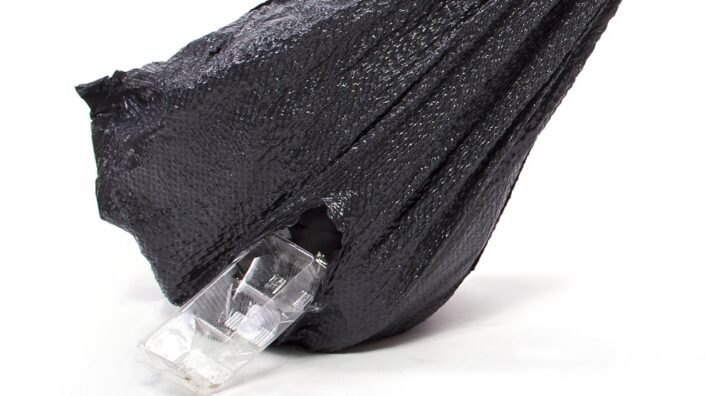
Ruptured garbage bag

How Parkinson’s Disease Perpetuates Itself

A new paper elaborates on how and why microglia fail to clean up the α-synuclein protein of Parkinson’s disease, gradually making the disease worse.

Lysosomal release

The aggregation of Parkinson’s

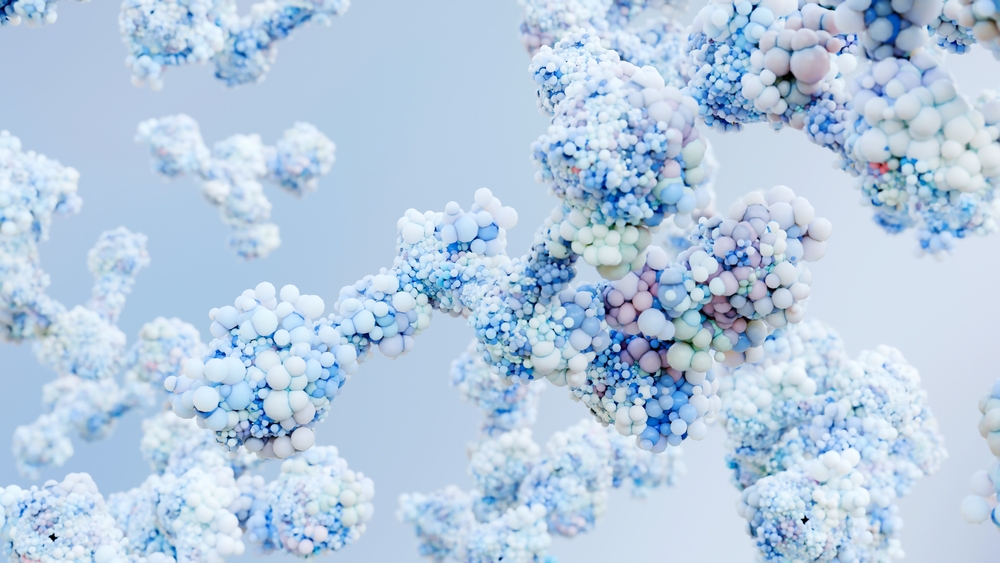
Parkinson’s disease, like Alzheimer’s, is characterized by protein aggregation. However, the affected neurons, the aggregates, and the pathology are all different. In Parkinson’s, aggregates of α-synuclein collect to form Lewy bodies in the brain stem [1] as motor function gradually declines.

While α-synuclein is expressed by neurons and propagates between them [2], the helper cells of the brain known as microglia play a role as well. Under normal circumstances, these cells consume α-synuclein, thus protecting the brain from Parkinson’s [3].

Both neurons and microglia have lysosomes, cellular garbage collectors whose purpose is to destroy unwanted proteins. Previous work has found that α-synuclein aggregates cause neuronal lysosomes to rupture [4], causing further aggregation of this protein in the cells and contributing to its spread [5]. Microglia that fail to destroy this protein in their lysosomes encapsulate it into exosomes instead, sending it back out into the brain [6].

When maintenance fails to maintain

This paper, published in iScience, investigated how and why the microglia are perpetuating this dangerous protein. It focuses on the LRRK2/Rab10 pathway, which plays a major role in governing how these cells use lysosomes [7]. These researchers’ previous work demonstrated that this pathway can affect the release of lysosomal contents outside of cells [8].

In this paper, they began by introducing insoluble α-synuclein into various cell types from humans and mice, then stressed the lysosomes through chemicals such as chloroquine. Macrophages and microglia behaved as expected, sending aggregated α-synuclein out of themselves. Other cell types, however, do not excrete these aggregates in the same way.

Further experimentation, marking, and testing of the α-synuclein and other released proteins showed that the α-synuclein had, indeed, gone through lysosomes and had been incompletely digested in the process. However, it was still found to be pathogenic, capable of forming seeds around which other α-synuclein could form aggregates and thus contributing to Parkinson’s.

Silencing LRRK2 or Rab10 suppressed the release of exosomes, showing that this pathway is indeed responsible. Interestingly, inflammatory pathways, such as TLR2, were found to have no involvement. Instead, the internal α-synuclein, itself, was found to be the causative factor behind this pathway’s activation.

While this was a cellular study that only delved into causes, these findings offer a glimmer of hope for the development of future treatments. Ideally, being helper cells, microglia should never excrete dangerous proteins before digesting them. Treatments that encourage lysosomal clearance of α-synuclein, rather than its release, might be effective in ameliorating Parkinson’s.

We would like to ask you a small favor. We are a non-profit foundation, and unlike some other organizations, we have no shareholders and no products to sell you. All our news and educational content is free for everyone to read, but it does mean that we rely on the help of people like you. Every contribution, no matter if it’s big or small, supports independent journalism and sustains our future.

Literature

[1] Baba, M., Nakajo, S., Tu, P. H., Tomita, T., Nakaya, K., Lee, V. M., … & Iwatsubo, T. (1998). Aggregation of alpha-synuclein in Lewy bodies of sporadic Parkinson’s disease and dementia with Lewy bodies. The American journal of pathology, 152(4), 879.

[2] Luk, K. C., Kehm, V., Carroll, J., Zhang, B., O’Brien, P., Trojanowski, J. Q., & Lee, V. M. Y. (2012). Pathological α-synuclein transmission initiates Parkinson-like neurodegeneration in nontransgenic mice. Science, 338(6109), 949-953.

[3] Choi, I., Zhang, Y., Seegobin, S. P., Pruvost, M., Wang, Q., Purtell, K., … & Yue, Z. (2020). Microglia clear neuron-released α-synuclein via selective autophagy and prevent neurodegeneration. Nature communications, 11(1), 1386.

[4] Flavin, W. P., Bousset, L., Green, Z. C., Chu, Y., Skarpathiotis, S., Chaney, M. J., … & Campbell, E. M. (2017). Endocytic vesicle rupture is a conserved mechanism of cellular invasion by amyloid proteins. Acta neuropathologica, 134, 629-653.

[5] Alvarez-Erviti, L., Seow, Y., Schapira, A. H., Gardiner, C., Sargent, I. L., Wood, M. J., & Cooper, J. M. (2011). Lysosomal dysfunction increases exosome-mediated alpha-synuclein release and transmission. Neurobiology of disease, 42(3), 360-367.

[6] Guo, M., Wang, J., Zhao, Y., Feng, Y., Han, S., Dong, Q., … & Tieu, K. (2020). Microglial exosomes facilitate α-synuclein transmission in Parkinson’s disease. Brain, 143(5), 1476-1497.

[7] Kuwahara, T., & Iwatsubo, T. (2020). The emerging functions of LRRK2 and Rab GTPases in the endolysosomal system. Frontiers in neuroscience, 14, 227.

[8] Eguchi, T., Kuwahara, T., Sakurai, M., Komori, T., Fujimoto, T., Ito, G., … & Iwatsubo, T. (2018). LRRK2 and its substrate Rab GTPases are sequentially targeted onto stressed lysosomes and maintain their homeostasis. Proceedings of the National Academy of Sciences, 115(39), E9115-E9124.

Fat tissue communication

Improved Brain-Fat Communication Extends Lifespan in Mice

A new study suggests that the dysregulation of the crosstalk between hypothalamus and white adipose tissue affects aging. Rescuing this “communication channel” led to significant lifespan extension [1].

It’s all in your brain

Thinking is not the brain’s sole responsibility. Some brain regions, such as the hypothalamus, control a plethora of bodily processes that don’t involve any conscious thoughts. This constantly humming communication between the brain and various organs and tissues gets less efficient as we age, contributing to various other aspects of aging [2].

In this new study published in Cell Metabolism, the researchers describe a subset of neurons that reside in dorsomedial hypothalamus (DMH) and are characterized by the expression of the protein Ppp1r17, and their surprising effect on aging in mice.

When fat gets lazy

The researchers suspected that these neurons communicate with a specific tissue, but they didn’t know which one. To elucidate this, they knocked down Ppp1r17 in young mice via RNA interference in a DMH-specific manner. Over the period of two months after the treatment, those genetically modified mice gained a lot of weight, all of which came from fat. Their food intake increased, even as their activity levels went down significantly. Ablation of Ppp1r17-positive DMH neurons led to similar results.

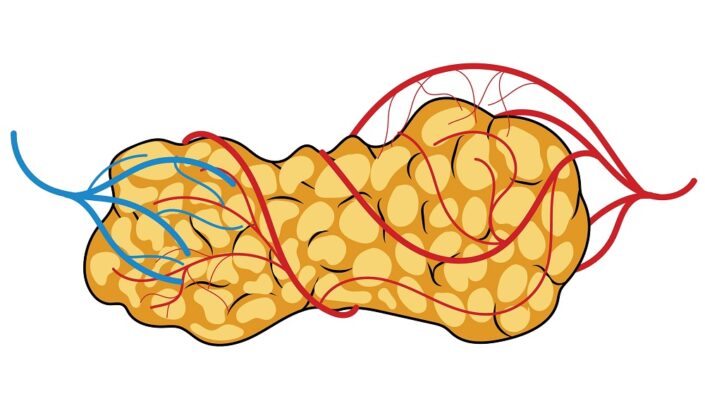
Characteristics of WAT were altered in the genetically modified mice; adipocytes (fat cells) were larger and contained more fat than in normal mice. Further analysis showed decreased WAT innervation, suggesting that Ppp1r17-positive DMH neurons directly regulate WAT function via the sympathetic nervous system.

Interestingly, WAT in modified mice also had lower levels of NAMPT, a rate-limiting enzyme central to biosynthesis of another molecule, NAD+, which mediates energy production. NAD+ also serves as a substrate for a family of longevity-related enzymes called sirtuins. Some of these enzymes, such as SIRT1, have been linked to brain health [3].

Improved health and lifespan 

Differential gene expression analysis found that Ppp1r17 regulates neurons’ synaptic function. It seems that, normally, Ppp1r17 is mostly located in the cell’s nucleus, where it regulates transcription of other genes, but with age, more of it is translocated from the nucleus to the cytoplasm. A protein, PKG, is the driver of this process.

When PKG expression was knocked down specifically in DMH neurons of 21-month-old mice, they exhibited attenuation of frailty and increased activity compared to age-matched controls. Moreover, the researchers detected a significant 7% extension in mean lifespan as well as a borderline significant increase in maximum lifespan. The treated mice also had higher levels of extracellular NAMPT (eNAMPT), which has been shown to improve hypothalamic function [4].

Brain-Fat 1

Slower rate of aging

The researchers then tried a different approach: chemical activation of Ppp1r17-positive DMH neurons. Increasing these neurons’ activity led to results similar to those of PKG knockdown: improved health and increased lifespan. Interestingly, the treated mice also exhibited a significant delay in age-related mortality at all ages. This hints at “true rejuvenation” (slower rate of aging across the lifespan) as opposed to “compression of mortality”, which we often see in anti-aging studies and describes a situation in which animals stay healthier for longer but then experience accelerated decline. In that situation, there is no meaningful extension of maximum lifespan.

Brain-Fat 2

In summary, this study uncovered an intriguing interplay between the brain and white adipose tissue, which help each other perform their respective tasks until aging disrupts the communication between them. There are several possible routes from here to anti-aging interventions, and one of them involves NAMPT supplementation. “We can envision a possible anti-aging therapy that involves delivering eNAMPT in various ways,” said the study’s senior author, Shin-ichiro Imai, MD, PhD, from Washington University School of Medicine in St. Louis. “We already have shown that administering eNAMPT in extracellular vesicles increases cellular energy levels in the hypothalamus and extends life span in mice.”

Our study demonstrates the importance of DMHPpp1r17 neurons, a key neuronal subpopulation in the cDMH, in controlling the process of aging and determining lifespan in mice. Age-associated decline in DMHPpp1r17 neuronal activity leads to age-associated pathophysiological changes, including significant reduction in physical activity, lipolysis, and eNAMPT secretion from WAT. Genetic and chemogenetic activation of DMHPpp1r17 neurons in aged mice mitigates age-associated physiological decline and extends lifespan. These findings provide critical insights into the systemic regulatory network for mammalian aging and longevity control and the development of more effective anti-aging interventions.

We would like to ask you a small favor. We are a non-profit foundation, and unlike some other organizations, we have no shareholders and no products to sell you. All our news and educational content is free for everyone to read, but it does mean that we rely on the help of people like you. Every contribution, no matter if it’s big or small, supports independent journalism and sustains our future.

Literature

[1] Tokizane, K., Brace, C. S., & Imai, S. I. (2024). DMHPpp1r17 neurons regulate aging and lifespan in mice through hypothalamic-adipose inter-tissue communication. Cell Metabolism.

[2] Imai, S. I. (2016). The NAD World 2.0: the importance of the inter-tissue communication mediated by NAMPT/NAD+/SIRT1 in mammalian aging and longevity control. NPJ systems biology and applications, 2(1), 1-9.

[3] Ng, F., Wijaya, L., & Tang, B. L. (2015). SIRT1 in the brain—connections with aging-associated disorders and lifespan. Frontiers in cellular neuroscience, 9, 64.

[4] Yoon, M. J., Yoshida, M., Johnson, S., Takikawa, A., Usui, I., Tobe, K., … & Imai, S. I. (2015). SIRT1-mediated eNAMPT secretion from adipose tissue regulates hypothalamic NAD+ and function in mice. Cell metabolism, 21(5), 706-717.

An Exercise-Related Protein May Protect the Heart

Researchers publishing in Aging have pinpointed a protein that increases after exercise and is associated with a reduced risk of coronary artery disease.

The deadliest disease has inflammatory roots

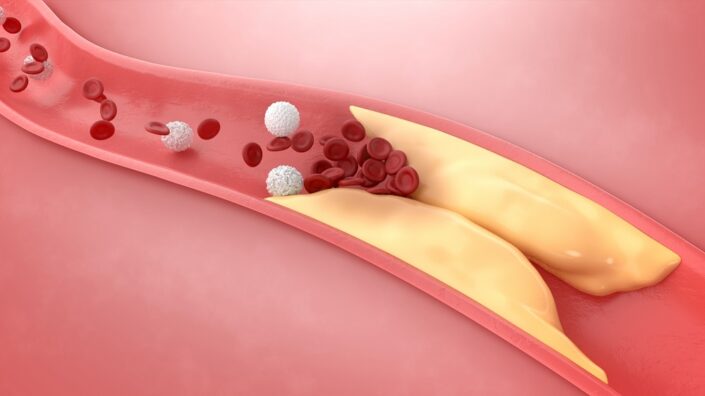
Coronary artery disease directly kills more people than anything else in the world [1]. Its causes stem from atherosclerosis, the buildup of arterial plaque. Among its causes are the accumulation of macrophages that turn into foam cells [2], which are connected to inflammation and the dysregulation of bodily fats (dyslipidemia). As expected, a human trial has found that exercise is indeed somewhat effective against its development and risk factors [3].

Many of the inflammatory processes involved in coronary artery disease have been elucidated in previous literature. For example, high LDL cholesterol is associated with activation of the PSCK9 gene, which leads to increased activation of the inflammatory factors TNF-α and IL-1ß [4] and makes oxidative stress worse, thus leading to the formation of arterial plaques [5].

Some recent work has found a direct link between coronary artery disease and a specific protein, meteorin-like protein (Metrnl), which increases after exercise [6]. Metrnl has been documented to have anti-inflammatory properties and favor fat metabolism in animal models [7]. A human study has found that greater serum Metrnl is associated with a reduced risk of coronary artery disease [8], and a mouse study has found that this is increased by exercise [9].

Documenting the effects in people

This study was built to confirm and expand upon that previous work, recruiting a total of 120 volunteers with an average age slightly over 60. Half of the participants had coronary artery disease, and half did not. As expected, the participants with this disease had significantly greater inflammatory biomarkers along with higher LDL cholesterol and roughly half the serum Metrnl of the healthy participants.

While it was not associated with some biomarkers, less Metrnl was found to be associated with more inflammatory cytokines, more LDL, and less HDL. This was also found to be significantly associated with disease severity: in general, the less Metrnl someone had, the more dangerous that person’s atherosclerosis was found to be.

Metrnl inflammation

The participants with coronary artery disease were then divided between a 12-week exercise group and a control group. After the 12 weeks, as expected, Metrnl went up and inflammatory cytokines went down. The same results were confirmed in mice, which found that the increased Metrnl was largely concentrated in skeletal muscle fibers.

Further work with human vascular endothelial cells (HUVECs) found that inducing oxidative stress into these cells was mitigated by applying Metrnl, restoring their ability to properly conduct normal cellular respiration. The inflammatory pathway involved was found to be significantly reduced.

The researchers hold that this is likely to be the fundamental, causative reason why Metrnl is negatively associated with inflammatory cytokines and coronary artery disease. They recommend that future researchers study this compound as a therapeutic agent, potentially giving sufferers of this deadly disease a shortcut to better health.

We would like to ask you a small favor. We are a non-profit foundation, and unlike some other organizations, we have no shareholders and no products to sell you. All our news and educational content is free for everyone to read, but it does mean that we rely on the help of people like you. Every contribution, no matter if it’s big or small, supports independent journalism and sustains our future.

Literature

[1] Shao, C., Wang, J., Tian, J., & Tang, Y. D. (2020). Coronary artery disease: from mechanism to clinical practice. Coronary Artery Disease: Therapeutics and Drug Discovery, 1-36.

[2] Medina-Leyte, D. J., Zepeda-García, O., Domínguez-Pérez, M., González-Garrido, A., Villarreal-Molina, T., & Jacobo-Albavera, L. (2021). Endothelial dysfunction, inflammation and coronary artery disease: potential biomarkers and promising therapeutical approaches. International journal of molecular sciences, 22(8), 3850.

[3] Pedersen, L. R., Olsen, R. H., Anholm, C., Astrup, A., Eugen-Olsen, J., Fenger, M., … & Prescott, E. (2019). Effects of 1 year of exercise training versus combined exercise training and weight loss on body composition, low-grade inflammation and lipids in overweight patients with coronary artery disease: a randomized trial. Cardiovascular diabetology, 18, 1-13.

[4] Ding, Z., Pothineni, N. V. K., Goel, A., Lüscher, T. F., & Mehta, J. L. (2020). PCSK9 and inflammation: role of shear stress, pro-inflammatory cytokines, and LOX-1. Cardiovascular research, 116(5), 908-915.

[5] Förstermann, U., Xia, N., & Li, H. (2017). Roles of vascular oxidative stress and nitric oxide in the pathogenesis of atherosclerosis. Circulation research, 120(4), 713-735.

[6] Bae, J. Y. (2018). Aerobic exercise increases meteorin-like protein in muscle and adipose tissue of chronic high-fat diet-induced obese mice. BioMed research international, 2018.

[7] Jung, T. W., Lee, S. H., Kim, H. C., Bang, J. S., Abd El-Aty, A. M., Hacimüftüoglu, A., … & Jeong, J. H. (2018). METRNL attenuates lipid-induced inflammation and insulin resistance via AMPK or PPARd-dependent pathways in skeletal muscle of mice. Experimental & molecular medicine, 50(9), 1-11.

[8] Liu, Z. X., Ji, H. H., Yao, M. P., Wang, L., Wang, Y., Zhou, P., … & Lu, X. (2019). Serum Metrnl is associated with the presence and severity of coronary artery disease. Journal of cellular and molecular medicine, 23(1), 271-280.

[9] Javaid, H. M. A., Sahar, N. E., ZhuGe, D. L., & Huh, J. Y. (2021). Exercise inhibits NLRP3 inflammasome activation in obese mice via the anti-inflammatory effect of meteorin-like. Cells, 10(12), 3480.

Stress in pregnancy

Stress in Pregnancy Linked to Shorter Infant Telomeres

A new study published in BMC Psychiatry reviewed literature that links perceived stress during pregnancy with newborns’ telomere length [1].

Lifelong impact of telomere length

Telomeres are protective caps at the end of chromosomes. The shortening of the telomeres, which happens with each DNA replication cycle [2], is one of the Hallmarks of Aging.

Telomere shortening has been linked to various physical and mental illnesses, such as lung disease [3], infections [4], autoimmune diseases [5], cancer [6], diabetes and metabolic syndrome [7], cardiovascular diseases [8], and psychological disorders [9].

These researchers hypothesize that telomere length later in life can be greatly predicted based on telomere length at birth [10]. Genetic and environmental factors impact telomere length, with psychological stress being one of the key factors [11]. Research on maternal stress and infant telomere length suggested: “that maternal psychological stress during pregnancy may be linked to reduced telomere length in neonates at birth” [12].

That paper was followed by more research on the topic, with some studies obtaining different results [13]. The inconsistency in research results led the authors of this paper to review all the data available on the connection between maternal psychological stress during pregnancy and infant telomere length.

Mothers’ stress and babies’ telomeres

The authors identified eight articles, all from high-income countries, that analyzed a total of 2,955 participants [12-19]. Four qualifying studies with 853 participants were included in the quantitative analysis. The reviewers assessed that based on the Newcastle-Ottawa Quality Assessment Scale, all studies had a low risk of bias and were of good quality.

The analysis of the four quantitative analysis studies revealed a statistically significant inverse relationship between maternal perceived stress and newborn telomere length. However, the researchers noted that not all studies included in their review came to the same conclusion as the meta-analysis.

Among all eight studies, five concluded that there is a clear, significant “negative association between maternal psychological stress during pregnancy” and newborn telomere length. Two other studies didn’t confirm those findings, and another one reported an association in the opposite direction. In that study, maternal stress correlated with longer telomere length in male newborns.

Some, but not all, studies also observed differences between girls and boys, suggesting that further research into sex differences should be performed. Not all studies had representatives of different races, as some included only participants of European descent. However, among those with racial diversity, some studies didn’t observe an association between race/ethnicity and newborn telomere length. Still others observed that perceived maternal stress was associated with shorter newborn telomere length among mothers of European descent.

Some studies also looked at the effect of pre-eclampsia, high blood pressure during pregnancy, on newborn telomere length. While one study didn’t see an effect of preeclampsia on newborn telomere length, another study observed a negative association between preeclampsia in a prior pregnancy and newborn telomere length.

Different studies suggest the role of protective proteins, such as Sirtuin 1, in the placenta on the connection between telomere length and preeclampsia [20].

Limitations and the need for more investigation

This meta-analysis has its limitations, one of which is the limited number of studies that were available for inclusion. The authors also note some heterogeneity within the studies, e.g., differences in the methods used for telomere length measurements, stress measurement tools, and study populations, all made comparisons more challenging. Additionally, the stress measurements were based on self-reported questionnaires, and no biological stress markers were used.

The authors note that since shorter telomeres are linked to developing age-related diseases, and perceived maternal stress seems to impact the telomere length, further studies should address in more detail the exact mechanisms and risk factors for telomere shortening in newborns to address possible ways to reduce the negative effects of stress.

We would like to ask you a small favor. We are a non-profit foundation, and unlike some other organizations, we have no shareholders and no products to sell you. All our news and educational content is free for everyone to read, but it does mean that we rely on the help of people like you. Every contribution, no matter if it’s big or small, supports independent journalism and sustains our future.

Literature

[1] Moshfeghinia, R., Torabi, A., Mostafavi, S., Rahbar, S., Moradi, M. S., Sadeghi, E., Mootz, J., & Vardanjani, H. M. (2023). Maternal psychological stress during pregnancy and newborn telomere length: a systematic review and meta-analysis. BMC psychiatry, 23(1), 947.

[2] Martens, U. M., Chavez, E. A., Poon, S. S., Schmoor, C., & Lansdorp, P. M. (2000). Accumulation of short telomeres in human fibroblasts prior to replicative senescence. Experimental cell research, 256(1), 291–299.

[3] Birch, J., Barnes, P. J., & Passos, J. F. (2018). Mitochondria, telomeres and cell senescence: Implications for lung ageing and disease. Pharmacology & therapeutics, 183, 34–49.

[4] Noppert, G. A., Feinstein, L., Dowd, J. B., Stebbins, R. C., Zang, E., Needham, B. L., Meier, H. C. S., Simanek, A., & Aiello, A. E. (2020). Pathogen burden and leukocyte telomere length in the United States. Immunity & ageing : I & A, 17(1), 36.

[5] Zeng, Z., Zhang, W., Qian, Y., Huang, H., Wu, D. J. H., He, Z., Ye, D., Mao, Y., & Wen, C. (2020). Association of telomere length with risk of rheumatoid arthritis: a meta-analysis and Mendelian randomization. Rheumatology (Oxford, England), 59(5), 940–947.

[6] Zhang, X., Zhao, Q., Zhu, W., Liu, T., Xie, S. H., Zhong, L. X., Cai, Y. Y., Li, X. N., Liang, M., Chen, W., Hu, Q. S., & Zhang, B. (2017). The Association of Telomere Length in Peripheral Blood Cells with Cancer Risk: A Systematic Review and Meta-analysis of Prospective Studies. Cancer epidemiology, biomarkers & prevention : a publication of the American Association for Cancer Research, cosponsored by the American Society of Preventive Oncology, 26(9), 1381–1390.

[7] Cheng, F., Carroll, L., Joglekar, M. V., Januszewski, A. S., Wong, K. K., Hardikar, A. A., Jenkins, A. J., & Ma, R. C. W. (2021). Diabetes, metabolic disease, and telomere length. The lancet. Diabetes & endocrinology, 9(2), 117–126.

[8] Yeh, J. K., & Wang, C. Y. (2016). Telomeres and Telomerase in Cardiovascular Diseases. Genes, 7(9), 58.

[9] Epel, E. S., & Prather, A. A. (2018). Stress, Telomeres, and Psychopathology: Toward a Deeper Understanding of a Triad of Early Aging. Annual review of clinical psychology, 14, 371–397.

[10] Daniali, L., Benetos, A., Susser, E., Kark, J. D., Labat, C., Kimura, M., Desai, K., Granick, M., & Aviv, A. (2013). Telomeres shorten at equivalent rates in somatic tissues of adults. Nature communications, 4, 1597.

[11] Barragán, R., Ortega-Azorín, C., Sorlí, J. V., Asensio, E. M., Coltell, O., St-Onge, M. P., Portolés, O., & Corella, D. (2021). Effect of Physical Activity, Smoking, and Sleep on Telomere Length: A Systematic Review of Observational and Intervention Studies. Journal of clinical medicine, 11(1), 76.

[12] Entringer, S., Epel, E. S., Lin, J., Buss, C., Shahbaba, B., Blackburn, E. H., Simhan, H. N., & Wadhwa, P. D. (2013). Maternal psychosocial stress during pregnancy is associated with newborn leukocyte telomere length. American journal of obstetrics and gynecology, 208(2), 134.e1–134.e1347.

[13] Ämmälä, A. J., Vitikainen, E. I. K., Hovatta, I., Paavonen, J., Saarenpää-Heikkilä, O., Kylliäinen, A., Pölkki, P., Porkka-Heiskanen, T., & Paunio, T. (2020). Maternal stress or sleep during pregnancy are not reflected on telomere length of newborns. Scientific reports, 10(1), 13986.

[14] Salihu, H. M., King, L. M., Nwoga, C., Paothong, A., Pradhan, A., Marty, P. J., Daas, R., & Whiteman, V. E. (2016). Association Between Maternal-Perceived Psychological Stress and Fetal Telomere Length. Southern medical journal, 109(12), 767–772.

[15] Marchetto, N. M., Glynn, R. A., Ferry, M. L., Ostojic, M., Wolff, S. M., Yao, R., & Haussmann, M. F. (2016). Prenatal stress and newborn telomere length. American journal of obstetrics and gynecology, 215(1), 94.e1–94.e948.

[16] Send, T. S., Gilles, M., Codd, V., Wolf, I., Bardtke, S., Streit, F., Strohmaier, J., Frank, J., Schendel, D., Sütterlin, M. W., Denniff, M., Laucht, M., Samani, N. J., Deuschle, M., Rietschel, M., & Witt, S. H. (2017). Telomere Length in Newborns is Related to Maternal Stress During Pregnancy. Neuropsychopharmacology : official publication of the American College of Neuropsychopharmacology, 42(12), 2407–2413.

[17] Izano, M. A., Cushing, L. J., Lin, J., Eick, S. M., Goin, D. E., Epel, E., Woodruff, T. J., & Morello-Frosch, R. (2020). The association of maternal psychosocial stress with newborn telomere length. PloS one, 15(12), e0242064.

[18] Verner, G., Epel, E., Lahti-Pulkkinen, M., Kajantie, E., Buss, C., Lin, J., Blackburn, E., Räikkönen, K., Wadhwa, P. D., & Entringer, S. (2021). Maternal Psychological Resilience During Pregnancy and Newborn Telomere Length: A Prospective Study. The American journal of psychiatry, 178(2), 183–192.

[19] Bosquet Enlow, M., Petty, C. R., Hacker, M. R., & Burris, H. H. (2021). Maternal psychosocial functioning, obstetric health history, and newborn telomere length. Psychoneuroendocrinology, 123, 105043.

[20] Broady, A. J., Loichinger, M. H., Ahn, H. J., Davy, P. M., Allsopp, R. C., & Bryant-Greenwood, G. D. (2017). Protective proteins and telomere length in placentas from patients with pre-eclampsia in the last trimester of gestation. Placenta, 50, 44–52.

Medical records

David Sinclair on Human Trials of Anti-Aging Compounds

A new review authored by three acclaimed geroscientists paints a promising picture of past and ongoing human clinical trials of prospective anti-aging drugs [1].

From worms and mice to humans

The biology of aging is an exciting new field, but most of its successes have been in animal models, from the early breakthroughs in yeast [2] and nematode worms [3] to the robust findings by the ITP (Intervention Testing Program) in mice [4]. Human data, however, is much scarcer. Some potentially geroprotective interventions, such as cellular reprogramming, are brand new, so they are yet to be tested in clinical trials. Others are well-known drugs that have been in use for various indications, and we have reasons to believe that they might also prolong human lifespan.

In this new review published in Cell Metabolism, three renowned aging researchers – David Sinclair of Harvard, Leonard Guarente of MIT, and Guido Kroemer of Université Paris Descartes – summarized the current state of affairs in human trials of potentially geroprotective drugs. They focused on eight categories: metformin, NAD+/sirtuins, GLP-1, rapamycin, spermidine, senolytics, probiotics, and anti-inflammatories. After providing a brief overview of the related compounds and their mechanisms of action, the authors delved into past and ongoing trials.

Anti-Aging Mechanisms

Metformin

Metformin was isolated decades ago from French lilac, which is a traditional anti-diabetes medication. However, it has only been used widely since the 1990s, to great success. Interestingly, it remains unclear how exactly metformin helps diabetes patients, but the leading theory is that it weakly inhibits mitochondrial respiratory complex I, which via the activation of AMPK kinase lowers glucose production and stimulates mitochondrial activity. However, other explanations have been proposed.

Metformin became geroscience’s darling after a 2014 study showed that diabetes patients on metformin tended to live longer than age-matched healthy people. A recent 2023 study questions this assumption, but the authors interpret its results as less than a death blow to metformin’s prospects as a geroprotective drug.

So far, in human trials, metformin has been shown to protect heart function in diabetics, improve immune function (in a small-scale trial), and lower one marker of inflammation (CRP), but not another marker (IL-6). The authors also note that metformin slightly dampens the effects of aerobic exercise, probably due to attenuation of mitochondrial function. However, it is not clear at this point whether it should be seen as a serious problem for people who exercise a lot.

NAD+ and sirtuins

NAD+ is a ubiquitous and multi-purpose molecule that mediates energy production and serves as a substrate for the family of enzymes called sirtuins. Sirtuins play various roles, including in DNA repair and mitochondrial maintenance, and their activation has been shown to extend lifespan in numerous animal models. In addition to NAD+ supplementation, some sirtuins can be activated directly by compounds such as resveratrol, quercetin, and fisetin.

Human trials on the NAD+ precursors NMN and NR have shown that those can reliably elevate NAD+ levels. One NMN trial led to higher physical performance and lower biological age in middle-aged adults. Two trials of SIRT1 activator pterostilbene demonstrated improved liver function. MIB-626, an NMN polymorph developed by Sinclair’s company Metro Biotech, was found to improve lipid profile and diastolic blood pressure. NR trials in patients with Parkinson’s, Alzheimer’s, or ALS have shown some promise, and many more trials are currently running.

GLP-1

GLP-1 is a hormone produced in response to food intake and it is known to stimulate insulin secretion and mediate satiety. GLP-1 receptor agonists, such as semaglutide, liraglutide, and tirzepatide, are novel anti-diabetes drugs that have become widely popular due to their impressive effectiveness in promoting weight loss.

Since diabetes and obesity are strongly associated with one another and with various diseases of aging, GLP-1R agonists have the potential to be highly effective anti-aging agents. Accordingly, two large trials showed that semaglutide and liraglutide improve cardiovascular function and decrease cardiovascular mortality. Two other studies demonstrated some positive effects of GLP-1R agonists in Parkinson’s patients.

Rapamycin and mTOR

Rapamycin is yet another FDA-approved medication that has been around for many years. It is mostly used as an immunosuppressant, but it has also been found to extend lifespan and healthspan in various animal models, including mice, even when given late in life. Rapamycin works by inhibiting mTOR, a protein complex that mediates protein production and cell growth.

Studies of everolimus, a rapamycin analog, showed increased immune response to influenza vaccination and lower infection rate over a one-year period, which is somewhat surprising given that rapamycin is an immunosuppressant. The authors suggest that everolimus, which selectively targets only one of the mTOR components, TORC1, might be less toxic. Rapamycin was also shown to reduce a subset of pro-inflammatory T cells in lupus and to cause some skin rejuvenation.

The authors, however, emphasize rapamycin’s side effects. By slowing protein synthesis, it probably blunts the effects of exercise and slows wound healing, among other things. Just like metformin, rapamycin might be ill-advised for people with high levels of physical activity, although this remains to be seen.

Spermidine

Spermidine is a natural metabolite of the polyamine family that has been found to increase lifespan in animal models, including in mice, albeit modestly, compared to rapamycin. Spermidine is known to induce autophagy, the process of clearing out accumulated cellular junk such as misfolded proteins.

Since autophagy targets protein aggregates, including amyloid beta, spermidine has been tested for possible cognitive function effects and shown to improve cortical thickness and hippocampal volume in older adults. Two other studies demonstrated cognitive improvements.

Spermidine is found in food, so populational studies are possible. Two retrospective studies, from Italy and Austria, reported inverse correlation between spermidine intake and mortality.

Senolytics

Senolytics are a completely new class of drugs that didn’t exist just several years ago. They supposedly clear out senescent cells – those that became dysfunctional and stopped proliferating, but remain in the body, causing inflammation and other types of harm.

Despite the amount of interest in senolytics both in academia and in the private sector, completed human trials are still very sparse. The authors mention mostly those that show the ability of senolytics to clear out senescent cells. However, many trials are underway, so stay tuned. Interestingly, the review does not mention the failure in 2020 of UNITY’s lead senolytic candidate, UBX0101.

Probiotics

The importance of microbiome for aging is a relatively new finding. Studies have demonstrated that aging changes gut microbiota composition and that transplanting young microbiota confers various health benefits and can increase lifespan in progeroid mice.

Probiotics have been demonstrated to improve immune function, increasing the number of T cells and lowering the number and duration of common infectious diseases. Several studies have reported that a healthier microbiome can improve cancer outcomes.

Microbiota naturally have a big impact on metabolism. Beneficial bacteria (mostly Lactobacillus and Bifidobacterium) can improve lipid profiles and increase insulin sensitivity. Probiotics can also lower inflammation and improve cognitive function.

Anti-inflammatories

Finally, since chronic inflammation is one of the hallmarks of aging, the whole formidable arsenal of anti-inflammatory drugs, including steroids, analgesics, and monoclonal antibodies against particular inflammatory molecules, have considerable anti-aging potential. Most of the completed trials, according to the authors, deal with the inflammatory cytokine IL-6. Reducing its levels has been shown to improve the symptoms of irritable bowel disease and ulcerative colitis.

The authors, however, warn about tinkering with inflammatory cytokines, since those mediate immune responses. One study reported that treatment with tocilizumab, an IL-6-neutralizing antibody, leads to an increase in infections. Among other anti-inflammatories, the good old aspirin is featured in several ongoing trials, including for prevention of cancer in at-risk patients. One completed trial found that aspirin was associated with lower mortality in people at least 70 years old. As with other drug categories mentioned in the review, there are numerous ongoing trials of anti-inflammatory agents.

Aging research over the past three decades has unveiled numerous pathways that may be targeted for interventions to slow aging processes and their accompanying diseases. This review has sketched out some of the leading candidates under current scrutiny, although it is possible that other approaches will reveal themselves in the future. We believe that the next few years will present a tipping point, when the most viable approaches will become evident and move us toward a more widespread use of interventions targeting aging processes. While aging is not a disease as prescribed by the FDA, one might expect approval of these interventions to treat aging-fostered diseases.

We would like to ask you a small favor. We are a non-profit foundation, and unlike some other organizations, we have no shareholders and no products to sell you. All our news and educational content is free for everyone to read, but it does mean that we rely on the help of people like you. Every contribution, no matter if it’s big or small, supports independent journalism and sustains our future.

Literature

[1] Guarente, L., Sinclair, D. A., & Kroemer, G. (2024). Human trials exploring anti-aging medicines. Cell Metabolism.

[2] Kaeberlein, M., McVey, M., & Guarente, L. (1999). The SIR2/3/4 complex and SIR2 alone promote longevity in Saccharomyces cerevisiae by two different mechanisms. Genes & development, 13(19), 2570-2580.

[3] Kenyon, C., Chang, J., Gensch, E., Rudner, A., & Tabtiang, R. (1993). A C. elegans mutant that lives twice as long as wild type. Nature, 366(6454), 461-464.

[4] Harrison, D. E., Strong, R., Sharp, Z. D., Nelson, J. F., Astle, C. M., Flurkey, K., … & Miller, R. A. (2009). Rapamycin fed late in life extends lifespan in genetically heterogeneous mice. nature, 460(7253), 392-395.

Knee joint

Treating Arthritis with Rapamycin-Releasing Nanoparticles

Researchers have described how specialized nanoparticles, which deliver rapamycin and the antioxidant astaxanthin, restore macrophage balance and reduce inflammation in a mouse model of osteoarthritis.

A matter of polarization

Inflammation is a critical part of arthritis. Previous studies have found that inflammation of the membranes in joints (synovitis) strongly contributes to osteoarthritis [1]; in fact, even without mechanical joint damage, synovitis can lead to this crippling disease [2].

Macrophage polarization has a profound effect on inflammation. M1-polarized macrophages are responsible for generating inflammation, such as interleukins and TNF-α, in response to threats [3]; the M2 polarization is responsible for the healing and repair afterwards, and it can do so in joints [4]. However, in arthritis and many other age-related diseases, the inflammatory state sticks around. This is known as inflammaging.

Delivering the anti-inflammatories

Astaxanthin is a naturally occurring antioxidant and anti-inflammatory compound that is commonly used for treating inflammatory diseases [5]. The Interventions Testing Program (ITP) has found that astaxanthin extends the lives of healthy mice.

Rapamycin needs little introduction, as it is one of the most well-known longevity-related compounds and has also been found to extend the lives of mice in the ITP. Among its many metabolic effects, rapamycin has been reported to spur the cellular maintenance process of autophagy and subsequently reduce inflammation [6].

We have previously reported on a study in which extracellular vesicles are only released from a hydrogel in the presence of reactive oxygen species (ROS). This researchers have followed a somewhat similar approach, creating nanoparticles that enter cells and burst open only in the presence of ROS to deliver a payload containing astaxathin and rapamycin. The exterior filaments of the nanoparticle themselves neutralize ROS, the astaxathin is attached to those filaments, and the rapamycin is clustered inside.

Osteoarthritis Nanoparticles

Effects in macrophages

Further testing revealed that this nanoparticle is taken up by macrophages and is effective inside them. The researchers used lipopolysaccharide to irritate macrophages into the M1 state, then applied their new compound and its payload. Althouth this nanoparticle is toxic to macrophages in higher doses, the combined payload of nanoparticle and rapamycin was found to reduce ROS to a small fraction of that of an M1 control group.

Similarly, inflammatory interleukins were reduced by this novel nanoparticle. The inflammation in macrophages also affects their own function. Levels of naturally occurring antioxidants were increased by the treatment, markers of autophagy were improved, and the membrane potential of mitochondria was restored. Overall, biomarkers of inflammation were significantly ameliorated in the targeted macrophages.

Most critically, delivering the full payload to M1 macrophages decreased biomarkers of M1 by nearly four times and increased biomarkers of M2 by approximately the same amount. Therefore, according to the researchers, this nanoparticle successfully reprogrammed macrophages from the M1 to the M2 type.

While conditioned media taken from M1 macrophages can be deadly to cartilage cells (chondrocytes) when exposed over time, decreasing their viability and slowing their growth, conditioned media taken from the treated macrophages was substantially less dangerous, halving the rate of cellular death by apoptosis.

Reduces arthritis in mice

The researchers then turned to a model of osteoarthritis in mice. Applying the rapamycin-containing nanoparticle to these animals significantly decreased the swelling in their joints. The treatment was found to substantially protect their cartilage, preventing joint deterioration and putting a lid on inflammation.

Mice given this nanoparticle had substantially downregulated M1 biomarkers and correspondingly upregulated M2 biomarkers, just like in the cellular study. While the nanoparticle is processed by the liver and needed to be readministered every three days to retain its presence, no liver toxicity was found.

Being able to reprogram macrophages away from M1 and into M2 represents a significant milestone for anti-inflammatory therapies and the treatment of age-related diseases as a whole, with implications that go beyond arthritis. However, this is a cellular and mouse study, and the effectiveness and potential side effects haven’t been tested in human beings. A clinical trial would need to be done to determine if this is truly a revolutionary approach.

We would like to ask you a small favor. We are a non-profit foundation, and unlike some other organizations, we have no shareholders and no products to sell you. All our news and educational content is free for everyone to read, but it does mean that we rely on the help of people like you. Every contribution, no matter if it’s big or small, supports independent journalism and sustains our future.

Literature

[1] Li, M., Li, H., Ran, X., Yin, H., Luo, X., & Chen, Z. (2021). Effects of adenovirus-mediated knockdown of IRAK4 on synovitis in the osteoarthritis rabbit model. Arthritis Research & Therapy, 23, 1-12.

[2] Goldring, M. B., & Otero, M. (2011). Inflammation in osteoarthritis. Current opinion in rheumatology, 23(5), 471.

[3] Zhang, H., Cai, D., & Bai, X. (2020). Macrophages regulate the progression of osteoarthritis. Osteoarthritis and cartilage, 28(5), 555-561.

[4] Dai, M., Sui, B., Xue, Y., Liu, X., & Sun, J. (2018). Cartilage repair in degenerative osteoarthritis mediated by squid type II collagen via immunomodulating activation of M2 macrophages, inhibiting apoptosis and hypertrophy of chondrocytes. Biomaterials, 180, 91-103.

[5] Chang, M. X., & Xiong, F. (2020). Astaxanthin and its effects in inflammatory responses and inflammation-associated diseases: recent advances and future directions. Molecules, 25(22), 5342.

[6] Pålsson-McDermott, E. M., & O’Neill, L. A. (2020). Targeting immunometabolism as an anti-inflammatory strategy. Cell research, 30(4), 300-314.

Happy mouse

TLR5 Activation Improves Health and Lifespan in Aged Mice

By activating toll-like receptor 5, an important element of the innate immune system, scientists have increased lifespan and improved multiple health measurements in old mice, despite having started the treatment late in life [1].

TLRs and aging

The immune system gets dysregulated with age, driving multiple age-related conditions [2]. It is manifested in higher tumor prevalence, weaker response to vaccines and infections, and organism-wide sterile inflammation (inflammaging). Immunosenescence also contributes to metabolic and cardiovascular diseases, and frailty. This gradual process is complex, and numerous research teams are working on its various aspects.

One of those aspects is reduced activity of pathogen recognition receptors (PRR). As their name suggests, PRRs’ role is to recognize pathogens and mount an immune response. While PRRs are part of the innate immune system, their dysfunction also affects adaptive immunity, such as in less efficient presentation of antigens to T cells. This might be one of the reasons why older adults show less pronounced response to COVID vaccines. Various PRR-targeting adjuvants (complementing drugs) for vaccines have been explored.

Toll-like receptors (TLRs) are probably the most important PRRs, as they recognize pathogen-associated molecular patterns (PAMPs). TLRs’ activity is blunted by aging, causing diminished vaccine response [3]. In this new study published in Nature Communications, a group of scientists attempted to stimulate a subset of those receptors called TLR5 to alleviate age-related immunosenescence in mice.

Various TLRs are stimulated by different compounds. For TLR5, it’s flagellin, which is the principal protein in bacterial flagella, the tail-like filaments that bacteria use to move around. In their study, the researchers used flagellin fused with pneumococcal surface protein A. This combination, which they called FP, has already been used to improve immune response in mice, which unexpectedly led to some rejuvenation-like phenotypical changes. In this new study, the researchers’ intent was to explore this intriguing effect further.

Rapamycin-like lifespan extension

The scientists used 21-month-old mice, which is roughly when age-related immunosenescence occurs in these animals. The mice were treated with FP intranasally for eight cycles. This increased lifespan in a sex-dependent manner, with female mice benefiting more. The results were remarkable, given how late in life the treatment began.

TLR Lifespan

Several aging-associated phenotypes were improved as well. The treatment led to an increase in bone density along with a decrease in hair loss and ocular opacity. The weight of the thymus increased too. This organ produces T cells and degenerates with age, which is thought to be an important cause of immunosenescence [4].

Marked improvements were also observed in brain glucose uptake and several behavioral tests. Treated mice showed increased scores in locomotor activity, nest building, novel object recognition, and passive avoidance tasks. The researchers contend that “the degree of health span and lifespan extension by FPNI is comparable to that of rapamycin, when administered starting at 600 days of age” [5].

Both pro- and anti-inflammatory

The researchers also tested FP versus a specific aging-associated disease: pulmonary fibrosis. In a mouse model of this disease caused by the antibiotic bleomycin, a single intranasal administration of FP greatly increased survival and decreased several inflammation markers.

TLR Fibrosis

FP treatment also seemed to preserve intestinal integrity, which is compromised in aged mice and humans. Treated animals consumed more calories than controls without gaining weight, which, according to the researchers, excludes caloric restriction as a possible cause of rejuvenation in treated mice. Both in the intestine and in several other organs, a significant decrease in several inflammation and senescence markers was observed.

Interestingly, TLR5 activation seems to simultaneously boost immune response, which is needed to combat pathogens, and alleviate chronic age-related inflammation. “These findings”, the researchers note, “highlight the unique and diversified roles of TLR5, setting it apart from its proinflammatory counterparts and underscoring its potential in age-modulation interventions.”

This study illuminates the potential of TLR5 as a modulator of aging, necessitating extensive further research. It is imperative to validate the effects observed across diverse strains and elucidate the underlying mechanisms. … Understanding the detailed mechanisms by which TLR5 contributes to aging and age-related diseases can further aid in the identification of potential therapeutic targets. Our findings unveil the promising horizon of TLR5-centric interventions, setting the stage for future endeavors aiming at the development of novel therapeutic strategies and a deeper comprehension of aging mechanisms through the lens of immune modulation. The revelation of TLR5’s potential in this study underscores the necessity for continued exploration and refinement, ultimately contributing to the betterment of age-related health outcomes.

We would like to ask you a small favor. We are a non-profit foundation, and unlike some other organizations, we have no shareholders and no products to sell you. All our news and educational content is free for everyone to read, but it does mean that we rely on the help of people like you. Every contribution, no matter if it’s big or small, supports independent journalism and sustains our future.

Literature

[1] Lim, J.S., Jeon, E.J., Go, H.S. et al. (2024). Mucosal TLR5 activation controls healthspan and longevity. Nat Commun 15, 46.

[2] Wang, Y., Dong, C., Han, Y., Gu, Z., & Sun, C. (2022). Immunosenescence, aging and successful aging. Frontiers in immunology, 13, 942796.

[3] Panda, A., Qian, F., Mohanty, S., Van Duin, D., Newman, F. K., Zhang, L., … & Shaw, A. C. (2010). Age-associated decrease in TLR function in primary human dendritic cells predicts influenza vaccine response. The Journal of Immunology, 184(5), 2518-2527.

[4] Liang, Z., Dong, X., Zhang, Z., Zhang, Q., & Zhao, Y. (2022). Age-related thymic involution: Mechanisms and functional impact. Aging Cell, 21(8), e13671.

[5] Harrison, D. E., Strong, R., Sharp, Z. D., Nelson, J. F., Astle, C. M., Flurkey, K., … & Miller, R. A. (2009). Rapamycin fed late in life extends lifespan in genetically heterogeneous mice. nature, 460(7253), 392-395.

Mikhail Batin

Mikhail Batin’s Crusade Against Aging

There’s no other way to put it: Mikhail (Misha) Batin is an oddball in the longevity space. In this field, which is populated mostly by scientists, entrepreneurs, and enthusiasts, Batin belongs to a different breed: activists. But, even among this small group, Batin is one of a kind: uncouth and passionate, giving off the gloomy and slightly unnerving vibe of a revolutionary doggedly set on a single goal. That’s until you see the first wide, disarming smile of his.

Open Longevity, the nonprofit that Batin co-founded with Nastya Egorova, boasts sprawling activity. Although you can spot both Misha and Nastya at longevity-related events worldwide, the organization is probably not yet getting the attention and recognition it deserves as one of the biggest and most tenacious non-profits in the longevity space. However, this might change soon.

Open Longevity is exactly what it sounds like: an attempt to open up the nascent longevity field to the masses while advocating for life extension before even bigger masses. Its projects range from fairly serious scientific undertakings like Open Genes, a database of longevity-related genes, and Aging Nets, a project aimed at applying network science to aging, to more society-oriented endeavors such as a traveling exhibition of transhumanism art and Random Coffee, where you sign up to weekly e-meetings with random people who are also interested in longevity. To illustrate that Open Longevity is no joke, the Open Genes team recently published their first peer-reviewed paper.

Importantly, Open Longevity is also about grassroots-style activism. Its “Say Forever Day” is held monthly in an ever-growing number of locations around the world. People wearing t-shirts with Say Forever printed on them approach random strangers and ask them a simple if unexpected question: how long do they want to live? This serves as a segue into a brief conversation about the ideology and science of life extension with the goal of eventually recruiting the person to the fight against aging.

Talking about immortality, living forever, ‘dealing death a death blow’ is unpopular even in most longevity circles. Many people think it’s unnecessarily radical, off-putting, and creates an impression that the field consists mainly of mad scientists and whacky snake oil salesmen. The longevity “grownups” would rather talk about healthspan, healthy aging, or rejuvenation at best.

Batin, on the other hand, is obsessed with defeating death and he says it out loud. He hates death passionately. Many people, after the initial shock of learning about their own and others’ mortality, eventually come to terms with it and even find ways to justify it – but not Batin. He doesn’t care if his anti-death, pro-transhumanism stance alienates potential donors or allies. This is his conviction: that death should be considered the ultimate moral calamity and fought tooth and nail, especially death from age-related diseases – and he will go to great lengths to make people listen.

Batin, now 50, is based in Los Angeles, but he was born in Russia and only moved to the US a couple of years ago. “I come from business and politics.” he says. “It all began in 1999. I was enthusiastically involved in social projects. I had been trained as a social worker, and I headed many social-oriented organizations, such as the Committee for Social Policies at Kostroma Regional Duma (parliament). I was always looking for ways to meaningfully improve people’s lives. For instance, I worked a lot with gifted children. At some point, I realized that no matter how well we do, in the end, frailty, disease, and death await everyone. Aging spares no one, be it businessmen, governors, farmers, it’s like an arch-problem.”

“At about the same time, information started trickling in about scientific advances in aging science. So, I already viewed aging as an immense societal problem, and here were studies that suggested it eventually can be solved. For me, it was self-evident that we need to pour massive resources into tackling this problem.”

Sadly, it’s not self-evident for many people. Despite aging objectively being a major problem, it is largely ignored. People are barely trying to solve it on a global scale.

Yes, I think the problem is that our society is sort of content with the current state of things. Society is appalled by some kinds of death, like death in childhood, or in road accidents, or murders, but death per se is seen as something natural. This is deeply rooted in our philosophy and art, and people “side with death” because they were raised that way.

Scientists who seek a cure for cancer are never shy about what they do, they aren’t afraid of stating their goal of eradicating cancer. Conversely, geroscientists have always looked for ways to dial down their message. I remember times when talking about life extension, not to mention solving aging, was considered courageous.

No one was thinking about changing the society’s attitudes towards death, stirring rage against it. This is basically a political, societal project, and scientists just aren’t good at those things. And politics are fundamentally important for funding this or that domain of science. For years and decades, there was no one around who could tackle those issues, and in some way, there’s still no one.

So, from the very beginning of my interest in life extension, I was set on solving this using political instruments. In 2007, in Russia, I created the Society for Life Extension. We organized rallies, petitions, and so on. I was trying to introduce life extension into the political agenda. Eventually, we secured support from the regional government.

But the political climate in Russia began to change quickly. If at the “mild authoritarianism” stage, you still could exert political influence from the bottom up, by rallying voters, later, this became virtually impossible. Any genuine local initiative got crushed by the authorities, repressions began.

But at some point, you did take this route of directly influencing politics?

Of course! I was a member of the regional parliament. And we still believe this is the way to go, we just can’t do it in today’s Russia.

Few people in the West know that the Russian revolution, with all its horrors, brought about a wave of futuristic thinking that challenged a lot of traditional beliefs, including those about the inevitability of death.

Actually, this futuristic thinking predated the revolution. There was a whole cohort of futurist philosophers and science pioneers. Alexander Bogdanov, Lenin’s peer and one of the most powerful Bolsheviks, was a physician and a visionary who wanted to create the Brain Institute. He was against revolution and advocated for a more gradual science-based improvement of society. (Bogdanov, for instance, conducted experiments with rejuvenation via young blood transfusion as far back as 1924). 

The Soviet Union was also a rare example of a society where several generations of people were raised on atheism and idolization of science. I wonder whether this influenced attitudes towards death and life extension and maybe played a role in the strong presence of Soviet-born scientists in our field.

Maybe, it sounds reasonable. You’re obviously correct about that strong presence: just go to any geroscience conference and see for yourself. Does this have something to do with state-sponsored atheism? Maybe. This freedom from death-normalizing religious thinking might have played a role. Not just Soviet upbringing but also things like Soviet science fiction, which was largely utopian, Star Trek-style, were probably conductive to this strong anti-death, pro-science sentiment.

By the way, back in 1984, I learned about the existence of a nationwide program for pursuing human life extension, which encompassed 100 Soviet science institutes. Interestingly, one of the reasons why this program was never implemented was because of a huge administrative quarrel between Kyiv and Moscow (the Gerontology Institute was in Kyiv). Like with many other initiatives, apparatchiks’ intrigues derailed everything.

But, of course, the Soviet regime was also the enemy of free thought, and many great thinkers and scientists were silenced, exiled, or physically killed by it.

How did you end up in Los Angeles?

I ultimately parted ways with Russia following the war in Ukraine. The ideology of life extension is inherently anti-war. Before the war began, I tried to argue against escalation. I went to the Russian TV and talked about it passionately. But even prior to that, a realization came that our organization should go international. No country, even the US, can solve aging alone and cannot break this cultural pattern of bowing to death. Moreover, in the US, the anti-death sentiment I’m talking about is relatively weak. There’s a lot of money here, but the ideological support is lukewarm. People think that fighting death is a pastime for rich people.

So, in 2020, we created Open Longevity. We became very active on the Internet, in social media. And then, after the Russia-Ukraine war began, we moved here. We don’t know when the cure for aging will be discovered, but we know where it will happen: in California. There are many places I like a lot, but only in California. I don’t feel that life is happening somewhere else. This is why I’m here, although I don’t think you need a lot of physical presence to change people’s attitudes towards death, you just need to use social media wisely.

Just like lifespan.io, your organization has two faces: you are engaged in advocacy, but you also have interesting projects in the field of citizen science. 

Yes. For instance, we want to lay the foundations for combination therapies, so we have created a huge database of age-related genes. We published it in a good journal, and it’s the result of many years of work. We had to gather and analyze a lot of data about those genes and their attributes. We analyzed all the data about life extension in animal models. The rationale is that we need to know what to combine. We need to describe targets, mechanisms of actions, what to turn on and off in what tissues, etc.

But databases of aging-related genes already exist.

Of course, but we want to describe, to classify those genes as well as we can. We need this so that we can make our best bets when choosing targets. Our next big step is using network theory in biology.

Is your work in demand with researchers?

We hope it will be. Meanwhile, we are running our own experiments in combination therapy in Istanbul. So, we are both the creators of this database and its customers.

If I remember correctly, your idea was to let people, even from the general public, design and buy experiments?

Yes, but for now, we’re running our own experiments. We paid the lab for a year of work, which wasn’t a lot of money. We’re working with combinations of four genes. This is not unlike what Aubrey de Grey is doing, except he’s doing interventions in mice, and we’re working with flies. (Since this interview was taken, the work in Istanbul was suspended due to lack of funding, but Batin hopes to renew it soon).

Do you have any results?

Yes, we have some preliminary results. It took us quite some time to create lines of flies with the genes of interest turned on or off. It’s not trivial, it takes a lot of manipulation. We could have done it faster, but not with our budget. This experiment is very “lean” in terms of money. I think we’re being very efficient. In our other projects, we are working on anti-glycation agents and stem cell transplantation.

Tell me more about your “propaganda wing”.

At one point, we arrived at an important if trivial conclusion that we must pursue whatever has the potential to change society in the direction we want. First of all, we need money. The longevity field needs tenfold, hundredfold more money than it receives now. I was amazed, even horrified to learn from your interview with Rich Miller that in their fabulous ITP program, they were happy to receive another half a million dollars in funding from NIH, another million, they thought it was a lot of money. And it’s just awful. 500 million would still not be enough.

We’re in this trap all the time: geroscientists are required to show results as a prerequisite for funding, and then it’s not good, because it’s not human data, but getting human data is vastly more expensive, and it goes on and on.

Mary Lasker’s anti-cancer campaign comes to mind – they went the opposite way, demanding recognition and funding so that serious research can be done.

Of course, it’s a great example, Mary Lasker is one of our role models. Only political pressure can move things, and it has to come first.

So, we need to explain to the public that we have a huge problem on our hands that requires a solution, and the search for this solution must be funded and otherwise promoted, so kindly shell out a gazillion dollars right away.

Exactly! Moreover, not shelling out this gazillion dollars is a crime! What I’m trying to say is that while fighting aging requires biologists, equipment, labs, institutes, fighting death requires knowledge in political and social sciences – to influence politics and society as a whole.

By the way, when I say “fighting death”, I mean a broader societal struggle for reduction of death and suffering, of which extending lifespan via advances in the biology of aging is just one part. I view myself as a part of this broader coalition.

So, fighting malaria, road accidents, or hunger is also part of fighting death, right?

Yes, exactly.

But you’re only engaged in fighting aging. 

This is because aging is the number one killer in the world.

Then why insist on being “anti-death” and not “anti-aging”? Don’t you think your stance is too radical and might alienate certain people or cast a shadow over the whole field?

First, what I’m doing is pointing out the weird dissonance that persists in our culture, where we do everything in our power to fight other causes of death, including age-related – but not aging itself, which is somehow considered “normal” or “natural”. My insistence that I’m “anti-death” comes to emphasize the idea that if we want to keep people from dying, which we obviously do, fighting aging must be our first priority.

Second, someone has to be those guard dogs that keep barking and disturb peace. It’s just like with the green movement – there are people who play the craziest, hence the most interesting role. This is how Greenpeace, one of the world’s most influential non-profits, was born, from doing crazy things.

This is also why I like Bryan Johnson. He has this craziness in him. Only people who can challenge stereotypes instead of catering to them can change things. When you’re trying to be diplomatic and not ruffle feathers, you find yourself, so to say, dancing this danse macabre of death along with everyone else. I believe that change in the world is always initiated by the unrelenting minority.

We don’t see ourselves as contravening the efforts of longevity scientists. Quite the opposite, we are their guardians. We make noise so that they get money to keep doing their work. We go out on the streets so that they can work comfortably in their labs. We’re the Greta Thunberg of longevity. Or maybe we’re PETA, but for humans. Radicalism is needed to move the needle ever so slightly.

Still, aren’t you afraid that this theory of yours might be wrong, that people just wouldn’t want to listen to you?

It’s a good question. This is why I want to use the scientific method not just in biology but also in sociology, to identify better ways to influence public opinion. We need to conduct social experiments. Just like in biology, we have to test interventions in different combinations and see what works. My dream is to create a self-learning social network that can adapt itself to do an increasingly better job in convincing people. It’s appalling that no one in the longevity field has been able to do anything remotely as successful as the Ice Bucket Challenge. We need to create the science of people’s attitudes towards life extension. We need studies, we need polls. Our organization runs such polls.

I guess what we can agree on is that our movement is still lacking in ideology, creativity, and brazenness. 

Yes, exactly. Experience from previous generations tells us that a lot more could have been done, if not for stereotypes of thinking. Those people died, they lost their battle with death, and we can learn from their mistakes. A lot of ideas were around back then, but we had to wait for decades for them to start being taken seriously. We could have started working on those leads much earlier. I don’t want to end up the way all the generations of humans who came before me did. At least, I don’t want to go out without a fight.

We would like to ask you a small favor. We are a non-profit foundation, and unlike some other organizations, we have no shareholders and no products to sell you. All our news and educational content is free for everyone to read, but it does mean that we rely on the help of people like you. Every contribution, no matter if it’s big or small, supports independent journalism and sustains our future.