The Blog

Building a Future Free of Age-Related Disease

Astrocytes

Epigenetic Memory Might Underlie Multiple Sclerosis

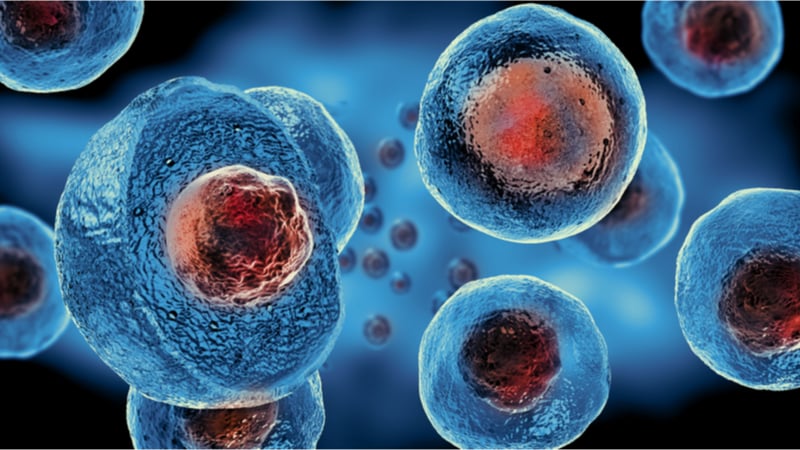
In an in-depth paper in Nature, researchers have explained how astrocytes, helper cells that provide crucial brain functions, epigenetically remember things in a way that encourages inflammation.

Traumatized cells

Long-lived immune cells, including T cells and B cells, can remember foreign pathogens [1]. This is why people can become immune to diseases after catching them once, and it is the basis for vaccination. However, previous research has found that, while protective, these learned responses can also be the basis for dangerous inflammation [2].

Little work had been previously done in determining how much this learning process affects astrocytes, which play an immune role in the brain alongside microglia [3]. As these cells play a crucial protective role when healthy and can be significant causes of brain inflammation when diseased [4], increased inflammation in these cells is a cause for concern. For example, inflamed astrocytes play a role in the devlopment of multiple sclerosis [5], an immune disorder that causes a loss of muscle control.

The pathway of memory

To test how much astrocytes remember, the researchers injected the brains of mice with IL-1β and TNF, two inflammatory factors that are known to induce symptoms similar to multiple sclerosis. One group received this treatment a week after the first treatment.

Even though inflammatory factors were decreased back to a basal level after seven days, the group that had been exposed for a second time expressed stronger responses than the group that had only been exposed once. One of these involved more of the inflammatory factor NF-κB. This increase in inflammation was associated with a decrease in neuronal viability.

RNA transcription analysis also found that histone acetylation, a biochemical process that is necessary for gene transcription, was increased after a second exposure. Specifically, the gene Ep300 was found to be responsible for this effect. Further cellular experiments found that this was intrisic to the individual astrocytes and not the result of signals sent by other cells.

Blocking out the memories

Therefore, the researchers hypothesized that Ep300 was responsible for the epigenetic memory of these astrocytes. To test this, they used CRISPR-Cas9 technology to create astrocytes that did not express it. These astrocytes, as expected, didn’t gain any memory of exposure to inflammatory factors, and so their gene expression was not affected in the long term by this exposure.

Further work found that acetylation was indeed the primary driver of this memory function and that Ep300 appears to be astrocyte-specific; other cells, such as CD4+ T cells, appeared unaffected by the inability to express it. Most critically, a sample of astrocytes taken from human multiple sclerosis patients found that the mouse and cellular findings were recapitulated: inflammatory pathways related to Ep300 were upregulated in these cells as well.

While this paper does not offer any treatments or near-term solutions to these cells becoming prone to inflammatory expression, resetting the memory of astrocytes may become a potential treatment for the crippling disease of multiple sclerosis along with other age-related inflammatory brain diseases.

We would like to ask you a small favor. We are a non-profit foundation, and unlike some other organizations, we have no shareholders and no products to sell you. All our news and educational content is free for everyone to read, but it does mean that we rely on the help of people like you. Every contribution, no matter if it’s big or small, supports independent journalism and sustains our future.

Literature

[1] Zinkernagel, R. M., Bachmann, M. F., Kündig, T. M., Oehen, S., Pirchet, H., & Hengartner, H. (1996). On immunological memory. Annual review of immunology, 14(1), 333-367.

[2] Netea, M. G., Domínguez-Andrés, J., Barreiro, L. B., Chavakis, T., Divangahi, M., Fuchs, E., … & Latz, E. (2020). Defining trained immunity and its role in health and disease. Nature Reviews Immunology, 20(6), 375-388.

[3] Rodgers, K. R., Lin, Y., Langan, T. J., Iwakura, Y., & Chou, R. C. (2020). Innate immune functions of astrocytes are dependent upon tumor necrosis factor-alpha. Scientific reports, 10(1), 7047.

[4[ Liddelow, S. A., Guttenplan, K. A., Clarke, L. E., Bennett, F. C., Bohlen, C. J., Schirmer, L., … & Barres, B. A. (2017). Neurotoxic reactive astrocytes are induced by activated microglia. Nature, 541(7638), 481-487.

[5] Wheeler, M. A., Clark, I. C., Tjon, E. C., Li, Z., Zandee, S. E., Couturier, C. P., … & Quintana, F. J. (2020). MAFG-driven astrocytes promote CNS inflammation. Nature, 578(7796), 593-599.

Editorial

Springtime and a Time for Growth in the Rejuvenation Field

Spring is in the air if you are in the Northern Hemisphere, and in the theme of new growth, let’s see what the lifespan.io team has been up to recently.

10th Birthday

Happy Birthday to lifespan.io

Today, March 21st, it is our birthday, and we celebrate 10 years of supporting rejuvenation research.

lifespan.io President Keith Comito said, “When we launched 10 years ago, it was always our plan to follow the steps laid out by those who came before us. We hoped to eventually see a day where rejuvenation research would be taken seriously by world leaders.”

Coincidentally, this is also the day that the Lifespan team will be at the Washington, DC fly-in event. Members of the longevity caucus and ARPA-H will join A4LI, a group focused on political action on aging. There will be a report from the event for you to enjoy in the coming weeks, so be looking out for that!

What is happening echoes the “Life Extension: How to Reach a Societal Turning Point” talk Keith gave in August 2016 at the D.N.A. Conference.

The talk emphasized the importance of effective messaging, education, and collective action to gain widespread acceptance for life extension. He proposed a three-step plan:

  • Having a clear and inclusive message
  • A consistent call to action
  • Mobilizing initiatives into transformative projects

A lot has changed since we first started out a decade ago, and progress in the field has really started to amp up. There is still a long way to go, but it is great to see our original goals beginning to come to fruition.

Team

Longevity on the agenda at Vitalia

We recently went to Vitalia, an event with a focus on life extension on the Caribbean island of Roatán. There, leading experts from the rejuvenation biotechnology, DeSci, and technology sectors are meeting to discuss the future.

Similar to Vitalik Buterin’s Zuzalu event last year, Vitalia continues the concept of the experimental pop-up city. It is happening in and around Próspera, a Special Economic Zone with legal and regulatory autonomy. The event started January 6th and ends on April 1st, so there is still time to visit.

Prospera ZEDE is a unique economic zone established under the Honduran constitution. Its aim is to create jobs and boost the economy through promoting entrepreneurial activities. It is recognized for having a highly innovative legal framework that is pro-technology and sophisticated.

Vitalia had a clear mission: To accelerate progress in extending healthy human lifespan. To that end, the event had four bi-weekly themes:

  • Longevity & Human Improvement.
  • Crypto Cities & Network States.
  • AI & Technological Progress.
  • Pathways to Healthy Life Extension.

President Keith Comito, Executive Director Stephanie Dainow, journalist Arkadi Mazin, and James Hale and Christie Sacco from marketing were present.

“Vitalia was not just fun but also a great example of dedicated people consciously choosing work over leisure,” Arkadi said. “While it was easy to get sucked into all the things the island had to offer, Vitalians balanced it admirably with networking, learning, building new companies and connections.

Vitalia is the first pop-up city that basically ditched the “pop-up” part by opting for a permanent presence. About 30 people have decided to stay there, and now, all longevity enthusiasts will have this amazing place as a sort of home base. Honestly, I can’t wait to go back there.”

These pop-up city events are becoming increasingly popular. They are a great way for groups of people to engage and initiate positive action for longevity tech. It’s really quite amazing just how much the longevity landscape has changed in the last 10 years or so.

Only a decade ago, there was little funding for research and even less public interest. Happily that situation is significantly different now, and there are aging interventions close to and even in clinical trials today.

If you want to find out more, be sure to check out the event report Hard Science and Long-Shot Ideas Meet in Vitalia by Arkadi Mazin.

MMC

The Million Molecule Challenge

Mitchell Lee and Matt Kaeberlein, along with other researchers, have launched the Million-Molecule Challenge in collaboration with Ora Biomedical. This initiative aims to quickly assess numerous compounds that may have the ability to enhance longevity and promote overall health.

lifespan.io has partnered with Ora Biomedical to offer financial support for this endeavor. Through fiscal sponsorship, a non-profit organization grants its tax-exempt status to specific entities and external projects that align with the organization’s goals.

lifespan.io has decided to back The Million-Molecule Challenge because we believe that it has the potential to drive significant progress in our comprehension of aging and potential strategies to combat it.

If you are curious to learn more about how the team is using the amazing WormBot and other tools to identify longevity molecules, check out How to Test One Million Molecules by Arkadi Mazin.

You can sponsor intervention(s) to be tested or even propose your own experiment as part of the project. Check out the Million-Molecule Challenge page to find out more and get involved!

NUS Alumni House

The longevity race: National Strategies for Global Leadership

Lifespan Executive Director, Stephanie Dainow recently spoke at the National University of Singapore’s Centre for Healthy Longevity Conference 2024.

NUS PresentationThe event focused on supplements with potential to extend healthspan and lifespan. NAD+ precursors, multivitamins, fisetin, and urolithin A were some of the supplements being discussed.

lifespan.io took a different angle at the conference and chose to talk about longevity in the context of a contest between nations. Stephanie’s talk likened the longevity movement to a race and looked at the various national strategies for global leadership. The idea was to look at the problem of aging and the ill health it brings in a different way.

She compared the race to solve aging as being similar to the space race or the arms race seen during the Cold War. Both of these historical races were essentially a competition between nations to dominate and achieve a strategic technological goal.

NUS Presentation 2Just like winning the space race or the cold war, solving aging will also mean achieving a great strategic victory and much power. There is a clear opportunity for a leader to emerge in the longevity race. But who will be first?

Once the first breakthroughs in rejuvenation biotech and longevity arrive it will be transformative for healthcare. This is inevitable and there is no stopping it once the genie is let out of the bottle.

Stephanie’s talk set out to answer the following questions:

  • Who’s going to be the global leader?
  • Who will inform best practices?
  • Who will set the new standards?
  • Who’s going to have authority?
  • How does somebody win the race?
  • What does that leadership and influence actually look like?

The longevity race has begun, and there will be implications for nations falling behind. This is why lifespan.io is looking at the field not only from a scientific point of view but also from a geopolitical one.

Medical Longevity Summit

Our plans for 2024 are big, and we need your support

Finally, we kindly ask a favor from you. As a nonprofit organization, we depend on the backing of our audience to continue providing a diverse range of content centered on living a long and healthy life. We have big plans for 2024, and here are some examples.

  • Sponsorship of groundbreaking, underfunded research.
  • Trustworthy longevity news and education, reaching as many as one million people per month.
  • Making more high-impact collaborations, such as our partnership with Chris Hemsworth’s Centr.
  • Accelerating and funding numerous longevity biotech startups through our Longevity Investor Network.
  • Dispelling misconceptions and changing the narrative around aging, rejuvenation, and longevity.

Your support matters, now more than ever. Join us in making a lasting impact by making a contribution. Together, we can create a healthier future for everyone!

We would like to ask you a small favor. We are a non-profit foundation, and unlike some other organizations, we have no shareholders and no products to sell you. All our news and educational content is free for everyone to read, but it does mean that we rely on the help of people like you. Every contribution, no matter if it’s big or small, supports independent journalism and sustains our future.
Macaques respond to caloric restriction.

Caloric Restriction in Primates Leads to Gut Changes

In a recent Nature Communications paper, the researchers investigated changes in weight, metabolism, and microbiome that resulted from periodic restricted feeding in non-human primates [1].

Continuous vs. time-restricted caloric restriction

Caloric restriction, which limits the amount of calories an organism consumes, is a widely known lifespan-extending intervention in laboratory animals [2]. How caloric restriction is conducted varies by such factors as the exact number of calories, dietary content, timing, and the length of treatment.

Typical caloric restrictions require restricting caloric intake for a long period of time, but variations to that protocol are being studied. One approach is time-restricted eating, in which the animal fasts for some period of the day and, after this, is allowed to eat without restrictions. This can also be implemented over time, with several days of caloric restriction followed by several days of unrestricted eating. The authors of this paper refer to this scheme as periodic restricted feeding.

Fewer calories, lower body weight

Periodic restricted feeding has been shown to be successful in rodents for “regulating healthy metabolism, body weight, and healthspan” [3]. The authors of this paper tested it in rhesus macaques (Macaca mulatta), non-human primates that are commonly used in experiments. The authors restricted the caloric intake of the animals for four days, with a 50% restriction on the first day and a 70% restriction on the following three days. Following the caloric restriction period, animals were allowed to eat without restrictions for ten days. Such a pattern was repeated for six cycles.

The experiment was rather small, as it contained only 12 male and 11 female adult rhesus monkeys. The group was divided into two groups: a control with constant food access and a periodically restricted feeding group.

The first observation described in the paper is the impact of periodic restricted feeding on body mass. The animals whose caloric intake was restricted lost weight. This was true whether animals were compared to their original baselines (the mean body mass loss was 5%) or to animals who had an unrestricted diet.

Calorically restricted animals consumed roughly 10% to 30% less food compared to controls. The amount of reduced food intake was not directly correlated with the loss of body weight. The researchers are curious about the missing pieces in this puzzle, suggesting that future measurements of energy expenditure, metabolic rate, and activity might shed more insight on the relationship between caloric restriction and body weight.

Metabolome-microbiome alterations

In the next step, the researchers quantified 866 metabolites from blood serum at different time points. They have observed transient changes to the metabolome resulting from periodic restricted feeding. The biggest shifts were observed on day four of caloric restriction in both cycle three and cycle six. However, following refeeding, these changes were reverted almost back to baseline. A closer look into the exact metabolites that changed revealed 56 up- and down-modulated metabolites, mostly in different lipid classes, suggesting the activation of pathways that utilize lipids.

Was the change permanent? Previously done murine research reported persistent metabolic changes following similar cyclical caloric restriction [3]. However, in this study, the researchers observed sex-dependent differences. While in males, metabolic signatures reset to baseline at the end of the study, in females, they overcorrected.

The researchers noted consistency between sex-specific differences in metabolic signatures and long-term body weight changes. Females were observed to quickly regain the weight lost during caloric restriction treatment. In males, on the other hand, weight loss was sustained during the three-year follow-up period. Based on those results, the researchers speculated that in females, weight gain might be correlated to the metabolic signature overcorrection. However, further research is necessary to confirm that.

Continuous caloric restriction is also known to result in changes in the microbiome [4]. The authors of this paper tested if periodic restricted feeding will also cause permanent changes in primates. α-diversity is a measurement of the number and amount of different types of gut bacteria, and this research indicated trends towards ”increased α-diversity during peak diet after three” cycles of food restriction. This is a positive change, as previous research generally observed an association between increased gut diversity and better health [5]. The data suggested that the response was increasing with each cycle.

The researchers also investigated changes in specific groups of bacteria. They observed an increase in the levels of one type that was previously found to decrease in obesity in humans [6]. On the other hand, bacteria that are increased in obesity and type 2 diabetes [7] were reduced following the restricted feeding in this experiment. The researchers also speculate that the changes in microbes influenced the changes in the levels of some of the metabolites in the blood serum.

The gut is also known to interact with the immune system. However, the authors of this study reported that animals that experienced periodic restricted feeding “presented a more stable blood profile compared to” controls. Periodic restricted feeding also didn’t seem to impact the animals’ inflammatory status. They speculate that it might be due to the cyclical refeeding periods that allowed the immune system to retain its functions.

Better for humans?

Strict, continuous dietary restriction is challenging for humans to implement. The authors believe that implementing such a cyclical regime might be easier to implement and sustain and that it still provides many benefits. They believe the data they have shown is promising. However, further characterization with varied diets, levels of restriction, and longer durations is necessary.

“In summary, we found that short-term, consecutive PRF cycles result in a significant loss of body weight and fat percentage in adult rhesus monkeys. This was accompanied by complimentary changes to the gut microbiome and the metabolic profile, with stable hematopoiesis and without discernable negative side effects.”

We would like to ask you a small favor. We are a non-profit foundation, and unlike some other organizations, we have no shareholders and no products to sell you. All our news and educational content is free for everyone to read, but it does mean that we rely on the help of people like you. Every contribution, no matter if it’s big or small, supports independent journalism and sustains our future.

Literature

[1] Yanai, H., Park, B., Koh, H., Jang, H. J., Vaughan, K. L., Tanaka-Yano, M., Aon, M., Blanton, M., Messaoudi, I., Diaz-Ruiz, A., Mattison, J. A., & Beerman, I. (2024). Short-term periodic restricted feeding elicits metabolome-microbiome signatures with sex dimorphic persistence in primate intervention. Nature communications, 15(1), 1088.

[2] Taormina, G., & Mirisola, M. G. (2014). Calorie restriction in mammals and simple model organisms. BioMed research international, 2014, 308690.

[3] Diaz-Ruiz, A., Rhinesmith, T., Pomatto-Watson, L. C. D., Price, N. L., Eshaghi, F., Ehrlich, M. R., Moats, J. M., Carpenter, M., Rudderow, A., Brandhorst, S., Mattison, J. A., Aon, M. A., Bernier, M., Longo, V. D., & de Cabo, R. (2021). Diet composition influences the metabolic benefits of short cycles of very low caloric intake. Nature communications, 12(1), 6463.

[4] von Schwartzenberg, R. J., Bisanz, J. E., Lyalina, S., Spanogiannopoulos, P., Ang, Q. Y., Cai, J., Dickmann, S., Friedrich, M., Liu, S. Y., Collins, S. L., Ingebrigtsen, D., Miller, S., Turnbaugh, J. A., Patterson, A. D., Pollard, K. S., Mai, K., Spranger, J., & Turnbaugh, P. J. (2021). Caloric restriction disrupts the microbiota and colonization resistance. Nature, 595(7866), 272–277.

[5] Ghosh, T. S., Shanahan, F., & O’Toole, P. W. (2022). The gut microbiome as a modulator of healthy ageing. Nature reviews. Gastroenterology & hepatology, 19(9), 565–584.

[6] Clarke, S. F., Murphy, E. F., Nilaweera, K., Ross, P. R., Shanahan, F., O’Toole, P. W., & Cotter, P. D. (2012). The gut microbiota and its relationship to diet and obesity: new insights. Gut microbes, 3(3), 186–202.

[7] Castaner, O., Goday, A., Park, Y. M., Lee, S. H., Magkos, F., Shiow, S. T. E., & Schröder, H. (2018). The Gut Microbiome Profile in Obesity: A Systematic Review. International journal of endocrinology, 2018, 4095789.

The Journal Club is a monthly livestream hosted by Dr. Oliver Medvedik which covers the latest aging research papers.

Journal Club Episode 2 – 2024

The Journal Club returns to the lifespan.io Facebook page with Dr. Oliver Medvedik as your host on Friday, March 22nd at 12:00 Eastern time. This new paper further explores the approach of using light and sound stimulation to help combat Alzheimer’s disease.

The Mindset project

This is a subject close to our heart, as Dr. Medvedik and lifespan.io are working on developing the Mindset project. The project aims to target Alzheimer’s disease using a headset that stimulates the brain with light and sound in order to trigger neural entrainment. Neural entrainment refers to the observation that brainwaves will naturally synchronize to the rhythm of periodic external stimuli, including flickering lights and sounds. Evidence suggests that triggering neural entrainment may reduce the loss of functional connectivity, combat brain atrophy, and improve cognitive function.

Abstract

The glymphatic movement of fluid through the brain removes metabolic waste. Noninvasive 40 Hz stimulation promotes 40 Hz neural activity in multiple brain regions and attenuates pathology in mouse models of Alzheimer’s disease. Here we show that multisensory gamma stimulation promotes the influx of cerebrospinal fluid and the efflux of interstitial fluid in the cortex of the 5XFAD mouse model of Alzheimer’s disease. Influx of cerebrospinal fluid was associated with increased aquaporin-4 polarization along astrocytic endfeet and dilated meningeal lymphatic vessels. Inhibiting glymphatic clearance abolished the removal of amyloid by multisensory 40 Hz stimulation. Using chemogenetic manipulation and a genetically encoded sensor for neuropeptide signalling, we found that vasoactive intestinal peptide interneurons facilitate glymphatic clearance by regulating arterial pulsatility. Our findings establish novel mechanisms that recruit the glymphatic system to remove brain amyloid.

Join us live on the call

As a Lifespan Hero, you can join us live on the show and join in the discussion directly by using the connection information below: Join Zoom Meeting Meeting ID: 812 9222 3611 Passcode: 433236

Literature

[1] Murdock, M. H., Yang, C. Y., Sun, N., Pao, P. C., Blanco-Duque, C., Kahn, M. C., … & Tsai, L. H. (2024). Multisensory gamma stimulation promotes glymphatic clearance of amyloid. Nature, 1-8.  
Wormbot assays side by side during the million molecule challenge.

How to Test One Million Molecules

Ora Biomedical has created a robot for high-throughput screening of life-extending compounds in worms, and you can buy an experiment for 100 dollars.

Things in the longevity field look bright or gloomy, depending on who you ask. It is true that we now understand much more about aging than we did just a few years ago and that scientists have come up with potentially revolutionary ideas such as cellular reprogramming. It is equally true that no matter what we try, the most powerful interventions for prolonging lifespan in animal models remain rapamycin and caloric restriction, something invented decades ago.

This is a source of frustration for the renowned aging researcher Matt Kaeberlein and one of the reasons why he left academia after years as a University of Washington professor. To the public, Matt is probably most known as the driving force behind the Dog Aging Project, a monumental attempt to understand and influence the aging of our beloved canine companions. The National Institute on Aging (NIA) recently cut funding for the DAP, which Matt sees as fundamentally unjust.

Matt’s two other babies are his companies Optispan and Ora Biomedical. Both are headquartered in a low-key building inside an industrial zone in Seattle. Optispan specializes in longevity medicine and is not the focus of this article. Ora Biomedical is built around WormBot, a device that Matt and his team created back in UW about six years ago.

A can of worms? Hundreds of them!

If you’re into biology, you are familiar with the worms in question. C. elegans, tiny short-lived nematodes, are among the most popular animal models. The reputation of geroscience (the biology of aging) as a scientific discipline and its rapid growth in recent years owe much to the experiments done by Cynthia Kenyon more than a decade ago. Cynthia (now with Calico, Google’s secretive anti-aging company) showed that genetic alterations can dramatically extend lifespan in C. elegans.

Those worms, consisting of roughly a thousand cells, vastly differ from humans, but they are still multicellular organisms running the same basic processes, and while many interventions that promote lifespan in C. elegans don’t work in more complex models such as mice, some do.

Matt thinks that geroscience needs to be unstuck. It has been looking under the lamp post, he says, drilling into mechanisms while deprioritizing the search for new compounds. Rapamycin was a serendipitous discovery. Who said it’s the best that the vast world of small molecules has to offer? We just need to screen lots and lots of those molecules to find new interventions.

This is what WormBot is for. It automates simple experiments in C. elegans, allowing for high-throughput small molecule screening. Even if a fraction of the experiments will yield positive results, and a fraction of those will translate into mice and humans, if you screen millions of interventions, you’re bound to find something. Matt firmly believes that you would find something big: “There is absolutely no doubt in my mind that we’ll find things better than rapamycin and caloric restriction – single molecules or combinations.”

MMC 1

A screenshot from the MMC introductory video

Science for the masses

To screen one million molecules and combinations, you need a lot of money or a village. To kickstart what they hope will be a new era of longevity drug discovery, Ora decided to go to the public with the Million Molecule Challenge.

MMC lets any person sponsor an intervention: either a single drug, a combination, a custom-made experiment, or, if you’re unsure what you want except to move the science of aging forward, you can order a random intervention. A single drug experiment costs merely 100 dollars, and a combination costs twice that sum.

For your money, you will get your own wells, each with 20-25 worms crawling around. The compound you requested will be added to the worms’ food, and cameras will monitor the animals’ well-being (for instance, motility), and, ultimately, lifespan. Data will be collected and analyzed mostly automatically, and you will receive joint ownership over it.

Since the idea is to move the field forward, you would have to opt out of keeping it in an open-source database. If you find something interesting and decide to pursue it, according to Matt, Ora will be your natural partner and help you every step of the way.

In a video on the MMC website, Matt called it “one of the most impactful projects in longevity” that attempts to address “probably the most limiting problem in the field today.” “Why aren’t we setting new longevity records every year or at least every decade?” Matt asked rhetorically, the answer being that we need to cast a wider net – with your help, dear citizen scientists.

Today, you can choose from about 2000 FDA-approved drugs and a few hundred other compounds. That may seem like a lottery, but you can make informed choices to maximize your chances. For instance, you can go for a combination with an established pro-longevity molecule such as rapamycin.

Another example Matt gives is metformin. Some combinations with this drug, he said, have shown to be additive, and some are even synergistic, giving an effect size larger than the sum of the effects from each component. If you choose a known intervention, at least you can expect your worms to live longer than the wild-type, which should be satisfying. Or, if you feel lucky, you can opt for something completely different and unexplored.

While 100 dollars is not cheap, it is the first time ever that such a sum can buy you a full-scale biology experiment and a chance to stick it to aging. To add even more excitement, a longevity leaderboard is planned.

“Completing the MMC will lead to a thousand-fold increase in the sum total of knowledge about longevity interventions versus what we have now”, Matt said in the video.

A matter of when, not if

Ora CEO, co-founder, and Matt’s former graduate student, Mitchell Lee, walked me through Ora’s HQ. “We’re just about to get our price seed round finalized, and that’s going to allow us to grow our wet lab,” he said, showing me the lab. Ora is not just about MMC, it also has its own pipeline which Mitchell is secretive and excited about. According to him, they already have a couple of very promising leads.

As we talked, Mitchell reiterated Ora’s tenets:

We do recognize from our background as scientists that we’ve barely scratched the surface of chemical space. Things better than rapamycin are out there. It’s not a matter of whether they exist or not, it’s how quickly we find them. Matt and I both are very much of the same mindset that we just need to comb through things as quickly as possible.

If you’re looking for lifespan-extending stuff, you need to do it in animals or some kind of a living, fully intact system, not just isolated cells, and you need to look at what matters: lifespan. So, instead of focusing on target-based approaches, instead of trying to be overly sophisticated or tell nature what you think is important, just step back, devise an unbiased system, and let nature tell you what’s important.

And that’s what I think we’ve built here – a system that allows us to unbiasedly and rapidly screen and comb through chemical space, test things without imposing our assumptions on it. That’s how we’ll find new pathways, new targets.

I like the idea, but C. elegans is still a primitive model. What are the historical rates of translation from C. elegans to more complex animal models and humans?

From our perspective, that’s the biggest unknown in the field right now. The limiting factor is that we don’t have that many mouse lifespan experiments.

What’s your hunch about the translation rate?

I just don’t know, but what I can tell you is that the most promising interventions we’ve identified to date, like caloric restriction and rapamycin, work in every organism we’ve tested. That, to me, makes a lot of sense because it is evolutionarily highly conserved fundamental molecular and cellular mechanisms that break down with aging.

At the end of the day, at that fundamental molecular and cellular level, nature didn’t create a lot of new things. It doesn’t tend to solve the same problem twice. It’s what you hear in evolutionary biology. So, we should be able to find aging interventions and targets by investigating a system like a worm or a mouse and then translating that to a human.

That’s baked into our science. We take it seriously. We think we’re going to find those fundamental, conserved small molecules. We don’t know the answer to the hard question – how many of these are going to translate? My back of the envelope is probably one to ten percent.

So, if you check one million interventions, you get 1 percent of a million: 10,000. If we find 10,000 new interventions that are evolutionarily conserved, that will completely redefine our understanding of aging. Limited translation rates don’t bother me too much because of the scale and of how little has been tested so far. We are going to find new things.

MMC 3

A computer screen shows a single well with its tiny inhabitants. Images like this one are analyzed to assess the worms’ health and lifespan.

There’s also a growing understanding that the key might be in combinations. There is a huge number of possible combinations, and this is where your platform might come in handy.

Yes, and that’s where you see the cutting edge of the pharmacology of aging literature right now. It’s not necessarily just finding new small molecules. People are finally starting to engage in combination research.

There’s this feeling that we’ve been putting all our eggs in maybe not one, but very few, baskets. For instance, billions have been poured into cellular reprogramming, and we’re still not sure it will ever work. Same with senolytics. It looks like we could use some new ideas.

Yes, and that’s what we call the “looking under the lamp post problem.” For the last 20 years, academia has drilled in on mechanisms and less so on finding new things. If you want to get a federal grant, you have to tell a story of how your discovery fits into what we already know. People just want to understand more nuanced features of the mechanisms of what we already know, and that is not the way to discover new things.

What are your guidelines for choosing compounds?

We want to begin with the largest, most diverse chemical libraries that we can get just off the shelf. There are hundreds of thousands of molecules you can purchase readily. We want to explore that as much as possible, start finding hits and then start developing our own chemistries around those new hits and then figuring out those combinations.

The Million Molecule Challenge seems like a cool and clever way to jump-start the whole thing. How is it going? Are people taking interest?

We’ve been promoting it largely internally through our social media, and we’ve had a great response to it. People from 18 countries have sponsored interventions, so our grassroots hypothesis of whether people would be interested in it at all was validated. We’re very happy with what we’ve generated so far. The thing is, how do we expand it, grow it, and get more people excited about it?

[At this point, Matt joined us and expanded on what Mitchell just said in Matt’s typical reserved and understating manner:]

MMC has gotten a lot of enthusiasm. The longevity field is pretty small, so, the actual revenue that has come in has not been enough to do what we want to do, yet. But hopefully, we’ll keep getting attention and will eventually get there. Anything that we can do to make data available to the community at an unprecedented scale will be valuable. I would like to see us be able to go 10-fold, 100-fold, 1,000-fold beyond what we’ve currently got. I think that’s where you really start to uncover the power of things like new AI tools. But we’ll do as much as we can and see what works.

If you get a hit from the Million Molecule Challenge, what’s the path forward for you and the person who sponsored that intervention?

We will get hits. We will get many hits. The first thing is to replicate it. Is it real? Is it reproducible? From there, there are many paths. It’s going to depend on the specific molecule.

I would say, the next step would be to see if it works in mice. If it does, you’re going to feel a lot better about sticking with that and developing it. You could imagine other things like, if it’s a natural product, you might want to partner with a nutraceutical, or they might want to take it forward directly to the human market.

You might want to do validation in cell culture if you’re going to use it for skin care formulas. We’ve talked with a couple of beauty skin care companies that are very interested in finding things that target the biology of aging and are relevant specifically to skin aging.

A developmental opportunity that I know Mitch is enthusiastic about is looking at disease-specific models in worms to identify specific indications. This will be easier to potentially get FDA approval for. Ora can provide all those options, but our main goal is to inform and enable the research community in a way that hasn’t been possible.

MMC 4

Left to right: Ora Biomedical CTO Dr. Ben Bue, CEO Dr. Mitchell Lee, and Director of Invertebrate Research, Michael Muir in their dimly lit worm kingdom

“People have enthusiasm in the field”, Mitchell chimed in.

That’s the sandbox that we’ve created, where we’re able to do experiments in a way that is cost-effective and truly democratic.

The cool thing is, we’re building a data set unlike anything that exists in the world today by orders of magnitude. And it’s all going to be consistent and reproducibly done with the same kind of methodology, where we’ve got the receipts, we’ve got videos of everything. This data set is going to be the largest, most comprehensive, and most rigorous that has ever existed.

This is going to be the foundation of the next generation of longevity biotech. We’re getting going. We’ve already got something that works twice as well as the gold standard right now, and we just got started. We found that in a month, we need time, we need energy, we need resources. Let us change the face of longevity research by just turning over the things that need to be looked at.

lifespan.io is proud to collaborate with Ora on the Million Molecule Challenge, driving the discovery of new life-extending compounds. Visit the sponsorship page to pick your intervention today!

We would like to ask you a small favor. We are a non-profit foundation, and unlike some other organizations, we have no shareholders and no products to sell you. All our news and educational content is free for everyone to read, but it does mean that we rely on the help of people like you. Every contribution, no matter if it’s big or small, supports independent journalism and sustains our future.

A Small Molecule to Restore the Liver

In Cell, a team of researchers, including the founders of the biotech company HepaRegeniX, has published a paper on HRX215, a molecule that encourages liver regeneration.

When the liver doesn’t regenerate

The researchers note that the liver has a “nearly unlimited regenerative potential” under healthy circumstances. However, when its microenvironment changes due to damage, this potential can become lost [1]. This team has published previous work showing that MKK4, which is part of the MAPK stress response network, is a fundamental regulator of this ability and that inhibiting MKK4 encourages regeneration in liver cells [2]. No previous small molecules to inhibit MKK4 have been published, and this team claims to be the first.

Liver growth without tumors

A genetically engineered mouse model, which has its MKK4 production suppressed in the presence of doxycycline, was used as the basis for the initial experiments before the prospective drug had been produced. 72 hours after the mice’s MKK4 genes were silenced, these mice and mice in a control group had sections of their livers removed, and the mice were examined 48 hours later. The number of proliferating liver cells was considerably greater in the MKK4-silenced mice compared to the control group.

To test long-term safety, the researchers silenced MKK4 in mouse populations for 12 months. There was no evidence of toxicity, and lifespan was not significantly affected. The researchers hold that because MKK4 is part of a stress response, silencing MKK4 will make no difference in the absence of that response.

They performed a safety test by using a mouse model that is exceptionally prone to liver tumors, and then fed those mice a diet known to induce liver toxicity [3]. They then injected these mice with liver cells from either the control group or the MKK4-silenced group. There were no significant differences between the groups, although the number of liver tumors seemed to be lower in the animals that had received the MKK4-silenced cells.

Drug discovery and mouse results

Encouraged by these results, the researchers then began to conduct drug discovery. They analyzed the molecular structure of MKK4 and discovered that an existing drug that has already been clinically approved, vemurafenib, binds to it as an off-target effect. They modified this molecule, HRX215, to more strongly focus on MKK4, making sure that it does not affect related compounds that are core components of liver regeneration.

They then injected HRX215 into wild-type mice, comparing them to a control group. Similarly to the MKK4-silenced mice, these animals had no significant physical differences in the absence of liver damage. Dosing the animals with HRX215 before exposing them to carbon tetrachloride, a molecule that induces liver damage, encouraged proliferation of these cells and significantly decreased the number that had died. The protective effects were the same regardless of whether the mice received the drug at .4 mg/kg or 10 mg/kg, suggesting that a low dose is sufficient.

Giving the mice HRX215 over a long period of time showed no adverse side effects. There were no significant differences in safety-related biomarkers. Instead, it seemed to be protective in models of alcoholism and fibrosis, encouraging healthy growth while discouraging cancerous tumors. That combination is rare in drug effects, and the researchers note that some pathways that are upregulated when MKK4 is inhibited in healthy cells are downregulated instead in cancer cells.

From pigs to people

When pigs have 80% of their livers removed (resection), they normally survive. However, removing 85% of the organ usually leads to acute liver failure and death. Using a total of eight animals, the researchers tested their drug against 80% resection first, injecting them with it starting a full day before the surgery. 43 hours afterwards, the control group had regenerated 160 milliliters of liver volume, but the treatment group regenerated over 250 milliliters.

The researchers used a total of 18 animals to testing 85% liver resection: six were given HRX215 12 hours before surgery, six were given the drug 12 hours after surgery, and six were in a control group. Bilirubin and ammonia rose in the control group far more in the control group than in either of the treatment groups, which performed similarly. Intracranial pressure (ICP) rose in the control group but not in the treatment groups. AST, a marker of severe liver damage, spiked in all three groups but rapidly went down in the treatment groups. Most of the treated animals survived, but only one of the control group did.

HRX215

These highly encouraging results led the researchers to perform a Phase 1 safety trial in human beings. These trials are not powered to test the drug’s efficacy; rather, they are meant to determine whether or not they lead to adverse side effects. Fortunately, there were no serious or severe side effects, and transient, mild side effects were similar between the placebo groups and the treatment groups. There were also no significant differences in blood cell counts.

The researchers hold that their results favor the development of a Phase 2 efficacy study, which would determine whether or not the drug actually helps regenerate the livers of human beings. If successful, such a drug could potentially help the lives of a great many people suffering from age-related or toxicity-related liver damage.

We would like to ask you a small favor. We are a non-profit foundation, and unlike some other organizations, we have no shareholders and no products to sell you. All our news and educational content is free for everyone to read, but it does mean that we rely on the help of people like you. Every contribution, no matter if it’s big or small, supports independent journalism and sustains our future.

Literature

[1] Campana, L., Esser, H., Huch, M., & Forbes, S. (2021). Liver regeneration and inflammation: from fundamental science to clinical applications. Nature reviews Molecular cell biology, 22(9), 608-624.

[2] Wuestefeld, T., Pesic, M., Rudalska, R., Dauch, D., Longerich, T., Kang, T. W., … & Zender, L. (2013). A Direct in vivo RNAi screen identifies MKK4 as a key regulator of liver regeneration. Cell, 153(2), 389-401.

[3] Wolf, M. J., Adili, A., Piotrowitz, K., Abdullah, Z., Boege, Y., Stemmer, K., … & Heikenwalder, M. (2014). Metabolic activation of intrahepatic CD8+ T cells and NKT cells causes nonalcoholic steatohepatitis and liver cancer via cross-talk with hepatocytes. Cancer cell, 26(4), 549-564.

Pharmaceuticals on shelf

Study Suggests 14 Existing Drugs Increase Human Lifespan

Scientists have used a huge database to find links between existing drugs and human lifespan. Only 14 of more than 400 showed a positive correlation [1].

Reinventing the wheel?

One of the subfields in geroscience was born from the idea that some drugs currently in use for various indications might slow aging. In recent years, we have seen such successes with existing drugs in animal models. For instance, rapamycin, which is mostly used as an immunosuppressant, is one of the strongest pro-longevity interventions in mice.

What about people? Unfortunately, there hasn’t been a single lifespan clinical study in humans. Designing such a trial is difficult due to our species’ remarkable longevity. Hence, our only current option is populational studies of people who take medicines.

One such study had caused a lot of fuss around the anti-diabetes drug metformin, as it showed that diabetes patients who received the drug lived longer than healthy people who did not [2]. Since then, another study has cast those results into doubt [3]. Metformin also failed to increase lifespan in mice in a rigorous trial that was conducted as part of the Interventions Testing Program (ITP).

The fabulous 14

Finally, a large-scale populational study of associations between various drugs and human lifespan is out as a pre-print (that is, it has not been peer-reviewed yet). The authors, which include the renowned geroscientist Alejandro Ocampo, used data from UK Biobank, a huge repository of health data on half a million of British citizens.

UK Biobank contains drug prescriptions for more than 200,000 participants (56 million prescriptions in total). This allowed the researchers to analyze the effects of 406 drugs prescribed to at least 500 patients each. 169 of the drugs had an effect on lifespan. Most were, predictably, associated with shorter lifespan. This is a known phenomenon caused, probably, by the diseases that drugs are prescribed for and by the drugs’ side effects.

However, 14 drugs appeared to positively influence lifespan compared to health-matched controls. The researchers controlled for major factors known to influence lifespan: current smoking status, cancer diagnosis, diabetes, gender, and age at recruitment.

One of the drugs was atorvastatin. This is one of the statins, a class of drugs used to decrease the levels of cholesterol in the blood. Statins have a good safety profile and are generally considered one of modern medicine’s biggest successes. Use of atorvastatin was associated with 9% less mortality risk (hazard ratio of 0.91).

Another winner was naproxen, a non-steroidal anti-inflammatory drug (NSAID) used to ease symptoms of arthritis. It was associated with a 10% decrease in mortality risk. Chronic inflammation is one of the hallmarks of aging and a driver of multiple aging processes. However, we cannot be sure this is the reason for naproxen making the cut. Another anti-inflammatory drug on the list was Otomize, a spray used to treat ear infections with three active ingredients, including steroids.

Something for both sexes

Another well-known drug to be found associated with longer lifespan was sildenafil, also known as Viagra, with a 15% less mortality risk. Again, we do not know the reason. It could be Viagra’s vessel-diluting activity or a case of reverse causation, in which healthier people are more interested in having sex.

Sildenafil, of course, is only prescribed to the male population, but women had their winners too. Those were estrogen-related drugs: Estraderm, Vagifem, estriol, and estradiol. They seemed to have a profound effect, decreasing mortality risk by 33%, 27%, 26%, and 25% respectively. Recent research has shown that menopause and dwindling levels of estrogen associated with it are linked to poorer health, which is improved by hormone replacement therapy (HRT). Interestingly, 17-alpha-estradiol, a “non-feminizing estrogen”, has produced notable life extension in male but not female mice [4].

The three last drugs linked to less mortality risk were the contraceptive Marvelon and two vaccines, Avaxim and Revaxis. The authors specifically note that metformin did not have any effect on lifespan. The study does not mention rapamycin, probably because it is rarely prescribed.

Drug hazard ratios

The researchers also looked at classes of drugs. Statins as a class were negatively associated with mortality risk, and even more so were SGLT2 inhibitors, a class of anti-diabetes drugs (36% risk reduction, but in a smaller sample than metformin). The most popular commercial SGLT2 inhibitor is Jardiance (empagliflozin). Another drug of this family, canagliflozin, led to life extension in mice in ITP trials [5].

Populational studies like this one are notoriously hard to interpret and can show correlation but not causation. The researchers controlled for just a handful of confounding variables, and many more factors were probably unaccounted for. However, as the data gets bigger and better, we should see more studies that point to existing drugs as possible geroprotectors.

We would like to ask you a small favor. We are a non-profit foundation, and unlike some other organizations, we have no shareholders and no products to sell you. All our news and educational content is free for everyone to read, but it does mean that we rely on the help of people like you. Every contribution, no matter if it’s big or small, supports independent journalism and sustains our future.

Literature

[1] Morin, J., Rolland, Y., Bischoff-Ferrari, H. A., Ocampo, A., & Perez, K. (2024). Association between prescription drugs and all-cause mortality risk in the UK population. medRxiv, 2024-03.

[2] Bannister, C. A., Holden, S. E., Jenkins‐Jones, S., Morgan, C. L., Halcox, J. P., Schernthaner, G., … & Currie, C. J. (2014). Can people with type 2 diabetes live longer than those without? A comparison of mortality in people initiated with metformin or sulphonylurea monotherapy and matched, non‐diabetic controls. Diabetes, Obesity and Metabolism, 16(11), 1165-1173.

[3] Stevenson-Hoare, J., Leonenko, G., & Escott-Price, V. (2023). Comparison of long-term effects of metformin on longevity between people with type 2 diabetes and matched non-diabetic controls. BMC Public Health, 23(1), 804.

[4] Harrison, D. E., Strong, R., Reifsnyder, P., Kumar, N., Fernandez, E., Flurkey, K., … & Miller, R. A. (2021). 17‐a‐estradiol late in life extends lifespan in aging UM‐HET3 male mice; nicotinamide riboside and three other drugs do not affect lifespan in either sex. Aging Cell, 20(5), e13328.

[5] Miller, R. A., Harrison, D. E., Allison, D. B., Bogue, M., Debarba, L., Diaz, V., … & Strong, R. (2020). Canagliflozin extends life span in genetically heterogeneous male but not female mice. JCI insight, 5(21).

Fat and lean mice

Controlling a Protein to Stop Obesity

In GeroScience, researchers have described how turning off a specific protein prevents mice from getting obese in old age.

Mimicking hypoxia

Hypoxia-inducible factors (HIFs) are a collection of three proteins that are sensitive to oxygen, and, like their name suggests, they normally activate when a cell is operating in a low-oxygen environment. The gene EGLN1 encodes for prolyl hydroxylase domain-containing protein 2 (PHD2), which dampens these factors; accordingly, reducing PHD2 increases their presence [1].

Hypoxia is known to be associated with reduced body weight in both animals [2] and people [3]. The mechanism of action for this has been documented [4] but is not yet fully understood. PHD2 has been linked to diabetes and obesity [5], and an HIF protein has been linked to a reduction in these metabolic disorders [6].

These researchers note that directly manipulating HIF levels in living organisms is challenging and propose that PHD2 is a more readily available target. They created a mouse model that does not express PHD2 in its vascular endothelial cells to test the possible effects of such an approach. Only male mice were used in this study, which the researchers noted as a crucial limitation.

Obesity obliterated, insulin improved

Freely fed mice, eating an entirely normal chow diet, naturally gain weight with aging. However, the PHD2 knockout mice remained statistically unchanged over time, in stark contrast to the control group, in all measurements of body weight, lean mass, and fat mass.

PHD2 obesity

Visually, the mice were completely different, and a dissection showed lean organs in the PHD2-knockout group while their same-age counterparts had substantial fat masses. The PHD2-less mice had less fat on their livers and considerably smaller amounts of white adipose tissue.

Perhaps due to the hypoxia-related proteins, older PHD2-knockout mice breathed more heavily than the control group, particularly at night when mice are most active, and produced more carbon dioxide. However, they did not significantly differ in the amount of food they ate. The researchers, therefore, conclude that the reduction in obesity is more due to an increase in energy use than a reduction in food consumption.

As expected, these leaner aged mice performed better on physical tests than their same-aged counterparts. They were able to run for far longer on treadmills, and their speed was slightly, but not significantly, higher. Aerobic capacity, which declines with aging, did not decline in the PHD2 mice. These performance differences were only in the older mice; younger PHD2-knockout and control group mice had the same levels.

For both younger and older mice, the PHD2-knockout groups were far more able to deal with glucose spikes than the control groups. Baseline blood glucose, which rises with aging, did not rise for the aged PHD2-knockout mice. The PHD2-knockout mice were also much more responsive to insulin.

The cost of PHD2 deletion

However, all of these benefits came with a critical cost: the lifespan of the PHD2 knockout mice was less than of their heavier counterparts, as slightly over a quarter of them had died during the study. The reason for this was not determined in this particular study, but previous studies have found that knocking out PHD2 causes heart enlargement and fibrosis [7] along with severe hypertension [8].

More work needs to be done to determine if PHD2-targeting drugs or other treatments could possibly be used to attenuate or reduce obesity in human beings without causing more heart problems than obesity itself is known to cause.

We would like to ask you a small favor. We are a non-profit foundation, and unlike some other organizations, we have no shareholders and no products to sell you. All our news and educational content is free for everyone to read, but it does mean that we rely on the help of people like you. Every contribution, no matter if it’s big or small, supports independent journalism and sustains our future.

Literature

[1] Berra, E., Benizri, E., Ginouvès, A., Volmat, V., Roux, D., & Pouysségur, J. (2003). HIF prolyl‐hydroxylase 2 is the key oxygen sensor setting low steady‐state levels of HIF‐1α in normoxia. The EMBO journal.

[2] Simler, N., Grosfeld, A., Peinnequin, A., Guerre-Millo, M., & Bigard, A. X. (2006). Leptin receptor-deficient obese Zucker rats reduce their food intake in response to hypobaric hypoxia. American Journal of Physiology-Endocrinology and Metabolism, 290(3), E591-E597.

[3] Shukla, V., Singh, S. N., Vats, P., Singh, V. K., Singh, S. B., & Banerjee, P. K. (2005). Ghrelin and leptin levels of sojourners and acclimatized lowlanders at high altitude. Nutritional neuroscience, 8(3), 161-165.

[4] Quintero, P., Milagro, F. I., Campión, J., & Martínez, J. A. (2010). Impact of oxygen availability on body weight management. Medical hypotheses, 74(5), 901-907.

[5] Matsuura, H., Ichiki, T., Inoue, E., Nomura, M., Miyazaki, R., Hashimoto, T., … & Sunagawa, K. (2013). Prolyl hydroxylase domain protein 2 plays a critical role in diet-induced obesity and glucose intolerance. Circulation, 127(21), 2078-2087.

[6] Girgis, C. M., Cheng, K., Scott, C. H., & Gunton, J. E. (2012). Novel links between HIFs, type 2 diabetes, and metabolic syndrome. Trends in Endocrinology & Metabolism, 23(8), 372-380.

[7] Dai, Z., Cheng, J., Liu, B., Yi, D., Feng, A., Wang, T., … & Zhao, Y. Y. (2021). Loss of endothelial hypoxia inducible factor‐prolyl hydroxylase 2 induces cardiac hypertrophy and fibrosis. Journal of the American Heart Association, 10(22), e022077.

[8] Dai, Z., Li, M., Wharton, J., Zhu, M. M., & Zhao, Y. Y. (2016). Prolyl-4 hydroxylase 2 (PHD2) deficiency in endothelial cells and hematopoietic cells induces obliterative vascular remodeling and severe pulmonary arterial hypertension in mice and humans through hypoxia-inducible factor-2α. Circulation, 133(24), 2447-2458.

Insilico Medicine

InSilico Shares Details on AI-Generated Drug Candidate

In a new paper, InSilico has reported on its impressive success with a drug against idiopathic pulmonary fibrosis that was created by AI “from A to Z” and is currently in Phase 2 trials [1].

AI against aging

Many people in the longevity community hope that the might of AI will help us to untangle and ultimately counter the immensely complex phenomenon of aging. AI-based tools have indeed been around for quite some time, but tangible successes are still scarce.

InSilico Medicine, headquartered in New York and Hong Kong, has been on the forefront of the medical AI field for several years. InSilico has built Pharma.ai, a comprehensive platform for AI-based drug discovery, that consists of three blocks: PandaOmics for target discovery, Chemistry42 for molecule generation, and InClinico for clinical trial design and prediction.

Months instead of years

InSilico has scored collaborations with Big Pharma, but it is also heavily pursuing its own drug discovery, as it has announced 29 targets and 11 preclinical candidates in its pipeline. InSilico’s leading candidate, INS018_055, is pitted against idiopathic pulmonary fibrosis (IFP), a rare but deadly disease with no known cure.

One of AI’s great promises is speeding up drug discovery. Today, it takes about six years on average to push a candidate drug through the discovery and preclinical stages, but INS018_055 completed this process in just 30 months. Since then, the drug has been in clinical trials. Now, the company has published a paper in Nature Biotechnologies that details the candidate’s discovery process and the results of preclinical and clinical trials.

Promise against IPF and other types of fibrosis

PandaOmics, InSilico’s commercially available target discovery platform, identified TRAF2- and NCK-interacting kinase (TNIK) as a novel anti-fibrotic target using multiple AI engines. Its input consisted of multi-omic datasets derived from IPF patients’ tissue samples, but also of text data from scientific literature. InSilico used a “time machine approach”, training the models on data published before a certain time point, and validating them based on their ability to predict targets that were discovered after that time point.

TNIK has been linked to fibrosis-associated pathways by previous research, but this is the first time that it has been studied as a target for IPF. InSilico’s experiments confirmed TNIK’s relevance to fibrosis, after which the company moved to identifying TNIK inhibitors with Chemistry42. INS018_055 was selected from several candidates and validated in preclinical trials in vitro and in vivo.

The drug attenuated fibrosis in a bleomycin-induced mouse model of IPF, with more than 75% reduction in fibrotic area, and reduced disease-associated inflammation. INS018_055 showed signs of synergy with an existing anti-IPF drug pirfenidone: the combination treatment resulted in “a complete prevention of clinical symptoms.”

The scientists hypothesized from the start that TNIK may be relevant to other types of fibrosis as well. In line with their expectations, INS018_055 attenuated kidney fibrosis in mice. The treatment also showed promise against dermal fibrosis in vitro, when used on dermal fibroblasts.

INS018_055 has completed early trials with flying colors. “The results of the two Phase 1 studies”, the researchers write, “indicate that INS018_055 is safe and well tolerated in healthy volunteers with good oral bioavailability and dose-proportional pharmacokinetics.” The drug is currently in Phase 2 trials.

The dawn of the AI era

INS018_055 might be the most advanced AI-generated candidate drug around. “To date, I have not seen anything close from any other company in our field,” said Alex Zhavoronkov, PhD, founder and CEO of Insilico Medicine. “From my perspective, the progress of INS018_055 has significant implications for the drug discovery field. It not only serves as a proof-of-concept for Pharma.AI, our end-to-end AI-driven drug discovery platform, but sets a precedent for the potential of generative AI to accelerate drug discovery. Using the publication as a guide, one can extrapolate how generative AI drug discovery tools may streamline early discovery efforts.”

“Although lots of companies are working on AI to improve different steps in drug discovery, Insilico is trying to apply their AI in all early drug discovery and design stages, which is so exciting to me,” chimed in Michael Levitt, PhD, Nobel Laureate in Chemistry who sits on InSilico’s scientific advisory board. “They not only identified a novel target, but also accelerated the whole early drug discovery process and they’ve quite successfully validated their AI methods in the TNIK program. Drug discovery is a very wide-ranging project with a lot of uncertainty. AI can cope well with specific techniques for huge amounts of data, and by combining them with clever filtering, we can gain certainty and options from uncertainty.”

We would like to ask you a small favor. We are a non-profit foundation, and unlike some other organizations, we have no shareholders and no products to sell you. All our news and educational content is free for everyone to read, but it does mean that we rely on the help of people like you. Every contribution, no matter if it’s big or small, supports independent journalism and sustains our future.

Literature

[1] Ren, F., Aliper, A., Chen, J., Zhao, H., Rao, S., Kuppe, C., … & Zhavoronkov, A. (2024). A small-molecule TNIK inhibitor targets fibrosis in preclinical and clinical models. Nature Biotechnology, 1-13.

Human lungs

Senolytic Activity of Drug-Polyphenol Combinations

The authors of a paper published in Pharmaceuticals tested multiple drug-polyphenol combinations to find the ones with the best senolytic properties [1].

Targeting senescent cells in lung diseases

Various drugs are being used to address some of the problems associated with cellular senescence. For example, some senomorphic drugs affect the production and release of SASP-associated molecules.

In this paper, the authors focused specifically on senescent cells in lung disease. They believe cellular senescence can be a therapeutic target for such conditions as chronic obstructive pulmonary disease (COPD) and idiopathic pulmonary fibrosis (IPF). Previous research on lung disease in animal models has found that treatments against cellular senescence, such as senolytic and senomorphic drugs, may be effective [2].

More importantly, clinical trials that investigated the combination of two senotherapeutic agents, dasatinib (a tyrosine kinase inhibitor) plus a natural polyphenol, quercetin, found them to be effective against human lung diseases [3]. Other research has shown that this combination can “induce apoptosis in senescent cells efficiently without any effect on quiescent, proliferating, or differentiated fibroblasts” [4].

In this work, the researchers aimed to find a potential new therapeutic drug-polyphenol combination with senolytic activity in human lung fibroblasts. They used therapeutics such as azithromycin, rapamycin, aspirin, metformin, and FK-506, in addition to dasatinib, in combination with chemically diverse nine natural polyphenols, such as phenolic acids (caffeic acid, chlorogenic acid, ellagic acid, ferulic acid, and gallic acid), flavonoids (epicatechin, hesperidin, and quercetin), and stilbenes (resveratrol).

Azithromycin is an antibiotic that induces autophagic and metabolic changes [5]. Rapamycin is an mTOR inhibitor. Aspirin is an antiplatelet drug that decreases the levels of the anti-apoptotic protein Bcl-xL in cells [6]. Metformin is a type 2 diabetes drug, and FK-506 (tacrolimus) is an immunosuppressive drug [7].

Two compounds are better than one

The researchers exposed lung cell lines to a senescence-inducing agent and, following the treatment, tested the effect of drugs and polyphenol combinations on lung cell lines. They didn’t observe senolytic activity when polyphenols were combined with aspirin, azithromycin, FK-506 (tacrolimus), metformin, or rapamycin.

However, a few drug-polyphenol combinations showed senolytic activity. The biggest reduction in cellular viability (49.2%) was observed in the well-known dasatinib and quercetin combination. Combining dasatinib with resveratrol and dasatinib with ellagic acid also reduced cellular viability by around 43-44%.

The authors also wanted to understand the mechanism of action of these drug-polyphenol combinations, and some evidence had suggested that cellular death by apoptosis was playing a role in this reduced cell viability. They observed that when cells were incubated with dasatinib and a polyphenol cocktail, the majority of cells entered apoptosis. They also observed a decrease in the expression of anti-apoptotic BCL-2 and an increase in pro-apoptotic caspase activity.

Additionally, they measured the levels of inflammatory markers IL-1β and IL-6 (one of the most prominent SASP cytokines [8]) following dasatinib and polyphenols incubation. The combination of dasatinib with resveratrol didn’t impact those markers. However, dasatinib with ellagic acid and dasatinib with quercetin increased their levels.

These observations were made with human lung fibroblast cells. The authors also performed these tests on epithelial cells derived from human lung carcinomas, but there was no senolytic effect, suggesting that these drug/polyphenol combinations are selective. Further research needs to be concluded to determine if this selectivity occurs in vivo, and the authors believe that ongoing clinical studies testing dasatinib and quercetin might shed some light.

Next step: preclinical and clinical trials

The authors believe that the identified senolytic combinations pave the way for testing them in human clinical trials of age-related lung diseases.

Since this study was performed on cell lines, the concentrations used by the researchers cannot be used to establish safe and effective concentrations for human trials. However, current clinical trials can serve as a base for determining safe doses for combinations that have not yet been tested.

In conclusion, the elimination of senescent cells through the use of senolytics has been considered as a plausible therapeutic strategy to treat age-related lung diseases and disorders, and we emerged with two new possibilities of senolytics, dasatinib plus resveratrol and dasatinib plus ellagic acid, to be evaluated in preclinical models comparing them to the standard option of dasatinib plus quercetin. Dasatinib and resveratrol associate anti-SASP activity with senolytic activity, while ellagic acid can be used in lower doses than quercetin, which may prove beneficial.

We would like to ask you a small favor. We are a non-profit foundation, and unlike some other organizations, we have no shareholders and no products to sell you. All our news and educational content is free for everyone to read, but it does mean that we rely on the help of people like you. Every contribution, no matter if it’s big or small, supports independent journalism and sustains our future.
Literature

[1] de Godoy, M. C. X., Macedo, J. A., & Gambero, A. (2024). Researching New Drug Combinations with Senolytic Activity Using Senescent Human Lung Fibroblasts MRC-5 Cell Line. Pharmaceuticals (Basel, Switzerland), 17(1), 70.

[2] Hernandez-Gonzalez, F., Faner, R., Rojas, M., Agustí, A., Serrano, M., & Sellarés, J. (2021). Cellular Senescence in Lung Fibrosis. International journal of molecular sciences, 22(13), 7012.

[3] Justice, J. N., Nambiar, A. M., Tchkonia, T., LeBrasseur, N. K., Pascual, R., Hashmi, S. K., Prata, L., Masternak, M. M., Kritchevsky, S. B., Musi, N., & Kirkland, J. L. (2019). Senolytics in idiopathic pulmonary fibrosis: Results from a first-in-human, open-label, pilot study. EBioMedicine, 40, 554–563.

[4] Kirkland, J. L., & Tchkonia, T. (2020). Senolytic drugs: from discovery to translation. Journal of internal medicine, 288(5), 518–536.

[5] Ozsvari, B., Nuttall, J. R., Sotgia, F., & Lisanti, M. P. (2018). Azithromycin and Roxithromycin define a new family of “senolytic” drugs that target senescent human fibroblasts. Aging, 10(11), 3294–3307.

[6] Feng, M., Kim, J., Field, K., Reid, C., Chatzistamou, I., & Shim, M. (2019). Aspirin ameliorates the long-term adverse effects of doxorubicin through suppression of cellular senescence. FASEB bioAdvances, 1(9), 579–590.

[7] Kang, S. W., Kim, J., & Shin, D. Y. (2016). Inhibition of senescence and promotion of the proliferation of chondrocytes from articular cartilage by CsA and FK506 involves inhibition of p38MAPK. Mechanisms of ageing and development, 153, 7–13.

[8] Vernot J. P. (2020). Senescence-Associated Pro-inflammatory Cytokines and Tumor Cell Plasticity. Frontiers in molecular biosciences, 7, 63.

Vitalia

Hard Science and Long-Shot Ideas Meet in Vitalia

Vitalia, the longevity pop-up city that came into being earlier this year on the island of Roatan off the coast of Honduras, was a first-of-its-kind event that we will more extensively cover later. Today, we are happy to present a roundup of the talks from the longevity biology conference held in Vitalia on the 23rd and 24th of last month. This conference was organized by lifespan.io’s longtime ally, VitaDAO.

As usual, we can only bring you a fraction of these talks. The process of selection was painful and somewhat arbitrary, and we customarily apologize to those incredibly worthy participants who didn’t make the cut. The entirety of the talks can be accessed here.

Biology, flip-flops, and coconuts

Last year’s pop-up city, Zuzalu, which we also covered extensively, was a groundbreaking experiment in co-living that might one day pave the way for a full-blown network state. Given its resounding success, it’s no wonder that some of the elements test-driven in Zuzalu, such as on-site science conferences, are becoming a staple in similar new projects.

Conferences attract top talent with the promise of a previously unheard-of mix of professional networking and leisure activities in an exotic location. While a normal conference only lasts a couple of days, here, a scientist or a biotech investor can simultaneously enjoy the company of like-minded people and the pleasures of scuba diving for much longer. The big names coming to share their knowledge and get some tan attract, in turn, the rest of the crowd which forms the financial backbone of the whole undertaking.

The closing longevity conference in Vitalia (there were two of them), just like its Montenegrin predecessor, was cheerfully informal. For instance, there was no dress code: some speakers trotted the stage in briefs and sandals, while others opted for a less casual look, all the way up to a full suit.

The stage was decorated with palm leaves and potted plants, and the first rows of seats consisted of red and black bean bags, so participants would be listening to scientific talks in full recline mode while sipping from freshly harvested coconuts.

The daring atmosphere of such conferences also allows experimenting with content, bringing in topics that are mostly excluded from the bigger and more buttoned-up events. This can range from areas that fall outside the geroscience envelope, such as longevity advocacy or space medicine, to topics considered by some too extreme and outlandish, like cryopreservation or full-body replacement.

One of the conference’s organizers, Max Unfried of VitaDAO and the National University of Singapore, expanded on this in his opening address. The goal of the Vitalia conference, he said, was to speed up the discovery of longevity interventions, which is also Vitalia’s ultimate aim. To achieve this, we need to not shy away from new research pathways, however long the odds may seem. We also need to distribute our efforts across a wide range of avenues, including improvements in regulation and garnering popular support. Aging must be attacked from multiple angles simultaneously. Meanwhile, we must stay healthy, keep calm, and carry on.

Vitalia 1

Max Unfried opens the conference

Live long and Prospera

In his talk, Niklas Anzinger, co-founder of Vitalia, briefly outlined its main tenets. Vitalia, according to him, will not vanish from the face of the Earth, but is going to become a lasting “city that builds longevity companies”. The unique regulatory climate of Prospera, the free economic zone that Vitalia is nested within, can speed up research and help biotech companies survive by cutting trial costs. Niklas characterized Prospera legal system, which includes novel concepts like crypto-native, tokenized property rights, as “the most innovative in the world”, a paragon of regulatory flexibility and medical freedom. According to Niklas, this makes it possible to bring drugs to the market by spending as little as four months and one million dollars, as opposed to 10+ years and upwards of two billion dollars, which is the case today.

Prospera’s laws allow companies to start selling their therapies to clients after completion of Phase I trials, which establish the safety profile, rather than Phase II trials which test the efficacy. People who believe in the underlying science are welcome to come to Honduras and spend your hard-earned money on a yet-unproven therapy. This allows companies to escape “the valley of death” – the long and costly period of bringing their novel therapy to the clinic. Off-label drugs, Niklas reminded the audience, have only safety data and yet are allowed on the market, so why discriminate against new therapies?

Niklas reported that Vitalia has already surpassed its initial goals by incubating 38 companies, instead of 15 as was planned, and enlisting 25-30 permanent residents. In the next two years, Vitalia is planned to grow to 500-1000 residents, and at least one additional permanent chapter will open elsewhere in the world. By 2034, the plan is to have 3-5 districts, 1000+ new products, 100.000+ residents and more than 50 billion dollars in equity and land, putting Vitalia firmly on the course of becoming a true longevity network state.

Do we need another “ism”? Yes!

Adam Gries is a co-founder of Vitalism (not to be confused with Vitalia), another movement that aims to unite longevity enthusiasts, create a permanent presence somewhere on the globe, and facilitate longevity research. Last year, Vitalism held its first conference in Rhode Island, one of the places Vitalists had marked as a possible bridgehead due to its high development level and small population size that make influencing policies via elections easier.

Vitalists think big, pointing at past and present situations in which humanity proved able to pull off large-scale projects such as the Apollo program or deciphering the human genome. Humanity’s failure to assign the same degree of importance and urgency to the fight against aging is paradoxical and must be rectified.

Adam recited the Vitalism Declaration, which starts with the words “Life and health are good” – apparently, something our movement has to defend. The declaration calls for work towards reaching “unlimited healthy human lifespan”, an idea that was considered fringe in the longevity space just a while ago but is currently hailed by many individuals and organizations.

The main ideological difference between Vitalism and Vitalia, according to Adam, is that Vitalists assign a lot of importance to recruiting today’s nation-states to the fight by changing public opinion: “Vitalia believes that freedom is the primary channel to achieve breakthroughs”, he said. “I’m more agnostic. It’s great to apply massive resources everywhere we can, trying to change things inside nation-states.”

Better packaging matters

As the conference pivoted towards hard science, Vera Gorbunova, University of Rochester professor and one of the world’s most prominent geroscientists, took the stage.

In Vera’s view, “the most causal hallmarks (of aging) are those that deal with genome and epigenome”, so, reversing genomic and epigenomic instability can potentially deal a serious blow to aging. SIRT6, she said, is essentially “a packaging protein” that packs heterochromatin tightly to avoid unwanted transcription. As SIRT6 gets dysfunctional with age, transposable elements (transposons), such as LINE1, the most abundant of them all, start being transcribed, triggering immune reaction and inflammation. In a healthy organism, transposons seem to be specifically silenced. Vera teased unpublished results suggesting extended healthspan in mice with LINE1 knocked down.

Vitalia 2

Vera Gorbunova cheerfully presents the yet unpublished results

SIRT6 is more active in many long-lived species, which seems to be an evolutionarily conserved strategy. Upregulating or otherwise improving SIRT6 can lead to epigenetic rejuvenation as “a more conservative strategy versus Yamanaka (factors)”.

This can be achieved by gene therapy (giving people extra copies of SIRT6 or using its more effective versions found in long-lived species), but small molecules are a viable and simpler option. Vera’s group discovered that fucoidan, a molecule abundant in edible seaweed, boosts SIRT6 activity, increasing healthspan and lifespan in mice. For a deeper dive, read our last year’s interview with Vera.

Naked mole… mice?

Usually, Vera Gorbunova and her lifetime partner and collaborator Andrei Seluanov, also professor at Rochester, divide their conference appearances between them, but in Vitalia, the well-rested couple took the stage one after the other.

Andrei also studies long-lived species. One of these projects involves hyaluronic acid, a substance mostly known to us from the cosmetic industry, specifically, the more active version of hyaluronan found in naked mole rats (NMR). Supposedly, the tweaked hyaluronan provides NMRs with resistance to cancer and many other age-related diseases.

Andrei described creating transgenic mice that express the NMR version of hyaluronan, a feat that took ten years to achieve. Those mice live longer and exhibit less frailty. Their transcriptome is different from that of wild type mice in a way that resembles long-lived species (“they are NMRs on a transcriptional level”, Andrei said). The animals also have reduced autoimmune response and inflammation.

Another animal Andrei studies sits on the opposite side of the body size scale – the bowhead whale, supposedly the longest-lived mammal with a lifespan in excess of two centuries. Living that long and weighing 60 tons, how do those huge animals with many more cells than in our bodies evade cancer?

Unlike elephants, bowhead whales do not dramatically overexpress p53, the protein that kills precancerous cells, and they require even fewer mutations to achieve cancer than humans – meaning, their anti-cancer protections must be of a different nature.

It turns out that bowhead whales have superior DNA repair mechanisms, meaning that their cells do not accumulate enough oncogenic mutations to become cancerous in the first place. One of the proteins that regulate this mechanism is called CIRBP, and the first two letters in its name stand for “cold-induced”. Andrei’s talk complemented Vera’s, and both painted a convincing picture of how long-lived species differ from us and what we can do to become more like them.

Vitalia 3

Andrei Seluanov – on rats and whales

The importance of reproductive aging

Marina Marinova of AthenaDAO, a decentralized science organization devoted to women’s health research, gave an important overview of the phenomenon of ovarian aging. Humans are among the handful of species that experience menopause, the shutdown of the female reproductive system that comes decades before other systems and organs start giving up.

While it is a simplification, in general, women tend to age slower than men before menopause and faster after menopause (centenarians and supercentenarians are still overwhelmingly women). Interestingly, while female life expectancy has been on the rise, the age of menopause has hardly budged, and today, women spend about 40% of their lifespans after menopause, i.e., in poorer health, prone to various age-related diseases.

Later menopause is known to correlate with longer lifespan, which makes studying and countering female reproductive aging so important. Some of the current approaches include such “crowd favorites” in the longevity field as NAD+ and rapamycin. Marina also mentioned more controversial ideas such as the hunt for the newly discovered germline stem cells, or “oogonial stem cells”, which Marina compared to the Loch Ness monster since there is still some doubt about their very existence.

AthenaDAO crowdfunds research into ovarian aging with IP-NFTs, including projects such as Mario Cordero’s study into inflammation, supposedly a major cause of ovarian aging. Ovarian tissue replacement is being studied as well. As Marina reported, transplanting young mouse ovaries into old mice increases their lifespan.

Nicolina Lauc of GlycanAge gave an interesting glycan-centered perspective on reproductive aging. Glycans are complex carbohydrates or polysaccharides consisting of chains of sugar molecules. They play crucial roles in various biological processes and are found throughout all living organisms. Glycans modify proteins through glycosylation, and the glycan landscape, unique for every human, can be indicative of various diseases, including diseases of aging, sometimes years before the diagnosis. Glycans also regulate inflammation.

Apparently, during menopause, the glycan profile changes, which indicates post-menopausal health problems. GlycanAge scientists were also able to detect a beneficial effect of hormone replacement therapy (HRT). Results of a yet unpublished study indicate that HRT significantly changes pro-inflammatory glycans in a way that decreases biological age. This suggests that glycans can be used to track menopause and optimize interventions.

This and other findings have led to the idea that estrogen might be a longevity drug. Interestingly, the interplay between testosterone and estrogen seems to affect aging in men as well. Of note, results from the ITP (Intervention Testing Program) showed considerable lifespan extension in male mice who received 17-alpha-estradiol, also known as a “non-feminizing estrogen”.

Should we expect true mortality postponement?

The two talks dedicated to “the oldest old” – centenarians and supercentenarians – were among the most exciting at the conference. Biological and statistical analysis of this small population can yield important insights into human aging and the limits of human lifespan.

Robert Young of the Gerontology Research Group (GRG) spent many years trying to understand how long people actually live. According to him, two largest datasets on the oldest old – the GRG dataset and IDL (International Database on Longevity) “firmly conclude that there is a statistically significant maximum human lifespan, theoretically estimated to be around age 125, with environmental effects included”. However, it is “an obstacle to be overcome, not a dogmatic barrier”. As tentative evidence to that, “a look at maximum observed human mortality is showing a gradual upward trend”:

Vitalia 4

Robert advocated for studying centenarians as the ultimate winners of “the genetic lottery”. This means they had “to get all the numbers right”, so their genome is highly enriched with longevity-enhancing variants.

Interestingly, it looks like centenarians’ causes of death somewhat differ from those of shorter-lived people. For instance, a groundbreaking “supercentenarian autopsy study” from 2012 showed that many of the subjects died from TTR amyloidosis, a disease in which abnormal amyloid deposits are accumulated in several tissues and organs. This condition is barely known in younger people and hence is vastly understudied. Since many more people today are approaching the 100+ age than in earlier cohorts, it might well be that by targeting centenarian-specific diseases, we can break that theoretical 125-year barrier.

Prof. David McCarthy of the University of Georgia is not a biologist. Instead, he specializes in risk management and insurance. What can this statistics-heavy field tell us about maximum human lifespan? Apparently, a lot.

As David explained, it is customary to plot aging trajectories by year of death – that is, scientists look at people who died in a certain year and see the age distribution, including the proportion of centenarians. However, people who died in a given year at the age of 80 (normal human life expectancy) and at the age of 100 belong to different generational cohorts with different lived experiences affecting their lifespan. Older cohorts might have had more exposure to childhood diseases, a less healthy lifestyle, fewer medical advancements, and so on. According to David, when you use year of birth instead of year of death as an explanatory variable, a significant postponement of mortality (as opposed to compression of mortality) can be seen in later cohorts.

However, using the year of birth has its problems, as many people in recent cohorts are still alive, and their mortality patterns at extreme old age cannot be observed. David and his colleagues try to overcome this obstacle by using Bayesian techniques to predict mortality rates for currently living cohorts. While it is hard to say how reliable this method is, according to David, existing data from many countries suggests a shift from compression to true postponement of mortality which is not yet visible in mortality data because people in these cohorts who will reach extreme old age are still alive. Supposedly, this is what creates an illusion of a “hard barrier”. Instead, David optimistically concluded, he expects “longevity records to increase in the coming decades as the cohorts that have enjoyed mortality postponement reach these ages.”

Replace, don’t repair: the Gordian knot approach to aging

Aging is an immensely complex phenomenon. We have only begun to understand it, and there’s still a very long way to fixing it on a cellular level. However, we might be able to take a giant shortcut by replacing aging tissues and organs with young ones. That requires bold thinking and being ready to discuss complex ethical issues.

Justin Rebo, CEO of Kind Biotechnology, delivered a snapshot of the current ideas in the field of replacement, starting with the easiest tasks such as replacing cellular components of the blood: something we are very close to. The next step should be producing young organs. However, roadblocks lie ahead. The supply of human organs is very limited, xenogenic organs are associated with immense rejection problems, and bioprinting is currently not able to produce complex organs, with the possible exception of the liver.

How do you grow a complex organ, if, as Justin put it, “every organ needs every other organ to develop”? The right way to do it, he argued, is by growing them simultaneously. The “problem” is, sets of organs come with a central nervous system attached to them. However, genetic modifications might be able to solve that, giving us a supply of organs that are inherently “orphaned”, i.e., not belonging to a person.

While this might sound unsettling, people in the longevity field assume that extreme circumstances (such as 70-80% of the population dying of aging) call for extreme measures. Any ethical concerns, however valid, should be carefully weighed against the immense amount of suffering and death associated with aging.

There might be easier ways to produce organs, such as bionics. Some organs might not be too complex to manufacture (the heart, for instance, is little more than a pump). Partially successful attempts to build an artificial heart have been going on for decades, but today’s vastly improved technology might finally help scientists crack this problem. Kidneys can already be replaced by a machine, the main problem being miniaturization.

In the second replacement-related talk, Peter Kondaurov, an entrepreneur with little background in biology, delivered a bold vision of full-body replacement pursued by his company Sybody. The company, according to Peter, draws inspiration from unique and bizarre experiments conducted in the Soviet Union half a century ago, when dogs had a second head attached to their bodies. The heads were attached to the vasculature, but not to the spinal cord, making them merely decorations, and the dogs did not survive for long. The experiments were quickly stopped, but Peter is certain that attaching an old head to a young body can work. The question is, of course, where to get the body, and how to rejuvenate brain tissue (something that scientists such as Jean Hebert are working on). Meanwhile, Sybody plans to issue its own crypto token for people who wish to support its work and maybe be the first to have their bodies replaced with younger versions.

Of course, we are aware of the scientific and ethical challenges surrounding some concepts in the longevity space. However, our mission is to faithfully and impartially report on the developments in our field.

Do we need artificial brains to study real ones?

Given the immense complexity of aging, many geroscientists put their hopes in AI’s rapidly growing powers. AI is already being used for drug discovery, building aging clocks, and multiple other purposes. However, the holy grail that is being increasingly discussed is building a foundation model of biology, something that would take our knowledge of how our bodies work to a completely new level. Several startups are currently working in this field, inspired by the immense success of LLMs (large language models) and of biology-specific models such as Google’s AlphaFold.

In his talk, Dmitri Kalupin, founder of Unlock Biology, gave an overview of various possible avenues that this field can pursue. Until now, progress has been bumpy, hampered by insufficient data and resources. A lot has been said about a computational model of a cell, but we are still very far from that. Scarcity of good data means that we need, in Dmitri’s words, “to put biological intuitions into computer models”, and successful projects like AlphaFold are a sign that this can be done.

This field will probably be pushed forward by humanity “investing billions in wet lab experiments” to acquire enough quality data and feeding this data to large-scale computer models. This will result in trillions of dollars in value from digital experiments (simulations) that will at least partially replace the good old wet lab.

Data about the workings of the human body is hidden in various “omics” – genomics that cover genes and their mutations, transcriptomics which tell us how those genes are transcribed into RNA, proteomics which deal with the protein makeup of cells, and so on. Which are most suitable for building large-scale models of biology?

Vitalia 5

Apparently, all have their pros and cons. For instance, proteomics, Dmitri said, “show the building blocks of cells”, and proteins can be directly modified by clinical interventions, but, on the other hand, they are hard to measure and currently only yield about 500 scientific papers a year, meaning the rate of data acquisition is low.

Dmitri’s choice is transcriptomics. RNA-measuring techniques have been developed at frantic speeds, outpacing Moore’s law. It’s now so cheap and simple that more and more biology papers include transcriptomic analyses, adding to the growing Everest of data. Among the cons is the fact that the RNA lanscape cannot be exactly mapped to the protein landscape because of various post-transcriptional modifications. In fact, there can be little correlation between the two. Still, the pros, in Dmitri’s opinion, outweigh the cons, and we can expect the era of transcriptomic-based foundation biology models.

Michael Antonov is a new face at longevity conferences, but hopefully, this will change soon. Michael was a co-founder and Chief Software Engineer at Oculus, and he is also a longevity enthusiast. After Oculus’ success, Michael founded Deep Origin, a company that, according to its website, is into “empowering deep understanding of biology by building tools that simplify R&D, simulate biology, and untangle the complexity of life.”

In his talk, Michael too stressed the complexity of biology and the urgent need to model it computationally. “What we don’t model, we don’t understand”, he said. While we can understand basic principles, the huge amount of detail must be filled in by predictive models and simulations before we can hope to alter phenotypes towards more youthful states.

Like Dmitri, Michael maintained that there is no substitute for a lot of wet lab work to amass the amount of data needed to model biology. However, biologists should be armed with the best possible software tools, which is one of the things that Deep Origin is working on.

Some of the tools are already accessible via Deep Origin’s website. The computational biology platform is currently in beta mode, aiming to provide scientists with a “cloud lab” for computation, analysis, and collaboration. A molecular simulation toolkit for drug discovery is in the works and will be available soon. It will include virtual screening, molecular dynamics, coarse-grained (simplified) protein folding, pathway analysis, and so on.

Michael then expanded on the topic of biological simulation. Clearly, he said, we cannot simulate a living system “from the atoms up” since there are trillions of atoms in a single cell. However, humanity has had considerable success with simulations of complex systems that we do not understand down to the most fundamental level, such as weather. Michael thinks that we are currently approaching this ability in biology. In several years, we might be able to predict the effect of a novel molecule on a cell completely in silico.

We would like to ask you a small favor. We are a non-profit foundation, and unlike some other organizations, we have no shareholders and no products to sell you. All our news and educational content is free for everyone to read, but it does mean that we rely on the help of people like you. Every contribution, no matter if it’s big or small, supports independent journalism and sustains our future.

Cellular experiment

Reprogramming Cells to Research Aging

Instead of using cellular reprogramming to directly treat age-related diseases, a perspective published in Nature Communications focuses on the opposite: using reprogrammed cells to form aged tissues and organoids on which to conduct experiments.

Why not just use donors?

Obviously, there is no shortage of age-related tissues in the world, and tissue donors can and do donate samples on which to conduct studies on potential treatments for age-related diseases [1]. However, there are limitations: these donors need to be extensively studied, and large samples from such organs as the brain, heart, and blood vessels can’t be obtained from living donors. Additionally, cells taken from these donors lack intercellular communication between other tissues when removed, the physical topography on which they are grown is different from in living tissues, and it is difficult to grow a large number of somatic cells due to the telomere-related Hayflick limit on their reproduction.

Of course, cells can be encouraged to freely divide by using the Yamanaka factors to induce pluripotency, returning them to stem cells. However, this is somewhat counterproductive when the subject being studied is aging: the cells are epigenetically rejuvenated in the process, which is exactly what these researchers don’t want. This review, then, focuses on ways in which this fact can be circumvented to create models of aging.

Inducing aging in iPSCs

Aging iPSCs

Fortunately for this particular line of research, and very unfortunately for humans as a whole, there are many ways to induce aging in cells. Simply culturing them for a long time is an option [2], although it it is not always feasible. Exposing heart muscle cells to an aged extracellular matrix (ECM) ages them within a few months [3]. Inducing telomere shortening through telomerase manipulation is another option [4].

It is also possible to use cells derived from people with age-related genetic problems, such as progeria [5] and a mutation related to accelerated heart disease [6]. These reviewers note that even with those cells, experiments often artificially expose them to additional stress, such as oxidative stress, to induce aging more rapidly [7]. While informative, these experiments do not fully reflect normal aging.

Direct transdifferentiation

Because some cell types are far easier to obtain than others, cells are directly transdifferentiated from one type to another through microRNAs and cellular signals. This process does not induce pluripotency, instead retaining the original aged epigenetics [8]. Normally, skin fibroblasts are used to convert into other cell types, and these cells originate from multiple sources from one individual, reflecting a natural genetic mosaicism that is not found in iPSC-derived clonal cultures.

However, this aged source poses its own problem for researchers. There can be no ‘line’ of these cells, as there are for iPSC-derived cultures and cancer cells. Regular fibroblast donations are required for experiments with transdifferentiated cells to continue. It is also not feasible to genetically engineer these cells in the same way that iPSCs can be modified.

2D or 3D

The authors also talk about two-dimensional versus three-dimensional cell cultures. Two-dimensional cell cultures are easier to create and to scale up, and they can still give valuable insights such as in the study on cells exposed to an aged ECM [3]. However, they are still communicating primarily with the substrate under them rather than other cells, as they would be in an actual tissue.

This poses a problem when trying to model age-related issues such as the SASP, the inflammatory chemicals that senescent cells secrete and that drive more cells senescent. In a 3D organoid model, the SASP would be transmitted in a way that could facilitate research into dealing with it.

Additionally, physical effects such as biomechanical forces can’t be studied in a 2D model. However, iPSCs have been artificially aged and placed onto a 3D chip in order to study the effects of physical forces on these cells [9]. Further studies involve organoids, which are constructs made from multiple types of cells, just as they are in living organisms, and research has been done into using them to study aging [10], including brain aging [11].

While these organoids are not human beings, they are also not mouse models. Both approaches have their own limitations and concerns, and both will be needed to adequately test prospective therapies before they reach clinical trials.

We would like to ask you a small favor. We are a non-profit foundation, and unlike some other organizations, we have no shareholders and no products to sell you. All our news and educational content is free for everyone to read, but it does mean that we rely on the help of people like you. Every contribution, no matter if it’s big or small, supports independent journalism and sustains our future.


Literature

[1] Brunet, A. (2020). Old and new models for the study of human ageing. Nature Reviews Molecular Cell Biology, 21(9), 491-493.

[2] Odawara, A., Katoh, H., Matsuda, N., & Suzuki, I. (2016). Physiological maturation and drug responses of human induced pluripotent stem cell-derived cortical neuronal networks in long-term culture. Scientific reports, 6(1), 26181.

[3[ Ozcebe, S. G., Bahcecioglu, G., Yue, X. S., & Zorlutuna, P. (2021). Effect of cellular and ECM aging on human iPSC-derived cardiomyocyte performance, maturity and senescence. Biomaterials, 268, 120554.

[4] Vera, E., Bosco, N., & Studer, L. (2016). Generating late-onset human iPSC-based disease models by inducing neuronal age-related phenotypes through telomerase manipulation. Cell reports, 17(4), 1184-1192.

[5] Eriksson, M., Brown, W. T., Gordon, L. B., Glynn, M. W., Singer, J., Scott, L., … & Collins, F. S. (2003). Recurrent de novo point mutations in lamin A cause Hutchinson–Gilford progeria syndrome. Nature, 423(6937), 293-298.

[6] Chang, A. C., Chang, A. C., Kirillova, A., Sasagawa, K., Su, W., Weber, G., … & Blau, H. M. (2018). Telomere shortening is a hallmark of genetic cardiomyopathies. Proceedings of the National Academy of Sciences, 115(37), 9276-9281.

[7] Reinhardt, P., Schmid, B., Burbulla, L. F., Schöndorf, D. C., Wagner, L., Glatza, M., … & Sterneckert, J. (2013). Genetic correction of a LRRK2 mutation in human iPSCs links parkinsonian neurodegeneration to ERK-dependent changes in gene expression. Cell stem cell, 12(3), 354-367.

[8] Mertens, J., Paquola, A. C., Ku, M., Hatch, E., Böhnke, L., Ladjevardi, S., … & Gage, F. H. (2015). Directly reprogrammed human neurons retain aging-associated transcriptomic signatures and reveal age-related nucleocytoplasmic defects. Cell stem cell, 17(6), 705-718.

[9] Pitrez, P. R., Estronca, L., Monteiro, L. M., Colell, G., Vazão, H., Santinha, D., … & Ferreira, L. (2020). Vulnerability of progeroid smooth muscle cells to biomechanical forces is mediated by MMP13. Nature communications, 11(1), 4110.

[10] Hu, J. L., Todhunter, M. E., LaBarge, M. A., & Gartner, Z. J. (2018). Opportunities for organoids as new models of aging. Journal of Cell Biology, 217(1), 39-50.

[11] Shakhbazau, A., Danilkovich, N., Seviaryn, I., Ermilova, T., & Kosmacheva, S. (2019). Effects of minocycline and rapamycin in gamma-irradiated human embryonic stem cells-derived cerebral organoids. Molecular biology reports, 46(1), 1343-1348.

Meats

High Protein Consumption May Drive Atherosclerosis

A new study suggests that increased protein intake, specifically of the amino acid leucine, can exacerbate atherosclerosis by inhibiting autophagy in macrophages [1].

Protein: friend or foe?

The protein we get from food is indispensable, as it allows us to produce our own proteins, but the ideal amount of dietary protein remains an open question. On one hand, protein restriction markedly extends lifespan in animal models, and there is some evidence from human epidemiological studies pointing in the same direction [2]. On the other hand, protein is required for building muscle, which is important to stave off sarcopenia. Some evidence suggests that older people should consume more protein from non-inflammatory sources to compensate for age-related muscle loss.

However, that might not be the only connection between protein and aging. A new study published in Nature Metabolism suggests that dietary protein, and one amino acid in particular, play an important role in atherosclerosis. This condition, in which plaques accumulate on arterial walls, causes heart attacks and strokes and is ultimately responsible for a quarter of all deaths.

Autophagy and mTORC1

An earlier 2020 study by the same group showed that high protein consumption exacerbated atherosclerosis in a mouse model of this disease by activating the protein mTORC1 in macrophages [3]. Macrophages are immune cells that are drawn to developing lesions on arterial walls. They facilitate healing by removing harmful debris and substances such as LDL cholesterol. Sadly, macrophages often “overeat” and turn into bloated foam cells that get stuck in the atherosclerotic plaque, contributing to its growth.

As to mTORC1, this protein promotes synthesis of other proteins when nutrients (such as amino acids, proteins’ building blocks) are plentiful. It also suppresses autophagy, the process of intracellular junk removal. When resources are scarce, mTORC1 quiets down, and the cell switches to a maintenance and preservation mode. There are many additional details to this process, but in general, this switch from growth to repair is probably a major reason why caloric restriction and rapamycin, a potent mTORC1 inhibitor, increase lifespan in animal models.

More atherosclerosis despite less fat

That 2020 study suggested that high protein consumption decreases macrophages’ fitness by activating mTORC1 and downregulating autophagy. In this new study, the researchers elucidated new exciting details of this phenomenon.

First, they tested two extreme scenarios of very low and very high protein consumption in a small human cohort by feeding the participants isocaloric liquid meals that contained either 10% or 50% protein. Ingesting a high-protein meal but not a low-protein meal increased the levels of amino acids in the blood and mTORC1 signaling while suppressing autophagy in monocytes, which macrophages differentiate from.

The researchers then switched to a more real-life scenario, in which one meal contained 15% protein, which is representative of the average protein intake in the general population, and the other contained 22% protein. Despite the seemingly small difference, only the 22% meal increased circulating amino acid levels and decreased autophagy markers.

When the researchers drilled down to particular amino acids, leucine emerged as the most powerful mTORC1 activator by far. High leucine levels also caused a decline in mitochondrial health and increased apoptosis (cellular death) in macrophages.

Switching to mice and feeding them several test diets, the researchers were able to confirm that leucine was almost single-handedly responsible for mTORC1 activation in macrophages and its harmful downstream effects. Mice fed an analog of a high-protein Western diet showed markedly more atherosclerotic lesions despite staying leaner than those fed low- and medium-protein diets.

Consider the amino acids

Leucine is abundant in animal protein, which might be one of the reasons why, according to some research, plant protein is healthier. These results suggest that there are more things to consider in protein consumption than muscle mass, however important that might be. Instead, fine-tuning protein intake with particular amino acids in mind appears to be a good strategy, as recent research has also shown methionine [4] and isoleucine restriction increasing healthspan and lifespan in animal models.

“Our study shows that dialing up your protein intake in pursuit of better metabolic health is not a panacea. You could be doing real damage to your arteries,” said Babak Razani, professor of cardiology at the University of Pittsburgh and a senior author of the study. “Our hope is that this research starts a conversation about ways of modifying diets in a precise manner that can influence body function at a molecular level and dampen disease risks.”

In conclusion, our work has uncovered a mechanism by which high protein intake, through an increase in plasma leucine, causes mTORC1-mediated inhibition of monocyte/macrophage autophagy and subsequent atherogenesis. This has important clinical and public health implications because protein intake at any level above the minimum recommended daily intake of 0.8 g/kg/d is considered acceptable and safe and has become popular; however, the results from our studies suggest that high protein intake should be considered with caution.

We would like to ask you a small favor. We are a non-profit foundation, and unlike some other organizations, we have no shareholders and no products to sell you. All our news and educational content is free for everyone to read, but it does mean that we rely on the help of people like you. Every contribution, no matter if it’s big or small, supports independent journalism and sustains our future.

Literature

[1] Zhang, X., Kapoor, D., Jeong, S. J., Fappi, A., Stitham, J., Shabrish, V., … & Razani, B. (2024). Identification of a leucine-mediated threshold effect governing macrophage mTOR signalling and cardiovascular risk. Nature Metabolism, 6(2), 359-377.

[2] Babygirija, R., & Lamming, D. W. (2021). The regulation of healthspan and lifespan by dietary amino acids. Translational medicine of aging, 5, 17-30.

[3] Zhang, X., Sergin, I., Evans, T. D., Jeong, S. J., Rodriguez-Velez, A., Kapoor, D., … & Razani, B. (2020). High-protein diets increase cardiovascular risk by activating macrophage mTOR to suppress mitophagy. Nature metabolism, 2(1), 110-125.

[4] Parkhitko, A. A., Wang, L., Filine, E., Jouandin, P., Leshchiner, D., Binari, R., … & Perrimon, N. (2021). A genetic model of methionine restriction extends Drosophila health-and lifespan. Proceedings of the National Academy of Sciences, 118(40), e2110387118.

Biotech investment

Lowering the Bar to Invest in Longevity

Maximon, Marcuard Heritage, and GenTwo have announced the launch of a new longevity-related investment opportunity. Their proposal allows professional investors to get access to Maximon’s portfolio of longevity companies via an actively managed certificate (AMC).

According to Maximon, there have been many requests to launch an AMC focused on longevity. Therefore, Marcuard Heritage, a top Swiss wealth manager, supported by GenTwo, a Swiss fintech company, made it happen.

“Together with AI, longevity is likely the biggest – and most rewarding – investment opportunity in the 21st century. We are pleased that Marcuard Heritage now also offers access to professional investors with the AMC structure.” – Tobias Reichmuth, Founding Partner of Maximon.

What are actively managed certificates?

These are financial products that allow investors to benefit from portfolios managed by experienced professionals. AMCs don’t pool assets like traditional funds. Instead, they offer exposure to asset performance by issuing debt securities.

This makes it easier for investors to access a variety of assets, including stocks, commodities, alternative investments, and unconventional assets such as real estate, collectibles, and cryptocurrencies.

What sets AMCs apart is their agility and cost-effectiveness. They quickly convert investment strategies into tradable securities, bridging the gap between traditional and unconventional assets. Banks, securities firms, or special purpose vehicles issue certificates that can be traded on exchanges or placed privately.

Increasing longevity investments in Europe

These companies’ goal is to increase capital in the longevity space and create real products and services for consumers.

In other words, we need research that proves rejuvenation is possible along with enough investment to make the fruits of that labor available. Ultimately, the adoption of rejuvenation biotechnology will be driven by consumers such as the healthcare industry.

The new AMC is open to professional investors starting at CHF 10,000 (around 11,000 USD). This is a lowering of the barrier to entry, as joining their regular longevity co-investment fund costs CHF 500,000.

“At Maximon, we see this as an interesting opportunity as we received many inquiries from professional investors who are not able or willing to invest the minimum amount to invest into our existing longevity co-investment fund.” – Marc P. Bernegger, Founding Partner of Maximon.

Maximon hopes this initiative will help to democratize investments in longevity by making it more accessible to professional investors. While this is not accessible for US and UK residents for regulatory reasons, it may still interest investors in Switzerland and the EU.

There is a lot happening in the longevity investment space; if you want to find out more, check out the DeSci Recap.

We would like to ask you a small favor. We are a non-profit foundation, and unlike some other organizations, we have no shareholders and no products to sell you. All our news and educational content is free for everyone to read, but it does mean that we rely on the help of people like you. Every contribution, no matter if it’s big or small, supports independent journalism and sustains our future.
Genetic science

Looking for Safety in Epigenetic Rejuvenation

In Nature Communications, Ali Yücel and Vadim Gladyshev have published a review of the current state of the art in partial cellular reprogramming, detailing what this technology does and how it might be used safely.

Affecting methylation directly

This paper begins by treading familiar ground on the subject, explaining its end goals and purpose. When successful, partial cellular reprogramming induces reprogramming-induced rejuvenation (RIR), a state in which a cell is transformed into an epigenetically younger cell of the same type and fulfilling the same function [1]. This process has had multiple crucial successes in experimental models, including human muscle cells [2] and skin cells [3] along with restoring vision [4] and extending lifespan [5] in mice.

Much of this work has been done in mice that have been genetically modified to express the necessary factors when doxycycline is administered. This has even been accomplished after birth via an adeno-associated virus (AAV) [5]. While there are four Yamanaka factors, OSKM, the fourth, c-Myc, is often omitted because it raises the risk of cancer. OSK administration significantly reduced the frailty of the treated mice.

As the authors note, applying these sorts of genetic modification techniques directly to human beings is currently infeasible with existing technologies. Partial reprogramming requires carefully determined generation of Yamanaka factors inside cells. To apply this in a clinical setting would require gene therapy that has specific and strong effects on individual tissues, and using the AAV system that works on mice is not yet practical for people [6]. Generating partially reprogrammed cells outside the body, similarly to how induced pluripotent stem cells (iPSCs) are generated, may be feasible for therapeutic purposes.

Small molecules raise possibilities and concerns

Administering small molecules to people in order to effect rejuvenation in the form of a drug has been the dream of aging researchers for some time. Previous work has spurred the creation of iPSCs through such chemical means [7]. The authors of this review describe these methods as less powerful than gene therapy and requiring multiple stages of administration. This implies a degree of safety and control that makes them more attractive for human research.

An experiment on mouse cells, which also included Vadim Gladyshev, had revealed that using a “7c” cocktail reduced multiple aspects of aging, including epigenetic clock measurements, age-related metabolic changes, and oxidative stress markers [8]. However, it also upregulates the senescence-associated p53 pathway, which is downregulated through normal reprogramming methods and may cause cells to become senescent earlier [9].

Tissue targeting may be crucial

Normally, constant expression of the Yamanaka factors in a living organism causes its cells to completely revert to a pluripotent state, in which they forget their roles, become cancerous, and cause the organism to die. For example, inducing OSKM for six days in the hearts of mice was found to be beneficial for them, while extending it for a dozen days proved lethal [10]. However, constantly inducing OSK in neural ganglion cells for a full 10-18 months improved vision without this side effect [4].

What is and isn’t improved

The authors note many of the aspects of aging that are improved or possibly improved with RIR, of which the most obvious, epigenetic alterations, is only one. Inflammation and proteostasis are also affected. Telomere attrition, however, occurs only in later reprogramming and is not affected by the partial variety [11]. Direct changes to cellular communication and genomic stability are not yet known.

Partial cellular reprogramming

However, the authors point out that, while full reprogramming does not cells to mutate, creating colonies of iPSCs causes evolutionary pressure: cells with mutations that may not be beneficial for the whole organism may be more prevalent in iPSC colonies [12]. It remains to be seen if this is a concern for partial reprogramming.

The authors also mention a biochemical ‘pluripotency network’ and the fundamental differences between full and partial rejuvenation. Most critically, they hold that partial reprogramming is caused by factors that are downstream of full reprogramming. If it is possible to directly affect these factors instead of relying on the Yamanaka full-reprogramming factors, it might be possible to cause RIR without risking the dangerous side effects associated with complete reprogramming. However, this area of research remains unexplored.

We would like to ask you a small favor. We are a non-profit foundation, and unlike some other organizations, we have no shareholders and no products to sell you. All our news and educational content is free for everyone to read, but it does mean that we rely on the help of people like you. Every contribution, no matter if it’s big or small, supports independent journalism and sustains our future.

Literature

[1] Ocampo, A., Reddy, P., Martinez-Redondo, P., Platero-Luengo, A., Hatanaka, F., Hishida, T., … & Belmonte, J. C. I. (2016). In vivo amelioration of age-associated hallmarks by partial reprogramming. Cell, 167(7), 1719-1733.

[2] Sarkar, T. J., Quarta, M., Mukherjee, S., Colville, A., Paine, P., Doan, L., … & Sebastiano, V. (2020). Transient non-integrative expression of nuclear reprogramming factors promotes multifaceted amelioration of aging in human cells. Nature communications, 11(1), 1545.

[3] Gill, D., Parry, A., Santos, F., Okkenhaug, H., Todd, C. D., Hernando-Herraez, I., … & Reik, W. (2022). Multi-omic rejuvenation of human cells by maturation phase transient reprogramming. Elife, 11, e71624.

[4] Lu, Y., Brommer, B., Tian, X., Krishnan, A., Meer, M., Wang, C., … & Sinclair, D. A. (2020). Reprogramming to recover youthful epigenetic information and restore vision. Nature, 588(7836), 124-129.

[5] Macip, C. C., Hasan, R., Hoznek, V., Kim, J., Lu, Y. R., Metzger IV, L. E., … & Davidsohn, N. (2024). Gene Therapy-Mediated Partial Reprogramming Extends Lifespan and Reverses Age-Related Changes in Aged Mice. Cellular Reprogramming, 26(1), 24-32.

[6] Pupo, A., Fernández, A., Low, S. H., François, A., Suárez-Amarán, L., & Samulski, R. J. (2022). AAV vectors: The Rubik’s cube of human gene therapy. Molecular Therapy.

[7] Guan, J., Wang, G., Wang, J., Zhang, Z., Fu, Y., Cheng, L., … & Deng, H. (2022). Chemical reprogramming of human somatic cells to pluripotent stem cells. Nature, 605(7909), 325-331.

[8] Mitchell, W., Goeminne, L. J., Tyshkovskiy, A., Zhang, S., Chen, J. Y., Paulo, J. A., … & Gladyshev, V. N. (2023). Multi-omics characterization of partial chemical reprogramming reveals evidence of cell rejuvenation. bioRxiv, 2023-06.

[9] Tyner, S. D., Venkatachalam, S., Choi, J., Jones, S., Ghebranious, N., Igelmann, H., … & Donehower, L. A. (2002). p53 mutant mice that display early ageing-associated phenotypes. Nature, 415(6867), 45-53.

[10] Chen, Y., Lüttmann, F. F., Schoger, E., Schöler, H. R., Zelarayán, L. C., Kim, K. P., … & Braun, T. (2021). Reversible reprogramming of cardiomyocytes to a fetal state drives heart regeneration in mice. Science, 373(6562), 1537-1540.

[11] Takahashi, K., & Yamanaka, S. (2006). Induction of pluripotent stem cells from mouse embryonic and adult fibroblast cultures by defined factors. cell, 126(4), 663-676.

[12] Kosanke, M., Osetek, K., Haase, A., Wiehlmann, L., Davenport, C., Schwarzer, A., … & Martin, U. (2021). Reprogramming enriches for somatic cell clones with small-scale mutations in cancer-associated genes. Molecular Therapy, 29(8), 2535-2553.