The Blog

Building a Future Free of Age-Related Disease

Spinal degeneration

Sirtuins May Help Against Inflammatory Spinal Degeneration

Researchers publishing in Aging have outlined a relationship between disc degeneration, macrophage polarization, inflammation, and sirtuins, demonstrating their effectiveness in a rat model of the disease.

A crippling and painful disease

Intervertebral disc degeneration (IDD) is a major cause of pain and disability [1], as it leads to the physical deterioration of the shock-absorbing discs within the spinal column [2]. In particular, the jelly-like center of each of these discs, the nucleus pulposus, loses its cohesion.

Macrophages can be polarized into two different types: M1 for short-term inflammation and clearance of pathogens, the immune system fighting back against immediate threats, and then M2 for long-term healing and repair. However, long-term activation of M1 macrophages is associated with inflammatory diseases and inflammaging, the chronic inflammation associated with aging.

These researchers have previously published a study concluding that inflammatory macrophage infiltration into the lumbar discs destroys the nucleus pulposus and the extracellular matrix in the spine, leading to the progression of disc degeneration [3], which we had reported on at the time. That study also found that DNA methyltransferase 1 (DNMT1) affects macrophage polarization. This new study builds on that previous work, exploring a rat model of IDD and identifying a role of the sirtuin SIRT6 in its progression.

An analysis focusing on pyroptosis

This study differed from the previous study in two crucial ways: it used a rat model rather than a mouse model, and it was geared towards studying pyroptosis, a form of apoptosis (programmed cellular death) that occurs in the presence of significant inflammation. The study group of rats was given a surgery that mimics IDD in people, with a control group given a sham surgery.

Like in their previous work, the researchers used a silencing RNA to stop the expression of DNMT1, and it had similar positive effects in rats as in the previous mouse model: it reduced inflammatory factors, offset their effects on macrophage polarization, and ameliorated disc degeneration in these animals.

However, this time, the researchers also had a model group in which the sirtuin SIRT6 was overexpressed. This was found to have very similar effects in these rats as DNMT1 silencing did. The interleukins IL- 1ß, IL-6, and IL-18, all of which are inflammatory markers of pyroptosis, were significantly decreased by both methods, although not quite to the level of the control group. Direct analysis of apoptosis and proliferation supported these findings, as nucleus pulposus cells were much less likely to die and much more likely to proliferate if DNMT1 was inhibited or SIRT6 was overexpressed.

Affecting a downstream factor

The researchers found that SIRT6 is biologically downstream of DNMT1 and that the sirtuin is directly responsible for balancing the populations of polarized macrophages. However, sirtuins may be considerably easier to administer, making SIRT6 much more appealing as a potentially druggable target. Further work will need to be done to determine if it is possible to develop a sirtuin-related treatment for IDD that does not directly involve silencing or overexpressing RNA.

We would like to ask you a small favor. We are a non-profit foundation, and unlike some other organizations, we have no shareholders and no products to sell you. All our news and educational content is free for everyone to read, but it does mean that we rely on the help of people like you. Every contribution, no matter if it’s big or small, supports independent journalism and sustains our future.


Literature

[1] James, S. L., Abate, D., Abate, K. H., Abay, S. M., Abbafati, C., Abbasi, N., … & Briggs, A. M. (2018). Global, regional, and national incidence, prevalence, and years lived with disability for 354 diseases and injuries for 195 countries and territories, 1990–2017: a systematic analysis for the Global Burden of Disease Study 2017. The Lancet, 392(10159), 1789-1858.

[2] Oichi, T., Taniguchi, Y., Oshima, Y., Tanaka, S., & Saito, T. (2020). Pathomechanism of intervertebral disc degeneration. JOR spine, 3(1), e1076.

[3] Hou, Y., Shi, G., Guo, Y., & Shi, J. (2020). Epigenetic modulation of macrophage polarization prevents lumbar disc degeneration. Aging (Albany NY), 12(8), 6558.

Bowhead Whale

How Superior DNA Repair Gives Bowhead Whales Longevity

Scientists have found a possible explanation for bowhead whales’ exceptional lifespan, and it might be translatable to humans [1].

More cells, less cancer

With some exceptions, body size is strongly correlated with longevity across species. While this can be explained evolutionarily (larger species have fewer extrinsic threats, which favors slow reproduction and longer lifespan), it presents a biological conundrum since larger animals consist of more cells. Cancer develops from a single cell that undergoes a series of oncogenic mutations. Hence, species with more cells should be more vulnerable to cancer. However, in nature, the opposite is usually true. This is known as Peto’s Paradox [2].

No magic is involved, of course. Larger animals simply developed more effective anti-cancer defenses. A few years ago, scientists found that elephants possess extra copies of the gene that produces p53, a key protein in cells’ programmed death (apoptosis) [3]. Studying these mechanisms may help find effective cancer cures for humans.

Think big, very big

This new study, published as a preprint on Biorxiv and authored by such prominent geroscientists as Vera Gorbunova, Vadim Gladyshev, and Andrey Seluanov, focuses on an even larger species: the bowhead whale (Balaena mysticetus). This phenomenal creature is the second-largest in the world, as it weighs up to 80 tons, and is thought to have a lifespan north of 200 years. The Inuit, who have hunted bowhead whales for centuries, say that these animals “live two human lifetimes”.

A cell must undergo more than one oncogenic mutation, or “hit”, to become cancerous. One of the reasons why humans are less likely to get cancer than mice is that in mice, two hits are enough, but to make a human cell cancerous, five are required [4].

However, the researchers found that bowhead whale fibroblasts require fewer hits than human fibroblasts to become cancerous. Whale cells also had the lowest p53 activity among all the species tested, which included mice and cows.

A protein that leads to fewer mutations

What if the answer lies upstream? Mutations often result from DNA breaks that can be caused by factors such as radiation and oxidative stress. Those breaks can be repaired, and just like other defenses, DNA repair mechanisms are better in some species than in others.

The researchers found that bowhead whales experienced much fewer mutations, indicating better DNA repair. Double-strand DNA breaks are addressed by two different mechanisms: homologous recombination (HR) and non-homologous end joining (NHEJ). The first one requires the presence of a homologous chromosome, which could only happen in a dividing cell. In post-mitotic (non-dividing) cells, NHEJ is the prevalent mechanism, and this is the one the researchers focused on.

NHEJ is a useful tool, but it is prone to mistakes that result in mutations. The researchers found that in bowhead whales, NHEJ is remarkably more efficient than in three other species and much more often results in faithful repair. Interestingly, in whales, the process was heavily skewed towards a particular type of error: single base pair insertions. Whale NHEJ also produced dramatically fewer large deletions, which are likely to be especially deleterious to a gene’s function.

Bowhead Whales NHEJ  

Among various proteins involved in NHEJ, one was remarkably abundant in whale fibroblasts: cold-inducible RNA-binding protein (CIRBP). Despite its name, it is induced not only by cold, but by some other types of stress as well, including hypoxia and ultraviolet radiation.

Works in human cells

Overexpressing the bowhead whale version of CIRBP (but not the human version) improved NHEJ efficiency in human cells 1.6-fold. Interestingly, it also led to a twofold increase in homologous recombination efficiency. Exposing human cells to hypothermic conditions also increased their NHEJ efficiency twofold.

While cold exposure has been shown to improve health, it is probably impossible for us to boost our DNA repair to whale-like levels by taking cold plunges. However, it might be achieved by using whale CIRBP, which only slightly differs from its human counterpart.

The researchers note that such an upstream solution to the problem of oncogenic mutations is superior to both apoptosis and cellular senescence, since it does not require killing cells or creating dysfunctional cells, which, over a long time, might become deleterious to the organism, such as when killing off too many irreplaceable neurons.

Vera Gorbunova mentions this discovery in our recent interview.

We would like to ask you a small favor. We are a non-profit foundation, and unlike some other organizations, we have no shareholders and no products to sell you. All our news and educational content is free for everyone to read, but it does mean that we rely on the help of people like you. Every contribution, no matter if it’s big or small, supports independent journalism and sustains our future.

Literature

[1] Firsanov, D., Zacher, M., Tian, X., Zhao, Y., George, J. C., Sformo, T. L., … & Gorbunova, V. (2023). DNA repair and anti-cancer mechanisms in the longest-living mammal: the bowhead whale. bioRxiv, 2023-05.

[2] Peto, R. (2016). Epidemiology, multistage models, and short-term mutagenicity tests. International Journal of Epidemiology, 45(3), 621-637.

[3] Abegglen, L. M., Caulin, A. F., Chan, A., Lee, K., Robinson, R., Campbell, M. S., … & Schiffman, J. D. (2015). Potential mechanisms for cancer resistance in elephants and comparative cellular response to DNA damage in humans. Jama, 314(17), 1850-1860.

[4] Rangarajan, A., Hong, S. J., Gifford, A., & Weinberg, R. A. (2004). Species-and cell type-specific requirements for cellular transformation. Cancer cell, 6(2), 171-183.

Bone marrow injection

How Donated Stem Cells Become Functional Cells

Scientists have verified the effectiveness of stem cell transplants, researched a core reason behind it, and published their findings in Aging Cell.

The niche controls what stem cells do

Back in 1978, Raymond Schofield proposed that hematopoietic stem cells (HSCs), which make blood cells, are governed by their local microenvironment, the niche in which they function [1]. This finding has been repeatedly confirmed over the past 45 years, with experiments showing that perturbing this niche leads to dysfunction and confirming the value of entirely different cells in controlling HSCs’ behavior [2].

Many of the specific chemical signals sent by the niche components have also been identified, and they are often named after this role, including stem cell factor (SCF), stem cell location chemokine (CXCL12), stromal cell derived factor 1 (SDF-1), and E-selectin, a glycoprotein expressed by endothelial cells. Such factors are required for growth and development [3].

However, HSCs also affect their own niche, and transplanting old HSCs into young mice has only limited effectiveness [4]. As one of the core ways in which HSCs age is a decrease in autophagy [5], the ability to consume their own components, the researchers focused on it for their study.

Autophagy and the niche

The researchers studied three populations of mice: a 10-week-old wild-type group, a 72-week-old wild-type group, and a 10-week-old group that lacked Atg7, a critical gene for autophagy. As expected, the non-Atg7 group had HSCs that acted similar to the HSCs of old wild-type mice, expressing similarly low levels of niche factors and sharing many of the same differences from young wild-type mice in gene expression.

The researchers also found similar results in human beings, with slight depletions in these factors in older people but substantial depletions in people with leukemia.

The non-Atg7 mice also had many of the same bone marrow problems as old mice, including visible losses in structural components and an imbalance in cell populations. Both non-Atg7 and old mice had a substantial increase in mesenchymal stem cells (MSCs), but those cells, too, lacked niche factors.

Transplantation rescues function

The researchers took 2,000 HSCs from young mice with reporter genes, 200,000 mixed cells from the bone marrow of young wild-type mice, and injected them into the bone marrow of non-Atg7 mice. The researchers report that this procedure was extremely effective in multiple areas: blood cell creation (hematopoiesis) was restored, cell proportions were renormalized, and critical niche factors were replenished close to the levels seen in normal young mice. HSC transplantation even saved mice that had been previously irradiated in a way that destroys their bone marrow.

Even cells that presumably had nothing to do with hematopoiesis were affected. These researchers reported that substantial fractions of endothelial cells and MSCs in the treated non-Atg7 mice were exhibiting reporter genes, showing that these niche-affecting cells came from the donated HSCs.

Best of all, these results were confirmed in human beings. HSC transplantation is already available, and these researchers report that leukemia patients that had received HSC transplants from healthy young donors had their niches rescued, with a corresponding decline in inflammatory factors and a corresponding increase in functional blood cells.

While this paper does not address the potential immune consequences of stem cell transplantation, it offers confirmation of the effectiveness of existing therapies and hope for more effective future therapies. It may be worthwhile to investigate HSC transplantation as a treatment for age-related diseases.

We would like to ask you a small favor. We are a non-profit foundation, and unlike some other organizations, we have no shareholders and no products to sell you. All our news and educational content is free for everyone to read, but it does mean that we rely on the help of people like you. Every contribution, no matter if it’s big or small, supports independent journalism and sustains our future.

Literature

[1] Schofield, R. (1978). The relationship between the spleen colony-forming cell and the haemopoietic stem cell. Blood cells, 4(1-2), 7-25.

[2] Roberts, E. W., Deonarine, A., Jones, J. O., Denton, A. E., Feig, C., Lyons, S. K., … & Fearon, D. T. (2013). Depletion of stromal cells expressing fibroblast activation protein-a from skeletal muscle and bone marrow results in cachexia and anemia. Journal of Experimental Medicine, 210(6), 1137-1151.

[3] Ara, T., Tokoyoda, K., Sugiyama, T., Egawa, T., Kawabata, K., & Nagasawa, T. (2003). Long-term hematopoietic stem cells require stromal cell-derived factor-1 for colonizing bone marrow during ontogeny. Immunity, 19(2), 257-267.

[4] Kuribayashi, W., Oshima, M., Itokawa, N., Koide, S., Nakajima-Takagi, Y., Yamashita, M., … & Iwama, A. (2020). Limited rejuvenation of aged hematopoietic stem cells in young bone marrow niche. Journal of Experimental Medicine, 218(3), e20192283.

[5] Fang, Y., An, N., Zhu, L., Gu, Y., Qian, J., Jiang, G., … & Wang, J. (2020). Autophagy-Sirt3 axis decelerates hematopoietic aging. Aging Cell, 19(10), e13232.

Scared mouse

Castration Influences Growth and Median Lifespan in Mice

Research published in Aging Cell has discovered that castrated male mice show similarities to females in growth and lifespan [1].

It is widely known that women outlive men on average, but the biological reasons are still not fully understood. As it is challenging to experimentally test these reasons in humans, researchers turned to a special breed of mice that mimics age-related mortality differences between men and women. Their hypothesis was that testicular hormones released after puberty are responsible for sex-specific differences in lifespan.

The median lifespan was increased

To test sex-specific lifespan differences, the authors of this study castrated one group of male mice before the onset of puberty, with a control group given a sham operation instead. They observed that castration before puberty affected early-to-midlife mortality, decreasing the mortality of these males to that of females.

The median lifespan of castrated mice also increased. However, maximum lifespan and mortality after midlife were not significantly affected by castration, which was to be expected because mortality between the sexes doesn’t differ at that point in these mice’s lives.

Castration Mouse Lifespan

Castration affects male growth rate

In the breed that these researchers used, male mice weigh more than females throughout their lives [2], and higher body weight is correlated with decreased lifespan [3]. These researchers asked whether the testes influence body weight and growth and whether that results in a shorter lifespan in males.

They observed that castration resulted in a reduced growth rate between 1 and 6 months. They hypothesized that a reduction in insulin-like growth factor 1 (IGF-1), which plays a role in lifetime growth [4], could be the reason. To test that, they measured its levels in 4-month-old mice. However, they found no significant difference between IGF-1 levels in the castrated group and the control group, which means that the mechanism is different.

Increased duration of growth

Normally, the male mice used in this study stop growing around 12 months, and females continue to grow until 18 months. Castration changed this, resulting in reduced body weight at 6 months. However, at 12 months, the body weight of males caught up with sham-operated mice, and at 18 months, it exceeded that control group. This timeline extends the growth of male mice by 6 months, similar to female mice.

This is in contrast to caloric restriction and growth hormone/IGF-1 deficiencies, which are both associated with longer lifespans [5, 6] but decrease rather than increase body weight. These results suggest that simple changes in size may not have direct effects on lifespan. Instead, they suggest that it is the duration of growth that is important, as was already proposed in regards to caloric restriction [5].

Testicular hormones play a role

With these results in hand, this study’s authors hold that sex-specific differences in aging are, at least in part, governed by testicular hormones following puberty. However, it remains unknown whether a specific exposure period is crucial, and the specific hormones involved in this difference were not discovered.

More research into these mechanisms is necessary to discover potential treatments. While performing these sorts of experiments on human beings is clearly unethical, it may be possible to develop therapeutics that use the mechanisms discovered in mice, extending lifespan while preserving the sexual functions of the testes.

We would like to ask you a small favor. We are a non-profit foundation, and unlike some other organizations, we have no shareholders and no products to sell you. All our news and educational content is free for everyone to read, but it does mean that we rely on the help of people like you. Every contribution, no matter if it’s big or small, supports independent journalism and sustains our future.
Literature

[1] Jiang, N., Cheng, C. J., Gelfond, J., Strong, R., Diaz, V., & Nelson, J. F. (2023). Prepubertal castration eliminates sex differences in lifespan and growth trajectories in genetically heterogeneous mice. Aging cell, e13891. Advance online publication. https://doi.org/10.1111/acel.13891

[2] Cheng, C. J., Gelfond, J. A. L., Strong, R., & Nelson, J. F. (2019). Genetically heterogeneous mice exhibit a female survival advantage that is age- and site-specific: Results from a large multi-site study. Aging cell, 18(3), e12905. https://doi.org/10.1111/acel.12905

[3] Miller, R. A., Harper, J. M., Galecki, A., & Burke, D. T. (2002). Big mice die young: early life body weight predicts longevity in genetically heterogeneous mice. Aging cell, 1(1), 22–29. https://doi.org/10.1046/j.1474-9728.2002.00006.x

[4] Al-Samerria, S., & Radovick, S. (2021). The Role of Insulin-like Growth Factor-1 (IGF-1) in the Control of Neuroendocrine Regulation of Growth. Cells, 10(10), 2664. https://doi.org/10.3390/cells10102664

[5] McCay, C. M., Crowell, M. F., & Maynard, L. A. (1935). The effect of retarded growth upon the length of life span and upon the ultimate body size: One figure. The Journal of Nutrition, 10(1), 63–79. https://doi.org/10.1093/jn/10.1.63

[6] Sun, L. Y., Fang, Y., Patki, A., Koopman, J. J., Allison, D. B., Hill, C. M., Masternak, M. M., Darcy, J., Wang, J., McFadden, S., & Bartke, A. (2017). Longevity is impacted by growth hormone action during early postnatal period. e-Life, 6, e24059. https://doi.org/10.7554/eLife.24059

Lustgarten Microbial Burden

Michael Lustgarten Fights Back Against Microbes

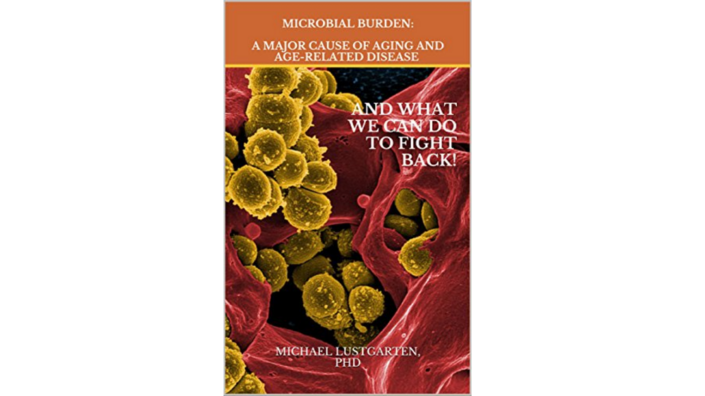
Dr. Michael Lustgarten delivers a clear and enlightening exploration of the intricate relationship between microbial burden and aging in Microbial Burden: A Major Cause of Aging and Age-Related Disease and What We Can Do to Fight Back! Through meticulous research and compelling analysis, the author sheds light on the profound impact of microbial burden and what it does to other aspects of aging. This thought-provoking and comprehensive work presents a wealth of knowledge, making it an invaluable resource for scientists, healthcare professionals, and anyone interested in aging research.

When microbes are harmful

In the opening chapter, Dr. Lustgarten points out that the body must contend with microbial burden from the outset as microbial DNA is found even in the blood of young adults. This point sets the stage for a deeper exploration of aging and its connection to the microbial burden. The author presents evidence that the intestinal barrier deteriorates as we age, affecting the integrity of defensive structures in the gut, skin, and mouth. This serves as a foundation for understanding the broader implications of microbial burden in older adults.

An in-depth examination

A significant contribution of this book lies in its examination of immune cell function during aging. The author skillfully demonstrates how immune cell function declines with age, leaving individuals more vulnerable to infections and diseases. This decline in immune function is intricately linked to the increasing microbial burden observed in older adults. By elucidating these connections, Dr. Lustgarten provides valuable insights into the mechanisms underlying aging and its impact on overall health.

The heart of the book lies in its exploration of how microbial burden underlies the hallmarks of aging. Dr. Lustgarten meticulously examines the various hallmarks, including deregulated nutrient sensing, mitochondrial dysfunction, altered intercellular communication, telomere attrition, cellular senescence, genomic instability, stem cell exhaustion, and loss of proteostasis. Through a comprehensive analysis, the author effectively demonstrates the intricate interplay between microbial burden and these hallmarks, showcasing the far-reaching implications for age-related diseases and overall health.

Dr. Lustgarten takes a bold step further by highlighting the role of microbial burden in the major causes of death. By linking microbial burden to cardiovascular disease, cancer, cerebrovascular disease, and Alzheimer’s disease, the author underscores the critical importance of understanding and addressing microbial burden in the quest for improved health outcomes and longevity. This eye-opening perspective challenges conventional wisdom and opens new avenues for research and intervention.

Actionable steps

Near the end of Lustgarten’s work, practical strategies for optimizing gut barrier function, antimicrobial defense, and skin barrier function are presented. The author explores the role of key factors such as butyrate, dietary protein, and vitamin D in enhancing these defense mechanisms. By offering evidence-based recommendations and discussing specific dietary interventions, Dr. Lustgarten empowers readers with actionable steps to mitigate the effects of microbial burden and promote healthy aging.

The comprehensive nature of this work is underscored by the inclusion of extensive references, which allow readers to delve deeper into specific topics and explore the scientific evidence behind the author’s claims. Dr. Lustgarten skillfully presents complex concepts in a clear and accessible manner, making the book suitable for both experts and people who are new to the subject matter. The inclusion of illustrative examples and studies further enhances the book’s readability and relevance.

Final thoughts

In conclusion, Microbial Burden: A Major Cause of Aging and Age-Related Disease and What We Can Do to Fight Back! is a well-executed, thought-provoking work that explores the intricate relationship between microbial burden and aging. Dr. Lustgarten’s thorough research, compelling analysis, and practical recommendations make this book a valuable resource for anyone interested in aging research, health, and longevity. By shining a light on the impact of microbial burden, Dr. Lustgarten challenges prevailing notions and opens new possibilities for understanding and addressing age-related diseases.

We would like to ask you a small favor. We are a non-profit foundation, and unlike some other organizations, we have no shareholders and no products to sell you. All our news and educational content is free for everyone to read, but it does mean that we rely on the help of people like you. Every contribution, no matter if it’s big or small, supports independent journalism and sustains our future.

Vitamin C Fruits

Stabilized Vitamin C Improves Brain Aging in Mice

Korean scientists publishing in Nature were able to increase the stability of vitamin C, a powerful antioxidant, using a short, engineered DNA molecule called an aptamer. The result improved various aspects of brain aging in naturally aged mice [1].

The unstable antioxidant

Oxidative stress is one of the most harmful age-related processes. In particular, it damages the cardiovascular system, including microvasculature in the brain, leading to increased neuroinflammation and age-related neurodegeneration [2].

Vitamin C is a powerful antioxidant, but it’s relatively unstable, being quickly degraded in the body. Aptamers are short single-stranded molecules of DNA or RNA that bind to a specific target, including small molecules. The aptamer that this paper’s authors developed, Aptamin® C320, forms a complex with vitamin C, preventing its oxidation.

Improved cognitive function

The resulting aptamer-vitamin complex, NXP032, was given to aged mice for 8 weeks. At the end of the treatment, the researchers conducted two cognitive tests. In the passive avoidance test, mice with better memory and cognition are expected to spend more time (latency) before entering a part of the enclosure associated with previous negative experiences. In the Y maze test, cognitively normal rodents should prefer an unexplored maze arm to the one they have recently visited (alternation).

In both tests, old mice showed significant cognitive impairment compared to young controls. Both vitamin C and the aptamer alone produced some improvement (the latter probably by binding and enhancing vitamin C that was already present in the body), but unsurprisingly, NPX032 outperformed them, resulting in significant improvement almost to the level of young controls.

Vitamin C Mice

Better BBB, less microglia activation

This treatment was also found to protect the tiny blood vessels throughout the brain: its microvasculature. Levels of the protein PECAM-1, which is expressed by endothelial cells in blood vessels in the brain, were significantly higher in the study group compared to old controls, while fragmentation of brain microvasculature was significantly lower.

The brain is an extremely vulnerable organ that is isolated from the rest of the body by the blood-brain barrier (BBB), which prevents pathogens from entering the precious brain tissue. The expression of several BBB-associated proteins, impaired in aged mice, was significantly restored by the treatment.

Microglia, the brain’s resident immune cells, tend to become overactivated with age, which drives neuroinflammation. The treatment decreased the expression of two microglia-associated proteins to levels comparable with young controls.

Decreased blood flow and increased occlusion, two hallmarks of cardiovascular aging, contribute to the appearance of very thin blood vessels that are devoid of endothelial cells. According to the researchers, the prevalence of these “string vessels” was much higher in aged controls compared to younger mice but was partially rescued by the treatment.

The functional capacity of the brain gradually decreases during aging, resulting in decrements in learning and memory, attention, decision-making speed, sensory perception, and motor coordination. These aspects of cognitive decline are among the biggest health threats in old age and are manifested by a loss of brain function. Many animal experiments have reported that aged rodents have decreased learning and memory ability in the Morris water maze and elevated plus maze tests compared to young rodents. Consistent with previous studies, our study found that 20-month-old mice had impairments in spatial learning and memory, but the NXP032 group showed an increased spontaneous rate in the Y-maze test and a significant increase in the passive avoidance test. Based on these results, we confirmed that NXP032 can improve cognitive impairment due to aging.

Aptamers’ potential

Aptamers have numerous potential uses in medicine due to their ability to effectively and selectively bind to a wide range of targets, from small molecules to proteins. Many are currently being developed, and some have already been approved by the FDA, such as the aptamer pegaptanib [3], which is used against ocular vascular diseases. While NXP032 has not been approved for any indication yet, the FDA has recently granted it Generally Recognized as Safe (GRAS) status.

This particular study, as the researchers admit, had its share of limitations. First, in the aged mice groups, only female animals were used. This might have affected its comparison to the young control group, which was sexually heterogenous, since we know that male and female mammals can react differently to anti-aging therapies. Second, vascular damage and BBB integrity were measured via indirect markers. However, the idea of increasing stability of anti-aging compounds via aptamer binding has a lot of potential.

We would like to ask you a small favor. We are a non-profit foundation, and unlike some other organizations, we have no shareholders and no products to sell you. All our news and educational content is free for everyone to read, but it does mean that we rely on the help of people like you. Every contribution, no matter if it’s big or small, supports independent journalism and sustains our future.

Literature

[1] Lee, J. M., Lee, J. H., Kim, S. H., Sim, T. H., & Kim, Y. J. (2023). NXP032 ameliorates cognitive impairment by alleviating the neurovascular aging process in aged mouse brain. Scientific Reports, 13(1), 8594.

[2] Liguori, I., Russo, G., Curcio, F., Bulli, G., Aran, L., Della-Morte, D., … & Abete, P. (2018). Oxidative stress, aging, and diseases. Clinical interventions in aging, 757-772.

[3] Ng, E. W., Shima, D. T., Calias, P., Cunningham Jr, E. T., Guyer, D. R., & Adamis, A. P. (2006). Pegaptanib, a targeted anti-VEGF aptamer for ocular vascular disease. Nature reviews drug discovery, 5(2), 123-132.

Elderly muscle

Giving Old Stem Cells Lasting Youthful Powers

Researchers publishing in Cell Proliferation have described factors that appear to give old muscle stem cells the ability to effectively proliferate and differentiate for a very long time.

When renewal runs out

Many of the problems that elderly people face in daily life, such as frailty, can be traced back to a decline of cellular self-renewal abilities. With aging comes stem cell senescence [1] and a corresponding lack of cellular self-renewal ability; the cells of older people stop replacing themselves, predictably leading to a loss of function, which, for muscle cells, manifests as weakness and sarcopenia [2].

Finding the key elements

The researchers began exploring this problem by looking at what differentiates older cells from very young, embryonic, cells. After a careful examination, they found three key factors that have to do with rapid embryonic muscle development: LIN28, telomerase reverse transcriptase (TERT), and the tumor suppressor p53, which is a very multifunctional molecule that plays various, occasionally contradictory, roles in cellular senescence and has been associated with cachexia, a muscle-wasting disease [3]. All three of these factors are very tightly regulated during embryonic development.

The researchers chose not to target factors that are likely to lead to cancer, and they also avoided the Yamanaka factors, which are associated with pluripotency. Instead, they found that when LIN28, TERT, and a silencing RNA against p53 were combined to form LTS and given to cells, those cells remained functionally youthful in many key respects.

While the division of unaffected cells petered out after about a month, LTS-affected cells continued to divide. The senescence marker was nearly universal after 100 days in unaffected cells and almost nonexistent in affected cells. These cells did not show signs of being cancerous and maintained their protections against DNA damage, and when properly stimulated, they were able to differentiate into functional muscle tissue cells. While some of the biomarkers of muscle development were slightly weaker in some respects and stronger in others, the cells appeared to be able to serve their purpose.

Amazingly, all three of the LTS factors were required for cells to maintain their doubling and subsequent differentiation abilities. Administering only one or two of them did not have any positive effect.

Testing for potential effectiveness

For an in vivo test, elderly people with cachexia had some stem cells removed, exposed to LTS factors, and encouraged to divide. After demonstrating that these cells do not form tumors when injected under the skin of mice, the researchers placed populations of these cells directly into the muscles of the animals, as simple under-skin injections do not engraft to muscle.

While there were no experiments on the animals’ physical abilities, fluorescent staining showed that these stem cell populations remained effective even after a full year, with the engrafted cells maintaining a reserve population that was able to regularly differentiate into functional cells. Elderly people with a dangerous muscle-wasting disease were the source of what appeared to be entirely stable, effectively youthful, stem cells.

Still in its initial stages

It should be little surprise that a few factors could be responsible for a large change in the proliferative ability of older cells. We have previously written about how the aged microenvironment affects stem cell proliferation and that introducing young stem cells to treat sarcopenia may have more to do with signals than with the cells themselves. LTS may be having similar effects.

Of course, while this paper has led to some interesting conclusions and may pave to the way for targeted treatments, this work is still in a preclinical stage. As human cells were able to take root and appear to function in an animal model, it can be hoped that this research will pave the way for effective treatments in people.

We would like to ask you a small favor. We are a non-profit foundation, and unlike some other organizations, we have no shareholders and no products to sell you. All our news and educational content is free for everyone to read, but it does mean that we rely on the help of people like you. Every contribution, no matter if it’s big or small, supports independent journalism and sustains our future.
Literature

[1] Lau, A., Kennedy, B. K., Kirkland, J. L., & Tullius, S. G. (2019). Mixing old and young: enhancing rejuvenation and accelerating aging. The Journal of clinical investigation, 129(1), 4-11.

[2] Blau, H. M., Cosgrove, B. D., & Ho, A. T. (2015). The central role of muscle stem cells in regenerative failure with aging. Nature medicine, 21(8), 854-862.

[3] Schwarzkopf, M., Coletti, D., Sassoon, D., & Marazzi, G. (2006). Muscle cachexia is regulated by a p53–PW1/Peg3-dependent pathway. Genes & development, 20(24), 3440-3452.

Macaques

Benefits of Dasatinib and Quercetin Treatment in Monkeys

In one of the first studies of its kind, the popular senolytic combination, administered systematically for six months, produced several health benefits in these animals. Some effects were augmented by caloric restriction [1].

Coup de grâce for cells

The combination of the drug dasatinib and the flavonoid quercetin, also known as D+Q, is one of the most popular senolytics (compounds that induce death in senescent cells). It has been the subject of numerous preclinical and some clinical trials, showing a lot of promise [2]. However, there is limited data on safety and efficacy of long-term systemic administration of D+Q in humans or humanlike animal models.

This new study attempts to fill the gap. The scientists treated 16 middle-aged cynomolgus macaques, males and females, with D+Q for six months. The drug was administered orally for two consecutive days once per month. For the last month, the animals were also subjected to mild caloric restriction (10%) to reveal any potential synergistic effects, as caloric restriction itself is a powerful anti-aging therapy [3].

Reduced senescence

As expected, the treatment led to a significant reduction in cellular senescence that was measured in subcutaneous tissue three months after the beginning of the experiment. In parallel, the markers of apoptosis (cellular death) increased, indicating effective senolysis.

D and Q in monkeys

Interestingly, three diabetic monkeys were included in each group. In the study group, they showed the greatest senolysis, about three times more than their non-diabetic counterparts. While the number of diabetic subjects was too low for statistical analysis, the trend suggests that diabetic individuals might benefit more from a senolytic treatment.

Less inflammation and other benefits

The D+Q treatment also produced some anti-inflammatory effects, with significant or borderline significant shifts in blood cell composition. Caloric restriction further reduced inflammation, and a mild synergy was observed between the two treatments. The researchers hypothesize that somewhat ambiguous results might be explained by the activity of macrophages clearing away dying senescent cells.

One of the highly conserved features of aging is the degradation of the intestinal barrier, which leads to microbial and other pathogens entering the bloodstream. The D+Q treatment led to a significant improvement in markers of intestinal barrier integrity. This effect was augmented by caloric restriction. No significant changes in microbiome composition were observed.

Kidney function seemed to benefit from the senolytic treatment as well. Blood urea nitrogen (BUN), a common marker of kidney health, was significantly improved. This time, however, caloric restriction did not add any benefits.

On the metabolic front, D+Q by themselves failed to produce any significant benefits, although there was a trend towards a lower abdominal to subcutaneous fat ratio; abdominal fat is thought to be more unhealthy. Caloric restriction, on the other hand, expectedly shined, with highly significant reductions in body weight, waist circumference, and increased percentage of lean mass. It also reduced triglycerides and fasting blood glucose. However, an interesting synergistic effect between the two treatments was observed in improving hemoglobin A1C (HbA1c), an important metric of average glucose levels over a time period.

Given the outcomes of this study, we believe that these data provide preliminary evidence to support safe implementation of a human clinical trial, perhaps focused on diabetic kidney disease in mid-to-late-age adults. We believe that intermittent D + Q combined with low-percentage caloric restriction would signifcantly and safely ameliorate infammation, glycemia and renal outcomes associated with metabolic dysfunction related to aging.

While this study did not lead to dramatic outcomes, it demonstrated the feasibility and safety of systemic administration of D+Q over a period of time relevant for human clinical trials. It also led to additional benefits besides lower senescent cell burden, such as lower inflammation. Finally, it showed an intriguing synergy between a senolytic treatment and reasonably manageable caloric restriction that is worth exploring further.

We would like to ask you a small favor. We are a non-profit foundation, and unlike some other organizations, we have no shareholders and no products to sell you. All our news and educational content is free for everyone to read, but it does mean that we rely on the help of people like you. Every contribution, no matter if it’s big or small, supports independent journalism and sustains our future.

Literature

[1] Ruggiero, A.D., Vemuri, R., Blawas, M. et al. (2023). Long-term dasatinib plus quercetin effects on aging outcomes and inflammation in nonhuman primates: implications for senolytic clinical trial design. GeroScience.

[2] Hickson, L. J., Prata, L. G. L., Bobart, S. A., Evans, T. K., Giorgadze, N., Hashmi, S. K., … & Kirkland, J. L. (2019). Senolytics decrease senescent cells in humans: Preliminary report from a clinical trial of Dasatinib plus Quercetin in individuals with diabetic kidney disease. EBioMedicine, 47, 446-456.

[3] Masoro, E. J. (2005). Overview of caloric restriction and ageing. Mechanisms of ageing and development, 126(9), 913-922.

Liver in hand

Linking Bile Duct Blockage and Cellular Senescence

Research published in Aging has shed new light on the relationship between certain liver diseases and cellular senescence.

Clogged bile ducts and senescence

There are multiple documented causes of cellular senescence, such as radiation and chemical insults, which are frequently performed in experiments to test senescence and therapies against it. However, a few forms of physical damage, including liver diseases [1], can indirectly lead to senescence as well. Previous research has demonstrated that cholangiocytes, the cells that line the bile ducts of the liver, become senescent due to damage or obstruction of these ducts [2], and the SASP excreted by these senescent cells turns ordinary liver cells (hepatocytes) senescent as well [3].

While directly addressing this senescence has been shown to be effective in mouse models [4], some specific diseases have gone unexplored. Here, the researchers take a look at cellular senescence in biliary atresia, a childhood disease that leads to fibrous bile duct blockage, biliary cirrhosis, and, ultimately, liver failure [5].

Cellular senescence in the livers of children

The authors began with an examination of 30 livers that were taken out of patients before transplantation (the late-stage group), another 5 samples from livers undergoing surgery (the early-stage group), and a control group of 10 livers.

Markers of senescence were found to largely increase with disease progression. Interestingly, there was a wide spread among the late-stage livers; some appeared to have only slightly elevated markers of certain senescence biomarkers, such as SA-ß-gal, p16, and IL-8, while others had relatively low levels of the relevant genes and proteins. However, on average, this study found that cellular senescence is significantly and strongly associated with biliary atresia.

A principal component analysis of the SASP confirmed these findings. Of particular note was CCL2, which has been previously implicated as a major part of what drives hepatocytes senescent in bile duct diseases [6]. These researchers found that CCL2 is significantly elevated in biliary atresia as well.

Experiments with duct blockage in rats

To verify that blocking the bile ducts is the cause of this slide towards senescence, the researchers tied the bile ducts of rats. As expected, these animals’ liver biomarkers of cellular senescence increased over time, similarly to the livers of children with biliary atresia.

The researchers then treated these rats with human allogenic liver-derived progenitor cells (HALPC). This treatment decreased senescence in these rats’ livers, although not to the levels of rats with open bile ducts. The well-known senolytic combination of dasatinib and quercetin, on the other hand, was surprisingly found to be ineffective in this case.

Do other physical issues lead to senescence?

While the authors of this paper note that this line of research may lead to senolytic or cellular therapies for these sorts of liver diseases, they also provide clear evidence for a rarely-considered topic. Cellular senescence is normally considered as purely age-related or caused by molecular damage. It may also be the case that some other injuries and diseases also lead to undiscovered or rarely-considered forms of senescence, and not just in the liver. Surgeries or other treatments that restore physical function to certain tissues and systems may also have downstream senotherapeutic effects, potentially providing surprising benefits for healthspan and lifespan.

We would like to ask you a small favor. We are a non-profit foundation, and unlike some other organizations, we have no shareholders and no products to sell you. All our news and educational content is free for everyone to read, but it does mean that we rely on the help of people like you. Every contribution, no matter if it’s big or small, supports independent journalism and sustains our future.

Literature

[1] Wiemann, S. U., Satyanarayana, A., Tsahuridu, M., Tillmann, H. L., Zender, L., Klempnauer, J., … & Rudolph, K. L. (2002). Hepatocyte telomere shortening and senescence are general markers of human liver cirrhosis. The FASEB journal, 16(9), 935-942.

[2] Ferreira-Gonzalez, S., Rodrigo-Torres, D., Gadd, V. L., & Forbes, S. J. (2021, January). Cellular senescence in liver disease and regeneration. In Seminars in liver disease (Vol. 41, No. 01, pp. 050-066). Thieme Medical Publishers, Inc.

[3] Ferreira-Gonzalez, S., Lu, W. Y., Raven, A., Dwyer, B., Man, T. Y., O’Duibhir, E., … & Forbes, S. J. (2018). Paracrine cellular senescence exacerbates biliary injury and impairs regeneration. Nature communications, 9(1), 1020.

[4] Alsuraih, M., O’Hara, S. P., Woodrum, J. E., Pirius, N. E., & LaRusso, N. F. (2021). Genetic or pharmacological reduction of cholangiocyte senescence improves inflammation and fibrosis in the Mdr2-/-mouse. JHEP Reports, 3(3), 100250.

[5] Bezerra, J. A., Wells, R. G., Mack, C. L., Karpen, S. J., Hoofnagle, J. H., Doo, E., & Sokol, R. J. (2018). Biliary atresia: clinical and research challenges for the twenty-first century. Hepatology, 68(3), 1163-1173.

6] Sasaki, M., Miyakoshi, M., Sato, Y., & Nakanuma, Y. (2010). Modulation of the microenvironment by senescent biliary epithelial cells may be involved in the pathogenesis of primary biliary cirrhosis. Journal of hepatology, 53(2), 318-325.

Rejuvenation Roundup May

Rejuvenation Roundup May 2023

This year, May brought us a shower of research, interviews, and insights into the present and future of rejuvenation biotechnology. Here’s what’s been accomplished this month.

LEAF News

SENS Mitomouse 2How Your Funding Has Helped Mitochondrial Research: Financed by lifespan.io’s crowdfunding efforts, SENS Research Foundation has engaged in fruitful research into ways of dealing with mitochondrial dysfunction, the gradual loss of function of our cells’ power plants. Here, the organization reports its successes in handling this aspect of aging.

Team and activities

Summer Is Coming, and We Have Been Working Hard: For those of us in the Northern Hemisphere, spring is fast approaching summer, and warmer weather is on the way. Spring is a time of rejuvenation, exactly what our organization is striving to support in the fight against age-related diseases. To that end, we have been busy, and now it’s time to give you an update on our activities.

Keith at ZuzaluZuzalu Talks Longevity: Highlights from the Conference: While the format of this conference was rather conventional, the venue was anything but. It was held in Zuzalu, which can’t be found on any map. Zuzalu is a unique “pop-up city” conceived by the tech entrepreneur Vitalik Buterin, creator of Ethereum.

Lifespan News

GPT-4 for Medicine: Emmett Short discusses how the well-known large language model GPT-4 is making waves in the medical field.

Interviews

Gorbunova InterviewVera Gorbunova on Long-Lived Species: Dr. Vera Gorbunova is a famous geroscientist who, for the last several years, has worked mostly on uncovering the amazing biological mechanisms that are responsible for the enviable longevity and resilience of long-lived species such as the naked mole rat.

Irina Conboy on Academic Publishing: We spoke with Dr. Irina Conboy, Editor-in-Chief of the journal Rejuvenation Research about impact and other aspects of journal publishing. This journal is an important academic publication for our field and publishes many papers focused on aging and rejuvenation research.

Kelsey MoodyKelsey Moody on Supporting New Researchers with Ichor: We spoke to Ichor Life Sciences CEO Dr. Kelsey Moody about the doctoral program that the company operates and how the company is supporting the next generation of scientists. Ichor Life Sciences is a biotechnology company that develops and manufactures new medicines for people around the world.

Vitalik Buterin Exclusive Interview: Longevity, AI and More: Don’t try finding Zuzalu on a map; it doesn’t exist anymore. It was a “pop-up city” conceived by the tech entrepreneur Vitalik Buterin, creator of Ethereum, and a group of like-minded people to facilitate co-living and collaboration in fields like crypto, network states, AI, and longevity. It was also, in substantial part, funded by Vitalik.

Rejuvenation Roundup Podcast

Ryan O’Shea of Future Grind hosts this month’s podcast, showcasing the events and research discussed here.

Journal Club

A Synthetic Gene Oscillator to Slow Cellular Aging: This month, we took a look at a recent paper in which researchers have engineered cells to age slower using synthetic biology. Synthetic biology is an area of research that focuses on redesigning living things.

Advocacy and Analysis

OutliveDr. Peter Attia on How to Outlive: Peter Attia, M.D., popular host of The Drive, has nearly a million followers across his social media platforms. In his first book, OUTLIVE The Science and Art of Longevity, he summarizes much of the evidence and wisdom that he has delivered to his audience over the years by providing a no-nonsense evidence-based tactical manual for optimizing healthspan.

Research Roundup

FlavonoidsFlavonols, Especially Quercetin, Linked to Less Frailty: In a new prospective cohort study, a higher intake of flavonols, and quercetin in particular, was linked to a significant decrease in the risk of frailty. Flavonoids are a class of polyphenolic compounds that include flavanols, flavonols, flavones, anthocyanins, and some others.

Certain Medications Appear to Improve Aging Biomarkers: A twin study published in GeroScience has yielded results suggesting that calcium channel blockers, drugs that are commonly used to treat hypertension and other diseases, slow down epigenetic aging and may lengthen healthy lifespan.

AI answers healthcare questions.AI Beats Humans in Answering Healthcare-Related Questions: Scientists have compared doctor-written and chatbot-generated responses to healthcare-related questions, and the results don’t look good for Team Human.

Using Machine Learning to Find Senolytics: Research published in Nature Aging has described a machine learning algorithm that finds senescent cell-removing drugs (senolytics) and compared the algorithm’s discoveries to existing compounds.

Treadmill mouseGene Therapy Ameliorates Sarcopenia in Old Mice: A paper published in Aging has detailed how gene therapy has been used to treat sarcopenia in wild-type mice, and the results are positive.

Protecting Mass-Produced Stem Cells from the Immune System: Researchers publishing in Nature Biotechnology have demonstrated a method of protecting mass-produced stem cells from the immune system, with strongly positive results in two different animal models.

HeartbeatDestroying ‘Zombie’ Cells for Cardiovascular Health: Researchers have demonstrated that two senolytic drugs might improve how the heart repairs itself by destroying senescent cells. These harmful cells are associated with many age-related diseases, including cardiovascular disease.

Building Artificial Organoids to Study Diseases: In an open-access paper published in Cell Stem Cell this month, researchers have explained how organoids derived from human pluripotent stem cells (hPSCs) are being used to analyze diseases and develop treatments.

AstrocyteTargeting Age-Related Metabolic Shifts in the Brain: Publishing in Aging, a team of Chilean researchers has described a relationship between gene shifts in the brain and neurons not getting the energy they need due to microglia becoming more greedy.

A Senolytic Drug May Already Be in the Clinic: Researchers publishing in Aging have investigated zoledronic acid, a drug already used to protect bones and fight osteoporosis, for its activity against cellular senescence. Zoledronate has already been approved by the FDA for clinical use, as it has been prescribed to prevent bone fractures in vulnerable people.

Genetic mutationRare Gene Variant Appears to Protect Against Alzheimer’s: Scientists studying people with autosomal dominant Alzheimer’s disease have found a genetic variant that is associated with decades of stalled onset.

A New Tool for Editing Mitochondrial DNA: Researchers publishing in Nature Biotechnology have developed a novel method of editing mitochondrial DNA, which cannot be accomplished with nuclear DNA tools.

Needles in haystackUsing AI to Discover New Rapamycin-Like Molecules: In a recent paper published in International Journal of Medical Sciences, researchers have described how they used artificial intelligence and machine learning tools to find mTOR-inhibiting molecules.

Discovering Why Adrenal Cancer Is More Dangerous for Women: A paper published in Nature Aging has explained a relationship between cellular senescence, cancer of the adrenal glands, and sex differences.

MountaintopHypoxia Extends Median Lifespan in Fast-Aging Mice by 50%: Scientists have found that continuous oxygen restriction drastically extends the lifespan of progeroid mice, but the effect’s mechanism remains a mystery.

Centenarians Have Slightly Different Gut Ecologies: Researchers publishing in Nature Microbiology have determined that the viruses populating the intestines of centenarians are slightly different from those of the merely old.

Amino acidGlycine and Cysteine Combo Rescues Cognitive Decline in Mice: Scientists publishing in Antioxidants have reported that increasing glutathione levels with GlyNAC, a supplement that combines glycine and cysteine, significantly reverses age-related cognitive decline in naturally aged mice.

Dietary Magnesium in Dementia Prevention: Researchers publishing in the European Journal of Nutrition looked into magnesium as a possible candidate for preventing dementia, focusing on potential improvements to brain volumes and reduced white matter lesions.

DNA methylation clock DNAmFitAge shows regular exercise is associated with slower aging and systemic adaptation: This research shows that regular physical exercise contributes to observable physiological and methylation differences which are beneficial to the aging process.

Effect of the glucagon-like peptide-1 receptor agonist liraglutide, compared to caloric restriction, on multiple biomarkers in adults with obesity and prediabetes: Although both liraglutide and CR are valuable strategies for cardiometabolic risk reduction, CR was associated with greater weight loss and more favourable improvements in body composition than treatment with liraglutide alone.

Multivitamin Supplementation Improves Memory in Older Adults: A Randomized Clinical Trial: This paper concluded that daily multivitamin supplementation, compared with placebo, improves episodic memory in older adults.

Comparison of long-term effects of metformin on longevity between people with type 2 diabetes and matched non-diabetic controls: This research confirms that there is an initial benefit to longevity of metformin therapy, but this benefit does not outweigh the negative effect on longevity of diabetes.

Evaluation of off-label rapamycin use to promote healthspan in 333 adults: This paper describes the general characteristics of a patient cohort using off-label rapamycin and present initial evidence that rapamycin can be used safely in adults of normal health status.

A collagen peptide containing high concentrations of prolyl-hydroxyproline and hydroxyprolyl-glycine reduces AGEs in skin and blood vessels: These findings also suggest that fish-derived collagen peptides may be effective in improving insulin resistance.

The role of resistance training and creatine supplementation on oxidative stress, antioxidant defense, muscle strength, and quality of life in older adults: The researchers conclude that the use of this supplement in addition to resistance training can double the strength gains of the training.

Young donor hematopoietic stem cells revitalize aged or damaged bone marrow niche by transdifferentiating into functional niche cells: These findings identify young donor HSCs as a primary parental source of the niche, thereby suggesting a clinical solution to revitalizing aged or damaged bone marrow hematopoietic niche.

Adult progenitor rejuvenation with embryonic factors: These findings connect embryonically regulated factors to mitohormesis and progenitor rejuvenation, with implications for ageing-related muscle degeneration.

Prepubertal castration eliminates sex differences in lifespan and growth trajectories in genetically heterogeneous mice: These findings offer a foundation for further investigation into the fundamental mechanisms driving sex-specific aging patterns and the development of potential pro-longevity interventions.

News Nuggets

The SynBioBeta Conference: At Oakland Marriott, California May 23-25, the SynBioBeta Global Synthetic Biology Conference occurred. This was a three-day event featuring industry thought leaders speaking sessions, exhibitors with hands-on product demos, and focused industry networking opportunities.

The NOVOS Longevity Nutrition webinar is now available to watch on demand. NOVOS CEO Chris Mirabile discussed the NOVOS longevity diet, caloric restriction, fasting, and meal timing. At the end of the webinar, the floor was opened to questions. For the full video and transcript, click here.

Longevity_Technology_Webinar

Coming Up

Longevity Summit Dublin: The organizers of Longevity Summit Dublin have issued a brief press release encouraging people to come to this August conference. Longevity Summit Dublin will be a 4-day conference that features keynote speakers, panel discussions, and interactive sessions that cover a wide range of topics, including the latest breakthroughs in anti-aging research.

Annoucing the International Longevity Summit in Africa: On August 23-24, the International Longevity Summit is happening in Johannesburg, South Africa. It will be a convergence of global longevity advocates, researchers, students, policymakers, pharmaceutical companies, biotech companies and more.

We would like to ask you a small favor. We are a non-profit foundation, and unlike some other organizations, we have no shareholders and no products to sell you. All our news and educational content is free for everyone to read, but it does mean that we rely on the help of people like you. Every contribution, no matter if it’s big or small, supports independent journalism and sustains our future.

Magnesium foods

Dietary Magnesium in Dementia Prevention

Researchers publishing in the European Journal of Nutrition looked into magnesium as a possible candidate for preventing dementia, focusing on potential improvements to brain volumes and reduced white matter lesions [1].

Building from previous research

Brain health is critical over the long term, and dementia can significantly reduce quality of life for older people. Dementia is currently incurable, so researchers are looking into ways to prevent or delay this disease. Previous research has suggested that magnesium could reduce the risk of dementia and linked its consumption to better cognitive health [2, 3].

To investigate magnesium as a possible way to improve brain health, researchers used data from UK Biobank, analyzing 6,001 people aged 40 to 73 years. An online dietary survey was used to measure the amount of magnesium consumed. The survey was conducted several times during the study period in order to reduce the effects of participants misremembering and to account for changes in their diets.

Magnesium is correlated with brain health

The white matter is a network of nerve fibers, often surrounded by a protective sheath. White matter lesions are abnormal changes in this protective sheath. White matter function to allow different areas of grey matter to communicate. An increase in white matter lesions is associated with cognitive decline, disability, and mortality [4].

In this study, the researchers observed that higher dietary magnesium intake was associated with larger brain volumes in men and women. These differences were very small, ranging from 0.001% to 0.0023%, depending on the brain structure. The effect of magnesium intake reached statistical significance only for women, even though their magnesium intake was slightly lower than men.

Post-menopausal women had the strongest association

The authors examined the baseline magnesium intake and whether it was increasing or decreasing. They created three classes of magnesium intake: “high-decreasing,” “low-increasing,” and “stable normal.” This kind of analysis provides insight into how people’s diets change over time.

A “high-decreasing” course was correlated with larger brain volumes in women, particularly post-menopausal women. This was contrary to the researchers’ expectations; they predicted that decreasing magnesium levels over the course of the study would be associated with lower brain volumes.

The researchers were unsure how to explain this observation. They suggested that magnesium intake at the beginning of the study represented a general lifetime average, and they further hypothesized that such a long-term intake could result in the observed differences in brain aging. This would also explain their other results, which showed that women who followed a “normal-stable” or “low-increasing” course had smaller brain volumes and larger white matter lesions.

The correlation varied across brain regions

The association between magnesium and brain volume was reported to differ across brain regions, being strongest in the grey matter and the hippocampus. Those brain regions play a role in the control of movement, memory, emotions, and learning [5, 6].

The researchers’ model predicts that, on average, a person with a high magnesium intake (= 550 mg/day) has slightly larger grey matter and right hippocampus volumes than someone with a magnesium intake of about 350 mg/day. This predicted difference corresponds to roughly 1 year of typical aging among 55-year-olds.

If this effect applies to other populations, it could be a helpful tool for improving overall health. The authors estimate that increasing magnesium intake by 41% could benefit brain health, cognitive abilities, and dementia prevention.

More questions remain

Increasing dietary intake of magnesium may be an easy way to improve brain health and prevent dementia, particularly if it begins at age 40 or earlier. However, the best age and optimal dose of dietary magnesium intake have yet to be defined.

Similarly, the mechanism of magnesium’s influence on the brain is also still unknown. These researchers proposed possible mechanisms for this observation, but they agree that more experiments are needed to explain the connection between magnesium consumption and brain health.

The optimal dose still needs to be established, and more research confirming the findings is required. However, nutritionists have reported in multiple studies that a diet containing magnesium-rich foods, such as green vegetables, is a good idea [7].

We would like to ask you a small favor. We are a non-profit foundation, and unlike some other organizations, we have no shareholders and no products to sell you. All our news and educational content is free for everyone to read, but it does mean that we rely on the help of people like you. Every contribution, no matter if it’s big or small, supports independent journalism and sustains our future.
Literature

[1] Alateeq, K., Walsh, E. I., & Cherbuin, N. (2023). Dietary magnesium intake is related to larger brain volumes and lower white matter lesions with notable sex differences. European journal of nutrition, 10.1007/s00394-023-03123-x. Advance online publication. https://doi.org/10.1007/s00394-023-03123-x\

[2] Tao, M. H., Liu, J., & Cervantes, D. (2022). Association between magnesium intake and cognition in US older adults: National Health and Nutrition Examination Survey (NHANES) 2011 to 2014. Alzheimer’s & dementia (New York, N. Y.), 8(1), e12250. https://doi.org/10.1002/trc2.12250

[3] Ozawa, M., Ninomiya, T., Ohara, T., Hirakawa, Y., Doi, Y., Hata, J., Uchida, K., Shirota, T., Kitazono, T., & Kiyohara, Y. (2012). Self-reported dietary intake of potassium, calcium, and magnesium and risk of dementia in the Japanese: the Hisayama Study. Journal of the American Geriatrics Society, 60(8), 1515–1520. https://doi.org/10.1111/j.1532-5415.2012.04061.x

[4] Sharma R, Sekhon S, Cascella M. White Matter Lesions. In: StatPearls. StatPearls Publishing, Treasure Island (FL); 2022. PMID: 32965838.

[5] Mercadante AA, Tadi P. Neuroanatomy, Gray Matter. In: StatPearls. StatPearls Publishing, Treasure Island (FL); 2022. PMID: 31990494.

[6] Anand, K. S., & Dhikav, V. (2012). Hippocampus in health and disease: An overview. Annals of Indian Academy of Neurology, 15(4), 239–246. https://doi.org/10.4103/0972-2327.104323

[7] Gröber U, Schmidt J, Kisters K. Magnesium in Prevention and Therapy. Nutrients. 2015; 7(9):8199-8226. https://doi.org/10.3390/nu7095388

Amino acid

Glycine and Cysteine Combo Rescues Cognitive Decline in Mice

Scientists publishing in Antioxidants have reported that increasing glutathione levels with GlyNAC, a supplement that combines glycine and cysteine, significantly reverses age-related cognitive decline in naturally aged mice [1].

GlyNAC vs oxidative stress

Oxidative stress caused by reactive oxygen species (ROS) is known to be one of the upstream causes of aging and contributes to multiple aging processes, such as inflammation and mitochondrial dysfunction [2]. Cells have built-in antioxidant mechanisms, but like all our defenses, they get weaker with aging. In particular, the levels of glutathione, which is thought to be the most important antioxidant, decline significantly.

This paper considers a combination of two glutathione-precursor amino acids, glycine and cysteine, as a possible solution to dwindling glutathione levels. GlyNAC is a formulation that contains glycine and cysteine, which is provided as N-acetylcysteine for improved bioavailability. Glycine and NAC are commercially available as separate supplements or combined as GlyNAC. lifespan.io does not endorse any particular supplement or brand.

Cognitive abilities, including memory, problem-solving, processing speed and conceptual reasoning, inevitably decline with aging as well. This process, age-associated cognitive decline (ACD), is not currently treated as a medical pathology despite its deleterious effects, unless it takes more serious forms such as Alzheimer’s disease.

Some previous research into GlyNAC supplementation, including by the group that authored this new study, showed improvements in various biomarkers of aging and cognitive abilities in animal models and humans [3]. In this new study, the authors focused on the effects of GlyNAC on the brain. Since brain biopsy in humans was out of the question, the researchers worked on naturally aged B6 mice, a popular model in longevity research.

Dramatic reversal

24 male mice were equally divided into three groups: young controls, old controls (90 weeks), and the study group: old mice that received GlyNAC supplementation for 8 weeks. Cognitive performance at baseline and calorie intake during the study were similar between the study group and old controls.

GlyNAC supplementation had a profound effect on cognitive function in an 8-arm radial maze test, which measures spatial working memory and reference memory, restoring the performance of old mice to almost youthful levels:

GlyNAC 1

The same happened to glutathione in the brain: while old controls had 69% lower glutathione levels compared to young mice, this gap was all but eliminated by GlyNAC. The researchers also assessed glutathione synthesis in the brain by measuring the expression levels of three enzymes involved in this process: GCLC, GCLM, and GSS. Deep age-related deficits were completely eliminated for two of the enzymes and significantly ameliorated for the third:

GlyNAC 2

Amazingly, the same picture was recorded for oxidative stress levels in the brain, as measured by thiobarbituric acid reactive substances (TBARS):

GlyNAC 3

Mitochondrial energy production generates a lot of ROS that harm the mitochondria. Indeed, mitochondrial function and ATP production were greatly impaired in the brains of old mice. However, markers of mitochondrial function were restored by GlyNAC supplementation.

Oxidative stress is also known to impair the clearance of cellular junk (autophagy) and the targeted degradation and clearance of dysfunctional mitochondria (mitophagy). The GlyNAC treatment was able to completely reverse the age-related decline in the autophagy marker LC3A/B and the mitophagy marker PINK1.

Other important markers of cognitive decline that were completely or mostly rescued by the treatment include impaired glucose uptake by the brain, neuroinflammation as measured by the protein TSPO, increased genomic damage as measured by the histone protein pH2AX, and a decline in the levels of the neurotrophic factors BDNF, GDNF, and NGF.

Interestingly, while overactivation of microglial cells is often proposed as a cause for neuroinflammation, levels of microglial activation as measured by the protein Iba1 did not differ significantly between all three groups.

To be continued

This study comes on the heels of a human study that showed positive effects of GlyNAC supplementation, but it has the added value of directly analyzing the brain. The small sample size (8 mice per group) is counterbalanced by the impressive effect size, although we would still like to see a larger study.

The all-male study design is not ideal as well, since we know that there is sex-related heterogeneity in aging. However, a previous study by the same group showed a sex-independent increase in the lifespans of GlyNAC-supplemented mice [4].

Another interesting question would be whether GlyNAC supplementation, or other ways of increasing glutathione levels in the aging brain, can prevent age-related dementias, but answering that requires much more powerful and long-term studies.

We would like to ask you a small favor. We are a non-profit foundation, and unlike some other organizations, we have no shareholders and no products to sell you. All our news and educational content is free for everyone to read, but it does mean that we rely on the help of people like you. Every contribution, no matter if it’s big or small, supports independent journalism and sustains our future.

Literature

[1] Kumar P, Osahon OW, Sekhar RV. GlyNAC (Glycine and N-Acetylcysteine) Supplementation in Old Mice Improves Brain Glutathione Deficiency, Oxidative Stress, Glucose Uptake, Mitochondrial Dysfunction, Genomic Damage, Inflammation and Neurotrophic Factors to Reverse Age-Associated Cognitive Decline: Implications for Improving Brain Health in Aging. Antioxidants. 2023; 12(5):1042.

[2] Liguori, I., Russo, G., Curcio, F., Bulli, G., Aran, L., Della-Morte, D., … & Abete, P. (2018). Oxidative stress, aging, and diseases. Clinical interventions in aging, 757-772.

[3] Kumar, P., Liu, C., Hsu, J. W., Chacko, S., Minard, C., Jahoor, F., & Sekhar, R. V. (2021). Glycine and N-acetylcysteine (GlyNAC) supplementation in older adults improves glutathione deficiency, oxidative stress, mitochondrial dysfunction, inflammation, insulin resistance, endothelial dysfunction, genotoxicity, muscle strength, and cognition: Results of a pilot clinical trial. Clinical and Translational Medicine, 11(3), e372.

[4] Kumar, P., Osahon, O. W., & Sekhar, R. V. (2022). GlyNAC (glycine and N-acetylcysteine) supplementation in mice increases length of life by correcting glutathione deficiency, oxidative stress, mitochondrial dysfunction, abnormalities in mitophagy and nutrient sensing, and genomic damage. Nutrients, 14(5), 1114.

Vitalik at Zuzalu

Vitalik Buterin Exclusive Interview: Longevity, AI and More

Vitalik Buterin holding Zuzu, the puppy rescued by people of Zuzalu. Photo: Michelle Lai

Don’t try finding Zuzalu on a map; it doesn’t exist anymore. It was a “pop-up city” conceived by the tech entrepreneur Vitalik Buterin, creator of Ethereum, and a group of like-minded people to facilitate co-living and collaboration in fields like crypto, network states, AI, and longevity. It was also, in substantial part, funded by Vitalik.

Zuzalu, located on the Adriatic coast of Montenegro, began its short history on March 25 and wound down on May 25. It was a complex and memorable phenomenon, and a larger article about it is currently in the works.

Usually, I don’t eat breakfast due to my intermittent fasting regimen, but in Zuzalu, breakfast, served at a particular local restaurant, was the healthiest meal of the day. Also, it was free (kudos to Vitalik, and more on that later). Most importantly, it was the place to meet new people.

This was also where, on one of my last days in Zuzalu, I sat down with Vitalik himself for a talk. Not the best setting for an interview, considering the steady hum of voices and utensils clanging in the background, but it was the only gap in Vitalik’s busy schedule.

Vitalik is 29, slender and mild-mannered, with a soft, pensive smile. When he talks, his train of thought moves fast, fueled by intelligence and curiosity. He seems to be genuinely interested in how the world works and just as genuinely disinterested in his own status – something that was characteristic of Zuzalu as a whole.

Like any Zuzalu breakfast chat, ours was a bit all over the place, and we eventually ended up discussing the possibility of an AI-driven apocalypse (everyone’s favorite topic there). Apologies to the longevity purists reading this. However, we started with Zuzalu itself.

First, what does “Zuzalu” even mean?

Zuzalu intentionally does not mean anything in any language.

I guess that explains the debates around its meaning. How was this idea born?

The idea came about six months ago. I was already thinking about many different topics at the same time. I reviewed Balaji’s book last year, so I was thinking about network states, but also about crypto, real-world applications of Ethereum, other zero-knowledge proofs, and so on.

I am also a fan of the longevity space, I read Aubrey’s book when I was a teenager, and I know how important this is. The idea came together, as an experiment, to try doing things in all those areas at the same time.

I thought we’d take 200 people, some from the Ethereum space, some from longevity, some philosophers, people just interested in building societies, and so on, bring them together for two months, and see what happens. The rationale behind the size is that it’s a large enough leap from the things people do already.

We have big conferences, but they only last a week, and we have hacker houses, but those only have ten people. So, let’s do something with two hundred people that would last for two months. It’s a big enough jump to create something new, but it’s still manageable. It’s not something crazy like going from 0 to 5,000.

Why Montenegro?

I knew a couple of locals here in Montenegro, having been introduced to the country last year. The government has been very open to becoming more crypto-friendly. On my first visit, they gave me citizenship, something that no other country has done. They did a lot, and I just happened to know people here who are very good at logistics and organization. From there, people started joining in. The team and the organization started growing very quickly.

Did it work? Zuzalu is winding down, and you probably have drawn some conclusions by now.

I think it worked. Many people reported how much they enjoyed the experience, how happy they were, how this gave them a feeling of community and family. Maybe things are different now, but when I did a poll a month ago, a third of the people here were digital nomads. One of the problems digital nomads always face is loneliness. You don’t have company, you’re going to unfamiliar places, it can be hard. Some of those people enjoy the digital nomad experience, they like to travel like that, but others are doing it out of necessity.

Like people from Ukraine and Russia? I see a lot of them here.

Yes, and also from places like China. So, that part was a success. On many other things, there were some successes and some things we can learn from. The big idea was that 200 people is already an economy of scale. It enables you to do things collectively that take too much effort to do as a person.

For instance, if you want food that’s different from what most other people eat, usually you have to go get it yourself. You go to a restaurant, and even if you order a salad or fish, you don’t know what oil they use, and so on. Here, because we represent so many people, we talked to this restaurant, and we told them what menu to use for breakfast. It’s not perfect, but we tried to follow Bryan Johnson’s Blueprint menu as much as we could, although many ingredients were very hard to get. But it’s still much better than the average breakfast [at this point, I’m nodding with my mouth full].

For some things beyond that, at least for the first half of Zuzalu, there weren’t enough champions to push many of the ideas, but that has improved a lot recently. People are forming clubs for exercise, such as the cold plunge club, hiking, and others.

Things like the pop-up gym, right? There was a demand for this, so people just organized and did it.

Exactly. If you’re one person, you will not be able to have a gym, but as a group, you can make that happen. Biomarker testing that we organized also comes to mind. People enjoy doing things together.

What about introverts [I am mildly introverted myself]? Is Zuzalu a good place for them?

I feel like it’s trying to be. I think the challenge that all these co-living projects have is that if you make co-living the primary meme, you’re going to mostly attract people who want to be very close with other people, who enjoy collective cooking and stuff like this. But for many other people it’s not a good fit.

Here, it’s much more moderate in a lot of ways. People have their own apartments. If you want to retreat to your apartment and not talk to other people, you can. You are not obligated to show up for any of the events. You don’t have to eat at restaurants three times a day, don’t have to talk to people all the time. Our model gives people more choice without pushing them into a lifestyle that’s not compatible with them.

Then, there’s this interesting thing I have noticed… I have one friend here who is an extreme introvert. Normally, he goes off by himself, doesn’t really talk to people, and here he just did, he started talking to people more because those were people he wanted to talk to.

Yes, I’ve noticed that about myself too. How do you think the education part went?

On the education side, one of the big weaknesses was that we tried to organize different weeks, for each week to have a theme. There was a synthetic biology week, then public goods, then zero-knowledge proofs, then free cities and network states, now longevity. Some aspects of that work were interesting for people, but there’s a reason why college courses are in parallel and not in series. People learn better when it’s spaced over a long period of time. We didn’t do that, and that probably was a mistake.

In one of your talks here, you mentioned “cross-pollination” in the longevity field. Have you witnessed any cross-pollination between longevity and other fields?

I would say yes. I think there were two big cross-pollination events here. One is the intersection between longevity and crypto, such as the decentralized science space.

Which has been happening for some time.

Exactly, it has been happening. It has brought many different people from those groups together. I know that a lot of connections were made between science people and public goods people. I think that a lot of people realized that funding science is a natural fit for some of the work that public goods people have been doing.

The second cross-pollination event happened between the longevity people and people building new cities. There are people from Prospera here, from VitaDAO, and now, they are working much more closely together than ever before.

On the other hand, I’ve been getting this vibe from some of the tech people: “why are all those longevity people here, why do we need it?” Even those interested are sometimes dissatisfied with what we can offer them. I’ve heard things like “you, longevity people, can’t give us answers on what should we do to live longer”.

This is probably a fair question. It is true that longevity as a field has been around for many years, and we still don’t have the magic pill for immortality or anything close to that. There are very fundamental reasons why that’s true for longevity, while AI is seeing much more progress. I think we just know a lot less about the body, as it’s an incredibly complicated machine.

The way I see this question is that if you look at the difference between the first computer and what we have now, the difference is huge. By the standards of the 1950s, today’s computers feel like magic. There’s a common phrase that people always overestimate the short term and underestimate the long term, and I personally expect the longevity field to have a similar kind of progress. There are a few decades that might look useless from the outside, but they’re laying the foundations, and then the gains become faster than most people expect.

I’ve been asking people how all this – longevity, crypto, AI, network states – comes together, and some said, well, those are just Vitalik’s spheres of interest, that’s all. What do you say to that?

It’s not just my intersection. I feel like a lot of people got into those things at the same time. There’s definitely a pretty significant cluster of the crypto space that’s also interested in longevity, especially older Ethereum people.

Was one of your intentions to show them “longevity done right”?

You could say that. One of the big criticisms of the longevity space is this idea that you’re extending life, but is the life you’re extending worth living? It’s the misconception that we’re basically trying to keep 80-year-olds barely alive. I’m trying to show that this is not the case, that the longevity space is specifically about repairing damage before it develops into a pathology.

But then people see someone like Bryan Johnson. He is a multimillionaire who literally puts his life into being as healthy as possible. He takes this extremely customized menu, a huge number of supplements, spends his entire days doing exercises and so on. People look at that and they think, first, that it is only accessible to rich people, and, second, this is something you’d only do if you don’t care about actually living your life. Neither of those things are necessarily true.

To me, a part of the motivation was to show people a different model. It’s also a personal struggle for me. I can’t dedicate my entire life to being healthy. I have Ethereum stuff, I need to travel everywhere, I’m a nomad, all my supplies are in a 40-liter backpack, so I have to compromise between a lot of things.

What we tried to show here is that if we do things in groups with economies of scale, it can really help the average person to maintain a reasonable lifestyle routine, including things like exercise and diet.

There are people here who are pretty intense about health stuff – as we said, cold plunges, sauna, gym. I know someone who runs for two and a half hours every day. Still, they don’t look like they’re willing to sacrifice their life to extend their lifespan.

My take on Bryan is that he’s an elite “rejuvenation athlete”, and like every elite athlete, he’s going that extra mile, putting, say, two times more effort into getting 10% more result. That’s his choice but we don’t have to follow it, there are other ways.

I totally agree, and that’s an argument that not enough people are making. Bryan’s example creates an impression that you have to go out of your way to stay healthy, but I think the extent to which it’s true is exaggerated. If you look at Aubrey, he is pretty “normie” in his personal lifestyle, but the people who make news are usually on the extreme ends of things. I think it’s good that they exist, and we’ve learned a lot from Bryan, but someone has to make a different case.

Are you going to continue the Zuzalu experiment, maybe on a longer time scale?

I would say, absolutely. We did a poll about one and a half weeks into the experiment, and one of the questions was, if there was another Zuzalu, would you show up? Zero people voted “no”.

I think it’s going to be renewed anyway, with or without us. When we asked who was thinking of making their own Zuzalu, about 15 people raised their hands. It’s going to happen, and the question is, what role are we taking in this experiment?

Scaling is a big challenge. There’s a difference between doing this for two hundred people and doing something that includes thousands or tens of thousands of people. Once you have this number of people, it’s not one village anymore, you will have interactions between villages, you will have conflicts.

There’s also the question of, what’s the long-term goal of this. If you want to create a biotech-friendly network state, you can’t jump locations every two months. The equipment is not going to move, and you can’t convince a new country to install favorable regulations every two months. Convincing even one is hard.

On the other hand, if your goal is to, say, create a new type of university, then moving every two months would be great. Giving people new experiences would make learning even more enjoyable.

So, different groups have different needs. Figuring out what makes sense for people is a learning process. That’s true for cities too. You have big cities and small cities, cities focused around particular industries, university towns, natural resources gathering cities, trade towns. All these look different. For any new category of institutions that are based on co-living in person, you will have to account for this diversity.

Overall, it feels like the basic format has been validated; it turned out to be something that a lot of people like and enjoy more than their usual life. People are willing to spend a lot of time here rather than in big cities. In the future, with better choice of location, with better preparation, this can be much cheaper than big cities, more enjoyable and more useful professionally for many people. So, many things were proven, but there was also probably a huge number of small mistakes.

Another interesting longevity-related thing I’ve heard here more than once, uttered quite seriously, is that there’s no point in extending lifespan because humanity will soon perish at the hands of an almighty AI. What’s your take on it? Are you personally an AI “doomer”?

I think there’s some chance that the arguments that AI doomers make are correct, but that chance is far from 100%. I think it’s good to worry about those things. I’m happy that people are taking the problem of AI alignment seriously. It’s a small amount of work that could make a big difference, so it’s obviously worth doing.

Do you agree with the idea of stopping or slowing down AI development until we figure it out?

It’s harder for me to be convinced that taking that step is a good idea because it has its own risks. The very first question is “How do you even enforce it?” We have all those different countries that are going to have their own ideas. If some countries try to enforce a slowdown when others do not want to go along, that could itself lead to serious conflicts.

Also, slowing down AI obviously slows down longevity research. Many people think longevity is fundamentally hard, and we will need strong AI to make this problem solvable.

It’s easier for me to be convinced that we need some medium level of more carefulness and slowing down of some specific things than to be convinced of more drastic attempts to slow AI progress greatly or stop it outright.

It’s easy to dismiss the “doomers” until you realize how much thought they have put into their position – something being in Zuzalu has helped me with.

I agree with that, and that’s a big part of why I do take them seriously. They have powerful arguments, and many people who argue against the “doomers” have only very basic counterarguments that the “doomers” already thought of and responded to ten years ago. I’m definitely not going to just dismiss their arguments. If people do suggest pragmatic ways to either slow down AI research or put a lot of resources into solving this problem, I’ll be very open to that.

I guess it’s hard for me to accept either of the extreme positions – either that we’re clearly going to be totally fine, or that there’s a greater than 50% chance we’ll all die – because there’s just so many unknowns. For example, five years ago when the best AI was AlphaZero, I don’t think it was even within many people’s space of possibilities that we’re going to switch away from goal-directed reinforcement learning and toward this really weird paradigm of managing to solve thousands of problems by, like, predicting text on the internet. So, I expect similar things that are outside of our current imagination to happen another few times before we get to the “singularity”.

If I had to predict a concrete place the AI doomer story is wrong, if it had to be wrong, I would say it’s in the idea of a fast take-off: that AI capabilities will pile on so fast that we won’t be able to adapt to problems as they come. We may well have a surprisingly long period of approximately human-level AI. But then again, these are only speculations, and you should not take me for a specialist.

I guess you have followed the AI safety discussion here in Zuzalu. Do you think it was fruitful?

I think yes, but also kind of chaotic. Many people have not been exposed to deep AI issues at all, and then Nate [Soares, head of MIRI] is coming in with those very deep radical arguments on why AI is going to destroy the world. There’s this big disconnect between what one side believes and the other side believes, something you can’t resolve in a three-day conference.

I am not an expert, but I’ve had several chats on this topic here, including with Nate. I think the main question is why and how would AI develop its own goals, and many people’s answer is that AI will misinterpret the goals we give to it, but then the whole thing can be distilled into “how do we get better at formulating those goals?”

I think Nate would say that this is the entire problem they’re trying to solve.

That doesn’t seem impossible.

As I understand his argument, it’s basically that even if we make a definition that works really well from our point of view, and if we had it trained on ten million examples, and it makes sense to us, the AI will be much more computationally powerful than we are, and it will find some really weird way to satisfy its model of those values in a way that totally goes against what the original intention was. Just how tractable or intractable that problem is, is one of the things that are very hard for me to judge, because it’s so abstract.

I still think this makes the problem more manageable. If we believe that at some point, AI will develop its own goals, there’s not a lot we can do about it, but if we think that there’s a big distance between a very smart AI and an independent entity with its own goals, then I’m a bit less scared.

Yes, I think there’s a big chance that the alignment will turn out to be much simpler than we expected, and the time period during which a combination of human and AI will continue to be smarter than AI alone will be much longer than we expected.

I also think there’s a big chance that there are no easy strategies for destroying the entire world. The few counterexamples like biolabs can be dealt with individually instead of dealing with them on the AI side. There’s also some chance that humans are much closer to the ceiling of what kind of intelligence is possible to have from AI.

Still, I think there are many different totally unknown things that could happen, and our prediction power is limited. People generally did not predict that we would go that fast from a more goal-directed AI like AlphaZero to a less goal-directed AI like ChatGPT. It shows you how easy it is to have all kinds of surprises.

I also don’t want all that I’m saying here to be misinterpreted as my definite statement when in reality, my thoughts on this are going in all kinds of different directions and I could easily disagree with myself a year from now.

Do you think that at some point, we will merge with AI to stay relevant?

I’d say probably. I don’t know how such a merger would look like though.

Are you open to it or afraid of it?

[Long pause] I’m curious about it.

I guess that makes sense. After all, Zuzalu was all about curiosity.

We would like to ask you a small favor. We are a non-profit foundation, and unlike some other organizations, we have no shareholders and no products to sell you. All our news and educational content is free for everyone to read, but it does mean that we rely on the help of people like you. Every contribution, no matter if it’s big or small, supports independent journalism and sustains our future.

Bacteriophages

Centenarians Have Slightly Different Gut Ecologies

Researchers publishing in Nature Microbiology have determined that the viruses populating the intestines of centenarians are slightly different from those of the merely old.

Viruses for bacteria, not people

We have written previously about a study showing that centenarians have youthful bacterial gut compositions (enterotypes) similar to those of younger people. This study looks more closely at that phenomenon, focusing on the viruses (bacteriophages) that infect the bacteria within the human gut.

While this is a niche subfield, there is a Gut Virome Database, and a previous analysis of this database has found that the populations of viruses in the gut change with aging [1]. The gut virome is likely to have significant effects on human health [2], and previous work has found that introducing certain viruses can improve cognition in multiple organisms [3]

Bacteriophages have two main methods of transmission. In lysogenesis, the virus integrates into the bacterium it infects, encouraging its division in order to propagate the virus as well. In lysis, however, the virus simply reproduces in a way that kills the bacterium, sending out infectious viral particles in the process [4]. Lysogenesis changes bacterial metabolism, and bacteria undergoing lysis are also affected before they die [5].

Very young children have chaotic microbiomes, but this stabilizes towards more lysogenesis and less lysis, which continues into adulthood [6]. Like with many other bodily functions, aging appears to disrupt this equilibrium as well. Previous work has found that inflammation increases the amount of lysis over lysogenesis [7], and age-related inflammation (inflammaging) is a known problem [8]. This paper looks deeper at this issue, attempting to determine a biological relationship.

An in-depth look at thousands of viruses

An operational taxonomic unit (OTU) is a term that refers to a group of closely related organisms that are fundamentally the same for the purposes of research. Using modern computers to analyze previously collected data in multiple ways, the researchers found 4,422 viral OTUs in the human-derived data it examined, 1,746 of which had never been described before. 12% of these viral OTUs were only found to be present in centenarians. This study found that older people have more viral diversity than younger people in general, which contradicts previous research [1].

Unfortunately, the researchers’ analysis showed, to an extreme degree of statistical significance, that centenarians were not protected against the age-related shift towards lysis. The researchers surmised that inflammaging was driving otherwise lysogenic viruses towards this state. The researchers also noticed a shift in viral species, and that shift was found to be maintained in centenarians.

There was, however, a similarity between centenarians and younger people that was not shared by people in between. The bacteria within centenarians continued to process various sulfur metabolites more similarly to young people, and the researchers believe that this is due to the lysogenetic viruses’ genetic effects.

A very simple chemical might be the key

While this paper is rich with in-depth genetic analysis, the researchers believe that a very simple chemical, hydrogen sulfide, might be a critical part of the health of very old people. This is produced at the end of sulfur metabolism, and high concentrations can kill oxygen-breathing gut pathogens before they take hold [9]. In this way, the viruses encouraging this metabolism may be protecting the gut, and the rest of the person, from harmful infections.

That is still only a hypothesis with the evidence at hand, and the researchers also note that their tools may be slightly flawed, as the various analyses they used did not entirely agree with one another. Even with that, this research points towards a potential addition to gut microbiome-related therapies and reminds everyone that the bacteria themselves are not the only organisms in the gut.

We would like to ask you a small favor. We are a non-profit foundation, and unlike some other organizations, we have no shareholders and no products to sell you. All our news and educational content is free for everyone to read, but it does mean that we rely on the help of people like you. Every contribution, no matter if it’s big or small, supports independent journalism and sustains our future.

Literature

[1] Gregory, A. C., Zablocki, O., Zayed, A. A., Howell, A., Bolduc, B., & Sullivan, M. B. (2020). The gut virome database reveals age-dependent patterns of virome diversity in the human gut. Cell host & microbe, 28(5), 724-740.

[2] Adiliaghdam, F., & Jeffrey, K. L. (2020). Illuminating the human virome in health and disease. Genome Medicine, 12(1), 66.


[3] Mayneris-Perxachs, J., Castells-Nobau, A., Arnoriaga-Rodríguez, M., Garre-Olmo, J., Puig, J., Ramos, R., … & Fernández-Real, J. M. (2022). Caudovirales bacteriophages are associated with improved executive function and memory in flies, mice, and humans. Cell host & microbe, 30(3), 340-356.

[4] Sutton, T. D., & Hill, C. (2019). Gut bacteriophage: current understanding and challenges. Frontiers in Endocrinology, 10, 784.

[5] Howard-Varona, C., Lindback, M. M., Bastien, G. E., Solonenko, N., Zayed, A. A., Jang, H., … & Duhaime, M. B. (2020). Phage-specific metabolic reprogramming of virocells. The ISME journal, 14(4), 881-895.

[6] Shamash, M., & Maurice, C. F. (2022). Phages in the infant gut: a framework for virome development during early life. The ISME Journal, 16(2), 323-330.

[7] Gogokhia, L., Buhrke, K., Bell, R., Hoffman, B., Brown, D. G., Hanke-Gogokhia, C., … & Round, J. L. (2019). Expansion of bacteriophages is linked to aggravated intestinal inflammation and colitis. Cell host & microbe, 25(2), 285-299.

[8] Franceschi, C., Garagnani, P., Parini, P., Giuliani, C., & Santoro, A. (2018). Inflammaging: a new immune–metabolic viewpoint for age-related diseases. Nature Reviews Endocrinology, 14(10), 576-590.

[9] Buret, A. G., Allain, T., Motta, J. P., & Wallace, J. L. (2022). Effects of hydrogen sulfide on the microbiome: From toxicity to therapy. Antioxidants & Redox Signaling, 36(4-6), 211-219.

Mountaintop

Hypoxia Extends Median Lifespan in Fast-Aging Mice by 50%

Scientists have found that continuous oxygen restriction drastically extends the lifespan of progeroid mice, but the effect’s mechanism remains a mystery [1].

Can less oxygen be better?

Hypoxia is a condition in which an organism or an organ in the body does not receive enough oxygen. However, how much is enough, and whether we are breathing an optimal amount of oxygen, depends on context. Acute hypoxia can result in tissue and organ damage and, obviously, death. On the other hand, research suggests that long-term mild hypoxia might actually be beneficial.

There is some epidemiological evidence that living in a high-altitude environment [2] or even moving to one in adulthood [3] positively affects healthspan and, potentially, lifespan. Some athletes train in such environments to increase their cardiovascular fitness. Mammalian cells grown under chronic continuous hypoxia conditions enter replicative senescence later [4]. Continuous hypoxia also extends lifespan in simpler animal models, such as yeast, nematode worms, and fruit flies [5].

Although little is known about the effects of chronic, continuous hypoxia on mammalian lifespan, many burrowing mammalian species are long-lived. This includes the famous naked mole rat, which enjoys its enviable longevity while living in a highly hypoxic environment.

Drastic lifespan boost

In this new study, scientists tested chronic continuous hypoxia in a mouse model of aging. Those genetically modified mice (Ercc1 Δ/- mice) experience early aging, despite not having any physical disabilities at birth. While Ercc1 Δ/- mice are popular with geroscientists (no need to wait for a couple of years for mice to age naturally), they do not fully recapitulate natural aging.

At four weeks of age, slightly before the first sign of premature aging appears in Ercc1 Δ/- mice, the study group was transferred to a chamber in which oxygen concentration was cut in half, from the normal 21% to 11%.

The median lifespan of these progeroid mice was extended by continuous hypoxia by a full 50%, which is on par with the best-known interventions in this model. The increase in maximum lifespan was less drastic, but still noticeable, which shows “compression of mortality”: a bigger effect on healthspan than on maximum lifespan. Hypoxic mice were also much stronger.

Progeric mice hypoxia

Since one of the most potent anti-aging interventions in mice is dietary restriction, the researchers investigated whether hypoxia made mice eat less. However, this was not the case: oxygen-restricted mice actually ate more than the control group under normal conditions. The average body weight, though, remained similar in both groups. Progeroid mice undergoing caloric restriction, despite being healthier and living longer, end up being smaller than their freely fed counterparts. Hypoxia did not seem to impose such a trade-off.

No explanation for now

However, when researchers attempted to elucidate the mechanism behind this powerful effect, they hit a wall. The Ercc1 Δ/- phenotype is characterized by impaired DNA repair, but the researchers did not detect considerable differences in the DNA damage marker γH2Ax between progeroid mice under hypoxia or a normal oxygen concentration (normoxia).

Progeroid mice also accumulate more cellular senescence, but two popular senescence markers, p21 and p16, did not significantly differ between the two groups.

While Ercc1 Δ/- mice experience faster decline in health across multiple organs, they are thought to die mostly from neurological disorders related to loss of neurons. However, RNA sequencing data from the cerebellum did not deliver any insights, with only one gene (Armcx5) and no gene ontology pathways differentially expressed in hypoxia versus normoxia.

Using their transcriptomic data, the researchers then attempted to analyze the scope of DNA damage via an indirect marker based on gene length (if genetic damage is stochastic, longer genes get damaged more often, so their expression should be lower when DNA damage levels are higher). However, this marker was also mostly similar between the two groups. The researchers concluded:

Overall, despite the fact that Ercc1 Δ/- mice maintained in hypoxia are significantly more robust at approximately 4 months of age than those maintained in normoxia, we did not observe this difference reflected in the cerebellar transcriptome nor in classic markers of DNA damage and senescence in peripheral tissues.

This study had numerous limitations, beginning with the choice of the model. Progeroid mice are good for quick proof-of-concept studies, but further investigation into this intriguing effect of hypoxia requires working with normally aging mice. As the researchers point out, analyzing additional biomarkers, including other markers of DNA damage, might shed more light on the subject. They also call for additional studies that would investigate a combination of hypoxia and caloric restriction to see if there’s any cumulative effect.

Literature

[1] Rogers RS, Wang H, Durham TJ, Stefely JA, Owiti NA, et al. (2023) Hypoxia extends lifespan and neurological function in a mouse model of aging. PLOS Biology 21(5).

[2] Zubieta-Calleja, G. R., & Zubieta-DeUrioste, N. A. (2017). Extended longevity at high altitude: Benefits of exposure to chronic hypoxia. BLDE University Journal of Health Sciences, 2(2), 80.

[3] Singh, I., Chohan, I. S., Lal, M., Khanna, P. K., Srivastava, M. C., Nanda, R. B., … & Malhotra, M. S. (1977). Effects of high altitude stay on the incidence of common diseases in man. International journal of biometeorology, 21, 93-122.

[4] Leontieva, O. V., Natarajan, V., Demidenko, Z. N., Burdelya, L. G., Gudkov, A. V., & Blagosklonny, M. V. (2012). Hypoxia suppresses conversion from proliferative arrest to cellular senescence. Proceedings of the National Academy of Sciences, 109(33), 13314-13318.

[5] Rascón, B., & Harrison, J. F. (2010). Lifespan and oxidative stress show a non-linear response to atmospheric oxygen in Drosophila. Journal of Experimental Biology, 213(20), 3441-3448.