The Blog

Building a Future Free of Age-Related Disease

Lettuce

Scientists Modify Lettuce to Make Orally Available Insulin


Researchers have genetically engineered lettuce to produce human insulin. The resulting plant-based drug, which can be taken orally, was successfully tested in mice [1].

An epidemic and a costly drug

Diabetes mellitus has reached epidemic proportions, affecting about half a billion people worldwide. This debilitating metabolic disease, which also exacerbates numerous processes of aging [2], is rooted in the body’s diminished ability to produce insulin, the hormone that transports the glucose from the bloodstream into the cells, where it is used as an energy source.

Even if they cannot eradicate the disease, insulin injections have saved millions of lives and are considered a major feat of modern medicine. However, producing, transporting, and administering insulin is not easy.

Pharmaceutical insulin production involves putting the human insulin gene in bacteria or yeast, which use the genetic information to produce insulin or its precursors. The insulin is then harvested and purified in an intricate and expensive process. Insulin has to be stored at low temperatures and administered via a syringe, an insulin pen, or a permanent insulin pump. Oral administration is currently unavailable since, being a protein, insulin is quickly broken down by the digestive enzymes in the stomach. All of this lowers insulin accessibility, especially in developing countries.

Lettuce make some insulin!

In this new study, the researchers utilized a novel technology to produce insulin in lettuce, using its cells as tiny factories, just like bacteria and yeast are already being used.

One of the hurdles to overcome was the thick and sturdy wall that encloses plant cells. The researchers used what they call a “gene gun”, literally shooting lettuce chloroplasts with gold-encapsulated genetic material. The cells were then used to breed plants, and the plants turned out to be a sufficiently good source of proinsulin, a precursor that matures into insulin in the body. The researchers intended for the sturdy cell walls, which made it so hard for them to transfect the cells with gene vectors, to protect the insulin from being degraded in the stomach.

After harvesting, freeze-drying, and grinding the genetically modified lettuce, the researchers commenced in vivo experiments in diabetic mice. The plant-produced insulin, delivered orally, worked differently from purified insulin injections, but not necessarily in a bad way. When administered, an insulin shot leads to a rapid drop in blood glucose, often below normal levels. The resulting hypoglycemia can cause health problems [3] and even put patients in comas [4]. On top of that, the body starts to overcompensate by producing glucose, and its levels shoot up again. This was exactly what the researchers observed in mice (red line).

Glucose spike insulin

Conversely, the plant-derived insulin (green line) produced a more attenuated decline in blood glucose levels without causing hypoglycemia or a subsequent increase in glucose. Starting from 90 minutes after the administration, the blood glucose trajectory in the study group mostly followed that of healthy controls. The orally administered insulin began to work only after 15 minutes, which is how long it took for the drug to reach the gut. According to the researchers, this means that if their invention makes it to the clinic, lettuce insulin pills will have to be taken 15 minutes before a meal.

Cheaper and better

The researchers employed some serious genetic engineering trickery to ramp up the production of proinsulin in lettuce, bringing it to 48% of the total protein content. This included codon optimization (the same amino acid can be encoded by different codons, and using host-optimized codons increases the protein production) and “borrowing” regulatory sequences from the genes that are highly expressed in chloroplasts.

Interestingly, in the second generation of plants, insulin concentration was even higher. The researchers project that with these plants, the average human-effective dose will be 3.4 grams of dried plant material, to be further improved with subsequent generations. Such a dose would also provide a healthy amount of fiber, which has its own metabolic benefits.

The researchers were able to meet several FDA criteria of drug stability and purity. For example, the drug’s contents remained stable even after a year of storing at ambient temperatures. This is markedly different from injectable pharmaceutical insulin, which has a short shelf life even at low temperatures.

“With this delivery system, we change the whole paradigm, not only for insulin,” explains this paper’s lead author, Henry Daniell of Penn Dental Medicine. “I grew up in a developing country and saw people die because they couldn’t afford drugs or vaccines. For me, affordability and global access to health care are the foundation for my work. And in this case, we are making insulin more affordable while significantly improving it. Patients can get a superior drug at a lower cost.”

We would like to ask you a small favor. We are a non-profit foundation, and unlike some other organizations, we have no shareholders and no products to sell you. All our news and educational content is free for everyone to read, but it does mean that we rely on the help of people like you. Every contribution, no matter if it’s big or small, supports independent journalism and sustains our future.

Literature

[1] Daniell, H., Singh, R., Mangu, V., Nair, S. K., Wakade, G., & Balashova, N. (2023). Affordable oral proinsulin bioencapsulated in plant cells regulates blood sugar levels similar to natural insulin. Biomaterials, 298, 122142.

[2] Antal, B., McMahon, L. P., Sultan, S. F., Lithen, A., Wexler, D. J., Dickerson, B., … & Mujica-Parodi, L. R. (2022). Type 2 diabetes mellitus accelerates brain aging and cognitive decline: Complementary findings from UK Biobank and meta-analyses. Elife, 11, e73138.

[3] Gregory, J. M., Kraft, G., Scott, M. F., Neal, D. W., Farmer, B., Smith, M. S., … & Cherrington, A. D. (2015). Insulin delivery into the peripheral circulation: a key contributor to hypoglycemia in type 1 diabetes. Diabetes, 64(10), 3439-3451.

[4] Ben-Ami, H., Nagachandran, P., Mendelson, A., & Edoute, Y. (1999). Drug-induced hypoglycemic coma in 102 diabetic patients. Archives of internal medicine, 159(3), 281-284.

Elderly Resistance Exercise

Bodybuilding Helps Older People Stay Strong in Human Study


In a controlled human study published in Frontiers in Public Health, Iranian researchers have demonstrated that resistance training and creatine supplementation are effective in helping older people retain their strength.

Strength training isn’t just for athletes

It is widely known that weightlifting and other resistance training activities become less effective with age, a phenomenon known as anabolic resistance [1]. However, oxidative stress, a known contributor to multiple aspects of aging [2], has been demonstrated in previous studies to be lowered by resistance training [3].

Similarly, creatine, a popular supplement in the bodybuilding world, has been found to decrease oxidative stress in both rats [4] and young people [5]. However, these researchers note that its effects on older people, particularly in combination  are not well-studied. Therefore, they sought to determine whether a combination of resistance training and creatine could overcome age-related anabolic resistance and help older people build muscle strength.

Three groups

45 volunteers with an average age of 61.7 years were placed into three different groups: 15 people performed resistance exercises, 15 people performed these exercises and took creatine, and 15 people were in a control group. While it is impossible to have a placebo control for resistance exercises, the creatine was placebo controlled between the two training groups.

For 50 minutes a session, the participants performed seven common resistance exercises: leg extensions, leg curls, bench presses, arm curls, lateral pulldowns, overhead presses, and triceps extensions. These sessions were conducted three times a week for 10 weeks.

BMI decreased slightly but significantly only in the training plus placebo group, not the creatine or control groups. The researchers’ initial hypothesis was correct: two biomarkers of oxidative stress were strongly affected by resistance training. One of these biomarkers was unaffected by creatine, and the other seemed to be slightly affected, although not to the level of statistical significance.

Glutiathione, a known antioxidant, was increased in the training and placebo group and further increased in the creatine group. Total antioxidant capacity was increased by training but seemed to be largely unaffected by creatine. Creatine was effective in increasing creatinine levels in this study.

As expected, the muscle strength of participants in both training groups was greatly increased in all seven of the resistance exercises tested, with creatine increasing the effectiveness of this training by a significant margin. Reported quality of life measurements were significantly increased in both of the training groups, although it is still impossible to measure the placebo effect in this case.

Valuable but limited results

The participants in this study were in relatively good health and were relatively younger than in many other studies, which makes this study’s results valuable but limited. People who are biologically older, who have corresponding deficiencies in stem cell proliferation and other age-related conditions, are likely to have greater anabolic resistance and benefit less from resistance training. However, this study provides solid evidence that strength exercises are valuable for people who are approaching retirement and want to retain their quality of life for longer.

We would like to ask you a small favor. We are a non-profit foundation, and unlike some other organizations, we have no shareholders and no products to sell you. All our news and educational content is free for everyone to read, but it does mean that we rely on the help of people like you. Every contribution, no matter if it’s big or small, supports independent journalism and sustains our future.

Literature

[1] Meng, S. J., & Yu, L. J. (2010). Oxidative stress, molecular inflammation and sarcopenia. International journal of molecular sciences, 11(4), 1509-1526.

[2] Görlach, A., Bertram, K., Hudecova, S., & Krizanova, O. (2015). Calcium and ROS: A mutual interplay. Redox biology, 6, 260-271.

[3] Bloomer, R. J., Schilling, B. K., Karlage, R. E., Ledoux, M. S., Pfeiffer, R. F., & Callegari, J. (2008). Effect of resistance training on blood oxidative stress in Parkinson disease. Medicine and science in sports and exercise, 40(8), 1385-1389.

[4] Stefani, G. P., Nunes, R. B., Dornelles, A. Z., Alves, J. P., Piva, M. O., Domenico, M. D., … & Lago, P. D. (2014). Effects of creatine supplementation associated with resistance training on oxidative stress in different tissues of rats. Journal of the International Society of Sports Nutrition, 11(1), 11.

[5] Rahimi, R. (2011). Creatine supplementation decreases oxidative DNA damage and lipid peroxidation induced by a single bout of resistance exercise. The Journal of Strength & Conditioning Research, 25(12), 3448-3455.

Zuzalu Lighthouse

Zuzalu: Shining City on the Black Mountain


Sometime in the early spring of 2023, rumors began to circulate in the longevity community. “Hey, have you heard about this thing going on in Montenegro? It’s called Zazulu… No, Zuzalu! You should definitely check it out.”

The tight-lipped description on the website didn’t explain much, but the words “pop-up city” teased imagination. Then, the picture became clearer. Zuzalu was a co-living project conceived by a tight-knit group of people and started by Vitalik Buterin, the young multimillionaire creator of Ethereum. Vitalik was also the project’s main sponsor.

Via a system of invites, Zuzalu brought together people from several vaguely overlapping fields, such as crypto, AI safety, network states (which I explain later), decentralized science, and longevity. The schedule, full of educational and social events, provided a glimpse of what Zuzalu had to offer. The longevity part included, among other things, the crash course “Longevity 0 to 1” and what looked like a proper longevity biotech conference, boasting some big names in the field.

The city popped up in late March somewhere on the Adriatic coast of Montenegro, a tiny Balkan nation. The exact location remained a secret, and the people of Zuzalu apparently were quite good at guarding it: at least, I couldn’t geolocate it at the time from a handful of photos I had found on Twitter.

I knew I had to go there, and, thankfully, the team shared my enthusiasm (eventually, four of us ended up in Montenegro). A few days later, after some complex online manipulations to get my “Zuzalu passport”, and a grueling flight from Seattle via Istanbul, I was peeping through the plane’s window as it was taxiing towards one of the tiniest airport buildings I’ve ever seen. After the vast and shiny Istanbul airport, the contrast was stark. We disembarked on the tarmac and strolled towards the gate under the blue sky.

Under the Black Mountain

Podgorica may be a capital, but it’s the capital of one of the smallest nations in Europe. With a population barely hitting 600,000, Montenegro is tied with Luxembourg, except for the wealth. The name of the country means “Black Mountain”, and the city name means “under the mountain”. Simple and unassuming, like a lot of things there.

When Yugoslavia disintegrated, Montenegro remained part of Serbia but gained full independence in 2006. Due to its prime location, a good chunk of the country’s income comes from tourism. Montenegro is sparsely populated and full of stunning mountain landscapes. Human dwellings, however, are often neglected and dilapidated – something you would expect from a country that has a per-capita GDP of roughly 10,000 U.S. dollars. At the same time, in coastal resort towns like Budva, Kotor, and Tivat, tidy marinas host billionaires’ yachts, and restaurant prices easily compete with Seattle’s.

Zuzalu 1

A typical Montenegrin landscape

Montenegro is Western-oriented, a member of NATO, and looking to join the EU. The country has a vibrant democracy, with its president and prime minister being the second and fourth youngest country leaders in the world, respectively. Montenegro is still a hub for narcotics and human trafficking, although the influence of organized crime is declining. In short, it is a country with good intentions, battling its demons, and looking for long-term stability and prosperity.

Understandably, Montenegro courts people like Vitalik. “I knew a couple of locals here in Montenegro, having been introduced to the country last year,” he said in our interview. “The government has been very open to becoming more crypto-friendly. On my first visit, they gave me citizenship, something that no other country has done. They did a lot, and I just happened to know people here who are very good at logistics and organization. From there, people started joining in. The team and the organization started growing very quickly.”

Following a 90-minute taxi ride from Podgorica, I found myself in what was supposed to be Zuzalu (the name, by the way, is AI-generated and intentionally doesn’t mean anything in any language). Jetlagged, disoriented, and hungry, I simply wandered into a random restaurant and immediately got sucked into a leisurely discussion oscillating between AI safety and network states (more on those later). In about half an hour, which was barely enough for the local waiters to bring the menus, we were joined by a slender figure in a plain T–shirt and a flapped hat: none other than Vitalik himself. This apparent lack of hierarchy cheered me up. I don’t like hierarchy.

After a friendly chat, it was time to explore the surroundings. Luštica bay (pronounced “loosh-tee-tsa” and not “loos-tee-ka” as most Zuzalians seemed to incorrectly assume) is dominated by one company that builds multi-apartment villas. What looks like a tidy seaside village is basically a single sprawling hotel.

The Zuzalu organizers bulk-rented a bunch of apartments and were subletting them to about 300 Zuzalu residents and a rotating crowd of a few hundred more visitors. If you tried to book a room in the hotel online, the prices were exorbitant, but the organizers installed a system of discounts that made the whole affair a lot more egalitarian. I, however, like many other people, rented a 50-buck-per-night bed and breakfast in a nearby village connected to the hotel by a frequent and convenient shuttle service.

By the water, you had a 400-yard-long promenade with several pricey restaurants, one cheap bakery frequented by the local staff, a couple of boutiques, a minimarket, and a pharmacy. It’s probably easy to get bored in Luštica if you’re just vacationing.

Zuzalu 2

Luštica Bay

A place devoid of small talk

But, of course, Zuzalu wasn’t about vacationing. The bucolic surroundings, the picturesque bay, the yachts, and the sun were all initially nice, but on the second day, it already felt more of a distraction from the main thing: the people.

If there’s anything I hate wholeheartedly, it’s small talk. With so little time and so many interesting things to discuss, why would anyone want to engage in it? Imagine my joy and excitement when I realized this was something Zuzalu was completely devoid of. Every conversation there was meaningful, and the transition from the initial greetings to discussing some of the world’s most pressing issues was lightning fast.

There was very little boasting. Zero alpha male crap. Everyone – a digital nomad, a recent refugee, a startup owner that just made a decent exit – was equal here, except maybe Vitalik, who had this founder aura around him (which wasn’t his fault) and the singer Grimes, who stayed in Zuzalu for a few days. She was easy-going and accessible, but, well, it’s Grimes we’re talking about. Sadly, I narrowly missed her party, which, by all accounts, was epic.

Zuzalu 3

Grimes in Zuzalu sporting a “Longevity” sticker

The best time and place to meet new people was the locally famous Zuzalian breakfast, served free by one of the restaurants and modeled after Bryan Johnson’s Blueprint. Of course, there were plenty of other opportunities, but while people usually planned lunch and dinner in advance and spent them in someone’s company (which you could crash anyway), most Zuzalians began their breakfast alone. This allowed you to place your tray next to someone you never met before and just start talking.

I wasn’t alone in my almost childish exhilaration about Zuzalians. “I’m so impressed by the mix of people”, Primavera De Filippi, a Harvard scholar, activist, and artist, told me. “it’s very easy to stumble into someone that I either know or that I don’t know yet, but that I really should know.”

Most of my interlocutors shared this feeling, but it was probably best expressed by Mike Johnson, philosopher, neuroscientist, and entrepreneur who wrote a book on consciousness: “Everyone I meet here is worth interacting with. These are just delightful interactions. It’s like you’re fishing in a pond, and every fish you bring up is very tasty. It’s a beautiful thing, and it makes you want to fish more. It opens you up: ‘OK, who can I meet today? I haven’t met this new person, let me say hello to them.’”

It did open me up! In our interview, I asked Vitalik whether he thought Zuzalu was a good place for introverts? He said that it was trying to be by giving people a choice (for instance, to attend or not attend events) and not imposing a collective lifestyle they might be incompatible with. “There’s this interesting thing I have noticed”, Vitalik added. “I have one friend here who is an extreme introvert. Normally, he goes off by himself, doesn’t really talk to people, and here he just did, he started talking to people more because those were people he wanted to talk to.”

You talk to people more when those are people you want to talk to – is there anything truer and simpler than that?

Another philosopher and author I met in Zuzalu was Patrick Linden, whose book “The Case Against Death” deals with the ethical aspects of life extension. “The most amazing thing in coming here”, Patrick said, “is that my work has been a lonesome affair, mostly just reading about the subject matter, engaging with people through books. Finally, here, I find people who are like-minded. It’s a mixed crowd, but everyone here has made a mindful decision to be open and try to learn, be patient and interested in each other. I’m so impressed by their awareness, but also by their self-critical stance. A lot of people here are entrepreneurs, doers, and that’s inspiring for me, coming from philosophy. They have an incredible way of combining almost informal carelessness with purpose, drive, and fearlessness. It’s a very fascinating bundle of virtues that they’re displaying.”

As a journalist, I can relate to that since my profession is mostly about covering things other people do. Patrick was right: in Zuzalu, I found myself surrounded by people who were not just curious and visionary but also had the skills and the will to pursue their vision.

A disclaimer is due. While, generally, everyone was conflict-avoiding and gracious, I did witness storm clouds brewing a couple of times. Frustratingly, in all cases both sides were well-meaning, but misunderstandings brought things to the brink of explosion. To me, this served as a preview of things to come if Zuzalu becomes bigger and more extended in time. Among the skills needed to build a shining city on a hill, conflict resolution is probably an important one.

Learning, action, fun

Zuzalu wasn’t all talk but also a lot of learning, action, and fun. Atmosphere-wise, it resembled a science conference, but those are more narrowly focused and end way too fast. Quoting one resident, Zuzalu was a “small, tech-y, conferenc-y, intellectual Burning Man, where you roam from thing to thing, and with all the parallel experiences happening, you can easily find your own adventure.”

The schedule was divided into weeks, each dedicated to a single subject. The days were packed with lectures, talks, panel discussions, hackathons, and seemingly every other possible form of collaboration. People were also able to suggest and publicize their own events, hoping that someone would show up (and someone usually did).

While at a regular conference, you also get a great deal of collaboration, in Zuzalu, there was significant cross-pollination between fields. People from longevity, crypto, network states, decentralized science (DeSci), public goods, indeed reminded me of buzzing bees, bumping into each other in Brownian motion, easily finding common ground and language.

Zuzalu 4

A meeting on decentralized science

Another thing that made Zuzalu a step up from a conference and a milestone on the road to a network state was free time and how people used it. After all, a state is not something you attend, it’s something you live in. While some things were planned by the organizers and expected to attract everyone, like the Indian barbecue on the beach, there was a myriad of smaller events, open and close, many of them taking place in apartments. For instance, on my first day in Zuzalu, which fell on Friday, I ended up at a completely non-religious (very much to my liking) Sabbath evening organized by a Telegram group called Jewzalu.

Zuzalu 5

Karaoke night

On Telegram, the messaging app of choice in Zuzalu, a sprawling hub hosted channels with official announcements, as well as unofficial groups dedicated to sports, memes, fasting, food pics, LGBTQ, and a thousand other topics. One was about Zuzu, the puppy rescued by the people of Zuzalu. Zuzu was run over by a car, but Zuzalians organized good care for him and a transfer to San Francisco where the brave Montenegrin mutt is now recovering. Another was called Anti-Longevity Longevity Club and had people jokingly bragging about all the unhealthy stuff they did. Finally, as Zuzalu was drawing to a close, groups started popping up that were about keeping its spirit alive and its people connected, like Zuzalians in Vienna, or Bay Area After Zuzalu.

Zuzalu 6

Vitalik holding Zuzu. Photo: Michelle Lai

Longevity in Zuzalu

I got to Zuzalu as the longevity week was about to begin, but what was longevity’s place in the grand Zuzalian scheme of things? How did it go along with topics like crypto and AI alignment? When I started asking people that question, some suggested that longevity was just one of the organizers’ spheres of interest. Vitalik, however, insisted that there’s more to that: “There’s a significant cluster of the crypto space that’s interested in longevity. Longevity is also a perfect fit for decentralized science and public goods.”

Longevity is indeed quickly becoming a hot topic in the tech world. Say what you want about Bryan Johnson (and I have), but while he might have alienated some part of the general public, he certainly created a pro-longevity buzz among tech people who see him as one of their own. Everyone in Zuzalu seemed to know about Bryan’s bold rejuvenation quest and to express at least some interest in what he was doing.

Of course, this didn’t start with Bryan. Aubrey de Grey, a veteran geroscientist and a legend in the longevity field, said that “people from the crypto world are quite intrigued about longevity, and there’s been an overlap between those two worlds for a few years now.” Aubrey, who has always been keen on the recreational aspects of community building, told me he thoroughly enjoyed his time in Zuzalu, “a great place for that [crypto-longevity alliance] to be cemented.”

Open Longevity, our fellow longevity non-profit, was very active in Zuzalu. Its multinational Say Forever initiative is built on field-surveying people, asking them how long they want to live and then a few other questions aimed at gauging their attitudes towards life extension. This provides a segue to dispel various misconceptions about our field and maybe draw the respondent into the longevity orbit.

Zuzalu 7

Anastasia Egorova taking Zuzalu’s pro-longevity pulse

According to Anastasia Egorova, Open Longevity co-founder and CEO, the results largely matched what they had observed in other tech-rich environments, with half of respondents expressing their desire to live forever. This jumped to 62% when the clause was added that the respondents could stay healthy indefinitely. In Zuzalu, Anastasia says, Open Longevity “had a chance to convert exactly the type of people that can improve our field dramatically.”

It’s inspiring for someone like me to see advocacy taking center stage in longevity-related events. Zuzalu featured a whole workshop on longevity advocacy led by Aubrey, Anastasia, and lifespan.io’s own Keith Comito and Stephanie Dainow. The entire course of Longevity 0 to 1 was a success that can serve as a template for future longevity education. You can also read a detailed account of the longevity biotech conference held in Zuzalu here.

Zuzalu 8

Aubrey de Grey and Peter Fedichev, CEO of Gero, discussing Peter’s novel theory of aging

Yet not all Zuzalians were firmly in the longevity camp. I heard many familiar anti-longevity arguments, but also a new and rather unexpected one. Some people from the AI safety field seemed to be convinced that we shouldn’t be investing in longevity, because humanity will soon be erased from the face of the planet by a malevolent AI. At the very least, their argument went that we should give AI safety priority over everything else, pouring the bulk of our resources into averting this looming catastrophe.

This was a conflict of interests: not only do we, longevity people, not want resources to be diverted from our field (we want quite the opposite), but we actually need strong AI to solve the immensely complex biological problems on the way to conquering age-related diseases.

The best person to take this up with was Nate Soares, head of Machine Intelligence Research Institute (MIRI). “I don’t think we are in any conflict”, he told me. “I am emphatically pro-longevity. I don’t see the AI alignment stuff as a question of ‘should we get strong AI or not?’ Obviously, we should. It’s also quite imperative to use it to solve aging. I just want humanity to build versions of AI that are friends and allies in the great fight rather than versions that happen to want something else and kill us as a side effect. In fact, we should not be having to make this choice at all. In a sane world, we would be funding anti-aging research, cryonic biopreservation research, and AI alignment research at the same time with mere fractions of GDP.”

Sebastian Brunemeier, co-founder and general partner at Healthspan Capital, admitted that “AI people view AI safety as a more acute issue than longevity”, but suggested that “pretty much everyone here is really keen on longevity, very excited about it.”

Indeed, many people shared my feeling that despite some real and perceived misalignment, there’s a deep philosophical connection between longevity and the rest of the fields represented in Zuzalu: they all are about redefining humanity, overthrowing assumptions that people have been clinging to for centuries.

Think about it: we have always assumed that we were the only intelligent creatures on the planet. Today, AI is threatening to upend that. Crypto is after our notion of money. Decentralized science is disrupting the way we acquire knowledge. Network states are upending fundamental beliefs about human collectives. Finally, the idea that aging should and can be defeated may be the most revolutionary of them all.

Laurence Ion of VitaDAO, entrepreneur, angel biotech investor, and one of the insanely hardworking Zuzalu organizers, noted that “both crypto and longevity people are super-forward thinking, out of the box, more first-principle aligned, more like ‘let’s question the status quo’ – changing the way finance and, respectively, medicine, are being done.”

Nate called AI alignment and longevity people “brothers in the fields of ‘let’s solve some of the biggest problems humanity has that no one’s noticing.’”

According to Anastasia, “Zuzalu is about people who want to change, even to disrupt, the world for the better, and it makes total sense for longevity to be on the agenda. How can we improve the world without fixing the biggest problem humans have always faced — our limited time in this world, our fragile biology?”

Sebastian, talking about longevity and networks states, said that “both movements are radical, iconoclastic, trying to disprove what Ben Franklin said – that only death and taxes are inevitable.”

Maybe this was the most exciting thing about Zuzalu: being on the civilizational frontier.

What the hell is a network state?

Soon after my arrival, I realized that I came unprepared. Zuzalu was an experiment on the way to a network state and everyone kept mentioning “Balaji”, aka Balaji Srinivasan, the former CTO of Coinbase, and his book “The Network State”. I knew Balaji’s name, but I hadn’t read the book, so I had to do it in a hurry.

Balaji’s ideas are steeped in his theories about the political past, present, and future that many will find questionable, like his dismissal of American democracy as a working system (he maintains that the US is ruled by the “woke establishment,” while the word “democracy” is hardly ever mentioned in the book). My personal convictions aside, this gave me pause because it showed how different the political views of people rooting for a societal alternative can be. However, as Vitalik notes in his insightful review of Balaji’s book – The Network State. You don’t have to agree with Balaji’s political and historical narrative to appreciate his work on the theory of network states.

So, what IS a network state? Balaji (since everyone in this space addresses him by his first name, I will stick to that) offers a layered explanation: in a sentence, then in a definitely-too-long sentence, then in a thousand words, and so on. The two one-sentence definitions are worth quoting here in full:

A network state is a highly aligned online community with a capacity for collective action that crowdfunds territory around the world and eventually gains diplomatic recognition from pre-existing states.

A network state is a social network with a moral innovation, a sense of national consciousness, a recognized founder, a capacity for collective action, an in-person level of civility, an integrated cryptocurrency, a consensual government limited by a social smart contract, an archipelago of crowdfunded physical territories, a virtual capital, and an on-chain census that proves a large enough population, income, and real-estate footprint to attain a measure of diplomatic recognition.

You can find many analogies for a network state in the extant and extinct forms of human organization (among recent innovations, DAOs are certainly worth mentioning), but as I see it, a network state is a ground-up global organization with a high level of involvement and loyalty from its members who crowdfund services and activities that align with and promote a set of values, meaningfully improving their lives along those values.

This is the backbone, while most other elements might not be essential. For instance, Vitalik disagrees with Balaji’s insistence on the “recognized founder”. The question of territory is complex, but it has many answers. A network state can be a hub of crowdfunded properties around the world – nodes where the state’s citizens can find a convenient, familiar, and supporting environment. Alternatively, it can physically exist only on a particular piece of land or not maintain any continuous physical presence at all.

For me, one of the most powerful ideas in the network state paradigm is that a network community that has amassed enough human, technological, financial, and other resources can and should strive for some type of international recognition. It’s obviously not fair that only nation-states, which are loose and mostly arbitrarily defined congregations of people who disagree on some of the most fundamental things, can be legitimate players.

Balaji already has many critics, and some of them were represented in Zuzalu. An alternative movement informally headed by Primavera De Filippi was tentatively called “coordi-nations” or “commu-nations” (Primavera admitted that the name is a work in progress). This concept, whatever you name it, is less keen on territorial sovereignty and less antithetical to the existing order.

“Today, when you say ‘network state’, it’s associated with what Balaji defines in his book”, she told me. “We’re trying to bring a broader vision, looking at alternative recipes for a network state. We explore approaches that do not compete with nation-states, that don’t try to declare sovereignty and take their place. Rather we emphasize the “network” in “network state”.

Primavera expects that existing nation-states would be more open to such a cooperative arrangement, and “coordi-nations” will be able “to become geopolitical actors without claiming a territory.” While Balaji’s book is more libertarian and contemptuous towards existing nation-states, Primavera acknowledges that many people who want to join a network state might still harbor affinity for their nation-state and its citizens – something Primavera herself feels towards France. “I don’t mind paying taxes in France”, she said, “because of a sense of solidarity. It’s important to me to live in a country where people are fine. I’m more European on this, I think it’s great that there’s redistribution of wealth, and I can support my community.”

People might simply find living where they currently live comfortable and advantageous. “I’m starting out from living in an utter paradise”, said Aubrey who is based in the Bay Area. “Language, infrastructure, future-friendly culture. It’s hard to beat that.” He likes the idea of network states, however, because “if you start from scratch, you have more options to do things in a manner that’s appropriate for modern times. Maybe nation states should start from scratch every so often.”

While the idea of starting from scratch is enticing, I couldn’t help but notice that many people in the network state space (including Balaji himself) seem to misunderstand and/or underappreciate the way current best nation states, despite all their imperfections, deal with innumerable problems and challenges, successfully creating, as Aubrey noted, quite livable environments. It’s a high bar that network states (at least those aiming at physical presence) will have to clear. Sustainability, long-term stability, security, governance, socioeconomic and multigenerational challenges – my impression was that all those topics are not given proper consideration in Balaji’s book and by some of his supporters.

Zuzalu in the Day

The Dome and the Lighthouse – two of the venues where events were taking place in Zuzalu

What the hell is a longevity network state?

There are many ideas a network state can be founded upon. Balaji himself provides examples, such as a “Keto Kosher state” built around the uncompromising struggle with simple carbohydrates. Good luck buying a donut in Ketoland unless you know a reliable dealer. A topic discussed in Zuzalu at length was a hypothetical longevity network state. What is it, and do we need one?

Balaji suggests that a network state should be based on a single moral innovation. For a longevity network state, that Big Rule would probably be “defeating aging is of utmost importance”, or, if you frame it as a moral statement, “death is morally wrong”. While the goal of fighting aging has not been completely overlooked by the existing nation states, it’s not anywhere near the top of their agenda, and this creates a demand for a longevity network state.

Two practical needs stem from this overarching goal. First, the need to develop anti-aging therapies ASAP, and second, the need to stay alive (and reasonably healthy) while doing so. Hence, a longevity network state should be able to provide a friendly environment for longevity research and biotech to grow and for its citizens to lead longevity-conscious lives, including maximizing access to anti-aging therapies.

Vitalik suggests that this does require a stable physical presence. It’s easy to envision a huge longevity biotech park thriving in a friendly regulatory environment, attracting the best talent, and maybe smartly sharing resources for the common goal’s sake.

A longevity network state might have a stake in the scientific research conducted on its soil. By amassing IP and other resources, its influence and gravity will grow, providing an opportunity to change things on a global scale.

As for the citizens, they would be able to lead longevity-oriented lifestyles in the state’s numerous hubs around the world, with curated restaurants, a range of physical activities, monitored air quality, and access to longevity medicine. They would probably also be enabled, encouraged, or maybe to a certain extent required to contribute to longevity research via DAOs or other structures.

As a part of a laxer regulatory environment, the citizens will have an expanded right to try experimental medical interventions. Frustration with the current system that stymies this right was palpable in Zuzalu. “If I or my mother get cancer while living in the US,” Sebastian said, “in order to get reimbursed, we’ll have to take the standard of care therapy first, starting with chemo and radiation, which are very bad for you.”

While the current regulatory system may seem cruel and prohibitive, it’s there to protect all citizens from poorly devised and tested interventions; whether it does more harm than good by hampering research is an open question. While biology-savvy people can make well-informed choices for themselves, most other citizens cannot. This also means that in a community saturated with such biology-savvy people, regulations can be safely relaxed – a point in favor of a longevity network state.

The potential problems are many. For instance, slackened regulation can usually be found or negotiated for in developing countries, while long-term stability required for multi-year biological research is a hallmark of developed, highly regulated societies.

However, plans to build such a state are surprisingly advanced. Sebastian is part of the group that wants to establish a longer-term longevity network state in Latin America. “We’re going to do a trip this winter to meet with some governments there”, he said. “The European center can be in Montenegro, the Western hemisphere center will probably be in Latin America, maybe Prospera, and one in Asia, we like Thailand now.”

Nathan Cheng, general partner at Healthspan Capital and co-director of Longevity Biotech Fellowship, and Adam Gries, managing member at Authentic, are creating a movement called Vitalism to explore various approaches to a longevity state. One such approach is unlike both Balaji’s and Primavera’s. It entails making existing jurisdictions more longevity-friendly by means of social and political activism. “It doesn’t necessarily have to be one state”, Nathan said. “It could be a general idea of transforming jurisdictions, nudging them in a certain direction, like a political movement. You don’t have to create a new country.”

Nathan envisions that when this longevity-friendly approach starts producing clear benefits for the people who adopted it, such as improved healthspan, quality of life, and longevity R&D-driven economic growth, more countries and jurisdictions will join, creating a growing longevity bloc. Currently, the group has identified Rhode Island, Montana and Montenegro as promising longevity state candidates, because of their size, central locations, openness to innovation, and attractive infrastructure.

This resonates with something Mike Johnson said: “Longevity is one of the main ways to invest in what is good about life. Society has many inputs and outputs, and as the quality of inputs goes up and down, so does the quality of outputs. The base is how healthy people are, and it matters a lot. If we improve this variable, we get better outcomes across the board”.

What’s next for Zuzalu?

For hundreds of people, Zuzalu was a transformative experience and, overall, a resounding success. Friendships and alliances were forged, a lot of things were learned, and a lot of stuff got done.

Zuzalu also showcased the huge value of personal interaction and co-living. “Many people reported how much they enjoyed the experience, how happy they were, how this gave them a feeling of community and family”, Vitalik said, and I can attest to that.

Technology supposedly has provided us with enough tools to work and collaborate remotely, but it turns out that nothing beats old-fashioned human interaction. “There’s a lot of value in networking”, Sebastian said. “We can go off and do science on our own, but meeting collaborators, investors, journalists is very important. A lot of dedicated people here are making valuable connections.”

Where to go from here? Vitalik thinks that the concept has been proven. He is confident that Zuzalu will grow and live on, probably on a longer time scale: “We did a poll and one of the questions was, if there was another Zuzalu, would you show up? Zero people voted “no”. I think it’s going to be renewed anyway, with or without us. When we asked who was thinking of making their own Zuzalu, a lot of people raised their hands. It’s going to happen, and the question is, what role are we taking in this experiment?”

When asked how he sees the future of Zuzalu, Laurence said that the most important aspect is decentralization: “Not only that the core organizers don’t make all the decisions, but that all stakeholders are considered, including future residents, who vastly outnumber the current Zuzalians. We encourage many forks. Some might be exclusive, small, nomad villages. Some will hopefully get clearance from existing states to establish a special economic zone or jurisdiction with some regulatory autonomy and have a big longevity city.” Laurence hopes this big longevity city can be established in the next few years.

Zuzalu 1.0 only existed for two months, and my stay there was much shorter. In fact, it was way too short. As much as I was missing home, I knew I could easily spend a month there. The heartbreak of having to leave was real.

Zuzalu 9

Me saying goodbye to Zuzalu

When I was about 15, I read Herman Hesse’s classic novel “The Glass Bead Game”. The novel depicts Castalia, an imaginary future state dedicated to nurturing the life of the mind via a game of associations based on all humanity’s knowledge and wisdom. As an adolescent, I was enamored by this idea and often dreamt of living in such a place. But while Castalia is shown as a locked-in-itself refuge from the world’s problems, Zuzalians are serious about changing the world. For me, Zuzalu was a preview of a better Castalia that I can reasonably hope to once become a citizen of.

We would like to ask you a small favor. We are a non-profit foundation, and unlike some other organizations, we have no shareholders and no products to sell you. All our news and educational content is free for everyone to read, but it does mean that we rely on the help of people like you. Every contribution, no matter if it’s big or small, supports independent journalism and sustains our future.

Group Exercising

New Clock: People Who Exercise Are Biologically Younger

Using a DNA methylation clock based on fitness, researchers publishing in GeroScience have determined that people who exercise regularly are biologically younger on average [1].

Chronological and biological aging

The number of candles on a birthday cake mark a person’s chronological age, but that person’s biological age could be very different, as it is affected by such things as lifestyle and environment.

As people age, their DNA changes. It doesn’t only acquire mutations; its methylation pattern also changes. DNA methylation is a chemical modification of the DNA, as it consists of a methyl group added to specific parts. This modification does not change the genetic code. However, DNA methylation impacts which genes stay active and which ones are not active [2].

With age, methylation patterns change and affect the activity of different genes [2]. Different activities, like exercise, can impact the speed of those changes.

Researchers use that knowledge in designing aging clocks, which can assess how closely someone’s chronological age matches that person’s biological age along with their rate of aging and mortality risk. These clocks are constantly being refined with scientific advancements.

A new advancement in physical measurements

Recently, researchers created DNAmFitAge, a new version of an aging clock [3]. This clock is based on the relationship between physical fitness and biological aging. It was built using three specific physical fitness measurements: maximal oxygen uptake, maximal gripping force (maximum handgrip strength), and gait speed (walking speed).

These researchers used that clock along with other physical measurements. They included relative jumping distance, body mass index, blood LDL and HDL, and blood irisin (a hormone released by muscles upon exercise). They tested the clock on 303 healthy and athletic people aged 33 to 88 and found that it more accurately reflected exercise-related changes than other clocks.

Physical fitness and methylation status

Participants were divided into groups based on their fitness levels, and all of these groups showed a decline in all of these measured functions with age. However, some of these functions differed between groups. For example, HDL levels differed between high-fit and low/medium-fit groups of males and females.

People in the high-fit group had with younger biological ages, lower BMIs, better physical health measurements, and higher HDL levels. Therefore, this paper provides new evidence for the idea that physical exercise is related to the physiological and methylation aspects of aging.

Cognitive function

A breadth of research supports that there is a positive impact of physical exercise on cognitive function [4]. Therefore, these researchers assessed the verbal short-term memory of study participants.

Younger, leaner, and more physically fit individuals obtained the best scores for short-term memory tests. The researchers observed that better short-term memory was associated with higher levels of maximal oxygen consumption, improved physical strength measurements, and better HDL levels. DNAmFitAge is also negatively correlated with short-term memory test scores, meaning that biologically younger people, according to this clock, have better memory.

Active people are biologically younger

According to the clock and measurements used in this study, highly active individuals are, on average, 1.5 years (for females) and 2.0 years (for males) biologically younger than other people.

The authors point out that the control group that they used, which consisted of individuals with low or medium levels of exercise, is above the average of the general population. Therefore, people who exercise regularly may have an even younger average biological age than people who do not exercise at all, but this remains to be tested.

This research adds more evidence to the hypothesis that regular exercise is beneficial for health and can slow down aging.

We would like to ask you a small favor. We are a non-profit foundation, and unlike some other organizations, we have no shareholders and no products to sell you. All our news and educational content is free for everyone to read, but it does mean that we rely on the help of people like you. Every contribution, no matter if it’s big or small, supports independent journalism and sustains our future.


Literature

[1] Jokai, M., Torma, F., McGreevy, K. M., Koltai, E., Bori, Z., Babszki, G., Bakonyi, P., Gombos, Z., Gyorgy, B., Aczel, D., Toth, L., Osvath, P., Fridvalszky, M., Teglas, T., Posa, A., Kujach, S., Olek, R., Kawamura, T., Seki, Y., Suzuki, K., … Radak, Z. (2023). DNA methylation clock DNAmFitAge shows regular exercise is associated with slower aging and systemic adaptation. GeroScience, 10.1007/s11357-023-00826-1. Advance online publication.

[2] Johnson, A. A., Akman, K., Calimport, S. R., Wuttke, D., Stolzing, A., & de Magalhães, J. P. (2012). The role of DNA methylation in aging, rejuvenation, and age-related disease. Rejuvenation research, 15(5), 483–494.

[3] McGreevy, K. M., Radak, Z., Torma, F., Jokai, M., Lu, A. T., Belsky, D. W., Binder, A., Marioni, R. E., Ferrucci, L., Pospiech, E., Branicki, W., Ossowski, A., Sitek, A., Spólnicka, M., Raffield, L. M., Reiner, A. P., Cox, S., Kobor, M., Corcoran, D. L., & Horvath, S. (2023). DNAmFitAge: biological age indicator incorporating physical fitness. Aging, 15(10), 3904–3938.

[4] Mandolesi, L., Polverino, A., Montuori, S., Foti, F., Ferraioli, G., Sorrentino, P., & Sorrentino, G. (2018). Effects of Physical Exercise on Cognitive Functioning and Wellbeing: Biological and Psychological Benefits. Frontiers in psychology, 9, 509.

Chris Hemsworth

Chris Hemsworth’s Centr Partners with lifespan.io


We are thrilled to announce a new partnership with Centr to provide its community with world-class expertise on longevity. The official press release follows.

Centr, a health and wellness ecosystem founded by Chris Hemsworth, today announced an all-new partnership with lifespan.io, a 501(c)(3) foundation whose mission is to accelerate progress towards extending healthy human lifespan, through strategic media and advocacy initiatives. lifespan.io produces science-backed content authored by world-class experts to educate the public on healthy aging and the latest longevity research, making their platform an essential source of information about the ever-evolving world of medicine.

This partnership allows Centr and lifespan.io to underscore the importance of preventive care, highlight the possibility of a future where aging is an understood and more controlled process, and demonstrate the impact that today’s decisions can have on tomorrow’s wellbeing.

Working with world-renowned trainers and coaches throughout his career, Chris experienced the power of interconnected fitness, nutrition, and mental wellness and is determined to make this level of education and transformative wellness available to all, a vision that’s celebrated through Centr’s partnership with lifespan.io. Starting today, an expertly curated and adapted selection of lifespan.io’s longevity biotech news and educational content will be available on Centr.com and within the Centr app, home to an extensive library of content that helps customers reach their wellness goals.

“At Centr, we believe that health and wellness is all-encompassing and adopting healthier habits early on sets us up for improved wellbeing later in life,” said Andrew Sugerman, CEO of Centr. “Centr allows its customers to achieve limitless potential with the tools, inspiration and motivation they need to fuel their routines and lead more fulfilling lives. Through this partnership, Centr will seamlessly offer members expert content focused on healthy aging to help them make more informed lifestyle choices.”

lifespan.io offers comprehensive information on rejuvenation science and longevity biotechnology. With a focus on responsible journalism and high-impact media initiatives, the organization provides breaking news as well as evergreen content – ideal for anyone who likes to stay up to date with everything happening in this rapidly evolving field that is considered by many to be the future of health and medicine. On Centr, customers will be able to access highly informative adapted lifespan.io articles ranging from easily implementable healthy habits to the latest breakthroughs in research.

“We are thrilled to partner with Centr to provide its community with world-class expertise on aging and longevity,” said Stephanie Dainow, Executive Director of lifespan.io. “lifespan.io was founded with a vision to accelerate rejuvenation research and the development of biotechnologies that will help extend healthy human lifespan. We are extremely excited about our strategic collaboration with Centr as it provides a critical opportunity to amplify this mission to a wider audience, and in turn help more people improve their health through science-based approaches to everyday wellness.”

This summer, Centr will be an official Media Partner at lifespan.io’s sixth annual conference: Longevity+DeSci Summit, August 10-11 in New York City. The conference serves as a nexus for the entire longevity biotech industry – bringing together investors, entrepreneurs, academia, government officials, and the general public. To learn more about the event and join lifespan.io in building a powerful ecosystem that can generate therapies and technologies to help people live longer and healthier lives, visit: lifespan.io/ending-age-related-diseases-2023.

To learn more about Centr and discover its best-in-class, comprehensive content spanning fitness, nutrition, mindfulness, motivation and preventive care, go to Centr.com. Follow Centr’s Facebook (@Centr), on Instagram (@CentrFit) and TikTok (@Centrfitofficial) for daily wellness advice and inspiration.

To learn more about lifespan.io and discover all of its programs, educational resources, and advocacy initiatives, go to lifespan.io. Subscribe to the lifespan.io Newsletter, learn on their multi-million-subscriber edutainment Youtube channel (@Life Noggin), watch the latest news on the (@Lifespan News), and follow lifespan.io on all social media platforms (@LifespanIO).

About Centr

Centr is a leading fitness and wellness platform founded by Chris Hemsworth with a mission to empower people to live well by energizing their every day. Inspired by Chris Hemsworth’s team of experts, Centr offers personalized training and tips spanning movement, meals and mind to fuel members’ daily healthy habits. To further help members achieve their health and fitness goals, Centr is expanding its platform to add transformational in-home fitness equipment and accessories, available at select retailers worldwide. To learn more, visit www.Centr.com.

About lifespan.io

lifespan.io is a leading nonprofit advocacy foundation and online platform committed to advancing the science of aging and promoting healthy human lifespan. By supporting groundbreaking research projects, disseminating educational resources, and raising public awareness about the importance of longevity, lifespan.io aims to accelerate the development of therapies that can improve the quality of life for people worldwide. With a focus on collaboration and innovation, lifespan.io is driving the conversation on aging research and transforming the way we approach health and wellness throughout our lives. For more information, please visit lifespan.io.

Contacts

Julie Cassetina Jack Taylor PR Centr@JackTaylorPR.com

Why We Sleep

Dr. Matthew Walker Tells Us Why We Sleep

“Why We Sleep: Unlocking the Power of Sleep and Dreams” by Matthew Walker, renowned sleep research scientist and psychiatry professor at Harvard, is a comprehensive exploration of sleep that offers a rich blend of science, research, and practical advice.

The book is divided into four parts, each building on the previous to present a full picture of why sleep is so critical for human health.

The first part of the book provides a broad introduction to sleep, including an exploration of dreaming and an overview of the evolutionary role of sleep. Walker explains the mechanisms and stages of sleep, such as REM and non-REM sleep, in a detailed yet accessible way.

The benefits of sleep

In the second part of “Why We Sleep: Unlocking the Power of Sleep and Dreams,” Matthew Walker delves deeply into the many benefits associated with a good night’s sleep. He starts by examining the profound impact that sleep has on memory and learning. Drawing from various scientific studies, Walker explains how sleep, particularly REM sleep, consolidates new information and forms neural connections, solidifying memories and enhancing our ability to learn and recall information.

Moreover, he discusses how sleep influences our creative processes. During sleep, the brain reorganizes and restructures memories, forming novel links and connections that often lead to creative insights upon awakening. He supports this with numerous examples, emphasizing the fact that some of history’s most significant creative and scientific breakthroughs have come after a good sleep.

Walker further delves into how sleep plays a critical role in our emotional well-being and mental health. He presents compelling research showing how lack of sleep can lead to heightened emotional reactivity, increased stress, and anxiety and that it can exacerbate symptoms of mental disorders, such as depression and bipolar disorder. Conversely, he highlights that a full night of high-quality sleep can help regulate emotions, reduce stress, and promote overall mental health.

Sleep deprivation

In the third part of the book, Walker shifts focus to the serious consequences of sleep deprivation. He begins by outlining a myriad of health risks associated with chronic sleep loss, painting a sobering picture of its impact on physical health. He presents evidence linking insufficient sleep to a higher risk of various types of cancer, metabolic conditions like diabetes, neurodegenerative diseases such as Alzheimer’s, cardiovascular diseases, and even a shorter lifespan.

Walker also sheds light on how lack of sleep can impair cognitive functions, including attention, decision-making, and problem-solving skills, and can lead to mood disorders and impaired emotional regulation. He further discusses the danger of drowsy driving, highlighting that sleep deprivation can be as dangerous as drunk driving in terms of its impact on reaction time and judgment.

Throughout this part, Walker underscores the worrisome societal attitudes towards sleep, where sleeping less is often wrongly associated with productivity and commitment. He stresses the need for a societal shift in understanding and appreciating the importance of sleep and warns against the dangers of chronically skimping on it. He concludes this part with a clarion call for recognizing sleep as the critical pillar of health and well-being that it is.

Practical advice

Part 4 is focused on practical applications and advice related to sleep, including various tips and techniques for improving sleep health and effectively tackling sleep disorders.

The chapter begins by examining societal and individual attitudes towards sleep. Walker argues that our society often undervalues the importance of sleep, and this is reflected in our personal habits, work culture, and even public policy. He encourages a shift in our understanding and appreciation of sleep as a vital component of overall health, akin to diet and exercise.

Next, Walker provides helpful tips on sleep hygiene: practices and habits necessary to have good nighttime sleep quality and full daytime alertness. These include maintaining regular sleep hours, limiting exposure to light in the evening (particularly the blue light from screens), avoiding caffeine and alcohol close to bedtime, keeping the sleep environment cool, and establishing a relaxing pre-sleep routine.

He also discusses the challenges of shift work and jet lag. Walker advises that if you’re traveling across multiple time zones, it’s helpful to adjust your sleep schedule a few days before you leave. Upon arrival, it’s beneficial to expose yourself to natural light as much as possible to help reset your internal biological clock.

Thoughts on good and bad medicine

For people struggling with insomnia, Walker highlights cognitive behavioral therapy for insomnia (CBT-I) as a proven and effective approach. He cautions against reliance on sleep medications due to their potential side effects and their ability to interfere with the natural sleep process.

In fact, Walker refers to several research studies suggesting a possible link between the use of some prescription sleep aids and increased likelihood of death from any cause (all-cause mortality). He emphasizes that these studies are correlational, meaning they show an association but do not necessarily prove a cause-and-effect relationship.

Finally, Walker emphasizes the need for societal changes to promote better sleep health, such as later school start times to align with teenagers’ natural sleep rhythms and reforming hospital procedures that interrupt patient sleep.

A call for sleep

The strength of “Why We Sleep” lies in Walker’s ability to translate complex scientific concepts into clear, compelling prose. The book serves as a powerful call to action, encouraging society to take sleep seriously and dispel the myth that sleep is a luxury rather than a biological necessity.

“Why We Sleep” is a highly informative and persuasive book. It’s an essential read for anyone interested in health, well-being, and performance, offering a deep understanding of the science of sleep and practical strategies for improving it. It may not only change your nighttime habits but also the way you approach your day-to-day life.

We would like to ask you a small favor. We are a non-profit foundation, and unlike some other organizations, we have no shareholders and no products to sell you. All our news and educational content is free for everyone to read, but it does mean that we rely on the help of people like you. Every contribution, no matter if it’s big or small, supports independent journalism and sustains our future.

Bacteria and cells

Bacteria May Be Fueling Cancer with Methionine

Scientists have found that the tumor microenvironment in lung adenocarcinoma favors methionine-producing bacteria, which, in turn, help the cancer survive nutrient scarcity [1].

Micro-friends or micro-foes?

Our bodies host a mind-bending number of microorganisms, but most effects of this cohabitation are not well understood. Scientists have unearthed links between oral and gut microbiota and aging [2], but what about bacteria residing in other tissues?

In this new study, the researchers deliver a fascinating theory about the role that bacteria might play in lung cancer. It has been known for a while that the tumor microenvironment (TME) can have an altered microbiome [3]. However, how this contributes to cancer development is still mostly a mystery.

Methionine pathways enriched

The researchers first confirmed using human samples that the TME in lung adenocarcinoma (LUAD), one of the deadliest cancers, indeed hosts an altered microbiome compared to adjacent healthy tissue. These changes were unrelated to any infection.

Then, the researchers performed analysis of the bacterial RNA to determine which pathways were differentially expressed in tumor-associated and normal microbiomes. The one that stood out was the methionine production pathway, which is highly enriched in TME samples.

Methionine, associated with cell growth and proliferation [4], is one of the nine essential amino acids, the ones that we cannot produce ourselves and must get from food. Bacteria, however, can make methionine. Interestingly, methionine restriction has been shown to increase healthspan and lifespan in various animal models, including mice [5].

Cancer-driven selection

Cancer cells are constantly dividing, but this uncontrolled growth also creates a hypoxic and nutrient-deficient tumor microenvironment due to insufficient vascularization [6]. The researchers hypothesized that this nutrient deprivation could exert selective pressure on tumor microbiota, favoring methionine-producing bacteria.

They tested their theory in an ingenious experiment, co-culturing LUAD cells with either wild-type E. coli bacteria or genetic mutants stripped of their ability to produce methionine. In a nutrient-rich medium, both types of bacteria grew normally, but in the medium that imitated nutrient-deficient TME conditions, the methionine-producing wild type strain began to dominate. This effect was weaker without LUAD cells present, suggesting that those cells actively contributed to the selective pressure.

The researchers then injected mice with LUAD cells and put the animals on either a methionine-abundant or a methionine-restricted diet. In the latter group, the cancer progressed at a much slower pace, and the viability and motility of the cancer cells were impaired.

In vitro experiments with two LUAD cell strains showed greatly reduced cell viability in lower methionine concentrations:

Cancer Methionine

Nutrient-starved LUAD cells could be rescued by adding either methionine or methionine-producing bacteria to the culture. Conversely, adding methionine-deficient bacteria did not improve LUAD cell viability.

Cells can compensate for nutrient deprivation by overexpressing nutrient transporters, including the methionine transporter LAT1. Analyzing samples from two large cohorts of LUAD patients, the researchers found that LAT1 was indeed significantly overexpressed in tumor tissues as opposed to adjacent non-malignant tissues. Moreover, levels of LAT1 expression were negatively correlated with patients’ survival.

Bacteria-cancer nutrient exchange

Finally, the researchers wanted to prove that cells and bacteria can indeed exchange nutrients. They did so by feeding either the bacteria or the cancer cells glucose that contained carbon-14, a radioactive carbon isotope. Then, cells and bacteria were co-cultured, and the researchers were able to detect bacteria-produced biomolecules in cells and vice versa. This crosstalk between cells and bacteria is likely to involve various types of molecules and calls for further investigation.

In conclusion, we have presented data to support a dynamic interaction between tumor and tumor-resident bacterial cells. Specifically, our data supports that the LUAD TME exerts a tumor-specific microbial selection pressure on microbial communities that can in turn contribute to tumor metabolism through the production of methionine at the tumor site. Further, an association between the expression of a methionine transporter with patient survival, suggests therapeutic potential directed towards the bacterial component of the TME. Moreover, our findings indicate a possible crosstalk between the tumor and the surrounding microbiome that may rescue tumor survival under nutrient-deprived states. As nutrient-deprived phenotypes are common among solid tumors and the metabolic potential of the microbiome is broad, this work has wide-reaching implications for tumor behaviour across tissue types including a wide variety of tumor niches.

While scientists have made great progress against blood cancers, solid tumor cancers have proved to be much tougher adversaries. As methionine deprivation has a restricting effect on glioblastoma [7], nutrient deprivation might be their weak spot. If the researchers’ assumption is correct, tumors can potentially be starved by targeting their bacterial accomplices.

We would like to ask you a small favor. We are a non-profit foundation, and unlike some other organizations, we have no shareholders and no products to sell you. All our news and educational content is free for everyone to read, but it does mean that we rely on the help of people like you. Every contribution, no matter if it’s big or small, supports independent journalism and sustains our future.
Literature

[1] Vega, A. A., Marshall, E. A., Noonan, A. J., Filho, F. S. L., Yang, J., Stewart, G. L., … & Lam, W. L. (2023). Methionine-producing tumor micro (be) environment fuels growth of solid tumors. Cellular Oncology, 1-15.

[2] Ghosh, T. S., Shanahan, F., & O’Toole, P. W. (2022). The gut microbiome as a modulator of healthy ageing. Nature Reviews Gastroenterology & Hepatology, 19(9), 565-584.

[3] Poore, G. D., Kopylova, E., Zhu, Q., Carpenter, C., Fraraccio, S., Wandro, S., … & Knight, R. (2020). Microbiome analyses of blood and tissues suggest cancer diagnostic approach. Nature, 579(7800), 567-574.

[4] Lauinger, L., & Kaiser, P. (2021). Sensing and signaling of methionine metabolism. Metabolites, 11(2), 83.

[5] Lee, B. C., Kaya, A., & Gladyshev, V. N. (2016). Methionine restriction and life-span control. Annals of the New York Academy of Sciences, 1363(1), 116-124.

[6] Wek, R. C., & Staschke, K. A. (2010). How do tumours adapt to nutrient stress?. The EMBO journal, 29(12), 1946-1947.

[7] Mazor, K. M., Dong, L., Mao, Y., Swanda, R. V., Qian, S. B., & Stipanuk, M. H. (2018). Effects of single amino acid deficiency on mRNA translation are markedly different for methionine versus leucine. Scientific reports, 8(1), 1-13.

Spoon of Collagen

Clinical Trial: Collagen Peptides Reduce AGEs in Skin

A placebo-controlled, double-blinded human clinical trial published in Bioscience, Biotechnology, and Biochemistry has determined that collagen peptide ingestion reduces the amount of advanced glycation end-products (AGEs) in the skin.

When the Maillard reaction is a problem

AGEs have been known to be harmful for decades [1], and efforts to destroy or remove AGEs have been ongoing. Previous efforts have largely focused on their roles in arterial stiffness and skin aging, although their roles in insulin resistance and oxidative stress have also been of concern. The process for creating AGEs in the body is generally the same as the well-known Maillard reaction, which improves the flavor of food.

This study focused on collagen peptides as a method of removing these AGEs from human volunteers. Such peptides have been previously found to aid in bone mineralization in women [2], obesity in mice [3], diabetes in a mixed group of people [4], and joint health in runners [5].

A true clinical trial

A total of 30 Japanese people between the ages of 47 and 87 completed this study. There were several exclusion criteria: participants could not have serious diseases or medical conditions such as diabetes, and they could not have metabolic demands such as intense sports, dieting, or pregnancy. The collagen peptides were included in the treatment group’s food.

This study was originally meant to test cognitive function, with skin AGEs being a secondary endpoint; while this paper cites a previous paper on cognitive function [6], it was not analyzed in this paper.

Over the 12 weeks of this study, there was a decrease in the skin AGEs of the treatment group and an increase in the skin AGEs of the control group. While there was some overlap between the groups, the difference was statistically significant.

Collagen peptides

HOMA-R, a measurement of insulin resistance, was found to be somewhat correlated with skin AGE levels. No side effects were reported from administration of collagen peptides, and the researchers did not detect any abnormalities arising from their use.

Broad potential benefits

These researchers believe that removal of AGEs through collagen peptides may have other benefits that were not tested in this study, specifically focusing on their relationship to cardiovascular problems [7]. They also cite previous research showing that collagen tripeptides have beneficial effects on skin wrinkles [8].

While collagen peptides are by no means a panacea, and they are not claimed to directly affect other aspects of aging, this double-blinded clinical trial and other research suggests that they are at least somewhat effective in removing AGEs from human beings.

We would like to ask you a small favor. We are a non-profit foundation, and unlike some other organizations, we have no shareholders and no products to sell you. All our news and educational content is free for everyone to read, but it does mean that we rely on the help of people like you. Every contribution, no matter if it’s big or small, supports independent journalism and sustains our future.

Literature

[1] Vlassara, H., & Bucala, R. (1996). Recent progress in advanced glycation and diabetic vascular disease: role of advanced glycation end product receptors. Diabetes, 45(Supplement_3), S65-S66.

[2] König, D., Oesser, S., Scharla, S., Zdzieblik, D., & Gollhofer, A. (2018). Specific collagen peptides improve bone mineral density and bone markers in postmenopausal women—a randomized controlled study. Nutrients, 10(1), 97.

[3] Woo, M., Song, Y. O., Kang, K. H., & Noh, J. S. (2018). Anti-obesity effects of collagen peptide derived from skate (Raja kenojei) skin through regulation of lipid metabolism. Marine drugs, 16(9), 306.

[4] Devasia, S., Kumar, S., Stephena, P. S., Inoue, N., Sugihara, F., & Suzuki, K. (2018). Double blind, randomized clinical study to evaluate efficacy of collagen peptide as add on nutritional supplement in Type 2 diabetes. J. Clin. Nutr. Food Sci, 1, 6-11.

[5] Kimira, Y. (2019). The Effects of Collagen Peptide Supplementation on Knee Joint Health. A Double—blind, Placebo—controlled, Randomized Trial in Healthy University Students Belonging to a Running Club. Jpn Pharmacol Ther, 47(9), 1455-1462.

[6] Koizumi, S., Inoue, N., Sugihara, F., & Igase, M. (2019). Effects of collagen hydrolysates on human brain structure and cognitive function: a pilot clinical study. Nutrients, 12(1), 50.

[7] Baye, E., Mark, A. B., Poulsen, M. W., Andersen, J. M., Dragsted, L. O., Bügel, S. G., & de Courten, B. (2019). Associations between urinary advanced glycation end products and cardiometabolic parameters in metabolically healthy obese women. Journal of Clinical Medicine, 8(7), 1008.

[8] Lee, Y. I., Lee, S. G., Jung, I., Suk, J., Lee, M. H., Kim, D. U., & Lee, J. H. (2022). Effect of a Topical Collagen Tripeptide on Antiaging and Inhibition of Glycation of the Skin: A Pilot Study. International Journal of Molecular Sciences, 23(3), 1101.

Sucralose

The Common Sweetener Sucralose May Accelerate Aging

Researchers publishing in Journal of Toxicology and Environmental Health, Part B have found that the common sweetener sucralose may contribute to genetic and intestinal damage [1].

Not the only study of this kind

This paper begins by stating the fundamental claims that were made prior to the approval of sucralose by the FDA. Those claims were that it does not change in the intestine, it does not affect the gut microflora nor the intestinal wall itself, and it does not accumulate in the body, affect metabolism, nor affect the genome.

The authors of this paper hold that all of those claims are false, citing studies that show the negative effects of an acetate metabolite of sucralose (sucralose-6-acetate) [2], the effects of sucralose on human gut flora [3], and damage to the intestinal barrier [4] along with bioaccumulation [2] and genetic damage [5] in different populations of rats. Metabolic changes [3] were also discovered, and heating sucralose in the presence of other compounds can cause known toxins to form [6].

With these alarming studies in hand, these researchers performed their own experiments to more closely examine these results.

Effects in some areas

Some of the experiments returned results that were generally inconclusive. For example, sucralose and its metabolite were not found to mutate DNA in bacteria.

However, mutation is just one of many kinds of genetic damage. In one assay, sucralose-6-acetate was found to significantly enhance the level of γH2AX, a marker of double-strand DNA breaks, at levels far below its normal concentrations in food products.

Similarly, the number of micronuclei, which represent bits of DNA that are separated from the main nucleus, was found to be increased in mammalian cells. Therefore, according to these researchers, sucralose-6-acetate encourages DNA to break, making it a genotoxin.

RNA sequencing offered more bad news. In transverse colon tissue, sucralose and its acetate metabolite are associated with an increase in expression in genes related to oxidative stress, inflammation, and cancer. Using a measurement of electrical resistance, this study found that tight junctions, which prevent excessive intestinal permeability (leaky gut), were significantly loosened by sucralose-6-acetate.

Assessing the danger

If these researchers’ analyses and conclusions are correct, sucralose and its acetyl metabolite do indeed have severe negative effects on human beings, and intestinal inflammation and genomic instability are both strongly associated with aging. As this is a sweetener that has been in common use for some time, longitudinal studies can be performed to determine whether or not its consumption is associated with the negative effects found in this study. It may also be worth the time and cost to determine if frequent sucralose consumers are older according to epigenetic clocks.

We would like to ask you a small favor. We are a non-profit foundation, and unlike some other organizations, we have no shareholders and no products to sell you. All our news and educational content is free for everyone to read, but it does mean that we rely on the help of people like you. Every contribution, no matter if it’s big or small, supports independent journalism and sustains our future.

Literature

[1] Schiffman, S. S., Scholl, E. H., Furey, T. S., & Nagle, H. T. (2023). Toxicological and pharmacokinetic properties of sucralose-6-acetate and its parent sucralose: in vitro screening assays. Journal of Toxicology and Environmental Health, Part B, 1-35.

[2] Bornemann, V., Werness, S. C., Buslinger, L., & Schiffman, S. S. (2018). Intestinal metabolism and bioaccumulation of sucralose in adipose tissue in the rat. Journal of Toxicology and Environmental Health, Part A.

[3] Méndez-García, L. A., Bueno-Hernández, N., Cid-Soto, M. A., De León, K. L., Mendoza-Martínez, V. M., Espinosa-Flores, A. J., … & Escobedo, G. (2022). Ten-week sucralose consumption induces gut dysbiosis and altered glucose and insulin levels in healthy young adults. Microorganisms, 10(2), 434.

[4] Abou-Donia, M. B., El-Masry, E. M., Abdel-Rahman, A. A., McLendon, R. E., & Schiffman, S. S. (2008). Splenda alters gut microflora and increases intestinal p-glycoprotein and cytochrome p-450 in male rats. Journal of Toxicology and Environmental Health, Part A, 71(21), 1415-1429.

[5] Raya, S. A., Aboul-Enein, A. M., El-Nikeety, M. M., Mohamed, R. S., & Abdelwahid, W. M. (2020). In Vivo comet assay of food additives’ combinations and their effects on biochemical parameters in albino rats. Biointerface Research in Applied Chemistry, 24, 9170-9183.

[6] Eisenreich, A., Gürtler, R., & Schäfer, B. (2020). Heating of food containing sucralose might result in the generation of potentially toxic chlorinated compounds. Food chemistry, 321, 126700.

Vaccination

Shingles Vaccine May Protect Against Alzheimer’s

New research suggests that vaccination against shingles, a disease caused by the varicella zoster virus, can provide some protection against Alzheimer’s disease, mostly in women [1].

Viruses and aging

With causes of many age-related diseases remaining unclear, in recent years, scientists have been looking into the possible influence of bacteria and viruses. One new paper claims that “dozens of viruses, co-evolving with humans may actively distort human aging.” [2] In particular, herpesviruses have been suggested to contribute to the development of dementia. A study in mice showed that amyloid-ß, the misfolded protein associated with Alzheimer’s disease, may help protect the brain from those viruses, with long-term dementia being collateral damage [3].

If this theory is correct, antiviral medications and vaccines should be protective against dementia. However, showing such a connection is notably hard. Existing populational studies have yielded contradictory results due to methodological hurdles. For instance, willingness to get vaccinated is known to correlate with other health-conscious behaviors, which is something that’s difficult to account for in a statistical analysis.

Long live the queen’s bureaucracy!

This new study, published as a preprint that is yet to be peer reviewed, ingeniously exploits a case of medical bureaucracy to prove a causal relationship between vaccination against shingles (herpes zoster), a disease caused by the varicella zoster virus, and incidence of dementia.

In Wales, when introducing shingles vaccination for the elderly in 2013, an eligibility cutoff was made according to the exact date of birth. People born on or before September 2nd, 1933, were not eligible for the vaccine.

The researchers analyzed the medical records of people who were born up to one week before or after the cutoff date. Obviously, there was no reason for those two populations to differ in any respect except for their eligibility for the vaccine. Among people who were born after the cutoff date, 47% eventually got the vaccine.

This cutoff date provided perfect randomization, just like in a clinical trial, enabling the researchers to look for a causal connection. Using tens of thousands of medical records, the researchers showed that getting a vaccine lowered the probability of developing dementia of any kind by 20% during the follow-up period of 7 years.

Shingles vaccine in people with Alzheimer's

Interestingly, the eligibility for zoster vaccine did not affect any other major cause of death or disability, suggesting that the virus only has a discernible effect on dementia. Despite the convincing study design, the researchers implemented several other analyses to rule out possible confounding factors. For instance, they made sure that no other medical intervention had the same eligibility threshold date.

Gender-specific effect

The results differed greatly by gender. In men, the effect was virtually nonexistent, while in women, it was greater than the average for both sexes. However, due to lesser statistical power, the researchers could not fully exclude the possibility that vaccination had some protective effect in men too. The rate of vaccination did not differ between the two sexes, and the effect of the vaccine on the incidence of shingles was similar as well.

Shingles vaccine in men with Alzheimer's

Since women are known to be more prone to Alzheimer’s disease, the researchers stratified the results by types of dementia. They found that a shot of the shingles vaccine indeed provided statistically significant protection only against Alzheimer’s but not against vascular dementia or dementia of an unspecified type.

This study found that the zoster vaccine reduced the probability of a new dementia diagnosis by approximately one fifth over a seven-year follow-up period. By taking advantage of the fact that the unique way in which the zoster vaccine was rolled out in Wales constitutes a natural experiment, and meticulously ruling out each possible remaining source of bias, our study provides causal rather than associational evidence. Given that our effect sizes remain stable across a multitude of specifications and analysis choices, it is also improbable that our finding is a result of chance. The evidence provided by this study is, thus, fundamentally different to studies that have simply correlated (with adjustment for, or matching on, certain covariates) vaccine receipt with dementia.

Anti-Alzheimer’s vaccine?

This rare example of a randomized epidemiological study suggests that vaccination against shingles can provide a respectable degree of protection from dementia, especially from Alzheimer’s disease, at least in women. The question of how exactly unchecked varicella zoster virus contributes to Alzheimer’s will have to be studied further. Notably, this research focuses on an older type of shingles vaccine called Zostavax. The newer vaccine, Shingrix, did not become available in the UK before the end of the study’s follow-up period.

We would like to ask you a small favor. We are a non-profit foundation, and unlike some other organizations, we have no shareholders and no products to sell you. All our news and educational content is free for everyone to read, but it does mean that we rely on the help of people like you. Every contribution, no matter if it’s big or small, supports independent journalism and sustains our future.

Literature

[1] Eyting, M., Xie, M., Heß, S., & Geldsetzer, P. (2023). Causal evidence that herpes zoster vaccination prevents a proportion of dementia cases. medRxiv, 2023-05.

[2] Teulière, J., Bernard, C., Bonnefous, H., Martens, J., Lopez, P., & Bapteste, E. (2023). Interactomics: Dozens of Viruses, Co-evolving With Humans, Including the Influenza A Virus, may Actively Distort Human Aging. Molecular Biology and Evolution, 40(2), msad012.

[3] Eimer, W. A., Kumar, D. K. V., Shanmugam, N. K. N., Rodriguez, A. S., Mitchell, T., Washicosky, K. J., … & Moir, R. D. (2018). Alzheimer’s disease-associated ß-amyloid is rapidly seeded by herpesviridae to protect against brain infection. Neuron, 99(1), 56-63.

How Cancer Hijacks the Nervous System

A review article published in Nature has outlined the current research into how the nervous system’s signals affect cancer growth.

A surprising connection

This review opens with a bold but heavily documented claim: the central nervous system (CNS) affects various cancers through signaling mechanisms, even those that nominally have nothing to do with the CNS itself. Conversely, cancers send their own signals back to the CNS and affect how it functions. In total, this review cites nearly two hundred papers that document this phenomenon in various forms.

Neurons talk to cancerous glia cells

The first cancer addressed in this review is the most common form of brain cancer, glioma. A glioma consists of multiple types of non-neuron brain cells that originate from cancerous stem cells [1]. In the first stages of human brain growth, the neural signals themselves guide and control this process, sending developing neurons to where they need to go and giving the brain its capacity for later learning and development. Throughout life, neural signals also inform helper glia cells on where to make myelin, the protective sheath around neurons [2].

Gliomas hijack this process. Like normally functioning glial cells, they send and receive signals to neurons; unlike those cells, they use these signals to facilitate their own cancerous growth, as directly confirmed in mouse models [3]. Sometimes, even basic functions like seeing or smelling encourage gliomas to grow in the areas responsible for these senses [4, 5]. The voltage gradient provided by the neurons’ electrical activity, in the form of calcium channels, has been demonstrated to strongly contribute to cancer growth [6].

Neuron Glioma Communication

Gliomas send signals to neurons in the same way, which accounts for the hyperexcitability of neurons in the area and contributes to the seizures frequently seen in brain cancer patients [7]. In human beings, glioma cells secrete a factor that encourages neurons to develop more synapses, remodeling brain structures in a way that causes widespread overactivation of neurons [8]. The cancer has hijacked the brain to fuel itself.

Not just the brain

Cancers outside the brain have also been found to talk to CNS structures. In gastric cancer, the cancerous cells behave similarly to cancerous glial cells. Here, there is a deadly feedback loop, as the CNS sends signals that encourage the cancer to promote further nervous growth and activity [9]. The prostate has been found to be similar, as nervous activity there also contributes to the growth of cancer [10].

Similar relationships were found in the breast [11] and the pancreas [12]. The immune system itself is directly affected by chemical signals, such as serotonin, coming from the brain [13].

A potential for therapies

While a connection between the CNS and cancer seems extremely promising for the development of therapies, it doesn’t mean that it is possible for someone to effectively will away a cancer through sending the right signals. It does, however, open up a wide variety of potential treatments that may have been overlooked, including drugs that affect the CNS and drugs that are normally prescribed only for psychiatric problems. The researchers note that while such drugs might not be sufficient on their own, they might become crucial parts of combination treatments for currently untreatable cancers.

The incidence of cancer rises sharply with age, and we look forward to future research that shows how age-related changes to the nervous system affect the progression of cancer.

We would like to ask you a small favor. We are a non-profit foundation, and unlike some other organizations, we have no shareholders and no products to sell you. All our news and educational content is free for everyone to read, but it does mean that we rely on the help of people like you. Every contribution, no matter if it’s big or small, supports independent journalism and sustains our future.
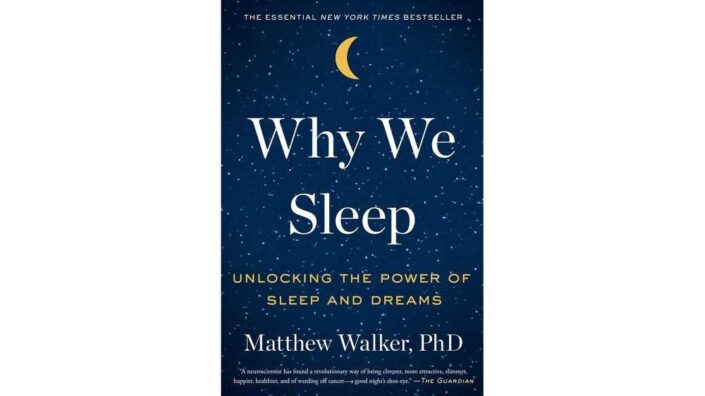
Literature

[1] Liu, C., Sage, J. C., Miller, M. R., Verhaak, R. G., Hippenmeyer, S., Vogel, H., … & Zong, H. (2011). Mosaic analysis with double markers reveals tumor cell of origin in glioma. Cell, 146(2), 209-221.

[2] Gibson, E. M., Purger, D., Mount, C. W., Goldstein, A. K., Lin, G. L., Wood, L. S., … & Monje, M. (2014). Neuronal activity promotes oligodendrogenesis and adaptive myelination in the mammalian brain. Science, 344(6183), 1252304.

[3] Venkatesh, H. S., Johung, T. B., Caretti, V., Noll, A., Tang, Y., Nagaraja, S., … & Monje, M. (2015). Neuronal activity promotes glioma growth through neuroligin-3 secretion. Cell, 161(4), 803-816.

[4] Pan, Y., Hysinger, J. D., Barron, T., Schindler, N. F., Cobb, O., Guo, X., … & Gutmann, D. H. (2021). NF1 mutation drives neuronal activity-dependent initiation of optic glioma. Nature, 594(7862), 277-282.

[5] Chen, P., Wang, W., Liu, R., Lyu, J., Zhang, L., Li, B., … & Liu, C. (2022). Olfactory sensory experience regulates gliomagenesis via neuronal IGF1. Nature, 606(7914), 550-556.

[6] Hausmann, D., Hoffmann, D. C., Venkataramani, V., Jung, E., Horschitz, S., Tetzlaff, S. K., … & Winkler, F. (2023). Autonomous rhythmic activity in glioma networks drives brain tumour growth. Nature, 613(7942), 179-186.

[7] Hatcher, A., Yu, K., Meyer, J., Aiba, I., Deneen, B., & Noebels, J. L. (2020). Pathogenesis of peritumoral hyperexcitability in an immunocompetent CRISPR-based glioblastoma model. The Journal of clinical investigation, 130(5), 2286-2300.

[8] Krishna, S., Choudhury, A., Keough, M. B., Seo, K., Ni, L., Kakaizada, S., … & Hervey-Jumper, S. L. (2023). Glioblastoma remodelling of human neural circuits decreases survival. Nature, 1-9.

[9] Hayakawa, Y., Sakitani, K., Konishi, M., Asfaha, S., Niikura, R., Tomita, H., … & Wang, T. C. (2017). Nerve growth factor promotes gastric tumorigenesis through aberrant cholinergic signaling. Cancer cell, 31(1), 21-34.

[10] Bauman, J., & McVary, K. (2013). Autonomic nerve development contributes to prostate cancer progression. Asian Journal of Andrology, 15(6), 713.

[11] Huang, D., Su, S., Cui, X., Shen, X., Zeng, Y., Wu, W., … & Ouyang, N. (2014). Nerve fibers in breast cancer tissues indicate aggressive tumor progression. Medicine, 93(27).

[12] Saloman, J. L., Albers, K. M., Li, D., Hartman, D. J., Crawford, H. C., Muha, E. A., … & Davis, B. M. (2016). Ablation of sensory neurons in a genetic model of pancreatic ductal adenocarcinoma slows initiation and progression of cancer. Proceedings of the National Academy of Sciences, 113(11), 3078-3083.

[13] Huang, S., Ziegler, C. G., Austin, J., Mannoun, N., Vukovic, M., Ordovas-Montanes, J., … & von Andrian, U. H. (2021). Lymph nodes are innervated by a unique population of sensory neurons with immunomodulatory potential. Cell, 184(2), 441-459.

Academy for Health and Lifespan Research

Dr. David Sinclair Assumes Presidency of the AHLR

New York, June 14th, 2023 – The Academy for Health and Lifespan Research (AHLR) is proud to announce the election of Dr. David Sinclair as its new President. Dr. Sinclair, a distinguished Professor of Genetics at Harvard Medical School and renowned author of the New York Times Bestseller “Lifespan,” has been chosen by his peers to lead the prestigious association of the world’s foremost longevity researchers. He succeeds Dr. Felipe Sierra, Ph.D., in this role.

AHLR is the leading organization comprising the world’s most esteemed scientists dedicated to studying the mechanisms of aging and developing interventions to slow and reverse the process. Its members are elected annually based on their significant scientific contributions and commitment to the community.

The recent induction of 12 new members has expanded AHLR’s membership to 60 scientists. As a non-profit organization established in 2019, AHLR facilitates aging research, supports early- career scientists, offers public policy advice, and fosters collaboration among researchers. By serving as a catalyst, idea pipeline, and convening body, the Academy empowers longevity scientists to develop innovative drugs and treatments that can benefit all individuals.

The mission of AHLR encompasses several key objectives, including transforming societal perceptions about healthy aging, promoting research for longer and healthier life, attracting talent to the longevity research field, educating the public on science and healthy lifestyles, and advocating for policy changes to recognize aging as a treatable condition. Previous meetings held by the Academy in cities such as Paris, Lisbon, and Los Angeles have laid the groundwork for these goals.

Dr. Sinclair expressed his gratitude for being elected as President, emphasizing the importance of raising global awareness about aging research and the potential to improve the lives of millions affected by age-related diseases like diabetes, dementia, and heart disease. He stated, “I am excited to continue the mission of the Academy, tackling the root cause of age-related ailments, which is aging itself.”

Under Dr. Felipe Sierra’s leadership, AHLR has experienced significant growth, with a membership increase of over 25%. Additionally, the organization has secured funding, hired a new Executive Director, and successfully organized a conference in Southern California, attended by leading longevity scientists from around the world. Dr. Sierra will now focus on his role at Hevolution, a non-profit dedicated to promoting aging research and rejuvenative medicines globally, with an investment rate of approximately $1 billion a year.

Dr. Felipe Sierra expressed his pride in AHLR’s achievements over the past year, including the addition of 12 new members and the successful annual gathering. He expressed his confidence in Dr. Sinclair, stating, “The Academy is a unique group of individuals at the forefront of medicine, and we are thrilled to have Dr. Sinclair take over the helm.”

Dr. Nir Barzilai, a renowned longevity researcher and founding board member of AHLR, added, “The Academy is propelling the groundbreaking work conducted in laboratories worldwide. Dr. Sinclair’s leadership and his ability to engage with global leaders and the public make him an ideal President.”

The Academy believes that the question of whether it is possible to slow and reverse human aging is at a crucial turning point in scientific exploration. With an increasing understanding of the biology of aging and the malleability of the aging process, AHLR aims to harness the collective power of accomplished longevity scientists to address the root causes of diseases affecting billions worldwide.

For media inquiries and interview requests, please contact Risa Starr at risa@ahlresearch.org.

Follow AHLR and research on Twitter: @ahlresearch, @davidsinclair, @nirbarzilaiMD

Follow Dr. Sinclair on Instagram: @davidsinclairphd

About AHLR:

The Academy for Health and Lifespan Research (AHLR) is a non-profit organization founded in 2019, dedicated to advancing aging research, supporting scientists, advising on public policy, and fostering collaboration. By uniting the world’s leading scientists, laboratories, academic institutions, and drug companies, AHLR strives to encourage breakthroughs in longevity research that are accessible to all.

We would like to ask you a small favor. We are a non-profit foundation, and unlike some other organizations, we have no shareholders and no products to sell you. All our news and educational content is free for everyone to read, but it does mean that we rely on the help of people like you. Every contribution, no matter if it’s big or small, supports independent journalism and sustains our future.

Lisa Fabiny-Kiser

SENS Research Foundation’s CEO on Accelerating Rejuvenation

We had the chance to interview Lisa Fabiny-Kiser, CEO of the well-known SENS Research Foundation, on all the various research, education, and advocacy activities that the organization is currently doing along with its plans for the future. Public opinion and the academic landscape have changed considerably since it was founded nearly 15 years ago.

Would you tell us a little bit about SENS Research Foundation?

SENS Research Foundation (SRF) is a one-of-a-kind research foundation. We were founded back in 2009 by a group of five individuals who thought that a damage-repair approach to aging was the best way to address the diseases and disabilities that ravage our aging communities.

We’ve worked since then on shoestring budgets to progress the research of aging as well as work on educating a new generation of scientists about how to approach aging as a medical ailment.

Could you tell us a little more about yourself and what motivated you to get involved with SRF in the first place?

My educational background is in plant biology, not especially useful to this field, but my industry background is in microbiology, stem cell research, and flow cytometry. It was with that background that I started volunteering at SRF in 2010, when we were still a one-room laboratory in Sunnyvale, California.

My significant other at the time was employed at SRF and had provided me with a copy of Ending Aging, the book co-authored by Dr. Aubrey de Grey and Michael Rae. It was fascinating. Technology that I had read about in my favorite Robert Heinlein novels to extend life was being studied in a real-world facility, and I admit I jumped in with both feet, excited by the prospect of making a dent in the diseases of aging.

At the time, my maternal grandmother was suffering deeply from Alzheimer’s disease and would die from it within the next year. My whole family witnessed the degradation of her mind and personality, and I was determined to do my best to put an end to that suffering on a larger scale. Working at SRF allowed me to use my time to support the scientists doing that important work.

What kinds of things do you do at the foundation?

My current role as CEO is a far cry from my prior work in the laboratory, or even operations for that matter, but is bolstered by my experience at the company. I have a hand in guiding all our departments – Research, Outreach, Administration, and Education – and considering that I have worked in all of these departments at some level during my tenure with SRF, I have a unique perspective from our prior CEOs.

My typical day is a lot of meetings. Media interviews, internal management, board meetings, negotiations with outside institutions, and investment opportunities, just to name a few. I also spend as much time as I have available reading up on the current state of the longevity community and seeking out new opportunities for growth and collaboration for SRF.

You have a diverse range of people working at the foundation with all kinds of backgrounds and skill sets. What’s it like working there, and what sort of company culture do you have?

SRF has always been a very tight-knit organization. All of our employees care greatly about our mission, often having a deeply personal story to accompany why joining SRF was a high priority for them.

Even employees who applied with little knowledge of our work quickly became some of our strongest advocates. It’s not hard to see the work we do, feel the excitement and dedication in our staff, and not buy in to our mission.

In the past year, we’ve grown significantly, and we have made significant strides in cultivating a collaborative and equitable workplace. Our employee turnover is low, and I credit that to a culture of intellectual honesty, dedication to our world-changing mission, and genuine care for our employees’ well-being.

What would you say have been the biggest challenges now of running a non-profit research organization focused on aging and rejuvenation?

The biggest challenge we face is expanding our community and setting realistic expectations. We aren’t going to market the best face cream, or give you a one-time injection that will turn you into a 25-year-old in peak health, or make you immortal.

What we will do is provide proven, scientific remedies to the real damage in your body as you age. Damage that when remediated, will help you feel young, and pain free, and yes, will extend your healthy lifespan. Once we truly send out that message, that truth, our community will grow by leaps and bounds and encompass all origins and age groups.

But we also have to temper the idea of “get rich quick”. To get real therapies onto the market takes years, not months, and not just a couple of years either. We require real investment from experienced and non-risk-averse investors and organizations to make the progress we have to make in order to combat aging biomedically.

SRF began its life in 2009, and back then there were certainly plenty of people studying aging, but what kind of interest was there in academia for actually doing something about it?

A shift had only recently started. Scientists had shown that calorie restriction slowed down aging in mice in the 1930s, Cynthia Kenyon and Tom Johnson had shown that gene mutations could extend lifespan in roundworms, and Andrzej Bartke and Holly Brown-Borg had shown that analogous mutations could slow aging in mice.

Scientists were pointing to these examples as a general idea that intervening in aging would be a good thing, but very few were seriously working on developing and testing potential therapies. The few anti-aging startup companies that had been founded in the longevity space had all faded away into nothing or collapsed.

Leading into and following the formal foundation of SRF, we attacked this problem on all fronts: by funding research aimed squarely at developing rejuvenation biotechnologies to directly repair cellular and molecular aging damage; running conferences that brought scientists from many different fields relevant to the damage-repair approach together with biotech investors, company founders, and regulators; and advocating loudly for making a full-court press for the medical conquest of aging.

When SRF proposed its damage repair approach to target aging, how was that received by the academic community? 

Initially, it was met with a lot of skepticism — sometimes even hostility. Critics demanded that we first prove that repairing particular kinds of aging damage would extend lifespan before pressing on to develop the very therapies that would prove the principle, while also ignoring that aging was driven by the combined and interacting effects of multiple forms of damage.

We would have to repair many or all of them at once to extend lifespan to assuage the critics. With our funding level and the sheer time it takes to make meaningful scientific research, let alone get new biomedical therapies through the FDA and into the market, that wasn’t feasible in the time frame they were demanding. But we persevered anyway, knowing that our paradigm was the best shot we had at making a meaningful impact on human healthspan and thereby lifespan.

Has that situation changed since then?

It’s been utterly transformed: the damage-repair approach, the idea of actual rejuvenation versus slowing the aging processes, and the strategy of targeting different categories of aging changes have all become very mainstream ideas.

In part, this is because of the breakthrough with a non-damage-repair therapy (rapamycin), which for the first time showed that aging could be targeted with a small molecule rather than genetic engineering or lifelong calorie restriction. In part, it was because of the 2011 proof-of-principle that clearing one kind of aging damage in aging tissues all by itself (senescent cells) could have powerful effects.

In substantial part, it’s because SRF funded solid work in our own Research Center and in well-respected independent academic labs nationally and internationally, showing concretely that the damage-repair approach was a viable alternative to the sick-care that has been our standard. We’ve laid the groundwork for what is now a nascent but distinct rejuvenation biotechnology industry.

During those early years, the media frequently portrayed rejuvenation research as weird or fringe. How did you weather this storm of skepticism and has the media changed its perception of our field much since then?

A lot of that weathering was done by brute force. We had the backing of a few solid investors, and we drove forward educating and advocating where we could. We also managed with our limited funding to make meaningful strides in the research, even spinning out some solid companies in the space. This, and work done by other institutions and individuals in the space, really made our mission of attacking aging damage directly more mainstream.

On a broader note, what is your perception of public attitudes towards doing something about aging, and have they changed at all in say the last five years or so?

They’ve improved dramatically — really starting about 8-10 years ago, not just in the last five. Our inbox used to be flooded weekly with people raising all manner of weak objections to extending healthy human life.

The media treated it as controversial and wrung their hands endlessly over perceived downsides of ending aging while ignoring the enormous benefits of removing suffering and grief caused by aging itself.

We still sometimes get this kind of response in continental Europe, but the response from citizens and media coverage in the US, Canada, the UK, and Eastern Europe are now overwhelmingly supportive of our mission.

On a more personal level, how have your friends and family responded to what you do and the mission and has this changed over time?

When I started, there was definitely some skepticism. I had moved from Ohio, across the entire country to California, and had largely given up my scientific career to do administrative work for an unknown research foundation looking to cure aging. But that didn’t last long.

I was happy to convert anyone who would listen to support the truly revolutionary and scientific approach we are taking. I now have nothing but support from all my friends and family. I would even argue that my biggest supporter is my father – a gentleman who is in his late-70’s, grew up on a farm, and had a long career in the phone company in the heart of the Midwest.

That said, I think I can fairly convince anyone that the work SRF is doing is based on sound research and has the true potential to impact all our lives for the better.

How do you see the foundation’s role in the longevity space, and has that changed since the foundation was created?

Despite the longevity community growing and becoming mainstream, SRF still has a lot of work to do. We are the only organization in the world that focuses exclusively on a damage-repair approach to aging – a mission we have re-evaluated in recent years to ensure is still the best and most likely to succeed path to curing the diseases and disabilities of aging.

While our research has always been, and always will be, our primary mission and where the majority of our annual budget is spent, we have slowly been pivoting to increase our education program. It is not enough to do the work ourselves – we do not have enough money or manpower. We have to ensure that the next generation of scientists view aging as a treatable disease and are empowered to do that work wherever they land in their careers.

This battle will not be won by one man or one organization. It takes an entire community of people and we are striving to help that community grow by educating our young people.

So, onto the science. SRF’s focus takes a divide and conquer approach to aging. Can you tell us a bit about the damage repair approach?

We age because damage accumulates in the cellular and molecular functional units that let our tissues do their job. This damage primarily happens because of side effects and tradeoffs of the metabolic processes that keep us alive: glycation from blood sugar, free radical damage from energy production, senescent cells and cellular suicide that defend us from rogue cells becoming cancerous, and so on.

The traditional path to develop even rejuvenation therapeutics is with drugs that push the metabolic pathways to create less damage. Less damage produced means less damage accumulated, so aging is slowed but it can’t be reversed. In the process, interfering with the normal life-sustaining functions of those metabolic pathways leaves us vulnerable to often unanticipated side-effects, some that need to be remediated with other drugs. Instead of trying to slow down the rate of aging by messing with metabolism, the damage-repair approach leaves our metabolic processes alone and instead directly targets the damage of aging itself, including the damage already in our tissues.

For instance, the main way medicine today combats atherosclerosis is by lowering levels of LDL cholesterol. Instead of trying to push LDL cholesterol levels lower and lower, damage-repair therapies target the toxic byproducts that directly poison our cells and arteries, either with small molecules that capture them and smuggle them harmlessly out of the cell (Cyclarity’s UDP-003) or with enzymes that directly break down the toxic byproducts (Repair Biotechnology’s CDP platform).

Presumably, you haven’t abandoned the idea of people reaching escape velocity? Do you think we are anywhere near reaching that point yet?

Like our technological growth as a society, our medical field has the potential for exponential growth, which, yes, should allow people to hit a critical point of seriously extending lifespan simply from the significant increase in healthspan. It’s questionable whether anyone can give a particular timeline for getting there, considering not only the complexity of the problem but also the variety in the human health experience.

Whether any given estimate is right or wrong doesn’t affect the actual progress we’re making. We’re focused on performing and funding the development of the damage-repair therapies that will get us there as fast as we can. Obviously, the more funding we get and the more we convince outside scientists that the damage-repair approach is the right one, the more such projects we can do.

Thanks to fundraising success last year, you recently expanded the lab space at SRF. How is that going, and what does that mean for the foundation and in particular the science you are doing there?

We have completed the build-out of the expansion, which doubled our lab space and offices. The additional lab space has allowed us to increase the rate of our progress, as we now have much needed additional instrumentation, tissue culture spaces, and sufficient room for our new hires. We have been able to spin-up new projects and still have room to grow.

We are considering using some of our lab space as incubation space for start-ups in the aging space, particularly ones focused on a damage-repair approach. Our goal has never been to be an anti-aging mecca; we are more interested in growing the community of people working on this problem, and having additional space is a great way to invite like-minded organizations in-house for better collaboration efforts.

Quite a number of people in our community claim the FDA not accepting aging is a major barrier to progress and getting therapies approved. What is the real situation here, is the FDA the huge problem some people claim or not?

It’s a much smaller problem than many people make it out to be. There are several different pathways that you can get a therapy to market, and the key is to match the kind of therapy you have to the pathway that gives you the clearest shot to approval. The most common approach is to identify a disease that a therapy is especially likely to be effective in preventing or treating and move the therapy through the pathway as a treatment for that disease.

This will usually be a disease of aging, but not always: for instance, MitoSENS therapies that back up individual mitochondrial protein-encoding genes could be developed as gene therapies for congenital mitochondrial disorders that result from mutations in those genes. Another approach is the “accelerated approval” pathway, which the FDA has been refining for a decade now and is becoming an increasingly attractive option for damage-repair approaches.

Because damage-repair therapies directly remove cellular and molecular damage, and because intervening early is always better than intervening late, the ability to get a longevity therapeutic approved by showing that it removes a defined aging lesion long before severe pathology emerges will be an excellent option for some rejuvenation biotechnologies. The lack of an FDA indication for aging poses the biggest hurdle for traditional geroscience — the “messing with metabolism” approach — because such therapies’ effects are often broad but shallow, affecting many aspects of aging at once but none of them profoundly.

But there is good news for this class of therapies on two fronts. The first is FDA’s acceptance of the composite multimorbidity outcome for the TAME trial, which is better matched to the effects of such drugs in animals. Even if TAME fails, it could act as a precedent for future trials of these more conventional broadly age-retarding approaches. If, however, it doesn’t get off the ground or has a long delay, no concrete precedent will be established and future regulators may not agree to continue with these kinds of trials. (For more on metformin and TAME, see our blog series on these subjects, especially the fifth installment).

The other development that may help licensing pathways for broad-but-shallow longevity therapeutics is the changes in the WHO’s International Classification of Disease (ICD) codes: redefining MG2A to “aging-associated decline in intrinsic capacity” in the “General Symptoms” category and shifting the ICD-11 extension code for “diseases related to aging” out of the “temporality” section to “aetiology” and “causality,” allowing aging to be identified as the causal driver of age-related disease and not just a horizon for collecting diagnoses.

Could you give us an update on the SENS strands and where things are with these damage types?

That’s a book, not an interview question! Some pioneering developments include:

  • our MitoSENS team achieving successful allotopic expression in vivo in mice; the clinical success and licensing of the AmyloSENS therapy lecanemab/Leqembi for neurodegenerative aging of the Alzheimer’s type
  • Cyclarity Therapeutics, an SRF LysoSENS spinout, getting very close to launching a clinical trial for their modified cyclodextrin with the goal of reversing atherosclerosis
  • UNITY Biotechnology having recently announced a successful Phase II trial of their senolytic (ApoptoSENS therapy) in people with diabetic macular edema
  • our ApoptoSENS team identifying the lurking danger posed by the invulnerability of one class of senescent cells to senolytic drugs; having for the first time identified and actively pursuing a promising strategy for eliminating abnormal tau aggregates inside cells (LysoSENS)
  • Dr. Jean Hébert’s excellent progress with a daring and innovative strategy for replacing and sustaining brain neurons in the neocortex
  • Dr. Tilman Grune’s SRF-sponsored research pursuing novel enzymes to degrade lipofuscin
  • the startup Elastrin Therapeutics working to turn their GlycoSENS therapy targeting damaged elastin into rejuvenation biotechnology for humans

Can you explain your strategy in creating spinouts like Cyclarity, Repair, Oisin, Ichor, Revel, and Covalent Biosciences, and how does that work from the position of a non-profit looking to move the technology into the commercial sector?

Our focus has always been on the research, but considering that our mission is to treat and cure age-related disease, keeping our research strictly basic and in-house is somewhat useless to that end. We have to have a mechanism to take our research to clinic and eventually to market.

Because we are more interested in seeing our therapies succeed and reach market, when we do spinout a for-profit company – either from internal sources or through the funding of external projects – SRF takes a nominal ownership in the company. While a return on our investment is nice, it’s not our primary goal; getting the therapies into humans in a safe and fast way is top of our priorities.

We’ve also recently started maintaining an observational board seat on our spin-outs as well. This allows us to ensure that the for-profit team still has access to our scientific expertise and that we have at least the ability to give our opinion if it seems like the team is veering away from SRF’s tenets. That includes getting damage-repair therapies to market in a timely fashion and ensuring that when it hits market, it is affordable and accessible to all persons.

As a non-profit, our interests are decidedly not on the side of making more money (although that would be nice); instead, we focus on making sure the science that the community has entrusted us to accomplish is being done in a timely and ethical manner.

You have an educational program at the foundation that is training the scientists of the future. Can you tell us a bit more about this and how it is having an impact on the field?

Our education department’s focus is providing developing scientists with research-intensive experiences that not only transform their careers, but also transform the way they think about aging. Current programs include robust and prestigious summer and postbaccalaureate programs, which support undergraduate and recent graduates at our research center and at partner labs across the country.

We also have a partnership with Dominican University of California to train Master’s students. We are also excited about some developing programs: new this year, we are starting a graduate internship program for MS, PhD, MD, and other graduate students to spend 9-10 months with us to get a taste of industry research before they enter the workforce. Our projects benefit immediately from their creativity and adventurous spirits, but perhaps more important is the long-term impact of training the next generation of scientists.

When we teach young people about aging as a treatable disease, we change the field for decades to come. The challenges we face with the FDA and with the public’s view of aging will become more approachable as this next generation of scientists age into researchers and leaders, and bring that understanding that aging can be cured with them.

If someone is a young aspiring scientist interested in getting into the field, what advice would you give them and how can SRF help?

Developing scientists, across the board, need a heavy dose of passion, and they cannot be afraid of failing. They need to soak up all the knowledge they can from every opportunity: seemingly unrelated classes or research experiences can lend creativity that will inspire research solutions.

Of course, developing scientists should apply for our programs. We would love to train every aspiring scientist, but since that is not possible, I’d recommend taking advantage of any kind of biological research training; research techniques can be applied across different fields. The most important thing students learn during research experiences, though, is the troubleshooting process, which is fraught with repetitive failure, but if a student can learn to stand back up, reframe their viewpoint, tweak a variable and try again, they will make a fantastic researcher.

Research is very important, of course, but there is also the advocacy side of things, which is equally important in our view and frequently overlooked. Can you tell us about your advocacy activities at SRF?

You are right that the advocacy aspect of our organization, and maybe every organization honestly, is overlooked, but without our development department, we would have floundered a long time ago. It is imperative to our mission that we garner support, both financially and in public opinion.

One of our primary activities is our annual virtual conference, where we detail our latest scientific progress and showcase our educational program. I know virtual conferences are falling out of favor a bit these days, but we feel it’s the best option for our community right now. We have a huge community of supporters that are global citizens, from all walks of life. We never want access to our research and staff to exclude those who do not have the means to travel or are medically fragile.

That said, we are considering going back to in-person in the near future and make it a hybrid event. Our department of development also works hard to create content that showcases who we are and the work we do. We recently created interviews with our scientists discussing each of our programs, as well as “Meet the Team” and “Meet the Students” videos allowing our team members and students to introduce themselves and share their personal journeys to SRF.

We believe it is important that our supporters know who’s behind the organization. We also hold a Donors Appreciation Event every year to give the donors the opportunity to meet with all of us and meet each other. We run crowdfunding campaigns; we just launched the first of three on Experiment.com.

We partner with other organizations to spread the word about the longevity field and fundraise together. Our Annual Report serves as a significant medium to promote our work, while our Research Report delves into our scientific progress and publications in detail, we don’t put out the latter every year. Additionally, our online store, the Marketplace, features a range of fun and high-quality branded items, helping us raise awareness about our mission.

One of our most exciting recent advocacy activities was the creation of the Life Noggin video series, which explains the SENS approach in a fun and engaging way.

On our website, we have the SENSible Blog, and also the SENSible question, published in said blog. A monthly newsletter comes out every second Tuesday, our End of Year Campaign, and much more! I encourage you to visit our website and explore our social media channels to discover more about our extensive outreach and advocacy activities.

What are the biggest misconceptions people have about rejuvenation biotechnology?

This is such a loaded question. We come across all kinds of misconceptions about our field on a regular basis. At first, it was a lot of assumptions about this being science fiction, although that’s honestly how I first became interested in the field, so I suppose even misconceptions can be leveraged into support given the right redirection.

Regardless, these days it’s not too hard to point out our peer-reviewed research, our flourishing laboratory, and the many investments and spinouts we have accomplished in our tenure to showcase how very much in reality our work falls.

Another vantage point we come across is one of “this is how it’s always been” with the unstated, or sometimes very stated, sentiment that we shouldn’t mess with the status quo. My response to that has always been “Do you eat bananas? Do you take Tylenol? Is your house powered by electricity?” The point is, technology makes our lives better in a myriad of ways, ways that were utterly unfathomable to our ancestors, but we take for granted.

100 years ago, the life expectancy was around 56 years. Now, it’s about 76 years (at least in the USA) and the idea of someone dying in their mid-fifties is devastating. It’s not hard to imagine that 100 years from now, someone dying in their 70s, or 80s, or 90s is equally as abhorrent. These kinds of sentiments though are often led by lack of information and maybe lack of imagination as well.

How we most effectively combat them is twofold. One, we keep doing what we’re doing and making progress; it’s going to be hard to say this is impossible when we eradicate atherosclerosis. Two, we continue to talk to people – we answer all the questions, no matter how repetitive; we take the time to connect with someone on a personal level and gently challenge their viewpoint with facts; we put out into the world the truth about aging and encourage people to hope that there is a different future than the one they currently know.

I travel a fair bit as a part of my job, and I can tell you that I have yet to sit on a flight and not talk to my neighbor about our mission and eventually hand out my business card. I have also yet to have any person I talk to not agree with me by the end of the flight. It may be hard to get behind extending lifespan, but it is so easy to support curing Alzheimer’s, removing the risk of stroke, or ending cancer. That’s how we reach the people and change their minds. One at a time, with kindness and a smile and facts.

Building a strong community of supporters and advocates is important for our movement as is the willingness to partner with other organizations and work on big projects together. Can you talk about how SRF is collaborating with other organizations and how that is supporting progress?

I can’t agree more: to make real progress requires the efforts of a community, a network of people and organizations all working in concert. We are always willing to engage with organizations who are interested in furthering our mission. The Angel Protocol with Methuselah Foundation and lifespan.io is a great example of organizations pulling together to raise support. We are also a sponsor and member of the Alliance for Longevity Initiatives, an advocacy group looking to impact legislation for the betterment of longevity research and progress.

We’ve been a long-time member of the Association for Independent Research Institutions, which helps us in all manner of non-profit research foundation issues, including advocacy in D.C., operations, fundraising, and our education department. We have partnered with Dominican University for our Masters program to allow students to study at SRF.

Those are only a few – it’s not hard to make connections in this field. So many related organizations, and even entirely unaffiliated institutions, are thrilled to support our mission and make our path smoother. We all have a common goal: to increase healthspan and improve the lives of the people around us. With that in mind, the willingness to provide support instead of competition should not be much of a surprise.

Speaking of collaboration, you recently teamed up with Angel Protocol, Methuselah Foundation, and lifespan.io on the Longevity Campaign. This is an initiative to create funds for all three nonprofits and will also build a perpetual endowment that will provide ongoing funds for the work we do. This is a cryptocurrency-based fundraiser, what are your thoughts on utilizing the blockchain as a way of funding research and fueling progress?

In addition to the Angel Protocol, which is a fabulous idea by the way, we have also had partners with VitaDAO, The Fable of the Dragon, and even made a series of NFTs with a digital artist: Soliman Lopez for our last End of Year Campaign. I honestly can’t speak highly enough about the NFTs. We have one for each SENS strand, connected to live cell cultures in our laboratory, and they are absolutely beautiful.

The Fable of the Dragon team sent us the best dragon statue, which is currently residing in our Research Center and continue to be supportive media partners. Our partnership with VitaDAO promises an innovative track for our promising research to spinout into for-profit ventures and their team is comprised of truly remarkable individuals motivated to help our technology flourish for the betterment of all humanity.

SRF was an early adopter of cryptocurrency; we’ve accepted crypto as a form of donation since 2014. We’ve had enormously successful fundraising endeavors with crypto over the years, and I think it’s only going to continue being a source of funding for us. The crypto community is an easy ally to rejuvenation biotechnology: they are forward-thinking, with a strong bent towards innovation and creativity and look at our research as a way of putting that innovation to work in the biomedical field.

The more we interact with that community, the more impressed we are with their intelligence and determination to build a better world, sometimes in spite of the systems of power around them. They are going to be primary drivers going forward, and I’m proud that we can work so well together.

Do you think using fun can be a powerful tool in advocacy for bringing aging under medical control?

Absolutely! No one wants to be bored, and unfortunately, deep science can get boring for the layperson. We constantly work internally on how to properly convey our mission, and the progress we are making in the laboratory, to the common person. The mission of extending healthspan is universal, and if we are going to get everyone on this bandwagon, we have to make learning about our research entertaining and fun and easily digestible.

I had my 8-year-old son watch the Zombie Cells Life Noggin video, and he got it! He understood what we were trying to do. He asked me afterward if we were really doing that, killing zombie cells in our bodies, and when I said yes, he got so very excited.

That’s what those videos were intended for: to reach everyone, of all ages and backgrounds, and introduce them to the reality of our research and get them hopeful and excited about the work we are doing. The more we engage the masses, the more our work becomes mainstream, and the more support we will gain both financially and in policy. We need the sway of public opinion to make faster progress, and incorporating fun is a great way to gain that support.

What does the future hold for SRF, and what exciting projects have you got planned for this year?

Time will tell, I suppose, because we have some big projects in the works that are still undercover at the moment. I can tell you that we are still focused on a damage-repair approach to the diseases of aging. We’re still going to be teaching and influencing the next generation of scientists. We’re getting more involved in the political scene and working on reaching out to more mainstream organizations to increase our reach and support base.

We’re looking to expand our Education program, continue to grow our Research department both internally and externally, expand our investment and for-profit portfolio, and, of course, make sure we are reaching out to our donors all over the world to keep them apprised of our progress. It’s going to be an exciting next couple of years at SRF, so stay tuned.

We would like to ask you a small favor. We are a non-profit foundation, and unlike some other organizations, we have no shareholders and no products to sell you. All our news and educational content is free for everyone to read, but it does mean that we rely on the help of people like you. Every contribution, no matter if it’s big or small, supports independent journalism and sustains our future.

Health survey

Rapamycin Users Report Positive Effects in Survey

A new study published in GeroScience addresses the efficacy and side effects of off-label rapamycin as a preventive therapy to maintain healthspan [1].

From a small island to a reportedly life-extending drug

When it was discovered in 1972 on the island of Rapa Nui, rapamycin was described as an antifungal substance [2]. Fifty years later, its many properties are better known, and the FDA has approved it for such issues as kidney transplant rejection, cardiac stents, and a rare and progressive lung disease.

However, research has demonstrated that it can extend lifespan and healthspan in animals [3]. Clinical trials are underway to assess whether it has the same effect in humans. Early results show relatively modest side effects.

But, some people don’t want to wait for the lengthy clinical trial and FDA approval process. They started using rapamycin off-label in hopes of extending their healthspan.

Survey results: informative, but with limitations

The authors of this paper created an online survey and received replies from 333 people who take rapamycin off-label, which is usually done in an effort to extend healthspan. The participants were encouraged to report how much rapamycin they use, their experiences with taking it, and any side effects. There was also a control group of 172 people who do not take rapamycin.

While informative, such analysis needs to be interpreted cautiously. This group of off-label users is small and, as a self-reported survey, may be biased toward people with a positive experience. The authors tried to recruit a diverse group of participants. However, they could not rule out the possibility that people who took rapamycin and had an adverse reaction were not adequately represented.

Additionally, the authors noted that the study group may also be biased in overall health status, as the study’s participants had healthier lifestyles than the general population. This was true for both the control group and the rapamycin group. Therefore, the results of this study may not apply to less healthy people.

Rapamycin dosing strategy varies

This survey’s participants have been taking rapamycin with different dosing strategies and over different lengths of time. Around 90% of off-label rapamycin users reported taking rapamycin once a week. Others took it every two weeks, daily, or every few days.

Doses of rapamycin were also very different. Six milligrams was the most common dose among those who took rapamycin weekly. For others, doses ranged from 2 milligrams to 20 milligrams for men and 14 milligrams for women.

Some of the survey’s participants were people who had just started using the compound, and some participants had been taking it for over 10 years. The median time was 218 days.

These differences make interpreting the data more difficult. In comparison, a clinical study would have larger groups of people taking the same dose for the same time in order to make the comparisons more reliable.

Rapamycin’s reported benefits and side effects

One essential part of the project was assessing rapamycin’s side effects. Mouth ulceration was the only condition that the users reported more frequenly than the control group. This was not surprising, as mouth ulceration is a commonly known side effect of rapamycin.

Researchers also observed a trend pointing to the higher frequency of reported infections among rapamycin users. However, it didn’t reach statistical significance.

Off-label rapamycin users reported several benefits, including decreases in abdominal cramps, depression, abdominal pain, muscle tightness, anxiety, and eye pain.

Rapamycin and COVID-19

This study was conducted in 2022, so the survey’s participants were directed to report their experiences with COVID-19 infection. For this disease, infection rates were similar between off-label rapamycin users and non-users. However, there were differences regarding the course of infection.

The authors discovered that people who took rapamycin regularly reported a lower incidence of developing moderate or severe COVID-19, whether they took it before, during, or after infection.

Similarly, continuous rapamycin users reported fewer detrimental, long-term, post-viral effects (“long COVID”) than non-users. This result, along with rapamycin’s anti-inflammatory properties, may make it a good candidate for intervention as a treatment for long COVID. The authors suggest the need for clinical trials to determine if this is the case.

Despite limitations, results are encouraging

Survey participants reported improved quality of life after using off-label rapamycin. They reported improvements in their “health, happiness, brain function, feelings of youthfulness, confidence, calmness, anxiety, and generalized aches and pains.”

Those results are encouraging, but it is essential to note that they originated from a self-reported online survey with many inherent limitations. A double-blind, randomized clinical trial is essential to confirm these results.

We would like to ask you a small favor. We are a non-profit foundation, and unlike some other organizations, we have no shareholders and no products to sell you. All our news and educational content is free for everyone to read, but it does mean that we rely on the help of people like you. Every contribution, no matter if it’s big or small, supports independent journalism and sustains our future.

Literature

[1] Kaeberlein, T. L., Green, A. S., Haddad, G., Hudson, J., Isman, A., Nyquist, A., Rosen, B. S., Suh, Y., Zalzala, S., Zhang, X., Blagosklonny, M. V., An, J. Y., & Kaeberlein, M. (2023). Evaluation of off-label rapamycin use to promote healthspan in 333 adults. GeroScience, 1–12. Advance online publication.

[2] Vézina, C., Kudelski, A., & Sehgal, S. N. (1975). Rapamycin (AY-22,989), a new antifungal antibiotic. I. Taxonomy of the producing streptomycete and isolation of the active principle. The Journal of antibiotics, 28(10), 721–726.

[3] Saxton, R. A., & Sabatini, D. M. (2017). mTOR Signaling in Growth, Metabolism, and Disease. Cell, 168(6), 960–976.

Weight gradient

Obese People Have Impaired Brain Responses to Nutrients

Scientists publishing in Nature Metabolism have shown that obese people have dampened brain responses to food. This effect lingers even after diet-induced weight loss, possibly explaining why it is easy to regain weight [1].

Getting and staying lean is hard

Obesity is a certified killer. It drives many pathological conditions and substantially increases all-cause mortality [2]. While people are becoming more aware of those detrimental effects of obesity, losing weight is not easy, and many people fail to stay lean after initial weight loss. Countering the social stigma around obesity, recent research has found objective biological reasons for why losing and/or not regaining weight can be an uphill battle. For instance, we have previously reported that in mice, weight loss leads to increased energy efficiency, which can make not overeating harder.

Straight to the stomach

This new study from Yale was done in humans. The researchers set out to determine whether nutrient sensing by the brain differs in obese and formerly obese people compared to lean people. The sensations that people receive when eating (orosensory effects) are a major driver of overeating. To get past these effects, the researchers used intragastric delivery of nutrients via a plastic tube inserted in a nostril.

The study began with a group of 30 lean people and a group of 30 obese people. For several days, the researchers delivered equal volumes of either tap water (control), glucose-containing water, or fat-containing water to the stomach and monitored the brain’s responses for half an hour using functional MRI (fMRI).

Lack of response

In lean people, delivery of either glucose or fat altered the activity of several brain regions associated with food behavior, such as the striatum, although the responses for each nutrient type differed. However, there was a notable lack of response in the obese participants.

“This was surprising,” said Mireille Serlie, lead investigator of the study and a professor of medicine at Yale. “We thought there would be different responses between lean people and people with obesity, but we didn’t expect this lack of changes in brain activity in people with obesity.”

In the second part of the experiment, the obese participants underwent a 12-week diet. The average weight loss amounted to 9.5%, and only participants who lost at least 5% of their body mass were allowed to continue. After dieting, those participants were again given nutrients intragastrically for several days. To the researchers’ surprise, weight loss did not change the picture: the participants still lacked the brain response seen in lean people.

The striatum is essential in regulating behavioral responses to food intake and probably acts as a caloric sensor [3]. It is thought to be doing so, in part, by releasing the neurotransmitter dopamine. Glucose triggered striatal dopamine release in all groups. However, dopamine release after a fat infusion only happened in lean participants. Both obese participants and participants who lost weight showed impaired dopamine response. The researchers hypothesize that this lack of dopamine response may at least partially explain the widespread phenomenon of weight regaining.

“In my clinic, when I see people with obesity, they often tell me, ‘I ate dinner. I know I did. But it doesn’t feel like it,’” said Serlie. “And I think that’s part of this defective nutrient sensing. This may be why people overeat despite the fact that they’ve consumed enough calories. And, importantly, it might explain why it’s so hard to keep weight off.”

Lacking or delayed?

The study had several limitations, such as the relatively short duration of follow-up (12 weeks). Another study by the same group showed partial recovery of dopaminergic response impaired by obesity in women who underwent bariatric surgery [4]. However, in that study, average weight loss was higher and the follow-up period much longer (two years).

Since the fMRI sessions lasted only 30 minutes, it is possible that normal responses were rather delayed than lacking. However, as the researchers note, such a delay is enough to affect eating behavior, for instance, by preventing meal termination.

“People still think obesity is caused by a lack of willpower,” said Serlie. “But we’ve shown that there is a real difference in the brain when it comes to nutrient sensing.” However, more research is apparently needed in this area.

We would like to ask you a small favor. We are a non-profit foundation, and unlike some other organizations, we have no shareholders and no products to sell you. All our news and educational content is free for everyone to read, but it does mean that we rely on the help of people like you. Every contribution, no matter if it’s big or small, supports independent journalism and sustains our future.

Literature

[1] van Galen, K.A., Schrantee, A., ter Horst, K.W. et al. (2023). Brain responses to nutrients are severely impaired and not reversed by weight loss in humans with obesity: a randomized crossover study. Nat Metab.

[2] Di Angelantonio, E., Bhupathiraju, S. N., Wormser, D., Gao, P., Kaptoge, S., de Gonzalez, A. B., … & Hu, F. B. (2016). Body-mass index and all-cause mortality: individual-participant-data meta-analysis of 239 prospective studies in four continents. The Lancet, 388(10046), 776-786.

[3] Ferreira, J. G., Tellez, L. A., Ren, X., Yeckel, C. W., & de Araujo, I. E. (2012). Regulation of fat intake in the absence of flavour signalling. The Journal of physiology, 590(4), 953-972.

[4] van der Zwaal, E. M., de Weijer, B. A., van de Giessen, E. M., Janssen, I., Berends, F. J., van de Laar, A., … & Serlie, M. J. (2016). Striatal dopamine D2/3 receptor availability increases after long-term bariatric surgery-induced weight loss. European Neuropsychopharmacology, 26(7), 1190-1200.