The Blog

Building a Future Free of Age-Related Disease

Adrenal glands

Discovering Why Adrenal Cancer Is More Dangerous for Women

A paper published today in Nature Aging has explained a relationship between cellular senescence, cancer of the adrenal glands, and sex differences.

A closer look at age-related cancer

Over 90% of cancer diagnoses are made in people over a half century old [1]. This is not just because of genomic instability leading to cancerous mutations; the tissue microenvironment also plays a strong role, including the immune system, oxygenation, nutrient availability, and the extracellular matrix [2, 3].

To study this phenomenon more closely, the researchers chose adenocortical carcinoma (ACC), a cancer of the adrenal glands that is considerably more common in women and has no truly effective treatments [4]. ACC incidence peaks around the age of 50 in people [5], which is roughly equivalent to 12-18 months in mice [6].

Previous work has connected ACC to the Wnt pathway [7], specifically a loss of function of ZNRF3, a gene that promotes the turnover of Wnt receptors [8]. Without this gene, Wnt receptors go out of control, promoting hypersensitivity to Wnt and driving tumor growth.

Results, both expected and unexpected

The researchers created a population of mice that had ZNRF3 specifically knocked out in the kidneys. They expected that these mice would go on to develop abnormal adrenal gland growth, which would then rapidly develop into cancer. The former happened, but not the latter: after a period of abnormal growth, the glands regressed in size instead of becoming cancerous.

Adrenal growth

These results were not found to be caused by cellular death by apoptosis. Rather, the proliferation rate, which was rapid at younger ages, was swiftly attentuated at 9 weeks in females and 6 weeks in males. RNA sequencing results showed that the ZNRF3-knockout animals had indeed accumulated significantly more genetic damage than the control group, but this damage led to a cessation of growth instead of cancer.

Cessation of growth and cellular senescence are very strongly linked, so the researchers looked for markers to see if this was occurring. That hypothesis was supported by the evidence: multiple well-known biomarkers of senescence, including p16, p21, and SA-ß-gal, were all increased. As expected, these senescent cells were secreting the SASP, a cocktail of chemicals that is known to encourage inflammation and further senescence. Immune recruitment was higher in males than females.

Interestingly, knocking out ZNRF3 later in life had the original expected effect: older mice given this knockout developed adrenal tumors considerably more than the control group, with males having nearly entirely benign tumors and females having far more malignant ones.

The role of androgens

The researchers then sought to answer a key question: why were male and female mice responding so differently? Previous work had found that androgens, the chemicals responsible for male development, discourage cellular proliferation in the adrenal gland [9]. Here, the researchers found that androgens affect the way the immune system responds. Myeloid immune cells, which are often excluded from these tumors, were found to be key in suppressing them, and androgens were found to be key in recruiting these cells.

A road to treatments?

This research offers some potential avenues to explore for treating ACC. Androgen administration could be key in eliciting the right immune response. The researchers also note that it may also be possible to drive the cancer cells senescent and then, to prevent them from returning to growth, kill them off with a senolytic. As the current standard of care involves chemicals that are known to induce cellular senescence, this line of inquiry may result in near-term benefits.

We would like to ask you a small favor. We are a non-profit foundation, and unlike some other organizations, we have no shareholders and no products to sell you. All our news and educational content is free for everyone to read, but it does mean that we rely on the help of people like you. Every contribution, no matter if it’s big or small, supports independent journalism and sustains our future.

Literature

[1] Siegel, R. L., Miller, K. D., & Jemal, A. (2018). Cancer statistics, 2018. CA: a cancer journal for clinicians, 68(1), 7-30.

[2] Phillip, J. M., Aifuwa, I., Walston, J., & Wirtz, D. (2015). The mechanobiology of aging. Annual review of biomedical engineering, 17, 113-141.

[3] Rozhok, A., & DeGregori, J. (2019). A generalized theory of age-dependent carcinogenesis. Elife, 8, e39950.

[4] Crona, J., & Beuschlein, F. (2019). Adrenocortical carcinoma—towards genomics guided clinical care. Nature Reviews Endocrinology, 15(9), 548-560.

[5] Else, T., Kim, A. C., Sabolch, A., Raymond, V. M., Kandathil, A., Caoili, E. M., … & Hammer, G. D. (2014). Adrenocortical carcinoma. Endocrine reviews, 35(2), 282-326.

[6] Flurkey, K., Currer, J. M., & Harrison, D. E. (2007). Mouse models in aging research. In The mouse in biomedical research (pp. 637-672). Academic Press.

[7] Nusse, R., & Clevers, H. (2017). Wnt/ß-catenin signaling, disease, and emerging therapeutic modalities. Cell, 169(6), 985-999.

[8] Hao, H. X., Xie, Y., Zhang, Y., Charlat, O., Oster, E., Avello, M., … & Cong, F. (2012). ZNRF3 promotes Wnt receptor turnover in an R-spondin-sensitive manner. Nature, 485(7397), 195-200.

[9] Grabek, A., Dolfi, B., Klein, B., Jian-Motamedi, F., Chaboissier, M. C., & Schedl, A. (2019). The adult adrenal cortex undergoes rapid tissue renewal in a sex-specific manner. Cell stem cell, 25(2), 290-296.

Needles in haystack

Using AI to Discover New Rapamycin-Like Molecules

In a recent paper published in International Journal of Medical Sciences, researchers have described how they used artificial intelligence and machine learning tools to find mTOR-inhibiting molecules [1].

mTOR is a common target for lifespan extension interventions

The mechanistic target of rapamycin (mTOR) is a well-known molecule in the rejuvenation world. Previous studies have demonstrated that reducing the activity of mTOR increases the lifespan of multiple laboratory animals, including yeast, worms, flies, and mice [2].

Currently, using mTOR inhibitors such as rapamycin to extend human lifespan is a subject of debate due to the possible side effects [3], which include anemia, increased blood pressure, fever, headache, nausea, diarrhea, and even new-onset diabetes [4]. This team looked for different, effective inhibitors of mTOR activity, which may not have these side effects.

Using AI to filter a thousand molecules

The researchers used machine learning tools to generate a pool of 1,000 molecules, narrowed down the pool to 132 based on their potential for mTOR targeting, then chose 29 that were likely to have low toxicity. The researchers then ran those final candidates through an ADMET (absorption, distribution, metabolism, excretion, toxicity) profile. The winner of this molecular competition was TKA001.

This competition, of course, was only in a simulation, and AI-generated molecules must be tested in real-world models to determine if they are actually effective. The researchers began these experiments by testing the activity of mTOR in human cell lines upon adding TKA001.

mTOR binds to two different sets of proteins, thus creating the mTORC1 and mTORC2 complexes [2], which each have their own targets and impact on downstream proteins downstream of them. When active, mTORC1 attaches a phosphate group to the molecule S6K. mTORC2, on the other hand, attaches a phosphate group to the molecule AKT.

Researchers observed a reduced number of phosphate attachments to both S6K and AKT in cells that had been administered TKA001. This suggests that TKA001 inhibited both mTORC1 and mTORC2.

TKA001 inhibits cancer cell proliferation 

The AI-based analysis predicted that TKA001 could be a potent agent in prostate cancer treatment, so the researchers conducted experiments to confirm its effectiveness against cancer. They began with epithelial cancer cells from patients with fibrosarcoma, a type of tumor that originates from fibrous connective tissue. They also used human cervical cancer cells.

Half maximal inhibitory concentration (IC50) is a measurement of how much of a given molecule is needed to inhibit 50% of a biological process. In this case, it refers to the proliferation of cancer cells. Rapamycin has an IC50 of 1.8 µM in fibrosarcoma cells and 0.25 µM in cervical cancer cells, but TKA001 has 200nM and 1µM, respectively, showing that it has a comparable effect on cancer.

TKA001 extends C. elegans lifespan 

The researchers wanted to test TKA001 on complete living organisms, so they chose C. elegans, a small roundworm commonly used in lifespan studies. They found that different doses extended the lifespan of C. elegans when given to adult or young adult worms. However, although the lifespan extension in C. elegans was statistically significant, it appears to be rather modest.

Strong potential, but more testing needed

In general, these results are encouraging. However, they need to be confirmed first in organisms that are biologically closer to humans, such as mice, before this molecule is brought into clinical trials to test safety and effectiveness.

TKA001 could be an interesting alternative to rapamycin, especially since the authors’ AI-based analysis suggests that TKA001 has low toxicity. This suggests that its side effects should be limited, but that is also something that can only be tested in clinical trials.

We would like to ask you a small favor. We are a non-profit foundation, and unlike some other organizations, we have no shareholders and no products to sell you. All our news and educational content is free for everyone to read, but it does mean that we rely on the help of people like you. Every contribution, no matter if it’s big or small, supports independent journalism and sustains our future.

Literature

[1] Vidovic T, Dakhovnik A, Hrabovskyi O, MacArthur MR, Ewald CY. AI-Predicted mTOR Inhibitor Reduces Cancer Cell Proliferation and Extends the Lifespan of C. elegans. Int J Mol Sci. 2023 Apr 25;24(9):7850. doi: 10.3390/ijms24097850. PMID: 37175557; PMCID: PMC10177929.

[2] Saxton, R. A., & Sabatini, D. M. (2017). mTOR Signaling in Growth, Metabolism, and Disease. Cell, 168(6), 960–976. https://doi.org/10.1016/j.cell.2017.02.004

[3] Salmon A. B. (2015). About-face on the metabolic side effects of rapamycin. Oncotarget, 6(5), 2585–2586. https://doi.org/10.18632/oncotarget.3354

[4] Johnston, O., Rose, C. L., Webster, A. C., & Gill, J. S. (2008). Sirolimus is associated with new-onset diabetes in kidney transplant recipients. Journal of the American Society of Nephrology : JASN, 19(7), 1411–1418. https://doi.org/10.1681/ASN.2007111202

SENS Mitomouse 2

How Your Funding Has Helped Mitochondrial Research

Financed by lifespan.io’s crowdfunding efforts, SENS Research Foundation has engaged in fruitful research into ways of dealing with mitochondrial dysfunction, the gradual loss of function of our cells’ power plants. Here, the organization reports its successes in handling this aspect of aging.

The cellular machinery and higher-level structures of our bodies inevitably damage themselves as part of keeping us alive. While our bodies have mechanisms to prevent and repair some aspects of this damage, the repair is never complete. Over time, damage to our cells and tissues accumulates in our bodies, causing them to become increasingly dysfunctional with the eventual endpoint of aging and its many diseases.

At SENS Research Foundation, we work to develop seven practical repair strategies into rejuvenation biotechnologies that can prevent, defang, or remove this damage to restore the health of our cells and tissues and thus maintain or restore youthful health and vigor.

The MitoSENS program at SENS Research Foundation is working to develop longevity therapeutics to repair or render harmless the damage that drives the age-related decline in the function of our cellular power plants: the mitochondria. The most important kind of age-related mitochondrial damage is large deletions in the mitochondrial DNA, which are the ultimate result of the toxic byproducts of cellular energy production. Such large deletions are prime culprits in multiple specific age-related pathologies, such as Parkinson’s and Alzheimer’s diseases, as well as sarcopenia, the loss of mass and disproportionate loss of power in aging muscles. Such mutations also drive broader pro-aging effects across the body.

Using a biotechnology called allotopic expression, the Boominathan Lab at SENS Research Foundation is engineering “backup copies” of the genes normally harbored in the mitochondria into the safe environment of the nucleus, separating the damage-causing molecules in the mitochondria themselves from the genes that are essential for cellular energy production.

In 2015, SRF launched a crowdfunding campaign for the allotopic expression of mitochondrial genes with the help of lifespan.io, which enabled us to ramp up our efforts. This additional funding was instrumental in establishing a proof of concept for this strategy. In collaboration with renowned mitochondrial scientists Dr. Martin Brand and Dr. Birgit Schilling of the Buck Institute, the MitoSENS team showed that the allotopic expression of two mitochondrial DNA genes restores critical metabolic functions in cells derived from a patient with a severely disabling mutation in the mitochondrial ATP8 gene.

Subsequently, to validate the gene therapy product in a living organism, they teamed again with lifespan.io for a second crowdfunding campaign. Using the maximally modifiable mouse model, the researchers at SRF placed a single copy of ATP8 in a safe harbor locus in the nucleus. They then crossed this allotopic ATP8 mouse with a mouse model that harbored a specific mutation in its ATP8 gene to see if their allotopic ATP8 could restore normal energy production and metabolism in the face of a mutation in the inherited mitochondrial gene.

Careful breeding and genotyping confirmed that the allotopic ATP8 is robustly expressed and is passed down through at least four generations in the progeny. And, on the critical question, the allotopic ATP8 gene works: the mice’s cells express the allotopic protein, its mitochondria take the protein up, and it effectively assembles into the correct complex of the mitochondria’s energy-producing machinery without any adverse effects. Studies are ongoing to quantify how much the engineered ATP8 displaces the mutated mitochondrial version of the gene, and the team hopes to publish these results soon.

Thanks to everyone at lifespan.io and all the crowdfunding donors who helped make this amazing advance possible! We are several large steps closer to human mitochondrial gene therapies thanks to you.

We would like to ask you a small favor. We are a non-profit foundation, and unlike some other organizations, we have no shareholders and no products to sell you. All our news and educational content is free for everyone to read, but it does mean that we rely on the help of people like you. Every contribution, no matter if it’s big or small, supports independent journalism and sustains our future.
Keith at Zuzalu

Zuzalu Talks Longevity: Highlights from the Conference

lifespan.io president Keith Comito presenting in Zuzalu. Photo: Arkadi Mazin

While the format of this conference was rather conventional, the venue was anything but. It was held in Zuzalu, which can’t be found on any map. Zuzalu is a unique “pop-up city” conceived by the tech entrepreneur Vitalik Buterin, creator of Ethereum, and a group of like-minded individuals to facilitate co-living and collaboration in fields like crypto, AI, and longevity. Zuzalu, located on the Adriatic coast of Montenegro, began its short history on March 25 and will be winding down on May 25.

VitaDAO, a decentralized science venture that we have extensively covered and collaborated with, was instrumental in organizing the longevity part of Zuzalu, including this 2.5-day conference featuring several big names in the field. Probably due to the audience being unusually diverse, many talks presented an overview of the current state of science in a certain subfield instead of focusing on new discoveries. As usual, lifespan.io brings you the highlights, excluding the talks we were unable to attend.

Nathan Cheng and Stephanie Dainow on LongBio

The first talk of the conference was conducted jointly by Nathan Cheng, executive director of Longevity Biotech Fellowship, and lifespan.io executive director Stephanie Dainow. It offered a short overview of longevity biotech, or LongBio.

The first slide informed the audience that longevity biotech is “the development of therapies that can treat or prevent multiple age-related diseases at the same time and increase healthy lifespan by targeting cellular or molecular mechanisms of aging”. However, it was immediately followed by a list of caveats, the first of which was that there is “no consensus on the definition”, which is probably expected of such a young field.

Longevity-related biotechnologies are a motley bunch, and not all of them get funded equally. According to the presentation, the one that currently receives the most funding is cellular reprogramming, but that is heavily skewed by a few targeted investments, such as the 3 billion dollars poured in 2022 into Altos Labs. Regenerative medicine takes second place, while other technologies lag behind. Unfortunately, some very important approaches, such as extracellular matrix repair, receive very little funding or attention.

Longevity biotech, which was almost nonexistent just a few years ago, now has about 40 therapies in clinical trials and is expected to grow substantially in the following years; after all, aging is going nowhere. However, it is still only a small fraction of general biotech, with around 160 startups, less than 50 billion dollars in total evaluation, 13 billion dollars in funding, and just about 20 longevity-focused VCs.

Aubrey de Grey on damage repair and frontiers

Aubrey de Grey, founder, president, and CSO of Longevity Escape Velocity (LEV) Foundation, provided a review of the current therapies aimed at age-related damage repair. He noted that the seven “Deadly Things”, the age-related damages that he proposed more than 20 years ago, are still here, but the repertoire of possible fixes has grown considerably for every type of damage. This includes partial reprogramming as a potential cure for cell loss, senolytics for death-resistant cells, and so on.

De Grey also spoke about one of the largest and boldest animal trials in the longevity space, which is currently being conducted by LEV Foundation. The vast study tests four interventions and their various combinations in about 1000 mice (read all about it in our interview with de Grey). The interventions include rapamycin, a senolytic (specially formulated navitoclax), telomerase reverse transcriptase (TERT), and hematopoietic stem cell therapy (HSCT). The study’s clever design should enable scientists both to test combinations, a concept that was featured in many talks at the conference, and isolate the effect of each intervention.

Amy Proal on the human virome

Amy Proal of the PolyBio Research Foundation touched upon the often-overlooked topic of the human virome: the immense community of viruses that inhabit our body. Proal’s talk technically was not part of the conference, but we thought it was worth including here.

Proal is known for her work on chronic inflammatory conditions, including long COVID. She noted that the immune system is shaped by the environment, including viruses. Most people have cytomegalovirus (CMV), which alters the immune system, including how it interacts with other viruses.

According to a recent paper cited by Proal, “dozens of viruses co-evolving with humans, including Influenza A virus, may actively distort human aging”. Viral activity is suspected to be one of the causes of age-related chronic inflammation (inflammaging). Viruses also affect mitochondrial metabolism and telomeres.

Another study has found that older people who had COVID-19 have a much higher risk of developing Alzheimer’s. In this context, Proal mentioned a recent spike of Alzheimer’s disease and dementia in India, a country brutally hit by the pandemic.

Viruses drive dysfunction by interfering with their hosts’ gene expression and epigenetic environment, dysregulating the immune response and hijacking their hosts’ metabolism for their own purposes. Many proteins made by viruses are similar in size and shape to human proteins and bind to the same receptors. When the immune system targets those pathogens, human proteins become collateral damage, which drives chronic disease processes.

Retro Bio has received a lot of attention

Retro Bio is a longevity biotech startup that has recently attracted a lot of attention (and maybe a bit of envy) after Sam Altman, founder of OpenAI, invested 180 million dollars in the company. Retro’s co-founder and CEO Joe Betts-LaCroix gave an update on the company’s situation and plans. On its website, Retro highlights its goal of adding ten years to healthy human lifespan. Betts-LaCroix added that Retro aims at becoming “the Pfizer of aging”.

Indeed, despite its currently modest size, Retro is working in three directions simultaneously. One of its programs is centered around autophagy, with the target and the lead molecule identified, and human trials posed to begin later this year. Another one investigates manipulating blood plasma, with a clinical trial currently in progress. However, like many companies in the field, Retro has put most of its efforts into partial cellular reprogramming.

During the post-talk discussion, Aubrey de Grey’s tongue-in-cheek comment was that Retro had “only” 180 million dollars in their bank account, implying that it might not be enough to effectively pursue all three directions. However, Betts-LaCroix seemed confident in the company’s approach.

Yuri Deigin on the secrets of germline rejuvenation

Germline rejuvenation is what makes life on Earth possible. In a nutshell, organisms age, including their germline cells (the cells that will give rise to the organism’s progeny). However, for life to continue for billions of years, the new organism must be biologically new, so at some point, a rejuvenation event must occur. This event is still poorly understood, but many people think it holds a key to defeating aging. Yuri Deigin, CEO of YouthBio, gave a fascinating account of the current state of research into germline rejuvenation (reset).

According to Deigin, germline reset is what led him to work on partial cellular reprogramming, as the two phenomena are thought to have a lot in common. To rejuvenate themselves, germline cells have not only to reset their epigenetic landscape but also get rid of the intracellular damage associated with cellular age, such as misfolded proteins. One explanation involves damage dilution (dividing cells move cellular debris in such a way that one of the cells emerges from the division without damage). However, recent research shows that active damage clearance is taking place.

While germline reset is usually studied in multicellular organisms, Deigin discussed interesting experiments in yeast that showed sporulation resetting replicative lifespan, including by active damage clearance. Deigin also mentioned recent groundbreaking work in C. elegans worms by Cynthia Kenion, who is currently with Calico. Kenion showed that in those worms, most of whom self-fertilize, active clearance of damaged proteins from germline cells occurs.

Sergio Ruiz: update on Turn Bio

Turn Biotechnologies is one of the most interesting startups in cellular reprogramming. In his talk, Turn’s COO Sergio Ruiz called his company “a small startup trying to punch above our weight” while competing with behemoths such as the Altos Labs.

Like Deigin, Ruiz pointed out similarities between partial reprogramming and embryonic reset. He named cellular degradation as the root cause of chronic disease and gave an overview of his company’s attempts to counter it.

Despite its modest size, Turn is pursuing several directions. One of them includes rejuvenating T cells to make them more efficient in killing cancer. According to Ruiz, the company’s CAR T-cell program was created in a single year, highlighting the versatility of cellular reprogramming. While highly promising, CAR T-cell therapy is hampered by the fact that today, it is used as a second-line treatment after the immune system was exhausted by damaging first-line treatments. This is why rejuvenating exhausted T-cells can make a big difference.

Another Turn program involves rejuvenating skin. “We chose dermatology”, explained Ruiz, “because this way, we can talk do different industries. While trials are easier, you can still get the product out. With some caring about aesthetics, and others about wound healing, you have many shots on goal.”

According to Ruiz, rejuvenated skin, currently tested as xenotransplants in mice, exhibits youthful gene expression, including upregulation of collagen and elastin genes and downregulation of matrix metalloproteinases (MMPs).

Morten Scheibye-Knudsen on the quest for “the longevity molecule”

Prof. Morten Scheibye-Knudsen of the University of Copenhagen is trying to answer the question “What if therapeutics to slow down the aging process and prevent age-related disease already existed?” This project was one of the first to receive funding from VitaDAO.

Using machine learning, Scheibye-Knudsen’s lab is analyzing more than one billion prescriptions in order to understand how existing prescription drugs impact human lifespan. The lab has also applied text-based analysis to 33 million pathology reports.

This work has allowed Knudsen and his team to glean some interesting insights into aging, including its “chaotic nature” (“reports for older people are all over the place”, Knudsen said), which theoretically should complicate the task of countering aging. Knudsen also said that “males age faster but later, while females age earlier but slower”.

Metformin is a well-known example of a widely prescribed drug thought to have geroprotective qualities. However, analyzing life extension data on such drugs is hard because they are prescribed to people who are already unhealthy. According to Knudsen, their data shows that metformin, an anti-diabetes medication, increases 10-year survival in people older than 70 but is also associated with shortened maximum lifespan. This is consistent with multiple mouse studies that have found metformin’s positive effects on healthspan but not on lifespan.

Another result that Knudsen unveiled was that drug combinations seemed to potentiate the effect. Again, this is in line with current evidence. Drug combinations are becoming a hot topic in geroscience, despite being notably hard to study.

Danielle Ruiz (Everest Health Partners and Methuselah Foundation) on individualized longevity medicine

Many of today’s longevity conferences include at least one talk on longevity medicine, the budding field that tries to provide anti-aging care based on advanced diagnostics and our still-limited therapeutic options. Ruiz’ talk was unusual because it featured three individual case studies explaining how a longevity-oriented approach helped each patient.

One case study featured a woman in her 40s with a burden of disorders such as early menopause, non-alcoholic fatty liver disease (NAFLD), high inflammation, obesity, and prediabetes: a saddening picture found in many people around this age. The treatment included a combination of two prescription drugs (semaglutide and rapamycin), several supplements, healthy diet, and exercise. While this approach might seem trivial, recommendations of the same quality are hard to find in conventional medicine, which is focused on mitigating symptoms rather than addressing core causes.

The second patient was much older, burdened with hyperlipidemia, hypertension, prediabetes, arthritis, neuropathy, and emerging kidney failure. He came to see Ruiz fearing the onset of age-related frailty. The patient was prescribed a combination treatment of rapamycin and metformin as well as an apoB-lowering medication and several supplements.

Finally, the third patient, a relatively young, dedicated athlete, was experiencing a decline in his physical abilities. As it turned out, he already had hypertension, hyperlipidemia, insulin resistance, and impaired kidney function. This third patient was understandably wary of prescription medications, and his treatment regimen included only lifestyle changes and supplements. For more information on how people who are not yet old and are in good physical shape can unknowingly bring themselves to the brink of a metabolic disorder, we recommend the new book “Outlive” by Peter Attia, where he recounts a similar autobiographic story.

In all three cases, according to Ruiz, longevity medicine’s holistic approach showed its prowess, resulting in a sharp improvement in biomarkers and life quality.

Josef Christensen: a reality check on the stem cell industry

Josef Christensen, Chief Business Development Officer at Stem Medical, gave a sobering overview of the stem cell field. While it is poised to grow substantially in the following years, with dozens of stem cell therapies hitting the market or moving through advanced clinical trials, substantial manufacturing, administration, and regulation hurdles remain.

Manufacturing-wise, it is still hard to ensure product quality. The issue of cell loss during cryopreservation has not been fixed yet. Securing sufficient supplies is a problem as well, and it drives higher production costs. Switching from 2D (plates) to 3D (bioreactors) production constitutes a major hurdle that Stem Medical, according to Christensen, was able to clear.

Being able to store, thaw and administer stem cells might require more than a hundred steps for hospitals to complete. Procedures themselves can be so long and cumbersome that hospitals would not do them because they do not generate enough income.

According to Christensen, regulatory norms that apply to stem cell therapies “came out of small molecules and made their way to other modalities”. As a result, required stability margins might be impossibly high for stem cell therapies to meet. Regulation also discerns between homologous (based on the patient’s own cells) and non-homologous use, complicating things even further.

Jean Hebert on progressive brain tissue replacement

Jean Hebert of the Albert Einstein College of Medicine is one of the very few scientists working on what might be the hardest problems in geroscience: what do we do with the aging brain? Other organs can theoretically be replaced, providing a powerful rejuvenation boost, but not the brain, which contains the very self. Hebert’s answer to this conundrum is to replace brain tissue gradually, one small segment at a time, exploiting the amazing ability of the brain to adapt: neuroplasticity.

Hebert maintains that the damage to the extracellular matrix (ECM) is too diverse to be effectively targeted (“It would take addressing thousands of targets to make ECM young again”), which is why even repopulating the brain with new neurons (produced via cellular reprogramming) would not be enough. The answer, hence, is tissue-level replacement.

Hebert reported encouraging new results. Transplanting chunks of human brain tissue created from scratch into mice resulted in good engraftment and vascularization, with all iPSC-derived precursor cells surviving and differentiating in the graft. New chunks of brain tissue apparently integrated into the rest of the brain structure, producing reaction to light.

While it might be unsettling to imagine yourself undergoing regular brain tissue replacement, this might be an essential step in meaningfully increasing human lifespan. However, the indication Hebert is aiming at currently is not aging but stroke. Watch our 2021 interview with Jean Hebert.

Ohad Gafni on harvesting stem cells from “stembroids”

Gafni’s company Renewal Bio, based in Israel, only recently emerged from stealth mode, generating a lot of excitement. This company had developed a method of growing embryo-like structures in vitro in order to harvest various types of stem cells.

Gafni admitted that these structures, which he called “stembroids”, are still flawed compared to real embryos, but they are good enough to provide a source for those stem cells. Their similarity to natural embryos measured by single-cell RNA sequencing is more than 95%.

Renewal Bio has succeeded in growing its stembroids until approximately day 8, which is enough to harvest some but not all types of stem cells. The next milestone is reaching 28 days to be able to harvest hematopoietic stem cells (HSCs).

The company’s aim is to become the leading source of human stem cells for transplantation and research (tackling cell and tissue shortage). However, Gafni admitted that some regulatory hurdles related to stem cell research might still be in place. Interestingly, Israeli law is far more permitting when it comes to embryo-derived stem cells compared to US law.

Keith Comito on propagating philanthropy with dynamic NFTs

lifespan.io president Keith Comito gave a talk on the intersection of longevity and emerging technologies such as NFTs. While many people consider NFTs to be a fluke at best, the technology actually provides for many interesting uses.

Comito focused on using NFTs to introduce elements of gameplay into philanthropic action. Unlike regular NFTs, dynamic NFTs can be changed after acquisition. For instance, one dynamic NFT sold prior to America’s 2020 presidential election was set up to change according to the election’s outcome.

This technology could be used to create Proof of Philanthropy (POP) NFTs. For instance, an image can contain a badge that changes its color to golden when the owner donates to charity or takes some other philanthropic action. This, Comito said, can “allow philanthropists to create new philanthropists”.

Being a much more diverse technology than most people think, NFTs can also be “soulbound”, i.e., non-tradable and bound to a specific individual, and demi-souldbound. Skillfully using such NFT “flavors” can nudge more people towards donating or otherwise contributing to the longevity field. Moreover, dynamic NFTs can be used to entice their owners to care for their own health.

Comito then touched upon decentralized clinical trials. lifespan.io has crowdfunded several important trials, with one of the current projects being “Treating Alzheimer’s with Light and Sound.” Comito also praised Zuzalu as “a natural progression of the citizen science spirit”.

Björn Schumacher: sadly, we all have a DREAM

Prof. Björn Schumacher of Cologne University gave an update on one of the most important recent discoveries which was made in his laboratory. The researchers have discovered a previously unknown role for the protein complex named DREAM. Apparently, DREAM restricts DNA damage repair (DDR) in non-dividing somatic cells.

When the researchers introduced loss-of-function mutations into DREAM-producing genes, such mutants were much more capable of DNA damage repair than their wild-type counterparts and, consequently, resistant to DNA damage-driven aging. Essentially, mutated somatic cells behaved, in this regard, like germline cells where DREAM was not assembled, exhibiting much more efficient DNA repair.

When asked by lifespan.io, what could be the evolutionary origins of this mechanism, Schumacher replied that the trade-off seemed to be increased fecundity in C. elegans that are able to assemble the DREAM complex. This looks like a clear example of antagonistic pleiotropy: a trait that is beneficial during the reproductive period but deleterious later in life. As such, it gets selected by evolution despite the unpleasant fact that it accelerates aging.

According to Schumacher, the DREAM complex can also be pharmacologically inhibited in mice and in human cells, which can lead to development of new anti-aging treatments.

Peter Fedichev’s theory of aging

Peter Fedichev, co-founder of Gero, has made waves with his theory that might upend our notion of aging. Fedichev, a physicist by training, claims that there are essentially two types of aging: one of them applies more to short-lived species such as mice, and the other applies more to long-lived species such as humans or naked mole rats (NMRs).

Mice, which live for no more than 2-3 years, exhibit much less stability; basically, things start going south very quickly in what looks like a chain reaction. This also means that anti-aging treatments that help restore stability have a relatively high impact, which is what we observe with drugs such as rapamycin.

Humans, on the other hand, remain in a relatively stable “NMR-like” state for decades, with our powerful repair mechanisms maintaining homeostasis. Here, age-related damage accumulates slowly, but, according to Fedichev, there is a dark side to this stability: the effect sizes of anti-aging treatments are low, and true rejuvenation is extremely hard to achieve.

However, in accordance with the Gompertz curve, as humans near life’s end, they start aging more like mice than like NMRs. Returning to homeostasis becomes harder. At this point, which is associated with the onset of age-related frailty, anti-aging treatments might actually show better results. Frailty and aging, according to Fedichev, are “different phenotypes in humans”, and treatments that tackle the former probably don’t work on the latter and vice versa.

This theory offers good news and bad news. On one hand, aging can be stopped at virtually any point, on the other hand, it can hardly be reversed (“true rejuvenation”). While Fedichev’s theory has received a lot of attention, it is not considered proven. Recently, Gero entered a collaboration with Pfizer, gaining access to millions of medical records that might shed more light on the subject. Stay tuned for our upcoming interview with Peter.

Brian Kennedy on targeting aging directly

Brian Kennedy is working at the National University of Singapore on small molecules with anti-aging properties. Kennedy began his talk by admitting the importance of anti-aging research for Singapore, where by 2040, there will be one non-working person for every two working.

Kennedy’s lab is working on numerous compounds, including metformin, alpha-ketoglutarate (AKG), glycine, urolithin, and gemfibrozil. One of the most important aspects of this work is finding the targets. For instance, Kennedy said, we still don’t know what the target of metformin is, despite this drug being widely used for decades. The lab discovers targets using heat, because a protein is less likely to denaturate if it is bound to the drug (i.e., if it is this drug’s target).

Gemfibrozil, an anti-cholesterol drug rarely mentioned in the longevity context, is of particular interest to Kennedy, who is starting a company to develop gemfibrozil-based therapies. This drug, which probably reduces amino acid uptake, has shown a large effect on frailty in mice.

Importantly, according to Kennedy, multiple supplements in mice sometimes counteract each other’s effect. For example, berberine and AKG cancel each other out. This should come as a warning for people who take numerous anti-aging supplements without accounting for possible interactions that are mostly still unknown to science. On the other hand, some cumulative effects have already been proven, such as the synergy between rapamycin and acarbose.

Closing panel: what about fundamental science?

During the closing panel, Peter Fedichev, Aubrey de Grey, Björn Schumacher, and Brian Kennedy discussed the problems and opportunities that geroscience is currently facing.

Kennedy lamented the difficulty of getting funding “to dig into basic science questions, such as what is aging”. This might be the darker side of the growing interest in geroscience, since even the NIH is currently mostly interested in “translation, translation, translation”, he said.

Other participants sided with Kennedy. Schumacher mentioned the groundbreaking discovery of sporulation reset in yeast, adding that “nobody works in yeast”, because it is considered too basic and irrelevant to translation. “We need to answer more fundamental questions in order to fix healthspan,” he said.

Aubrey de Grey agreed that the pendulum is currently “going the other way”, towards translation at the expense of fundamental science, the main focus being on the easy part of translation: quickly getting impressive results that are not necessarily translatable. “We must in parallel be working on more impactful, difficult interventions”, he said. “It’s not a zero-sum game, those two can help each other.”

As the discussion was drawing to a close, Peter Fedichev suggested, being “contrarian to himself”, that chasing maximum lifespan extension should not be the main goal, since a person has only a one-in-a-billion chance of achieving this maximum lifespan, which currently stands at about 120 years. This makes improving healthspan (and hence the probability of achieving this maximum lifespan) a much more pressing issue.

Zuzalu photo

From left: Peter Fedichev, Aubrey de Grey, Björn Schumacher, and Brian Kennedy. Photo: Arkadi Mazin

Stay tuned for our upcoming full coverage of Zuzalu.
We would like to ask you a small favor. We are a non-profit foundation, and unlike some other organizations, we have no shareholders and no products to sell you. All our news and educational content is free for everyone to read, but it does mean that we rely on the help of people like you. Every contribution, no matter if it’s big or small, supports independent journalism and sustains our future.

Editorial

Summer Is Coming, and We Have Been Working Hard

For those of us in the Northern Hemisphere, spring is fast approaching summer, and warmer weather is on the way. Spring is a time of rejuvenation, exactly what our organization is striving to support in the fight against age-related diseases. To that end, we have been busy, and now it’s time to give you an update on our activities.

Ending Age-Related Diseases 2023 conference venue confirmed

The Ending Age-Related Diseases conference is happening on August 10-11, 2023 and is both an in-person and virtual event. Brian Kennedy, Aubrey de Grey, Hanadie Yousef, Yuri Deigin, and Matthew O’Connor are some of the speakers this year.

EARD 2023

Register now and secure your place while Early Bird tickets are still available! Reduced prices on in-person and virtual tickets end on May 30. Student rates will be available soon.

We are striving to make this year’s event bigger and better. We aim to provide something extraordinary that surpasses other conferences. If you are interested in life extension and rejuvenation research, come and join us!

Capitale ballroomTo that end, our conference will be held at CAPITALE in New York City. Located at 130 Bowery, this neoclassical building dates back to 1895 and has Corinthian columns, Venetian glass, and marble mosaic floors.

The Grand Ballroom boasts a 15,000-square-foot area and a 65-foot ceiling, and it can accommodate over 1000 people.

We cannot think of a more perfect place for our guests and our triumphant return to in-person events. But, don’t worry: if you cannot make it to New York, this is both a virtual and in-person event.

We are planning a highly interactive program that encourages networking and public discussion. Industry leaders will share the latest in aging research as well as discuss investment, decentralized science, and regulatory matters.

This year, we will be exploring five themes over the two days of the conference:

  • Fundamental Research on Aging
  • Biomarkers of Aging
  • Emergence of Decentralized Science (DeSci)
  • Translational / Rejuvenation Biotechnology
  • Investment, Blockchain, and Regulation

Solving aging will need a coordinated industry working together to turn aging research into prescribable medicine. Encouraging industry-wide collaboration is very much a focus of this conference.

Finally, sign up for our free newsletter to keep up to date on the latest conference and longevity news. We will have a lot more to say about the conference in the near future, so stay tuned!

Will increased longevity mean too many people?

Whenever the idea of increasing healthy lifespan is raised inevitably the concern of overpopulation is brought up. Will we really run out of room or resources if we start living longer and healthier lives?

Life Noggin, our pop-sci channel on Youtube, has teamed up with VitaDAO to make a short video about this concern.

We would like to thank VitaDAO for sponsoring this video, and if you would like to sponsor a video yourself, please get in touch.

If you would like to learn more about the concerns about overpopulation, check out our Increased Longevity and Overpopulation article.

The Rejuvenation Roadmap keeps getting better

The Rejuvenation Roadmap is your resource for a quick overview of progress in aging research. Use it to see how close we are to the first rejuvenation technologies arriving.

Rejuvenation RoadmapOur curated database tracking the many approaches to bring aging under medical control continues to grow. We have added lots of new companies to the Roadmap and will be tracking their progress towards release.

There are now many companies developing drugs to combat aging, and some of them are close to or even in clinical trials. Only one of these needs to succeed and demonstrate significant age reversal in humans to capture public imagination.

Join us as we track who will be first to win this race to demonstrate human rejuvenation!

Lifespan and VitaDAO team up for a second time

We have teamed up with VitaDAO again this month for another LIfe Noggin video. VitaDAO is the world’s first decentralized intellectual property collective, funding and commissioning research into human longevity.

Traditional funding systems for research suffer from a culture of risk aversion. Moonshot projects are often overlooked in favor of safer projects with a higher chance of success and positive journal publication. We take a look at how VitaDAO is working to change how research is funded.

Many thanks to VitaDAO for sponsoring this video. If you would like to sponsor a video yourself, please get in touch.

lifespan.io supports the nonprofit SEAT Act

We are proud to stand together with other nonprofits to help our sector secure a seat at the federal table. If you are a US non-profit, please support the Nonprofit Stakeholders Engaging and Advancing Together (Nonprofit SEAT) Act.

The Nonprofit SEAT Act is our strongest protection for nonprofit expertise. It implements methods to make use of the mission, knowledge, and impact of nonprofits. This helps the government and the nonprofit sector to work together more productively, pursuing their shared objectives.

Supporting the act will help nonprofits to have a stronger voice, which is a positive thing for the longevity science community. Let’s move forward together!

Keith Comito appears on the DeSci Rising Podcast

Recently, lifespan.io President Keith Comito was a guest on the DeSci Rising Podcast. During the discussion, Keith talks about aging research, rejuvenation, and how decentralized science (DeSci) is gearing up to help solve aging.

DeSci is a movement with the goal of funding, creating, reviewing, crediting, storing, and disseminating scientific knowledge fairly.

lifespan.io was one of the first organizations in the longevity space to embrace DeSci as a way to fund research. We wanted to provide a way for ambitious research projects to get funded, and we think we succeeded.

Progress

Your answers can help us to do more for longevity

Here at lifespan.io, one of our goals is helping the longevity movement to become increasingly popular and build support. Understanding more about our community’s thoughts, behaviors, and perspectives goes a long way in determining what content we create.

SurveyIf you enjoy our content, please take this five-minute survey. If you don’t enjoy our content, even better; please take this five-minute survey. Your perspective is invaluable to us.

We are hoping to publish some of the anonymous data from the survey later this year for your interest. Surveys like this are important because they help us to improve our advocacy work and gain valuable insights.

We would like to ask you a small favor. We are a non-profit foundation, and unlike some other organizations, we have no shareholders and no products to sell you. All our news and educational content is free for everyone to read, but it does mean that we rely on the help of people like you. Every contribution, no matter if it’s big or small, supports independent journalism and sustains our future.
Mitochondria

A New Tool for Editing Mitochondrial DNA

Researchers publishing in Nature Biotechnology have developed a novel method of editing mitochondrial DNA, which cannot be accomplished with nuclear DNA tools.

Where CRISPR doesn’t work

While CRISPR is the established, go-to method for genetic modification in the nucleus, it doesn’t work in the mitochondria. CRISPR requires guide RNA as part of its basic function, and there is no way yet developed to bring guide RNA into the mitochondria [1]. The entire technology appears to be infeasible for this purpose.

Other technologies, such as transcription activator-like effector nucleases (TALENs), can help against some mitochondrial diseases by destroying mutated DNA in targeted regions [2]. Because they work in cases when only some of the DNA is mutated, they could possibly be of some use against age-related mitochondrial dysfunction, but these researchers note that these technologies only work by degrading; they are no help against cases in which all the mitochondria have mutant DNA, and they can’t be used to insert sequences, either.

Previous efforts in mitochondrial editing have seen some limited success; one combination of molecules was demonstrated to change target genetic Cs to Ts in mitochondria [3], while another was able to change As to Gs [4]. These technologies, however, have off-target effects, including in the nucleus [5]. Something much better would be required for clinical use.

Enter MutH

Like the CRISPR-associated Cas9, MutH is derived from a natural bacterial process. In nature, E.coli bacteria use this particular nickase to prevent DNA polymerase from causing genetic errors [6]. Previous work has combined MutH and TALE to target specific mitochondrial DNA strands [7].

These researchers build upon that previous work by blending that approach with another approach that works with CAS to change mitochondrial As to Gs [8]. These researchers found that, by itself, that particular approach is almost totally ineffective; it lacks what it needs to hook onto.

However, when combined with MutH, the results were extremely good. There were few off-target effects, relatively high editing efficiency in many cases, and almost no errors when the DNA was successfully edited. While the results were highly dependent on location-specific issues, the researchers were able to expand its scope from only 6% of the human mitochondrial genome to a full 71%.

The researchers then pushed their approach even further, finding many other MutH-like nickases that had different properties and could target different areas of the mitochondrial genome. By combining these nickases with TALEs, the researchers were able to change Cs to Ts along with As to Gs, creating mitoCBE and mitoABE, respectively. These compounds were found to be much more precise and efficient than previous approaches; the researchers observed no off-target effects on mitochondrial DNA at all.

The technology remains imperfect. By using mitoBEs on human cells derived from people with the mitochondrial genetic disorder LHON, the researchers were able to repair only about 20% of the affected mitochondria. However, that small amount of repair resulted in significant improvements in metabolism.

An unfinished solution

While mitoBEs are intended for use against mitochondrial genetic disorders, can only affect certain genetic letters in certain places, and are still in an early, unfinished developmental stage overall, it may one day be possible to use this approach to more effectively deal with age-related disorders caused by accumulated mitochondrial damage. Protecting mitochondrial DNA by bringing it into the nucleus.was part of the original SENS Research Foundation plan for tackling aging, but this technology may solve that problem in a different way.

We anticipate such tools to be broadly used in basic research and therapeutics in treating diseases associated with mitochondrial defects.

We would like to ask you a small favor. We are a non-profit foundation, and unlike some other organizations, we have no shareholders and no products to sell you. All our news and educational content is free for everyone to read, but it does mean that we rely on the help of people like you. Every contribution, no matter if it’s big or small, supports independent journalism and sustains our future.


Literature

[1] Gammage, P. A., Moraes, C. T., & Minczuk, M. (2018). Mitochondrial genome engineering: the revolution may not be CRISPR-Ized. Trends in Genetics, 34(2), 101-110.

[2] Hashimoto, M., Bacman, S. R., Peralta, S., Falk, M. J., Chomyn, A., Chan, D. C., … & Moraes, C. T. (2015). MitoTALEN: a general approach to reduce mutant mtDNA loads and restore oxidative phosphorylation function in mitochondrial diseases. Molecular Therapy, 23(10), 1592-1599.

[3] Lee, H., Lee, S., Baek, G., Kim, A., Kang, B. C., Seo, H., & Kim, J. S. (2021). Mitochondrial DNA editing in mice with DddA-TALE fusion deaminases. Nature communications, 12(1), 1190.

[4] Cho, S. I., Lee, S., Mok, Y. G., Lim, K., Lee, J., Lee, J. M., … & Kim, J. S. (2022). Targeted A-to-G base editing in human mitochondrial DNA with programmable deaminases. Cell, 185(10), 1764-1776.

[5] Lei, Z., Meng, H., Liu, L., Zhao, H., Rao, X., Yan, Y., … & Yi, C. (2022). Mitochondrial base editor induces substantial nuclear off-target mutations. Nature, 606(7915), 804-811.

[6] Ban, C., & Yang, W. (1998). Structural basis for MutH activation in E. coli mismatch repair and relationship of MutH to restriction endonucleases. The EMBO journal, 17(5), 1526-1534.

[7] Gabsalilow, L., Schierling, B., Friedhoff, P., Pingoud, A., & Wende, W. (2013). Site-and strand-specific nicking of DNA by fusion proteins derived from MutH and I-SceI or TALE repeats. Nucleic acids research, 41(7), e83-e83.

[8] Richter, M. F., Zhao, K. T., Eton, E., Lapinaite, A., Newby, G. A., Thuronyi, B. W., … & Liu, D. R. (2020). Phage-assisted evolution of an adenine base editor with improved Cas domain compatibility and activity. Nature biotechnology, 38(7), 883-891.

Genetic mutation

Rare Gene Variant Appears to Protect Against Alzheimer’s

Scientists studying people with autosomal dominant Alzheimer’s disease have found a genetic variant that is associated with decades of stalled onset [1].

The predictable Alzheimer’s

Scientists still do not know what causes most cases of Alzheimer’s, although certain genetic variants (most notably APOE4) have been shown to increase the risk of onset [2]. However, there are people who are extremely likely to develop Alzheimer’s. This rare variant of the disease is called autosomal dominant Alzheimer’s disease (ADAD). It is prevalent in a community of around 6,000 people living in Antioquia, Colombia, and it is directly caused by a mutation in the PSEN1 gene that produces the protein presenilin 1. Carriers of even one copy of this mutation, PSEN1-E280A, almost inevitably develop Alzheimer’s very early, at 49 years of age on average.

The Antioquia community has been extensively studied to understand the origins of Alzheimer’s and possible protective mechanisms. The most extensive study to date is COLBOS (Colombia-Boston), a longitudinal collaboration between Antioquia University and Massachusetts General Hospital in Boston. Every two years, a group of people with the PSEN1-E280A mutation travels from Colombia to Boston, where researchers take their biomarkers and conduct imaging.

Fate not sealed

Very rarely, a carrier of PSEN1-E280A seems to be protected from Alzheimer’s. In this new paper, COLBOS researchers present one such case of a man whose cognitive abilities began to decline only in his 60s, well past the age when an average mutation carrier develops full-blown Alzheimer’s. At 70, the man was diagnosed with mild cognitive impairment (MCI) which can be a harbinger of Alzheimer’s. At 72, the patient progressed to mild dementia, and at 73, to moderate dementia. He died at age 74 from pneumonia, easily outliving his mutation-carrying peers.

When he died, the man had a high amyloid beta plaque burden but a relatively low tau tangle burden in some neocortical regions of the brain. This led the researchers to suggest that his protective mechanism worked by curtailing tau pathology (tauopathy).

The researchers also mention the case of the man’s sister, who developed dementia at age 62, which was still 12 years later than expected for this population. However, while the man’s brain was donated to science by his relatives, the researchers were not able to analyze his sister’s brain, so the information about this case is limited.

The protective variants

In 2019, COLBOS researchers published the case study of another woman from the same population who was also highly protected, developing dementia only in her 70s [3]. Back then, the scientists found that she was probably protected by being homozygous for a rare mutation in the APOE gene called APOE3 Christchurch (APOEch). Her clinical picture was similar to this new case, with a high amyloid burden but even more limited tauopathy.

Initially, the researchers assumed that the brother and sister also carried the APOEch allele, but that turned out not to be the case. Instead, the researchers identified a separate protective mutation in the gene RELN, which codes for the protein reelin. The researchers named this allele RELN-COLBOS. The RELN gene is known to modulate tau phosphorylation and is closely related in its function to APOE. Reelin’s target is the protein Dab1, which plays an important role in brain development and maintenance.

Sex-specific effect

To test their findings in vivo, the researchers generated a transgenic mouse model with RELN-COLBOS knocked in. The mutation caused a gain of function for the gene, and morphological analysis revealed a statistically significant increase in the number of cerebellar neurons. Interestingly, this effect was much stronger in male mice, which is consistent with the sister being less protected than the brother. The researchers also found that the mice had to be homozygous for RELN-COLBOS to enjoy its protective benefits. However, this might be a species-specific or age-specific effect.

Finally, the researchers induced a RELN-COLBOS mutation in a mouse model of tauopathy. The mutation caused a significant reduction in tau phosphorylation in male mice compared to controls. It also alleviated the abnormal limb-clasping response, a symptom of tauopathy in mice. However, the researchers do not report conducting cognitive tests in the mice and admit that additional research into this model is needed.

Despite the encouraging results, it is still too early to say whether RELN-COLBOS or APOEch, which seem to protect against ADAD, can be used to prevent or treat the much more common sporadic Alzheimer’s.

We would like to ask you a small favor. We are a non-profit foundation, and unlike some other organizations, we have no shareholders and no products to sell you. All our news and educational content is free for everyone to read, but it does mean that we rely on the help of people like you. Every contribution, no matter if it’s big or small, supports independent journalism and sustains our future.

Literature

[1] Lopera, F., Marino, C., Chandrahas, A. S., O’Hare, M., Villalba-Moreno, N. D., Aguillon, D., … & Quiroz, Y. T. (2023). Resilience to autosomal dominant Alzheimer’s disease in a Reelin-COLBOS heterozygous man. Nature Medicine, 1-10.

[2] Safieh, M., Korczyn, A. D., & Michaelson, D. M. (2019). ApoE4: an emerging therapeutic target for Alzheimer’s disease. BMC medicine, 17, 1-17.

[3] Arboleda-Velasquez, J. F., Lopera, F., O’Hare, M., Delgado-Tirado, S., Marino, C., Chmielewska, N., … & Quiroz, Y. T. (2019). Resistance to autosomal dominant Alzheimer’s disease in an APOE3 Christchurch homozygote: a case report. Nature medicine, 25(11), 1680-1683.

Bone protection

A Senolytic Drug May Already Be in the Clinic

Researchers publishing in Aging have investigated zoledronic acid, a drug already used to protect bones and fight osteoporosis, for its activity against cellular senescence.

An approved drug with established effects

Zoledronate has already been approved by the FDA for clinical use, as it has been prescribed to prevent bone fractures in vulnerable people for more than two decades [1]. While previous research has found that zoledronate is associated with reduced all-cause mortality [2], and it was found to decelerate aging in fruit flies, a meta-analysis has placed these results into question [3]. Therefore, figuring out what zoledronate is, and isn’t, doing in the human body has become the subject of research.

These researchers note that some of the observed benefits in previous studies have matched those of senolytics. Therefore, they turned their sights in that direction, attempting to determine if zoledronate itself is in that category.

Selective senescent cell removal

For their in vitro experiment, the researchers used a standard choice of senescent cells: human lung fibroblasts (IMR90) that have been driven senescent by exposure to etoposide. These cells, along with a control group of non-senescent IMR90, were exposed to zoledronate at various concentrations. The results showed significant, and highly selective, senolytic activity: zoledronate preferentially removed senescent cells while leaving normal cells mostly intact.

Zoledronate senolytic

The researchers confirmed these results in a sample of murine embryonic cells that were genetically prone to senescence and compared them to a control group, and the results were similar.

Benefits in living animals

The next experiment involved wild-type, naturally aged mice. 24-month-old mice that had been treated with zoledronate for eight weeks were compared to an untreated control group and given three separate physical challenges as well as protein tests for SASP components.

In the two endurance-related physical challenges of hang time and treadmill running, the zoledronate-treated mice appeared to perform better, but the results did not reach the level of statistical significance. However, in the grip strength test, the results were statistically significant: the treated mice had stronger grips. All four of the tested SASP proteins were significantly decreased in the treated groups.

The effects on bone were also tested, and the physical results were unsurprising: zoledronate works on mice just as it is prescribed to work in people, reducing the effects of bone-destroying osteoclasts. Interestingly, however, the researchers found a group of pre-osteoclastic cells that showed significant markers of senescence and that were being removed by zoledronate. These results suggest that senolytic activity is a large part of why zoledronate works for its prescribed application. The first senolytic drug may already have been in the clinic for decades.

Clinically approved, with caveats

Zoledronate is still a prescription drug with known side effects, and the doses and administration methods that are appropriate to remove other senescent cell populations may be totally different from its current prescriptions for bone protection and cancer treatment. Human volunteers must be recruited to determine if there are appropriate doses of zoledronate that can eliminate other populations of the senescent cells that build up with age. It may also be possible to develop a different drug that is specifically targeted towards pre-osteoclastic senescent cells and has fewer side effects.

We would like to ask you a small favor. We are a non-profit foundation, and unlike some other organizations, we have no shareholders and no products to sell you. All our news and educational content is free for everyone to read, but it does mean that we rely on the help of people like you. Every contribution, no matter if it’s big or small, supports independent journalism and sustains our future.

Literature

[1] Reid, I. R., Green, J. R., Lyles, K. W., Reid, D. M., Trechsel, U., Hosking, D. J., … & Eriksen, E. F. (2020). Zoledronate. Bone, 137, 115390.

[2] Lyles, K. W., Colón-Emeric, C. S., Magaziner, J. S., Adachi, J. D., Pieper, C. F., Mautalen, C., … & Boonen, S. (2007). Zoledronic acid and clinical fractures and mortality after hip fracture. New England Journal of Medicine, 357(18), 1799-1809.

[3] Cummings, S. R., Lui, L. Y., Eastell, R., & Allen, I. E. (2019). Association between drug treatments for patients with osteoporosis and overall mortality rates: a meta-analysis. JAMA internal medicine, 179(11), 1491-1500.

Astrocyte

Targeting Age-Related Metabolic Shifts in the Brain

Publishing in Aging, a team of Chilean researchers has described a relationship between gene shifts in the brain and neurons not getting the energy they need.

Greedy glia

To perform various maintenance and protective tasks, the brain contains a large population of microglia alongside its neurons. These glia include astrocytes, which, among their many other tasks, are responsible for aiding neurons with metabolism. For example, after a neuron fires, the glutamate used in that firing is taken up by an astrocyte, processed into glutamine, and then given back to the neuron for re-conversion into glutamate [1].

Another part of this metabolic symbiosis involves how astrocytes use glucose. An astrocyte can either use aerobic glycolysis to convert pyruvate into lactate, which neurons use for fuel [2], or it can perform oxidative phosphorylation to use that energy for itself.

With aging, the astrocytes take more of this energy for themselves. In 76-year-olds, astrocyte mitochondria become about 30% more active, and neural mitochondria become about 30% less active, compared to 24-year-olds [3]. That discovery led this research team to determine the genetic and biochemical reasons behind this metabolic shift.

Gene expression analysis offers insights

This research team used existing databases of gene expression to begin their analysis. Some data involved the fundamental genes involved in metabolism in astrocytes and neurons, other data was focused on neurotransmission genes, and yet another database was on gene expression changes with brain aging. Therefore, the question “What genes change with aging and are involved in this process?” was relatively straightforward to answer.

This, however, is a very large set, so the researchers drilled down into the data, conducting a thorough analysis with modern tools to delve deeply into the metabolism of the brain, checking the veracity of their model against known biochemical facts, and confirming the metabolically symbiotic relationship between astrocytes and neurons in detail.

The researchers found that, with aging, the genes responsible for a key part of energy use, the citrate cycle, were upregulated in astrocytes. Their mitochondria were processing more NAD+, and, as expected, they were creating less lactate to feed to neurons. Ketone body processing (ketosis) was upregulated as well, and metabolism involving the “one-carbon pool” was also increased.

On the other hand, neurons start leaning away from the citrate cycle of metabolism. Synaptic activity, too, was downregulated, and ketosis also appeared to be impaired. Branched-chain amino acid processing was also down, as was the “one-carbon” set of molecules. In short, aging neurons appear to suffer from an across-the-board downregulation of metabolism.

Has a target been found?

Despite all these differences, one particular gene, dld, was found to be downregulated in both astrocytes and neurons with aging. This gene is responsible for the processing of branched-chain amino acids, plays roles in other biochemical processes, and is only downregulated during aging rather than as an effect of neurotransmission. Therefore, these researchers hold that it is a prime candidate for potential interventions.

This was a gene expression analysis of databases, not a controlled study of any kind. Cellular and animal studies should be conducted to determine if dld is truly a valid target and if upregulating this gene encourages astrocytes to be less greedy.

We would like to ask you a small favor. We are a non-profit foundation, and unlike some other organizations, we have no shareholders and no products to sell you. All our news and educational content is free for everyone to read, but it does mean that we rely on the help of people like you. Every contribution, no matter if it’s big or small, supports independent journalism and sustains our future.

Literature

[1] Magistretti, P. J., & Allaman, I. (2015). A cellular perspective on brain energy metabolism and functional imaging. Neuron, 86(4), 883-901.

[2] Mächler, P., Wyss, M. T., Elsayed, M., Stobart, J., Gutierrez, R., von Faber-Castell, A., … & Weber, B. (2016). In vivo evidence for a lactate gradient from astrocytes to neurons. Cell metabolism, 23(1), 94-102.

[3] Boumezbeur, F., Mason, G. F., De Graaf, R. A., Behar, K. L., Cline, G. W., Shulman, G. I., … & Petersen, K. F. (2010). Altered brain mitochondrial metabolism in healthy aging as assessed by in vivo magnetic resonance spectroscopy. Journal of Cerebral Blood Flow & Metabolism, 30(1), 211-221.

Kelsey Moody

Kelsey Moody on Supporting New Researchers with Ichor

Today, we are speaking to Ichor Life Sciences CEO Dr. Kelsey Moody about the doctoral program that the company operates and how the company is supporting the next generation of scientists.

Ichor Life Sciences is a biotechnology company that develops and manufactures new medicines for people around the world. It is focused on creating treatments for age-related diseases that have traditionally been difficult to treat. The company is based in LaFayette, New York.

Through its doctoral program, this company is giving students the opportunity to receive advanced training in drug discovery and development. Ichor also provides the resources they need to become the next generation of scientists.

Could you tell us who your newly minted PhD is and what they have been focusing on over the last few years?

Ichor’s newly minted PhD is Kris Grohn. Kris joined Ichor in 2015 as an analytical chemist. He made an initial splash on the longevity stage when his work debunked longevity claims associated with the consumption of c60 in olive oil in mouse studies and further demonstrated serious health risks associated with this compound.

Since that time, Kris has led efforts to develop an enzyme therapy for age-related macular degeneration and Stargardt’s disease at Ichor’s portfolio company Lysoclear. This work is the subject of Kris’s thesis and collectively has led to the identification of superior lead enzymes that can degrade bis-retinoid species that have been implicated in the onset and progression of age-associated eye disease.

Ichor has been a pillar of the industry: conducting research, contract researching for others, and running this doctoral program. What was your initial inspiration for setting up this educational initiative?

The goal of this program is to train PhDs who can take foundational research in aging by academic scientists and develop therapeutic modalities that target diseases of aging and aging broadly. We identified that most aging scientists do not have training in fundamental principles of drug development, which we believe has contributed to the slow progression of the space into human clinical trials.

I recall from previous conversations with you that Ichor began life in the living room of your own house. You also worked very hard to get your PhD and develop the company at the same time. How has your experience with your own education shaped how the program at Ichor has developed?

Our experience has led us to understand that academic science and drug development are both important disciplines but significantly diverge regarding skill sets and training. As a contract research organization, we have worked on thousands of projects spanning nearly 100 clients.

The diversity of our experience, combined with lessons from advancing several portfolio programs, has allowed us to create a curriculum that captures the foundational knowledge needed to be a successful academic scientist with industrial rigor and scale.

How can an aspiring researcher get into the program? What about people who are already working for biotech companies who might want to get a PhD, can their company get them into the program?

All graduate students in our program are required to complete at least one year of full-time work with the company to be eligible to apply. This can be a combination of internships and employment.

Additionally, we are working with other companies in the aging space and pharmaceutical partners to expand the scope of the program to allow participation from employees working for companies outside of Ichor who wish to pursue a PhD and will continue to work for their employer.

As a next step, do you help these new PhDs to find work in a lab/company focused on rejuvenation research to help drive our field forward?

We create opportunities for our graduating students to lead internal programs developing drugs for aging, spin out aging-focused companies, or pursue additional technical education at the company. If individuals choose to pursue opportunities outside of Ichor, we have a vast network of clients and partners to help facilitate a smooth and productive transition.

Ok, so let’s pivot a bit. Let’s talk about what you have been doing since we last interviewed you about developing a company to end age-related diseases. How are things going with LYSOCLEAR since we last talked?

Based on Kris’s work, Lysoclear has identified best-in-class enzymes for the removal of ocular lipofuscin, which we believe is causative in age-related macular degeneration and Stargardt’s disease. Our most recent data has led to a funded collaboration with a pharmaceutical partner for further development.

Recently, UNITY announced further lackluster results from localized use of senolytics to treat age-related wet macular degeneration. While there was some improvement, it failed to impress shareholders, where shares were almost halved following the results.

A few years ago, you were using the platform company Antoxerene to explore the potential of senolytics. In the face of these results, are you still confident that senolytics may still prove useful, and are they something you are still investigating?

We are very bullish on the potential of senolytics broadly. In the past few years, we have become increasingly interested in a biophysical phenomenon called liquid-liquid phase separation, which is a major mechanism through which cells regulate themselves but is significantly understudied.

From a drug development perspective, phase separation is a distinct process from the traditional binary protein interactions through which most existing drugs function. We believe many of the failures observed in the development of senolytics, and in the aging space more broadly, may be attributable to developers being unaware of phase separation and its likely role in their pathway of interest.

We have begun publishing a series of academic papers studying phase separation and, internally, are developing extensive capabilities to screen drugs that modulate phase separation mechanisms.

Regarding the contracted research, you absorbed Icaria Life Sciences and Woodland Biosciences into the parent company, Ichor. What was the reasoning behind that, and how is the contract research side of things going?

The expansion of Ichor’s contract research offerings serves three purposes. Firstly, we are located geographically outside of major biopharma hubs, so the relationships we develop with biotechs, pharmaceutical companies, and venture funds who utilize our services allows us to stay connected and identify strategic partnership opportunities for internally developed assets.

Secondly, by being revenue-centric and profitable, we have been able to retain control and avoid dilution on new programs. Lastly, the scope of projects we engage in spans nearly every therapeutic area and therapeutic modality. This experience allows us to provide superior services to our clients and also allows us to develop our internal assets more rapidly.

A few years ago, we discussed bottlenecks to progress. A lot has changed in the last five years with a lot more funding coming in; what do you think is now the biggest barrier to progress in our field?

Treating tool molecules as drugs and incorrect understanding of mechanism of action.

In drug development, there is this concept of a “tool molecule”, e.g. a molecule that leads to some sort of favorable biological outcome that operates via some mechanism of interest.

Way too often, academic scientists in the aging space (spurred by cheap access to capital by unsophisticated investors at unreasonably high valuations) think that tool molecules they have identified can be moved forward as drug candidates. Tool molecules are essential for developing drugs but rarely possess the biophysical, chemical, and physiological characteristics required of a drug candidate. They should only be used as positive controls for assays in the drug development process.

We also see deficiencies in understanding mechanisms of action. We are aware of around a dozen programs that have failed or significantly stalled because promising tool molecules or leads thought to function via a particular mechanism of action (usually a binary protein interaction) actually function via an alternative mechanism (usually liquid-liquid phase separation).

Thank you for taking the time to talk to us today about the educational program you are running and about the exciting work you are doing at Ichor.

We would like to ask you a small favor. We are a non-profit foundation, and unlike some other organizations, we have no shareholders and no products to sell you. All our news and educational content is free for everyone to read, but it does mean that we rely on the help of people like you. Every contribution, no matter if it’s big or small, supports independent journalism and sustains our future.
The Journal Club is a monthly livestream hosted by Dr. Oliver Medvedik which covers the latest aging research papers.

Journal Club May 2023

The Journal Club returns on Tuesday May 23rd at 12:00 Eastern with your host, Dr. Oliver Medvedik. This month, we are taking a look at a recent paper where researchers have engineered cells to age slower using synthetic biology [1].

Synthetic biology is an area of research that focuses on redesigning living things to do new tasks, and its applications are being used to tackle medical issues, produce goods, and increase crop yields. Scientists and businesses from across the globe are capitalizing on the potential of nature to resolve a wide variety of problems. It is plausible that in the future, people may be able to live much longer by improving how resilient to aging our cells are.

Abstract

Synthetic biology enables the design of gene networks to confer specific biological functions, yet it remains a challenge to rationally engineer a biological trait as complex as longevity. A naturally occurring toggle switch underlies fate decisions toward either nucleolar or mitochondrial decline during the aging of yeast cells. We rewired this endogenous toggle to engineer an autonomous genetic clock that generates sustained oscillations between the nucleolar and mitochondrial aging processes in individual cells. These oscillations increased cellular life span through the delay of the commitment to aging that resulted from either the loss of chromatin silencing or the depletion of heme. Our results establish a connection between gene network architecture and cellular longevity that could lead to rationally designed gene circuits that slow aging.

Join us for the Livestream

Lifespan Heroes can join us for the live show using the connection details below:

Join Zoom Meeting

Meeting ID: 856 4078 0882

Passcode: 308436

Literature

Zhou, Z., Liu, Y., Feng, Y., Klepin, S., Tsimring, L. S., Pillus, L., Hasty, J., & Hao, N. (2023). Engineering longevity-design of a synthetic gene oscillator to slow cellular agingScience (New York, N.Y.)380(6643), 376–381. https://doi.org/10.1126/science.add7631
Disease analysis

Building Artificial Organoids to Study Diseases

In an open-access paper published in Cell Stem Cell this month, researchers have explained how organoids derived from human pluripotent stem cells (hPSCs) are being used to analyze diseases and develop treatments.

Different sources for different conditions

This review includes both human embryonic stem cells (hESCs), which are derived from the human organism at its very earliest life stages and have been around for a quarter century [1], and induced pluripotent stem cells (iPSCs), which have existed for 17 years and are created by taking existing cells and reverting them to a pluripotent state [2].

These two types are generally used in different research focuses. hESCs are often used to study the cellular effects of genetic modification, such as in genetic diseases. iPSCs, on the other hand, are valuable for studying the effects of existing diseases, including age-related diseases, because they can be taken from afflicted patients and a healthy control group.

Organoid uses

An upgrade from 2D to 3D allows tissue generation

Cellular analysis has come a long way from the petri dish. For an organoid to be an actual miniature organoid instead of just a collection of cells, it needs to have blood vessels (vascularization) along with distinct populations of stem cells and functional cells, just like in natural organs. This cannot be done on a flat sheet.

A great many organoid types have already been created and are in regular use. Lung organoids, in particular, became popular for analyzing the effects of the infamous SARS-CoV-2, the virus that causes COVID-19. Cystic fibrosis and genetic disorders are also popular lung targets, and idiopathic pulmonary fibrosis, which appears to be age-related, has also been studied.

The heart is another key target, and we have already discussed how some particular heart organoids might be useful in researching age-related diseases. Organoids allow for the analysis of many other diseases as well, including congenital heart defects, and they let researchers safely test drugs thar promote cellular proliferation in the heart. These drugs may also one day be useful against heart aging.

This technology also offers potential liver benefits. Although it is known for its regenerative capacity, liver tissue is vulnerable to diseases such as hepatitis, and alcohol’s effects on the liver are well known. The reviewers note that there are no drugs to treat alcoholic liver disease, and organoids might be the right vehicle with which to find them.

Kidney tissue is also a concern, and intestinal, and pancreatic tissue are undergoing similar tests as well. While vascularization is a prerequisite for functional organoids, the blood vessels themselves are often a topic of consideration.

Most notably, particularly in the context of aging, brain organoids can also be created. The differences between the common allele ApoE3 and its Alzheimer’s-linked counterpart ApoE4 have been tested in organoids [3], and some analysis on the effects of removing amyloid beta has already been done [4]. Parkinson’s disease is another target, as are genetic problems such as fragile X syndrome and Friedreich’s ataxia along with mitochondrial disorders.

Not yet the end of mouse studies

Mice, particularly genetically altered mice, are the predominant standard in preclinical drug development, and for good reason: they grow quickly and are relatively easy to keep, and modifying them is becoming an increasingly standardized and simple affair. However, even with the various genetic modifications, mice are still not human beings, and the differences may explain some clinical trial failures: not every drug that works in mice works as well in people.

Of course, organoids do not match full human beings either. While the state of the art outlined in this paper involves fully modeled subsystems, each of these subsystems still doesn’t include all the cells, endocrine factors, and tissues in a human being, particularly when aging is brought into the picture. Therefore, it is unlikely that organoids can broadly replace mice in every circumstance; instead, it’s much more likely that these techniques could be used in tandem, combining the human elements of the organoid with the whole-body analysis of the mouse.

Aside from stem cells used in therapies, it is our hope that advancements in technology will allow for the efficient creation of more organoids that are subject to age-related diseases, making them effective testing grounds for interventions against aging.

We would like to ask you a small favor. We are a non-profit foundation, and unlike some other organizations, we have no shareholders and no products to sell you. All our news and educational content is free for everyone to read, but it does mean that we rely on the help of people like you. Every contribution, no matter if it’s big or small, supports independent journalism and sustains our future.
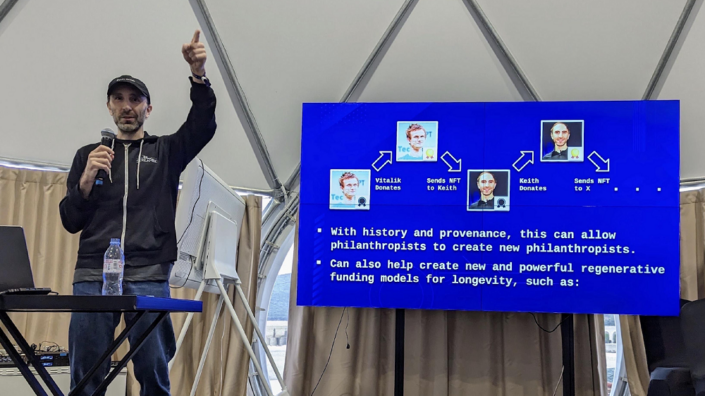
Literature

[1] Thomson, J. A., Itskovitz-Eldor, J., Shapiro, S. S., Waknitz, M. A., Swiergiel, J. J., Marshall, V. S., & Jones, J. M. (1998). Embryonic stem cell lines derived from human blastocysts. science, 282(5391), 1145-1147.

[2] Takahashi, K., & Yamanaka, S. (2006). Induction of pluripotent stem cells from mouse embryonic and adult fibroblast cultures by defined factors. cell, 126(4), 663-676.

[3] Zhao, J., Fu, Y., Yamazaki, Y., Ren, Y., Davis, M. D., Liu, C. C., … & Bu, G. (2020). APOE4 exacerbates synapse loss and neurodegeneration in Alzheimer’s disease patient iPSC-derived cerebral organoids. Nature communications, 11(1), 5540.

[4] Cakir, B., Tanaka, Y., Kiral, F. R., Xiang, Y., Dagliyan, O., Wang, J., … & Park, I. H. (2022). Expression of the transcription factor PU. 1 induces the generation of microglia-like cells in human cortical organoids. Nature Communications, 13(1), 430.

Heartbeat

Destroying ‘Zombie’ Cells for Cardiovascular Health

Researchers have demonstrated that two senolytic drugs might improve how the heart repairs itself by destroying senescent cells [1]. These harmful cells are associated with many age-related diseases, including cardiovascular disease.

Zombie cells that refuse to die

As we age, our bodies accumulate senescent cells, often referred to as ‘zombie’ cells. These cells can impair the survival and repair capacity of nearby healthy cells.

Normally, when cells wear out or become too damaged to function, they destroy themselves with a self-destruct mechanism called apoptosis. Unfortunately, with aging, more cells avoid this process, and instead of dying, they become senescent cells.

Senescent cells enter cell cycle arrest, meaning they no longer divide and support their tissues. Their presence also means that healthy replacement cells cannot take their place in the tissue as part of the repair process.

Worst of all, these cells produce various chemical signals that increase chronic inflammation and are harmful to nearby healthy cells. This can lead to life-threatening conditions, such as cardiovascular disease and cancer, as well as other age-related illnesses.

Two senolytic agents appear to destroy senescent cells

At King’s College London, Professor Georgina Ellison-Hughes and her team tested a class of drugs known as senolytics, which are designed to eliminate senescent cells.

Previous laboratory experiments have demonstrated that senolytics can positively impact medical conditions, such as cataracts, diabetes, Alzheimer’s, and heart failure. In addition, they have been shown to combat age-related muscle loss and prolong lifespan and healthspan in mouse models.

The researchers used two senolytic agents to destroy senescent cells: dasatinib and quercetin.

Dasatinib blocks cancer growth by stopping the interactions of particular proteins on cancer cells that encourage the cancer to grow. Recently, it was discovered that dasatinib seems to destroy senescent cells when combined with quercetin.

Quercetin is a flavonoid, a plant pigment that has been linked to potential health benefits, including anti-inflammatory and antioxidant properties. It is found in many fruits and vegetables, such as onions, apples, and various berries.

In their experiment, the researchers grew senescent human heart cells and healthy human heart cells together in cell culture. These cells included cardiomyocytes, the cells that enable the heart to contract, and endothelial cells, which form the blood vessels.

The scientists demonstrated that when senescent cells are removed using senolytics, the survival and cell cycle activity of cardiomyocytes is improved. The capability of endothelial cells to form new blood vessels is significantly increased.

We still have more to learn about senescent cells

It appears that getting rid of senescent cells may help to restore the heart’s ability to repair itself. So far, clinical trials using senolytics have shown some promise, but the results have been a mixed bag. The authors suggest that doing more senolytic research in the lab would be beneficial.

Given recent results, it seems clear that our understanding of the nuances of senescent cell populations is far from complete. For example, Unity Biotech failed to achieve significant results in a clinical trial of senolytics.

That said, the idea of removing harmful senescent cells certainly has merit. We just need to work out which populations of these cells are the actual target. Fortunately, efforts are underway to chart and understand senescent cells and their different subpopulations. This will hopefully bring deeper understanding and refinement to the use of senolytics in future clinical trials.

These results pave the way for further studies using senolytics to treat age-related heart conditions and the toxic effects of chemotherapy on the heart.

We would like to ask you a small favor. We are a non-profit foundation, and unlike some other organizations, we have no shareholders and no products to sell you. All our news and educational content is free for everyone to read, but it does mean that we rely on the help of people like you. Every contribution, no matter if it’s big or small, supports independent journalism and sustains our future.

Literature

[1] Ellison-Hughes, G. M., Sunderland, P., Alshammari, L., & Ambrose, E. (2022). Senolytics rejuvenate the reparative activity of human cardiomyocytes and endothelial cells. European Heart Journal, 43(Supplement_2), ehac544-2873.

Blank credentials

Protecting Mass-Produced Stem Cells from the Immune System

Researchers publishing in Nature Biotechnology have demonstrated a method of protecting mass-produced stem cells from the immune system, with strongly positive results in two different animal models.

Fake ID for the immune system

While it would be ideal to create stem cells from each person’s existing cells to replace that particular person’s needs and losses, this is still expensive, difficult, and time-consuming. Therefore, there is a great unmet medical need for readily available, off-the-shelf stem cell therapies, both within and outside the context of aging. For example, mass-produced, insulin-producing beta cells could potentially be an effective treatment for diabetes [1].

However, one core problem with this approach is the reaction of the host’s immune system to the grafted cells, and this challenge has to be addressed for these cells to survive. Previous approaches have involved isolating the grafted cells [2] and administering immunosuppressants [3], as is done with organ transplants. Those approaches, however, have their own problems, limiting functionality and causing side effects.

This team of researchers has taken the immune system head-on, focusing on the particular factors that cause it to react. Healthy natural killer (NK) cells are zealous defenders, and if other cells present a chemical identifier that NK cells don’t like, the NK cells will attack to kill. Some previous work in this area has focused on suppressing this identifier, human leukocyte antigen (HLA), in its entirety [4], but this is of limited effectiveness; the NK cells will still attack if the other cells don’t present any ID at all [5].

The goal of this paper was to discover a form of universal fake ID: something that could be introduced into off-the-shelf stem cells to discourage NK cells from attacking, regardless of the recipient.

A single compound seems to be sufficient

The researchers chose four potential targets: HLA-E, HLA-G, PD-L1, and CD47, injecting stem cells that overexpressed these proteins into humanized mice. The first three targets only protected them against NK cells that had the respective receptors, which not all NK cells did. For example, an NK cell that did not recognize HLA-E would still kill a cell that expressed HLA-E. On the other hand, CD47 seemed to be universal in stopping NKs from attacking, and it stopped T cell activation as well.

The researchers then turned to a primate model, rhesus macaques, to confirm these findings. As expected, injecting normal human stem cells into these monkeys caused the monkeys’ T cells, NK cells, and macrophages to react. However, when the researchers took human stem cells, removed their natural identifiers, and caused them to express rhesus macaque CD47, these stem cells were free to proliferate unchecked.

Encouraged, the researchers developed stem cells from this species of monkey, performed the same experiment, and got similar results. The monkeys’ immune systems did not attack, and the engrafted cells divided unrestrained without any unusual inflammatory response, achieving long-term survival.

Finally, the researchers returned to humanized mice, finding that CD47-expressing, insulin-producing cells functioned as intended, reducing the severity of diabetes in a mouse model weeks after injection. The cells had been transplanted successfully without harming the immune systems of the mice.

A true magic bullet?

While it’s obviously a bad idea to inject immune-uncontrolled, freely proliferating cells into human beings, these results are extremely promising on every level. Efforts should be made to determine whether or not this approach actually works, particularly in people. If CD47 expression works as well in human trials as it did in the mice and rhesus macaques in this study, immune rejection of mass-produced stem cells may be relegated to history.

Literature

[1] Kieffer, T. J. (2016). Closing in on mass production of mature human beta cells. Cell stem cell, 18(6), 699-702.

[2] Vegas, A. J., Veiseh, O., Gürtler, M., Millman, J. R., Pagliuca, F. W., Bader, A. R., … & Anderson, D. G. (2016). Long-term glycemic control using polymer-encapsulated human stem cell–derived beta cells in immune-competent mice. Nature medicine, 22(3), 306-311.

[3] Du, Y., Liang, Z., Wang, S., Sun, D., Wang, X., Liew, S. Y., … & Deng, H. (2022). Human pluripotent stem-cell-derived islets ameliorate diabetes in non-human primates. Nature Medicine, 28(2), 272-282.

[4] Mattapally, S., Pawlik, K. M., Fast, V. G., Zumaquero, E., Lund, F. E., Randall, T. D., … & Zhang, J. (2018). Human leukocyte antigen class I and II knockout human induced pluripotent stem cell–derived cells: universal donor for cell therapy. Journal of the American Heart Association, 7(23), e010239.

[5] Deuse, T., Hu, X., Agbor-Enoh, S., Jang, M. K., Alawi, M., Saygi, C., … & Schrepfer, S. (2021). The SIRPα–CD47 immune checkpoint in NK cells. Journal of Experimental Medicine, 218(3).

SynBioBeta

The SynBioBeta Conference is Almost Here


At Oakland Marriott, California May 23-25, the SynBioBeta Global Synthetic Biology Conference is happening.

This is a three-day event featuring industry thought leaders speaking sessions, exhibitors with hands-on product demos, and focused industry networking opportunities. Global entrepreneurs, academics, investors, and policymakers attend SynBioBeta to connect, collaborate, learn, and grow. We bring together the smartest people working on the hardest problems and connect them across fields to build a better bioeconomy!

lifespan.io are official media partners this year and Stephanie Dainow, Executive Director of lifespan.io, will be speaking at the conference! You can get $200 off General Admission when you use the promo code LIFESPAN200.

Synergizing SynBio & Longevity

SynBioBeta Synthetic biology enthusiasts and longevity advocates both believe that harnessing the power of biology can change the world for the better. In this panel discussion, community builders from synbio and longevity come together to explore the exciting possibilities that could emerge from collaboration and cross-discipline outreach. How can the passion, innovation, and drive of the SynBio community accelerate advances in healthy lifespan extension?
Silicon Valley’s Investment in Bioeconomy: Paving the Way for Radical Longevity

SynBioBeta In this fireside chat Laura Deming, Partner at the Longevity Fund, and Alfredo Andere CEO of Latch Bio, will discuss how Silicon Valley’s pursuit of digitizing biology is transforming the bioeconomy and providing opportunities for groundbreaking innovations in health and longevity. Deming will share her insights on the latest advancements in the field, the potential for new therapies, and how such technological advancements could lead to the possibility of extending healthy human lifespans.

Harnessing SynBio Tools for Longevity

SynBioBeta Synthetic biology has led to innovative approaches with the potential to impact every aspect of life — but what about lifespan? Join a panel of technical leaders as they explore the transformative potential of synthetic biology for aging research and longevity biotech. The discussion will cover how SynBio tools could be developed or adapted to target aging, and how these innovations could drive breakthroughs in extending healthy human lifespans.