The Blog

Building a Future Free of Age-Related Disease

RNA transcription

Age-Related Changes in RNA Transcription Speed

Research published yesterday in Nature has described one way in which RNA sequencing changes in the cell with age and how this may be linked to lifespan.

Transcriptional elongation

Transcriptional elongation is a fundamental biological process, as it affects the basic steps involved in the production of RNA, which is responsible for executing the instructions found in DNA [1]. However, like with other biological processes, RNA transcription is affected by aging, and protecting against age-related transcriptional changes has previously been found to extend lifespan in C. elegans worms [2].

Like with many other fundamental biological processes, the effects of aging on RNA transcription are not fully elucidated, and this research offers a new perspective by focusing on a little-known aspect of transcription: speed.

Slower is generally better

A close examination of finished and unfinished RNA informs researchers of how quickly it is being elongated by RNA polymerase II (Pol II) [3], and when a cell is killed quickly, its unfinished RNA work remains as it was. Modern sequencing analysis techniques let researchers examine a great many cells at once, comparing older cells to their younger counterparts.

In this study, the researchers used cells from a great many organisms and models, including human umbilical vein endothelial cells (HUVECs), blood from human donors, mouse and rat organs, worms, and flies. In every sample tested, cells driven to senescence and cells taken from older animals were found to have significantly and substantially more rapid transcriptional elongation, on average, than younger cells. The transcription of a few genes was found to slow down with age instead.

Negative changes to RNA were also found with age, although this line of research was generally inconclusive. Rare splices and mismatches did not seem to be consistent across animal models, particularly mammals, which the researchers attribute to their more complex splicing systems.

Testing potential interventions

The researchers tested interventions known to extend lifespan: dietary restriction in rodents and insulin processing in worm and fly models. While RNA 26-month-old (significantly aged) mice did not display any benefit, these researchers found that these lifespan-extending interventions also slow down RNA processing in young and middle-aged mice, as they do all the other models.

Then, the researchers tested causation the other way: does slowing RNA elongation extend lifespan? By introducing specific mutations of Pol II into worm and fly models, the researchers produced evidence that this is the case in these organisms. Although the effects were modest, they were statistically significant. Slowing down Pol II was also found to reduce the number of transcriptional errors in three of four models.

Transcriptional elongation

Overexpression of histones, which are associated with the health of nuclei and lifespan in non-mammalian models, was also found to slow down RNA elongation and entry into senescence; however, the researchers also noted here that slowing down elongation too much may also have negative effects.

Conclusion

Much of aging research is based around repeatedly asking the question “What causes that?” and then looking for ways to reverse the root causes that are found in the process. While this research is very preliminary, the authors of this paper may have uncovered clues to one such fundamental origin. Further research must be done to discover if it is truly a good idea to encourage RNA transcription to slow down and take its time more often in mammals.

We would like to ask you a small favor. We are a non-profit foundation, and unlike some other organizations, we have no shareholders and no products to sell you. All our news and educational content is free for everyone to read, but it does mean that we rely on the help of people like you. Every contribution, no matter if it’s big or small, supports independent journalism and sustains our future.

Literature

[1] Bentley, D. L. (2014). Coupling mRNA processing with transcription in time and space. Nature Reviews Genetics, 15(3), 163-175.

[2] Rangaraju, S., Solis, G. M., Thompson, R. C., Gomez-Amaro, R. L., Kurian, L., Encalada, S. E., … & Petrascheck, M. (2015). Suppression of transcriptional drift extends C. elegans lifespan by postponing the onset of mortality. Elife, 4, e08833.

[3] Ameur, A., Zaghlool, A., Halvardson, J., Wetterbom, A., Gyllensten, U., Cavelier, L., & Feuk, L. (2011). Total RNA sequencing reveals nascent transcription and widespread co-transcriptional splicing in the human brain. Nature structural & molecular biology, 18(12), 1435-1440.

Heart diagnostics

Examining a Factor in the Diabetic Heart

Research published in Heliyon has outlined the effects of F-Klb, a signaling molecule receptor that is released under metabolic stress, on the hearts of diabetic patients.

Cardio Dignostics LLP

Check out Cardio Diagnostics to learn more about their test kits.

A protector that loses its effectiveness

Fibroblast growth factor 21 (FGF21) is a regulator of metabolism that is produced both by adipose (fat) cells and the liver. Under normal circumstances, FGF21 has protective qualities: it is released in response to injury (such as heart attacks), reducing their severity [1]. Mice born without FGF21 have enlarged and less functional hearts [2].

However, in the context of metabolic issues such as diabetes, increased levels of FGF21 are associated with disease, and FGF21 is already used as a diagnostic biomarker [3]. This is not due to any negative effects of FGF21; instead, it appears to be due to a lack of its receptor, fibroblast growth receptor 1 (FGFR1), along with beta-Klotho (β-KL) [4]. The authors note that this represents a situation of resistance, in which other cells send FGF21 to a declining FGFR1-β-KL (F-Klb) pathway, and this situation appears to be a cause of cardiac problems.

These researchers delved deeper into the F-Klb pathway, determining its relationship to diabetes and its relationship to inflammation and blood vessel formation in the heart.

The F-Klb pathway in humans, mice, and cells

In samples taken from human volunteers, the expression of FGFR1 was found to be significantly decreased in diabetics, and their expression of β-KL was nearly nonexistent. These results were further explained by the murine examination, in which mice were fed a high-fat, high-sugar diet to induce diabetes. In these mice, FGF21 and its receptors were increased after eight weeks, but levels significantly dropped after 24 weeks of this diet. Like in people, the expression of β-KL was the most severely diminished.

An examination of genetically modified human vein endothelial cells (HUVECs) yielded similar results. HUVECs that expressed more F-Klb than controls, in the presence of recombinant FGF21, showed more rapid cellular migration and evidence of increased wound healing abilities. According to the researchers, these results reflect an increase in angiogenesis, the ability to form new blood vessels.

The effects of excess F-Klb on macrophages were also beneficial. In a high-fat, high-glucose medium, macrophages naturally have a more inflammatory phenotype. However, macrophages that express more F-Klb did not move towards this phenotype in the way that their unmodified counterparts did. These results suggest that F-Klb is effective against metabolic stress.

Finally, the researchers conducted a proteomic analysis based on both murine and human results. This in-depth examination revealed that, in cells that express more F-Klb, pro-inflammatory factors are downregulated and anti-inflammatory factors are upregulated. Interestingly, these positive results were recapitulated in the mice fed the high-fat, high-sugar diet for 12 weeks; it was only after long-term stress that F-Klb expression declined in these animals.

Conclusion

F-Klb clearly has value in diagnostics, and it may represent a useful tool for therapeutics. In the diagnostic arena, the F-Klb pathway and its components appear to be strong biomarkers of the progression of diabetes and associated heart disease. While upregulating F-Klb has demonstrated results in cellular cultures and animal models, more research needs to be done to determine if it is a druggable target.

We would like to ask you a small favor. We are a non-profit foundation, and unlike some other organizations, we have no shareholders and no products to sell you. All our news and educational content is free for everyone to read, but it does mean that we rely on the help of people like you. Every contribution, no matter if it’s big or small, supports independent journalism and sustains our future.

Literature

[1] Liu, S. Q., Roberts, D., Kharitonenkov, A., Zhang, B., Hanson, S. M., Li, Y. C., … & Wu, Y. H. (2013). Endocrine protection of ischemic myocardium by FGF21 from the liver and adipose tissue. Scientific reports, 3(1), 2767.

[2] Planavila, A., Redondo, I., Hondares, E., Vinciguerra, M., Munts, C., Iglesias, R., … & Villarroya, F. (2013). Fibroblast growth factor 21 protects against cardiac hypertrophy in mice. Nature communications, 4(1), 2019.

[3] Tanajak, P., Chattipakorn, S. C., & Chattipakorn, N. (2015). Effects of fibroblast growth factor 21 on the heart. J Endocrinol, 227(2), R13-30.

[4] Markan, K. R. (2018). Defining “FGF21 Resistance” during obesity: Controversy, criteria and unresolved questions. F1000Research, 7.

CardioDiagnostics

Cardio Diagnostics Announces Strategic Engagement With Us

Cardio Diagnostics Holdings, Inc (Nasdaq: CDIO), an artificial intelligence-powered precision cardiovascular medicine company, today announced a strategic engagement with lifespan.io, a leading nonprofit advocacy foundation and online platform focusing on the extension of healthy human lifespan through research and education. This engagement seeks to enhance public awareness and create comprehensive educational resources around heart disease prevention and longevity.

lifespan.io is a 501(c)(3) non-profit advocacy and media organization dedicated to overcoming age-related diseases and supporting credible research to extend a healthy human lifespan. They are a leading nonprofit news and educational resource for longevity biotechnology and aging research. Among other high-impact channels, lifespan.io operates a multi-million-subscriber Youtube channel, Life Noggin, which translates science in an engaging and accessible manner despite tackling complex and emerging sciences and technologies that impact aging.

Robert Philibert, MD Ph.D., Chief Medical Officer of Cardio Diagnostics, expressed enthusiasm for the collaboration: “Engaging with lifespan.io marks a significant step forward in our commitment to partner with forward-thinking organizations in the longevity space. Cardiovascular disease is inextricably linked with aging, and enhancing cardiovascular health outcomes and extending life go hand in hand. By pooling our expertise and resources, we can effectively educate individuals on the importance of heart health and empower them to take practical steps toward living longer, healthier lives by introducing epigenetics and the link to heart disease.”

This strategic education engagement will encompass attendance at lifespan.io’s conference, sponsored research articles, and journal article reviews that tackle key aspects of heart disease prevention, including the roles of epigenetics, genetics, lifestyle factors, and innovative diagnostic tools driven by artificial intelligence. By elevating public awareness and understanding of cardiovascular health and longevity, Cardio Diagnostics and lifespan.io aim to motivate individuals to proactively maintain their heart health and adopt practices that facilitate longer healthier lives.

The initial resources from lifespan.io will be released later in April, and the organizations plan to build out additional collaborative efforts on future projects and initiatives aimed at generating awareness for and advancing cardiovascular health and longevity biotechnology research. This summer, Cardio Diagnostics will attend lifespan.io’s upcoming Longevity and DeSci Summit: Ending Age-Related Diseases 2023 in NYC from August 10-11, 2023.

About Cardio Diagnostics

Cardio Diagnostics is an artificial intelligence-powered precision cardiovascular medicine company that makes cardiovascular disease prevention and early detection more accessible, personalized, and precise. The Company was formed to further develop and commercialize clinical tests by leveraging a proprietary Artificial Intelligence (AI)-driven Integrated Genetic-Epigenetic Engine (“Core Technology”) for cardiovascular disease to become one of the leading medical technology companies for enabling improved prevention, early detection, and assists in the treatment of cardiovascular disease. For more information, please visit www.cardiodiagnosticsinc.com.

About lifespan.io

lifespan.io is a leading nonprofit advocacy foundation and online platform committed to advancing the science of aging and promoting healthy human lifespan. By supporting groundbreaking research projects, disseminating educational resources, and raising public awareness about the importance of longevity, lifespan.io aims to accelerate the development of therapies that can improve the quality of life for people worldwide. With a focus on collaboration and innovation, lifespan.io is driving the conversation on aging research and transforming the way we approach health and wellness throughout our lives.

Forward-Looking Statements

This press release includes “forward-looking statements” within the meaning of the “safe harbor” provisions of the Private Securities Litigation Reform Act of 1995. Words such as “expect,” “estimate,” “project,” “budget,” “forecast,” “anticipate,” “intend,” “plan,” “may,” “will,” “should,” “believe,” and similar expressions are intended to identify such forward-looking statements. Forward-looking statements include, without limitation, the Company’s expectations with respect to future performance, development and commercialization of products and services, the potential benefits and impact of the Company’s products and services, potential regulatory approvals, and the size and potential growth of current or future markets for the Company’s products and services. Forward-looking statements are statements about future events that are based on current expectations and assumptions and, as a result, are subject to risks and uncertainties that could cause the actual results to differ materially from the expected results. These statements are based on various assumptions, whether or not identified in this press release, and are not intended to serve as, and they must not be relied on by an investor as, a guarantee, an assurance, a prediction or a definitive statement of fact or probability. Actual events and circumstances are difficult or impossible to predict and will differ from assumptions. Factors that may cause such differences include, but are not limited to: the success, cost and timing of the Company’s product development and commercialization activities, including the degree that Epi+Gen CHD™ and PrecisionCHD™ tests are accepted and adopted by patients, healthcare professionals and participants in other key channels; the impact of COVID-19 on the Company’s business; economic conditions, dependence on management, dilution to stockholders, lack of capital, changes in laws or regulations, the effects of rapid growth upon the Company and the ability of management to execute our growth strategy and ability to effectively respond to the growth and demand for products and services of the Company, newly developing technologies, the Company’s ability to compete, regulatory matters, protection of technology, lack of industry standards, the effects of competition and the ability of the Company to obtain future financing. Such factors could materially adversely affect the Company’s financial performance and could cause the Company’s actual results for future periods to differ materially from any opinions or statements expressed within this press release.

Contacts

Investors: Gene Mannheimer Investor Relations 855-226-9991 investors@cardiodiagnosticsinc.com

Media & Public Relations: Khullani Abdullahi pr@cardiodiagnosticsinc.com

Outdoors

Physical Activity, Sleeping, Sedentary Behavior, and Aging

Regular exercise, getting enough sleep, and avoiding sedentary behavior are frequently reported as being important in determining how slowly we age. A team of researchers recently set out to determine the link between physical activity, sleeping, and sedentary behavior [1].

LLP Biostarks
Check out Biostarks to learn more about their test kits.

Finding out if sleep, exercise, and sedentary behavior really impact aging

During their introduction, the researchers note that advancing age is the primary risk factor for many chronic (mainly age-related) diseases. They also point out that from an economic perspective, delaying aging even by a mere 2.2 years has the potential to save at least 7 trillion dollars in the next 50 years.

Even if the personal benefits of slowing or reversing aging do not convince some people to support developing rejuvenation technology, the economic benefits are compelling for governments. The more we can slow down aging, the more money will be saved on healthcare costs.

The researchers enrolled 5288 participants aged 20 or older in the study. They gathered demographic information from the participants, including age, sex, ethnicity, and education level, along with lifestyle data on smoking and drinking.

The participants completed a Global Physical Activity Questionnaire as part of their self reporting for the study. This questionnaire gathered information about each participant’s sedentary lifestyle, walking/cycling habits, and amount of moderate to vigorous physical activity. The participants also reported their sleeping habits and duration in interviews.

Biomarkers of aging used in this study

Finally, the biological and chronological ages of the participants were compared using PhenoAgeAccel, a widely used aging biomarker panel proposed by Morgan Levine, Steve Horvath, and colleagues back in 2018 [2]. PhenoAgeAccel uses albumin, creatinine, glucose, C-reactive protein, lymphocyte percentage, mean cell volume, red cell distribution width, alkaline phosphatase, and white blood cell count.

  • Albumin is an established biomarker of nutritional status, but it is also related to inflammation, hepatic synthesis capacity, and mortality risk from cancers, respiratory diseases, and heart failure.
  • Creatinine is a metabolite produced in muscle tissue and derived from creatine. Serum creatinine is widely used as a biomarker of kidney function.
  • C-reactive protein is a biomarker of inflammation, and its levels increase during bacterial infection.
  • Lymphocyte percentage is a biomarker that is used to determine immune function, and low levels are also associated with frailty. A reduction in total lymphocyte count in the blood also appears to be a characteristic marker of harmful changes in the immune system.
  • Mean cell volume is a biomarker of platelet production and function, and it reflects inflammatory burden.
  • Red cell distribution width is a biomarker commonly used to diagnose anemia, a condition in which red blood cells can’t carry enough oxygen to organs and tissues.
  • Alkaline phosphatase is a biomarker of liver diseases, bone disorders, and cancers.
  • White blood cell count is a biomarker for chronic obstructive pulmonary disease as well as a reliable biomarker of inflammation.

What the researchers found

The researchers suggest that the data presented in their publication is evidence that walking/cycling, sleeping, and moderate to vigorous activity were associated with a slower rate of aging according to PhenoAgeAccel. In contrast to this, sedentary behavior was associated with a faster rate of aging by the same metric.

Furthermore, replacing sedentary behavior with an equal amount of walking/cycling, sleeping, or moderate to vigorous activity also appeared to be associated with a reduced aging rate as measured by PhenoAgeAccel. This was most apparent in people who engaged in moderate to vigorous activity no more than 150 minutes a week. The researchers suggest that their study highlights the importance of maintaining regular physical activity, particularly in that group.

Abstract

Physical activity was believed to be associated with reduced aging among adults, while the competing nature of the physical activity and sedentary behavior has mainly been neglected in studies. We aimed to estimate the association of sleeping, sedentary behavior, and physical activity with aging among adults, considering the competing nature between variables of activity status.

Conclusion

It has long been said that exercise and sleep are ways we can slow down the rate we age, and this study adds support to that. While these things are unlikely to allow us to live decades longer in good health, they are actionable things we can all do now while waiting for rejuvenation technologies to arrive that could take us further.

Exercise also has a price point of zero, with activities such as walking, jogging, and running costing nothing or, at worst, the price of a decent pair of running shoes. Sedentary behavior is very much a product of the modern age, but if we are mindful of its dangers and take action, we can optimize the chances of being healthier for longer.

Biomarkers such as PhenoAgeAccel are increasingly revealing the things that slow down or increase how fast we age, and that knowledge gives us power. As more studies are conducted and the ease of testing with these and similar biomarker panels increases, the more we will learn about what things make us age faster or slower.

Literature

[1] Han, M., Fang, J., Zhang, Y., Song, X., Jin, L., & Ma, Y. (2023). Associations of sleeping, sedentary and physical activity with phenotypic age acceleration: a cross-sectional isotemporal substitution model. BMC geriatrics, 23(1), 165.

[2] Levine, M. E., Lu, A. T., Quach, A., Chen, B. H., Assimes, T. L., Bandinelli, S., … & Horvath, S. (2018). An epigenetic biomarker of aging for lifespan and healthspan. Aging (albany NY), 10(4), 573.

Airborne particulates

Air Pollution Promotes Cancer Through Inflammation

Researchers have concluded that airborne fine particulate matter, which has been consistently linked to cancer, promotes lung cancer via inflammation and not necessarily via mutagenesis [1].

Not just mutations

Common wisdom says that carcinogens increase cancer risk mostly by promoting oncogenic mutations. Research has reported that this is true for some carcinogens, such as tobacco smoke [2], and more recently, red meat [3]. In both cases, the researchers were able to identify carcinogen-specific mutational signatures.

However, there is a growing understanding that while mutations are necessary for the emergence of cancer, various factors, including environmental ones, can promote it via alternative pathways. In this new study, a group of researchers set out to investigate whether airborne particulate matter can trigger and exacerbate lung cancer even without directly causing mutations.

More cancer in polluted areas

Particulate matter with a particle size of 2.5 microns or less (PM2.5) is highly invasive and has been linked by previous research to various adverse health effects [4]. The scientists started by analyzing existing data to establish a link between PM2.5 levels and the incidence of lung cancer in three regions.

To correct for the robust effect of smoking, the scientists focused on the subtype of lung cancer promoted by mutations in the gene EGFR, since this subtype frequently arises in non-smokers. While smoking is a mighty risk factor in lung cancer, 10% to 20% of all lung cancer cases in the US occur in people who have never smoked. Additionally, 8% of lung adenocarcinomas in smokers lack smoking-related mutations: they are caused by factors other than smoking [5].

The analysis found strong correlations between EGFR-related lung cancer and mean PM2.5 levels in England, South Korea, and Taiwan (left to right):

Airborne particulate matter

Using a fourth, smaller cohort of Canadian women that included personal migration history, the researchers determined that the frequency of EGFR-driven lung cancer became significantly higher after three years of living in an area with high PM2.5 levels.

Particulate matter drives lung cancer in mice

The researchers then used genetically engineered mouse models of lung adenocarcinoma to understand how exposure to particulate matter promotes its development. These models were created by injecting mice with a viral vector carrying a human EGFR gene with a certain oncogenic mutation. The mice were then subjected to physiologically relevant doses of PM2.5. Ten weeks later, the PM2.5 group showed a larger number of early tumors compared to controls in a dose-dependent manner. Similar trend emerged when exposing mice to PM2.5 before inducing the viral vector, which shows that PM2.5 can “prime” the organism for accelerated cancer development even before the appearance of an oncogenic mutation.

Interestingly, similar results were obtained when injecting mice with another well-known lung cancer-causing mutation in the KRAS gene. The effect was more pronounced 10 weeks after the exposure to PM2.5 than 3 weeks after, showing that PM2.5 triggers a lingering mechanism that promotes early tumorigenesis that does not involve mutagenesis, as the exposure to PM2.5 did not increase the mutation burden).

Increased inflammatory response

The researchers hypothesized that increased tumorigenesis might be linked to immune response. Indeed, when they introduced the mutated EGFR gene into immunocompromised mice that lacked B, T, and natural killer cells, this did not result in increased tumorigenesis. Conversely, in immunocompetent mice the acceleration of tumorigenesis was accompanied by both acute and long-term immune reaction caused by macrophage infiltration.

The researchers found that those macrophages secreted large amounts of the pro-inflammatory cytokine IL-1β. Since treatment with an anti-IL-1β antibody was sufficient to significantly slow tumorigenesis, the authors suggest that PM exposure drives tumorigenesis via increased macrophage-mediated inflammation. Prof. Charles Swanton, the study’s lead investigator, said in a statement:

Cells with cancer-causing mutations accumulate naturally as we age, but they are normally inactive. We’ve demonstrated that air pollution wakes these cells up in the lungs, encouraging them to grow and potentially form tumors. The mechanism we’ve identified could ultimately help us to find better ways to prevent and treat lung cancer in never-smokers. If we can stop cells from growing in response to air pollution, we can reduce the risk of lung cancer.

Conclusion

The study suggests that air pollution (and probably some other carcinogens) drive tumorigenesis at least in part by increasing inflammation. This finding is important since while we might not be able to completely avoid contact with carcinogens, we have ways to mitigate inflammation, for instance via diet or lifelong exercise [6].

We would like to ask you a small favor. We are a non-profit foundation, and unlike some other organizations, we have no shareholders and no products to sell you. All our news and educational content is free for everyone to read, but it does mean that we rely on the help of people like you. Every contribution, no matter if it’s big or small, supports independent journalism and sustains our future.

Literature

[1] Hill, W., Lim, E. L., Weeden, C. E., Lee, C., Augustine, M., Chen, K., … & Swanton, C. (2023). Lung adenocarcinoma promotion by air pollutants. Nature, 616(7955), 159-167.

[2] Alexandrov, L. B., Ju, Y. S., Haase, K., Van Loo, P., Martincorena, I., Nik-Zainal, S., … & Stratton, M. R. (2016). Mutational signatures associated with tobacco smoking in human cancer. Science, 354(6312), 618-622.

[3] Gurjao, C., Zhong, R., Haruki, K., Li, Y. Y., Spurr, L. F., Lee-Six, H., … & Giannakis, M. (2021). Discovery and features of an alkylating signature in colorectal cancer. Cancer discovery, 11(10), 2446.

[4] Li, R., Zhou, R., & Zhang, J. (2018). Function of PM2. 5 in the pathogenesis of lung cancer and chronic airway inflammatory diseases. Oncology letters, 15(5), 7506-7514.

[5] Jamal-Hanjani, M. (2023). The evolution of lung cancer and impact of subclonal selection in TRACERx. Nature.

[6] Nilsson, M. I., Bourgeois, J. M., Nederveen, J. P., Leite, M. R., Hettinga, B. P., Bujak, A. L., … & Tarnopolsky, M. A. (2019). Lifelong aerobic exercise protects against inflammaging and cancer. PLoS One, 14(1), e0210863.

Brain synapses

Reducing Axonal Death and Inflammation in Mouse Brains

Researchers have published a study in Aging Cell on how inhibiting the death of axons in the brain protects the brains of old mice from inflammation.

Necroptosis in the brain

It is well-known that aged organisms have problems with cognitive function, and this is strongly linked to losses in the number and availability of synapses [1] and the degradation of axons in the aged brain [2], including the human brain [3].

Necroptosis refers to a form of programmed cellular death that is due to tumor necrosis factor (TNF) [4]. Under normal circumstances, it is a response to cellular injury, and previous work has found that it is a key factor in axonal degeneration [5]. However, in the aged brain, it contributes to inflammation [6].

The mechanisms and downstream effects of axonal necroptosis had not yet been thoroughly explored. This paper builds upon previous work, using mouse models with and without key elements of necroptosis.

Necroptosis and axonal degeneration

This study examined three different age groups of mice: adult (3-6 months), old (12-15 months) and aged (over 20 months). Examining the brains of these mice, the researchers found that with aging, mice begin to lose axonal integrity in the hippocampus: the area of neuronal fibers significantly drops, and markers of axonal damage increase.

These negative changes occur alongside the increase of two factors associated with necroptosis: the phosphorylated (p) forms of MLKL and RIPK3, which barely existed in the youngest group studied but became more prevalent with aging, particularly in its movement from the nucleus to the cytoplasm. This increase was found throughout the hippocampus and, in the case of pMLKL, in other brain regions as well.

Unsurprisingly, necroptosis was also found to contribute to the senescent-associated secretory phenotype (SASP), which characterizes the spread of senescent cells.

Preventing degeneration through genetics and pharmacology

With these results in hand, the researchers then determined if axonal degeneration can be suppressed by deactivating MLKL in a mouse model, and the results were striking. Aged mice that did not produce MLKL had similar numbers of degenerated axons as adult wild-type mice, biomarkers of inflammation were significantly reduced, and the increase in microglia that normally occurs with aging alongside these degenerated axons [6] did not occur in these modified mice.

Their brains responded to electric stimulus as if they were much younger. Their performance on the famous Morris water maze task matched these results as well, and their SASP biomarkers were reduced. The researchers concluded that a loss of MLKL results in the maintenance of learning and memory abilities with aging.

The researchers then sought to determine if these results could be replicated through pharmacology. They administered GSK’872, an inhibitor of RIPK3, to 23-month-old mice for four weeks, and administered the same tests.

The results were similarly striking. Like with the MLKL-free mice, inflammatory and SASP biomarkers were significantly decreased compared to their untreated counterparts, axonal degeneration was significantly decrased, Morris water maze performance was substantially enhanced, and electrical stimulus response was similar to that of younger mice.

Conclusion

This study has presented significant evidence showing that preventing what appears to be a maintenance process gone haywire seems like a viable strategy in combating neurodegeneration. However, while these results are strong and promising, this is still one mouse study. Only clinical trials can determine if RIPK3 or MLKL inhibitors can be useful in preventing necroptosis and axonal degeneration in human beings.

We would like to ask you a small favor. We are a non-profit foundation, and unlike some other organizations, we have no shareholders and no products to sell you. All our news and educational content is free for everyone to read, but it does mean that we rely on the help of people like you. Every contribution, no matter if it’s big or small, supports independent journalism and sustains our future.

Literature

[1] Rosenzweig, E. S., & Barnes, C. A. (2003). Impact of aging on hippocampal function: plasticity, network dynamics, and cognition. Progress in neurobiology, 69(3), 143-179.

[2] Stahon, K. E., Bastian, C., Griffith, S., Kidd, G. J., Brunet, S., & Baltan, S. (2016). Age-related changes in axonal and mitochondrial ultrastructure and function in white matter. Journal of Neuroscience, 36(39), 9990-10001.

[3] Radhakrishnan, H., Stark, S. M., & Stark, C. E. L. (2020). Microstructural alterations in hippocampal subfields mediate age-related memory decline in humans, Front. Aging Neurosci. 0 2020.

[4] Seo, J., Nam, Y. W., Kim, S., Oh, D. B., & Song, J. (2021). Necroptosis molecular mechanisms: Recent findings regarding novel necroptosis regulators. Experimental & Molecular Medicine, 53(6), 1007-1017.

[5] Arrázola, M. S., Saquel, C., Catalán, R. J., Barrientos, S. A., Hernandez, D. E., Martínez, N. W., & Catenaccio, A. (2019). Axonal degeneration is mediated by necroptosis activation. Journal of Neuroscience, 39(20), 3832-3844.

[6] Thadathil, N., Nicklas, E. H., Mohammed, S., Lewis, T. L., Richardson, A., & Deepa, S. S. (2021). Necroptosis increases with age in the brain and contributes to age-related neuroinflammation. Geroscience, 43, 2345-2361.

Keto diet

Low Carb Intake Linked to Insulin Resistance

Scientists have published a new study where they suggest that low carbohydrate consumption is significantly associated with increased insulin resistance in healthy, lean people [1].

Benefits and risks

Diet is a powerful mediator of health and longevity. While there is broad consensus on what dietary components are dangers to be avoided, such as highly processed foods, there is little consensus on what the healthiest diet is. For example, while most guidelines recommend getting about half of all our calories from carbohydrates, various types of low-carb diets have become very popular.

Ketogenic diets in particular have attracted a lot of scientific attention, with studies showing that they can be highly effective for weight loss but are also accompanied by risks like elevated cholesterol levels and lower nutrient diversity [2].

Since obesity is a major driver of various diseases, such as diabetes and cardiovascular disease, undergoing a period of low carbohydrate intake for the sake of weight loss might be a reasonable thing to do. However, it is still not clear what the net impact of low-carb diets is on lean and healthy people.

Moderate carb intake wins

For this new study, the researchers recruited 120 healthy participants with normal BMIs. The participants documented their diets for a week while wearing accelerometers to record their physical activity. The participants were then divided into three groups: the low carbohydrate intake group (LC) consisted of those who received less than 45% of their calories from carbohydrates, the recommended carbohydrate intake group (RC) received 45% to 65%, and the high carbohydrate intake group (HC) received more than 65%.

There were no statistically significant differences between groups in mean age (which hovered around 30), physical activity, blood pressure, BMI, waist circumference, fat percentage, or calorie intake, which was monitored but not restricted.

While some metabolic parameters, such as triglycerides and total and HDL cholesterol levels, were largely similar across the three groups, important differences emerged. Low carbohydrate intake was found to be significantly correlated with dysregulated glucose homeostasis. The researchers used homeostasis model assessment (HOMA) indices to measure insulin resistance (HOMA-IR) and the function of insulin-producing pancreatic β-cells (HOMA-β). They also measured levels of C-peptide, another marker of insulin biosynthesis and insulin resistance.

In all those markers, the RC group significantly bested the LC group. The RC group was also ahead of the HC group, although the difference was statistically significant only for HOMA-IR. The researchers note that with only 20 people in the HC group, the statistical power was insufficient. Given the clear trend, with more participants, the gap between the two groups might have reached statistical significance for all three markers. Higher HOMA-IR scores were mainly driven by elevated plasma insulin levels. The RC group was also characterized by much lower fasting blood glucose levels than the two other groups.

Carbs HOMA

Acidosis and inflammation

As ketone bodies (molecules produced in ketosis and used as alternative fuel when glucose is scarce) are known to disrupt the acid-base balance [3], researchers searched for signs of metabolic acidosis. As expected, several acidosis markers were significantly elevated in the LC group compared to the two other groups.

Previous studies have suggested a relationship between metabolic acidosis and inflammation [4]. The researchers ran a panel of inflammation-related markers and found that the levels of several pro-inflammatory cytokines, including IL-6 and IL-17, were significantly elevated in the LC group compared to the RC group and were also correlated with C-peptide expression. IL-6 in particular is a potent driver of insulin resistance and type 2 diabetes [5].

Conclusion

This study is one of the first to investigate the metabolic effects of carbohydrate consumption on lean, healthy, and relatively young people. While for all groups, the measured markers remained in their normal ranges, there was a significant and worrying trend towards insulin resistance among people who consumed low amounts of carbohydrates. The same might have been found true for overconsumption of carbohydrates, but for the lack of statistical power.

Importantly, a large recent study showed a similar U-shaped relationship between carbohydrate intake and mortality [6]. The researchers suggest their findings could mean that low-carb diets might be harmful to healthy people outside of the weight loss context.

We would like to ask you a small favor. We are a non-profit foundation, and unlike some other organizations, we have no shareholders and no products to sell you. All our news and educational content is free for everyone to read, but it does mean that we rely on the help of people like you. Every contribution, no matter if it’s big or small, supports independent journalism and sustains our future.

Literature

[1] Al-Reshed, F., Sindhu, S., Al Madhoun, A., Bahman, F., AlSaeed, H., Akhter, N., … & Ahmad, R. (2023). Low carbohydrate intake correlates with trends of insulin resistance and metabolic acidosis in healthy lean individuals. Frontiers in Public Health, 11.

[2] Gardner, C. D., Landry, M. J., Perelman, D., Petlura, C., Durand, L. R., Aronica, L., … & Kim, S. H. (2022). Effect of a Ketogenic Diet versus Mediterranean Diet on HbA1c in Individuals with Prediabetes and Type 2 Diabetes Mellitus: the Interventional Keto-Med Randomized Crossover Trial. The American Journal of Clinical Nutrition.

[3] Kolb, H., Kempf, K., Röhling, M., Lenzen-Schulte, M., Schloot, N. C., & Martin, S. (2021). Ketone bodies: from enemy to friend and guardian angel. BMC medicine, 19(1), 1-15.

[4] Rajamäki, K., Nordström, T., Nurmi, K., Åkerman, K. E., Kovanen, P. T., Öörni, K., & Eklund, K. K. (2013). Extracellular acidosis is a novel danger signal alerting innate immunity via the NLRP3 inflammasome. Journal of Biological Chemistry, 288(19), 13410-13419.

[5] Rehman, K., Akash, M. S. H., Liaqat, A., Kamal, S., Qadir, M. I., & Rasul, A. (2017). Role of interleukin-6 in development of insulin resistance and type 2 diabetes mellitus. Critical Reviews™ in Eukaryotic Gene Expression, 27(3).

[6] Seidelmann, S. B., Claggett, B., Cheng, S., Henglin, M., Shah, A., Steffen, L. M., … & Solomon, S. D. (2018). Dietary carbohydrate intake and mortality: a prospective cohort study and meta-analysis. The Lancet Public Health, 3(9), e419-e428.

Elderly intestines

Young Microbiomes in Very Old People

Research published today in Nature Aging has illustrated how the gut microbiomes of the longest-lived people are more likely to have bacterial populations associated with youth.

A known difference

This is far from the first study showing a connection between a healthy, youthful microbiome and enhanced longevity. In most people, the gut microbiome gradually transitions towards harmful bacterial populations that are linked to age-related diseases [1]. Significant previous work has been done in characterizing these differences, creating classifications based on microbial patterns (enterotypes) [2].

This study builds upon that previous work by carefully measuring and analyzing the enterotypes of centenarians in comparison to younger people, focusing on the variations and compositions of multiple bacterial species.

Robust sampling shows a late-life reversal

While this study was demographically limited in that it was confined to a community of people in Guangxi, China, the sample size was relatively large: 297 people older than 100, 301 people between 90 and 99, 386 people between 66 and 85, 277 people between 45 and 65, and 314 people btween 20 and 44 were the cohorts in this study. There was also a longitudinal analysis of 45 of the centenarians conducted 18 months after the original study.

Examining the various bacterial populations, the researchers found that it was most informative to classify the enterotypes into four groups according to the bacteria that drove them the most: Bacteroides, Escherichia-Shigella, Prevotella, and Blautia. No single one of these enterotypes had a majority among any of the age groups. Instead, Bacteroides had a roughly 44% plurality among the two younger groups, while Escherichia-Shigella had a plurality of 36.5% among the third-oldest group and 42.2% among the second-oldest group. However, this trend was reversed among the oldest age group, which had 29.6% of its members in the Bacteroides enterotype (which was far less common in the previous two) and 38.0% in the Escherichia-Shigella group.

By itself, the presence of the Bacteroides enterotype did not seem to be connected to health status in centenarians, although there did appear to be a connection in the third-oldest group; people in that group with more serious health problems were less likely to have Bacteroides enterotypes. While most centenarians are female (77.1% in this study), the researchers did not find any sex-based differences in microbiomial sampling, and differences in BMI did not explain the changes with aging.

Looking for specific taxonomic groups

The connection between gut bacteria and health became much more apparent when the researchers took a closer look at the various classifications of bacteria involved. Four bacterial groups that are associated with pathology, namely Klebsiella, Streptococcus, Enterobacter, and Rhodococcus, were found to be more likely to occur in the third-oldest group. Meanwhile, probiotic bacterial groups associated with better health, particularly B. stercoris, B. thetaiotaomicron, B. uniformis, and B. ovatus [3], were more likely to be enriched in both younger people and centenarians. Other groups associated with anti-inflammatory activities were found to be enriched in the same way.

A broad diversity of beneficial gut microbiota was found to be important in maintaining stability. The longitudinal portion of this study found that centenarians with greater species diversity were less likely to have changes to their gut microbiomes over the intervening 18 months. Centenarians also had specific biomarkers; 29 biochemical features were found to characterize a stool sample as being more likely to come from a centenarian.

Conclusion

The broad diversity of enterotypes among the differently aged populations, and the connection between enterotypes and health in the third-oldest group, implies that maintaining gut microbiome health is associated with living long enough to become a centenarian. It is not likely that people begin with enterotypes associated with youth, change in their old age, and then change back towards more youthful enterotypes as they grow even older. Rather, it is far more logical that many of the centenarians in this study never lost their youthful enterotypes to begin with; their dietary habits and other personal characteristics kept their gut microbiomes youthful. The researchers concur with this assessment:

In our study, no significant changes in Bacteroidetes abundance were observed for long-lived participants regardless of health status. This result further supports the hypothesis that centenarians maintained their gut Bacteroidetes composition.

To directly prove this association would require a large cohort that is monitored over decades, determining one’s likelihood of living to old age with a certain enterotype. However, the relationship between gut health and overall health is well-known, and this study adds to the body of evidence suggesting that gut microbiota significantly impact aging.

We would like to ask you a small favor. We are a non-profit foundation, and unlike some other organizations, we have no shareholders and no products to sell you. All our news and educational content is free for everyone to read, but it does mean that we rely on the help of people like you. Every contribution, no matter if it’s big or small, supports independent journalism and sustains our future.

Literature

[1] Claesson, M. J., Jeffery, I. B., Conde, S., Power, S. E., O’connor, E. M., Cusack, S., … & O’toole, P. W. (2012). Gut microbiota composition correlates with diet and health in the elderly. Nature, 488(7410), 178-184.

[2] Costea, P. I., Hildebrand, F., Arumugam, M., Bäckhed, F., Blaser, M. J., Bushman, F. D., … & Bork, P. (2018). Enterotypes in the landscape of gut microbial community composition. Nature microbiology, 3(1), 8-16.

[3] Brown, E. M., Ke, X., Hitchcock, D., Jeanfavre, S., Avila-Pacheco, J., Nakata, T., … & Xavier, R. J. (2019). Bacteroides-derived sphingolipids are critical for maintaining intestinal homeostasis and symbiosis. Cell host & microbe, 25(5), 668-680.

Editorial

We Continue To Engage Growing Audiences About Rejuvenation

For those of us in the Northern Hemisphere, spring has finally arrived, and with it, we have lots of news to share with you!

Happy birthday to us!

That’s right, folks, it’s our birthday, and we are celebrating nine years of being a non-profit organization that advocates, educates, and fundraises for healthy life extension and longevity.

It’s amazing how time flies, and we have worked really hard to become the leading non-profit news, advocacy, and educational resource for rejuvenation biotechnology and aging research.

Our goal is to reach more and more people and engage them about the potential of rejuvenation biotechnology and how it could make age-related diseases a thing of the past. To that end, we would like to share a few interesting success metrics that show how much we have achieved in this relatively short time.

Editorial 9 Years

Advocacy, journalism, education, and engaging the public, policymakers, and industry decision makers is as equally important as the research itself. We are at a point in history when there are now more and more rejuvenation therapies starting to enter human trials, and the time is nigh to start preparing the public to think about aging very differently.

We are a strong voice for what our field is seeking to achieve, and we have done a lot in the nine years we have been operating. If you are curious about the many things we do as an organization, check out our ‘What we do’ page.

We would like to take this opportunity to thank our supporters, especially our monthly patrons, The Lifespan Heroes. We have made this short video to show how your donations are making a real difference.

If you would like to help our non-profit organization continue to grow and reach millions of people about the potential of rejuvenation research, please consider making a donation.

Keep on thinking with Life Noggin

We recently teamed up with Elevant to create a new episode of Life Noggin in which we explore what happens to our bodies as we age.

We would like to thank Elevant for sponsoring this video, and if you would like to sponsor a video yourself, please get in touch.

Rejuvenation Roadmap keeps on getting better

The Rejuvenation Roadmap, the database that tracks rejuvenation research progress, is growing!

Rejuvenation Roadmap

We have been busy adding lots of new drugs and companies to the database to keep you up to speed on how close science is to solving aging. We have also added a new aging biomarker section to track aging biomarkers.

Keith Comito talks DeSci

The decentralized science (DeSci) movement is an important part of what we do. It has the potential to increase research funding, liberate scientific knowledge from silos, and cut out profit-motivated middlemen such as publishers that paywall scientific data.

Traditional funding systems tend to suffer from a risk aversion problem, only funding the “safer bets” in research and leaving more ambitious and riskier research to languish. DeSci is a way to potentially bypass this issue and get funds to potentially world-changing projects, including solving the biggest problem in human history: aging.

lifespan.io President, Keith Comito, has been a strong advocate for the power of DeSci to boost progress in our field. He recently spoke at a conference hosted by the Gitcoin community, whose goal is to support the building of better tools to fund public goods such as health.

At the event, Keith talked about the “Proof of Philanthropy”, “BioAvatars”, and “Inverse Quadratic Funding” models, which have gained excitement and support in the funding Public Goods ecosystem. Keith is the creator of these models, which he hopes will inspire the community and help drive funding and progress in research.

The first video was a panel hosted by Keith that focused on the development of upgraded funding models and where he unveiled the ideas described above, which have been in development in the last few years (like the Dragon Tyrant Game and the Proof of Philanthropy approach, of which the Angel Protocol launch was a small component.

The second video from the conference saw people who received grants sharing their experiences.

We are big supporters of DeSci and believe that it could greatly speed up the pace of progress and free scientific research from the current systems holding it back.

lifespan.io speaks at Longevity Nation

Chief Executive officer Stephanie Dainow recently gave a talk at the Longevity Nation conference in Israel. The two-day event was both virtual and in person at Bar Ilan University, in Ramat Gan, close to Tel Aviv.

During her talk, Stephanie showcased our organization and talked about the power of media and how it can change hearts and minds. An effective narrative is the key to advocating for longevity, and this is core to what we do as an organization. The talk explored how lifespan.io is driving the narrative and engaging with different audiences and building a strong community.

This video is of the entire conference, though we have linked the part where Stephanie gives her talk.

Alexey Moskalev, Nir Barzilai, Aubrey de Grey, Fiona Miller, and Lisa Fabiny-Kiser were among some of the other speakers at the event.

Dr. Ilia Stambler, Chairman of the Vetek (Seniority) Association and the Longevity Nation conference organizing committee, had this to say about the goal of the conference.

This conference is not just a top-level scientific meeting, but also, and even mainly a longevity advocacy event. This conference is a revival of many advocacy efforts to advance research, development and education for healthy longevity. This is the first live conference that the Vetek association organized in over 3 years since the International Perspectives on Geroscience conference that we co-organized together with the NIH NIA in Weizmann Institute of Science in 2019.

Thus, this is a revival of our live outreach, large scale personal knowledge exchange and massive longevity community building in Israel. The very theme of the conference: “Enhancing research, development and education for healthy longevity” is a reminder about the program section under this title that was included, at the initiative of the Vetek Association, in the Israel National Master Plan on Aging, published by Knesset in 2019.

This conference is an effort to revive that program, to bring it again to the attention and hopefully also to the implementation of the decision makers. In fact, the resolutions that were adopted by the conference are a recapitulation of the recommendations made in that section of the Israel National Master Plan on Aging in support of “Research, Development and Education for Healthy Longevity and Prevention of Aging-related Disease”, such as enhancing funding, educational programs and metrics development.

We hope that thanks to this conference, thanks to the amazing demonstration of cooperation and support for the advancement of the longevity field, not just in Israel, but internationally, especially by our partners, such as the Department of Science, Technology and Society of Bar-Ilan University, Shlomo Tyran Foundation, Biogerontology Research Foundation, Aging Analytics Agency, International Longevity Alliance and others, we will succeed in reviving several earlier efforts and starting new efforts to further enhance the longevity advocacy initiatives in Israel and internationally.

lifespan.io was pleased to be an official media partner of the conference, and we look forward to the next one!

lifespan.io featured on Learning with Lowell

Stephanie Dainow recently appeared on the Learning with Lowell podcast to talk about her work and our organization. Hosted by Lowell Thompson, the show explores science, leadership, and the people behind it trying to change the world for the better.

We would like to thank Lowell for inviting Stephanie to participate in the show and look forward to working with him again in the future. If you would like more people to see this kind of content in the future, please watch and give it a like to boost the algorithm.

Save the date for Ending Age-Related Diseases 2023

On August 10-11, 2023, we will be holding our sixth annual Ending Age-Related Diseases conference to bring entrepreneurs and investors, pharma and biotech companies, researchers, and government organizations together.

Solving aging will need a coordinated industry working together to turn aging research into prescribable medicine. lifespan.io is really helping to move things forward and is very much the focus of the conference.

Early bird tickets are available right now if you want to get in early and enjoy a lower price. This will be a hybrid event – both virtual and physical – taking place in New York City and online.

This year is going to be even bigger and better than previous years. We are aiming to really bring you something truly unique that goes beyond the typical things that other conferences do.

There will be highly interactive programming that encourages networking and public discussion. Industry leaders will share the latest in biomedical research as well as discuss investment, decentralized science, and regulatory matters.

We will have a lot more to say about that in the near future, so stay tuned!

We would like to ask you a small favor. We are a non-profit foundation, and unlike some other organizations, we have no shareholders and no products to sell you. All our news and educational content is free for everyone to read, but it does mean that we rely on the help of people like you. Every contribution, no matter if it’s big or small, supports independent journalism and sustains our future.
Bryan Johnson Face

Bryan Johnson And His Race Against Time

Bryan Johnson is an enigma in the longevity space, someone who is difficult to place in a familiar category or determine the net impact of.

Johnson is a successful tech entrepreneur of humble origins who sold his company Braintree Venmo to PayPal in 2013 for 800 million dollars. However, years of hard work had taken a toll on him. Johnson recalls being frequently depressed and dissatisfied with his own health and body image. A couple of years ago, he decided to take matters into his own hands – in quite a radical manner.

Johnson became interested in age reversal and eventually hired a team of physicians to help him develop the most effective age-reversing protocol possible, regardless of the amount of money or effort required. He called it Blueprint. Several months later, Johnson published the preliminary results, crowning himself the world champion in age reversal. This, predictably, caused quite a splash and a rush to explain this phenomenon.

Blueprint can be seen as an advanced form of biohacking that requires not just tons of money – some biohackers have such financial resources too – but also jaw-dropping levels of dedication that seem almost impossible to replicate.

The stated goal of this venture was to slow the aging of a single person to the maximum extent possible with existing anti-aging interventions. Of course, as we have been clear about, there aren’t many of those around, and this is why the famed Blueprint consists mostly of daily exercise, a strict plant-based diet with intermittent fasting, optimized sleep, piles of supplements, and various skin treatments.

However, the bulk of the 2-million-dollar-a-year budget goes not to the treatments and supplements but to hundreds of tests. The dedicated team of physicians regularly monitors about 70 organs in Johnson’s body. This includes not just comprehensive blood tests that go far beyond regular bloodwork, but also ultrasound, MRI, and more exotic stuff. All this happens in-house, in a room chock-full of expensive medical equipment inside Johnson’s Los Angeles residence. Of course, testing is important not just for measuring the effects of the interventions but also for early diagnostics.

Based on a daily routine

There is a dedicated website that shows all the details of Blueprint, but here are the basics.

Blueprint is built on a strict daily routine. Johnson wakes up naturally between 4:30 and 5:30 am, drinks a smoothie he calls the Green Giant, which contains goodies such as spermidine, flavanols, and collagen peptides, swallows literally handfuls of pills, then hits the gym for about an hour.

Bryan Johnson Supplements

When the morning skincare routine is done, Johnson eats his first meal. It’s always the same, just like the second one. The former is called Super Veggie, and the latter Nutty Pudding. Johnson allows himself to get a bit creative only with the third meal, but the amount of nutrients and calories always stays the same.

He consumes exactly 1977 calories a day, which is his year of birth that just happened to be close enough. Johnson says he’s on 25% caloric restriction versus the recommended daily amount of 2500 calories for his activity levels. Johnson is a vegan by choice, and the only animal-based product he consumes is collagen peptides.

Johnson practices intermittent fasting, having the last meal of the day at around 11 AM. The fasting period lasts 16-18 hours. Johnson tried a one-meal-a-day (OMAD) regimen, but it resulted in his body fat dropping to 3%, which he considered too low. Currently, it’s 5%, on par with elite athletes. Johnson admits being constantly hungry, but he learned to enjoy the feeling. He also enjoys his food quite a lot.

Bryan Johnson Foods

Johnson is very serious about his sleep quality, which is constantly monitored. He takes melatonin, wears blue light-blocking glasses for an hour before going to bed (always at 8:30 PM), and sleeps alone in a pitch-black bedroom on a temperature-controlled mattress. He says that caloric restriction and good sleep are probably Blueprint’s most effective components.

Johnson told me that he tried meditation for some time, but couldn’t measure its effects, so he switched to breathing exercises that increased his heart rate variability (HRV).

Johnson’s skincare routine is quite elaborate. He uses several creams and undergoes laser treatments. At various times, the list included also things like acid peels and fat injections. Although skin aging is important to address for health reasons, Johnson is probably after good looks too, as he also dyes his hair.

The results, at least in appearance, are quite impressive. Johnson is ripped, while still looking light and nimble. His smooth, pale skin belies his chronological age, although some subtle facial features still hinted at it as we were chatting on Zoom. This created an eerie cognitive dissonance that dissipated after a few minutes.

Running the numbers

Johnson calls himself “potentially the most measured person in human history,” and so the ultimate proof is in the many, many numbers.

The several tests that Johnson undergoes a day are all longevity-oriented. Naturally, they include epigenetic clocks, such as DunedinPACE, which focuses on the rate of aging rather than estimating a chrological age. The Blueprint website uses these numbers to show the rapid age reversal that Johnson underwent during the program’s first months. While being 45 chronologically and somewhat older epigenetically at baseline, he says he was able to roll his epigenetic age about four years back.

According to DunedinPACE, Johnson’s rate of aging was 0.76, although a December 2022 update puts it at an even more impressive 0.69. Johnson jokes that, compared to an average person, he “gets October, November, and December for free.”

Bryan Johnson Pace

The small print says that when calculating his epigenetic age, Johnson used a multi-clock average. In a blog post that boasts his “epigenetic age reduction world record”, Johnson offers a fuller picture:

Bryan Johnson Epigenetics

While epigenetic clocks have become a popular biomarker of aging, they are not without their drawbacks, and Johnson himself calls them “the silver standard” for measuring biological age. Horvath1 and Hannum are first-generation clocks developed in 2012-2013, while Horvath2 is the newer Horvath skin and blood clock. PC refers to a principal component analysis, a technique used to reduce the clocks’ variability.

The second-generation clock PhenoAge, which is widely relied upon in research, shows both lower biological age at baseline and a much more modest reversal. IEAA stands for “intrinsic epigenetic age acceleration”, which means that the results were corrected for age-related changes in blood cell composition that accompany immune system aging to supposedly better reflect fundamental aging processes.

Dr. Steve Horvath, the “father of epigenetic clocks” who is currently a principal investigator at Altos Labs, says he found the reduction in the readings of the first-generation clocks “very impressive.” He notes however that “first-generation clocks are less predictive of mortality and morbidity risk than second-generation clocks which were designed for that task.”

Horvath told me that he offered a couple of times to reanalyze Bryan’s team data, albeit indirectly, in his correspondence with Vice. The outlet reported that Johnson’s team declined the offer.

Horvath also met Johnson in person in February at the Academy for Health & Lifespan Research meeting. “On that day, my nonprofit Epigenetic Clock Development foundation offered free epigenetic clock tests to all participants,” he recounts. “While (Johnson) was presenting at the podium, I also explicitly asked him to participate in that free GrimAge test. He declined. I don’t know why since this was an opportunity for an unbiased evaluation by an independent group, and several articles show that GrimAge is the most accurate epigenetic clock when it comes to predicting mortality and morbidity risk.”

In the same blog post, Johnson reports that GrimAge was used alongside other clocks, but “has not yet been calculated from this dataset and will be soon.” However, I could not find any subsequent updates.

Potential disagreements aside, Horvath says he “greatly admires Johnson’s discipline and dedication.”

Measuring biological age is a hard and novel task, and there are few established protocols for it, which is unsurprising considering that scientists still disagree about what aging is. In addition to the epigenetic clocks, Johnson’s team measures a great many biomarkers, comparing them to average values for age categories. For example, when Johnson says that his heart’s biological age plummeted from 60 to 37 years, he mostly means that he was able to increase his maximum heart rate from 169 to 183, which are associated with those respective ages. In a similar way, Johnson’s team demonstrates “age reduction” in many of his organs.

Bryan Johnson Biomarkers

Just how impressive is this? It’s hard to tell. First, there’s a lot of variability in the age categories. Johson is a very healthy 45-year-old, and comparing him to an average 25-year-old might seem a bit unfair.

Even more importantly, human mortality risk increases exponentially, which is known as the Gompertz–Makeham law. This is probably because mechanisms that prevent accumulation of damage slowly get dysregulated themselves, and damage becomes a runaway train.

This dramatic and unfortunate turn of events starts somewhere around Johnson’s (and mine) age, which is why age-related diseases are, well, age-related. Some animals, such as the naked mole rat, have evolved so-called negligeable senescence, meaning that their mortality risk barely increases with time, but humans can only dream of such superpowers.

The obvious implication is that there is much less difference in terms of health between a 45-year-old and a 25-year-old than between a 65-year-old and a 45-year-old. Currently, Johnson’s highly demanding protocol (“an almost full-time job”, he says) seems to be working well, but soon, it may become a very uphill battle.

Just how rigorous?

One important claim that Johnson reiterates a lot is that Blueprint is “scientifically rigorous”. However, this requires explanation.

“Rigorous” does not equal “proven”. We do have strong evidence that links longevity to exercise, healthy diet, and maybe good sleep, although there is some debate about the optimal amount of physical activity and sleep or which diet is the healthiest. However, for many of the drugs and supplements on Johnson’s menu, the evidence is much shakier and does not account for possible interactions between them, which are mostly unresearched.

Given all this complexity, how did Johnson arrive at his current regimen? Basically, a conclave of physicians sifts through existing scientific evidence (more than 1,000 articles and counting) and throws whatever seems to fit the efficacy/safety profile into the mix. However, given that the evidence is sometimes fragmentary and even contradictory, surely debates must be relentless?

“The amount of data and the frequency it’s captured at substantially helps the debate,” Johnson explained to me. “Like the Bible can support multiple religions claiming they’re the true Church of God, health and wellness supports a similar number of people claiming they’re the true God of health and wellness, and the only way a conversation moves forward productively is when it can be baselined in data. This is why we try to get as much data as we can.” As Johnson comes from a Mormon family, the choice of analogy is probably not an accident.

“If there’s a situation in the room when the team disagrees on something, how is it handled?” I asked.

“It’s just constructive dispute resolution, constructive problem solving,” Johnson replied. “No one is storming out of the room, nobody’s raising their voice, no one’s getting emotionally upset. Everything’s calm, deliberate, and respectful. It’s just the typical process of trying to reconcile different opinions.”

Two major differences separate Blueprint from clinical trials. In trials, there is usually a single intervention and many participants. In Blueprint, it’s the exact opposite. So, I asked him how it’s possible to know what’s working and to what extent.

Johnson said, albeit without offering much detail: “The measurement protocol we have is sufficiently robust that we can look at the effect these things are having. I think it’s mostly true that unless we can measure something, we don’t do it. We do dozens of measurements, and we can typically map the data back to the intervention. It’s not the controlled environment where you isolate one variable, because we are choosing to move faster.”

For a while, I kept asking him about the rationales for various interventions, eliciting similar responses. How did they choose the specific intermittent fasting protocol or the level of caloric restriction? “I suppose I’ll give you the same answer,” Johnson smiled. “We’re looking at hundreds of markers, and each one has a certain relationship to the intervention.”

So, I tried to offer my interpretation: “Basically, it’s ‘do no harm’, right? If you see that your readings improve or stay the same, you don’t change direction?”

“That’s right”, he nodded, “and currently, everything is pointing in a positive direction”.

Still, this setup makes some experts raise their eyebrows. Dr. Morgan Levine, formerly at Yale and now working for Altos Labs, told Vice that “it sounds like they’re measuring a thousand things at once.” According to Levine, with that many interventions, it’s extremely hard to deduce causal links.

The debatable value of n=1

Being an n=1 experiment (that is, having only one participant), it’s not immediately obvious how Blueprint can help longevity research. What insights can scientists glean from it? Johnson says it’s just “a different way of trying to solve the same problem.”

There are several things that people can observe about this. Just like you’re saying, a person may observe that we’re doing too many things at a time to isolate effect, or that n=1 is an insufficient study design to create reliable outcomes, and so on. These are all legitimate observations that we acknowledge.

Recently, I attended a gathering of 25 of the world’s leading anti-aging researchers. Many expressed frustration to me at how slowly their research was moving, because of the constraints on their ability to do things, specifically multi-variable interventions. So, I think, there’s a decent number of people who see the shortcomings and limitations of what we’re doing but also appreciate it because it accomplishes things that they can’t do in their research.

Johnson has a point here. Prof. George Church of the Harvard Medical School, one of the most famed geroscientists, says Johnson is doing important work. “The reason I think it’s important”, Church explained, “is that it can help to work out the details of obtaining, reporting, and sharing baseline multi-modal and multi-omic data.” Basically, it’s not just what data Johnson’s team collects, but also how it does it that can inform future trials.

The n=1 issue doesn’t bother Church. He reminded me that self-experimentation has always been a part of science. In 2019, Church even co-authored a paper on the history and ethics of self-experimentation. “Barry Marshall’s experiment was n=1”, he said, referring to the Australian Nobel laureate who, in 1984, infected himself with H. pilory to prove that this bacterium was a major cause of ulcers.

“My main critique”, added Church, “is that I prefer randomized crossover clinical trials even at the n=1 stage, although I can see how that may be challenging in a constantly updating prototype environment.” In other words, n=1 studies can be made more rigorous and scientifically valuable, but this would probably interfere with Johnson’s primary goal of minimizing his pace of aging.

Dr. Aubrey de Grey, a well-known longevity research veteran and head of the Longevity Escape Velocity foundation, concurs: “All self-experimentation has the n=1 problem, but that’s not binary: we can still glean information by examining results from such people, even if the interpretation is weaker than in randomized controlled trials.”

Longevity for the masses

I asked Johnson whether he was interested in fighting aging on a wider, global scale.

“Yes, this is why I made everything available for free,” he confirmed, referring to his protocol.

I then asked him if he has considered more ways to contribute to the fight against aging, such as funding longevity research.

This is a question about resource allocation. Is the available money spent best being in the government’s hands, where it decides which labs get the money? Or is it better in the hands of pharmaceuticals? This is a larger societal question – how to allocate resources to achieve the end goal of health and wellness.

In my case, because I’ve made money myself, it sits within my discretion. I started a venture fund where I spent a hundred million dollars investing in deep tech, synthetic biology, nanotechnology, genetics, and therapeutics.

I think what we’re doing at Blueprint has had an interesting impact on the world, bringing attention to the field of anti-aging. It has had a positive effect on many people in their contemplation of what life decisions they’re making. Everyone’s going to disagree on who’s best served to have money and for what objective. This is my best guess on how to achieve the most substantial impact.

It is true that Johnson has attracted a lot of attention, but not necessarily of a good kind. He’s been dragged through the mud in the media for being “a rich guy trying to live forever” – a harmful stereotype that the longevity community has been fighting for years.

“I love the haters,” Johnson responded with a smile. “I love all of it, and I think it’s a healthy societal conversation. We have built our society on addictions – to food, to digital media, social media, gaming, porn. We are walking addictions, and all corporate powers in the world are striving to make each of us addicted to their thing.”

In Johnson’s mind, despite all his wealth and business interests, he’s not part of the corporate world but a champion of the individual who’s been duped by this world into spending hard-earned money on self-destruction.

I think what (the critics) are really commenting on is the way we’ve built society that is pretty tough for an individual. Practically, on the way to work, a person needs to pass 20 fast food joints, 20 places that sell sugary drink as a morning wake-up beverage. Then you have to navigate the addiction to social media all day, then binge watching at night while eating the wrong foods. It’s pretty unfair to the individual that we then ask them to be in a good, stable health place, without giving them proper healthcare.

De Grey is supportive again: “We shouldn’t get hung up on the amount that Bryan is spending on Blueprint, nor should we castigate him for not supporting the longevity mission in other ways. If I’ve learned anything over the years in my interactions with HNWIs (high net worth individuals), it’s that they are all different and they know their own minds. We should leverage what they already want to do. The stereotype of HNWIs being selfish in wanting to live forever is a figment of the general public’s imagination, constructed only to put out of their minds the fact that they want not to age just as much as the HNWIs do.”

Johnson insists that he’s showing the way to the masses and not just spending millions on his personal immortality quest. “The expectation I have for Blueprint is not that everyone’s going to do it,” he explained. “It’s really difficult to do. It costs a lot of money to have all this measurement infrastructure and to go through the science, which is why I made it free for everybody.”

So, instead of following Blueprint to the letter, he noted that “a person in the US can spend $1500 a month, including groceries, to do the basics. Wouldn’t it be interesting, helpful, and cool if we all did this by default? If it was the norm, and we didn’t celebrate self-destructive behaviors?”

An appetite for self-destruction

The motif of resisting self-destructive behavior runs deep in Johnson’s ideology. Moreover, you cannot really understand Blueprint without considering Johnson’s personal story and struggles. He grew up in a family where unhealthy food habits were the norm. Despite his attempts to stay in shape, by his mid-thirties, he was feeling controlled by what he dubbed “the Evening Bryan” – the unruly part of his personality that lured him into binge-eating before bed and other self-destructive actions, “ruining life for all other Bryans”.

At some point, Johnson “playfully revoked Evening Bryan’s decision-making authority to eat food”. Evening Bryan put up quite a fight, but eventually, Johnson was able to relegate him to the dustbin of history. This developed into a deeply held belief and merged with the rest of Johnson’s philosophy.

Johnson understood that he didn’t want his brain to decide what to eat, but rather his body as a whole. How can you know what your body is telling you? By measuring it. Your body will decide what’s good for it, and you should blindly follow its guidance.

What I’m proposing with Blueprint is to try building an algorithm based upon measurements and scientific evidence that cares for me better than I can myself. It’s just like when I fly a plane, I know the autopilot is going to do it better than I’m able to.

Today, Johnson says that he feels liberated by not having to decide what to eat, which also saves time. He’s quite happy with his routine, although his zealotry in following it might feel off-putting to some. But maybe he has no choice: the impulses are still there, lurking in the darkness. When asked whether he drinks coffee, he said he doesn’t, because for him, coffee is an escalation drug. “Every time I’ve tried to drink coffee, it becomes a runaway train,” he explained. “I drink green tea because I enjoy it, for the health properties, and because it’s stable for me.”

Johnson goes to great lengths to never deviate from his routine, even when it requires him to cut short a conversation with his children to go to bed. “I’ve found that if I give myself the slightest opening of choice, I will make the wrong decisions every single time,” he says.

But is relinquishing any choice the only choice for everyone, or just for people who might have trouble controlling their impulses? As someone who fought himself for months when switching to intermittent fasting or giving up meat, I understand the struggle and the rationale, and yet, this feels way too extreme.

“I do get the concept of self-destructive behaviors,” I told him, “but is consciously trading a minuscule increase in the risk of disease or death for some amount of pleasure necessarily self-destructive?”

Johnson got philosophical:

We’re at this special moment in time when AI is moving at the speed it is, with sustainability of our planet in question, and humans dangerously at each other’s throats. It’s probably a good time for us to seriously consider our next evolutionary step, and as a baby step in that process, we should consider these self-destructive behaviors to be ridiculous. We’re in a different era than ever before, and I don’t think we’ve fully reconciled with the specialness and seriousness of this moment.

“I still don’t get how going out with friends or having a bottle of beer once in a while can be ridiculous, self-destructive, or a threat to our species’ survival”, I noted. He replied:

I talk about self-destructive behaviors very generally, and if you want to get into details, that’s a wonderful discussion. There’s a good concept called micromorts where you can mathematically quantify what is self-destructive and to what extent. What I’m suggesting is a general idea that doing things that accelerate aging, decay, disability is generally not a good idea.

Even though they’re a norm today, even if we think they give us happiness, we should take a breath and ask ourselves, is it possible that in a decade, or two, or three, our future selves will look back at us and say, ‘can you believe the silliness of what those people did in their behaviors? They told all those pretty stories to cover up the fact that they were doing self-destructive things.’ What I’m saying is that everything about change is uncomfortable.

Bryan Johnson Routine

A rejuvenation Olympian

It is hard to estimate the size of Blueprint’s following, and there is no formal community for people who have taken it up. There is, however, a website called Rejuvenation Olympics created by Johnson’s team in collaboration with TruDiagnostic, an epigenetic test kit manufacturer. It says that over 20 thousand people have taken the test, and 1,750 have done it more than once – that is, measured their epigenetic age longitudinally. The website has a leaderboard, with two “rejuvenation athletes” showing results that are pretty close to Johnson’s who’s in the first place.

Johnson is indeed a top athlete in his chosen field, and he does what top athletes do: put enormous efforts into achieving maximum possible gains. Of course, it’s not for everyone. Moreover, it’s still not clear how healthy pushing yourself to the limit in pursuit of age reversal is in the long run.

Dr. Brad Stanfield, a primary care physician running his own popular YouTube channel focused on health and preventative medicine, strikes a sobering tone: “There are numerous evidence-based strategies that people can use to prevent disease and improve their energy levels, all of which are part of the current clinical guidelines that primary care physicians, such as myself, use. While everyone has the option to care for their health in any way they see fit, it’s important to note that Bryan’s protocol deviates significantly from the current preventative care clinical guidelines and may cause more harm than benefit.”

However, Blueprint’s core tenets – good diet, good sleep, exercise – are largely based on common sense, and Johnson is correct in identifying certain consumption and behavioral patterns as destructive. There is indeed a lot of self-harming going on, and people who are reasonably careful don’t have to be top athletes or multimillionaires to turn things around.

What’s next for Johnson? He has indicated his general readiness to try more drastic anti-aging treatments, such as gene therapies, as they appear. This means we will probably be hearing a lot from him. To quote de Grey, “more power to Bryan, and let’s hope that his self-experimentation gives us information that no one else does.”

We would like to ask you a small favor. We are a non-profit foundation, and unlike some other organizations, we have no shareholders and no products to sell you. All our news and educational content is free for everyone to read, but it does mean that we rely on the help of people like you. Every contribution, no matter if it’s big or small, supports independent journalism and sustains our future.

Swimming in ice

Cold Temperatures Stimulate Lifespan-Associated Protein

A paper published today in Nature Aging describes how cold temperatures stimulate the production of PA28γ, a protein that appears to increase lifespan in worms and cells.

An explanation for a commonly held belief

Cold temperatures have been associated with longevity for more than a hundred years [1]. The conventional explanation is that this is because cold temperatures slow down metabolism [2]; however, other experiments have shown that the longevity effects in worms are not related to this concept [3].

The researchers hypothesized that this is connected to the proteasome, which is responsible for the breakdown of protein. This mechanism is largely evolutionarily conserved among all life with nucleated cells [4], meaning that it is similar between worms and people. The human protein PA28γ, which has a worm analog of PSME-3, plays a significant role in breaking down proteins and is expressed throughout the body [5], and this was the key protein in this experiment.

Influences on basic biology in worms

The researchers used three groups of sterile worms for this experiment, kept at 15, 20, and 25 degrees Celsius. While most aspects of the proteasome and its relevant proteins were unaffected or not significantly affected by this difference in temperature, levels of PSME-3 compared to another common protein were significantly changed at 15 degrees compared to 20 and 25 degrees. The levels of mRNA that code for PSME-3 were even more sharply affected.

Using knockdown mutants that do not produce PSME-3, the researchers confirmed their findings. These worms did not receive any of the increased proteasome activity associated with cold temperatures. Investigating further, the researchers found that another protein, TRPA-1, modulates the effects of PSME-3 at cold temperatures, and worms without PSME-3 were not affected by TRPA-1 or its lack.

This and other knockdowns of proteasome complexes were found to shorten lifespan, showing that all of the proteasome is required for longevity. However, only PSME-3 was associated with longevity at cold temperatures; worms that produced PSME-3 were shown to live longer at cold temperatures, and worms that did not produce it had no such benefits.

Effects on human cells

These effects were recapitulated in the HEK293 human cell line. Shifting these cells’ temperature from the human normal of 37 degrees C to 36 degrees caused their PA28γ levels to rise, similar to the effects of cold on worms. TRPA1 was found to have similar effects to its worm analog as well.

Human disease-related proteins were found to be more strongly degraded by the increase in PA28γ. The huntingtin protein, which is responsible for Huntington’s disease, was one of these proteins, as was mutant FUS, a protein related to amyotrophic lateral sclerosis. Cold temperatures improved protein degradation in both the cytoplasm and the nucleus.

Most importantly, and in contrast to worms, PA28γ was found to increase proteasomal activity even at warm temperatures, suggesting that this may be a valid and easily accessible target for therapies.

Conclusion

This is a study on cells and worms, not mammals. However, given how much of the proteasome is evolutionarily conserved, and the similarities between the results, this line of research certainly merits further study. Mouse experiments would be the next logical step to take to determine if PA28γ is a potential target for proteostasis-related diseases.

We would like to ask you a small favor. We are a non-profit foundation, and unlike some other organizations, we have no shareholders and no products to sell you. All our news and educational content is free for everyone to read, but it does mean that we rely on the help of people like you. Every contribution, no matter if it’s big or small, supports independent journalism and sustains our future.

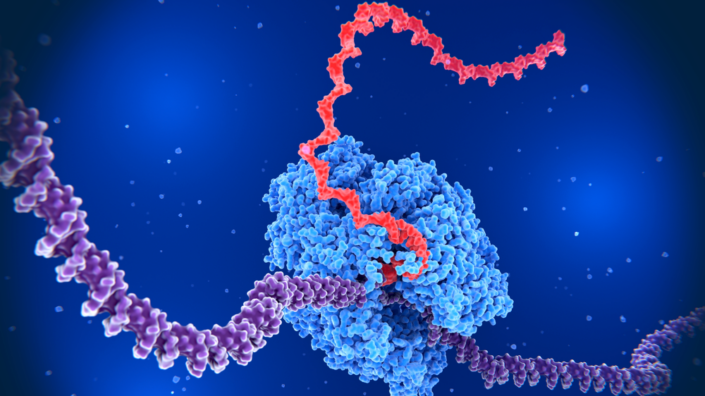
Literature

[1] Loeb, J., & Northrop, J. H. (1916). Is there a temperature coefficient for the duration of life?. Proceedings of the National Academy of Sciences, 2(8), 456-457.

[2] Conti, B., & Hansen, M. (2013). A cool way to live long. Cell, 152(4), 671-672.

[3] Xiao, R., Zhang, B., Dong, Y., Gong, J., Xu, T., Liu, J., & Xu, X. S. (2013). A genetic program promotes C. elegans longevity at cold temperatures via a thermosensitive TRP channel. Cell, 152(4), 806-817.

[4] Finley, D. (2009). Recognition and processing of ubiquitin-protein conjugates by the proteasome. Annual review of biochemistry, 78, 477-513.

[5] Stadtmueller, B. M., & Hill, C. P. (2011). Proteasome activators. Molecular cell, 41(1), 8-19.

Rejuvenation Roundup March

Rejuvenation Roundup March 2023

March marks the beginning of spring and the time for renewal, and this month, labs around the world have looked into renewing older concepts of aging and discovered potential methods for renewing our bodies.

LEAF News

Partnership Opportunities for the 5th Annual Age-Related Disease Therapeutics Summit: This conference is seeking partners who want to showcase their companies to biotechnology and investment leaders, listing contract research, biomarkers of aging, epigenetics, and preclinical services as the preferred areas of interest.

Thank you to OneSkin, one of our philanthropic partners who has generously agreed to donate a percentage of their monthly revenue to lifespan.io, to support our mission of longevity biotechnology advocacy and education.

OneSkin is a longevity company developing products designed to extend skin and body health by targeting aging at its source.

OneSkin Banner

Team and activities

Capitol HillRep. Bilirakis on the Longevity Science Caucus: We in the longevity field have received powerful allies on Capitol Hill with the creation of the bipartisan Congressional Caucus for Longevity Science. We had the opportunity to ask questions of one of its co-chairs.

Lifespan News

Human Brain Organoids in Rats: Emmett Short talks about how human neurons in rat brains can actually fulfill critical functions in these animals.

Best Time to Exercise: This episode features some rather surprising results gleaned from examining the effects of regular morning exercise on UK Biobank participants.

LSN Protein MuscleProtein and Muscle: This Lifespan News is on a study showing that diets with less protein are connected to better muscle maintenance with aging.

Exercise and Supplements: Emmett Short talks about a recent meta-study of exercise and supplements, which showed inconclusive results despite its large dataset.

LSN Young BloodYoung Blood for Brain Boosting: This episode discusses a study showing that the brains of old mice benefit by receiving the blood of young mice.

Interviews

Prof. Tzipi Strauss on the Upcoming Longevity Center: In Sheba Medical Center in Israel, the first-of-its-kind Longevity Center will soon open its doors. We spoke with its future director, Prof. Tzipi Strauss, who is also leading the Department of Neonatology at Sheba.

George Church InterviewProf. George Church on Cellular Reprogramming and Longevity: Professor of Genetics at Harvard Medical School, a veteran geroscientist, and a serial entrepreneur, George Church hardly needs an introduction. While we are always happy to discuss the present and future of geroscience with him, this interview focuses on the two gene therapy papers that he recently co-authored.

Ashley Zehnder on Harnessing Animal Genes Against Aging: Many species have developed amazing mechanisms to cope with various drivers of aging. A handful of bold entrepreneurs are trying to go commercial, and one of them is Ashley Zehnder, DVM, PhD, co-founder and CEO of Fauna Bio, a biotech startup that looks for protective genotypes in animals in order to weaponize them against human diseases.

Rejuvenation Roundup Podcast

Ryan O’Shea of Future Grind hosts this month’s podcast, showcasing the events and research discussed here.

Journal Club

Human Fasting Modulates Macrophage Function: This month, Dr. Oliver Medvedik explored a recent study that looked at the effects of prolonged fasting on human macrophages and how metabolites from that fasting increased median lifespan in Caenorhabditis elegans.

Advocacy and Analysis

Insider Insight: Meet the Organizers of LongHack: LongHack, the longevity hackathon hosted by DeSci organization VitaDAO, was held on January 20th-23rd, 2023. Gathering researchers, developers, and other interested parties to create new tools and solutions for longevity, ten teams competed to impress the judging panel and take home prizes.

Age LaterDr. Nir Barzilai on How to Age Later: In “Age Later: Healthspan, Lifespan, and the New Science of Longevity,” Dr. Nir Barzilai provides an insightful and comprehensive overview of the latest research on aging and longevity.

Research Roundup

Association Between BMI and Mortality Revisited: Ryan K. Masters, professor at CU Boulder, suggests that when adjusted for body shape and lifelong shifts, the relationship between BMI and mortality is more linear and robust than previously thought, with normal BMI being the healthiest.

Exercise and supplementsExercise and Supplements Against Age-Related Inflammation: In a new systematic review, researchers have shown that combining some dietary supplements and exercise might be beneficial for people over the age of 60.

How NAD+ Relates to Smell Loss with Age: Researchers publishing in Aging Cell have elucidated a relationship between aging, the loss of smell, and NAD+ in a mouse model. Roughly half of people over the age of 65 experience a decreased ability to smell, and research has shown that it is an early biomarker for neurodegenerative diseases.

Extracellular vesiclesExtracellular Vesicles as a Hallmark of Aging: A review paper published in Cells has described multiple ways in which the secretion of extracellular vesicles changes with aging, leading the authors to propose it as its own hallmark.

New Small Molecule Alleviates Alzheimer’s in Mouse Model: Scientists have developed a custom-made molecule that targets a post-translationally modified kinase linked to Alzheimer’s, improving symptoms in a murine model of the disease.

Mouse eatingMetformin and Rapamycin Rejuvenate Stem Cells in Mice: In a new study published in Aging Cell, researchers have shown that two promising anti-aging agents, the antibiotic rapamycin and the anti-diabetic drug metformin, reverse aging in a population of intestinal stem cells.

Young Blood Alters Gene Expression in Old Brain Cells: Research published in Nature Aging has shown that heterochronic parabiosis, the circulatory joining of young and old organisms, has rejuvenative effects on the gene expression of multiple types of brain cells in mice.

DepressionNew Treatment Alleviates Depression Symptoms in Mice: Scientists have shown that the protein GDF11 can reverse depression-like symptoms in naturally aged mice and in a mouse model of depression.

Mitochondria, DNA, and Oxidative Stress: A paper published in Experimental Gerontology has provided a fresh and detailed look at the effects of oxidative stress on longevity. The free radical theory of aging, which purports that reactive oxygen species (ROS) are the core driver of aging, was developed all the way back in 1956.

Fitness watchEpigenetic Biomarker for Measuring Aging Through Fitness: A new biomarker for measuring biological aging based on physical fitness has been published in Aging, and it has been found to be useful in predicting health issues.

Excessive Fat, Not Sugar, Leads to Obesity in Mice: In a new study published in Endocrinology and Metabolism, researchers have shown that fat rather than sugar is the macronutrient that drives obesity and other detrimental metabolic changes if it constitutes a large proportion of dietary calories.

CholesterolInflammation Strongly Predicts Mortality After Statin Use: Analyzing data from three clinical trials, scientists have shown that excessive inflammation is a much stronger predictor of cardiovascular and all-cause mortality in patients on statins than excessive LDL cholesterol levels.

Sleep Apnea and Inflammatory Biomarkers of Tooth Decay: A study published in Heliyon has explained a relationship between sleep apnea and an increase of inflammatory factors in the mouth that are connected to the gum disease peridontitis.

Global obesityThe Human Cost of Metabolic Diseases: A new paper published in Cell Metabolism has shown the growing influence of metabolic diseases in an aging population. Metabolic diseases include hypertension, type 2 diabetes, hyperlipidemia, obesity, and non-alcoholic fatty liver disease.

Mediterranean Diet Might Lower Risk of Dementia: In a large-scale observational study, British scientists have shown that high levels of adherence to the Mediterranean diet might substantially lower the risk of dementia. The Mediterranean diet, is based on ingredients such as olive oil, vegetables, legumes, fish, and whole grains.

Elderly liftingVital Muscle Enzyme Declines With Aging: Research published in Nature Metabolism has described PCYT2, an enzyme essential for muscle function, and how it declines with aging. A necessary lipid synthesizer in muscle Human beings need PCYT2 as part of the Kennedy pathway to synthesize two critical components of the phosopholipid membrane that surrounds cells.

Long-Term Resistance Exercise Increases Autophagy: In a new systemic review published in Autophagy Reports, researchers have demonstrated that exercise plays a role in regulating autophagy, depending on its type. Autophagy is the way cells break down misbehaving or nonfunctional organelles and proteins in the cell.

Muscle factorPromoting Muscle Regeneration With an Immune Factor: A paper published today in Nature Aging has shown that a macrophage-regulating factor has a significant impact on muscle regeneration.

Vesicles from Senescent Cells Encourage Young Stem Cells: Scientists have shown that extracellular vesicles derived from senescent stem cells can improve the proliferation, viability, and migration capacity of healthy stem cells.

Elderly smilingSenescent Cells and Loose Teeth: A team of researchers has recently published a study on the effects of senescence on periodontal tissues, which hold teeth to bone, in Aging.

Inhibiting DREAM for Enhanced DNA Damage Repair: In a new study published in Nature Structural and Molecular Biology, researchers have demonstrated that by manipulating the DREAM protein complex, a major regulator of DNA damage response, it might be possible to alter the number of DNA mutations accumulated with age.

Elderly eyeUsing AI to Measure Age Through the Eyes: An accepted manuscript in eLife Sciences has described eyeAge, a new clock that uses deep learning to analyze the eye in detail in order to predict chronological age and age acceleration.

Daily Step Count, Less Mortality, Diminishing Returns: A new study using wearable accelerometers suggests that you don’t have to clock extreme numbers of steps every day to stay healthy.

Associations of sleeping, sedentary and physical activity with phenotypic age acceleration: Sedentary behavior was positively associated with aging. Replacing sedentary behaviors with walking/bicycling or moderate to vigorous physical activity was adversely associated with aging among adults.

Coenzyme Q10 supplementation improves the motor function of middle-aged mice by restoring the neuronal activity of the motor cortex: This study shows that CoQ10 improves brain mitochondrial function and physical performance in mice.

Increased SIRT1 Concentration Following Four Years of Selenium and Q10 Intervention Associated with Reduced Cardiovascular Mortality at 10-Year Follow-Up: This study suggests that this combination increases SIRT1 in a way that helps to prevent vascular aging.

Dietary magnesium intake is related to larger brain volumes and lower white matter lesions with notable sex differences: Higher dietary magnesium intake has been found to be associated with better brain health in the general population, particularly women.

Potential reversal of biological age in women following an 8-week methylation-supportive diet and lifestyle program: There was a statistically significant (p=.039) difference in the participants’ mean biological age before (55.83 years) and after (51.23 years) the 8-week diet and lifestyle intervention, with an average decrease of 4.60 years.

Six-Month Synbio® Administration Affects Nutritional and Inflammatory Parameters of Older Adults: The PROBIOSENIOR project demonstrated how SYNBIO® supplementation may positively influence some nutritional and inflammatory parameters in the elderly.

Mendelian randomization analyses reveal causal relationships between the human microbiome and longevity: These findings strongly implicate that these commensal microbes play a role in human longevity and suggest that they should be monitored to promote longevity.

AAV1.NT-3 gene therapy prevents age-related sarcopenia: The researchers reported functional, in vivo muscle physiology improvements

Transcriptional activation of endogenous Oct4 via the CRISPR/dCas9 activator ameliorates Hutchinson-Gilford progeria syndrome in mice: These results suggest that partial rejuvenation by activating this Yamanaka factor can be used as a novel strategy in treating geriatric diseases.

Ageing as a software design flaw: Well-known aging researcher João Pedro de Magalhães expands on the idea that aging is the result of misguided genetic programming rather than entropic damage.

Necroptosis inhibition counteracts neurodegeneration, memory decline, and key hallmarks of aging, promoting brain rejuvenation: These results demonstrate that necroptosis, which mediates degeneration of injured axons, contributes to age-dependent brain degeneration.

Effect of peripheral cellular senescence on brain aging and cognitive decline: Preserved cognition was associated with the removal of peripheral senescent cells, which decreased the systemic inflammation that normally drives neuroinflammation, BBB breakdown, and impaired synaptic function.

Immunotherapeutic approach to reduce senescent cells and alleviate senescence-associated secretory phenotype in mice: These results show that HCW9218 represents a novel immunotherapeutic approach and a clinically promising new class of senotherapeutic agents targeting cellular senescence-associated diseases.

Coming up

The Fifth Annual Age-Related Disease Therapeutics Summit: The Age-Related Disease Therapeutics Summit will once again be held in San Francisco this year, and lifespan.io readers are encouraged to use the code 32026Lifespan when signing up.

We would like to ask you a small favor. We are a non-profit foundation, and unlike some other organizations, we have no shareholders and no products to sell you. All our news and educational content is free for everyone to read, but it does mean that we rely on the help of people like you. Every contribution, no matter if it’s big or small, supports independent journalism and sustains our future.

Walking is important but has diminishing returns for mortality risk.

Daily Step Count, Less Mortality, Diminishing Returns

A new study using wearable accelerometers suggests that you don’t have to clock extreme numbers of steps every day to stay healthy [1].

Do you always need to hit the target?

A tight association between physical activity and health is widely known [2]. In fact, staying fit might be the best anti-aging intervention currently available. However, just how much exercise is the optimal amount, and whether there can be too much exercise, is debatable.

According to one meta-analysis, more daily steps are associated with reduced mortality, up to about 8000 steps a day [3], after which the association plateaus. For comparison, the average American only clocks 4800 steps a day. The authors of this new observational study investigated a relationship between the number of days of the week spent in that “sweet spot” and average mortality, which determines how critical it is to achieve this level of physical activity.

Four days a week seem best

These researchers from the University of California, Los Angeles, and the University of Kyoto, Japan investigated a cohort of 3101 adult participants in the National Health and Nutrition Examination Surveys of 2005-2006 who wore accelerometers for 1 week. Their mortality data was subsequently recorded until 2019.

In this demographically robust cohort, men and women were equally represented, the median age was 50, and about 50% were of European descent. The cohort was quite active, probably indicating an initial selection bias: 632 (20.4%) participants did not take 8000 steps or more during the study week, 532 (17.2%) did this 1 to 2 days, and 1937 (62.5%) took that many steps 3 to 7 days. Over the 10 years of follow-up, 439 deaths from all causes and 148 deaths from cardiovascular disease were recorded. The statistical models were adjusted for several potential confounding variables, including age, sex, race and ethnicity, smoking, BMI, history of diabetes, cardiovascular health, and cancer.

Analysis showed a curvilinear relationship between the number of 8000+ steps days per week and mortality: the risk of both all-cause and cardiovascular mortality dropped sharply between 0 and 2 days, continued to decline significantly between 2 and 4 days, and then plateaued. Moreover, a slight upward trend was observed between 5 and 6 days for all-cause mortality and 4 and 7 days for cardiovascular mortality.

Step count 1

More helpful for older people

When additionally adjusted for average daily step count, the model showed the same relationship, albeit blunted, suggesting that regularity of physical activity might also be important and that additional step counts below 8000 a day are still beneficial. The researchers performed several additional sensitivity tests, including with different daily thresholds (6000 and 10,000 steps), but none of those significantly changed the picture.

Stratification by age showed that for people younger than 65, there was no significant difference in all-cause mortality between the 1-2 “8000+ step days” group and the 3-7 days group. In people older than 65, the gap between those two groups was more pronounced, although it was still much smaller than the difference between the 0 days group and the 1-2 days group.

Step count 2

The effect size for people younger than 65 was 7.4% and 7.8% reduced all-cause mortality in the 1-2 days and 3-7 days group, respectively, compared to the 0 days group. For people older than 65, these numbers were 19.9% and 27.7%. Women seemed to benefit from walking less than men.

In this cohort study using nationally representative data for US adults, we estimated that a higher number of days taking 8000 steps or more throughout the week is associated with a decreased risk of all-cause and cardiovascular mortality at 10 years. Even participants who only took 8000 steps or more 1 or 2 days during the week showed a substantial reduction in all-cause and cardiovascular mortality compared with those who were active more regularly (ie, took ≥8000 steps for 3-7 days per week). The estimated association was also robust to using different thresholds between 6000 and 10 000 steps for the daily step counts. Our study findings suggest that for those individuals who face difficulties in exercising regularly (eg, due to work and/or family obligations), achieving recommended daily steps only a couple days per week can have meaningful health benefits.

Conclusion

This study has several strengths and limitations. On the one hand, it used accelerometers rather than questionnaires, which allowed the researchers to get a more reliable picture of exercise patterns. On the other hand, the cohort was relatively small, and the participants had only used accelerometers for one week. As wearable devices become ubiquitous, scientists should soon be able to gather more data on everyday physical activity. Until then, preliminary evidence suggests that hitting your step target 3-4 days a week is almost as beneficial as doing so every day, but some daily exercise is also a good idea.

Literature

[1] Inoue, K., Tsugawa, Y., Mayeda, E. R., & Ritz, B. (2023). Association of Daily Step Patterns With Mortality in US Adults. JAMA network open, 6(3), e235174.

[2] Piercy, K. L., Troiano, R. P., Ballard, R. M., Carlson, S. A., Fulton, J. E., Galuska, D. A., … & Olson, R. D. (2018). The physical activity guidelines for Americans. Jama, 320(19), 2020-2028.

[3] Paluch, A. E., Bajpai, S., Bassett, D. R., Carnethon, M. R., Ekelund, U., Evenson, K. R., … & Fulton, J. E. (2022). Daily steps and all-cause mortality: a meta-analysis of 15 international cohorts. The Lancet Public Health, 7(3), e219-e228.

Elderly eye

Using AI to Measure Age Through the Eyes

An accepted manuscript in eLife Sciences has described eyeAge, a new clock that uses deep learning to analyze the eye in detail in order to predict chronological age and age acceleration.

LLP Biostarks
Check out Biostarks to learn more about their test kits.

Retinal signs of aging

This project was developed with the knowledge that fundus imagery, which shows the blood vessels at the back of the eye, can be a useful diagnostic tool for eye diseases like age-related macular degeneration (AMD) [1] and diabetic retinopathy [2] along with seemingly unrelated diseases, such as hypertension [3] and cancerous tumors in entirely different body parts [4]. The researchers hold that this diagnostic power is because such diseases cause tiny changes in the vascular system that show up in the smallest capillaries first, and retinal capillaries are particularly small.

However, detecting these tiny changes is difficult for human beings even with modern instruments. Therefore, the researchers have employed a deep learning system to build their aging clock, as such systems have been used successfully in diabetic retinopathy [5] and other diseases.

A broad study using two datasets

This study drew its data from the EyePACS database, using images from over 100,000 people for development and about a quarter that many for tuning. To test the robustness of their model, the researchers turned to the UK Biobank, which contained nearly 120,000 relevant images and different demographics.

The UK Biobank cohort also contained extensive genomic data that was useful in comparing eyeAge to PhenoAge, a well-known epigenetic aging clock. Interestingly, while eyeAge was better correlated with chronological aging (at 0.87) than PhenoAge (at 0.82), the two clocks were not as well correlated with each other, at 0.72. Except for their correlations with chronological aging, these two clocks were almost entirely independent of one another.

Connecting visual results to genomics

The researchers used eyeAge data to create an age acceleration measurement, eyeAgeAccel, similar to acceleration measurements in other clocks, and compared this measurement to UK Biobank genomics through a genome-wide association study (GWAS), looking for the genes that were strongly associated with rapid eye aging.

As expected, many of the associated genes were directly linked to the eyes and associated diseases, including AMD, cataract development, and pigmentation. Some of the other genes were linked to cancer development and hearing loss, and another single gene had been implicated in both muscle wasting [6] and Alzheimer’s disease [7].

One particular gene, ALKAL2, was of special concern. The Drosophila version of this gene has been shown to be associated with shorter lifespans, and inhibiting it in these flies was found to increase their lifespans. The researchers also noted that their research confirms previous research showing a human allele that decreases the expression of ALKAL2 and other negatively associated genes in this study [8], marking a prospective target for potential future therapies.

Conclusion

As a visual biomarker that only needs imagery as an input, eyeAge may be a simple tool for researchers and clinicians to measure accelerated aging and gain valuable information about the prognosis of eye diseases. Future research using this clock alongside other clocks will determine its value in measuring the effectiveness of interventions against age-related diseases.

In conclusion, predicted age from retinal images can be used as a biomarker of biological aging that is independent from assessment based on blood markers. This study demonstrates the potential utility of a retinal aging clock for studying aging and age-related diseases and quantitatively measuring aging on very short time-scales, opening avenues for quick and actionable evaluation of gero-protective therapeutics.

We would like to ask you a small favor. We are a non-profit foundation, and unlike some other organizations, we have no shareholders and no products to sell you. All our news and educational content is free for everyone to read, but it does mean that we rely on the help of people like you. Every contribution, no matter if it’s big or small, supports independent journalism and sustains our future.

Literature

[1] Luu, J., & Palczewski, K. (2018). Human aging and disease: lessons from age-related macular degeneration. Proceedings of the National Academy of Sciences, 115(12), 2866-2872.

[2] Namperumalsamy, P., Kim, R., Vignesh, T. P., Nithya, N., Royes, J., Gijo, T., … & Vijayakumar, V. (2009). Prevalence and risk factors for diabetic retinopathy: a population-based assessment from Theni District, south India. Postgraduate medical journal, 85(1010), 643-648.

[3] Wong, T. Y., & McIntosh, R. (2005). Systemic associations of retinal microvascular signs: a review of recent population‐based studies. Ophthalmic and Physiological Optics, 25(3), 195-204.

[4] Kreusel, K. M., Wiegel, T., Stange, M., Bornfeld, N., Hinkelbein, W., & Foerster, M. H. (2002). Choroidal metastasis in disseminated lung cancer: frequency and risk factors. American journal of ophthalmology, 134(3), 445-447.

[5] Gulshan, V., Peng, L., Coram, M., Stumpe, M. C., Wu, D., Narayanaswamy, A., … & Webster, D. R. (2016). Development and validation of a deep learning algorithm for detection of diabetic retinopathy in retinal fundus photographs. Jama, 316(22), 2402-2410.

[6] Judge, S. M., Deyhle, M. R., Neyroud, D., Nosacka, R. L., D’Lugos, A. C., Cameron, M. E., … & Judge, A. R. (2020). MEF2c-Dependent Downregulation of Myocilin Mediates Cancer-Induced Muscle Wasting and Associates with Cachexia in Patients with CancerLoss of Myoc via MEF2c Mediates Cancer Cachexia. Cancer research, 80(9), 1861-1874.

[7] Xue, F., Tian, J., Yu, C., Du, H., & Guo, L. (2021). Type I interferon response-related microglial Mef2c deregulation at the onset of Alzheimer’s pathology in 5× FAD mice. Neurobiology of disease, 152, 105272.

[8] Woodling, N. S., Aleyakpo, B., Dyson, M. C., Minkley, L. J., Rajasingam, A., Dobson, A. J., … & Partridge, L. (2020). The neuronal receptor tyrosine kinase Alk is a target for longevity. Aging Cell, 19(5), e13137.

Abstract DNA

Inhibiting DREAM for Enhanced DNA Damage Repair

In a new study published in Nature Structural and Molecular Biology, researchers have demonstrated that by manipulating the DREAM protein complex, a major regulator of DNA damage response, it might be possible to alter the number of DNA mutations accumulated with age [1].

Mutations and DREAMs

DNA mutations spontaneously occur in both germ-line (reproductive) cells and somatic cells. Although all types of cells employ a DNA repair system, the mutation rate of germ-line cells is much lower than that of somatic cells, possibly owing to a more efficient DNA damage response [2].

From an evolutionary point of view, it makes sense to limit the number of mutations in the germ-line cells to ensure the integrity of the genome passed on to future generations. Somatic mutations, on the other hand, are not inherited and therefore have less pressure to be eliminated.

With age the mutation rate in somatic cells increases, which contributes to the development of age-associated diseases such as cancer. Genomic instability is one of the hallmarks of aging. Ways to target this process are being explored to delay aging.

DREAM is an evolutionarily conserved protein complex that regulates gene expression in a cell cycle-dependent manner. It is formed by Dp/Retinoblastoma(Rb)-like/E2F and the MuvB subcomplexes, although the exact composition varies across species.

DREAM is known for repressing certain genes in the G0 phase (resting or quiescent) of the cell cycle. Mutations in the genes comprising the DREAM complex were shown to make somatic cells more similar to germ-line cells.

Therefore, the authors of this study explored the idea that DREAM is involved in the regulation of the DNA mutation rate in somatic cells of different species.

Daytime is not for DREAMing 

First, the researchers surveyed DNA damage response and repair (DDR) genes in the worm C.elegans and found that many of them are regulated by the DREAM complex.

Next, the scientists used UV irradiation to induce DNA mutations in the worm larvae. They showed that animals with mutations in DREAM complex components were more resilient to UV-caused DNA lesions than wild-type animals, as their development was not delayed.

The researchers then UV-irradiated the worms on the first day of adulthood to simulate aging-associated DNA damage. These experiments also showed that mutations in DREAM complex components made the animals more resilient to DNA damage, as they outlived the wild-type worms.

In the next set of experiments, the researchers decided to focus on a specific component of the DREAM complex, the LIN-52 gene, due to the strong UV resistance demonstrated by the worms with mutations in this gene.

DREAM suppresses DNA repair

By quantifying a specific type of DNA lesions caused by UV irradiation in both larvae and adult worms, the researchers showed that LIN-52 mutations enhanced DNA repair. This effect was specific to the somatic cells of the worms.

The researchers then performed RNA sequencing of LIN-52 mutants and control animals. As expected, many of the upregulated genes in LIN-52 mutants were those involved in DNA-repair mechanisms. The proteomic analysis confirmed these results.

Following qPCR analysis and comparing the results obtained in this study with the previously published data, the researchers discovered that not only LIN-52 but also other DREAM complex genes directly bind and repress multiple components of DNA repair pathways.

By comparing the expression pattern of LIN-52 mutants and germ-line cells, the researchers showed that they are very similar. This suggests that DREAM suppresses genes in the somatic cells that are usually expressed in germ-line cells, i.e. those that are necessary for DNA damage repair.

Beyond UV and worms

The researchers then induced DNA damage in LIN-52 mutant worms with different types of insults: ionizing radiation, alkylation damage, and cisplatin, an antitumor drug known to cause DNA interstrand crosslinks. The LIN-52 mutants proved resistant to all these different types of DNA damage.

A set of experiments in human cells showed that, just like in worms, the mammalian DREAM complex directly binds DNA repair genes, while its inhibition with pharmacological agents boosts the cells’ resistance to DNA damage induced by UV or alkylation.

Finally, DREAM inhibition with a pharmacological agent in progeroid mice (with mutations in Errc1, a DNA damage repair gene) reduced DNA damage in the retina and decreased photoreceptor loss.

Abstract excerpt

DREAM mutants confer resistance to a wide range of DNA-damage types during development and aging. Similarly, inhibition of the DREAM complex in human cells boosts DNA-repair gene expression and resistance to distinct DNA-damage types. DREAM inhibition leads to decreased DNA damage and prevents photoreceptor loss in progeroid Ercc1−/− mice. We show that the DREAM complex transcriptionally represses essentially all DNA-repair systems and thus operates as a highly conserved master regulator of the somatic limitation of DNA-repair capacities.

Conclusion

This comprehensive study has shown that it is possible to enhance the DNA damage repair capacity of somatic cells not only in worms but also mice and human cells by inhibiting a specific protein complex. Although the cellular and animal models used in this study don’t entirely replicate what happens in human aging, this research provides evidence that by manipulating certain genes in certain tissues, it is possible to reverse age-associated damage accumulation.

We would like to ask you a small favor. We are a non-profit foundation, and unlike some other organizations, we have no shareholders and no products to sell you. All our news and educational content is free for everyone to read, but it does mean that we rely on the help of people like you. Every contribution, no matter if it’s big or small, supports independent journalism and sustains our future.

Literature

[1] Bujarrabal-Dueso A, Sendtner G, Meyer DH, Chatzinikolaou G, Stratigi K, Garinis GA et al. The DREAM complex functions as conserved master regulator of somatic DNA-repair capacities. Nat Struct Mol Biol 2023. doi:10.1038/s41594-023-00942-8.

[2] Ohno M. Spontaneous de novo germline mutations in humans and mice: rates, spectra, causes and consequences. Genes Genet Syst 2019; 94: 13–22.