The Blog

Building a Future Free of Age-Related Disease

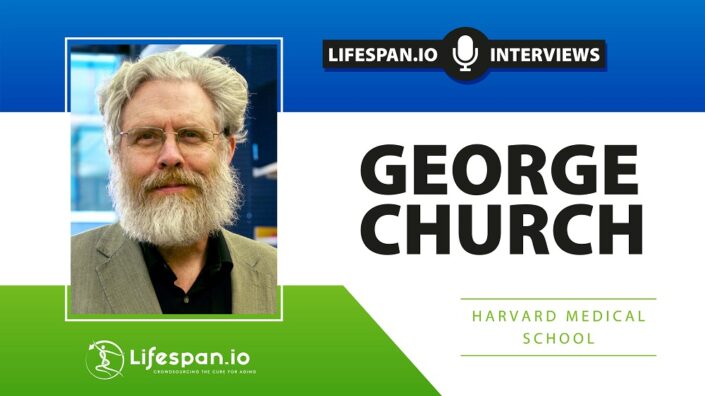
George Church Interview

Prof. George Church on Cellular Reprogramming and Longevity

Professor of Genetics at Harvard Medical School, a veteran geroscientist, and a serial entrepreneur, George Church hardly needs an introduction. While we are always happy to discuss the present and future of geroscience with him, this interview focuses on the two gene therapy papers that he recently co-authored, which drew a lot of attention due to their spectacular and surprising results. In this interview, Prof. Church interprets these results and gives his opinions on a range of longevity-related topics, such as cellular reprogramming and supplements.

Two recent papers that you were involved in have caused quite a buzz in the longevity community. Let’s start with the telomerase and follistatin paper. My first question is, why didn’t you try their combination?

That’s a good question, especially given that we were using this huge vector. The whole point of cytomegalovirus is that it can package a lot more. I think it’s just that these experiments are not cheap, including the mice. What is distinctive about both papers is that they have a Kaplan-Meier plot, and those are more expensive than just showing some reversal of physiological decay or of an age-related disease. Both groups are thinking about combinations, they just haven’t done all of them yet.

Do you have a prediction about the possible effect of a telomerase and follistatin combination?

Those are fairly independent pathways. There are arguably ten major pathways of aging, and I think you need to get all ten pathways if you want to impact longevity beyond a certain point. It’s been estimated that doing just one of those ten pathways might get you two years of life extension in humans and maybe a few months in mice. But, if you develop something that impacts multiple pathways, some combination drug, that will be very interesting to see when we get to that.

Follistatin, in particular, is a rather unusual choice of an anti-aging treatment, but it did deliver fantastic results. Do we have a mechanistic explanation for that?

I think the original explanation is that cachexia is muscle wasting that accompanies a lot of aging. You could argue that’s just a late-stage thing, and to do real aging reversal you’d want to get to the earlier stages, or you could argue that this is one of the ten pathways, and you want to have that part of a combination, but the answer is that it’s still not clear why it works in itself.

Cachexia accompanies cancer, the main cause of death in lab mice. Could this hint at an answer?

It’s one of the mechanisms that cancer can cause death by, but there are others. Cancer can cause death by making it hard to breathe. It can screw up almost any physiological process, depending on where it starts and where it metastasizes, but muscle wasting can be a product of fairly normal aging without cancer as well. Seems like it’s a nice tool to have in your toolbelt, but I admit it is a little surprising that it works by itself.

Telomerase is also an important factor in cancer. Do you think telomerase treatments can have adverse effects in humans that we don’t know about yet?

First, there are effects that we do know about. If you give a long steady dose, it will increase the probability of tumorigenesis. It also sets you up for additional genetic and epigenetic changes that can make an even more serious cancer. But, if you give intermittent doses, it’s like with Yamanaka factors in the second study: if you give too much, cells could go back too far in time. So, I think it’s all about moderation.

The other thing that was done in germline experiments, or earlier animal models, is to use specific safeguards against cancer so that when you then introduce the telomerase, you can express it at higher levels and for longer periods of time. For instance, messing around with the p16 and p53 pathways, i.e., having extra copies of tumor suppressors, can protect you against certain forms of cancer and allow you to use things that would otherwise put you at risk.

The results of this paper were spectacular, and it got us all very excited, but the sample size was small. Are there any plans for a bigger follow-up study?

It’s all about resources. Both those companies are scrappy, young, underfunded, but they make up for it in creativity and delivery. Those are the only two gene therapy papers that I know of that show significant Kaplan-Meier plots. And I really like the gene therapy approach that they share, because you can target alleles, splice isoforms, and gene family members (paralogs). This is something that’s very hard to do with small molecules, but very easy to do with either protein or gene therapies.

The slight advantage of gene therapies over protein therapies is that you have a few ways of rigging the specificity. You can have specificity of the vector, specificity of the nucleic acid, and finally, specificity of the protein. With proteins, you only have the latter.

The only thing I don’t like about gene therapies is the cost, but one positive side of the COVID dilemma was that we tested five different vaccines that were formulated in the form of a gene therapy on billions of people and got the price down to as low as 2 dollars for one of those five. It’s a whole new ballgame now if you have a large market, and I think pandemics and aging are the largest.

Let’s move to the OSK paper that came out of Rejuvenate Bio. What is the importance of it? Was it the simultaneous delivery of three factors in one vector or something else?

We had already done three genes at once at my lab and Rejuvenate Bio. Those were different from the OSK Yamanaka factors. The latter are transcription factors that need to be delivered to the nucleus, while the other set that we had, TGF beta receptor 2 in soluble form, Klotho, and FGF21, could be soluble, secreted, hence they could go into the interstitial, intercellular matrix, or they could go out into the blood. In a certain sense, it requires less delivery, or less ubiquitous delivery of the nucleic acid, because then the proteins do some of the delivery.

That’s the fundamental difference between those two. The significance of using the OSK is that this was the best example that we had of rejuvenation, as opposed to just fighting the symptoms of some age-related disease, making your muscles hurt less or something. This was truly rejuvenating ancient cells all the way back to embryo.

So, if you can control that, dial it up and down, it has some promise. This encouraged several groups, including Altos Labs, which I worked with briefly (many of my alumni are core members of Altos Labs). It is also one of the things that encouraged our collaboration with David Sinclair.

But, except for Rejuvenate Bio, so far, all of those are fairly distantly related to longevity. They might cure something like a crushed optic nerve, but damage to the eye is not aging, certainly not longevity. Now, this wasn’t merely the Kaplan-Meier plot where you could see extended life. The injection occurred at the age of 124 weeks. For a mouse, it’s very late in life. Half of the mice in the cohort are already dead at that point.

That was indeed a very interesting design. I think those were the oldest mice in any study that I’m aware of. What was the rationale behind that? What were you trying to prove?

The logic behind this was that if you do it as late as possible and show that it still has an effect, that’s very encouraging. It broadens the market, that’s one way of thinking about it, but it also tells you that you are really getting a reversal as opposed to delay, and that’s a fundamental difference. Many drugs that are considered cures are reversing something, but people somehow put reversing aging  in a special category, like breaking the sound barrier. However, just like breaking the sound barrier was easy enough to do once we figured it out, reversal of fundamental epigenetic programs that are a natural part of development and aging starts looking easier than it originally did.

Do we understand how cellular reprogramming improves health and longevity?

There have been two major camps in aging since long ago. One says that aging happens due to damage, to proteins, lipids, RNA, and DNA, and that you have to go in there with your repair kit and fix it as a therapist. The other camp says that it’s all epigenetic, and that if you convince the cell that it’s young, it will get its own toolkit out and start repairing as much as it can. Some things are beyond repair. If you delete all copies of a tumor suppressor, that’s not something a young cell can repair. But most things are fixable with epigenetics – at least, that’s how the second hypothesis goes.

I believe in a hybrid model. I think most of the work can be done epigenetically. A surprising amount of it can be done via the bloodstream, but probably not all of it. Then, there’s a residual amount that you can fix with the Yamanaka factors and another residual amount that you can fix by restoring genes.

Since we do the epigenetic reprogramming by adding in genes, it’s not that fundamental a difference between adding in genes that will go into the blood, adding genes that will reprogram the nucleus, and adding genes that are missing, like tumor suppressors. In a certain sense, they are all addressable by multiplex gene therapy. That’s why being able to either use multiple rounds of dosing or to have bigger vectors will become increasingly important.

Given the rising popularity of partial reprogramming, what is its overall place in the longevity landscape?

I think there are subtle but important differences between anti-aging drugs and drugs that improve biomarkers in the way that statins improve cholesterol. That doesn’t mean such drugs increase longevity, just that they improve this one biochemical. It could actually hurt you; for instance, it could improve cardiovascular chances for some subset of the population, but for another subset, it could hasten muscle pain.

So, affecting biomarkers is one thing. Reversing diseases of aging is different. You could do it just by addressing that particular disease, or you could do it more broadly, affecting multiple diseases. You might get FDA approval for one of them, but it’s actually affecting multiple ones, and maybe acting preventatively. Say, there might be a cure for muscle wasting that helps prevent a variety of diseases.

Finally, you’re really at the core of aging  when you reprogram shared elements – with good feedback systems that already exist in the body or with feedback systems that you introduce as part of the therapy.

I understand that the combination therapy with the three soluble factors you mentioned earlier is already in clinical trials in dogs. Do you have any preliminary results?

The thing about clinical trials is that you ideally minimize talking about them before they’re done. This is a second animal trial. We did it in mice already, and it looked good. With the dogs, it’s not just an animal trial, it’s also a product, a veterinary product. I understand that some of the pet owners involved have said good things, but, of course, you have to be very cautious with anecdotal evidence. There could be wishful thinking, placebo effect involved. These are randomized clinical trials, so you really won’t know until you break blinding at the end.

But the nice thing about veterinary clinical trials is that they’re typically much faster than human clinical trials. COVID-19 trials were an exception, 12 months, but most human clinical trials last about 10 years, and most veterinary trials are more like 18 months. So, we’ll know soon.

Still, the endgame is delivering those therapies to humans, and you will need a human trial anyway.

We could have gone straight from mice to humans, but we decided to create a veterinary product. People spend a fair amount of money on end of life in dogs, they even clone dogs, but of course, a clone is not what you want. So, it’s valuable to have two or more animal preclinical trials before you go into clinical trials. Even though we’re looking into specific diseases, for instance, the mitral valve disease in spaniels, it’s not limited to that. We hope that it will hit many different diseases. We’ve tested it in about five or six different diseases already, in mice and dogs.

To move this into humans, you use the same genes. You might use a human version of them, just like you might switch from mouse to dog genes, but other than that, mode of delivery. You might also change the vector. We use AAV vectors, which is the oldest approved vector and one of the most popular ones. However, dogs have natural immunity to most of the popular AAV vectors.

That’s clearly solvable. It’s even solvable for redosing. One of the advantages of certain gene therapies is that you don’t have to redose. You might have a once-and-done, lifetime expression, but a couple of my companies are working on improving the AAV delivery. Shape Therapeutics and Dyno Therapeutics are both making quite a progress on this. So, you can make radically different capsids that have radically different tissue tropisms and immune evasion. You basically make viruses that don’t exist in the wild or in previous pharmaceuticals, and you can probably keep generating those things for quite a while.

First, with dogs, you can get a lot of feedback on how to maximize your chances of success. Second, it’s a product, so you can make a profit on the first product to pay for the development of the second product. Human clinical trials are expensive. You could do it by investment, but that would result in dilution of the original founder’s stake in it.

Also, dogs are just a particularly good intermediate between mice and humans, because they live in a human environment, they have some compatible behavioral traits and eating habits. You can identify personality changes, subtle behavioral changes that you don’t identify in mice, because you don’t cohabit with them like you do with dogs.

None of this means that we couldn’t go directly to humans, it’s just that failures in human trials can put a damper on the whole field. I hope that all people in the field do their homework and don’t rush trials, because they can screw it up for us. We’re trying not to screw it up for them, and, hopefully, that will be reciprocated.

By the way, you do have the reputation of being a serial entrepreneur. How are your numerous startups doing? Are you still bullish about longevity biotech?

I co-founded 46 companies. I’m on the scientific advisory board of a few more. Seven of them are related to aging reversal and longevity.  They all involve pre-clinical and clinical trials. Some are on nutritional supplements, which you can sell without FDA approval, but nevertheless, they’re doing trials, and that’s a strong preference for my involvement in a company: they have to be willing and planning to do, and also have the resources to do, clinical trials, even if not legally required.

I think the whole field is very healthy economically and scientifically. We have passed through multiple “valleys of death”. We’re now in the solid science phase, and this field is going to be very impactful, maybe more impactful than any other pharmaceuticals in history, including even antibiotics, because our very ability to fight off diseases is age-related. Almost every single form of human morbidity and mortality has an age-related component to it. If you want to have a pleiotropic effect on many different diseases, this is the way to go.

So, it seems like a good choice. It also has a good chance of being cost-effective enough. I’m not promising this on behalf of any of my companies, but since manufacturers of COVID vaccines can get gene therapy to be as cheap as two dollars a dose, others can do that as well, and that’s important to me from the standpoint of equitable distribution of technology. It’s not about “can we develop a billion-dollar drug?” Rather, it’s “can we distribute it to everyone who needs it?” And the same way that we got the price of DNA sequencing down seven orders of magnitude, 20-million-fold, I think we need to at least consider that for every new medical technology.

Speaking of supplement companies, you are involved with two of them, NOVOS and Elysium.

Yes, and I was referring to them when I said they’re willing to do clinical trials even though they are not required to do so.

This is commendable, but they are already selling supplements. Do you think it’s not too early to be marketing anti-aging stuff to people, considering the state of the research?

I think we need to be very cautious about supplements that do not go through clinical trials and also about what trials they went through. If you do a clinical trial on ALS or some other degenerative disease, then that’s all you’re addressing. You’re not addressing the broader population. And, you have to be cautious, because some supplements have been shown to be detrimental if taken for prolonged periods in particular individuals that may have a pharmacological predisposition.

For example, some encourage cancer. And that’s true for all things you put in your body. Just because your grandparents got away with it doesn’t mean that it’s going to work, especially as we now have a more complex environment with a lot of other toxins.

Also, because we’re staying employed later and later in life, we need to reevaluate the things that were generally recognized as safe. So, I’m very enthusiastic about testing and retesting things that have been accepted without formal clinical trials. There’s a lot of placebo effects, long-term effects, and wishful thinking that we need to put to the test. I hope those two companies continue along that pathway.

So, you think they’re being prudent enough for you to associate your name with them?

I’m a scientific advisor. We shouldn’t ignore companies that need advice, otherwise, they will be operating without advice. As long as they’re doing clinical trials, they’ve got my attention.

Which directions in geroscience are you personally excited about at the moment?

I think we really need to hit all ten pathways and think about their interactions. In my opinion, the easiest way to go from a hypothesis or a pile of molecular data to a therapy is via gene therapy. In a couple of weeks, you can essentially go from a new research article to a therapy and get that therapy into mice.

So, I’m particularly excited about those directions. We don’t know yet whether it should be cell-autonomous or something that spreads through the blood, probably both. I’m excited about the possibility that this could be low-cost for equitable distribution. All those things are clustered around this multi-drug therapy, which I think is fairly well-validated in other cases: multi-drug antibiotics, multivalent antivirals, cancer, some other diseases as well.

So, you think we’ve accumulated enough knowledge to start moving in the direction of combination anti-aging treatments?

Yes, except you have to test them all in vitro and in animal models, in the exact formulation that you want to use, even if the ingredients were already tested individually. Sometimes with gene therapy, you can’t test the very exact molecular form, because there’s a difference between the animal form and the human form. But, other than that, everything should be as close as possible.

In one of your recent talks, you said something, and I hope I’m not misinterpreting, about cell therapies being superior to gene therapies.

It’s not either or. Cells can deliver genes and proteins. The advantage of cell therapy in principle is that you can debug the gene therapy ex vivo and then deliver it. For example, if you apply gene therapy in vivo to a billion cells, you’ve got a billion chances for genetic mischief, but with cell therapies, especially clonal cell therapies, you can debug it and make sure this is genetically and epigenetically what you want, that all cells are basically identical.

The downside of it is that many cells just don’t deliver very well. For example, neurons are highly connected. Maybe you can deliver a few neuronal stem cells, including into parts of the brain that normally don’t have neuronal stem cells, but you also want to keep most of your connections intact and not replace them with some generic neuronal progenitor. The bottom line is that there’s room for a lot of different strategies and innovations.
We would like to ask you a small favor. We are a non-profit foundation, and unlike some other organizations, we have no shareholders and no products to sell you. All our news and educational content is free for everyone to read, but it does mean that we rely on the help of people like you. Every contribution, no matter if it’s big or small, supports independent journalism and sustains our future.
Damaged DNA

Mitochondria, DNA, and Oxidative Stress

A paper published in Experimental Gerontology has provided a fresh and detailed look at the effects of oxidative stress on longevity.

Revisiting an old theory

The free radical theory of aging, which purports that reactive oxygen species (ROS) are the core driver of aging, was developed all the way back in 1956 [1] and expanded upon in 1972 with a focus on the mitochondria [2]. While this limited theory has been superseded by more comprehensive and detailed models of aging, experiments have repeatedly confirmed that ROS do, in fact, drive mitochondrial damage [3], which is linked to a great many aspects of aging [4].

This review paper explores modern research into this old theory, elucidating the relationship between mitochondrial ROS and the longevity of different species.

Not consumption but production

Previous experiments relating to oxidative stress have focused on antioxidants, substances that are intended to reduce the amounts of ROS. Unfortunately, experimental evidence found that feeding antioxidants to animals did not have any beneficial impact in most cases, regardless of how they were administered [5]. In fact, organisms with more naturally occurring antioxidants in their bodies age more rapidly on average [6].

Instead, mitochondrial ROS production seems to be the key factor. The reviewers cite a multitude of studies showing that organisms that produce more free radicals in the mitochondria age more quickly. They even contend that this represents evidence for this aspect of aging being evolutionarily programmed: free radical leak, a key component of ROS production, varies by species, is strongly correlated with longevity, and is not well connected with body size. Pigeons, for example, naturally live much longer than rats and have considerably less ROS despite their high oxygen use [7]. Bats also have the same advantages [8].

A focus on mitochondrial DNA fragments

The researchers then turn their focus to the physical mechanisms involved. While the researchers note one study showing that oxidative stress leads to direct mitochondrial DNA damage, which is strongly associated with reduced longevity [9], along with another study showing that deleted mitochondrial DNA is associated with accelerated aging [10], the researchers hold that these deletions, in and of themselves, are insufficient to be substantial direct causes of aging.

Instead, they note that mitochondrial DNA fragments can accumulate in nuclear DNA in a process called numtogenesis [11], which these researchers hypothesize is driving a significant part of aging. This hypothesis is supported by evidence showing that rapamycin decreases nuclear mitochondrial DNA accumulation at the same rate it increases longevity [12]. Mitochondrial DNA can even circulate through the body, contributing to systemic inflammaging [13].

An amino acid as a target

The researchers posit that methionine reduction, which has been shown to increase longevity in mice [14], has such beneficial effects because methionine and its metabolites are connected to increased ROS production [15] along with multiple distinctly toxic effects within cells. They also suggest that methionine is a major part of the reason why high-protein diets are linked to oxidative stress and decreased longevity [16].

Conclusion

While these reviewers’ conclusions of the roles of ROS and mitochondrial DNA in aging may seem surprising, they are supported by experiments. Therefore, it is worthwhile to attempt to develop interventions that directly target ROS generation at its root or remove free-floating mitochondrial DNA from cells and tissues. If such interventions can be shown to work in small mammals, it may be very much worth it to test them in clinical trials in order to demonstrate whether or not they can reduce aging biomarkers and lengthen the lifespans of people.

We would like to ask you a small favor. We are a non-profit foundation, and unlike some other organizations, we have no shareholders and no products to sell you. All our news and educational content is free for everyone to read, but it does mean that we rely on the help of people like you. Every contribution, no matter if it’s big or small, supports independent journalism and sustains our future.

Literature

[1] Harman, D. (2002). Aging: a theory based on free radical and radiation chemistry. Science of Aging Knowledge Environment, 2002(37), cp14-cp14.

[2] Harman, D. (1972). The biologic clock: the mitochondria?. Journal of the American Geriatrics Society, 20(4), 145-147.

[3] Halliwell, B., & Gutteridge, J. M. (2015). Free radicals in biology and medicine. Oxford university press, USA.

[4] Berry, B. J., & Kaeberlein, M. (2021). An energetics perspective on geroscience: mitochondrial protonmotive force and aging. Geroscience, 43(4), 1591-1604.

[5] Barja, G. (2004). Aging in vertebrates, and the effect of caloric restriction: a mitochondrial free radical production–DNA damage mechanism?. Biological Reviews, 79(2), 235-251.

[6] Perez-Campo, R., Lopez-Torres, M., Cadenas, S., Rojas, C., & Barja, G. (1998). The rate of free radical production as a determinant of the rate of aging: evidence from the comparative approach. Journal of Comparative Physiology B, 168, 149-158.

[7] Barja, G., Cadenas, S., Rojas, C., Perez-Campo, R., & Lopez-Torres, M. (1994). Low mitochondrial free radical production per unit O2 consumption can explain the simultaneous presence of high longevity and high aerobic metabolic rate in birds. Free radical research, 21(5), 317-327.

[8] Brunet-Rossinni, A. K., & Austad, S. N. (2004). Ageing studies on bats: a review. Biogerontology, 5, 211-222.

[9] Barja, G., & Herrero, A. (2000). Oxidative damage to mitochondrial DNA is inversely related to maximum life span in the heart and brain of mammals. The FASEB Journal, 14(2), 312-318.

[10] Trifunovic, A., Wredenberg, A., Falkenberg, M., Spelbrink, J. N., Rovio, A. T., Bruder, C. E., … & Larsson, N. G. (2004). Premature ageing in mice expressing defective mitochondrial DNA polymerase. Nature, 429(6990), 417-423.

[11] Singh, K. K., Choudhury, A. R., & Tiwari, H. K. (2017, December). Numtogenesis as a mechanism for development of cancer. In Seminars in cancer biology (Vol. 47, pp. 101-109). Academic Press.

[12] Martínez-Cisuelo, V., Gómez, J., García-Junceda, I., Naudí, A., Cabré, R., Mota-Martorell, N., … & Barja, G. (2016). Rapamycin reverses age-related increases in mitochondrial ROS production at complex I, oxidative stress, accumulation of mtDNA fragments inside nuclear DNA, and lipofuscin level, and increases autophagy, in the liver of middle-aged mice. Experimental gerontology, 83, 130-138.

[13] Picca, A., Lezza, A. M. S., Leeuwenburgh, C., Pesce, V., Calvani, R., Bossola, M., … & Marzetti, E. (2018). Circulating mitochondrial DNA at the crossroads of mitochondrial dysfunction and inflammation during aging and muscle wasting disorders. Rejuvenation Research, 21(4), 350-359.

[14] Fang, H., Stone, K. P., Wanders, D., Forney, L. A., & Gettys, T. W. (2022). The origins, evolution, and future of dietary methionine restriction. Annual Review of Nutrition, 42, 201-226.

[15] Gomez, J., Sanchez-Roman, I., Gomez, A., Sanchez, C., Suarez, H., Lopez-Torres, M., & Barja, G. (2011). Methionine and homocysteine modulate the rate of ROS generation of isolated mitochondria in vitro. Journal of bioenergetics and biomembranes, 43, 377-386.

[16] Żebrowska, E., Maciejczyk, M., Żendzian-Piotrowska, M., Zalewska, A., & Chabowski, A. (2019). High protein diet induces oxidative stress in rat cerebral cortex and hypothalamus. International journal of molecular sciences, 20(7), 1547.

Depression

New Treatment Alleviates Depression Symptoms in Mice

Scientists have shown that the protein GDF11 can reverse depression-like symptoms in naturally aged mice and in a mouse model of depression. Depressed humans have lower GDF11 as well [1].

Depression and aging

Severe mental disorders, including depression, have been linked to significantly shorter lifespans [2]. According to one study, depressed people “have a higher incidence of various diseases of aging, such as cardiovascular and cerebrovascular diseases, metabolic syndrome, and dementia.” [3] This makes depression an important target of longevity research.

However, treating depression is difficult. Many prescription antidepressants are addictive, have serious side effects, and don’t always work. In fact, the whole theory behind serotonin-increasing antidepressants was called into question by a recent study [4], although its findings were probably taken out of proportion.

In this new study, published in Nature Aging, the researchers investigated the protein called growth differentiation factor 11 (GDF11), a member of the transforming growth factor beta (TGF-β) superfamily, as a potential antidepressant.

GDF11 plays an important role in the development of the central nervous system and regulates neurogenesis in adults. Depression has been linked to a decrease in the volume of the hippocampus, the main locus where adult neurogenesis occurs. Previous research has shown that GDF11 supplementation can increase hippocampal neurogenesis in aged mice [5].

Smarter and happier?

In the study, naturally aged mice showed a significant increase in depression-like symptoms compared to young controls. For instance, their grooming frequency dropped almost threefold. The tail suspension test (in which a mouse is briefly suspended by its tail) showed that old mice remained immobile for longer, which indicates a diminished will to escape.

The intruder avoidance test showed that older mice were more apathetic and less inclined to chase intruders out of their territory. Finally, the researchers tested for the inability to experience pleasure (anhedonia), finding that aged mice were less attracted to a sucrose solution. GDF11 treatment restored all but one of those parameters to youthful levels.

GDF11 Depression 1

As expected, older mice also experienced a decline in cognitive abilities. In a test designed specifically to assess hippocampus-dependent spatial memory, the novel object location test, aged mice spent much less time investigating the novel location. This cognitive decline was reversed to youthful levels by the treatment. However, the treatment failed to improve anxiety and physical performance in aged mice.

Increased neurogenesis confirmed

The researchers then investigated the mice’s brains. Analysis of neurogenesis markers revealed a 53% increase in immature neuroblasts in the subgranular zone (SGZ), the part of the hippocampus heavily populated by neuronal stem cells, indicating improved neurogenesis.

The treatment also decreased levels of cellular senescence in SGZ almost to the levels observed in young controls, as measured by senescence-associated β-galactosidase. Two other markers of senescence, p16 and p19, which are elevated in aged mice, were also significantly reduced by GDF11. In treated mice, several autophagy-related proteins were upregulated, with FoxO3a being upregulated even compared to young controls.

In cultured hippocampal neurons, GDF11 caused a significant increase in autophagy and neuronal activity. To investigate whether the increase in neuronal activity had been caused by autophagy, the researchers knocked down the autophagy-related protein Beclin1, which halved the GDF11-induced effect. The same results were obtained by blocking autophagy with the antibiotic Bafilomycin A1.

Of depressed mice and men

The researchers also experimented with young mice in which depression-like behavior was induced by corticosterone (a well-established murine model of depression). Just like with naturally aged mice, GDF11 alleviated most depression-like symptoms. For instance, in the well-known open field test, where avoidance of the central zone signals decreased activity and exploration, GDF11-treated mice performed on par with healthy controls.

GDF11 Depression 2

Finally, the researchers recruited 57 young adults with MDD (major depressive disorder) and found that GDF11 levels in their blood were significantly lower than in age-matched controls. In a larger cohort of 759 young adults (103 with an ongoing depressive episode and 656 controls) aged between 21 and 32 years old, the difference was even more pronounced, reinforcing the link between GDF11 and depression.

Conclusion

The link between depression and aging calls for a serious investigation. This study suggests that the relationship between them might be mediated by decreased hippocampal neurogenesis, which can be attenuated by systemic administration of GDF11. Lower levels of GDF11 in depressed young adults lend some support to this hypothesis.

We would like to ask you a small favor. We are a non-profit foundation, and unlike some other organizations, we have no shareholders and no products to sell you. All our news and educational content is free for everyone to read, but it does mean that we rely on the help of people like you. Every contribution, no matter if it’s big or small, supports independent journalism and sustains our future.

Literature

[1] Moigneu, C., Abdellaoui, S., Ramos-Brossier, M., Pfaffenseller, B., Wollenhaupt-Aguiar, B., de Azevedo Cardoso, T., … & Katsimpardi, L. (2023). Systemic GDF11 attenuates depression-like phenotype in aged mice via stimulation of neuronal autophagy. Nature Aging, 1-16.

[2] Fiorillo, A., & Sartorius, N. (2021). Mortality gap and physical comorbidity of people with severe mental disorders: the public health scandal. Annals of General Psychiatry, 20(1), 1-5.

[3] Wolkowitz, O. M., Epel, E. S., Reus, V. I., & Mellon, S. H. (2010). Depression gets old fast: do stress and depression accelerate cell aging?. Depression and anxiety, 27(4), 327-338.

[4] Moncrieff, J., Cooper, R. E., Stockmann, T., Amendola, S., Hengartner, M. P., & Horowitz, M. A. (2022). The serotonin theory of depression: a systematic umbrella review of the evidence. Molecular psychiatry, 1-14.

[5] Ozek, C., Krolewski, R. C., Buchanan, S. M., & Rubin, L. L. (2018). Growth Differentiation Factor 11 treatment leads to neuronal and vascular improvements in the hippocampus of aged mice. Scientific reports, 8(1), 1-13.

Blood DNA

Young Blood Alters Gene Expression in Old Brain Cells

Research published today in Nature Aging has shown that heterochronic parabiosis, the circulatory joining of young and old organisms, has rejuvenative effects on the gene expression of multiple types of brain cells in mice.

Parabiosis affects a wide variety of factors at once

Heterochronic parabiosis is a well-known aging intervention in mouse studies, and some studies have shown that factors in young blood improve brain health [1] while other studies have shown that factors in old blood cause harm to this organ [2]. While some work has focused on the changes to the proteins in blood (proteome) [3], these researchers note that the proteome is only part of the equation: exosomes, lipids, and other nonprotein factors are also likely to be having an effect.

Here, the researchers are not attempting to discover which of these myriad factors is having what effects. Instead, this paper has analyzed, at the gene transcription level of single cells, what effects heterochronic parabiosis has on multiple types of brain cells.

Largely expected results

Like with other parabiosis research, 3- to 4-month-old mice had their circulatory systems joined to 20- to 22-month-old mice, with same-age mice joined the same way as control groups. Individual, unjoined mice were also used as controls. After filtration and selection, over 100,000 cells that consisted of 75 different types were analyzed, and the researchers found that parabiosis did not cause them to lose their cellular identities.

This paper’s findings were in concordance with previously published work on parabiosis showing multiple beneficial and rejuvenative effects on gene expression. The researchers found that 700 of the over 20,000 genes they analyzed had their expression changed with aging, 442 gene expressions were changed in old animals by youthful blood, and 155 gene expressions were changed in young animals by old blood. Beneficial effects on gene expression networks, downregulation of senescence, and the improvement of intercellular communication in a way that appears to encourage the formation of new brain cells (neurogenesis) were also noted.

This paper highlights the strong, youth-promoting effects of parabiosis on the endothelial cells that make up the blood-brain barrier, with the suggestion that this may be due to these cells’ direct and constant contact with relatively large volumes of blood. This observation supports the previous finding that heterochronic parabiosis substantially improves brain vasculature [1].

However, some of the findings were less enthusiastic. The gene expressions that were common to aging and rejuvenation were different between cells, and parabiosis only had a limited effect on gene expression. The researchers also made the counterintuitive finding that heterochronic parabiosis may work through pathways that are not recognized to be part of aging.

Conclusion

Interspersed throughout its detailed data explaining the many various genes and pathways upregulated and downregulated with parabiosis and aging, this paper provides three key takeaways:

These data are again consistent with the notion that parabiosis is likely to act in part by regulating processes important to vascular structure and health.

These data suggested that heterochronic parabiosis changes the metabolic profile, improves proteostatic machinery and reduces aging-associated apoptosis or senescence.

These findings suggest new strategies for slowing deterioration and driving regeneration in the aging brain through approaches that do not rely on disease-specific mechanisms or actions of individual circulating factors.

With this last quote in mind, the question arises: how do we bridge the gap? Obviously, it is infeasible and unethical to join together the circulatory systems of old and young humans. However, it may be feasible to utilize a combination of youthful systemic factors (both protein and nonprotein) along with the blood scrubbing known as plasmapheresis to restore vasculature and function to the aging brain. Only animal experimentation and human clinical trials can determine if such an approach can one day become part of medicine.

We would like to ask you a small favor. We are a non-profit foundation, and unlike some other organizations, we have no shareholders and no products to sell you. All our news and educational content is free for everyone to read, but it does mean that we rely on the help of people like you. Every contribution, no matter if it’s big or small, supports independent journalism and sustains our future.

Literature

[1] Katsimpardi, L., Litterman, N. K., Schein, P. A., Miller, C. M., Loffredo, F. S., Wojtkiewicz, G. R., … & Rubin, L. L. (2014). Vascular and neurogenic rejuvenation of the aging mouse brain by young systemic factors. Science, 344(6184), 630-634.

[2] Villeda, S. A., Luo, J., Mosher, K. I., Zou, B., Britschgi, M., Bieri, G., … & Wyss-Coray, T. (2011). The ageing systemic milieu negatively regulates neurogenesis and cognitive function. Nature, 477(7362), 90-94.

[3] Lehallier, B., Gate, D., Schaum, N., Nanasi, T., Lee, S. E., Yousef, H., … & Wyss-Coray, T. (2019). Undulating changes in human plasma proteome profiles across the lifespan. Nature medicine, 25(12), 1843-1850.

Mouse eating

Metformin and Rapamycin Rejuvenate Stem Cells in Mice

In a new study published in Aging Cell, researchers have shown that two promising anti-aging agents, the antibiotic rapamycin and the anti-diabetic drug metformin, reverse aging in a population of intestinal stem cells [1].

The aging intestine

Older people are more prone to gastrointestinal problems [2]. Moreover, aging is a major risk factor for various cancers, including colorectal cancer. Therefore, it is necessary to develop therapeutic approaches to rejuvenate the aging intestine.

The function and structure of the intestinal epithelium, a single cell layer that lines the small intestine and colon, is maintained by the residing stem cells. Intestinal stem cells continuously divide to generate several types of progenitor cells.

Intestinal stem cells are known for their expression of the Lgr5 gene, a receptor of a stem cell growth factor regulated by Wnt signaling. Stem cell exhaustion is a hallmark of aging, and reversing it requires an understanding of the transcriptional and metabolic changes that intestinal stem cells undergo with age.

In this study, the researchers explored the transcriptional profile of aging intestinal stem cells, paying great attention to Lgr5-expressing cells in particular. They also managed to bring them to a more youthful state by treating them with rapamycin and metformin.

Aging-driven changes

The researchers used several groups of mice for the experiments. First, they harvested intestinal stem cells from young (5-month-old) and old (24-month-old) mice. Prior to tissue collection, the mice were fed a purified control diet with a clear composition for 3 months.

The researchers then performed single-cell RNA sequencing and showed that the transcriptomic profiles of both stem cells and their progenitors changed dramatically with age. The expression of Lgr5 was reduced by a third, and 71% of transcriptions known to be dependent on Lgr5 were decreased in old mice.

Further analysis showed that several metabolic pathways were perturbed in the stem cells of old mice: oxidative phosphorylation, fatty acid metabolism, glycolysis, and ribosome pathway were upregulated, while Wnt and cell cycle pathways were suppressed. These changes reduced the proliferative capacity of the cells, as confirmed by ​​BrdU staining.

By applying bioinformatics tools, the researchers revealed that age-related transcriptional alterations of stem cells had been passed on to the progenitor cells. Moreover, aging led to a disturbed developmental trajectory of intestinal cells, which was also confirmed by immunofluorescence analysis of two proteins that were differentially expressed in early and later progenitor cells.

Rejuvenation by geroprotectors

Next, the researchers analyzed intestinal stem cells collected from two groups of old mice receiving diets supplemented with either 0.1% metformin or 42 ppm rapamycin. Both drugs restored the expression level of Lgr5 to 87% and 83% of young mice, respectively.

In addition, the transcriptional profiles of the cells taken from the old mice treated with either one of the drugs were significantly more similar to the young animals. Moreover, both drugs restored the proliferative capacity of the cells and reversed some of the metabolic changes observed in the old cells.

Interestingly, metformin appeared superior to rapamycin for stem cell rejuvenation in a number of aspects. First, it reversed age-related deficits in fatty acid metabolism and glycolysis, while rapamycin did not.

Second, metformin showed a greater effect than rapamycin in reversing perturbed oxidative phosphorylation in the “main stem cells” as labeled by the study’s software.

Finally, rapamycin was less efficient than metformin at restoring the developmental trajectory of the intestinal cells by speeding up cell maturation delayed by aging.

Abstract

The intestinal epithelium consists of cells derived from continuously cycling Lgr5hi intestinal stem cells (Lgr5hi ISCs) that mature developmentally in an ordered fashion as the cells progress along the crypt-luminal axis. Perturbed function of Lgr5hi ISCs with aging is documented, but the consequent impact on overall mucosal homeostasis has not been defined. Using single-cell RNA sequencing, the progressive maturation of progeny was dissected in the mouse intestine, which revealed that transcriptional reprogramming with aging in Lgr5hi ISCs retarded the maturation of cells in their progression along the crypt-luminal axis. Importantly, treatment with metformin or rapamycin at a late stage of mouse lifespan reversed the effects of aging on the function of Lgr5hi ISCs and subsequent maturation of progenitors. The effects of metformin and rapamycin overlapped in reversing changes of transcriptional profiles but were also complementary, with metformin more efficient than rapamycin in correcting the developmental trajectory. Therefore, our data identify novel effects of aging on stem cells and the maturation of their daughter cells contributing to the decline of epithelial regeneration and the correction by geroprotectors.​​

Conclusion

This study revealed the stem cell reprogramming abilities of therapeutic agents that are well-known for their anti-aging abilities in animal models. Aging stem cells are a major obstacle to organismal rejuvenation, and drug repurposing, if effective in humans, is an attractive approach to targeting it.

We would like to ask you a small favor. We are a non-profit foundation, and unlike some other organizations, we have no shareholders and no products to sell you. All our news and educational content is free for everyone to read, but it does mean that we rely on the help of people like you. Every contribution, no matter if it’s big or small, supports independent journalism and sustains our future.

Literature

[1] ​​Choi J, Houston M, Wang R, Ye K, Li W, Zhang X et al. Intestinal stem cell aging at single-cell resolution: Transcriptional perturbations alter cell developmental trajectory reversed by gerotherapeutics. Aging Cell 2023; : e13802.

[2] Dumic I, Nordin T, Jecmenica M, Stojkovic Lalosevic M, Milosavljevic T, Milovanovic T. Gastrointestinal Tract Disorders in Older Age. Can J Gastroenterol Hepatol 2019; 2019: 6757524.

Brain medicine

New Small Molecule Alleviates Alzheimer’s in Mouse Model

Scientists have developed a custom-made molecule that targets a post-translationally modified kinase linked to Alzheimer’s, improving symptoms in a murine model of the disease [1].

A novel approach to neutralizing proteins

MAPK is a family of kinases involved in numerous cellular processes. One member of this family, p38 MAPK, is known to be activated by pro-inflammatory cytokines and environmental stresses. Its activated form, phosphorylated p38 MAPK (p-p38 MAPK) is upregulated in various pathological conditions, including neurodegeneration [2]. Scientists suspect that p-p38 MAPK plays an important role in the pathogenesis of Alzheimer’s disease [3] and have been after it for quite some time.

However, since phosphorylation is a posttranslational modification, blocking transcription or translation of p38 MAPK would not be an ideal solution. One of the very few effective ways to neutralize post-translationally modified proteins is a novel technique called targeted protein degradation (TPD).

TPD selectively eliminates disease-causing proteins by delivering them to the cell’s natural protein degradation machinery [4]. TPD involves the use of small molecules that bind to specific disease-causing proteins and bring them close to a ubiquitin ligase, which then tags the protein with ubiquitin, marking it for destruction by the cell’s proteasome.

This approach is superior to traditional small molecule inhibitors, which neutralize proteins by binding to them but do not eliminate them from the cell. TPD can degrade proteins that are impervious to traditional approaches and thus lead to better target inhibition.

Custom-designed TPD drug

In this new paper, the researchers describe creating the novel TPD molecule PRZ-18002. When tested on two types of human cell lines, PRZ-18002 proved to be highly selective. It effectively decreased p-p38 MAPK levels but did not significantly affect the levels of inactive p38 MAPK, other MAPKs, or other kinases with analogous structures.

The researchers then applied PRZ-18002 to multiple types of murine brain cells: microglia, astrocytes, neuroblasts, and hippocampal neurons. In all cases, the drug caused a significant reduction in p-p38 MAPK levels, but not in the inactive form. The treatment also led to marked downregulation of the pro-inflammatory cytokines IL-6, IL-1β, IL-12, and TNF-α, which are all thought to be mediated by p-p38 MAPK.

Less Aβ and tau, better cognition

For their in vivo experiments, the researchers used 5xFAD mice, a popular murine model of Alzheimer’s disease. TPD drugs such as PRZ-18002 are generally too large to pass the blood-brain barrier, but recent research suggests that intranasal delivery, especially in a specific position, can help [5]. The researchers used a chair-like mechanism to put anesthetized mice in the required position, which enabled successful intranasal delivery.

Monthlong treatment with PRZ-18002 reduced the level of p-p38 MAPK in the cortex and hippocampus and significantly improved the mice’s water maze performance, indicating better memory and cognition. PRZ-18002 also effectively decreased the levels of amyloid-beta (Aβ) in the cortex and hippocampus along with the deposition of Aβ plaques. Several markers of neuroinflammation were decreased as well.

Along with amyloid-beta, hyperphosporylated tau protein is considered one of the hallmarks of Alzheimer’s disease. PRZ-18002 treatment significantly decreased accumulation of several versions of mutated tau, both in vitro and in vivo. The treated mice spent more time in the lit part of the light-dark box, indicating an increased propensity for exploration, which the researchers interpreted as a sign of better cognition.

Targeted protein degradation (TPD) provides unique advantages over gene knockdown in that it can induce selective degradation of disease-associated proteins attributed to pathological mutations or aberrant post-translational modifications (PTMs). Herein, we report a protein degrader, PRZ-18002, that selectively binds to an active form of p38 MAPK. PRZ-18002 induces degradation of phosphorylated p38 MAPK (p-p38) and a phosphomimetic mutant of p38 MAPK in a proteasome-dependent manner. Given that the activation of p38 MAPK plays pivotal roles in the pathophysiology of Alzheimer’s disease (AD), selective degradation of p-p38 may provide an attractive therapeutic option for the treatment of AD. In the 5xFAD transgenic mice model of AD, intranasal treatment of PRZ-18002 reduces p-p38 levels and alleviates microglia activation and amyloid beta (Aβ) deposition, leading to subsequent improvement of spatial learning and memory.

Conclusion

Alzheimer’s research needs new approaches. This paper describes a promising molecule built using a technique that can be expanded to numerous other proteins with post-translational modifications. The researchers were also able to deliver the rather large molecule intranasally across the blood-brain barrier, alleviating symptoms of Alzheimer’s. It should be noted, however, that murine models of Alzheimer’s are not completely adequate.

We would like to ask you a small favor. We are a non-profit foundation, and unlike some other organizations, we have no shareholders and no products to sell you. All our news and educational content is free for everyone to read, but it does mean that we rely on the help of people like you. Every contribution, no matter if it’s big or small, supports independent journalism and sustains our future.

Literature

[1] Son, S. H., Lee, N. R., Gee, M. S., Song, C. W., Lee, S. J., Lee, S. K., … & Kim, N. J. (2023). Chemical Knockdown of Phosphorylated p38 Mitogen-Activated Protein Kinase (MAPK) as a Novel Approach for the Treatment of Alzheimer′ s Disease. ACS Central Science.

[2] McLaughlin, B., Pal, S., Tran, M. P., Parsons, A. A., Barone, F. C., Erhardt, J. A., & Aizenman, E. (2001). p38 activation is required upstream of potassium current enhancement and caspase cleavage in thiol oxidant-induced neuronal apoptosis. Journal of Neuroscience, 21(10), 3303-3311.

[3] Gee, M. S., Son, S. H., Jeon, S. H., Do, J., Kim, N., Ju, Y. J., … & Lee, J. K. (2020). A selective p38α/β MAPK inhibitor alleviates neuropathology and cognitive impairment, and modulates microglia function in 5XFAD mouse. Alzheimer’s Research & Therapy, 12, 1-18.

[4] Schapira, M., Calabrese, M. F., Bullock, A. N., & Crews, C. M. (2019). Targeted protein degradation: expanding the toolbox. Nature reviews Drug discovery, 18(12), 949-963.

[5] Merkus, P., Ebbens, F. A., Muller, B., & Fokkens, W. J. (2006). Influence of anatomy and head position on intranasal drug deposition. European Archives of Oto-Rhino-Laryngology and Head & Neck, 263, 827-832.

Extracellular vesicles

Extracellular Vesicles as a Hallmark of Aging

A review paper published in Cells has described multiple ways in which the secretion of extracellular vesicles (EVs) changes with aging, leading the authors to propose it as its own hallmark.

Extracellular vesicles and their uses

This review begins with an outline and explanation of extracellular vesicles and their classifications. Cells use extracellular vesicles to signal to one another [1]. Exosomes form from endosomes that are gathered into multivescular bodies, microvesicles are sent directly from the plasma membrane, and apoptotic bodies are the final messages sent by cells undergoing programmed death by apoptosis [2].
EVs readily cross biological barriers, such as the blood-brain barrier, making them appealing therapeutic targets. We have previously published ways in which researchers are attempting to develop EVs to treat tendinopathy and as senotherapeutics. This paper goes into detail on the mechanics of this development, noting that EVs must be purified by their type and cargo and that a single cell can excrete many types, some of which are desirable and some of which are not. In general, EVs are pelleted by centrifuge, with lower speeds being used for larger EVs. Within these sizes, there are multiple subtypes, which can be categorized by their proteomic markers [3].

Critically, EVs can carry RNA [4] and even DNA fragments [5], and the evidence shows that these coding instructions are used to actually code proteins in the recipient cells. EVs also aid in the synthesis of certain molecules, as the enzymes needed to make them are shuttled from cell to cell [6].

Like with every other biological process, EV secretion and uptake changes with aging, and these researchers outline the ways in which it does so.

Extracellular vesicles and senescence

There have been multiple studies linking altered EV secretion to cellular senescence. EVs released by senescent cells exposed to radiation decrease telomerase production in recipient cells, potentially increasing the rate of telomere attrition [7]. Meanwhile, cells that became senescent due to the activation of a cancer-related gene excreted EVs containing a characteristic variety of lipids [8]. Mesenchymal stem cells (MSCs) that are used to develop EV-based therapies can even become senescent, and this is a problem with both replication and EV secretion [9].

In general, senescent cells excrete more EVs than healthy cells do, a finding that has been replicated in fibroblasts [10] and umbilical cord cells [11]. These EVs can induce senescence in the recipient cells, so they can be characterized as part of the senescence-associated secretory phenotype (SASP), the cocktail of factors that senescent cells excrete. However, attempting to measure and compare the size and number of EVs in old and young blood has been an unsuccessful endeavor, and studies attempting to develop such a biomarker are, as a whole, inconclusive.

Extracellular vesicles in the gut

Even in the microbiome, EVs change with aging. One species of gut microbiota, found in children but not the elderly, was found to have significantly beneficial effects on the bones of mice [12]. This is true even in the skin, and transplanting EVs from the skin of younger women to older women was shown to help in extracellular matrix maintenance and skin cell proliferation [13].

Conclusion

Of course, whether altered EV secretion is categorized as its own hallmark or as a subtype of altered intercellular communication does not change the underlying biology. It is clear that EVs have a significant impact on many aspects of aging, and they appear to be relatively easier to target than other aspects. While significantly more research is required, it may be the case that EVs represent a low-hanging fruit in gerontology and that they can be used to treat multiple age-related diseases.

We would like to ask you a small favor. We are a non-profit foundation, and unlike some other organizations, we have no shareholders and no products to sell you. All our news and educational content is free for everyone to read, but it does mean that we rely on the help of people like you. Every contribution, no matter if it’s big or small, supports independent journalism and sustains our future.

Literature

[1] Gurung, S., Perocheau, D., Touramanidou, L., & Baruteau, J. (2021). The exosome journey: From biogenesis to uptake and intracellular signalling. Cell Communication and Signaling, 19(1), 1-19.

[2] Mathieu, M., Martin-Jaular, L., Lavieu, G., & Théry, C. (2019). Specificities of secretion and uptake of exosomes and other extracellular vesicles for cell-to-cell communication. Nature cell biology, 21(1), 9-17.

[3] Kowal, J., Arras, G., Colombo, M., Jouve, M., Morath, J. P., Primdal-Bengtson, B., … & Théry, C. (2016). Proteomic comparison defines novel markers to characterize heterogeneous populations of extracellular vesicle subtypes. Proceedings of the National Academy of Sciences, 113(8), E968-E977.

[4] O’Brien, K., Breyne, K., Ughetto, S., Laurent, L. C., & Breakefield, X. O. (2020). RNA delivery by extracellular vesicles in mammalian cells and its applications. Nature reviews Molecular cell biology, 21(10), 585-606.

[5] Cai, J., Han, Y., Ren, H., Chen, C., He, D., Zhou, L., … & Zeng, C. (2013). Extracellular vesicle-mediated transfer of donor genomic DNA to recipient cells is a novel mechanism for genetic influence between cells. Journal of molecular cell biology, 5(4), 227-238.

[6] Sagini, K., Costanzi, E., Emiliani, C., Buratta, S., & Urbanelli, L. (2018). Extracellular vesicles as conveyors of membrane-derived bioactive lipids in immune system. International journal of molecular sciences, 19(4), 1227.

[7] Al-Mayah, A. H., Bright, S. J., Bowler, D. A., Slijepcevic, P., Goodwin, E., & Kadhim, M. A. (2017). Exosome-mediated telomere instability in human breast epithelial cancer cells after X irradiation. Radiation research, 187(1), 98-106.

[8] Buratta, S., Urbanelli, L., Sagini, K., Giovagnoli, S., Caponi, S., Fioretto, D., … & Emiliani, C. (2017). Extracellular vesicles released by fibroblasts undergoing H-Ras induced senescence show changes in lipid profile. PLoS One, 12(11), e0188840.

[9] Lei, Q., Liu, T., Gao, F., Xie, H., Sun, L. I., Zhao, A., … & Li, Q. (2017). Microvesicles as potential biomarkers for the identification of senescence in human mesenchymal stem cells. Theranostics, 7(10), 2673.

[10] Choi, E. J., Kil, I. S., & Cho, E. G. (2020). Extracellular vesicles derived from senescent fibroblasts attenuate the dermal effect on keratinocyte differentiation. International Journal of Molecular Sciences, 21(3), 1022.

[11] Mensà, E., Guescini, M., Giuliani, A., Bacalini, M. G., Ramini, D., Corleone, G., … & Olivieri, F. (2020). Small extracellular vesicles deliver miR-21 and miR-217 as pro-senescence effectors to endothelial cells. Journal of extracellular vesicles, 9(1), 1725285.

[12] Liu, J. H., Chen, C. Y., Liu, Z. Z., Luo, Z. W., Rao, S. S., Jin, L., … & Xie, H. (2021). Extracellular vesicles from child gut microbiota enter into bone to preserve bone mass and strength. Advanced Science, 8(9), 2004831.

[13] Jo, C. S., Myung, C. H., Yoon, Y. C., Ahn, B. H., Min, J. W., Seo, W. S., … & Hwang, J. S. (2022). The Effect of Lactobacillus plantarum Extracellular Vesicles from Korean Women in Their 20s on Skin Aging. Current Issues in Molecular Biology, 44(2), 526-540.

Sniffing mouse

How NAD+ Relates to Smell Loss with Age

Researchers publishing in Aging Cell have elucidated a relationship between aging, the loss of smell, and NAD+ in a mouse model.

Olfactory ability declines with age

Roughly half of people over the age of 65 experience a decreased ability to smell [1], and research has shown that it is an early biomarker for neurodegenerative diseases, such as Alzheimer’s and Parkinson’s [2]. However, it can also occur even without such diseases.

Tests have been thoroughly developed to determine performance in four major areas of olfaction: detection, sensitivity, habituation, and discrimination. These four areas are common between mice and human beings [2]. These four tests, along with biomarker examinations, were incorporated into this study.

A detailed examination

In the detection test, hungry wild-type mice were placed into an enclosure with buried food, and the amount of time needed to find and dig up the food was measured. Mice at 5, 13, and 21 months of age all performed similarly; however, mice at 31 months of age were much slower. As all of these mice moved at similar speeds, the results were not due to mobility.

Younger mice were much more able to differentiate pure water from water mixed with orange extract at a very low concentration. This sensitivity was shown to decrease somewhat at 21 months, and it was severely impaired at 31 months.

Mice spend less time sniffing at odors they recognize, and this fact was used for habituation tests. While older mice spent less time sniffing in general, even old mice were able to become habituated to familiar odors.

Like many other social mammals, such as dogs, mice can identify each other by the smell of their urine, and this fact was used as part of the discrimination test. This particular ability seemed to be steadily lost after the age of five months. However, discrimination testing for food odors showed that even the old mice could distinguish between such foods as lemons and limes.

Biomarker tests run on the mice’s olfactory tissue corroborated these results. Cholesterol metabolism was altered, some metabolites showed effects on the immune system, and osmolytes, which are responsible for cellular volume and can affect neuronal function [3], were altered as well. Inflammation was also found to be increased, as were immune-related microglia and astrocytes. As expected, biomarkers of DNA damage were increased in the older mice.

NR restored some ability

As occurs in many other tissues with aging, the older mice had reduced levels of NAD+ in their olfactory centers. While 24-month-old mice given NR in their water for eight months did not show any advantages over a control group in olfactory sensitivity or discrimination, they did significantly improve in the buried food test. The treated mice lived longer on average, and proteins related to DNA damage were also significantly decreased, which corroborates a previous study [4].

Conclusion

While this study sheds considerable light on how mice age in their sense of smell, and what biomarkers in the olfactory region change with age, more research is needed to understand the root causes and develop potential treatments. NAD+ does seem to be a piece of this puzzle, but more pieces will need to be filled in if the sense of smell can be fully restored to older mice and to older people.

Literature

[1] Palmquist, E., Larsson, M., Olofsson, J. K., Seubert, J., Bäckman, L., & Laukka, E. J. (2020). A prospective study on risk factors for olfactory dysfunction in aging. The Journals of Gerontology: Series A, 75(3), 603-610.

[2] Dan, X., Wechter, N., Gray, S., Mohanty, J. G., Croteau, D. L., & Bohr, V. A. (2021). Olfactory dysfunction in aging and neurodegenerative diseases. Ageing Research Reviews, 70, 101416.

[3] Fisher, S. K., Heacock, A. M., Keep, R. F., & Foster, D. J. (2010). Receptor regulation of osmolyte homeostasis in neural cells. The Journal of Physiology, 588(18), 3355-3364.

[4] Hou, Y., Wei, Y., Lautrup, S., Yang, B., Wang, Y., Cordonnier, S., … & Bohr, V. A. (2021). NAD+ supplementation reduces neuroinflammation and cell senescence in a transgenic mouse model of Alzheimer’s disease via cGAS–STING. Proceedings of the National Academy of Sciences118(37), e2011226118.
Tzipi Strauss

Prof. Tzipi Strauss on the Upcoming Longevity Center

Despite its small size, Israel is packing quite a punch when it comes to innovation, having earned the moniker “the startup nation”. It also has advanced healthcare and some of the best hospitals in the world. In one of them, Sheba Medical Center, the first-of-its-kind Longevity Center will soon open its doors. The center will be dedicated to longevity research and clinical translation, focusing on much-needed human studies. We spoke with its future director, Prof. Tzipi Strauss, who is also leading the Department of Neonatology at Sheba.

How did you become involved in the longevity field?

It’s always a personal story, right? For me, it actually started with my personal aging, with a sleeping disorder and menopause. I began reading about aging and then longevity, and I got hooked. I started intermittent fasting and cold baths, got interested in supplements. Then I realized that this was a whole emerging field in medicine, a field that I now consider extremely important. We all have parents who start to age at a certain point, and we want them to age as good as possible. That was what motivated me.

But unlike most people, you actually had the power to do something about it.

I consider myself very lucky. I’m the head of the neonatal department here at Sheba Medical Center. . Babies born today have good chances to live for at least one hundred years, and we want to make this lifespan as good as it gets. Actually, we know that we start to age the minute we are born.

Soon after I became involved in the longevity field, I had a meeting with our CEO, who is a visionary and ambitious person. I told him about longevity, which, like many doctors, he had not been familiar with.

Sheba Medical Center is one of the biggest hospitals in the Middle East, and we have been in the Top 10 Hospitals by Newsweek for the last four years. We consider ourselves a city of health. In Hebrew, a hospital is called “beyt kholim” which translates as “a house of the sick”. Our vision is to be a city of health rather than a house of the sick. Studying longevity goes very well with that, because we promote health.

So, when I ran the idea of a longevity clinic by the CEO, he liked it and said I should go for it. He gave me a green light to explore the area, to understand what was going on in the world. It was interesting to find that there was a lot of high-level research: Buck Institute, Einstein Institute, National University of Singapore, Stanford, Harvard, and so on. Amazing basic science.

We know a lot about the process of aging, and apparently, we will have a world full of long-lived healthy mice. I mean, we’re doing great helping mice and other lab animals to live longer, but we haven’t been so successful with humans yet.

There’s a lot of advanced, credible, beautiful research in aging, but not enough clinical applications. There are several private clinics, but they aren’t well-regulated, and each one works with different biomarkers and interventions.
I didn’t think this would be what I’d find. I thought I’d just copypaste the existing wisdom, just to be the first in Israel. I thought there were existing projects of this kind somewhere that we could just learn from that basically do the same, but amazingly, I couldn’t find any other hospital doing longevity.

So, what you’re saying is that there’s a lot of basic research but not a lot to show for in terms of translation, right?

Yes, and for us, it’s an opportunity to be the first hospital to focus on clinical applications and innovation in the longevity field. We want to develop those clinical applications in a highly validated, credible, systematic way, just like in other areas that our hospital is doing research in.

So, I had to gather a scientific advisory board composed of physicians from internal medicine, endocrinologists, gynecologists, geriatricians, specialists in cognitive disorders, and so on, from all the different areas that are relevant to aging.

You must have ended up with a pretty diverse board.

Indeed, because aging affects all our systems, and so we have to take a 360-degree look. There’s a lot of crosstalk, a lot of mutual influences. For instance, if you don’t sleep well, your cognitive aging is accelerated. Same with hearing loss. If you feel depressed, this affects your muscles, and your frailty score gets worse. This means there won’t be one magic pill that can treat everything.

We had to decide on our diagnostic metrics, and it took us a long time, because all our advisors were respected professors, and they wanted to see metrics that were established and validated, not some novel metrics nobody knew about. For instance, if we want to study cognition, we have to use validated, universally accepted tests. Even a nutritional questionnaire must be a widely accepted one for us to publish our findings afterwards. This way, it can be replicated in other places.

The question of metrics was very important, and it took us almost a year to figure it out. What metrics of biological age should we use? Is it methylation clocks? Is it the microbiome? There are so many markers that purport to measure biological age, so we had to find the ones that were most accepted and referenced in as many studies as possible.

Have you finalized this panel of aging biomarkers?

No, it’s not entirely finalized yet, we will continue to fine-tune it. Our first pilot study will include two, three thousand people, and we will run all those tests on them. All the metrics we are going to be using are accepted and validated, and the question is which array of them we will end up using long term.

The idea is to start testing aging trajectories, and this will give us a picture of which tests are more valuable than others. Maybe in a year or two, I will be able to tell you, that a certain test turned out to be not as good or as important as we had thought. Or “it seems redundant, let’s not use it anymore”. Or maybe something we hadn’t put much faith in turned out to be crucial. The whole field is new, and we don’t know enough, so the idea is to do a lot of checks and assessments, trying to understand the effects and the causal relationships. It will be a longitudinal study, with a long follow-up.

Any details about your metrics will be greatly appreciated by our readers; for instance, will you be using methylation clocks?

Yes, we will be using them but also hematologic age clocks and plenty of other blood tests, different “omics”. We will be using many metrics of fitness, nutrition, lifestyle, sleep quality, depression, anxiety, cognitive abilities, the acuteness of senses. Menopause and the related tests are one of the most important things for us, but it won’t be just female health, we will also be checking male-specific aging markers such as testosterone levels. What else? Lung function, microbiome, inflammation. Either way, it’s going to be very thorough, very systematized.

So, you will be adopting breakthrough discoveries, novel interventions, and thoroughly testing them in a clinical setting with a wide panel of biomarkers, that’s the gist of it?

Yes, more or less, this is what we will be doing.

Who in the longevity science community is participating?

When we started, Sheba actually hired a consulting team that helped us understand what was going on with longevity research in the world. I was talking to different scientists and physicians, and I got to meet Professor Evelyn Bischof. It was during COVID time, so we had regular Zoom meetings where Evelyn was teaching me longevity science. I also did the course “Introduction to Longevity” developed by her and Alex Zhavoronkov, which I wholeheartedly recommend.

After that year, she officially became our advisor, and, luckily for me, she is now going to repatriate to Israel and become my co-director in the center. This is really exciting because not only are we going to be the first longevity center in a public hospital, but we will also have someone at the helm who really understands longevity and has been doing it for years.

Isn’t it a bit scary to put your career on the line for clinical translation in the field that many still consider nascent?

I don’t think about myself. I have my career. I will always be a neonatologist, but I think that if you believe in something, you have to go and do it. This field is extremely important for humanity as a whole, and we need to be putting much more effort into it. After all, who wants to age, to get frail and demented? Nobody wants to be there, and if we can do something about it, this is obviously our mission as physicians: to ensure healthy longevity, to prevent deterioration.

We just need to do it in a very methodical way, just like we do with drugs for other diseases. We have succeeded in treating many diseases, such as certain kinds of cancer, things we didn’t have a cure for just 20-30 years ago. I believe it will be the same for aging. It’s a disease, and if we put enough effort into it, we will find a cure or at least ensure a remission.

I’ll take a remission in aging anytime. I wanted to circle back to your background as a neonatal specialist. We know already that early development can actually teach us a lot about aging. Can you tell us a bit more about it?

First of all, I actually had one patient with progeria. This is a disease that we can learn a lot about aging from. You have a ten-year-old with accelerated aging, and he suffers from dementia and heart disease.

Each case of progeria is a tragedy, of course.

It is. What I wanted to say is that everything that happens, or that we as physicians do, at the beginning of life affects aging trajectory. We learn from young organisms about elasticity, about how the body can regenerate and treat itself in ways that we still don’t fully understand.

I always say that as a pediatrician, I tend to be optimistic, because I see things I never thought a human body could survive. We see that quite a lot here actually. This optimism makes me think that we can find a cure for aging. Maybe this was what helped me make this plunge into the longevity field.

Sometimes I’m studying something in longevity and thinking to myself: “Hm, it would be interesting to check this thing in preterm babies” or the opposite. Take the hormesis idea. It postulates that some amount of stress is probably beneficial. You can see it in problematic newborns that suffer greatly in the beginning. We barely save them with resuscitation, and then they go on to become very gifted and healthy.

Another interesting example is regeneration. If a preterm baby gets a scratch or even a cut, the healing process is just amazing. There’s no scar left, nothing. In adults, no matter the amount of plastic surgery, you’ll always be left with a scar, even if a very delicate one. But in preterm babies, the wound just disappears. It’s really fascinating, and I’d very much like to understand what’s going on there.

Let’s talk about Israel. It’s in 8th place in the world in terms of average life expectancy, while the US, with its much bigger GDP per capita, is in 54th place, with more than five years of difference. What is Israel doing right?

Several things. First of all, nutrition is very important. We naturally have here the Mediterranean diet: lots of vegetables, legumes, olive oil. The food is much healthier. Whenever I go to the US, there’s just nothing for me to eat. You can’t find a properly fresh salad. They have watermelon in the winter, while we don’t because it’s supposed to be seasonal. We eat seasonal.

We, of course, don’t have as much of the obesity problem as America does, but, unfortunately, we’re getting there. For instance, you can see more and more obesity in children, which frankly worries me.

We’re getting a lot of sun, hence, vitamin D, which probably does more good than bad. It is also related to physical activity: in a warmer climate, people are more active and spend more time outdoors.

I think socialization also helps. People in Israel tend to socialize more easily. I lived in Europe for several years, and it was very different. For example, in Israel, when we come to get the kids from the kindergarten, we can just say to other kids and parents: “You want to come over? Sure, let’s go!” In Europe and many other places, you have to schedule a playdate. We actually have data suggesting that the abundance of community life in the “blue zone” might play a role in longevity.

We also have an amazing healthcare system, although many Israelis don’t fully appreciate it. There’s not one person that can’t get proper healthcare. You can always find a doctor, and any hospital will always treat you. Even basic insurance that everyone has covers almost everything.

We also have great preventative medicine, including scheduled screenings for breast cancer, colonoscopy when you come to a certain age, and so on. Babies are closely monitored too, in terms of their nutrition, growth and development. The system is very well-organized from the minute you are born.

Do you have an opinion on what many see as Israel’s outstanding success in fighting off COVID?

Of course, the swift drive to obtain vaccines and the extremely effective centralized system of vaccination played a big role. On top of that, we at Sheba were the first to create a specialized COVID department. Somewhat unfortunately, Israelis are very good at managing disasters. We know what to do in a crisis and how to ramp up the response quickly. Here in Sheba, in just four-five days, we had transformed the parking area to an extremely modern ICU department for COVID patients.

I remember Israel having not just low rates of infection at first but also a very low death rate.

First, like I said, that’s because there’s no issue with insurance, everyone’s covered, everyone can get treatment. Second, we work really fast, we have this mentality of “let’s act first and ask questions later”. It’s not always good, but I guess with COVID, it worked. We have much less bureaucracy than America; we can try things.

The healthcare system in Israel is also much more centralized and agile in terms of medical records, distribution of knowledge and supplies, and so on, right?

Yes. After all, we are a small country. It’s easier to control and provide care for 8 million people than for more than 300 million.

Israel is known as “the startup nation”, and it looks like it’s finally getting on the longevity biotech bandwagon.

Yes, there is a connection to what I said before: that Israelis like doing things quickly. We are known to be creative and improvising, which, like I said, can be both good and bad.

Working on our Longevity Center, I’m getting acquainted with different innovations that are just amazing. We will be testing some of them, developing things together – for example, how to not just monitor but induce sleep. We are going to be working on wearables, on hearing aids. I wasn’t familiar before with the startup scene in Israel, but I’m exposed to this amazing world now. I do hope that a lot of good things will come out of it.

Which fields in geroscience do you think have the highest translational potential? What are you excited about?

I think autophagy enhancement and senolytics have a lot of potential. I do intermittent fasting and ice baths, which are supposed to increase autophagy, and while it’s anecdotal, I do feel a strong effect, it makes me feel very good, so I think there’s something in it.

Senolytics look very attractive to me too, but I’m sure there’s a lot out there that we will probably uncover that we have no idea about today. This is why it’s so important to go on with the research, application, and translation to humans. When we see that something works, we have to understand the mechanism, and research in mice can only take us so far.

What I’m saying is that after we start studying those interventions in humans, we will probably get a lot of new ideas that we’re not getting from working with mice. This is what our center will be about: working with humans, meticulously studying what’s working and what’s not, and, hopefully, gaining a lot of fresh insights.

Do you have concrete plans about where you want to go first?

We decided to focus on four areas. First, mental health, depression, which is linked to cognitive decline. Second, frailty – muscle mass, balance, strength. Third, sleep, which I think is very important and understudied in the context of aging. Finally, men’s health and women’s health in aging, hormonal replacement therapy and so on.

We at lifespan.io cover a lot of research into reproductive aging, knowing how important it is.

I couldn’t agree more. Maybe only one in ten women starts a hormone replacement therapy, and when you ask them, why they avoid it, they say “I don’t feel I need it”, but according to their own questionnaires, they have all the symptoms that this therapy could have alleviated. They just don’t think it’s related, but why should you be tired, sleep-deprived, agitated, when we can treat this? They just don’t understand that these symptoms stem from menopause.

There are so many studies that show that if you take two cohorts of women, in those that take hormones, life expectancy, morbidity, and mortality are all improved. It’s a pity it’s not talked about enough, and this is one of the things we want to change.

Could you tell me about your upcoming longevity conference?

We will be launching our center in September, but we will actually start with a conference on May 10-11. I’m very excited about it. We will be having Nir Barzilai, Andrea Meyer, James Kirkland, Rafael de Cabo, Thomas Rando, and other heavy hitters in longevity. We will also be discussing venture capital, innovation, and public health.

I do think longevity is a public health issue, so we will dedicate time also to public health, education of physicians, medical students, and the general public. This is an integral part of our mission, which is why we have already partnered with medicine faculties to teach longevity. In short, I expect it to be an important and interesting conference and the beginning of longevity medicine in Israel.

We would like to ask you a small favor. We are a non-profit foundation, and unlike some other organizations, we have no shareholders and no products to sell you. All our news and educational content is free for everyone to read, but it does mean that we rely on the help of people like you. Every contribution, no matter if it’s big or small, supports independent journalism and sustains our future.
Leadership

Insider Insight: Meet the Organizers of LongHack

LongHack, the longevity hackathon hosted by DeSci organization VitaDAO, was held on January 20th-23rd, 2023. Gathering researchers, developers, and other interested parties to create new tools and solutions for longevity, ten teams competed to impress the judging panel and take home prizes: 5,500 VITA and 3,500 USD, 1,000 VITA and 1,000 EUR, and 2,500 VITA and 1,500 USD, with hack-age taking home the grand prize.

We spoke with the organizers behind the event to find out the insights behind what makes hackathons such fascinating events, what really happens behind the scenes, and the impact that hackathons can have long-term.

Who are the organizers?

The saying goes that many hands make light work, but this is definitely not the case at a hackathon, where every hand on board matters. As an intense event, usually held over a weekend, hackathons are a sprint of activity, but that’s only after the planning’s been done. Behind the scenes are the organizational team, mentors, and sponsors who make the hackathon come to life.

This year’s sponsors included lifespan.io, the Healthy Life Extension Society (HEALES), Albert Einstein College of Medicine, R42, Foresight Institute, and the International Longevity Alliance.

Industry professionals, including Nir Barzilai; Helena Slama; Dr. Marcus Ranney; Anastasiya Giarletta; Valentin Angerer; Keith Comito; Pritam Kumar Panda; Didier Coeurnelle; Sonali Khanra; Ph.D Lifesciences, AI/ML; Omair Ahmed; Evelyne Yehudit Bischof, MD, MPH, FEFIM; Manuel Riegner; Laurence Ion; Ramkumar Hariharan, PhD; and Alex Dobrin, acted as mentors for the competing teams.

lifespan.io caught up with two of the experts behind the event, Pritam Kumar Panda and Ekaterina Melnichikhina, to find out more.

What do you think are the benefits of hackathons in general?

Ekaterina: Depends on the stakeholders.

For the organizers (challenge organizers): solutions for the problem they want to tackle, visibility, and human resources.

For the participants: an opportunity to realize their ideas, try their expertise in an entrepreneurial format, network and exchange experience, and become visible to the field’s decision makers.

Pritam: I would say the rule of NCI: Networks, Collaboration, and Innovation. This also gives a perspective of how to tackle any challenges within a short span of time, which makes you feel confident and gives you a sense of accomplishment in the specified field (longevity in our case). Having an opportunity to work with like-minded people and deepen your knowledge puts you in a position to work as a team towards achieving a higher purpose, a goal that surpasses the individual concept of sharing knowledge and accomplishing great achievements.

How did you come up with the idea for LongHack, and what sets it apart from other hackathon events?

Ekaterina: Together with LongHack co-founder Dima Syrotkin, we decided to try the hackathon format in the longevity space, which Dima was interested in. The LongHack team arranged the first international Longevity hackathon ever. There were no hackathons in the longevity space before September 2021. This year we organized a longevity hackathon for VitaDAO and plan to continue this collaboration.

Pritam: As mentioned by Ekaterina, it was founded by Dima Syrotkin and Ekaterina approached me to take the role of scientific advisor. I am responsible for defining the scientific challenges and here we are with three successful hackathon events. This year we organized the longevity hackathon for VitaDAO and plan to continue this collaboration.

Did you personally have a particular standout project this year? Any personal faves you would love to see continuing their work?

Ekaterina: This year, we had many interesting projects and each of them had its own strengths. Some projects had strong teams, and some surprised us with innovative approaches. Anyway, the winners were pretty obvious. In judging criteria, we made emphasis on innovation, team, business model, and proper time management. However, the evolving process of the project and team within the weekend played an important role as well.

Pritam: Based on the scientific challenges, we had three categories: Drug Discovery, Deep Learning or AI, and Genomics. Every year, we get so many exciting projects in each and every domain. This year, the winner focused on the therapeutic area utilizing the latest AI breakthroughs in drug discovery and formulated a concept of protein modeling similar to the AlphaFold2 project. The rest of the winners focused on latest technologies for personalized medicine, such as an end-to-end genetic analysis platform and a prognosis tool for clinicians.

What’s next for the hackathon team? Will LongHack be back again next year?

Ekaterina: We are already discussing when we should make another VitaDAO hackathon. This collaboration seems fruitful, and the LongHack and VitaDAO project team is excited to continue as well as our mentors.

Anything else you’d like to share with our readers?

Ekaterina: We encourage everyone interested in longevity to challenge themselves by taking part in our upcoming hackathons. It is a great experience at any stage of professional development.

Pritam: If you share a passion with a large group of individuals, you have a fantastic opportunity to network with some of the brightest minds from all over the world and learn even more about your shared passion. And that’s precisely what hackathons are for: giving programmers and developers a chance to pool their expertise and produce groundbreaking work in the longevity space. It’s also the best way to get into networking and make new, useful connections as a business on the rise.

Since technical possibilities are infinite, it follows that technological progress can never be halted. If you get to work with individuals you click with and whose knowledge you want to expand, you’ll be in a better position to work together for a common objective that transcends the individual ideal of knowledge transfer and great accomplishment. You will get the opportunity to learn the value of effective communication and the power of working together with others.

Every hackathon is a location of invention, as fresh ideas are one of the key reasons for holding them. It’s the best location to think about innovative ways to solve problems and create software and technological solutions. It’s a great chance to bring together professionals from diverse areas of business to collaborate on finding answers to, or perhaps preventing, global challenges. As a result, hackathons are gatherings that serve to spark creativity.

We would like to ask you a small favor. We are a non-profit foundation, and unlike some other organizations, we have no shareholders and no products to sell you. All our news and educational content is free for everyone to read, but it does mean that we rely on the help of people like you. Every contribution, no matter if it’s big or small, supports independent journalism and sustains our future.
Exercise and supplements

Exercise and Supplements Against Age-Related Inflammation

In a new systematic review, researchers have shown that combining some dietary supplements and exercise might be beneficial for people over the age of 60 [1].

A double-edged sword

Chronic low-level inflammation accompanies many hereditary and age-associated diseases. Inflammation also plays an important role in ‘healthy’ aging, so it was recently acknowledged as another hallmark of aging by that paper’s original authors.

Inflammaging (inflammation + aging) is associated with fatigue – one of the most commonly reported symptoms among older people. While fatigue was shown to lead to physical inactivity in this population [2], exercising might actually be beneficial for reducing inflammation and, subsequently, fatigue.

At the same time, vigorous long-duration exercise sessions might promote inflammation [3]. Ultimately, the effect of exercise on an individual’s inflammatory profile seems to depend on several factors, including exercise intensity, duration, and type of exercise as well as characteristics such as sex, age, health status, and, possibly, nutrition.

In this study, the researchers sought to explore if a combination of dietary supplementation and physical activity can reduce inflammation in people over the age of 60. The team analyzed the results of 11 studies that satisfied pre-defined criteria for eligibility.

Exercise-supplementation synergy

The 11 randomized controlled studies differed in design, but most included healthy men and women, and all compared exercise + supplementation groups to control groups.

Six studies evaluated protein or amino acid supplements (mostly leucine). Two studies included omega-3 supplements, one study focused on vitamin C supplements, and vitamin D was used either as a sole supplement or in conjunction with amino acids and whey protein.

The studies also differed by the implemented exercise regimes. Most studies incorporated resistance training, two studies focused on combined exercise (e.g. aerobic + stabilization), and one included only Nordic walking. In general, participants exercised 2-3 times a week. Study durations varied from 4 weeks to 24 weeks.

The analysis showed that in 6 of the 11 studies, there was a reduction in inflammatory markers such as IL-6, TNF-α, and C-reactive protein after  exercise combined with dietary supplementation. The researchers conclude that in addition to the beneficial effect of exercise, the anti-inflammatory properties of plant-derived proteins and such micronutrients as vitamins C and D might be responsible for the suppression of inflammation in these studies.

Nonetheless, the results obtained in this systematic review are rather ambiguous. Most often than not, not all inflammation markers were suppressed by the interventions in the analyzed studies. In addition, it is still unclear what the ideal combination of exercise and dietary supplementation is.

Abstract excerpt

After applying eligibility criteria and risk-of-bias assessment, 11 studies were included in the systematic review. In total, 638 participants were analyzed and the main supplements evaluated were amino acid or protein supplementation from different sources. In the counterpart, the exercise applied in the evaluations included strengthening exercises or aerobic training. The interventions had a range of duration between 4 and 24 weeks, and the effects on inflammation markers in most of the studies showed a decrease in pro-inflammatory cytokines and non- or slightly significant change in anti-inflammatory cytokines. However, these results suggest that exercise and supplement interventions can contribute to diminishing the inflammation process in the elderly. We can also conclude that further well-designed randomized controlled trials are needed to confirm the possible synergistic effects of exercise and food supplementation against inflammation in the elderly due to the limited studies that currently exist.

Conclusion

This study revealed some evidence of the synergistic anti-inflammatory effect of exercise combined with dietary supplementation, including protein, in older people. The significance of this result is not clear, though, and the optimal exercise and nutrition regime likely depends on the person and should be developed with individual parameters in mind.

We would like to ask you a small favor. We are a non-profit foundation, and unlike some other organizations, we have no shareholders and no products to sell you. All our news and educational content is free for everyone to read, but it does mean that we rely on the help of people like you. Every contribution, no matter if it’s big or small, supports independent journalism and sustains our future.

Literature

[1] ​​Hernández-Lepe MA, Ortiz-Ortiz M, Hernández-Ontiveros DA, Mejía-Rangel MJ. Inflammatory Profile of Older Adults in Response to Physical Activity and Diet Supplementation: A Systematic Review. Int J Environ Res Public Health 2023; 20: 4111.

[2] Egerton T, Chastin SFM, Stensvold D, Helbostad JL. Fatigue May Contribute to Reduced Physical Activity Among Older People: An Observational Study. J Gerontol A Biol Sci Med Sci 2016; 71: 670–676.

[3] ​​Cerqueira É, Marinho DA, Neiva HP, Lourenço O. Inflammatory Effects of High and Moderate Intensity Exercise-A Systematic Review. Front Physiol 2019; 10: 1550.

Obesity and time

Association Between BMI and Mortality Revisited

In a new paper, Ryan K. Masters, professor at CU Boulder, suggests that when adjusted for body shape and lifelong shifts, the relationship between BMI and mortality is more linear and robust than previously thought, with normal BMI being the healthiest [1].

BMI’s many problems

Most existing research shows a U-shaped relationship between body-mass index (BMI) and mortality, with slightly overweight people appearing to be the healthiest [2]. However, BMI is a flawed metric. In this new study, Ryan K. Masters from the University of Colorado Boulder attempted to account for those flaws and create a more precise model of association between BMI and mortality.

Among BMI’s many disadvantages is the fact that it does not account for body composition. As a result, muscular people can exhibit a higher-than normal BMI despite having low fat mass, while sarcopenic people with high fat mass can have normal BMI. We also know that not all fat is equally harmful, with visceral fat appearing to be the worst.

Another problem is that in populational research, BMI is rarely measured longitudinally. One measurement cannot tell the history of body weight fluctuations, which are highly relevant to future health. This creates two potential biases. First is the positive survival bias in high-BMI samples due to recent weight gain. This means that people who just recently became overweight or obese remain healthy for longer (“carrying over” their good health from when they had normal BMI to their new BMI category), thus lowering overall mortality for the high-BMI category.

The other side of the coin is the negative survival bias in low-BMI samples, which is caused by people who had lost weight due to illness (“reverse causation”). Their movement into the low-BMI category worsens outcomes there. Intentional weight loss contributes to the same effect: people who had been overweight for a long time and then lost weight tend to have the same health problems that they acquired during their period of obesity, even though they now reside in the low-BMI category. Simply put, it matters how much time a person spends with low or high BMI. This has also been shown by previous research [3].

Adjusting for BMI history and body composition

In his analysis, Masters used one of the best longitudinal health databases available, the American NHANES study, because it at least partially accounts for those factors. Many NHANES participants reported their previous body weight (10 years prior to the survey), and some body composition measurements were taken.

Using this previous reporting, Masters shows the amount of traffic between BMI categories. Unfortunately, if unsurprisingly, people more often acquire weight than lose it, with the overweight and obese categories heavily populated by people who previously had lower BMI:

BMI history 1

Masters shows that the biases are real. The health of those who had moved to the normal BMI category from higher BMIs was much poorer than of those who had normal BMI both at the time of the survey and 10 years prior. Conversely, the health of those who had moved from normal BMI to being overweight or obese was generally better than of those who were stably in those two categories.

Lower-normal BMI wins

When Masters ran a model unadjusted for body composition and previous BMI, he saw the familiar U-shape, in which the lowest health risk was associated with being slightly overweight. However, when body composition and prior BMI were considered, the relationship became linear, with normal body weight being associated with least mortality. Both models were also adjusted for numerous potential confounding variables, such as socioeconomic status, smoking, and cardiovascular health. This is how it looks when normal body weight is chosen as the reference:

Masters then recalibrated his model for 9 different levels of BMI, with largely the same results. Here, what is generally considered normal BMI (18.5-25) was divided into three subcategories. People in the lowest subcategory (18.5-20) became the “golden standard” of health, with all other categories associated with higher mortality risk.

BMI history 3

Notably, not only did the adjusted model show an almost linear relationship, but the effect sizes increased considerably, with people in the obese category being about twice as vulnerable as people with normal BMIs.

Conclusion

This study constitutes a commendable attempt to draw a more precise picture of the relationship between BMI and mortality by accounting for body composition and for lifelong shifts in BMI. Like every populational study, this one cannot establish causality. However, if taken at face value, it challenges the assumption that a bit of extra weight is good for your health. As more longitudinal health data continues to flow in, future studies should be able to further elucidate this important question.

We would like to ask you a small favor. We are a non-profit foundation, and unlike some other organizations, we have no shareholders and no products to sell you. All our news and educational content is free for everyone to read, but it does mean that we rely on the help of people like you. Every contribution, no matter if it’s big or small, supports independent journalism and sustains our future.

Literature

[1] Masters, R. K. (2023). Sources and severity of bias in estimates of the BMI–mortality association. Population Studies, 1-19.

[2] Flegal, K. M., Kit, B. K., Orpana, H., & Graubard, B. I. (2013). Association of all-cause mortality with overweight and obesity using standard body mass index categories: a systematic review and meta-analysis. Jama, 309(1), 71-82.

[3] Preston, S. H., Mehta, N. K., & Stokes, A. (2013). Modeling obesity histories in cohort analyses of health and mortality. Epidemiology, 158-166.

Rejuvenation Roundup February

Rejuvenation Roundup February 2023

We continue to grow as an organization and in readership, but the fight against aging is far from over. Here’s what’s been done in February.

lifespan.io News

Team and activities

lifespan.io EditorialOur Organization Grows to Support Rejuvenation Research: Spring is not far away here in the Northern Hemisphere, and with it, the signs of life and new growth are appearing. Much like the change of seasons, our organization is also growing and preparing to continue the fight against age-related diseases.

As part of making our longevity knowledge hubs even better, we are adding interactive data visualizations. On What is the Average Life Expectancy Worldwide?, we added a brand new interactive chart that shows the averages of both lifespan and healthspan for most countries in the world. On What is the Average Life Expectancy in America?, the first interactive map shows the US counties and states and the life expectancy associated with each. The second shows life expectancy and healthy life expectancy in the US.

Our knowledge hubs are a great resource for people interested in longevity and the biology of aging that will always be 100% free.

Lifespan News

Gene Therapy Extends Mouse Lifespan: Emmett Short explains a recent study discussing a gene therapy that has allowed mice to express reprogramming factors. Cellular reprogramming is one of the hottest topics in longevity science right now. In fact, billions of dollars are flowing into this technology and companies like Altos Labs.

Wrinkle Vaccine: This episode features a way to deliver collagen-producing mRNA through extracellular vesicles, and this has been shown to reduce wrinkles and eliminate signs of skin aging in mice.

NMN and Breast Cancer: Emmett Short talks about a new study that discusses the well-known NAD+ precursor NMN as a potential treatment for triple negative breast cancer, a variant that is exceptionally difficult to treat.

Gene Therapy for Regeneration: Emmett Short discusses how gene therapy might be able to give people real regenerative abilities akin to zebrafish. Some animals, like zebrafish, can regenerate their body, their brain, retina, spinal cords, heart, and other complex tissues.

NAD+ and Heart Failure: This episode focuses on how a compound known as Kdm8 is critical in getting NAD+ to heart muscles and preventing dilated cardiac myopathy, a form of heart disease.

Interviews

Meet hack-age, Winners of the January 2023 LongHack: On January 22nd, hack-age won the 2023 LongHack competition, which carried a grand prize of 5,500 VITA and 3,500 USD. lifespan.io caught up with the team behind the winning project to learn more about their idea and their experience competing in the hackathon.

Chris Mirabile on the NOVOS Approach: With multiple experts on its scientific advisory board, NOVOS offers supplements containing ingredients that recent research has linked to longevity. This company also markets biological age tests for people who want to monitor their progress. We spoke with NOVOS founder and CEO Chris Mirabile about the company’s ideology and approach.

Matthew O'Connor InterviewEnding Atherosclerosis: Cyclarity and Dr. Matthew O’Connor: Cyclarity Therapeutics is striving to make powerful treatments for cardiovascular disease and, most importantly, make them accessible and affordable. Their cutting-edge cyclodextrin technology targets atherosclerosis, aiming to eliminate the buildup of non-degradable oxidized cholesterol that gets stuck inside cells in the arterial walls.

Rejuvenation Roundup Podcast

Ryan O’Shea of Future Grind hosts this month’s podcast, showcasing the events and research discussed here.

Journal Club

mRNA-Encapsulating Extracellular Vesicles for Collagen: The Journal Club, hosted by Dr. Oliver Medvedik, returned to the lifespan.io Facebook page at 12:00 on Tuesday, February 28th. This month, we covered a recent paper that showed a method of restoring youthful collagen production in aged skin.

Advocacy and Analysis

Some people think life extension is unnatural.Is Increasing Human Lifespan Unnatural?: Whenever the topic of any possible increased healthy longevity through science is discussed, a common objection to developing the technology is that it is unnatural. This argument usually arises during discussions of therapies that directly address the various processes of aging, and it is important to understand their basis and the reasons behind this line of thought.

Reviewing David Sinclair’s First Lifespan Book: David Sinclair, PhD, esteemed molecular geneticist at Harvard, believes that aging is a disease that should be attacked at its roots. Furthermore, he believes if we are to make efficient and sensible use our medical resources, we must move away from the “whack-a-mole” approach to treating individual age-related diseases.

Research Roundup

Ultrasound MachineUltrasound Rejuvenates Senescent Cells Through Autophagy: In a preprint paper, researchers have shown that low-frequency ultrasound treatment decreases senescence and improves the physical performance of aged mice.

A Light-Sensitive Drug to Remove Senescent Cells: Research published in Nature Aging has shown that a photosensitive senolytic drug can be used to selectively remove senescent cells, slowing functional organ aging in mice.

Running miceSenolytic Improves Metabolism in Mice: Scientists have shown that the popular senolytic combination of dasatinib and quercetin improves glucose tolerance and fasting blood glucose levels in aged mice.

Diagnosing Alzheimer’s in the Near Infrared: In Nature Biomedical Engineering, a team of researchers has published an innovative method of making tau tangles and amyloid beta visible in the near infrared, allowing doctors and researchers to see through bone with relatively simple equipment.

Old DNARetroviruses Contribute to the Spread of Cellular Senescence: Scientists have found that the remnants of the ancient retrovirus family HERVK, which reside in our genome, are transcribed more frequently in aged cells. This is caused by cellular senescence and accelerates it, including in the neighboring cells, when those are infected by retroviral particles.

Viral Exposure Might Increase the Risk of Neurodegeneration: In a paper published in Neuron, researchers have shown an association between exposure to various viruses and an increased risk of several neurodegenerative diseases, including Alzheimer’s and Parkinson’s diseases.

Tendon inflammationExtracellular Vesicles for Tendon Healing: Researchers publishing in Journal of Nanobiotechnology have found that extracellular vesicles derived from young cells are effective in treating a model of tendinopathy, a common tendon disease.

A Relationship Between NAD+ and Gradual Heart Failure: A paper published in Nature Cardiovascular Research has explained a relationship between dilated cardiac myopathy (DCM), epigenetic dysregulation, NAD+, and the epigenetic regulatory molecule Kdm8.

Pure lithiumLithium Is Linked to Lower Mortality: In an epidemiological study published in Aging, scientists have shown that patients who take lithium have much lower all-cause mortality than patients on other psychotropic drugs. Lithium has long been prescribed for certain psychiatric conditions, mainly bipolar disorder.

Young Ovarian Tissue Rejuvenates Old Mice: In a paper published in Frontiers in Endocrinology, researchers have shown that transplanted young ovarian tissue improves the immune function of old recipient mice even if they are hormone-depleted.

Brain constructionHuman Organoids for Brain Regeneration: Researchers publishing in Cell Stem Cell have used organoids derived from human cells to regrow the brain tissue of rats. Further experiments and human clinical trials will determine if such methods can be used to restore cognitive ability and quality of life to people who have experienced brain damage.

Nicotinamide Riboside Improves Muscle Energy in Trial: Scientists have shown that long-term treatment with a popular NAD+ precursor can raise NAD+ levels in blood and muscle and increase mitochondria content and function NAD+ levels decrease with aging, which has been shown to underlie other age-related diseases.

Lumbar spineHigh Cholesterol Associated With Lower Bone Mineral Density: A team of researchers has described an association between reduced bone density in the lumbar spine and high total cholesterol in a paper published in Aging.

Midday Exercise Might Be Better In Preventing Mortality: Scientists have found that the time of day when you exercise might be an important factor in lowering all-cause and cardiovascular mortality.

Protein muscleHigh Protein Intake Associated With Sarcopenia: Researchers publishing in Age and Ageing have found that, rather than being protective, an increase in dietary protein is associated with an increased chance of sarcopenia, a well-known muscle disorder that occurs with aging.

Caloric Restriction Might Slow Down Human Aging: In a paper published in Nature Aging, researchers have shown that caloric restriction modestly slows down the pace of aging in healthy young people as measured by one of the DNA methylation clocks.

Cell manufacturingThe State of the Art in Immune Cell Therapy: A pair of researchers from Stanford University have published a detailed review of the current state of CAR T immune cell therapies in Nature. Chimeric antigen receptor (CAR) is a technology that allows researchers to alter T cells to attack specifically chosen targets.

Removal of Neuronal APOE4 Alleviates Alzheimer’s in Mice: In a new study published in Nature Aging, scientists have shown that targeted ablation of neuronal APOE4, which produces the ApoE4 protein, significantly protects against Alzheimer’s disease in a mouse model.

Brain tumorSenescent Cells Contribute to Brain Cancer: Combining results from human tumors and a mouse model, researchers publishing in Nature Communications have shown that senescent cells promote the growth of glioblastoma, a form of brain cancer.

Nonlinear Analysis for a Better Epigenetic Clock: A team publishing in Human Genomics has developed a new model for analyzing epigenetic changes that uses nonlinear analysis and advanced mathematical techniques.

Oral hygiene, mouthwash usage and cardiovascular mortality during 18.8 years of follow-up: Good oral hygiene significantly lowered the risk of cardiovascular mortality. Mouthwash usage did not show any long-term harm or benefit on cardiovascular mortality beyond the benefits rendered by brushing and flossing.

Body shape perception in men and women without obesity during caloric restriction: a secondary analysis from the CALERIE study: CR is associated with reduced concern for body shape in men and women without obesity and with no history of eating disorders. Body shape perception among this sample was complex and influenced by multiple factors.

Long-term intensive endurance exercise training is associated to reduced markers of cellular senescence in the colon mucosa of older adults: These data suggest that chronic high-volume high-intensity endurance exercise can play a role in preventing the accumulation of senescent cells in cancer-prone tissues like colon mucosa with age.

Senolytic effect of high intensity interval exercise on human skeletal muscle: This effect was particularly prominent in the muscle that showed significant biomarkers of senescence, suggesting that exercise intensity determines the amount of selection pressure on muscle stem cells in the late senescent stage.

NAD+ metabolism and arterial stiffness after long-term NMN supplementation: NMN safely and effectively elevated NAD+ metabolism in healthy middle-aged adults. Additionally, NMN supplementation showed potential in alleviating arterial stiffness.

The additive effects of NMN and melatonin on mitochondria, autophagy, and microRNA-499 in the aged rat heart with reperfusion injury: Co-application of NMN/melatonin within the setting of I/R injury in the aged rat heart induced noticeable cardioprotection through modulation of a coordinated network.

Melatonin/NMN/ubiquinol provide superior cardioprotection against ischemia/reperfusion injury in a common co-morbidities modelled rat: Combination therapy with melatonin, NMN, and ubiquinol significantly protected the heart and improved mitochondrial function and biogenesis in this model.

Association of metformin exposure with low risks of frailty and adverse outcomes in patients with diabetes: Metformin use is associated with a reduced risk of frailty. In addition, frailty may attenuate the protective effects of metformin on adverse outcomes in diabetic patients.

Loss of smelling is an early marker of aging and is associated with inflammation and DNA damage in C57BL/6J mice: Supplementation of NAD+ through NR in water improved longevity and partially enhanced the olfactory abilities of aged mice.

The effect of a pharmaceutical ghrelin agonist on lifespan in C57BL/6J male mice: A controlled experiment: A drug that acts upon ghrelin, which modulates hunger, significantly increased lifespan compared to placebo.

Aggrelyte-2 promotes protein solubility and decreases lens stiffness through lysine acetylation and disulfide reduction: Aging proteins in the lens become increasingly aggregated and insoluble, contributing to presbyopia. These results suggest that aggrelyte-2 might be useful in treating presbyopia in humans.

DNAmFitAge: biological age indicator incorporating physical fitness: These new DNAm biomarkers provide researchers a new method to incorporate physical fitness into epigenetic clocks.

Extracellular Vesicles in Aging: An Emerging Hallmark?: The robust consensus on the altered extracellular vesicle release in aging suggests that it could be considered an emerging hallmark of aging.

Mitochondrial ROS production, oxidative stress and aging within and between species: Once the basic mechanisms are discerned, molecular approaches to counter aging in the mitochondria may be designed and developed to prevent or reverse functional decline, and to modify longevity.

News Nuggets

A4LI LogoAnnouncing the Formation of the Longevity Science Caucus: The Alliance for Longevity Initiatives (A4LI) would like to applaud the efforts of Congressman Gus Bilirakis (R-FL) and Congressman Paul Tonko (D-NY) for co-chairing and launching the newly formed bipartisan Congressional Caucus for Longevity Science.

Kizoo Portfolio Company Cellvie Closes $5.5M of Funding: The company cellvie, part of the portfolio of biotechnology holding company Kizoo Technology Capital, recently received $5.5 million to develop a mitochondria-based therapy.

Coming Up

International Longevity Summit: Held on August 23-24 in South Africa, this event will focus on precision health, innovation, and interventions. lifespan.io Executive Director Stephanie Dainow will be speaking at this event.

Longevity Investors Conference: The Longevity Investors Conference is returning to promote rejuvenation investment at the Grand Bellevue in Gstaad, Switzerland in 2023. Many longevity biotechnology luminaries will be speaking at this conference.

Longevity Summit Dublin: With keynotes from luminaries including Irina Conboy, George Church, Vera Gorbunova, and Aubrey de Grey, the annual conference of LEV Foundation returns to Dublin, Ireland in 2023.

We would like to ask you a small favor. We are a non-profit foundation, and unlike some other organizations, we have no shareholders and no products to sell you. All our news and educational content is free for everyone to read, but it does mean that we rely on the help of people like you. Every contribution, no matter if it’s big or small, supports independent journalism and sustains our future.
Matthew O'Connor Interview

Ending Atherosclerosis: Cyclarity and Dr. Matthew O’Connor

Cyclarity Therapeutics is striving to make powerful treatments for cardiovascular disease and, most importantly, make them accessible and affordable. Their cutting-edge cyclodextrin technology targets atherosclerosis, aiming to eliminate the buildup of non-degradable oxidized cholesterol that gets stuck inside cells in the arterial walls.

The company has made great progress towards launching its cyclodextrin drug for the treatment of atherosclerosis, with human trials set to begin this year. Dr. Matthew ‘Oki’ O’Connor, CEO of Scientific Affairs at Cyclarity, shares insights about his company’s platform, its drug, and his thoughts about the current market.

 For people who are not familiar with your work at home, could you tell us a little bit about yourself and your work?

My name’s Matthew O’Connor, my nickname is Okie, and I’m a biologist. I have a PhD in biochemistry, and I’ve been studying aging, and that’s why I went into science. I’ve worked on telomeres, muscle aging, stem cell aging, mitochondrial aging, and what we’re going to talk about today: toxic oxidized cholesterol and how to solve the problems it causes in relation to cardiovascular disease.

Previously, I was vice president of research at SENS Research Foundation. I was there for nine years before I spun out Underdog Pharmaceuticals, which is now Cyclarity Therapeutics, a little over three years ago.

You’re a bit of a Renaissance man, a little bit of telomeres, stem cells, mitochondria, now extracellular waste. Looks like you are trying to cover all the hallmarks of aging! Great, that’s what we need. Would you be able to give us a brief layman’s summary of what the company is actually doing?

Sure, the really brief summary is that we have a drug development platform that targets toxins that accumulate with age in different cells and tissues in the body. And we’ll talk a little bit more about our lead drug candidate molecule in a little bit. But that’s it in a nutshell.

Sounds good. I understand that you’ve developed a proprietary screening platform to help you develop your small molecules. Can you tell us a little bit about how that system works and how it’s paving the way for clinical trials? 

Absolutely. The clinical trials are sort of the far end, that’s a bit far away from the screening platform side of things. We start with computational modeling of the type of drug that we are working on. The type of material that we work on are called cyclodextrins, and we create.a molecular version of those.

Then we mix them in the simulation with different drug targets, so we can have one drug and one drug target. We put them together in the simulation, they interact, and we take a bunch of measurements of them, which gives us some data. We can do that over and over and over again, and we can iterate on the drug and change it one atom at a time if we need to.

We can also take one drug and screen it against dozens or hundreds or potentially thousands of different targets. That can allow us to do many things at once, which means we can iterate and come up with new versions of drugs against a given target.

It can also allow us to look at what other targets a drug might hit. Could it have off-target effects on different things in your biology and your biochemistry that you wouldn’t want it to interact with? We can use our platform to see this.

We start at a low-resolution, fast, cheap screening method, and then get increasingly more detailed and more powerful with the simulations that we run until we’re getting to extremely high resolution simulations that take a lot of supercomputer computing time.

That gives extremely high-level information like actually measuring the predicted forces between the drug and the target. That’s the computer screening platform side of things, and then we have the automated bench level screening.

Once we have synthesized a drug candidate, we take it to the bench and run it through a similar panel. Here, we can screen a drug against many targets or vice versa, screen many different drugs against a few targets in an automated and fast way. That’s the platform in a nutshell.

Sounds great, and it’s really impressive how far computer modeling has come in even just the last five years. It’s really impressive how quickly drugs can now be screened in this day and age, impressive stuff. Speaking about drug candidates, could you tell us a little bit about your lead drug candidate?

Our lead drug candidate targets an oxidized cholesterol called 7-ketocholesterol that accumulates in various cells and tissues with age, and the main type of tissue that we are looking at is in the artery where, as I’m sure everyone knows, cholesterol is considered the bad guy that accumulates and causes plaque, the buildup inside of your arteries.

What a lot of people don’t know is that the most toxic and the most atherogenic is the oxidized cholesterol form. Atherosclerosis is the buildup of plaque inside of your arteries, which is formed by the accumulation of this oxidized cholesterol form.

Additionally, unlike cholesterol, which you absolutely need to survive, you don’t need any of this oxidized form. And so that’s our target. Our lead drug candidate can go into cells and tissues and even penetrate plaque and grab onto that oxidized cholesterol, pull it out and then float away with it, so you can safely excrete it.

Wow, that sounds great. It seems like this particular oxidized cholesterol molecule, 7-ketocholesterol, doesn’t have any beneficial biological function that science has managed to discern?

That’s right. yes, it doesn’t do anything useful. If I could wave a magic wand and make all of it disappear from your body, you wouldn’t miss it, and 7-ketocholesterol is the main form of oxidized cholesterol too.

You don’t actually intentionally produce any of it. You don’t have any enzymes in your body that make it on purpose. It’s just when you have an oxygen free radical that reacts randomly with cholesterol, more often than not, you end up with this 7-ketocholesterol version.

I wrote and published a whole review article about 7-ketocholesterol in 2020. I encourage your readers to look it up. It is a bit detailed, but it’s actually amazing, because it’s not implicated just in heart disease but actually anywhere you have cholesterol, which is everywhere. It can cause problems, and so there’s actually a lot of diseases, mostly diseases of aging that it’s implicated in.

So, it is useless and yet pretty dangerous stuff. Sounds like we need to get rid of that as soon as possible. Your cyclodextrin-based drugs approach is quite unique. There are very few similar cyclodextrin-based drugs around, and yours is different again from some of the few there are. In what ways do they differ?

You’re right. Cyclodextrins have been around for something like a hundred years, but they’ve been used mostly in basic chemistry and industrial materials manufacturing for most of their history.

They’re really interesting molecules, they’re circular carbohydrates and clever material scientists and chemists have come up with thousands of uses for them. You can make very strong materials out of them. You can make super-hard paint from them, and somebody in Japan even built a whole car out of only cyclodextrins.

They can be used to make really versatile materials, but in the last 20-25 years, there’s been a pivot towards trying to use them for medicine. What they’ve been used mainly for is as an excipient, which is a drug delivery vehicle.

There’s a couple of cyclodextrin products on the market that are extraordinarily safe, and what you can do is mix them with any drug that you want to deliver that won’t easily float through the bloodstream. When you mix it with these cyclodextrins, it can make them become more soluble, and so you can use them to deliver drugs.

That was actually part of the inspiration for the way that we designed our drug. That is to say, we studied how these other molecules that have gotten a blank-check approval by regulators to be mixed with basically any drug that’s invented; any drug manufacturer can just mix them with their drug and use it to deliver it.

We studied what made them so incredibly safe and mimicked those properties. We also studied how you could engineer a cyclodextrin to make it very potent for a specific target, in our case, oxidized cholesterol, and also what could make it very specific to that one target, which.most of the cyclodextrins that you can buy from the chemical catalog are not.

We studied all the cyclodextrins in the chemical catalog, and then we did all this computational modeling, and we figured out that the best way to grab onto our target was to dimerize it to basically take two cyclodextrin molecules, stick them together in the right configuration, and then modify it chemically in particular ways to give it the right shape in the binding cavity.

Then what it does is, it grabs it and then it eats a single molecule of its target, a bit like Pac-Man, then wraps around it, and the inside cavity forms a shape around the target that fits it. It can then bind it with extremely high affinity and specificity and float away with the 7-ketocholesterol.

That’s the magic of our technology, and that’s also the basic premise of our technology platform now. Anything that’s roughly the size of a cholesterol molecule or a bit bigger or a bit smaller, we can design a cyclodextrin to  grab it and float away with it.

That really begs the question, obviously you’re focused on atherosclerosis and age related diseases here, but it sounds very flexible and could potentially be used for a variety of other diseases, right? 

Yes, a variety of other diseases, and like you said, we’re mostly focused on the diseases of aging. but if you have a target that’s involved in a congenital disease, there’s no reason that we could not use it for that. Like I was saying, cyclodextrins are used as excipients, and other things like that, and there’s one cyclodextrin drug that’s on the market that’s basically an antidote for a paralytic.

There’s no reason that we couldn’t make more of those or make an antidote against a drug of abuse or something like that. There’s lots of potentially valuable uses for our technology, but right now, we’re pretty focused on atherosclerosis.

We certainly want to develop the other potentials of our technology or even better since we’re focused on the diseases of aging, partner with others who want to try to use our technology for other diseases, and do something collaboratively. If anybody out there listening thinks they might have other uses for our technology, hit me up and we’ll talk.

So, there you go; the door is open for collaboration which is always good. So you’ve chosen atherosclerosis as your target, could you perhaps speak a little bit about the market and the scale of the problem that atherosclerosis presents?

Imagine that most of your readers realize that it’s a huge problem and in fact pretty much any way that you cut it, it’s the number one cause of death on Earth. I think almost everyone knows someone who’s had heart problems, who’s had a heart attack, or who’s lost a loved one to heart attack or stroke.

What I think most people don’t realize is that atherosclerosis itself doesn’t kill anybody. What it does is, it causes heart attacks and strokes, and it causes respiratory failure. The majority of chronic obstructive pulmonary disease (COPD), which causes lung failure with age, is actually driven primarily by atherosclerosis because of the loss of blood flow to the lungs.

There’s been studies done by the big health organizations like the WHO and the Health and Human Services Department in the United States that have attempted to risk adjust diseases, and look at the primary contributors to them, and then assign percentages to them. When you do that, you end up seeing that like 60% or more of all heart attack, stroke, and COPD deaths are caused by those underlying causes: atherosclerosis. Then, when you go back and do the math on that, you end up with up to 50% of all deaths in the world are caused by atherosclerosis.

How big is the market? It’s trillions of dollars, it’s just unimaginably large because of what’s involved here. Obviously, we’re not saying that our first drug is going to be a multi-trillion dollar drug right out of the box. We’ll start with smaller indications and work our way up from there.

There’s a tremendous unmet need, and the heart failure field is really stagnated right now, particularly cardiovascular disease drugs, and while it’s great that today we have not just statins, but three different families of lipid lowering drugs, which all work well but they don’t actually cure anything. They lower your circulating LDL, the so-called bad cholesterol that you also need, which can slow down the accumulation of plaque, but it doesn’t reverse it. Our drug aims to reverse it.

That’s what our philosophy is. We are going after the damage that causes the diseases and disabilities of aging to get much more dramatic benefits when we actually implement them. That’s the overarching philosophy I bring to aging research: we’re not just trying to put band-aids on problems. We’re not trying to slow down the gradual decline, we’re actually trying to fix problems. In this case, clearing out the arteries to make them better again.

Very much a case of treating the cause or as near to it as possible rather than the symptoms. So now for the important question that many readers will want to know: How are things going progress wise on moving this to the clinic?

It’s going extremely well. We’re well into the process of preparing for clinical trials. We are building our clinical team. We’ve brought on board a noted expert in developing cardiovascular drugs, Dr. Noah Rosenberg, and are building a team around him to plan, initiate, and run the clinical trials. Importantly, this is going to start in months, not years.

We’re going to start clinical trials in 2023, and.we’re well along the path of getting ready for that. There’s a certain number of things that you need to do with a drug candidate to be ready for that, and you can put them into two basic categories.

First is safety testing your drug and the other is in the manufacturing process, and so we’re in the final stages of doing the safety testing. We are doing what’s called GLP: safety testing of our drug, ensuring good laboratory practice, and documenting all of that very carefully for the regulatory bodies.

Then we need to manufacture the actual version of the drug that will go into people. We’re making several kilograms of the final drug product right now, and that’s already begun. That’ll  take a couple few more months and when that’s completed, that’ll be analyzed in every, which way that that can be thought of.

Then, all the data on both the manufacturing of the drug and the safety testing will be submitted to the regulatory body, at which point we ask for permission to initiate clinical trials. We’re well on the way towards the end of dotting all our I’s and crossing all our T’s, and then we’ll be able to start the clinical trials right away.

That’s very exciting stuff Indeed. Maybe even this year, we could be seeing some clinical trials going ahead. Speaking of regulations and regulatory bodies, I noticed that while you’re based in California you chose to initiate the trials in the UK. What was the reasoning behind moving it to the UK?

The reason we went to the UK was what is called the MHRA, which is the UK version of the FDA. A lot of people are afraid of the FDA and other regulators, but we set out right from the beginning wanting to maximize our interaction with the regulators so that we could learn as much as possible about what it is that they would want from us and so that we could smooth the way to the clinic.

The FDA is a little bit stingy with meetings, and so the typical path is you do a pre Investigational New Drug (IND) Meeting with the FDA somewhere between six months and two years before you’re going apply to for permission to launch an IND.

Typically, you have one meeting with the FDA and then you submit your application and that’s it; then, if your application fails, you’re in trouble. We wanted to get as many interactions as possible with the MHRA, and we know that the European and UK regulators talk to the FDA all the time and they try to be on the same page.

We figured we’d go back and forth and try to have two or three times as many meetings before we got to the final step. We started with a pre-meeting in the UK, where they told us we were too mature for the pre-meeting that we originally applied for and graduated us up to the next level right away.

We went in for this first meeting and it turned out that they loved our stuff. There was a new program that the MHRA had created called the innovative licensing and access pathway (ILAP) that companies could apply for before they were in clinical trials.

In the US, you can only apply for accelerated programs status after you’re in the clinical trials, but the UK had come up with this new program that anyone can apply for, and they encouraged us to do so. They said that we’d be a great candidate, so we applied for it and were immediately accepted. We were one of the first 10 companies accepted to the ILAP program in 2021.

That came with a lot of benefits for us. It came with a lot of extra advice, which is exactly what we were looking for in the first place. We get a lot of free advice from the MHRA and potentially downstream too.

When you’re in later-stage clinical trials, there’s sort of this adaptive approval process where you can start applying for reimbursement, meaning they can start paying us for our drug in proportion to how much benefit they calculate probabilistically that we’re giving to patients.

That means that if in our latest-stage clinical trials they see the data and they see the plaque going away, they will predict that before the final results are out, that it’s likely that we’re helping patients, and then the national healthcare system (NHS) will will start paying us for our drug, which is really beneficial for a new company.

There’s been a sort of all-or-nothing game that companies have been playing forever, since drug regulation was invented, where the company pays for a hundred percent of everything up until the day that the drug is approved, and then all of a sudden you’re collecting millions or billions of dollars in profits.

The idea of smoothing that out and making it a little bit more gradual is really attractive to us. It’s an exciting program and it’s great to be a part of it and blazing this trail. So that’s why we’re spearheading our efforts in the UK.

As you are working with the UK regulatory bodies, if your trial is successful in the UK, could you take that preexisting data from another regulatory body to the FDA or EMA? 

Yes, we can use all the data. The Phase 1 clinical trial will be done solely in the UK. All of that data will be completely applicable in the other major markets. We’re designing our clinical trial in such a way that it will be completely acceptable to the FDA and to the EMA in Europe.

We will absolutely be able to go straight into Phase 2 clinical trials in the United States. Of course the FDA’s not going to say yes before they get the results, but the way that things are done in the UK will be completely acceptable to the way the FDA wants to see them done, and they’ll accept the data, assuming it all turns out well.

We won’t have to repeat anything. We won’t have to go country to country repeating the same human safety experiments that we already did in a different country. It’ll all harmonize with each other.

We’ve talked about what you’re doing now, but I wanted to ask you about something a bit different. You spent many years working at the nonprofit SENS Research Foundation until you and Mike Kope, who was originally the CEO there, launched Cyclarity. How have you personally found the change from working in a nonprofit to a biotech for-profit company?

Well, I knew that it would be different and intense and challenging, but there’s really no way to anticipate how intense and how fast-paced it is, or at least in our experience. It’s been just over three years, and we’ve gone from concept to clinic and it’ll be less than four years if all goes as planned, which I don’t think is a world record, but well ahead of average, and it’s just been a wild ride.

It’s super fast-paced, it’s a lot of pressure, and I’ve had to learn a thousand new things. Every day, it’s jumping into something and there’s a decision to be made that is really important. We are constantly learning new things about some regulation or some aspect of the technology development that I didn’t know anything about 10 minutes ago, and it’s just a case of diving in or finding the right consultant and tracking them down, then start implementing it, and it’s off to the next problem.

That’s not appealing for some people, and that’s probably too stressful for most, but I’m having the time of my life. Every day, I get up, I jump into the stuff, and it gets me up in the morning and keeps me going all day. Well, that and the caffeine!

It’s a blast and we’ve pulled together a team that was certainly different from an academic team. My background has been in the nonprofit space before this, and so I really emphasized hiring people with industry experience and I didn’t hire anybody like myself. I went out and tried to hire people with different experiences that could complement mine because there’s just so many things that you need to know and have to learn on the fly. And one person can’t do it all. You need a team, you need support, you need people who know the things that you don’t know.

Now we’ve got an amazing team. There are also two circles of team members too. We’ve got our internal team, who are full-time employees, and then we’ve got sort of a second orbit of like 50 to 100 consultants that we rely on to get all this stuff done. People from all around the world from places like China, India, Hungary, Spain, the UK and France and more. It’s a worldwide effort, and it’s really high energy and fast paced, and yes, I’m having a great time!

It sounds like it has been a real challenging but rewarding time and it’s really important to enjoy what you do as well. And on that note, I think that about wraps it up. Any final thoughts?

I really appreciate the support of lifespan.io, we’ve known each other for a long time, basically since your inception and so I appreciate the support of you and your readers.  People can learn more on the Cyclarity website and on our social media pages, on Facebook, LinkedIn, Twitter and Instagram to keep up with what we’re doing.

We’ve got exciting things ahead and hopefully a second and third drug that we’ll be working on and talking about soon. It’s been a blast, and we really appreciate you and everyone over there who supports us.

Great, and as always with you Oki, you’ve ended it on a teaser, a second and a third drug on the way, we look forward to hearing more about that in the near future. We appreciate all the work you’ve done and taking the time to speak to us.

We would like to ask you a small favor. We are a non-profit foundation, and unlike some other organizations, we have no shareholders and no products to sell you. All our news and educational content is free for everyone to read, but it does mean that we rely on the help of people like you. Every contribution, no matter if it’s big or small, supports independent journalism and sustains our future.
NOVOS logo

Chris Mirabile on the NOVOS Approach

With multiple experts on its scientific advisory board, NOVOS offers supplements containing ingredients that recent research has linked to longevity. This company also markets biological age tests for people who want to monitor their progress. We spoke with NOVOS founder and CEO Chris Mirabile about the company’s ideology and approach.

Please explain the science behind your two supplements. Why do you think it is not too early to market “longevity products,” given the current state of research?

NOVOS is a consumer longevity platform that provides three key solutions: formulations in the form of over-the-counter, patent-pending longevity supplements; tests, both best-in-class biological aging clocks and free online assessments; and longevity health guidance in the form of free science-based knowledge.

To your question specifically about our supplements, NOVOS Core and Boost, we determined that the time was right to bring these products to market based on the current state of longevity research and our own research efforts.

We know a lot more about aging today than we did even just a few years ago. We’ve successfully reversed biological aging, we’ve extended the lifespans of many animal species, and we’ve epigenetically rejuvenated animals – and we understand the biological pathways and mechanisms through which these approaches work.

To that point, NOVOS is the first longevity company to approach aging from the context of the established biological mechanisms of aging with a goal of impacting ten or more simultaneously. That approach is what many longevity scientists agree will be the most likely to make an impact on healthspan and lifespan.

We have a lot of supporting research and data that continues to grow in support of our formulations and the ways in which they can impact aging.

How did you arrive at the specific formulations? What is unique about your approach?

Beyond being the first to address aging from the context of many hallmarks of aging simultaneously, we took a meticulous approach to the formulation of our foundational product, NOVOS Core. First, we ran natural ingredients through a set of ten filters. Specifically:

  1. They have to have the ability to impact aging mechanisms, such as epigenetic dysregulation, cellular senescence, and mitochondrial dysfunction.
  2. Ideally, each ingredient favorably impacts more than one of the mechanisms at a time.
  3. They have to have been able to extend lifespan in various animal models, hinting that the biological pathways are evolutionarily conserved in humans.
  4. They are associated with reduced risks of different aging-related processes, indicating that they likely act on underlying aging processes.
  5. They are associated with reduced risk of mortality in humans.
  6. They are recognized as safe by FDA, EFSA, and other health organizations.
  7. They are nature-based.
  8. In many cases, they are found in the human body but their levels decrease with age.
  9. They have a very low to no side effect profile.
  10. They have been used for many decades, or even centuries, to treat specific symptoms or afflictions in humans without serious side effects.

After conducting the research to arrive at our short list of potential ingredients for the formulation, we then considered synergies and potential dysergies, along with short-term effects, and dug deeper into researching each ingredient. We arrived at more than 190 scientific studies that supported the inclusion of our final formulas’ ingredients from the context of longevity and many more than that from the context of general health.

We then created a prototype formulation and administered it to dozens of beta testers, who noted any short-term benefits and side effects. With virtually no side effects and multiple short-term benefits being reported, ranging from improvements in skin, mood, sleep, energy, and cognition, we determined we were ready to move on to scientific tests.

We started with in vitro human tests, investigating the impact of NOVOS Core and Boost on specific mechanisms of aging. In one study of DNA damage, we found that the combined effect of Core and Boost reduced DNA damage to human umbilical vein endothelial cells from irradiation by up to 77% and, on average, 68%. These numbers were the best that the lab had ever seen, despite doing millions of dollars’ worth of similar studies on natural and prescription compounds prior to NOVOS.

We also ran a study on NOVOS’ impact on senescent cells with Professor Von Zglinicki, Professor of Cell Gerontology at Newcastle University. His lab found that NOVOS Core and Boost demonstrated a senostatic effect on senescent cells, decreasing their size by an order of magnitude comparable to the gold standard prescription longevity drug, rapamycin.

In another study (that we have not yet published because the research is ongoing), we found very promising effects from NOVOS’ impact on human DNA single- and double-strand breaks from the administration of chemotherapeutics.

We also tested NOVOS Core and Boost on a small group of people and measured skin health parameters using an indentometer. After six months, all subjects had improvements in their skin suppleness and firmness, with a minimum improvement of 12%, a maximum of 40%, and an average of 22%.

In a human case study of NOVOS’ formulations that we have not yet published, zero participants had accelerated biological aging after six months of use, as measured by the PCDunedinPACE clock. 74% had statistically significant decreases in their pace of aging, with a p-value of 0.001.

We’re not stopping here. Multiple additional studies are underway to further prove NOVOS’ real impact on longevity and signs of aging.

What makes your supplements “anti-aging” rather than just “pro-health”?

NOVOS solutions are pro-health, but they do so much more in their ability to slow down aging. The research behind our ingredients’ abilities to extend lifespan in many species is backed up by our third-party research studies indicating our ability to impact fundamental causes of aging, the growing evidence for our ability to favorably impact epigenetic biological age clocks, and real-world customer testimonials ranging from epigenetic test results to improved health markers that are correlated to aging.

While every ingredient in itself has some scientific evidence behind it, how can we be sure there are no unwanted interactions between them?

We started by thoroughly researching each of the ingredients to fully understand the biological pathways through which they function, eliminated all ingredients from the consideration that presented possible dysergies, administered beta tests of the formulation, and have been following up with a wide range of scientific studies and collecting feedback from a very large customer base. There is no evidence of negative interactions between our ingredients. Safety and efficacy are paramount for NOVOS in all of our solutions.

NNM is known to have oral delivery issues. How do you deal with that?

NMN research uses regular, powdered NMN – not sublingual and not liposomal. From these studies, we can arrive at dosages that demonstrate favorable health outcomes, regardless of what percentage of that oral dosage is absorbed. That is ultimately what’s important to know. That dosage, where benefits are perceived, is 250 mg. Some, like Dr. David Sinclair, may go as far as 1 gram with their NMN dosages. NOVOS Boost enables you to easily reach either of these dosages and everything in between.

We have several issues with liposomal delivery of NMN. First, the amount that is absorbed is likely significantly higher than regular NMN. This may sound good at first, but if 250 mg of liposomal NMN provides 6x (1.5 g) or 10x (2.5 g) greater absorption, there may be negative effects that accumulate at dosages that high. Remember, studies demonstrating benefits are at much lower dosages and with regular NMN.

Next, liposomal delivery does not only mean greater uptake into the bloodstream. It also means greater absorption at a cellular level. This is typically touted by brands as positive, and at first, this may sound good, but it is not necessarily so. The human body is very smart in determining how much of a specific molecule it wants to absorb, all the way down to the organ and cell. This homeostatic process is disrupted with liposomes. In other words, cells that may not ordinarily absorb the NMN will be forced to do so, as well as cells that would otherwise absorb less now have more. We all know the adage “the dose makes the poison”; NMN is no exception to the U-shaped dose-response curve.

It’s often tempting to go with the “high-tech” solution or something that sounds better at first because of absorption characteristics, but when it comes to biology, it’s not that simple. At NOVOS, we first want to do no harm, and as such, we are basing our NMN form factor and dosage on the published research and associated safety, not on a simplistic perspective of “more is better.”

Among other things, NOVOS Core is supposed to help slow skin aging. How does it square against established skin treatments?

NOVOS Core, a powdered drink mix of 12 longevity ingredients, includes ingredients that have been found to not only contribute to longevity but to also have short-term skin health benefits.

For example, oral hyaluronic acid was added to the formulation not for the reason you might think. It’s not the hyaluronic acid itself, but a component of it: acetyl-glucosamine (do not confuse it with glucosamine sulfate, another ingredient in Core). Acetyl-glucosamine is a substance that extends the lifespan in organisms and can reduce protein accumulation, one of the drivers of the aging process.

An added benefit of hyaluronic acid is that the oral form of it increases the amount of HA in the skin, which is a building block of skin and declines up to 75% in the elderly versus the young. Hyaluronic acid improves skin suppleness, moisture, and radiance and even improves joint health.

Another ingredient in NOVOS Core is glycine, an amino acid that can reduce the formation of advanced glycation end products (AGEs), which make tissues like the skin and blood vessels stiffer, improves mitochondrial function, reduces inflammation, and extends lifespan in various organisms. It’s also a fundamental building block of skin collagen.

Other ingredients, like glucosamine sulfate and calcium alpha-ketoglutarate, have both longevity benefits and simultaneously improve skin health.

Now, to your question: established skin treatments are typically topical serums and creams that moisturize the upper layers of the skin. These products are great for improving the visual appearance of the skin acutely – that is, you look in the mirror, and your skin is looking more hydrated and radiant. However, when it comes to skin aging and improving the skin from the inside out, these products fail to deliver.

NOVOS Core takes the approach of, first and foremost, impacting the aging process of your skin (and overall body) to keep it younger for longer, while also delivering short term improvements in skin firmness, hydration, and radiance from the inside, after one to three months of consistent use. We strongly believe that if you take Core and years from now compare yourself to your friends who didn’t, your skin will have aged less, assuming no major confounding factors on your part like sun exposure without sunblock, smoking, or poor diet.

You have launched NOVOS Age, a kit to measure the pace of biological aging rather than biological age per se. Please explain the value of this approach and of the chosen clock, DunedinPACE.

We look at biological age clocks and aging as being roughly analogous to scales and weight loss. If you can’t measure something, you can only guess how well you’re doing. We want to empower our customers to track their progress during their NOVOS Longevity Journey, and we are confident in the impact that we can make.

To do so, we wanted to make sure we equipped our customers with the most powerful epigenetic test currently available. Being a third-generation test (the latest version available), as opposed to most other clocks being only first- and second-generation, and created by Columbia University and Duke University researchers who utilize decades worth of dozens of relevant aging and health markers from the same cohort of more than 1,000 people, DunedinPACE is widely considered to be the most powerful and accurate test available on the market.

To that point, we performed an internal analysis of all of the popular epigenetic tests out there and found that DunedinPACE outperformed them all, particularly when it came to accuracy for an individual testing and retesting, as opposed to a scientific study in which you are testing a population of people, so inaccuracies average themselves out.

We also like how DunedinPACE measures your current rate of aging, which changes more rapidly than biological age and is what you ultimately have control over with your daily lifestyle decisions.

To your point about biological age, we do also offer that as part of the NOVOS Age package because people are curious – but I can tell you, it’s not nearly as accurate as DunedinPACE and should not be focused on to judge the success of your longevity lifestyle approach.

The kit also measures telomere length. What is the added value of this?

Telomeres are the endcaps of our chromosomes that protect our DNA, and they decrease in length as we age. Once thought to be a great indicator of biological age, researchers have since determined them to be too highly variable across age to be relied upon for that purpose. Nonetheless, when telomeres become too short, the risk for multiple diseases, especially digestive tract cancers, go up.

We decided to include this report in NOVOS Age, alongside DunedinPACE and biological age, because it’s a relevant data point for aging, and it’s something that you can influence: its rate of attrition, or even adding to its length over time with lifestyle decisions.

With the longevity field being relatively new and unknown to the general public, longevity biotechs have to invest in education. How do you approach this task?

Many people, even those within the longevity community, are unsure where to draw the line between general health and longevity. So, we have a long way to go to simplify the messaging, educate people, and clarify the relevance to each person’s life, which is far more powerful and impactful than the more short-term focused health advice that most people focus on.

As a Public Benefit Corporation (PBC), NOVOS contributes a significant portion of its resources towards creating free educational content. We publish Ph.D. and MD-authored content on our blog; host free webinars about longevity lifestyle guidance, technologies, tests, supplements, and more. We also donate to charities and researchers that are furthering the effort.

Your scientific advisory board looks very impressive, can you tell us a little about them and how they are helping you with the science?

NOVOS’ Scientific Advisory Board (SAB) and scientific consultants are composed of six longevity PhDs from Harvard Medical School, MIT, and the Salk Institute.

Specifically, they include Dr. George Church, Dr. J. Pedro de Magalhães, Dr. Pamela Maher, Dr. Oliver Medvedik, Dr. Avi Rosenbaum, and Dr. Matt Kaeberlein.

These scientists have assisted us with the NOVOS Core formulation process, including providing insights into ingredients that may not be printed in papers but are known from unpublished experimental data; scientific study design; guidance on longevity-relevant technologies and tests; and even website content advice. Our SAB is very generous with their time and are present when we need them for some of NOVOS’ most important decisions.

It’s also worth noting that there are more than a dozen other scientists in the field that we are regularly in touch with for knowledge, guidance, and studies, whose names we don’t publish on our website but are also advising us.

You mentioned that NOVOS is a Public Benefit Corporation. What is this status, and why was NOVOS recognized as one?

NOVOS was founded as a Public Benefit Corporation. As such, NOVOS’ founding documents have an expressed purpose statement setting forth the public benefit that we will pursue. To that point, we owe it to the community to produce products that are grounded in legitimate science and that we believe will significantly add towards our longevity vision of contributing more than a billion years of healthy life to humanity.

It also means that we will provide free resources to the general public, regardless of whether or not they are customers. We are currently doing so by publishing free educational content, offering a free age test (survey) based on scientific research that will give you an idea of your lifespan potential and guidance on how you can do better, and offering a free FaceAge test, which uses AI to measure your perceived facial age and skin health markers. We also donate a portion of our profits to longevity research.

Tell us about your plans and NOVOS’ vision for the future.

NOVOS is fundamentally set up to keep on top of the latest longevity research and to transfer that directly to the consumer in a safe, accountable way. This means that we won’t always be the first ones selling a hot new ingredient, but will instead focus on safety and efficacy research, and adequate scientific advisory guidance towards offering that ingredient or formulation to the public.

This is what we did for epigenetic tests, spending more than 18 months researching, experimenting, and running analyses on our options before bringing NOVOS Age to market.

We will continue to approach the issue of aging in a more sophisticated way than other consumer companies, which means thorough research, experimentation, and solicitation of advice from world-renowned experts who know more on the subject matter than what is publicly accessible via scientific journals.

We hope that this approach will engender trust with consumers, as they come to realize we’re not about rapidly launching as many products as possible to make a quick buck, or presenting overly simplistic analysis of products and their purported benefits to win a sale. We are in the longevity space for the long term to make a real and favorable impact on our own healthspans and lifespans and that of our loved ones and humanity at large.

So, keep an eye on us because we have a lot of exciting innovations in consumer longevity to come!

We would like to ask you a small favor. We are a non-profit foundation, and unlike some other organizations, we have no shareholders and no products to sell you. All our news and educational content is free for everyone to read, but it does mean that we rely on the help of people like you. Every contribution, no matter if it’s big or small, supports independent journalism and sustains our future.