The Blog

Building a Future Free of Age-Related Disease

Advanced clock

Nonlinear Analysis for a Better Epigenetic Clock

A team publishing in Human Genomics has developed a new model for analyzing epigenetic changes that uses nonlinear analysis.

Current clocks are linear

Current epigenetic clocks, including the original Horvath clock and the death-predicting GrimAge, use linear analyses of methylation sites to estimate biological age. However, actual epigenetic aging, much like the rest of aging, does not necessarily occur linearly; some research has found that a power law is more appropriate for some methylation sites [1].

However, the actual relationship between nonlinear changes in epigenetics and aging has not been completely discovered, particularly since each epigenetic site might have a different relationship. To accomplish this, these researchers turned to functional data analysis, a statistical technique that attempts to determine where actual data can best be placed in the limitless possibilities of mathematical functions [2]. This new method is called Data-driven Identification and Classification of Nonlinear Aging Patterns (DICNAP).

New step-by-step work on established data

This analysis was performed on four datasets that originated from the National Center for Biotechnology Information (NCBI), each of which contained between 300 and 400 people. Half of these datasets contained only men, and half contained only women, as epigenetic aging have been shown to be sex-specific [3]. A female dataset with 388 people was the largest, so it was used as the main one; the other three were used to confirm the stability of this work.

The first step in this process was to find which methylation sites had any correlation at all using a technique built around the maximal information coefficient, which allows for analysis of both linear and nonlinear relationships [4]. Only the strongest correlations were included in further analysis.

These correlations were further broken down into linear and nonlinear relationships, which were then clustered into groups based on principal components (PCs): the methylation areas that are the most predictive. PC-based versions of current clocks are already in use [5].

The researchers were able to fit linear correlations to many, but not all, of the epigenetic sites they examined. Genes related to neurology, development, and membrane transport seemed to have the strongest nonlinear correlations. However, the effects of each of these individual genes were too weak to be singled out and linked to specific biological processes.

Potential, and contradictory, reasons for nonlinear changes in methylation are mentioned. The rate of methylation changes might accelerate with aging as mechanisms to prevent it deteriorate. However, the rate of cellular division declines in advanced age [6], and division is when many methylation changes occur.

Conclusion

As the researchers acknowledge, this proof-of-concept study used cross-sectional instead of longitudinal data, so it couldn’t identify any single person’s epigenetic changes over time, and individuals vary measurably in their epigenetic aging. To account for individual, population, and regional variation, much larger datasets might be required to get a clearer and more complete picture.

With those hurdles in mind, however, it is clear that a more detailed clock that takes nonlinear variations into account may be substantially stronger than current age-predicting and pace-of-aging clocks. Further work will be required to put DICNAP-based clocks into practical research.

We would like to ask you a small favor. We are a non-profit foundation, and unlike some other organizations, we have no shareholders and no products to sell you. All our news and educational content is free for everyone to read, but it does mean that we rely on the help of people like you. Every contribution, no matter if it’s big or small, supports independent journalism and sustains our future.

Literature

[1] Vershinina, O., Bacalini, M. G., Zaikin, A., Franceschi, C., & Ivanchenko, M. (2021). Disentangling age-dependent DNA methylation: deterministic, stochastic, and nonlinear. Scientific reports, 11(1), 9201.

[2] Sørensen, H., Goldsmith, J., & Sangalli, L. M. (2013). An introduction with medical applications to functional data analysis. Statistics in medicine, 32(30), 5222-5240.

[3] Yusipov, I., Bacalini, M. G., Kalyakulina, A., Krivonosov, M., Pirazzini, C., Gensous, N., … & Franceschi, C. (2020). Age-related DNA methylation changes are sex-specific: a comprehensive assessment. Aging (Albany NY), 12(23), 24057.

[4] Reshef, D. N., Reshef, Y. A., Finucane, H. K., Grossman, S. R., McVean, G., Turnbaugh, P. J., … & Sabeti, P. C. (2011). Detecting novel associations in large data sets. science, 334(6062), 1518-1524.

[5] Reed, R. G., Carroll, J. E., Marsland, A. L., & Manuck, S. B. (2022). DNA methylation-based measures of biological aging and cognitive decline over 16-years: preliminary longitudinal findings in midlife. Aging (Albany NY), 14(23), 9423.

[6] Tomasetti, C., Poling, J., Roberts, N. J., London Jr, N. R., Pittman, M. E., Haffner, M. C., … & Vogelstein, B. (2019). Cell division rates decrease with age, providing a potential explanation for the age-dependent deceleration in cancer incidence. Proceedings of the National Academy of Sciences, 116(41), 20482-20488.

Brain tumor

Senescent Cells Contribute to Brain Cancer

Combining results from human tumors and a mouse model, researchers publishing in Nature Communications have shown that senescent cells promote the growth of glioblastoma, a form of brain cancer.

Deadly, aggressive, and hard to treat

Glioblastoma is one of the most dangerous forms of cancer. Even surgery, radiotherapy, and chemotherapy do little against this invasive disease, and patients diagnosed with it survive for less than 15 months on average [1]. Glioblastoma suppresses the immune system’s efforts to remove it, and this paper shows how this seems to relate to the senescence-associated secretory phenotype (SASP).

Senescent cells have a double-edged relationship with cancer. While senescent cells normally do not divide, and cancer cells divide uncontrollably, there are more complicated biological effects in play. The SASP can promote immune clearance in some cases [2], but in other cases, it can directly promote tumor growth [3] and suppress the immune system in a way that encourages tumor growth [4]. One particular aspect of the SASP, interleukin 6 (IL-6), has been shown to promote cancer proliferation [5], and driving some cancers to senescence has shown short-term benefits but long-term harm, as the SASP drives their growth [6].

There are four distinct cell subpopulations in malignant glioblastoma tumors, relating to their phenotypic closeness to different types of brain cells, and the proportions of these subpopulations determine which of three general types it sits in [7]. Specifically, mesenchymal tumors, which contain cells similar to mesenchymal stem cells, are anti-inflammatory in a harmful way: they promote tumor-associated macrophages, which discourage immune clearance, and they are harder to treat with radiation therapies [8].

Senescent cells encourage deadlier tumors

This study began with tumors taken from human beings. Staining for the common senescence marker SA-β-gal confirmed that senescent cells were present in these tumors, and additional analysis of p53 mutations found that these cells were themselves cancerous. There was no evidence that any specific molecular change was associated with the proportion of senescent cells.

The researchers then employed a mouse model of glioblastoma that is intended to accurately recapitulate the human condition. These mice had tumors that were very like their mesenchymal human counterparts, including in gene expression related to cellular senescence. There were senescent cells throughout these tumors, in both dying and proliferating regions, which comprised roughly 2% of the overall tumor size.

These mice were also modified to have senescent cells that die easily upon injection of a specific drug. Injecting this drug, which functioned as a senolytic in the mice, significantly improved their survival, as did injecting them with the well-known senolytic ABT-263.

As expected, genes related to the SASP were downregulated in the tumors of the treated mice. Critically, the gene expression of these tumors was also shown to shift away from the mesenchymal type and towards the less harmful types. The effects on genes related to tumor-associated macrophages were similarly beneficial.

NRF2, a common transcription factor that has antioxidant properties and is usually associated with preventing tumor growth, was found to promote tumor growth in this case. Knocking out NRF2 had similar effects as the senolytic treatments.

Conclusion

These results come from cells and mice, so they don’t prove that senolytics will be effective against glioblastoma in human beings. However, the amount of supporting data, and the identification of the specific molecular causes and gene expression profiles in the presence of the SASP, makes it clear that targeting senescent cells is worth exploring as a strategy to be used alongside existing therapies against glioblastoma.

We would like to ask you a small favor. We are a non-profit foundation, and unlike some other organizations, we have no shareholders and no products to sell you. All our news and educational content is free for everyone to read, but it does mean that we rely on the help of people like you. Every contribution, no matter if it’s big or small, supports independent journalism and sustains our future.

Literature

[1] Stupp, R., Mason, W. P., Van Den Bent, M. J., Weller, M., Fisher, B., Taphoorn, M. J., … & Mirimanoff, R. O. (2005). Radiotherapy plus concomitant and adjuvant temozolomide for glioblastoma. New England journal of medicine, 352(10), 987-996.

[2] Kang, T. W., Yevsa, T., Woller, N., Hoenicke, L., Wuestefeld, T., Dauch, D., … & Gereke, M. (2011). 632 Rudalska R, Potapova A, Iken M, Vucur M, Weiss S, Heikenwalder M, Khan S, Gil J, Bruder D, 633 Manns M, Schirmacher P, Tacke F, Ott M, Luedde T, Longerich T, Kubicka S and Zender L. 634 Senescence surveillance of pre-malignant hepatocytes limits liver cancer development. Nature, 635(479), 547-551.

[3] Yoshimoto, S., Loo, T. M., Atarashi, K., Kanda, H., Sato, S., Oyadomari, S., … & Ohtani, N. (2013). Obesity-induced gut microbial metabolite promotes liver cancer through senescence secretome. Nature, 499(7456), 97-101.

[4] Ruhland, M. K., Loza, A. J., Capietto, A. H., Luo, X., Knolhoff, B. L., Flanagan, K. C., … & Stewart, S. A. (2016). Stromal senescence establishes an immunosuppressive microenvironment that drives tumorigenesis. Nature communications, 7(1), 11762.

[5] Wang, H., Lathia, J. D., Wu, Q., Wang, J., Li, Z., Heddleston, J. M., … & Rich, J. N. (2009). Targeting interleukin 6 signaling suppresses glioma stem cell survival and tumor growth. Stem cells, 27(10), 2393-2404.

[6] Balakrishnan, I., Danis, E., Pierce, A., Madhavan, K., Wang, D., Dahl, N., … & Venkataraman, S. (2020). Senescence induced by BMI1 inhibition is a therapeutic vulnerability in H3K27M-mutant DIPG. Cell reports, 33(3), 108286.

[7] Wang, L., Babikir, H., Müller, S., Yagnik, G., Shamardani, K., Catalan, F., … & Diaz, A. A. (2019). The Phenotypes of Proliferating Glioblastoma Cells Reside on a Single Axis of VariationA Draft Single-cell Atlas of Human Glioma. Cancer discovery, 9(12), 1708-1719.

[8] Bhat, K. P., Balasubramaniyan, V., Vaillant, B., Ezhilarasan, R., Hummelink, K., Hollingsworth, F., … & Aldape, K. (2013). Mesenchymal differentiation mediated by NF-κB promotes radiation resistance in glioblastoma. Cancer cell, 24(3), 331-346.

Genetic erasure

Removal of Neuronal APOE4 Alleviates Alzheimer’s in Mice

In a new study published in Nature Aging, scientists have shown that targeted ablation of neuronal APOE4, which produces the ApoE4 protein, significantly protects against Alzheimer’s disease in a mouse model [1].

The dreadful allele

An infamous variant of the APOE gene, APOE4, is the strongest risk factor for late-onset Alzheimer’s disease [2]. People heterozygous for APOE4 are 3.5 times more likely to develop Alzheimer’s than people carrying two copies of APOE3, while people who have two copies of APOE4 are 12 times more vulnerable. Scientists have discovered links between the ApoE4 protein and various AD-related pathologies [3], such as hippocampal volume loss, neuroinflammation, and increase in the burden of tau-protein. However, our mechanistic understanding of these links is limited.

ApoE is produced by cells of various types, mostly astrocytes, and acts in a cell type-dependent manner. Previous research has shown that genetic ablation of APOE4 in astrocytes can alleviate AD-related symptoms [4], but the role of APOE4 in neurons is less understood.

APOE4’s disproportional effect

The researchers created an ingenious mouse model of Alzheimer’s using mice that produced both human tau protein and either human ApoE3 or ApoE4. On top of that, the researchers developed a mechanism for switching off the APOE gene specifically in neurons.

As expected, the APOE4 mice exhibited much more severe AD symptoms than the APOE3 mice. If ApoE4 production in neurons was switched off, overall levels of this protein fell by about 30%, which matches the share of ApoE known to be produced in neurons. However, the reduction in tau pathology was much more substantial: 81%.

Multiple AD hallmarks alleviated

This led to an investigation of how neuronal APOE4 promotes the tauopathy that gives rise to Alzheimer’s. Disease-associated tau protein is known to spread inside the brain [5]. When the researchers injected additional tau into one part of the brain, it propagated to other connected parts much faster in APOE4 mice than in APOE3 mice. However, ablation of neuronal APOE4 significantly slowed this process, showing that at least one of the mechanisms behind APOE4-related AD pathogenesis is increased tau propagation.

Neuronal APOE4 removal also drastically reduced neurodegeneration, including loss of hippocampal neurons and volume. Untreated APOE4 mice had much more apoptotic (dead) neurons, as shown by elevated levels of cleaved caspase 3. Like other AD symptoms, this one was alleviated by neuronal APOE4 ablation, revealing another possible mechanism by which APOE4 contributes to AD development.

Loss of myelin, the protein that forms protective sheaths over axons, is another AD hallmark. Both myelin levels and the number of oligodendrocytes, the cells that produce it, were significantly decreased in APOE4 mice but rescued by APOE4 ablation. The treatment also prevented gliosis, a growth and proliferation of glial cells that increases neuroinflammation. The same dynamic was observed for neuronal hyperexcitability, which is linked to several neurodegenerative disorders, including Alzheimer’s.

Glial cells, which consist mostly of astrocytes and microglia, have a complex relationship with Alzheimer’s. Some subpopulations of these cells can be disease-inducing, and some can be protective. In this study, removal of neuronal APOE4 increased the number of protective and decreased the number of disease-associated astrocytes and microglia.

Probably the most important finding in this paper is that neuronal APOE, while accounting for only about 30% of the total amount of ApoE protein, has a disproportionate effect on AD-related pathologies. Since complete APOE depletion can have deleterious effects [6], the researchers suggest that currently available CRISPR-based techniques can be utilized to block APOE4 specifically in neurons. Such a strategy can be potentially highly effective against Alzheimer’s.

In the present study, we investigate the roles of neuronal APOE4 in promoting the development of prominent AD pathologies in a tauopathy mouse model. We demonstrate that the removal of neuronal APOE4 has wide-ranging beneficial effects, leading to drastic reductions (1) in the accumulation and spread of pathological tau throughout the hippocampus; (2) in neurodegeneration and hippocampal neuron loss; (3) in myelin deficits and depletion of oligodendrocytes and OPCs; (4) in neuronal network hyperexcitability; (5) in microgliosis and astrogliosis and (6) in the accumulation of neurodegenerative disease-associated cell subpopulations. These findings illustrate that neuronal APOE4 is a potent driver of these AD-related pathologies and that its removal is sufficient to attenuate these disease phenotypes. Thus, our study reveals a central role of neuronal APOE4 in the pathogenesis of APOE4-driven AD and provides new insights into potential therapeutic targets to combat APOE4-related AD, such as through the removal or reduction of neuronal APOE4.

Conclusion

This study shows the disproportionate importance of neuronal APOE4 in Alzheimer’s disease pathogenesis and offers a glimpse into several possible mechanisms linking APOE4 and AD. This can provide a basis for future gene therapies for Alzheimer’s.

We would like to ask you a small favor. We are a non-profit foundation, and unlike some other organizations, we have no shareholders and no products to sell you. All our news and educational content is free for everyone to read, but it does mean that we rely on the help of people like you. Every contribution, no matter if it’s big or small, supports independent journalism and sustains our future.

Literature

[1] Koutsodendris, N., Blumenfeld, J., Agrawal, A., Traglia, M., Grone, B., Zilberter, M., … & Huang, Y. (2023). Neuronal APOE4 removal protects against tau-mediated gliosis, neurodegeneration and myelin deficits. Nature Aging, 1-22.

[2] Corder, E. H., Saunders, A. M., Strittmatter, W. J., Schmechel, D. E., Gaskell, P. C., Small, G., … & Pericak-Vance, M. A. (1993). Gene dose of apolipoprotein E type 4 allele and the risk of Alzheimer’s disease in late onset families. Science, 261(5123), 921-923.

[3] Raulin, A. C., Doss, S. V., Trottier, Z. A., Ikezu, T. C., Bu, G., & Liu, C. C. (2022). ApoE in Alzheimer’s disease: pathophysiology and therapeutic strategies. Molecular Neurodegeneration, 17(1), 1-26.

[4] Wang, C., Xiong, M., Gratuze, M., Bao, X., Shi, Y., Andhey, P. S., … & Holtzman, D. M. (2021). Selective removal of astrocytic APOE4 strongly protects against tau-mediated neurodegeneration and decreases synaptic phagocytosis by microglia. Neuron, 109(10), 1657-1674.

[5] Zhang, H., Cao, Y., Ma, L., Wei, Y., & Li, H. (2021). Possible mechanisms of tau spread and toxicity in Alzheimer’s disease. Frontiers in Cell and Developmental Biology, 9, 707268.

[6] Li, G., Bien-Ly, N., Andrews-Zwilling, Y., Xu, Q., Bernardo, A., Ring, K., … & Huang, Y. (2009). GABAergic interneuron dysfunction impairs hippocampal neurogenesis in adult apolipoprotein E4 knockin mice. Cell stem cell, 5(6), 634-645.

Cell manufacturing

The State of the Art in Immune Cell Therapy

A pair of researchers from Stanford University have published a detailed review of the current state of CAR T immune cell therapies in Nature.

A new state of the art in fighting cancer

Chimeric antigen receptor (CAR) is a technology that allows researchers to alter T cells to attack specifically chosen targets. As of this article’s publication, six different CAR T cell therapies have been approved by the FDA to attack various cancers, including B cell lymphoma [1] and leukemia [2].

While these therapies have been shown to be more effective than the previous standard of care for these conditions, there are still problems; the researchers’ analysis shows that this approach controls long-term cancer in only about half of patients. This review is focused on elucidating these problems and the solutions being developed.

Shoring up areas of weakness

CAR T cells require more antigens and greater density than regular T cells to be effective [3]. The literature mentions multiple reasons for this; their signaling capability is significantly changed in many ways, many of which are negative [4], and they tend to be strongly affected by negative feedback [5]. Many of these problems are fundamental to the CAR process itself, and researchers have proposed ways of strengthening the T cells’ signaling abilities to mitigate them [6].

Strength in attacking antigens sometimes comes with a cost, however. Some antigens are expressed solely by cancer cells, so it makes sense to maximize sensitivity to them. Others, however, are expressed at high levels in cancer and at low levels in healthy cells. In these cases, a more nuanced approach is required and is in development [7].

CAR T cells can also be prone to exhaustion [8]. This is well-known as a hallmark of aging in stem cells, but it can also happen to some cellular therapies as well. Subjected to the stresses of their environment, such as high tumor burdens, the donated cells stop performing their functions. Some experiments have shown that certain mutations can alleviate this problem [9].

A substantial number of modifications

The researchers list a substantive amount of advancements made in the CAR T field, including applying logic gates to enhance specificity, a wide variety of gene knockouts and insertions (including a suicide gene for safety), other regulatory platforms, endogenous immune system recruitment, and, in therapies designed to attack T cell cancers, ways to prevent the CAR T cells from killing each other (fratricide) [10].

This review also discusses modifications related to manufacturing, including allogeneic CAR T cells that come from a centralized source and can be injected into many different patients. Preventing immune issues, such as graft-versus-host disease, is the key concern of these products, and work steadily continues on gene knockouts and modifications that alleviate this problem.

Conclusion

While this review is largely specific to CAR T cells and their effects on cancer, many of the problems and solutions expressed in this review apply to cellular therapies in general. Preventing exhaustion of the freshly injected cells, defending against immune rejection, and genetic engineering to enhance specific aspects are all critical in such therapies. It might also be possible and beneficial to turn CAR T cells against other unwanted cells, such as excessive senescent cells.

The fields of immunology, synthetic biology, genetic engineering and cell manufacturing are synergizing to create smarter, safer and more accessible cellular therapies that are poised for increased efficacy and access, diminished risk and cost, and broader utility, for the treatment of cancer as well as non-malignant diseases.

We would like to ask you a small favor. We are a non-profit foundation, and unlike some other organizations, we have no shareholders and no products to sell you. All our news and educational content is free for everyone to read, but it does mean that we rely on the help of people like you. Every contribution, no matter if it’s big or small, supports independent journalism and sustains our future.

Literature

[1] Abramson, J. S., Palomba, M. L., Gordon, L. I., Lunning, M. A., Wang, M., Arnason, J., … & Siddiqi, T. (2020). Lisocabtagene maraleucel for patients with relapsed or refractory large B-cell lymphomas (TRANSCEND NHL 001): a multicentre seamless design study. The Lancet, 396(10254), 839-852.

[2] Pasquini, M. C., Hu, Z. H., Curran, K., Laetsch, T., Locke, F., Rouce, R., … & Grupp, S. (2020). Real-world evidence of tisagenlecleucel for pediatric acute lymphoblastic leukemia and non-Hodgkin lymphoma. Blood advances, 4(21), 5414-5424.

[3] Anikeeva, N., Panteleev, S., Mazzanti, N. W., Terai, M., Sato, T., & Sykulev, Y. (2021). Efficient killing of tumor cells by CAR-T cells requires greater number of engaged CARs than TCRs. Journal of Biological Chemistry, 297(3).

[4] Dong, R., Libby, K. A., Blaeschke, F., Fuchs, W., Marson, A., Vale, R. D., & Su, X. (2020). Rewired signaling network in T cells expressing the chimeric antigen receptor (CAR). The EMBO Journal, 39(16), e104730.

[5] Harris, D. T., Hager, M. V., Smith, S. N., Cai, Q., Stone, J. D., Kruger, P., … & Kranz, D. M. (2018). Comparison of T cell activities mediated by human TCRs and CARs that use the same recognition domains. The Journal of Immunology, 200(3), 1088-1100.

[6] Majzner, R. G., Rietberg, S. P., Sotillo, E., Dong, R., Vachharajani, V. T., Labanieh, L., … & Mackall, C. L. (2020). Tuning the Antigen Density Requirement for CAR T-cell ActivityTuning the Antigen Density Requirement for CAR T Cells. Cancer discovery, 10(5), 702-723.

[7] Heitzeneder, S., Bosse, K. R., Zhu, Z., Zhelev, D., Majzner, R. G., Radosevich, M. T., … & Mackall, C. L. (2022). GPC2-CAR T cells tuned for low antigen density mediate potent activity against neuroblastoma without toxicity. Cancer Cell, 40(1), 53-69.

[8] Fraietta, J. A., Lacey, S. F., Orlando, E. J., Pruteanu-Malinici, I., Gohil, M., Lundh, S., … & Melenhorst, J. J. (2018). Determinants of response and resistance to CD19 chimeric antigen receptor (CAR) T cell therapy of chronic lymphocytic leukemia. Nature medicine, 24(5), 563-571.

[9] Li, W., Qiu, S., Chen, J., Jiang, S., Chen, W., Jiang, J., … & Wang, H. (2020). Chimeric antigen receptor designed to prevent ubiquitination and downregulation showed durable antitumor efficacy. Immunity, 53(2), 456-470.

[10] Gomes-Silva, D., Srinivasan, M., Sharma, S., Lee, C. M., Wagner, D. L., Davis, T. H., … & Mamonkin, M. (2017). CD7-edited T cells expressing a CD7-specific CAR for the therapy of T-cell malignancies. Blood, The Journal of the American Society of Hematology, 130(3), 285-296.

Food clock

Caloric Restriction Might Slow Down Human Aging

In a paper published in Nature Aging, researchers have shown that caloric restriction modestly slows down the pace of aging in healthy young people as measured by one of the DNA methylation clocks [1].

CALERIE design

A plethora of animal data has shown beneficial effects of caloric restriction for health and longevity. Human trials, albeit not that numerous, also suggest rejuvenation-promoting properties of eating less.

Comprehensive Assessment of Long-term Effects of Reducing Intake of Energy (CALERIE) was a two-phase trial designed to explore the effect of caloric restriction in healthy people. Phase 2 was a randomized controlled trial conducted in three centers over a two-year period.

The participants were men aged 21-50 years and premenopausal women aged 21-47 years who had normal BMIs or were slightly overweight. They were assigned to either a caloric restriction group (25% less than what they normally consume) or a control group (regular diet).

117 and 71 people in the experimental and control groups, respectively, completed the trial. Interestingly, the participants in the caloric restriction group were first provided with three meals for a month so that they could get used to the portion sizes.

The participants’ adherence to the caloric restriction diet was then assessed by their weight loss. Based on previous studies, scientists know how much weight the participants are expected to lose with a 25% reduction in caloric intake. Therefore, they can just compare the participants’ actual weight loss with a predicted weight loss trajectory.

The many clocks

In this publication, the researchers focused on DNA methylation (DNAm) data obtained from the participants of the CALERIE phase 2 trial. Epigenetic clocks use genome-wide methylation patterns to estimate biological age and predict mortality risks.

After the development of the first-generation Horvath clock [2], the second generation was built to match DNA methylation patterns to some clinical parameters, such as glucose and C-reactive protein levels. This includes PhenoAge [3] and GrimAge [4], the latter of which is highly predictive of mortality. The researchers of this study primarily used the principal component versions of these two clocks, which have greater accuracy.

Other clocks were developed by assessing epigenetic changes across multiple time points. The one used in this study is called DunedinPACE. This epigenetic clock was fitted to 19 biomarkers, including waist-to-hip ratio and cardiorespiratory fitness, and it shows high test-retest reliability [5].

The (not so impressive?) results

The PhenoAge and GrimAge clocks did not show any difference between the caloric restriction and control groups. However, DunedinPACE demonstrated a reduction in the aging pace of the participants on the restrictive diet.

An important shortcoming the researchers faced was that, on average, participants in the caloric restriction group could only achieve an approximately 12% reduction in consumed calories, not the prescribed 25%.

The scientists then tested if the pace of aging was slower in people who managed to achieve a higher caloric reduction. Indeed, the effect was better in people who achieved more than 10% caloric restriction than people who managed less than 10% as measured by DunedinPACE.

The authors admit that while only one out of three aging clocks showed a difference between caloric restriction and regular diet groups, this might be explained by the different methods on which the clocks are based. DunedinPACE could be a more sensitive measure, and the effect of caloric restriction on aging that it detected is in line with previous CALERIE results [6].

Abstract excerpt

Here we report the results of a post hoc analysis of the influence of CR on DNAm measures of aging in blood samples from the Comprehensive Assessment of Long-term Effects of Reducing Intake of Energy (CALERIE) trial, a randomized controlled trial in which n = 220 adults without obesity were randomized to 25% CR or ad libitum control diet for 2 yr. We found that CALERIE intervention slowed the pace of aging, as measured by the DunedinPACE DNAm algorithm, but did not lead to significant changes in biological age estimates measured by various DNAm clocks including PhenoAge and GrimAge.

Conclusion

This study adds to the growing body of evidence showing that caloric restriction has a beneficial effect on longevity. However, it also raises a number of questions and confirms some reservations. For example, it is unclear if caloric restriction works for people with lower BMIs. In this study, the participants were either on the higher end of normal BMI or overweight.

This study has also shown that achieving significant caloric restriction is not feasible for most people. Moreover, the effect of caloric restriction seems to depend on which measures are chosen to estimate it and varies from person to person.

We would like to ask you a small favor. We are a non-profit foundation, and unlike some other organizations, we have no shareholders and no products to sell you. All our news and educational content is free for everyone to read, but it does mean that we rely on the help of people like you. Every contribution, no matter if it’s big or small, supports independent journalism and sustains our future.

Literature

[1] ​​Waziry R, Ryan CP, Corcoran DL, Huffman KM, Kobor MS, Kothari M et al. Effect of long-term caloric restriction on DNA methylation measures of biological aging in healthy adults from the CALERIE trial. Nature Aging (2023): 1–10.

[2] Horvath S. DNA methylation age of human tissues and cell types. Genome Biol (2013); 14: R115.

[3] Levine, Morgan E et al. “An epigenetic biomarker of aging for lifespan and healthspan.” Aging vol. 10,4 (2018): 573-591.

[4] Lu, Ake T et al. “DNA methylation GrimAge strongly predicts lifespan and healthspan.” Aging vol. 11,2 (2019): 303-327.

[5] Belsky DW, Caspi A, Corcoran DL, Sugden K, Poulton R, Arseneault L et al. DunedinPACE, a DNA methylation biomarker of the pace of aging. Elife (2022): 11.

[6] ​​Spadaro O, Youm Y, Shchukina I, Ryu S, Sidorov S, Ravussin A et al. Caloric restriction in humans reveals immunometabolic regulators of health span. Science 2022; 375: 671–677.

Protein muscle

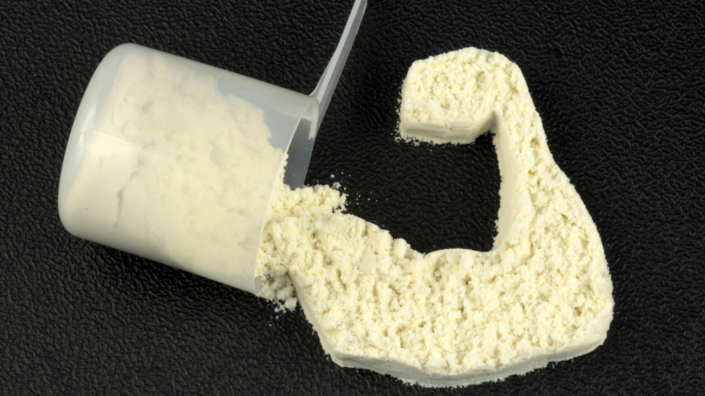
High Protein Intake Associated With Sarcopenia

Researchers publishing in Age and Ageing have found that, rather than being protective, an increase in dietary protein is associated with an increased chance of sarcopenia.

Sarcopenia is a well-known disorder that occurs with aging. People with sarcopenia lack adequate muscular function, leading to frailty, a higher risk of falls, and a functional decline in daily living activities that leads to a decreased quality of life [1].

Previous research into the relationship between protein consumption and sarcopenia has noted the phenomenon of anabolic resistance, in which muscle protein is more difficult to synthesize in older adults [2]. Therefore, the European Society for Clinical Nutrition and Metabolism (ESPEN) recommends that older adults consume 1 to 1.3 grams of protein per kilogram of body weight a day [3].

Muscle strength, muscle mass, and sarcopenia

This study used data from the TwinsUK cohort, a registry of almost 15,000 fraternal and identical twins and triplets [4]. This study chose community-dwelling older adults that had detailed muscular data available; this was a subgroup of 3,302. There were no exclusionary factors.

As is usual for this kind of study, there were a substantial number of confounding factors, many of which were related to one another. While aging is, of course, the primary association, education, BMI, and income were all found to have associations with muscle strength, muscle mass, and sarcopenia.

There was no significant association between muscle strength and protein intake one way or another. However, protein intake below the ESPEN recommendations was, to the researchers’ surprise, significantly correlated with a reduced incidence of low muscle mass and sarcopenia. Similarly, protein intake in excess of the ESPEN recommendations was correlated with a greater risk of low muscle mass and sarcopenia.

These results were confirmed when twins were examined against one another. Shared twin factors, such as genetics and early life history, did not meaningfully change the statistical relationship between protein intake and sarcopenia. Other multivariable analysis models also confirmed these findings.

Analysis

The researchers considered multiple potential reasons behind these findings. One of them is the idea that the causality might be reversed: that people who suffer from sarcopenia may be consuming more protein in an effort to treat the condition. The researchers find this to be unlikely, as sarcopenia is seldom diagnosed [5].

They also note that dietary studies that did not focus on protein, but rather on higher consumption of fruits and vegetables, showed an association with higher grip strength [6]. Diets that are high in protein might also be high in inflammatory or other negative factors that promote sarcopenia, so it might be the source of protein that is the root cause of these results.

Conclusion

While this study was biased towards healthy volunteers, it offers highly contrary evidence to the conventional wisdom surrounding protein and sarcopenia, and it may result in re-evaluations of ESPEN and other dietary health guidelines. This is an association study that does not prove causation, but it makes it clear that simply eating more protein is not likely to protect anyone against developing sarcopenia. Exercise may be somewhat effective in fighting back against this disease, but more fundamental biological interventions are likely to be required to prevent it for good.

We would like to ask you a small favor. We are a non-profit foundation, and unlike some other organizations, we have no shareholders and no products to sell you. All our news and educational content is free for everyone to read, but it does mean that we rely on the help of people like you. Every contribution, no matter if it’s big or small, supports independent journalism and sustains our future.

Literature

[1] Cruz-Jentoft, A. J., Bahat, G., Bauer, J., Boirie, Y., Bruyère, O., Cederholm, T., … & Zamboni, M. (2019). Sarcopenia: revised European consensus on definition and diagnosis. Age and ageing, 48(1), 16-31.

[2] Welch, A. A. (2014). Nutritional influences on age-related skeletal muscle loss. Proceedings of the Nutrition Society, 73(1), 16-33.

[3] Deutz, N. E., Bauer, J. M., Barazzoni, R., Biolo, G., Boirie, Y., Bosy-Westphal, A., … & Calder, P. C. (2014). Protein intake and exercise for optimal muscle function with aging: recommendations from the ESPEN Expert Group. Clinical nutrition, 33(6), 929-936.

[4] Verdi, S., Abbasian, G., Bowyer, R. C., Lachance, G., Yarand, D., Christofidou, P., … & Steves, C. J. (2019). TwinsUK: the UK adult twin registry update. Twin Research and Human Genetics, 22(6), 523-529.

[5] Avgerinou, C. (2020). Sarcopenia: why it matters in general practice. British Journal of General Practice, 70(693), 200-201.

[6] Robinson, S. M., Jameson, K. A., Batelaan, S. F., Martin, H. J., Syddall, H. E., Dennison, E. M., … & Hertfordshire Cohort Study Group. (2008). Diet and its relationship with grip strength in community‐dwelling older men and women: the Hertfordshire cohort study. Journal of the American Geriatrics Society, 56(1), 84-90.

lifespan.io Editorial

Our Organization Grows to Support Rejuvenation Research

Spring is not far away here in the Northern Hemisphere, and with it, the signs of life and new growth are appearing. Much like the change of seasons, our organization is also growing and preparing to continue the fight against age-related diseases.

Matt Kaeberlein joins our SAB

Matt Kaeberlein

We are delighted to announce that Dr. Matt Kaeberlein has joined our Scientific Advisory Board.

He is the Chief Science Officer at Optispan Geroscience and a Professor of Laboratory Medicine and Pathology at the University of Washington (UW) School of Medicine, with adjunct appointments in Genome Sciences and Oral Health Sciences.

Matt is an important figure in our field, helping to drive progress while keeping things grounded and scientific. Our field has a history of overpromising and under delivering and Matt helps to keep the hype in check and present a balanced and realistic view of the aging and rejuvenation space.

We are looking forward to working with him in the future and he had this to say about joining the scientific advisory board.

I am pleased to join the scientific advisory board. lifespan.io fills an important need in the field of aging research, providing unbiased journalism, high-quality educational materials, and effective advocacy for aging research. I look forward to working closely with the team at lifespan.io to advance progress toward our shared goal to solve the biggest problem in human history.

Stephanie Dainow at Rejuvenation Startup Summit 2022

Our friends over at the Forever Healthy Foundation recently published a video from their Rejuvenation Startup Summit 2022 featuring Stephanie Dainow, Executive Director of lifespan.io.

During this talk, Stephanie focused on how to make the longevity movement mainstream. The presentation covered how to bring more funding and attention to the field and how lifespan.io is helping to challenge widely held biases about life extension and helping to pave the way for rejuvenation technologies to be accepted and adopted by mainstream audiences.

New interactive maps upgrade educational articles

As part of making our website’s educational knowledge hubs even better, we are starting to add interactive data visualizations to some of them. These highly interactive maps and charts allow you to dive into the data and better understand certain topics.

The first educational topic that has had a revamp is ‘What is the Average Life Expectancy Worldwide?’. We added a brand new interactive chart that shows the averages of lifespan and healthspan for most countries in the world. If you are curious to find out how long you might live based on your country, you can find that out here.

The second topic we have added interactive charts to is ‘What is the Average Life Expectancy in America?’. The first interactive map we included here shows all US counties or states and the life expectancy associated with each. This second interactive map shows life expectancy and healthy life expectancy in the US.

There are lots of ways to interact with all three of these visualizations, so if you are at all curious about life expectancy and healthspan based on where you live, check it out. Our knowledge hubs are a great resource for people interested in longevity and the biology of aging that will always be 100% free.

Save the date for Ending Age-Related Diseases 2023

On August 10-12, 2023, we will be holding our sixth annual Ending Age-Related Diseases conference to bring entrepreneurs and investors, pharma and biotech companies, researchers, and government organizations together.

Fostering the exchange of information and encouraging cooperation between the various parts of the industry is a large goal for our non-profit organization.

Solving aging will need a coordinated industry working together to turn aging research into prescribable medicine. lifespan.io is really helping to move things forward and is the focus of our conference.

This will be a hybrid event – both virtual and physical – taking place in New York City and online.

We will be announcing speakers, opening ticket sales, and publishing a program in the coming months. If you would like to stay informed about the conference and ticket offers, register for our free newsletter today!

Support lifespan.io when you use email

GatedThere’s a new way to support lifespan.io while reducing the amount of spam and nonsense emails you get!

Most of us get too many emails, cluttering our inbox and wasting hours of our time.

We have teamed up with Gated, a platform that asks people you don’t know to donate to charity in order to contact you. With Gated, anyone trying to get in touch with you is encouraged to pay $2 (more if they like) to send you an email.

This helps to cut down on the spam and timewasters bothering you and supports lifespan.io to continue our important work. Sign up today, and help us to solve aging, one email at a time!

The Rejuvenation Roadmap is expanding

As part of our ongoing mission to educate people about aging and rejuvenation research, we are currently increasing the range of resources we offer on our website. The Rejuvenation Roadmap is a curated database that tracks the various initiatives in the field and shows their progress in a way that is quick and easy.

We have been busy adding many new companies and drug candidates to the roadmap, and we have added a brand new Biomarkers of Aging section as well.

Our commitment to making this curated database even bigger and better will continue this year; check back often to see all the new companies and drugs we are adding every month.

Support us with the Longevity Cause Fund

Spring Editorial Banner

The Longevity Cause Fund is a cryptocurrency fundraiser in partnership with SENS Research Foundation and the Methuselah Foundation, facilitated by Angel Protocol.

All proceeds from the fundraiser will go to three non-profit foundations in support of aging research and advocacy.

This program is designed to create sustainable funding for key players in the aging research and advocacy community. From the total amount, half will be used for anti-aging work that is currently underway. The remainder will be invested in perpetual endowments to provide ongoing support for this work — forever.

Aging affects us all, but there is some good news!  The first $10k donated is being fund-matched by the Angel Alliance. That means any donation, no matter how big or small, will be worth even more!  Help us help you to stay healthier for longer by making a donation today!
We would like to ask you a small favor. We are a non-profit foundation, and unlike some other organizations, we have no shareholders and no products to sell you. All our news and educational content is free for everyone to read, but it does mean that we rely on the help of people like you. Every contribution, no matter if it’s big or small, supports independent journalism and sustains our future.
A4LI Logo

Announcing the Formation of the Longevity Science Caucus

The Alliance for Longevity Initiatives (A4LI) would like to applaud the efforts of Congressman Gus Bilirakis (R-FL) and Congressman Paul Tonko (D-NY) for co-chairing and launching the newly formed bipartisan Congressional Caucus for Longevity Science.

The “Longevity Science Caucus” aims to increase funding for aging and longevity biotechnology, streamline regulations, and promote initiatives to increase the healthy average lifespan of Americans. This is a major step towards ensuring that the latest advancements in aging and longevity research are made accessible to all.

A4LI is proud to have led this historic effort, and we are confident that the Longevity Science Caucus will make a significant impact on the future of health and wellness for all Americans. We look forward to working closely with the members of this caucus to achieve its goals. We hope that you share our excitement for this new era in which the pursuit of a longer, healthier lifespan is a national priority. We would appreciate your support in spreading the word about this important announcement by sharing our posts on Twitter, LinkedIn, and Facebook. The links to our posts are provided below:

For more information about the Longevity Science Caucus, check out the Longevity Science Caucus press release.

We would like to ask you a small favor. We are a non-profit foundation, and unlike some other organizations, we have no shareholders and no products to sell you. All our news and educational content is free for everyone to read, but it does mean that we rely on the help of people like you. Every contribution, no matter if it’s big or small, supports independent journalism and sustains our future.
Midday Exercise Might Be Better In Preventing Mortality

Midday Exercise Might Be Better In Preventing Mortality

Scientists have found that the time of day when you exercise might be an important factor in lowering all-cause and cardiovascular mortality [1].

Exercise is good, but what about timing?

The value of physical activity for health and longevity is unquestionable [2], even if some doubts remain about its optimal composition and quantity. However, little is known about the effect of daily exercise timing.

This new study published in Nature Communications is one of many to utilize the trove of health information accumulated in UK Biobank, a huge open repository of health data. In addition to more conventional stuff, such as bloodwork and dietary patterns, UK Biobank also contains data on about 100,000 UK residents who had agreed to wear sophisticated accelerometers constantly for 7 days. This data enables researchers to precisely determine exercise intensity and timing. It also covers physical activity that is not part of structured exercise, such as carrying groceries or walking stairs, which is something that most related studies are missing.

Physical activity is associated with a massive reduction in mortality

The researchers divided the participants into four groups by prevalent timing of MVPA (moderate-to-vigorous physical activity): morning, evening, midday-afternoon, and mixed. The mean follow-up period was seven years.

First, the data confirmed yet again that physical activity is associated with massively reduced mortality. Interestingly, and largely in line with other recent studies, the association increased rapidly between 0 and 150 minutes of MVPA per week and plateaued at around 200 minutes per week. This was true for all three types of mortality considered: all-cause, cardiovascular, and cancer. For cardiovascular mortality, a massive four-fold reduction was observed. The effect was weaker, though still remarkable, for cancer mortality.

Exercise timing graph

Midday beats mornings and evenings

The main result, however, was that people who had the lion’s share of their MVPA either in the morning or in the evening seemed to enjoy a smaller reduction in all-cause and cardiovascular mortality than those who exercised mostly during midday-afternoon or mixed hours. Even in models adjusted for numerous potentially confounding variables, such as age, sex, ethnicity, socioeconomic status, education level, diet, smoking, alcohol intake, sleep quality, and total MVPA volumes, the midday-afternoon and mixed hours groups showed 28% and 26% reduction in cardiovascular mortality, respectively, compared to the morning group. The evening group results were largely similar to those of the morning group. The difference for all-cause mortality was significant as well but not for cancer mortality.

These associations held even after numerous sensitivity analyses and were more pronounced for older people, males, people with existing cardiovascular conditions, and less physically active people.

What are the mechanisms?

Speculating about possible mechanisms behind their results, the researchers mention the circadian differences in cardiometabolic reaction to physical exercise that were uncovered by previous studies. For example, one study showed faster recovery of systolic blood pressure after exercise in the late afternoon than in the early morning [3]. This would be consistent with the stronger effect shown in people with existing cardiovascular conditions. Another study found that post-meal walking improves glucose control more effectively than morning/afternoon walking does [4].

Like all populational studies, this one cannot establish causation and is prone to contamination by numerous potentially confounding variables. It also has design limitations, such as the short, one-week duration of accelerometer wearing. This might be enough to capture weekly activity patterns but not long-term changes in physical activity. On the other hand, the study implements robust safeguards and presents convincing results that should be explored further.

To our knowledge, this large cohort study provides the first evidence that MVPA is associated with lower risks of all-cause, CVD, and cancer mortality regardless of the time of day. Another interesting finding was that the midday-afternoon and mixed MVPA timing groups, as compared to the morning group, showed substantially decreased all-cause and CVD mortality risks, but not cancer mortality. The associations between MVPA timing and mortality risk were independent of sociodemographic factors, lifestyle, comorbidities, sleep duration, sleep midpoint, and total MVPA volume. These findings were robust to multiple testing corrections and sensitivity analyses. In addition, the observed protective effects of MVPA timing were more pronounced among the elderly, males, less active individuals, or those with preexisting CVDs.

Conclusion

While the effects of daily timing of sleep and feeding are drawing most of the attention, the timing of physical activity is not as well-researched. The results of this study suggest that when we exercise might be just as important as how we exercise. However, more research is needed to confirm this effect and uncover the mechanisms behind it.

We would like to ask you a small favor. We are a non-profit foundation, and unlike some other organizations, we have no shareholders and no products to sell you. All our news and educational content is free for everyone to read, but it does mean that we rely on the help of people like you. Every contribution, no matter if it’s big or small, supports independent journalism and sustains our future.

Literature

[1] Feng, H., Yang, L., Liang, Y. Y., Ai, S., Liu, Y., Liu, Y., … & Zhang, J. (2023). Associations of timing of physical activity with all-cause and cause-specific mortality in a prospective cohort study. Nature Communications, 14(1), 1-10.

[2] DiPietro, L. (2001). Physical activity in aging: changes in patterns and their relationship to health and function. The Journals of Gerontology Series A: Biological Sciences and Medical Sciences, 56(suppl_2), 13-22.

[3] Qian, J., Scheer, F. A., Hu, K., & Shea, S. A. (2020). The circadian system modulates the rate of recovery of systolic blood pressure after exercise in humans. Sleep, 43(4), zsz253.

[4] DiPietro, L., Gribok, A., Stevens, M. S., Hamm, L. F., & Rumpler, W. (2013). Three 15-min bouts of moderate postmeal walking significantly improves 24-h glycemic control in older people at risk for impaired glucose tolerance. Diabetes care, 36(10), 3262-3268.

The Journal Club is a monthly livestream hosted by Dr. Oliver Medvedik which covers the latest aging research papers.

Journal Club February 2023

The Journal Club, hosted by Dr. Oliver Medvedik, returns to the lifespan.io Facebook page at 12:00 on Tuesday, February 28th. This month, we are covering a recent paper that showed a method of restoring youthful collagen production in aged skin [1]. If you would like some background, check out our article ‘New Way to Help Aging Cells Produce Collagen‘, which covers this paper.

Abstract

The success of messenger RNA therapeutics largely depends on the availability of delivery systems that enable the safe, effective and stable translation of genetic material into functional proteins. Here we show that extracellular vesicles (EVs) produced via cellular nanoporation from human dermal fibroblasts, and encapsulating mRNA encoding for extracellular-matrix α1 type-I collagen (COL1A1) induced the formation of collagen-protein grafts and reduced wrinkle formation in the collagen-depleted dermal tissue of mice with photoaged skin. We also show that the intradermal delivery of the mRNA-loaded EVs via a microneedle array led to the prolonged and more uniform synthesis and replacement of collagen in the dermis of the animals. The intradermal delivery of EV-based COL1A1 mRNA may make for an effective protein-replacement therapy for the treatment of photoaged skin.

Join us for the livestream

https://lifespan-io.zoom.us/j/89506164162?pwd=b2gzMGhyTWtSb2dJTjhwdzBIS0VZUT09

Meeting ID: 895 0616 4162

Passcode: 483416

Literature

[1] You, Y., Tian, Y., Yang, Z., Shi, J., Kwak, K. J., Tong, Y., … & Lee, A. S. (2023). Intradermally delivered mRNA-encapsulating extracellular vesicles for collagen-replacement therapy. Nature Biomedical Engineering, 1-14.

Sinclair Why We Age

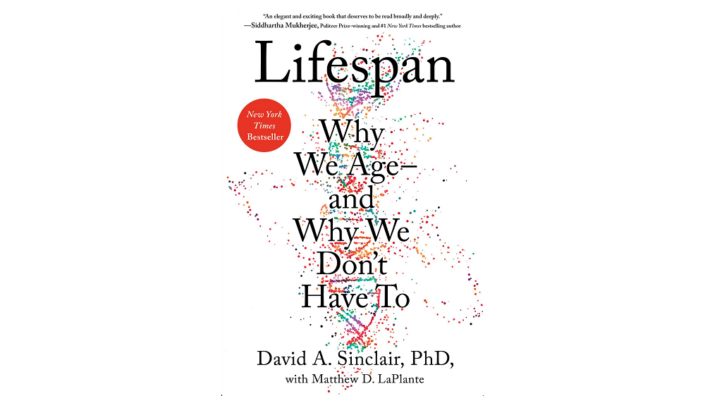
Reviewing David Sinclair’s First Lifespan Book

David Sinclair, PhD, esteemed molecular geneticist at Harvard, believes that aging is a disease that should be attacked at its roots. Furthermore, he believes if we are to make efficient and sensible use our medical resources, we must move away from the “whack-a-mole” approach to treating individual age-related diseases. In his first book, Lifespan: Why We Age – and Why We Don’t Have To, Dr. Sinclair expounds on his Information Theory of Aging.

The politics of aging research

Dr. Sinclair asserts that the failure to define aging as a disease has resulted in the poor allocation of research dollars that could further enhance our understanding of aging biology and the development of treatments for aging. Chasing down cures for individual diseases, such as cancer, cardiovascular disease, and Alzheimer’s, demonstrates that we have surrendered to the idea that aging can’t be treated as a disease, despite aging being our greatest danger. Dr. Sinclair points out that stopping the progression of one disease is futile when it is simply replaced by another. While lifespans have increased with this approach, healthspans haven’t.

Aging theories of the past

Historically, aging theories premised on free radical damage and the like cite natural selection and slowly accumulating DNA damage as the primary drivers of aging. However, if DNA damage was as significant as once believed, cloning would not be possible because cloning depends on intact DNA to occur.

Evidence has led researchers to shift away from the free radical theory of aging towards the Hallmarks of Aging model. Sinclair argues that these ultimately arise due to a loss of information. In the Hallmarks, this is defined as epigenetic alterations, which occurs when methylation of cellular DNA drifts in predictable ways that establish the aging phenotype.

The Information Theory of Aging

The Information Theory of Aging posits that the loss of information in the epigenome is the universal cause of aging. Sinclair’s theory emerged from decades of research focused on the expression of longevity genes and their associated longevity factors.

According to the information theory of aging, DNA is a form of digital information that remains sufficiently intact to reset cells to a youthful phenotype. What changes is the placement of methyl groups in regions of DNA that block gene expression. This is a form of analog information. The regulation of gene expression using methyl groups is what defines the epigenome. Sinclair argues that these methylation changes are what cause the emergence of the hallmarks of aging.

Longevity genes, when expressed, produce longevity factors: proteins and related compounds that are associated with increased longevity. These factors include sirtuins, FOX proteins, NAD+, and target of rapamycin (TOR).

Sirtuins are a family of seven proteins that regulate inflammation, energy metabolism, and DNA repair. They function in the presence of NAD, and suboptimal sirtuin expression can occur if NAD+ is not produced in sufficient amounts. NAD+ production tends to decrease with increasing age. This coenzyme helps turn macronutrients like carbohydrate, fat, and protein into the energy necessary for driving cellular processes.

TOR regulates growth and metabolism. It provides a distress signal when DNA repair is needed and plays a vital roles in autophagy. Autophagy, which means “self-eating”, is a metabolic process by which expired proteins and other cellular constituents are degraded and used for energy or recycled.

AMPK (AMP activated protein kinase) activates glucose and fatty acid metabolism when cellular energy reserves get low.

Longevity genes are conserved, meaning they can be found in nearly every organism that exists because they appeared very early in the evolution of life and are essential for enabling life to endure stressful environmental changes.

What we can do to express our longevity genes

Dr. Sinclair holds that integrating daily practices such as fasting, cold exposure, and sauna use can activate these genes and extend our healthspan. He states that maintaining optimal activity of these genes and their products is the key to maximizing the natural longevity of any species. Therefore, he offers a number of evidence-based strategies that include dietary adjustments, exercise, cold exposure, and avoidance of pollutants such as cigarette smoke.

The dietary approach advocates eating less, fasting intermittently, reducing protein intake, and consuming a diet rich in vegetables, which contain phytonutrients that can positively affect methylation patterns and mTOR.

Sinclair points out that people who exercise regularly have larger telomeres (non-coding regions at the ends of DNA that erode with somatic cell division). Exercise also shifts cells into longevity mode by raising NAD levels, which activates and supports survival networks. He also recommends high-intensity interval training.

Having covered what we can do to maximize longevity, Sinclair then shifts his focus to medicines that extend human life: rapamycin, metformin, resveratrol, and NAD boosters.

Rapamycin has been shown to extend lifespan in mice by 9-14%; however, this comes at the expense of lowered immune response.

Metformin, a diabetes drug, may also promote longevity. It appears to offer some protection from cancer in 25 out of 26 clinical studies. Additionally, metformin mimics certain aspects of caloric restriction.

Resveratrol, a naturally occurring molecule found in the skins of red grapes and certain berries, appears to benefit heart health and up to a 20% extension in lifespan in mice.

NAD boosters, such as NR and NMN, appear to increase lifespan in animal studies.

Critique

The Information Theory of Aging is premised on the notion that age-related changes in the body are primarily a function of epigenetic drift, however, Sinclair ignores certain factors, such as advanced glycation end products (AGEs) and the accumulation of lysosomal aggregates. Such factors are likely to continually undermine tissue elasticity and extensibility, drive inflammation, and disrupt vital processes such as autophagy.

What the future may hold

Several drugs and emerging technologies may extend healthspan. The development of personalized medicine, DNA screening, and a wide array of biotrackers may enable individuals to preemptively guard their health.

Additionally, senolytics could rid the body of senescent cells, which evidence suggests could delay the onset of many of the inflammaging-related diseases that arise during middle age. Further, the development of partial reprogramming protocols that use Yamanaka factors to reset DNA methylation patterns to a more youthful phenotype is rapidly progressing.

Finally, Dr. Sinclair offers a well-rounded finish by addressing the impacts of global life extension and the corresponding population increase that would be expected. In doing so, he cites a number of potentially dystopian scenarios, including indefinite service among dubious politicians, the effects of excessive consumption and waste, and equitable distribution of cutting-edge treatments.

On the positive side, he notes the tremendous savings that are possible in shifting perspectives from individual disease research to aging as a disease. Dr. Sinclair believes that although a long-lived population presents several socioeconomic and environmental challenges, human ingenuity will overcome them.

We would like to ask you a small favor. We are a non-profit foundation, and unlike some other organizations, we have no shareholders and no products to sell you. All our news and educational content is free for everyone to read, but it does mean that we rely on the help of people like you. Every contribution, no matter if it’s big or small, supports independent journalism and sustains our future.
Lumbar spine

High Cholesterol Associated With Lower Bone Mineral Density

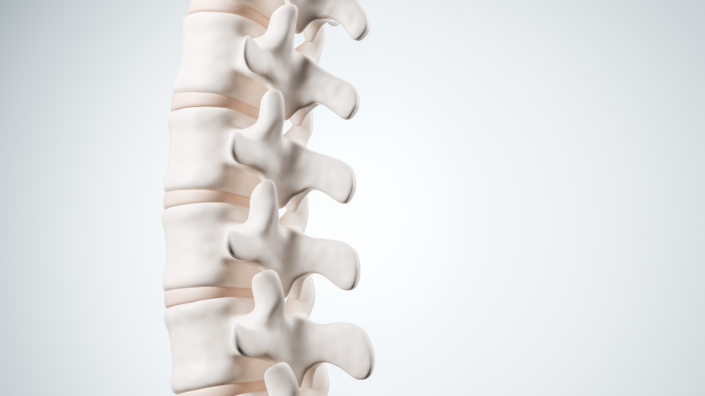
A team of researchers has described an association between reduced bone density in the lumbar spine and high total cholesterol in a paper published in Aging.

Previous studies were conflicting

In various populations, conflicting evidence has been found regarding a relationship between cholesterol and bone density. One study found that high HDL cholesterol was associated with higher bone density in post-menopausal women [1], another study found that there was no such relationship in South Korean women [2], but more studies [3, 4] found that there was a negative relationship in larger populations.

Making firm conclusions with a broad population

In an attempt to settle the issue with broad data, these researchers chose the large-scale National Health and Nutrition Examination Survey (NHANES). This data had been collected between 1999 and 2006. In an effort to avoid conflicting factors, the researchers specifically chose participants who were at least 60 years old and had neither cardiovascular disease nor cancer. There were a total of 3,290 people included, and approximately half of them were over the age of 70.

While there was only approximately a 6% difference, the high number of people involved in this study showed a very significant association between high total cholesterol and low bone density in the lumbar spine. There were several other factors associated with high total cholesterol. On average, people with low total cholesterol had slightly higher incomes, more blood urea nitrogen and uric acid, less protein in the blood, more serum calcium, and, interestingly, slightly higher BMIs.

Some of these variables had other associations. People with low protein concentrations had a somewhat nonlinear relationship between high total cholesterol and low bone density, and there was a much stronger relationship in people who had low serum calcium. In general, people with lower BMIs had less dense bones at all cholesterol levels.

Conclusion

While the researchers offer a few hypotheses for a potential causal connection, such as an increase in bone turnover, this is an association study that does not prove any sort of causal relationship. It is possible that other factors are the cause of both higher total cholesterol and less bone density. However, it does provide physicians with potential areas of interest when looking at blood biomarkers, and it also suggests potential study directions to researchers.

We would like to ask you a small favor. We are a non-profit foundation, and unlike some other organizations, we have no shareholders and no products to sell you. All our news and educational content is free for everyone to read, but it does mean that we rely on the help of people like you. Every contribution, no matter if it’s big or small, supports independent journalism and sustains our future.

Literature

[1] Zolfaroli, I., Ortiz, E., García-Pérez, M. Á., Hidalgo-Mora, J. J., Tarín, J. J., & Cano, A. (2021). Positive association of high-density lipoprotein cholesterol with lumbar and femoral neck bone mineral density in postmenopausal women. Maturitas, 147, 41-46.

[2] Cui, L. H., Shin, M. H., Chung, E. K., Lee, Y. H., Kweon, S. S., Park, K. S., & Choi, J. S. (2005). Association between bone mineral densities and serum lipid profiles of pre-and post-menopausal rural women in South Korea. Osteoporosis International, 16, 1975-1981.

[3] Tang, Y., Wang, S., Yi, Q., Xia, Y., & Geng, B. (2021). High-density lipoprotein cholesterol is negatively correlated with bone mineral density and has potential predictive value for bone loss. Lipids in health and disease, 20(1), 1-17.

[4] Makovey, J., Chen, J. S., Hayward, C., Williams, F. M., & Sambrook, P. N. (2009). Association between serum cholesterol and bone mineral density. Bone, 44(2), 208-213.

Arm muscle

Nicotinamide Riboside Improves Muscle Energy in Trial

Scientists have shown that long-term treatment with a popular NAD+ precursor can raise NAD+ levels in blood and muscle and increase mitochondria content and function [1].

Twin-based design

NAD+ is an important coenzyme that performs multiple functions, including mitochondrial energy production. NAD+ levels decrease with aging, which has been shown to underlie other age-related diseases. Supplementing NAD+ has shown various health benefits in animal models and humans.

Of all NAD+ precursors, nicotinamide riboside (NR) and nicotinamide mononucleotide (NMN) are considered the most promising and are extensively studied. Previous short-term studies of NR have reported improved physical performance, blood pressure, and several other markers [2,3].

This new clinical trial, coming from Finland and published in Science Advances, utilizes an interesting twin-based design. The researchers recruited 24 pairs of monozygotic twins, 20 of of which had substantially different BMIs (BMI-discordant, a rare occurrence in identical twins), and 4 of which had similar BMIs (BMI-concordant).

The first 20-pair cohort received the same escalating doses of NR for a period of five months. This allowed the researchers to observe the effects of NR supplementation in genetically identical humans with different BMI levels. In the second mini-cohort of BMI-concordant twins, one of the twins was used as a randomized placebo-treated control. The pairs were aged 33 to 41, with an average age of about 40, and men and women were almost equally represented. The daily NR dose was gradually increased from 250 mg to 1000 mg over the first month of the study.

On average, both twins in the BMI-discordant pairs were above the obesity threshold (mean BMI of 27.4 for the leaner twin and 32.8 for the heavier twin). BMI-concordant pairs were obese as well, with a mean BMI of around 32.

More NAD+, more fat

The primary outcome was mitochondrial biogenesis in muscle and white adipose tissue (WAT), but the researchers also analyzed body composition and various metabolic markers. The levels of NAD+ and its metabolites did not differ significantly at baseline in the BMI-discordant pairs. The effect of NR supplementation was significant and largely similar for both twins: the treatment increased whole-blood NAD+ levels 2.3-fold. NR also promoted NAD+ biosynthesis in muscle and WAT.

Interestingly, over the course of the study, both body mass and fat percentage increased significantly (3 kg on average) in BMI-discordant pairs, despite food diaries and questionnaires not showing any changes in food consumption or physical activity. Lean body mass and liver fat contents remained the same. There were no significant changes in adipocyte characteristics, but the expression of PPARγ, an important transcription factor controlling adipogenesis, was upregulated by the treatment. Those changes were largely similar between heavier and leaner twins.

Changes in fat mass coincided with a decrease in insulin sensitivity, although glucose homeostasis markers remained within normal ranges. Markers of cardiovascular health, including blood lipids, blood pressure, and pulse rate, remained unchanged.

Increased mitochondrial biogenesis and stem cell differentiation

On the bright side, NR treatment seemed to significantly improve mitochondrial biogenesis in muscle, according to electronic microscopy and mitochondrial DNA count. The expression of several factors regulating mitochondrial biogenesis, including SIRT1, increased as well. However, most of those changes were absent in WAT.

Since NR had been shown to increase the number and function of satellite cells (muscle stem cells) in mice [4], the researchers were interested to know whether the same holds for humans. Experiments showed reduced stemness and increased differentiation, suggesting that NR treatment activates stem cells and promotes their differentiation and fusion into existing muscle fibers, which would be consistent with unaffected muscle mass.

In BMI-concordant twins, NR’s effects on body composition and metabolic health did not significantly differ from placebo, probably due to the small sample size. In this study, NR supplementation was well tolerated with limited side effects.

Conclusion

According to the researchers, their study “provides the first evidence that long-term NR supplementation increases muscle and WAT NAD+ biosynthesis in humans regardless of BMI” and shows the value of long-term NAD+ supplementation studies. While some of the results are hard to interpret, this study generally suggests that NR treatment can substantially raise NAD+ levels in muscle and boost satellite cell differentiation without increasing muscle mass. However, fat mass increase and reduced insulin sensitivity are notable concerns.

We would like to ask you a small favor. We are a non-profit foundation, and unlike some other organizations, we have no shareholders and no products to sell you. All our news and educational content is free for everyone to read, but it does mean that we rely on the help of people like you. Every contribution, no matter if it’s big or small, supports independent journalism and sustains our future.

Literature

[1] Lapatto, H. A., Kuusela, M., Heikkinen, A., Muniandy, M., van der Kolk, B. W., Gopalakrishnan, S., … & Pirinen, E. (2023). Nicotinamide riboside improves muscle mitochondrial biogenesis, satellite cell differentiation, and gut microbiota in a twin study. Science Advances, 9(2), eadd5163.

[2] Elhassan, Y. S., Kluckova, K., Fletcher, R. S., Schmidt, M. S., Garten, A., Doig, C. L., … & Lavery, G. G. (2019). Nicotinamide riboside augments the aged human skeletal muscle NAD+ metabolome and induces transcriptomic and anti-inflammatory signatures. Cell reports, 28(7), 1717-1728.

[3] Martens, C. R., Denman, B. A., Mazzo, M. R., Armstrong, M. L., Reisdorph, N., McQueen, M. B., … & Seals, D. R. (2018). Chronic nicotinamide riboside supplementation is well-tolerated and elevates NAD+ in healthy middle-aged and older adults. Nature communications, 9(1), 1286.

[4] Zhang, H., Ryu, D., Wu, Y., Gariani, K., Wang, X., Luan, P., … & Auwerx, J. (2016). NAD+ repletion improves mitochondrial and stem cell function and enhances life span in mice. Science, 352(6292), 1436-1443.

Brain construction

Human Organoids for Brain Regeneration

Researchers publishing in Cell Stem Cell have used organoids derived from human cells to regrow the brain tissue of rats.

The need to repair permanent damage

While human beings do generate new neurons (neurogenesis) [1], this ability is very limited, in both region and amount. Brain injuries [2] and strokes [3] are well-known sources of permanent damage, but, of course, age-related diseases can do the same thing.

Previous research has shown that rodent fetal brain tissue can be grafted into the rodent brain [4], with the transplanted neurons able to take up their responsibilities [5]. However, this approach is unethical and infeasible for human patients. Fortunately, brain tissue derived from induced pluripotent stem cells (iPSCs) has been shown to form organoids that mimic the properties of human brain regions [6].

While some previous research has explored the idea of organoid transplantation [7], this research team holds that such work did not go into sufficient depth. Building upon that work, this team built a biological system that reports engraftment in detail, seeking to analyze just how well such an approach takes hold in the visual cortices of rats.

Human cells in rat brains

The researchers conducted a series of experiments using organoids created from multiple cell lines of human-derived iPSCs, which were modified to express fluorescent proteins for better visualization of engraftment. Parts of the the visual cortices of rats were removed, and the tissue was replaced with these organoids. Immunosuppressants were used to minimize the immune response.

Approximately four-fifths of the organoids successfully took root in the animals, which were studied at one, two, and three months after the transplantation surgery. There appeared to be no gradual failure of these organoids over this time frame.

As expected, the grafts matured over time, transitioning away from stem cells to fully functional neurons. However, even at three months, there were still numerous stem cells present in these organoids. Fortunately, fully pluripotent cells, which might have signified tumors, were not found among them. There was also no evidence that any host neurons migrated into these grafts.

The engrafted organoids appeared to work. Synaptic connections were demonstratably formed between the organoid and the rest of the brain, and information processing was confirmed to occur within the organoid. The organoids were found to have significantly more connections than comparable tissue; the researchers suspect that this represents a youthful state, as substantial neural pruning, which represents brain maturity, had not yet occurred when these measurements were taken. In other aspects of neural activity, the organoids appeared to work nearly identically to the rest of the brain.

Problems with inflammation and surgery

One month after the transplantation, there were increased numbers of astrocytes and other glial cells in the grafted areas compared to injury-only control groups. However, this situation seemed to stabilize over time. CD68+ microglia, which represent macrophages and inflammation, were slightly more present in the grafted groups. This shows ongoing inflammation, which the researchers believe is due to the immunosuppressants having incomplete effects, as has been shown in other studies [8].

Unfortunately, the testing procedure was not completely safe. Out of a total of 46 animals tested across the various experiments, eight died before the examinations took place; three of those deaths were directly linked to complications of the surgery. As these experiments involved both injury and transplantation, it is impossible to say what part of the surgery was the true cause of death.

Conclusion

While this is still a rat experiment, the use of human cells makes these results very promising for survivors of brain injury and stroke. However, the ongoing need for immunosuppressants, a common issue in human organ transplants, makes this procedure potentially dangerous.

To develop this approach for use in human beings, it may be possible to use autologous, patient-derived cells or mass-produced allogeneic cells that do not stimulate the immune system. The researchers also highlighted the need for proper maintenance of structure and blood vessel perfusion (vascularization) to maintain organoid function and health. Further experiments and human clinical trials will determine if such methods can be used to restore cognitive ability and quality of life to people who have experienced brain damage, whether that damage occurred slowly or quickly.

We would like to ask you a small favor. We are a non-profit foundation, and unlike some other organizations, we have no shareholders and no products to sell you. All our news and educational content is free for everyone to read, but it does mean that we rely on the help of people like you. Every contribution, no matter if it’s big or small, supports independent journalism and sustains our future.

Literature

[1] Kempermann, G., Gage, F. H., Aigner, L., Song, H., Curtis, M. A., Thuret, S., … & Frisén, J. (2018). Human adult neurogenesis: evidence and remaining questions. Cell stem cell, 23(1), 25-30.

[2] Thurman, D. J., Alverson, C., Dunn, K. A., Guerrero, J., & Sniezek, J. E. (1999). Traumatic brain injury in the United States: a public health perspective. The Journal of head trauma rehabilitation, 14(6), 602-615.

[3] Hankey, G. J., Jamrozik, K., Broadhurst, R. J., Forbes, S., & Anderson, C. S. (2002). Long-term disability after first-ever stroke and related prognostic factors in the Perth Community Stroke Study, 1989–1990. Stroke, 33(4), 1034-1040.

[4] Santos-Torres, J., Heredia, M., Riolobos, A. S., Jiménez-Díaz, L., Gómez-Bautista, V., de la Fuente, A., … & Yajeya, J. (2009). Electrophysiological and synaptic characterization of transplanted neurons in adult rat motor cortex. Journal of neurotrauma, 26(9), 1593-1607.

[5] Girman, S. V., & Golovina, I. L. (1990). Electrophysiological properties of embryonic neocortex transplants replacing the primary visual cortex of adult rats. Brain Research, 523(1), 78-86.

[6] Qian, X., Su, Y., Adam, C. D., Deutschmann, A. U., Pather, S. R., Goldberg, E. M., … & Ming, G. L. (2020). Sliced human cortical organoids for modeling distinct cortical layer formation. Cell Stem Cell, 26(5), 766-781.

[7] Mansour, A. A., Gonçalves, J. T., Bloyd, C. W., Li, H., Fernandes, S., Quang, D., … & Gage, F. H. (2018). An in vivo model of functional and vascularized human brain organoids. Nature biotechnology, 36(5), 432-441.

[8] Espuny-Camacho, I., Michelsen, K. A., Gall, D., Linaro, D., Hasche, A., Bonnefont, J., … & Vanderhaeghen, P. (2013). Pyramidal neurons derived from human pluripotent stem cells integrate efficiently into mouse brain circuits in vivo. Neuron, 77(3), 440-456.

Pink Hourglass

Young Ovarian Tissue Rejuvenates Old Mice

In a paper published in Frontiers in Endocrinology, researchers have shown that transplanted young ovarian tissue improves the immune function of old recipient mice even if they are hormone-depleted [1].

Not just a reproductive matter

Although women generally live longer than men, women spend almost half of their lives in poorer health due to reproductive decline, which starts when women are in their 30s and culminates in menopause, i.e. ovarian failure, at roughly 50 years of age.

Menopause is associated with increased frailty and risks of developing various diseases, including osteoporosis and cardiovascular diseases. Moreover, premature ovarian failure, prior to 40 years of age, increases mortality rates.

Given that early menopause predicts shorter life expectancy [2], therapeutics aimed at slowing down or reversing reproductive aging are urgently needed. Fortunately, biotech startups eager to tackle this issue are emerging.

Currently, hormone replacement therapy, which consists mostly of estrogen, is the main menopause management option, but the outcomes depend greatly on several factors, including when it is initiated [3]. It seems that the reduced hormone levels observed in menopause are just half of the story.

Indeed, targeting the hallmarks of aging instead of manipulating sex hormone levels has already proved to be effective for reversing ovarian aging in mice. Similarly, in this paper, the researchers show that the physiological benefits observed in post-reproductive mice that receive young ovary transplants are estradiol-independent.

Immunity and ovaries

The researchers focused on the association between immunosenescence, particularly the decline of naïve T-cells, and reproductive failure in mice.

With aging, the number of naïve T-cells, which respond to new pathogens, declines, while the number of memory T-cells increases. As a result, the immune system cannot respond adequately to novel bacteria and viruses.

There is some experimental evidence regarding a connection between ovaries and immune function in mice: surgically removing ovaries leads to pathological changes in glands that are crucial for the normal functioning of the immune system.

In this paper, the researchers summarized their findings on transplanting ovaries from young, 60-day-old mice to old, post-reproductive mice. They show that the treatment reversed naïve T-cell decline and improved several health parameters. Interestingly, the treatment did not affect the thymus, suggesting that other beneficial factors are at play.

An unexpected turn

The assumption was that the transplanted young ovaries rejuvenate old mice because of their ability to increase estrogen levels. To confirm this, the researchers depleted young ovaries of hormones and then transplanted those ovaries into the old mice.

Surprisingly, the recipient mice demonstrated even better recovery of naïve T-cells compared to old mice that received fully functional young ovaries. Moreover, a similar effect was observed when the researchers transplanted only somatic cells isolated from young ovaries into the ovaries of post-reproductive mice.

The researchers then measured estradiol levels in mice transplanted with young ovaries, mice transplanted with hormone-depleted young ovaries, mice transplanted with isolated young ovarian somatic cells, and age-matched controls. Estradiol levels were low in all of these groups.

Therefore, exposing post-reproductive mice to young ovarian tissue is enough to improve their T-cell function. This suggests that the restoration of immune function depends on ovarian-dependent factors other than estradiol levels.

Abstract excerpt

Apparently, the influence of ovarian function on immune function may be an indirect effect, likely moderated by other physiological functions. Estradiol is significantly reduced in post-reproductive females, but was not increased in post-reproductive females that received new ovaries, suggesting an estradiol-independent, but ovarian-dependent influence on immune function. Further evidence for an estradiol-independent influence includes the restoration of immune function through the transplantation of young ovaries depleted of follicles and through the injection of isolated ovarian somatic cells into the senescent ovaries of old mice.

Conclusion

This research, although done in mice, provides a hint as to why hormone replacement therapy alone is not enough to rejuvenate the reproductive system of females. It opens up a venue to explore estradiol-independent factors that could be effective at postponing or reversing reproductive failure first in animal models, and, finally, in women.

We would like to ask you a small favor. We are a non-profit foundation, and unlike some other organizations, we have no shareholders and no products to sell you. All our news and educational content is free for everyone to read, but it does mean that we rely on the help of people like you. Every contribution, no matter if it’s big or small, supports independent journalism and sustains our future.

Literature

[1] ​​King TL, Bryner BS, Underwood KB, Walters MR, Zimmerman SM, Johnson NK et al. Estradiol-independent restoration of T-cell function in post-reproductive females. Front Endocrinol 2023; 14: 1066356.

[2] Asllanaj E, Bano A, Glisic M, Jaspers L, Ikram MA, Laven JSE et al. Age at natural menopause and life expectancy with and without type 2 diabetes. Menopause 2019; 26: 387–394.

[3] Flores VA, Pal L, Manson JE. Hormone Therapy in Menopause: Concepts, Controversies, and Approach to Treatment. Endocr Rev 2021; 42: 720–752.