The Blog

Building a Future Free of Age-Related Disease

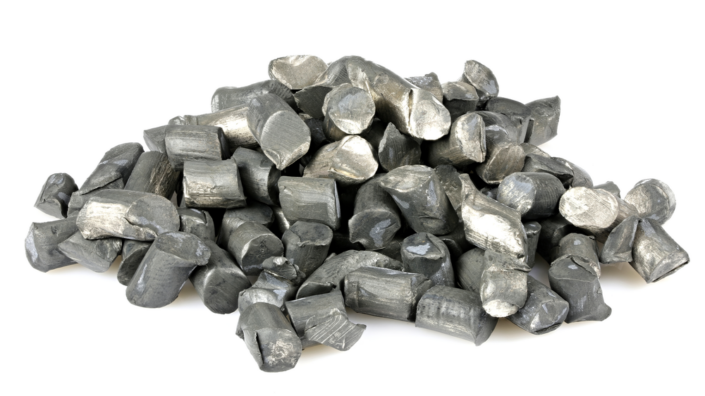
Pure lithium

Lithium Is Linked to Lower Mortality

In an epidemiological study published in Aging, scientists have shown that patients who take lithium have much lower all-cause mortality than patients on other psychotropic drugs [1].

Is lithium a longevity drug?

Lithium has long been prescribed for certain psychiatric conditions, mainly bipolar disorder. With time, evidence began to accumulate that lithium might have other benefits for health and longevity; this is similar to what happened with metformin, which is an anti-diabetes drug.

Lithium is thought to work by promoting autophagy and stress resistance via inhibition of glycogen synthase kinase-3 beta (GSK-3β). However, because GSK-3β has multiple functions related to many pathologies [2], scientists are just beginning to unravel lithium’s full potential.

Lithium has been shown to extend lifespan in simple animal models, such as drosophila, even when administered later in life [3]. Human epidemiological studies also showed a slight bump in life expectancy in regions with trace amounts of lithium in drinking water [4]. Of course, epidemiological studies cannot establish causation and are notoriously hard to interpret.

Lithium vs other psychotropic drugs

In this new study, epidemiological as well, the researchers used data from UK Biobank – a huge repository of medical information on almost half a million of British citizens – to see if taking lithium as a drug was associated with lower all-cause mortality. They analyzed a cohort of patients with F3X mood disorders, so called because they are in the International Classification of Diseases (ICD-10) as F30 to F39. According to the study, those diagnoses significantly shorten lifespan by increasing the risk of death from suicide, respiratory diseases, mental disorders, COVID-19, and other proximate causes..

Patients who took lithium were compared to patients who took psychotropic drugs for at least three consecutive months. While the two groups were largely similar, they differed from each other as well as from the general population. For instance, patients who were prescribed lithium normally took the drug longer than patients who were prescribed other antipsychotic medications and had more consecutive F3X episodes. Such heterogeneity makes analyzing the data somewhat harder.

To account for as many confounding variables as possible, the scientists used a tool called propensity score matching (PSM), which theoretically “allows to analyze an observational non-randomized study so that it mimics a randomized controlled trial in a post-hoc fashion”. The researchers controlled for several comorbidities, including diabetes and cancer, and traits, such as sleep quality, smoking, physical activity, alcohol intake, and body mass index (BMI).

A massive decrease in mortality

Despite UK Biobank’s huge size, the resulting cohorts were not that big – just 276 lithium users and 552 users of other psychotropic drugs. However, the trend was clear: lithium significantly extended lifespan. Lithium users had 3.6 times lower chances of dying at a given age compared to other antipsychotic drug users. Importantly, the effect was sex-independent, unlike with some known geroprotective drugs. The causes of death in lithium users and other drug users did not differ significantly, implying that lithium might affect underlying mechanisms of aging and not just mechanisms behind one or two specific diseases.

While the data looks very encouraging, it should be interpreted cautiously. First, the study was populational and had a small sample size. Second, patients on psychotropic drugs generally have more health problems and higher mortality than the rest of the population, so it is not clear how effective lithium would be in extending lifespan in otherwise healthy people. The researchers themselves note that “an alternative interpretation for these findings is that lithium in F3X-diagnosed patients has fewer lifespan-decreasing effects than other medications used to treat F3X diagnoses, and therefore it protects its users from side effects which may lead to premature death”. Finally, lithium treatment requires a lot of caution and supervision, since lithium levels must be kept inside a narrow range.

This study is the first to evaluate the effects of lithium on lifespan in a large aging observational cohort. We have employed a state-of-the-art statistical algorithm, namely propensity score matching, to take advantage of the large amount of observational data in the UK Biobank and simulate a randomized control trial setting to evaluate whether lithium is a geroprotective agent in humans. We have unveiled that lithium at therapeutic concentrations is not only effective in ameliorating mental health, but it is also able to decrease mortality in individuals affected by F3X diagnoses, a demographics that would normally be more fragile and shorter-lived compared to healthy individuals, as also shown in this study.

Conclusion

The results of this study (a 3.6-fold decrease in mortality) certainly look promising and will fuel the growing interest in lithium as a potential geroprotector. However, more research is needed. For instance, while there is data suggesting that metformin users, who are usually diabetic, have fewer chances of dying than even their healthy peers, we don’t have such data for lithium yet.

We would like to ask you a small favor. We are a non-profit foundation, and unlike some other organizations, we have no shareholders and no products to sell you. All our news and educational content is free for everyone to read, but it does mean that we rely on the help of people like you. Every contribution, no matter if it’s big or small, supports independent journalism and sustains our future.

Literature

[1] Araldi, E., Jutzeler, C. R., & Ristow, M. (2023). Lithium treatment extends human lifespan: findings from the UK Biobank. Aging15.

[2] Mancinelli, R., Carpino, G., Petrungaro, S., Mammola, C. L., Tomaipitinca, L., Filippini, A., … & Giampietri, C. (2017). Multifaceted roles of GSK-3 in cancer and autophagy-related diseases. Oxidative medicine and cellular longevity2017.

[3] Castillo-Quan, J. I., Li, L., Kinghorn, K. J., Ivanov, D. K., Tain, L. S., Slack, C., … & Partridge, L. (2016). Lithium promotes longevity through GSK3/NRF2-dependent hormesis. Cell reports15(3), 638-650.

[4] Zarse, K., Terao, T., Tian, J., Iwata, N., Ishii, N., & Ristow, M. (2011). Low-dose lithium uptake promotes longevity in humans and metazoans. European journal of nutrition, 50, 387-389.

Enlarged heart

The Link Between NAD+ and Heart Failure

A paper published today in Nature Cardiovascular Research has explained a relationship between dilated cardiac myopathy (DCM), epigenetic dysregulation, NAD+, and the epigenetic regulatory molecule Kdm8.

A gradual decline of ability

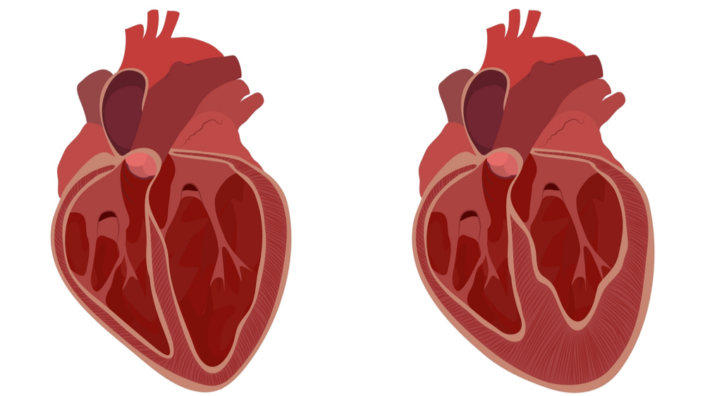
DCM occurs when the left ventricle of the heart becomes enlarged and loses its ability to pump enough blood. The heart muscle gradually thins, causing additional mechanical stress, and this leads to cell death [1] and fibrosis [2]. This makes it the primary reason for heart transplantation [3], as this condition slowly leads to heart failure [4].

The mitochondria of the heart muscle cells (cardiomyocytes) are negatively affected by this condition as well, and their ability to process food and oxygen declines; the powerhouses of the cell lose their power [5]. The resulting depletion of ATP is a key component of DCM’s severity [6]. Previous studies have shown that introducing NAD+ to mice afflicted by this condition restores their heart function [7].

Histone methyltransferases and demethylases, which regulate epigenetics, have been reported to have significant impacts on cardiac function [8]. This research focuses on lysine demethylase 8 (Kdm8), without which mouse embryos die of heart failure before they are born [9]. Previous experiments, however, have not examined the effects of this regulator on living mouse hearts.

Mice with reduced Kdm8 develop DCM

To test their hypothesis, the researchers developed a mouse crossbreed with the KDM8 gene heavily downregulated, most notably in the cardiomyocytes. These mice had relatively normal hearts at 2 months of age but began to show signs of DCM at 4 and 6 months. Mice with two copies of the mutation lived shorter lives (median 7.3 months) than mice with one copy (median 9.3 months), and their deaths were due to heart failure. Mice with no copies of the gene, but which had a different mutation due to the experimental procedure, lived for 27.3 months on average.

As expected, genes related to mitochondrial oxidation were heavily downregulated in the mutants compared to the control group. Mice with one copy of the mutation had more mitochondria, but they were much smaller. Further examination of gene methylation showed that the Kdm8-depleted cardiomyocytes had widespread dysregulation in many other aspects as well, most notably NAD+ metabolism.

Multiple aspects of NAD+, including both its creation and consumption, were heavily downregulated with the loss of Kdm8. This included both NAMPT and the well-known sirtuins, which have been associated with longevity. At 6 months of age, available ATP was roughly half that of controls.

These results proved the researchers’ basic hypothesis: that Kdm8 is a critical component of mitochondrial energy use in cardiomyocytes, which strongly affects heart function.

Conclusion

While this study was not conducted from the point of view of aging research, it touches upon a critical aspect. It has long been known that sirtuins and NAD+ metabolism decline with aging, which is part of deregulated nutrient sensing and heavily related to mitochondrial dysfunction. This in-depth paper describes a specific way in which this depletion appears to be related to epigenetic alterations as well. While potential treatments were not explored in this study, it may be that Kdm8 is a worthwhile target for restoring metabolic ability to the aging heart.

Literature

[1] Aharinejad, S., Andrukhova, O., Lucas, T., Zuckermann, A., Wieselthaler, G., Wolner, E., & Grimm, M. (2008). Programmed cell death in idiopathic dilated cardiomyopathy is mediated by suppression of the apoptosis inhibitor Apollon. The Annals of thoracic surgery, 86(1), 109-114.

[2] Agapitos, E., Kavantzas, N., Nanas, J., Margari, Z., Bakouris, M., Kassis, K., … & Davaris, P. (1996). The myocardial fibrosis in patients with dilated cardiomyopathy. The application of image analysis in the myocardial biopsies. General & diagnostic pathology, 141(5-6), 305-311.

[3] Manolio, T. A., Baughman, K. L., Rodeheffer, R., Pearson, T. A., Bristow, J. D., Michels, V. V., … & Harlan, W. R. (1992). Prevalence and etiology of idiopathic dilated cardiomyopathy (summary of a National Heart, Lung, and Blood Institute workshop). The American journal of cardiology, 69(17), 1458-1466.

[4] McNally, E. M., & Mestroni, L. (2017). Dilated cardiomyopathy: genetic determinants and mechanisms. Circulation research, 121(7), 731-748.

[5] Dávila-Román, V. G., Vedala, G., Herrero, P., De Las Fuentes, L., Rogers, J. G., Kelly, D. P., & Gropler, R. J. (2002). Altered myocardial fatty acid and glucose metabolism in idiopathic dilated cardiomyopathy. Journal of the American College of Cardiology, 40(2), 271-277.

[6] Lopaschuk, G. D., Karwi, Q. G., Tian, R., Wende, A. R., & Abel, E. D. (2021). Cardiac energy metabolism in heart failure. Circulation research, 128(10), 1487-1513.

[7] Diguet, N., Trammell, S. A., Tannous, C., Deloux, R., Piquereau, J., Mougenot, N., … & Mericskay, M. (2018). Nicotinamide riboside preserves cardiac function in a mouse model of dilated cardiomyopathy. Circulation, 137(21), 2256-2273.

[8] Davis, K., Azarcon, P., Hickenlooper, S., Bia, R., Horiuchi, E., Szulik, M. W., & Franklin, S. (2021). The role of demethylases in cardiac development and disease. Journal of Molecular and Cellular Cardiology, 158, 89-100.

[9] Ishimura, A., Minehata, K. I., Terashima, M., Kondoh, G., Hara, T., & Suzuki, T. (2012). Jmjd5, an H3K36me2 histone demethylase, modulates embryonic cell proliferation through the regulation of Cdkn1a expression. Development, 139(4), 749-759.

Victory cup

Meet hack-age, Winners of the January 2023 LongHack

On January 22nd, hack-age won the 2023 LongHack competition, which carried a grand prize of 5,500 VITA and 3,500 USD. lifespan.io caught up with the team behind the winning project to learn more about their idea and their experience competing in the hackathon.

What is LongHack?

LongHack is a hackathon organized by VitaDAO and its partners with the aim of accelerating longevity research and increasing awareness of the field. The January event was the second-ever hackathon held, and it brought together hundreds of interested participants. This was narrowed down to ten impressive teams: AGen-iNET, AdStella Therapeutics, BELLEROPHON, Chiranjivi, DETECT-ALL, GeneWeavers, Gigachads, Grey Matter, hack-age, and PharmaPros.

Out of these ten, four teams, including hack-age, took home a prize in honor of their work. 5,500 VITA and 3,500 USDC went to hack-age, 2,500 VITA and 1,500 USDC went to AdStella, 1,000 VITA and 1,000 EUR went to AGen-iNET, and 1,000 VITA went to GeneWeavers.

Who is the team behind the first-prize winning entry?

The hack-age team is comprised of four individuals: Dauken Seitkali, a data scientist and founder of AgzaThera, a drug discovery biotech; Mikolaj Rzuczkowski, On Deck biotech longevity fellow and medical doctor; Roman Litvinov, Senior Researcher; and Rakhan Aimbetov, LabDAO lead, analyst at Longaevus Technologies, and founder of hack-age.

What does hack-age do and hope to achieve?

The group describes itself as a goal-driven association of passionate individuals unified by a vision: rejuvenation of the extracellular matrix.

Accumulation of advanced glycation end-products (AGEs) during a person’s lifetime contributes to the development of age-related conditions and health issues. Their removal and/or prevention of formation, could be a promising therapeutic modality that could consequently reduce or mitigate the physiological deterioration connected with aging.

The goal of hack-age is to utilize machine learning (ML) and artificial intelligence (AI) technologies, specifically in silico screens and modeling tools, to create and develop such therapies through to the clinical/pre-clinical stage.

Simple sugars, such as glucose, and toxic sugar-derived metabolites react with and harm proteins and DNA in our bodies. This is especially evident during diabetes when there’s elevated blood glucose levels due to reduced capacity of our cells to take it up, leading to accelerated damage.

This damage eventually compounds and brings about various pathologies, i.e., diabetic complications. The enzyme called glyoxalase I (Glo1) removes one such very reactive and noxious chemical, methylglyoxal, but during diabetes its activity is overridden by too much influx of sugars and derived metabolites.

Our solution is to enhance the natural capacity of Glo1 by means of directed evolution, or getting desired traits by molecular biology techniques, and subsequent delivery of instructions to make the engineered enzyme into the cells of people suffering from diabetes.

Thanks for speaking with us. You must be excited about your victory. So, could you tell us how you first heard about LongHack and what inspired you to enter?

Rakhan: I first learned about the VitaDAO Longevity Hackathon as one of the projects in a 2022 Gitcoin grants round. When the hackathon dates were made known, I decided I should be there – alone or with a team. Fortunately, I had people in my network whom I wanted to see at my side during the contest. Since glycation is my main scientific interest, I assembled a team of folks I knew were into glycation too. Basically, we were on the same page from the get-go.

Dauken: I’ve heard about LongHack from my teammate Rakhan. I was inspired by hackathon tracks and experts.

Roman: My inspiration is the exceptional complexity of the problem of aging. Events like the hackathon stimulate those parts of the brain that generate new ideas, and sometimes these ideas can even be realized.

Mikolaj: I originally heard about it through an announcement on On Deck Longevity Biotech the year of its inauguration. I joined this year because my team was involved.

Was this your first hackathon experience?

Rakhan: Yes, it was. The main thing that drove me was curiosity – I wanted to experience what being in a hackathon feels like.

Dauken: No, but it was my first hackathon that was held entirely online.

Roman: The very first. In my life.

Mikolaj: No, my second. I had participated in a GPT-3 hackathon a year or two prior.

Tell us about your LongHack experience. How was it? Did you experience any challenges? Did you get much sleep?

Rakhan: It was very natural! We got together, we discussed, we interacted with mentors, we ideated, strategized, built, and executed. The biggest challenge was to focus on one idea and sacrifice things that are dear to our hearts but distract from the project’s core. And we peeled and carved until the message was crisp and super simple.

Dauken: The LongHack events and sessions were well organized, mentors were available to help with any issues. The most challenging was fitting the time zone difference, in our region it was night-time.

Roman: It all began as an opportunity to entertain myself in my work-free time, but turned into hack-age, a company that eventually will focus its efforts on the development of unique anti-aging biotech (and pharmaceutical) products. Sleep is the most needful thing in order to be able to generate ideas. Sometimes sleep becomes the sole pleasure in life since all other time is dedicated to hard work.

Mikolaj: It was a great and intense experience. I’m fortunate to have worked with such dedicated and motivated individuals, who were able to work together and integrate mentors’ advice into our workflow.

How did you come up with the idea for the project, and what was the most interesting part of the process?

Rakhan: We reasoned that our thing must be broad in scope, generalizable and scalable, and easy to build at the same time. So, we brainstormed and made a longlist of pathways, targets, and a contingency plan too.

By the end of the ideation weekend, we conceptualized the software platform and narrowed down our list to one use case to showcase the platform’s capabilities. In effect, our project was oriented towards a SaaS business model initially.

During the main hackathon part, though, we pivoted 180 degrees to offer an actual therapy candidate that can be made using the platform we built as our main product. This was really exciting!

Personally, the most interesting part was making our idea and presentation slightly better with every iteration until they’re tight and shiny and we’re happy with them. So, when I presented, I was 100% sure that what we have is good.

Dauken: Our team was formed a few months before the hackathon started and we had some ideas for a longevity project. Then on ideation weekend, we came up with a final idea for the project that best fits our interest and meets LongHack requirements. The most interesting part was decision making on the project strategy.

Roman: In the ideation process, communication is crucial. When you explain your project to mentors, something clicks in your head and an idea pops up. And yes, an important role of a mentor is to be an idea acceptor and taster. I would love to especially thank Helena [Helena Slama, LongHack mentor and Chief Medical Advisor to IHCHI – Institute for Human Centred Health Innovation] who conducted the “grandma test” for newly born ideas. That’s exactly how the idea to name our vector-delivered deglycating enzyme the “vaccine against aging” came to be. Helena’s lessons hold a special place in my memory.

Mikolaj: I had joined later into the project’s inception, though I had been interested in the involvement of the ECM in aging ever since reading Fedinstev’s and Moskalev’s review on stochastic non enzymatic modification of long-lived macromolecules. I was excited to join the team, as they all had interest in directed evolution, which I’ve been curious about as a mechanism to develop aging therapeutics for some time.

Now that you’ve won, what’s your next steps?

Rakhan: We’ve come up with a ton of good ideas. Now we will execute on them and test for viability.

Dauken: It is just the first baby steps of our big journey. Our next steps are to finish in the silico part and move to laboratory experiments.

Roman: The next step is the launch of hack-age as a company and further combat for mitigation of the manifestations of age in the matrix (now in practice).

Mikolaj: We’re excited to continue developing our pipeline and working together with LabDAO to achieve our goals.

Will you enter any more hackathons?

Rakhan: Definitely!

Dauken: More likely to enter accelerators as our project is going to be more mature, I believe.

Roman: You can come up with only one thing in your life, but this thing better be significant. That’s why too frequent participation in hackathons might lose the essence of a hackathon as a stage for idea generation. For the next event, I would rather suggest inviting the previous contest winners so that they can tell if they managed to turn their idea into a viable project. However, if thoughts require warm-up, participation to satisfy this need is a good reason for showing up.

Mikolaj: Looking forward to it!

What advice would you give to someone thinking of joining a hackathon / LongHack?

Rakhan: Do your homework and show up with a plan. Have a core team that knows each other and worked together on something in the past, so that you don’t lose time on getting to know each other’s strengths and are less likely to run into personality incompatibility issues. And foremostly, set your ego aside and aim to win big — as a team!

Dauken: Be flexible to change your mind or to look at your idea from other angles.

Roman: Cultivate interest and love for what you do, and you will think about it constantly. Then ideas will visit often, so often that you will have to write them down. Afterwards, their realization will become a question of time and circumstance.

Mikolaj: Definitely give it a go. Even if you aren’t able to work on something that interests you in your first hackathon, you’ll be able to use that experience for subsequent ones (my time in the GPT3 hackathon was spent helping with someone else’s interests, but my time in LongHack was right in line with my personal interest).

Thanks for your time, Rakhan, Dauken, Roman, and Mikolaj. We wish you all the best in your next steps, and congratulations on your victory.

Summary

Ten selected teams worked from January 20th to 22nd, competing in the LongHack weekend to solve an issue related to longevity science. Four teams took home a prize, with hack-age taking first place and winning 5,500 VITA and 3,500 USDC for their entry based on an AI/ML solution for AGEs.

We would like to ask you a small favor. We are a non-profit foundation, and unlike some other organizations, we have no shareholders and no products to sell you. All our news and educational content is free for everyone to read, but it does mean that we rely on the help of people like you. Every contribution, no matter if it’s big or small, supports independent journalism and sustains our future.
Tendon inflammation

Extracellular Vesicles for Tendon Healing

Researchers publishing in Journal of Nanobiotechnology have found that extracellular vesicles derived from young cells are effective in treating a model of a common tendon disease.

Tendinopathy and stem cells

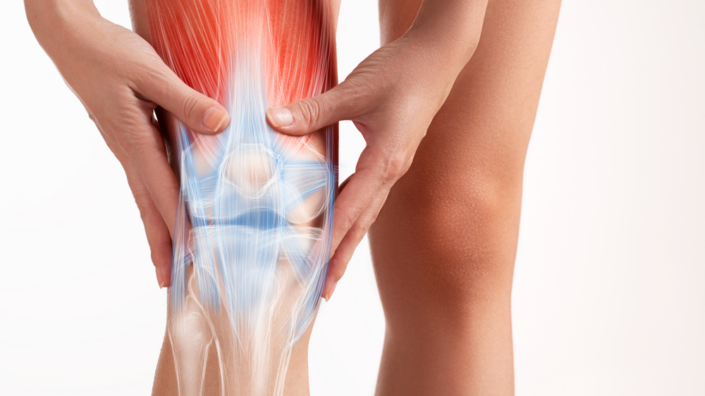
Swelling, weakness, tenderness, and tendon pain during activities are the characteristic symptoms of chronic tendinopathy [1], a condition that is exacerbated by aging and obesity into degeneration and rupture [2]. This condition is notoriously difficult to treat, and even surgery is poorly effective [3].

Previous research has investigated potential treatments that involve tendon stem/progenitor cells (TSPCs) and mesenchymal stem cells (MSCs) [4]. Adipose-derived MSCs (ADMSCs) have a higher yield and quality than other stem cell sources, and they have previously been used to treat tendinopathy in a rat model [5].

One of the core parts of MSC effectiveness involves extracellular vesicles (EVs), which have been explored in treating multiple diseases, including tendinopathy [6]. However, donor EVs are strongly affected by the donor’s health, including aging [7].

NAMPT, a core component of NAD+ synthesis, declines with age [8] and is contained in EVs. Hypothesizing that NAMPT is an important part of tendinopathy recovery through EV administration, the researchers designed an experiment that compares the EVs of young and old animals.

Graphical abstract

EVs and NAMPT

Comparing MSCs in animals and cells

For the first part of their experiment, the researchers compared MSCs from 22-month-old mice to 2-month-old mice. As expected, the older mice had significantly more senescent MSCs, as measured by the well-known senescence biomarkers p16INK4A, p21, and SA-β-gal, along with significantly decreased NAD+ and NAMPT.

This decrease in NAMPT was also found to apply to these MSCs’ EVs; EVs derived from old MSCs had less than half the NAMPT of their younger counterparts. Interestingly, old MSCs generated more than twice as many EVs as young MSCs did, sacrificing quality for quantity, which the researchers attribute to inflammatory stress.

Similar effects were also found in macrophages. Administering IL-1β to macrophages caused signs of cellular senescence, which were ameliorated by young-derived EVs. These EVs also encouraged macrophages to take up the M2 (healing) phenotype, as opposed to the M1 (inflammatory) phenotype, and they decreased inflammatory signals given off by macrophages.

After inducing tendinopathy in mice through collagenase I, the EVs’ effects on the disorder were examined. EVs derived from older animals had a minimal effect on biomarkers, including matrix metalloproteinase and collagen levels. Microscopic examination revealed similar results, with tendon fibrosis ameliorated only by young-derived EVs.

In a cellular study, the resarchers simulated tendinopathy by exposing tenocytes, which are fibroblasts found only in the tendons, to IL-1β. The affected cells experienced death by apoptosis at much higher rates, but this was almost entirely ameliorated by young-derived EVs. Old-derived EVs had a negligible effect.

These results were recapitulated in an examination of gene expression. Tendinopathy causes pathological remodeling of the extracellular matrix, but this too was ameliorated by young-derived EVs. Levels of collagen-related gene expression were also restored.

The connection with NAMPT and NAD+

Finally, the researchers examined the cells’ biochemistry to determine what effects the NAMPT-rich EVs were having on tenocytes exposed to IL-1β. An NAD+ signaling pathway that was substantially downregulated by IL-1β was largely restored to previous values. The mitochondria were found to be significantly and positively affected, including such metrics as oxygen respiration, energy production, and membrane integrity. Once again, only the young-derived EVs were successful in these respects.

Conclusion

The researchers describe their approach as “one stone, two birds”, emphasizing the fact that young EVs can both directly restore tenocytes and discourage macrophages from making things worse with inflammation. If clinical trials prove that these effects occur in human beings as well as mouse and cellular models, chronic tendinopathy may become a more easily treatable condition along with other age-related diseases.

We would like to ask you a small favor. We are a non-profit foundation, and unlike some other organizations, we have no shareholders and no products to sell you. All our news and educational content is free for everyone to read, but it does mean that we rely on the help of people like you. Every contribution, no matter if it’s big or small, supports independent journalism and sustains our future.

Literature

[1] Millar, N. L., Silbernagel, K. G., Thorborg, K., Kirwan, P. D., Galatz, L. M., Abrams, G. D., … & Rodeo, S. A. (2021). Tendinopathy. Nature reviews Disease primers, 7(1), 1.

[2] Gomez-Florit, M., Labrador-Rached, C. J., Domingues, R. M., & Gomes, M. E. (2022). The tendon microenvironment: engineered in vitro models to study cellular crosstalk. Advanced Drug Delivery Reviews, 114299.

[3] Dan, M., Phillips, A., Johnston, R. V., & Harris, I. A. (2019). Surgery for patellar tendinopathy (jumper’s knee). Cochrane Database of Systematic Reviews, (9).

[4] Schneider, M., Angele, P., Järvinen, T. A., & Docheva, D. (2018). Rescue plan for Achilles: Therapeutics steering the fate and functions of stem cells in tendon wound healing. Advanced drug delivery reviews, 129, 352-375.

[5] Oshita, T., Tobita, M., Tajima, S., & Mizuno, H. (2016). Adipose-derived stem cells improve collagenase-induced tendinopathy in a rat model. The American Journal of Sports Medicine, 44(8), 1983-1989.

[6] Chen, S. H., Chen, Z. Y., Lin, Y. H., Chen, S. H., Chou, P. Y., Kao, H. K., & Lin, F. H. (2021). Extracellular vesicles of adipose-derived stem cells promote the healing of traumatized Achilles tendons. International Journal of Molecular Sciences, 22(22), 12373.

[7] Hooten, N. N., Byappanahalli, A. M., Vannoy, M., Omoniyi, V., & Evans, M. K. (2022). Influences of age, race, and sex on extracellular vesicle characteristics. Theranostics, 12(9), 4459.

[8] Yoshida, M., Satoh, A., Lin, J. B., Mills, K. F., Sasaki, Y. O., Rensing, N., … & Imai, S. I. (2019). Extracellular vesicle-contained eNAMPT delays aging and extends lifespan in mice. Cell metabolism, 30(2), 329-342.

Brain virus

Viral Exposure Might Increase the Risk of Neurodegeneration

In a paper published in Neuron, researchers have shown an association between exposure to various viruses and an increased risk of several neurodegenerative diseases, including Alzheimer’s and Parkinson’s diseases [1].

Roots of neurodegeneration

There are many causes underlying neurodegeneration, such as genetic predisposition, toxin exposure, poor lifestyle choices, and microbial exposure. The relative contribution of each of these factors depends on the neurodegeneration type and is often unknown.

In immune-mediated neurodegenerative diseases, such as multiple sclerosis (MS), a link between prior infection and the disease seems logical. Prior resarch has shown an association between an increased risk of developing MS and viral exposure, e.g. the Epstein-Barr virus [2].

It may also be possible that other types of neurodegeneration, particularly those considered age-associated, could also be connected to infections that a person had experienced earlier in life. This issue has become particularly relevant in light of the COVID-19 pandemic.

In this study, the researchers aimed to answer this question by analyzing individuals with five neurodegenerative diseases: generalized dementia, vascular dementia, Alzheimer’s disease, Parkinson’s disease, and amyotrophic lateral sclerosis (ALS). They also checked if the MS-virus connection would be replicated.

Virus-disease associations

The researchers used two datasets of individuals taken from FinnGen (~300,000 people) and the UK Biobank (~500,000 people) to discover and verify a link between viral exposure and neurodegeneration. A variety of viruses were considered, including influenza, herpes, meningitis, and hepatitis.

The number of people in each group varied; the lowest was ALS in the UK replication cohort (357 people), and the highest was generalized dementia in the Finnish discovery cohort (16,499). The controls were ~310,000 and ~95,000 people in the Finnish and the UK datasets, respectively.

First, the researchers showed that 22 out of 45 associations between viral exposure and neurodegeneration identified in the Finnish data were also replicated in the UK data. The strongest association was between viral encephalitis and Alzheimer’s disease.

Meningitis, influenza, and pneumonia were also associated with an increased risk of developing Alzheimer’s disease. In fact, the latter two were associated with all five neurodegenerative diseases. In addition, Parkinson’s disease was shown to be associated with viral hepatitis and infections characterized by skin lesions. Viral warts and intestinal infections were associated with generalized dementia and vascular dementia, respectively.

The researchers could also replicate the association between MS and prior exposure to the Epstein-Barr virus, although only in the FinnGen data. They note that this could be due to the differences in the design of the biobanks and their data collection.

More than just a link?

Next, the researchers revealed that the increased risk of developing some neurodegenerative diseases persisted even 5-15 years after the initial infection, such as for generalized dementia after influenza. Generally, the highest risk of developing neurodegeneration was in the year following infection.

Importantly, the scientists show that, in most cases, the number of viral infections did not increase after a neurodegenerative diagnosis. This suggests that it is more likely that viruses increase the risk of developing neurodegeneration and not the other way around.

MS is an exception, which is expected since the treatments for this disease are known to increase the risk of developing certain viral infections, such as varicella-zoster.

Overall, the strongest association was shown between influenza and neurodegeneration (all the diseases considered except MS). The nature of the biobanks’ data suggests that this applies specifically to severe cases of flu.

Summary

With recent findings connecting the Epstein-Barr virus to an increased risk of multiple sclerosis and growing concerns regarding the neurological impact of the coronavirus pandemic, we examined potential links between viral exposures and neurodegenerative disease risk. Using time series data from FinnGen for discovery and cross-sectional data from the UK Biobank for replication, we identified 45 viral exposures significantly associated with increased risk of neurodegenerative disease and replicated 22 of these associations. The largest effect association was between viral encephalitis exposure and Alzheimer’s disease. Influenza with pneumonia was significantly associated with five of the six neurodegenerative diseases studied. We also replicated the Epstein-Barr/multiple sclerosis association. Some of these exposures were associated with an increased risk of neurodegeneration up to 15 years after infection. As vaccines are currently available for some of the associated viruses, vaccination may be a way to reduce some risk of neurodegenerative disease.

Conclusion

This study adds up to the accumulating evidence of a strong link between viral infections and neurodegeneration. Although it does not prove causality, the viruses considered in this study are known to invade the central nervous system and could contribute to inflammation in the brain which is a major part of neurodegenerative pathologies. This suggests that vaccination, particularly for influenza, pneumonia, and shingles (varicella-zoster virus), might reduce the risk of developing neurodegeneration.

We would like to ask you a small favor. We are a non-profit foundation, and unlike some other organizations, we have no shareholders and no products to sell you. All our news and educational content is free for everyone to read, but it does mean that we rely on the help of people like you. Every contribution, no matter if it’s big or small, supports independent journalism and sustains our future.

Literature

[1] ​​Levine KS, Leonard HL, Blauwendraat C, Iwaki H, Johnson N, Bandres-Ciga S et al. Virus exposure and neurodegenerative disease risk across national biobanks. Neuron 2023. doi:10.1016/j.neuron.2022.12.029.

[2] Bjornevik K, Cortese M, Healy BC, Kuhle J, Mina MJ, Leng Y et al. Longitudinal analysis reveals high prevalence of Epstein-Barr virus associated with multiple sclerosis. Science 2022; 375: 296–301.

Cellvie's corporate logo

Kizoo Portfolio Company Cellvie Closes $5.5M of Funding

The company cellvie, part of the portfolio of biotechnology holding company Kizoo Technology Capital, recently received $5.5 million to develop a mitochondria-based therapy. The full press release is included here.

cellvie Inc., a leader in Therapeutic Mitochondria Transplantation (TMT), an approach developed at Harvard Medical School, closes a $5.5 Million financing to get Series A-ready by the end of 2023.

Mitochondria are intimately tied to the origin of complex life, the energy of the young and the decline of the old. They are commonly known as the powerhouses of the cell, generating most of its needed energy and operating as critical intra-cellular communication nodes. Mitochondria dysfunction has been tied to a host of diseases, ranging from neurodegenerative ailments, over heart attacks and strokes, to age-related degeneration. “Whilst Mitochondria have been known as disease targets for a long time, treating them has proven challenging”, notes Dr. James McCully, a co-founder of cellvie and inventor of TMT. That’s why he turned to transplanting viable mitochondria to reinvigorate the cell energy metabolism, which was impaired due to ischemia, an undersupply of oxygen which arises in medical conditions such as heart attacks or stroke and during organ transplantation.

“Given the insights gained and treatment successes shown by my scientific co-founders, we have always viewed mitochondria as a potential new category of medicines”, says Dr. Alexander Schueller, co-founder and CEO of cellvie. “To realize the modality’s potential, we have therefore focused our efforts over the past two years on scalable productization – developing an allogeneic off-the-shelf product – and research on new therapeutic applications of mitochondria – such as in gene therapy delivery and aging related degeneration.” With this additional funding, cellvie intends to accelerate and expand the scientific development of its mitochondria platform and to further strengthen the organizational foundations in preparation for the Series A. Dr. Schueller notes that “while many companies need to conserve cash and slow down shortly before raising their next round of funding, we are now in the position to speed up and form an even stronger basis to immediately and efficiently put the Series A funding to work.”

Taiho Ventures LLC joins Kizoo Technology Capital as one of cellvie’s primary investors and will take a board seat to help the company realize its ambitions. “We see great potential in the therapeutic use of mitochondria, particularly in the fight against cancer, and we believe that cellvie is very well positioned to become a leader in this emerging field”, says Sakae Asanuma, President and CEO of Taiho Ventures LLC. Kizoo is also a significant co-investor in this round, having gained ever more confidence in the technology and the potential of the team since leading the company’s seed round in 2020. Frank Schueler, Managing Director at Kizoo and member of the board at cellvie says: “The team has done a tremendous job in advancing our understanding and pushing the boundaries of mitochondria-based therapies. So it was only natural for us to continue to support cellvie as one of our key startups.”

Cellvie plans to start raising its Series A in 2023. The proceeds shall be used for establishing a GMP grade production, completing a Phase I clinical trial in the first indication, and to continue the development of prioritized pipeline assets.

About cellvie Inc. and cellvie AG

Founded in the US and operationally headquartered in Zürich in Switzerland, cellvie is developing medicines from cells, leveraging the therapeutic potential of mitochondria. The company was founded by Drs. McCully, Schueller, del Nido and Emani in 2018. Dr. McCully pioneered the approach of Therapeutic Mitochondria Transplantation at Harvard Medical School and the team has now set out to bring it about as a new treatment modality in ischemia-reperfusion injury, aging, and beyond. Further information can be found at www.cellvie.bio.

About Tahio Ventures LLC

Taiho Ventures, LLC is the strategic corporate venture capital arm of Taiho Pharmaceutical Co., Ltd., a Japanese specialty pharma focusing on oncology, allergy and immunology, and urology. Taiho Ventures is looking at early-stage preclinical oncology companies as well as platform technology companies for our core therapeutic areas. Taiho Ventures will review the wide variety of modalities for both biologics and small molecules. The company will also consider the option type of investments and spin-outs, in addition to the pure equity investments. Further information can be found at www.taihoventures.com.
About Kizoo Technology Capital

Kizoo provides seed and follow-on financing with a focus on rejuvenation biotech. Having been entrepreneurs, VC, and mentors in both high-growth tech and biotech companies ourselves for many years with multiple exits and massive value created for the founders, Kizoo now brings this experience to the emerging field of rejuvenation biotech. We see it as a young industry that will eventually outgrow today’s largest technology markets.

As part of Michael Greve’s Forever Healthy Group, Kizoo directly supports the creation of startups turning research on the root causes of aging into therapies and services for human application. Investments include Cellvie, Cyclarity, Revel Pharmaceuticals, Elastrin Therapeutics, MoglingBio, and others.

Forever Healthy’s other initiatives include hosting the annual Rejuvenation Startup Summit, funding translational research on the root causes of aging, and providing evidence-based evaluations of new rejuvenation therapies.

For more information, please visit: www.kizoo.com and www.forever-healthy.org.

We would like to ask you a small favor. We are a non-profit foundation, and unlike some other organizations, we have no shareholders and no products to sell you. All our news and educational content is free for everyone to read, but it does mean that we rely on the help of people like you. Every contribution, no matter if it’s big or small, supports independent journalism and sustains our future.
Old DNA

Retroviruses Contribute to the Spread of Cellular Senescence

Scientists have found that the remnants of the ancient retrovirus family HERVK, which reside in our genome, are transcribed more frequently in aged cells. This is caused by cellular senescence and accelerates it, including in the neighboring cells, when those are infected by retroviral particles [1].

Hitchhiker’s guide to the genome

Retroviruses, such as HIV, propagate by inserting their DNA into the host’s genome, and they have been doing this since the dawn of life. At least 8% of the human genome has retroviral origins [2], indicating when retroviruses had managed to insert themselves into germline DNA to ensure their passage down the generations of hosts. Over eons, most of those chunks of retroviral DNA have accumulated disabling mutations. Their transcription is also impeded by heterochromatin tightening.

However, with time, heterochromatin becomes less organized. This leads to dysregulation of gene expression and to increased transcription of retrotransposons. The former is an accepted hallmark of aging, while the latter is a proposed one [3].

In this new study, scientists investigated the retrovirus family HERVK, which is thought to be the most recent retroviral addition to our genome [4]. HERVK still maintains sequences that encode proteins required for the formation of viral particles but cannot load them with viral DNA to propagate.

HERVK and senescence: a feedback loop

Since retrotransposons are known to be more active in senescent cells, the researchers used human mesenchymal progenitor cells (MPC) in which senescence had been induced by numerous divisions (replicative senescence). They found increased expression of several transposable elements, including HERVK proteins, compared to non-senescent cells.

The researchers also observed decreased methylation and levels of repressive histones in HERVK-related loci, indicating that the uptick in HERVK transcription was indeed caused by chromatin loosening. Moreover, the researchers detected the presence in cytoplasm of retrovirus-like particles (RVLP), which are basically empty virions that do not contain viral DNA. Similar findings were confirmed for human primary fibroblasts.

To elucidate the cause-effect relationship between HERVK and cellular senescence, the researchers induced HERVK transcription in otherwise healthy cells using a targeted CRISPR-based gene activation system. It turns out that HERVK is not only driven by senescence, it exacerbates it in a positive feedback loop. Conversely, silencing of HERVK transcription alleviates some symptoms of senescence.

One HERVK protein works as a reverse transcriptase, producing viral DNA from RNA transcripts. The researchers hypothesized that the resulting increase in cytoplasmic DNA would trigger immune response. Indeed, they discovered activation of the STING pathway, which facilitates immune reaction in response to cytoplasmic DNA sensing, and elevated levels of proinflammatory cytokines. Treating cells with Abacavir, a potent reverse transcriptase inhibitor, diminished HERVK DNA content and substantially reduced several senescence markers.

Viral invaders

RVLPs were also detected outside the senescent cells. Using electron microscopy, the researchers were able to observe viral-like particles exiting the cells they originated in. When young cells were treated with culture media collected from old cells, electron microscopy detected many RVLPs entering those young cells. Culture medium from senescent cells induced senescence in healthy cells, but using antibodies to neutralize RVLPs significantly alleviated this effect. Moreover, healthy cells infected with purified RVLPs also developed senescent phenotypes and increased immune response. This shows that RVLPs play a certain role in the cell-to-cell signaling that “broadcasts” cellular senescence.

Mice, of course, also have retroviral remnants in their genomes, with one called MMTV being a close analogue of HERVK. The researchers found that MMTV proteins were substantially upregulated in the cartilage of aged mice. Deactivating MMTV caused alleviation of some symptoms of cartilage aging. The treated mice showed increased cartilage thickness, bone density, and grip strength. Similar results were achieved with Abacavir treatment. Giving aged mice Abacavir injections into their joints or oral Abacavir administered in water seemed to work well.

Graphical abstract

HERVK

Conclusion

This study brings us one step closer to understanding how important derepressed retroviral elements are for cellular senescence and aging. If cellular senescence is indeed caused in part by our “genetic parasites” let loose, this opens the door to new anti-aging treatments, which the researchers essentially demonstrated by using an anti-viral medication.

We would like to ask you a small favor. We are a non-profit foundation, and unlike some other organizations, we have no shareholders and no products to sell you. All our news and educational content is free for everyone to read, but it does mean that we rely on the help of people like you. Every contribution, no matter if it’s big or small, supports independent journalism and sustains our future.

Literature

[1] Liu, X., Liu, Z., Wu, Z., Ren, J., Fan, Y., Sun, L., … & Liu, G. H. (2023). Resurrection of endogenous retroviruses during aging reinforces senescence. Cell.

[2] Johnson, W. E. (2019). Origins and evolutionary consequences of ancient endogenous retroviruses. Nature Reviews Microbiology, 17(6), 355-370.

[3] Gorbunova, V., Seluanov, A., Mita, P., McKerrow, W., Fenyö, D., Boeke, J. D., … & Sedivy, J. M. (2021). The role of retrotransposable elements in ageing and age-associated diseases. Nature, 596(7870), 43-53.

[4] Subramanian, R. P., Wildschutte, J. H., Russo, C., & Coffin, J. M. (2011). Identification, characterization, and comparative genomic distribution of the HERV-K (HML-2) group of human endogenous retroviruses. Retrovirology, 8, 1-22.

Near IR

Diagnosing Alzheimer’s in the Near Infrared

In Nature Biomedical Engineering, a team of researchers has published an innovative method of making tau tangles and amyloid beta visible in the near infrared, allowing doctors and researchers to see through bone with relatively simple equipment.

Current methods are difficult

There are three main approaches to diagnosing Alzheimer’s and other brain disorders in living people: magnetic resonance imaging (MRI) [1], positron emission tomography (PET) [2], and single-photon emission computed tomography (SPECT) [3]. Unfortunately, all three require bulky and expensive equipment. An MRI creates a substantial magnetic field and can’t be safely performed on someone with metallic objects in the body, while both PET and SPECT scans involve radioactive tracers.

It would be ideal if tau tangles and amyloid plaques could simply be viewed optically. While this appears impossible, prior work had explored the idea, developing phosphorescent compounds that attach themselves to the characteristic amyloids of Alzheimer’s [4]. This runs into an obvious problem: how would it be possible to see this glow through the skull and scalp?

While mammalian tissue blocks the visible spectrum, it is much more transparent to near-infrared light. Other researchers have explored this idea, developing phosphorescent proteins for potential use in diagnostics [5]. However, this paper is the first of its kind in developing a method to attach such near-infrared phosphors to Alzheimer’s amyloids in living animals.

An improvement over previous compounds

This paper investigates the new compound ZW800-1C, which is structurally similar to the FDA-approved ICG and is closely related to a previously developed compound, ZW800-1A.

In an ex vivo examination, ICG was found to bind almost exactly as well to amyloid beta plaques as ThioS, an established compound that emits violet light. However, in a transgenic mouse model, ICG failed to bind to in vivo plaques and did not bind well to signs of cerebral amyloid angiopathy (CAA), another sign of Alzheimer’s disease. The researchers hypothesize that this is because it failed to cross the blood-brain barrier. It also has a relatively short half-life in blood.

ZW800-IA fared little better as a potential diagnostic. Ex vivo, it did not clearly bind to amyloid at all, and in vivo, its visibility was muted for both plaques and CAA.

ZW800-IC was much more effective. It rapidly bound to amyloid, and it was found to be very visible in ex vivo and in vivo models, including both plaques and CAA. It was better distributed in tissue, lasted longer in blood, and, most importantly, was found to be reactive with tau pathology, a trait not shared by either of the other two compounds.

ZW800-1C

Fluorescent compounds such as these only emit photons when they are struck by photons; the amount of time between absorption and emission is known as its lifetime, which is measured in picoseconds for ZW800-IC. This lifetime was found to vary between blood vessels, amyloid plaques, CAA, and tau tangles. Additionally, its emission was in different wavelengths depending on its attachment to Aβ40 or Aβ42, two variants of amyloid beta. These distinctions are potentially valuable in diagnosing Alzheimer’s.

Conclusion

This paper concludes with a key observation. As humans are much larger than mice and there is much more tissue to penetrate, using targeted photons to activate fluorescent proteins for microscopically close examination is infeasible. A more scattered, generalized approach would have to be used instead. However, if the lifetime or spectrum of the fluorescence are different, as they have been shown to be in this study, those details could be useful biomarkers for Alzheimer’s pathology and potentially help in the early diagnosis of Alzheimer’s disease.

This approach might also be of considerable use for researchers who are using mouse models to develop therapies against Alzheimer’s and tauopathies. In many cases, examining the brains of living animals through the intact skull, as opposed to cranial windows or euthanasia-based approaches, is likely to save money, time, and animals.

We would like to ask you a small favor. We are a non-profit foundation, and unlike some other organizations, we have no shareholders and no products to sell you. All our news and educational content is free for everyone to read, but it does mean that we rely on the help of people like you. Every contribution, no matter if it’s big or small, supports independent journalism and sustains our future.

Literature

[1] Poduslo, J. F., Wengenack, T. M., Curran, G. L., Wisniewski, T., Sigurdsson, E. M., Macura, S. I., … & Jack Jr, C. R. (2002). Molecular targeting of Alzheimer’s amyloid plaques for contrast-enhanced magnetic resonance imaging. Neurobiology of disease, 11(2), 315-329.

[2] Mathis, C. A., Mason, N. S., Lopresti, B. J., & Klunk, W. E. (2012, November). Development of positron emission tomography β-amyloid plaque imaging agents. In Seminars in nuclear medicine (Vol. 42, No. 6, pp. 423-432). WB Saunders.

[3] Valotassiou, V., Malamitsi, J., Papatriantafyllou, J., Dardiotis, E., Tsougos, I., Psimadas, D., … & Georgoulias, P. (2018). SPECT and PET imaging in Alzheimer’s disease. Annals of nuclear medicine, 32, 583-593.

[4] Heo, C. H., Sarkar, A. R., Baik, S. H., Jung, T. S., Kim, J. J., Kang, H., … & Kim, H. M. (2016). A quadrupolar two-photon fluorescent probe for in vivo imaging of amyloid-β plaques. Chemical science, 7(7), 4600-4606.

[5] Shcherbakova, D. M., Stepanenko, O. V., Turoverov, K. K., & Verkhusha, V. V. (2018). Near-infrared fluorescent proteins: multiplexing and optogenetics across scales. Trends in biotechnology, 36(12), 1230-1243.

Stitched apple

Is Increasing Human Lifespan Unnatural?

Whenever the topic of any possible increased healthy longevity through science is discussed, a common objection to developing the technology is that it is unnatural.

This argument usually arises during discussions of therapies that directly address the various processes of aging, and it is important to understand their basis and the reasons behind this line of thought.

The word ‘unnatural’ conjures up feelings of doom and dread, and it is unfortunately often used by critics of science as a way to justify their concerns. The argument is that interfering with the natural order of things is wrong and against nature; therefore, increasing healthy longevity with scientific advancements is something that we should not be doing. This classical argument is also sometimes referred to as “playing God”.

However, is it rational to talk about “natural” and “unnatural”, and do these terms really have any meaning? Let’s take a look at these concerns from a scientific point of view and see what their bases are.

What do we mean when we say “natural”?

From an early age, most of us are taught that ‘natural’ is good and always preferable. Concepts like ‘natural, organic food is better’, ‘natural remedies are always the best option’, and so on, are all deeply ingrained into our culture. With this in mind, it is easy to understand why some people may consider the advanced medicines and next-generation therapies that science is developing to be somehow unnatural.

However, the Oxford Dictionary and other dictionaries give us the following relevant definition for the adjective “natural”:

Existing in or derived from nature; not made or caused by humankind (having had a minimum of processing or preservative treatment, having a characteristic of the unprocessed state).

If we look closer, this definition does not necessarily imply that natural is always good or indeed that artificial is always bad. Natural disasters are a bad thing, while artificial respiration techniques and artificial light are rather useful. We clearly need another tool to assess a thing in order to determine how good or bad it is for us.

Naturality and ethics

As the objection involving naturality often makes a connection between naturality and ethics, let’s examine this first.

Ethics are moral principles that govern a person’s behavior or how a person conducts an activity, and the term is also defined as a branch of knowledge that deals with moral principles. The term “moral” refers to a lesson that can be derived from a story or experience or corresponding standards of behavior.

Thus, the existing system of ethics represents our accumulated knowledge about the world and the most useful strategies to ensure our well-being. This knowledge has crystallized into two main forms, laws and science, while common thinking represents a very simplified version of both.

The amount of human knowledge is very large (in 2010, Google calculated the number of unique books that exist in the world, and it was around 130 million). Nobody is able to soak up all this knowledge. In order to use vast amounts of information, we humans invented the division of labor and the system of specialized education. This allows us to distribute the information among ourselves and limits the amount an individual has to learn.

However, this approach has a dark side. While some people can be top specialists in one field, they can be ignorant in another. This is why, in order to make wise decisions in a field outside of our own profession, we need to rely on the data provided by others – or to learn this second profession.

We tend to decide if things are ethical or unethical based on the limited information we have, although after investigating the subject fully, we may well change our opinion to the opposite.

For instance, there are people who are concerned about the side effects of vaccines, about the rare, adverse effects, and even about the deaths of some patients. These people protest that it is unethical to make vaccination obligatory for all children.

Of course, the quality of the vaccines must be ensured and, where possible, improved to reduce the number of accidental deaths. But what is the bigger picture here? What are the statistics on global morbidity and mortality because of preventable infectious diseases in relation to immunization? Let’s look at some examples.

In the middle of the 20th century, before the global project for smallpox vaccination in 1967 began, smallpox killed approximately 50 million people each year (1 in 4 infected people), and it also made a significant share of survivors blind (up to 30%). The last natural case of smallpox occurred in Somalia in 1977, and the last accidental case happened in a laboratory in United Kingdom in 1978.

In 1980, the global eradication of smallpox via vaccination was officially certified by the World Health Assembly. It was achieved in 13 years! While a few people have suffered from the side effects of the vaccine, tens of millions of lives have been saved, and all 7 billion people are now protected against this severe disease.

There is hope that the same statement will be made in the next few years about polio. There is no cure for polio; it can only be prevented. Back in 1988, before the global initiative to eradicate polio had begun, polio paralyzed more than 350,000 people every year, and about 5% of them died when the muscles of their respiratory systems were paralyzed. Only 74 cases were registered in 2015. Today, polio case numbers have decreased by more than 99% – all thanks to vaccination early in life.

This is an example of how a crystalized moral (useful experience) in the form of science is helping us to improve our lives.

The consequences of increased healthy longevity

When we try to assess the impact that increased healthy longevity might have on our society, it is useful to start with an evaluation of the current morbidity and mortality from age-related diseases.

Today, four main noncommunicable diseases (cardiovascular diseases, cancer, respiratory diseases and diabetes) account for most deaths, killing about 100,000 people on Earth every day. There is no other factor that kills so many people: imagine 700 planes crashing every day, or a city like Hiroshima being completely devastated every day! What a tremendous tragedy!

It is clear that saving lives is good per se, but to evaluate its impact on human survival, we must look at this change from a larger perspective; what might be the long-term consequences?

First of all, let’s remember the goal of our community: to extend the healthy and productive period of life by addressing the aging processes. Here is a scheme by aging researcher Michael Blagosklonny, illustrating the concept of moderate increased healthy longevity through innovative medical technologies[1].

If the aging processes are brought under some level of medical control, the period of subclinical aging could be extended, while the period of illness will be postponed, remaining the same length as before.

Three possible life course scanarios.

Fig 1. A:Pre Universal Medicine, B: Current medicine, C: Slowing aging. Source: Blagosklonny, M. V. (2012). How to save Medicare: the anti-aging remedy. Aging (Albany NY), 4(8), 547-52.

Additionally, if the various processes of aging can be brought under a decisive level of medical control, it would lead to so-called negligible senescence: a state when deteriorative processes in the body are slower than reparative ones, enabling a person to stay healthy and young for an indefinite period of time.

If these kinds of technologies could be applied to an old person, whose health has already begun to deteriorate, it could potentially help the body to rejuvenate and get back to good health and a younger appearance. Here is a table to help you understand the difference between chronologically and biologically old people and chronologically old but negligibly senescent people.

Aging vs Negligible senescence.

Fig 2. Old people vs Negligibly senescent people of the same chronological age

Whilst achieving negligible senescence is an extreme scenario, it is handy to demonstrate the benefits and the challenges related to increasing healthy longevity in a more obvious way. The differences between two scenarios will mostly manifest themselves as different scale of the consequences.We can expect several direct consequences of the introduction of negligible senescence technologies.

People would be free of age-related diseases and able to keep working

This means the workforce could double, including the workforce in science and engineering. As learning abilities will not be reduced with age anymore, humanity will likely become smarter and more skilled over time.

The loss of the most trained and knowledgeable professionals due to aging would cease, which should foster increased scientific and technological progress and economic development. This, in turn, could help humanity deal with new challenges in more efficient ways and solve the emerging problems much faster.

The reduction of pension and healthcare expenditures

Pension expenditures, which are a necessity today to support people unable to work due to health deterioration, will not be necessary anymore. The freed-up money could then be redirected to support the education system to help people acquire new up-to-date professional skills for further personal development and more stable financial well-being.

Healthcare expenditures to treat age-related diseases would be removed, and the freed resources could be redistributed to help develop the global infrastructure to maintain negligible senescence for everyone, everywhere.

There could be population growth

The United Nations Population Prospects 2015 revision estimates that global population will increase until 2100, when the growth is likely to stop because of the decrease of birthrate, which is typical for the high level of economic development.

World population projections 2015-2100.

Fig 3. Population of the world: estimates, 1950-2015, medium-variant projection and 80 and 95 percent prediction intervals, 2015-2100.

So far, there have been only a few evidence-based projections of population change in the case of negligible senescence implementation. They show, however, that in the case of a gradually growing acceptance of technologies that may increase healthy longevity technologies, it would only compensate the depopulation trend observed now in developed countries. If negligible senescence technology is offered to everyone at once at the age of 60 or 40, there could be a population increase of 22% or 47%, respectively, during the next 100 years.

Projected Swedish population change by 2105 if aging is defeated.

Fig 4. Projection of the Swedish population until year 2105, assuming the negligible senescence scenario.Increased healthy longevity interventions start at age 60 years, with a 30-year time delay from now[3].

This rate of population growth is significantly slower than the record one, which was observed back in the 60s and 70s when our population increased from 3 to 4 billion in just 14 years. That time, thanks to the “Green Revolution” (rapid development of new agricultural techniques), we didn’t suffer from a global food shortage.

Today, there are only a few regions in the world still suffering from malnutrition, and the severity of the problem is fading. This trend will very likely continue, and global society is likely to eradicate hunger completely by 2030. It is important to note that any persisting world hunger is not caused by global food underproduction but rather by administrative incompetence of the local governments, wars and natural disasters.

To adapt to a negligibly senescent society in the future, however, we will have to modify our food production approaches to fit within the carrying capacities of our ecosystem. According to a report by the Food and Agriculture Organization of the United Nations, “Livestock’s long shadow”, in 2006, livestock represented the biggest of all anthropogenic (i.e., due to human activity and with potentially harmful side effects) land uses, taking up to 70% of all agricultural land and 30% of the ice-free terrestrial surface of the planet[4].

The report states that livestock is responsible for about 18% of global warming, 9% of total carbon dioxide emissions, 37% of methane and 65% of nitrous oxide. Water use for livestock represents about 8% of all human water use (7% of this being used for feed irrigation). The need for change has been already claimed by global society, which is stimulating the scientific community to come up with the solutions.

Interestingly, we can already witness sustainable agricultural techniques appearing in form of hydroponics, aquaponics, vertical farming, lab-grown meat, synthetic milk, and many other things that need more energy but much less water and territory[5] and are much more environmentally friendly. Eventually, these techniques will supersede agriculture as we know it while providing us with enough food to feed the world.

To summarize, depending on the efficacy of interventions for increased healthy longevity, the period of health will be extended (while the period of illness will remain of the same length) or people will remain healthy and productive during their entire lives, and potentially indefinitely. Most of the population would be able to work and hence support the development of the economy.

The burden of age-related diseases would likely be reduced, and some budget money could be redistributed to support lifelong education. Population will grow in any scenario, which will demand the reshaping of the food production industry and consumption policies to cause less burden on the environment. However, the increase in the workforce and, overall, human knowledge will likely help us solve any emerging problems more quickly.

Now that we have a clear picture of what the consequences of increased healthy longevity could be for society, would we identify medical control of aging processes and increased healthy longevity as something bad? With this information, we will leave it up to you to answer this question yourself.

In what ways does nature increase lifespan?

Let’s consider a new question: should we regard increased healthy longevity as something completely unnatural, or could nature and evolution bring us to the same result, given time?

The naked molerat does not age like other animals do.There are at least two species in the animal world whose lifespans have been naturally extended far beyond the lifespans of their close cousins. These animals are the naked mole rat and Brandt’s bat. Here is what we know about how this increase of lifespan has happened.

The naked mole rat is a rodent similar in size to a mouse. Unlike mice, whose typical lifespan is around 2,5 years, mole rats live about 28-30 years in a system of deep tunnels where they are very well protected against predators.

In other species, predators and natural phenomena are factors that help to drive selection of the strongest and most adaptable to shape the next generation. As there were no external causes of death for naked mole rats, the best path to further improvement was to work on their endurance.

As you may already know, most animals reproduce until very old age and stop reproducing not long before they die[6]. An animal’s number of possible descendants is defined by the speed of its reproduction cycle and its lifespan. The most healthy mole rats were those that lived longer and thus created more offspring.

Over time, the genes of rat “centenarians” started to dominate in the population, contributing to an increase of lifespan in this specie. While other species were developing strong pads, claws or wings, naked mole rats were developing better health. It is interesting to note that naked mole rats have also found a way to fight cancerous cells in their bodies, so their cancer incidence is significantly lower than that in their cousins[7].

Brandt’s bat lives for decades unlike other bats.

Some species of bats have a similar story related to their long lifespans. The insect-eating Brandt’s bat (Myotis brandtii) is the longest-lived bat species known to date: it can live up to 41 years. As these animals are very small (adult body weight 4–8 g), they represent the most extreme example among mammals with regard to disparity between body mass and longevity[8].

As Brandt’s bat lives in caves, where it is well protected against predators and weather, natural selection has supported lifespan extension of this species.

However, there might be other factors contributing to this change. For instance, these bats eat small and rather fast flying insects, which is why smaller individuals likely have adaptation benefits compared to bigger ones. Natural selection could promote deficiency of growth hormone – which is known to play a role in reducing cancer incidence in many species and hence contribute to increased healthy longevity.

So what can these “experiments” of nature teach us?

Firstly, endurance and good health throughout the life of an individual is within the goals of nature for different reasons. Secondly, nature improves health by iterations and in relation to the conditions of the environment. It creates “prototypes”, and if the new features are beneficial for survival of the species, they remain recorded in a species’ DNA for further reproduction.

In a way, nature is constantly running its own clinical trials to see what genetic modifications are the best. Body form and health are only some of the modifiable elements that nature experiments with. It can also adapt behavior and how an animal interacts with the environment to increase its chances of survival and procreation – basically, this is how we humans developed our skilled hands and the ability to communicate in a sophisticated way.

The naked mole rat is an expert at digging complex systems of secure tunnels; Brandt’s bat developed echolocation and hibernation and reduced its size. These are examples of how nature has experimented and selected positive changes to optimize health and survival.

As humans, we are constantly improving our situation, making ourselves less dependent on the environment, exposing ourselves to fewer dangers (like predators and weather), and improving our survival odds. There is a possibility that nature will promote increased healthy longevity as well if left to work for another ten thousand years, but this is obviously far too slow to be of benefit to those of us reading today.

And even if we decided to let nature take thousands of years to increase healthy longevity, medical development and other factors related to civilization interfere with the processes of natural selection, so the natural development of increased healthy longevity may not happen this way, hence we will have no choice but to achieve the same results using science and technology.

But will the road to increased healthy human longevity be as safe as that resulting from natural selection?

Natural selection versus scientific research and medical intervention

Like nature, when we meet a specific challenge, we have to overcome it if we want to prosper and improve as a species. Our current challenges are an aging population, increasing morbidity of age-related diseases, and high expenditures for healthcare and pensions that are menacing the global economy. Again like nature, we come up with a prototype; we test different interventions in people to see if we can prevent or cure an age-related disease and extend the period of health, fertility, and professional productivity.

We measure the results the same way nature does: we see if the intervention helped an individual to be healthier and live longer or not. Like nature, we record the results of each iteration to find the most promising prototype and to reproduce it in all the population once it is certainly beneficial.

The three main principles that nature is using – testing a prototype, recording and assessing the results, selecting the best prototype for further reproduction – are observed by medical science. The only difference here is that nature is testing new features blindly through generations, while we can make an experiment in controlled conditions and extract necessary information much faster. Genetic engineering of plants in comparison to slower breeding and selection is a good example of how we can achieve exactly the same change in a much shorter time.

Every intervention to address the aging processes is going to go through our sophisticated system of quality, safety, and efficacy control: clinical trials. Initially, the treatment is tested in animals to find out its toxicity characteristics. If the benefits outweigh the possible adverse effects, the treatment is tested in healthy volunteers in stage one to see its effects on the human body. Stage two involves bigger groups and tests the therapy in people having the specific disease that it is supposed to treat, which is helpful to find the best dosages and the possible side effects in relation to dosage.

Stage three is a final check on large groups to confirm effectiveness of the treatment, reveal any side effects, compare it to commonly used treatments, and improve safety of usage. Only after it is proven that the new treatment is effective and safe enough can it be registered and enter the market. Even then, the surveillance does not stop; data about the application of the new treatment is carefully collected in order to allow further adjustment of prescription conditions and usage.

Clinical phases in drug development.

Fig 5.  The clinical trial process for new drugs and therapies.

This approach ensures that the new treatment provides consistently reproducible results. This is why antibiotics are effective against microbes and vaccines are so good at preventing infectious diseases. Other types of treatment – surgery, healthy diet, cancer immunotherapy, even in vitro fertilization – are all being carefully tested to be beneficial before becoming massively implemented.

Either way, whether we are changed through natural selection or innovative biomedical technologies’ development and application, we don’t know for sure what the long-term consequences for our species will be. What we can say for sure is that we are going to change to become more adapted to the environment, as this is what evolution is all about.

Where is the borderline between medicine that we embrace and medicine that we reject?

When you really consider things, we have always sought ways to protect our health and extend human lifespan. However, there are things that already existed when we were born and things that appeared only later. Most people would not consider washing their hands, taking medicines or having surgery as being bad – unnatural or unethical – because we are used to their existence. However, these are ways to extend life.

Some people believe increasing human longevity is unnatural. We tend to feel anxious when we encounter something new, like the idea of intervening in the aging procesess. Part of this reaction is biologically programmed, as during human evolution, new things might turn out to be dangerous; another part is related to the deficiency of knowledge about the new interventions and the indirect consequences of their application.

In case of need, such as the need to cure a severe and aggressive disease, we welcome even radical interventions such as gene therapy[9], because we know for sure that the alternative is probably death – and nothing can be worse than that.

However, let’s remember that the various aging processes lead to the development of deadly diseases[10], including cancer, Alzheimer’s, Parkinson’s, heart disease, and stroke, which makes any attempts to bring these processes under medical control highly ethical. A number of researchers are currently debating if aging should be considered a disease or a syndrome itself[11], and some researchers suggest including aging as a disease under the International Classification of Diseases (ICD-11).

If aging were accepted as part of the ICD-11, this could create an opportunity for the medical industry to test and register new interventions for addressing the aging processes. This would then allow healthy middle-aged patients to use these interventions, even in the absence of age-related diseases, in order to prevent or postpone their manifestation.

This is part of a new movement in healthcare sometimes referred to as “preventative medicine”.

Methods such as regenerative medicine, rejuvenation biotechnology, immunotherapy, gene editing, stem cell therapy, and geroprotective pharmaceuticals are all ways to prevent and treat severe age-related pathologies, including cancer, cardiovascular disease, COPD, Alzheimer’s, Parkinson’s, hypertension, amyloidosis, type 2 diabetes, vision and hearing loss, and osteoarthritis. These treatments follow the principles that medicine always has followed: to cure diseases, ease suffering, and restore health. Any increased lifespan as a result is just a consequence of health improvement.

Increased healthy longevity, religion and law

This discussion would not be complete if we did not touch upon the attitude of religion towards medicine. It is often explained in Christian catechism in relation to the 5th Commandment. This Commandment instructs people not to kill, but as well as this direct demand, people must also not commit suicide or cause the death of others through willful neglect. This implies that if there is a means to help oneself or other people to avoid harm, disease or death, this mean should be used.

The only time when the non-usage of medicine is not considered a sin is when an individual does not know about its existence or cannot obtain it.

This is exactly why religious leaders of many traditions endorse the development of medicine. Life and health are valuable. To not use known and available methods to treat a deadly disease for oneself is equal to suicide, and not letting another individual use them is akin to murder.

What about secular law? Legal systems absorbed and codified many regulations of human relationships derived from religious traditions. Therefore, it is no surprise that the denial of medical assistance resulting in the death of a patient, dependent relative, or a child is identified as murder, and people who commit this are punished.

Conclusion As so-called technologies that seek to increase healthy longevity are no more than medical technologies focused on preventing age-related diseases at an early stage and to sustain health throughout life, it is obvious that they should be considered the same as any other form of medicine and are no more unnatural than those we already use today.

The development of medical technologies, their implementation, and the efforts to make them accessible and affordable to every human being reflect the universal goal of the continuous improvement of health, which is embedded in international treaties such as the World Health Organization Constitution and Declaration for Human Rights.

Literature

  1. Blagosklonny, M. V. (2012). How to save Medicare: the anti-aging remedy. Aging (Albany NY), 4(8), 547-52.
  2. Dong, X., Milholland, B. & Vijg, J.(2016). Evidence for a limit to human lifespan, 10.1038/nature19793.
  3. Gavrilov, L. A., & Gavrilova, N. S. (2010). Demographic consequences of defeating aging. Rejuvenation research, 13(2-3), 329-334.
  4. FAO, U., & Steinfeld, H. (2006). Livestock’s long shadow: Environmental issues and options. Rome:[sn].
  5. Barbosa, G. L., Gadelha, F. D. A., Kublik, N., Proctor, A., Reichhelm, L., Weissinger, E., … & Halden, R. U. (2015). Comparison of land, water, and energy requirements of lettuce grown using hydroponic vs. conventional agricultural methods. International journal of environmental research and public health, 12(6), 6879-6891.
  6. Croft, D. P., Brent, L. J., Franks, D. W., & Cant, M. A. (2015). The evolution of prolonged life after reproduction.Trends in ecology & evolution, 30(7), 407-416.
  7. Gorbunova, V., Seluanov, A., Zhang, Z., Gladyshev, V. N., & Vijg, J. (2014). Comparative genetics of longevity and cancer: insights from long-lived rodents. Nature Reviews Genetics, 15(8), 531-540.
  8.  Seim, I., Fang, X., Xiong, Z., Lobanov, A. V., Huang, Z., Ma, S., … & Gerashchenko, M. V. (2013). Genome analysis reveals insights into physiology and longevity of the Brandt’s bat Myotis brandtii. Nature communications, 4.
  9.  Calnan, M., Montaner, D., & Horne, R. (2005). How acceptable are innovative healthcare technologies? A survey of public beliefs and attitudes in England and Wales. Social Science & Medicine, 60(9), 1937-1948.
  10.  Goldberg, E. L., & Dixit, V. D. (2015). Drivers of age‐related inflammation and strategies for healthspan extension. Immunological reviews, 265(1), 63-74.
  11.  Bulterijs, S., Hull, R. S., Björk, V. C., & Roy, A. G. (2015). It is time to classify biological aging as a disease. Frontiers in genetics, 6.

Running mice

Senolytic Improves Metabolism in Mice

Scientists have shown that a popular senolytic combination of dasatinib and quercetin improves glucose tolerance and fasting blood glucose levels in aged mice [1].

The question of metabolism

Cellular senescence is one of the hallmarks of aging, and senolytics, drugs that clear away senescent cells, have been shown to ameliorate some aging phenotypes. However, not a lot is known about the effect of senolytic treatment on metabolism. In this new study, the researchers tested the hypothesis that a treatment with the popular senolytic duo dasatinib and quercetin (D+Q) would improve metabolic function in old mice by alleviating the immune response that cellular senescence causes in adipose tissue.

Reduced weight changes and inflammation

The researchers used an intermittent treatment protocol: 21-month-old mice received D+Q on three consecutive days every two weeks for three months. The treatment was quite effective in removing senescent cells from white adipose tissue (WAT) almost to the levels of young controls. Interestingly, the senolytic effect was much less pronounced in two other metabolically active tissues: liver and muscle.

As to the outcomes, D+Q treatment almost completely ameliorated age-related changes in body weight and fat mass. Unlike the treated animals, old controls gained weight, lost subcutaneous fat, and acquired some perigonadal fat. The latter is basically visceral fat which is considered far more metabolically harmful than subcutaneous fat; therefore, the untreated animals during natural aging lost “good” fat and gained “bad” fat, but the treated did not.

Senescent cells trigger immune response by emitting the SASP (senescence-associated secretory phenotype), a mix of largely pro-inflammatory molecules. D+Q successfully reduced the levels of many SASP components in WAT, but again, much less so in liver and muscle. Given the meager senolytic effect achieved in those two tissues, in their subsequent experiments, the researchers focused on perigonadal white fat. They found that the treatment cut recruitment of T cells into WAT in half, and it reduced macrophage recruitment to the very low levels observed in young controls.

Improved metabolism, beyond aging

While in humans, fasting blood glucose levels and glucose tolerance decline progressively with age [2,3], they remained steady in the mice in this study. Still, D+Q treatment significantly improved both markers. Notably, the treated mice had much less pronounced post-meal glucose spikes, which are associated with accelerated aging. Improved glucose tolerance in the treated mice was associated with a decrease in production of glucose by the liver (hepatic gluconeogenesis). Excessive hepatic gluconeogenesis is a major contributor to hyperglycemia in Type 2 diabetes [4]. Histopathological analysis showed that the treatment alleviated an age-related increase in collagen deposition in the liver.

Senolytics metabolism

To examine the impact of D+Q on systemic lipid metabolism, the researchers measured fed and fasted plasma triglycerides. Here, too, no difference was recorded between young and old controls. However, plasma triglyceride levels were lowered by D+Q. Systemic lipid tolerance also did not show age-related dynamics but was improved by the treatment. Conversely, neither aging nor D+Q seemed to affect plasma total cholesterol, LDL, or HDL.

Although we did not observe an age-related difference in glucose tolerance, D&Q treatment improved fasting blood glucose (p = 0.001) and glucose tolerance (p = 0.007) in old mice that was concomitant with lower hepatic gluconeogenesis. Additionally, D&Q improved insulin-stimulated suppression of plasma NEFAs (p = 0.01), reduced fed and fasted plasma triglycerides (both p ≤ 0.04), and improved systemic lipid tolerance (p = 0.006). Collectively, results from this study suggest that D&Q attenuates adipose tissue inflammation and improves systemic metabolic function in old age. These findings have implications for the development of therapeutic agents to combat metabolic dysfunction and diseases in old age.

Conclusion

While senescent cells are important for organismal development, wound healing, and keeping cancer at bay, their age-related accumulation tips the scales towards damage [5], driving chronic inflammation, which affects metabolism. Senolytic drugs are being actively studied for various indications, but their effects on metabolism are often overlooked. This study suggests a link between senescent cells, inflammation, and metabolism, paving the road for similar studies in humans.

We would like to ask you a small favor. We are a non-profit foundation, and unlike some other organizations, we have no shareholders and no products to sell you. All our news and educational content is free for everyone to read, but it does mean that we rely on the help of people like you. Every contribution, no matter if it’s big or small, supports independent journalism and sustains our future.

Literature

[1] Islam, M. T., Tuday, E., Allen, S., Kim, J., Trott, D. W., Holland, W. L., … & Lesniewski, L. A. (2023). Senolytic drugs, dasatinib and quercetin, attenuate adipose tissue inflammation, and ameliorate metabolic function in old age. Aging Cell, e13767.

[2] Chang, A. M., & Halter, J. B. (2003). Aging and insulin secretion. American Journal of Physiology-Endocrinology and Metabolism, 284(1), E7-E12.Chicago

[3] Ko, G. T., Wai, H. P., & Tang, J. S. (2006). Effects of age on plasma glucose levels in non-diabetic Hong Kong Chinese. Croatian medical journal, 47(5), 709-713.Chicago

[4] Sharabi, K., Tavares, C. D., Rines, A. K., & Puigserver, P. (2015). Molecular pathophysiology of hepatic glucose production. Molecular aspects of medicine, 46, 21-33.

[5] Huang, W., Hickson, L. J., Eirin, A., Kirkland, J. L., & Lerman, L. O. (2022). Cellular senescence: The good, the bad and the unknown. Nature Reviews Nephrology, 18(10), 611-627.

A Light-Sensitive Drug to Remove Senescent Cells

Photosensitive Drug Clears Senescent Cells

Research published in Nature Aging has shown that a photosensitive senolytic drug can be used to selectively remove senescent cells, slowing functional organ aging in mice.

A problem of delivery

The researchers name three problems with senolytic drugs: specificity to senescent cells (accuracy), controllability of administration (tractability), and effectiveness against multiple types of heterogenous senescent cells (broad-spectrum activity). While prior work has partially addressed these issues [1,2], the authors assert that no prior approach has adequately addressed them all.

To that end, the authors have combined two previously explored approaches. The first is based on a drug that specifically targets the well-known senescence biomarker SA-β-gal [2], and the second consists of photosensitive compounds that only activate in the presence of light [3]. This new compound, KSL0608-Se, chemically combines with SA-β-gal to form a drug that releases cytotoxic levels of reactive oxygen species (ROS) when exposed to 535-nanometer (green) light.

Works only when activated

Much of this paper is devoted to the chemistry of the drug, explaining the various chemical pieces that govern its function. The “Se” in the drug’s name refers to selenium, an element that is vital in trace amounts but a poison in quantity. Here, it is used to enhance the generation of ROS when activated.

In their first experiments, the researchers tested their new compound under different realistic conditions. They found that it remains stable at pH levels found in living beings and maintains its ability to track SA-β-gal over time. They also found that their approach works in principle: it only emits the cytotoxic ROS under the desired conditions.

The next tests involved senescent and cancerous cells. Ovarian cancer is naturally rich in SA-β-gal, while liver cancer is low in it. Fluorescence experiments proved that the drug bound itself to the SA-β-gal in ovarian cancer. The tests with senescent cells proved that KSL0608-Se was able to successfully infiltrate those cells as well, where they concentrated in the lysosomes.

The final cellular tests involved co-cultures of senescent and young cells. KSL0608-Se was found to remove senescent cells, and only those cells, in a dose-dependent manner when affected by light; at the highest measured doses, only about 30% of most senescent cells survived. The compound had no measured cytotoxicity in young cells or cells kept under dark conditions. It was toxic only to cells that expressed sufficient amounts of SA-β-gal, regardless of how they became senescent.

Substantial effects in mice

The researchers found that KSL0608-Se was successful in permeating the tissues of living mice, although it was much more present in older animals than younger animals, particularly the liver and the lungs. Interestingly, KSL0608-Se was shown to have a moderate senolytic effect in older mice even without additional light irradiation, although the additional light amplified the effects.

Multiple biochemical markers of senescence and inflammation, which rise with age, were significantly affected. Physical performance was also positively affected, including in measurements of grip strength, rotarod performance, hanging ability, and maze performance. While the effects were substantial, none of these performance metrics were improved quite to the levels seen in young mice.

Photosenolytic

RNA sequencing was used to determine gene expression changes. A total of 146 gene expressions that changed with age were affected by this treatment. Most notably, ten genes associated with senescent cell secretions and fibrosis were downregulated.

Conclusion

While the photosensitive nature of this approach can be limiting in certain ways, particularly for larger animals such as human beings, this drug was found to be non-toxic to non-senescent cells and did not seem to have any negative effects on mice, showing a potentially very strong safety profile. Clinical trials of KSL0608-Se will be required to see if its biochemical and performance benefits can be recapitulated in people.

We would like to ask you a small favor. We are a non-profit foundation, and unlike some other organizations, we have no shareholders and no products to sell you. All our news and educational content is free for everyone to read, but it does mean that we rely on the help of people like you. Every contribution, no matter if it’s big or small, supports independent journalism and sustains our future.

Literature

[1] Johmura, Y., Yamanaka, T., Omori, S., Wang, T. W., Sugiura, Y., Matsumoto, M., … & Nakanishi, M. (2021). Senolysis by glutaminolysis inhibition ameliorates various age-associated disorders. Science, 371(6526), 265-270.

[2] Cai, Y., Zhou, H., Zhu, Y., Sun, Q., Ji, Y., Xue, A., … & Deng, H. (2020). Elimination of senescent cells by β-galactosidase-targeted prodrug attenuates inflammation and restores physical function in aged mice. Cell research, 30(7), 574-589.

[3] Wu, L., Liu, J., Li, P., Tang, B., & James, T. D. (2021). Two-photon small-molecule fluorescence-based agents for sensing, imaging, and therapy within biological systems. Chemical Society Reviews, 50(2), 702-734.

Ultrasound Machine

Ultrasound Rejuvenates Senescent Cells Through Autophagy

In a preprint paper, the researchers have shown that low-frequency ultrasound treatment decreases senescence and improves the physical performance of aged mice [1].

Mechanical approach

Cellular senescence, the inability of aged cells to divide while still being metabolically active, is one of the hallmarks of aging. Although senescent cells play an important role in various physiological processes such as tissue repair and tumor suppression, their accumulation with aging leads to pathologies.

As a result, several biotech companies are developing therapeutics that target senescence, such as Unity Biotechnology and Cleara. However, so far, none of the compounds have yet reached the market, and the only safe ways to slow down senescence seem to be exercise and possibly the consumption of nutraceuticals [2].

While there are still no approved drugs that would eliminate senescent cells or modulate the SASP, the researchers decided to look into mechanical ways of targeting these cells other than working out.

In this study, the scientists employed intermittent low-frequency ultrasound treatment first in vitro and then in vivo. The pressure produced by ultrasound mechanically disturbs cells triggering changes in their metabolism. As the results show, it is an effective method of rejuvenating senescent cells via autophagy activation.

In vitro results

First, the researchers induced senescence in cell cultures using several chemicals. The cells were then irradiated by 20-minute low-frequency ultrasound. The treatment reversed senescence as shown by a decreased cellular size and blocked SASP secretion.

Interestingly, a similar effect was achieved by exposing senescent cells to the factors secreted by low-frequency ultrasound-treated normal cells. Moreover, the treatment resulted in a sustained growth rate of normal cells that would otherwise become senescent.

Next, the researchers show that the treatment led to mitochondrial fragmentation and loss of lysosomes. In addition, when combined with rapamycin, ultrasound irradiation yielded an even better result. These results show that low-frequency ultrasound rejuvenates senescent cells via increased autophagy.

In vivo success

Following the positive results obtained in cell cultures, the researchers tested the effect of low-frequency ultrasound in aged mice of both sexes and how it compared to exercise. The mice were divided into 6 groups: exercise only, ultrasound only, exercise+ultrasound, rapamycin only, rapamycin+ultrasound, and controls.

As shown by a number of physical tests conducted before and after treatment, low-frequency ultrasound alone or in combination with either rapamycin or exercise improved the performance of the aged mice. A beneficial effect of the ultrasound treatment was also observed at the cellular level: the mice had fewer senescent cells in the pancreas and the kidneys.

The researchers also tested several ultrasound treatment frequencies (every day, every other day, every third day) and power levels. All of them proved beneficial performance-wise and in reducing senescence in the two organs.

Abstract 

Accumulation of senescent cells in tissue and organs leads to aging abnormalities. Rejuvenating senescent cells provides a strategy to ameliorate aging. We report here that low frequency ultrasound (LFU) rejuvenates senescent cells causing growth and loss of senescence markers. With fibroblasts and mesenchymal stem cells, LFU can enable increased cell expansion without altering phenotype. At a subcellular level, LFU causes mitochondrial fission and loss of lysosome staining that is enhanced by rapamycin or Rho kinase inhibition and blocked by Sirtuin1 inhibition, consistent with the hypothesis that LFU activates autophagy. In vivo, older mice are rejuvenated by LFU as measured by increased physical performance and decreased levels of senescent cells in kidney and pancreas measured by three markers. Thus, we suggest that LFU alone increases aged cell and whole animal performance.

Conclusion

While this has not been tested in people, this remarkable study demonstrates that it is possible to rejuvenate senescent cells by mechanically manipulating them with ultrasound waves alone. The treatment not only activates autophagy, suppresses SASP, and removes senescent cells, it improves the physical performance of aged animals. Similar to exercise, low-frequency ultrasound irradiation seems to trigger systemic responses in the organism.

We would like to ask you a small favor. We are a non-profit foundation, and unlike some other organizations, we have no shareholders and no products to sell you. All our news and educational content is free for everyone to read, but it does mean that we rely on the help of people like you. Every contribution, no matter if it’s big or small, supports independent journalism and sustains our future.

Literature

[1] Kumar, S. et al. Rejuvenating Senescent Cells and Organisms with Only Ultrasound. bioRxiv 2022.12.08.519320 (2022) doi:10.1101/2022.12.08.519320

[2] Sharma, R. Bioactive food components for managing cellular senescence in aging and disease: A critical appraisal and perspectives. PharmaNutrition 18, 100281 (2021)

Rejuvenation Roundup January

Rejuvenation Roundup January 2023

As 2023 continues, so does new research into rejuvenation, regeneration, and restoration. Let’s see what’s been done to reverse age-related diseases in January.

lifespan.io News

Team and activities

lifespan.io EditorialNew Year, Same Goal to End Age-Related Diseases: The new year is well underway, and we have been our usual busy selves. Join us for the first editorial of the year, and find out about the awesome things we have been doing for longer, healthier lives.

Lifespan News

NMN Optimal Dose: This episode focuses on a recent study showing that NMN has positive effects on walking distances and suggests an optimal dose for the supplement of 600 milligrams.

LSN MediterraneanMediterranean Diet Against Obesity: In this episode of Lifespan News, Emmett Short discusses the well-known, longevity-associated Mediterreanean diet and how a variant can promote weight loss. The Mediterranean diet, rich in olive oil, vegetables, legumes, fish, and nuts, is widely considered to be one of the most healthy and longevity-friendly diets.

Tearing Cells: Emmett Short focuses on a recently published paper in which senescent cells tear off portions of their membranes, leaving them attached to other cells.

Interviews

Emma Teeling Interview ImageEmma Teeling on What We Can Learn from Bats: Emma Teeling is a professor at University College of Dublin, and her research focuses on bats. In this interview, Emma explains why many bats, despite having tiny body sizes and leading very metabolically demanding lifestyles, are so amazingly long-lived.

Aubrey de Grey on LEVF and Robust Mouse Rejuvenation: Dr. Aubrey de Grey is a legend in the longevity field who has been steadfastly promoting the idea of life extension since well before it became mainstream. While with SENS Research Foundation, de Grey made significant contributions to geroscience, and at Longevity Summit Dublin last year, he announced the creation of his new brainchild.

Eric VerdinEric Verdin on the Buck, Nutrition, and Ketosis: Six years ago, Dr. Eric Verdin, already a highly acclaimed veteran geroscientist, was catapulted to the forefront of the field when he agreed to lead the Buck Institute for Research on Aging (or simply “the Buck”), a renowned research institution based in Novato, CA.

Rejuvenation Roundup Podcast

Ryan O’Shea of Future Grind hosts this month’s podcast, showcasing the events and research discussed here.

Journal Club

Partial Reprogramming Extends Lifespan in Old Mice: Journal Club has returned yesterday at noon on our Facebook page with host Dr. Oliver Medvedik. We are looking at a preprint this time where partial reprogramming factors were used to reverse some aspects of aging in old mice.

Advocacy and Analysis

UpdatesThe Hallmarks of Aging’s Original Authors Offer a Fresh View: The year 2023 started with the publication of two remarkable review papers in Cell and Cell Metabolism by researchers addressing the hallmarks of aging and their interplay with the hallmarks of cancer. These papers were authored by the same team that published the original 2013 Hallmarks of Aging paper.

Selfish, Reckless, Satanic: Life Extension in Movies: In the much-awaited sequel to the movie Avatar, there is a passing, peculiar mention of life extension. This mention, as can be expected, is negative.

Younger YouExploring the Biological Aging Advice in “Younger You”: Dr. Kara Fitzgerald’s new book provides an evidence-based approach to diet and lifestyle that aims to reduce your biological age along with a pragmatic and easily understood primer on the role of epigenetics and aging.

Research Roundup

Novel Longevity Gene Variants Identified in Centenarians: In a study published in International Journal of Molecular Sciences, a team of researchers known for their studies on long-lived individuals has discovered four new genetic loci that partially explain extreme longevity.

Injured muscleSenescent Cells Harm Muscle Regeneration in Mice: New research published in Nature has shown that senescent cells hamper muscle regeneration through inflammation and fibrosis.

A Single Target Improves Stem Cells in Aged Mice: Researchers publishing in the Nature journal npj Regenerative Medicine have zeroed in on a major reason behind stem cell exhaustion and determined that inhibiting it has significantly rejuvenative effects.

Completely differentSilly Walking for Serious Exercise: Researchers have shown that a particular walking style that many people immediately recognize can count as exercise, one of the most effective anti-aging interventions known to humans.

Gene Therapy to Induce Epigenetic Reprogramming: A preprint published in bioRxiv by scientists working at Rejuvenate Bio has described how gene therapy that allows for OSKM expression can be used to increase the lifespans of mice.

Intestinal moleculesNAD+ Supplement Protects Intestines from Alcohol in Mice: Scientists have shown that the NAD+ precursor nicotinamide riboside (NR) alleviates symptoms of leaky gut caused by ethanol consumption in mice by improving mitochondrial function.

Obesity Shown to Affect Brain Aging in Mice: Research published in Immunity & Ageing has shown that obesity has significant, aging-associated effects on behavior and immunity in the brains of mice.

DNA DamageDavid Sinclair: Epigenetic Info Loss Is a Cause of Aging: Published in Cell, a new paper by David Sinclair and his team argues that epigenetic dysregulation in the form of information loss is a major driver of aging, but it can be reversed in vivo by partial cellular reprogramming.

NMN Alleviates Silicate Lung Injury in Mice: A new paper published in Nutrients shows that the well-known NAD+ precursor NMN alleviates lung injury caused by silicate inhalation in wild-type mice.

Rodent on exercise wheelThe Microbiome Might Affect Motivation for Exercise: Scientists publishing in Nature have found that compounds produced by some types of gut bacteria can influence dopamine levels in the brain and, as a result, might influence motivation to go on a morning run.

Questioning the Usefulness of Model Organisms: In a new review paper published in GeroScience, the researchers explored the translatability of anti-aging interventions across species and received somewhat alarming results.

Ischemic strokeThe APOE4 Gene Is Associated With Worse Stroke Outcomes: Researchers publishing in Aging have found that there is a correlation between the Alzheimer’s-associated APOE4 gene and poor outcomes after ischemic stroke.

Senescent Cells Leave Fragments Attached to Other Cells: In a preprint paper, scientists have reported that senescent cells transiently adhere to neighboring cells, and, upon departure, leave in place large membrane-enclosed fragments of themselves.

Triple negativeNMN Reduces Metastasis in Difficult Breast Cancer Model: In a new paper published in Nature, scientists have found that raising NAD+ levels via supplementation with nicotinamide mononucleotide (NMN) activates SIRT1 to dampen metastasis in mouse triple negative breast cancer models.

Caloric Restriction Does Not Extend Lifespan in Every Model: In a preprint paper, researchers have evaluated the effect of caloric restriction on two long-lived planarian species in various environments that mimic the stochasticity of the real world.

CapillariesBrain Aging on a Small, Physical Level: A new publication in Nature Aging has explained a great deal about aging of the neurovascular system, showing where and how the brain’s blood supply changes with aging in a mouse model.

New Way to Help Aging Cells Produce Collagen: Scientists have demonstrated that extracellular vesicles loaded with mRNA coding for collagen production can be easily produced and delivered into aging fibroblasts in vitro and in vivo, boosting collagen levels and eliminating signs of skin aging in mice.

Heart attackGene Therapy for Heart Regeneration in Living Animals: Research published in Cell Stem Cell has described how previously unmodified animals have been given regenerative abilities akin to those of zebrafish, restoring their heart muscle after injury.

Longevity-Associated Allele Protects Heart Function in Mice: Scientists have shown that a longevity-associated variant of the BPIFB4 gene protects cardiovascular health, including when introduced by viral vectors.

Nicotinamide riboside improves muscle mitochondrial biogenesis, satellite cell differentiation, and gut microbiota in a twin study: Overall, these results suggest that NR acts as a potent modifier of NAD+ metabolism, muscle mitochondrial biogenesis and stem cell function, gut microbiota, and DNA methylation in humans irrespective of BMI.

Effect of Sirolimus/Metformin Co-Treatment on Hyperglycemia and Cellular Respiration in BALB/c Mice: This study showed that co-treatment of sirolimus with metformin alleviates hyperglycemia induced by sirolimus without any deleterious effects.

Lithium treatment extends human lifespan: findings from the UK Biobank: Nutritional lithium uptake from drinking water was repeatedly found to be positively correlated with human longevity.

Dietary genistein increases microbiota-derived short chain fatty acid levels, modulates homeostasis of the aging gut, and extends healthspan and lifespan: Genistein-associated propionate also promoted regulatory T cell-derived interleukin 10 production, which alleviated macrophage-derived inflammation.

Effect of phosphodiesterase type 5 inhibitors on major adverse cardiovascular events and overall mortality in a large nationwide cohort of men with erectile dysfunction and cardiovascular risk factors: Rather than evidence of harm, this paper shows that these drugs may have cardioprotective effects.

Topical Lactiplantibacillus plantarum LB244R® ointment alleviates skin aging: An exploratory trial: This approach improved all measured parameters with statistical significance after 56 days of application

NAMPT encapsulated by extracellular vesicles from young adipose-derived mesenchymal stem cells treated tendinopathy in a “One-Stone-Two-Birds” manner: This study demonstrates an effective novel therapy for tendinopathy and uncovers the influence of donor age on curative effects by clarifying the detailed biological mechanism.

Convergent genomics of longevity in rockfishes highlights the genetics of human life span variation: This evolutionary intersection defines and cross-validates a previously unappreciated genetic architecture that associates with the evolution of longevity across vertebrates.

Interactomics: dozens of viruses, co-evolving with humans, including the influenza A virus, may actively distort human ageing: These findings, predicting age-distorters and targets for anti-ageing therapies amongst human viruses, could have fundamental and practical implications for evolutionary biology, ageing study, virology, medicine and demography.

Virus exposure and neurodegenerative disease risk across national biobanks: As vaccines are currently available for some of the associated viruses, vaccination may be a way to reduce some risk of neurodegenerative disease.

Functional T cells are capable of supernumerary cell division and longevity: These observations provide a model to better understand memory cell differentiation, exhaustion, cancer and ageing.

Cross-sectionally calculated metabolic ageing does not relate to longitudinal metabolic changes – support for stratified ageing models: These results are better explained by a stratified model where ageing rates per se are similar in adulthood but differences in starting points explain diverging metabolic fates.

Evolution of Longevity as a Species-Specific Trait in Mammals: The article presents mathematical indicators used to assess the predisposition to longevity in different species.

News Nuggets

ImmunisImmunis Begins Clinical Trial of Stem Cell Secretome: Intending to treat sarcopenia, the private biotechnology company Immunis has begun a human clinical trial of a stem cell secretome product that affects the immune system.

Gero Enters Research Collaboration with Pfizer: Gero announced that it has entered into a research collaboration with Pfizer to apply Gero’s machine learning technology platform to discover potential therapeutic targets for fibrotic diseases using large-scale human-based data.

LonghackIntroducing A Longevity Hackathon for Accelerating Research: The latest hackathon event, LongHack, hosted by the VitaDAO team, focused on discovering new approaches to longevity science and inspiring new initiatives in the field.

Allogeneic CAR-T Cells Complete Phase 1 Trial: The results of a Phase 1 clinical trial of allogeneic CAR T cell therapy against multiple myeloma, a cancer of B cells, have been published today in Nature Medicine, and they appear to be promising.

Open GenesOpen Longevity Foundation Announces Open Genes Database: Open Longevity Foundation has announced Open Genes, a database of longevity-associated genes and a tool for future anti-aging therapy development.

Longevity Investors Lunch at Davos: A Longevity Investors Lunch hosted by Maximon, Longevity Investors Conference, and Biolytica has been hosted at a satellite event of the well-known Davos World Economic Forum (WEF) conference.

Medical fundingVitaDAO Closes $4.1 Million Fundraising Round: VitaDAO, a decentralized organization funding early-stage longevity research and biotech start-ups, has announced the successful closing of a $4.1 million funding round dedicated to financing future longevity projects and furthering its commercialization and licensing strategy for IP-NFT assets.

Coming Up

Longevity Nation – Enhancing Research, Development and Education for Healthy Longevity: This conference will explore the interdisciplinary interrelations of science, technology and society in addressing the challenges of population aging.

2023 HEALinc Future Health Summit: The 2023 HEALinc Future Health Summit, being held at the Atlantis Resort, Paradise Island, the Bahamas, is focused on shifting the paradigm on healthcare, pushing through bureaucratic hurdles and obsolete concepts in order to promote regenerative medicine and human enhancement technologies that can meet the world’s health needs.

We would like to ask you a small favor. We are a non-profit foundation, and unlike some other organizations, we have no shareholders and no products to sell you. All our news and educational content is free for everyone to read, but it does mean that we rely on the help of people like you. Every contribution, no matter if it’s big or small, supports independent journalism and sustains our future.

Medical funding

VitaDAO Closes $4.1 Million Fundraising Round

VitaDAO, a decentralized organization funding early-stage longevity research and biotech start-ups, has announced the successful closing of a $4.1 million funding round dedicated to financing future longevity projects and furthering its commercialization and licensing strategy for IP-NFT assets.

Key contributors to the fundraising round include Shine Capital, L1 Digital, decentralized science and Web3 organizations Beaker DAO and Spaceship DAO, longevity enthusiasts including Balaji Srinivasan (former CTO of Coinbase and General Partner at a16z) and Joe Betts-LaCroix (Retro Biosciences), and traditional pharmaceutical company Pfizer Ventures.

A fundraising round to advance longevity

VitaDAO’s $4.1 million fundraising milestone intends to benefit a number of current and future projects, allowing the DAO to accelerate its mission of improving human longevity.

Utilizing this funding boost, VitaDAO will continue to invest in lifespan and healthspan research, further commercialize emerging technologies, such as IP-NFTs in partnership with Molecule AG, and advance its activities in developing a global community of experts and longevity enthusiasts.

According to the DAO’s Dealflow Working Group Steward, Laurence Ion, “2022 was a highly successful year for VitaDAO, and the quality of research we have seen has been impressive.” He also noted the success of a number of VitaDAO’s projects:

We’ve also seen some of our projects move rapidly to the next stage in development — such as entering into clinical trials with Mantis Photonics and new data from the Morten Scheibye-Knudsen Lab at the University of Copenhagen and the Victor Korolchuk Lab at the University of Newcastle. This has further proven that a highly aligned community can contribute to advancing the science and clinical innovation in longevity research.

A look back at 2022

January

Changes to the voting process (Snapshot) made it easier and more transparent for DAO members to vote with less paid in Ethereum gas fees.

February

The DAO purchased the third IP-NFT relating to Evandro Fang’s lab and its research into Alzheimer’s disease. Additionally, the DAO contributed to a framework on fractionalizing IP-NFTs, setting a precedent for other organizations. The first round of VitaDAO fellows were announced, beginning a program intended to accelerate early-stage research.

March

VitaDAO put $100K towards the Longevity Hackers film, a feature-length piece raising awareness about the longevity field. The DAO also participated in a number of partnerships including with Peter Diamandis and PrimeDAO, the first of many new initiatives this year.

April

VitaDAO hosted the Crypto meets Longevity Symposium, bringing to light the growing integration of science and Web3 technology. In addition, the DAO participated in three discussion panels — female reproductive longevity, novel mechanisms to fund science, and biostasis and cryopreservation — and presented at ETH DeSci Day in Amsterdam.

May

New projects, were approved including Tim Peterson’s research into the development of cellular “soap” to combat pathogens and senescent cells and the funding of a 4-year doctoral program into DNA quadruplexes in age-related proteostasis.

June

Bounty payments as an incentive for creating a decentralized tech transfer network were approved to streamline the payment process for researchers, among other things. June also saw the funding of $50,000 into Repair Biotechnologies, focused on developing universal cell therapy for atherosclerosis.

July

VitaDAO launched the Longevity Prize, which raised over $250,000 to support early-stage ideas and research into longevity initiatives. The DAO also oversaw the introduction of multichain voting allowing its members to utilize both the Ethereum and Gnosis chains, making participation more straightforward.

August

Numerous publications including Lifespan and Nature Biotechnology covered the work of VitaDAO. Meanwhile, Tim Peterson, a VitaDAO member, launched an on-demand peer review service for longevity projects.

September

Jonathan An’s lab, focused on periodontal disease through geroscience, and ApoptoSENS’ work into developing CAR-NK cells were funded via IP-NFT, marking the fourth and fifth projects using this innovative method.

October

From driving awareness through a series of interviews with JellyfishDAO, to articles on the latest longevity research, VitaDAO used October to draw attention to the work done so far. In addition, the DAO also announced a new bounty dedicated to building a community-driven review paper.

November

The initial results of the Genesis funding round were announced, with impressive results coming to light for the first time. Pfizer Ventures ($500K), L1 Digital ($500K), Shine Capital ($1M), Healthspan Capital ($100K), and BeakerDAO ($75K) were named as some of the contributors to the fund.

December

Delegate voting was approved by the DAO, which allows members to allocate their votes to other members who they deem more knowledgeable in order to support the most worthwhile projects. In addition, shield voting was approved, allowing privacy during the initial voting stages.

Summary

VitaDAO is a global community of over 9,000 contributors, enthusiasts, and researchers, centered around the acceleration of research and development in longevity science, and the extension of human life and healthspan.

Its latest fundraising round hit $4.1 million, marking a milestone in the decentralized science (DeSci) sphere with high-profile contributors from a number of well-known organizations and individuals, including Pfizer Ventures, Shine Capital, L1 Digital, Beaker DAO, Spaceship DAO, Balaji Srinivasan (former Coinbase CTO), and Joe Betts-LaCroix of Retro Biosciences.

Funding from the round will be used in support of the DAO’s current and future projects focused on longevity science. In 2022, the DAO deployed $3.5 million across 15+ projects, with a focus on cellular biology and repair of damage related to certain hallmarks of aging.

Interested parties can participate in the DAO or apply for funding for longevity-related projects. VitaDAO welcomes applications from professors, postdoctoral scientists, researchers, and students.

We would like to ask you a small favor. We are a non-profit foundation, and unlike some other organizations, we have no shareholders and no products to sell you. All our news and educational content is free for everyone to read, but it does mean that we rely on the help of people like you. Every contribution, no matter if it’s big or small, supports independent journalism and sustains our future.
Running calico mouse

Longevity-Associated Allele Protects Heart Function in Mice

Scientists have shown that a longevity-associated variant of the BPIFB4 gene protects cardiovascular health, including when introduced by viral vectors [1].

All you need is LAV

Among age-related pathologies, cardiovascular disease is the most prolific killer, claiming about 700,000 victims every year in the US alone and as many as 18 million worldwide. However, some people seem to be more protected from cardiovascular disease, even when taking all other factors into account, which shows a role of genetics.

However, the known protective genetic variants are currently few and far between. Recently, scientists have turned their attention to a specific longevity-associated variant (LAV) of the BPIFB4 gene, which has been linked to longer healthspan and fewer cardiovascular complications. This variant produces a distinct isoform of the BPIFB4 protein and is associated with more of this protein reaching blood and vascular cells, which seems to provide protection from atherosclerosis [2].

Improved cardiac function and vascularization

In this new study, the researchers first conducted an immunohistological analysis of heart tissues from ischemic heart failure (IHF) patients and healthy controls. They found that IHF hearts showed lower levels of BPIFB4 in cardiomyocytes and endothelial cells, which correlated with reduced capillary density and pericyte microvascular coverage; pericytes are cells that sit at intervals along blood vessels and are important for angiogenesis, the formation of new vessels. However, tissues taken from controls were considerably younger than the IHF group, with median ages of 46 and 63, respectively.

In the IHF group, pericyte coverage was the highest in patients that were homozygous for the longevity-associated variant of the BPIFB4 gene. The researchers then analyzed pericytes from either IHF or healthy hearts and found several differences that indicated more prevalent cellular senescence and more signs of oxidative damage in the IHF group. Predictably, IHF pericytes contained less BPIFB4 mRNA and protein.

The researchers wanted to see whether adding recombinant LAV-BPIFB4 to IHF pericytes in vitro would rescue those defects. The treatment did reduce cellular senescence, as measured by the frequency of Ki67-negative and γH2AX-positive cells, and of oxidative stress, as measured by oxidized lipofuscin. These effects were not observed with wild-type BPIFB4. However, both variants similarly decreased the levels of mitochondrial free radicals. The researchers then blocked BPIFB4 activity in cells via short interfering RNA, which led to an almost fourfold increase in senescence markers compared to controls.

Angiogenesis is based on the ability of epithelial cells to form sprout-like structures that will become new vessels. Angiogenesis is important for cardiovascular health and is impaired in older people [3]. Therefore, in their next experiment, the researchers induced replicative senescence in HUVECs (human umbilical vein epithelial cells) and then treated them with LAV-BPIFB4 protein.

The treatment significantly increased the network-forming ability of both healthy and senescent HUVECs and caused changes in the proteome, boosting the expression of pro-angiogenic factors and decreasing that of pro-inflammatory factors. It also largely restored the migration capacity of senescent HUVECs.

Introducing the variant in vivo

For an in vivo experiment, the researchers injected B6 mice with viral vectors containing either vehicle, wild-type BPIFB4, or LAV-BPIFB4. The latter group demonstrated better cardiac fitness as measured by stroke volume and preserved ejection fraction. Diastolic function, which was mildly compromised in middle-aged mice, was improved by the LAV-BPIFB4 treatment.

Capillary and arteriole density was also increased in cardiac sections of LAV-treated mice vs controls. This effect correlated with higher PC coverage and density as well as with reduced senescent cell prevalence.

The research also conducted a similar experiment with aged mice that had impaired cardiac function compared to middle-aged mice from the previous experiment and demonstrated a trend towards further deterioration. Here too, LAV-BPIFB4, but not wild-type BPIFB4 or vehicle, either maintained or improved systolic function parameters. LAV treatment also significantly reduced myocardial fibrosis.

Conclusion

Geroscientists are on a hunt for longevity-associated gene variants, but for now, we only know a handful of them, such as APOE2, which is associated with protection against Alzheimer’s disease [4]. This study investigates the effects of the longevity-associated variant of the BPIFB4 gene, proving that it protects cardiovascular health and providing a glimpse into some of the mechanisms at play. The in vivo part is of particular importance, as it shows that longevity-associated gene variants can be introduced into mammalian models by viral vectors and provide similar protection as when occurring naturally.

We would like to ask you a small favor. We are a non-profit foundation, and unlike some other organizations, we have no shareholders and no products to sell you. All our news and educational content is free for everyone to read, but it does mean that we rely on the help of people like you. Every contribution, no matter if it’s big or small, supports independent journalism and sustains our future.

Literature

[1] Cattaneo, M., Beltrami, A. P., Thomas, A. C., Spinetti, G., Alvino, V., Avolio, E., … & Madeddu, P. (2023). The longevity-associated BPIFB4 gene supports cardiac function and vascularization in aging cardiomyopathy. Cardiovascular Research.

[2] Villa, F., Carrizzo, A., Ferrario, A., Maciag, A., Cattaneo, M., Spinelli, C. C., … & Puca, A. A. (2018). A model of evolutionary selection: the cardiovascular protective function of the longevity associated variant of BPIFB4. International Journal of Molecular Sciences, 19(10), 3229.

[3] Lähteenvuo, J., & Rosenzweig, A. (2012). Effects of aging on angiogenesis. Circulation research, 110(9), 1252-1264.

[4] Li, Z., Shue, F., Zhao, N., Shinohara, M., & Bu, G. (2020). APOE2: protective mechanism and therapeutic implications for Alzheimer’s disease. Molecular Neurodegeneration, 15(1), 63.