The Blog

Building a Future Free of Age-Related Disease

Exercising people

Healthy Lifestyle Associated with Reduced Aging Biomarkers

Researchers publishing in BMC Medicine have found that there is a relationship between biomarkers of aging and measurements of health and mental well-being [1].

“Healthy lifestyle” is not just a phrase

It is very well known that unhealthy behaviors are strongly linked to adverse health outcomes. For example, alcoholism is a significant risk factor for cardiovascular disease [2], as is obesity [3]. These activities, or lack of activities, are all too common around the world; in Europe, for example, nearly half of adults never exercise [4], which places them at greater risk for mental disorders [5].

These researchers sought to determine if such factors have direct effects on aging. To that end, they analyzed two different biomarkers: telomere length, a measurement of telomere attrition, and mitochondrial DNA (mtDNA) content, a measurement of mitochondrial dysfunction, along with measurements of mental and physical health.

A somewhat broad cohort

This study used data from the Belgian Health Interview Survey (BHIS). After exclusions that narrowed the cohort population to eligible adults, data from 6,054 BHIS participants was found to be usable. A fraction of BHIS participants also participated in the Belgian Health Examination Survey (BELHES); after exclusions for data quality, 739 BEHLES participants were included for this study. Data regarding mtDNA and telomere length was only derived from the BELHES group.

The BHIS included questions on vitality, life satisfaction, self-reported health status, depression, and anxiety alongside standard questions regarding socioeconomic status and lifestyle. For ease of analysis, the researchers built a composite score of five lifestyle indicators: BMI, smoking frequency, exercise and sporting activities, alcohol consumption, and a dietary score that increased with fruit and vegetable consumption and decreased with snack and soda consumption.

Surprising and unsurprising results

Some of the results were surprising. Men had 6.41% shorter telomeres, 8.03% less mtDNA, slightly worse lifestyle scores, and a slightly higher incidence of psychological distress. The effects of education were unsurprising, with less education being associated with worse outcomes, and couples with children were reported as being healthier than couples without children. Some parts of Belgium were also notably healthier than others in multiple aspects.

Lifestyle scores and mental well-being were heavily linked. People who lived unhealthy lifestyles were much more likely to have self-reported psychological distress, a lack of vitality, depression, anxiety, and even suicidal ideation. Lifestyle scores were, as expected, associated with slightly longer telomeres and more mtDNA.

Interestingly, there were no strong associations between many mental conditions and aging biomarkers. The only associations found to have statistical significance were that severe psychological distress and suicidal ideation were linked to less mtDNA.

Conclusion

While it largely relied on self-reporting, and there was a time delay between BHIS and BELHES data gathering, this study provided evidence that is difficult to refute. However, it did not prove causality, and the causal flow could be going in both directions at once; people whose lifestyles are leading them to rapid aging may have their health further negatively impacted by their rapid aging. This study, and others like it, serve as sobering reminders that while there are not yet any commercialized therapies that reverse aging, there are certainly behaviors that are widely considered to slow it down – or speed it up.

We would like to ask you a small favor. We are a non-profit foundation, and unlike some other organizations, we have no shareholders and no products to sell you. All our news and educational content is free for everyone to read, but it does mean that we rely on the help of people like you. Every contribution, no matter if it’s big or small, supports independent journalism and sustains our future.


Literature

[1] Hautekiet, P., Saenen, N. D., Martens, D. S., Debay, M., Van der Heyden, J., Nawrot, T. S., & De Clercq, E. M. (2022). A healthy lifestyle is positively associated with mental health and well-being and core markers in ageing. BMC medicine, 20(1), 1-13.

[2] Whitman, I. R., Agarwal, V., Nah, G., Dukes, J. W., Vittinghoff, E., Dewland, T. A., & Marcus, G. M. (2017). Alcohol abuse and cardiac disease. Journal of the American College of Cardiology, 69(1), 13-24.

[3] Koliaki, C., Liatis, S., & Kokkinos, A. (2019). Obesity and cardiovascular disease: revisiting an old relationship. Metabolism, 92, 98-107.

[4] World Health Organization. (2021). 2021 physical activity factsheets for the European Union Member States in the WHO European Region (No. WHO/EURO: 2021-3409-43168-60449). World Health Organization. Regional Office for Europe.

[5] Bowe, A. K., Owens, M., Codd, M. B., Lawlor, B. A., & Glynn, R. W. (2019). Physical activity and mental health in an Irish population. Irish Journal of Medical Science (1971-), 188(2), 625-631.

Multiple drugs

Combination of Rapamycin and Acarbose Extends Lifespan

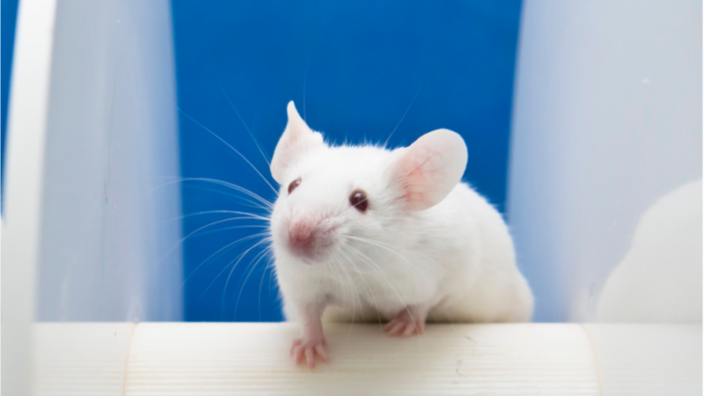
In a new study published in Aging Cell, researchers have tested several individual drugs and a combination of rapamycin plus acarbose as potential life extension agents in genetically heterogeneous mice [1].

Anti-aging agent testing

Identification of successful anti-aging interventions is arguably one of the most challenging research problems to date. In addition to the complexity of aging, researchers have to deal with the biological heterogeneity of animals even within the same species and research reproducibility issues due to different experimental designs and approaches.

The National Institute on Aging Interventions Testing Program (ITP) was launched in 2004 with these limitations in mind. It is a peer-reviewed multi-institutional study evaluating potential lifespan-extending agents. The experiments are run in parallel at the Jackson Laboratory; the University of Michigan; and the University of Texas Health Science Center at San Antonio on genetically heterogeneous mice of both sexes.

Several promising anti-aging agents have been already identified and tested by the ITP, including aspirin, glycine, acarbose, and rapamycin, with varying effects depending on the sex of the animals. The lifespan extension potential of drug combinations is also being studied, such as metformin plus rapamycin, which has recently shown promising results.

In this study, the researchers tested a drug combination of rapamycin and acarbose, another anti-diabetic medication. Previously, a drug cocktail containing these agents along with phenylbutyrate was shown to delay aging when administered to 20-month-old mice. In addition, this study investigated the effect of six other drugs not tested before.

Rapamycin plus acarbose

First, the researchers evaluated the effect of the rapamycin and acarbose combination given to mice starting from the age of either 9 or 16 months. The former regimen was most successful, increasing the medium lifespan of female and male mice by 28% and 34%, respectively. The latter regimen increased the medium lifespan of both female and male mice by 13%.

Importantly, in males, the combination was more effective at extending lifespan than rapamycin only, while in females, the effect was similar between the combination-treated and rapamycin-treated animals. This is in line with the previous research showing limited benefits of acarbose treatment for female mice.

Individual drugs 

Next, the researchers examined the life extension effects of six individual agents when given to mice starting at the age of 5 months: captopril (ACE inhibitor used to treat hypertension), 1,3-Butanediol (a ketone), leucine (an amino acid), PB125 (a mixture of rosemary extract, ashwagandha extract, and luteolin), sulindac (a non-steroidal anti-inflammatory drug), and syringaresinol (a component of the ginseng berry). Of all the agents, only captopril showed a beneficial effect, increasing the median lifespan in both females and males by 6% and 13%, respectively. When treated with 1,3-butanediol, a 2% lifespan increase was shown only in the female group.

Unexpected complications

Besides the pooled data from all the three experimental sites, the researchers analyzed site-specific effects of the treatments. Apart from the intersite differences in the lifespan extension effects of the agents, they noticed that a specific cohort of mice used as controls was unusually short-lived at one of the sites. The researchers hypothesize that the short lifespan of these control mice was caused by an unknown environmental factor.

Interestingly, the lifespan of the drug-treated mice of the same cohort at the same site was not reduced. This means that the controls and the drug-treated mice of this cohort differed not only in their experimental group assignment but also in being exposed to an unknown factor influencing their lifespan.

Therefore, the researchers decided to do an additional set of analyses only using the data from the other two sites to avoid making misleading conclusions. The results from these data were similar to the initial three-site analysis for the rapamycin and acarbose combination treatment, but they differed for captopril and 1,3-Butanediol, with a more modest or absent effect on lifespan.

Abstract

​​Mice bred in 2017 and entered into the C2017 cohort were tested for possible lifespan benefits of (R/S)-1,3-butanediol (BD), captopril (Capt), leucine (Leu), the Nrf2-activating botanical mixture PB125, sulindac, syringaresinol, or the combination of rapamycin and acarbose started at 9 or 16 months of age (RaAc9, RaAc16). In male mice, the combination of Rapa and Aca started at 9 months and led to a longer lifespan than in either of the two prior cohorts of mice treated with Rapa only, suggesting that this drug combination was more potent than either of its components used alone. In females, lifespan in mice receiving both drugs was neither higher nor lower than that seen previously in Rapa only, perhaps reflecting the limited survival benefits seen in prior cohorts of females receiving Aca alone. Capt led to a significant, though small (4% or 5%), increase in female lifespan. Capt also showed some possible benefits in male mice, but the interpretation was complicated by the unusually low survival of controls at one of the three test sites. BD seemed to produce a small (2%) increase in females, but only if the analysis included data from the site with unusually short-lived controls. None of the other 4 tested agents led to any lifespan benefit. The C2017 ITP dataset shows that combinations of anti-aging drugs may have effects that surpass the benefits produced by either drug used alone, and that additional studies of captopril, over a wider range of doses, are likely to be rewarding.

Conclusion

This multi-centered study provides several insights regarding promising anti-aging drugs. First, it supports a combination-based approach to address aging, at least for male mice. Second, it highlights the response differences to various agents and treatment regimens between sexes. Third, it demonstrated the absence of survival benefits of several previously untested compounds. Finally, the researchers show the results of analyzing pooled three-site data (based on the initial design) and two-site data (ad hoc), which helps identify consistent findings.

We would like to ask you a small favor. We are a non-profit foundation, and unlike some other organizations, we have no shareholders and no products to sell you. All our news and educational content is free for everyone to read, but it does mean that we rely on the help of people like you. Every contribution, no matter if it’s big or small, supports independent journalism and sustains our future.

Literature

[1] Strong, R. et al. Lifespan benefits for the combination of rapamycin plus acarbose and for captopril in genetically heterogeneous mice. Aging Cell e13724 (2022)

Mouse test

Removing Senescent Cells Improves the Brains of Female Mice

Researchers publishing in Nature Communications have detailed how the removal of p16-producing senescent cells leads to improvements in the brains of female mice [1].

Disease-associated microglia and senescence

This paper begins with a discussion of disease-associated microglia (DAM) and white matter-associated microglia (WAM). In the aging brain, these exhausted microglia have downregulated genes relating to homeostasis and upregulated genes relating to inflammatory compounds and risk factors for neurodegeneration [2].

p16-InkAttac is a mouse model that makes p16-expressing senescent cells easy to destroy. Previous research has found that, in these mice, senescent cell accumulation and its related SASP are associated with brain inflammation [3] and that removing these cells ameliorates cognitive decline in tau pathology [4].

This research builds on that previous work, using multiple imaging and transcriptomic techniques to determine the relationship between senescent cell accumulation, the SASP, and brain inflammation.

Male and female mice age differently in the brain

The researchers examined three separate brain regions: the subventricular zone, the cerebellum, and the hippocampus. In male mice, 141 genes related to neuroinflammation and senescence had changed in regulation, but in female mice, a total of 274 genes were changed. Most of these genetic differences between males and females were in the hippocampus.

Across all brain regions and both sexes, only 15 genes were found to be consistently changed with age, many of which were related to inflammation. Interestingly, Cdkn2a/p16Ink4a, a master regulator of cellular senescence, was only found to be significantly upregulated in the hippocampi of older female mice. Therefore, the researchers only continued their research in this direction, focusing on this more prominently affected group.

An affected niche

Resident microglia and infiltrating monocytes had upregulated Cdkn2a in female mice. These cells exhibited multiple negative effects of senescence, including a resistance to natural apoptosis, an increase in SASP genes, genes related to DAM and WAM, and genes related to Alzheimer’s disease. This was most prominent in the dentate gyrus, a region of the hippocampus in which new neurons are created and that is highly susceptible to inflammation.

The prevalence of the SASP was also found to be a chemoattractant for other immune cells. Specifically, CCL4 and GDF15 were significantly overproduced, and the researchers found in culture that immune cells preferentially migrate towards cells that overproduce these compounds. This is an aspect of inflammation, and as expected, these cells were also found to be extremely prevalent in the brains of older animals.

Interestingly, though, the cell populations of various immune cells were not the same between sexes. A specific type of microglia that was upregulated in females was found to be downregulated once senescent cells were destroyed, as did the population of infiltrating immune cells. However, these results did not apply broadly to all immune cell types. Cognitive improvement was also seen in female but not male mice.

Conclusion

Both the positive and negative results shown in this study are eye-opening. While there is a clear benefit to their removal, it is clear that senescent cells are only a small part of a larger problem, as removing them does not even have significant effects among both sexes of mice. This raises the question of whether or not the same might be true of people as well; a substantial amount of future research will need to be done to determine if targeting senescent cells in the human hippocampus will be worthwhile and who it will be worthwhile for.

Literature

[1] Zhang, X., Pearsall, V. M., Carver, C. M., Atkinson, E. J., Clarkson, B. D., Grund, E. M., … & Schafer, M. J. (2022). Rejuvenation of the aged brain immune cell landscape in mice through p16-positive senescent cell clearance. Nature Communications, 13(1), 1-17.

[2] Krasemann, S., Madore, C., Cialic, R., Baufeld, C., Calcagno, N., El Fatimy, R., … & Butovsky, O. (2017). The TREM2-APOE pathway drives the transcriptional phenotype of dysfunctional microglia in neurodegenerative diseases. Immunity, 47(3), 566-581.

[3] Ogrodnik, M., Evans, S. A., Fielder, E., Victorelli, S., Kruger, P., Salmonowicz, H., … & Jurk, D. (2021). Whole‐body senescent cell clearance alleviates age‐related brain inflammation and cognitive impairment in mice. Aging cell, 20(2), e13296.

[4] Bussian, T. J., Aziz, A., Meyer, C. F., Swenson, B. L., van Deursen, J. M., & Baker, D. J. (2018). Clearance of senescent glial cells prevents tau-dependent pathology and cognitive decline. Nature, 562(7728), 578-582.

Journal Club

Journal Club October 25th

Journal Club returns live on our Facebook channel on October 25th at 12:00 Eastern time. Dr. Oliver Medvedik will be taking a look at a recent study published in Nature Aging that has shown that short-term rapamycin treatment in early adulthood extends lifespan in flies and improves gut health in both flies and mice [1].

If you need to get up to speed, we have written a summary article about rapamycin and its potential benefits.

Abstract

The licensed drug rapamycin has potential to be repurposed for geroprotection. A key challenge is to avoid adverse side effects from continuous dosing. Here we show that geroprotective effects of chronic rapamycin treatment can be obtained with a brief pulse of the drug in early adulthood in female Drosophila and mice. In Drosophila, a brief, early rapamycin treatment of adults extended lifespan and attenuated age-related decline in the intestine to the same degree as lifelong dosing. Lasting memory of earlier treatment was mediated by elevated autophagy in intestinal enterocytes, accompanied by increased levels of intestinal LManV and lysozyme. Brief elevation of autophagy in early adulthood itself induced a long-term increase in autophagy. In mice, a 3-month, early treatment also induced a memory effect, with maintenance similar to chronic treatment, of lysozyme distribution, Man2B1 level in intestinal crypts, Paneth cell architecture and gut barrier function, even 6 months after rapamycin was withdrawn.

For the Lifespan Heroes, you can join us live on the call using the information below:

Time: Oct 25, 2022 12:00 PM Eastern Time (US and Canada)

Join Zoom Meeting https://lifespan-io.zoom.us/j/82540063629?pwd=bElGVUl2ODBjY2pyRzhSVDVaTTl0QT09 Meeting ID: 825 4006 3629 Passcode: 052420 Literature

[1] Juricic, P., Lu, YX., Leech, T. et al. Long-lasting geroprotection from brief rapamycin treatment in early adulthood by persistently increased intestinal autophagy. Nat Aging 2, 824–836 (2022). https://doi.org/10.1038/s43587-022-00278-w

Journal Club

Short-Term Rapamycin Treatment Extends Lifespan in Flies

Journal Club returns live on our Facebook channel on October 25th at 12:00 Eastern time. Dr. Oliver Medvedik will be taking a look at a recent study published in Nature Aging that has shown that short-term rapamycin treatment in early adulthood extends lifespan in flies and improves gut health in both flies and mice [1].

If you need to get up to speed, we have written a summary article about rapamycin and its potential benefits.

Abstract

The licensed drug rapamycin has potential to be repurposed for geroprotection. A key challenge is to avoid adverse side effects from continuous dosing. Here we show that geroprotective effects of chronic rapamycin treatment can be obtained with a brief pulse of the drug in early adulthood in female Drosophila and mice. In Drosophila, a brief, early rapamycin treatment of adults extended lifespan and attenuated age-related decline in the intestine to the same degree as lifelong dosing. Lasting memory of earlier treatment was mediated by elevated autophagy in intestinal enterocytes, accompanied by increased levels of intestinal LManV and lysozyme. Brief elevation of autophagy in early adulthood itself induced a long-term increase in autophagy. In mice, a 3-month, early treatment also induced a memory effect, with maintenance similar to chronic treatment, of lysozyme distribution, Man2B1 level in intestinal crypts, Paneth cell architecture and gut barrier function, even 6 months after rapamycin was withdrawn.

Literature

[1] Juricic, P., Lu, YX., Leech, T. et al. Long-lasting geroprotection from brief rapamycin treatment in early adulthood by persistently increased intestinal autophagy. Nat Aging 2, 824–836 (2022). https://doi.org/10.1038/s43587-022-00278-w

Ground coffee

Coffee Is Associated with Better Cardiovascular Health

Drawing on data from UK Biobank, scientists have once again confirmed the association between coffee and better health outcomes, with ground coffee emerging as the healthiest type [1].

Bad rap no more

Coffee was once considered rather unhealthy. One study from 1988 found that 80% of physicians recommended avoiding coffee to their patients with cardiovascular problems [2], which may be because coffee may transiently elevate blood pressure. However, in recent decades, evidence to the contrary has been steadily accumulating. While the vast majority of this data comes from population studies [3] that can be flawed in many ways, it has become impossible to ignore.

Today, the European Society of Cardiology considers drinking 3-4 cups of coffee a day to be moderately beneficial, and the American Heart Association notes that the evidence for coffee’s health benefits “stacks up quickly”. Coffee is also associated with a lower risk of type 2 diabetes [4] and Parkinson’s disease [5].

There’s coffee, and there’s coffee

While caffeine is by far the most well-known ingredient in coffee, coffee contains more than a hundred biologically active chemicals, including polyphenols, which are potent antioxidants. To elucidate coffee’s effects on health, it would be interesting to compare various types of coffee, including decaffeinated, which is what this new study published in the European Journal of Preventive Cardiology does.

Like many recent studies, this one makes use of UK Biobank, a huge open repository of various health data on around half a million of British citizens. The sheer size of UK Biobank allows researchers to control for many confounding variables while maintaining considerable statistical power. In this case, covariates included age, gender, ethnicity, BMI, comorbidities such as hypertension and type 2 diabetes, and the lifestyle risk factors of smoking, tea consumption, and alcohol consumption. Participants with a cardiovascular diagnosis at baseline were excluded. The participants’ median age was 58 years, and the median follow-up period was 12.5 years.

Most importantly, the study considered three popular types of coffee, ground, instant, and decaf, pitching them all against coffee abstinence. Participants were only able to select one type of coffee, which was a limiting factor, but probably not a critical one. The participants were grouped into six daily intake categories: 0 daily cups of coffee (control), less than 1, 1, 2-3, 4-5, and more than 5.

Up to 27% risk reduction

In line with most existing studies, coffee consumption was shown to be generally beneficial. Coffee intake of up to 5 cups per day was associated with significant reductions in the risks of cardiovascular disease, congestive cardiac failure, coronary heart disease, ischemic stroke, and various arrythmias. The lowest hazard ratio (equivalent to biggest risk reduction) was detected in the 2-3 cups per day group.

coffee 1

Ground coffee consistently outperformed the other two types, including with arrythmias, cardiovascular mortality and all-cause mortality. The ideal dose of ground coffee seems to be 2-3 cups per day: people who drank this amount of ground coffee were a full 27% less likely to die from all causes (at least, during the follow-up period) than non-drinkers.

coffee 2

Compelling despite limitations

Every observational study has its limitations. Here, scientists did not control for such important variables as income and education level, physical activity, diet quality, and sleep quality. There were also some glaring differences between various study categories: for instance, there were markedly fewer obese people and people with hypertension at baseline among ground coffee drinkers versus instant coffee drinkers.

In the control category of non-drinkers, there were many more females, which could skew the results as well (females have fewer incidences of cardiovascular disease, but higher mortality when it happens). Finally, although UK Biobank is a great source of data, results derived from it may not apply to all ethnic and cultural groups.

Despite those limitations, the picture drawn by this study is compelling and in line with previous research: moderate coffee consumption looks like a sensible choice that may confer certain protection against cardiovascular disease and all-cause mortality.

Conclusion

This study differs from several previous ones in that it stratifies coffee by types, showing that not all of them are created equal. Ground coffee, the least processed of all, also seems to be the healthiest, and 2-3 cups a day of it appears to be the best dose. However, as the authors themselves note, not everyone has the same reaction to coffee, due to genetic and other differences, so you should listen to your own body before you decide to pour yourself an extra cup.

We would like to ask you a small favor. We are a non-profit foundation, and unlike some other organizations, we have no shareholders and no products to sell you. All our news and educational content is free for everyone to read, but it does mean that we rely on the help of people like you. Every contribution, no matter if it’s big or small, supports independent journalism and sustains our future.
Literature

[1] Chieng, D., Canovas, R., Segan, L., Sugumar, H., Voskoboinik, A., Prabhu, S., … & Kistler, P. M. (2022). The impact of coffee subtypes on incident cardiovascular disease, arrhythmias, and mortality: long-term outcomes from the UK Biobank. European Journal of Preventive Cardiology.

[2] Hughes, J. R., Amori, G., & Hatsukami, D. K. (1988). A survey of physician advice about caffeine. Journal of Substance Abuse.Chicago

[3] Voskoboinik, A., Koh, Y., & Kistler, P. M. (2019). Cardiovascular effects of caffeinated beverages. Trends in cardiovascular medicine, 29(6), 345-350.

[4] Van Dam, R. M., & Hu, F. B. (2005). Coffee consumption and risk of type 2 diabetes: a systematic review. Jama, 294(1), 97-104.

[5] Hu, G., Bidel, S., Jousilahti, P., Antikainen, R., & Tuomilehto, J. (2007). Coffee and tea consumption and the risk of Parkinson’s disease. Movement disorders: official journal of the Movement Disorder Society, 22(15), 2242-2248.

Rejuvenation Roundup thumbnail September

Rejuvenation Roundup September 2022

The spooky season is upon us again, so if you haven’t seen it yet, join us for a video on deadly but real zombies – and take a look at the most advanced research on how to get them out of our bodies.

LEAF News

If you love our work, then tell the world! Stories about us from people like you will help us make an even bigger impact in our community. GreatNonprofits, the #1 source of nonprofit stories and feedback, is honoring highly regarded nonprofits with its top-rated list. Help us raise visibility for our work by posting a brief story of your experience. All content will be visible to potential donors and volunteers. Helping us is easy and only takes 3 minutes. Please go here to get started: https://greatnonprofits.org/reviews/write/life-extension-advocacy-foundation-inc

Team and activities

Stephanie Dainow Award WinnerResearch, DeSci, and Advocacy at Longevity Summit Dublin: It was all about collaboration: maybe not a lot of shiny new discoveries and unpublished data, but Longevity Summit Dublin 2022 brought together researchers, investors, and advocates to forge a common vision. More attention is being brought to the last category, as evidenced by our own executive director, Stephanie Dainow, receiving the Rising Star 2022 award.

Lifespan News

Big News for Mice: Ryan O’Shea reports different effects brought about by rapamycin and EGCG along with the NAD+ booster NR. Two new studies show that promising longevity interventions can regrow hair and combat hearing loss in mouse models.

LSN Longevity MassesSpreading Longevity: Ryan O’Shea discusses a new video in which Life Noggin and SENS have partnered to inform the public about rejuvenation biotechnology.

Multivitamins for Cognition: Ryan O’Shea discusses a study showing that taking multivitamins significantly improves human cognition. A new study shows that multivitamins can boost brain function, and the results are even more impactful for people with a history of heart disease.

Interviews

Evelyne Bischof InterviewProf. Evelyne Yehudit Bischof on Longevity Medicine: Evelyne Yehudit Bischof, MD, MPH, FEFIM, is a professor at Shanghai University of Medicine and Health Sciences, a visiting professor at Tel Aviv University School of Medicine, and chief physician for internal medicine in Renji University Hospital of Jiatong School of Medicine.

Rejuvenation Roundup Podcast

Ryan O’Shea of Future Grind hosts this month’s podcast, showcasing the events and research discussed here.

Advocacy and Analysis

Methuselah’s Zoo, a Look at Animal Longevity: To understand human longevity, we need to put it into perspective. Are we relatively long-lived or short-lived creatures? After all, among all the plants and animals in nature, we find a vast variety of lifespans, from several hours to several millennia, and possibly even more.

Research Roundup

No to sodaZero-Calorie Sweeteners Alter the Human Microbiome: A new open-label, randomized, controlled study published in Cell showed that zero-calorie sweeteners are metabolically active and some might impair glycemic response in healthy adults.

Two Small Molecules May Provide Partial Reprogramming: A preprint published in bioRxiv has detailed how partial reprogramming through two small molecules can rejuvenate human cells as well as C.elegans, a common model of aging. This paper begins with a discussion of the four well-known Yamanaka reprogramming factors (OSKM) that cause cells to revert to a previous epigenetic state.

Lab miceCanagliflozin Alleviates Several Aging Pathologies in Mice: Scientists have found that canagliflozin, an anti-diabetes drug that is known to extend lifespan in mice, alleviates an array of age-related pathologies, albeit in males only. Canagliflozin, a widely used anti-diabetes drug, belongs to the class of sodium glucose cotransporter 2 (SGLT2) inhibitors, which regulate glucose reabsorption by the kidneys.

Umbilical Plasma Injections Reduce Biological Age in Humans: Researchers have found that intramuscular injections of plasma concentrate made from human umbilical cord blood improve various health biomarkers and decrease biological age in elderly people. Circulating proteins have a significant impact on our health, and blood plasma transfusion is increasingly used against inflammatory conditions as well as some autoimmune disorders.

Smooth muscleMitochondrial Division Promotes Muscle Regeneration: A paper published in Cell Stem Cell has detailed how mitochondrial division is critical to the ability of muscle stem cells to regenerate damaged tissue. Quiescent muscle stem cells are held in reserve until injury causes them to form new somatic muscle cells

Brief Rapamycin Treatment in Early Adulthood Combats Aging: A study published in Nature Aging has shown that short-term rapamycin treatment in early adulthood extends lifespan in flies and improves gut health in both flies and mice. Rapamycin, an inhibitor of mTOR signaling, is capable of extending the lifespan of several organisms.

Skin fibroblastSenescence-Associated Protein Promotes Skin Aging in Mice: Researchers publishing in Aging have identified an individual protein, secreted frizzled-related protein 4 (SFRP4), that is produced by senescent cells and contributes to skin aging in mice.

Lactate Inhibits Tumor Growth in Mice: Publishing in Nature, scientists have found that sodium lactate boosts the T cell-mediated anti-cancer immune response, leading to significant inhibition of tumor growth.

Varied dietKetogenic and Mediterranean Diets Effective Against Diabetes: Pitting a ketogenic diet against a Mediterranean diet in pre-diabetes and Type 2 diabetes patients, scientists have learned that both confer metabolic benefits, but “keto” also has a darker side.

Injectable Cytokine Factories Eradicate Cancer in Mice: Researchers have succeeded in beating a type of cancer previously considered incurable by using microcapsules that contained live cytokine-producing cells. Interleukin-2 (IL-2) therapy was the first anti-cancer immunotherapy approved decades ago.

BrainwavesNeuromodulation Improves Memory in Older Adults: A new study published in Nature Neuroscience has shown that neuromodulation of low-frequency neuronal activity in the parietal cortex improved working memory, while high-frequency modulation in the prefrontal cortex improved long-term memory in older adults.

Removing Senescent Cells to Alleviate Muscular Dystrophy: A study published in Aging has shown that the removal of senescent cells through senolytics alleviates muscle degeneration in a mouse model of Duchenne muscular dystrophy. Duchenne muscular dystrophy is caused by a mutation that gradually destroys the muscles, eventually becoming fatal as it destroys the diaphragm or heart.

Dividing cellA Mitochondrial Protein Regulates Stem Cell Activity: Researchers publishing in Cell Stem Cell have found that the mitochondrial protein OPA1 is an integral, regulatory part of muscle stem cell activation, the process by which muscle stem cells proliferate and become active muscle tissue (myogenesis).

Multivitamin Supplementation Shown to Improve Cognition: In a large randomized, placebo-controlled study, scientists hoped that cocoa extract would improve cognitive function in elderly patients, but instead it was a multivitamin supplement that shined.

Severe brain diseaseA Review of Inflammation in Alzheimer’s and Parkinson’s: In the Journal of Inflammation, researchers from Johns Hopkins University have published a detailed review of the relationship between brain inflammation and the principal diseases of dementia. One out of twenty Americans over 85 have Parkinson’s disease, and seven out of twenty have Alzheimer’s.

Early-Onset Cancer Cases Are Rising: In a review paper published in Nature, scientists discuss the problem of the rising burden of early-onset cancer. We tend to think of cancer of a disease of aging, and for a good reason: cancer is indeed highly correlated with age.

muscle and boneOne Drug to Fight Both Sarcopenia and Osteoporosis: In a new study published in Bone Research, Japanese researchers established a novel drug screening system and identified a promising compound to treat age-associated muscle and bone frailty.

Transplanting B Cells from Old to Young Mice Improves Them: Researchers have recently explored why B cells become less efficient as we age, analyzing how their behavior changes when they are transplanted from aged mice into young mice.

Brain genesFundamental Metabolic Changes Accompany Alzheimer’s Disease: A paper published in Cell Metabolism has reported on a metabolic shift in neurons derived from patients with Alzheimer’s disease, showing that they express a cancer-like phenotype. Rather than attempting to harvest live neurons from Alzheimer’s patients, the researchers chose to create induced neurons (iNs) from the fibroblasts of these patients.

A High-Fat Diet Leads to Joint Degeneration in Rats: In a new study published in Scientific Reports, researchers have uncovered the molecular mechanism underlying the link between obesity and joint degeneration. Obesity accelerates aging and is associated with several age-associated diseases, including osteoarthritis, an inflammatory condition that leads to joint degeneration.

MicroplasticsNanoplastics Cause Mitochondrial Stress in Human Cells: A paper published in Environmental Science and Technology has described some of the effects of nanoplastics on human liver and lung cells. Plastics in the environment are gradually broken down by sunlight, grinding processes, and biological activities into smaller and smaller pieces.

A 2-year randomized controlled trial with low-dose B-vitamin supplementation shows benefits on bone mineral density in adults with lower B12 status: While low-dose B-vitamin intervention for 2 years had no overall effect, improving B-vitamin status appears to have specific benefits for adults with less B12.

Rapamycin treatment during development extends lifespan and healthspan of male mice and Daphnia magna: Short-term rapamycin treatment during development is a novel longevity intervention that acts by slowing down development and aging, suggesting that aging may be targeted early in life.

Metabolomic profiles predict individual multidisease outcomes: This study demonstrates both the potential and limitations of nuclear magnetic resonance-derived metabolomic profiles as a multidisease assay.

Young bone marrow transplantation prevents aging-related muscle atrophy in a senescence-prone mouse model: These findings suggest that this approach can prevent muscle wasting and dysfunction by mitigating apoptosis and proliferation via modulation of GDF-11 signalling and mitochondrial dysfunction in these mice.

Pharmacological clearance of senescent cells improves cardiac remodeling and function after myocardial infarction in female aged mice: Cardiac senescent cells accumulate in the aged female heart, and removing senescent cells is a key therapeutic target for efficient repair.

Senescence-Independent Anti-Inflammatory Activity of the Senolytic Drugs Dasatinib, Navitoclax, and Venetoclax in Zebrafish Models of Chronic Inflammation: Although these models do not manifest premature aging, the senolytic drugs dasatinib, navitoclax, and venetoclax have an anti-inflammatory effect that results in the amelioration of chronic inflammation.

Lifespan benefits for the combination of rapamycin plus acarbose and for captopril in genetically heterogeneous mice: Combinations of anti-aging drugs may have effects that surpass the benefits produced by either drug used alone, and additional studies of captopril, over a wider range of doses, are likely to be rewarding.

Rejuvenation of the aged brain immune cell landscape in mice through p16-positive senescent cell clearance: This study reveals dynamic remodeling of the brain immune cell landscape in aging and suggests senescent cell targeting as a strategy to counter inflammatory changes and cognitive decline.

News Nuggets

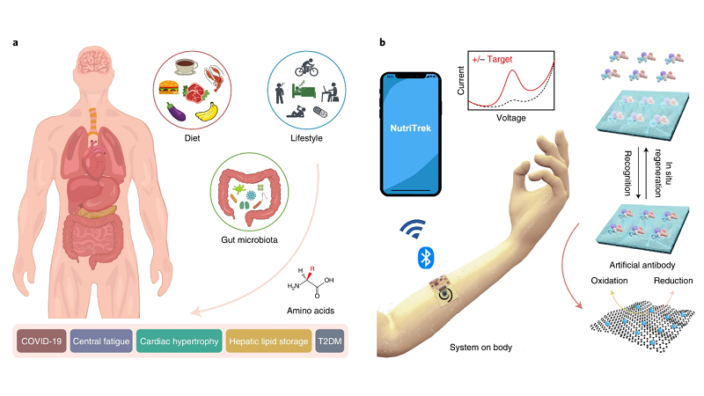
A Wearable Device to Monitor Metabolites and Nutrients: We want to highlight an interesting development on the wearable diagnostic front: researchers have developed a wearable device that can monitor nutrients, hormones, and drugs.

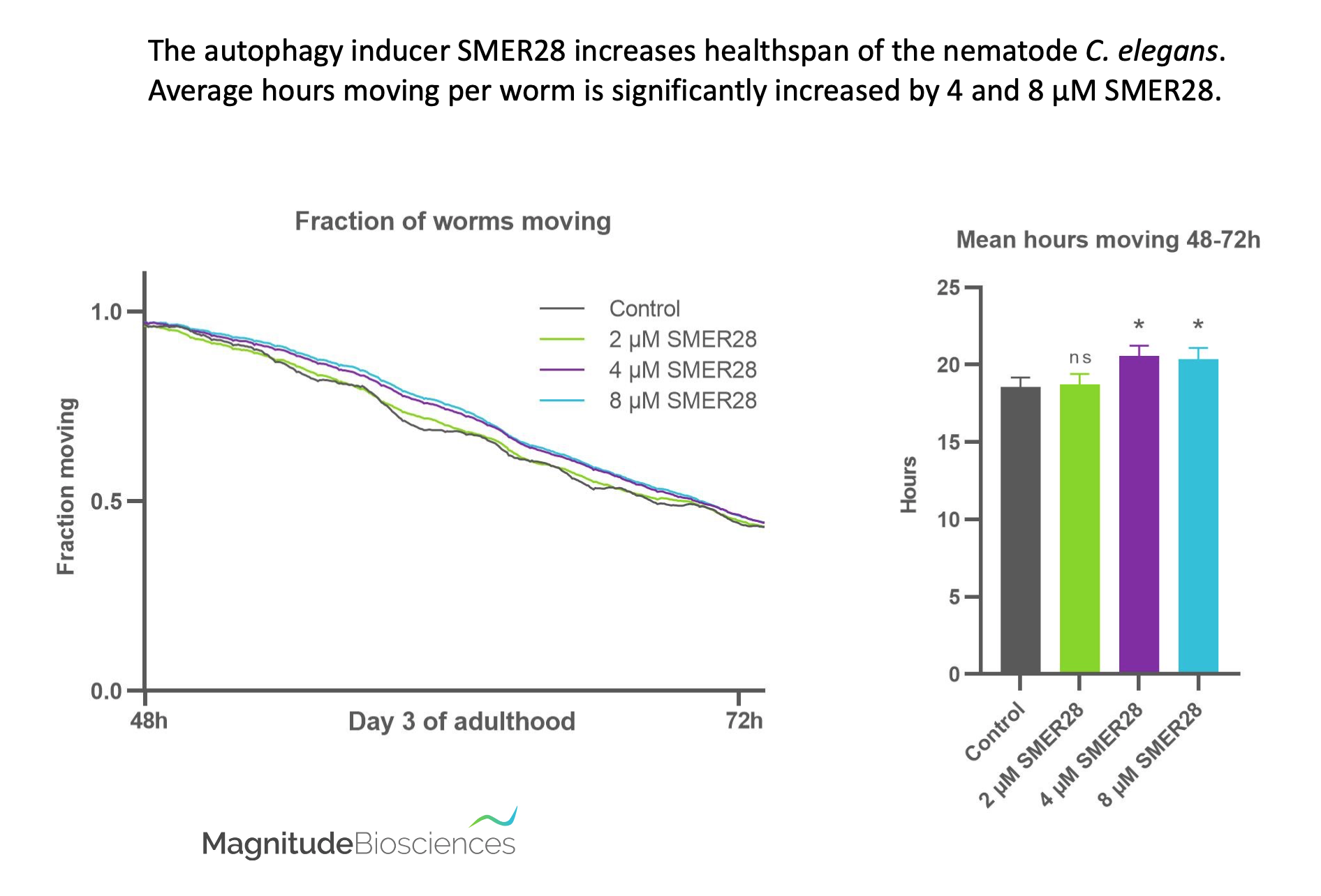
Magnitude BiosciencesMagnitude Reveals a New Target for Aging Therapeutics: At Longevity Summit Dublin, Ethan Perlstein and Magnitude Biosciences revealed that a small molecule, SMER28, improves longevity in C. elegans, a common model of aging.

We would like to ask you a small favor. We are a non-profit foundation, and unlike some other organizations, we have no shareholders and no products to sell you. All our news and educational content is free for everyone to read, but it does mean that we rely on the help of people like you. Every contribution, no matter if it’s big or small, supports independent journalism and sustains our future.

Evelyne Bischof Interview

Prof. Evelyne Yehudit Bischof on Longevity Medicine

Evelyne Yehudit Bischof, MD, MPH, FEFIM, is a professor at Shanghai University of Medicine and Health Sciences, a visiting professor at Tel Aviv University School of Medicine, and chief physician for internal medicine in Renji University Hospital of Jiatong School of Medicine. This means that she is a perfect example of a modern longevity professional, living a busy life and sharing her time between several clinics all around the world, high-profile conferences, and top-notch research organizations. She is also a star in the rising field of longevity medicine, which is focused on countering aging across the lifespan in a personalized, evidence-based, and data-driven way.

You are obviously not the regular type of professor and researcher that I usually speak with; you’re primarily a practicing clinician, a medical doctor. Could you briefly tell me about your journey in medicine that finally brought you to the longevity field?

I’m an internal medicine specialist, and most of my life, I have been in academic university hospital settings. My residency and fellowship were both in Switzerland and in China, mostly in the University Hospital of Basel, in the department of internal medicine, intensive and emergency care and oncology. Medical oncology is almost my second specialty, certification missing, and it’s definitely my main research focus. During the time in Switzerland, and also in collaboration with my universities here in China (primarily Fudan Cancer Hospital and Renji University Hospital), I was working on a project on the intersection of aging and cancer.

As we know, aging and cancer have a huge overlap in terms of pathways, molecular presentation, and clinical presentation: all types of symptoms, comorbidities, polypharmacy, frailty, toxicities that are seen in cancer patients and/or oldest-old cancer patients, as we called it back in 2012-2014, since now we have better definitions for that.

On one hand, this is the work of internists to make a differential diagnosis from complex presentation of various symptoms. Plenty of comorbidities, of algorithms (we call it often clinical reasoning in differential diagnosis) that we are running in our heads as internists to make the proper diagnostic and then treatment, looking at all the systems. Then, on the other hand, being an oncologist in a medical and hemato-oncology ward, especially seeing those patients suffering from cancer. We often make amendments of the protocols for patients over the age of 60, as they are in most cases not included in the randomized controlled trials that are taken as a necessary evidence base for clinical guidelines.

This is what brought me to the longevity field. When I began to work in it, I started connecting with people who are powering longevity medicine with the tools that it needs: AI and computational science. I got introduced to people like Dr. Wei-Wu He from Human Longevity, where I started working as a concierge physician, to Dr. Kai-Fu Li, the godfather of artificial intelligence, and many others, such as Prof. David Sinclair, with whom we also published in Lancet Healthy Longevity on aging as a disease.

I’d like to specifically acknowledge Prof. Alex Zhavoronkov, my first mentor in the longevity field, especially in terms of AI and data science, which as a medical doctor, I knew absolutely nothing about. Together with him, we published a number of papers, including those on the first attempt to define longevity medicine in Nature Aging with Dr. Kai-Fu Lee. That was my journey to where I am now, working between Israel, Switzerland, China, and the USA as a clinician in oncology and ICU wards, and as longevity physician at HLI (Prof. Craig Venter’s clinic) and with my own concierge longevity patients all around the world.

Since you mentioned old patients, some research suggests that centenarians and supercentenarians are better protected against cancer. I wonder if you have looked into this.

This is actually one of the most important recent findings in geroncology, the field that we are pioneering. I just fulfilled one of my life dreams: to build a Sino-Swiss Geroncology Center network, with our university hospitals in Shanghai and Basel working now together in clinic and research. We have departments of geroncology, dealing with oldest-old cancer patients, implementing longevity diagnostics such as biological age measurements, PO longevity monitoring, NLP and other parameters that we then fuel into an AI machine learning platform.

We are aiming to soon publish a number of papers informing about the current practice and then to create global RCTs that can produce clinical guidelines for those oldest-old cancer patients but also to show how longevity medicine is implemented right now already in the “sick-care” hospital setting. It is not a plan anymore; it has been happening for the past two years, and we are working on creating evidence-based approaches, validation steps, and responsible medical approaches.

Longevity medicine is not at all a private longevity lounge-based approach only. As a clinician and academic professor, it is important for me to send this message to doctors, patients and all stakeholders. Ultimately, this is the way how to scale healthy longevity for all, healthy and sick people, across all healthcare systems.

We know that old age is the number one risk factor for cancer. This said, the development of diagnostic biomarkers has led us to identify, using multi-omics rather than just genomics, that centenarians and almost-centenarians do have a very interesting profile of oncoprotective genes and, of course, suppression of oncogenes, especially in the promoter methylation pathway. We don’t know enough, but it seems that methylation of oncogenes and oncosuppressors is altered in those centenarians, and this is how they are protected – in addition, of course, to things like lifestyle.

There’s also something very interesting going on in proteomics. It seems that some of the enzymatic pathways, not only the mTOR pathway or the hypoxic pathway, but also some others, like TGF and several less-known ones seem also to be involved, including those we see in the most aggressive cancers, like pancreatic cancer, triple-negative breast cancer. So, yes, centenarians seem to be somehow protected.

Let’s talk about longevity medicine. I heard one researcher saying that basically all medicine is longevity medicine, since medicine fights diseases, and diseases shorten life. This is obviously an oversimplification, but what is longevity medicine, and how it is different, paradigm-wise?

First, I must mention that we have officially created the Healthy Longevity Medicine Society, which has been announced at the ARDD conference and Singapore NUS conference, basically positioning longevity medicine as a medical discipline. The society will further accelerate transitioning from geroscience, which is very well established, to actual, practical longevity medicine. Prof. Andrea Maier from Singapore is the first elected president, I am the vice president, and we have a stellar executive committee, with Professors Nir Barzilai, James Kirkland, Tom Rando, and Harold Pincus, so we have all the fields of longevity medicine represented, including mental and neurodegenerative fields.

We are currently writing a white paper on the definition of healthy longevity medicine. There is no consensus; nobody’s claiming to have the ultimate definition. However, there is a paper in Nature Aging from early 2021 by Dr. Kai-Fu Li, Dr. Zhavoronkov and me as AI-powered precision medicine based on biological age restoration toward individual optimal biological age, the age of the individual’s optimal performance, and another one in Lancet Healthy Longevity called “Upskilling Longevity Physicians” that is being cited now by Google as the definition of the field. At our first in-person meeting of the HLMS, we defined healthy longevity medicine as a field that aims to optimize the healthspan across the lifespan.

Longevity medicine encompasses all the disciplines in the medical field. One could say that it’s the most collaborative, the most interdisciplinary and multidisciplinary, interactive discipline, because all fields in medicine at some point will be looking not on how to cure sickness or detect it early (prevention) but on how to detect the risks of ever developing sickness and to optimize and enhance health in order to extend healthy lifespan and ensure the optimal performance of an individual at a specific point of time (so it is 3-dimensional). Also, we’re powered not only by AI but also by geroscience and computational science. Again, this is a major simplification and just one aspect of the field.

It is important to stress that healthy longevity medicine as we see it is purely evidence-based, purely scientific. It sits next to disciplines such as endocrinology, oncology, cardiology, etc. You can position it either under internal medicine or as a separate field. At the same time, it is extremely inclusive and collaborative.

Researchers in the longevity field are still at odds with each other about the very nature of aging, and arguably, we don’t have a single proven anti-aging intervention, although we do have proven interventions that reduce mortality. So, how do you treat your patients?

Yes, it is important to set the message straight. Working with longevity patients at the moment means primarily having a set of diagnostics and monitoring on the highest possible level with the highest possible granularity that is not seen in any other medical field.

There are two legs to this. See, I like to simplify things as a German. One leg is diagnostics, and the other one is therapeutics. Of course, our therapeutic leg is still research-in-progress, it’s still not validated or evidence-based, but I am optimistic, seeing the RCTs on the way, that we will soon see more of the credible healthy longevity interventions in the medical field.

How about commercially available devices and supplements?

We do have many devices and supplements on the market, but we are not there yet with actual evidence on most of them. I would love to see (and again, I am positive that we will) clinical trials at the intersection of science and clinic, such as by Prof. Brian Kennedy or Prof. Nir Barzilai, who are conducting high level research on the potential pharmacologics. As a physician, not only do I want to see evidence, but first and foremost, I need to follow the principle “do no harm.”

Admittedly, in the therapeutic area, we have very little, besides highly established interventions related to lifestyle and nutrition. Hopefully, therapeutics will arise. But, here’s the point: people tend to complain that we’re doing longevity medicine without having actionable items once the diagnostic is conducted. However, many people might not realize that if we do not establish and validate protocols of diagnostics that will allow us to draw conclusions, we will never be able to validate the therapeutics that are either already there or are being developed. For this, we need data, structural longitudinal monitoring, and data mining.

If you ask me how I work with my patients right now, I have three sorts of patients. One is the sick care, I won’t talk about them now, of course. Then, there are longevity patients. Some of them are, of course, very advanced, and they require 24/7 work. Then there are also some patients who are not so intense in their program. Those have higher levels of automatic and self-monitoring that I review periodically.

How do I follow up? With various measurement, including measuring the biological age in different organs and systems using different biological aging clocks, mostly deep aging clocks, but not only – that’s in addition to all other values and parameters, like the blood values, heart rate variability, visceral fat, etc. The final manifestation of my success or lack thereof is whether their biological age has improved or not.

It’s an interesting notion about longevity medicine being sort of a practical arm of the longevity field as a whole. I wanted to ask you about biomarkers of aging. Basically, those have the same problem as interventions do. They should be a cornerstone of longevity medicine, but just as with the interventions, we arguably still don’t have reliable and clinically proven biomarkers of aging, or maybe we do? Which ones do you use in your practice? 

In literature, you mostly see proposed biomarkers of aging. Some of them are validated, coming from the various medical disciplines, especially geriatrics and internal medicine, etc. While it’s an oversimplification, there are quantitative and qualitative biomarkers – something that I can measure precisely, and something that I can only measure via proxy – scores, questionnaires, etc. The scientific field, of course, mostly trusts quantitative biomarkers, and we are seeing amazing teams all over the world working on various aspects of it, so I am very hopeful that soon we will start seeing more and more validation and biomarkers entering clinical practice.

There are things that I can measure directly, and then, there are things I measure by proxy, such as frailty – we have plenty of frailty scores, indices, questionnaires, etc. There, we always have some biases, of course. In terms of potential biomarkers of aging, we could be encouraged to responsibly measure them in trial settings even if they’re not perfect, because the more markers we use, the better we can actually validate which ones are applicable and advance the field. Of course, we should not cause harm, such as imposing fear or worry on patients based on a still unvalidated measurement.

A core term on the biomarker front is biological age. Various clocks that measure it are being developed, and some have been published. The field of deep aging clocks that use deep neural networks is booming and bringing good results. We see good tools in hematological aging clock, photoaging clocks, epigenetic clocks, and others. I’m really looking forward to the development of better physiological aging clocks and microbiome aging clocks. Finally, I also see the rise of brain aging clocks in middle-term future. However, as we often stress, we are still refining them and learning, and we see how crucial it is to integrate various clocks because the most important point here is that every cell, organ, and system of the body is aging at a different pace!

Let’s not forget reproductive scores, those are very important. I’m also looking forward to seeing more system- and organ-specific clocks. For instance, today, we have developments in cardiological aging clocks. We are also developing with colleagues oncological aging clocks. I think it’s very important for us all to finally move to a new era of diagnosing and treating cancer, where we will be able to say not only that the patient has this and this risk factors, but once the patient already has cancer, how do we devise optimal treatment protocols?

So, I see plenty of great developments in the biomarkers of human longevity. I think it’s very important for people to understand that measuring one parameter over time is very important, it gives you the longitudinal perspective.

Medicine is never black and white, but the right phrasing would be that there is just a huge number of potential parameters. Even now, we are already looking at hundreds of parameters, and this is why we need AI. Soon we’ll be looking at millions of those, and human intelligence will not be able to capture it. So, we need a symbiosis of human and artificial intelligence in order to derive and validate biomarkers of human longevity.

You kind of answered my next question, which was about AI and longevity, by explaining probably the main reason why we need AI in the field, but maybe you would like to add something?

AI and computational science are indeed crucial for the field of longevity medicine – also in medicine as a whole, of course, but especially in longevity medicine. First, we need them to develop biomarkers that can help us validate therapeutics and track therapeutic outcomes.

As I said, for me, longevity medicine is one of the most complex disciplines in medicine, simply because it has to implement all the findings from all medical fields. So, round-the-clock monitoring of several hundred parameters from every patient that demand huge amounts of storage and of AI inputs. Otherwise, we won’t be able to make sense of this enormous, heterogenic, multi-modal mess. Without AI, we’d never be able to actually say which of those parameters make sense, how they interact with each other, what can we derive from them, and how can we use it in future clinical trials, for diagnostics, and so on.

It’s also very important to mention that we shouldn’t fear applying AI, because it can help us. That said, of course, I’m not promoting replacing physicians with AI. I don’t think we’ll ever see that, at least I hope not. Human intelligence is still very important, because at the moment, AI cannot copy our emotions, and a lot of the decisions and algorithms are based on our feelings that we develop as practicing physicians. This is also why I feel that longevity physicians need to spend significant time in sick care in order to be properly able to add enough human intelligence to AI in longevity medicine.

Finally, I will quote Peter Diamantis, whom I deeply admire as an expert in the field. He said that there will come a time when not integrating AI into medical practice will be considered malpractice. My point here would be that as physicians, we should responsibly pick the best of all tools to advance our field for the benefit of patients (and humans in general).

I know that you are passionate about educating physicians on longevity medicine, which is logical since you need to recruit people somehow. Are you actively working on this?

 Yes, I have been passionate about educating healthcare professionals for many years, and I am very actively involved. Together with the team (especially Prof. Alex Zhavoronkov and myself, but also other volunteers, physicians and scientists) we have developed the first course curriculum for longevity medicine for physicians. This course is for free, because we want as many physicians as possible to educate themselves on the basics of longevity medicine.

We used the COVID time in order to develop this introductory course in longevity medicine tailored for clinicians, but of course, they are not the only audience. It is now a large education hub, free for all, launched in various countries, including via the NHS! Now, we also have the advanced course, a much longer one (we call them Longevity Medicine for Physicians 101 and 201), where participants not only can learn but can also get CME certification, accredited by AMA, American Medical Association, which means it’s approved worldwide (let me tell you, it’s a huge achievement).

It’s open for everyone, but we were especially motivated by the lack of such course for physicians. Soon, the adjusted versions of the courses will be implemented in the medical curricula for medical students – this is another dream of mine that is becoming a reality, which makes me very happy.

We are developing a new course that will be launched soon – Longevity Medicine for Veterinarians. This is very important, right? This will not only discuss how to make a dog and a cat live longer but also how to translate from animals to humans since most studies are done in animals. Prof. Matt Kaeberlein and other scientists have done tremendous work in this field, and it is very important to present those findings to physicians. Longevity Medicine for Investors will be the next one, and then Longevity Medicine for Athletes, and Longevity Medicine for the Oldest Old.

Most of all, I am proud that this course has been launched on national platforms. It’s already been available for two years on the NHS platform, so that UK doctors can access it, and we are now implementing this course for medical curriculum in medical schools, which is a dream come true. Medical students will actually have it as an obligatory part of their medical curriculum – first in Tel-Aviv University, and then in other countries, including China. We hope that other countries will follow soon.

I personally also educate doctors one-on-one or in small groups, training them in longevity medicine. These are mostly CEOs of hospitals that are opening now departments of longevity medicine in their university clinics. It makes me happy that the leadership of hospitals, not just the doctors, is asking for systematic training. This is crucial for them if they want to innovate, to implement longevity medicine in their hospitals. We are talking about combining sick care and longevity medicine in one hub in a university hospital, such as Sheba Medical Center in Israel, which is one of the top ten hospitals in the world according to the Newsweek ranking.

As a longevity physician trying to educate others about longevity medicine, have you encountered any pushback from physicians or the medical establishment?

Let’s say I don’t experience pushbacks or skepticism. Of course, there had been some caution as recently as three or four years ago, it’s understandable. Today, I see the opposite. I’ve been a part of the European Federation of internal Medicine for many years and a part of their board. That’s the hub for all internists in Europe.

This year, at the European Congress of Internal Medicine, the go-to event for us, like the World Economic Forum for economists, the top of the top plenary session was about longevity medicine. I was presenting, and I was allowed to invite a co-speaker, so I had Dr. Felipe Sierra, former director of the NIA’s Division of Aging Biology, who is now the CSO of Hevolution, and we spoke in the plenary session on longevity medicine, in front of all these internists from all around the world. This is another dream come true, and basically a revolution. I think this shows just how much the mindset has changed.

I’m actually getting a lot of questions from physicians about how they can learn, how they can educate themselves in longevity medicine. I talk with many CEOs, with hospital leadership, insurance companies, public health leaders, politicians. Since the field requires a lot of innovation in terms of technology, education, and infrastructure, progress in some places can be at a different pace. Our foremost concern is the patient’s safety, and this requires a very prudent approach, such as randomized controlled trials and approvals on many levels. I want to finish on a very positive note. I see revolutionary changes, and I’m very happy about this momentum, and that’s why we need all hands on deck.

We would like to ask you a small favor. We are a non-profit foundation, and unlike some other organizations, we have no shareholders and no products to sell you. All our news and educational content is free for everyone to read, but it does mean that we rely on the help of people like you. Every contribution, no matter if it’s big or small, supports independent journalism and sustains our future.
Methuselah's Zoo

Methuselah’s Zoo, a Look at Animal Longevity

To understand human longevity, we need to put it into perspective. Are we relatively long-lived or short-lived creatures? After all, among all the plants and animals in nature, we find a vast variety of lifespans, from several hours to several millennia, and possibly even more.

While humans are the most long-lived primates, our lifespan pales in comparison to that of many other animals. If we all are created from the same building blocks, why do some animals live fast and die young, others live slow and die old, and some manage to live fast and die old anyway? What can we learn from such organisms that can help us in our quest for longer and healthier human lives?

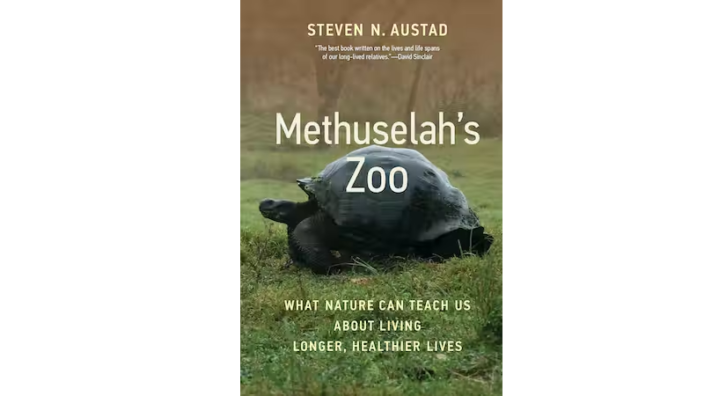
These are some of the questions that the new book by Steven N. Austad, Methuselah’s Zoo, is trying to answer. Austad is a famed veteran geroscientist with an incredibly interesting personal story that he recounted in his interview with lifespan.io. In short, in his younger years, Austad dreamed of becoming a novelist, dropped out of college, and worked in a variety of quirky jobs, culminating in training large animals for Hollywood.

This part of his biography includes transporting a live tiger across several states on the back seat of a car and being mauled by an unrelated tiger a few years later. After recovery, Austad decided to study animals in a safer and more meaningful way, got back to school and became a biologist. While he ended up never writing a single novel, Austad’s talent for writing is very much present in the book, making it a captivating read.

Initially, Austad’s interests did not include aging. He studied various animals across the globe, but fluctuations in lifespan between and inside species caught his attention, and he gradually became one of the most prominent experts in animal lifespan. Methuselah’s Zoo is his attempt to tell the incredible story of how various species age – and fight aging.

The wonders of animal longevity

Longevity is relative. One of the most direct and well-established correlations is between lifespan and body size; this is true when comparing species and not individuals of the same species, where the correlation can be positive, negative, or nonexistent. Larger species usually live longer. However, there are outliers, and when hunting for anti-aging strategies developed by evolution, those outliers are the usual suspects.

Some tortoise species can live into their 150s, like the live tanks that crawl the Galapagos islands. They live slowly in a way that humans cannot, but that’s not the only reason for their enviable longevity. Tortoises also deal very well with DNA damage and cancer. Like with most other death-defying tricks described in the book, we simply don’t know how they do it yet.

Then there are flying vertebrates: birds and bats. Many of these species, even at tiny sizes, live for decades, and some birds can outlive a human. This is even more incredible considering how demanding flight is. Birds and bats spend enormous amounts of energy in flight and produce enormous amounts of free radicals, although less than human cells produce under a similar load, but they just seem to be very good at mitigating this type of damage.

Bats have also developed incredible resistance to viruses. Their tightly packed colonies are hotbeds for viruses that sometimes jump over to human populations, but instead of just fighting those viruses, we should also be asking ourselves how bats do it.

While long-lived birds and bats are very active, they actually develop and reproduce slowly, with late puberty, one offspring at a time, and long gaps between births, which is also common in many other long-lived species. Slow reproduction is usually associated with longer lifespan, but again, we don’t know why.

However, ants and termites seem not to fit this pattern. Their queens can live for decades, dozens of times longer than workers, despite having the same DNA and producing an egg a minute for their whole lives. Apparently, queens turn on pro-longevity genes that are turned off in workers.

Yet another quality that seems to unite most long-lived species is the lack of environmental hazards, be it elements or predators. Species ensure their own safety in various ways. Large animals, such as elephants or whales, are simply hard to kill. Others may choose to live underground, like the famous naked mole rat (which is neither a mole nor a rat), the amazing mouse-sized animal that lives for about 40 years.

However, naked mole rats live a long time not just because no predator can get to them. They are also known to boldly defy any carcinogen that scientists have thrown at them (lab mice, quite on the contrary, die mostly of cancer). Long-lived species have also been found in other safe environments, such as caves.

Partnering with evolution

Probably the most amazing takeaway from the book it that there seems to be no type of age-related damage that some species have not developed defenses against. Some have conquered cancer. Others, such as the bivalve mollusk Arctica islandica, which lives at least 500 years, easily deal with mind-boggling amounts of oxidative stress. Birds and bats are much better than humans in countering protein misfolding and extracellular matrix degradation.

Over billions of years, evolution has found numerous niches where longevity could develop and numerous ways to develop it. There is no single formula that every long-lived species follows, but there is an astonishing variety of paths to living longer – and maybe forever, if what we suspect about the immortal jellyfish is true.

Moreover, longevity can develop relatively fast on the evolutionary time scale. For instance, mice are evolutionarily quite close to naked mole rats, despite more than a ten-fold difference in lifespan. The same is true for bivalve mollusks; some species live just over one year, and others live for centuries.

This conclusion is deeply optimistic. The cure for aging is out there, if only we can find the way to combine our own ingenuity with that of nature. While we cannot slow our metabolism like tortoises, grow our telomeres during hibernation like bats, or live in ice-cold water like Arctica islandica, we can potentially elucidate their anti-aging mechanisms and use them to devise therapies for humans.

However, this is a hard task that researchers must commit to. It requires intensive resources to be diverted to studying long-lived species in the wild and in captivity and to expanding our repertoire of lab species. Or, in Austad’s words, “Let’s acknowledge that evolution is cleverer than you are*. Are you listening, Silicon Valley zillionaires?”

Austad finishes on a slightly more serious note: “Until we make a firm commitment to study in depth the animals that can do these things and not remain stuck in our research on the short-lived, rapidly aging species that fill our biomedical labs today, we are unlikely to make much progress in achieving longer, healthier human lives.”

Obviously, we are barely scratching the surface of Austad’s bestiary of long-lived species here. This book contains information about the rougheye rockfish with its 200-year lifespan, the bowhead whale, which is the longest-lived mammal, and other amazing creatures. If you share Austad’s conspicuous love of all living things, along with his passion for fighting aging, you will enjoy the book even more.

We briefly spoke with Steven Austad about his new book.

What is the book’s main idea?   

The main idea is that nature, i.e., evolution, is smarter than we are. It has had hundreds of millions of years and billions of species with which to tinker with resistance to the damaging processes of aging and that we would be well-served to take advantage of nature’s successes to improve and extend our own health.

While the book is essentially optimistic, it poses more questions than it provides answers. How would you describe the current situation in animal longevity research?

We now understand a great deal about the basic biology of aging and how to modify the rate of aging in rapidly-aging, short-lived species.  What we still need to achieve is to learn how to do the same in slow-aging, long-lived species like ourselves. We are discovering more and more species of what I call “exceptional biogerontological interest,” because they age more successfully than humans.  However, studies of these species are sparse.  We need to expand our bestiary if we want to discover more and better ways to resist aging.

What have been the most interesting recent developments in studying animal longevity?

The discovery that I think shows the most promise is the impact of young blood/old blood transfusion.  It looks right now that toxic substances build up in the blood of older individuals, that if diluted periodically with either young blood or a young blood substitute improves many aspects of health.

Why am I pretty enthusiastic about this? First, it makes sense that as blood circulates through increasingly damaged organs, it would pick up debris from damaged and dying cells and that such debris is likely to itself be damaging (as you can tell, I think the effect is more likely to be about the toxic properties of old blood rather than the rejuvenating properties of young blood). Second, it is something that is easily translatable among species. Comparative analysis of the components of young and old blood in aging-resistant species such as birds and bats compared with aging-prone species has a great deal to teach us about healthy longevity.

* “Evolution is cleverer than you are” is a saying by the biochemist Leslie Orgel, known as “Orgel’s second rule”, which Austad acknowledges.

Microplastics

Nanoplastics Cause Mitochondrial Stress in Human Cells

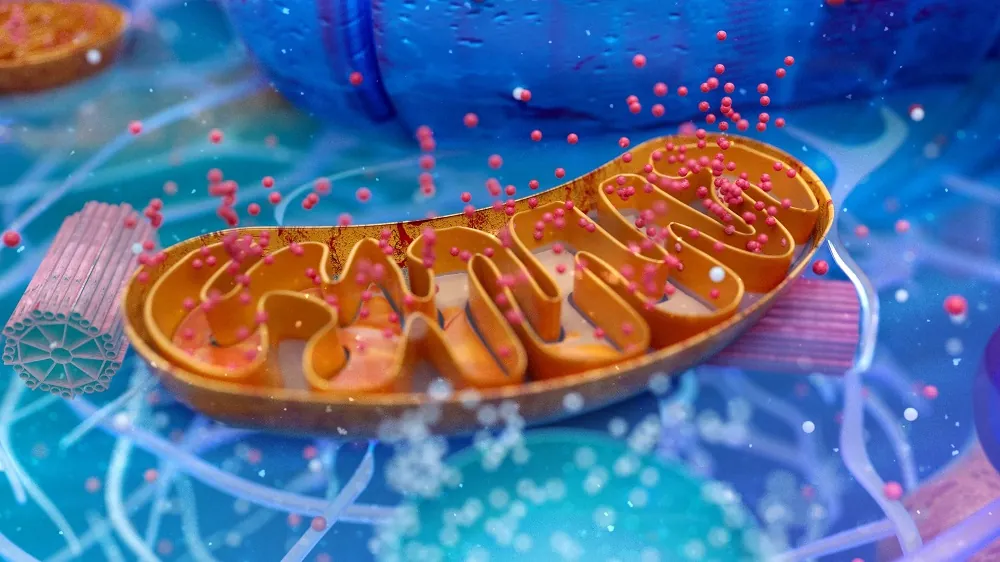
A paper published in Environmental Science and Technology has described some of the effects of nanoplastics on human liver and lung cells [1].

Microplastics and nanoplastics

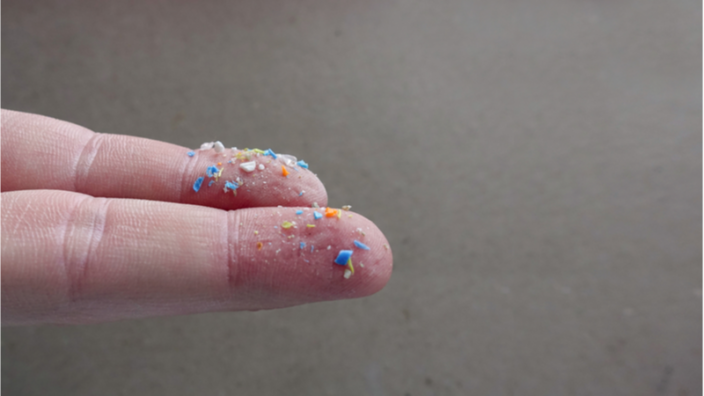
Plastics in the environment are gradually broken down by sunlight, grinding processes, and biological activities into smaller and smaller pieces [2]. These are the infamous microplastics, but when they are ground down smaller than than a micrometer, they become nanoplastics [3]. At less than 100 nanometers, these particles are small enough to cross cellular membranes and be taken up by cells, rendering them potentially dangerous to those cells and to the organisms they constitute [4].

The liver, as a filtration and processing organ, is specifically known for being strongly exposed to plastics. Lung tissue is also known for being exposed to plastics in the air [5]. Therefore, the researchers focused on the cells of these two organs, analyzing the effects of nanoplastics at various concentrations.

A focus on polystyrene

This research used standardized 80-nanometer particles of polystyrene at various concentrations ranging from 0.006 grams per liter to .25 grams per liter. Normal liver cells and epithelial lung cells were grown on standard growth media for this experiment.

Interestingly, exposure to lower levels of nanoplastics, such as 0.0312 grams per liter, was found to slightly increase viability in liver cells; the researchers hypothesize that this was due to the liver tissue activating in order to fight what they perceived as a threat. At higher concentrations, however, the cells became less viable, being reduced to approximately 60% viability at the highest concentration tested. Interestingly, this effect was much less prominent in lung cells, which only lost roughly 20% of their viability at the highest concentration.

Mitochondrial effects

After learning that these levels were not immediately fatal to cells, the researchers then turned their attention to the mitochondria. Even relatively lower levels of nanoplastics were found to increase the production of mitochondrial reactive oxygen species (mROS).

The mitochondrial membrane was also studied. In liver cells, the mitochondrial membrane was somewhat damaged even at low concentrations, intensifying at the highest concentration. In lung cells, the dose-response relationship was less linear; low concentrations did little to the cells, but damage was seen at the highest concentration.

This was also true of respiration. ATP was impaired in liver cells at low concentrations, but lung cells reacted by increasing ATP instead; only at higher concentrations were the more toxic effects seen in those cells. Interestingly, liver mitochondria had less proton leak with increasing nanoplastic exposure, while lung mitochondria had higher. As expected, gene expression of fundamental metabolic activities was affected by nanoplastic exposure in both kinds of cells: liver cells showed more effects on mitochondrial electron transport, while lung cells showed more effects in urea production.

In total, the combinations of potentially positive adaptive responses in some areas, and direct harm in others, shows that nanoplastics at sufficient concentrations have significant effects on mitochondrial respiration and metabolism.

Abstract

Plastic debris in the global biosphere is an increasing concern, and nanoplastic (NPs) toxicity in humans is far from being understood. Studies have indicated that NPs can affect mitochondria, but the underlying mechanisms remain unclear. The liver and lungs have important metabolic functions and are vulnerable to NP exposure. In this study, we investigated the effects of 80 nm NPs on mitochondrial functions and metabolic pathways in normal human hepatic (L02) cells and lung (BEAS-2B) cells. NP exposure did not induce mass cell death; however, transmission electron microscopy analysis showed that the NPs could enter the cells and cause mitochondrial damage, as evidenced by overproduction of mitochondrial reactive oxygen species, alterations in the mitochondrial membrane potential, and suppression of mitochondrial respiration. These alterations were observed at NP concentrations as low as 0.0125 mg/mL, which might be comparable to the environmental levels. Nontarget metabolomics confirmed that the most significantly impacted processes were mitochondrial-related. The metabolic function of L02 cells was more vulnerable to NP exposure than that of BEAS-2B cells, especially at low NP concentrations. This study identifies NP-induced mitochondrial dysfunction and metabolic toxicity pathways in target human cells, providing insight into the possibility of adverse outcomes in human health.

Conclusion

One of the largest limitations of this study was that it focused on one specific size and type of nanoplastic particle at a consistent concentration. Other particulate polymers of slightly different sizes might have considerably different effects on mitochondria and other organelles.

However, this research does make it clear how and why polystyrene nanoplastics may be a danger to human beings, increasing oxidative stress and potentially leading to the acceleration of at least one aspect of aging in liver and lung tissue. Higher doses were shown to have a much more significant effect, especially in lung tissue signifying that minimizing exposure to these substances is likely to be a good idea, both on the personal and the policy levels.

We would like to ask you a small favor. We are a non-profit foundation, and unlike some other organizations, we have no shareholders and no products to sell you. All our news and educational content is free for everyone to read, but it does mean that we rely on the help of people like you. Every contribution, no matter if it’s big or small, supports independent journalism and sustains our future.

Literature

[1] Lin, S., Zhang, H., Wang, C., Su, X. L., Song, Y., Wu, P., … & Zheng, C. (2022). Metabolomics Reveal Nanoplastic-Induced Mitochondrial Damage in Human Liver and Lung Cells. Environmental science & technology.

[2] Russell, A. E. (2004). Lost at sea: Where is all the plastic. Science, 304(5672), 838.

[3] Lai, H., Liu, X., & Qu, M. (2022). Nanoplastics and Human Health: Hazard Identification and Biointerface. Nanomaterials, 12(8), 1298.

[4] Vethaak, A. D., & Legler, J. (2021). Microplastics and human health. Science, 371(6530), 672-674.

[5] Zhang, Q., Xu, E. G., Li, J., Chen, Q., Ma, L., Zeng, E. Y., & Shi, H. (2020). A review of microplastics in table salt, drinking water, and air: direct human exposure. Environmental Science & Technology, 54(7), 3740-3751.

Fat rat

A Link Between Obesity And Joint Degeneration

In a new study published in Scientific Reports, researchers have uncovered the molecular mechanism underlying the link between obesity and joint degeneration [1].

Obesity and osteoarthritis

Obesity accelerates aging and is associated with several age-associated diseases, including osteoarthritis, an inflammatory condition that leads to joint degeneration. Obesity is often accompanied by low-grade chronic inflammation, which might exacerbate joint damage.

Remarkably, 60% of osteoarthritis cases are estimated to be obesity-related and are categorized as metabolic osteoarthritis. Although the connection between obesity and osteoarthritis is evident, the underlying molecular mechanism is unclear.

It was previously shown that increased fat (adipose) tissue is associated with an increased level of adipokines: inflammatory signaling molecules that are secreted by fat cells (adipocytes), such as resistin. Patients with osteoarthritis have high levels of resistin, which induces the expression of enzymes that degrade the extracellular matrix and thus cartilage.

In this study, the researchers sought to investigate the connection between obesity and osteoarthritis and whether it’s mediated by resistin. They also looked into dysregulated autophagy as a possible link between the two conditions.

Molecular changes in obese rats

The experiments were performed on thirty 2-3 month old male rats that were following either a normal diet (control) or a high-fat diet for 12 weeks. Following physical parameter measurements, the mice were sacrificed and their tissues were collected for analysis.

First, unsurprisingly, the rats on the high-fat diet were shown to increase in both BMI and body weight by ~70% compared to controls: they became obese. The rats on the high-fat diet also demonstrated elevated levels of sugar, insulin, triglycerides, and total and LDL cholesterol, along with a reduced level of HDL cholesterol.

Next, the researchers showed that the levels of resistin and TLR4, a target of resistin that triggers cytokine production, is higher in the obese rats compared to controls. Consistently with that, the levels of osteoarthritis markers, such as IL-1β, caspase-3, and MMP-9, were all elevated in the rats on the high fat diet.

An increased expression level of autophagy markers, Beclin-1, LC3B and ATG5, and a decrease of mTOR expression were detected in the obese rats, suggesting increased autophagy caused by the high-fat diet. This is somewhat in contrast with previous reports demonstrating repressed autophagy with osteoarthritis progression. On the other hand, an early phase of the cartilage degenerative process might be accompanied by induced autophagy, which serves as a protective response to damage.

Statistical analysis confirmed a positive correlation between resistin, TLR4, some matrix-degrading enzymes, and autophagy markers. The researchers conclude that, based on this finding, TLR4 could be a direct receptor of resistin in the cartilage triggering the degradation process.

Tissue degradation in obese rats

Finally, the researchers assessed the morphological characteristics of the knee cartilage in obese and control rats. Several structural abnormalities were detected in the tissues of rats on a high-fat diet, which resulted in the cartilage thinning.

Abstract

Obesity is a significant risk factor for the development of knee osteoarthritis (KOA). However, the precise molecular mechanisms linking obesity to OA remain unclear. In the present study, we investigated the effect of short-term high-fat diet (HFD) on the development of OA and the possible role of the adipokine resistin and autophagy-related genes in mediating this effect. Thirty adult male Wistar rats were equally divided into 2 groups: control and obese groups. Body mass index (BMI), levels of lipid profile, glucose, insulin and HOMA-IR index were significantly higher in the obese group compared with control. Our results revealed significantly higher serum and cartilage resistin levels with a significant increase in the mRNA expressions of toll-like receptor 4 (TLR4), matrix metalloproteinase-9 (MMP-9) and interleukin-1β (IL-1β) as well as protein levels of IL-1β, matrix metalloproteinase-13 (MMP-13), ADAMTS 5 (aggrecanase-2) and caspase-3 in the cartilage of obese rats. The HFD induced a significant upregulation of autophagy related 5 (ATG5), beclin-1 and light chain 3 (LC3) mRNA expressions and a significant downregulation of mammalian target of rapamycin (mTOR) expression in cartilage. The protein levels of cartilage ATG5 were also significantly elevated in HFD-fed group. In conclusion, we suggested that increased levels of resistin and expression of autophagy-related genes may contribute in part, to OA development in HFD-fed rats. This provides a novel insight into the early molecular changes in the cartilage associated with obesity.

Conclusion

This study sheds light on the molecular mechanisms underlying the connection between obesity and osteoarthritis. High-fat diet-caused obesity increases the level of inflammatory molecules and matrix-degrading enzymes via upregulating resistin. This, in turn, triggers the cartilage degradation process, which is accompanied by elevated autophagy. As we can see in rats, even a short-term high-fat diet in otherwise healthy animals is detrimental to their joint health. This study is another reminder of the deleterious effects of a Western diet and a call to switch to a well-balanced diet.

We would like to ask you a small favor. We are a non-profit foundation, and unlike some other organizations, we have no shareholders and no products to sell you. All our news and educational content is free for everyone to read, but it does mean that we rely on the help of people like you. Every contribution, no matter if it’s big or small, supports independent journalism and sustains our future.

Literature

[1] Aboudeya, H. M., Shaker, S. A. & Salama, M. Effect of short-term high fat diet on resistin levels and expression of autophagy-related genes in the cartilage of male rats. Sci. Rep. 12, 15313 (2022)

Magnitude Biosciences

Magnitude Reveals a New Target for Aging Therapeutics

At Longevity Summit Dublin, Ethan Perlstein and Magnitude Biosciences revealed that a small molecule, SMER28, improves longevity in C. elegans, a common model of aging.

Background

One of the greatest challenges for biomedical sciences is how to slow ageing. Ageing is the major risk factor for almost all chronic diseases. And it has been estimated that one extra year of working life would increase UK GDP by 1%. Ethan Perlstein and others found that a small molecule called SMER28 was an inducer of autophagy. This earlier research used a multi-species approach to drug discovery that started with a yeast chemical modifier screen and was followed by studies in flies and human cells to further understand the mechanism of action. Subsequently, SMER28 was shown to improve models of anemia in human hematopoietic stem cells, zebrafish and mice. However, there was no known effect on Healthspan, and the target remained unknown.

Ethan identified the contract research organisation Magnitude Biosciences to investigate the efficacy of SMER28 to promote health and slow ageing, as he was familiar with how studies in the nematode C. elegans could be translatable for drug discovery, and that Magnitude Biosciences had unique capabilities and a reputation for strong data reproducibility as led by CEO David Weinkove.

Findings

Magnitude Biosciences revealed SMER28 showed toxicity at relatively low concentrations, but using their unique Automated Imaging Platform, they found a range of concentrations with a robust positive effect on Healthspan. Establishing a dose response of SMER28 also demonstrated the sensitivity of Magnitude’s technology to identify tight therapeutic windows of compound concentrations that slow ageing.

Perspective

Excitingly, the target of SMER28 was recently identified by Wrobel et al (2022) in human cells as VCP (p97). This target is well conserved in C. elegans. The homologue CDC-48.1 has 80% identity with the human protein, opening up an exciting opportunity to further study SMER28 in vivo to determine the mechanism for slowing ageing. The C. elegans cdc-48.1 mutant can be used to validate the target, determine if the toxicity remains in the absence of the target, and if so, ID any off-target effect. This work would provide a platform to discover new molecules that would be derivatives of SMER28 that hit the desired target to slow ageing but avoid the toxicity. This new safe molecule could be used to develop therapeutics to slow ageing in humans.

SMER28 data figure

Press Contact: email: jess@magnitudebiosciences.com phone: +44 7566 236827, Ethan Perlstein and David Weinkove are available for interview.

About Magnitude Biosciences

Founded in 2018, Magnitude Biosciences is a specialist CRO, pioneering the use of the nematode C. elegans to help clients across industry and academia to propel their research projects via their unique automated imaging technology and team of multidisciplinary experts. They share a vision of bringing this unique approach to help accelerate the development of new drug therapies and other research advances to improve human and environmental health. Their studies are highly customised, with a focus on generating high-quality, reproducible data in key research areas including early preclinical drug discovery projects, ageing, microbiome, neurodegenerative diseases, environmental toxicity, reproductive toxicity, and C. elegans transgenics.

About Ethan Perlstein

Ethan Perlstein is a leading entrepreneur and CEO of Perlara, renowned for drug discovery for rare diseases in particular. Throughout his career, Ethan has gained a wealth of research experience in genetics, neuroscience, cell biology drug discovery and pharmacology and is very experienced with genetically amenable model organisms, such as yeast and the nematode C. elegans. In addition to his biomedical and biotech bench research, Ethan has led programmes to build pipelines of promising therapeutics by taking advantage of advances in the field to propel the discovery and development of life-changing interventions.

SMER28 target identification

Wrobel et al 2022. Compounds activating VCP D1 ATPase enhance both autophagic and proteasomal neurotoxic protein clearance. https://doi.org/10.1038/s41467-022-31905-0

We would like to ask you a small favor. We are a non-profit foundation, and unlike some other organizations, we have no shareholders and no products to sell you. All our news and educational content is free for everyone to read, but it does mean that we rely on the help of people like you. Every contribution, no matter if it’s big or small, supports independent journalism and sustains our future.

Longevity Summit Dublin

Research, DeSci, and Advocacy at Longevity Summit Dublin

It was all about collaboration: maybe not a lot of shiny new discoveries and unpublished data, but Longevity Summit Dublin 2022 brought together researchers, investors, and advocates to forge a common vision. More attention is being brought to the last category, as evidenced by our own executive director, Stephanie Dainow, receiving the Rising Star 2022 award at the conference.

Stephanie gave an inspiring talk where she explained how the unique ecosystem of lifespan.io works to connect various players in the field and promote the common goal of extending healthy human lifespan. Hurdles such as common biases and misconceptions about longevity, and the difficulty of translating complex scientific ideas into messages that the general public can understand, were mentioned by many speakers. Overcoming those hurdles is exactly where lifespan.io shines.

The rise of DeSci

lifespan.io is also one of the pioneers in the rising field of decentralized science (DeSci), as we partner with DeSci organizations such as VitaDAO to accelerate the development of new longevity therapies. DeSci in its various forms can “fill in” for biotech and Big Pharma where their incentives are sub-optimal, such as in repurposing existing unpatentable drugs. You can read more about how DeSci works in our interview with Savva Kerdemelidis, founder of Crowd Funded Cures. In Dublin, Sebastian Brunemeier, head of Healthspan Capital and a serial longevity investor, hailed DeSci as a currently modest alternative to Big Pharma, which “has fallen asleep at the wheel”.

Brunemeier also said in his talk that biotech companies have been quite successful in recent years, and their rate of success in developing new therapies has tripled or even quadrupled. Biotech, he added, is not just a direct competitor to Big Pharma. Rather, the two have been helping each other, with biotech startups bolstering the inefficient R&D lines of Big Pharma and using its enormous resources.

Brunemeier also divulged some secrets of the trade, such as how a biotech holding company can create central services for its entire portfolio to make its operations more streamlined and effective. Such services can include laboratories, logistics, regulation, and public relations. Rather than creating all those services from scratch, companies that are part of a greater structure can use them on demand for a fraction of the price.

Biotech update

Biotech startups were well represented at the conference. Matthew O’Connor presented his company, Cyclarity Therapeutics, formerly known as Underdog. Cyclarity is targeting accumulation of arterial plaques, the main cause of cardiovascular mortality. As macrophages try to clear arterial debris, they “overeat” and become bloated foam cells, a major component of arterial plaques. Cyclarity has found a way to reverse the foam cell phenotype using molecules named cyclodextrins.

Lou Hawthorne, founder and CEO of NaNotics, explained that the company’s vision originated in what Lou referred to as “the parabiosis psychosis”, the fascination with blood exchange between old and young animals (heterochronic parabiosis), which originated from seminal research by Irina and Michael Conboy.

Heterochronic parabiosis, as well as plasma replacement or dilution, exert their anti-aging effects by removing harmful molecules that accumulate in circulation in aging organisms. NaNotics is trying to improve upon this approach by using NaNots: nano-sized balls that act like sponges, scooping up specific pathogenic molecules in the blood. They are so effective that they can lower the levels of a targeted molecule in circulation by 95% in just five minutes.

In January of this year, NaNotics announced collaboration with Mayo Clinic on using NaNots to target the soluble form of PD-L1, the molecule that cancer cells use to dampen anti-tumor immune response. According to preliminary data reported by Lou in his talk, NaNots outperform traditional PD-L1 inhibitors.

Matthew Scholz from Oisin Biotechnologies reported on his company’s progress with proteo-lipid vehicles, a delivery method that borrows a lot from liquid nanoparticles (LNPs), which are most known for being employed in the Moderna and Pfizer COVID vaccines. Proteo-lipid vehicles, which, as their name suggests, integrate proteins alongside lipids, are a step forward in terms of stability and payload capacity. This enables PLVs to carry large sets of DNA-based instructions that can, for instance, induce apoptosis in a subset of cells such as senescent cells.

Talking science

Scientific talks at the conference were abundant and fascinating. Michael West, a geroscience veteran who received a lifetime achievement award at the conference, talked about the role of telomeres in aging. According to West, somatic cells turn off the production of telomerase reverse transcriptase (TERT), the enzyme that keeps telomeres nice and long. This is probably to prevent unrestricted division which can lead to cancer; cancer cells turn TERT back on.

According to this theory, our cells essentially give up extreme longevity in exchange for cancer prevention. Induced pluripotent stem cells (iPSCs), which are produced from somatic cells, also express TERT, which could be a key to creating effective anti-aging therapies.

Emma Teeling’s talk stole the audience’s attention, because what can be more exciting than bats? When adjusted for body size, which is strongly correlated with longevity, bats are incredibly long-lived: even some of the tiniest, hummingbird-sized bats can live up to 40 years. This is much longer than the meager 3-year lifespan of a lab mouse, our current animal model of choice in longevity research.

It is even more astonishing considering that flight is extremely metabolically demanding. Bats produce a lot of reactive oxygen species, but they seem to be very good at mitigating oxidative stress. Living in giant tightly packed colonies, they have also developed a unique immunity to most viruses.

According to Teeling, bat telomeres do not shorten with age – not as a result of telomerase activity, however, but due to an alternative mechanism of telomere elongation. Bats also do not experience age-related changes in the microbiome, unlike humans. While in humans, autophagy, the process of removing cellular junk, is downregulated with age, in bats, it’s upregulated.

Hence, it is extremely important to learn the secrets of bats’ genetic code, which is what BAT1K, the global consortium for sequencing genomes of all the bat species, has been doing. Teeling’s group also does the much-needed longitudinal research in bats, taking blood and tissue samples year after year from the same bats living in a colony in France.

In the closing talk of the conference, delivered by Zoom, the famous geroscientist George Church gave an update on his group’s ongoing research into genome-wide engineering, modifying genomes on a much wider scale than previously thought possible, with dozens of simultaneous changes that can enhance cells and organs, confer radiation resistance, etc. Church highlighted a paper that he co-authored that was published in Nature the same day the talk took place. This paper, “Towards next-generation cell factories by rational genome-scale engineering”, reviews the budding technology of building genetically engineered “cell factories” that can efficiently and sustainably produce a wide range of biomolecules.

Longevity medicine

Even though longevity research is yet to give us a single approved anti-aging treatment, the emerging class of longevity physicians was well represented at the conference. The speakers explained why longevity medicine is a thing, and how it can, in turn, help geroscience (for instance, by gathering large amounts of longitudinal aging data from actual patients).

Evelyne Yehudit Bischof talked about the AI-driven revolution that is enabling the rise of longevity medicine. According to her, aging is so complex a phenomenon that without AI-powered data mining and analysis, longevity medicine and research cannot exist. For the same reason, longevity medicine has to be personalized, identifying and mitigating risks for specific patients.

Andrea Meier, president of the Longevity Medicine Society (Bischof is its vice-president) stressed the importance of recruiting physicians into longevity medicine and explained why this field is unlike other medical fields. According to Meier, longevity medicine requires stepping away from the dichotomy of “illness or heath” and towards targeting aging processes across the lifespan.

Non-profits and advocacy

This angle, often overlooked at longevity conferences, was discussed at length in Dublin. Mehmood Khan, the CEO of the newly formed Hevolution foundation, showcased how a public talk should be done, captivating the audience with his drive and charisma. The emergence of Hevolution with big Saudi money behind it made quite a furor in the longevity field a few months ago.

To quote Khan, “if the field is focused on individuals and personalities, it dies.” He stressed that the longevity field should be about the mission and moved forward by leaders rather than stars. The obvious question, he continued, was “how do we convince people who are not in this room?” The science is currently far ahead of the policy network, and advocacy groups need to bridge this gap.

Khan also touched on Hevolution’s vision of how collaborative the longevity field should be. One serious problem is that studies are seldom reproduced, because “the funding mechanism inhibits reproduction and reevaluation”, and this presents an opportunity for charities to step in. Science must be as open-source as possible, so that academics and businesses only compete on the efficacy of their implementation of commonly shared knowledge. Hevolution’s goal is “accessible longevity”, Khan concluded.

Two veteran advocates, Bernard Siegel and Patricia Nicklin, announced at the conference that they are joining the cause. Nicklin, founder and CEO of Nicklin Social Impact Consulting, has led several high-profile successful campaigns such as the famous No Kid Hungry campaign. Siegel’s Regenerative Medicine Foundation has existed since 2003 and has contributed enormously to making stem cell research mainstream. Siegel has become executive director of the newly formed Healthspan Action Coalition, which unites several prominent non-profits, such as Methuselah Foundation and the Alliance for Longevity Initiatives, which were also represented at the conference.

Last but not least, Aubrey de Grey, one of the founders of the longevity field and a co-organizer of the conference, announced the creation of a new foundation under his leadership, which will be supporting several research projects and organizations in fields such as cellular senescence, parabiosis, and cryonics. It will also be involved in society-oriented initiatives, including Afrolongevity, which strives to “bring the longevity crusade to the African continent” (Africa has the shortest life expectancy in the world), and Actual Food, which is “building technologies to facilitate healthy eating”.

De Grey said that “the single biggest goal” of the new foundation will be robust mouse rejuvenation (RMR), a several-fold expansion of mouse lifespan with a treatment or a combination of treatments that would begin in middle age. De Grey concluded by promising “a lot more news”, and we will keep you updated.

We would like to ask you a small favor. We are a non-profit foundation, and unlike some other organizations, we have no shareholders and no products to sell you. All our news and educational content is free for everyone to read, but it does mean that we rely on the help of people like you. Every contribution, no matter if it’s big or small, supports independent journalism and sustains our future.
Brain genes

Fundamental Metabolic Changes Accompany Alzheimer’s Disease

A paper published in Cell Metabolism has reported on a metabolic shift in neurons derived from patients with Alzheimer’s disease, showing that they express a cancer-like phenotype [1].

Induced neurons

Rather than attempting to harvest live neurons from Alzheimer’s patients, the researchers chose to create induced neurons (iNs) from the fibroblasts of these patients, comparing them to cells from a control group matched for sex, age, and ApoE allele, which is a significant factor in Alzheimer’s. This lab had previously shown that these cells retain the aging signatures of their donors; this conversion of cell type does not result in an epigenetic reset [2]. However, despite this, the iNs of Alzheimer’s patients quickly lose their markers of neuronal maturity, regressing to a hypo-mature state that is reminiscent of cancer [3].

The researchers examined metabolism and gene expression to determine precisely why this is the case.

Aberrant metabolism

Interestingly, Alzheimer’s disease did not restrict neurons from being converted from fibroblasts; there was no significant difference between the control and Alzheimer’s groups in this respect.

However, there were significant differences in gene expression. Narrowing down their targets to genes that were correlated both with the presence of Alzheimer’s disease and active cognitive decline, the researchers found six gene modules that were correlated, positively or negatively. Many of these genes had to do with development, cancer, the cellular cycle, alternative RNA splicing, synapses, and metabolism in ways that affirm the previous work relating to hypo-maturity. Critically, these results were found to be strongly correlated with the results of reference material derived from post-mortem Alzheimer’s and control brain tissue.

One of the most important genes was found to be PKM. The total amount of PKM between iNs derived from the control group and from Alzheimer’s patients did not differ. This is where the alternative splicing becomes important: in the control group, the balance was tilted in favor of PKM1, which is metabolically active and supports mitochondrial oxidation. However, the Alzheimer’s group produced significantly more PKM2, which is less metabolically active and results in an increased production of lactate and the accumulation of glycolytic metabolites. This shift, known as the Warburg effect, is associated with cancer [4].

These gene expression differences were confirmed with functional biomarkers. While there were no significant differences in mitochondrial respiration found between the iNs, the increased production of lactate and glycolysis were found to occur, along with an expected increased uptake of glucose and an increased demand for NAD+.

Finally, and possibly most importantly, the researchers found that this imbalance towards PKM2 renders the neurons more vulnerable to death by apoptosis, which is normally heavily repressed in mature neurons.

A possible treatment

Treating the iNs with a PKM2 inhibitor, shikonin, significantly decreased the amount of PKM2 without any clear side effects in morphology or function. It also appeared to reverse their Warburg-like phenotypes, reducing glycolytic metabolites and lactate back to that of the control group. It did not harm mitochondrial function, restored NAD+ levels, and protected against apoptosis.

While it is not clear if any form of shikonin will ever be administered as a treatment, these results clearly show that PKM2 might be a valuable target in the treatment of Alzheimer’s disease.

Conclusion

The upstream and downstream causes and effects of Alzheimer’s clearly go beyond the accumulation of beta amyloid. These researchers hold that this metabolic shift is central to the fundamental dysfunctions of Alzheimer’s disease, referring to it as a “pathogenic program”. However, as the researchers note, this study does not fully show the entire environment of Alzheimer’s disease; the neurons are not exposed to the toxic amyloid proteins nor are they in the presence of glial cells. Further, more in-depth research and animal studies will be required to determine if PKM2 is a druggable target.

We would like to ask you a small favor. We are a non-profit foundation, and unlike some other organizations, we have no shareholders and no products to sell you. All our news and educational content is free for everyone to read, but it does mean that we rely on the help of people like you. Every contribution, no matter if it’s big or small, supports independent journalism and sustains our future.
Literature

[1] Traxler, L., Herdy, J. R., Stefanoni, D., Eichhorner, S., Pelucchi, S., Szücs, A., … & Mertens, J. (2022). Warburg-like metabolic transformation underlies neuronal degeneration in sporadic Alzheimer’s disease. Cell metabolism.

[2] Mertens, J., Paquola, A. C., Ku, M., Hatch, E., Böhnke, L., Ladjevardi, S., … & Gage, F. H. (2015). Directly reprogrammed human neurons retain aging-associated transcriptomic signatures and reveal age-related nucleocytoplasmic defects. Cell stem cell, 17(6), 705-718.

[3] Mertens, J., Herdy, J. R., Traxler, L., Schafer, S. T., Schlachetzki, J. C., Böhnke, L., … & Gage, F. H. (2021). Age-dependent instability of mature neuronal fate in induced neurons from Alzheimer’s patients. Cell Stem Cell, 28(9), 1533-1548.

[4] Puckett, D. L., Alquraishi, M., Chowanadisai, W., & Bettaieb, A. (2021). The role of PKM2 in metabolic reprogramming: insights into the regulatory roles of non-coding RNAs. International Journal of Molecular Sciences, 22(3), 1171.

wearable device

A Wearable Tracker For Metabolites, Nutrients, and Drugs

Today, we want to highlight an interesting development on the wearable diagnostic front: researchers have developed a wearable device that can monitor nutrients, hormones, and drugs [1].

Real-time health monitoring

The popularity of medical wearables has increased in recent years. A few decades ago, a complex diagnostic machine able to measure circulating molecules in the blood would have been a large, intrusive, and bulky affair, but thanks to progress, such systems can be small and portable. This is greatly thanks to advances in processor technology and the ever-smaller sizes they are able to be produced in.

These researchers, based at Caltech’s Cherng Department of Medical Engineering, recently revealed this new device. They showcased how it could detect even trace amounts of nutrients and other molecules in human sweat. These nutrients and molecules can serve as useful biomarkers for determining human health in real time.

The technology behind the sensor was developed in the Wei Gao lab, which has been developing wearable technology like this for many years. This new, more precise device represents a new pinnacle of its work.

Perhaps the most interesting thing about the new sensor is that it uses molecularly imprinted polymers, which are shaped to work like artificial, reusable antibodies. This specially formed polymer is combined with a material that can be oxidized or reduced when an electrical voltage is applied when in contact with human sweat.

Finally, the device makes use of microfluidics, which uses many microscopic tubes less than a quarter of a millimeter wide to absorb tiny volumes of fluid. This lets the sensor monitor target molecules in sweat even when the amount of fluid available is miniscule.

The device has been tested by human participants in the lab setting with positive results. Dr. Gao hopes to test the device in larger-scale human studies as the next step.

Abstract

Wearable non-invasive biosensors for the continuous monitoring of metabolites in sweat can detect a few analytes at sufficiently high concentrations, typically during vigorous exercise so as to generate sufficient quantity of the biofluid. Here we report the design and performance of a wearable electrochemical biosensor for the continuous analysis, in sweat during physical exercise and at rest, of trace levels of multiple metabolites and nutrients, including all essential amino acids and vitamins. The biosensor consists of graphene electrodes that can be repeatedly regenerated in situ, functionalized with metabolite-specific antibody-like molecularly imprinted polymers and redox-active reporter nanoparticles, and integrated with modules for iontophoresis-based sweat induction, microfluidic sweat sampling, signal processing and calibration, and wireless communication. In volunteers, the biosensor enabled the real-time monitoring of the intake of amino acids and their levels during physical exercise, as well as the assessment of the risk of metabolic syndrome (by correlating amino acid levels in serum and sweat). The monitoring of metabolites for the early identification of abnormal health conditions could facilitate applications in precision nutrition.

Conclusion

Given that the device can potentially measure a wide range of nutrients, metabolites, hormones, and drugs, the utility here is obvious. Being able to monitor biological changes in real time could provide researchers with highly valuable information and help to inform follow-up studies.

Beyond clinical trials for aging interventions, such a technology could also prove popular in the public health wearables market. Imagine being able to monitor your nutrient intake and watch how things change in real time. It could also prove invaluable for people with conditions such as diabetes, helping them to optimize their glucose levels.

The ability to continuously monitor health biomarkers in real time has almost limitless applications, and this is an exciting development in diagnostics and biomarker monitoring.

We would like to ask you a small favor. We are a non-profit foundation, and unlike some other organizations, we have no shareholders and no products to sell you. All our news and educational content is free for everyone to read, but it does mean that we rely on the help of people like you. Every contribution, no matter if it’s big or small, supports independent journalism and sustains our future.

Literature

[1] Wang, M., Yang, Y., Min, J., Song, Y., Tu, J., Mukasa, D., … & Gao, W. (2022). A wearable electrochemical biosensor for the monitoring of metabolites and nutrients. Nature Biomedical Engineering, 1-11.