The Blog

Building a Future Free of Age-Related Disease

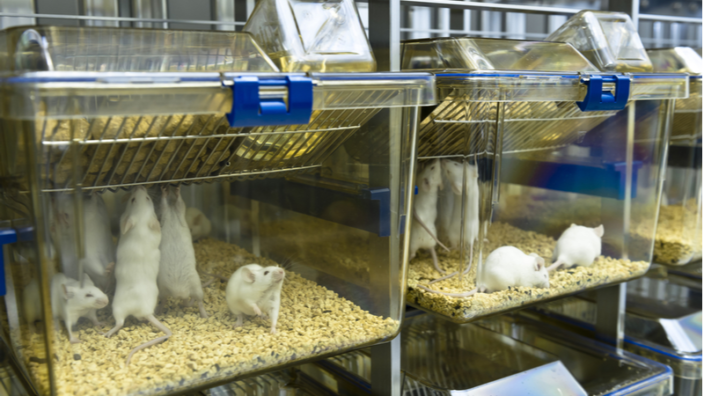
Lab mice

Canagliflozin Alleviates Several Aging Pathologies in Mice

Scientists have found that canagliflozin, an anti-diabetes drug that is known to extend lifespan in mice, alleviates an array of age-related pathologies, albeit in males only [1].

Anti-diabetes and anti-aging

Canagliflozin, a widely used anti-diabetes drug, belongs to the class of sodium glucose cotransporter 2 (SGLT2) inhibitors, which regulate glucose reabsorption by the kidneys. Recently, it joined two other anti-diabetes medications, metformin and acarbose, on the list of potential geroprotectors. While metformin unexpectedly failed to increase lifespan in mice in the ITP (Intervention Testing Program), both acarbose and canagliflozin showed a remarkable, albeit sex-specific, effect, prolonging life solely in male mice. Specifically, canagliflozin extended the animals’ median lifespan by 14% and maximal lifespan by 9% [2].

Is it just cancer reduction?

While the ITP is extremely robust and is considered the current gold standard in anti-aging drug testing, it also has its limitations. About 80% of the genetically heterogenous mice used by the ITP die from neoplasms – abnormal growth of tissue, which usually means cancer. Hence, in order to significantly extend lifespan in these mice, it would be enough for any drug to decrease the risk of cancer.

Human lifespan, on the other hand, is limited by many other diseases, such as cardiovascular problems. Any “true” anti-aging drug for humans must mitigate numerous risks at once by affecting some of the underlying pathways of aging. This, for example, is the case for rapamycin, which has been found to alleviate many age-related pathologies [3].

In this new study, the researchers investigated whether canagliflozin has health benefits in mice beyond lowering the risk of cancer. 228 male mice were treated with canagliflozin from 7 to 22 months of age, which roughly equals 20 to 70 human years. Mice’s tissues were then examined for a wide variety of age-related lesions. The mice were of the same kind the ITP uses (UM-HET3) and treated in the three ITP centers according to the program’s stringent standards, while the tissues were examined by researchers in the University of Washington.

Wide range of effects, but mostly in males

The scientists found that in male mice, the prevalence and/or severity of six types of lesions was significantly decreased by the treatment. This includes topical tumors on the adrenal glands (adrenal cortical neoplasms); stiffening of arteries (arteriosclerosis); the heart dysfunction known as cardiomyopathy; glomerulonephropathy, a kidney pathology; hepatic microvesicular lipidosis, a fatty liver disease; and pancreatic atrophy. It is worth noting that adrenal neoplasms are not among the cancers that have a big contribution to mortality in mice – that would be blood, liver, and lung cancers.

Disease risks in mice after canagliflozin

The only statistically significant effect produced by canagliflozin in female mice was a decrease in pancreatic atrophy. However, this effect was even stronger than in males, which is in line with the sex-specific effect that canagliflozin has on lifespan. Female UM-HET3 mice also consistently outlive males in general [4].

The reasons for lifespan extension by most anti-aging drugs being sex-dependent remain a mystery, although you can find some clues in our interview with Richard Miller, a founder of the ITP and a co-author of this new study.

The link between glucose spikes and aging

Both canagliflozin and acarbose work mostly by smoothing out post-meal glucose spikes, although via completely different pathways. Canagliflozin’s mode of action can explain its robust effect on kidney function. Pancreatic atrophy and cardiovascular dysfunction are often seen in diabetic patients as well. This highlights the importance of keeping glucose levels under control for healthy longevity and warrants more research into the connection between glucose spikes and age-related pathologies.

Interestingly, despite its different mode of action, rapamycin has been shown to alleviate some of the same pathologies in mice, including hepatic lipidosis and adrenal neoplasms. However, rapamycin extends lifespan in both males in females.

This histopathological analysis was taken to test the idea that Cana-treated mice might have delays in age-related pathology in multiple lesions, including lesions that seldom if ever prove fatal, and to see to what extent such effects might be sex-specific. The results seem clear: Cana does indeed delay age-related changes in the heart, kidney, liver, exocrine pancreas, and adrenals, and this protective effect is seen in males only, with the exception that protection against pancreatic atrophy is apparent in both sexes. Since most UM-HET3 mice die of some form of neoplastic disease, the lifespan extension produced by Cana presumably reflects postponement of multiple kinds of cancer, whether by alteration of host defenses, oncogenic processes, or both. But the current data establish that Cana, like rapamycin, calorie restriction diets, and hypopituitary mutations, can be considered as an anti-aging intervention, in that it delays many forms of lethal and non-lethal age-dependent decline.

Conclusion

Using histopathological analysis, this robust study provides a strong indication that canagliflozin, an anti-diabetes drug already in clinical use, extends lifespan in male mice by alleviating a broad range of age-related pathologies rather than by simply reducing the risk of cancer. This is likely to boost the already strong interest of longevity community in SGLT2 inhibitors. The study also confirms the sex-specific nature of canagliflozin’s effects, unfortunately without providing new insights on why this is the case.

We would like to ask you a small favor. We are a non-profit foundation, and unlike some other organizations, we have no shareholders and no products to sell you. All our news and educational content is free for everyone to read, but it does mean that we rely on the help of people like you. Every contribution, no matter if it’s big or small, supports independent journalism and sustains our future.

Literature

[1] Snyder, J. M., Casey, K. M., Galecki, A., Harrison, D. E., Jayarathne, H., Kumar, N., … & Ladiges, W. (2022). Canagliflozin retards age-related lesions in heart, kidney, liver, and adrenal gland in genetically heterogenous male mice. GeroScience, 1-13.

[2] Miller, R. A., Harrison, D. E., Allison, D. B., Bogue, M., Debarba, L., Diaz, V., … & Strong, R. (2020). Canagliflozin extends life span in genetically heterogeneous male but not female mice. JCI insight, 5(21).

[3] Wilkinson, J. E., Burmeister, L., Brooks, S. V., Chan, C. C., Friedline, S., Harrison, D. E., … & Miller, R. A. (2012). Rapamycin slows aging in mice. Aging cell, 11(4), 675-682.

[4] Austad, S. N., & Fischer, K. E. (2016). Sex differences in lifespan. Cell metabolism, 23(6), 1022-1033.

Powerful mixture

Two Small Molecules May Provide Partial Reprogramming

A preprint published in bioRxiv has detailed how partial reprogramming through two small molecules can rejuvenate human cells as well as C.elegans, a common model of aging.

Beyond OSKM

This paper begins with a discussion of the four well-known Yamanaka reprogramming factors (OSKM) that cause cells to revert to a previous epigenetic state, citing previous research showing how short-term expression of these four factors can make cells epigenetically younger without causing them to forget what kinds of cells they are [1]. Other teams have managed to achieve similar results with different combinations of factors. However, this approach is not without its problems; it is difficult to cause cells in unmodified organisms to express these factors, and it can cause cells to form tumors [2].

Recent research has also found that it is possible to reprogram cells to a fully pluripotent state through small molecules, resulting in chemically induced pluripotent stem cells (ciPSCs) [3]. That research led this team to investigate what seems like an obvious question: is it possible to use such small molecules to partially reprogram cells back to a more epigenetically youthful state?

A seven-molecule combination had flaws

The researchers began their experiment by using a cocktail of seven molecules that were shown to spur reprogramming in previous work: CHIR99021, DZNep, Forskolin, TTNPB, Valproic acid (VPA), 120 Repsox, and Tranylcypromine (TCP).

These molecules, collectively termed 7c, were shown to reduce γH2AX, a marker of DNA damage, in human dermal fibroblasts exposed to the DNA-damaging substance doxorubicin. They also reduced the senescence marker p21 and the tumor suppression marker p53. The heterochromatin markers H3K9me3 and H3K27me3, the latter of which decreases with senescence in aging, were positively affected.

Some of the data were clearly negative. Ki67, a marker of cellular proliferation, was notably decreased in the 7c group, as was cellular proliferation itself. Reactive oxygen species were sharply increased, and cellular density was significantly decreased compared to the untreated group.

The 7c treatment also had notable effects on gene expression. Genes related to chromosome segregation were very strongly downregulated, and genes related to leukocytes, chemokines, and morphogenesis of physical features such as limbs were upregulated.

A two-molecule combination was much less flawed

After looking at these partially detrimental results, the researchers turned to a combination of only two of the compounds: TCP and Repsox. These two small molecules, in combination (2c), significantly decreased the β-gal marker of cellular senescence, although this was only found to be effective if the 2c was given before the doxorubicin was administered. In measurements taken at 6 and 29 days, 2c also reduced γH2AX p21, p53, and the inflammatory marker IL-6. ROS was positively affected by the 2c treatment, it offered similar benefits as 7c regarding H3K9me3 and H3K27me3, and cell density was much less strongly affected than by 7c.

The researchers state that, when these results are examined as a whole, they show that 2c significantly reduces cellular senescence and reverses cellular aging in multiple critical ways.

C.elegans lives longer

With their cellular success in hand, the researchers then examined the effects of 2c on C.elegans survival rates. Each of the compounds was found to extend lifespan in these nematodes compared to controls at 50 micromoles, with higher doses leading to less of a positive effect. In a 50-micromole combination, the compounds increased median lifespan by 42.1%.

Conclusion

This is still very early-stage research. This study was performed on cells on nematodes, not any kind of mouse model. It is likely that the exact formulation and dosage of 2c can be better refined, before or during experiments on mammals, and neither the precise mechanism of action nor the side effects have been determined.

However, as the researchers note, this approach has successfully reversed multiple hallmarks of aging in its models. If this approach can be proven to work in mice and then human beings, this research might be an initial step towards a true small-molecule longevity pill.

Literature

[1] Ocampo, A., Reddy, P., Martinez-Redondo, P., Platero-Luengo, A., Hatanaka, F., Hishida, T., … & Belmonte, J. C. I. (2016). In vivo amelioration of age-associated hallmarks by partial reprogramming. Cell, 167(7), 1719-1733.

[2] Ohnishi, K., Semi, K., Yamamoto, T., Shimizu, M., Tanaka, A., Mitsunaga, K., … & Yamada, Y. (2014). Premature termination of reprogramming in vivo leads to cancer development through altered epigenetic regulation. Cell, 156(4), 663-677.

[3] Guan, J., Wang, G., Wang, J., Zhang, Z., Fu, Y., Cheng, L., … & Deng, H. (2022). Chemical reprogramming of human somatic cells to pluripotent stem cells. Nature, 605(7909), 325-331.

No to soda

Zero-Calorie Sweeteners Alter the Human Microbiome

A new open-label, randomized, controlled study published in Cell showed that zero-calorie sweeteners are metabolically active and some might impair glycemic response in healthy adults [1].

What does “sugar-free” mean?

The human brain is the main consumer of glucose in the body, and glucose availability is paramount for neurons to generate action potentials and release neurotransmitters. This is why humans love sweets and develop sugar cravings: for the brain, sugar sends a strong message of more energy coming in. However, excessive dietary sugar consumption is associated with obesity and type 2 diabetes, which lead to accelerated aging.

One strategy to reduce sugar consumption entails substituting it with supposedly metabolically inert zero-calorie, or non-nutritive, sweeteners. These substances are not broken down to produce energy, but their sweet taste is used to flavor food and satisfy sugar cravings. Products with non-nutritive sweeteners can be recognized by their “diet” or “sugar-free” labels.

There is a wide range of artificial (chemically synthesized) and natural non-nutritive sweeteners, but it is still unclear if they actually promote a lower consumption of sugar. It is also largely unknown if these substances interfere with metabolism or have harmful or beneficial effects.

In this study, the researchers explored the effects on human microbiome and metabolic health of three artificial sweeteners, saccharin, sucralose, and aspartame, alongside a natural sweetener, stevia, which is derived from the Stevia rebaudiana plant.

Zero calorie sweeteners are not the same

The participants were healthy Israeli males and females of 18-70 years of age who did not consume any foods containing zero-calorie sweeteners in the six months prior to the trial. The trial participants were divided into six groups of 20 people each, which were given commercially available sachets with the following supplements for two weeks: saccharin, sucralose, aspartame, stevia, glucose, and no supplement (control). All the non-nutritive sweetener sachets contained an equivalent amount of glucose, which served as a formulation filler agent, as the glucose group (~5 g/day).

Throughout the study, the participants were logging their food consumption and physical activity using a smartphone application. Conveniently, glucose tolerance tests were conducted at home using a continuous glucose monitor. The oral glucose tolerance tests showed that both saccharin and sucralose impair glycemic response: these sweeteners lead to a more rapid rise of blood glucose following caloric intake. This effect was reversed once the participants discontinued the supplementation.

Next, the researchers checked if the zero-calorie sweeteners affected the production of insulin and glucagon-like peptide-1 (GLP-1). These two important hormones are secreted after a meal (or oral glucose test): insulin ensures glucose uptake by the cells, while GLP-1 enhances insulin secretion.

Following the test, it was shown that the plasma insulin levels increased only in the stevia and glucose groups but not in the saccharin and sucralose groups, which probably explains the elevated glycemic response in the latter two groups. No GLP-1 changes were observed in any of the groups.

The researchers then collected stool and oral samples from the participants to assess if zero-calorie sweeteners affect metabolism by altering the microbiome. They sequenced the bacteria present in the feces and oral cavities of the participants and analyzed the changes in their composition and function over the course of the trial. Sucralose and saccharin significantly changed the microbiome’s composition, while all the sweeteners changed the microbiome’s function.

Interestingly, the microbiome changes observed were sweetener-specific. For example, sucralose altered purine metabolism, which was also demonstrated by the blood tests, while stevia-induced changes were related to fatty acid biosynthesis. Bacterial composition changes were also observed in the supplementation groups based on the oral microbiome analysis. Overall, of all the sweeteners, sucralose supplementation led to the most prominent fecal microbiome changes.

Personalized effects

As expected with dietary interventions, there were person-to-person response variations within groups. Hence, some participants in each group had a reduced glucose tolerance and some did not. The researchers leveraged these results to identify the metabolites that would explain this heterogeneity.

They identified the abundances of different bacterial species and metabolites that correlated with the glycemic response to different sweeteners. This means that the way the body of a specific person would respond to a specific sweetener depends on the initial microbiome composition and metabolomic features of that person.

Next, the researchers transplanted human fecal microbiomes into germ-free mice lacking microbiomes of their own to explore if the glycemic response changes observed in some supplementation groups were indeed caused by the microbiome composition. The mice were transplanted with microbiomes taken from 42 trial participants, either at the beginning of the trial or after the supplementation. This research was conducted using only the microbiomes from the participants showing either the strongest or the weakest response to the supplementation within their respective groups.

These experiments mostly replicated the results in humans: mice that received samples from participants who responded strongly to the sweeteners demonstrated a higher glycemic response. In addition, the transplantation experiments showed that sucralose altered the microbiomes of the participants with the strongest response more than those with the weakest response.

Summary

Non-nutritive sweeteners (NNS) are commonly integrated into human diet and presumed to be inert; however, animal studies suggest that they may impact the microbiome and downstream glycemic responses. We causally assessed NNS impacts in humans and their microbiomes in a randomized-controlled trial encompassing 120 healthy adults, administered saccharin, sucralose, aspartame, and stevia sachets for 2 weeks in doses lower than the acceptable daily intake, compared with controls receiving sachet-contained vehicle glucose or no supplement. As groups, each administered NNS distinctly altered stool and oral microbiome and plasma metabolome, whereas saccharin and sucralose significantly impaired glycemic responses. Importantly, gnotobiotic mice conventionalized with microbiomes from multiple top and bottom responders of each of the four NNS-supplemented groups featured glycemic responses largely reflecting those noted in respective human donors, which were preempted by distinct microbial signals, as exemplified by sucralose. Collectively, human NNS consumption may induce person-specific, microbiome-dependent glycemic alterations, necessitating future assessment of clinical implications.

Conclusion

This study demonstrates that contrary to what is generally accepted, non-nutritive sweeteners are metabolically active and capable of changing the human gut microbiome composition even at dosages below the acceptable daily intake. Saccharin and sucralose seem to impair glycemic response in healthy individuals, but the response is person-specific. Unfortunately, all the tested sweeteners in this study were coupled with glucose, and, although compared to the glucose group, it is impossible to assess the effect of the sweeteners on their own without additional studies. The authors of the study stress that their results should not be interpreted as a call to consume more sugar. Perhaps the safest option would be to consume fewer sweets altogether, whether “sugar-free” or not.

Literature

[1] Suez, J., Cohen, Y., Valdés-Mas, R., Mor, U., Dori-Bachash, M., Federici, S., … & Elinav, E. (2022). Personalized microbiome-driven effects of non-nutritive sweeteners on human glucose tolerance. Cell.

Rejuvenation Roundup thumbnail August

Rejuvenation Roundup August 2022

EARD2022 is over, but the research and events continue. Here’s a summary of everything that’s happened in August.

LEAF News

We are hiring! We are currently looking for a full-time chief of staff, a full-time data-driven Senior Marketing Manager, a part-time Youtube sponsorship/partnership acquisition lead, a social media intern, a part-time grant writer, and volunteers to support various programs. If you are interested in learning more about any of these positions, please contact us with your resume and salary expectations.

Cells Return from Death: Cells, dead for an hour under warm conditions, have been revived. Questions about when life begins have been hot topics for awhile, but there is also debate about when life ends.

Rapamycin and Metformin: Rapamycin and metformin, two well-studied drugs in aging research, can be combined for synergistic effects in mice. Rapamycin and metformin are viewed by many as the two most promising anti-aging drugs, but now scientists have found that these drugs can work hand in hand.

Steve Horvath on the Present and Future of Epigenetic Clocks: Dr. Steve Horvath is the inventor of the epigenetic clock and, currently, principal investigator at Altos Labs. We talked about the recent developments in this immensely important field, including pan-mammalian clocks, two-species clocks, and single-cell clocks, along with the challenges the field faces.

Albert BarabasiProf. Albert-László Barabási on Network Medicine: Albert-László Barabási is the Robert Gray Dodge Professor of Network Science at Northeastern University, and he also holds an appointment in the Department of Medicine at Harvard Medical School. We talked about a revolutionary ‘network medicine’ approach that can greatly enhance our ability to understand biological processes and seek cures for disease.

Martin O’Dea Talks About the Longevity Summit: We recently had the opportunity to speak to Martin O’Dea about a new longevity-focused event happening in Ireland’s capital city on September 18th-20th. Martin holds an MBS and is a business lecturer at Dublin Business School in Dublin, Ireland. He is also the author of Beyond the Subjectivity Trap.

Aubrey de GreyDr. Aubrey de Grey Will Speak at the Longevity Summit Dublin: We recently caught up with Dr. Aubrey de Grey and talked to him about the upcoming Dublin Longevity Summit and how things are looking on the advocacy landscape.

Rejuvenation Roundup Podcast

Ryan O’Shea of Future Grind hosts this month’s podcast, showcasing the events and research discussed here.

Journal Club

Old Plasma Dilution Reduces Human Biological Age: The Journal Club has returned to our Facebook page with your host, Dr. Oliver Medvedik. This month, we have investigated a paper, “Old plasma dilution reduces human biological age: a clinical study”, in which Irina Conboy and her team investigated the effects of therapeutic plasma exchange on aging in people.

Research Roundup

No resultsVitamin D Fails to Improve Bone Health in Mega-Study: A high-quality, randomized, controlled trial found no effect of vitamin D supplementation or blood levels on the incidence of fractures in an aging population.

Hesperetin Upregulates Metabolism and Longevity in Mice: Researchers publishing in Journal of Biomedical Science have concluded that hesperetin, a compound found in various herbs, improves longevity in mice by promoting the expression of the pro-longevity gene Cisd2.

Small healthy mealCaloric Restriction Improves Immune System Function: A new study published in Mechanisms of Aging and Development has shown that caloric restriction effectively restores T cell abundance in aged mice. Caloric restriction has become a well-known anti-aging intervention, as it can reverse several hallmarks of aging and extend lifespan in different animal models.

Ghrelin Is Associated with Worse Muscle Aging in Mice: A team of researchers publishing through Multidisciplinary Digital Publishing Institute has described an association between ghrelin and skeletal muscle aging in mice. Ghrelin is a peptide containing 28 amino acids. Its main function is to stimulate the appetite through receptors in the hypothalamus.

SaunaSauna Combined with Exercise Improves Cardiovascular Health: In a randomized, controlled trial, scientists have shown that sauna and exercise, when taken together, might have a synergistic, beneficial effect on cardiovascular health and cholesterol levels. Sauna bathing has been credited with many health benefits, predominantly for the cardiovascular system.

Developing Nanobodies to Fight Parkinson’s Disease: A team of researchers publishing in Nature Communications has described nanobodies that can destroy the α-synuclein aggregates that characterize Lewy bodies, which are associated with dementia and Parkinson’s disease. Traditional antibody therapies, while promising in some studies, are too large to enter cells in order to affect the aggregates there.

Back from the deadScientists Move the Boundaries of Post-Mortem Recovery: Researchers have been able to achieve substantial recovery of cellular and organismal activity in pigs that had been dead for a full hour. Advances in resuscitation have already moved the boundaries of life and death, making it possible to revive a person several minutes after the heart stops beating.

An In-Depth Review of Skin Aging Genes: In a new systematic review published in Scientific Reports, multiple genes driving skin aging were identified. The authors start by explaining the intrinsic (genetic and chronological) and extrinsic (environmental) factors that drive skin aging.

Blood vessels brainHypertension Is Associated with Brain Drainage Changes: Researchers publishing in Aging have found that enlarged perivascular spaces in the brain are correlated with vascular disorders. These spaces, which are part of the brain’s glymphatic system, allow for the drainage of potentially dangerous metabolites such as beta amyloid.

Rapamycin-Loaded Microneedles Reverse Hair Loss in Mice: Scientists have successfully regrown hair in a mouse model of hair loss using custom-made plastic microneedles loaded with rapamycin and epigallocatechin gallate (EGCG), an active ingredient in green tea.

Genes computerIdentifying Mitonuclear Genes for Longevity: Publishing in GeroScience, a team of researchers that included Nir Barzilai and Matt Kaeberlein examined genes that may affect both mitochondria and lifespan.

Dietary Restrictions Do Not Help Cognitive Function in Mice: A new study published in Neurobiology of Aging has shown that neither caloric restriction nor intermittent fasting improve late-life cognition in genetically diverse mice, but the effect depends on genetic composition.

handshakeCombining Senolytic Pathways Has Synergistic Effects: A team of researchers have explained in Aging how multiple compounds that target the BCL-2 protein family are considerably more effective against senescent cells than each compound by itself.

New Synthetic Molecule Alleviates Alzheimer’s in Mice: Scientists have synthesized a molecule that alleviates Alzheimer’s in a mouse model by targeting inflammation. Two of the most prominent – and probably interconnected – symptoms of Alzheimer’s disease are the accumulation of amyloid beta (Aβ) and chronic neuroinflammation.

StrokeThe Relationship Between Stroke and Inflammation: Publishing in Aging, a team of Chinese researchers has provided evidence showing a relationship between systemic inflammation and prognosis after a stroke. As the researchers point out, strokes are the leading cause of death in China.

Almost Half of Cancer Deaths Worldwide are Preventable: Researchers have shown that 44.4% of cancer deaths worldwide can be attributed to preventable risk factors, including behavioral and environmental ones. It is well known that many cancer cases occur due to behavioral and environmental and factors such as smoking and pollution, which makes them theoretically preventable.

Plasma Dilution Appears to Rejuvenate Humans: Published in GeroScience, a groundbreaking study from the renowned Conboy lab has confirmed that plasma dilution leads to systemic rejuvenation against multiple proteomic aspects of aging in human beings. This paper takes the view that much of aging is driven by systemic molecular excess of signaling molecules, antibodies, and toxins.

AtherosclerosisMitochondrial Drug Alleviates Atherosclerosis in Mice: Scientists have drastically improved various symptoms of atherosclerosis in mice by precisely targeting mitochondria with a plant-derived antioxidant. Atherosclerosis, the accumulation of plaques on arterial walls, is one of the deadliest age-related diseases.

Intravenous Stem Cells Alleviate Guinea Pig Osteoarthritis: Scientists have shown that intravenous delivery of mesenchymal stem cells, which has some advantages over the more conventional intra-articular injection, alleviates age-related osteoarthritis and decreases inflammation in guinea pigs. Osteoarthritis, a degenerative joint disease, is one of the most common causes of disability in old age.

Immunoglobin GGlycans as Biomarkers of Aging: In a new review published in Clinica Chimica Acta, researchers from the University of Zagreb discuss immunoglobulin G glycans, the changes that their composition undergoes with aging, and their potential as biomarkers of aging. One of the review’s co-authors is Prof. Gordan Lauc, who gave a presentation on them at EARD2022.

A wearable electrochemical biosensor for the monitoring of metabolites and nutrients: The monitoring of metabolites for the early identification of abnormal health conditions could facilitate applications in precision nutrition.

Epigenome-wide association study analysis of calorie restriction in humans, CALERIE TM Trial analysis: DNA methylation changes may contribute to caloric restriction’s effects on aging.

Association of Leisure Time Physical Activity Types and Risks of All-Cause, Cardiovascular, and Cancer Mortality Among Older Adults: There were significant associations between participating in 7.5 to less than 15 MET hours per week of any activity and mortality risk.

Ginkgo biloba extract EGb 761 plus acetylcholinesterase inhibitors improved cognitive function in patients with mild cognitive impairment: These findings suggest that combined therapy with EGb 761 plus AChEI may provide added cognitive and functional benefits in patients with MCI.

Suppression of trimethylamine N-oxide with DMB mitigates vascular dysfunction, exercise intolerance, and frailty associated with a Western-style diet in mice: These therapies may be promising for mitigating the adverse effects of a Western diet on physiological function and thereby reducing the risk of chronic diseases.

Canagliflozin retards age-related lesions in heart, kidney, liver, and adrenal gland in genetically heterogenous male mice: Canagliflozin can be considered a drug that acts to slow aging and should be evaluated for potential protective effects against many other late-life conditions.

Fecal microbiota transplantation can improve cognition in patients with cognitive decline and Clostridioides difficile infection: This study revealed important interactions between the gut microbiome and cognitive function. Moreover, it suggested that FMT may effectively delay cognitive decline in patients with dementia.

Mitochondrial dynamics maintain muscle stem cell regenerative competence throughout adult life by regulating metabolism and mitophagy: As mitochondrial fission occurs less frequently in the satellite cells in older humans, these findings have implications for regeneration therapies in sarcopenia.

Long-lasting, dissociable improvements in working memory and long-term memory in older adults with repetitive neuromodulation: These findings demonstrate that the plasticity of the aging brain can be selectively and sustainably exploited using repetitive and highly focalized neuromodulation

Supplementing Glycine and N-Acetylcysteine (GlyNAC) in Older Adults Improves Aging Hallmarks: By combining the benefits of glycine, NAC and GSH, GlyNAC is an effective nutritional supplement that improves and reverses multiple age-associated abnormalities to promote health in aging humans.

News Nuggets

VitaDAO Funds ApoptoSENS Project for $253,000: Preventing the dysfunction of natural killer cells may be a promising area to explore in the fight against cellular senescence. Researchers are hoping to define the correlation between the increase in senescent cells and the onset or worsening of disease in humans.

VitaDAO Backs Research into Chronic Oral Disease: Periodontal disease affects more than 47% of adults aged 30 and over. For people over 65 years of age, that number rises to over 70%, making periodontitis one of the most commonly observed age-related illnesses. Jonathan An’s lab seeks to research inflammation-targeting compounds that can help treat periodontal disease.

New HallmarksResearchers Propose Five New Hallmarks of Aging: Publishing in Aging five months after their panel discussion in Copenhagen, many well-known researchers have explained their reasons for wishing to add new hallmarks of aging to the existing paradigm.

Coming Up

SENS Research Foundation Announces Ending Aging Forum 2022: SENS Research Foundation has announced this year’s Ending Aging Forum, which will be held through a virtual conference platform with an immersive environment.

Longevity Investors Conference: Organized and sponsored by Maximon, the Longevity Investors Conference is focused on the investment aspects of longevity. The LIC welcomes everyone with an interest in the financial aspects of the longevity sector, including venture capitalists, asset managers, and managers of private equity funds and private banks.

Longevity Summit Dublin: This conference will feature two days of inspiring research developments along with top longevity entrepreneurs, biotech companies, longevity investors, and researchers from around the world.

We would like to ask you a small favor. We are a non-profit foundation, and unlike some other organizations, we have no shareholders and no products to sell you. All our news and educational content is free for everyone to read, but it does mean that we rely on the help of people like you. Every contribution, no matter if it’s big or small, supports independent journalism and sustains our future.

Albino mouse

NAD+ Ameliorates Age-Related Hearing Loss in Mice

In a preprint published in bioRxiv, scientists have shown that long-term supplementation of nicotinamide riboside (NR), a NAD+ precursor, alleviates the progression of age-related hearing loss in a mouse model [1].

An overlooked hearing impairment

Globally, age-related hearing loss (ARHL) is the most common sensory deficit of older people. Moreover, it is associated with several problems, including cognitive decline, social isolation, and accident risk. However, due to its insidious progression, the disease is often overlooked.

The etiology of ARHL is still poorly understood. Some of its proposed hypotheses involve age-dependent changes in DNA damage accumulation (genomic instability), oxidative stress, mitochondrial dysfunction, and senescence-associated inflammation [2].

NAD+ and hearing

NAD+, a natural co-enzyme, which has been shown to ameliorate some aging hallmarks and several age-related conditions, also plays a role in the auditory system. For example, the researchers previously showed that NAD+ supplementation prevents the progression of hearing loss in a mouse model of premature aging [3]. This led them to conduct this experiment in wild-type mice, in which they expected similar results.

NAD+ in the cochlea

In this paper, the researchers compared the cellular NAD+ levels in the cochleas of young (2-month-old) and aged (12-month-old) mice and found that total NAD+ and relative NAD+/NADH levels were lower in the cochleas of the older animals. This led the researchers to hypothesize that long-term NR supplementation could reverse the age-related reduction of this critical co-enzyme.

NR prevents and alleviates the progression of ARHL in mice

To determine the effects of long-term NR administration on hearing loss in old mice, the researchers administered NR through the drinking water of a treatment group, with a control group receiving unaltered water. Both groups were then tested for hearing capability through an auditory brain response (ABR) system at the ages of 2, 8 and 12 months.

It turned out that the supplementation prevented the progression of ARHL specifically at high sound frequencies (16 and 32 kHz). Another test, the hearing threshold shift, showed that NR even improved high-frequency hearing in a subset of treated mice.

Besides the preventative benefits, the researchers wanted to investigate whether NR can also ameliorate disease progression even after hearing loss has occurred. To address this, mice with confirmed ARHL at the age of 15 months were treated with NR for 1.5 months.

Unfortunately, ABR results showed no changes to the hearing thresholds of this group at any given frequency. However, when individual threshold shifts were investigated, NR administration in the female subgroup resulted in significantly reduced threshold shifts at 24 kHz. These results suggest that NR, even when administered in later life, still benefits already affected mice at certain frequencies.

Lipids as protectors

To investigate the underlying effects of NAD+ on ARHL, the team used RNA sequencing (RNA-seq) to determine the transcriptomic profiles of the cochleas in both the treated and untreated groups. Surprisingly, mitochondria-related RNA profiles were not significantly changed, meaning that the restorative effects might not be explained by a direct NAD+ role in mitochondria homeostasis.

However, they found that NR acted along the PPARγ-CIDEC, -PLIN1, -PCK1 axis, which potentially relates to lipid droplet formation. Combined with evidence that lipid droplets could reduce excessive reactive oxygen species, this led to the hypothesis that NR administration indirectly affects mitochondrial homeostasis and function via this mechanism, thereby protecting cochlear cells from cytotoxic damage.

Conclusion

Age-related hearing loss is one of the most common and cumbersome diseases in the elderly. In a mouse model, long-term supplementation of nicotinamide riboside can increase NAD+ level in the cochlea while preventing and halting ARHL. This suggests a potential novel treatment for age-related hearing loss, and it encourages further studies that translate this mouse evidence into clinical application.

We would like to ask you a small favor. We are a non-profit foundation, and unlike some other organizations, we have no shareholders and no products to sell you. All our news and educational content is free for everyone to read, but it does mean that we rely on the help of people like you. Every contribution, no matter if it’s big or small, supports independent journalism and sustains our future.

Literature

[1] Okur, M. N. et al. Long-term NAD+ supplementation prevents the progression of age-related hearing loss in mice. bioRxiv, 2022.2008.2025.505332, doi:10.1101/2022.08.25.505332 (2022).

[2] Wang, J. & Puel, J. L. Presbycusis: An Update on Cochlear Mechanisms and Therapies. J Clin Med 9, doi:10.3390/jcm9010218 (2020).

[3] Okur, M. N. et al. Short-term NAD(+) supplementation prevents hearing loss in mouse models of Cockayne syndrome. NPJ Aging Mech Dis 6, 1, doi:10.1038/s41514-019-0040-z (2020).

Guinea pig injection

Intravenous Stem Cells Alleviate Guinea Pig Osteoarthritis

Scientists have shown that intravenous delivery of mesenchymal stem cells, which has some advantages over the more conventional intra-articular injection, alleviates age-related osteoarthritis and decreases inflammation in guinea pigs [1].

Systemic administration

Osteoarthritis, a degenerative joint disease, is one of the most common causes of disability in old age. By limiting the ability to maintain healthy levels of physical activity, osteoarthritis also exacerbates the risk of developing other age-related diseases and increases mortality [2]. No approved treatment that prevents or reverses osteoarthritis exists, with pain medication and lifestyle interventions such as diet (to reduce weight and inflammation) and mild exercise being used to control symptoms.

Mesenchymal stem cells, or MSCs (also known as mesenchymal stromal cells, since there is some debate about their “stemness”) have been successfully tested in several studies as a potential treatment for osteoarthritis [3]. However, the established route of delivery, a direct (intra-articular) injection into the joint, has its drawbacks, especially for people with multiple joints affected by the disease. In this new study, researchers from Colorado State University attempted a less conventional method of MSC delivery: intravenous injection.

Guinea pigs as… guinea pigs

Some trials involving intravenous delivery of MSCs have already been conducted and showed systemic anti-inflammatory effects, both in animal models and humans [4]. One study directly compared the intravenous and the intra-articular methods of delivery and found both of them effective, with the latter being somewhat superior [5]. In an osteoarthritis study in dogs, intravenous administration of MSCs improved the animals’ activity and behavior scores [6].

In addition to an unconventional method of delivery, this new study also used an unconventional animal model of osteoarthritis: Hartley guinea pigs. While in mice and rats, osteoarthritis-like conditions are usually induced by intentional injury, Hartley guinea pigs naturally develop a version of osteoarthritis that is histologically very close to the human one.

Animals with moderate osteoarthritis received four weekly intravenous injections of adipose-derived allogeneic MSCs. The treatment did not cause any significant side effects, and labeled MSCs were detected in the lungs, spleens, and livers of the study group, confirming the effectiveness of delivery.

Better gait and less inflammation 

The treatment resulted in significantly improved gait outcomes as measured by stride length and maximum speed, which are considered reliable behavioral markers of osteoarthritis.

In line with previous studies, MSCs decreased systemic inflammation as measured by the serum levels of the cytokines monocyte chemoattractant protein-1 (MCP-1) and tumor necrosis factor (TNF) and also of prostaglandin E2 (PGE2). Concentrations of TNF and PGE2 were also significantly lower in the synovial fluid of the treated pigs compared to controls. The researchers also found decreased TNF levels in the kidneys and livers of the treated animals.

According to earlier studies, increased systemic and joint TNF levels are positively correlated with more severe pain in humans with osteoarthritis [7], while targeting the PGE2 pathway can ameliorate osteoarthritis-related inflammation [8].

Histological analysis confirmed widespread osteoarthritis in the aging guinea pigs, both in controls and in the study group. However, the researchers maintain that the lack of noticeable improvement in the study group was anticipated due to the short duration of the study.

Mesenchymal stromal cells have demonstrated potential to promote cartilage repair and provide amelioration of functional signs of OA in preclinical studies. One notable finding of this work was that IV injection of adMSCs in an animal model of spontaneous OA improved clinical signs as demonstrated by gait analysis. This was illustrated via significantly increased stride length and maximal speed in adMSC-treated Hartley guinea pigs. These findings add to the literature regarding IV injection for MSC in OA treatment, which may be desirable in clinical scenarios where multiple joints are affected.

Conclusion

Mesenchymal stem/stromal cells have shown their potential in treating osteoarthritis, but intra-articular injections might not be the only way to go. This new study provides a plausible alternative using an animal model of spontaneous, rather than induced, osteoarthritis. Another interesting finding is that intravenous administration of MSCs decreases systemic inflammation: an advantage that might compensate for the lesser efficacy of the intravenous delivery route.

We would like to ask you a small favor. We are a non-profit foundation, and unlike some other organizations, we have no shareholders and no products to sell you. All our news and educational content is free for everyone to read, but it does mean that we rely on the help of people like you. Every contribution, no matter if it’s big or small, supports independent journalism and sustains our future.

Literature

[1] Afzali, M. F., Pannone, S. C., Martinez, R. B., Campbell, M. A., Sanford, J. L., Pezzanite, L., Kurihara, J., Johnson, V., Dow, S. W., & Santangelo, K. S. (2022). Intravenous Injection of Adipose-Derived Mesenchymal Stromal Cells Benefits Gait and Inflammation in a Spontaneous Osteoarthritis Model. Journal of orthopaedic research: official publication of the Orthopaedic Research Society, 10.1002/jor.25431

[2] Veronese, N., Cereda, E., Maggi, S., Luchini, C., Solmi, M., Smith, T., … & Stubbs, B. (2016, October). Osteoarthritis and mortality: a prospective cohort study and systematic review with meta-analysis. In Seminars in arthritis and rheumatism (Vol. 46, No. 2, pp. 160-167). WB Saunders.

[3] Zhu, C., Wu, W., & Qu, X. (2021). Mesenchymal stem cells in osteoarthritis therapy: A review. American journal of translational research, 13(2), 448.

[4] Zhang, J., Huang, X., Wang, H., Liu, X., Zhang, T., Wang, Y., & Hu, D. (2015). The challenges and promises of allogeneic mesenchymal stem cells for use as a cell-based therapy. Stem cell research & therapy, 6(1), 1-7.

[5] Mostafa, A., Korayem, H. E., Fekry, E., & Hosny, S. (2021). The effect of intra-articular versus intravenous injection of mesenchymal stem cells on experimentally-Induced knee joint osteoarthritis. Journal of Microscopy and Ultrastructure, 9(1), 31.

[6] Olsen, A., Johnson, V., Webb, T., Santangelo, K. S., Dow, S., & Duerr, F. M. (2019). Evaluation of intravenously delivered allogeneic mesenchymal stem cells for treatment of elbow osteoarthritis in dogs: a pilot study. Veterinary and Comparative Orthopaedics and Traumatology, 32(03), 173-181.

[7] Thudium, C. S., Löfvall, H., Karsdal, M. A., Bay-Jensen, A. C., & Bihlet, A. R. (2019). Protein biomarkers associated with pain mechanisms in osteoarthritis. Journal of proteomics, 190, 55-66.

[8] Manferdini, C., Maumus, M., Gabusi, E., Piacentini, A., Filardo, G., Peyrafitte, J. A., … & Lisignoli, G. (2013). Adipose‐derived mesenchymal stem cells exert antiinflammatory effects on chondrocytes and synoviocytes from osteoarthritis patients through prostaglandin E2. Arthritis & Rheumatism, 65(5), 1271-1281.

New Hallmarks

Researchers Propose Five New Hallmarks of Aging

Publishing in Aging five months after their panel discussion in Copenhagen, many well-known researchers have explained their reasons for wishing to add new hallmarks of aging to the existing paradigm.

A new addition to an old paradigm

The Hallmarks of Aging, a well-cited and well-respected 2013 paper [1], categorizes the myriad aspects of aging into nine different broad categories. These categories, the Hallmarks, are meant to explain the fundamental, physical reasons why various biological and environmental factors, most notably the passage of time, lead to disease and death in human beings.

However, multiple researchers have argued that the Hallmarks are not complete and that various aspects of aging do not neatly fit into any of these nine categories. To that end, they have proposed five new hallmarks of aging to add to the existing paradigm.

Redrawing the lines

The first proposed new hallmark is compromised autophagy. Autophagy, the process by which cells consume their own components (organelles) for fuel and as a maintenance process, is impaired in aging [2]. This paper notes that it was often categorized as part of proteostasis, but the maintenance of proteins and the maintenance of organelles are two distinct processes.

The second is splicing dysregulation. This refers to the splicing process that constructs RNA from DNA, which is known to be impaired in older people [3]. This is not the same as genomic instability, which refers to the DNA itself, nor is it the same as epigenetic alterations, which refer to the methylation of this DNA.

The third is microbiome disturbance. The gut microbiome is frequently studied as a cause and consequence of advancing age, as it is known to change with aging [4]. We have previously reported on how the gut microbiome is linked to brain health, and the gut-brain axis is a frequent subject of research.

The fourth is altered mechanical properties. Interestingly, the researchers include both intracellular and extracellular changes in this hallmark. Probably the most well-known of the intracellular problems involves the lamina, the nuclear envelope that protects DNA; laminal dysfunction is the key characteristic of progeria, a disease that causes children to rapidly age [5]. This paper also notes how mechanical changes impede the mobility of fibroblasts [6] and immune cells [7].

Of course, the most well-known altered mechanical property is the extracellular cross-linking of collagen through glycation. This results in a loss of tissue elasticity and changes how cells behave [8].

The fifth and final proposed new hallmark is inflammation. The role of systemic inflammation in aging is extremely well-established, to the point that it has its own name: inflammaging [9]. While inflammaging has been considered to be part of the existing hallmark of altered intercellular communication, these researchers propose that its peculiarity and far-reaching effects make it worthy of its own hallmark.

Conclusion

The researchers admit very early in this paper that the Hallmarks are simply a framework and an explanation, not a prescriptive catch-all for everything that constitutes aging. The aspects of aging are heavily interconnected, and much of aging research is built upon explaining this interconnectedness; for example, we know that telomere attrition is a primary cause of cellular senescence in somatic cells.

In a way, adding to the Hallmarks simply admits what most aging researchers already know to be true, altering the governing paradigm to fit the field’s current knowledge. Ultimately, the purpose of the Hallmarks is to explain what aging is in an accurate, relatively complete, and understandable way. The field of aging research is rapidly developing, and the means by which we explain it should develop along with it.

We would like to ask you a small favor. We are a non-profit foundation, and unlike some other organizations, we have no shareholders and no products to sell you. All our news and educational content is free for everyone to read, but it does mean that we rely on the help of people like you. Every contribution, no matter if it’s big or small, supports independent journalism and sustains our future.

Literature

[1] López-Otín, C., Blasco, M. A., Partridge, L., Serrano, M., & Kroemer, G. (2013). The hallmarks of aging. Cell, 153(6), 1194-1217.

[2] Wong, S. Q., Kumar, A. V., Mills, J., & Lapierre, L. R. (2020). Autophagy in aging and longevity. Human genetics, 139(3), 277-290.

[3] Holly, A. C., Melzer, D., Pilling, L. C., Fellows, A. C., Tanaka, T., Ferrucci, L., & Harries, L. W. (2013). Changes in splicing factor expression are associated with advancing age in man. Mechanisms of ageing and development, 134(9), 356-366.

[4] Wilmanski, T., Diener, C., Rappaport, N., Patwardhan, S., Wiedrick, J., Lapidus, J., … & Price, N. D. (2021). Gut microbiome pattern reflects healthy ageing and predicts survival in humans. Nature metabolism, 3(2), 274-286.

[5] Capell, B. C., Erdos, M. R., Madigan, J. P., Fiordalisi, J. J., Varga, R., Conneely, K. N., … & Collins, F. S. (2005). Inhibiting farnesylation of progerin prevents the characteristic nuclear blebbing of Hutchinson-Gilford progeria syndrome. Proceedings of the National Academy of Sciences, 102(36), 12879-12884.

[6] Walters, H. E., Deneka-Hannemann, S., & Cox, L. S. (2016). Reversal of phenotypes of cellular senescence by pan-mTOR inhibition. Aging (Albany NY), 8(2), 231.

[7] Sapey, E., Patel, J. M., Greenwood, H., Walton, G. M., Grudzinska, F., Parekh, D., … & Thickett, D. R. (2019). Simvastatin improves neutrophil function and clinical outcomes in pneumonia. A pilot randomized controlled clinical trial. American journal of respiratory and critical care medicine, 200(10), 1282-1293.

[8] Jain, N., & Vogel, V. (2018). Spatial confinement downsizes the inflammatory response of macrophages. Nature materials, 17(12), 1134-1144.

[9] Ferrucci, L., & Fabbri, E. (2018). Inflammageing: chronic inflammation in ageing, cardiovascular disease, and frailty. Nature Reviews Cardiology, 15(9), 505-522.

Atherosclerosis

Mitochondrial Drug Alleviates Atherosclerosis in Mice

Scientists have drastically improved various symptoms of atherosclerosis in mice by precisely targeting mitochondria with a plant-derived antioxidant [1].

Age-related and deadly

Atherosclerosis, the accumulation of plaques on arterial walls, is one of the deadliest age-related diseases. Atherosclerotic plaques, which consist mostly of cholesterol and fat, can impede blood flow in the artery or burst, resulting in a blood clot.

Atherosclerosis is associated with multiple cellular dysfunctions, which include decreased mitochondrial function and mass, damage to mitochondrial DNA, and increased levels of mitochondrial reactive oxygen species (mROS), which are inevitable byproducts of mitochondrial energy metabolism. Consequently, elimination of mitochondrial damage is a promising avenue for anti-atherosclerosis research.

However, several clinical trials have shown only limited effectiveness of anti-ROS therapies against atherosclerosis. According to the authors of this new study, one potential explanation is the problem in getting the drugs inside the mitochondria. Recently, an interesting new strategy emerged: coupling antioxidants to a triphenyl phosphonium cation (TPP+). Being positively charged, TPP+ is attracted to mitochondria because of the negative mitochondrial membrane potential, bringing the drug molecule along. The first compound that works that way, mitochondria-targeted ubiquinone (MitoQ), has already shown some promise [2] and is marketed as a supplement.

Mice without the “longevity gene”

Esculetin is a phytochemical of the coumarin family, which is found in several medicinal plants. It has been known primarily as a potent antioxidant, but it also possesses anti-inflammatory qualities and can even decrease proliferation of cancer cells [3]. In this new study, the researchers coupled esculetin with TPP+, calling the resulting compound Mito-Esc, to treat APOE knockout mice, which are prone to age-related atherosclerosis.

The gene APOE produces apolipoprotein E, which plays a crucial role in cholesterol transport, and is one of the very few known genes that are associated with longevity, with the rare APOE2 allele found disproportionately in long-lived people [4]. Conversely, the APOE4 allele exacerbates the risk of atherosclerosis and Alzheimer’s disease. The APOE3 allele, which is considered neutral for longevity, is the most ubiquitous.

Multiple benefits via healthier mitochondria

The mice were treated with a low dose of Mito-Esc from four to 18 months of age. By this time, the untreated APOE knockout mice were showing increased weight compared to wild-type controls, as well as high fasting blood glucose levels, insulin levels, cholesterol levels, and blood pressure. However, the Mito-Esc treatment significantly alleviated all of these symptoms.

Histological analysis of arteries showed that untreated APOE knockouts had amassed a lot of atherosclerotic plaques and fibrous connective tissue when compared to healthy controls. Mito-Esc largely prevented these changes as well.

The drug’s effect was evident in the mice’s physical condition as well. Treated APOE knockouts were able to stay up to six times longer on a a rotating rod, which is used to assay strength, stamina, and coordination, than their untreated counterparts. As a bonus, Mito-Esc decreased anxiety in the treated mice.

As atherosclerosis is basically a chronic inflammatory disease, the researchers checked for a wide array of inflammatory markers, such as MCP-1, TNF-α, IFN-γ, and IL-6. Untreated APOE knockouts exhibited increased inflammation, while in the study group, inflammation was substantially lower and, for some markers, almost on par with healthy controls.

Senescence and oxidation

Atherosclerosis is also accompanied by increased cellular senescence, and untreated APOE knockouts did have much higher levels of all major senescence markers (Beta-galactosidase, p16, p21, and p27). Interestingly, the transcription levels of TERT, telomerase reverse transcriptase, were also low compared to controls. TERT is the enzyme that preserves telomeres, and its decline has been linked to age-related cellular senescence.

In atherosclerosis, endogenous antioxidant defenses become compromised, as was evidenced by a marked decline in the levels of glutathione, the most important endogenous antioxidant, in untreated APOE knockout mice. However, in treated mice, glutathione serum levels remained almost on par with healthy controls.

The researchers then confirmed that these results are truly due to Mito-Esc’s benefits for ailing mitochondria. In untreated APOE knockouts, the levels of two mitochondrial health markers, SIRT3 and Pgc-1α, were extremely low, but in treated mice, they were even higher than in healthy controls. Mito-Esc also significantly improved mitochondrial respiration, the mitochondrial processes that produce energy from nutrients.

Conclusion

Building on previous research, this study demonstrates that esculetin, when precisely aimed at mitochondria, can dramatically alleviate atherosclerosis induced by APOE knockout in mice. While promising, the study was limited by its small size, but we should see more studies like this in the near future.

We would like to ask you a small favor. We are a non-profit foundation, and unlike some other organizations, we have no shareholders and no products to sell you. All our news and educational content is free for everyone to read, but it does mean that we rely on the help of people like you. Every contribution, no matter if it’s big or small, supports independent journalism and sustains our future.

Literature

[1] Karnewar, S., Pulipaka, S., Katta, S., Panuganti, D., Neeli, P. K., Thennati, R., … & Kotamraju, S. (2022). Mitochondria-targeted esculetin mitigates atherosclerosis in the setting of aging via the modulation of SIRT1-mediated vascular cell senescence and mitochondrial function in Apoe−/− mice. Atherosclerosis, 356, 28-40.

[2] Mercer, J. R., Yu, E., Figg, N., Cheng, K. K., Prime, T. A., Griffin, J. L., … & Bennett, M. R. (2012). The mitochondria-targeted antioxidant MitoQ decreases features of the metabolic syndrome in ATM+/–/ApoE–/–mice. Free Radical Biology and Medicine, 52(5), 841-849.

[3] Arora, R., Sawney, S., Saini, V., Steffi, C., Tiwari, M., & Saluja, D. (2016). Esculetin induces antiproliferative and apoptotic response in pancreatic cancer cells by directly binding to KEAP1. Molecular cancer, 15(1), 1-15.

[4] Shinohara, M., Kanekiyo, T., Tachibana, M., Kurti, A., Shinohara, M., Fu, Y., … & Bu, G. (2020). APOE2 is associated with longevity independent of Alzheimer’s disease. Elife, 9, e62199.

Journal Club

Old Plasma Dilution Reduces Human Biological Age

The Journal Club returns to our Facebook page on Tuesday 30th August at 12:00 Eastern with your host, Dr. Oliver Medvedik.

This month, we investigate a paper, Old plasma dilution reduces human biological age: a clinical study, in which Irina Conboy and her team investigated the effects of therapeutic plasma exchange on aging in people. Previous experiments by the same team have focused on mice and demonstrated rejuvenation; this paper is the first step towards translating those results to humans. Could this be the first demonstration in people that aging can be reversed? Tune in to find out!

Abstract

This work extrapolates to humans the previous animal studies on blood heterochronicity and establishes a novel direct measurement of biological age. Our results support the hypothesis that, similar to mice, human aging is driven by age-imposed systemic molecular excess, the attenuation of which reverses biological age, defined in our work as a deregulation (noise) of 10 novel protein biomarkers. The results on biological age are strongly supported by the data, which demonstrates that rounds of therapeutic plasma exchange (TPE) promote a global shift to a younger systemic proteome, including youthfully restored pro-regenerative, anticancer, and apoptotic regulators and a youthful profile of myeloid/lymphoid markers in circulating cells, which have reduced cellular senescence and lower DNA damage. Mechanistically, the circulatory regulators of the JAK-STAT, MAPK, TGF-beta, NF-κB, and Toll-like receptor signaling pathways become more youthfully balanced through normalization of TLR4, which we define as a nodal point of this molecular rejuvenation. The significance of our findings is confirmed through big-data gene expression studies.

 
Elderly Blood Draw

Plasma Dilution Appears to Rejuvenate Humans

Published in GeroScience, a groundbreaking study from the renowned Conboy lab has confirmed that plasma dilution leads to systemic rejuvenation against multiple proteomic aspects of aging in human beings.

Systemic molecular excess

This paper takes the view that much of aging is driven by systemic molecular excess. Signaling molecules, antibodies, and toxins, which gradually accumulate out of control, cause cells to exhibit the gene expression that characterizes older cells.

While the bloodstreams of old and young mice have been joined in previous experiments with substantial effects [1], this heterochronic parabiosis approach is neither feasible nor necessary for human beings. Instead, this paper focuses on therapeutic plasma exchange (TPE), a procedure that simply replaces blood plasma with saline solution and albumin. This procedure has already been used to dilute pathogenic, toxic compounds [2], the systemic problems associated with autoimmune and neurological disorders, including Alzheimer’s [3], and even the lingering aftereffects of viral infection [4].

Benefits for immune function

Once a month, a total of eight people had their blood biomarkers assessed and were then given TPE. Six individuals were considered old, while two were middle-aged. Some participants were assessed longer than others, and one patient was assessed over a total of five months.

While not everyone benefited as much or in the same ways, the data showed increases in many fundamental biomarkers of immune function. CD3, CD4, and CD8 T cells were increased. B cell counts generally improved, as did the counts of natural killer (NK) cells. Multiple ratios of immune cell counts were altered towards the ratios that young people have; most notably, macrophages, which accumulate in older people, were decreased. Meanwhile, p16, a biomarker of cellular senescence, and 8-OHdG, a biomarker of oxidative DNA damage, also declined.

Conboy 1

Proteomic rejuvenation

The Conboy lab began this investigation by comparing the blood serum of young and old control donors. Of the 507 proteins analyzed, 72 were found to be significantly different between the two groups. As expected, the greatest changes were in proteins related to signal transduction and inflammatory response, along with proteins associated with the cellular self-destruction known as apoptosis; this is part of why older people’s senescent cells tend to linger.

While not all of the donors had older proteins in the same way, and the TPE participants were slightly different from the older control group participants at baseline, the data showed a signficant trend towards youthful expression. Principal component analysis showed this trend as well, placing them much closer to the youthful control groups.

Pathway analysis reveals anti-cancer benefits

The researchers then performed a bioinformatics analysis through the Kyoto Encylopedia of Genes and Genomes (KEGG). The pathways most affected by aging were those related to cytokines and rheumatoid arthritis, although, unexpectedly, cancer pathways were also strongly affected by aging and reduced by TPE.

Careful network analysis revealed one main component common to all the networks analyzed: toll-like receptor 4 (TLR4). TLR4, which increases with age, is involved in multiple fundamental signaling pathways, including pathways related to the immune system and to cancer. TPE was found to significantly decrease TLR4.

Other crucial biomarkers

The team also analyzed TDP43, a blood component that is associated with multiple neurodegenerative diseases [5] and increases with age. TPE significantly decreased TDP43 in each of the participants in a lasting way, some to approximately youthful levels. Other proteins associated with Alzheimer’s-related diseases were also significantly reduced.

The researchers took a look at the variances in protein expression (proteomic noise) in order to use it as a biomarker. This noise is difficult to analyze with such a small sample group, so they focused on proteins that greatly change in standard deviation from young people to old people, and from older people without cognitive disease to older people that do have it.

A total of ten proteins were found to be useful as biomarkers under this analysis. Very interestingly, the team’s calculations and analysis concluded that this noise shows that the biological age of people with cognitive disease is equivalent to 130 years old, an age to which no one has yet lived. Their results also show that this biomarker is dropped by decades in people who have undergone TPE.

Conclusion

While only eight people were in the treatment group of this study, its results are fairly clear. TPE stabilizes and modulates blood proteins, reduces dangerous proteins associated with neurodegeneration and cancer, rejuvenates multiple markers of gene expression, and reduces the age-related inflammation known as inflammaging. Whether or not these results will hold true in a larger study, however, remains to be seen, but there is strong evidence for such a study to be conducted.

Conboy 2

Literature

[1] Conboy, I. M., Conboy, M. J., Wagers, A. J., Girma, E. R., Weissman, I. L., & Rando, T. A. (2005). Rejuvenation of aged progenitor cells by exposure to a young systemic environment. Nature, 433(7027), 760-764.

[2] Yilmaz, A. A., Can, Ö. S., Oral, M., Unal, N., Ayyildiz, E., Ilhan, O., & Tulunay, M. (2011). Therapeutic plasma exchange in an intensive care unit (ICU): a 10-year, single-center experience. Transfusion and Apheresis Science, 45(2), 161-166.

[3] Boada, M., López, O. L., Olazarán, J., Núñez, L., Pfeffer, M., Paricio, M., … & Páez, A. (2020). A randomized, controlled clinical trial of plasma exchange with albumin replacement for Alzheimer’s disease: Primary results of the AMBAR Study. Alzheimer’s & dementia, 16(10), 1412-1425.

[4] Kiprov, D. D., Herskowitz, A., Kim, D., Lieb, M., Liu, C., Watanabe, E., … & Conboy, I. M. (2021). Case Report: Therapeutic and immunomodulatory effects of plasmapheresis in long-haul COVID. F1000Research, 10.

[5] Jo, M., Lee, S., Jeon, Y. M., Kim, S., Kwon, Y., & Kim, H. J. (2020). The role of TDP-43 propagation in neurodegenerative diseases: integrating insights from clinical and experimental studies. Experimental & molecular medicine, 52(10), 1652-1662.

Immunoglobin G

Glycans as Biomarkers of Aging

In a new review published in Clinica Chimica Acta, researchers from the University of Zagreb discuss immunoglobulin G glycans, the changes that their composition undergoes with aging, and their potential as biomarkers of aging [1].

Glycans are not AGEs

One of the review’s co-authors is Prof. Gordan Lauc, who gave a presentation on the importance of glycans in aging at Ending Age-Related Diseases 2022. He is a professor at the University of Zagreb, Director of the National Centre of Scientific Excellence in Personalised Healthcare, a co-director of the Human Glycome project, the founder of the biotech company Genos, and the CSO of GlycanAge.

Glycans are glycosylated proteins: proteins with added sugars to specific amino acids. While glycation and glycosylation are post-translational protein modification processes performed by carbohydrates, they are critically different. Glycation is non-enzymatic (random) chemical damage to a protein, and it is often discussed in pathology and as a hallmark of aging. This reaction often results in the formation of advanced glycation end-products (AGEs). Glycosylation is an enzymatic (controlled) reaction, which enriches the structure and function of a protein by turning it into a glycan.

During his EARD2022 talk, Gordan admitted that studying proteins without taking into account glycans is like studying birds without feathers: you can get a lot of insights, but you will never see the bird in flight. He emphasizes that the alternative glycosylation that proteins undergo, which places different glycan structures on the same glycosylation site, is functionally similar to genetic mutations; therefore, its study is extremely important in understanding the proteins’ functions. However, not many people study glycans due to the profound technical expertise required, particularly in mass spectrometry.

IgG glycans

The review focuses on Immunoglobulin G (IgG) glycans, which are structurally and functionally different post-translationally modified antibodies that modulate inflammation. Here, the term “glycan” is used to mean both a glycosylated protein (in this case, an IgG antibody) and a complex carbohydrate attached to the protein. IgG without glycans is almost non-functional, while an attached glycan determines an IgG protein’s function.

Autoimmune diseases, hereditary diseases, cancer, age-related diseases, and aging itself are all accompanied by a change in the IgG glycosylation pattern, which is often associated with disease severity. Understanding changes in  IgG glycosylation patterns could therefore give insights into the mechanisms of aging and disease.

IgG are important antibodies that participate in adaptive immunity and link innate and adaptive immune responses. They are among the most abundant proteins in human serum and the most common antibody type. In humans, IgG antibodies are subdivided into four classes, depending on which receptors/components they bind to. Just like other antibodies, IgG are produced by B cells and are composed of an antigen-binding Fab fragment, which recognizes such things as pathogens and toxins, and a receptor-binding Fc fragment, which triggers an immune response.

IgG glycans are synthesized by different enzymes and other proteins. Both Fab and Fc fragments contain glycosylation sites. Over 30 different glycans attached to IgG have been identified. All IgG glycans can then be subdivided into several groups according to their composition. The glycans attached to IgG define various properties of the antibody, such as its structural stability, aggregation, and binding characteristics.

Age-related IgG glycan composition changes

Previous studies have shown that aging is associated withchanges in IgG glycosylation profiles: certain types of IgG glycans increase, while others decrease with age. Moreover, in many studies, gender-specific differences in the rate of change was observed, with menopause being a significant modifier of female IgG glycan composition. At the same time, different populations demonstrate similar IgG glycosylation changes, indicating a common mechanism underlying these changes.

Interestingly, the changes in IgG glycosylation profiles in people with age-related or other diseases with inflammatory components correspond to the changes associated with older age. This means a person suffering from any inflammation-causing disease is biologically older than a healthy person of the same age. It is not clear if these changes are a consequence or an underlying mechanism of a disease. The answer to this question is probably different in each case.

Age-associated changes in IgG glycan composition are obviously related to the changes that the B cells producing them undergo with aging. These include a reduced production of B cells, an accumulation of atypical B cells, and a reduction of naive B cells. Interestingly, an analysis of glycosylation profiles at different ages of another class of antibodies, IgA, did not show any differences. This might indicate IgG-specific age-related changes, although other classes are simply less abundant and are thus more difficult to analyze.

The mechanism underlying age-associated changes in IgG glycan composition is not clear. Several hypotheses were suggested, including changes in the expression of certain enzymes, which add or remove sugars from IgG glycans, and changes in the turnover of different IgG glycans. However, experimental evidence is conflicting; thus, none of the hypotheses currently prevails.

Although the underlying mechanism is not clear, it seems that the IgG glycosylation profile becomes more pro-inflammatory with age. It is known that aging is accompanied by a chronic low-level inflammation state: inflammaging. It is also acknowledged that people age at different rates. Long-lived individuals have less inflammation and younger IgG glycosylation profiles.

The authors of the review then explain that IgG glycan composition analysis can be used as a biomarker of aging. People who are in poorer health and lead an unhealthy lifestyles, such as smokers and the obese, are estimated to be older by their IgG glycan compositions. GlycanAge already offers a commercially available test to measure people’s biological ages, which is based on the analysis of 24 glycans attached to IgG. Moreover, the company is developing MenoAge, a glycomics-based blood biomarker for female aging, which was also presented at EARD2022 by Marina Kavur.

Abstract

Immunoglobulin G (IgG) antibodies are post-translationally modified by the addition of complex carbohydrate molecules – glycans, which have profound effects on the IgG function, most significantly as modulators of its inflammatory capacity. Therefore, it is not surprising that the changes in IgG glycosylation pattern are associated with various physiological states and diseases, including aging and age-related diseases. Importantly, within the inflammaging concept, IgG glycans are considered not only biomarkers but one of the molecular effectors of the aging process. The exact mechanism by which they exert their function, however, remains unknown. In this review, we list and comment on, to our knowledge, all studies that examined changes in IgG glycosylation during aging in humans. We focus on the information obtained from studies on general population, but we also cover the insights obtained from studies of long-lived individuals and people with age-related diseases. We summarize the current knowledge on how levels of different IgG glycans change with age (i.e., the extent and direction of the change with age) and discuss the potential mechanisms and possible functional roles of changes in IgG glycopattern that accompany aging.

Conclusion

Longevity researchers are constantly looking for ways to measure biological age to use as a reliable metric that can estimate both the pace of aging and the effectiveness of anti-aging interventions. IgG glycosylation-based clocks could be just what is needed, especially for certain applications such as optimizing hormone replacement therapy for women undergoing perimenopause, the stage preceding menopause, and menopause itself.

We would like to ask you a small favor. We are a non-profit foundation, and unlike some other organizations, we have no shareholders and no products to sell you. All our news and educational content is free for everyone to read, but it does mean that we rely on the help of people like you. Every contribution, no matter if it’s big or small, supports independent journalism and sustains our future.

Literature

[1] Krištić, J., Lauc, G. & Pezer, M. Immunoglobulin G glycans – Biomarkers and molecular effectors of aging. Clin. Chim. Acta 535, 30–45 (2022).

Cigarettes

Almost Half of Cancer Deaths Worldwide are Preventable

Researchers have shown that 44.4% of cancer deaths worldwide can be attributed to preventable risk factors, including behavioral and environmental ones [1].

Avoidable deaths

It is well known that many cancer cases occur due to behavioral and environmental and factors such as smoking and pollution, which makes them theoretically preventable. This is thoroughly confirmed in a new paper published in the venerable journal Lancet. While it lacks astonishing revelations, this research still paints a picture worth contemplating.

The paper, based on the 2019 results from the mammoth Global Burden of Diseases, Injuries, and Risk Factors study (GBD), is probably the most comprehensive account of the contribution of various risk factors to the global cancer burden to date. It encompasses 204 countries and territories, practically the whole world, and it accounts for sex, age, and national development levels.

According to the researchers, in 2019, the total number of cancer deaths in the world attributable to potentially preventable risk factors amounted to 4.45 million, a whopping 44.4% of all cancer deaths. However, sex differences were significant: in males, 50.6% of all cancer deaths were due to preventable risk factors, while in women, only 36.3% were.

What are the risk factors?

Between 2010-2019, the composition of the leading risk factors hardly changed. Tobacco consumption remained the most significant factor for both sexes, accounting for 33.9% of all cancer DALYs (disability-adjusted life years, which is another measure of the burden of disease) in males. In females, however, its contribution was far lower: only 10.7%. In males, the next three major factors were alcohol consumption, dietary risk, and air pollution, with 7.4%, 5.9%, and 4.4% respectively. In females, the second major factor was unsafe sex (8.2%), which increases cancer risk mostly by transferring HPV viruses [2]. Dietary risks and high BMI (body-mass index) were high on the list for both sexes.

Given the huge contribution of smoking, it is not surprising that the leading type of cancer for both males and females around the world was tracheal, bronchial, and lung cancer (36.9% of all attributable cancer deaths). This was followed by colon and rectal cancer, esophageal cancer, and stomach cancer in males and cervical cancer, colon and rectal cancer, and breast cancer in females.

Good news and bad news

The report provides some interesting geographical and socioeconomic insights. Countries with high SDIs (socio-demographic index, a measure of development) seem to suffer from much higher cancer burdens, accounting for 25.4% of all cancer deaths and 26.5% of all risk-attributable cancer deaths, despite hosting only 13% of the global population. However, on the region and country levels, the situation becomes more complex.

While the overall number of cancer deaths grew by 20.4% between 2010 and 2019, which can be attributed to population growth and aging (cancer, after all, is age-related), the global age-standardized rates of risk factor-related cancer deaths actually decreased by 6.9%. This means that in any given age group, the prevalence of cancer declined.

Some risk factors became more prevalent than others. The single highest increase was in deaths related to metabolic risks, especially to high BMI (+4%). On the other end of the spectrum, there was a 10.5% decrease in cancer deaths related to air pollution, including a drastic 35.5% decrease in deaths related to household air pollution from solid fuels. This data is not hard to decipher: particlulate air pollution has been in free fall globally, and poverty has been declining too, enabling millions of people to switch from using solid fuels to less harmful ways of heating and cooking. However, prosperity brings along “the problems of the rich”, such as the availability of unhealthy food and the obesity epidemic [3].

Occupational risk factors, such as exposure to industrial carcinogens, which disproportionately affect males, declined by 11.4%, indicating improvements in work environments. Behavioral risk factors (mostly smoking, but also alcohol consumption, diets low in vegetables, etc.) took a plunge as well.

Clearly, humanity is doing something right and something wrong. As more people are lifted from poverty around the world, and new technologies spread, some risk factors for cancer are likely to keep declining. On the other hand, due to the same reason, abundance-related risk factors will likely become more prevalent.

Our analysis found that 44·4% (95% UI 41·3–48·4) of global cancer deaths and 42·0% (39·1–45·6) of global cancer DALYs were attributable to estimated risk factors in 2019. These findings highlight that a substantial proportion of cancer burden globally has potential for prevention through interventions aimed at reducing exposure to known cancer risk factors but also that a large proportion of cancer burden might not be avoidable through control of the risk factors currently estimated. Thus, cancer risk reduction efforts must be coupled with comprehensive cancer control strategies that include efforts to support early diagnosis and effective treatment.

Conclusion

While it is tempting to focus on new cutting-edge anti-cancer therapies, this report is a sobering reminder that almost half of the world’s cancer deaths happen due to potentially preventable factors. Some people believe  that for the longevity field to be worthy of its name, efforts must be made to address currently preventable deaths alongside research into new treatments.

However, as Dr. Matt Kaeberlein, one of the foremost longevity researchers, wrote on Twitter, “many of those folks [whose deaths from cancer can be prevented] would die from a different cancer or other disease within a few years due to the exponential increase in risk with age. Preventing/curing individual cancer is important. Effectively targeting aging biology is far more important”.

We would like to ask you a small favor. We are a non-profit foundation, and unlike some other organizations, we have no shareholders and no products to sell you. All our news and educational content is free for everyone to read, but it does mean that we rely on the help of people like you. Every contribution, no matter if it’s big or small, supports independent journalism and sustains our future.

Literature

[1] Tran, K. B., Lang, J. J., Compton, K., Xu, R., Acheson, A. R., Henrikson, H. J., … & Banach, M. (2022). The global burden of cancer attributable to risk factors, 2010–19: a systematic analysis for the Global Burden of Disease Study 2019. The Lancet, 400(10352), 563-591.

[2] Shepherd, J., Peersman, G., Weston, R., & Napuli, I. (2000). Cervical cancer and sexual lifestyle: a systematic review of health education interventions targeted at women. Health Education Research, 15(6), 681-694.

[3] Lim, H. J., Xue, H., & Wang, Y. (2020). Global trends in obesity. Handbook of Eating and Drinking: Interdisciplinary Perspectives, 1217-1235.

Aubrey de Grey

Dr. Aubrey de Grey Will Speak at the Longevity Summit Dublin

We recently caught up with Dr. Aubrey de Grey and talked to him about the upcoming Dublin Longevity Summit and how things are looking on the advocacy landscape.

Hi Aubrey, great to see that you are the co-organizer and a keynote speaker at the Longevity Summit Dublin 2022, an all-new conference happening on September 18th – 20th in the capital city of Ireland. Tell us a bit about the conference and its goals?

The return of face-to-face conferences means a great deal to me, because ever since my first one in 2003, I have found that they are the absolute most effective way to (a) bring capable newcomers into the field and (b) connect established people in synergistic ways.

The COVID-driven demise of the Berlin Undoing Aging series, which had been a revival of the Cambridge series, was a tragedy that I am delighted to be consigning to history.

In the same vein, I inspired and funded the recent LessDeath event in Nevada City, organized by one of my earliest proteges, Mark Hamalainen, which attracted numerous highly valuable new recruits to the movement and will definitely be repeated.

Ireland is an interesting choice for a conference, how does the country fit into progress in our field?

It’s a great choice and not only for its reputation for knowing how to party, which I’ve always viewed as a key component of why face-to-face meetings are so valuable. It has a vibrant biomedical community, it benefits from its status as an EU member that is smaller than the usual suspects, and, of course, it boasts a group of full-fledged longevity crusaders who are perfectly placed to spearhead its elevation to being a big player in this space.

Long ago, the challenge was to convince academia that doing something about aging was plausible, and it was a tough slog to achieve that. However, it seems that a lot of researchers are now convinced that the idea has merit, so what is holding back progress the most now in your view?

From where I have sat, it’s been a bit more complicated than that. There has historically been a huge gulf between what academic biogerontologists think and what they say, which emerged in the late 1960s as the political correctness leading to the creation of the National Institute on Aging.

In private, pretty much all biogerontologists have always taken the view that aging is bad for you and that medicine can potentially ameliorate it. What’s happened in the past decade is that biogerontologists have been able to come somewhat out of the closet on this.

To come to your question of what is holding back progress: what remains is researchers’ terror of overpromising and underdelivering. Researchers feel, reasonably, the need to distance themselves from the snake-oil salespeople who defined the “anti-aging industry” in the past – but I maintain that most researchers are still fixating too much on that need, to the detriment of what they could be doing to hasten the development and dissemination of things that really work.

It seems there is more money coming into the field these days; how is the funding situation in your view now, and what milestone moments contributed towards this?

The funding situation is totally unrecognizable relative to even a few years ago. The influx of private-sector funding, initiated by Laura Deming and given momentum by Michael Greve, Jim Mellon, and other courageous early-stage investors, is now clearly and inexorably self-sustaining.

The thing it necessarily lacked, though, was attention to the hardest, most pre-investable components of the damage repair portfolio, which can only be addressed by those who are truly thinking not commercially but philanthropically – and that changed beyond recognition starting only about 18 months ago, with the arrival of a number of very wealthy people from the crypto community, most notably James Fickel.

James was certainly not the first crypto big-hitter to support this work – that accolade goes unequivocally to Vitalik Buterin, who started donating serious money to SENS quite a few years ago – but after seeing me speak in 2019 and reading my book in 2020, James took it to a whole new level, both with his own money and by bringing a number of his even bigger-hitting friends on board. The result has been transformational. Of course, then there was the fantastic Pulse airdrop orchestrated by Richard Heart, which brought more than 27 million dollars to SENS.

How has public perception and support for the field changed (if it has) in recent years?

That’s still a very mixed bag, there’s no denying. The funding I just talked about comes from the public, whether it be investors or donors, so there’s definitely more than zero progress, but, on the other hand, there is precious little reduction in the number of people – even very well-known and otherwise admirable people – who exhibit what I long ago termed the pro-aging trance, clinging to nonsensical views such as that death gives meaning to life or that population turnover is necessary to avoid societal ossification.

What can the community do now to help increase the pace of progress?

In that regard, I think it’s best not to think in terms of a monolithic “community”. The persistence of a widespread pro-aging trance tells us that advocacy remains paramount, even though the goal of that advocacy may be less central in bringing more funding to the field and more in bringing new talent, especially in the form of bench scientists and entrepreneurs (which is what LessDeath was all about making happen).

Advocacy is all about matching the advocate to the audience. It’s hugely important that there are now so many diverse voices within the community saying more or less the same thing but in different words, rather than just one guy with an unintelligible accent and a monstrous beard. Plenty of things are now happening, both publicly and behind the scenes, to expand that further, not least among elected representatives who wouldn’t listen to me to save their lives.

We would like to ask you a small favor. We are a non-profit foundation, and unlike some other organizations, we have no shareholders and no products to sell you. All our news and educational content is free for everyone to read, but it does mean that we rely on the help of people like you. Every contribution, no matter if it’s big or small, supports independent journalism and sustains our future.

Stroke

The Relationship Between Stroke and Inflammation

Publishing in Aging, a team of Chinese researchers has provided evidence showing a relationship between systemic inflammation and prognosis after a stroke.

Stroke is a deadly and common affliction

As the researchers point out, strokes are the leading cause of death in China, with strokes caused by a loss of blood supply (ischemic strokes) being 82% of those [1]. Previous research has discussed the relationship between strokes and immune infiltration, suggesting that it can make the problem worse [2]. These researchers believe that the new systemic immune-inflammation index (SII), which is based on the numbers of neutrophils, platelets, and lymphocytes [3], is correlated with the severity of stroke; this hypothesis was supported by a previous, smaller cross-sectional study [4].

A unique correlation between SII and stroke

This study goes farther than previous work, using information from 9,107 patients that is derived from the CNSR-III, a nationwide registry of Chinese stroke patients. Interestingly, SII was not significantly correlated with usual markers of cardiovascular risk, such as alcohol, smoking, and advanced age, nor was it correlated with medical history elements such as heart disease, atrial fibrillation, and excessive cholesterol.

Instead, SII was its own marker of poor functional outcome, regardless of other factors. Patients within the highest quartile of SII were more than twice as likely to have poor functional outcomes than people in lower quartiles, whether this was measured 90 days or a year later. Their risk of all-cause death at these time periods was also more than twice as high, and their odds of a recurrent stroke were significantly higher as well.

Conclusion

This work makes it very clear that this reaction is highly correlated enough to be a decisive factor in evaluating future prognoses. As a biomarker, the SII is relatively easy to measure and readily available with a blood test, making it ideal for swift analysis This information may make it easier for doctors to quickly identify high-risk patients at the hospital and provide guidance to potential sufferers of ischemic stroke.

From an aging perspective, this research also provides interesting facts. Notably, the inflammatory markers of the SII do not significantly change with age in the population studied. Therefore, despite their potential destructive nature, notable association with all-cause mortality, and clear inflammatory capability, they are not a normal part of the age-related inflammation known as inflammaging.

Future research into what drives increases in the SII and why some people exhibit so much stronger inflammatory responses than others may provide clues into minimizing the impact, and potentially occurrence, of ischemic strokes and heart attacks.

We would like to ask you a small favor. We are a non-profit foundation, and unlike some other organizations, we have no shareholders and no products to sell you. All our news and educational content is free for everyone to read, but it does mean that we rely on the help of people like you. Every contribution, no matter if it’s big or small, supports independent journalism and sustains our future.
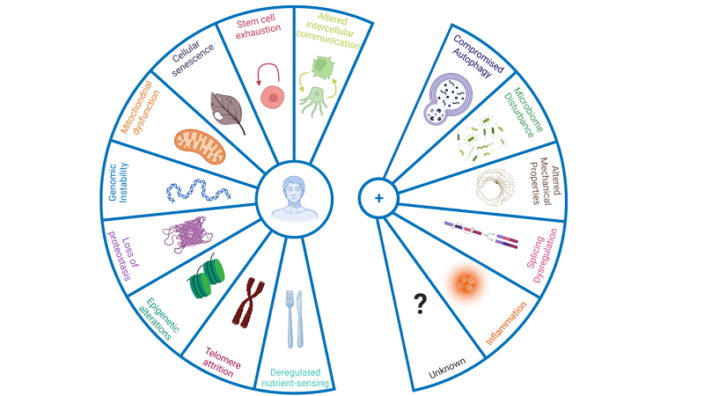
Literature

[1] Wang, Y. J., Li, Z. X., Gu, H. Q., Zhai, Y., Jiang, Y., Zhao, X. Q., … & Zhao, J. Z. (2020). China stroke statistics 2019: a report from the National center for healthcare quality management in neurological diseases, China national clinical research center for neurological diseases, the Chinese stroke association, National center for chronic and non-communicable disease control and prevention, Chinese center for disease control and prevention and Institute for global neuroscience and stroke collaborations. Stroke and vascular neurology, 5(3).

[2] Zrzavy, T., Machado‐Santos, J., Christine, S., Baumgartner, C., Weiner, H. L., Butovsky, O., & Lassmann, H. (2018). Dominant role of microglial and macrophage innate immune responses in human ischemic infarcts. Brain Pathology, 28(6), 791-805.

[3] Hu, B., Yang, X. R., Xu, Y., Sun, Y. F., Sun, C., Guo, W., … & Fan, J. (2014). Systemic immune-inflammation index predicts prognosis of patients after curative resection for hepatocellular carcinoma. Clinical Cancer Research, 20(23), 6212-6222.

[4] Hou, D., Wang, C., Luo, Y., Ye, X., Han, X., Feng, Y., … & Wu, D. (2021). Systemic immune-inflammation index (SII) but not platelet-albumin-bilirubin (PALBI) grade is associated with severity of acute ischemic stroke (AIS). International Journal of Neuroscience, 131(12), 1203-1208.

Brain inflammation

New Synthetic Molecule Alleviates Alzheimer’s in Mice

Scientists have synthesized a molecule that alleviates Alzheimer’s in a mouse model by targeting inflammation [1].

Aβ or inflammation?

Two of the most prominent – and probably interconnected – symptoms of Alzheimer’s disease are the accumulation of amyloid beta (Aβ) and chronic neuroinflammation. While the first one has been garnering most of the attention, innumerable efforts to combat Alzheimer’s by tackling Aβ have been woefully unsuccessful so far, which is why researchers are increasingly eyeing the inflammation path [2].

Chronic age-related inflammation (inflammaging) has been linked to a variety of diseases of aging, including cardiovascular, metabolic, neurodegenerative, and cancerous. In the brain, chronic inflammation results in large part from microglia, the resident macrophages, becoming overactivated and producing large amounts of pro-inflammatory cytokines, such as TNF-α, IL-6, and IL-1β.

Calming the immune cells down

PPARs (peroxisome proliferator-activating receptors) are a family of transcription factors that dampen the inflammatory response by regulating the expression of various involved genes. As such, they have been studied in the context of metabolic diseases like diabetes but also, more recently, as potential targets in neurodegenerative disorders [3]. All PPAR subtypes downregulate NF-κB, another transcription factor that activates production of pro-inflammatory cytokines, and some subtypes also intervene at a later stage by blocking NF-κB from accessing the target genes.

While several PPAR agonists have been studied, most of them selectively affect certain PPAR subtypes but not others. In the new study, the researchers created a synthetic PPAR agonist called DTMB, which binds to all PPAR subtypes.

In the first experiment, performed on several lines of immune cells, DTMB reduced the production of nitric oxide (NO), the final product of the inflammation response, more significantly than several other PPAR agonists and without showing any cytotoxicity.

The researchers then induced activation of microglia either by lipopolysaccharide (LPS), which is produced by bacteria and used by the immune system to identify a bacterial threat, or by treating the microglia with pre-aggregated Aβ. DTMB drastically decreased the activated microglial production of the pro-inflammatory cytokines TNF-α and IL-6 to the levels observed in quiescent cells.

To investigate the effects of DTMB in vivo, the researchers used a mouse model of Alzheimer’s disease. In the Y-maze and Morris’ water maze, the Alzheimer’s mice demonstrated greatly reduced spatial learning and memory compared to wild-type animals. However, DTMB treatment was able to reverse those changes almost completely.

Inflammation might be the upstream cause

Analysis of the mice’s brains revealed that the amount of Aβ aggregates in the hippocampus and cortex of DTMB-treated mice was significantly lower compared to controls. However, the levels of amyloid precursor protein (APP) – a precursor of Aβ, as the name suggests – were not affected. The treatment also did not decrease the amount of Aβ monomers but only of insoluble aggregates. These intriguing results are in line with some recent research suggesting that inflammation might negatively affect the ability of microglia and other cells to remove Aβ aggregates [4].

Moreover, elements of inflammasomes, the protein complexes that facilitate inflammatory responses, are known to be able to become seeds of Aβ aggregation [5]. According to this emerging paradigm, inflammation is the upstream cause of Alzheimer’s, and quenching it might be more effective than targeting Aβ aggregation.

In addition to neuroinflammation, Alzheimer’s is probably affected by peripheral inflammation, with pro-inflammatory molecules crossing the blood-brain barrier and affecting brain cells [6]. It is known that metabolic dysfunction, the foremost cause of peripheral inflammation, exacerbates Alzheimer’s [7]. Research shows that PPAR agonists reduce peripheral inflammation [8]. As the authors note, this might be adding to the effectiveness of DTMB.

Conclusion

More and more Alzheimer’s researchers are looking towards targeting inflammation as the primary way to finding a cure. This new study describes a synthetic molecule that effectively targets some of the known inflammatory pathways and alleviates Alzheimer’s symptoms in mice.

It must be noted that mouse models of Alzheimer’s are not considered very reliable, and many anti-Alzheimer’s candidate drugs that have failed in human trials previously showed promise in mice. For example, gemfibrozil, a PPARα activator, failed in a phase I clinical trial despite improving memory function in the same mouse model of Alzheimer’s [9]. Nevertheless, targeting inflammation in the context of Alzheimer’s seems promising at the moment, and we expect to see more data coming through soon.

We would like to ask you a small favor. We are a non-profit foundation, and unlike some other organizations, we have no shareholders and no products to sell you. All our news and educational content is free for everyone to read, but it does mean that we rely on the help of people like you. Every contribution, no matter if it’s big or small, supports independent journalism and sustains our future.
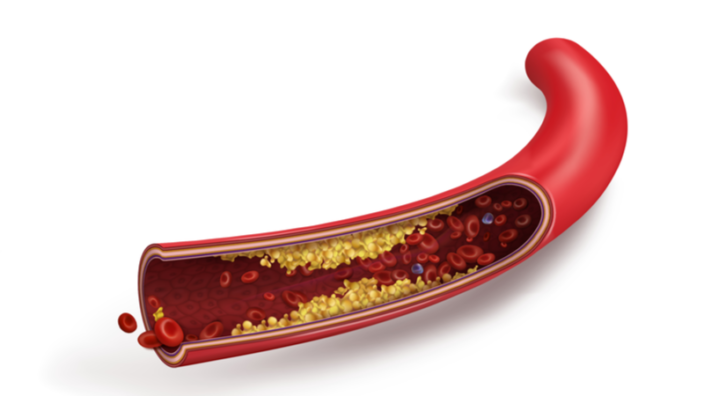
Literature

[1] Oh, E., Kang, J. H., Jo, K. W., Shin, W. S., Jeong, Y. H., Kang, B., … & Kim, K. T. (2022). Synthetic PPAR Agonist DTMB Alleviates Alzheimer’s Disease Pathology by Inhibition of Chronic Microglial Inflammation in 5xFAD Mice. Neurotherapeutics, 1-20.

[2] Kinney, J. W., Bemiller, S. M., Murtishaw, A. S., Leisgang, A. M., Salazar, A. M., & Lamb, B. T. (2018). Inflammation as a central mechanism in Alzheimer’s disease. Alzheimer’s & Dementia: Translational Research & Clinical Interventions, 4, 575-590.

[3] Wójtowicz, S., Strosznajder, A. K., Jeżyna, M., & Strosznajder, J. B. (2020). The novel role of PPAR alpha in the brain: promising target in therapy of Alzheimer’s disease and other neurodegenerative disorders. Neurochemical Research, 45(5), 972-988.

[4] Minter, M. R., Taylor, J. M., & Crack, P. J. (2016). The contribution of neuroinflammation to amyloid toxicity in Alzheimer’s disease. Journal of neurochemistry, 136(3), 457-474.

[5] Venegas, C., Kumar, S., Franklin, B. S., Dierkes, T., Brinkschulte, R., Tejera, D., … & Heneka, M. T. (2017). Microglia-derived ASC specks cross-seed amyloid-β in Alzheimer’s disease. Nature, 552(7685), 355-361.

[6] Wood, H. (2018). Peripheral inflammation could be a prodromal indicator of dementia. Nature Reviews Neurology, 14(3), 127-127.

[7] Barbagallo, M., & Dominguez, L. J. (2014). Type 2 diabetes mellitus and Alzheimer’s disease. World journal of diabetes, 5(6), 889.

[8] Villapol, S. (2018). Roles of peroxisome proliferator-activated receptor gamma on brain and peripheral inflammation. Cellular and molecular neurobiology, 38(1), 121-132.

[9] Chandra, S., & Pahan, K. (2019). Gemfibrozil, a lipid-lowering drug, lowers amyloid plaque pathology and enhances memory in a mouse model of Alzheimer’s disease via peroxisome proliferator-activated receptor α. Journal of Alzheimer’s disease reports, 3(1), 149-168.