
May 28, 2026
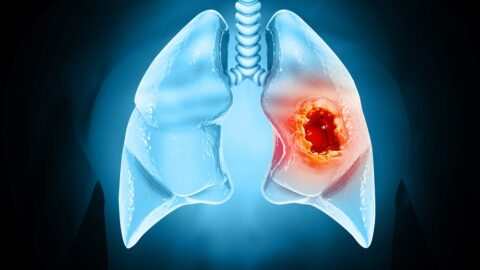
Scientists have demonstrated how cancer cells influence neighboring cells to create a favorable niche for the tumor to grow. This can inform future early-stage cancer therapies [1]. Cancer is a disease of aging. With the exception of childhood cancers, most of which stem from inherited genetic errors, adult cancers tend to occur later in life....
September 09, 2025
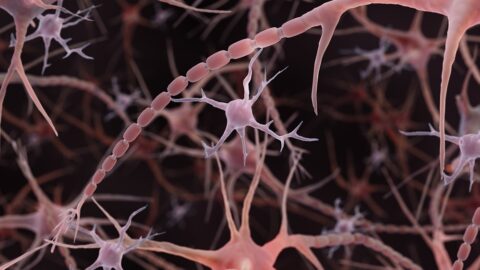
A new preprint study from Calico has found that the local brain environment is the primary driver of microglial aging. After being transplanted into old brains, young cells adopted aged characteristics, but their susceptibility to these signals could be turned off [1]. Microglia grow old and irritable Brain aging holds a special place in the...

November 21, 2024
In Aging Cell, researchers have described the specific cell types that give exercise protective effects against motor nerve degeneration. A different level of back problems With aging, the prevalence of nerves connecting to muscle tissue dwindles, a phenomenon known as denervation [1]. This has been linked to a depopulation of the alpha motor neurons in...
November 06, 2023
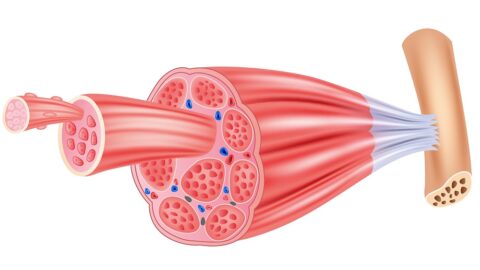
Researchers publishing in ACS Nano have described how culturing stem cells on nanogratings instead of flat substrates changes the effects of the extracellular vesicles (EVs) they send, potentially paving the way to a new system of therapies. When signaling is critical Many of the effects of stem cells can be traced back to the EVs,...

November 08, 2022
Scientists have shown that injection of extracellular vesicles secreted by young adipose-derived stem cells increases fitness and promotes tissue rejuvenation in aged mice [1]. Mode of communication Small extracellular vesicles are one of the ways in which cells communicate with each other [2]. Basically, cells engulf molecules, such as proteins, DNA, and RNA, in pieces...

January 03, 2022
A study published in Aging Cell has shown that senescent cells impact the way that CD4 T cells differentiate into types and that senolytics can restore this differentiation to a more youthful one. Not all T cells are the same CD4 T cells, often known as helper T cells due to their recruitment and signaling...