
June 10, 2026
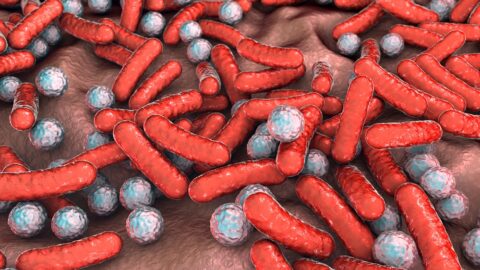
In a recent paper, researchers have proposed that the immune system and immune surveillance play a central role in maintaining microbial composition throughout life by suppressing microbial proliferation and that aging weakens these processes [1]. Lifelong companions Aging leads to the deterioration of the organs and systems in the human body, while also altering the...
April 22, 2026
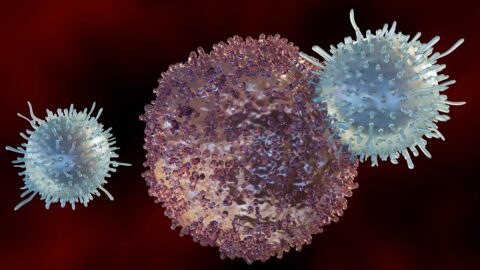
An investigation into the aging immune system identified age-related changes, including sex-dependent differences, in immune cell subpopulations and gene expression. In general, females showed greater age-related changes than males, including greater changes in autoimmune gene expression [1]. Cell-by-cell analysis Aging results in changes to the function and composition of immune cells, collectively referred to as...
January 27, 2026
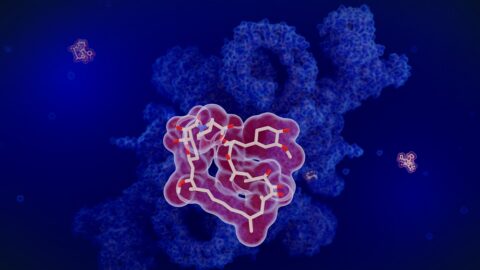
A new study from the Universities of Oxford and Nottingham has uncovered a potential new mechanism by which rapamycin counters immunosenescence. Rather than increasing autophagy or reducing protein synthesis, the effect appears to involve directly reducing DNA damage burden in immune cells [1]. How can this work? Rapamycin, a powerful inhibitor of the nutrient-sensing mTOR...

November 10, 2025
Researchers have discovered that butyrate, a short-chain fatty acid with well-documented gut benefits, fights senescence in T cells. Immune senescence drives inflammaging Cellular SenescenceAs your body ages, more of your cells become senescent. Senescent cells do not divide or support the tissues of which they are part; instead, they emit potentially harmful chemical signals, collectively...

January 05, 2024
By activating toll-like receptor 5, an important element of the innate immune system, scientists have increased lifespan and improved multiple health measurements in old mice, despite having started the treatment late in life [1]. TLRs and aging The immune system gets dysregulated with age, driving multiple age-related conditions [2]. It is manifested in higher tumor...

December 08, 2022
In a study recently published in Biochemistry and Biophysics Reports, researchers have shown that growing natural killer (NK) cells and re-introducing them back into the human bloodstream reduces senescence markers in a wide variety of immune cells. Peripheral blood mononuclear cells This research focuses on peripheral blood mononuclear cells (PBMCs), a category that includes T...