
April 30, 2026
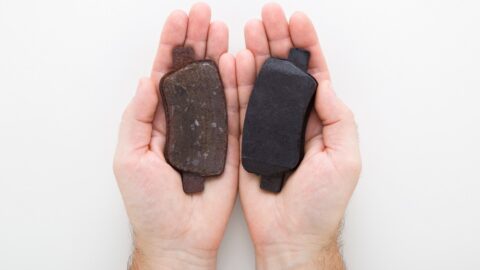
A perspective published in Aging Cell details the replacement-based approaches being investigated by several research organizations. Repair versus replacement This perspective begins by noting the inherent difficulty of rejuvenating the human body because of the vast variety of interventions that need to be performed at multiple levels, from the molecular to the whole-body. It defines...
October 21, 2025
Scientists have developed a novel multicellular integrated brain model to study neurological diseases, incorporating all six major brain cell types derived from patient-specific induced pluripotent stem cells (iPSCs) [1]. Beyond organoids Organoids, tiny lab-grown patches of tissue, are a promising tool for accelerating medical research [2]. They sit a step above cultured cells, being able...
June 19, 2025
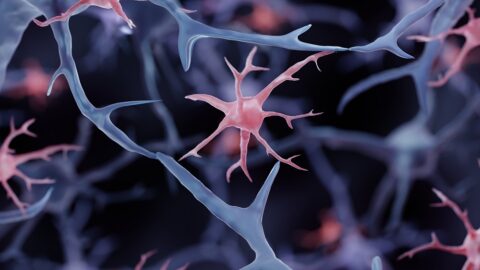
In Cell Stem Cell, researchers have described how genetically engineered microglia can be used to deliver therapeutic proteins to the brain. The blood-brain barrier Delivering therapeutic compounds to the brain has a concern that is absent for other organs: the blood-brain barrier (BBB), which retains strict controls over the kinds of compounds that can reach...
February 10, 2025
In Cell Reports Medicine, researchers have described how they created a fully functional pancreas made from human cells and found it to work in mice. A new era of organ replacement In their introduction, the researchers discuss the well-known problems with insulin injections to treat Type 1 diabetes: the sort of constant monitoring that is...

January 31, 2025
German scientists have created lab-grown “patches” of heart muscle tissue derived from pluripotent stem cells. Following a success with rhesus monkeys, they have obtained approval for a human trial [1]. Wear and tear As one of the most hard-working tissues in the body, the heart muscle is subject to incessant wear and tear due to...

September 29, 2024
Researchers are keeping a bank of induced pluripotent stem cells (iPSCs) derived from centenarians and their descendants. They describe the purpose of this bank and its uses in Aging Cell. A category of their own Centenarians don't merely live for a hundred years; they spend more time in good health (healthspan) than other people. This...