A perspective published in Aging Cell details the replacement-based approaches being investigated by several research organizations.
Repair versus replacement
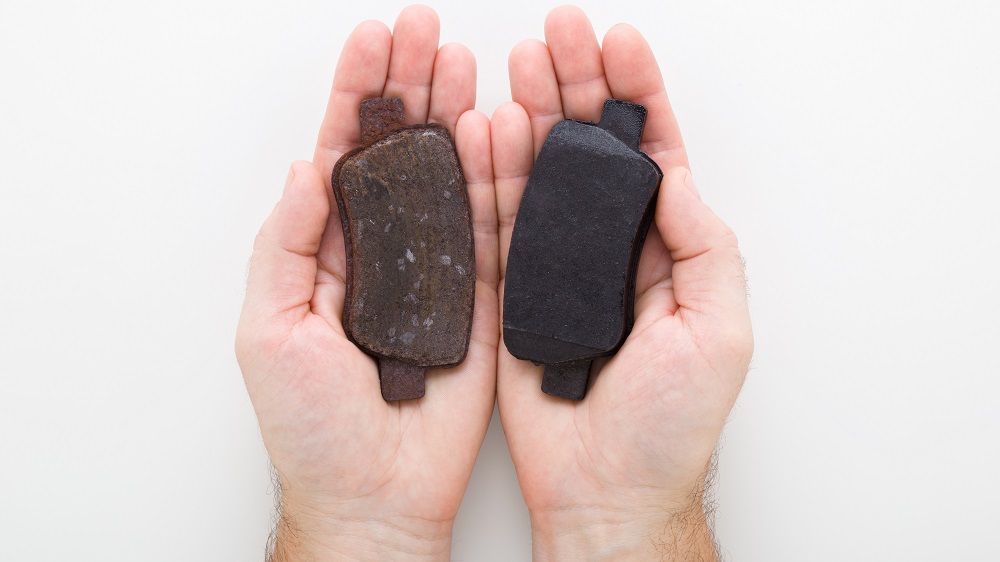
This perspective begins by noting the inherent difficulty of rejuvenating the human body because of the vast variety of interventions that need to be performed at multiple levels, from the molecular to the whole-body. It defines replacement-based interventions as “strategies that replace cells, tissues, organs, physiological systems, or cellular components (e.g., mitochondria or genes) with biological or synthetic alternatives” and notes that endogenous repair process have inherent limitations. It cites a paper suggesting that such interventions may be more practical than attempting to repair aged biology [1], and some of that paper’s authors are listed on this paper as well.
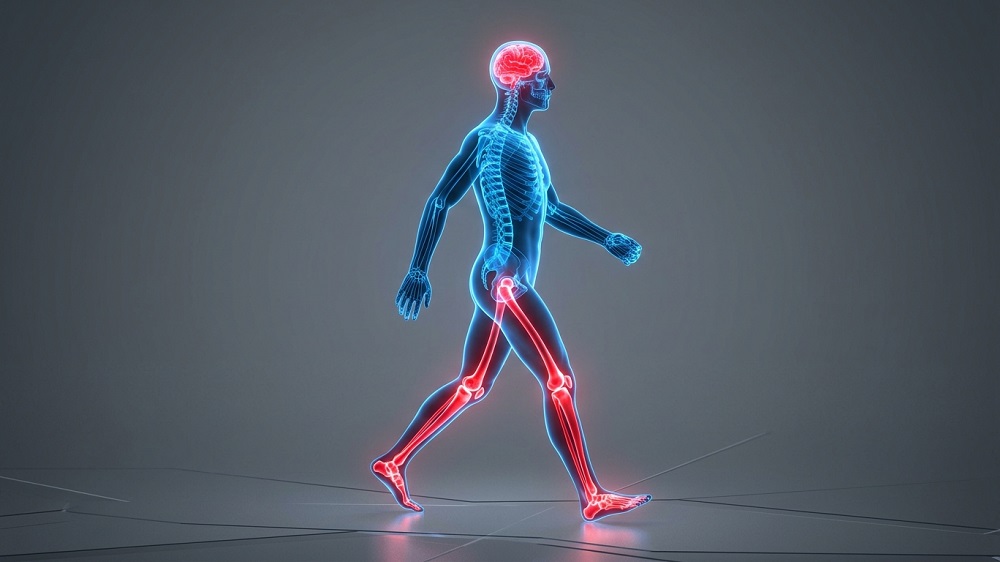
Biological replacements include such well-known interventions as lab-generated stem cells, including in the brain, along with bioprinted tissues and organs. Therapeutic plasma exchange, which removes age-related protein accumulation from the bloodstream, is also listed as a biological replacement. Synthetic replacements include prostheses and medical devices that interface with the human body.
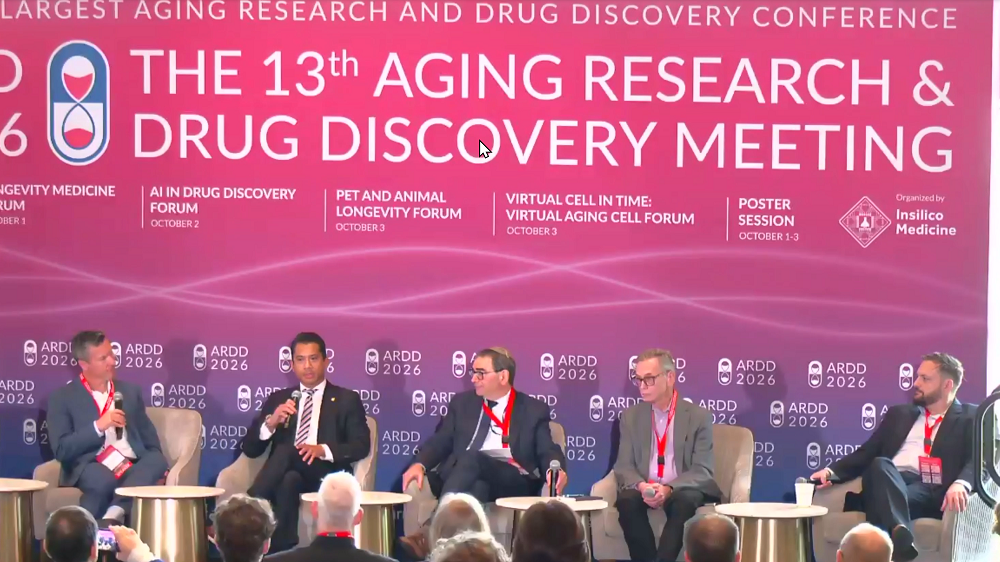
To this end, the authors hosted a Replacement in Aging workshop at last year’s Aging Research and Drug Discovery conference. They listed a great number of current challenges, including well-known immune rejection issues, the difficulties of introducing novel biological components into living organisms, and the tendency of introduced tissues to rapidly exhibit the same signs of aging as their hosts (age assimilation). They also listed several emerging potential interventions, including tissues with receptor knockouts that prevent rapid aging along with mass production of stem cells useful for off-the-shelf treatments.
Current work
This perspective also contains information about the ways that specific labs are putting forward replacement-based therapies.
For example, Anthony Atala of the Wake Forest Institute of Regenerative Medicine (WFIRM) mentioned several clinical trials of replacement-based therapies, including trials of stem cells into the urinary sphincter to treat incontinence, satellite cells to treat rotator cuff injuries in the shoulder, and reprogrammed autologous cells to treat severe knee osteoarthritis. The organization is using placentally sourced multipotent cells, and it claims to have enough types that it can find an immunological match with 80% of the population.
Additionally, WFIRM continues a Phase 3 trial of bioprinted kidneys that appear to be effective enough to keep patients off of dialysis machines. It is also using organ-on-a-chip technologies to test cancer treatments.
Kyle M. Loh’s lab at Stanford University focuses on differentiating human pluripotent stem cells (hPSCs). Some of these cells can be turned into vascular cells, which is crucial for the development of functional organs; the formation of blood vessels (vascularization) within these organs has long been a problem in bioprinting. This lab is also working on differentiating neurons into specific subpopulations, allowing them to be used to bolster the human brain, specifically the hindbrain responsible for autonomic nervous functions.
Vera Gorbunova of Rochester University brought forward the idea of genetic replacements. For example, genes from the naked mole rat, such as its overexpression of hyaluronan, may be useful for fighting cancer. Bowhead whales overexpress the CIRBP protein, which has been found to enhance DNA repair in human cells [2]. Overexpression of sirtuins, such as SIRT6, may also have life-extending benefits.
A complicated and ambitious undertaking
This perspective explains what needs to happen for replacement therapies to be truly effective, mentioning that “hundreds of forms of molecular and organellar damage” need to be simultaneously dealt with and that the extracellular matrix, which is nearly impossible to replace in large quantities, also needs to be addressed. Enhancing pathways that eliminate damaged components from cells may increase their lifespan as well.

However, this line of research is not without its many challenges. The minimum amount of tissue that needs to be replaced may be different between organs, and dealing with specifically damaged tissue, such as fibrotic tissue, may be necessary. Replacing certain types of cells, such as immune cells, is not yet feasible outside of specific contexts.
While some current treatments are included, this perspective is largely speculative in nature. However, its authors frequently offer concrete avenues for further work. Genetic editing to prevent immunorejection, better targeting of disease states, and more efficient creation of cellular replacement therapies will all be necessary in staving off aging through this replacement-based approach.
Literature
[1] Lore, S., Poganik, J. R., Atala, A., Church, G., Gladyshev, V. N., Scheibye-Knudsen, M., & Verdin, E. (2025). Replacement as an aging intervention. Nature aging, 5(5), 750-764.
[2] Firsanov, D., Zacher, M., Tian, X., Sformo, T. L., Zhao, Y., Tombline, G., … & Gorbunova, V. (2025). Evidence for improved DNA repair in the long-lived bowhead whale. Nature, 648(8094), 717-725.