
October 14, 2026
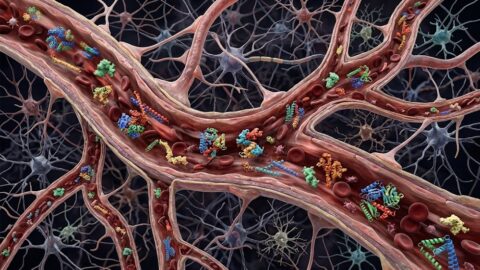
A recent analysis of serum protein changes identified 16 proteins related to inflammatory, synaptic, metabolic, and Alzheimer’s disease processes whose levels change during the menopausal transition [1]. These changes were linked to cognitive health later in life. The time for interventions Menopause is mostly known as a stage that marks the end of female reproduction,...
September 23, 2026
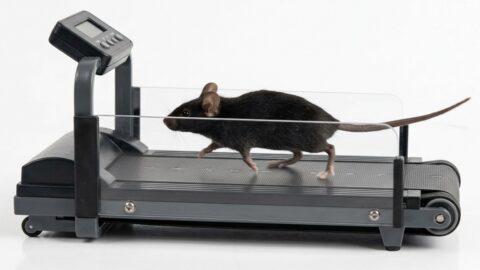
Results from a recent study suggest a delay in ovarian aging in mice following treadmill training; this effect was mediated by adiponectin. Pharmacologically activating adiponectin receptors extended reproductive span in mice. [1] Beyond reproduction The female reproductive system strongly influences the female aging trajectory, and its impact goes well beyond the cessation of reproduction. While...

May 27, 2026
A recent study compared premenopausal, perimenopausal, and postmenopausal women’s cardiovascular health. Perimenopausal women had about twice the odds of having a poor overall score when compared with premenopausal women, after adjusting for age [1]. Menopausal health decline The menopausal transition, and the associated changes in hormonal levels, especially declining estrogen levels, mark not only the...

February 25, 2026
An analysis of over 800,000 women found no association between menopausal hormone therapy and increased mortality [1]. A controversial therapy One of the first major changes that women undergo as they age is menopause, which usually occurs between 45 and 55 years of age. Menopause not only marks the end of reproduction, the hormonal changes...

May 26, 2025
In Aging, researchers have published their discovery that three years of caloric restriction in rhesus macaques that are beginning to enter menopause slows their ovarian aging. Closer to people than mice The ovary is one of the first human organs to be seriously affected by aging, with the follicles becoming depleted long before most causes...
February 26, 2025
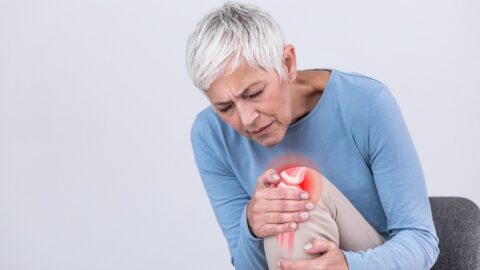
Recent research has addressed menopause-related molecular processes that impact the high prevalence of knee osteoarthritis in post-menopausal women. Restoration of female sex hormones in a post-menopausal mouse model improved joint health [1]. A centuries-old observation The authors start the article with a quote from the English physician John Haygarth from 1805: the nodosities [irregularities] of...