
August 21, 2026
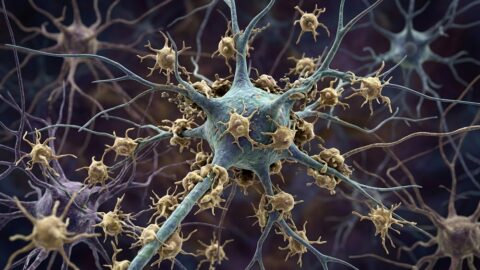
A new study suggests that in amyotrophic lateral sclerosis – and possibly other neurodegenerative diseases – the brain’s immune cells devour stressed but still living neurons due to altered signaling [1]. The living dead Amyotrophic lateral sclerosis (ALS), an age-related neurodegenerative disease, is characterized by the progressive loss of motor neurons. Historically, much of ALS...
August 17, 2026
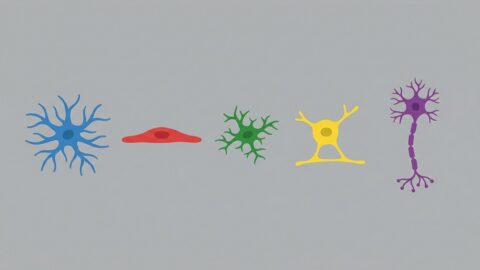
Researchers have gone into deep detail regarding how each of five senescent brain cell types expresses and receives factors that encourage other cells to become senescent. The contagion of age Cellular SenescenceAs your body ages, more of your cells become senescent. Senescent cells do not divide or support the tissues of which they are part;...
April 10, 2026
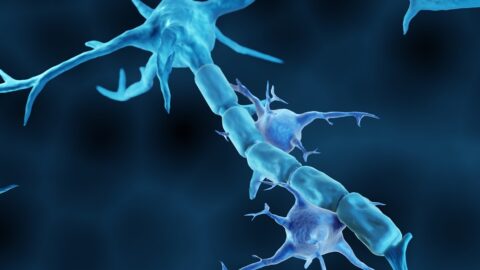
A new study shows that the overexpression of somatostatin (SST), a neuropeptide produced in neurons and acting mostly on microglia, lowers inflammation and amyloid β burden, improving cognitive abilities in a mouse model of Alzheimer’s. Drugs affecting this pathway are already available [1]. The unusual suspect In Alzheimer’s disease, many signaling pathways in the brain...
April 07, 2026
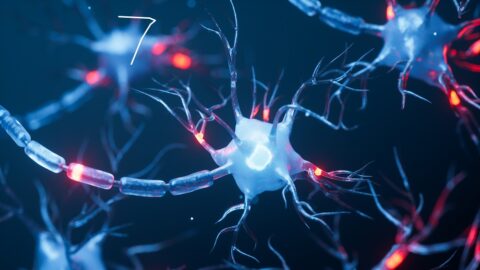
The pro-Alzheimer's allele APOE4 makes hippocampal neurons in mice smaller and hyperexcitable. This effect, which resembles epilepsy and accelerated aging, can be mitigated by manipulating a neuronal protein [1]. Before symptoms arise Alzheimer's disease begins long before symptoms appear, building silently for decades. The single strongest genetic risk factor for the common, late-onset form of...

March 10, 2026
In a new study, researchers have vitrified mouse brain slices and then a complete brain with encouraging results: upon rewarming, much of the neuronal function was preserved [1]. The bumpy road to cryopreservation Successful cryopreservation is a coveted prize in medicine, as cryopreserving organs and tissues can make transplantation more accessible. It is also a...
February 06, 2026
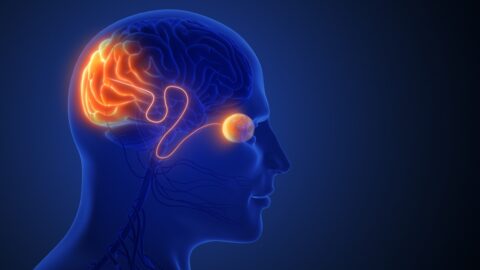
Life Biosciences has announced that its trial of cellular reprogramming aimed at two age-related vision diseases has received a go-ahead from the FDA. We spoke with the company’s CSO to get more details. Life Biosciences, the biotech company based on Harvard professor David Sinclair’s research into cellular reprogramming, stunned everyone last year by announcing that...