
October 16, 2026
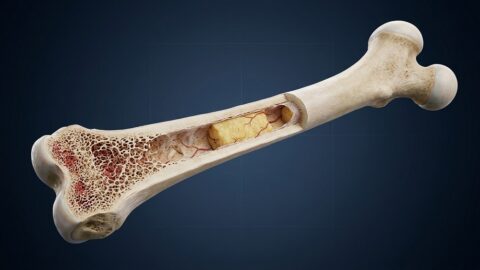
A new study links STING-mediated signals from marrow fat cells to inflammation and declining NAD⁺ levels in bone-forming cells. Interrupting this pathway helped preserve aging bone [1]. Making old bones Our bones live a complex life, as they are constantly remodeled: cells called osteoclasts break down existing bone, while osteoblasts build new bone. Osteoblasts arise...

July 06, 2026
Researchers have elucidated some of the links between the age-related loss of muscle (sarcopenia) and the age-related loss of bone (osteoporosis). Related in multiple ways Substantial previous research has described the relationship between muscle and bone health. While misloading can be dangerous, ordinary mechanical loading, which necessarily involves muscle use, maintains the density of bone...
December 11, 2025
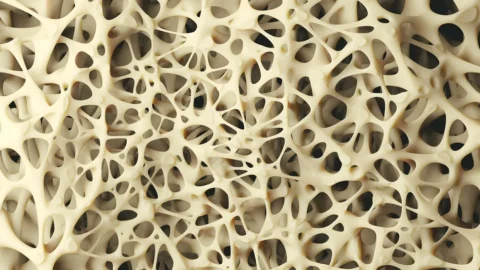
In Aging Cell, researchers have described how an age-related deficiency in another compound leads the antioxidant FoxO1 to contribute to bone deterioration in osteoporosis by siphoning from a bone-building pathway. A harmful antioxidant? Because they fight against harmful reactive oxygen species (ROS), antioxidants, both external and internal, are normally viewed as having positive effects against...
July 31, 2025
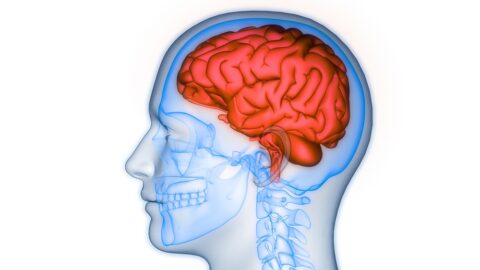
Researchers publishing in Nature Aging have discovered how Alzheimer's-related protein aggregates are also related to senescent cells and osteoporosis. Beyond the brain Loss of ProteostasisThe loss of proteostasis is the failure of the protein-building machinery of the cell and the accumulation of misfolded proteins, which is one of the root causes of age-related diseases, including...
August 26, 2024
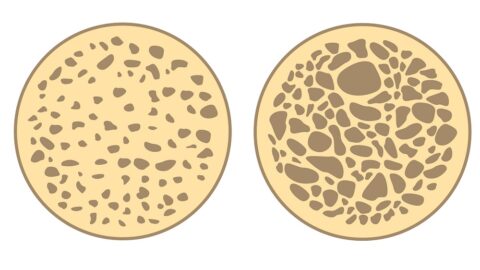
Researchers have described a relationship between the NAD+ regulator CD38, mitochondrial function, and the gradual destruction of bone in Aging Cell. Inflammation up, bone mass down Nicotinamide Adenine Dinucleotide (NAD): Benefits and ResearchNicotinamide adenine dinucleotide (NAD) is a coenzyme found in all living cells. It is a dinucleotide, which means that it consists of two...

June 12, 2024
A team of researchers has found that corylin, a compound previously investigated for its anti-senesence properties, is effective against osteoporosis in a mouse model. A return to a well-known compound Corylin is a compound that was first discovered in Psoralea corylifolia, a plant commonly used in Chinese traditional medicine. This is far from the first...