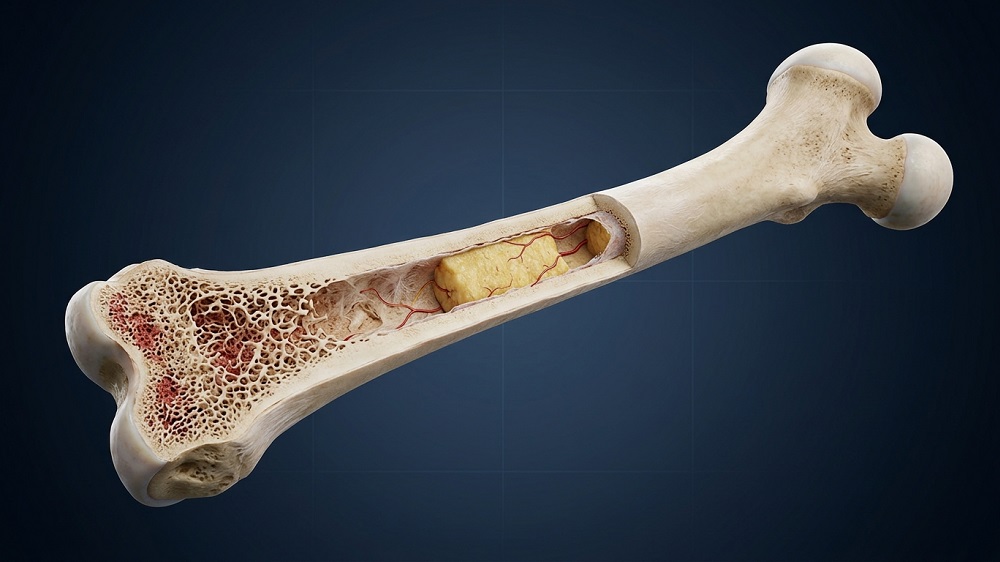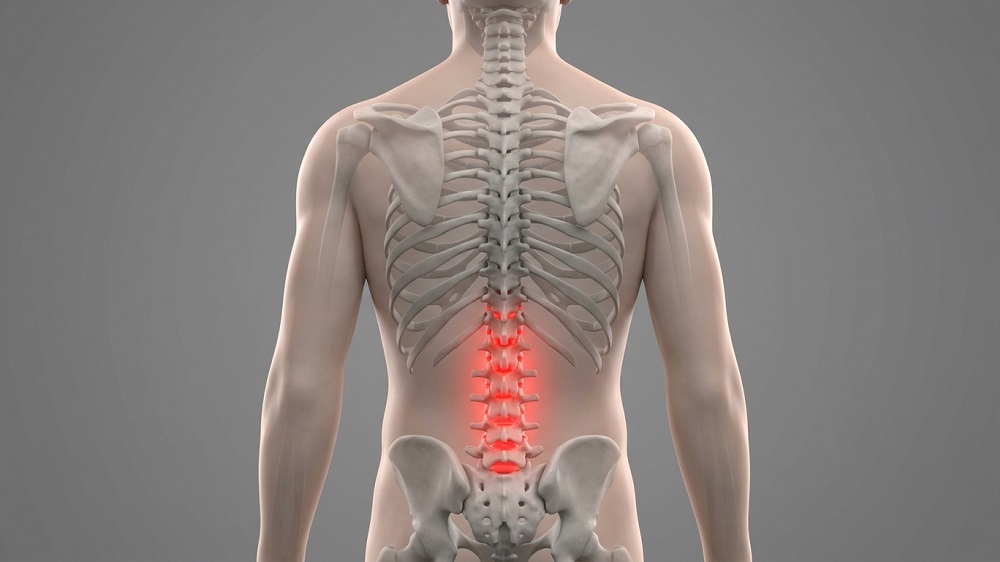
Researchers have elucidated some of the links between the age-related loss of muscle (sarcopenia) and the age-related loss of bone (osteoporosis).
Related in multiple ways
Substantial previous research has described the relationship between muscle and bone health. While misloading can be dangerous, ordinary mechanical loading, which necessarily involves muscle use, maintains the density of bone minerals [1]. Unsurprisingly, reduced bone mineral density is associated with an increased risk of sarcopenia [2].
The combination of sarcopenia and osteoporosis is known as osteosarcopenia [3], and people with this combination have an even greater risk of injury from falls and similar mishaps than people with only one of these conditions [4]. Considering that skeletal muscle and bone are closely related and share a similar developmental origin [5], these researchers sought to carefuly examine this relationship and its commonalities.
Bidirectional risk
Using UK Biobank data as their source and confirming previous research [6], the researchers’ first finding was that sarcopenia and osteoporosis are each associated with an increased risk of the other. According to this analysis, people with decreased hand grip strength or reduced walking speeds are likelier than average to have osteoporosis; similarly, people with reduced bone mineral density in the heel are likelier than average to have sarcopenia. This association was found to be particularly strong in men and in younger people, and people with multiple symptoms of sarcopenia were even more likely to have osteoporosis than people with only one symptom.
The researchers also discovered a U-shaped relationship between muscle mass and osteoporosis: people with very little muscle mass were likely to have bone deterioration, but people with excessive muscle mass were also likely to have the condition. The researchers ascribe this to people who train their muscles too hard or in the wrong way, overstressing their bones and weakening them in the long run.
Genes, proteins, and metabolites
Multiple biomarkers were listed as being potentially related to this relationship. The researchers singled out the ratios of omega-3 fatty acids and polyunsaturated fatty acids to total fatty acids, along with inflammatory biomarkers that were largely localized in inflammation-regulating cells outside the immune system. They surmise that the decline of muscle tissue decreases the prevalence of myokines, which causes an inflammatory reaction that leads to osteoporosis [7].
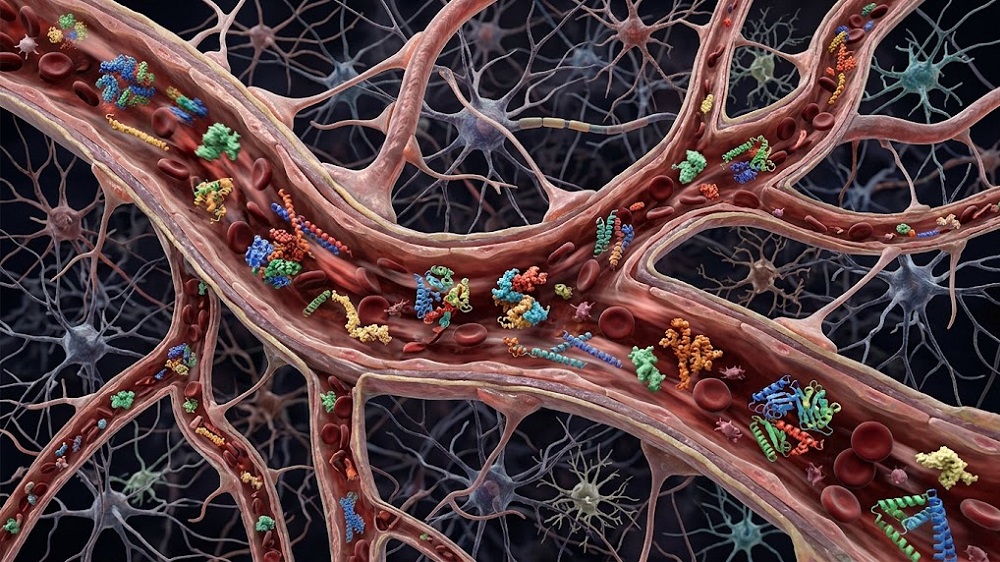
A proteomic analysis found that of all the proteins associated with the likelihood of either sarcopenia or osteoporosis, nearly a third were related to both diseases, and nearly all of them were found to have the same direction of impact. Unsurprisingly, many of them were related to inflammatory pathways, such as the NF-κB signaling pathway. A metabolic analysis yielded similar results, with many of the metabolites being related to inflammation and immune function.
There were a dozen genetic regions that were found to impact the likelihood of both disorders. In two of them, there was a negative correlation, but in the other ten, the correlation was positive: genes that were more likely to lead to sarcopenia were also more likely to lead to osteoporosis, and vice versa. Some of the key genes included TFAM, which helps mitochondria maintain their internal DNA; COMMD7, which is related to NF-κB; and MGP, a protein that relies on Vitamin K to prevent soft tissues from accumulating too much calcium. Other related genes were, as expected, linked to immune function and inflammation, and still others were linked to diabetes.
Lifestyle and mediators
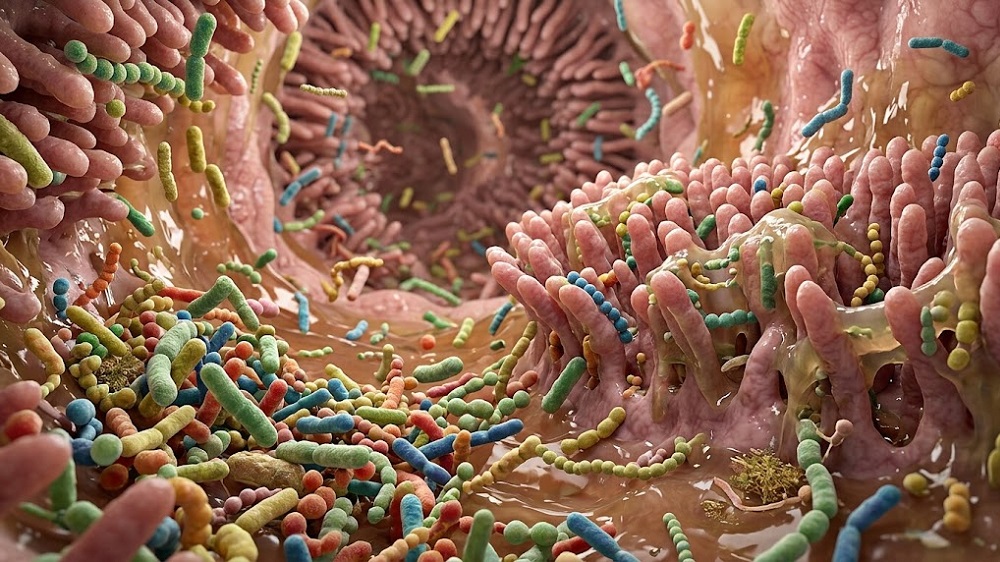
Another unsurprising finding was that lifestyle was strongly related to both disorders. Sedentary people are much more likely to have sarcopenia and/or osteoporosis than active people. Lifestyle factors were also found to be closely related to the metabolic factors that are related to both sarcopenia and osteoporosis; a lack of physical activity was related to poor lipid metabolism, which links both diseases. Smoking and short sleep duration were also found to be strongly related to osteosarcopenia, and poor gut health was found to be a mediator in both of these relationships.
This is an exploratory study seeking to find mutual relationships between age-related diseases, and by the nature of the UK Biobank data that served as its basis, there were several potential confounders and limitations that could not be fully accounted for or worked around. The researchers used heel thickness to gauge osteporosis rather than more established metrics, and sarcopenia was based on grip strength rather than a more in-depth analysis. Causal and temporal relationships could also not be established; for example, the researchers had no way of knowing whether or not sarcopenia occurred before or after the prevalence of sarcopenia-related inflammatory metabolites.

Despite these limitations, however, this study serves as evidence that both sarcopenia and osteoporosis have strong links to inflammatory and other systemic issues. It is probable that treatments for either or both disorders will require such problems to be directly dealt with in order for lasting clinical benefits to be achieved.
Literature
[1] Novotny, S. A., Warren, G. L., & Hamrick, M. W. (2015). Aging and the muscle-bone relationship. Physiology, 30(1), 8-16.
[2] Cheng, L., & Wang, S. (2023). Correlation between bone mineral density and sarcopenia in US adults: a population-based study. Journal of Orthopaedic Surgery and Research, 18(1), 588.
[3] Teng, Z., Zhu, Y., Teng, Y., Long, Q., Hao, Q., Yu, X., … & Lu, S. (2021). The analysis of osteosarcopenia as a risk factor for fractures, mortality, and falls. Osteoporosis international, 32(11), 2173-2183.
[4] Chen, S., Xu, X., Gong, H., Chen, R., Guan, L., Yan, X., … & Huang, P. (2024). Global epidemiological features and impact of osteosarcopenia: A comprehensive meta‐analysis and systematic review. Journal of cachexia, sarcopenia and muscle, 15(1), 8-20.
[5] DiGirolamo, D. J., Kiel, D. P., & Esser, K. A. (2013). Bone and skeletal muscle: neighbors with close ties. Journal of bone and mineral research, 28(7), 1509-1518.
[6] Yu, X., Sun, S., Zhang, S., Hao, Q., Zhu, B., Teng, Y., … & Teng, Z. (2022). A pooled analysis of the association between sarcopenia and osteoporosis. Medicine, 101(46), e31692.
[7] Nelke, C., Dziewas, R., Minnerup, J., Meuth, S. G., & Ruck, T. (2019). Skeletal muscle as potential central link between sarcopenia and immune senescence. EBioMedicine, 49, 381-388.