
September 10, 2026
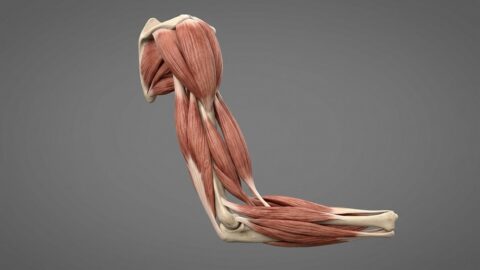
Researchers have discovered and explained how calcium mishandling in muscle cells leads to long-term muscle weakness in older people. Calcium is not just for bones Skeletal muscle cells use calcium ions to control how and when they contract. This activity is modulated by CaMKII, a protein kinase that also regulates muscle adaptations in response to...

July 06, 2026
Researchers have elucidated some of the links between the age-related loss of muscle (sarcopenia) and the age-related loss of bone (osteoporosis). Related in multiple ways Substantial previous research has described the relationship between muscle and bone health. While misloading can be dangerous, ordinary mechanical loading, which necessarily involves muscle use, maintains the density of bone...

April 16, 2026
In Aging Cell, researchers have described how suppressing the ghrelin receptor improves muscle function and fights sarcopenia in older mice. An appetite hormone with negative effects Ghrelin has been well-documented as stimulating both appetite and growth [1]. However, this hormone, which increases with aging [2], has negative effects in older organisms; deleting ghrelin has been...
March 17, 2026
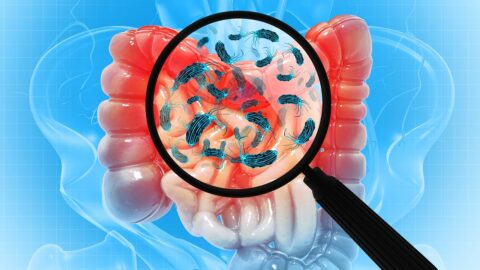
Scientists have found a positive correlation between the abundance of the bacterium Roseburia inulinivorans in the gut and muscle strength in mice and humans, although the mechanism behind it is still unclear [1]. Can bacteria mimic exercise? As we age, we lose muscle mass and strength. This decline is a major driver of frailty, disability,...

November 17, 2025
In Aging Cell, researchers have discovered a potential way to use a microRNA to diagnose sarcopenia, the age-related loss of muscle. Primary and secondary sarcopenia Previous research has been able to distinguish sarcopenia by its sources. Primary sarcopenia directly comes from the processes of aging, while secondary sarcopenia is a side effect of such things...

August 18, 2025
Researchers have discovered that exosomes secreted by mesenchymal stem cells derived from human umbilical cord tissue (hucMSC-Exos) restore muscle function in a mouse model of sarcopenia. Useful messengers Exosomes are vesicles that carry molecular messages from cell to cell. When derived from youthful sources, they have been repeatedly found to have benefits in multiple animal...