The Longevity Investor Network (LIN) was created to help bridge the gap between promising longevity startups and the investors capable of helping them scale. Through curated monthly pitch sessions, educational seminars, collaborative diligence, and ecosystem-building events, LIN provides a structured platform for investors to discover, evaluate, and support companies working at the forefront of aging biology and rejuvenation biotechnology.
The Longevity Investor Network is one of Lifespan Research Institute’s core ecosystem-building initiatives, designed to complement our work in scientific research, science communication, and strategic partnerships. While LRI advances the longevity field through nonprofit programming and public engagement, LIN serves as our dedicated platform for connecting high-potential startups with informed investors, helping translate promising aging science into funded companies and real-world impact.
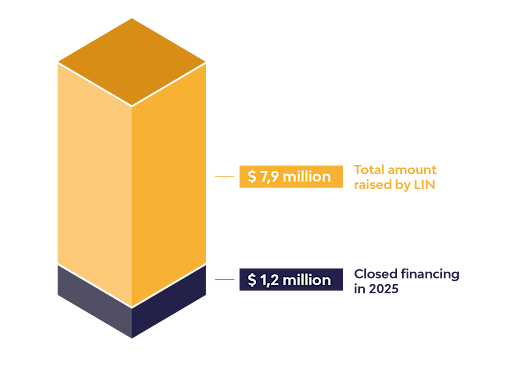
Since its founding in 2020, LIN has invested in 23 companies and helped facilitate more than $6.7 million in capital deployment into longevity-focused startups worldwide. These companies span a wide range of areas, including cellular reprogramming, regenerative medicine, senotherapeutics, diagnostics, neurodegeneration, mitochondrial health, and tissue engineering.
In 2025 alone, LIN invested over $1.2 million in capital into longevity focused companies invited to pitch at our monthly sessions. In addition to hosting monthly pitch sessions, the network expanded its educational programming and in-person events. This broader role became especially important in a more difficult venture environment, where access to trusted networks, curated deal flow, and informed diligence became even more valuable.
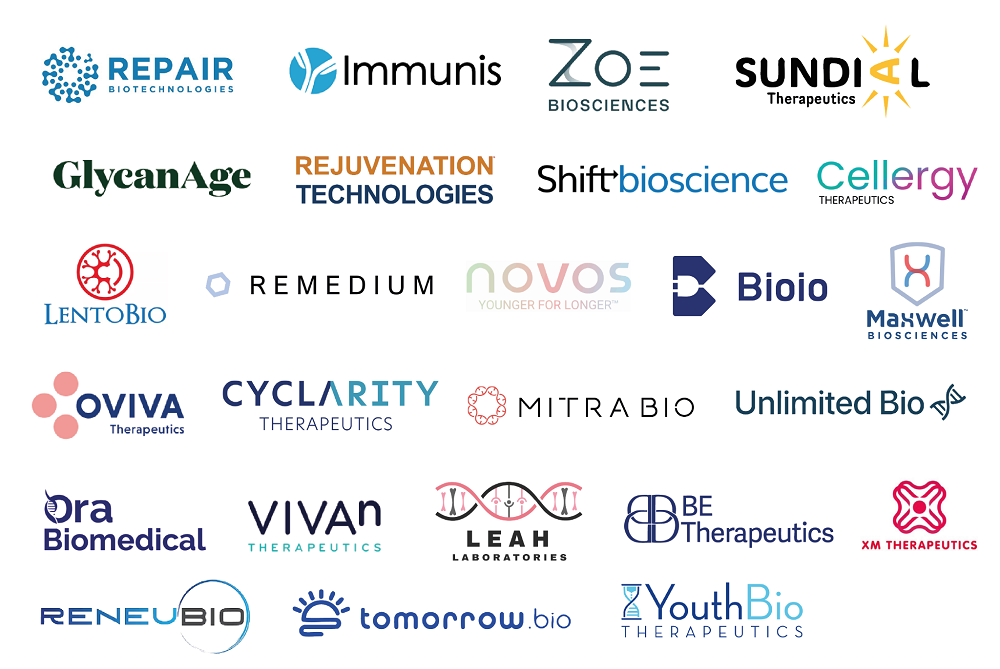
2025 Presenting Companies by Session
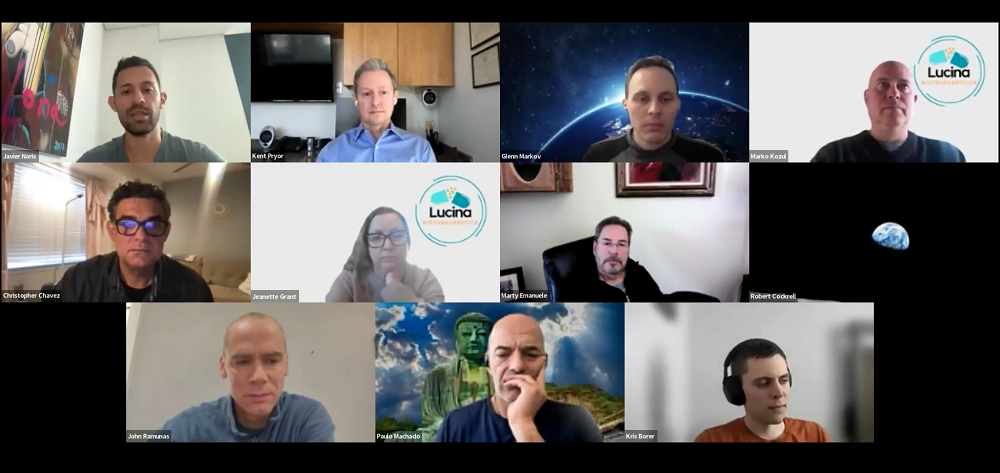
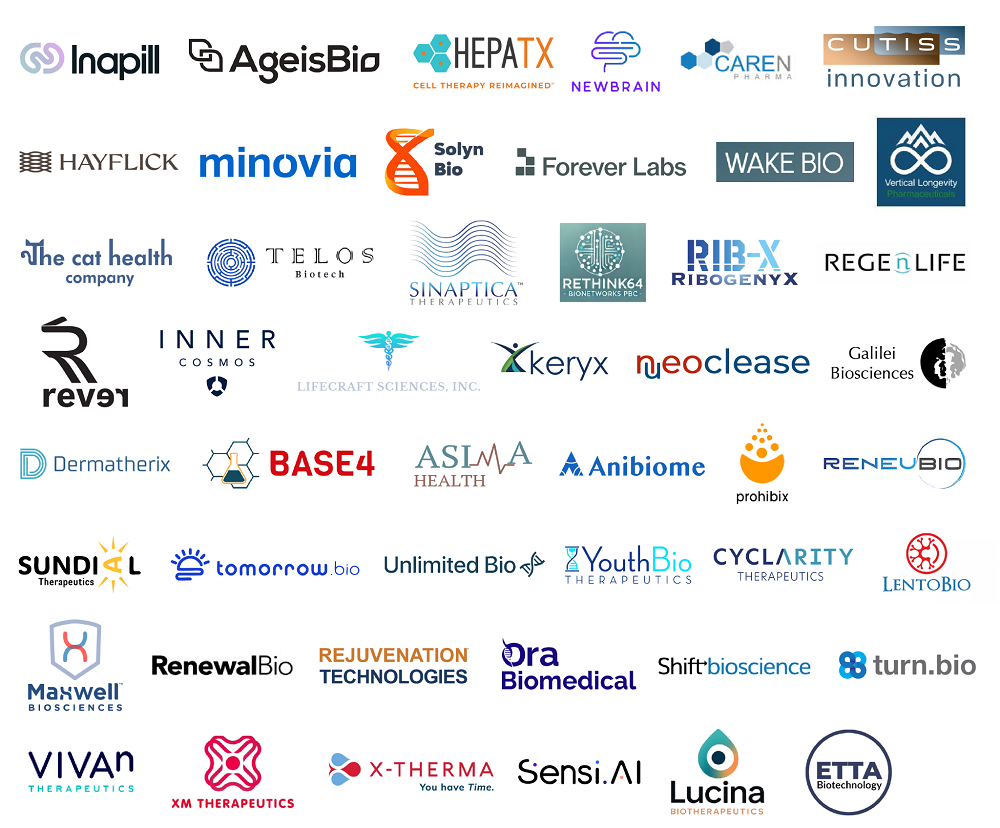
January Sessions
- XM Therapeutics — https://www.xmtherapeutics.com/ Develops extracellular matrix-based therapeutics for chronic diseases, including heart failure and pulmonary fibrosis. The company focuses on regenerative approaches that restore tissue function rather than simply treating symptoms.
- Vivian Therapeutics — https://www.vivantx.com/ Develops personalized cancer therapies using AI and in vivo drug screening to identify treatments for individual patients. Its platform is designed to improve precision oncology outcomes.
- AniBiome — https://www.ani.ai/ Focuses on microbiome-based interventions for longevity and healthspan using AI, omics, and personalized therapeutics. The company aims to improve metabolic health and healthy aging through gut biology.
- Rejuvenation Technologies — https://rejuvenationtech.com/ Develops telomere-extension therapies intended to reverse cellular aging and improve regenerative capacity. The company is focused on directly targeting one of the hallmarks of aging.
- Lucina Biotherapeutics — https://lucina.bio/ Develops therapies for dry age-related macular degeneration by restoring molecules lost with age. The company is targeting one of the largest unmet needs in age-related vision loss.
- Dermatherix — https://www.dermatherix.com/ Develops biologic therapies for chronic wounds and tissue repair. Its lead programs are designed to accelerate healing and reduce complications in aging populations.
February Sessions
- Renewal Bio — https://www.renewal.bio/ Develops regenerative medicine approaches using stem-cell-derived embryonic technologies to address age-related disease and organ failure. The company is pursuing highly ambitious therapies at the frontier of regenerative biology.
- Asima Health — https://asimahealth.com/ Builds diagnostic and monitoring tools that help individuals and clinicians better understand health risks and disease progression. The company is part of the growing longevity diagnostics ecosystem.
March Sessions
- X-Therma — https://x-therma.com/ Develops advanced biopreservation technologies for organs, tissues, and biologics. Its platform could play an important enabling role in regenerative medicine and transplantation.
- Sensi.AI — https://www.sensi.ai/ Uses AI-powered audio monitoring to improve care for older adults and detect health or behavioral changes in the home. The company sits at the intersection of aging, caregiving, and digital health.
- HepaTx — https://hepatx.com/ Develops regenerative therapies for liver disease and liver failure. The company aims to provide alternatives to transplantation through tissue engineering and cell therapy.
April Sessions
- VeLo Pharma — https://vertical-longevity-pharma.com/ Clearance of senescent cells with a Virus-Like Particle (VLP) Vaccine demonstrating clear atherosclerotic plaque reduction and cardiovascular protection
- Maxwell Biosciences — https://maxwellbiosciences.com/ Develops synthetic antimicrobial peptide technologies designed to treat infectious and inflammatory disease. Its platform may have important applications in immune health and resilience.
- ETTA Biotechnology — https://ettabiotechnology.com/ Develops enabling biotechnology tools and platforms for advanced therapeutics. The company is focused on making next-generation therapies more scalable and manufacturable.
- Turn Biotechnologies — https://www.turn.bio/ Develops epigenetic reprogramming therapies designed to restore cellular function and reverse age-related decline. The company is one of the most visible players in the rejuvenation biology category.
- New Brain Developing a method to replace brain tissue to treat neurological diseases. The approach involves engineering human precursor brain tissue ex vivo from iPSC-derived cells and their normal extracellular environment.
May Sessions
- Unlimited Bio — https://unlimited.bio/ Builds infrastructure and services designed to accelerate access to experimental therapeutics and longevity interventions.
- Ora Biomedical — https://orabiomedical.com/ Develops high-throughput screening tools to discover compounds that extend lifespan and healthspan. The company enables faster identification of promising longevity therapeutics.
- Galilei Biosciences Pioneering a novel class of small-molecule therapeutics that activate SIRT6, a validated longevity gene with neuroprotective effects.
- Sundial Therapeutics — https://sundialtx.substack.com/ Developing cell therapies for non-invasive brain repair and replacement. Working with an early placental progenitor stem cell population which has been shown to cross into the maternal body during pregnancy.
- Cyclarity Therapeutics — https://cyclaritytx.com/ Develops therapies that remove toxic oxidized cholesterol linked to cardiovascular disease. Its approach is directly relevant to one of the largest age-related causes of death.
June Sessions
- Sinaptica Therapeutics — https://sinapticatx.com/ Develops noninvasive neuromodulation therapies for Alzheimer’s disease and cognitive decline.
- Inner Cosmos — https://innercosmos.ai/ Develops brain-computer-interface technologies for depression and mental health. Its implantable system combines neurostimulation with AI-based monitoring.
- CelineBio Develops therapies relevant to aging, inflammation, or regenerative medicine. Final website and company description to be confirmed.
- Inapill — https://www.inapill.com/ Develops oral delivery technologies designed to improve how biologic drugs are administered. Its platform could help make advanced therapeutics easier and cheaper to use.
- Cat Health — https://thecathealth.com/ Developing novel therapeutics targeting mammalian muscle and kidney aging using novel computational advances by world-class bioinformaticians. Lead candidates are currently undergoing clinical trials in Europe.
- AgeisBio — https://www.ageisbio.com/ Develops therapies and technologies targeting biological aging and age-related decline. The company is focused on translating aging science into therapeutic interventions.
July Sessions
- WakeBio — https://www.wake.bio/ Using machine learning and rapid experimentation to develop technologies for reversible preservation of whole organisms, with the goal of reversibly preserving humans.
- Minovia Therapeutics — https://minoviatx.com/ Develops mitochondrial cell therapies to treat diseases associated with mitochondrial dysfunction. Its approach may have important implications for age-related degeneration.
- Telos Biotech — https://www.telosbio.com/ Develops technologies focused on telomeres, genomic stability, and cellular fitness.
- CUTISS — https://cutiss.swiss/ Develops personalized skin tissue engineering and regenerative medicine products. Its technology has applications in burns, reconstructive surgery, and wound healing.
August Sessions
- Shift Bioscience — https://shiftbioscience.com/ Develops partial cellular reprogramming approaches to reverse age-related decline. The company focuses on restoring youthful gene-expression patterns without losing cell identity.
- Neoclease — https://www.neoclease.ai/ Uses AI to design next-generation nucleases and gene-editing tools. Its platform could become important enabling infrastructure for advanced therapeutics.
- Prohibix — https://prohibix.com/ Developing injectable biotherapeutics based on a HYALUTE microparticle technology that enables long-acting tissue lubrication, anti-inflammatory activity and controlled release through a proprietary chemistry.
- Caren Pharma — https://www.carenpharma.com/ Developing a novel long-acting injectable that safely elevates brain hormone levels by combining synergistic agents to optimize dosing and mitigate risk.
September Sessions
- Solyn Bio — https://solynbio.com/ Develops diagnostics and biomarkers that help measure biological aging and health status.
- LifeCraft Sciences — https://lifecraftsciences.com/ Develops rejuvenation therapies aimed at restoring cellular function and resilience.
- ReverAging — https://reveraging.com/ Develops therapeutics designed to reverse aspects of biological aging. The company focuses on mechanisms that may restore youthful cellular behavior.
- Forever Labs — https://www.foreverlabs.com/ Provides stem cell banking services that allow individuals to preserve younger cells for potential future therapeutic use. The company is part of the growing longevity services and infrastructure market.
October Sessions
- RiboGenyX — https://ribogenyx.com/ Develops RNA-targeting therapeutics and gene-regulation technologies. Its platform may have broad applications across aging and disease.
- Lento Bio — https://lentobio.com/ Develops therapies for retinal disease and age-related vision loss. The company is focused on preserving visual function in aging populations.
- Revel Pharmaceuticals — https://revelpharmaceuticals.com/ Develops therapies targeting advanced glycation end products and other molecular drivers of aging. The company focuses on damage-repair approaches to longevity.
- BASE4 Biotechnology — https://www.base4.bio/ Develops RNA and synthetic biology technologies that support next-generation therapeutics. Its platform has applications across biotech manufacturing and drug development.
November Sessions
- KeryxBio — https://keryx.bio/ Developing diagnostics that detects dysfunction early & a therapeutic pipeline that restores cellular function
- Hayflick Partners — https://www.hayflickpartners.com/ Advancing a first-in-class, prescription topical cream to treat the root biological causes of aging. Targeting the skin to harness the anti-aging activity of rapamycin and extend disease-free life.
December Sessions
- reThink64 — https://www.rethink64.com/ Develops large-molecule delivery technologies intended to improve drug penetration into tissues such as the brain. Its platform may help unlock new therapeutic possibilities in neurology and beyond.
- Regelife Developing a new paradigm in regenerative medicine by integrating iPSC-derived neural cells, biomaterials-engineered microenvironments, and machine-learning optimization to achieve true tissue regeneration.
Subsector Analysis
 1) Cellular rejuvenation and reprogramming remained one of the strongest recurring themes
A meaningful share of the 2025 lineup clustered around the idea that aging can be modified at the cellular level rather than only managed symptom-by-symptom. This bucket included companies such as Rejuvenation Technologies, Turn Biotechnologies, Shift Bioscience, LifeCraft Sciences, ReverAging, AgeisBio, and potentially others whose programs are adjacent to epigenetic restoration, stress-response biology, or cell-state control.
This is important for investors because it suggests that the Longevity Investor Network is not merely seeing companies that treat downstream age-related disease. It is seeing founders trying to intervene further upstream in the aging processes themselves. That generally carries higher scientific upside and, often, higher technical and regulatory risk. It also tends to produce platform-style stories rather than single-asset stories, which can be attractive in venture if the underlying biology holds.
Investor takeaway: 2025 reinforced that rejuvenation biology is still one of the highest-conviction areas in longevity, but the field is diversifying beyond classic Yamanaka-factor narratives into safer, more targeted, more chemically precise, and more indication-led approaches.
 2) Longevity is increasingly being commercialized through age-related disease entry points
Many of the year’s presenters were best understood not as generic longevity companies but as businesses attacking large diseases of aging through longevity-relevant mechanisms. Examples include:
- Neurodegeneration / brain health: Sinaptica Therapeutics, Inner Cosmos, New Brain, Sundial Therapeutics, Caren Pharma, RegenaLife
- Cardiovascular aging: Cyclarity Therapeutics
- Ocular aging / vision: Lucina Biotherapeutics, Lento Bio
- Liver degeneration: HepaTx
- Wound healing / tissue repair: Dermatherix, CUTISS
- Inflammation / immune regulation: Inapill, Maxwell Biosciences, CelineBio
This pattern matters because it reflects one of the most investable routes into longevity: start with a recognized medical indication, generate clearer clinical endpoints, and then expand into broader healthspan narratives over time.
Investor takeaway: One of the healthiest signs in the 2025 pipeline was the number of companies using disease-specific beachheads rather than trying to sell an abstract promise of “anti-aging.” That usually improves regulatory clarity, reimbursement logic, and near-term financing narratives.
 3) Neurotech and brain longevity emerged as a particularly visible cluster
A notable 2025 theme was the density of companies focused on the brain, cognition, neurodegeneration, or noninvasive/adjacent neurotechnology. Sinaptica Therapeutics, Inner Cosmos, Sundial Therapeutics, New Brain, Caren Pharma, and RegenaLife all fit within this broader category.
This is notable because brain aging sits at the intersection of enormous unmet need, difficult biology, and high investor interest. It also broadens what counts as a longevity company. Not every brain-health company is a geroscience company, but many become highly relevant to longevity investors if they address age-related decline, neuroplasticity, dementia risk, or the preservation of cognitive function over time.
Investor takeaway: Brain longevity may be becoming one of the most important bridges between mainstream healthcare markets and longevity-native capital.
 4) Regenerative medicine remained central, but with more product variety than in earlier waves
The 2025 cohort included multiple regenerative medicine approaches: Renewal Bio, HepaTx, CUTISS, Minovia, X-Therma, Turn Biotechnologies, and Telos Biotech each reflect different pieces of the regenerative stack.
Some were building replacement or restorative biological therapies. Others were enabling preservation, manufacturing robustness, or tissue engineering. That variety is important. It suggests the field is moving from a single-theme regenerative story into a more complete ecosystem of tools required to actually make regenerative medicine scalable and investable.
Investor takeaway: Regenerative medicine in longevity is no longer just about stem cells. It increasingly includes preservation, cell fitness, tissue engineering, mitochondrial function, and manufacturing enablement.
 5) Diagnostics, screening, and measurement are becoming more integral to the longevity thesis
Asima Health, Sensi.AI, AniBiome, Solyn Bio, and possibly additional companies in the cohort indicate that investors are also being exposed to businesses that improve measurement, prediction, monitoring, or personalization.
This is strategically important because longevity needs better ways to identify risk, stratify patients, monitor decline, and show that interventions work. Diagnostic and monitoring companies may not always look as exciting as therapeutic moonshots, but they can become some of the most commercially practical businesses in the ecosystem.
Investor takeaway: A mature longevity market needs picks-and-shovels companies that help define, quantify, and manage aging-related risk. The 2025 lineup suggests that the network is seeing more of these infrastructure layers.
 6) Delivery technologies and platform infrastructure are becoming more investable in their own right
A number of companies presented not just a disease thesis but a platform or delivery thesis: reThink64 on large-molecule delivery, Neoclease on AI-designed nucleases, BASE4 on RNA-targeting small molecules, X-Therma on preservation, Telos on telomere-linked cell fitness, and ETTA on enabling technologies.
For investors, these businesses can be especially interesting because they may create value across multiple indications. They are often less “consumer longevity” and more core biotech infrastructure, but they can become foundational to the future of rejuvenation and regenerative therapies.
Investor takeaway: The network’s 2025 flow suggests longevity investing is broadening from end-products to the enabling systems that will make advanced therapies possible.
 7) The network also captured the widening boundary of longevity itself
Some presenters sat closer to the outer edge of what traditional biotech investors would define as longevity: Forever Labs, WakeBio, companion-animal health companies such as Cat Health, and businesses that blend wellness, access, prevention, or patient services with a longevity framing.
That boundary expansion is worth noting because it reflects how the market is actually evolving. Longevity is becoming a broader economic category that includes therapeutics, diagnostics, regenerative platforms, clinical services, data, prevention, and consumer gateways.
Investor takeaway: The network’s deal flow suggests longevity is not consolidating into a single category. It is becoming a layered market, and investors may benefit from thinking in terms of a longevity stack rather than a longevity niche.
The 2025 Longevity Investor Network pipeline showed that longevity is maturing from a narrow anti-aging thesis into a full innovation stack spanning rejuvenation therapeutics, age-linked disease companies, regenerative medicine, neurotechnology, diagnostics, and enabling platform infrastructure.
Additional 2025 LIN Satellite Events
Beyond the core investor pitch sessions, LIN also hosted a set of satellite events that expanded the network’s value proposition beyond deal flow alone. These events helped position LIN not only as a venue for startup presentations but also as a platform for investor education, ecosystem convening, and relationship-building across the broader longevity field.
Investor education and policy-facing programming
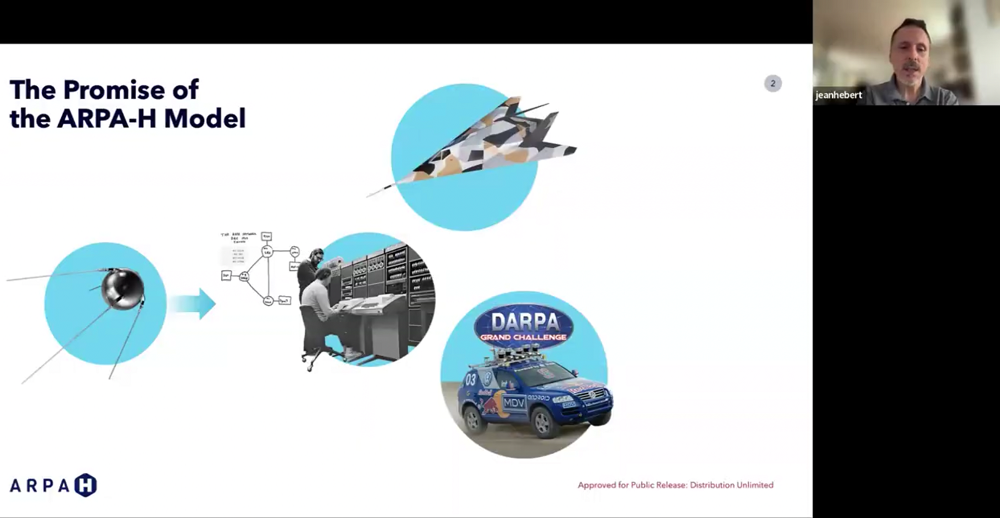
One standout example was the investor education seminar featuring ARPA-H and Jean Hebert, centered on the Functional Repair of Neocortical Tissue (FRONT) program and broader public-sector efforts relevant to longevity companies. This was a strategically important topic for the network because it exposed investors to non-dilutive government funding pathways, translational infrastructure, and the ways federal programs may help de-risk advanced therapeutic development.
Why these events mattered in 2025
These satellite events were particularly relevant given the financing backdrop of 2025. When capital is harder to access, the value of trusted networks, better-informed investors, and high-signal curation tends to rise. In that context, LIN’s educational and convening work became an even more important complement to the formal pitch sessions.
Live Events and Ecosystem Building
In addition to its monthly virtual pitch sessions and virtual investor education seminars, LIN hosted several in-person events in 2025 designed to strengthen relationships between investors, founders, researchers, and operators across the longevity ecosystem. These events provided opportunities for deeper discussion, more informal networking, and the kind of trust-building that often leads to future diligence and investment activity.
Longevity Biotech Pre-JPM Event
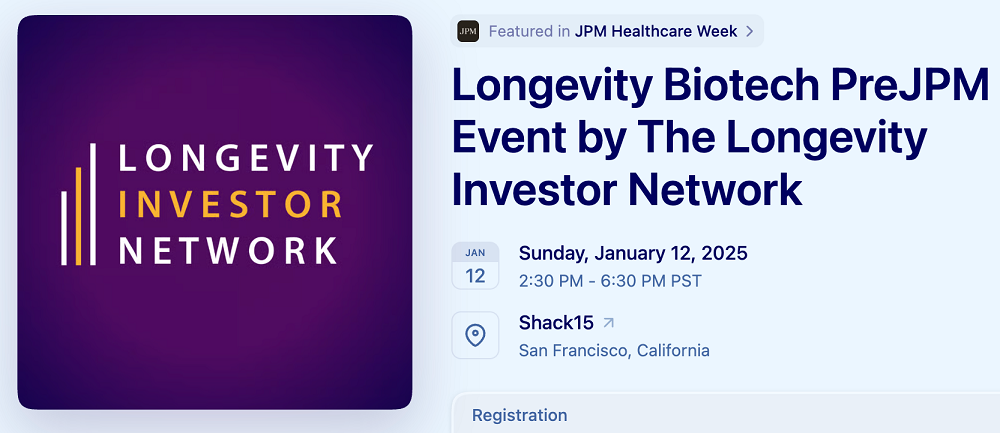
LIN hosted a Longevity Biotech Pre-JPM gathering in San Francisco ahead of the JPM healthcare conference season. The event brought together founders, investors, scientists, and longevity advocates for networking and discussion around the major themes likely to shape the year ahead in longevity biotechnology.
The event served as an opportunity to connect investors with promising founders before the start of one of the busiest weeks in biotech. Discussions focused on fundraising trends, the state of longevity therapeutics, regenerative medicine, diagnostics, and how the field could continue to mature despite a difficult capital environment.
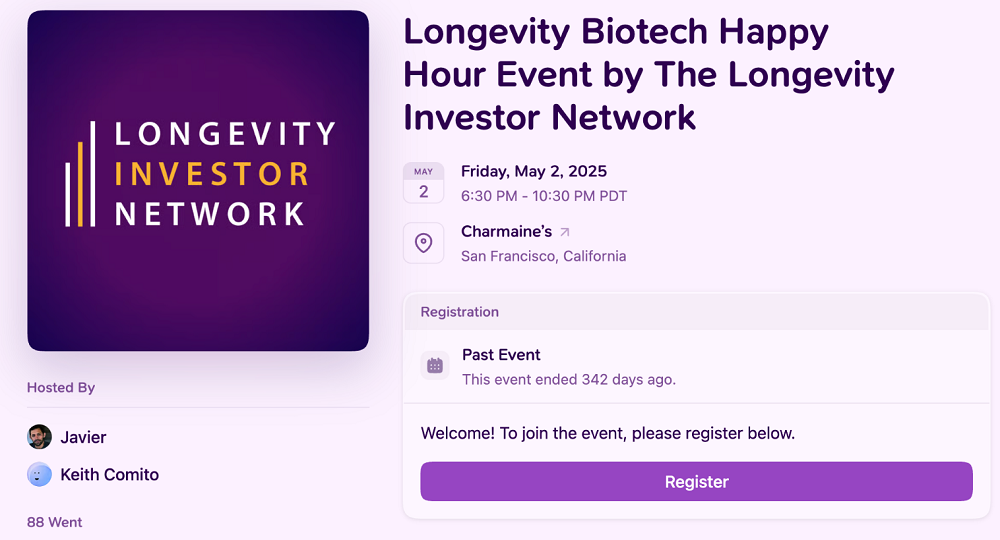
Longevity Biotech Happy Hour
LIN also hosted a Longevity Biotech Happy Hour event in San Francisco focused on building stronger community ties across the ecosystem. Unlike formal pitch sessions, this event emphasized relationship-building between investors, startup founders, operators, scientists, and ecosystem partners in a more informal setting.
The event created space for conversations around fundraising conditions, founder challenges, recent scientific progress, and areas of growing investor interest such as cellular reprogramming, neurodegeneration, and diagnostics. These more casual gatherings can be especially valuable in difficult markets because they help create familiarity and trust between participants before formal diligence processes begin.
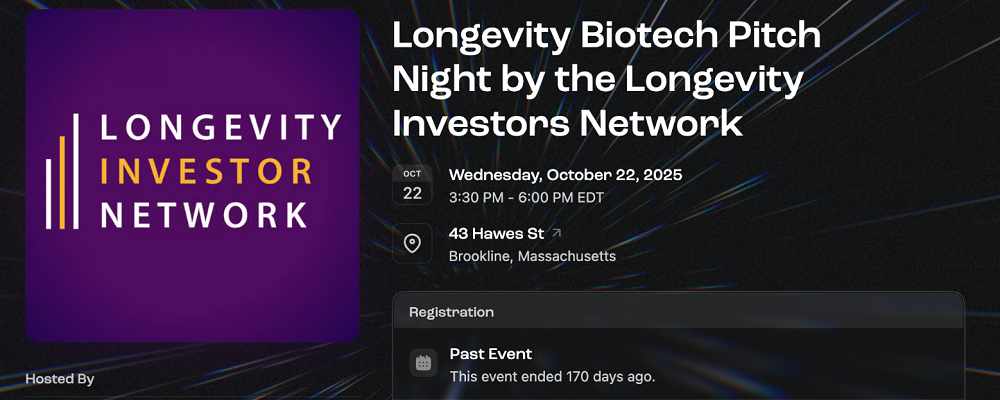
Longevity Biotech Pitch Night – Boston
One of LIN’s largest in-person events of the year was the Longevity Biotech Pitch Night held at the historic Wightman Mansion in Boston during Boston Longevity Week. The event brought together a curated audience of investors to hear presentations from longevity startups in an intimate, invite-only environment.
This event’s agenda included founder presentations, networking sessions, and remarks from Lifespan Research Institute leadership. Companies presenting included BioIO and XM Therapeutics, among others, with the event designed to give investors early exposure to high-potential companies before broader fundraising activity. This event emphasized the value of curated, investor-only environments where founders could engage in more detailed conversations with potential backers.
Collectively, these live events reinforced LIN’s role not just as a pitch platform but as a broader community hub for the longevity ecosystem. In a financing environment where investors became more selective and relationship-driven, in-person events played an increasingly important role in helping founders and investors build trust, exchange information, and identify opportunities for future collaboration.
2025 Funding Environment: Context for Investors
The broader financing environment is important context for interpreting 2025 outcomes. 2025 remained a difficult year for many venture-backed therapeutic startups, especially those without near-term clinical catalysts.
 1) Venture capital remained available, but it became far more concentrated
A central theme of 2025 was not the complete disappearance of capital but its concentration into fewer themes and fewer companies. AI absorbed a disproportionate share of venture capital attention and dollars, while many non-AI sectors faced a much more selective environment. Even within biotech, investors increasingly favored later-stage, de-risked, asset-centric, or platform-differentiated companies.
 2) Early-stage therapeutics remained the hardest part of the market
This matters directly for longevity companies, many of which are still preclinical, biologically ambitious, and relatively early in their capital formation journey. In a market like 2025, those companies can still raise but generally under tougher conditions, with longer timelines, heavier diligence, more syndication challenges, and stronger demands for translational clarity.
 3) Exit conditions still constrained risk appetite
One reason investors remained more conservative in 2025 is that venture still had an incomplete exit recovery. Healthcare and biotech IPO activity remained much weaker than the most favored tech categories, which reduced confidence in downstream liquidity for many life-science startups. When exit visibility is limited, investors often become more selective at the front end.
 4) Why this context matters for LIN’s annual report
Any moderation in check sizes, slower fundraising cycles, or lower aggregate capital placed through the network should be interpreted against the backdrop of a tougher market. That makes this network’s role in curation, investor education, and relationship-building more important than ever.
Looking Ahead and Thank You

As we reflect on 2025, we want to thank all of the investors, founders, scientists, operators, and ecosystem partners who contributed to the Longevity Investor Network over the course of the year.
We are especially grateful to our investor members, whose time, expertise, diligence, and willingness to support early-stage companies make this network possible. Early-stage longevity investing remains a challenging category: the science is complex, timelines are long, and the path from breakthrough biology to clinical and commercial success is rarely straightforward. The willingness of investors to engage with these opportunities, often well before they become obvious to the broader market, is one of the key reasons the field continues to move forward.
We also want to recognize all of the founders and companies that presented through LIN in 2025. Building a biotechnology company is difficult in any environment, but it was especially challenging in a year when capital became more concentrated, investors became more selective, and fundraising timelines lengthened across much of the venture market. Despite these challenges, the companies we saw this year continued to push forward with new ideas, ambitious science, and a shared commitment to addressing some of the largest unmet needs in aging and age-related disease.
One of the most encouraging themes of 2025 was the continued expansion of the longevity field itself. The companies presenting through LIN reflected not only the growing maturity of core rejuvenation biotechnology, but also the rise of adjacent areas such as regenerative medicine, neurotechnology, diagnostics, biomarker development, tissue engineering, AI-enabled drug discovery, and companion-animal longevity. Together, these companies are helping define what the future of the longevity economy may look like.
Looking ahead, we remain committed to building LIN into one of the most valuable early-stage investor communities in longevity biotechnology. Our goal is to continue surfacing the most compelling companies in the field, helping investors better understand the science and commercial landscape, and supporting founders as they move from early concepts to funded businesses and, ultimately, to therapies that can improve and extend healthy human life.
At a time of extraordinary scientific progress in aging biology, we believe there has never been a more important moment to support the development of longevity therapeutics. We are proud to play a role in that process and look forward to continuing to help build the ecosystem in the years ahead.
About Us
Lifespan Research Institute (“LRI”) is a 501(c)(3) nonprofit organization focused on the defeat of age-related disease and the extension of healthy human lifespan through raising funds and awareness for scientific work addressing the root causes of aging, building a thriving ecosystem of mission aligned stakeholders which can be mobilized to strategic action, and spearheading relevant research projects directly. We work to identify, develop, and promote initiatives with outsized impact and the greatest potential to realize widespread access to regenerative medicine solutions targeting the disabilities and diseases of aging.
Lifespan.io Sponsors & Members of the Lifespan Alliance
We are deeply honored by and grateful for the support of our Lifespan Alliance members, whose contributions are integral to our mission to extend healthy human lifespan and overcome age-related disease. These forward-thinking organizations empower our work at the forefront of scientific discovery and advocacy, advancing transformative interventions and fostering breakthroughs that will redefine health and aging for generations to come. Join the Lifespan Alliance today.