

Aging is a multifaceted topic, and it’s becoming more and more clear that the only way to deal with it is piece by piece. Here’s what pieces our industry has put together in April.
Advocacy and Analysis
 It’s Springtime and the Rejuvenation Field Is Flourishing: For those of us in the Northern Hemisphere, spring is here. This is a time of renewal and hope for better times ahead, echoing what our field is trying to achieve: the rejuvenation of aging cells and tissues to keep older people free from age-related diseases.
Some Researchers Choose Replacement Over Repair in Aging: A perspective published in Aging Cell details the replacement-based approaches being investigated by several research organizations.
AI’s Promise of Healthy Longevity: Exploring the Implications of Extended Lifespans Under International Law: This article questions whether there already is, or should be, an international human right to facilitate considerably extended lifespans, along with other relevant legal frameworks.
Research Roundup
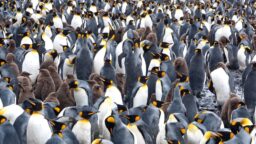 Becoming Well-Fed and Sedentary Accelerates Penguin Aging: A recent study suggests that the transition of king penguins from the wild to a zoo environment, which resembles a sedentary, well-fed Western lifestyle, results in accelerated aging and changes in metabolic pathways [1].
How an Enzyme’s Depletion Makes Fat Worse: In Aging Cell, researchers have described how the enzyme Pck1, a core part of metabolic activity, is required for staving off senescence in fat (adipose) cells.
 A Target for Ameliorating Post-Operative Delirium: Researchers have discovered a potential treatment for post-operative delirium, which accelerates cognitive decline in older people.
APOE4 Increases Neurons’ Excitability Before Symptoms Appear: The pro-Alzheimer’s allele APOE4 makes hippocampal neurons in mice smaller and hyperexcitable. This effect, which resembles epilepsy and accelerated aging, can be mitigated by manipulating a neuronal protein.
 The Timing of Meals Matters for Biological Aging: A recent study investigated a connection between the timing of meals and the rate of biological aging. These findings suggest that later timing of the first and last meals is associated with faster aging.
Life Bio’s Trial: Is the FDA Warming to Rejuvenation?: If this technique works in resetting the biological age of the human eye, the entire multibillion-dollar longevity industry could move to the center of mainstream medicine.

 A Combination NAD+ Treatment Has Benefits for Mice: Researchers have found that simultaneously supplying NAD+ through NMN and reducing its loss through apigenin restores muscle function and bone structure to aged mice.
Affecting a Signaling Pathway Alleviates Alzheimer’s in Mice: The overexpression of somatostatin (SST), a neuropeptide produced in neurons and acting mostly on microglia, lowers inflammation and amyloid β burden, improving cognitive abilities in a mouse model of Alzheimer’s.
 Why Fast-Cycling Skin Cells Decrease With Age: In Aging Cell, researchers have described how one dermal protein is related to maintaining the populations of fast-cycling skin cells and preserving skin integrity.
A Single Sauna Session Causes White Blood Cell Mobilization: A new study shows that hitting a sauna for 30 minutes causes a transient spike in the number of circulating white blood cells. The researchers suggest that this exercise-like effect might provide health benefits by improving immune surveillance.
 Vitamin C Alleviates Aging in Cynomolgus Monkeys: A recent study described a process called ferro-aging, in which iron accumulation leads to oxidative damage and cellular senescence. This process can be delayed by Vitamin C.
Targeting an Appetite Hormone Receptor for Stronger Muscles: In Aging Cell, researchers have described how suppressing the ghrelin receptor improves muscle function and fights sarcopenia in older mice.
 Engineered Stem Cells Become Lifelong Protein Factories: Researchers have genetically engineered blood stem cells to produce B cells that can churn out rare broad-action antibodies to fight HIV, malaria, and flu.
How Inflammaging Is Linked to Epigenetic Aging: A paper in Cell Genomics has described how age-related systemic inflammation is related to epigenetic aging as measured by four established clocks.
 Rapamycin Might Blunt Exercise Response in Humans: According to a new study, rapamycin probably interferes with exercise, blunting its effects in older human subjects. This result, however, might be specific to the particular protocol.
The Immune System Ages Differently in Men and Women: An investigation into the aging immune system identified age-related changes, including sex-dependent differences, in immune cell subpopulations and gene expression.
 Reprogrammed Cardiomyocytes Soften the Blow in Heart Attack: A new study has found that partial reprogramming mitigates the damage of myocardial infarction in mice by helping heart muscle cells to complete division.
A Robust Senescence Response Helps Wounds Heal: A team of scientists has examined how younger and older mice heal from wounds and found that more robust senescent cell activation in younger animals helps them heal faster.
 Obesity’s Effects on the Immune System May Linger for Years: A new study has suggested that T cells might retain a pro-inflammatory phenotype long after normal weight is regained following a period of obesity.
A Popular Senolytic Treatment Causes Brain Damage in Mice: A new study calls for caution in using the well-known senolytic treatment of dasatinib and quercetin (D+Q), showing that it causes damage in certain regions of the brain, similar to what is observed in multiple sclerosis.
 Daytime Napping and Mortality Association in Older Adults: A recent study found an association between longer and more frequent daytime napping and higher mortality risk.
Electromagnetic field-inducible in vivo gene switch for remote spatiotemporal control of gene expression: Overall, a remotely controlled EMF-inducible gene switch represents a versatile and effective biomedical platform.
Why dietary interventions fail or succeed in ageing: Metabolic resilience as the missing integrative framework: This perspective supports a shift towards resilience-oriented endpoints, improved biological stratification, and the integration of functional phenotypes into study design.
Epigenetic Age Feedback as a Catalyst for Sustained Lifestyle Change: One-Year Results from the EU iHelp Study: The marked variation between epigenetic clocks highlights the importance of selecting models designed for clear communication when used in public-facing health interventions.
The effects of metformin and exercise training on cardiorespiratory, blood pressure, and metabolic adaptations across the spectrum of glucose dysregulation: Compared with exercise alone, metformin was associated with smaller improvements in VO2peak, attenuated reductions in systolic blood pressure, and attenuated reductions in diastolic blood pressure.
Effects of high-load, velocity-intentional variable resistance training combined with creatine supplementation: Creatine supplementation confers complementary, modality-specific benefits and supports their use in combination to high-speed resistance exercise to promote healthy aging.
An Extracellular Matrix Aging Clock Based on Circulating Matrisome Proteins Predicts Biological Aging and Disease: These findings establish circulating ECM proteins as sensitive biomarkers of aging and disease and suggest that targeting ECM remodeling may offer new strategies for promoting healthy aging.
Harnessing viral strategies to reverse cognitive dysfunction through the integrated stress response: This treatment reversed cognitive and synaptic deficits in mouse models of Down syndrome, Alzheimer’s disease, and aging.
Combined effects of a low-dose multi-target supplement (CaHMB, CBP, and HA) on delaying musculoskeletal aging: The low-dose combination of CaHMB, CBP, and HA provides comprehensive benefits against age-related muscle and bone loss, likely by modulating the muscle–bone axis, and outperforms individual components.
SRN-901, a Novel Longevity Drug, Extends Lifespan and Healthspan by Targeting Multiple Aging Pathways: SRN-901-treated 18-month-old mice showed a significant increase of 33% in median remaining lifespan compared to placebo-treated mice.
Clearance of Senescent Cells by BCLXL-PROTAC: A Novel Approach to Treat COPD?: BCLXL-PROTAC is a potent and selective senolytic agent that may promote lung cell rejuvenation, supporting its potential as a novel therapeutic strategy for age-related diseases, including COPD.
Tomatidine is a senotherapeutic compound that improves cognitive function and reduces cellular senescence in aged mice: Tomatidine also diminished brain endothelial cell senescence while enhancing tight junction protein expression, suggesting preserved blood–brain barrier integrity.
News Nuggets
 Insilico and Eli Lilly Announce a Major Collaboration: Building on two previous deals between the companies, this new agreement is potentially worth up to $2.75 billion and involves Lilly licensing assets from Insilico’s pipeline.
BioAge Reports Positive Phase 1 Data for BGE-102: BioAge Labs, Inc., a clinical-stage biopharmaceutical company, reported results from the Phase 1 clinical trial of BGE-102, a potent, structurally novel, orally available, brain-penetrant small molecule NLRP3 inhibitor.
Coming Up
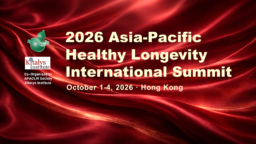 APLMS and Kitalys to Host Healthy Longevity in Hong Kong: The Asia-Pacific Longevity Medicine Society (APLMS), in partnership with The Kitalys Institute, announced that the 2026 Asia-Pacific Healthy Longevity International Summit (APAC-LMIS) will be held in Hong Kong from October 1–4, 2026, at the Hopewell Hotel.
Longevity Day at NFC Summit Lisbon Announces Speaker Lineup: Longevity Day at NFC Summit Lisbon has announced its confirmed speaker lineup ahead of its debut on 4 June 2026 at the Unicorn Factory in Lisbon. The event will bring together scientists, clinicians, founders, and investors from across the longevity ecosystem for a full-day program spanning ancestral wisdom, cutting-edge science, and frontier biotech.