




Astrocytes Become Neural Stem Cells After Injury
A new study published in Cell Stem Cell has shown how astrocytes, glial cells that perform multiple critical functions in the brain, can become neural stem cells (NSCs) in response

Caloric Restriction Appears to Improve Stem Cell Function
Researchers have taken a look at how caloric restriction seems to improve intestinal stem cell function in a new open-access study. Inflammaging is a precursor of age-related diseases The lining

Reducing Cognitive Decline in Mice with Alzheimer’s
A group of scientists have shown that the SIRT2 protein increases the accumulation of amyloid beta, a known marker of Alzheimer’s disease (AD), in the brains of mice. They propose

Rejuvenation Roundup July 2020
This is our last monthly roundup before Ending Age-Related Diseases 2020, our first fully online conference, and plenty of rejuvenation research has been conducted this month. Let’s take a look

Glucosamine Linked to Reduced All-Cause Mortality
It is one of the most commonly used supplements frequently taken to address joint pain, but there might be more to this dietary supplement than first meets the eye. Glucosamine

Senescent Cell Death Promotes Aging Resistance
The well-known resistance of naked mole rats to aging and aging-related effects is due at least in part to an unusual ability to clear away senescent cells. This suggests that

The “Love Hormone” Oxytocin as an Alzheimer’s Therapy
Japanese researchers led by Professor Akiyoshi Saitoh from the Tokyo University of Science have published new research that explores the potential of oxytocin as a therapy to combat cognitive disorders

Scientists Induce a New Mode of Aging in Yeast
A group of researchers has shown that yeast cells have two different and mutually exclusive modes of aging that seem to be interlinked. The scientists were also able to artificially

A Single Molecule Can Regenerate the Gut Lining
New research from Monash University has shown that a single key molecule responsible for cell adhesion and a variety of other bodily functions is also critical in repairing the gut

A DNA Methylation Clock to Measure Skin Age
A team of researchers have developed a tissue-specific clock that can measure the biological age of skin. There is plenty of new evidence that different organs and tissues in our

Why NAD+ Declines During Aging – Part 1
There has been considerable debate around the age-related decline of NAD+, particularly regarding whether or not it occurs in humans as it does in other species, such as mice. Today,
Are Epigenetic Clocks Ready for Prime Time?
Reason, author of the anti-aging blog Fight Aging and CEO of Repair Biotechnologies, still isn’t convinced that methylation is very useful in assessing biological age or the efficacy of various

Hyperbaric Oxygen Therapy May Reduce Cognitive Decline
A group of Israeli scientists led by Prof. Shai Efrati investigated the effects of hyperbaric oxygen therapy (HBOT) on age-related cognitive decline in healthy older adults, and the results were

Stephanie Lederman Discusses AFAR and Funding
Since 1992, Stephanie Lederman has been the Executive Director of the American Federation of Aging Research, which was founded back in 1981 with the mission of supporting and advancing healthy

Genomic Instability May Directly Lead to Diseases of Aging
A new perspective published in Cell explains a direct link between genomic instability and age-related diseases [1]. Somatic mutations Mutation is normally explained as the driving force behind evolution, as

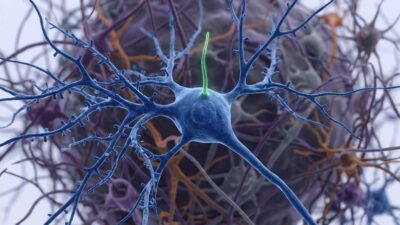
Astrocytes Become Neural Stem Cells After Injury
A new study published in Cell Stem Cell has shown how astrocytes, glial cells that perform multiple critical functions in the brain, can become neural stem cells (NSCs) in response to injury. Astrocytes’ normal functions The term ‘astrocyte’, meaning star-shaped cell, refers to a very heterogenous

Caloric Restriction Appears to Improve Stem Cell Function
Researchers have taken a look at how caloric restriction seems to improve intestinal stem cell function in a new open-access study. Inflammaging is a precursor of age-related diseases The lining of the intestines helps to prevent the entry of microbes and unwanted molecules into the bloodstream

Reducing Cognitive Decline in Mice with Alzheimer’s
A group of scientists have shown that the SIRT2 protein increases the accumulation of amyloid beta, a known marker of Alzheimer’s disease (AD), in the brains of mice. They propose a mechanism underlying this phenomenon and demonstrate that inhibiting SIRT2 ameliorates AD-associated cognitive decline in mice

Rejuvenation Roundup July 2020
This is our last monthly roundup before Ending Age-Related Diseases 2020, our first fully online conference, and plenty of rejuvenation research has been conducted this month. Let’s take a look at what’s happened in July. LEAF News Ending Age-Related Diseases 2020 July Update: Our annual conference,

Glucosamine Linked to Reduced All-Cause Mortality
It is one of the most commonly used supplements frequently taken to address joint pain, but there might be more to this dietary supplement than first meets the eye. Glucosamine was originally discovered during the 1960s in Italy by pharmacologist Professor Luigi Rovati. Glucosamine is one

Senescent Cell Death Promotes Aging Resistance
The well-known resistance of naked mole rats to aging and aging-related effects is due at least in part to an unusual ability to clear away senescent cells. This suggests that senolytic drugs, which aim to do the same in humans, may prove a fruitful path to

The “Love Hormone” Oxytocin as an Alzheimer’s Therapy
Japanese researchers led by Professor Akiyoshi Saitoh from the Tokyo University of Science have published new research that explores the potential of oxytocin as a therapy to combat cognitive disorders such as Alzheimer’s disease. Oxytocin is often called the love hormone, given its role in the

Scientists Induce a New Mode of Aging in Yeast
A group of researchers has shown that yeast cells have two different and mutually exclusive modes of aging that seem to be interlinked. The scientists were also able to artificially induce a third mode of aging that prolongs both healthspan and lifespan. Yeast is a popular

A Single Molecule Can Regenerate the Gut Lining
New research from Monash University has shown that a single key molecule responsible for cell adhesion and a variety of other bodily functions is also critical in repairing the gut lining and that increasing the presence of this molecule accelerates its repair and regeneration. Supercharging stem

A DNA Methylation Clock to Measure Skin Age
A team of researchers have developed a tissue-specific clock that can measure the biological age of skin. There is plenty of new evidence that different organs and tissues in our body age at different rates. In particular, the epigenetic state, the pattern of gene expression, of

Why NAD+ Declines During Aging – Part 1
There has been considerable debate around the age-related decline of NAD+, particularly regarding whether or not it occurs in humans as it does in other species, such as mice. Today, as part of a two-part special, we are going to be taking a look at some
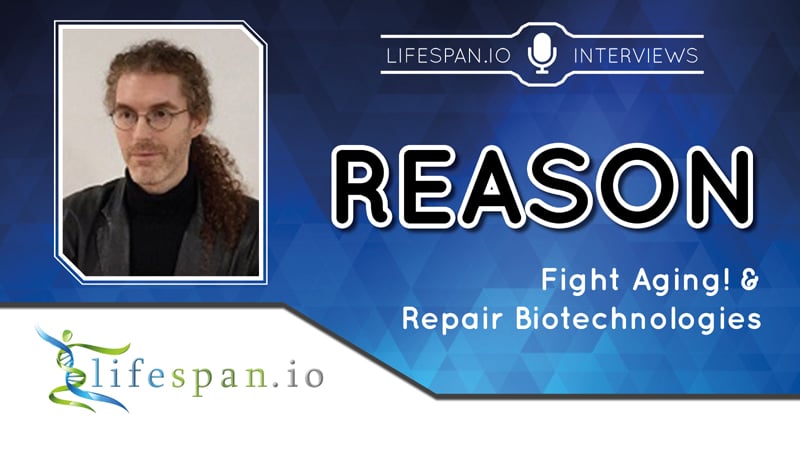
Are Epigenetic Clocks Ready for Prime Time?
Reason, author of the anti-aging blog Fight Aging and CEO of Repair Biotechnologies, still isn’t convinced that methylation is very useful in assessing biological age or the efficacy of various therapeutics, despite the wide use of methylation-based clocks. He surprised me at this year’s Longevity Therapeutics

Hyperbaric Oxygen Therapy May Reduce Cognitive Decline
A group of Israeli scientists led by Prof. Shai Efrati investigated the effects of hyperbaric oxygen therapy (HBOT) on age-related cognitive decline in healthy older adults, and the results were promising. The brain is the most metabolically active organ in the body, but it has only

Stephanie Lederman Discusses AFAR and Funding
Since 1992, Stephanie Lederman has been the Executive Director of the American Federation of Aging Research, which was founded back in 1981 with the mission of supporting and advancing healthy aging through biomedical research. She is a fellow of the New York Academy of Medicine and

Genomic Instability May Directly Lead to Diseases of Aging
A new perspective published in Cell explains a direct link between genomic instability and age-related diseases [1]. Somatic mutations Mutation is normally explained as the driving force behind evolution, as changes in the germ lines of organisms result in beneficial and harmful mutations to organisms. The