




Life Expectancy Could Rise Significantly in the Near Future
Let’s face it, getting older sucks, and not because of all the extra candles on the birthday cake. Getting cake and presents every year is great, but the loss of

Macrophages Become Scars in the Heart
A paper published in Nature Communications reveals that, rather than just summoning fibroblasts, inflammatory macrophages themselves form fibrous tissue that is the basis of scars. The dual role of macrophages

Irina & Michael Conboy – Making Old Blood Young Again
We were at the recent Longevity Therapeutics Conference in San Francisco, and we had the opportunity to interview Irina and Michael Conboy from UC Berkeley about their pioneering work on

Refining the Allotopic Expression of Mitochondrial Genes
Researchers from SENS Research Foundation, including Matthew O’Connor and Amutha Boominathan, have published a new study showing how codons play an important role in getting copies of mitochondrial genes placed

Rejuvenation Roundup January 2020
2020 has been a common year to define the beginning of “the future”, so now’s a great time to discover just how close real biotechnology has come to popular expectations.
Results From a Human Trial for Skin Aging
The January edition of Journal Club, hosted by Dr. Oliver Medvedik, took a look at the results of a recent human trial in which the drug rapamycin was used to

Mitochondria Found Independently Living in Blood
The mitochondria are well known as being the powerhouses of the cell, as they convert nutrients into the energy that our cells need in order to function and remain alive.

Three Groundbreaking Longevity Startups
There are lots of exciting companies working in the aging field, and it’s a great time to tell you about three of the more interesting ones. Most of these companies

Revel Pharma to Develop Glucosepane Breakers
Some pleasant news has recently arrived: Revel Pharmaceuticals has successfully completed a seed round in order to begin developing therapeutics that target glucosepane crosslinks, which are a proposed reason why

Treating Glaucoma with Senolytics
New research suggests that senolytic drugs, which remove harmful senescent cells that accumulate during aging, may be an effective therapy for glaucoma, a common age-related condition that leads to loss

Looking Back at 2019 – and Forward to 2020
2019 is quite a milestone for LEAF; this will be our fourth year of bringing you the latest industry news, organizing online events, hosting our annual conference in New York,

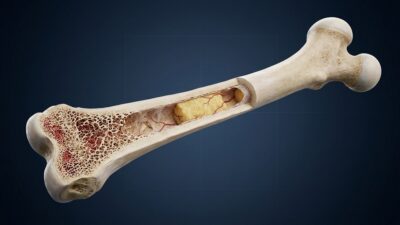
Anti-Aging Drug Rejuvenates Oral Health
A new study shows that short-term treatment with the common organ rejection drug rapamycin reverses periodontal bone loss, attenuates inflammation, and makes the oral microbiome revert to a more youthful
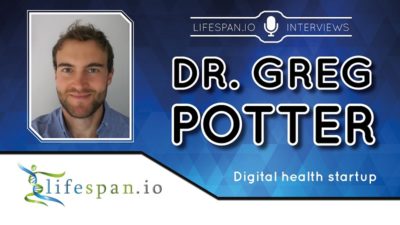
Greg Potter on Biohacking and Lifestyle
We had the opportunity to interview Greg Potter, Ph.D., a researcher of lifestyle factors in health throughout life, at Biohacking Conference Moscow, which was hosted at the Congress Centre Technopolis

Tryptophan as a Therapeutic Target for Inflammaging
A new open access paper takes a look at tryptophan and the role that it plays in the dysfunction of the immune system in the context of the age-related changes

DNA Testing Company Veritas Genetics Suspends U.S. Operations
After experiencing financial issues, DNA testing company Veritas Genetics has announced the suspension of its U.S. operations in an unexpected announcement on December 4th 2019. The company is perhaps best

Life Expectancy Could Rise Significantly in the Near Future
Let’s face it, getting older sucks, and not because of all the extra candles on the birthday cake. Getting cake and presents every year is great, but the loss of health and independence isn’t a particularly good birthday present. (Wow, what’d I get this year? Just

Macrophages Become Scars in the Heart
A paper published in Nature Communications reveals that, rather than just summoning fibroblasts, inflammatory macrophages themselves form fibrous tissue that is the basis of scars. The dual role of macrophages Macrophages perform two critical roles in the immune system. After an injury, M1 macrophages spur local

Irina & Michael Conboy – Making Old Blood Young Again
We were at the recent Longevity Therapeutics Conference in San Francisco, and we had the opportunity to interview Irina and Michael Conboy from UC Berkeley about their pioneering work on blood factors and aging. Irina is a member of our Scientific Advisory Board, and the Conboys’

Refining the Allotopic Expression of Mitochondrial Genes
Researchers from SENS Research Foundation, including Matthew O’Connor and Amutha Boominathan, have published a new study showing how codons play an important role in getting copies of mitochondrial genes placed in the cellular nucleus to express themselves correctly [1]. A possible solution to mitochondrial diseases Mitochondrial

Rejuvenation Roundup January 2020
2020 has been a common year to define the beginning of “the future”, so now’s a great time to discover just how close real biotechnology has come to popular expectations. To kick off the first month of the new year, we have plenty of research to

Results From a Human Trial for Skin Aging
The January edition of Journal Club, hosted by Dr. Oliver Medvedik, took a look at the results of a recent human trial in which the drug rapamycin was used to treat skin aging with some promising results.

Mitochondria Found Independently Living in Blood
The mitochondria are well known as being the powerhouses of the cell, as they convert nutrients into the energy that our cells need in order to function and remain alive. Until recently, it was believed that they remain within our cells all their lives, but a

Three Groundbreaking Longevity Startups
There are lots of exciting companies working in the aging field, and it’s a great time to tell you about three of the more interesting ones. Most of these companies are a while away from human trials yet, but their innovations could possibly be truly game

Revel Pharma to Develop Glucosepane Breakers
Some pleasant news has recently arrived: Revel Pharmaceuticals has successfully completed a seed round in order to begin developing therapeutics that target glucosepane crosslinks, which are a proposed reason why we age, develop diseases such as diabetes, and suffer from stiffened arteries and hypertension. In the

Treating Glaucoma with Senolytics
New research suggests that senolytic drugs, which remove harmful senescent cells that accumulate during aging, may be an effective therapy for glaucoma, a common age-related condition that leads to loss of vision. In the short term, inflammation serves a useful purpose, as it helps to spur

Looking Back at 2019 – and Forward to 2020
2019 is quite a milestone for LEAF; this will be our fourth year of bringing you the latest industry news, organizing online events, hosting our annual conference in New York, and crowdsourcing important research projects over at Lifespan.io. We have been incredibly busy and, as has

Anti-Aging Drug Rejuvenates Oral Health
A new study shows that short-term treatment with the common organ rejection drug rapamycin reverses periodontal bone loss, attenuates inflammation, and makes the oral microbiome revert to a more youthful state in old mice. What is rapamycin? Rapamycin (also known as sirolimus) is a macrolide, a

Greg Potter on Biohacking and Lifestyle
We had the opportunity to interview Greg Potter, Ph.D., a researcher of lifestyle factors in health throughout life, at Biohacking Conference Moscow, which was hosted at the Congress Centre Technopolis Moscow on September 19th. In a provocative 2017 publication, Serge Faguet claimed to have spent $200,000

Tryptophan as a Therapeutic Target for Inflammaging
A new open access paper takes a look at tryptophan and the role that it plays in the dysfunction of the immune system in the context of the age-related changes that occur in the microbiome [1]. The microbiome The gut microbiome is a complex ecosystem of

DNA Testing Company Veritas Genetics Suspends U.S. Operations
After experiencing financial issues, DNA testing company Veritas Genetics has announced the suspension of its U.S. operations in an unexpected announcement on December 4th 2019. The company is perhaps best known for being co-founded by renowned Harvard University geneticist George Church and has been working towards