




Nanoparticles Improve Intercellular Mitochondrial Transfer
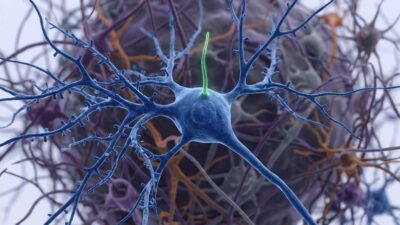
Scientists have created “nanoflowers” that nudge donor cells to produce more mitochondria, which can then be transferred to recipient cells to boost their mitochondrial function [1]. Mitochondrial transfer is difficult
How Senescent Cells Encourage Melanoma Growth
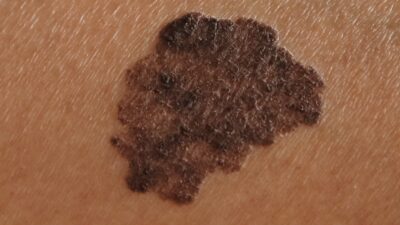
Researchers publishing in Aging Cell have documented a key reason why older people are much more likely to get melanoma. Why older people have significantly worse melanoma cases While melanoma

The Impact of Plant Polyphenols on Ovarian Aging
A recent review in the Journal of Ovarian Research summarizes current knowledge of the impact of various polyphenols on different aspects of ovarian aging. The researchers discuss that polyphenol supplementation

Improved Stem Cells Rejuvenate the Brains of Monkeys
Scientists have genetically modified human mesenchymal progenitor cells to express a more potent version of the “longevity gene” FOXO3, producing rejuvenative effects in monkeys, mice, and human cells [1]. Making

A Sarcopenia-Related MicroRNA May Help Pinpoint Its Origin
In Aging Cell, researchers have discovered a potential way to use a microRNA to diagnose sarcopenia, the age-related loss of muscle. Primary and secondary sarcopenia Previous research has been able
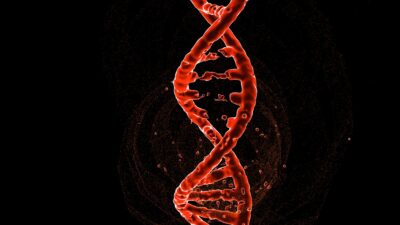
NAD+ Rescues Mouse Tauopathy by Fixing Alternative Splicing
A new study reveals a surprising mechanism that might be behind the beneficial effects of NAD+ in preclinical models of Alzheimer’s [1]. Which way to splice it? Not every part

The Key Questions of Longevity Research
In GeroScience, a large team of researchers, including João Pedro de Magalhães, has described a hundred currently unsolved problems in the field. Finding the right questions Understanding the fundamental nature

Multilingualism Is Associated With Delayed Aging
A recent study of over 80,000 Europeans concluded that speaking more than one language is associated with delayed aging. Further analysis suggested that the protective effect of speaking one foreign

New Gene Therapy Robustly Lowers LDL and Triglycerides
A new Phase 1 trial produced encouraging safety and efficacy results for a CRISPR-based gene therapy that silences a gene important for lipid regulation. This therapy might increase adherence and

High-Fiber Foods May Fight T Cell Senescence
Researchers have discovered that butyrate, a short-chain fatty acid with well-documented gut benefits, fights senescence in T cells. Immune senescence drives inflammaging Senescence of the immune system (immunosenescence) is a

Mice With Reduced Astrocytic Oxidative Stress Live Longer
Scientists have discovered that directly reducing the production of reactive oxygen species (ROS) at their source in astrocytes, mitochondrial complex III, improves neuronal health and significantly increases lifespan in a

EDA2R May Be an Aging Biomarker and Inflammaging Target
A review in Aging Cell has cataloged the harmful effects of EDA2R, a protein that affects three distinct inflammation-related pathways. A necessary protein gone bad Like nearly every other protein
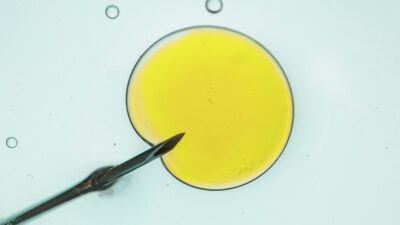
Rapamycin May Delay Age-Related Fertility Decline
In a recent study, researchers identified that an increase in the expression of ribosome-related genes and a loss of protein homeostasis contribute to the age-related decline in female fertility. Rapamycin

Skin Aging Underlined by Loss of Capillary Macrophages
A new study ties the disappearance of capillary-associated macrophages to age-related vascular degeneration in the skin. Boosting their function with a growth factor offers a possible avenue for anti-aging interventions
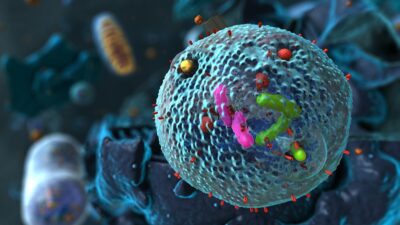
Maintenance Stays Efficient in Healthy Older People’s Cells
Researchers publishing in Aging Cell have found that the efficiency of autophagy, a cellular maintenance process, increases rather than decreases in some T cells derived from healthy older people. Keeping

Nanoparticles Improve Intercellular Mitochondrial Transfer
Scientists have created “nanoflowers” that nudge donor cells to produce more mitochondria, which can then be transferred to recipient cells to boost their mitochondrial function [1]. Mitochondrial transfer is difficult to improve Energy is required for life, and most energy in our cells is produced by
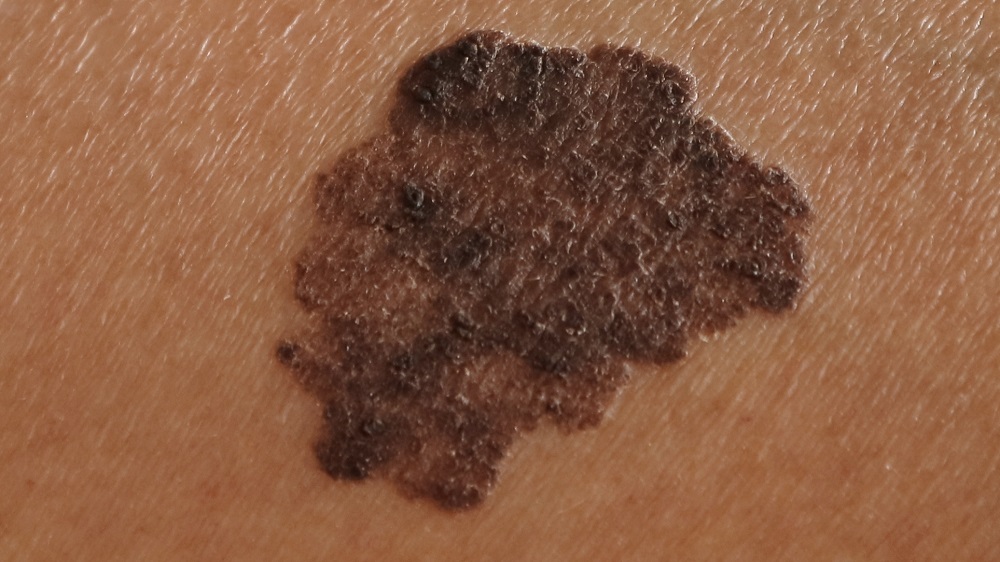
How Senescent Cells Encourage Melanoma Growth
Researchers publishing in Aging Cell have documented a key reason why older people are much more likely to get melanoma. Why older people have significantly worse melanoma cases While melanoma is much more treatable now than in the past, it still remains a serious danger. Melanoma

The Impact of Plant Polyphenols on Ovarian Aging
A recent review in the Journal of Ovarian Research summarizes current knowledge of the impact of various polyphenols on different aspects of ovarian aging. The researchers discuss that polyphenol supplementation could be used as an intervention to delay ovarian aging [1]. Every woman’s problem Ovarian aging

Improved Stem Cells Rejuvenate the Brains of Monkeys
Scientists have genetically modified human mesenchymal progenitor cells to express a more potent version of the “longevity gene” FOXO3, producing rejuvenative effects in monkeys, mice, and human cells [1]. Making aging-resistant cells Stem cell exhaustion is one of the mechanisms of aging. Replenishing the aging stem

A Sarcopenia-Related MicroRNA May Help Pinpoint Its Origin
In Aging Cell, researchers have discovered a potential way to use a microRNA to diagnose sarcopenia, the age-related loss of muscle. Primary and secondary sarcopenia Previous research has been able to distinguish sarcopenia by its sources. Primary sarcopenia directly comes from the processes of aging, while
NAD+ Rescues Mouse Tauopathy by Fixing Alternative Splicing
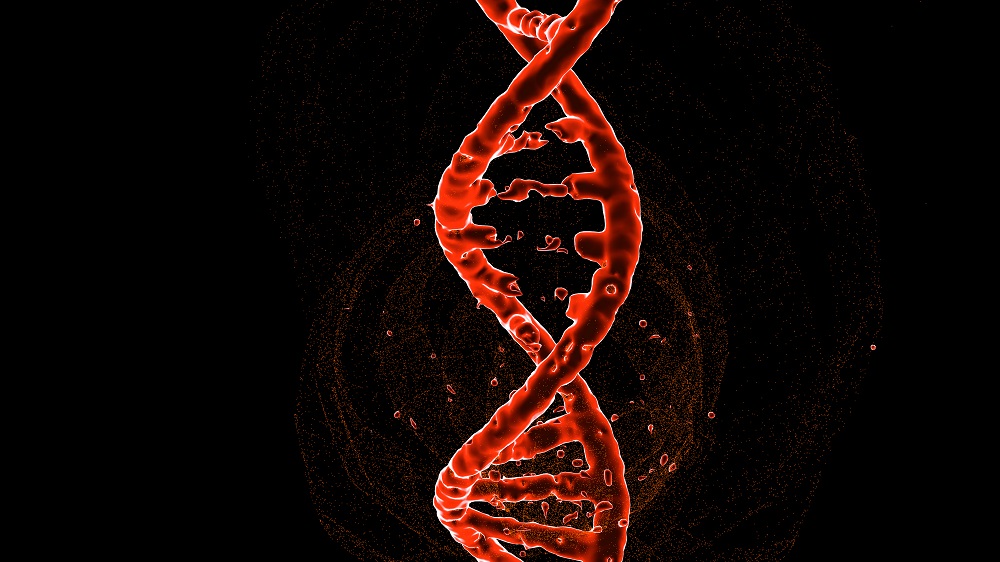
A new study reveals a surprising mechanism that might be behind the beneficial effects of NAD+ in preclinical models of Alzheimer’s [1]. Which way to splice it? Not every part of a DNA sequence gets translated into a protein. Each sequence consists of exons, which are

The Key Questions of Longevity Research
In GeroScience, a large team of researchers, including João Pedro de Magalhães, has described a hundred currently unsolved problems in the field. Finding the right questions Understanding the fundamental nature of aging has been a problem since people first endeavored to live longer, to the point

Multilingualism Is Associated With Delayed Aging
A recent study of over 80,000 Europeans concluded that speaking more than one language is associated with delayed aging. Further analysis suggested that the protective effect of speaking one foreign language diminished with age, while the protective effect of speaking two or more foreign languages was
New Gene Therapy Robustly Lowers LDL and Triglycerides
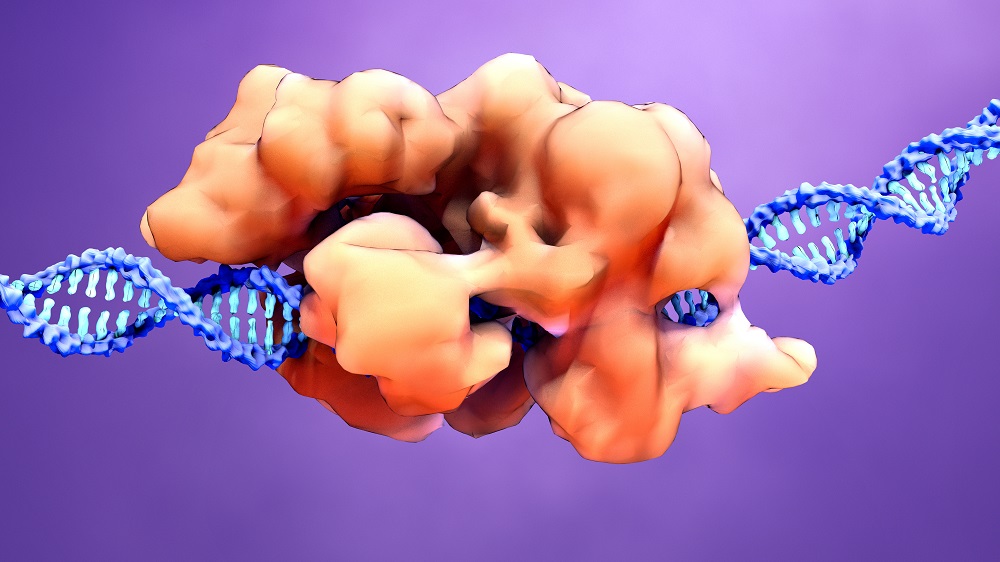
A new Phase 1 trial produced encouraging safety and efficacy results for a CRISPR-based gene therapy that silences a gene important for lipid regulation. This therapy might increase adherence and reduce side effects [1]. Addressing the adherence problem High levels of LDL cholesterol (LDL-C) and triglycerides

High-Fiber Foods May Fight T Cell Senescence
Researchers have discovered that butyrate, a short-chain fatty acid with well-documented gut benefits, fights senescence in T cells. Immune senescence drives inflammaging Senescence of the immune system (immunosenescence) is a problem that drives many others. In particular, T cells are known to secrete inflammatory SASP compounds
Mice With Reduced Astrocytic Oxidative Stress Live Longer
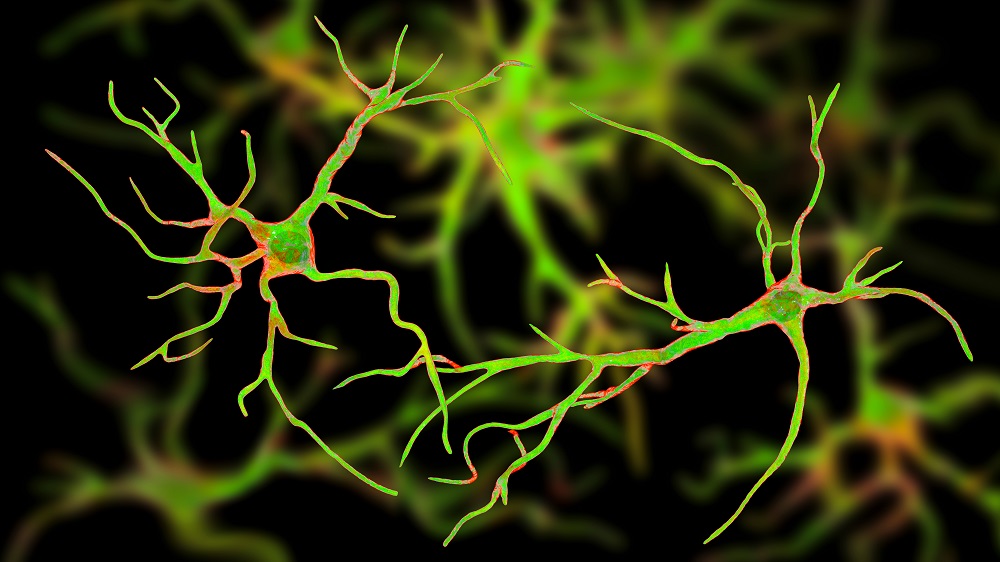
Scientists have discovered that directly reducing the production of reactive oxygen species (ROS) at their source in astrocytes, mitochondrial complex III, improves neuronal health and significantly increases lifespan in a mouse model of Alzheimer’s [1]. Dangerous species Reactive oxygen species (ROS) are short-lived, highly reactive oxygen-containing
EDA2R May Be an Aging Biomarker and Inflammaging Target
A review in Aging Cell has cataloged the harmful effects of EDA2R, a protein that affects three distinct inflammation-related pathways. A necessary protein gone bad Like nearly every other protein with documented harmful effects, this one is required for certain systems to function properly. The EDA
Rapamycin May Delay Age-Related Fertility Decline
In a recent study, researchers identified that an increase in the expression of ribosome-related genes and a loss of protein homeostasis contribute to the age-related decline in female fertility. Rapamycin restored this balance and increased fertility rates in a human trial [1]. The first system to
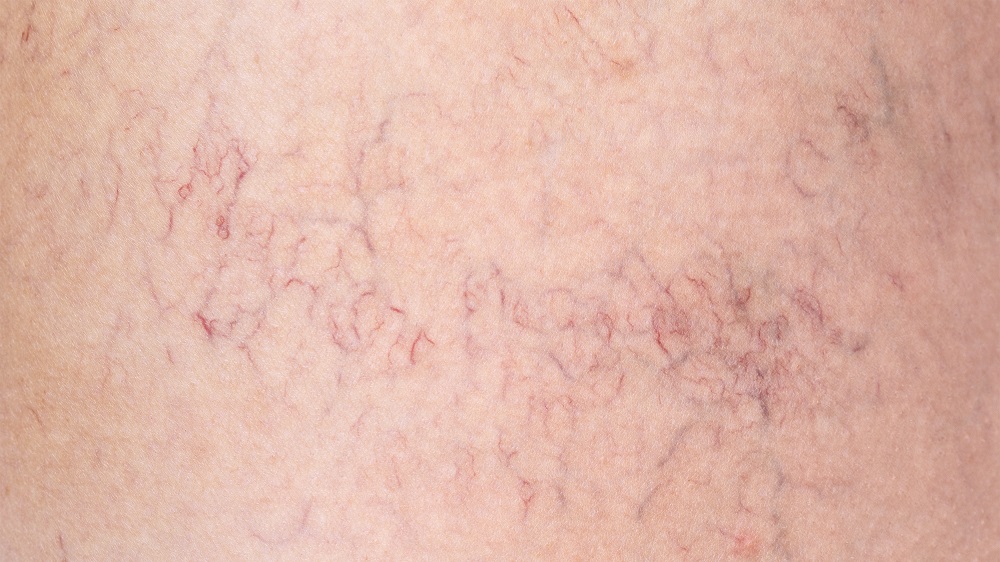
Skin Aging Underlined by Loss of Capillary Macrophages
A new study ties the disappearance of capillary-associated macrophages to age-related vascular degeneration in the skin. Boosting their function with a growth factor offers a possible avenue for anti-aging interventions [1]. Macrophages, capillaries, and skin aging Skin aging might not be the most dangerous aspect of
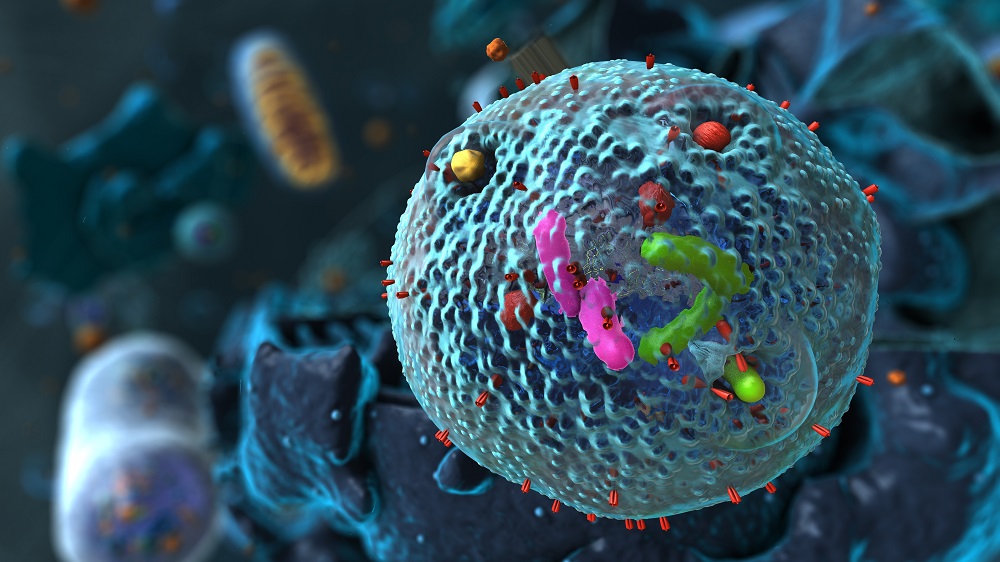
Maintenance Stays Efficient in Healthy Older People’s Cells
Researchers publishing in Aging Cell have found that the efficiency of autophagy, a cellular maintenance process, increases rather than decreases in some T cells derived from healthy older people. Keeping cells healthy The researchers introduce their paper by discussing autophagy and its decline in aging. They