




Can Quantum Computing Help Discover New Drugs?
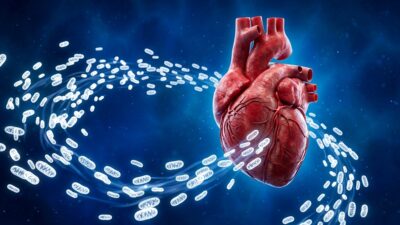
With a new announcement from IBM and Germany’s Fraunhofer Institute, the era of quantum computing has finally arrived in Europe. Can its advance speed up the discovery of new drugs?
A Look at Idiopathic Pulmonary Fibrosis
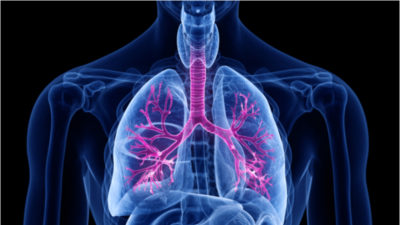
A new review published in the American Journal of Respiratory Cell and Molecular Biology discusses the causes of, and potential treatments for, idiopathic pulmonary fibrosis (IPF). Fibrosis, but not focused

The Aged Microenvironment Linked to Sarcopenia
Muscular degradation with age isn’t the result of a decline in the intrinsic regenerative ability of muscles, according to new research [1]. Instead, sarcopenia is likely due to changes in

Brain Blood Flow Restriction Resembles Brain Aging in Mice
A mouse study published in Aging Cell has outlined the similarities between artificially restricted cerebral blood flow and the reduced blood flow associated with aging. Aiming to understand vascular dementia

First Multi-Cancer Blood Test Available Now
Biotech company GRAIL made history earlier this month when it introduced the first commercially available multi-cancer blood test. The test is based on analyzing tumor DNA in circulation and could

Rapamycin Improves How Our DNA Is Stored
Researchers have demonstrated that rapamycin, a drug that has long been believed to slow down aging, changes the way DNA is stored inside cells to support gut health and longevity

Calico Scientists Develop Safer Cellular Reprogramming
In a preprint paper, scientists from Calico, Google’s longevity research behemoth, suggest that contrary to our previous understanding, transient reprogramming of cells using Yamanaka factors involves suppressing cellular identity, which
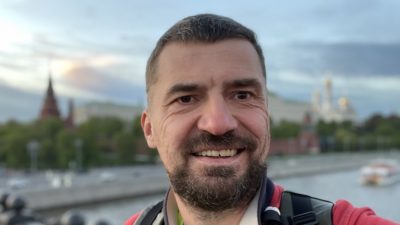
Building Support for the War Against Aging
The life extension community has a number of long serving people in its ranks, and one of the longest-active of those in Russia is Mikhail Batin. His activities go way

COVID-19 Spike Protein Shown to Increase SASP
New research published in the journal Science has shown that the spike protein of SARS-CoV-2, the virus that causes COVID-19, causes senescent cells to secrete more of the senescence-associated secretory

Human Genome Fully Sequenced
In a preprint paper, scientists have announced the completion of the first full, telomere-to-telomere, sequencing of the human genome, more than two decades after the first draft of its sequencing.

The Two Kinds of p21 Expression
A team of researchers led by Dr. Judith Campisi of the Buck Institute has discovered valuable information about how cells express the senescence marker p21 [1]. Two genetic loci, one

Transcriptomic Aging Clock Measures More Than Just Age
Researchers have developed a new transcriptomic aging clock that incorporates information about biological pathways. With this approach, the clock predicts not only age but also how the state of various

Removing and Replacing Mitochondria in Human Cells
A new study conducted by a team of Japanese scientists and published in Scientific Reports details how cells can have their damaged mitochondria destroyed and replaced with healthy ones, offering

Twin Study Shows That Diet and Exercise Lower Biological Age
Chinese scientists have performed a study on homozygous twins to determine how lifestyle factors – smoking, drinking, physical activity, and diet – affect biological age according to two biological age

Heavy Alcohol Use Linked to Greater Epigenetic Age in Women
A study funded by the National Institutes of Health has found that excessive alcohol consumption increases the epigenetic age of non-Hispanic White women according to the GrimAge epigenetic clock. A

Can Quantum Computing Help Discover New Drugs?
With a new announcement from IBM and Germany’s Fraunhofer Institute, the era of quantum computing has finally arrived in Europe. Can its advance speed up the discovery of new drugs? Europe joins the race Despite being a research and manufacturing powerhouse, Germany, like Europe as a

A Look at Idiopathic Pulmonary Fibrosis
A new review published in the American Journal of Respiratory Cell and Molecular Biology discusses the causes of, and potential treatments for, idiopathic pulmonary fibrosis (IPF). Fibrosis, but not focused on fibroblasts In the lungs, the trachea (airway) breaks out into a tree-like system of nodes.

The Aged Microenvironment Linked to Sarcopenia
Muscular degradation with age isn’t the result of a decline in the intrinsic regenerative ability of muscles, according to new research [1]. Instead, sarcopenia is likely due to changes in the muscle microenvironment that reduce repair and regeneration. Declining muscles Age-related muscle loss can begin as

Brain Blood Flow Restriction Resembles Brain Aging in Mice
A mouse study published in Aging Cell has outlined the similarities between artificially restricted cerebral blood flow and the reduced blood flow associated with aging. Aiming to understand vascular dementia Prior research has shown that reduced cerebral blood flow, known as hypoperfusion, results in vascular dementia

First Multi-Cancer Blood Test Available Now
Biotech company GRAIL made history earlier this month when it introduced the first commercially available multi-cancer blood test. The test is based on analyzing tumor DNA in circulation and could be a game-changer in the field of cancer diagnostics, especially if the company continues to improve

Rapamycin Improves How Our DNA Is Stored
Researchers have demonstrated that rapamycin, a drug that has long been believed to slow down aging, changes the way DNA is stored inside cells to support gut health and longevity [1]. This improvement to DNA storage has been observed in both fruit flies and mice in

Calico Scientists Develop Safer Cellular Reprogramming
In a preprint paper, scientists from Calico, Google’s longevity research behemoth, suggest that contrary to our previous understanding, transient reprogramming of cells using Yamanaka factors involves suppressing cellular identity, which may open the door to carcinogenic mutations. They also propose a milder reprogramming method inspired by

Building Support for the War Against Aging
The life extension community has a number of long serving people in its ranks, and one of the longest-active of those in Russia is Mikhail Batin. His activities go way back to 2008 when the non-profit organization Science for Life Extension Foundation, which was first created

COVID-19 Spike Protein Shown to Increase SASP
New research published in the journal Science has shown that the spike protein of SARS-CoV-2, the virus that causes COVID-19, causes senescent cells to secrete more of the senescence-associated secretory phenotype (SASP), causing hyperinflammation and weakening the body’s defenses against viruses. An established link The researchers

Human Genome Fully Sequenced
In a preprint paper, scientists have announced the completion of the first full, telomere-to-telomere, sequencing of the human genome, more than two decades after the first draft of its sequencing. This was made possible by new sequencing technologies [1]. Mind the gaps The human genome was

The Two Kinds of p21 Expression
A team of researchers led by Dr. Judith Campisi of the Buck Institute has discovered valuable information about how cells express the senescence marker p21 [1]. Two genetic loci, one protein Cellular senescence is partially determined by two cyclin-dependent kinase inhibitor proteins: p16 and p21. The

Transcriptomic Aging Clock Measures More Than Just Age
Researchers have developed a new transcriptomic aging clock that incorporates information about biological pathways. With this approach, the clock predicts not only age but also how the state of various genetic pathways changes with age, providing insight into the transcriptional changes involved in aging. Time for

Removing and Replacing Mitochondria in Human Cells
A new study conducted by a team of Japanese scientists and published in Scientific Reports details how cells can have their damaged mitochondria destroyed and replaced with healthy ones, offering a potential solution to the problem of mitochondrial dysfunction. Out with the old, in with the

Twin Study Shows That Diet and Exercise Lower Biological Age
Chinese scientists have performed a study on homozygous twins to determine how lifestyle factors – smoking, drinking, physical activity, and diet – affect biological age according to two biological age clocks. Their findings were a mixed bag, but they found evidence for eating lots of fruits

Heavy Alcohol Use Linked to Greater Epigenetic Age in Women
A study funded by the National Institutes of Health has found that excessive alcohol consumption increases the epigenetic age of non-Hispanic White women according to the GrimAge epigenetic clock. A large study with a few conclusive results This study, the first of its kind to show