
September 09, 2026
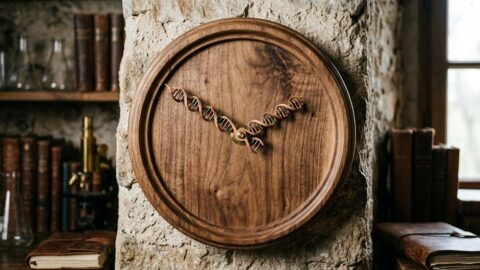
In a recent study, researchers have evaluated how responsive several DNA methylation (DNAm) biomarkers are to a range of longevity interventions [1]. Waiting too long Testing lifespan-extending interventions in humans has a major problem: it can take many years, or even decades, to see results. Nobody wants to wait that long. Therefore, it is essential...

August 06, 2026
A team of researchers has developed Pasta, a transcriptomic clock that accurately predicts the age-related effects of various compounds and gene expressions. Epigenetics versus transcriptomics What Are Epigenetic ClocksAn epigenetic clock is a biochemical test that uses DNA methylation levels and accumulation of methyl groups on DNA to determine biological age. There are many different...

July 30, 2026
A team of researchers has concluded that while methylation-based epigenetic clocks generally give reliable outputs when given the same inputs, short-term biological fluctuations can drastically change their results. Technical and biological reliability What Are Epigenetic ClocksAn epigenetic clock is a biochemical test that uses DNA methylation levels and accumulation of methyl groups on DNA to...
July 22, 2026
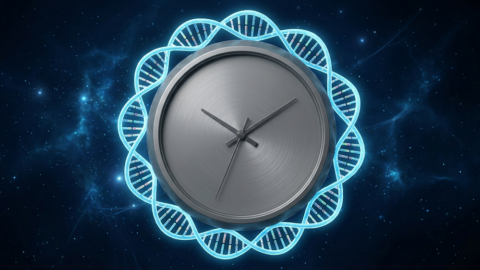
A recent review discusses the development of biological aging clocks, their capabilities and limitations, the discoveries they enabled, and possible future developments in this area [1]. How do we measure aging? Developments in science and technology have allowed researchers to move beyond speculation and philosophical debates about aging to study its molecular underpinnings and the...
July 09, 2026
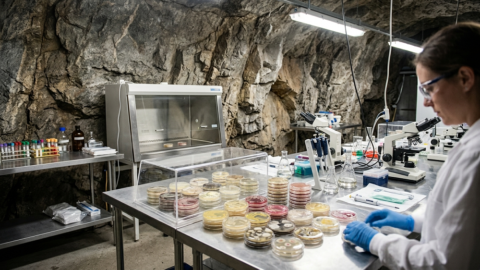
A perspective published in Aging and Disease has recommended the use of underground laboratory space in order to remove the effects of surface radiation on biological clocks. A question of entropy The cascading failure of bodily systems, leading to the loss of organ function, sits downstream of fundamental damage to genomics and epigenomics. However, how...
June 26, 2026
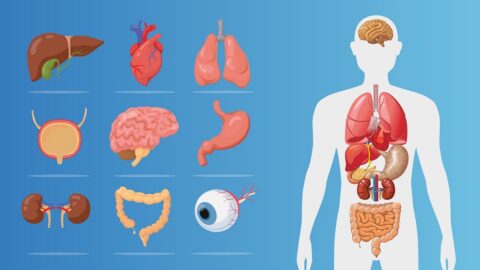
A new study has used aging trajectories of various cell types to predict diseases such as Alzheimer’s and lung cancer [1]. This expands on previous research into organ-specific aging. Age is more than one number Gone are the days when aging was assumed to be happening uniformly across every tissue at once. Today, we know...