The Blog

Building a Future Free of Age-Related Disease

Immune shield

A Path Towards Restoring Thymic Function

A study published in Cell Reports shows how the thymus is stimulated to repair itself when dying thymocytes are depleted, paving the way towards novel methods of thymic regeneration.

Thymus and NOD2

Cycles of involution, not a steady decline

The researchers cite previous research showing that the thymus, despite being extremely sensitive to insults such as radiation and chemotherapy, is capable of regeneration after injury [1]. Given what we know about thymic involution, the gradual deterioration of the thymus with age, this seems contradictory; why would an organ that is so well-known for deterioration have such self-repair capacities?

The researchers of this study remind us that, rather than a steady decline, the thymus undergoes cycles of involution and repair, and the balance tilts farther and farther towards involution as we age.

How damage stimulates repair

Prior research shows that the natural regeneration of the thymus is driven by two main factors: IL-23, which works through the downstream production of IL-22 [2], along with BMP4 [3]. Each of these factors has been shown to regenerate the thymus [1]. However, the biology of what stimulates and suppresses the natural production of these factors has not previously been thoroughly examined.

This study, intending to bridge that gap, has demonstrated that apoptotic (dying) thymocytes stimulates the NOD pathway, which suppresses these regenerative factors. When acute damage causes the destruction of these thymocytes, this suppression is removed, thus allowing the thymus to regenerate itself.

The researchers created mice that do not produce NOD, and these mice had more thymic activity than mice that do produce it, both before and after injury. Investigating further. the researchers also found that the microRNA miR29c-5p is responsible for mediating this NOD pathway, and they discovered the specific way in which miR29c-5p interferes with BMP4.

Conclusion

This research represents a breakthrough, despite building upon an enormous amount of prior research into the thymus and its workings. As the authors of this paper suggest, it may be possible to develop an intervention that directly interferes with NOD, allowing the thymus to regenerate itself despite the presence of apoptotic thymocytes.

While current methods of thymic regeneration are being investigated in humans, that is a broader, less direct approach than something that directly targets the specific biochemistry involved. If a more direct approach can be found to work in humans without serious side effects, thymic involution as we know it could be considered a treatable ailment, thus restoring a large part of immune function to older people.

We would like to ask you a small favor. We are a non-profit foundation, and unlike some other organizations, we have no shareholders and no products to sell you. All our news and educational content is free for everyone to read, but it does mean that we rely on the help of people like you. Every contribution, no matter if it’s big or small, supports independent journalism and sustains our future.

Literature

[1] Kinsella, S., & Dudakov, J. A. (2020). When the damage is done: injury and repair in thymus function. Frontiers in Immunology, 11, 1745.

[2] Dudakov, J. A., Hanash, A. M., Jenq, R. R., Young, L. F., Ghosh, A., Singer, N. V., … & Van Den Brink, M. R. (2012). Interleukin-22 drives endogenous thymic regeneration in mice. Science, 336(6077), 91-95.

[3] Wertheimer, T., Velardi, E., Tsai, J., Cooper, K., Xiao, S., Kloss, C. C., … & van den Brink, M. R. (2018). Production of BMP4 by endothelial cells is crucial for endogenous thymic regeneration. Science immunology, 3(19).

Dylan Livingston Interview

Dylan Livingston: Increasing Healthy Lifespan Is Bipartisan

Dylan Livingston is the founder and president of A4LI – the Alliance for Longevity Initiatives. This newly created organization aims to fill an important niche as a non-profit that would educate American politicians on life extension and promote policy changes beneficial for our cause. How can this be done, especially in the current age of partisanship? Dylan thinks he has the recipe.

You have an interesting background. How did you find yourself in the longevity field?

It started with my father. He’s been an investor in early-stage futuristic tech for three decades now. It was something that I grew up with. He would always bring me along to different labs or centers of excellence around the country, and I always thought it was cool. He truly made me realize what’s possible in the world. Longevity specifically was something that he became interested in back in the late 2000s, so that is when I first was introduced to this field.

I first came across this field through people like Aubrey [de Grey] and David Sinclair – the big name, glitz-and-glamor type of folks in this field. I always knew about the whole longevity crusade throughout my time growing up, but it never really clicked for me in an actionable way until COVID hit.

I was in New York, which was not a great place to be during the beginning of COVID — hearing ambulances going off in the distance, taking people to the hospital, really took its toll. My grandfather was 92 at the time, and watching his generational cohort getting killed by COVID really, truly, deeply disturbed me.

I eventually realized that aging is the main driver behind COVID death and all other diseases of late life. So, I really got back into the longevity crusade after and because of COVID, but it was never a foreign topic for me. I consider myself, in a way, a child of the revolution that already started before I was born.

I’m the first generation brought up in this new world where aging is not an absolute certainty but something we can hope to control. Hopefully, that’s part of what we can accomplish: galvanize a grassroots movement among the other “children of the revolution” to make people realize that aging isn’t just an older person’s problem.

So, this interest in longevity and your career in politics sort of converged in you, and, along with a bunch of other people, you decided to start the Alliance for Longevity Initiatives. What is it, and why do we need such an organization?

I worked for the Democrats. I got swept up in the fervor in Pennsylvania, as I was a college student in the liberal towns outside of Philadelphia during and after the 2016 election. I never had the ambition to become a partisan political player, never wanted to be a career Democratic operative – the idea that some people like the “game” of politics really makes me uncomfortable.

I’m interested in politics because it’s the way to solve issues at the largest scale possible. So, I worked for the Democratic party, knowing that I would never be a partisan player, but wanting to expand my network and get involved.

I worked for the DNC [Democratic National Committee] in a variety of roles in 2019. And then, in 2020, I worked for the chief political consultant of many of the leaders for the Black Lives Matter movement. Later that year, I made the switch over to the Biden campaign, and I worked as a staffer in two counties in Pennsylvania.

I made some strong connections, coming out on the other side with a virtual Rolodex of hundreds if not thousands of people, who are now working in various offices, Senate, the House, etc. My network has gone on to do great things, which I’m happy about because that helps both me and the cause.

I realized quickly after my time with Biden that there was no political action for longevity, no institution that we could use to bring political change in a meaningful way. So, I did some research. Initially, my idea was to create a PAC [political action committee] – an organization that spends a large amount of money to get specific candidates elected. But then I realized that a 501(c)(4) [a type of non-profit organization] is a better fit if I want to create political and policy change.

The fact that there was no such organization in the longevity field came as a shock to me. I couldn’t believe I stumbled across this void. I quickly worked to set up the actual 501(c)(4) with the state of New York. At the same time, I was trying to create my network in the longevity community, because in January of 2021, that didn’t exist. I wasn’t connected. Nobody knew who I was.

LinkedIn is one heck of a tool, and I reached out to various longevity leaders on LinkedIn. We’re at the point now where we’ve put together a board and have a little funding and can operate on a shoestring budget for year one.

That’s excellent because the entity itself needs to exist so that when, in the future, longevity grows to a big enough political issue, this is already set up. However, we need a massive influx of money from the longevity community if we want to truly make a difference in Washington.

But we do have a lot of money in the game right now with all the corporate players, so probably this is where funds can come from?

Yes, I have been reaching out to companies. At this point, we have one large sponsor: the Methuselah Foundation, which has been a trusted entity for many years. My goal is to use the Methuselah Foundation’s support to show the broader community that serious players are backing us.

Ideally, this is how our organization should be funded: there are around a hundred longevity companies in the US right now. All of them have the interest to see general longevity political reform move forward. In that vein, we’re going to ask them to contribute something like .01% of their market cap (i.e. for a company worth $10,000,000, we would expect a contribution of $1,000) to the organization, in exchange for sponsorship rights.

The reason that I haven’t done a mass reach-out effort to these companies yet is because the organization is still very much under development. We’re still very new. But I’ll just say that we already have several pending large contributions from big players in the field.

There are so many new initiatives coming out. The last one that I’m thinking about was Impetus Grants, and there’s the new longevity foundation that literally just came out [Longevity Science Foundation]. There’s so much money being poured into this field, and I want people to see that our organization, A4LI, also needs to be funded because what we’re doing is unique and so essential. From an investor’s standpoint, a more robust political advocacy effort for an industry almost always means that the industry will continue to grow in monetary value. Investors, scientists, and advocates alike all have a stake in this and should care about helping A4LI achieve its goals.

Do you have specific policies in mind that you want to promote?

This is a good question. When I started this organization, my LinkedIn reaching out consisted of me asking people for responses on a white paper. And with that, I got a sense of what different people in the industry wanted to see happening from the standpoint of politics and policy reforms. And that showed me that there are many different factions in the community all wanting different, specific things.

However, I did find that there are still a few things that everybody can get behind, and those are the ones that we will be pushing forward at first. The near-future goal is to create a longevity caucus. We really believe that the caucus needs to be the first step, in order to ask for more appropriations for the NIH, to get FDA reform, etc. If you go on our website, you’ll be able to look at some of the initiatives we’re pushing forward. Things like increasing appropriations for the NIA Division of Aging Biology was also more or less universally backed in my whitepaper responses. People want to see that done.

When talking about the FDA, I’d like to stay as vague as possible, at least at first. As a new group, we don’t want to come and make demands regarding the FDA, which is a notoriously rigid institution. As the science develops, we’ll be able to push for FDA reforms more accurately and strategically. Anyway, it’s almost pointless to push FDA reforms now because there’s no longevity caucus. Until there’s infrastructure in Congress to get anything done, why even provoke the beast?

There’s one more policy change that we’re really pushing for in the near term. Andrew Yang promoted this back in the primary and it resonates with the longevity community. One of the things he promoted was creating a new economic scorecard based not only on GDP, inflation, etc., but more on human-centric measurements of the well-being of the economy [i.e. the Human Development Index, which accounts for life expectancy].

This idea already has some level of support within the Democratic Party, clearly, so this is an initiative we feel we can make happen sooner rather than later. Also, A4LI Leadership is currently in discussion with a ranking member of the Aging Committee on the Republican side about pushing for HALE [Health Adjusted Life Expectancy] to be adopted by the Bureau of Economic Analysis as an indication of economic well-being. So, clearly, there is a lot of bipartisan support already around changing the American economic scorecard to focus on improving healthspan.

This ties into the Longevity Dividend too. If we focus on increasing healthy lifespan, the monetary rewards are way greater than if we were to focus on increasing economic output. That also has a very bipartisan feeling to it and it’s not very controversial within the longevity field either. So, there’s a lot of value in pushing for that in the short term too.

The Alliance itself is an example of bipartisanship: for instance, you worked for the Biden campaign, and Breanna Deutsch, A4LI’s Political Director, worked for conservative politicians and think tanks. How do you get along?

Breanna and I get along very well on a personal level and actually have a lot more in common politically and strategically than one would think because of our backgrounds. And yes, we, as an organization, indeed are a great example of how bipartisan longevity can be. Another person on our board from the Republican side is Joe DeSantis, who is the chief strategy officer for Gingrich 360, Newt Gingrich’s firm.

I’ll also say that for our launch event on December 9th, we just confirmed that a former Congressman, Steve Israel, who was a Democratic leader in Congress for almost 20 years, will be joining alongside Newt Gingrich, the former Republican Speaker of the House. So, clearly, there’s something about longevity and aging that brings us all together.

You know, JFK said: “We all breathe the same air. We all cherish our children’s future. We’re all mortal”. Those are three unifying facts of life, and JFK’s words ring truer now than ever. We are all mortal, i.e. we all age. It’s a sentiment both sides can understand and can hopefully get behind fighting. I’m very hopeful that people can see that, regardless of whether you’re left or right, you’re going to deal with the ill-effects of old age, which aren’t desirable in any way. The sooner we do something about it, the better.

I think, as the field progresses scientifically and as A4LI ramps up its advocacy efforts, people on both sides will continue to become more aware. It’s naive to think that as our ability to control aging and increase human longevity gets better, other political disagreements will magically go away. Both sides will still need to acknowledge and accept differences in opinions in other areas.

It’s crucial, however, that A4LI helps explain to both sides that treating aging and increasing longevity are efforts that we can all agree on. Moreover, it’s an effort that can also help alleviate a lot of the issues that we disagree on. By achieving the Longevity Dividend, for instance, we could increase our economic prosperity tenfold. That means the bottom, and the middle, and the top will all get wealthier and healthier. It also means the Democrats and Republicans would have one less item to argue intensely about.

Still, bipartisanship is now at a very low point. Do you think that this bipartisanship spirit you have in your organization can survive in Congress?

Yes, of course. I think that the sharpness of the partisan divide between the two parties in our country is somewhat less than it was a few years ago, as political leadership has changed. I’m confident that tensions are going to continue to go down and I am hopeful politicians are actually looking to make things happen for America.

Congress’s approval rating has always been low, but today it’s probably at its lowest ever. Frankly, after the last few years, the US government needs some wins. The government has to visibly start doing things that help people, and I think politicians understand that. Politicians care about what their constituents think because they really mostly care about job security — getting re-elected. Passing a longevity bill and framing it as a bipartisan win for Congress is a way for the sponsors and the supporters of the bill to show to their constituents that they’re actually doing something helpful. Because of that, I think we also won’t have a shortage of politicians lining up to sponsor and support a longevity bill, as it has such potential to be a signature political win that it’ll be hard to pass up. This is why I’m optimistic. Hopefully, my attitude is infectious.

I agree that, in general, the idea of life extension unites people, but on the other hand, surprisingly, not all people view it favorably. What counterarguments do you hear most, and how do you deal with them?

The left is very aware that billionaires are getting involved in the longevity space, and the onus will be on the billionaires to prove to the public that this isn’t just for them but that this will benefit humanity as a whole.

The other argument, mostly on the right, is that life extension is unnatural. As we go forward, we’re going to have to disprove that. You know, cancer treatment is unnatural. Living in a house with electrical wiring is unnatural. Everything we do is unnatural. This is just another step forward to help us live more comfortable, longer, and better lives.

So, it’s going to be up to us to set the message and try to change these people’s minds. We have to be able to explain to these conservative folks that we’ve already been extending life for years now with different medicines, and what we’re trying to do now is not so different.

It is also important for us to reach out to both the extreme left and right because politicians really care what their constituents think, and it feels like the extremes make up a majority of our voters nowadays. This is why making A4LI a massive grassroots movement with a wide range of messaging points is crucial. This can’t be only an effort by the longevity community’s richest and most powerful to throw money at politicians.

And if you don’t want to take the longevity medicines, you don’t have to, as simple as that. I’m a Democrat, I worked for the Democrats, but in that sense, I’m very libertarian. I’m not going to force anything on you that you don’t want. It’s your choice, but to me, it’s akin to refusing cancer treatment or refusing to live in a house with electricity. Why would anyone reject something to make their lives more comfortable and enjoyable? That’s how I see it.

In the rest of the developed world, life expectancy continues to rise slowly, while in the US, it has been stagnating and even decreasing for some groups in the population. Is this something that you are worried about?

Yes, life expectancy has gone down in the US because of drug overdoses, obesity, poverty and in general, because of people being unhealthy even at a younger age. We will certainly be preaching that message – that we should continue to push health standards in the country and that the best way to ensure longevity is to take care of yourself and not be overweight, etc.

However, what we’re really focusing on, at least for now until we get the capacity to be a massive grassroots organization, is getting the government aware of the developments in the longevity industry and to put a lot more resources towards the issue.

There are other advocacy groups that are focusing raising life expectancy in other ways, like improving poverty rates so people can afford better healthcare. One day I would like us to be a large-enough group so we can focus on many different things that improve longevity. But until we’re more established and more healthily funded, we’re going to have to focus on this specific approach: drug discovery in geroscience and regenerative medicine.

I also feel that many people are unhealthy because they understand that 80 years, 90 years of life is all they can hope for no matter what. Who cares about a slight difference in lifespan if it’s going to end at 90 anyways? This is why I believe that the creation of longevity therapies will change people’s mindsets. People will start realizing that it’s not automatically over when you’re 80, 90, thanks to these drugs. More people will be inclined to stay healthy, fit, and active because they will know that the end isn’t automatically near 80-90 if you keep yourself in decent shape.

Do you think that you’ll get to a point in your organization when you have to deal with the American healthcare system as a whole? Could this lead to disagreements?

I don’t think that we need to be the ones to do that, at least not yet. I also believe that, gradually, technology is going to solve many of the problems of our healthcare system. The availability of genetic sequencing, AI-driven medicine, robotics, etc., will make healthcare cheaper and better for all.

It will matter less if you can afford to go to your human doctor once a year or every month because you’ll have an AI doctor in your phone that is free and monitoring you 24/7. You won’t need to worry about cancer screenings every year because there’s something in your toilet bowl that detects cancer, etc.

Of course, I’m just making things up at this point. We don’t know what’s going to happen in five, ten years from now, but if historical trends are any indication, the technology is going to continue to get better and better at a faster rate. And since the US is still the world leader in biotech (most of the companies are here), I believe the US healthcare system will be the first to benefit from these technologies, which will make healthcare cheaper and better.

I also don’t think we’re big enough to start making demands about changing the US healthcare system. There’s a vast number of different groups out there that advocate for such a change, and I don’t want to lose focus of what our goal actually is – to make it easier, faster & cheaper for longevity companies to create drugs, through political reformation. If we can be a catalyst for moving the technology forward faster, the improvements to the American healthcare system will follow.

How do you personally view the longevity field; what are the most promising directions, the scientists to follow?

I will preface this by saying that I’m not a scientific expert, and a lot of my thoughts are based on what prominent scientists in the field say. I think we should try every avenue, assuming at least one of them is going to work, and I obviously have no idea which one that’s going to be yet. So, this is more of me telling you whose fanboy I am.

I really respect David Sinclair, just because he’s such a good spokesman for the community. He’s a very smooth and easy-to-digest speaker, which is why he’s able to reach out to and befriend mainstream celebrities like Joe Rogan and Tom Brady. So, he’s a spectacular ambassador for the crusade, and as the industry continues to grow, I hope we can find more scientists with big personalities like David to go out and spread the word.

We would like to ask you a small favor. We are a non-profit foundation, and unlike some other organizations, we have no shareholders and no products to sell you. All our news and educational content is free for everyone to read, but it does mean that we rely on the help of people like you. Every contribution, no matter if it’s big or small, supports independent journalism and sustains our future.
Chromosome

The Genetic Basis of Telomere Length

A new study in Nature Genetics has further illuminated the genetic regulation of telomere length and what implications it may have for various diseases and longevity.

Telomeres and aging in humans

At one time the hottest topic in aging, telomeres are the protective caps at the ends of our DNA. They are truncated during the process of DNA replication, making them shorter and shorter with each cellular division. This erosion, alongside other stressors that can damage telomeres, can lead to a number of dysfunctions within a cell.

The classic example is cellular senescence, where a cell loses the ability to divide and begins releasing inflammatory factors. When this happens in a sufficient number of cells, telomere shortening may contribute to aging and age-related diseases [1].

This led to the hypothesis that elongating telomeres could provide a prime target for anti-aging therapies. However, telomeres’ role in aging has turned out to be much more complex than initially hoped.

Lengthening telomeres or increasing telomerase (a telomere-extending enzyme) doesn’t dramatically increase longevity. Further, both can be a risk factor for some age-related diseases, such as cancer [2]. Telomere length also does not predict lifespan across species. For example, mice have telomeres 5-10 times longer than humans despite lifespans which are 30 times shorter [3].

Much is still being discovered about how telomere length influences, and is influenced by, aging. Many environmental factors have been identified that can lead to shorter telomeres, but the genetic factors that control telomere length are relatively less understood [4]. In the largest study of its kind, a collaboration based out of the University of Leicester and Cambridge University has looked at telomere length in 472,174 individuals and related this to their genetic backgrounds and disease outcomes [5].

How do genetics influence telomere length?

The researchers quantified telomere length using qPCR on peripheral leukocytes (white blood cells) from the UK Biobank. Variations between individuals were also examined for each gene. Several known demographic facts were confirmed, including females and individuals of African ancestry having longer telomeres than males and individuals of European ancestry.

Genome-wide association analyses identified 197 gene variants related to telomere length in the study population, including 12 for regulator of telomere elongation helicase 1 (RTEL1) and 13 for telomerase reverse transcriptase (TERT).

Gene variants that have already been associated with telomere length were independently identified by this analysis, validating several previous studies. Many new gene variants were also related to telomere length. Because this study used such a large number of participants, it was able to identify a number of rarer variants. These add to the current understanding of telomere-related biochemical pathways and could spur future investigations as well.

Mathematically, these gene variants explained only 4.5% of the differences in telomere length between individuals. Similarly, taking into account all genome-wide variants (instead of just the 197 statistically significant ones) only accounted for 8.1%.

Using advanced analysis techniques that take into account factors such as gene function and colocalizing expression quantitative trait loci (eQTLs), 114 likely causal genes were identified. Many of these were genes with known roles in regulating telomeres, such as those encoding SHELTERIN and CST (which cap the ends of telomeres), those involved in the alternative lengthening of telomeres pathway, post-translational modifications of telomere proteins, and regulators of the assembly and activity of telomerase.

Other new genes of interest that were likely causal towards telomere length included those involved in DNA replication, recombination, and repair. The metabolism of pyrimidine (of which the DNA components cytosine (C), thymine (T), and uracil (U) are derivatives) also was identified by the Gene Ontology analysis.

Telomere length, healthspan, and lifespan

Since this dataset also included the disease outcomes of its participants, the authors were able to investigate the roles that these gene variants may have played in their risk for various diseases and life expectancy. According to their analysis, genetically determined telomere length was associated with a lower risk of coronary artery disease and a higher risk of several organ-specific cancers.

Using public health modeling methods, the researchers modeled the life expectancy of their study population to determine whether increased telomere length could lead to living longer. At age 40, individuals with telomeres greater than 1 standard deviation higher than the average were expected to live 2.5 years longer than those with telomeres shorter than 1 standard deviation below the average. This observation held both for men and women, using several different life expectancy modeling assumptions.

Here we interrogate a powerful population resource of peripheral leukocyte TL (LTL) measurements, a practical measure of TL that correlates well with TL across different tissues within individuals, that we created in 472,174 well-characterized participants in the UK Biobank (UKB). We increase knowledge of the genetic architecture of LTL several-fold, including identification of multiple new rare and lower-frequency variants associated with LTL. Using the principle of Mendelian randomization (MR), we find evidence to support causal roles for LTL with multiple physiological traits and diverse diseases. We also estimate that people with shorter LTL have a lower life expectancy.

Conclusions

The importance of telomere length in longevity has become a controversial topic over the years. This study confirms the extreme complexity of the topic while simultaneously shedding light on some of those complexities.

The UK Biobank, while somewhat diverse, contains a largely British population, and participants were all between 40 and 69 at age of recruitment [6]. Further research will be needed before confirming these findings in other ages and ethnic backgrounds.

However, the robustness and size of the dataset used is the study’s primary strength. It was able to identify new candidate genes, validate previous findings, and relate these findings to real-world outcomes, such as coronary artery disease, cancer, and life expectancy.

Notably, genetics only accounted for a small percentage of the variation of telomere length across individuals, suggesting that environmental factors, age, and other factors may play an outsized role. Further, telomere length could only account for 2.5 years in life expectancy, comparing participants who were one standard deviation above and below the mean.

While not insignificant, it is considerably less than the effect that other known factors have on life expectancy, such as long-term cigarette smoking (10 years) and diabetes (6 years) at age 40, concurrently validating the premise behind telomere-related therapeutics and tempering expectations for the maximum effect that they could potentially have.

We would like to ask you a small favor. We are a non-profit foundation, and unlike some other organizations, we have no shareholders and no products to sell you. All our news and educational content is free for everyone to read, but it does mean that we rely on the help of people like you. Every contribution, no matter if it’s big or small, supports independent journalism and sustains our future.
Literature

[1] Chan, S.W.R.L. and Blackburn, E.H. Telomeres and telomerase. Philos. Trans. R. Soc. B (2004). https://doi.org/10.1098/rstb.2003.1370

[2] Haycock, P.C. et al. Association between telomere length and risk of cancer and non-neoplastic diseases. JAMA Oncol. (2017). https://doi.org/10.1001/jamaoncol.2016.5945

[3] Calado, R.T. et al. Telomere dynamics in mice and humans. Semin Hematol. (2013). https://doi.org/10.1053/j.seminhematol.2013.03.030

[4] Li, C. et al. Genome-wide association analysis in humans links nucleotide metabolism to leukocyte telomere length. Am. J. Hum. Genet. (2020). https://doi.org/10.1016/j.ajhg.2020.02.006

[5] Codd, V. et al. Polygenic basis and biomedical consequences of telomere length variation. Nature Genetics (2021). https://doi.org/10.1038/s41588-021-00944-6

[6] Bycroft, C. et al. The UK Biobank resource with deep phenotyping and genomic data. Nature (2018). https://doi.org/10.1038/s41586-018-0579-z

Brad Stanfield Interview

NMN vs. NAD vs. NR With Dr. Brad Stanfield

In this interview with Steve Hill of lifespan.io, Dr. Brad Stanfield discusses the various forms of niacin along with NAD+ boosters such as NR and NMN, and he touches upon supplements, rapamycin, and other facets of the longevity world. Brad is very active in the community and runs the successful Dr. Brad Stanfield Youtube channel.

Steve: Could you tell us a little bit about yourself and what got you interested in aging research?

Brad: I’m a medical doctor from New Zealand, I work in Auckland, and I graduated in 2015. What got me interested in this field was actually looking at the Dr. Sinclair and Joe Rogan podcast. I think that was quite an eye-opener about the things that were coming through the lab and I wanted to create, I wanted to have a really robust resource where people could go to and look at the data and actually make their own decisions.

I realized that a lot of the information that was out there, a lot of it was extrapolated from cell data or mice data. It wasn’t actually looking at the human clinical trials and putting those under the microscope, so I wanted to create a YouTube channel or some sort of portal that people could go to and look at the human clinical trials to see what they could do about their own health and improve their healthspan.

It’s certainly a good thing, because there’s a lot of information out there. A lot of misinformation and old information. That was something that I noticed about your channel; I quite like that you would do a video, and then when there was an update, you’d go back in time and actually mark it outdated, and then you’d point to the newer video.

It made it really easy for me to get up to speed quickly. If only everybody else was as diligent, no names, I’m not gonna name any names, but there’s plenty of channels that are very confusing. What you’re doing is a service to the community.

Now, I’m going to put you on the spot here a little bit.

Do you think it’s plausible that we could bring aging under medical control? If so, what first made you think that this might be possible?

That’s a really good question. I suppose it depends on whether you’re talking about extending lifespan or whether you’re trying to extend healthspan, because there’s definitely a difference. There’s good mice data showing that we can improve, for example, exercise performance, but there’s actually very few therapies that are reproducible in mice that extend their lifespan.

One of the best mice setups is called the interventions testing program, and one of the molecules that they keep coming back to is rapamycin, which extends lifespan by anywhere between 10 and 25%, but there’s very few therapies that can actually extend lifespan in mice in that setup. I’m hopeful that we can find therapies that can extend lifespan, but at this point, I think it’s it’s more valuable to focus on what we can do to improve muscle performance and decrease disease rates in older people, because I think that if we can make sure that an 80-year-old can still do the things that a 50-year-old could do, that’s massive for the world.

It means that the investment that was made, and that person with the education and experience, you could hopefully get another five or ten years of really high-quality work. I think what I’m excited about is actually extending healthspan as opposed to lifespan at this point.

Yes, I think the focus right now is more on healthspan. That seems to be the battle cry of so many people. It’s like the old adage: it’s not the amount of years, but it’s the quality of years. I think that’s a great thing, something to definitely aim for, but I’m greedy, I’m afraid I’d like both. I’d like quality and quantity if that’s possible. I definitely think it’s a good idea to move towards that, initially.

A lot of the therapies that people are working on that are near term, in my view, a lot of those are more to do with healthspan rather than lifespan extension, they’re more likely to improve quality of life and compression of morbidity, they’re more about that sort of thing, so that the period that you spend sick is pushed further to the end. You might not necessarily live any longer, but your healthspan is increased. I think a lot of the things right now that are near completion or even available now in this field are predominantly about healthspan. 

I think it’s also easier to measure it in clinical trials as well. If we can find a therapy where, if it’s compared to a placebo, we can say that, in older people, using this therapy, diet, or exercise regime improves muscle performance, and it allows people to walk further and faster, it’s easier to design a trial around that as opposed to lifespan, as well.

I think that it can help older people when medical guidelines can be updated to say older people should be on X, Y, & Z therapy because we’ve got the data to back it up, whereas if you’re trying to design a trial around lifespan in humans, it’s a long time to wait and you’d need quite large numbers to prove that you can actually live longer on a particular therapy. I think, for multiple reasons, it’s probably a good idea that we focus on healthspan.

Some people do say you have to do these longitudinal studies for lifespan in order to see whether something works or you have to wait 60, 70, 80 years before you can know. I think biomarkers and projections are also a reasonable way to proceed.

I think that healthspan is much easier to focus on now, and if we can rejuvenate organs and make them biologically younger, it’s possible that they may live longer anyway, so I wouldn’t worry too much about that at this point. Personally, I think we just need to focus on getting things that work and see where they go. Speaking of which, we’re going to talk about NAD precursors.

Would you say that NAD precursors fall more into the category of things that support healthspan in humans, or would they be something more that might extend lifespan? 

I think it’s probably best to discuss the research that’s actually gone on so far in terms of healthspan and lifespan. With NMN, we’ve got a 12-month study that I’m aware of. That was published, I believe, in 2016. In that trial, what’s exciting about it is that the mice were running longer, and they were running faster, but it wasn’t a trial designed to look at lifespan. When you have a look at nicotinamide riboside, which is another NAD precursor, that did extend lifespan, but it was a very, very small extension.

What’s more exciting about that trial, again, is that the mice were running longer, and they were running faster, and they had lower rates of disease. From the mice data, I’m far more excited about the healthspan possibilities as opposed to lifespan, because with the lifespan extension, it was so minute that it didn’t really make much of a difference.

If you look at the human clinical data that we’ve got for NAD, we don’t have data yet on nicotinamide riboside or nicotinamide mononucleotide yet, but we do have a lot of data about niacin or nicotinic acid. This, again, is also a precursor to NAD, but it’s been used in clinical practice for literally decades as a way to improve cholesterol. That’s been largely replaced now because of statins, but we do have a lot of data, looking at niacin.

One of the best pieces of evidence that we’ve got about whether niacin will actually extend lifespan or not is a Cochrane review. Just for people who don’t know about Cochrane, it’s an independent organization that takes all of the clinical trials together, combines them, and sees what the data shows. One of the reasons why Cochrane is held in such high regard is that it’s not for profit and it’s not influenced by big pharma or governments.

There was a study by them published in 2017, and the end conclusion is that we’ve got moderate to high-quality evidence suggesting that niacin does not reduce mortality. That meta-analysis included just under 40,000 people and 23 different studies. I think we’ve got good evidence showing that nicotinic acid or niacin probably won’t extend lifespan, but I’m excited because we do have some clinical data showing that it may actually improve healthspan. That’s where I’m at at the moment.

Speaking of niacin, things do get a little bit confusing with niacin. When you go on Google and look for the supplement itself, there’s a bit of a world of confusion out there already, because you’ve got various things. You’ve got things like sustained-release, slow-release, delayed-release niacins. Not all niacins are equal, because not all niacins are the same thing.

You’ve got nicotinic acid, you’ve got inositol hex as well, which is the no-flush, often marketed as, and niacinamide nicotinamide. I’ve seen all these things marketed as niacin, and my rule of thumb is, unless you go bright red like a tomato and you flush, I know that it’s not proper niacin.

Can you shed any light on the confusion, because so many people ask us which is which?

One of the big side effects of nicotinic acid or niacin is the flushing, as you’ve mentioned. One of the ways that drug companies tried to get around this is by producing a sustained, released version. Essentially, that’s just where you take a capsule that’s time released so it only releases small amounts of nicotinic acid over time. That way, you don’t get that flushing effect. That’s what’s called no-flush niacin. The trouble with that is there is the possibility that you can cause liver damage if you A, take too much, and B, the time release is too long, if the niacin is being released to your body over a really protracted period of time.

The data that I’ve looked at suggests that the instant-release version is probably the safest one. Yes, you get the flush, but it’s probably the safest version. When it comes to the inositol hex, that’s just another way to extend how quickly the niacin is being released to the body. So niacin and nicotinic acid, they’re the same thing.

But then you’ve got nicotinamide, which is also marketed as no-flush niacin, but that’s a completely different molecule that works in a different pathway to boost NAD. As you say, if you’re not going bright red, there’s probably not true niacin or nicotinic acid.

I must be a little bit strange, but I know I’m not alone. I do actually quite like the flush, the flushing sensation that you get. It’s almost like a burn that you get from a product in the UK, I don’t know if you’re familiar with it. It’s called Deep Heat, it’s like a gel, and it basically leaves you with a very similar sensation. I kind of like that, that’s probably weird, I know.

We do get asked quite often what is that flush, because people, sometimes, they’re not ready for it, and it can be quite alarming, especially if it’s your first time taking niacin and you go “Oh yeah, I’ll take 500 milligrams,” and then you’re suddenly bright red.

A lot of people ask us “Is the niacin flush dangerous?”

There’s been a lot of research looking into niacin, nicotinic acid and looking at that flushing effect. This is a molecule that’s been used for decades, and that flushing effect, there’s no evidence that that’s dangerous. It’s caused because of a release of prostaglandins, but that initial burst of prostaglandins is not dangerous and doesn’t seem to be detrimental to human health in any way.

That’s the latest data that we’ve gotten; personally, for me, I can’t tolerate more than 100 milligrams of nicotinic acid. I only take a very small amount because I get very flushed, and I find that it burns if I take more than 100 milligrams. That’s as much as I can take.

I take 500 mg a day. I built that up over a long time, because when I first started, if I took just 50 milligrams, I’d look like a beet root. But now on 500, sometimes if I’ve forgotten to take it for a few days, it kind of almost resets, and then I’ll flush. Sometimes because I like the flush because I’m strange, I’ll actually not use it for a few days, so I can get the flush back. So that’s kind of strange, but I’ve met other people in the community who actually do enjoy it.

It kind of reminds me of almost like the afterglow from during intense exercise as well. There’s a bit of that to it, but I know that it dilates the blood vessels. The vasodilation effect of it, and that actually is beneficial as well. I certainly feel more energized after I’ve taken niacin. I’m climbing the wall like Spider-Man for like an hour. I know something’s got to be working there. I’m 46. So, I’ll take what I can get.

I’ve heard from a few people in my YouTube comment section that really enjoy the niacin flush as well. One of the things that, that I’ve also read in the data is that as you say, a lot of people develop a tolerance to it, so you start with a really small dose and you can work your way up. I’ve tried to do that. I’ve been taking niacin for 18 months now, and I just can’t get past 100 milligrams.

The other downside of using nicotinic acid or niacin, it does increase your blood sugar levels a little bit. That’s another reason not to go completely crazy with the dose. The dose that’s used in humans, I think I’ve read a study that goes all the way up to four grams of it, which is huge. In those trials, they’re using nicotinic acid for cholesterol reasons, whereas here, it’s more for the NAD boosting effect. I can’t see the reason why you’d want to take more than one gram of nicotinic acid.

We know it does modify cholesterols and lipids. We know it definitely works.

Interestingly, on that point, though, coming back to this Cochrane review. Why do we worry about cholesterol? One of the big reasons why we worry about cholesterol is, will controlling cholesterol decrease heart attacks? In the Cochrane Review, there’s no evidence that niacin decreased the rates of heart attacks or strokes, which is odd because it does improve the cholesterol profile.

That brings me to a point that you mentioned about biomarkers. Biomarkers have their place, but at the end of the day, what matters is are people healthier, not does their blood profile look better, but are they actually healthier, do they have lower rates of heart attacks, can they exercise for longer periods, that’s what really matters.

Everybody’s different, because there are genetically different groups of people all over the world, some of them have much higher cholesterol levels than Europeans typically, and yet they’re perfectly healthy. I think you have to take that into account as well. Another potential issue is the methyl group depletion as well.

It’s not necessarily confirmed, but some people do think that it’s an issue that by taking niacin and boosting NAD, it’s depleting methyl groups, which is then starving the body of methyl groups for other things. 

Did you want to say anything about the methyl issue?

From the human data, there’s good evidence showing that if you take niacin, it boosts a molecule called homocysteine, which can be indirectly used as the amount of methyl groups that the body has available. Very indirectly, it’s not a particularly good measure, but homocysteine levels do go up. What that may indicate is that taking niacin is drawing from the methyl group or methyl pools that that the body’s got available.

How much of that actually corresponds to human health is very much up to debate, but while we’re in the infancy of all this, starting to find things out, personally, I don’t want to risk drawing away from my methyl pool. There’s different molecules called methyl donors; trimethylglycine (TMG) is one of them. By taking that, you essentially give your body methyl groups, and it just means that you’re not potentially opening yourself up to the negative effects of nicotinic acid.

It’s theoretical; there’s not a huge amount of data behind it. TMG, as I said, is a safe molecule, we know a lot about it, and there doesn’t really seem to be a downside about taking a small dose of TMG while we wait for more data to come through.

I added TMG to my very small list of things I use. I don’t use a lot of stuff; I use niacin, TMG, glucosamine. It’s that 15% reduction of all-cause mortality from those massive studies that’s hard to ignore for glucosamine, but that’s another subject for another time. Homocysteine, ironically, elevated levels are also a potential indication of susceptibility to heart attacks.

Wouldn’t it be ironic that people were taking niacin to avoid heart attacks, but we’re actually elevating their risk of having a heart attack?

That’s a really good point. It seems that if someone’s got a baseline high level of homocysteine, that may be a marker that they are at a higher risk of having a heart attack, but there’s been a lot of research looking into what happens when you lower the levels of homocysteine if you increase folate levels or if you give molecules such as TMG. Interestingly, if you lower homocysteine levels, that doesn’t lower heart attack risk.

It seems that if you do have higher levels of homocysteine, maybe that’s a marker that you potentially need to be exercising more or that your diet needs improving, maybe. Ut looks like if you lower the levels of homocysteine, that doesn’t really correlate to decreased rates of heart attacks, and that’s why in clinical medicine, we don’t routinely measure it, because trying to get targeting therapies to lower it has haven’t really worked out for whatever reason in human clinical trials.

Things like C reactive protein perhaps? 

Again, it’s tricky because so CRP is just a general marker of inflammation. When I was working in orthopedics, so bones, one of the things that we use CRP for is a marker of inflammation. If someone comes in with an infected foot, and you want to get a baseline about how potentially bad that infection is, you use CRP.

Measuring CRP in otherwise healthy people, generally CRP goes up as we age, and this is quote-unquote inflammaging, where you’ve got all this inflammation that’s happening in the body, but you’re not fighting an infection at that point. That’s definitely an area that may bear fruit in trying to extend healthspan, but measuring CRP and trying to use that to correlate with heart attacks, again, that’s not something that’s typically done in clinical practice.

So the take-home here is, it’s pretty difficult to work those sorts of things out, but hopefully niacin isn’t actually going to be increasing your risk, and it probably isn’t. Especially if you’re addressing this methyl depletion issue, you mentioned folate is another way, although folate isn’t as efficient is TMG, is it?

You do need enough folate and B12 for for the different cycles, so you’ve got the folate cycle, for example. In terms of actually giving your body methyl groups, TMG is a very efficient way of doing it.

I believe it’s an extract from beetroot; beetroot’s quite rich in TMG. Maybe if you’re eating a predominantly plant-based diet anyway, you probably already get a lot of methyl donors.

Subsequently, you’re probably going to be having low levels of homocysteine anyway if you’re eating a predominantly plant-based diet.

And diet’s a difficult one, there’s no such thing as a perfect diet, but the evidence appears to suggest that a more plant-based, fiber-rich diet does favor longevity. You can’t say there’s a definitive diet per se because everybody’s different, but more the fiber and plant-based food in your diet, I think, is generally a pretty good thing.

People have very strong opinions about diets, and particularly whenever I do a video about diets, it always sparks a lot of controversy. I don’t mean to spark that controversy, I just mean to present the data, but overall, you’re correct that if a higher proportion of your food is plant-based, that probably is better for your overall health, particularly with the fiber component.

Getting back to niacin, what is the evidence? We know it’s a precursor, but what is the evidence that it does actually boost NAD in humans? We know it does in mice.

We’ve got very good data showing that niacin does increase NAD in humans. I’m just going to read a trial here, published in June of 2020, and it’s titled Niacin cures systemic NAD+ deficiency and improves muscle performance and adult onset mitochondrial myopathy. What we’ve got is evidence showing that blood NAD increased in all people up to eight times, and muscle NAD also increased with niacin. Importantly, in this trial, muscle strength, and the rate of building new mitochondria, which are the powerhouses of the cells, they increased in the niacin group.

This is a human clinical study, so what I like about this trial is that it’s taking a diseased population, so something’s actually wrong with this population, their mitochondria aren’t functioning in the optimal way. The study was looking at using niacin and compared it to placebo to see what would that do to muscle performance and mitochondrial performance, and we’ve got good data showing that niacin improves mitochondrial performance in that disease population.

For me, that’s really encouraging because as we age, our mitochondria, they’re not as efficient as what they once used to be. If we can use molecules that boost NAD, such as niacin, to improve mitochondrial performance, maybe that will improve muscle performance and thereby extend healthspan. The human clinical data coming through about boosting NAD, I’m very excited for, and there’s a lot of clinical trials happening right now that I can’t wait to read when they eventually come out.

It’s interesting, I’d like to see similar studies with other types of tissues to confirm whether it does enter those cells as well. It could be very cell specific, but it probably isn’t. We can’t say that until we’ve got the data. I’d love to see the tissue, brain tissues as well. I’d love to see heart tissue and heart cells and and see how it compares.

It could also be very low-hanging fruit for combating frailty, sarcopenia, things like that, that rob people of quality of life and their independence as they get older. It’s cheap, because it’s obviously been around, it’s been very well studied. I don’t even know when the patent ran out on it, but I’m guessing probably 50 years ago, 60 years ago maybe, because it’s been around for a long time. It’s a no-brainer if it works, and it’s safe, relatively speaking.

You’re right, it has been around for ages and it’s vitamin B3. It was initially used to treat pellagra, low levels of vitamin B3 cause it. It’s a triad of dermatitis, dementia, and death. Foods were fortified with vitamin B3 or niacin to combat that.

If it increases NAD, why would we take NR or NMN? Why bother? I mean, it’s expensive.

Both of those molecules are more expensive, but they probably have a couple of advantages over nicotinic acid. The first and foremost being, they don’t cause flushing and they don’t cause increases in homocysteine levels, so there’s mice data showing that there doesn’t seem to be an issue for whatever reason, so maybe just because of the mechanism of action, they draw on the methyl pool less compared to niacin, and they don’t cause increases in blood sugar levels.

There’s also some mice data showing that if you give equivalent doses of niacin, or NR or NMN, NR and NMN seem to boost NAD more compared to nicotinic acid, so there’s potentially a couple of advantages. I’m not aware of any human clinical studies that directly compare these molecules in terms of muscle performance and fatty liver.

I think that’s what’s really important is that we focus not necessarily so much on the biomarkers but what does it actually do to human health. What’s it doing to your exercise performance, fatty liver. Those potentially would be the reasons as to why you might go for NR or NMN, that there’s potential benefits.

We need a comparison, a big study where we put them all head to head, we can use biomarkers. Ideally, functional aging biomarkers would also be a thing that I would use, so their ability in real life terms. Get up from a chair, this is a biomarker that some people use; getting up off the floor, how quickly you can do that has been linked to mortality. Obviously, they could use functional things like that, just getting to the shops, the six-meter walk tests and things like that, those could also be incorporated into a trial along with chemical biomarkers, blood works.

I think it’s important to combine those two, because as you say, quality of life is the aim here, not just blood works, not just biomarkers in the blood. That could work, but is anybody doing it? Maybe that’s something that we should think about trying to organize at Lifespan.

I suppose; it’s that the devil’s in the detail with designing a trial like that. As you’ve mentioned, you have to design it correctly and just for people who aren’t aware of how clinical trials are run, a well-run clinical trial would have some form of placebo as one arm of your trial, and you want overall to have a primary outcome. If you had to choose only one thing that you want to see if there’s an effect, what would you choose, and then you power your study to that, making sure that you’ve got enough participants in your trial to actually see whether there’s an effect and you get a statistically significant outcome.

My concern is that to power a study that directly compares NR to NMN, if you’re looking at muscle performance, you would have to have hundreds if not thousands of people to see a true difference, and that would be incredibly expensive to do in humans. What I think is more important is, first of all, we test whether one of these precursors to NAD does improve muscle performance or does improve hearing loss, or it makes your hair or nails grow faster compared to placebo, those are things that I think are really interesting. But to power a study that directly compares NR to NMN with a primary outcome of muscle performance, it would be incredibly expensive to do.

I do feel that there definitely, at some point, must be a reckoning. We’re certainly always asked which is better out of these three, and the truth is we can’t say because the correct studies just have not been made yet, so I think it’s got to happen. I know it’s going to be expensive.

We’ve only got so many resources when it comes to clinical trials, and the expense involved in running a clinical trial that’s well designed and well conducted, is that the best use of that limited resource to directly compare NR to NMN or nicotinic acid? If we can find out one of those molecules, improves muscle performance, does it matter to get to compare all of them to see which one gives a very slightly increased benefit, or is it better to use that resource to study other molecules?

That is true. They all boost NAD. We know that, you know there’s going to be some benefit. Then it may be possible to work out what’s most efficient, but let’s just put it this way, Grandma takes them and suddenly benches 180 kilos, does 50 reps, I’m going to be a bit suspicious that something’s working there, but you’re probably right, we’ve got to be smart with the limited resources we’ve got, and it’s probably going down the rabbit hole trying to get dig too much into the details.

Speaking of human trials, NMN, what’s the level of evidence for that in humans? We know all about mice, it’s quite beneficial in mice, but what about humans?

There’s been a couple of trials that have come out showing that NMN does improve NAD blood levels. One of the trials looked at insulin sensitivity and claimed that NMN improves insulin sensitivity. There is a problem with that study. Ideally, when you do a trial, you want both populations or both groups to be roughly the same, and that way you can see will your therapy actually work, so you’re comparing apples to apples.

One of the groups in that trial that looked at insulin sensitivity and NMN had significantly worse liver health. One of them had significantly higher rates of fatty liver, and that’s a problem because one of the theories is that if you take NMN, one of the first tissues that will have an effect, or you’ll see a benefit, is the liver. If one group has got significantly worse liver function, it’s very difficult then to start looking into insulin sensitivity. I think the jury’s still out on whether it does improve insulin sensitivity, but we do have human data showing that NMN does improve NAD blood levels.

Of the precursors, it’s probably the one that’s lagging behind the most in terms of actual human data. NR is, it was a good year or two before it appeared, so it’s got a lot more behind it, but I think NMN is interesting. Some people have suggested, and I don’t know whether you want to venture an opinion on this, that the NMN molecule itself is too large to enter the cell, and there’s talk about, it has to convert back into NR before it can enter the cell. I wondered if you had any thoughts on that at all?

I suppose all I can do is just mention the controversy around this. In 2019, there was a study published saying that there’s a particular transporter of NMN. Overall, just for people who are new to NAD, what we’re trying to do is boost the NAD levels in the cell. You need to figure out a way to actually get your NMN or whatever molecule you’re trying to convert into NAD into the cell in the first place.

There’s a well-established pathway where NMN gets converted to NR, that NR then gets into the cell and then gets converted back into NMN, that’s been known for quite some time. This 2019 paper kind of shook things up because it was suggesting that in mice, we could directly get the NMN into the cell.

Now, I’m not a biochemist. When that trial came out, there were one or two papers, or comments that were published, suggesting that this trial had some methodological issues and that the data that they were presenting was less than ideal.

Again, I’m not a biochemist, so I can’t really speak towards that. I don’t know if NMN is directly absorbed, I think again, coming back to it, what’s most important is what does NMN actually do to human health? Will it improve fatty liver, will it improve muscle performance? I think that’s more interesting as opposed to this presumed transporter.

Even that aside, even if it does have to convert back to NR, we know that it reliably boosts NAD levels. We’ve seen in animal studies that it does it rapidly. You give a mouse NMN, then its markers for NAD production increase, and it happens so fast that it seems that even if that was an additional step, and it had to go back to NR before it could get in, it doesn’t seem to really hamstring it in any way, it doesn’t seem to stop it working. You’re probably right. Does it really matter? Maybe not.

I suppose this is tricky, because there’s an interesting fact that I don’t think many people appreciate, it’s that 95% of promising therapies in mice don’t translate to humans. So, when they’re tested in humans, there’s either no effect, or significant adverse effects, and the trials are stopped.

When it comes to these NAD precursors, one of the hopes is that it improves muscle performance and that it improves muscle NAD levels. We’ve got a trial looking at nicotinamide riboside that, whether the trial didn’t go on for long enough, or maybe it needed to be paired with exercise as well, I don’t know, but the muscle NAD didn’t go up. There were other metabolites that did, but actual NAD didn’t go up.

It’s tricky to know what to make of that data, and that’s why I think it’s just really important to pair these molecules with a great diet and regular exercise, and particularly with the trials, powering the trial to look at muscle performance, will this actually make older people walk further, and will it make them have a stronger grip strength? I think those are the really key markers that we need to measure.

What we would call functional aging biomarkers. A few years ago on Lifespan, we funded a device a few years ago called the AgeMeter. It’s used to test things like exhalation, your ability to grip, and hearing, all these sorts of very basic functional tests. They’re very, very good indications of how healthy you are in general.

As I mentioned earlier, the test of literally rising out of the chair, it’s very valid because some people are faster than others. Those sorts of things also relate to daily life; so what if someone’s got more C reactive protein in their blood? We’re more interested in whether Bob can get to the shops easier than he could six months before. I think you’re definitely right, functional biomarkers should be used a lot more in the context of what we’re doing. The jury’s really out on that.

Just one thing about the point that you’ve raised about functional biomarkers: One of the things that is really hot within this healthspan and lifespan field at the moment is DNA methylation clocks. I think they’re an interesting marker.

However, I don’t think that they should be used as reasons for why a particular therapy is good or not. For example, if you use these DNA methylation clocks, and you give one group NR, and the other group placebo or NMN, and you find that the NR or NMN group have lower levels or have improved DNA methylation parks and use that as evidence for their use, I don’t think that that’s right.

It’s not going to translate into clinical practice, because the clinical guidelines that they want to know, in terms of function, what will this therapy do for older people, and will it improve their muscle strength and performance? That’s what’s really exciting about these therapies, is that, will it improve muscle performance? Using DNA methylation clocks, again, it’s interesting, but I don’t think they should be the primary outcome of any study.

They’re definitely a useful biomarker. Some people would say that they were the gold standard for aging, I would say that we don’t really fully understand methylation clocks, because there are so many different ones. There’s the Horvath clock, there’s the GrimAge, there’s the PhenoAge, there’s loads of them, but it’s not always entirely clear what they’re actually measuring. We know that it’s related to aging, but what is it related to specifically?

I don’t think it’s well understood enough at the moment to really be used as the only sort of way of measuring the outcome of anything. Certainly, you could use it in unison with a panel of other biomarkers, but I agree with you there, I don’t think it should be used as a sole thing, because I’ve seen a few studies, and they just use that and it’s like, “Hey, it works.” and I’m like, “What worked? Did it improve someone’s quality of life?” Valid point about that, I think that’s one of the big issues that the field faces is actual biomarkers that will be accepted to get therapies into human trials and approved, and I think that’s a big problem.

Functional aging biomarkers, I think should always be included in human trials, as you say quality of life, and another vaguely controversial topic: You don’t have to say anything. It’s fine if you’d like to say no comment.

I’m going to ask you about sublingual NMN. This seems to be very trendy in the supplement community here, a hipster way of taking it, but what does the data really say about sublingual delivery?

This kind of kicked off after a 2018 study published by Liu et al, and it’s titled “Quantitative Analysis of NAD Synthesis-Breakdown Fluxes“. Essentially, what this trial wanted to figure out is, how is NR, NMN actually absorbed into the body, and how is NAD built when these molecules are supplemented? This was a mice trial, and what they did is isotopically label the NR and NMN.

Essentially, that just means that you’re putting markers on the NR and NMN that you’re supplementing to see what actually happens to these molecules. That allowed them to figure out is the NAD being directly made from the supplements, or are the other pathways happening? What they found is that both of the NR and NMN were quickly degraded into nicotinamide in the whole blood, and this was irrespective of whether you gave it IV or whether you gave it orally.

What seemed to be happening is that the liver was breaking down NR and NMN into nicotinamide, then it was the nicotinamide that was boosting the NAD in these mice. Nicotinamide’s a very cheap molecule, it does boost NAD, but it possibly doesn’t do it as well in theory. It wouldn’t do it as well as if the NR, NMN were directly absorbed, and there’s also a potential impact.

It’s that if you’ve got too much nicotinamide, that may inhibit some enzymes such as sirtuins and PARPs, which are involved in DNA repair and health, so on the back of that, the theory was that maybe if you took NMN under your tongue, you could bypass the liver, and you could directly get the NMN into the blood and then distributed around your body.

When I used to take NMN, that’s what I did, I put it underneath my tongue, but there’s definitely no human evidence that that’s a better way or gives better outcomes compared to just swallowing normally, and given that NMN does get degraded in the blood quite quickly, even if you could quickly get it into the blood, would it actually improve your muscle performance compared to if you just took it normally? It’s probably unlikely, to be honest.

That’s where all of this came out now. When I spoke to Dr. Charles Brenner about this, who knows a lot about nicotinamide riboside in the NAD metabolome, he thought that we shouldn’t put too much weight into this data because from his lab, that’s not what they came up with.

Again, I’m not a biochemist, so I can’t really comment to that. If you did want to take it under your tongue, there’s probably no harm in it. Is it going to give you much benefit? Who knows. We don’t have that data yet.

I’m a bit old school, so I just take a pill. We just don’t know, but it seems to have been become very popular within the last year or two, and everybody’s now got one of these sublingual products, but as you say, we need more data on that. I even see that there are some places that are doing NAD therapies, they put it straight into you via an IV.

But NAD is a very large molecule, right?

That’s the thing, and it comes back to what we mentioned earlier. Ideally, we want to boost NAD in the cell. It’s not necessarily the blood vessels that we want, or the blood that we want the energy to be high in, it’s the cells in our muscles. Injecting NAD, that needs to be broken down, to be absorbed by the cell.

It’s likely broken down into nicotinamide, so it seems like a very expensive way of just taking nicotinamide. I don’t think it’s got much benefit. I think a lot of people are spending a lot of money, and it’s being marketed very heavily.  I wouldn’t go down that path if it’s me.

We’ve talked about NMN and niacin quite a bit today, but we haven’t really talked about the elephant in the room, which is NR.

What’s the evidence level for NR in humans?

We’ve got really good human clinical data showing that it improves blood NAD. We’ve also got a suggestion from a paper that I mentioned earlier that NR likely improves the muscle NAD metabolome. NAD in the muscle didn’t increase in that paper, but all of the other metabolites of NAD did increase, so it’s likely that NR would improve the NAD metabolism in muscle, and that’s essentially it.

We’ve got a lot of safety data, which is great, but we don’t have data showing that it definitively improves fatty liver or that it definitively improves muscle performance, those trials are happening at this stage. What we do have is, if you combine nicotinamide riboside with a couple of other molecules, there’s been a couple of papers that look at this concept called combined metabolic activators.

In COVID-19, for example, your metabolism comes under attack. The theory is that if you can make your NAD or your metabolism more resilient, then you can weather that attack a little bit better, and you should see that in terms of recovery time from infections such as COVID-19.

There was a study that was published showing that in people that needed hospital treatment from COVID-19, if you gave them nicotinamide riboside as well as a couple of other molecules, and you compared that to placebo, the NR group, they recovered three days faster. They could be discharged three days faster, which is huge, and it leads us to think that with this therapy and with boosting NAD, it likely does help human health, particularly when our metabolism is under attack. So that’s a pretty interesting trial.

It is. You say there’s some more studies in flight at the moment, which should give us data for NR. NR is obviously the most in the spotlight because it came before NMN. I know from the reporting that we’ve done that there are other potential approaches to boosting NAD.

There’s the de novo pathway; some people think that that could be enhanced. Any thoughts on that?

Essentially, that’s where you take tryptophan from the diet, and that, through multiple pathways, gets converted into NAD, but that pathway generally links up with the pathway for nicotinic acid or niacin, the Preiss-Handler pathway. I’ve never really got that excited about it, to be honest, with tryptophan. I think there are other molecules that we can use.

That’s kind of my thoughts on it, but again, we don’t have direct human clinical data comparing these molecules with muscle performance and fatty liver and other times that our metabolism is under attack, so we don’t 100% yet know, but my best guess would be that there’s other molecules that would be more efficient at boosting NAD than tryptophan.

Yeah, it doesn’t seem the most efficient pathway but it’s interesting that some people have experimented with it. So, and the other one, which you don’t hear a lot about at the moment because it’s very, very new, is reduced nicotinamide mononucleotide, or the really catchy name of NMNH. Did you see the study, last year with NMNH?

I did. There was also a study looking at NRH. Essentially, it looks like those molecules increase NAD very, very efficiently and very well. But even in the NMNH study. If you have a read-through, it says that NMNH is converted into NRH, and then it gets into the cell. The NRH study also said the same thing.

The trouble with NRH is that it’s very unstable. Trying to supplement it is nigh on impossible, because by the time you try and supplement it, it would have broken down into something else. It’s interesting, but be aware that the NMNH has converted into NRH, and then gets into the cell, but it doesn’t really matter because it’s unstable. So, whether it’s actually going to have any clinical use is unlikely.

That’s fair, I thought I’d mention it because it’s not something that people often talk about, but there are other things in the works. Other ways of boosting NAD levels have been suggested: reducing the activity of our old friend CD38.

You’ve got things like apigenin, which I quite like because I like camomile tea. There are a few other candidates out there, the idea being if we reduce this CD38, then the burden on the pool of NAD that we already have is reduced.

What are your thoughts on actually getting rid of the CD38 as a potential approach instead?

Yeah, so there’s mice data showing that when CD38 is knocked out, as in the mice cannot produce CD38, NAD levels go up. The trouble is, when you do that, the mice encounter all sorts of issues as well. It looks like you don’t want to completely knock out CD38. I’m not sure if it’s mice or human data that shows this, but CD38 increases, I’m pretty sure my study shows that, I don’t know if human data shows it.

CD38 seems to chew up or use up NAD, so the hope is that if you can make sure that your CD38 levels don’t go up, then your NAD is less taxed, therefore you can use it for other other things. It’s interesting, and I’m excited to look at molecules such as apigenin and that will lower CD38.

But, again, what is that actually going to do to muscle performance and fatty liver, and all these other things? I’m hopeful for it. We just need more data, and I keep referring to that during this podcast, but we do need a lot more studies into this, and studies are happening, but they just need to accelerate.

They are, and I remember the Sinclair study where they actually looked at apigenin and quercetin as well. Quercetin, of course, is another naturally occurring molecule, and of course it was part of Kirkland’s senolytics studies. I have a hypothesis that senolytics may be useful in the context of raising NAD because CD38 is a constituent of SASP.

I think if you can actually reduce senescent cells or inhibit SASP, in other ways remove it, I think you’ll see some bounce-back with NAD, just getting rid of that inflammation storm that the senescent cells are causing. That’s what struck me from the 2012 paper with apigenin, quercetin, and other things, was it plutonium? It was something like another polyphenol that reduced CD38. My thoughts are that in reducing SASP and senescent cell burden, we may also see some bounce-back of NAD naturally.

Yes, senescent cells is a really interesting field, but there’s significant challenges with it. For example, senescent cells, they do have a role to play in health. For example, in wound healing, the concept of senescence is vital for appropriate wound healing and some forms of senescent cells do appear to be good, you don’t want to remove them, whereas other senescent cells likely worsen the situation in terms of human health.

It’s really tricky to know which senescent cells we should be removing and which we should be keeping. That’s issue number one, and then issue number two is, even if you can identify that you want to remove certain senescent cells, how do you do that, it’s incredibly difficult. It’s like trying to remove cancer cells, and trying to remove cancer cells is very, very difficult. I’d mentioned that we’re probably going to have the same challenges with trying to remove specific senescent cells. I’m excited about the idea, but there’s a heck of a lot of work that still needs to go on.

There is, and I’m gonna be a bit contentious here and say that I’m actually not a huge fan of senolytics. I think there are other solutions. The best solution, and I’ve spoken to other researchers about it, they seem to think that if we can actually rejuvenate the immune system itself, the immune system knows how to deal with them anyway.

That seems to be the most elegant way of dealing with it, is get the immune system to do it, rather than actually just dumb firing, destroying everything and then, as you say, risking causing all sorts of problems. We spoke to Judy Campisi a few years ago, and she was saying that senescent cells, there’s so many different types, and they all do different things, they’re in different ratios in different tissues, and they’re all using different pro-survival pathways like BCL-w, p56, and some of the ones that I can’t think of right now, but they’re all using these different ones. No one senolytic is going to get rid of them all, and probably you shouldn’t do that anyway. I think there are probably better solutions.

Another one that I saw that recently, which really is exciting, is by Professor Lorna Harries at Exeter University. She and her team are actually experimenting with splicing. What they found is that they restore splicing in senescent cells, aged cells, they start to work like normal cells again, and they’re healthy again. That’s also another potential way of dealing with senescent cells.

That’s interesting because senescence does play a play a role in stopping cancer growth. I’ve always been kind of skeptical about therapies that restart senescent cells. Generally, senescent cells that have previously gone through a lot of cellular divisions and may have picked up DNA mutations and whatnot, and senescence acts to stop that cell from continuing to divide and thereby, in theory, stop cancer progression. I’ve always been kind of skeptical about if you just rejuvenate senescent cells.

That’s always the concern, it’s the concern around telomerase activators as well. If you go back even further to the work of Maria Blasco and so on, often people said it’s not a good idea to bring senescent cells back into the cycle. Presumably, they’re going to have to build some kind of fail-safe system into it, but there’s got to be a way of dealing with senescent cells.

Honestly, I think the money is on actually using your own immune system to do it, because that’s what it’s designed to do. There’s some promising research in rejuvenation of the immune system as well, which is pretty exciting. The thymus rejuvenation by Greg Fahy is one example, you’ve got the mTOR approach as well by Samumed, they’ve changed their name now, there’s quite a few, resTORbio was another one, they’ve changed their name.

There’s some interesting stuff happening on the immune system rejuvenation front. I’m all for having as many arrows in the quiver as possible because senolytics, it could work. It could be made to work. Senomorphics, ditto. I think at this point, the more shots on goal we’ve got, the more chance that something will go in and will score. I think it’s too early to laser focus on one approach.

You’ve touched on something, that this is extremely complex, and trying to simplify it by a blanket rule of all senescent cells are bad is just a complete oversimplification and is going to do a lot more harm than good. Solving aging is tricky, and that’s why one of the things that I try to impart to anyone who’s watching or reading about this podcast, just be extremely skeptical about any claims that you see on social media.

We are, I think, a long way away from solving aging, there’s promising therapies about extending healthspan and improving muscle performance in older adults. I’m very excited about that, but in terms of people claiming that we can live to 200 years old. We are a long way away from that at this point.

I would tend to agree with you there; I think it’s going to happen in stages anyway. I think the first approach is probably going to be tweaking metabolism, making people age better, so your low-hanging fruits. I’m very excited about things like partial cellular reprogramming, because I think they have absolutely massive potential, but I’m also under no illusions that I think this is going to happen next week, because it’s just not.

We’re a good, probably 10 probably 20 years away from seeing such radical or potentially transformative approaches getting into human trials, I think the stuff that’s more likely now is the stuff like NMN, the precursors, and things that seek to rectify metabolism. I don’t think we’re gonna see anyone being 200 just yet. 

I know from covering the field how slow science is just because by its very nature, it has to be in some respects. I don’t like to be the bearer of bad news, but we’re not going to defeat aging a week next Friday, it’s just not gonna happen. But we’ll get there, I think, eventually.

I suppose that’s the thing, there’s no guarantee that we will. Every day, we’ve got many trials coming out, and in the medical world, one of the big game changers is SGLT2 inhibitors, which was primarily designed as a diabetic medication, and essentially how it works is that it makes you pee out sugar, and there were some awesome results in terms of protecting the kidneys and the heart against the effects of diabetes.

I’m prescribing these in my clinical practice, and we’re getting awesome results. Now it’s actually being used for if people aren’t diabetic, but they’ve got heart failure, for example, and introducing these medications for heart failure is looking fantastic. There’s many therapies that are exciting and that are coming through that look like we will be extending healthspan. Whether we solve lifespan, I don’t know.

I think that’s fair to say. I think to say otherwise it wouldn’t be right; it’d be unfair, it’d be misleading to say that, oh, we could definitely do it. But, it’s like we say, we’ve got to try, because if we don’t try, we know what the alternative is. Let’s do what we can, but I definitely think that you’re gonna see a lot of these things that are addressed.

Metabolism first, and that may just lead to more healthy years, which is a good thing. Perhaps it might allow you to live five, ten years longer, which is okay because that’s five, ten years longer that medicine has to advance. People always say “Oh, what can I do now?”

There’s not really that much you can do now to increase your odds of longevity. It’s pretty much what your granny would have taught you: get good-quality sleep, eat a sensible diet, do some exercise. Those are pretty much all the things, maybe make some informed choices about supplements.

Obviously, you’ve put the time in and you’ve done the research, I wish more people would do that, because it frightens me when we write about stuff and someone says, “Where can I buy it?” This is in mice, you shouldn’t do that!

You do take NAD precursors yourself, you’ve tried a few, but what are you taking now, what works for you?

As I mentioned before, I’m taking niacin, 100 milligrams, and I take TMG alongside that. When I reach my mid-30s, I do plan on adding in nicotinamide riboside unless there’s new data that’s come through suggesting that another molecule is is better. I take omega-3, and that was primarily because of a meta-analysis that came out last year from the Mayo Clinic, and what’s different about that meta-analysis is that it only included studies where omega-3 was actually supplemented.

A lot of the other meta-analyses included studies that looked at dietary advice, so increasing oily fish. In this meta-analysis, there was a benefit in terms of cardiovascular risk. I take omega-3, also take vitamin D, I think it’s about 3000 or 4000 units a day. I take vitamin K too, but a very small dose of that.

Creatine, I don’t understand why people wouldn’t take creatine, to be honest, that’s the molecule that there’s good evidence showing that it improves muscle A, performance and B, recovery, and there’s also some evidence suggesting that it improves brain function as well, so it’s a molecule that’s been well studied, we’ve had it in supplements for a really long period of time.

I take creatine, and I take melatonin, very small dose. Things like hyaluronic acid and collagen, I take as well. There’s a bit of a list, and I’ve got that published in all of my YouTube videos, so you can have a look there. Those are the molecules that I take.

So, no love for glucosamine? That actually surprises me because the those two really large scale, human-studies, and they got a minimum of 15% reduction of all-cause mortality from the data, and it’s cheap.

When I went through that data, I can’t remember it off the top of my head, but I remember thinking that there were a lot of confounding factors that may have skewed that data. Overall, I thought it was interesting, but I didn’t think that it was by any stretch guaranteed that we were going to be seeing those results. One of the big confounding things, for example, people taking glucosamine over a long period of time generally would A, be wealthy and B, probably know a bit more about health, compared to someone who isn’t taking supplements, just as a general assumption.

That’s a confounding factor, because you’ve potentially got one group that’s going to be healthier anyway, compared to another group. I remember going through the paper, and there was a list of three or four things that I thought could have skewed the data. I think it’s interesting, but I don’t think it’s guaranteed at this stage, and you’re right, it is a cheap molecule, but for me, there wasn’t enough there to start taking it.

It is really dirty cheap over here, so I make a part of what I take, but I don’t take very much.

It’s probably not going to do any harm. Let’s put it that way.

Definitely agreed on the creatine. I used to take that quite a lot when I used to do a lot of running, and I remember seeing there were a number of studies in marathon runners, and it definitely sped up the recovery rate after a marathon. It does seem to support wound healing, and you can absolutely work harder and stronger with creatine. The data on that is irrefutable.

It’s been around for about what 60, 70, 80 years, a really long time; in fact, I think I remember seeing some accounts from the turn of the century, circa World War One, where people were taking it and talking about working out, and they commented at the time that they were able to lift more weight or do more reps. Again, it’s pretty cheap, and the bodybuilding community has known about it for years.

There’s so much stuff out there that you could have a stack a mile long. The problem then becomes all the potential interactions, and that’s what puts me off, because I’ve seen people with stacks, they’ve got a list of supplements a mile long, it’s on a spreadsheet, and I’m like, “But how is it interacting with each other and are you measuring your bios?” and when I ask they say “Oh no, not really, I’m just taking it.”

To me, when people are not quantifying and measuring, and they’re taking that many supplements, it’s kind of almost like faith healing, because they’re just throwing everything at the wall and seeing what sticks, if you’ll pardon the phrase. It’s crazy.

To your point that you said earlier, the stuff that we know makes a difference is diet, exercise, and sleep. I think if people can take anything away from this talk, diet, exercise, and sleep is where the money’s at right now, everything else, yes, there’s trials going on and it’s exciting to talk about, but you can’t get away from diet, exercise and sleep.

There’s some good data for things like fasting of various types, caloric restriction, but I wouldn’t do that, it’s like the ninth circle of hell. This compelling data, not for life extension in humans but in model animals, and, in humans, benefits seem to be improvements to stem cells and all sorts of things. If you can do it, or fasting, it’s worth considering.

Another thing that I recently found out and did a lot of research on and found fascinating was saunas, the activation of heat shock proteins, FOXO, and various other things that are triggered by that exposure to the heat. We don’t have a sauna here. Believe it or not, I bought a spa, which reaches 40 degrees [Celsius] and I’ve seen some papers and I’m glad to say that 40 degrees is just about enough to activate those heat shock proteins, it’s not as good as a sauna. But I figure, well, it’s worth including or considering, if you’ve got the means to go to the sauna.

There was a lot of large studies in Finland a few years ago where they showed there was a big reduction in cardiovascular and all-cause mortality. Through regular use of saunas, so that if someone was using it every day, they were much less at risk of dying, regardless of age, than someone who didn’t or maybe used it once a week. I think that’s something that you could consider looking into.

Some people like cold therapy; I don’t fancy that. I think it’s those heat shock proteins, that hormetic response, which is supposed to have some benefit, but I’m not getting cold for science. No thanks, it’s cold enough.

There’s all sorts we can do, but more research needed as always, keep an eye on what’s going on. Hopefully, the rapamycin pans out. I’m pretty optimistic about rapamycin being effective or other, related rapalogs. I think the data so far is interesting. That was the PEARL trial launched earlier this year, and that was thanks to the community putting a lot of money behind the fundraiser we did on lifespan.io.

I believe you’ve also got some thoughts and where we should go with rapamycin as well.

I’m very excited about rapamycin, and I commend the team at PEARL and lifespan.io for actually getting that trial underway. I think that’s awesome that there’s a platform now where the community can actually contribute to these clinical trials. I think that’s awesome.

There’s a couple of things that I really want to test with rapamycin that the PEARL trial, just because of how it’s designed, won’t answer, and I’m hoping that the trial that I’ve got in mind will because I’m at the infancy of developing that study design. At this stage, I can’t talk too much about it. I’m very excited about rapamycin and rapalogs, but I will have to head off, unfortunately, I’ve got a clinic I need to get to, but this was a pretty awesome talk, so thanks very much.

It’s been really great, we’ve touched on all sorts of things, and hopefully when you’ve got the study design formalized, you’ll have a chat with us and we’ll see what can be done. Thanks for your time and your thoughts, and we’ll hopefully do this again soon.

We would like to ask you a small favor. We are a non-profit foundation, and unlike some other organizations, we have no shareholders and no products to sell you. All our news and educational content is free for everyone to read, but it does mean that we rely on the help of people like you. Every contribution, no matter if it’s big or small, supports independent journalism and sustains our future.
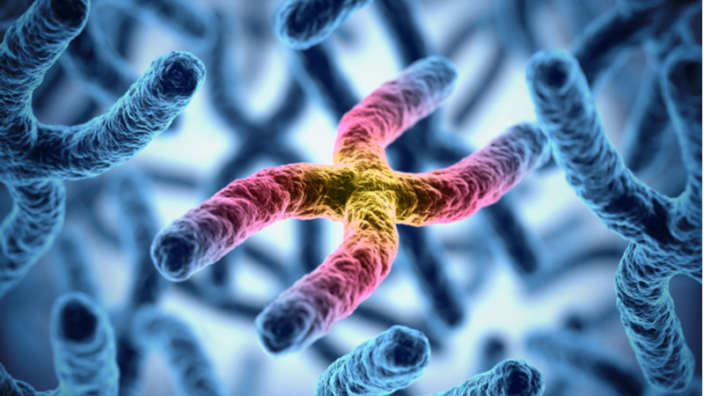
Hair Loss and Regrowth

Escaping Stem Cells Exacerbate Age-Related Hair Loss

Scientists showed that hair loss happens partially as a result of stem cells escaping from hair follicles. They also shot a stunning time-lapse video of the process.

The stem cell cycle

Stem cells reside in “stem cell compartments” in various tissues. By differentiating into multiple types of cells upon demand, they contribute to tissue regeneration. Stem cell exhaustion is one of the hallmarks of aging.

In the hair, the stem cell compartment, known here as the bulge, is adjacent to the hair follicle. Hair growth happens in three phases: anagen, catagen, and telogen. During anagen, the hair grows due to the stem cells rapidly dividing and differentiating. Catagen is the intermittent state when the hair growth slows down, and many cells undergo mitosis arrest (halting of division) and apoptosis (cell death). This leads to telogen, the resting phase when not much is happening until the old hair is pushed out of the follicle, and the new cycle begins. During aging, the telogen phase gets longer and longer – the so-called “telogen retention” [2].

Rogue stem cells caught on camera

It is extremely hard to monitor stem cell activity in live animals over time, yet this is exactly what the researchers have achieved using noninvasive imaging techniques based on lasers. What they saw amazed them: by anesthetizing the animals from time to time and putting them inside the imaging device, they were able to observe and record the process of stem cells escaping the bulge. This escape happens during the prolonged telogen phase and probably constitutes a previously unknown mechanism of hair aging.

Hair Loss Stem Cells

The researchers studied both young and old mice. In young animals, the bulge was well defined, and epithelial cells, including the stem cells, were restricted to their rightful place – the epithelium – at all hair cycle stages. On the contrary, in many older mice, the researchers noticed the shrinkage of the hair follicle and the bulge. The shrinkage was more pronounced when the bulge showed signs of stem cell escape.

How do they escape?

The “rogue” stem cells escape to the dermis, which is the lower layer of the skin, separated from the epithelium by a thin layer of cells called the basement membrane. Since the researchers had only labeled epithelial cells, they were not able to directly observe the membrane. Instead, they saw escaping stem cells change their shape and shoot out of the bulge as if squeezing through tight, invisible holes, which are most likely structural abnormalities in the membrane. The researchers hypothesize that aging somehow harms the structural integrity of the membrane, but this phenomenon demands further examination.

Epithelial cells should also be held together by cellular adhesion and the integrity of the extracellular matrix (ECM). If cells are able to escape, things are probably not going well in that department either. The researchers looked for proteins that were downregulated in the follicles that experienced stem cell escape, zeroing in on two of them: transcription factors FOXC1 and NFATC1. These proteins are indeed known to regulate cellular adhesion and ECM integrity. Further experiments showed that young stem cells cluster much better due to stronger cellular adhesion, while old stem cells appear more scattered and looser.

The scientists then created genetically modified mice with both FOXC1 and NFATC1 knocked out and found that these animals demonstrated even more pronounced symptoms than the older controls, including massive hair loss. Shrinking of hair follicles and stem cell escape were detected as well. Although the researchers did not study the effect of the upregulation of FOXC1 and NFATC1, they suggest that such upregulation could potentially alleviate age-related hair loss.

These findings seem to support an idea that has been gaining popularity in the longevity field: that the integrity of the extracellular matrix might be a much more crucial factor of aging than previously thought.

Cancer alert!

The researchers noticed that, as the cells escaped to the dermis, they did not undergo differentiation and remained stem cells. They also seemed to be doing quite well in the new environment, at least for the time being. Interestingly, this is not a good sign, since stem cells are known to contribute heavily to tumorigenesis [3]. The authors call for more research into the role that escaping stem cells might play in the development of cancer.

Conclusion

Not only does this paper reveal a new potentially reversible mechanism of hair loss, it also pioneers a noninvasive imaging technology that allows scientists to observe aging on the cellular level in live animals. While hair loss is largely harmless, if regrettable, this research can potentially help us understand more fundamental mechanisms of aging and maybe shoot some amazing time-lapse videos in the process.

If you enjoyed this story, you may also enjoy this related video by the Lifespan News team.
We would like to ask you a small favor. We are a non-profit foundation, and unlike some other organizations, we have no shareholders and no products to sell you. All our news and educational content is free for everyone to read, but it does mean that we rely on the help of people like you. Every contribution, no matter if it’s big or small, supports independent journalism and sustains our future.

Literature

[1] Zhang, C., Wang, D., Wang, J., Wang, L., Qiu, W., Kume, T., … & Yi, R. (2021). Escape of hair follicle stem cells causes stem cell exhaustion during aging. Nature Aging, 1-15.

[2] Reddy, S. K., & Garza, L. A. (2014). The thinning top: why old people have less hair. Journal of Investigative Dermatology134(8), 2068-2069.

[3] Reya, T., Morrison, S. J., Clarke, M. F., & Weissman, I. L. (2001). Stem cells, cancer, and cancer stem cells. Nature414(6859), 105-111.

Blood vessels in the brain

The Link Between Brain Age and Blood Pressure

Researchers publishing in Frontiers in Aging Neuroscience have discovered that blood pressure is directly linked to brain aging.

The BrainAGE clock

For this analysis, the researchers chose BrainAGE, a well-known, machine learning-based biomarker that uses MRI imagery in order to determine age [1]. The researchers of this study explain that this biomarker incorporates multiple aspects that a simpler analysis might miss, such as inflammation and myelination. BrainAGE is already linked to multiple well-known age-related diseases, some of which are directly brain-related, such as Parkinson’s and stroke. Other linked conditions are less obvious in their relationships, such as Type 2 diabetes and multiple sclerosis.

With this study, the researchers sought to include hypertension as one of those linked diseases.

The participants and framework

As is normal for this sort of study, the participants were a subset of an existing study group. In this case, it was the PATH Through Life project (PATH). The PATH participants were part of the middle-aged and older cohorts who had already received brain scans and did not have a history of neurological diseases or excessively high blood pressure. This study was conducted over 12 years and had a total of 686 participants, with participants receiving at least four assessments over that time period.

The results

As expected, blood pressure was associated with premature brain aging, but what was not expected was its importance, even when it wasn’t categorized as full-scale hypertension. Every 10 extra mmHg over a mean blood pressure of 90 was shown to be linked to over two additional months of brain aging. Therefore, an individual with a pre-hypertensive blood pressure of 135/85, for example, was most likely to have a brain 6 months older than that of someone with an optimal blood pressure of 110/70. This was applicable over the whole range and was not caused by extreme cases.

Interestingly, the women in this study were reported to have brains an average of 10 months younger than the men. After analysis, the researchers directly linked this difference to blood pressure, as men and women with the same blood pressure had similar BrainAGEs.

This relationship between blood pressure and BrainAGE also remained constant throughout life, affecting both the middle-aged and older cohorts alike. The researchers also point to a prior study showing that blood pressure is linked to decreased grey matter volume even in 19- to 40-year-olds [2].

Conclusion

In one way, this is yet another study that tells us what we already know: high blood pressure is bad for you. This study shows us just how bad it is in small amounts and how much damage is being done. Of course, this study is not related to the obvious and well-publicized sudden events that are known to be downstream of high blood pressure, such as aneurysm and stroke.

It’s also important to remember exactly what is meant by “brain aging”. The aging of the brain, like any other organ, refers to damage being done in some way. The BrainAGE biomarker does not measure some independent variable called “aging”. Rather, it measures the things that are visible on an MRI scan: reduction of volume, the presence of very small lesions, and other markers of harm.

Hopefully, we can look forward to a future in which stem cells and other, related therapies repair the damage done by aging and blood pressure, reverting older BrainAGEs and allowing older people to enjoy the cognitive abilities they had in youth.

We would like to ask you a small favor. We are a non-profit foundation, and unlike some other organizations, we have no shareholders and no products to sell you. All our news and educational content is free for everyone to read, but it does mean that we rely on the help of people like you. Every contribution, no matter if it’s big or small, supports independent journalism and sustains our future.
Literature

[1] Franke, K., & Gaser, C. (2019). Ten years of brainage as a neuroimaging biomarker of brain aging: what insights have we gained?. Frontiers in neurology, 10, 789.

[2] Schaare, H. L., Masouleh, S. K., Beyer, F., Kumral, D., Uhlig, M., Reinelt, J. D., … & Villringer, A. (2019). Association of peripheral blood pressure with gray matter volume in 19-to 40-year-old adults. Neurology, 92(8), e758-e773.

Easter Island

What is Rapamycin? A Summary of Rapamycin

We take a look at rapamycin and why some researchers think it could be useful in combating aging.

What is rapamycin?

Rapamycin is a macrolide, a class of antibiotic that includes erythromycin, roxithromycin, azithromycin, and clarithromycin. Rapamycin exhibits potent antitumor and immunosuppressive activity.

Where is rapamycin found?

Rapamycin was first discovered in 1972 in the soil of Easter Island produced by a bacterium called Streptomyces hygroscopicus. It takes its name from Rapa Nui, the indigenous name for the island. It is known clinically as sirolimus or Rapamune.

What is rapamycin used for?

Rapamycin has been used for many years as an immunosuppressant drug to prevent organ transplant rejection. It is also used to coat coronary stents and to treat the rare lung disease lymphangioleiomyomatosis.

However, in the early 2000s, researchers discovered its potential to increase lifespan. In low doses, rapamycin reliably increases the lifespan of worms, yeast, flies, and mice.

Rapamycin increases lifespan

In one study, researchers gave a group of 20-month-old mice rapamycin [1]. For mice, this age is roughly equivalent to that of 60-year-old humans. They gave the mice small doses of the drug for a three-month period, then they halted treatment and simply observed them until they died naturally.

Normally, these mice would have died of age-related diseases around the 30-month mark; however, the treated mice lived an extra 2 months on average. One plucky mouse managed to live 3 years and 8 months, which would be like a human living to 140 years old!

There are many other examples of increased lifespan resulting from rapamycin in multiple species.

How does rapamycin work?

It was originally thought that rapamycin was able to increase lifespan by mimicking the effects of caloric restriction. Caloric restriction is another reliable method through which researchers can increase the lifespan of many species.

Caloric restriction is known to target the mammalian target of rapamycin (mTOR) pathway, and the same is true for rapamycin. It is an important signaling molecule involved in our nutrient-sensing pathways.

Learn more about mTOR, the other three pathways that regulate our metabolism, and how the failure of this system leads to aging here:

Essentially, a lack of nutrients turns mTOR off and triggers cells to activate austerity measures focused on cell survival and stress resilience rather than growth. This allows us and other species to survive periods of famine.

This is why some researchers believed for years that rapamycin was simply a caloric restriction mimetic. However, recent research casts that into doubt and suggests that it does not use the same pathways as caloric restriction to achieve increases in lifespan [2].

That said, there are also many studies linking mTOR signaling with lifespan, caloric restriction, and rapamycin. So, it is likely that its influence on the mTOR pathway may contribute to increasing lifespan, it is just not doing it the same way that caloric restriction is.

But if it’s not a caloric restriction mimetic, how is rapamycin increasing lifespan?

Rapamycin and autophagy

Despite it not being a direct caloric restriction mimetic, rapamycin does trigger autophagy just the same, and this is likely one of the reasons it extends lifespan.

Autophagy is the ultimate recycling system of the cell. The word comes from ancient Greek and means “eating of self” [3]. In times of nutrient scarcity, it is one of the pro-survival austerity measures that cells take.

Autophagy breaks down and removes unnecessary or dysfunctional cellular components to conserve energy and keep the cell alive. While it might sound harmful, it appears that autophagy has longevity-promoting effects [4].

This is likely the case as approaches known to increase lifespan, such as caloric restriction and rapamycin, see their longevity effects reduced when autophagy is blocked.

Rapamycin is a well-known and potent inducer of autophagy in a wide range of cells from yeast to mammals. Because of this, it is highly likely that rapamycin uses autophagy as one way of increasing lifespan.

But, autophagy is not the only potential reason why it increases lifespan, as new research suggests.

Rapamycin improves DNA storage

Recently, researchers have shown in fruit flies and mice that rapamycin improves the way DNA is stored inside cells to support gut health and longevity [5].

Our DNA is stored inside the cell nucleus and must be tightly wound to fit inside. A family of proteins called histones wind the DNA tightly, allowing it to squeeze into the tiny nucleus. Once packed inside, it can form chromosomes and our cells can function.

Unfortunately, as we age, the number of histones begins to decrease, which means our DNA becomes less tightly packed. This then leads to more genes being expressed, some of which are associated with aging processes, which is bad news.

Thankfully, researchers discovered that exposure to rapamycin increases the number of histones and so reverses that age-related loss. It also does this via the mTOR pathway, making it a previously unknown link between this metabolic pathway and the stability of our DNA.

Perhaps the most intriguing part of this discovery was that this only happened in gut cells called enterocytes. The data shows there is a direct link between mTOR, histones, and gut health. It also suggests that this link is a regulator of health and lifespan.

Rapamycin and diabetes risk

While rapamycin’s inhibition of the mTOR pathway via mTORC1 mediates the above positive benefits, it also inhibits mTORC2, which can result in diabetes-like symptoms [6]. This includes decreased glucose tolerance and insensitivity to insulin.

Some studies suggest that rapamycin treatment may also increase the risk of type 2 diabetes [7].

Low Dose rapamycin for longevity

Researchers are currently experimenting with ways to make rapamycin safer in the context of longevity, including, low doses, periodic dosing frequency and using similar compounds called rapalogs, which only target mTORC1 and thus separate the beneficial effects from the negative ones.

That said, it cannot be stressed enough: rapamycin, at this point, is an unknown in the context of human longevity. More research is needed to ascertain if it slows down human aging as it does in animals. While some longevity enthusiasts are experimenting with low dose rapamycin, the data from large-scale human anti-aging trials is yet to be published.

Here at lifespan.io we have crowdfunded research to support human trials of rapamycin for longevity as part of the PEARL project. The goal of the project is to ascertain the impact of rapamycin on human aging, should there be any.

Rapamycin side effects

Rapamycin is a controlled drug rather than a dietary supplement but it has a good safety profile when used appropriately. There are a number of potential side effects, ranging from mild to serious and possibly life-threatening especially at higher doses. Rapamycin should be taken with caution and with the guidance of a medical professional.

Some of the more common side effects include lowered potassium levels in the blood, anemia, decreased blood platelets, increased blood pressure, decreased kidney function, increased triglyceride levels, constipation, joint and muscle pain, dizziness, fever, headache, nausea, diarrhea, and abdominal pain.

Rarer side effects include lung toxicity and increased mortality due to an increased risk of infections in transplant patients, and, according to the FDA prescribing information, it may increase the risk of contracting skin cancers from exposure to sunlight or UV radiation.

Disclaimer

This article is only a very brief summary, is not intended as an exhaustive guide, and is based on the interpretation of research data, which is speculative by nature. This article is not a substitute for consulting your physician about which supplements may or may not be right for you. We do not endorse supplement use or any product or supplement vendor, and all discussion here is for scientific interest.

We would like to ask you a small favor. We are a non-profit foundation, and unlike some other organizations, we have no shareholders and no products to sell you. All our news and educational content is free for everyone to read, but it does mean that we rely on the help of people like you. Every contribution, no matter if it’s big or small, supports independent journalism and sustains our future.

Literature

[1] Bitto, A., Ito, T. K., Pineda, V. V., LeTexier, N. J., Huang, H. Z., Sutlief, E., Tung, H., Vizzini, N., Chen, B., Smith, K., Meza, D., Yajima, M., Beyer, R. P., Kerr, K. F., Davis, D. J., Gillespie, C. H., Snyder, J. M., Treuting, P. M., & Kaeberlein, M. (2016). Transient rapamycin treatment can increase lifespan and healthspan in middle-aged mice. eLife, 5, e16351. https://doi.org/10.7554/eLife.16351

[2] Brikisdóttir MB, Jaarsma D, Brandt RMC, Barnhoorn S, van Vliet N, Imholz S, van Oostrom CT, Nagaraja B, Portilla Fernández E, Roks AJF, Elgersma Y, van Steeg H, Ferreira JA, Pennings JLA, Hoeijamkers JHJ, Vermeij WP, Dollé MET. Unlike dietary restriction, rapamycin fails to extend lifespan and reduce transcription stress in progeroid DNA repair-deficient mice. Aging Cell (2020), doi: 10.1111/acel.13302

[3] Glick, D., Barth, S., & Macleod, K. F. (2010). Autophagy: cellular and molecular mechanisms. The Journal of Pathology, 221(1), 3-12. doi:10.1002/path.2697

[4] Rubinsztein, D. C., Mariño, G., & Kroemer, G. (2011). Autophagy and Aging. Cell,146(5), 682-695.

[5] Lu, Y. X., Regan, J. C., Eßer, J., Drews, L. F., Weinseis, T., Stinn, J., … & Partridge, L. (2021). A TORC1-histone axis regulates chromatin organisation and non-canonical induction of autophagy to ameliorate ageing. Elife, 10, e62233.

[6] Lamming, D. W., Ye, L., Katajisto, P., Goncalves, M. D., Saitoh, M., Stevens, D. M., … & Baur, J. A. (2012). Rapamycin-induced insulin resistance is mediated by mTORC2 loss and uncoupled from longevity. science, 335(6076), 1638-1643.

[7] Johnston, O., Rose, C. L., Webster, A. C., & Gill, J. S. (2008). Sirolimus is associated with new-onset diabetes in kidney transplant recipients. Journal of the American Society of Nephrology, 19(7), 1411-1418.

Kidney fibrosis

How a Protein Is Linked to Kidney Fibrosis With Age

Publishing in Aging, a team of researchers has reported that periostin, a protein that aids in development during the embryonic stage, is linked to kidney problems related to lipid metabolism in adults.

Why does this protein exist?

The researchers cite prior studies showing that periostin is partially responsible for the development of teeth and bones in embryos. A previous study on periostin-knockout (Postn-null) mice, who do not express this protein, showed that they have problems with bone development and are weaker than mice with the protein [1].

On the other hand, other studies have shown that in later life, periostin is linked to age-related diseases, including heart disease [2]. This can be taken as an example of antagonistic pleiotropy: something that is beneficial for an organism in early life is detrimental to it later in life.

Comparing mice with and without periostin

The researchers noted that periostin-knockout mice are physically different from their wild-type counterparts. Postn-null mice seem to grow more quickly, but neither their bodies nor their kidneys get as large as those of aged wild-type mic. Postn-null mice also have significantly less creatinine in their serum. Survival rate was not affected; the periostin knockout is not enough to significantly delay death due to aging.

However, Postn-null mice enjoyed several benefits. Beta-galactosidase, a key marker of cellular senescence, was reduced in Postn-null mice. They had less interstitial fibrosis and tubular atrophy; the kidneys of aged Postn-null mice generally looked like those of young mice, while aged wild-type mice visibly and significantly suffered more fibrosis than their younger counterparts according to multiple markers of senescence.

The role of lipids

The researchers analyzed the lipids between wild-type and Postn-null mice, and the differences were even more stark. With age, wild-type mice express cholesteryl esters and cholesterols many times more than they did in youth, and the researchers point out that these fats are linked to fibrosis. By comparison, Postn-null mice also express these fats only slightly more than their younger counterparts.

Interestingly, the researchers found that polyunsaturated fatty acids (PUFAs), which are reported to have a protective effect on the brain and kidneys, were actually reduced in Postn-null mice. This led them to the hypothesis that the increased production of PUFAs with age is a response to age-related damage.

The researchers also took a look into the protein interactions involved. They found that SREBP1 and ABCA1, two proteins involved in lipid metabolism, followed the same pattern as cholesterol, being greatly increased with age in wild-type mice but only slightly increased in the absence of periostin.

Conclusion

What we want to have happen, in this case, is simple: we want periostin to perform its beneficial functions and remove periostin from where it would be detrimental. However future researchers intend to accomplish such a task, it is by no means a simple one, and developing such an intervention would surely require intensive work to minimize side effects while maximizing effectiveness.

However, if such a treatment can be developed, then it might be possible to reduce senescence, inflammaging, and fibrosis, thus delaying kidney aging and possibly alleviating related age-related diseases.

We would like to ask you a small favor. We are a non-profit foundation, and unlike some other organizations, we have no shareholders and no products to sell you. All our news and educational content is free for everyone to read, but it does mean that we rely on the help of people like you. Every contribution, no matter if it’s big or small, supports independent journalism and sustains our future.
Literature

[1] Conway, S.J., Izuhara, K., Kudo, Y. et al. (2014). The role of periostin in tissue remodeling across health and disease. Cell. Mol. Life Sci. 71, 1279–1288

[2] Ling, L., Cheng, Y., Ding, L., & Yang, X. (2014). Association of serum periostin with cardiac function and short-term prognosis in acute myocardial infarction patients. PLoS One, 9(2), e88755.

Maximon logo

Maximon Launches Longevity Co-Investment Fund

The venture capitalist firm Maximon has announced a new longevity-focused fund that focuses on financing early-stage biotechnology companies that increase human healthspan. The firm intends to invest 100 million Swiss francs into such companies.

The full press release is presented below.

Maximon has launched its 100 million Longevity Co-Investment Fund

The Longevity Co-Investment Fund finances longevity-focussed start-up companies launched by Swiss company-builder Maximon. The Fund’s first investments include longevity supplement company AVEA and longevity advisory and big data company Biolytica.

07.10.2021 – Zug, Switzerland: Maximon is pleased to announce the launch of its Longevity Co-Investment Fund (LCIF), which already had its first closing in the founder’s share class at CHF 6 million. The Fund invests in venture companies founded by Maximon, the Swiss longevity company builder, which are promoting longevity and healthy aging with supporting research in esteemed universities as well as with their products and services or which support an active and healthy aging in society. Longevity is the science of anti-aging research and rejuvenation and has experienced an unprecedented advancement over recent years, particularly with the discovery that the rate of aging is controlled and can be modulated, at least to some extent, by genetic pathways and biochemical processes. Longevity identifies both lifestyle and pharmaceutical targets to improve the human health-span (i.e. the time we can live without negative impacts from aging).

Dr. Tobias Reichmuth, Founding Partner at Maximon, states: “Longevity is the new big investment opportunity. There is simply nobody who wouldn’t want to age in good health. Need I say more?”. Maximon Founding Partner Marc P. Bernegger adds: “The recent progress in extending and enforcing a healthy lifespan is very impressive and creates unique and massive investment opportunities. We already have substantial subscription requests for the fund’s next closing”.

The Longevity Co-Investment Fund (LCIF) invests up to CHF 10 million per company, which allows to finance up to 10-12 start-ups in this fast growing industry over the next four years. The LCIF will remain open for investors for the next 18+ months.

About Maximon:

Maximon empowers entrepreneurs to build impactful, science-based and scalable companies providing healthy aging and rejuvenation solutions. As a company builder, Maximon identifies the most promising business opportunities in the field of longevity and operationally works with entrepreneurs to build longevity ventures from scratch by providing proven structures, financing, and a unique and inspiring playground for entrepreneurs. The Maximon Team is responsible for 2 IPOs, various double and triple digit exits, and has raised more than CHF 2bn investment capital. Maximon has formed a venture building process that bridges the gap between science and business.

Contact:

Maximon AG

Bahnhofplatz

CH-6300 Zug

Switzerland

Marc P. Bernegger (Founding Partner of Maximon)

Email: media@maximon.com

URL: www.maximon.com

We would like to ask you a small favor. We are a non-profit foundation, and unlike some other organizations, we have no shareholders and no products to sell you. All our news and educational content is free for everyone to read, but it does mean that we rely on the help of people like you. Every contribution, no matter if it’s big or small, supports independent journalism and sustains our future.
Exercise clock

Matching an Epigenetic Clock to Physical Function

A new, three-year study published in The Journals of Gerontology: Series A examined the relationship between epigenetic clocks and physical performance in older women.

Epigenetic clocks and biological age 

Epigenetic clocks attempt to estimate age based on measurable DNA modifications. However, not every individual ages at the same rate; people may have biological ages that are higher or lower than their chronological ages. Unlike chronological age, the best method to quantify biological age is not clear.

Such a method would be an invaluable tool to longevity researchers to estimate mortality risk, study the basic biology of aging, and measure the effect of anti-aging interventions on a shorter time scale. It is hypothesized that the difference between the age predicted by epigenetic clocks and actual age could be a potential measure of biological aging.

Indeed, multiple epigenetic clocks have used this difference to estimate people’s risks of suffering from a variety of age-related diseases [1]. However, most of these studies are cross-sectional, and few longitudinal experiments exist. Further, the number of epigenetic clocks is increasing, and comparisons are needed between these clocks to determine which are best for different applications [1].

Epigenetic clocks and physical function

Physical function is a good proxy for biological aging. It incorporates multiple organ systems (nervous, cardiovascular, pulmonary, and musculoskeletal), making it closer to a whole-body assessment than disease-specific measures. Additionally, it follows a similar pattern to canonical aging, first declining slowly around age 30 and then rapidly towards the end of life.

While many studies have been done on the predictive ability of epigenetic clocks for mortality and disease risk, limited information is available for functional outcomes such as physical decline. Physical function is incredibly important for healthspan, quality of life, living independence, and health concerns such as falls and fall-related injuries.

In a longitudinal study, researchers at the University of Jyväskylä in Finland have related physical decline to multiple epigenetic clocks, providing insight into their ability to measure biological aging broadly and predict physical decline specifically [2].

Study design

413 Finnish women between the ages of 63 and 76 from The Finnish Twin Study on Aging were included in this research. The epigenetic age of blood samples was measured using four different epigenetic clocks: Hannum, Horvath, PhenoAge, and GrimAge. Physical function was measured via the Timed Up and Go test, the 10-meter walk test, the six-minute walk test, and the isometric muscle strength tests of grip strength, ankle plantar flexion strength, and knee extension strength. Epigenetic age and age acceleration (the difference between epigenetic and chronological age) as measured by each clock were related to each physical function at baseline as well as the change in physical function after three years.

GrimAgeAccel best predicts physical function and decline

At baseline, a higher GrimAgeAccel (the difference between epigenetic age and chronological age using the GrimAge clock) was significantly associated with worse performance on the Timed Up and Go and 6-minute walking tests, but it was not associated with the 10-meter walking test or any of the strength measurements. Similar comparisons with the Horvath, Hannum, and PhenoAge clocks did not yield any statistically significant associations.

Looking at physical function after three years, a higher GrimAgeAccel was significantly related to declined performances in participants’ Timed Up and Go tests, 10-meter walking tests, 6-minute walking tests, ankle plantar flexion strength, and knee extension strength, but not grip strength relative to baseline. Other clocks did not show significant relationships with declines in physical function, and these findings were all maintained when adjusting for smoking, alcohol usage, and chronic diseases.

The present study employed a longitudinal design to investigate associations between markers of biological aging, i.e., epigenetic clocks and validated physical functioning phenotypes. Both the “first-generation” clocks and novel “second-generation” clocks were utilized in the analysis. We found that DNAm GrimAge, which was developed to predict lifespan and healthspan, associated with a decline in physical functioning, while other clocks showed no associations with physical functioning. More specifically, GrimAgeAccel was associated with lower performance in the TUG test and six-minute walk test at baseline and with declining performance in the TUG test, six-minute and 10-meter walking tests, and ankle plantar flexion and knee extension strength test during the three-year follow-up. However, chronological age provided very similar estimates in cross-sectional and longitudinal analyses. In sum, our results suggest that DNAm GrimAge outperformed other epigenetic clocks in predicting age-related decline in physical functioning. Current epigenetics clocks, however, do not provide special benefits in in predicting later decline in physical functioning, at least during a rather short follow-up period and narrow age range.

Conclusion

The most striking finding from this study was the performance of GrimAge compared to other clocks. These results provide strong, although not fully conclusive, evidence that GrimAge is a better predictor of both physical function and physical decline than the Horvath, Hannum, and PhenoAge clocks. This is valuable information for those researching mechanisms and developing treatments for age-related physical decline. However, it should be noted that the other clocks may outperform GrimAge for other applications beyond physical function.

These results also do not preclude future studies from discovering contradicting findings. In particular, the specific details of this experiment may limit its generalization to broader contexts. For example, these results were with Finnish, female participants in a very narrow age range and over a somewhat short (three-year) follow-up. The participants were also relatively healthy for their age. It included few smokers, a healthy average BMI, and only participants who were mobile and independent enough to participate in the study. It is possible that studies done in other populations may make different conclusions.

Perhaps most importantly, it is not clear from this study whether GrimAgeAccel outperformed chronological age. Ideally, measures of biological age should better predict mortality, disease onset, and functional decline than chronological age. However, this was not addressed in detail, other than to establish that GrimAgeAccel and chronological age show similar trends in this study. Ultimately, future research will be needed to answer these questions and continue to push forward the field of epigenetic clocks.

We would like to ask you a small favor. We are a non-profit foundation, and unlike some other organizations, we have no shareholders and no products to sell you. All our news and educational content is free for everyone to read, but it does mean that we rely on the help of people like you. Every contribution, no matter if it’s big or small, supports independent journalism and sustains our future.
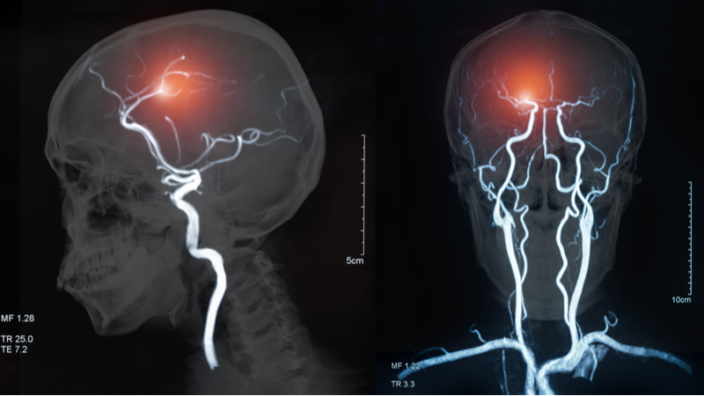
Literature

[1] Jylhävä, J., et al. Biological age predictors. EBioMedicine (2017). https://doi.org/10.1016/j.ebiom.2017.03.046

[2] Föhr, T., et al. The association between epigenetic clocks and physical functioning in older women: a three-year follow-up. The Journals of Gerontology: Series A (2021). https://doi.org/10.1093/gerona/glab270

Obese exercise

Exercise Burns Fewer Calories Than Previously Thought

Researchers have proven that our bodies partially compensate for calories burned during exercise by cutting energy expenditure on vital functions. Their discovery might explain why it can be so hard to lose weight by working out [1].

The three components of energy expenditure

As much as we love covering mind-blowing scientific breakthroughs in the longevity field, we have said time and again that for now, exercise and weight loss remains one of the most effective life-prolonging interventions available [2][3]. This new study, conducted by an international group of scientists, adds a lot to our understanding of the relationship between exercise and energy expenditure and might help us develop better weight loss strategies.

Our total energy expenditure (TEE) consists largely of basal energy expenditure (BEE), which powers digestive, immune, and cardiovascular systems as well as other basic organismal functions, and of activity energy expenditure (AEE). Scientists have proposed three theoretical models of the relationship between TEE, BEE, and AEE.

One, called the additive model, suggests that BEE hardly changes as activity level goes up, and all the additional AEE just piles up on top, increasing TEE by the same amount. This model is still the one widely used to calculate the caloric impact of exercise.

The performance model says that increases in AEE cause increases in BEE – basically, that exercise increases not just energy expenditure but also overall metabolic rate.

Finally, the third model, called the compensatory model, postulates that increases in AEE cause BEE to decline: our body compensates for the energy spent on physical activity by cutting down the energy allowance on other processes.

Compensation is due

There has been some evidence that the compensatory model is the correct one [4], but in this new study, the scientists were able not just to remove the question mark but also to quantify the compensatory effect.

By using a large dataset generated from more than a thousand subjects along with doubly-labeled water, the ultimate method of calculating metabolic rate, the researchers were able to prove that the median energy compensation stands at 28%. That means that our bodies compensate for more than a quarter of the calories that we burn via exercise.

Among the many variables that the scientists corrected for, such as age and sex, one stood out: the body mass index (BMI). It turns out that obese people experience significantly more energy compensation – up to 50%.

It is hard to overestimate the importance of these findings. They can explain why it can be so difficult and frustrating to lose weight by working out. For instance, while every source in the world tells us that we should have lost a thousand calories during a specific workout, the actual calorie loss might be half of that! This gap between expectation and reality can confuse people and even cause them to give up exercise altogether.

The researchers propose three possible reasons for why obese people experience more energy compensation. First, they might be genetically predisposed to this, which might have contributed to the weight gain in the first place. Second, compensation levels might grow as a function of BMI via a still unknown mechanism. Third, since obese people often accompany exercise with strict diets, their bodies might increase compensation to make up for the combination of more energy expenditure and less energy intake.

Preventing weight loss might not be the only detrimental effect of energy compensation. BEE involves many essential functions that energy compensation might compromise. For instance, the researchers suggest that winding down energy expenditure on the immune system can harm immunocompromised people. Obese people might be in double jeopardy since obesity is associated both with numerous disorders and a higher energy compensation rate. These aspects of energy compensation must be thoroughly studied.

Are other factors involved?

The researchers explore several other possible factors that could contribute to energy compensation. One of them is non-exercise activity known informally as “fidgeting” – the myriad of small conscious and unconscious body movements that we make during the day. The hypothesis was that fidgeting decreases with more exercise (literally, being so tired that you can’t move a muscle). Yet, the scientists conclude that it is very unlikely that fidgeting – or any other factor they explored – has a major contribution to the dynamics of energy compensation.

Finally, in their paper, the authors briefly ruminate on the possible evolutionary origins of energy compensation. They suggest that in the wild, where conditions of scarcity prevail, animals ramp up their physical activity mainly when their energy resources are low, in order to look for food. It is only logical that their bodies are trying to conserve energy while actively foraging or hunting.

Conclusion

Although more research is needed to elucidate the mechanisms of energy compensation, its quantification is a major breakthrough in itself. This will allow scientists, doctors, and fitness trainers to account for energy compensation in their work, and to build weight loss programs that better match expectations while causing less confusion, frustration, and harm.

We would like to ask you a small favor. We are a non-profit foundation, and unlike some other organizations, we have no shareholders and no products to sell you. All our news and educational content is free for everyone to read, but it does mean that we rely on the help of people like you. Every contribution, no matter if it’s big or small, supports independent journalism and sustains our future.

Literature

[1] Careau, V., Halsey, L. G., Pontzer, H., Ainslie, P. N., Andersen, L. F., Anderson, L. J., … & Speakman, J. R. (2021). Energy compensation and adiposity in humans. Current Biology.

[2] Mok, A., Khaw, K. T., Luben, R., Wareham, N., & Brage, S. (2019). Physical activity trajectories and mortality: population based cohort study. Bmj, 365.

[3] Peeters, A., Barendregt, J. J., Willekens, F., Mackenbach, J. P., Mamun, A. A., & Bonneux, L. (2003). Obesity in adulthood and its consequences for life expectancy: a life-table analysis. Annals of internal medicine, 138(1), 24-32.

[4] Pontzer, H., Durazo-Arvizu, R., Dugas, L. R., Plange-Rhule, J., Bovet, P., Forrester, T. E., … & Luke, A. (2016). Constrained total energy expenditure and metabolic adaptation to physical activity in adult humans. Current Biology, 26(3), 410-417.

Arthritis

Engineering Anti-Inflammatory Cells to Fight Arthritis

Publishing in Science Advances, a team of researchers has described how a scaffold containing genetically engineered induced pluripotent stem cells (iPSCs) can reduce symptoms in a mouse model of rheumatoid arthritis.

The advantage over current drugs

Rheumatoid arthritis (RA) is currently treated through drugs that often suppress the immune system as a side effect [1]. Despite the fact that RA fluctuates over time, the drugs that are prescribed for it are normally given at a constant rate on a fixed schedule.

One known drug is IL1 receptor antagonist (IL1-Ra). As the researchers explain, this compound mitigates the disease in animals and slows joint damage in humans [2], but its moderate effects and rapid dissipation make it an uncommon choice for a prescribed pill [3]. These properties, however, made it an ideal choice for the researchers to use as the output of their CRISPR-engineered cells, which are designed to express it only in the presence of inflammation.

The process

Before attempting to develop the treatment itself, the researchers created a 3D scaffolding upon which their new cells could sit. Their next step was to develop cells that, upon detecting the inflammatory signal Ccl2, expressed luciferase, a harmless, light-emitting compound; these are Ccl2-Luc cells. This initial experiment showed clear results: the luciferase was visible when the inflammatory compound was present.

The researchers then developed cells that would express IL1-Ra upon detection of Ccl2, creating Ccl2-IL-1Ra cells. They used an identical scaffolding system to insert these cells into a group of mice, using the luciferase scaffolding for the control group.

The results

The results were clear, and the benefit of the scaffolding system was evident. Injecting the cells without scaffolding into wild-type mice with temporary arthritis yielded limited benefits that were not statistically significant, and the cells only lasted for 24 hours. However, cells contained within the scaffolding lasted for over 5 weeks in living mice, and the results of mice given the treatment scaffold were positive in multiple ways.

After being artificially given temporary arthritis through K/BxN serum administration, mice that had the treatment scaffold enjoyed higher pain thresholds and thicker ankles compared to the control group. The inflammatory index, a measurement of inflammation, was decreased by approximately 40%. Bone erosion, a common effect of arthritis, was decreased nearly to zero compared to the highly eroded control group.

Most critically, the engineered Ccl2-IL-1Ra cells were shown to be working as intended: with the increased inflammatory IL1 came the anti-inflammatory IL1-Ra. From a pharmacological point of view, the drug was being administered automatically in response to the animals’ need for it.

The researchers tested their approach against the drugs that constitute the current standard of care, including tofactinib, methotrexate, and anakinra, and their scaffolding outperformed each of those drugs in mice.

Conclusion

As the researchers state, this engineered cell treatment isn’t just a potential treatment for arthritis: it is a proof of concept that this approach is valid for a wide variety of inflammatory diseases. If this approach can be further refined and developed to work in human beings, we might see a day in which many drugs are no longer administered as pills, instead being delivered by cells that automatically recognize the need for them within the body. We look forward to this approach being used to combat the age-related systematic inflammation known as inflammaging.

We would like to ask you a small favor. We are a non-profit foundation, and unlike some other organizations, we have no shareholders and no products to sell you. All our news and educational content is free for everyone to read, but it does mean that we rely on the help of people like you. Every contribution, no matter if it’s big or small, supports independent journalism and sustains our future.
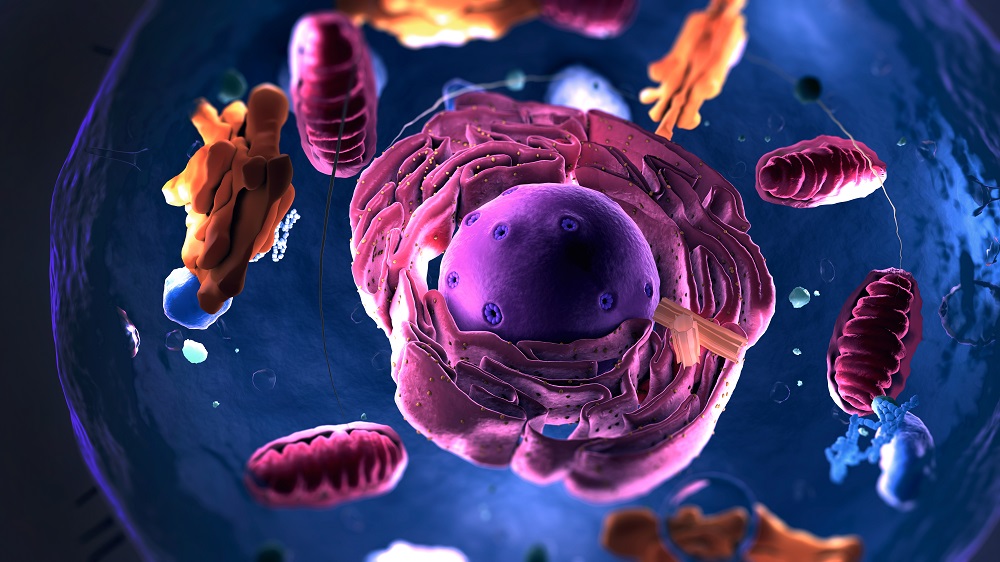
Literature

[1] Tarp, S., Eric Furst, D., Boers, M., Luta, G., Bliddal, H., Tarp, U., … & Christensen, R. (2017). Risk of serious adverse effects of biological and targeted drugs in patients with rheumatoid arthritis: a systematic review meta-analysis. Rheumatology, 56(3), 417-425.

[2] Bresnihan, B. (1999). Treatment of rheumatoid arthritis with interleukin 1 receptor antagonist. Annals of the rheumatic diseases, 58(suppl 1), I96-I98.

[3] Abramson, S. B., & Amin, A. (2002). Blocking the effects of IL-1 in rheumatoid arthritis protects bone and cartilage. Rheumatology, 41(9), 972-980.

Breast cancer

Some Mutations Increase Cancer Risk by Making Cells Older

Cells from the breasts of women with mutations that increase their risk of breast cancer show signs of accelerated aging, according to new research [1]. Accelerated aging may make these cells worse at suppressing cancer development, offering both an explanation for the effect of these mutations and an unexplored path for possible treatments.

Risky mutations

Most cases of breast cancer don’t have a clear cause, but a small percentage are due to mutations in one of a handful of genes. Many people are aware that women with a mutant form of BRCA1, BRCA2, PALB2, or several other genes have a significantly higher risk of developing breast cancer, but it’s perhaps less commonly known that these women also tend to be diagnosed at younger ages. Together with the fact that many of the mutated genes are involved in repairing DNA damage, this hints at the possibility that aging biology may somehow be involved in the increased cancer risk.

An international team of researchers decided to look deeper into this possibility. They collected breast tissue from women with and without high-risk mutations who had had preventative mastectomies or breast reduction surgery. They examined the identity, gene expression, and functional features of the cells in high-risk and average-risk women of different ages in order to determine whether the high-risk group showed signs of greater biological age, which would explain why they are diagnosed with cancer at younger ages

Prematurely aged cells

With age, the distribution of cells of different identities in breast tissue shifts; luminal epithelial cells increase their share, while myothelial epithelial cells become less common. At the same time, the luminal cells gain some characteristics of myoepithelia in a process the researchers call “loss of lineage fidelity”.

The team found that tissue from high-risk women had a greater proportion of luminal epithelial cells than age-matched average-risk women, and these cells also expressed markers normally seen in myoepithelial cells – in other words, there was a loss of lineage fidelity. The samples from high-risk women looked similar to tissue from older average-risk women. In fact, one of the striking observations in this paper is that these changes in cell identity correlated with age in average-risk women but were independent of age in the high-risk group.

The gene expression profiles told a similar story. About 330 genes were expressed at different levels in age-matched high-risk and average-risk tissue. Again, the difference was similar to the consequences of aging. When compared with samples from average-risk young women, tissue from high-risk young women showed changes in many of the same genes as tissue from average-risk older women.

In other words, a common set of genes is affected by aging or by mutations that increase the risk of breast cancer. Further investigation showed that this set of genes is enriched from inflammatory and cancer-promoting pathways – as the researchers wrote in the paper, it “overlapped with senescence and aging signature genes.”

During aging in the human mammary gland, luminal epithelial cells lose lineage fidelity by expressing markers normally expressed in myoepithelial cells. We hypothesize that loss of lineage fidelity is a general manifestation of epithelia that are susceptible to cancer initiation. In the present study, we show that histologically normal breast tissue from younger women who are susceptible to breast cancer, as a result of harboring a germline mutation in BRCA1, BRCA2 or PALB2 genes, exhibits hallmarks of accelerated aging. These include proportionately increased luminal epithelial cells that acquired myoepithelial markers, decreased proportions of myoepithelial cells and a basal differentiation bias or failure of differentiation of cKit+ progenitors. High-risk luminal and myoepithelial cells are transcriptionally enriched for genes of the opposite lineage, inflammatory- and cancer-related pathways. We have identified breast-aging hallmarks that reflect a convergent biology of cancer susceptibility, regardless of the specific underlying genetic or age-dependent risk or the associated breast cancer subtype.

Conclusion

There are details about more differences between the high-risk and average-risk tissue in the paper, but the overall message is clear. In terms of cell identity changes, gene expression, and some functional tests, the high-risk tissue is biologically older than the average-risk tissue.

It would be interesting to see whether various aging clocks would report the same thing. It’s an intriguing and important finding because it demonstrates a similarity between these various mutations and also explains how they increase the risk of breast cancer, particularly at younger ages.

The convergence of cancer susceptibility and aging biology in this case is striking. Understanding these mutations in terms of aging biology opens the door for longevity research to create potential cancer prevention strategies for carriers of these mutations.

We would like to ask you a small favor. We are a non-profit foundation, and unlike some other organizations, we have no shareholders and no products to sell you. All our news and educational content is free for everyone to read, but it does mean that we rely on the help of people like you. Every contribution, no matter if it’s big or small, supports independent journalism and sustains our future.
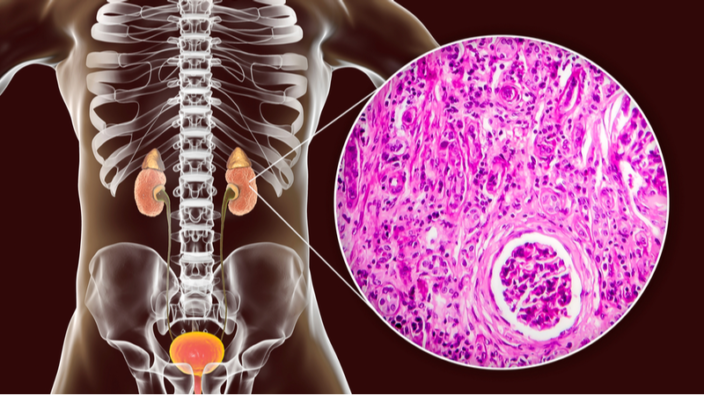
Literature

[1] Shalabi, SF. Evidence for accelerated aging in mammary epithelia of women carrying germline BRCA1 or BRCA2 mutations. Nature Aging (2021), doi: 10.1038/s43587-021-00104-9

Rejuvenation Roundup thumbnail September

Rejuvenation Roundup September 2021

One second, one life: this axiom was true when LEAF was founded, and it remains true today. More than one person a second dies from age-related diseases, not including contagious diseases that youthful immune health would likely have protected them from. Let’s see what progress has been made last month in helping people live longer.

LEAF News

In support of international longevity day October 1st, Novos is offering a discount on purchases. Enter NOVOS10 at checkout for 10% off all NOVOS products. Redeem on or by October 31.NOVOS Slow Aging

Lifespan News

Altos Labs: This episode of Lifespan News is about Altos Labs, a new billionare-financed company that is pledged to focus on aging.

mRNA for Cancer Treatment: This episode talks about how mRNA pioneer BioNTech is using its technology to treat cancer as well as COVID-19.

Interviews

Levine InterviewDr. Morgan Levine on Building a Better Epigenetic Clock: In her lab at Yale, Dr. Morgan Levine tackles some of the most exciting and difficult problems in geroscience. She specializes in bioinformatics and is working on creating and finessing clocks that measure biological age. We talked with Dr. Levine about her work, the impact that biological age clocks have had on the longevity field


Rejuvenation Roundup Podcast

Ryan O’Shea of Future Grind hosts this month’s podcast, showcasing the events and research discussed here.

Education

Exploring the Senescence-Associated Secretory Phenotype: Today, we want to highlight a recent review that charts the pro-inflammatory signals produced by senescent cells. The SASP contributes to the smoldering background of chronic inflammation that typically accompanies aging and can cause many problems.

What is Nicotinamide Riboside?: Steve Hill explains nicotinamide riboside (NR), a part of the B3 vitamin family. Like other forms of vitamin B3, nicotinamide riboside gets converted into nicotinamide adenine dinucleotide (NAD+), a coenzyme essential for life.

Research Roundup

Fasting clock5-Day Fast Improves Longevity Biomarkers in Humans: A recent study in Clinical and Translational Medicine followed people who went 5 days without eating and found improvements both immediately afterwards and up to 98 days later.

A Metabolic Peptide Improves Cognitive Performance in Mice: Cognitive decline and neurological aging may involve a peptide known as adropin, according to new research. The identification of this link offers a new perspective on the aging brain and points to novel potential therapies.

Gut brain inflammationFecal Transplantation for Alzheimer’s Disease: A recent review published in Cureus shows why fecal microbial transplantation (FMT) might be able to help sufferers of Alzheimer’s disease, showing how tightly the gut and brain are intertwined.

MTOR Inhibition Leads to 30% Life Extension in Progeric Mice: Researchers have created a new mouse model for studying Hutchinson-Gilford progeria syndrome (HGPS) and achieved 30% lifespan extension in these animals by genetically downregulating mTOR.

Muscles in motionBoosting NANOG to Revitalize Muscle Cell Progenitors: Boosting the expression of the transcription factor NANOG reduces markers of cellular senescence in cultured muscle cells and in live mouse models. This holds out the hope that cells could be rejuvenated without reprogramming them to pluripotency, avoiding some of the associated risks such as oncogenicity.

Key Source of Thymic Aging Discovered: Publishing in Nature Communications’ Cell Death Discovery, a team of Chinese researchers has discovered a reason for thymic involution, the age-related decline of the thymus. When thymic epithelial cells (TECs) are dysregulated and the function of the thymus falters, this can lead to both infection susceptibility and autoimmune disorders.

Elderly exercisingMoveAge: A New Movement-Based Biological Aging Clock: Researchers have developed a biological aging clock based on movement data from wearable devices. Using their clock and the same dataset, they identified a few possibly life-prolonging nutrients and drugs.

Understanding How We Evolved to Age: This review examines the appearance of the hallmarks in different groups across the tree of life, with the aim of providing a comprehensive picture of how the mechanisms of aging have evolved.

Bone structure fails as we age but can be rejuvenatedEpigenomic Rejuvenation for Restoring Bone Stem Cells: Researchers have shown that age-related loss of bone maintenance is caused by changes in gene expression. Perhaps most importantly, those changes can also be reversed and the bone marrow stem cells rejuvenated.

Senolytics Alleviate Spinal Disc Degeneration in Mice: A group of researchers has found that early long-term treatment of mice with the popular senolytic duo dasatinib and quercetin alleviates symptoms of intervertebral disc degeneration, a major age-related cause of disability.

ProteinGetting Proteins Right to Live Longer: Changing a single amino acid in a single protein boosts the fidelity of protein synthesis, and new research shows how that is enough to increase lifespan in a variety of organisms.

Our Brains’ Metabolism Changes as We Age: A study conducted in Sweden and published in Scientific Reports has outlined the relationship between aging and the metabolites present in cerebrospinal fluid (CSF), which cushions and supports the brain and spine.

ExerciseActivity and Diet Shown to Slow Aging (Again): Scientists have used DNA methylation markers to measure the anti-aging effects of healthy diet and physical activity, reaching interesting, if at times contradictory, results.

The Effects of Caloric Restriction on Stem Cells: A review published in The Malaysian Journal of Medical Sciences has outlined what effects caloric restriction (CR) has on the development and differentiation of stem cells.

Long LifespanStudy Suggests No Theoretical Limit on Human Lifespan: This study shows that mortality risk stops increasing past 110 years of age, so it may be possible, although unlikely, for a human to live 130 years or perhaps longer, even without a rejuvenative intervention.

Calorie intake rather than food quantity consumed is the key factor for the anti-aging effect of calorie restriction: The researchers illustrate the effects of caloric restriction and food quantity on lifespan extension along with the potential mechanisms of action.

Steps per Day and All-Cause Mortality in Middle-aged Adults in the Coronary Artery Risk Development in Young Adults Study: Men and women of African and Caucasian descent benefited from taking more than 7,000 steps per day.

Association of Walnut Consumption with Total and Cause-Specific Mortality and Life Expectancy in U.S. Adults: Higher walnut consumption was associated with a lower risk of total and CVD mortality and a greater gained life expectancy among U.S. elder adults.

Nicotinamide Riboside Improves Ataxia Scores and Immunoglobulin Levels in Ataxia Telangiectasia: Treatment with NR is tolerated well and associated with improvement in ataxia and serum immunoglobulin concentrations in patients with this disease.

Effect of resveratrol on C-reactive protein: An updated meta-analysis of randomized controlled trials: This meta-analysis demonstrates that resveratrol consumption is effective in lowering the levels of this inflammation-associated protein.

The Effects of Korean Red Ginseng on Biological Aging and Antioxidant Capacity in Postmenopausal Women: KRG significantly increased the mtDNA copy number and total antioxidant status while improving symptoms of fatigue in postmenopausal women.

Lithium can mildly increase health during ageing but not lifespan in mice: Lithium has a narrow therapeutic dose range, and overdosing can severely affect organ health. Within the tolerable dosing range, the researchers found some mildly positive effects of lithium on healthspan but not on lifespan.

DNA methylation age analysis of rapamycin in common marmosets: Overall, the epigenetic clocks developed here for the common marmoset are expected to be useful for age estimation of wild-born animals and for anti-aging studies in this species.

Surrounding Greenness and Biological Aging Based on DNA Methylation: A Twin and Family Study in Australia: Higher surrounding greenness (vegetation) was associated with slower biological aging, as indicated by GrimAge age acceleration, in Australian women.

The association between epigenetic clocks and physical functioning in older women: a three-year follow-up: While GrimAge performed the best, current epigenetic clocks do not provide strong benefits in predicting the decline of physical functioning, at least during a rather short follow-up period and restricted age-range.

Reversible reprogramming of cardiomyocytes to a fetal state drives heart regeneration in mice: Short-term OSKM expression before and during myocardial infarction ameliorates myocardial damage and improves cardiac function.

Cardiac radiotherapy induces electrical conduction reprogramming in the absence of transmural fibrosis: Collectively, this study provides evidence for radiation-induced reprogramming of cardiac conduction as a potential treatment strategy for arrhythmia management in VT patients.

A genome-engineered bioartificial implant for autoregulated anticytokine drug delivery: Therapeutic implants completely prevented increased pain sensitivity and bone erosions, a feat not achievable by current clinically available disease-modifying drugs.

Gut Microbiota Predicts Healthy Late-Life Aging in Male Mice: Using machine learning techniques, the researchers show that gut microbial signatures from 21-month-old mice can predict the healthy aging of 30-month-old mice with reasonable accuracy.

Hyperbaric oxygen therapy alleviates vascular dysfunction and amyloid burden in an Alzheimer’s disease mouse model and in elderly patients: This study demonstrates the efficacy of hyperbaric oxygen therapy in hypoxia-related neurological conditions, particularly in AD and aging.

News Nuggets

Hidden informationAltos Labs Launches with a Focus on Cellular Reprogramming: A new company focused on aging has launched, and it has the backing of Yuri Milner and Jeff Bezos among other wealthy people interested in tackling aging.

BioNTech mRNA Cancer Treatment Enters Human Trials: The current pandemic has brought mRNA vaccines into the spotlight and have likely sped up the widespread adoption and usage of this technology. Now, a company has its sights set on treating cancer with mRNA technology, and the initial animal data is positive.

CholesterolUnderdog Pharmaceuticals Receives Accelerated Designation: Underdog Pharmaceuticals has just issued a press release announcing that UDP-003, a compound being studied for its effectiveness against oxidized cholesterol, has been given an Innovation Passport under the UK’s Innovative Licensing and Access Pathway program.

Underdog Pharmaceuticals Concludes $10M Financing Round: The investment company Kizoo has announced that one of the companies in its portfolio, Underdog Pharmaceuticals, has received $10 million in funding from a Series Seed II round.

Longevity Science FoundationThe Longevity Science Foundation Launches: The Longevity Science Foundation has launched today. This new Swiss foundation has confirmed that it will be committing over $1 billion in the next ten years to research, institutions, and projects advancing healthy human longevity.

Transhuman Coin Debuts on International Markets: A novel cryptocurrency, Transhuman Coin, has recently announced its debut. When a transaction occurs, this coin is automatically distributed back into funding its own growth and the development of research into cures for various disabilities, including age-related disorders.

Coming Up in October

Metabesity 2021: From the 11th to the 14th of October, Metabesity 2021 will be conducted on a virtual platform. Bringing together speakers from multiple walks of life, including research, investment, government policy, and patient advocacy, this conference will focus on chronic diseases, a shift from treatment to prevention, addressing the root causes of disease, and improving healthspan.

We would like to ask you a small favor. We are a non-profit foundation, and unlike some other organizations, we have no shareholders and no products to sell you. All our news and educational content is free for everyone to read, but it does mean that we rely on the help of people like you. Every contribution, no matter if it’s big or small, supports independent journalism and sustains our future.

Long Lifespan

Study Suggests No Theoretical Limit on Human Lifespan

According to new research, it may be possible for humans to live 130 years or perhaps longer, but the chances of reaching that age are slim.

New findings suggest that mortality risk plateaus past 110

For many years now, just how long a human being can live has been the focus of heated debate. Some researchers suggest that it could be 150 years, and others argue that there is no theoretical limit.

The new study, published in the Royal Society Open Science journal, examined new data on people who are 105 or more years old. The researchers analyzed the data and based on their findings suggest that their risk of death ceases to rise beyond a point and plateaus at around 50-50.

This means that beyond 110, the risk of someone dying with each passing year is essentially a coin toss. The researchers suggest that, based on this new data, humans could live to at least 130 if they were lucky with the coin toss every year after 110. However, extrapolating from their findings, they also suggest that there is no actual limit to human lifespan.

The first of the new datasets that the researchers studied came from the International Database on Longevity. This extensive database includes information on over 1100 supercentenarians, people who live over 110, from multiple countries.

A second set of data came from Italy and includes information on every person there who was 105 between the years 2009 and 2015.

Chances are slim to reach 130, but it is theoretically possible

The researchers suggest that if there was a limit to human lifespan below 130 years, they should have been able to spot it using the new datasets, but there were no such indications that this was so.

That said, even if it is theoretically possible that humans can reach 130, the odds are very much against it. The chances of making it to such an advanced age, even taking the 50-50 plateau into consideration, are really quite small.

This is why the world is not overrun by super-agers living to 130 or more. Even if someone achieves the exceptional feat of reaching 100 years old, that person’s chances of reaching 130 are roughly a million to one.

The oldest person on record is Frenchwoman Jeanne Calment who lived to 122 if records are to be believed, although this has more recently been contested by some researchers who allege that her daughter took her place, making this record fraudulent.

This woman passed away in 1997, which leaves Japan’s Kane Tanaka as the oldest confirmed living person in the world at 118 years old.

Abstract

We use a combination of extreme value statistics, survival analysis and computer-intensive methods to analyse the mortality of Italian and French semi-supercentenarians. After accounting for the effects of the sampling frame, extreme-value modelling leads to the conclusion that constant force of mortality beyond 108 years describes the data well and there is no evidence of differences between countries and cohorts. These findings are consistent with use of a Gompertz model and with previous analysis of the International Database on Longevity and suggest that any physical upper bound for the human lifespan is so large that it is unlikely to be approached. Power calculations make it implausible that there is an upper bound below 130 years. There is no evidence of differences in survival between women and men after age 108 in the Italian data and the International Database on Longevity, but survival is lower for men in the French data.

Conclusion

So, the debate continues for now. We would not be surprised to see a counter publication once again insisting that there is a hard limit to lifespan, but, for now, these findings make for interesting reading.

The number of people living to 100 and beyond is actually increasing, so perhaps we may see someone beating those one-in-a-million odds to reach 130 this century. The study authors even note that without major medical advances the human race is unlikely to go beyond 130.

This is yet another reason why developing the technologies to bring aging under medical control is the most important thing that humanity can do with its currently limited time. A world where rejuvenation biotechnology existed would be a world where the horrors and suffering of age-related diseases were brought to an end. Perhaps, when society gets behind the defeat of aging and the pursuit of healthy life, longevity we will see more people living in good health to 130 and beyond!

We would like to ask you a small favor. We are a non-profit foundation, and unlike some other organizations, we have no shareholders and no products to sell you. All our news and educational content is free for everyone to read, but it does mean that we rely on the help of people like you. Every contribution, no matter if it’s big or small, supports independent journalism and sustains our future.