The Blog

Building a Future Free of Age-Related Disease

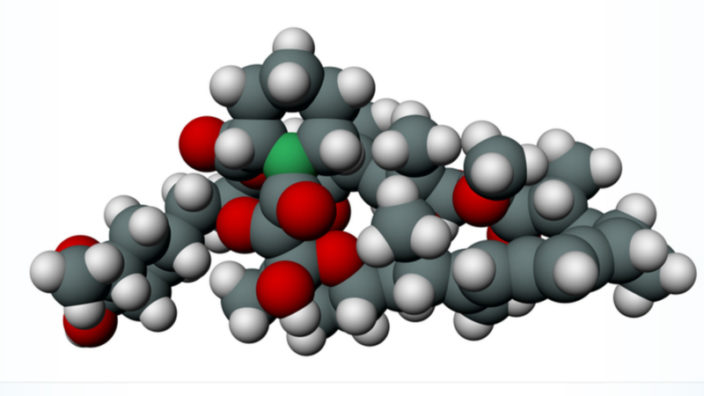
A depiction of NAD on a black background

Increasing NAD+ Reduces Amyloids and Benefits Mitochondria

Aging is accompanied by the loss of proteostasis, the accumulation of misfolded proteins and their amyloid aggregates, and mitochondrial dysfunction, which is partially characterized by the loss of mitochondrial homeostasis, the delicate balance that mitochondria need in order to produce energy without polluting the body with excessive amounts of free radicals.

The hallmarks of aging do not work in isolation, and there is increasing evidence that there is significant crosstalk between these processes. The study we want to highlight today serves to show how interconnected the hallmarks of aging are and how influencing one can affect others [1].

Deregulated nutrient sensing is another way in which we age, and this paper shows how NAD+, an important molecule that regulates metabolism and declines with age, influences both proteostasis and mitochondrial homeostasis.

The researchers’ data suggests that NAD+ homeostasis is key in regulating age-related muscle amyloidosis. It also shows that increasing NAD+ levels ameliorates the accumulation of amyloid-beta in aged human muscle cells, in old mice, and in a nematode model of amyloid-beta accumulation.

Boosting NAD+ levels also appeared to boost mitochondrial function, moving it back towards homeostasis, and it increased muscle homeostasis as well. The researchers provide evidence that ameliorating age-related amyloidosis also restores mitochondrial dysfunction and that both may be addressed via approaches that boost NAD+ levels.

Aging is characterized by loss of proteostasis and mitochondrial homeostasis. Here, we provide bioinformatic evidence of dysregulation of mitochondrial and proteostasis pathways in muscle aging and diseases. Moreover, we show accumulation of amyloid-like deposits and mitochondrial dysfunction during natural aging in the body wall muscle of C. elegans, in human primary myotubes, and in mouse skeletal muscle, partially phenocopying inclusion body myositis (IBM). Importantly, NAD+ homeostasis is critical to control age-associated muscle amyloidosis. Treatment of either aged N2 worms, a nematode model of amyloid-beta muscle proteotoxicity, human aged myotubes, or old mice with the NAD+ boosters nicotinamide riboside (NR) and olaparib (AZD) increases mitochondrial function and muscle homeostasis while attenuating amyloid accumulation. Hence, our data reveal that age-related amyloidosis is a contributing factor to mitochondrial dysfunction and that both are features of the aging muscle that can be ameliorated by NAD+ metabolism-enhancing approaches, warranting further clinical studies.

Conclusion

It is clear that the aging processes do not work in isolation and that addressing one may be potentially beneficial for others. NAD+ is an important molecule in regulating metabolism and aging, which means that approaches to increase its presence to more youthful levels could be potentially useful in treating age-related diseases.

We would like to ask you a small favor. We are a non-profit foundation, and unlike some other organizations, we have no shareholders and no products to sell you. All our news and educational content is free for everyone to read, but it does mean that we rely on the help of people like you. Every contribution, no matter if it’s big or small, supports independent journalism and sustains our future.

Literature

[1] Romani, M., Sorrentino, V., Oh, C. M., Li, H., de Lima, T. I., Zhang, H., … & Auwerx, J. (2021). NAD+ boosting reduces age-associated amyloidosis and restores mitochondrial homeostasis in muscle. Cell reports, 34(3), 108660.

Handshake

lifespan.io Announces Promotions and Expansion

2020 was a year of tremendous growth for lifespan.io. As many of you have likely noticed, our news outlet team has hired two more excellent science journalists, Arkadi Mazin and Greg Gillipsie.

Nicola Bagala, who produces LifeXtenShow, was assigned in the summer of 2020 to supervise one more important project, Lifespan News, with Brent Nally as host. 29 informative episodes have already been released, covering the latest news in aging research and related fields.

Javier Noris, the lead of the Longevity Investor Network, is now developing another important project, the Longevity Impact Fund. Javier talked about the initiative at the EARD2020 conference, and we will have more to say about this exciting initiative soon. With these great developments, we are optimistic about the future, and we expect 2021 to be a productive year.

As a non-profit organization, we are constantly seeking ways to make a high impact in our fight against age-related diseases and aging itself. To this end, we have made a number of changes to our team that will lay the foundations for our future growth.

A new marketing coordinator

Mattijs Vonk, who has been with us as an illustrator and social media analyst for quite a while now, has been promoted to the position of marketing coordinator.

Matt’s work has been instrumental in creating the look of our website, and he is the creative hand behind our new logo and many of the wonderful posters, brochures, and reports we produce. He started at lifespan.io in 2017 as a graphics volunteer, gradually increasing his responsibilities to also include more marketing tasks and social media analysis. Over the last year, he has done an impressive job in helping us with structuring and measuring our social media impact by carefully developing the tools and procedures to track and extend our coverage.

We are happy to announce that as of January 1st, 2021, Mattijs has stepped up to manage the newly formed marketing department as Marketing Coordinator. He’ll be leading the team of social media specialists from now on, making sure that we reach as many people as we possibly can with our newsmaking and education initiatives.

Mattijs was born in The Netherlands. He studied at Radboud University in Nijmegen and University of Applied Sciences in Groningen and graduated with two master degrees in Communications and Marketing. Mattijs has extensive experience as a Communication and Marketing Consultant at a wide array of companies in the Netherlands, both in the for-profit and nonprofit sectors. Besides that, he has been a graphic designer for over 15 years, mostly working as a freelancer. Mattijs currently resides with his wife and two year old son in the Netherlands but is planning on moving to France in the near future.

I’m very happy to get the opportunity to expand my Marketing work at lifespan.io. I hope to do my part to help the organization and the longevity movement grow even further. We’re on the cusp of some big developments and I’m pleased to get the chance to be close to the action.

Fundraising Consultant

We have ambitious plans for the future, and in order to grow our numerous initiatives, we’ll be expanding our fundraising efforts. We welcome Rosemary Opbroek as our new Fundraising Consultant. On January 1st, 2021, she has joined us to strengthen our fundraising department.

Rosemary is based in Nebraska and has been involved in nonprofit management since the 1990s. With twelve years as Executive Director of the Leukemia & Lymphoma Society, ten years with the March of Dimes, and two and a half years as a Regional Director for the Epilepsy Foundation of America, Rosemary brings a wealth of experience to our organization.

As a very new member of this team (I am a fundraiser, not a scientist), I came to lifespan.io with limited knowledge about the science of rejuvenation biotechnology. I was immediately impressed by the dedication, energy, and incredible intellectual capacity of this group. I’m proud to be a part of this amazing endeavor.

Chief Operating Officer

Many of our regular readers will be familiar with our board member Elena Milova and the incredible work that she has done regarding education and advocacy for the longevity movement.

In the last few years, she has been an important factor in our growth, bringing structure and order to our organization, regularly coming up with impactful business administration initiatives.

We are delighted to announce that on February 1st, 2021, Elena has stepped up to become the Chief Operating Officer (COO) of lifespan.io while proceeding with her duties as a board member. It will be her challenge to implement the optimization and development plans approved by the board. Moving forward, she will oversee the planning and day-to-day work of every department, helping with optimizing business processes and coordination. Apart from that, Elena will lead the development of the Fundraising department.

Elena graduated with honors from both Moscow Region University (linguistics) and later New Russian University (psychology). She gained experience in communications, project management, and administration when working at Ipsen Pharma and the advertising agency Medinform of TWIGA Group. Her interest in ending aging first sparked in 2010. After several years of working in local non-profit organizations promoting longevity, she joined lifespan.io team as a board member and Outreach Coordinator in 2016.

In line with her plans of becoming a longevity entrepreneur, Elena is currently halfway through her MBA program.

My work with lifespan.io taught me that to make dreams come true, enthusiasm alone is not enough. Ending aging is a large goal, and our approach to work should be equally serious if we want to succeed. I am touched by the trust that my fellow board members put in me and my vision. I will continue to bringing my best insights and skills to the team in my new role of an integrator so that we can hit new records in informing the public every year.

We are recruiting

On a related note, we are currently recruiting for a part-time social media manager to join our organization; if you are interested in this position, check out the job description.

Thank you

We’d like to take this opportunity to once again thank everyone who has helped us along our journey. This support is what enables us to continually improve the strength of our team and better serve you all on our shared mission to overcome the diseases of aging. Thank you.

We would like to ask you a small favor. We are a non-profit foundation, and unlike some other organizations, we have no shareholders and no products to sell you. All our news and educational content is free for everyone to read, but it does mean that we rely on the help of people like you. Every contribution, no matter if it’s big or small, supports independent journalism and sustains our future.
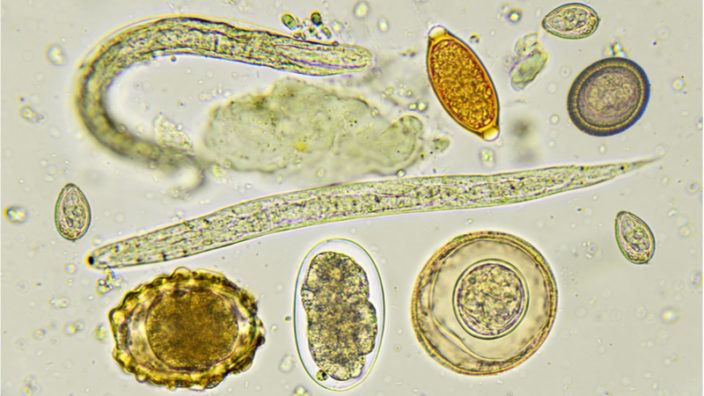
Helminths under a microscope

Parasitic Worm Infestation for Longevity

A review conducted by researchers at the Institute for Healthy Ageing at University College London in the UK has determined that infestation of the gut microbiome by helminths, a category of parasitic worms, may be a potential method of curbing the age-related inflammation known as inflammaging, thus delaying the onset of age-related diseases.

The ‘old friends’ hypothesis

The Western world has largely eradicated a great many parasites, helminths among them. However, as this review’s authors explain, we did not evolve to live in a world without such parasites, and the absence of our ‘old friends’ can cause dysbiosis: an imbalance of the microbiome. One of the downstream effects of such dysbiosis is immunological hyperactivity, which leads to immunity-related disorders [1].

In fact, one study in Argentina had shown that in patients with multiple sclerosis, parasite infection was associated with reduced severity of the disease; when the parasites were cleared, the disease got worse [2]. Another study in eastern India found that of the 207 people in their study who were suffering from rheumatoid arthritis, none of them had been infected by a local nematode; 40% of the healthy controls had [3]. The researchers also list many studies that suggest that helminth infection reduces pro-inflammatory cytokines and C-reactive protein, all of which are associated with inflammaging and its related disorders.

What’s going on, biochemically

The review’s authors list multiple studies that have pointed to the glycoprotein ES-62 as the causative agent in helminths’ effects against autoimmunity. The worms had evolved this protein to protect themselves against the human immune system, and the researchers hypothesize that we have co-evolved along with the parasite, causing this protein to be beneficial in dampening overreactions of our own immune systems. However, the exact biochemical effects of ES-62, and how, precisely, it interacts with the human immune system, have not yet been explored.

Replacing the protein itself

It stands to reason that, because few people want to actually be infected by parasitic intestinal worms, we should be able to isolate ES-62 and administer it as a therapy instead. This has shown effects in rodent studies; one mouse model of accelerated aging brought about by a high-calorie diet (which is, of course, also common in the Western world) has shown that weekly administration of ES-62 lengthened their lives by 12% [4]. However, as the researchers warn, there may be unknown, additional immunomodulatory factors provided by helminths.

Conclusion

As the researchers explain, this line of therapy is in its infancy and needs to be explored much more thoroughly before we can come to any definitive conclusions regarding its use in longevity. While some exploratory research has been conducted, no one has done any lifespan studies relating to ES-62 or helminths on mice fed a normal diet.

Obviously, parasitic worm infestation is not desirable; while inflammaging is a direct cause of serious issues, intestinal worms can cause serious and immediate health problems. We look forward to the development of therapies that use helminth-related research to curb inflammaging without requiring people to be infected with harmful parasites.

We would like to ask you a small favor. We are a non-profit foundation, and unlike some other organizations, we have no shareholders and no products to sell you. All our news and educational content is free for everyone to read, but it does mean that we rely on the help of people like you. Every contribution, no matter if it’s big or small, supports independent journalism and sustains our future.

Literature

[1] Rook, G. A., Adams, V., Hunt, J., Palmer, R., Martinelli, R., & Brunet, L. R. (2004, February). Mycobacteria and other environmental organisms as immunomodulators for immunoregulatory disorders. In Springer seminars in immunopathology (Vol. 25, No. 3, pp. 237-255). Springer-Verlag.

[2] Correale, J., & Farez, M. F. (2011). The impact of parasite infections on the course of multiple sclerosis. Journal of neuroimmunology, 233(1-2), 6-11.

[3] Panda, A. K., Ravindran, B., & Das, B. K. (2013). Rheumatoid arthritis patients are free of filarial infection in an area where filariasis is endemic: comment on the article by Pineda et al. Arthritis & Rheumatism, 65(5), 1402-1403.

[4] Crowe, J., Lumb, F. E., Doonan, J., Broussard, M., Tarafdar, A., Pineda, M. A., … & Harnett, M. M. (2020). The parasitic worm product ES-62 promotes health-and life-span in a high calorie diet-accelerated mouse model of ageing. PLoS pathogens, 16(3), e1008391.

Longevity Therapeutics banner

Lessons from Longevity Therapeutics 2021 – Part 1

Like nearly all conferences this past year, the 3rd Annual Longevity Therapeutics Summit, presented by Hanson Wade Limited, went virtual this time around. This was a stark difference from the previous two, which were rather fancy affairs in downtown San Francisco. However, we were fortunate that the organizers went forward with the event, bringing together some of the biggest names translating longevity research into human patients. In this article, we summarize the first portion of the 3rd Annual Longevity Therapeutics Summit. Be sure to look for the rest of our coverage later this week and next.

A history of longevity

The 3rd annual Longevity Therapeutics Summit opened with a talk by Dr. Marco Quarta of Rubedo Life Sciences. Dr. Quarta spoke about the way in which humans have always been interested in longevity. The concept is pervasive in mythology and appears even in the earliest scientific pursuits.  However, it didn’t begin to take hold as a separate discipline until about 1970, with Hayflick’s discovery of cellular senescence and the creation of the National Institutes on Aging (NIA), a division of the National Institutes of Health (NIH) in the United States. Even so, the field didn’t begin to reach a critical mass until the 2000s, with organizations such as Methuselah, CIRM, and SENS cropping up as well as the publication of the first papers on parabiosis, the Yamanaka factors, and Aubrey de Grey’s book Ending Aging. Then, the 2010s saw an explosion within the field with the founding of Google’s Calico, the Lifespan Extension Advocacy Foundation (LEAF, that’s us!), and various venture capital funds and start-up companies. Currently, the field continues to move faster and faster with the initiation of the TAME clinical trial, hundreds of research articles published every week, and most recently, COVID-19 providing yet another example of why a focus on aging is so critically important.

Dr. Anirvan Ghosh – Unity Biotechnology

Unity is a senolytics company with several novel compounds under development. While he didn’t comment on the failed trial of its lead senolytic in osteoarthritis last fall, Dr. Ghosh did provide an update on the company’s current plans in ophthalmology. Unity believes that age-related eye disorders are an ideal next target due to the eye’s isolation from the rest of the body and the ability to use the patient’s other eye as an untreated control. After showing compelling evidence that senescent cells accumulate and drive disease in macular degeneration and diabetic retinopathy, Dr. Ghosh went on to discuss Unity’s ongoing clinical trial. This trial is looking to determine the maximum safe single dose of its proprietary compound UBX1325 when injected directly into the eye. UBX1325 is a senolytic compound that targets Bcl-xL, a mitochondrial transmembrane protein involved in the apoptosis resistance of senescent cells.

Dr. Lloyd Klickstein – ResTORbio

ResTORbio is a company targeting the mTOR pathway. Several of the company’s small molecules have shown a variety of therapeutic, anti-aging benefits. The repurposed drug BEZ235 showed promising effects on improving immune function in a phase 2 clinical trial, with treated patients developing fewer infections. However, the phase 2b trial did not repeat the results, and recently, the company’s phase 3 trial did not meet its primary endpoint. Notably, the company believes that this was potentially due to the different survey methods requested by the FDA, which asked patients more frequently if they were sick and increased the amount of noise in the dataset. ResTORbio has not yet announced its plans moving forward.

Dr. Ronald Kohanski – National Institute on Aging

Dr. Ronald Kohanski, the director of the Division of Aging Biology within the NIA, presented his talk with the provocative title “Where does aging begin?” Dr. Kohanski believes that aging is not a disease but a risk factor and a detriment to quality of life. If we equate aging with damage, aging begins even before birth. However, our ability to repair our cells and tissues is extremely strong at this stage, and so the damage does not accumulate. In this sense, aging may be better thought of in terms of robustness and plasticity, referring to the body’s ability to recover from insults and adapt to changes, respectively. We are vulnerable to injury and disease when we are young, but robustness increases as we grow and peaks at about 30 years of age before declining as we begin to age. On the other hand, plasticity decreases throughout life, especially after the age of 20, and we have a much harder time adapting to new circumstances, such as a lost limb, loss of vision, a new sport, or even a new career. With all this in mind, Dr. Kohanski poses the more interesting question: When is the best time for anti-aging interventions? While we don’t yet know the answer, Dr. Kohanski believes this is just after the age of peak reproductive fitness, or just after 30 years old in humans.

Dr. Adam Freund – Calico Life Sciences

Calico is an academic/biotech partnership focused on aging, and it was started by the Google parent company Alphabet. Dr. Freund’s presentation focused on IGF signaling through the inhibition of PAPP-A, data for which should be available in a publication later this year (Mohrin et al. 2021). Calico’s inhibition of PAPP-A had many different effects, but it particularly influenced bone marrow and mesenchymal stem cells (MSCs). The expression of collagen, one of the main components of the extracellular matrix, decreases with age, despite an increase in the number of MSCs, which are cells known to play a large role in collagen deposition. One theory for this apparent contradiction is the exhaustion of these MSCs. They may become less efficient with age, leading to less collagen deposition, which further stimulates their proliferation in order to compensate. The company’s results suggest that PAPP-A inhibition may be able to reverse this process, and Calico plans to continue pursuing this line of research.

Dr. Gordon Lithgow – The Buck Institute for Research on Aging

The Buck is one of the oldest and most prominent aging research institutes in the world. Dr. Lithgow’s presentation covered his lab’s utilization of the worm C. elegans for large-scale drug screening for compounds that influence aging. In particular, thioflavin T (TFT), alpha-ketoglutarate (AKG), and vitamin D have had the most success at extending lifespan and various other benefits, such as decreasing amyloid toxicity. Many of these findings have translated into mice, although changes in lifespan tend to be modest; instead, his team has seen a compression of morbidity (i.e. an increase in healthspan) and significant improvements in measures such as frailty. Clinical trials for AKG are currently underway, although funding trials for TFT and vitamin D are difficult, since neither compound is patentable, making them not commercially viable. Dr. Lithgow also briefly mentioned his brand new start-up, Gerostate Alpha.

If you would like to know more, cou can read about the other days below:

We would like to ask you a small favor. We are a non-profit foundation, and unlike some other organizations, we have no shareholders and no products to sell you. All our news and educational content is free for everyone to read, but it does mean that we rely on the help of people like you. Every contribution, no matter if it’s big or small, supports independent journalism and sustains our future.
cute white rat

Neurons from Stem Cells Alleviate Parkinson’s Disease in Rats

In a new study, a group of researchers report on their success in priming stem cells to differentiate into dopaminergic neurons in rat brains. Loss of these neurons is a major cause of Parkinson’s disease [1].

Less neurons, more Parkinson’s

Neuronal degeneration is the culprit behind several age-related disorders, including Parkinson’s disease (PD), which affects one million people in the US alone. PD stems from the gradual depletion of dopaminergic neurons, a subset of neurons that reside in a small part of the brain called the substantia nigra. Despite constituting only a fraction of all neurons, dopaminergic neurons perform the important task of dopamine production. Low levels of this vital neurotransmitter cause the motor symptoms of PD, such as tremor and stiffness.

Several decades ago, the prevalent opinion was that the central nervous systems of adults do not generate new neurons, and this misconception still lingers among the general public. Today, we know that neurogenesis does occur in the human brain but only in some parts of it. Simple organisms, on the other hand, often possess enviable neuroregenerative abilities.

Helping MSCs become neurons

Mesenchymal stem cells (MSCs) are multipotent stem cells found in bone marrow and several other tissues, and they can differentiate into neurons [2]. Attempts have been made to deploy MSCs against neurodegenerative diseases, with mostly unsatisfactory results. In this new study, scientists describe a method of priming MSCs in vitro in order to boost their differentiation into viable neurons in rat brains.

The compound used for priming is 22(R)-hydroxycholesterol (22-HC). Cholesterols are usually mentioned in the context of cardiovascular diseases, but these chemicals and their derivatives play an important role in multiple processes, such as hormone production. As much as 25% of the body’s total cholesterol is located in the brain, where it participates in the maturation and survival of dopaminergic neurons [3].

Previous studies have shown that oxysterols such as 22-HC can facilitate the differentiation in vitro of human embryonic stem cells (hESCs) into dopaminergic neurons. The main advantage of this new study is that it uses human MSCs instead of hESCs. MSCs have been recently gaining in popularity, being much more available and also safer (due to their pluripotency, ESCs are prone to forming ghastly tumors called teratomas). The researchers used MSCs of slightly different kinds sourced from three human tissues: bone marrow, adipose tissue, and dental pulp.

Detecting a cell type is not always an easy task, as scientists have to rely on morphological and chemical analysis. Soon after being treated with 22-HC, the MSCs began to strongly express several neuron-specific chemical markers. Moreover, their shapes became very neuron-like, with distinctive somas (bodies), axons, and neurites. 22-HC also increased the expression of transcription factors responsible for maturation and survival of dopaminergic neurons. The scientists rigorously checked for other neuronal markers, such as mitochondrial activity: neurons are extremely energy-hungry, and producing such amounts of energy requires a concerted effort of swarms of mitochondria [4]. MSCs from dental pulp were the clear winner in neurogenerative potential.

Motor function restored

The primed cells were then transplanted into the brains of rats suffering from a surgically induced PD-like condition. Tests showed that the cells had engrafted well. The rats’ performance was assessed prior to the PD-inducing surgery, after the surgery, and then after the transplantation. Three subgroups of rats received primed MSCs of the three types (one for each subgroup). Another three subgroups received naïve (untreated) MSCs. The control group received a sham treatment, an inactive transplant that did not contain MSCs. Following the PD-inducing surgery, the rats’ condition predictably deteriorated, showing distinct motor symptoms. Primed MSCs, especially the ones from dental pulp, demonstrated spectacular results, restoring rats’ motor function almost to pre-surgery levels. Naïve MSCs, on the other hand, made little difference, in line with previous experiments.

The researchers contend that their results are unprecedented in several aspects, such as the percentage of stem cells that differentiated into neurons (as much as 80%). The type of stem cells used and the protocol itself are highly cost-effective, which can help in advancing this new technique.

Conclusion

Stem cells are the stars of longevity research because, theoretically, they can provide us with an unlimited supply of young cells for our tissues. This study makes an important step by successfully creating functioning dopaminergic neurons and transplanting them into rat brains. Record-breaking results, combined with the pressing need to counter Parkinson’s disease, mean that we might see clinical trials soon.

We would like to ask you a small favor. We are a non-profit foundation, and unlike some other organizations, we have no shareholders and no products to sell you. All our news and educational content is free for everyone to read, but it does mean that we rely on the help of people like you. Every contribution, no matter if it’s big or small, supports independent journalism and sustains our future.

Literature

[1] Singh, M., Jain, M., Bose, S., Halder, A., Nag, T. C., Dinda, A. K., & Mohanty, S. (2021). 22 (R)-hydroxycholesterol for dopaminergic neuronal specification of MSCs and amelioration of Parkinsonian symptoms in rats. Cell Death Discovery, 7(1), 1-17.

[2] Urrutia, D. N., Caviedes, P., Mardones, R., Minguell, J. J., Vega-Letter, A. M., & Jofre, C. M. (2019). Comparative study of the neural differentiation capacity of mesenchymal stromal cells from different tissue sources: An approach for their use in neural regeneration therapies. PloS one, 14(3), e0213032.

[3] Sacchetti, P., Sousa, K. M., Hall, A. C., Liste, I., Steffensen, K. R., Theofilopoulos, S., … & Arenas, E. (2009). Liver X receptors and oxysterols promote ventral midbrain neurogenesis in vivo and in human embryonic stem cells. Cell stem cell, 5(4), 409-419.

[4] Misgeld, T., & Schwarz, T. L. (2017). Mitostasis in neurons: maintaining mitochondria in an extended cellular architecture. Neuron, 96(3), 651-666.

Rejuvenation Roundup January

Rejuvenation Roundup January 2021

2020 is well behind us, and the first month of the new year has reached its conclusion. Let’s take a look at what happened in the rejuvenation biotechnology world in January, as labs and companies around the world continue to investigate and develop cures for age-related diseases.

LEAF News

The All-Party Parliamentary Group for Longevity has analyzed United Kingdom health data and come to a shocking conclusion, which it published in The Lancet: the UK has the worst healthy life expectancy in Europe.

COVID-19 has unveiled some uncomfortable truths for the UK. The Global Burden of Diseases, Injuries, and Risk Factors Study found that Britain had the worst healthy life expectancy in Europe. This finding was driven by obesity, hypertension, chronic respiratory conditions, excess alcohol use, and inactivity, compounded in some areas by poor physical, economic, and social environments.  Our national health is worse than we thought: the analysis by Outcomes-Based Healthcare using objective National Health Service (NHS) clinical data found that on average, women in England get their first major health condition when they are aged only 55 years, and in the poorest areas when they are aged only 47 years. Moreover, people in low-income areas live with ill-health for nearly 20 years longer than those in the highest-income areas. We have known this fact for many years but have not done enough to change it. Now is the time to do so.

Journal Club

Steve Hill leads a discussion featuring Irina and Michael Conboy in which the researchers discuss their own paper, which shows that diluting the aged blood factors in blood plasma reduces the inflammation of mouse neurons back to levels associated with younger animals.

lifespan.io Interviews

Tina Woods: A Social Entrepreneur in the Longevity Field: Tina Woods shares valuable insights on how social entrepreneurship works in our field, what governments can and must do to promote healthy aging, and what kind of people dedicate their lives to longevity research.

Causes and Solutions for Gray Hair: Prof. Melissa Harris explains the loss of hair pigmentation, as melanocyte stem cells gradually disappear with age, and what we can do about it.

Rejuvenation Roundup Podcast

Ryan O’Shea of Future Grind hosts this month’s podcast, showcasing the events and research discussed here.

Advocacy Digest

Looking Forward to a Productive 2021 in Aging Research: Steve Hill muses on the state of this industry and discusses multiple companies that are currently making strides in its development.

Why Your Voice Matters for Longevity: As Breanna Deutsch explains, Congressional offices take notice when people contact them, and the topic of rejuvenation biotechnology is no exception.

Research Roundup

Fisetin May Be Useful in Treating Pulmonary Fibrosis: This natural flavonoid has been shown to rescue alveolar cells from senescence in mice, reducing inflammation and fibrosis.

A Cause of Genomic Instability Discovered: Our natural genetic protections against double-strand breaks decrease as we age; we produce the proteins we need for this, but they aren’t being recruited to where they need to be.

Groundbreaking New Therapy for Progeria: A single base pair is responsible for the downstream damage of this premature aging disease, and a novel gene therapy, while only partially effective, has been shown to dramatically increase the lifespan of affected mice.

Senolytics Reduce Gut Inflammation in Mice: A new preprinted study explores the long-term effects of exposure to dasatinib and quercetin, a well-known senolytic combination, on gut microbiome composition, senescent cell populations, and inflammation.

Arterial Stiffening Correlates With Cognitive Decline: Arterial stiffness leads to hypertension, which leads to vascular damage in the brain, which leads to damage to brain tissue.

Exercise Found to Have Anti-Senescence Effect: The effects of exercise on health are well-known, but its effects on cellular senescence were not previously explored.

Senescent Cells Recruit Sympathetic Nerves: Certain nerve clusters grow in the presence of senescent cells, and these clusters have negative effects on stress responses.

A Genetic Pathway for Preventing Hearing Loss: Activation of the gene NRF2 has been shown to help alleviate hearing loss in a mouse model.

Alpha-Ketoglutarate Delays Age‐Related Fertility Decline: This compound, which is a natural part of metabolism and commonly taken as a supplement, has restored fertility in a mouse model.

Investigating the Link Between COVID-19 and Telomeres: Shorter telomeres are associated with susceptibility to this deadly disease.

Partial Reprogramming Rejuvenates Human Cells by 30 Years: If the Yamanaka factors are applied to human cells for a precise amount of time, their epigenetics can be restored to those of youth.

Senolytics Alleviate Age‐Related Cognitive Decline: Decreasing the populations of senescent cells in the brain restores cognitive function to aged mice.

Glucosamine May Be a Caloric Restriction Mimetic: Glucosamine triggers a transient increase in reactive oxygen species, which then triggers protective mechanisms in a rat model of aging.

Age-related Decline in Cellular Stress Response Alleviated: The gene responsible for antioxidant protection has been identified in fruit flies, but this gene must be overexpressed throughout the flies’ lives for it to extend them.

Rapamycin is Not a Caloric Restriction Mimetic: The effects that rapamycin has on longevity work through the mTOR pathway, which has been shown to be separate from the pathways beneficially affected by caloric restriction.

Major Depressive Disorder Causes Brain Aging: People with this disorder were shown to have brains an average of two years biologically older than people without it. The results are visible on a functional MRI, making this tool a potential biomarker of aging.

Senolysis by glutaminolysis inhibition ameliorates various age-associated disorders: Due to pH imbalances, senescent cells require ammonia production to survive, and preventing them from producing it destroys them.

Targeting and clearance of senescent foamy macrophages and senescent endothelial cells: Mesoporous silica nanoparticles, engineered to contain anti-CD9 antibodies, infiltrate into and deliver senolytics to senescent cells, helping to combat atherosclerosis of the aorta.

Identification of drug combinations on the basis of machine learning to maximize anti-aging effects: A team of Korean researchers has created a deep learning system for identifying drug combinations that target the multiple factors associated with aging.

Youthful and age-related matreotypes predict drugs promoting longevity: Genes associated with the extracellular matrix (matreotypes) are identified and used to create collagen-enhancing drugs.

Universal DNA methylation age across mammalian tissues: To create a universal clock, the researchers generated 10,000 methylation arrays using the highly conserved genetic regions of over 59 tissue types derived from 128 mammalian species.

Genome Methylation Predicts Age and Longevity of Bats: An epigenetic clock has been developed across 26 bat species.

MOTS-c is an exercise-induced mitochondrial-encoded regulator of age-dependent physical decline and muscle homeostasis: This mitochondrial factor can significantly enhance physical performance in young, middle-aged, and old mice.

Restoring metabolism of myeloid cells reverses cognitive decline in ageing: In aging mice, the glucose metabolism of certain supportive brain cells begins to decline, driving inflamamation; reversing this process restores cognitive abilities.

Transcriptomic profiling of mutant mice implicates mitochondrial metabolism in ageing: Comparing the genetic profiles of short-lived and long-lived mice

Metformin Use Is Associated With Reduced Mortality in a Diverse Population With COVID-19 and Diabetes: Metformin is a common diabetes drug, and its use has been associated with longevity in previous studies. The authors of this study posit multiple reasons why it appears to be effective against COVID-19 mortality.

Parasite Presence Induces Gene Expression Changes in an Ant Host Related to Immunity and Longevity: This parasite reduces its host’s activity and upregulates immune response, leading to life extension.

Extracellular vesicles rejuvenate aged bone marrow-derived mesenchymal stem cells: Cells use extracellular vesicles to send proteins to one another, and when these vesicles contain proliferating cell nuclear antigen, the recipient mesenchymal stem cells are rejuvenated.

NAD+ boosting reduces age-associated amyloidosis and restores mitochondrial homeostasis in muscle: The misfolded proteins known as amyloids accumulate in aging muscle cells, but NAD+ supplementation restores their ability to deal with these proteins.

Protein signatures of centenarians and their offspring suggest centenarians age slower than other humans: There are significant differences in the proteins of centenarians and other people, and not just because the centenarians are very old.

News Nuggets

NOVOS Explains Its New Nutraceutical: The founders of NOVOS identify what’s in their neutraceutical supplement and explain what the ingredients do.

AI Identifies Senescent Cells and Tests New Drugs: Being able to identify senescent cells with a machine learning algorithm makes it much easier to discover which senolytic compounds are effective.

Cellvie Raises $5 Million to Develop Mitochondrial Therapeutics: Cellvie has just closed a $5 million seed round to begin developing rejuvenation biotechnology that seeks to address mitochondrial dysfunction.

A New Resource for Developing Interventions to Treat Aging: The Buck Institute for Research on Aging has done research on seven hundred aging mice in order to create a detailed database that other researchers can refer to when analyzing their own experiments.

Coming up in February

On February 11, from 11:00 AM to 4:00 PM Eastern time, the International Longevity Alliance and the Healthy Life Extension Society will host a Zoom conference in which renowned scientists are invited to give presentations on both rodent and human studies. An online discussion of the conference will be held from 2:00 PM to 3:30 PM on the following day.

We would like to ask you a small favor. We are a non-profit foundation, and unlike some other organizations, we have no shareholders and no products to sell you. All our news and educational content is free for everyone to read, but it does mean that we rely on the help of people like you. Every contribution, no matter if it’s big or small, supports independent journalism and sustains our future.

A picture of Congress

Why Your Voice Matters for Longevity

Do members of Congress actually listen to the concerns of their constituents? Are the letters and emails you send read, or are they discarded into the physical or virtual trash? If they are read, does it even make any difference?

Popular belief would tell you that the answer is no to all of the above, but that is pundit-speak and not an accurate reflection of how congressional offices actually function. Reading and responding to constituent mail and phone calls is a top priority. Every letter, e-mail, or voice message may not make it to a senator’s or congressperson’s desk, but, in most offices, each and every contact with a constituent is logged and tracked and receives a response. Depending on whether it is an office in the U.S. House or Senate, there may be one or more individuals whose entire job is dedicated to managing constituent correspondence.

The cynic in you may assume that even if they respond to your letter or take your phone call, it will not make any difference in their policymaking decisions. I urge you to have more faith in your political currency as a voter. It is true that if an office only receives a few letters or phone calls demanding action on a particular issue, it is unlikely that it will become a priority. However, if a member of Congress receives an influx of constituent requests on a policy item, that person will be unable to ignore it. At the very least, the member’s legislative staff will begin to research the issue and hopefully think about how they might deliver a win for their constituents.

Advocacy groups recognize this and use grassroots activism as one of their primary tools of influence on the Hill. The Wilderness Society is just one of many organizations that have successfully built large and energetic groups of citizen activists across the country. While they also send men and women in suits to Capitol Hill to lobby, their politically active members are their strongest asset. They are instructed how and when to contact their representatives and are given directives about what to say and what actions to demand. Speaking from my own anecdotal experiences as a former Capitol Hill staffer, these campaigns can flood an office’s phone lines and mailboxes, virtually paralyzing all other activity. The Wilderness Society’s grassroots strategies have been key in its legislative achievements, including increasing the number of America’s designated wildlands and securing federally appropriated dollars for the Land and Water Conservation Fund.

Organizations advocating for everything from cancer research to sage grouse preservation have comparative grassroots strategies — and when they call on their armies of members to act, it shapes the legislation that eventually becomes law. Unfortunately, the longevity community does not yet have a strong activist arm or much of a presence on Capitol Hill. This must change if we are ever to see changes in federal policy that lead to stronger funding for aging research.

Among people who recognize the importance of treating aging, there is a clear consensus that the National Institutes of Health (NIH) does not allocate enough funds to the department within the National Institute on Aging (NIA) that researches the biology of aging. Each and every one of us should be contacting our congressional representatives and demanding more. It is extremely easy to do.

You can begin by determining who your congressional representatives are by going here (U.S. House) and here (U.S. Senate). Then, simply go to your representatives’ official government webpages, where you can locate information on how to contact them by mail, email, or phone. The correspondence should be short and to the point. LEAF has some excellent resources that outline why the government should strengthen funding for aging research along with the current roadblocks that are preventing potential life and cost-saving treatments from reaching the public. Use these and similar materials to outline the arguments and requests in your letter.

Unlike organizations that lobby for research funding for specific diseases, the consequences of aging cross party, gender, race, and age lines. The universal impact of aging on all citizens should be a persuasive rationale for making the case for additional funding. If the public better recognizes the connection between aging and disease, we could build a robust grassroots army of activists, and it would not take long for the relevant departments within the NIA to finally receive the support they deserve. We must continue to work towards this goal by finding creative ways to educate the public about the importance of aging research, but in the meantime, the grassroots base of activists should start with you.

Let me know if your representatives respond and what they say by dropping me a note on Twitter or LinkedIn.

We would like to ask you a small favor. We are a non-profit foundation, and unlike some other organizations, we have no shareholders and no products to sell you. All our news and educational content is free for everyone to read, but it does mean that we rely on the help of people like you. Every contribution, no matter if it’s big or small, supports independent journalism and sustains our future.
An MRI of the human brain

Major Depressive Disorder Linked to Brain Aging

Recent data published in Neuropsychopharmacology has looked at changes in brain connectivity across lifespan and in patients with major depressive disorder.

Biological and chronological age

Your chronological age is simply the amount of time that has passed since you were born, but your biological age represents how your body has physically aged over that time. Some conditions and practices, such as obesity and smoking, can accelerate many of the aging processes, while longevity interventions attempt to slow, halt, or even reverse these processes, thus making your chronological age different from your biological age. Some researchers have attempted to predict chronological age using various biological markers, while others have tried to quantify biological age as a measure of overall health.

Modeling brain aging with fMRI

Recent research at Weill Cornell Medical in New York City has taken both of these approaches in a brain MRI study of 710 healthy individuals from 18-89 years of age [1]. The researchers used resting state functional MRI to study the connectivity of different brain regions, finding decreased connectivity in older age, particularly in the executive/attention control, default mode, and sensorimotor networks of the brain. They then created a model from the fMRI connectivity data to predict age using a support vector regression machine learning technique. The model was somewhat robust, with a correlation coefficient of 0.7 (a measure that can range from -1 to 1, with both extremes indicating a perfect correlation). However, the variability between predicted and actual age was wide, with a standard deviation of about 13 years.

Depressed patients show signs of accelerated brain aging

The researchers applied their model to 109 patients being treated for major depressive disorder (MDD). MDD is associated with accelerated aging both on a behavioral and cellular/molecular level, but it has not been previously looked at in a resting state functional connectivity study such as this one. The model, which was trained on healthy individuals, predicted patients with MDD to be 2.1 years older than their actual ages. This difference was mild but considerably significant from a statistical standpoint.

The researchers also looked specifically at the difference between predicted and chronological age, considering individuals with higher predicted ages, according to their model, to have undergone accelerated brain aging. This variable was related to depressive symptom severity and financial impulsivity in men; however, this did not apply to women, nor was it related to several other cognitive variables. Furthermore, the data used in this study came from a clinical trial on repetitive transcranial magnetic stimulation (rTMS). Because advanced age is related to treatment non-responsiveness across medical disciplines, including psychiatry, the researchers hypothesized that accelerated brain aging may also predict treatment non-responsiveness to rTMS. However, no association was found.

In conclusion, this study predicted brain age in HC and MDD patients using rsFC. Functional brain aging was accelerated in MDD patients compared to HC, and accelerated brain aging in MDD was associated with increased impulsivity. The study provides evidence for the notion that MDD is associated with accelerated brain aging, and that accelerated aging is associated with worsened impulsivity and depression severity. Establishing these biologically based relationships will be critical to more comprehensively understand the etiology and heterogeneity of MDD, with the hopes of identifying novel treatments to address the significant personal and economic burden of this disorder.

Conclusion

Biological clocks for brain tissue have been shown to be more predictive of neurodegeneration and mortality than chronological age. It is interesting to see data that identifies common manifestations between aging and a condition not typically thought of as age-related, such as depression. As we learn more about the biomarkers of aging, such as reduced resting state functional connectivity in the brain, we will be able to better study the mechanisms of aging and the impacts of aging interventions. Non-invasive measures, particularly fMRI, are valuable for their practical human use. It is also conceivable that a biological clock, such as a modified version of the one used in this study, can reduce the time required to conduct clinical trials. However, much is still unknown about this model and others like it. Further studies will be needed before such clocks can be used as surrogate endpoints for morbidity and mortality.

We would like to ask you a small favor. We are a non-profit foundation, and unlike some other organizations, we have no shareholders and no products to sell you. All our news and educational content is free for everyone to read, but it does mean that we rely on the help of people like you. Every contribution, no matter if it’s big or small, supports independent journalism and sustains our future.

Literature

[1] Dunlop, K., Victoria, L.W., Downar, J., Gunning, F.M., & Liston, C. (2021). Accelerated brain aging predicts impulsivity and symptom severity in depression. Neuropsychopharmacology, online ahead of print. https://doi.org/10.1038/s41386-021-00967-x

A New Resource for Developing Interventions to Treat Aging

Researchers at the Buck Institute for Research on Aging have published the results of a longitudinal and functional study of 700 aging mice [1]. The study took several years to complete, with five of the labs at the Buck collaborating.

As part of this detailed study, the research team monitored rates of age-related change using clinically important parameters such as blood glucose, body composition changes, remodelling of the spine, activity levels, metabolic changes, and aging of bone structure in untreated mice. This in-depth analysis of aging in mice is a world first and provides a highly detailed picture of how these animals age.

Understanding how mice age at this high level of detail should serve as an excellent baseline when researchers test interventions that target the aging processes. Any deviations from the detailed patterns of aging recorded in these mice should be immediately noticeable and could help in the development of treatments that aim to reverse or slow down aging.

The researchers also tested a number of potential drugs that had been shown to increase lifespan in simple model organisms as well as ones that had previously been shown to reduce the impact of neurological diseases in mice.

They discovered that benzoxazole was able to slow down the rate of bone aging by up to 31% during a year of treatment. Benzoxazole was originally identified as a compound that was able to increase the lifespan of nematodes during a 2011 study at the Lithgow lab at the Buck.

It was somewhat of a surprise to the researchers that benzoxazole slowed down bone aging, given that it extended the lifespan of an animal that had no bones. These results suggest there are pathways of aging that are evolutionarily conserved.

The researchers are continuing to investigate how benzoxazole achieves this slowing down of bone aging, but so far it appears that it slows down the reabsorption of osteoclasts, which support bone growth.

The findings of this study are not only useful for animal research but for humans as well, as the metrics and biomarkers that the researchers chose during the study are not just relevant to mouse aging, as they also have direct clinical versions of what other researchers would measure in humans.

The online database they created as part of this study could be a highly useful resource for researchers wishing to test if an intervention influences aging and to provide information on how many mice are needed and how long results would take. You can access the online database application now.

Aging is characterized by systemic declines in tissue and organ functions. Interventions that slow these declines represent promising therapeutics to protect against age‐related disease and improve the quality of life. We tested several interventions associated with lifespan extension in invertebrates or improvement of age‐related disease in mouse models to determine if they were effective in slowing tissue aging in a broad spectrum of functional assays. We found that benzoxazole, which extends the lifespan of C. elegans, slowed age‐related femoral bone loss in mice. We also established rates of change for clinically significant parameters in untreated mice, including kyphosis, blood glucose, body composition, activity, metabolic measures, and detailed parameters of skeletal aging in bone. These findings have implications for the study of pre‐clinical physiological aging and therapies targeting aging. Finally, we created an online application that includes the calculated rates of change and that enables power and variance to be calculated for many clinically important metrics of aging with an emphasis on bone. This resource will help in future study designs employing novel interventions in aging mice.

Conclusion

The more tools researchers have at their disposal, the better on the long road to developing treatments that can delay, slow, or even reverse aging. The Buck is doing some truly excellent foundational research on aging that supports other labs in developing interventions that may one day change how we age.

We would like to ask you a small favor. We are a non-profit foundation, and unlike some other organizations, we have no shareholders and no products to sell you. All our news and educational content is free for everyone to read, but it does mean that we rely on the help of people like you. Every contribution, no matter if it’s big or small, supports independent journalism and sustains our future.

Literature

[1] Evans, D. S., O’Leary, M. N., Murphy, R., Schmidt, M., Koenig, K., Presley, M., … & Melov, S. Longitudinal Functional Study of Murine Aging: A Resource for Future Study Designs. JBMR Plus, e10466.

Rapamycin

Rapamycin is Not a Caloric Restriction Mimetic

Although rapamycin reliably extends lifespan in a range of organisms, new research shows that it does not achieve this via the same pathways as caloric restriction [1]. Understanding how the two processes differ and interact could help researchers eventually piece together the longevity puzzle.

Caloric or dietary restriction (CR) is perhaps the most robust, effective method known to increase lifespan. Its effects were first reported nearly 100 years ago and have been confirmed in many experiments in a wide variety of organisms since then. In the last two decades, rapamycin has emerged as a potential CR mimetic – a drug that can accomplish the same effect without the hassle of counting calories.

Now, a team of researchers in the Netherlands used progeroid mice to investigate whether rapamycin really is a CR mimetic. These Ercc1Δ/- mice have defective DNA repair and live for only 4-6 months. Surprisingly, they are more sensitive to caloric restriction than wild-type mice, with their lifespan more than doubling under conditions that lead to only a 30% increase in wild-type mice. This sensitivity makes them ideal for testing a CR mimetic, since even a small effect should be detectable.

When young Ercc1Δ/- mice were fed rapamycin-supplemented food, no increase in lifespan was detected. The researchers repeated the experiment in older mice and still found no increase. Likewise, varying the rapamycin dosage didn’t lead to a longer (or shorter) lifespan in Ercc1Δ/- mice. Although caloric restriction clearly increases their lifespan, rapamycin seems to have no effect.

The team dug a bit further to see if rapamycin might have been making the mice healthier even if they didn’t live longer. In liver health assays and evaluation of the vascular and nervous system, as well as neurological degeneration, Ercc1Δ/- mice fed rapamycin consistently looked similar to those on a control diet and different from those on a CR diet. Finally, the researchers also genetically altered mammalian target of rapamycin (mTOR) signaling in Ercc1Δ/- mice and still found no effect on lifespan or healthspan.

Dietary restriction (DR) and rapamycin extend healthspan and life span across multiple species. We have recently shown that DR in progeroid DNA repair-deficient mice dramatically extended healthspan and trippled life span. Here, we show that rapamycin, while significantly lowering mTOR signaling, failed to improve life span nor healthspan of DNA repair-deficient Ercc1∆/− mice, contrary to DR tested in parallel. Rapamycin interventions focusing on dosage, gender, and timing all were unable to alter life span. Even genetically modifying mTOR signaling failed to increase life span of DNA repair-deficient mice. The absence of effects by rapamycin on P53 in brain and transcription stress in liver is in sharp contrast with results obtained by DR, and appoints reducing DNA damage and transcription stress as an important mode of action of DR, lacking by rapamycin. Together, this indicates that mTOR inhibition does not mediate the beneficial effects of DR in progeroid mice, revealing that DR and rapamycin strongly differ in their modes of action.

Conclusion

Altogether, these experiments are a pretty clear demonstration that however rapamycin extends lifespan, it isn’t a caloric restriction mimetic, and the two probably affect lifespan via different mechanisms. However, there are lots of studies linking caloric restriction with TOR signaling, so there’s probably some crosstalk between the various pathways. The fact that rapamycin doesn’t seem to work in Ercc1Δ/- mice but has worked well in lots of other organisms suggests that its effect might be mediated via DNA repair mechanisms. While rapamycin no longer offers hope as a substitute for the hard work of caloric restriction, we now have the benefit of two reliable, different longevity treatments to compare and investigate.

We would like to ask you a small favor. We are a non-profit foundation, and unlike some other organizations, we have no shareholders and no products to sell you. All our news and educational content is free for everyone to read, but it does mean that we rely on the help of people like you. Every contribution, no matter if it’s big or small, supports independent journalism and sustains our future.

Literature

[1] Brikisdóttir MB, Jaarsma D, Brandt RMC, Barnhoorn S, van Vliet N, Imholz S, van Oostrom CT, Nagaraja B, Portilla Fernández E, Roks AJF, Elgersma Y, van Steeg H, Ferreira JA, Pennings JLA, Hoeijamkers JHJ, Vermeij WP, Dollé MET. Unlike dietary restriction, rapamycin fails to extend lifespan and reduce transcription stress in progeroid DNA repair-deficient mice. Aging Cell (2020), doi: 10.1111/acel.13302
Interview image for Prof. Melissa Harris

Causes and Solutions for Gray Hair

By our late 30s, most of us have a growing number of gray hairs. They just show up one day, unannounced, and they continue to hang out, usually unwelcomed. Then, they multiply, steadily, inexorably. That little party becomes a larger party, and eventually the party takes over and kicks everyone else out.

Some of us learn how to embrace the graying of our scalps and other body hair. Others, like me, find it pretty annoying.

So far, there are still no therapies available that biologically and reliably turn gray hair back to its normal color. However, there are some interesting possibilities for relevant therapies in the not-too-distant future, and there are some medications that have, anecdotally, re-pigmented hair as an interesting side effect of their primary function.

Could there be other health benefits of mitigating graying hair beyond just vanity?

In this interview, Prof. Melissa Harris and I delve into these topics and more. Prof. Harris is an assistant professor at the University of Alabama, Birmingham (UAB). Her research program focuses on somatic stem cells and aging as well as the biological basis of graying hair.

Prof. Harris has received numerous awards. She was recognized as a winner of the trans-institute, NIH “Three-minute Talk” competition, in which she was challenged to present her work in under three minutes in plain language. She was also the recipient of an NIH Pathway to Independence Award from the National Institute on Aging, a five-year grant for postdocs transitioning to faculty positions. Most recently, she received an NIH High Priority, Short-Term Project Award, also from the National Institute on Aging, to support her studies on therapeutics focused on reactivating old stem cells. Beyond the lab, Dr. Harris teaches undergraduates at UAB the ins and outs of cell biology, histology, and the biology of aging.

We conducted this interview via email.

Why does hair turn gray?

A well-accepted explanation within the scientific literature for why hair turns gray has to do with the loss of a very special stem cell population in your hair follicle. These stem cells are called melanocyte stem cells, and they are specialized to divide and produce the pigment-producing cells known as melanocytes during hair growth. Melanocytes are essentially pigment factories, and, in humans, they make two kinds of pigment, or melanin, that gives each person their unique shade of hair color. The melanocytes have long ‘arms’ called dendrites that deposit the melanin into the hair shaft as it is growing. So, long story short— if you lose melanocyte stem cells, you get no melanocytes, you get no melanin, and thus the growth of a non-pigmented, or ‘gray’ hair. See the attached infographic to help visualize this.

Why have you made studying graying hair and repigmentation a focus of your career? 

My research program focuses on stem cells and aging. Stem cells are specialized cells in the adult body that help continually replenish regenerative tissue (like your skin or the lining of your gut) and help provide new cells during tissue injury (like in your muscle tissue). For various reasons, our stem cell populations begin to poop out as we get older, which is one reason you get gray hair! As we just learned with your first question, gray hair is a sign of stem cell dysfunction, and it’s a great visual characteristic to help us learn more about why and what causes stem cells to go awry over time.

Recently, we have also teamed up with biotech companies to tackle stem cell dysfunction from the point-of-view of stem cell rejuvenation. No matter what caused your stem cell dysfunction in the first place, we’d like to see if we can help rejuvenate any of the remaining stem cells to restore more youthful tissue function. Simply, melanocyte stem cells and gray hair are easy to see and easy to manipulate experimentally, making our jobs a bit easier. An added benefit of this model is that gray hair is also very relatable, which makes teaching the public about the value of stem cells super easy and fun!

Do any products commercially available today help mitigate gray hair in a biological/therapeutic way (as opposed to coloring products that simply cover up gray hair)?

As far as I am aware, there are no commercially available products that can be obtained over-the-counter specifically for the purpose of biological hair repigmentation. However, in the scientific literature, you can find examples of clinical case studies where individuals have experienced gray hair reversal after an unrelated therapeutic treatment. One current example of this is a truly remarkable observation made in lung cancer patients receiving PD-1/PD-L1 immunotherapy. See https://pubmed.ncbi.nlm.nih.gov/28700789/

Are any companies developing therapeutics for gray hair based on these “off-label” effects of approved therapeutics for other uses?

I am not aware of a company developing therapeutics for gray hair. However, I believe there is general interest; a recent review highlighted numerous case studies and retrospective studies of medications that result in repigmentation, with the overall and exciting consensus being that gray hair “may not be irreversible.”

What do you recommend as the most viable method for mitigating gray hair at this point?

A really cool, recent study has pinpointed (in mice at least) how stress (from a capsaicin-like compound) can cause gray hair. This paper finally showed the biological link between how we feel and how we look. Of course, this has not been verified in humans, but just looking at past US presidents before and after their presidencies suggests they might be on to something.

Your recent research on MITF and innate immunity in mice has revealed some interesting aspects of the biology of melanocyte stem cells and graying. What are the key results of your research at this point?

In this particular study, what we found was that melanocyte stem cells have a way of dampening their response to factors of the immune system. At least based on our mouse models, it seems that losing this ability is bad for melanocyte stem cells and can cause their depletion. If we extend this idea to humans, what we expect is if an individual has a certain genetic background, their melanocyte stem cells may be more sensitive to activation of the innate immune system (the portion of your immune system that helps protect you against viruses). We haven’t tested this in humans, but it may explain those anecdotal stories about individuals who get gray hair after getting a viral infection. (I caution you, however, to not overinterpret this, as gray hair can be caused in many ways, so gray hair is not an absolute indication of sickness/illness).

While graying hair is annoying for a lot of people (including your interviewer), it’s not high on the list of most people’s major concerns about aging populations and health. Is it accurate, however, to expect that therapies that may truly mitigate gray hair (some stem cell treatments, for example) may have other benefits that extend beyond cosmetic improvements?

Sure! Pigmentation, melanocytes and melanocyte stem cells have been teaching us about important and basic mechanisms in genetics/genomics, developmental biology, and stem cell biology since their discovery. Melanocyte stem cells, like all adult stem cells, share many characteristics with other stem cell populations, and many biological processes important to these stem cells will be relevant for other stem cells. It’s true that not everything about melanocyte stem cells and other stem cells will be identical, simply because there are some features of each stem cell population that make them unique, hence their different functions within the body.

A related question to ask is why melanocyte stem cells are a much better stem cell model than many stem cell populations for studying specific aspects of our biology. For instance, many stem cell populations go into a sort of static state when they are not actively being used, which is called quiescence. Melanocyte stem cells are no exception. But because melanocyte stem cells are located in hairs, which are present on the outside of your body, evaluation of melanocyte stem cells during quiescence is much easier to assess than stem cells that are inside your body. Plucking hairs can be used to easily assess whether melanocyte stem cells are still functioning, and we can very easily determine melanocyte stem cell dysfunction because it is visually apparent in the characteristic of gray hair. Because gray hair is considered cosmetic, the utility of this stem cell population in biological research is often underappreciated.

Is it likely or possible that therapeutics that work for gray hair will also rejuvenate skin more generally? How likely are we to see a hair and skin rejuvenation “package” coming to the market in the next decade or so?

That would certainly be lovely. Interestingly, while the stem cells that support skin tissues and hair follicles work in a coordinated fashion with melanocyte stem cells, aspects of their activation and maintenance are somewhat divergent. This may be because of their developmental origins. So, the short answer is maybe targeting a specific biological pathway will not be enough, but a combination therapy targeting both tissue-specific stem cells simultaneously would be a logical route for a ‘total skin and hair rejuvenation package.’ Another avenue of research that may be promising for broad therapies comes from the biology of aging, and this focuses on slowing aging itself across the body. Caloric restriction, rapamycin, acarbose, reduction of senescent cells, etc. are all showing promise in reducing aging phenotypes across organ systems. However, most of these studies do not evaluate skin/hair/pigment cells! So, the verdict is still out.

What does your latest research show about the ability to repigment gray hair?

Recently, we had the fortune of working with Rivertown Therapeutics, a company that has developed a combination drug that may combat age-related hair loss. Some of its work suggested that this drug is not only good for activating hair growth but might also support hair repigmentation. Using our gray-haired mouse models, we were able to show that topical application of this drug could indeed turn gray mice less gray! You could imagine our excitement to literally ‘see’ that change. Our initial study was published this summer, and we are eager to better understand the key mechanisms by which this drug works, which is what we are focusing on now.

What’s your realistic case estimate of how fast this therapy or something like it will be commercially available for humans? Still 5-10 years away?

“Bench to bedside” has an average timeframe of around 13 years. I’m purely a bench scientist, so it’s hard for me to predict exactly how long commercialization would take; however, with the speed of current research, I remain optimistic and hopeful that we will find effective solutions sooner rather than later.

We would like to ask you a small favor. We are a non-profit foundation, and unlike some other organizations, we have no shareholders and no products to sell you. All our news and educational content is free for everyone to read, but it does mean that we rely on the help of people like you. Every contribution, no matter if it’s big or small, supports independent journalism and sustains our future.

Cellvie's corporate logo

Cellvie Raises $5 Million for Mitochondrial Therapeutics

The mitochondria are an important target in aging, as their age-related dysfunction is thought to be a reason we age. These tiny power stations living in our cells do a wonderful job producing energy and keeping us alive, but, as we age, they become increasingly dysfunctional and that supports the onset of various age-related diseases.

Today, we were delighted to learn that Cellvie has just closed a $5 million seed round to begin developing rejuvenation biotechnology that seeks to address mitochondrial dysfunction.

I asked Dr. Alexander Schueller (one of the founders and CEO of Cellvie) for a quote, and he sent the following:

With mitochondrial dysfunction or the loss of mitochondria mass associated with a variety of aging-related ailments, we are hopeful that therapeutic mitochondria transfer can emerge as a new treatment modality in this field. Particularly since the approach is fundamentally different from past attempts to treat cells’ energy metabolism. TMT acts through augmentation and replacement by introducing viable, healthy mitochondria, rather than seeking to drug endogenous mitochondria.

The official press release is as follows:

Berlin/Zurich and Houston. Harvard spin-off Cellvie Inc. closes its $5M seed round led by Kizoo Technology Capital to advance its product pipeline, including a first application in rejuvenation.

Mitochondria are intimately tied to the origin of complex life, the energy of the young and the decline of the old. They are the powerhouses of the cell, generating most of the cellular energy and operate as critical intra-cellular communication nodes. Mitochondria dysfunction has been tied to a host of diseases, ranging from neurodegenerative ailments such as Parkinson’s and Alzheimer’s, over heart attacks and strokes, to age-related degeneration.

“But treating mitochondria has proven to be an arduous challenge” said Dr. James McCully, a founder of Cellvie and Associate Professor of Surgery at Boston’s Children’s Hospital and Harvard Medical School where he pioneered the therapeutic use of mitochondria. “That is why we turned to introducing healthy, viable mitochondria into cells where these organelles are impaired. To great effect. We can sustainably reinvigorate cells’ failing energy metabolism.”

The potential of Therapeutic Mitochondria Transfer was recently demonstrated in a clinical investigation at Boston Children’s Hospital. Pediatric patients on heart-lung-support after suffering a cardiogenic shock, received the treatment to revitalize their heart muscle. 80% of these children experienced myocardial recovery, which compares to an expected 29%, as reported in a publication forthcoming in The Journal of Thoracic and Cardiovascular Surgery.

“The implications of our findings are groundbreaking. We may have the chance to bring about a new treatment modality,” said Dr. Alexander Schueller, founder and CEO of Cellvie. “The investment will enable us to pursue the platform broadly, including a first application in aging, where the need for mitochondria-recovery is particularly dear.”

​To date, Cellvie focused primarily on ischemia-reperfusion injury (IRI), one of the world’s leading causes of death. IRI manifests itself whenever the blood flow to a part of the body is interrupted and subsequently reintroduced. Well-known medical conditions include heart attacks, strokes, and organ transplantation. cellvie is pursuing an indication in organ transplantation, first, for which the FDA awarded orphan drug designation in 2020. The capital injection will be employed for productization, to expand cellvie’s product pipeline and to prepare an IND submission for a clinical study in kidney transplantation.

​“We were immediately attracted to the potential of Cellvie’s approach to emerge as a novel category of medicines” said Frank Schueler, Managing Director at Kizoo Technology Capital. “With mitochondria dysfunction a common denominator to disease and aging alike, cellvie’s ability to affect the cell energy metabolism may pave the road to address hitherto intractable human ailments”. Frank Schueler will join the company’s Board of Directors.

About Cellvie Inc

Founded in the US and headquartered close to Zürich, Switzerland, cellvieis developing medicinesfrom cells, leveraging the therapeutic potential of mitochondria. The company was founded by Drs. McCully, Schueller, del Nido and Emani in 2018. Dr. McCully pioneered the approach of mitochondria augmentation and replacement at Harvard Medical School and the team has now set out to bring it about as a new treatment modality in ischemia-reperfusion injury, aging, and beyond.​

About Kizoo

KIZOO provides mentoring, seed and early-stage financing with a focus on rejuvenation biotech. Having been entrepreneurs, VC, and mentors in both high growth tech and biotech companies ourselves for many years with multiple exits and massive value created for the founders, Kizoo now brings this experience to the emerging field of rejuvenation biotech – a young industry that will eventually outgrow today’s largest technology markets.

​As part of the Forever Healthy Group, Kizoo directly supports the creation of startups turning research on the root causes of aging into therapies and services for human application. Investments include Cellvie, Underdog, Revel Pharmaceuticals, Elevian, Oisin Biotechnologies, LIfT BioSiences, MAIA Biotechnology, FoxBio, Turn.bio, and others.

Forever Healthy’s other initiatives include the evaluation of new rejuvenation therapies, evidenced-based curation of the world’s cutting-edge medical knowledge, funding research projects on the root causes of aging and hosting the annual Undoing Aging Conference.

Further information can be found at www.kizoo.com and www.forever-healthy.org.

Source: Forever Healthy

We would like to ask you a small favor. We are a non-profit foundation, and unlike some other organizations, we have no shareholders and no products to sell you. All our news and educational content is free for everyone to read, but it does mean that we rely on the help of people like you. Every contribution, no matter if it’s big or small, supports independent journalism and sustains our future.
The Drosophila fruit fly

Age-related Decline in Cellular Stress Response Alleviated

Scientists have successfully reversed the decline in cellular stress response in drosophila flies [1].

Our cells rely on epigenetic regulation to do their various jobs: while a muscle cell has the same genome as a liver cell, the difference in gene expression is what sets them apart. With age, these complex epigenetic patterns can go awry, causing trouble, which is why epigenetic alterations are among the nine hallmarks of aging. Some scientists, including David Sinclair, propose the “information theory of aging”, which postulates that aging is a result of the gradual loss of genetic and epigenetic information [2].

Epigenetic mechanisms also orchestrate the cell’s responses to various threats, such as pathogens and oxidative stress, and aging hampers these defense mechanisms. The authors of this new paper are focusing on CncC, the drosophila homolog of Nrf2, one of the transcription factors that facilitate cellular stress response. Although flies resemble humans even less than mice do, drosophila are a popular research platform that keeps yielding important insights.

A caveat of reversing stress

Confirming previous research [3], the authors report that the ability of CncC to stimulate the transcription of antioxidant and detoxification genes in flies gradually declines with age.

To facilitate genetic response to stress, CncC requires the help of a small protein called Maf-S. The scientists showed that overexpression of Maf-S in old drosophila flies restores the robustness of their reaction to acute oxidative stress almost to the levels observed in young flies. Maf-S overexpression also increases flies’ fitness.

However, these results come with a caveat. In some of the flies, Maf-S overexpression was only induced during the last week of their approximately 5-week-long lives, while in others, it lasted their whole lives. Although the final levels of Maf-S were similar in both groups, the beneficial effect of Maf-S overexpression was only observed in the second group.

These strange results have an explanation. While CncC resides outside the nucleus and enters it when a response to stress is needed, Maf-S is constantly bound to CncC-regulated genes, and its role is to keep these parts of the chromatin ready for transcription – after all, we want our cells’ reactions to stress to be quick. Experiments showed that chromatin accessibility in these stress-related regions declines with age unless Maf-S is overexpressed over the whole lifespan. Confirming the role of Maf-S, genetically modified flies with the Maf-S gene knocked out begin to show signs of chromatin inaccessibility in these regions early in life.

The pharmaceutical approach

Although Maf-S overexpression seems to be well-tolerated, to trigger it, one needs genetically modified flies. As of now, this therapeutic approach is not applicable to humans. This led the researchers to target CncC itself with Oltipraz, an Nrf2-activating drug (remember, CncC and Nrf2 are homologous). The researchers suspected that if Nrf2-activated genes become less accessible with age, a higher concentration of Nrf-2 could do the trick. Oltipraz did work, but, just as with Maf-S overexpression, it only worked when administered throughout the fly’s life. This led to the hypothesis that in order to stay accessible, Nrf2-activated genes must be exercised – i.e., transcribed more often. Interestingly, physical exercise, which our bodies perceive as stress, elevates Nrf2 levels in humans, and physically active people show more robust Nrf2 activation than age‐matched sedentary controls [4]. The “exercise hypothesis” is supported by the fact that both Maf-S overactivation and Oltipraz worked better when administered intermittently: for 3 or 4 days during every week of a fly’s life, rather than daily. Apparently, this is what keeps stress-related genes on their toes.

Memory mechanisms … maintain genes at low activity, but in a poised state ready for up‐regulation in response to appropriate signals. Our data suggest that such a poised state can be lost with age and that a resulting loss of transcriptional competence might contribute to age‐associated frailty. Our findings suggest, however, that the probability of such functional decline can be decreased by frequent gene activation. Several observations suggest that such a “use it or lose it” model might also operate in humans. In other words, periodic stimulation of the Nrf2 pathway might preserve its function in aging people and contribute to a longer health span.

Oltipraz treatment made the flies more fit and prolonged their lifespan by 14.3% for males and about 6% for females. We should not be overly excited about this, though, as any  lifespan increase resulting from an intervention tends to be negatively correlated with the complexity of the model organism.

Conclusion

This research touches on one of the most important aspects of aging: the loss of epigenetic homeostasis. It shows that, in principle, it is possible to keep our cellular stress responses sharp by regularly exercising them. It also seems to reaffirm the idea that some aspects of aging begin early in life, and at least some efforts to offset them may have to start early as well.

We would like to ask you a small favor. We are a non-profit foundation, and unlike some other organizations, we have no shareholders and no products to sell you. All our news and educational content is free for everyone to read, but it does mean that we rely on the help of people like you. Every contribution, no matter if it’s big or small, supports independent journalism and sustains our future.

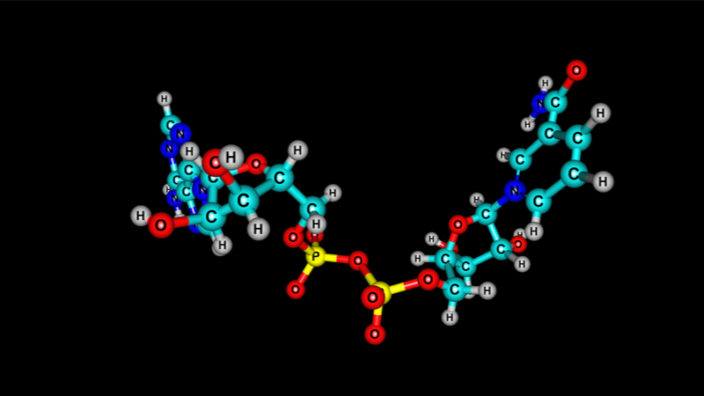
Literature

[1] Cheng, Y., Pitoniak, A., Wang, J., & Bohmann, D. (2021). Preserving transcriptional stress responses as an anti‐aging strategy. Aging Cell, e13297.

[2] Karnaukhov, A. V., Karnaukhova, E. V., Sergievich, L. A., Karnaukhova, N. A., Bogdanenko, E. V., Manokhina, I. A., & Karnaukhov, V. N. (2017). The information theory of aging: The major factors that determine lifespan. Biophysics, 62(5), 829-835.

[3] Rahman, M. M., Sykiotis, G. P., Nishimura, M., Bodmer, R., & Bohmann, D. (2013). Declining signal dependence of Nrf2‐MafS‐regulated gene expression correlates with aging phenotypes. Aging cell, 12(4), 554-562.

[4] Safdar, A., deBeer, J., & Tarnopolsky, M. A. (2010). Dysfunctional Nrf2–Keap1 redox signaling in skeletal muscle of the sedentary old. Free Radical Biology and Medicine, 49(10), 1487-1493.

Glucosamine May Be a Caloric Restriction Mimetic

Glucosamine is a polysaccharide that naturally occurs in cartilaginous joint tissues and is involved in protein and lipid synthesis. Glucosamine is also present in other tissues, such as skin, nails, bones, and ligaments. Synovial fluid contains glucosamine and occupies the space between joints, helping to reduce the friction of joint surfaces. Glucosamine is commonly taken as a supplement to help with the joint pain and inflammation associated with aging.

What does not kill us makes us stronger

The study we want to spotlight today shows how glucosamine produces a caloric restriction-like effect in rats. The researchers treated young rats and accelerated aging rats with regular doses of glucosamine, then they examined a number of aging biomarkers.

There was a significant rise in reactive oxygen species (ROS) in both young and accelerated aging rats. ROS are reactive molecules and free radicals derived from oxygen, and while they do have some beneficial uses, such as being used by immune cells as a component of the killing response to combat microbial invasion, they are also very harmful to cells. Free radicals each possess an unpaired electron, making them highly reactive and thus able to damage all macromolecules, including lipids, proteins and nucleic acids.

ROS is produced as a byproduct during the mitochondrial electron transport of aerobic respiration or by oxidoreductase enzymes and metal catalyzed oxidation. Mitochondria also produce increasing amounts of potentially harmful ROS as they become increasingly dysfunctional, and mitochondrial dysfunction is a hallmark of aging.

It was originally thought that only phagocytic cells, which protect the body by ingesting harmful foreign particles, bacteria, and dead or dying cells, such as macrophages and neutrophils, produced ROS. This was shown to be incorrect, and more recent research shows that ROS has a role in cellular signaling, serving as both an intra- and intercellular messenger and influencing gene expression, apoptosis, and the activation of cellular signaling cascades.

The researchers suggest that glucosamine spurs a transient increase in ROS, which, in turn, triggers a protective mitohormetic response. Mitohormesis describes a process in which low levels of mitochondrial ROS act as signaling molecules to trigger a cascade of cellular events that protect the cells from harmful effects. Essentially, the small amount of stress caused by the ROS encourages the cell to raise its shields.

They believe that this response produces an effect similar to the stress response observed in caloric restriction, and multiple biomarkers showed that this is the case. The old saying “What does not kill us makes us stronger” appears to apply here.

Aging is strongly correlated with several non-communicable disorders such as diabetes, obesity, cardiovascular disease, and neurodegenerative conditions. Glucosamine (2-amino-2-deoxy-D-glucose, GlcN) is a naturally occurring amino sugar and is reported to act as a caloric restriction mimetic (CRM). In young and D-galactose-induced accelerated rat aging models, we tested a persistent oral dietary dose of GlcN and evaluated various aging biomarkers in erythrocytes and plasma. A significant increase in the reactive oxygen species (ROS) was observed in GlcN treated young and accelerated senescent rat model. Increased value of Ferric Reducing Antioxidant Potential (FRAP), Superoxide Dismutase (SOD), Catalase (CAT), and Plasma membrane reduced system (PMRS) was observed. We suggest that GlcN induces a mitohormetic impact by a transient increase in ROS. Our findings indicate that GlcN may be a successful CRM.

Conclusion

It should be noted that these results are in rats, but the idea that similar effects may occur in humans taking glucosamine is not beyond the realm of possibility. Caloric restriction increases lifespan in multiple species, so finding a way to emulate this effect without the need to engage in caloric restriction could have the potential to help people with metabolic conditions, such as diabetes and obesity.

It appears to be the case that glucosamine significantly reduces all-cause mortality in humans, according to not one but two large-scale studies conducted last year. Glucosamine is cheap, readily available, and has compelling health and safety data behind it, and it would be a dietary supplement worth considering for a science-based personal longevity strategy.

We would like to ask you a small favor. We are a non-profit foundation, and unlike some other organizations, we have no shareholders and no products to sell you. All our news and educational content is free for everyone to read, but it does mean that we rely on the help of people like you. Every contribution, no matter if it’s big or small, supports independent journalism and sustains our future.

Missing pieces of the brain

Senolytics Alleviate Age‐Related Cognitive Decline

A new study by a team of researchers, including Dr. Kirkland of Mayo Clinic, shows the effect of whole-body senolytic treatment on the health and function of the brain.

This follows up on previous Mayo Clinic research led by Dr. James Kirkland. That experiment treated mice with a combination of the cancer drug dasatinib and the dietary supplement quercetin, and the results suggested that this combination has a senolytic effect, meaning that it can destroy senescent cells.

To test if senolytics would have any influence on age-related cognitive decline, the researchers opted to work with INK-ATTAC mice, which are specially engineered to destroy populations of senescent cells (specifically p16Ink4a‐positive senescent cells) upon exposure to the drug AP20187. Having this chemical trigger to kill senescent cells allows researchers to reliably observe what happens when populations of senescent cells are destroyed.

Upon examining the hippocampi of young and old mice, they discovered there was an age-dependent increase in the numbers of p16Ink4a-expressing senescent cells, and microglia and oligodendrocyte progenitor cells were shown to have the highest p16Ink4a activity.

The researchers then treated the mice with either AP20187 or a combination of dasatinib and quercetin. They discovered that both forms of treatment decreased p16Ink4a-expressing microglial cells, resulting in reduced microglial activation and a reduction of the SASP, the cocktail of inflammatory signals secreted by senescent cells.

In addition, both treatments improved cognitive function in the aged mice.

Cellular senescence is characterized by an irreversible cell cycle arrest and a pro‐inflammatory senescence‐associated secretory phenotype (SASP), which is a major contributor to aging and age‐related diseases. Clearance of senescent cells has been shown to improve brain function in mouse models of neurodegenerative diseases. However, it is still unknown whether senescent cell clearance alleviates cognitive dysfunction during the aging process. To investigate this, we first conducted single‐nuclei and single‐cell RNA‐seq in the hippocampus from young and aged mice. We observed an age‐dependent increase in p16Ink4a senescent cells, which was more pronounced in microglia and oligodendrocyte progenitor cells and characterized by a SASP. We then aged INK‐ATTAC mice, in which p16Ink4a‐positive senescent cells can be genetically eliminated upon treatment with the drug AP20187 and treated them either with AP20187 or with the senolytic cocktail Dasatinib and Quercetin. We observed that both strategies resulted in a decrease in p16Ink4a exclusively in the microglial population, resulting in reduced microglial activation and reduced expression of SASP factors. Importantly, both approaches significantly improved cognitive function in aged mice. Our data provide proof‐of‐concept for senolytic interventions’ being a potential therapeutic avenue for alleviating age‐associated cognitive impairment.

Conclusion

These findings suggest that an effective senolytic treatment could improve brain health and reduce age-related cognitive decline. While this research was in mice, there are multiple senolytic drugs poised to enter human trials this year. Given that senescent cell accumulation is a likely reason why humans, mice and most other species age, there is reason to be optimistic that the benefits of removing these harmful cells may well translate to humans too.

2021 is primed to be an exciting year in aging research, especially given the number of therapies entering the clinic. We discuss some of the companies that we are watching closely this year here.

We would like to ask you a small favor. We are a non-profit foundation, and unlike some other organizations, we have no shareholders and no products to sell you. All our news and educational content is free for everyone to read, but it does mean that we rely on the help of people like you. Every contribution, no matter if it’s big or small, supports independent journalism and sustains our future.