The Blog

Building a Future Free of Age-Related Disease

The pro-aging trance stops people seeing aging as a problem.

Emerging From the Pro-Aging Trance

Has the tide turned for rejuvenation biotechnology?

It seems that opposition against medicine that seeks to slow, halt, or reverse aging may be slowly starting to crumble. For example, lifespan.io’s current crowdfunding campaign is going extremely well, and journalists begin to talk about senolytics in more positive terms, without any predictions of doom and gloom resulting from these upcoming drugs.

However, make no mistake—the pro-aging trance is still alive and well; for every journalist who puts time and effort into actually understanding senolytics and the health benefits that they could potentially bring to older people, there’s probably five others who show little to no knowledge of the subject and rage against unspecified “immortality” technology and related impending catastrophes. This should tell us something about the kind of understanding they have of what they criticize—or how badly they need a clickbait piece to bring in visitors.

Today, the pro-aging trance is something that only rejuvenation advocates are aware of and battle against, but maybe, fifty years from now, it will be an interesting phenomenon of the past for psychologists to figure out. Maybe, on the YouTube of 2068, there will be videos making fun of it in pretty much the same way that some people today make fun of the old belief that hysteria was caused by stray uteruses wandering around women’s bodies.

The pro-aging trance is rather interesting indeed, as people who are subject to it tend to commit fallacies that they would never commit in other contexts. A very good example of this is the objection to inequality of access: this reasoning assumes that rejuvenation would not be available to everyone who needs it, for economical, political, or whatever reasons; understandably, this is perceived as a profound injustice, which pushes a fair number of people to make a leap and conclude that the best way to avoid this injustice is to never develop rejuvenation to begin with.

What if rejuvenation technology was plumbing, would people feel the same?

It’s hard to believe that they would still reason this way if “rejuvenation” were replaced by something else. Suppose I lost my mind and said, “Plumbing is not available everywhere in the world, and that’s unjust! They should never have invented it in the first place, and we should take it away from those who already have it to put an end to this injustice!” Arguably, every sensible person would mentally eye-roll at me and then patiently explain that if plumbing had never been invented, or if we took it away from people who already have it, nobody would benefit from this; we would all be more equal in that no one would have the benefits of running, clean water in their homes, but you can’t quench thirst or shower with equality.

Obviously, the best option here is to do all it takes to bring plumbing wherever it is needed; it’s very regrettable that, to this day, there still are people who don’t have plumbing, but that only means that we need to increase our efforts to get it to them, not take it away from others.

The example becomes even more effective if we replace rejuvenation with human rights. Not all fundamental rights are respected, or even recognized, everywhere in the world, in spite of the Universal Declaration of Human Rights and the work of the UN, UNICEF, and so on. Even slavery, though theoretically abolished in all recognized countries, is still a thing. Who in their right mind would ever argue that human rights should be taken away from people who have them, or should never have been thought up in the first place, for the sake of equality? “Equal” is not the same as “just” or “desirable”, and being equally in trouble is a rather cold comfort.

Some arguments are more equal than others

The fact that inequality of access can appear to be a reasonable objection in the case of rejuvenation but not for other topics suggests there might be something special about our perception of aging that causes this difference. What it actually is is anyone’s guess, but one could speculate that this might be a manifestation of our deep, inborn desire to live, which flies right into the face of the common narrative about the supposed horrors and undesirability of eternal life.

We want to exist. We all popped into existence, in a sense out of nowhere, into a world full of marvels and pleasures as well as dangers and sorrow, but the former induce in us a desire to stay that, in most cases, is far stronger than the desire to leave that might be caused by the latter. Yet, at some point, all of us had to come to terms with the fact we can’t stay here forever. We will have to give up on everything and everyone we’ve come to know and love, our memories, our passions, and ourselves. Realizing that your own life is finite is terrible, especially if it happens during your childhood, when you’re likely to be very enthusiastic about everything in your life.

This seems unjust enough as it is, and it would hardly feel better if you were one of only some people who’re doomed to oblivion. We can get over, and even used to, really unjust things, but could we ever get over the fact that other people could go on living, maybe forever, but not ourselves? If, as some people fear, rejuvenation were really to become a privilege accorded only to people with a certain socioeconomic status, and you were left out, you would probably experience a crushing, absolutely understandable resentment for people who, unlike you, are entitled to keep existing; the thought of your own mortality would become more imposing and difficult to bear.

Fear of missing out underpins the pro-aging trance

It may be that some people are so afraid to end up in that situation that they’d rather have rejuvenation never come to pass—even if it means giving up on whatever chance they’d have to benefit from it themselves. Maybe, in this particular case, being equally in trouble might be preferable to finding yourself in a position where your deepest desire is achievable in principle but not in practice. After all, as long as rejuvenation doesn’t exist, it’s easy to tell yourself that you don’t want it, because the object of your temptation simply isn’t there; if it was there, it would arguably be much more difficult to cope with your inability to get it.

It’s possible that this is why the pro-aging trance pushes so many people to abandon rationality entirely and indulge in all sorts of fallacies, double standards, and mental gymnastics that, in a different context, they would find extremely embarrassing; in a way, it’s there to protect us from our own desires. It’s a refined defense mechanism that we put in place to protect us from terrifying thoughts about something that, thus far, has been absolutely inevitable. The only defense against a slow but relentless and invincible enemy is accepting the unacceptable and justifying that which is unjustifiable. The only way to do that is to relinquish rationality.

That is what the pro-aging trance is today; but, hopefully, sometime soon, it will just be an intriguing piece of defunct human psychology.

Rejuvenation Roundup image

Rejuvenation Roundup December 2020

Happy holidays from the Lifespan Extension Advocacy Foundation! While 2020 has been a trying year in many respects, rejuvenation research has continued throughout, and we are pleased to announce that we have plenty to discuss before we part for the holiday season.

LEAF News

We would like to remind you once again that on January 26-28, 2021, the third annual Longevity Therapeutics Summit will commence! This fully online event will feature more than a hundred leaders in the longevity industry, including researchers and biotech executives, and will discuss ways to target, reverse, and delay the onset of age-related diseases.

Lifespan News

Oxygen Therapy and Telomeres: The hyperbaric oxygen study, a longevity-focused school for doctors, inflammation and its effects on NAD+, aged blood and old brains, and the Longevity Dialogues featuring Dr. Aubrey de Grey.

Osteoporosis and Alpha-Ketoglutarate: Elevian’s $15 million equity financing, osteoporosis and AKG, a new scaffold for liver regeneration, a gene that protects against the negative effects of obesity, and healthy longevity for all.

Reversing Cellular Age in Mice Restores Vision: The restoration of vision through reversing cellular age, a drug that reverses cognitive decline within days, a gene that links diet and longevity, kidney progenitor cells in urine, and the relationship of epigenetics to Alzheimer’s disease.

Interviews

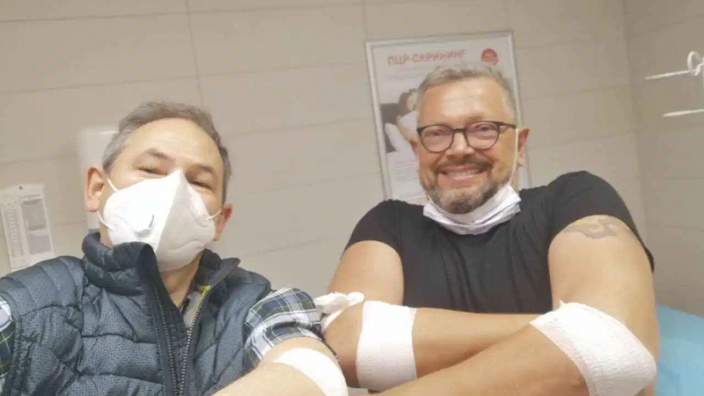
Biohackers Perform First Plasma Dilution Experiment on Humans: Alexander Fedintsev conducted this plasma dilution experiment, which was similar to the Conboys’ mouse research, on a pair of biohackers in Russia. We interviewed all three of these men about the nature of the experiment and why they underwent it.

EARD2020

This month, we are releasing a video from Ending Age-Related Diseases 2020 on every weekday! Subscribe to our YouTube channel to see even more videos from our annual conference.

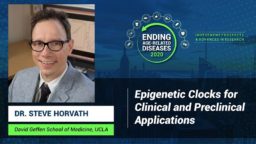
Steve Horvath on Epigenetic Clocks: Dr. Horvath discussed the GrimAge epigenetic clock and how it can predict death. Such a clock can be used to evaluate the effectiveness of rejuvenation biotechnology therapies, providing useful clinical endpoints that don’t involve waiting for people to age and die.

Polina Mamoshina on Deep Biomarkers: Deep learning, an advancement over older algorithms of artificial intelligence, has allowed for the useful collection of various data. It allows slightly inaccurate biomarkers to be combined for greater effectiveness.

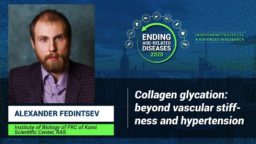
Alexander Fedintsev on Cross-Linked Collagen: Dr. Fedintsev provides evidence showing that the stiffened extracellular matrix leads to stem cell depletion, cellular senescence, and the failure of neurons to form synapses. Reversing this process could reverse some aspects of aging.

Gabriela Bunu on Longevity Genes: SynergyAge is a database designed to calculate which genes are responsible for longevity, and which genes have been associated with a lack of longevity, in several distinct organisms, including mice.

Judith Campisi on Senescent Cells: Prof. Campisi discussed the effects of senescent cells, including the senescence-associated secretory phenotype (SASP) along with senolytics, the drugs that remove these aged cells.

Alexey Moskalev on Drosophila Genetics: Drosophila is a common subject for aging research, as it is a short-lived insect that shares many of the same aging-related genetic pathways as larger animals, and the genetic effects of certain interventions can be mapped in detail.

Jonathan Clark on Cross-Linked Collagen: This presentation was on the effects of cross-linked collagen on the elastic deformation of our tendons, which connect muscles and bones. The information presented here may be surprising.

Eric Leire on Genflow Biosciences: Genflow is intervening directly in the biology of aging, affecting SIRT6, which, like other sirtuins, is a known regulator of aging. The company intends to develop its SIRT6 plasmid as an epigenomic therapy that will affect downstream hallmarks of aging

Kris Verburgh on Multiple Approaches: Both high-technology and low-technology approaches have their uses in fighting aging, and Dr. Verburgh suggests that we ought to use what we have available right now.

Tyler Gelato on Decentralized Development: Dr. Golato advertises Molecule as a method of fostering collaboration between early developers and pharmaceutical companies in order to bridge the gap between research and business.

Thomas Weldon on Reversing Epigenetic Age: Ponce de Leon Health intends to substantially increase human healthspan by using compounds that are generally recognized as safe (GRAS) as a polytherapy.

Gordan Lauc on Glycans: Dr. Lauc expresses the idea that, as we age, our glycoproteome becomes destabilized and that glycans can be used to return this neglected aspect of aging to a more youthful state.

Michael Geer on Increasing Healthspan: His company, Humanity, intends to allow people to monitor their rates of aging, as doing so can encourage the development of therapies and technologies that prevent age-related diseases.

Paul Spiegel Goes Beyond Retirement: As Mr. Spiegel explains, we may need a new social contract in which radical life extension is given freely in order to remove the problems and expenses posed by pensions and retirement funds and to allow citizens to live happier, consistently productive, and much longer lives.

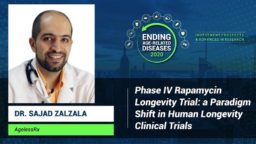
Sajad Zalzala on a Human Rapamycin Trial: PEARL is a human trial of rapamycin that uses the participation of ordinary people in order to get a large sample size without the expense of a traditional clinical trial.

Science to Save the World

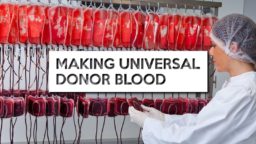
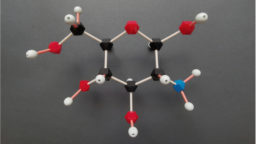
Blood Transformation: We discuss the various blood types and showcase a new approach to transforming type A positive blood into valuable type O negative blood that can be given to anyone, revolutionizing the blood donation system.

Rejuvenation Roundup Podcast

Ryan O’Shea of Future Grind hosts this month’s podcast, showcasing the events and research discussed here.

Helpful Information

Neurological Aging and the Lifespan Limit: Nina Khera returns with information suggesting that our lifespans may be intrinsically limited if we can’t do something about ordinary neurological aging.

Research Roundup

CRISPR Successfully Deployed Against Two Cancer Types: Scientists have successfully tested a new nanoparticle-based delivery system for CRISPR kits, achieving drastic improvements in mouse models of glioblastoma and ovarian cancer.

A Key Gene Links Diet and Longevity: A key gene mediating the effect of dietary restriction on longevity has been identified, improving our understanding of the link between the two and raising the prospect of more targeted therapeutic interventions.

A New Biomaterial for Thymic Cells: This new biomaterial, which encourages the growth and development of cells specific to the thymus, makes it more feasible to regenerate the human thymus in its entirety.

Reversing Cellular Age in Mice Restores Vision: Researchers at the Sinclair Lab at Harvard Medical School have restored lost vision to old mice, and mice with damaged retinal nerves, using partial cellular reprogramming.

Study Links Glucosamine and Chondroitin to Reduced Mortality: Glucosamine and chondroitin are commonly bundled together as a dietary supplement. This study suggests that taking it may reduce all-cause mortality.

Reviewing CD38, a Regulator of NAD+: This review focuses on one of the primary culprits of NAD+ decline: the enzyme CD38, which actively consumes NAD+ in ever-increasing amounts as we get older.

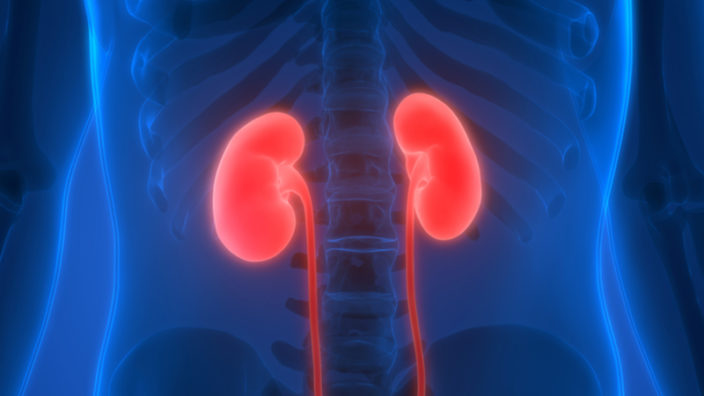
Kidney Progenitor Cells Derived from Urine: This study, published in Scientific Reports, has characterized human urine-derived renal stem cells, a potential non-invasive source for kidney tissue engineering and regenerative medicine.

Aging Brain Function Partially Restored With Small Molecule: Researchers from the University of California, San Francisco have discovered that a small molecule partially restores the cognitive abilities of mice suffering from age-related memory decline.

Gene Therapy Trial Successfully Improves Vision: Researchers have successfully treated 37 participants suffering from Leber hereditary optic neuropathy (LHON). The results of this phase 3 clinical trial are a very important milestone in gene therapy, particularly the treatment of mitochondrial diseases.

New Aging Clock May Be Most Accurate to Date: DeepMAge, a DNA methylation aging clock developed using deep learning, has recently been created by the Hong Kong-based company Deep Longevity.

New Discovery in How Stem Cells Protect Telomeres: Scientists have discovered a new telomere-protecting mechanism in embryonic stem cells. This discovery can bring us closer to solving the notorious problem of telomere attrition and to understanding the immortality of cancer cells.

Decellularized, Functional Thymus Regeneration in Mice: Recent research published in Nature Communications has regenerated a functional thymus in mice, making several other discoveries along the way.

MYSM1 Prolongs Lifespan by Regulating DNA Repair: New research has shown that a DNA repair gene modulates lifespan in mice. This may serve as a therapeutic avenue or at least open the way towards dissecting the links between DNA damage and senescence.

Stem Cell Growth Factors Treat Alzheimer’s in Aged Mice: Two stem cell-activating growth factors have shown promise in treating Alzheimer’s, as they are effective in older mice.

Inhibition of prostaglandin-degrading enzyme rejuvenates aged muscle: Inhibition of 15-PGDH, by targeted genetic knockdown or a small molecule inhibitor, increases aged muscle mass, strength, and exercise performance.

Autologous adipose mesenchymal stem cell administration in arteriosclerosis and potential for anti-aging application: This treatment significantly improved HDL, LDL, and remnant-like particle (RLP) cholesterol levels, with no adverse effects or toxicity.

Autophagy in T cells from aged donors is maintained by spermidine and correlates with function and vaccine responses: Autophagy, a critical function for immune and overall health, occurs in healthy humans when an antigen, such as a vaccine, is applied. Spermidine may aid older people in this response.

The melatonin metabolite N1-acetyl-5-methoxykynuramine facilitates long-term object memory: Overall, these results support this compound as a potential therapeutic agent to improve or prevent memory decline.

Carnitine promotes recovery from oxidative stress and extends lifespan in C. elegans: This study suggests an important role of L-carnitine in oxidative stress recovery that might be important for healthy aging in humans.

Resveratrol confers neuroprotection against high-fat diet in a mouse model of Alzheimer’s disease: This study suggests that resveratrol can correct the harmful effects of HFD in the brain and may be a potential therapeutic agent against obesity-related disorders and AD pathology.

The Gut Microbiome, Aging, and Longevity: A Systematic Review: The researchers integrated findings of microbial composition and downstream functional pathways and metabolites, offering possible explanations regarding age-related processes.

Stem Cell-Derived Exosomes as Therapeutic Approach for Neurodegenerative Disorders: This review aims to revisit biogenesis and the content of exosomes, showing ways in which such approaches might be used to treat debilitating brain diseases.

Genetic Factors of Alzheimer’s Disease Modulate How Diet is Associated with Long-Term Cognitive Trajectories: These researchers have found that adding cheese and red wine to the diet daily, and lamb on a weekly basis, may improve long-term cognitive outcomes.

Coffee Extends Yeast Chronological Lifespan through Antioxidant Properties: Coffee infusions significantly extend the lifespan of Saccharomyces cerevisiae yeast cells by protecting cells against reactive oxygen species.

News Nuggets

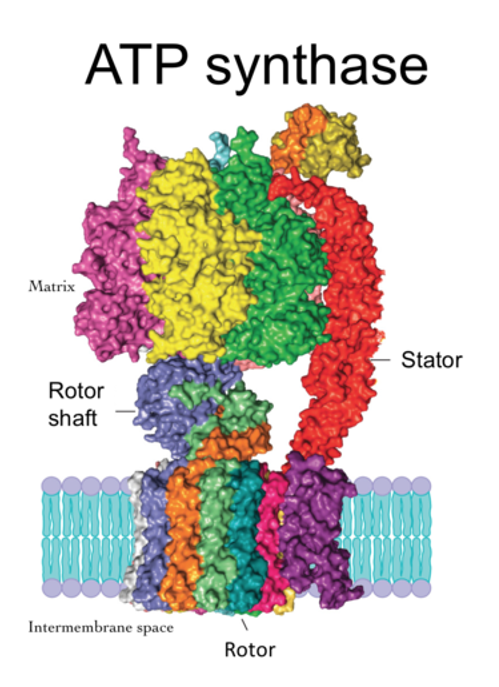
AI Cracks the Protein Folding Problem: Alphabet’s subsidiary DeepMind has all but solved the problem of predicting a protein’s shape from its amino acid sequence. DeepMind’s program AlphaFold reached close to 90% average accuracy, which is comparable to experimental structural analysis.

NOVOS Plans to Launch a Nutraceutical for Aging: NOVOS is a nutraceutical company that is focused on developing science-based nutraceuticals to slow down aging and will offer tests to track people’s aging processes and get a better picture of their health.

We would like to ask you a small favor. We are a non-profit foundation, and unlike some other organizations, we have no shareholders and no products to sell you. All our news and educational content is free for everyone to read, but it does mean that we rely on the help of people like you. Every contribution, no matter if it’s big or small, supports independent journalism and sustains our future.
Mouse brain maze

Stem Cell Growth Factors Treat Alzheimer’s in Aged Mice

A new article published in Aging and Disease has taken a look at what two stem cell-activating growth factors can do in aged mice with Alzheimer’s-like pathology.

Alzheimer’s disease (AD) is perhaps the most age-related of all age-related diseases. Perhaps not coincidentally, it has also been the most stubborn disease to develop treatments for. One possible reason for this is the failure to take aging into account during the preclinical testing stage. Mice do not develop AD pathology naturally, and so the best mouse models of the disease are genetically modified to do so. However, they develop these pathologies much sooner in their relative lifespans than humans do. For example, one of the most commonly used models, the APP/PS1 transgenic mouse, is typically used for treatment testing at around 9-12 months of age, even though mice typically live for 24-32 months.

Fortunately, researchers are coming around to this reality. Even though they had already completed a similar study in 9-month-old mice, researchers at SUNY Upstate Medical University in Syracuse repeated their experiments with 25-month-old APP/PS1 mice [1]. Additionally, their treatment targeted several hallmarks of aging: loss of proteostasis, inflammation, and stem cell exhaustion. Granulocyte colony-stimulating factor (GCSF) and stem cell factor (SCF) are well known for their ability to activate and mobilize stem cells in the bone marrow. These drugs can be thought of as an alternative to cell therapy in which, instead of transplanting donor cells into the blood stream, a patient’s endogenous cells are called into action. GCSF and SCF have also been shown to increase phagocytosis in microglia, thereby reducing misfolded proteins such as β-amyloid.

GCSF and SCF alleviate neurodegeneration even in old mice

The researchers dosed the mice with their GCSF and SCF drug combination for 12 consecutive days and then looked at the effect of the treatment 6 weeks later, investigating many potential contributors to the disease. Extracellular β-amyloid deposits were reduced dramatically compared to the placebo group, with about half as much in the hippocampus and even less in the cortex regions of the brain. Inside the cells, the number of tau tangles remained constant between groups, but the size of those tangles were reduced with GCSF and SCF treatment. In addition to these misfolded proteins, a loss of neural connections is key to the pathological progression of AD. Mice who received the treatment showed a greater number of neural connections. Reduced blood flow to the brain has also been proposed as a potential driver of AD. In this regard, the treatment was found to increase the number of cerebral blood vessels when compared to placebo.

The researchers hypothesized that these results were primarily attributable to the drug combination’s effects on microglial cells. Microglia have previously been shown to phagocytize β-amyloid and reduce its impact on neurodegeneration. However, one concern of this strategy is that chronically activated microglia increase inflammation, another potential driver of AD and other age-related diseases. In-depth observation of the microglia in this study revealed an overall higher population of resting cells (as measured by the marker P2RY12) in the treatment group. However, the opposite was true near β-amyloid plaques, and these microglia were shown to be actively participating in β-amyloid clearance. In combination, these results help explain why β-amyloid was reduced despite the overall reduction in microglia activation. Additionally, the pro-inflammatory marker NOS was decreased and the anti-inflammatory marker IL-4 was increased in the aged mice treated with GCSF and CSF, suggesting that the treatment also had a positive effect on inflammation.

In total, the present study provides the evidence that SCF+G-CSF treatment increases Aβ clearance, promotes recovery of homeostatic microglia, decreases inflammation, reduces aggregated tau, and restricts the loss of dendrites and synapses in the brains of aged male APP/PS1 transgenic mice. SCF+G-CSF-enhanced DAM accumulation surrounding the Aβ plaques for removing pathological Aβ, together with the SCF+G-CSF-enhanced recovery of homeostatic microglia distant from the Aβ plaques for maintaining dendrites and synapses are the unique modulation processes to restrict AD pathology and promote brain repair in the context of AD.

Conclusion

It is encouraging to see a study like this carried out. Researchers are highly incentivized to use younger animals in their experiments due to the increased cost of housing the animals for longer periods of time and intense pressure to publish their results as quickly as possible. Even more encouraging are the positive improvements seen in this treatment arm across various age-related and disease-specific pathways. Of course, mouse studies should always be interpreted with caution, especially for a disease like Alzheimer’s, which has proven so difficult to translate into humans.

Several other questions remain regarding these results. These drugs are well known to activate and mobilize hematopoietic stem cells, but what role they played in this study was not investigated. Additionally, outcomes were only assessed in post-mortem tissue. Given the results, it seems likely that functional behavioral improvements would have been seen as well, but it cannot be claimed with certainty without this data. Finally, as the authors note themselves, it is not clear how much of the improvements seen were due to Alzheimer’s-specific recoveries (i.e. reduced β-amyloid) versus age-related recoveries (i.e. reduced inflammation) because a non-Alzheimer’s control was not included for the treatment group.

We would like to ask you a small favor. We are a non-profit foundation, and unlike some other organizations, we have no shareholders and no products to sell you. All our news and educational content is free for everyone to read, but it does mean that we rely on the help of people like you. Every contribution, no matter if it’s big or small, supports independent journalism and sustains our future.

Literature

[1] Guo, X., Liu, Y., Morgan, D., Zhao, L. (2020). Reparative Effects of Stem Cell Factor and Granulocyte Colony-Stimulating Factor in Aged APP/PS1 Mice. Aging and Disease, 11(6), 1423-1443. https://dx.doi.org/10.14336/AD.2020.0201

Biohackers after blood transfer

Biohackers Perform First Plasma Dilution Experiment on Humans

We interviewed a group of Russian biohackers who performed a plasma dilution experiment on themselves. This experiment, the first of its kind, was based on previous mouse studies by Drs. Irina and Michael Conboy.

Some molecules, while essential for various body functions, can be harmful when overproduced. Inflammatory cytokines, such as transforming growth factor beta 1 (TGF-ß1), interleukin 6 (IL6), and tumor necrosis factor alpha (TNFa) are good examples. The concentration of these cytokines in our blood rises with age, provoking inflammaging, the chronic inflammation that is associated with aging. It has been long speculated that reducing the harmful molecules in circulation can attenuate aging.

Back in 2005, Drs. Irina and Michael Conboy created a furor with their research on parabiosis, which links two vascular systems together. The Conboys connected the vascular systems of young and old mice and showed that as a result of the blood exchange, old mice became younger and vice versa [1]. This discovery spurred a flurry of research activity; for instance, earlier this year, we reported on some highly promising results of adding a cocktail of young blood factors to the bloodstreams of aging mice. However, the Conboys have always maintained that it is what we take out of the bloodstream that matters more. A few months ago, they showed that mere dilution of blood plasma with saline can produce a considerable rejuvenating effect (read our June interview with them). Later, in November, they published another paper that demonstrated restoration of cognitive functions following plasma dilution.

However, all this research has been done on mice, which led a small group of Russian biohackers to take matters in their own hands. Biohacking is a form of citizen science: do-it-yourself biology experiments. For biohackers focused on longevity, this includes performing experimental treatments (often on themselves) or repurposing existing treatments to improve health and, hopefully, wind back biological age.

The group’s scientific advisor, Alexander Fedintsev (read our interview with him) devised a protocol for plasma dilution in humans and a panel of biomarkers to watch. Then, following some logistical wizardry, the procedure was performed on two volunteers. Though not a scientific study per se, this experiment produced interesting, overall positive, results that can potentially influence and guide further research. Our interviewees think that biohacking, when done right, may become an important factor in the longevity field.

Alexander Fedintsev (scientific advisor)

How did your group first get interested in the idea of plasma dilution? I understand that Irina Conboy’s work had a certain influence?

Not just influence. It played a central role. The Conboys’ study was published in May. It showed that simple plasma dilution can recapitulate most of the benefits of parabiosis. The original parabiosis results hinted on the existence of certain systemic factors of aging and at the possibility of its reversal. This recent study made the procedure easier and eliminated ethical controversies. The procedure is almost similar to donating blood plasma. Only the liquid fraction is drawn. It does not contain blood cells, such as erythrocytes, leukocytes, and thrombocytes – just the liquid part with signaling molecules dissolved in it. So, the Conboys drew half of the plasma from their mice and replaced it with normal saline and some albumin. Albumin is an important transport protein, and they probably thought that extracting that much albumin from the bloodstream can be harmful, so they wanted to replenish it. This simple procedure yielded some interesting results: it triggered muscle regeneration in mice, liver regeneration in older animals, and improved neurogenesis. Recently, in late November, I think, another study was published that showed some real cognitive improvement following this procedure. So, now we have some serious proof that blood contains signaling molecules that harm the organism, but there is no data on whether this procedure actually prolongs lifespan. I think there is a reason for it. It is highly unlikely that this procedure results in any meaningful life extension. I think most of the effect is on healthspan rather than on lifespan. It is still good news, since we currently have very few ways to extend healthspan.

Why did you decide to participate in this small-scale experiment on humans?

Our team has existed for some time now. It is a small community of biohackers. It seemed like a great way to quickly test this intervention, get some results fast, and tell people about it.

What was your role?

I designed the experiment, developed the biomarker panel that we used, and worked on the logistics on how to make it all happen considering our modest means. We could not just follow the Conboys’ mouse study protocol, so we found a way to adapt it to a human experiment in order to do something very close to what the Conboys did.

What kind of problems did you encounter while working on the protocol?

The first problem that made us delay the experiment for six months was the pandemic. We could have done it sooner, the experiment being so simple. The second problem was that current medical protocols for plasma dilution in humans limit the amount of plasma that can be drawn, so it had to be done in several sittings. We had to calculate how many times we needed to draw plasma so that, in total, about half of the plasma would be replaced. Then, we had to figure out how to inject albumin. The medics who drew the plasma refused to do it, so albumin had to be injected immediately after the plasma donation by a different doctor. Then, there was the development of the biomarker panel – we had to figure out what to look at and at which day since the experiment.

How did you choose the tests for the panel?

It would have been interesting to look at cognitive and muscular markers, but both our participants were too young: 50-60 years old. They probably do not have sarcopenia or cognitive decline yet, so there was no way for us to measure it. We chose different biomarkers, such as liver function – both of our participants had had some abnormalities in their liver biomarkers. We wanted to check kidney function because it declines with age. We checked the immune system, because as we age, the number of naïve T cells declines, and these are indispensable for fighting new infections. Immunosenescence is a hot topic in times of COVID. Hematopoietic cell aging is characterized by a shift towards myeloid progenitors. We looked at the ratio of neutrophils and lymphocytes, how it changed. Cholesterol is another important marker in the lipid profile of blood. We did a very comprehensive lipid profile that included a rare biomarker that many labs do not check for – oxidized low-density lipoproteins (Ox-LDL). I can say that this marker plummeted all the way down to its normal level in one participant that had it elevated prior to the procedure. We also checked for various hormones, including insulin-like growth factor (IGF), that are related to aging and lifespan, and many other markers, including biochemical ones, such as urea and uric acid, along with oxidative stress markers, such as lipid peroxidation products and glutathione. Contrary to epigenetic clocks, these markers can be clinically interpreted.

Do you plan to publish the results, maybe as a case study?

We have all the data published as a Google spreadsheet on our website so that researchers can see it. We do not plan to publish an article. First, I am convinced that soon we will have full-scale clinical trials of this method, maybe by the Conboys, and there is something in the works here in Russia as well. I do not know how valuable our data is, considering our sample size was just two people. We just wanted to see whether it was possible to arrange such an intervention in humans using the means we had at our disposal, and whether it would do any good. Now we know it actually did some good, in terms of the number of naïve T-cells, levels of oxidized LDL. The drop in Ox-LDL levels was probably due not simply to dilution but to some deeper processes, because in one participant, these levels declined, while in the other they went up from an originally low level. So, in both participants, LDL levels normalized and stayed normal for at least two weeks. Liver markers improved by a lot, and the myelocyte/lymphocyte ratio improved. There were some controversial results, such as one participant having insulin levels decline four-fold but not the other one.

Seems like we are looking at an optimization of certain parameters rather than just up- or downregulation.

Yes, the shift sometimes happened in opposite directions. It contradicts the hypothesis that all this procedure does is plasma dilution. It is important to add that we included some inflammation markers, such as C-reactive protein and IL-6. Most of these markers went down in both participants, which points to a decline in systemic inflammation. These markers are very important from the standpoint of aging.

Which results were unexpected?

For instance, cholesterol went up in one of the volunteers. We expected it to go down in both participants because of the dilution. Probably, cholesterol levels can go back to normal faster than we thought. Also, the insulin levels. We also did not quite anticipate the 40% surge in the number of naïve T cells. The ratio between naïve T-cells and memory T-cells went up too – by as much as 30%.

Do you have an explanation for it?

Not yet, and I would wait for more data before hypothesizing. We only had two participants, it could be random.

Do you plan to expand the project? Maybe recruiting new participants?

We would like to have more people tested, but we do not plan to turn it into a large study. Let other people do it. We wanted to prove that the concept can be widely available and easily organized. What we would like to see is if albumin supplementation is essential. I suspect that it is not, at least in relatively young people. This would mean that the procedure can be simplified even further.

Do you worry about biohackers trying such serious procedures?

I think no one should be denied the right to experiment on themselves if they understand the risks and know what they are doing. Most of what is now being peddled as biohacking caters to people’s ignorance. True biohacking, on the other hand, is science, but it is less regulated than official science. If the studied effect is big, the study size can be smaller. Such experiments can be a part of science as well. I think it is important for research.

Anything else you would like to tell our readers?

I would ask them not to develop high expectations of this method, despite us having some good results with the markers. It still does not mean we will achieve life extension any time soon. Even if these markers are indeed causally linked to aging, we might not be able to achieve a lingering effect. It is possible that the efficacy of the procedure declines with age. Senolytics and plasma dilution may not work in very old people. One possible reason is that there are several mechanisms of aging. In addition, maybe we accumulate aging factors not only in fluids but also in the extracellular matrix. Because of the sheer volume of the ECM, aging factors hiding there may have an even more pronounced effect than those in our blood. In our paper with Prof. Moskalev, we show the deleterious effect of the ECM on aging. If we do not address this problem, we might not be able to achieve maximal lifespan extension [2].

Yuri Khait (participant)

How did you become interested in biohacking?

I developed a deep interest in this field around 2013. Beforehand, I, like most people, clearly realized that I am going to age and die. I led a regular life, preparing myself for old age, doing some yoga. Both my granddads died from heart attacks at an early age, so I started running. I read a couple of articles about aging and transhumanism and felt a click: this is mine! This is what I need. As if a window burst open. I realized we live during the time when we can defeat aging. I decided that from now on, this was my field. I am a manager in IT, computer services, but my interest in doing business began to fade. Now, I am trying to invest as much of my time as possible in life extension.

Following your decision to start supporting longevity research, how did you choose projects to work on?

Five, six years ago, everything was new to me, and I rushed to participate in every project in this field, from shooting a movie to doing mouse studies.  First, I founded Longevity Technologies. It is an educational project that uses social networks for promoting news about rejuvenation biotechnologies, not just about biotech, but also IT, transhumanism, and futurism news. It is mostly volunteer based. We already have a lot of subscribers, but we need much more to bring a real change. If anyone out there is interested in supporting this project or in participating in it, we will be happy to cooperate.

Now, I am practicing a more rational approach, thanks to Alexander Fedintsev. He proposed to gauge any potential intervention according to how much it diminishes the risk of death. From this, you can deduce how much it prolongs life. It is the math of longevity. Alexander has several more criteria for interventions, like whether it has a chance to actually slow aging, which is needed if we want to prolong maximal lifespan. An intervention can be weak – one that extends average lifespan but does not affect maximal lifespan, which is all we have now (good healthcare, nutrition, etc.) Our goal is to find roads to a more drastic extension. We are thinking about some new experiments that can potentially extend lifespan and slow aging. We choose projects according to their promise.

How was the idea of a plasma dilution experiment born?

We follow all the developments in the longevity field. Obviously, we read about early experiments in parabiosis, we read publications by Irina and Michael Conboy. The implementation seemed pretty straightforward, and the results looked interesting. In Russia, many treatments are accessible for money. We phoned a clinic and they told us that apart from adding albumin, it is a standard medical procedure called plasma donation. So, it seemed easy.

Tell us how the experiment progressed. What stages did it include?

First, there was a preparatory stage. Fedintsev prepared a huge panel of blood biomarkers. We did these tests twice – before and after the intervention. It included most of the parameters that can be assessed by a blood test, because we had no idea what effect to look for. Next, we went hunting for places to run the experiment and for people to perform the procedures. Logistics were the most complicated part. We did the first panel in one place, the plasma donation in another place, the albumin injection in yet another place, and so on. With a bit more effort, I think it should be possible to eventually do everything in one place.

Do you think the experiment was safe? Did you have any concerns?

In hindsight, the experiment does not look dangerous. It carries the regular risks of a medical intervention involving blood fractions. It is an invasive procedure. There is some risk of individual reactions. Fortunately, we did not have any. We made sure we used albumin from a good European maker.

Were you worried about being subjected to a potentially powerful intervention?

We still do not know how powerful it is. We need more experiments, but I know that without human trials, we will get nothing. We will be treading water with all these mouse trials. Experiments on mice translate badly to people. This is why we do biohacking with ourselves as the subjects. We just do not have a lot of time.

So, the main motivation is to spur progress, since even such small trials can help formulate protocols for future experiments and spark a discussion in scientific circles, right?

Yes, absolutely, this is the case. Now people are saying: “Wow, so it was possible! Great!” Now we can move forward. I hope it will influence scientific discoveries in the longevity field.

How did it go? How did you feel?

I feel great. Since then, my wife got COVID, but I miraculously did not catch it. I do not know if it is the experiment. I and Nikolay fared well. The day of the procedure, we felt no fatigue, even later in the day when we should have been exhausted. Maybe it was the euphoria.

Do you plan to expand this project? We have a lot of people in our community eager to experiment on themselves.

We do not plan to assemble a large group. We have added this experiment to our interventions portfolio, and we will keep studying it. Let other people decide for themselves if they want to go through it. There are certain risks. But we know that in Russia, there is a study of this procedure being planned with many participants.

Did you discuss the experiment with your family and friends? How did they react? Were they supportive?

It is complicated. My wife is a medical worker. She understands the risks involved in procedures like this. So, she dissed me, and she keeps asking me to stop doing it. I did not share it with many friends, since they would not understand; it would seem strange to them. They think I am a pretty healthy person anyway, so why do it? But there was also support and interest in what we do. Life extension is my personal goal, although I want it not for me personally but for humanity as a whole. I will keep doing it, and there probably will be more experiments we will have to perform on ourselves, because somebody has to do it.

Never quit!

Never quit, exactly. Keep plowing forward. I want to stress that we know what we are doing, and we always try to minimize the risks. We do not want to sacrifice ourselves on the altar of science. Biohacking demands a sober view on what you are doing and a good understanding of it.

I think you have found a good approach – small experiments that serve as proofs of concept and attract investors’ attention.

That is exactly the point. There are many academic studies that are mired in scientific bureaucracy. If only we could find a way to circumvent it – like with COVID, which made many people realize we need to act fast. Suddenly, it was possible to break some rules and produce vaccines faster. We can do the same in the longevity field.

Anything else you would like to add for our readers?

I would like to speak from my business experience. Many people think that the main problem of longevity research is a shortage of funds. I respectfully disagree. The problem is that there is a gap between the people who have this money and the scientific community. People with money do not get enough information about where to invest, where more potential is hidden. There are not a lot of good projects around. When someone invests, there is a good chance that the money will be spent ineffectively. Then, the investor becomes disillusioned and will probably abandon this field. We do not ask for a lot of money. We try to make small steps that do not require huge investments but still hold some practical value. We think this is a good way to get results and to translate them into more large-scale studies. We do not think shortage of money is the problem. There is a lot of money in the world; it is just not allocated properly.

Nikolay Sidorov (participant)

How did you get into biotechnology and life extension?

I had led a pretty regular life by the time I stumbled into biotech in around 1996. Probably, my education played some role – I am a trained therapist, among other things. I studied biology in university. In 1996, I founded a small company that produced bioactive dairy drinks. At some point, I decided that I alone am responsible for my life. My body is my own project. My career and everything else will lose any meaning if my body fails. I realized I need to care for this casing that carries my brain, my self. First, I got into mysticism, then into religion, because they both promise eternal life. Then, I “upshifted” to pseudoscience. Various spoofs like magnetic water. Then, I began forming an opinion about the “four levels” of biohacking. First, you get lured by people who consciously fool you. Then, there is mysticism. Then there are people, scientists who believe in what they do, but what they do is not working, it is false, outdated like the amyloid theory of Alzheimer’s or resveratrol from grapes. Then, I got into biohacking. I think my main biohacking skill that I acquired during those years, by traveling from one conference to another, by educating myself, is to predict what is solid science and what is not with around an 80% success rate, to sift through people who believe in what they are doing but have false beliefs.

When you decided to support life extension, how did you choose your projects?

I have invested 5-6 million dollars into various studies of longevity treatments over the years. I had my own laboratory in Singapore that worked on polysaccharides, then I started investing in virtual online labs. Right now, we do not have a single space or full-time workers, which makes it cheaper and quicker. There are small groups of researchers doing specific tests. I have a guy in Hong Kong. We communicate and work together on the concept. Then, I have a doctor in Rostov-on-Don, I have people in Moscow State University. I might say to them: “Let us see how this or that senolytic works.” First, we receive the compound from China, we make sure this is the compound we need, then we test its safety in a mouse trial in a research institution somewhere near St. Petersburg, then we check certain biomarkers, then we take the compound, and, finally, we check the biomarkers again.  My procedures and results do not comply and do not have to comply with FDA criteria. FDA’s rules are devised so that drugs with very low efficacy could get through all the stages and be sold to the consumer. I am looking for very high effectiveness. If it is high, I do not need to go through all the stages and test on large groups of people. If it leads to more than 25% shift in the biomarkers, all other stages are solely about safety (“do no harm”). For instance, our results on senolytics were enough for me to realize that it is not a silver bullet, that it will not extend lifespan, and so we need to move on. I realized it two years ago. It took me just ten thousand dollars to understand that I do not want to further invest in it. It’s just an example. There are around seven fields of study that I am now keeping clear of thanks to the data that I have obtained. Even if I get a negative result, it tells me not to enter this or that field in the future.

Do you always test on yourself or on other people as well?

First, I test on animals, then on myself and on other volunteers, after we know the safety profile and the mechanism of action.

Why did you think this plasma dilution therapy was worth your attention?

First, it was discovered and studied long ago. I did plasmapheresis in 2002 for detox. Then the equipment had gotten better, and the Conboys appeared on the stage. Before that, people thought that there is a youth factor in the blood of the young. Then, they realized that we need to remove the old age factor rather than add a youth factor. We had read all the materials and concluded that we can combine the two techniques – the old one and the new one, plasma dilution and a specific protocol – and that we can do it to ourselves mostly risk-free. Then, there was logistics – how to do it so that we can circumvent the restrictions. The regular scenario followed: the biomarkers panel, the Conboys’ procedure adapted to humans, and the same panel afterwards. We registered large shifts in the biomarkers. It obviously demands more study, but we immediately published it out to the community of biohackers. We published the protocol so people can do what we did and so we can have a larger discussion. The procedure did us some good. For instance, inflammation markers plummeted.

Did you get any unexpected effects?

We, biohackers, are very adept in feeling our bodies. I can predict my body temperature and heart rate precisely. So, after all the three times I did the procedure, I went into a state like if I drank a few cups of coffee in the morning, only the effect from coffee lasts for several hours, and this state lingered for a couple of days each time. I liked it a lot. I felt very brisk and rested.

You are right about the procedure being widely available. Plasmapheresis is being offered now by clinics in Moscow, for instance, to pregnant women in preparation for childbirth.

There are two types of plasmapheresis – membrane and gravitational. The first one does not cut it. It removes the wrong particles, and among the particles it brings back are possible aging factors. The gravitational one removes the aging factors.

It is good to know.

We have a lot of interesting results, but the procedure only works if you replace at least 50% of the plasma. So, if you weigh 70 kilos, you need to do it at least twice, 700 ml of plasma each time, and inject around 70 mg of 20% albumin solution. Here, I just told you the whole thing.

And now for a personal angle: Did you discuss your experiments, particularly this one, with your family and friends? What was their reaction?

I cannot explain to my family and friends why I do this. To understand the whole thing, one has to put an effort into it and learn. This often does not happen. If a person does not really want to understand, I stop explaining, but some people get interested and ask for more info. Then I am all open. Some of them became part of the community, even participated in several experiments. My main criterion is: if you want to learn, to know what is being done to you during the experiment, then I will educate you. I think people today are too eager to outsource the maintenance of their bodies to doctors of all kinds.

We talked a lot about individual health benefits, but I also want to ask, what do you think about the direction in which longevity research is moving and about the potential of these therapies to extend life not just for a small circle of biohackers but for all people?

The way it is happening now is a natural distribution from biohackers to their inner circle, to friends and families, to people who are willing to understand it and to think independently. There are no secrets: if we will invent something that brings radical life extension, there is no reason to keep it to ourselves. States have ways to get those treatments out to the public. The science behind radical longevity is fairly complicated, which makes people wary about adopting it. States are good at suggesting and even imposing things that are hard for the public to understand. Take vaccines – these are state-wide projects. States are good in distributing them, in promoting them. Of course, I can take my hypothetical invention and give it to the state.

What else would you like to tell our readers?

I want to reiterate that people should be actively participating in their own health decision making. They should know what they are doing and what is being done to them and take it into their own hands. It is possible to achieve such a level of knowledge over a year to a year and a half by taking seminars and lessons. Then, you will learn to separate the wheat from the chaff and to maximize benefits from longevity science.

We would like to ask you a small favor. We are a non-profit foundation, and unlike some other organizations, we have no shareholders and no products to sell you. All our news and educational content is free for everyone to read, but it does mean that we rely on the help of people like you. Every contribution, no matter if it’s big or small, supports independent journalism and sustains our future.

Literature

[1] Conboy, I. M., Conboy, M. J., Wagers, A. J., Girma, E. R., Weissman, I. L., & Rando, T. A. (2005). Rejuvenation of aged progenitor cells by exposure to a young systemic environment. Nature, 433(7027), 760-764.

[2] Fedintsev, A., & Moskalev, A. (2020). Stochastic non-enzymatic modification of long-lived macromolecules-a missing hallmark of aging. Ageing Research Reviews, 101097.

Annual report 2019 front cover

Holiday Wishes from lifespan.io

As the holidays approach, I want to take this opportunity to sincerely thank you for being part of our community at lifespan.io and helping to bring an end to the diseases of aging. 2020 has been a difficult year, but through it all, you have helped us grow into a stronger organization than we have ever been.
On that subject, I am proud to share with you our 2019 annual report, which illustrates the various impactful initiatives that your support has powered during the five short years since our formation, such as crowdfunding over $390,000 for research projects, writing nearly 1,000 articles, and engaging over 11 million people in the mission to overcome age-related diseases.

We are just getting started, and I hope that reading this report will inspire you to stand up to the diseases of aging ever further, to get involved in our mission any way you can, and to fight for our collective future and health as a society.

One truth that this past year has opened my eyes to is that even the lines that we ourselves had drawn regarding what is and is not an age-related disease were too loosely defined. Almost everything is an age-related disease, and we have to work harder than ever to build a world that will see the benefits of overcoming them, together.

Once again, thank you so much for working with me; I am deeply honored. I hope you have a wonderful holiday and that you stay healthy and safe.

Sincerely,

Keith

Annual Report 2019 Box
You can keep up to date with LEAF activities and achievements by reading our annual report.

You can also download the lifespan.io 2019 Annual Report.

 
Novos image

NOVOS Plans to Launch a Nutraceutical for Aging

Today, we want to spotlight NOVOS, a nutraceutical company that is focused on developing science-based nutraceuticals to slow down aging and that will offer tests to track people’s aging processes and get a better picture of their health. The company is launching two new supplements: NOVOS Core and NOVOS Boost.

NOVOS claims that its nutraceuticals:

  • Are based on the best available science
  • Are created with the help of top experts in the aging field
  • Use scientifically validated ingredients that extend lifespan in various organisms
  • Are focused on nine or more aging mechanisms to leverage synergistic effects
  • Include ingredients shown to have beneficial effects on aging in humans

NOVOS is also a Public Benefit Corporation, which means its activities have to benefit the general public. NOVOS will use parts of its profits to fund fundamental aging research.

Chris Mirabile

NOVOS - CEO & Co-founder

NOVOS CEO Chris Mirabile graduated from NYU’s Stern School of Business and later won its business plan competition with his startup company, Hotlist, a location-based social network that scaled to the social plans of 220 million people. Chris has launched multiple successful technology ventures and has advised biotech startups and NYU Langone Hospital. Chris’s interest in health began when he was 12 and evolved into a passion after he was cured of a brain tumor when he was 16. Chris has researched and integrated longevity practices and interventions into his life for more than ten years.

NOVOS CSO Dr. Kris Verburgh is a medical doctor and an expert in aging and longevity, and in new developments in medicine and biotechnology. He is a researcher at the Free University of Brussels, and faculty member at Singularity University Benelux where he teaches about the future of medicine and longevity. He is a partner at a $100 million fund that invests in new technologies to address aging. He wrote his first science book when he was 16 years old, and by age 28 he had written four science books. He has given talks on health, longevity, new developments in medicine and biotechnology everywhere in the world, for organizations including the European Parliament, Cambridge University, and international companies and banks.

Kris Verburgh, M.D.

Free University of Brussels

INTERVIEW WITH NOVOS

We had the opportunity to talk with Chris and Kris about NOVOS and why they believe their product could shake up the nutraceutical industry.

This is part one of what will be a two-part interview; the next part is going to focus on the science and the chosen ingredients that go into these nutraceuticals and explore why NOVOS believes that they could have an impact on aging.

Can you tell us a little bit about yourself, Kris, and what motivated you to get into this field?

Kris: Since a young age, I have been fascinated by science. I started digging up dinosaur bones in the front yard when I was five years old, to the great dismay of my mother. But one of my greatest interests is the human body. So I studied medicine. And when you study medicine, you come to the realization that most diseases that plague our bodies are aging-related diseases, such as heart disease, osteoarthritis, Alzheimer’s, osteoporosis, cancer, and so on. In other words, if you study aging, you can much better understand how these diseases arise and how to treat and prevent them. Also, I love philosophy, so the question why our lifespans are finite and why we have to die is a very interesting one that can best be answered in the light of biology and evolution.

Same question to Chris?

Chris: Like Kris, I’ve had an interest in science from a young age. When I was 5, I wanted to be a geologist, and by 8, it had changed to physicist. When I was 12, I took up programming at the same time as weightlifting and “healthy” eating, and I had my first job at a NYC tech startup when I was 15. I immediately fell in love with the fast-paced, innovative, disruptive nature of entrepreneurship, but I had to unexpectedly pump the brakes when I was 16: I had a sudden seizure that was later found to have been caused by a brain tumor. The experience was a profound challenge that I look back on as a gift.

Although I had made a decision by then to pursue entrepreneurship rather than science, my passion for health grew deeper after my experience. Over time, I dug into my genome to try to uncover clues for what led to my brain tumor. I regularly turned to PubMed to learn more about health, biology, and substances that could improve health. Naturally, my path led me to longevity and the mechanisms of aging: the common denominator for so much that goes wrong as we age and leads to our ultimate demise.

Can you tell us a little about NOVOS?

Chris: We created NOVOS out of a frustration we both had: why are there so few good, science-based supplement companies? Our answer to that question was NOVOS, a company that develops science-based, data-driven nutraceuticals to slow down aging. It’s the first company that targets nine important mechanisms of aging, such as epigenetic dysregulation, mitochondrial dysfunction, accumulation of proteins, DNA damage, and so on. We use combinations of ingredients to target these aging mechanisms in a synergistic way. We looked into thousands of scientific papers, conferred with our scientific advisory board members who are top scientists in aging, and scoured databases to create our first foundational product, a nutraceutical that contains the best ingredients we currently have to impact aging.

Can you give us an overview of the two launch products: Core and Boost?

Chris: The foundational product is NOVOS Core: this product contains 12 ingredients to slow down aging via 9 mechanisms. It is a nutraceutical powder to mix with your drink. NOVOS Boost consists of capsules containing only one ingredient: NMN. People can add Boost to their Core regimen for added benefits. We think NMN is an interesting substance relevant to aging, but there are many more interesting substances, which is why we created the NOVOS Core nutraceutical.

There are many companies producing supplements; what makes what you are doing different?

Kris: Most “anti-aging” supplements have very little or no scientific evidence that they can extend lifespan. Also, many supplements are based on outdated ideas about aging, such as the idea that aging is mainly driven by oxidative stress and that antioxidants can fix this. Many large studies have shown that antioxidants don’t slow down aging, unfortunately. In fact, some antioxidants might even accelerate aging. So, NOVOS is different in the sense that we base ourselves on scientific insights and studies to identify the most promising substances to slow down aging.

We are also different in the sense that our nutraceutical targets multiple aging mechanisms. The very few other supplement companies that also base themselves on science often only use one or two ingredients that mainly focus on the NAD pathway, like NR – nicotinamide riboside. Aging, however, is caused by many other mechanisms than just dysregulation of the NAD pathway. So, our ingredients not only increase NAD but also improve the aging epigenome in various ways, for example, by upregulating TET enzymes. Our ingredients act also on other aging mechanisms, like protein accumulation, for example, by increasing autophagy – the digestion of proteins – and by using substances that act as chaperones, which protect proteins, or by using ingredients that induce the unfolded protein response, which forces our cells to maintain their protein metabolism more efficiently. Other ingredients improve mitochondrial functioning, for example, by increasing mitochondrial biogenesis or by improving the way mitochondria process sugars, fats and proteins. Still other ingredients stabilize the DNA, while others can reduce cross-linking.

You can look at our aging bodies as a house that starts to wear down. If you only try to fix the leaky gutter, and not the flooded basement and broken windows and crumbling walls, you are not really going to slow down the deterioration of the house. The same is true for our aging bodies: we need to impact as many aging mechanisms as possible.

Another difference with most other supplement companies is that we have a great scientific advisory board consisting of some of the world’s top scientists in the aging field.

A small but not insignificant difference relates to the dosing: we use sachets for NOVOS Core instead of capsules. Often, the doses many supplement companies provide are too low. If you want to use effective doses, you often need grams of a specific substance, which is impossible to put into a single pill.

Why take the dietary supplement path and not a pharma one?

Kris: We have the impression that many big pharma companies are not going about addressing aging in a good way. Pharmaceutical companies often study single ingredients, but to address aging, you need to use combinations of different substances to address various aging mechanisms.

Also, big pharma is not really interested in natural substances that have been shown to slow down aging because they cannot be patented: the information is already out there in the public domain. You can, of course, patent synergistic combinations, as we did for the NOVOS Core formulation, but as mentioned earlier, pharma does not like to use combinations of drugs.

Additionally, many pharma companies do not know a lot about the aging process. They often think aging is a natural process and that diseases like heart disease or Alzheimer’s are wholly unrelated. This is not actually the case: the same processes that cause aging cause all these aging-related diseases, such as cardiovascular disease, osteoarthritis, and Alzheimer’s.

This is a reason why pharma often develops drugs that treat symptoms but not the underlying causes of diseases. Antihypertensive drugs, for example, block calcium channels in the cells in blood vessel walls, so that the blood vessels dilate more, but these drugs do not address the root cause of hypertension, which is caused by crosslinking, protein accumulation, and senescent cells in the blood vessel wall, among others. These are inherent aging processes, which are additionally accelerated by an unhealthy lifestyle.

Also, a significant proportion of people prefer taking ingredients found in nature when possible rather than something invented by a pharmaceutical company. To that point, newly synthesized drugs cost hundreds of millions of dollars and often require 10 to 15 years for safety and efficacy testing.

Going the supplement route, but in a very scientific way, is a great solution to these problems.

There is a perception that the largely unregulated supplements industry is basically akin to the wild west, with people making wild “anti-aging” and other unfounded claims. How do you think NOVOS might help avoid this issue and contribute to meaningful scientific progress?

Chris: Generally speaking, many supplement companies aim to make a quick buck, or they primarily rely on market trends and profitability when determining which products to offer. Very few supplement companies refer to good science and data first and foremost. Even fewer companies are equipped with a team of respected scientists and MDs who are themselves conducting the research. NOVOS is exceptional in this regard. We’re also a Public Benefit Corporation, meaning that we set science and the public interest as a top priority. A part of our profits will be used to fund basic aging research.

On the topic of anti-aging claims, we have learned more about aging in the last 10 years than in the 1,000 years prior. Recently, studies have shown that various specific ingredients can slow down aging, while other studies have debunked old concepts about aging, like that we mainly age because of oxidative damage, an outdated idea that many supplement companies still promote with antioxidants.

So, the time is now right for NOVOS to release science-based longevity supplements. We will further test our supplement in humans by using the latest tests to measure aging, like epigenetic tests, hematological clocks, and cardiovascular tests.

Kris: We also plan to offer these tests online to our customers so that they can assess their own biological age and health. We are strong believers in “empowered patients”: people taking their health into their own hands.

We are witnessing a new revolution in medicine in the sense that wearables, insidables, invisibles, AI, and more comprehensive tests will enable people to track their health from home while using AI that will be much better and smarter than a human doctor to track their health.

We want to empower people to keep track of their health and bodies while also helping them to slow aging, the process that affects everyone, and sooner or later, we as a species will be able to considerably slow down and potentially even reverse it using both low-tech and high tech approaches. The next decades will be very exciting!

We would like to thank Chris and Kris for taking the time to talk about NOVOS with us today, and we urge you to check back with us in the new year for part two, where we will take a deep dive into the science behind NOVOS.

Disclosure: A portion of the profits and equity from NOVOS are being donated to nonprofits working in the longevity science space, which includes us here at lifespan.io.

Our Vice President, Dr. Oliver Medvedik, is also a scientific consultant, putting him in good company with Dr. Joao Pedro Magalhaes, Dr. Pamela Maher, Dr. Avi Rosenbaum, and Dr. Matt Kaeberlein, names with whom regular readers may be familiar.

DNA double Helix being repaired

MYSM1 Prolongs Lifespan by Regulating DNA Repair

New research has shown that a DNA repair gene modulates lifespan in mice [1]. This may serve as a therapeutic avenue or at least open the way towards dissecting the links between DNA damage and senescence.

MYSM1 is a gene that removes a molecular mark known as ubiquitin from histones, which are scaffolding proteins that are central to packaging DNA and organizing its three-dimensional structure. The gene is known to be active in a variety of cell types and has been linked with various processes, including skin development, antiviral signaling, and bone marrow maintenance.

One specific DNA repair pathway affected

A recent study found that MYSM1 is more strongly expressed after DNA damage and that a lack of MYSM1 decreased the lifespan of mice [2]. Now, researchers at Wuhan University in China have built on those findings to show that MYSM1 plays a key role in aging by regulating the repair of DNA damage.

By treating cultured mouse cells with DOX, a drug that induces DNA damage, the team tested the role of MYSM1. A protein associated with DNA damage stayed highly induced for longer in cells with a mutated form of MYSM1, and dosing the cells with functional MYSM1 brought the levels down. The researchers also monitored different DNA repair pathways – homologous recombination (HR) and non-homologous end joining (NHEJ) – and found that HR efficiency was affected by the presence or absence of MYSM1, while NHEJ efficiency wasn’t. Based on these findings, they concluded that MYSM1 regulates HR-mediated repair of DNA damage.

Senescence, lifespan, and age-related diseases

Since DNA damage causes cells to undergo apoptosis or senescence, the team next checked whether MYSM1 is linked with cellular senescence. They found that MYSM1 protein and mRNA levels were lower in the tissues of 22-month old mice than 2-month old mice. In addition, cells with mutated MYSM1 had significantly more of a molecular marker of senescence.

With evidence linking MYSM1 to DNA repair and senescence prevention on the cellular level, the team turned to the question of what effect it has on the whole organism. They confirmed that MYSM1 deficiency shortens the lifespan of mice, causing  a reduction in size, eye disease, cataracts, and a range of organ defects. Mice lacking MYSM1 died when they were between 5 and 13 months old, while the wild-type mice were all still alive after 15 months.

The opposite happened when MYSM1 levels were boosted. When mice that were 14 or 16 months old were injected with a MYSM1 vector for two months or six months, they remained healthier than mice that received a control treatment. The MYSM1-treated mice didn’t lose their hair, their organs were in better shape, and they didn’t develop the aged behaviors seen in the control mice. The control mice all died when they were between 22 and 26 months old, but only one of the treated mice died at 28 months of age – the rest lived until they were 30 months old, when the experiment stopped.

Aging is a universal feature of life that is a major focus of scientific research and a risk factor in many diseases. A comprehensive understanding of the cellular and molecular mechanisms of aging are critical to the prevention of the secretion of excessive proinflammatory diseases associated with the aging process. Here, it is shown that MYSM1 is a key suppressor of aging and aging-related pathologies. MYSM1 functionally represses cellular senescence and the aging process in human and mice primary cells and in mice organs. MYSM1 mechanistically attenuates the aging process by promoting DNA repair processes. Remarkably, MYSM1 deficiency facilitates the aging process and reduces lifespan, whereas MYSM1 over-expression attenuates the aging process and increases lifespan in mice. The functional role of MYSM1 is demonstrated in suppressing the aging process and prolonging lifespan. MYSM1 is a key suppressor of aging and may act as a potential agent for the prevention of aging and aging-associated diseases.

Conclusion

These findings clearly demonstrate a key role for MYSM1 in aging. By activating a DNA repair pathway, it prevents the accumulation of DNA damage and thus delays cellular senescence. How effective MYSM1 will be as a therapeutic target will depend, among other things, on what other processes it regulates, but even if it proves to be a poor target for therapies, it is nevertheless valuable as one more piece of the puzzle that is biological aging.

Literature

  1. Tian M, Huang Y, Song Y, Li W, Zhao P, Liu W, Wu K, and Wu J. MYSM1 Suppresses Cellular Senescence and the Aging Process to Prolong Lifespan. Advanced Science (2020), doi: 10.1002/advs.202001950
  2. Kroeger C, Roesler R, Wiese S, Hainzl A, and Gatzka MV. Interaction of Deubiquitinase 2A-DUB/MYSM1 with DNA Repair and Replication Factors. International Journal of Molecular Sciences (2020), doi: 10.3390/ijms21113762
rat on a petri dish

Decellularized, Functional Thymus Regeneration in Mice

Recent research published in Nature Communications has regenerated a functional thymus in mice, making several other discoveries along the way [1].

A new sub-type of thymus cell emerges

Although it is imperative to our immune health, the thymus is an under-studied organ that slowly disappears as we age. Its main function is to provide a maturation facility for T cells, which are part of the adaptive immune system.

The main cells of the thymus are generally considered to be thymic epithelial cells (TECs), which differ in whether they come from the thymic medulla (mTECs) or cortex (cTECs), along with thymic interstitial cells (TICs). Researchers from The Francis Crick Institute have recently characterized human thymus cells using RNA sequencing, which is a relatively new technique that allows for much more in-depth observation of cell behaviors. Surprisingly, the researchers identified a sub-population of both TECs and TICs that express characteristics in common with mesenchymal stromal cells (MSCs), progenitor cells that are very popular in regenerative medicine applications. However, the researchers weren’t yet finished. After their discovery, they turned to improving the biomaterial on which they planned to grow these cells.

Improving thymic decellularization

The thymus is uniquely difficult to decellularize because of its blood supply. Unlike most organs, which each have a main artery and vein, the thymus is supplied by many, smaller vessels. The researchers developed a (now patented) microsurgery technique to overcome the difficulty of perfusing the thymus with decellularization detergents. They accomplished this in rat tissue by sewing shut the various smaller vessels of the thymus. Additionally, they intentionally did not dissect some extra, non-thymic tissue, including the carotid artery, so it could serve as the entry point for perfusion. They showed success with this technique, as perfusion had reached every part of the thymus and successfully cleared it of cells.

Successful mouse thymus regeneration

Finally, the researchers brought these two findings together by perfusing the decellularized rat thymi with the human cell types that they had characterized earlier. After five to six days in culture, the thymi with a combination of TECs and TICs showed the best regeneration, which was similar to that of an embryonic thymus. Each regenerated thymus was also able to mature T cells in vitro. Finally, they transplanted these rat thymi into immunocompromised mice, which had also undergone irradiation and bone marrow transplants to give them more human-like immune systems. After transplantation, the mice were followed for slightly over five months. Most transplanted organs were functionally producing T cells by 11 weeks, and various thymic markers increased throughout the post-transplantation period.

In conclusion, we have used a multidisciplinary approach to generate an in vivo, long-lasting thymus where both the haematopoietic and stroma compartments are of human origin. Such a system opens the possibility of addressing very many immunological questions including the development and functional maturation of conventional and unconventional human T cells (e.g. Treg, NK, γδ); positive and negative selection of MHC-I and II-restricted human T cells; and the roles of additional factors in the establishment and maintenance of tolerance. Future work and further optimisation will be needed to estimate the full potential and limitations of our system in relation to each of these crucial questions. Notwithstanding, the successful completion of these steps can allow medically relevant applications such as thymus transplantation in primary immune deficiencies as athymic DiGeorge syndrome and Foxn1null (nude) babies; the control of tolerance in congenital conditions as autoimmune polyendocrinopathy-candidiasis-ectodermal dystrophy (APECED) patients, and in immunosuppression-free organ transplantations.

Conclusion

This was a particularly impressive study, both in terms of the quantity and quality of discoveries reported. The characterization of human thymic cells and the novel decellularization technique both serve to broadly benefit future thymus research beyond the scope of this study. Additionally, their results in vivo showed what might be the most advanced thymus regeneration published to date.

However, there are still several hurdles that must be overcome before a similar strategy can be implemented in humans. The thymic cells used to populate the decellularized tissue were isolated and expanded from children’s thymi that had to be removed during chest surgery, which is a limited, non-autologous source. Furthermore, rat thymi are much smaller than those of humans. While diffusion of nutrients did not appear to be a limiting factor in this study, their thymi are only 1 cubic centimeter in volume. Vascularization of the tissue will be needed in order to regenerate a thymus large enough to fully function in a human being. Finally, the thymus all but disappears with age, making the oldest among us the most in need of this technology. While there are also plenty of unmet needs for thymic regeneration among younger people, this technique relies heavily on regeneration taking place in vivo, an ability that is significantly impaired as we age.

We would like to ask you a small favor. We are a non-profit foundation, and unlike some other organizations, we have no shareholders and no products to sell you. All our news and educational content is free for everyone to read, but it does mean that we rely on the help of people like you. Every contribution, no matter if it’s big or small, supports independent journalism and sustains our future.

Literature

[1] Campinoti, S., Gjinovci, A., Ragazzini, R., Zanieri, L., Ariza-McNaughton, L., … & Bonfanti, P. (2020). Reconstitution of a functional human thymus by postnatal stromal progenitor cells and natural whole-organ scaffolds. Nature Communications, 11, 6372. https://doi.org/10.1038/s41467-020-20082-7

Chromosomes and telomere loss

New Discovery in How Stem Cells Protect Telomeres

Scientists have discovered a new telomere-protecting mechanism in embryonic stem cells. This discovery can bring us closer to solving the notorious problem of telomere attrition and to understanding the immortality of cancer cells [1].

Keeping telomeres in the loop

One function of telomeres is to prevent the ends of chromosomes from fusing with foreign molecules or with each other. A protein complex called shelterin achieves this, in part, by tying a knot called a T-loop at the end of a telomere and essentially hiding the vulnerable extremity. One subunit of shelterin responsible for forming the T-loop is TRF2. The depletion of this protein has resulted in end-to-end chromosome fusions in all cell types tested so far. However, the authors of this new study have discovered that this does not happen in mouse embryonic stem cells (ES cells). Understanding the mechanism behind this resilience might help us in our fight against aging.

TRF2 is a highly evolutionary conserved protein, and its essential nature have been confirmed across more than 700 cell lines of various types, all of them somatic. The researchers decided to see for the first time how TRF2 depletion, which usually leads to cellular and organismal death, plays out in ES cells. Upon the deletion of the TRF2-producing gene, the control group of differentiated cells (derived from the same ES cells), as expected, showed numerous chromosome end-to-end fusions, which resulted in cellular death. On the contrary, TRF2-knockout ES cells continued to proliferate.

Unprotected chromosome ends are perceived by cells as DNA breaks. This triggers the DNA damage response (DDR), a cascade of actions that try to stitch chromosomes together. DDR is lifesaving when a DNA break occurs in the middle of a chromosome, but by joining the ends of chromosomes together, it creates a mess and triggers senescence. However, TRF2-KO ES cells showed very muted DDR. To understand what prevented full-fledged DDR in the ES cells, the researchers performed transcriptional profiling of the ES cells and of the differentiated control cells.

Lengthening instead of fusing

Zscan4, a six-gene cluster, was found to be among the most-upregulated genes in TRF2-KO ES cells. Zscan4 is essential in ES cells and is known to promote telomere lengthening and genomic stability. What was previously unknown, though, is that Zscan4 apparently rescues ES cells in the absence of TRF2. By contrast, TRF2 depletion in the differentiated control cells did not result in increased expression of Zscan4, making this feature exclusive to stem cells. Artificial downregulation of Zscan4 expression in TRF2-KO ES cells resulted in telomere fusions, confirming the telomere-saving role of the gene cluster. Moreover, upregulated Zscan4 appeared to replace deadly chromosome fusing with beneficial telomere lengthening.

Finally, the researchers tested whether overexpression of Zscan4 in differentiated cells could similarly mitigate telomere dysfunction induced by TRF2 deletion, which it did by a respectable margin of 50%. It shows that the discovered mechanism, theoretically, can be used for telomere stabilization and elongation in differentiated (somatic) cells.

We propose that in ES cells that express Zscan4, TRF2-depleted telomeres are elongated rather than being processed as sites of DNA damage. Given that specific cancer cells can adapt to high levels of telomere dysfunction, it is possible that mechanisms analogous to the ones we uncovered here in ES cells might be hijacked in pathological conditions.

Conclusion

This interesting research elucidates some new aspects of telomere behavior in embryonic cells and differentiated cells. Although the authors do not suggest an immediate practical implementation for their discovery, telomere attrition is a hard-to-solve and important problem, which makes any new piece of knowledge about it extremely valuable.

We would like to ask you a small favor. We are a non-profit foundation, and unlike some other organizations, we have no shareholders and no products to sell you. All our news and educational content is free for everyone to read, but it does mean that we rely on the help of people like you. Every contribution, no matter if it’s big or small, supports independent journalism and sustains our future.

Literature

[1] Markiewicz-Potoczny, M., Lobanova, A., Loeb, A. M., Kirak, O., Olbrich, T., Ruiz, S., & Denchi, E. L. (2020). TRF2-mediated telomere protection is dispensable in pluripotent stem cells. Nature, 1-6.

clockwork suit

New Aging Clock May Be Most Accurate to Date

These days, it seems like you cannot go for a walk without tripping over another aging clock, and today is no exception. DeepMAge, a DNA methylation aging clock developed using deep learning, has recently been created by the Hong Kong-based company Deep Longevity.

There are two common ways to measure age: biological and chronological. The former is a measure of how old you are in biological terms, a measurement of damage and function, and the latter is how many candles on your birthday cake you have and the number on your driver’s license.

Obviously, for researchers investigating ways to slow or reverse the aging processes, biological age is the most important. Having accurate clocks that measure biological age can help researchers to develop drugs and therapies that address these processes, as they make it possible to predict an increase in lifespan without having to wait decades for a person to die.

In our cells, gene expression is activated by hypomethylation (a loss of methylation) or silenced by hypermethylation (an increase of methylation) at a gene location. Aging causes alterations that reduce or increase methylation at different gene locations. These changes produce methylation profiles that are fairly consistent with different age groups; in other words, the methylation profile of a young person is markedly different from that of an old person. This makes it possible to analyze the methylation profile of a person and use it to estimate how old that person is. Methylation changes are part of epigenetic alterations, one of the reasons we age.

This recent publication shows that DeepMAge has been trained to estimate human age within a 2.77-year margin of error, using 4,930 blood DNA methylation profiles to estimate biological age. The researchers claim that this is the most accurate clock for human aging currently available.

DNA methylation aging clocks have become an invaluable tool in biogerontology research since their inception in 2013. Today, a variety of machine learning approaches have been tested for the purpose of predicting human age based on molecular-level features. Among these, deep learning, or neural networks, is an especially promising approach that has been used to construct accurate clocks using blood biochemistry, transcriptomics, and microbiomics data—feats unachieved by other algorithms. In this article, we explore how deep learning performs in a DNA methylation setting and compare it to the current industry standard—the 353 CpG clock published in 2013. The aging clock we are presenting (DeepMAge) is a neural network regressor trained on 4,930 blood DNA methylation profiles from 17 studies. Its absolute median error was 2.77 years in an independent verification set of 1,293 samples from 15 studies. DeepMAge shows biological relevance by assigning a higher predicted age to people with various health-related conditions, such as ovarian cancer, irritable bowel diseases, and multiple sclerosis.

Conclusion

The more clocks we can use as reliable biomarkers of biological age, the better. There is an urgent need in the field to identify accurate biomarkers that can measure the biological age of a person and track the changes that interventions cause.

We would like to ask you a small favor. We are a non-profit foundation, and unlike some other organizations, we have no shareholders and no products to sell you. All our news and educational content is free for everyone to read, but it does mean that we rely on the help of people like you. Every contribution, no matter if it’s big or small, supports independent journalism and sustains our future.
Eye

Gene Therapy Trial Successfully Improves Vision

A team of researchers, including Dr. Patrick Yu-Wai-Man from the University of Cambridge and Dr. José-Alain Sahel from the University of Pittsburgh and Institut de la Vision, Paris, has successfully treated 37 participants suffering from Leber hereditary optic neuropathy (LHON).

A landmark trial for mitochondrial gene therapy

The results of this phase 3 clinical trial are a very important milestone in the wider use of gene therapy in medicine, particularly the treatment of mitochondrial diseases [1]. Pending further trials, the treatment could help many people around the world to regain lost vision and improve their quality of life.

LHON is the most common cause of mitochondrial-based blindness and affects a certain population of retinal cells known as retinal ganglion cells. The condition causes the optic nerves in both eyes to degenerate rapidly and can, within a matter of weeks, reduce vision to the point of legal blindness.

Prospects for LHON sufferers are bleak, with less than 20% of cases recovering from the disease, and even people who recover rarely have vision better than 20/200. The condition is typically seen in people with a mutation in the MT-ND4 mitochondrial gene known as m.11778G>A. Mutations of the MT-ND4 gene are also associated with age-related macular degeneration (AMD), mesial temporal lobe epilepsy (MTLE), and cystic fibrosis.

The team used a viral vector that was injected into a single eye of each trial participant suffering from LHON; as a control, the other eye was given a sham injection. Not only did the gene therapy treatment work, it significantly improved vision in both eyes, according to the published data. While only one eye was treated with the gene therapy, the improvement of both eyes suggests that some of the viral vector DNA payload migrated to the other eye to reach the retinal ganglion cells there.

The participants had one eye treated with viral vector rAAV2/2-ND4 containing modified complementary DNA (cDNA), a type of DNA similar to regular genomic DNA but without all the necessary noncoding regions. The treatment works by replacing the mutated MT-ND4 gene and prevents the retinal ganglion cells from being exposed to the harmful effects of the m.11778G>A mutation. The approach was originally developed by the Institut de la Vision in Paris, France and has been licensed to GenSight Biologics.

The researchers report that by week 96 of the study, 25 participants showed a significant improvement of best-corrected visual acuity in at least one eye compared to the baseline taken before treatment. 29 of the 37 participants showed an improvement of vision in both eyes. They discovered that eyes were about three times more likely to regain 20/200 vision or better following treatment.

REVERSE is a randomized, double-masked, sham-controlled, multicenter, phase 3 clinical trial that evaluated the efficacy of a single intravitreal injection of rAAV2/2-ND4 in subjects with visual loss from Leber hereditary optic neuropathy (LHON). A total of 37 subjects carrying the m.11778G>A (MT-ND4) mutation and with duration of vision loss between 6 to 12 months were treated. Each subject’s right eye was randomly assigned in a 1:1 ratio to treatment with rAAV2/2-ND4 (GS010) or sham injection. The left eye received the treatment not allocated to the right eye. Unexpectedly, sustained visual improvement was observed in both eyes over the 96-week follow-up period. At week 96, rAAV2/2-ND4–treated eyes showed a mean improvement in best-corrected visual acuity (BCVA) of −0.308 LogMAR (+15 ETDRS letters). A mean improvement of −0.259 LogMAR (+13 ETDRS letters) was observed in the sham-treated eyes. Consequently, the primary end point, defined as the difference in the change in BCVA from baseline to week 48 between the two treatment groups, was not met (P = 0.894). At week 96, 25 subjects (68%) had a clinically relevant recovery in BCVA from baseline in at least one eye, and 29 subjects (78%) had an improvement in vision in both eyes. A nonhuman primate study was conducted to investigate this bilateral improvement. Evidence of transfer of viral vector DNA from the injected eye to the anterior segment, retina, and optic nerve of the contralateral non injected eye supports a plausible mechanistic explanation for the unexpected bilateral improvement in visual function after unilateral injection.

Conclusion

This trial means that sight-saving gene therapy in humans has been demonstrated. This marks an important milestone for gene therapy, particularly mitochondrial gene therapy. The researchers report they are now refining the treatment, and a larger trial seems likely as a follow-up. Should a larger study be successful, it is likely that approval for the therapy will follow and that it will enter medical practice shortly afterwards.

The demonstration that such a treatment is safe also opens the door for treating other mitochondrial diseases using the same technology.

We would like to ask you a small favor. We are a non-profit foundation, and unlike some other organizations, we have no shareholders and no products to sell you. All our news and educational content is free for everyone to read, but it does mean that we rely on the help of people like you. Every contribution, no matter if it’s big or small, supports independent journalism and sustains our future.

Literature

[1] Yu-Wai-Man, P., Newman, N. J., Carelli, V., Biousse, V., Sadun, A. A., Moster, M. L., … & Burguière, P. (2020). Bilateral Visual Improvement with Unilateral Gene Therapy for Leber Hereditary Optic Neuropathy (LHON). Investigative Ophthalmology & Visual Science, 61(7), 5181-5181.

Aging Brain Function Partially Restored With Small Molecule

Researchers from the University of California, San Francisco have discovered that a small molecule partially restores the cognitive abilities of mice suffering from age-related memory decline [1].

A response to damage

As the researchers explain, when neurons detect that something has gone wrong, either through the presence of misfolded proteins (amyloids) or traumatic brain injury, these cells cease to produce all the proteins they need for normal functioning. This mechanism is called the integrative stress response (ISR).

Under normal circumstances, the ISR is supposed to be a transitory, short-term response to stresses. However, as neurons age, these stresses accumulate, and the ISR begins to do more harm than good, preventing these cells from making the proteins they need to function. This prevents the formation of long-term memories, a fact that was discovered as far back as 1962 [2].

Hitting the reset button

In order to disrupt the ISR and restart the protein factories in neurons, the researchers of this study had previously developed an integrated stress response inhibitor (ISRIB), a small molecule that they had successfully tested on a mouse model of traumatic brain injury [3]. One protein that is upregulated in ISR is ATF4, a protein that ISRIB quickly diminishes, allowing for the formation of other, beneficial proteins.

ISRIB administration appears to have multiple beneficial results. For example, it beneficially affects how electricity flows in neurons, it restores mRNA expression to be more like that of young mice, and it partially restores the ability of brains to form memories even three weeks after administration, meaning that a single reset of the ISR has long-lasting effects.

Abstract

With increased life expectancy, age-associated cognitive decline becomes a growing concern, even in the absence of recognizable neurodegenerative disease. The integrated stress response (ISR) is activated during aging and contributes to age-related brain phenotypes. We demonstrate that treatment with the drug-like small-molecule ISR inhibitor ISRIB reverses ISR activation in the brain, as indicated by decreased levels of activating transcription factor 4 (ATF4) and phosphorylated eukaryotic translation initiation factor eIF2. Furthermore, ISRIB treatment reverses spatial memory deficits and ameliorates working memory in old mice. At the cellular level in the hippocampus, ISR inhibition (i) rescues intrinsic neuronal electrophysiological properties, (ii) restores spine density and (iii) reduces immune profiles, specifically interferon and T cell-mediated responses. Thus, pharmacological interference with the ISR emerges as a promising intervention strategy for combating age-related cognitive decline in otherwise healthy individuals.

Conclusion

The ISR does not appear to be a direct cause of Alzheimer’s or other proteostasis diseases, it does not seem to be responsible for the failure of new brain cells to form (neurogenesis), and it is probably not responsible for all other sources of age-related cognitive decline. However, as this study shows, it plays an enormous role in the failure of aged brains to form new memories, and ISRIB may offer tremendous hope for elderly people who are attempting to learn new things.

We would like to ask you a small favor. We are a non-profit foundation, and unlike some other organizations, we have no shareholders and no products to sell you. All our news and educational content is free for everyone to read, but it does mean that we rely on the help of people like you. Every contribution, no matter if it’s big or small, supports independent journalism and sustains our future.

Literature

[1] Krukowski, K., Nolan, A., Frias, E. S., Boone, M., Ureta, G., Grue, K., … & Walter, P. (2020). Small molecule cognitive enhancer reverses age-related memory decline in mice. bioRxiv.

[2] Flexner, J. B., Flexner, L. B., Stellar, E., Haba, G. D. L., & Roberts, R. B. (1962). Inhibition of protein synthesis in brain and learning and memory following puromycin. Journal of neurochemistry, 9(6), 595-605.

[3] Krukowski, K., Nolan, A., Frias, E. S., Grue, K., Becker, M., Ureta, G., … & Rosi, S. (2020). Integrated stress response inhibitor reverses sex-dependent behavioral and cell-specific deficits after mild repetitive head trauma. Journal of Neurotrauma, 37(11), 1370-1380.

CGI of kidneys

Kidney Progenitor Cells Derived from Urine

Recent data published in Scientific Reports has characterized human urine-derived renal stem cells, a potential non-invasive source for kidney tissue engineering and regenerative medicine.

An unlikely source for kidney cells

The kidney is, by far, the most frequently transplanted organ. This is because donors are much easier to find, as individuals can survive with a single kidney, but also because chronic kidney disease is a common age-related disease. Despite the higher availability of kidney donations, not all patients who need a kidney are able to receive one. Additionally, donors place themselves at significant risk of surgical complications, while recipients also risk complications from immune rejection or a lifetime of immunosuppression. Researchers have attempted to grow kidney tissues in the lab to serve as substitutes for organ donation, but there is much that remains unknown about kidney regeneration.

Cell sourcing is a particularly difficult challenge for kidney tissue engineering. Kidney biopsies are invasive, and not many cells can be taken without being detrimental to the tissue. Cells from non-kidney sources can be manipulated towards kidney phenotypes, but often still retain some characteristics of their source tissue. Recently, researchers have discovered cells that are excreted in the urine, but it is unclear if these cells are healthy and if they can be collected in sufficient numbers. Researchers from Heinrich Heine University Düsseldorf in Germany have characterized these cells in this new study, showing that they have therapeutic potential and paving the way for future studies using this cell population [1].

What are urine-derived kidney progenitor cells like?

The researchers isolated kidney progenitor cells from urine samples collected from 10 individuals aged 21-61 years old. These cells displayed a healthy morphology and proliferation rate in vitro. This is a low hurdle in the realm of cell culture, but it is an important one, as it suggests that the cells excreted in the urine were in fact healthy instead of discarded or diseased. They also exhibited several kidney-specific markers as measured by both flow cytometry and immunostaining. Furthermore, this phenotype was maintained over 12 passages, enough to turn the very small population excreted in the urine into hundreds of millions of cells. Interestingly, they also identified MSC-like phenotypes from this cell population, and further differentiation studies showed that they were capable of differentiating into chondrocytes, osteoblasts, and adipocytes as well.

Gene expression comparisons of this cell population to previously published databases of kidney progenitor cells acquired by biopsy showed extensive similarities, suggesting that the urine-derived nature of these cells doesn’t negatively impact their potential for regenerative medicine applications. These progenitor cells were also able to differentiate into kidney epithelial proximal tubular cells, a major cell type of the nephron, and this process was extensively characterized to identify the pathways involved. CD133 and pSMAD2/3 were involved in maintaining the stem cell phenotype of these cells, while JUN, BMP7, and pSMAD1/5/8 were implicated in the differentiated phenotype.

Human urine is a non-invasive source of renal stem cells with regeneration potential. Urine-derived renal progenitor cells were isolated from 10 individuals of both genders and distinct ages. These renal progenitors express pluripotency-associated proteins- TRA-1-60, TRA-1-81, SSEA4, C-KIT and CD133, as well as the renal stem cell markers -SIX2, CITED1, WT1, CD24 and CD106. The transcriptomes of all SIX2+ renal progenitors clustered together, and distinct from the human kidney biopsy-derived epithelial proximal cells (hREPCs). Stimulation of the urine-derived renal progenitor cells (UdRPCs) with the GSK3β-inhibitor (CHIR99021) induced differentiation. Transcriptome and KEGG pathway analysis revealed upregulation of WNT-associated genes- AXIN2, JUN and NKD1. Protein interaction network identified JUN- a downstream target of the WNT pathway in association with STAT3, ATF2 and MAPK1 as a putative negative regulator of self-renewal. Furthermore, like pluripotent stem cells, self-renewal is maintained by FGF2-driven TGFβ-SMAD2/3 pathway. The urine-derived renal progenitor cells and the data presented should lay the foundation for studying nephrogenesis in human.

Conclusion

Cell sourcing is a major limitation in the development of kidney regeneration therapies. Urine provides a surprisingly robust source for kidney progenitor cells, making up for very low yields with a collection method that is cheaper and less invasive. These cells retain their proliferation and differentiation capabilities as well as important kidney specific behaviors. The in-depth characterization of these cells, while not testing any therapeutic effects directly, lays important groundwork for futures studies in that direction.

We would like to ask you a small favor. We are a non-profit foundation, and unlike some other organizations, we have no shareholders and no products to sell you. All our news and educational content is free for everyone to read, but it does mean that we rely on the help of people like you. Every contribution, no matter if it’s big or small, supports independent journalism and sustains our future.

Literature

[1] Rahman, M.S., Wruck, W., Spitzhorn, L-S., Nguyen, L., Bohndorf, M., … & Adjaye, J. (2020). The FGF, TGFβ and WNT axis Modulate Self-renewal of Human SIX2+ Urine Derived Renal Progenitor Cells. Scientific Reports, 10:739. https://doi.org/10.1038/s41598-020-57723-2

CD38 protein image

Reviewing CD38, a Regulator of NAD+

We recently explored why NAD+ declines during aging, and today, we want to spotlight a new review that takes a deep dive into CD38, one of the reasons for this decline [1].

The review focuses on one of the primary culprits of NAD+ decline, the enzyme CD38, which actively consumes NAD+ in ever-increasing amounts as we get older. CD38 is one of the sources of inflammaging, the age-related background of chronic inflammation.

CD38 is a membrane-bound NADase that hydrolyzes NAD+ to nicotinamide and (cyclic-)ADP-ribose. It is associated with immune responses and energy metabolism, but it is also a NADase whose levels rise during aging, with a corresponding increase in NADase activity and a decrease of NAD+.

One source of CD38 is the senescence-associated secretory phenotype (SASP), which is secreted by senescent cells, a reason we are thought to age. Senolytics, drugs that reduce the presence of senescent cells, may therefore help to reduce CD38.

In a broader sense, any therapy that can reduce chronic inflammation could potentially reduce the presence of CD38 and help NAD+ levels to rise to more youthful levels again.

This review is a worthwhile read as it explores the biology of CD38 in depth and seeks to address some of the gaps and contradictions in current scientific knowledge.

CD38 is a molecule that can act as an enzyme, with NAD-depleting and intracellular signaling activity, or as a receptor with adhesive functions. CD38 can be found expressed either on the cell surface, where it may face the extracellular milieu or the cytosol, or in intracellular compartments, such as endoplasmic reticulum, nuclear membrane, and mitochondria. The main expression of CD38 is observed in hematopoietic cells, with some cell-type specific differences between mouse and human. The role of CD38 in immune cells ranges from modulating cell differentiation to effector functions during inflammation, where CD38 may regulate cell recruitment, cytokine release, and NAD availability. In line with a role in inflammation, CD38 appears to also play a critical role in inflammatory processes during autoimmunity, although whether CD38 has pathogenic or regulatory effects varies depending on the disease, immune cell, or animal model analyzed. Given the complexity of the physiology of CD38 it has been difficult to completely understand the biology of this molecule during autoimmune inflammation. In this review, we analyze current knowledge and controversies regarding the role of CD38 during inflammation and autoimmunity and novel molecular tools that may clarify current gaps in the field.

Conclusion

There are still some gaps in our understanding of CD38, and reviews like this help to collate information and to probe those holes in our knowledge. The focus for some of the research community is starting to shift away from trying to compensate for the loss of NAD+ through precursors, such as niacin, NR, and NMN, and move towards addressing the reason that NAD+ declines in the first place. CD38 is an obvious target for such efforts, and if it can be properly understood and calibrated via therapeutic approaches, it may facilitate effective restoration of NAD+ to a youthful level.

We would like to ask you a small favor. We are a non-profit foundation, and unlike some other organizations, we have no shareholders and no products to sell you. All our news and educational content is free for everyone to read, but it does mean that we rely on the help of people like you. Every contribution, no matter if it’s big or small, supports independent journalism and sustains our future.

Literature

[1] Piedra-Quintero, Z. L., Wilson, Z., Nava, P., & Guerau-de-Arellano, M. (2020). CD38: An Immunomodulatory Molecule in Inflammation and Autoimmunity. Frontiers in Immunology, 11, 3111.

CGI of protein structures

AI Cracks the Protein Folding Problem

Alphabet’s subsidiary DeepMind has all but solved the problem of predicting a protein’s shape from its amino acid sequence. DeepMind’s program AlphaFold reached close to 90% average accuracy, which is comparable to experimental structural analysis.

Proteins: life’s multitool

Proteins are the primary tool with which organisms do stuff. They are indispensable for most biological processes. Proteins act as catalysts in chemical reactions, transport and store other molecules, give cells their structural integrity, transmit neural impulses, and provide us with immune protection. It was recently discovered that a single cell contains around 42 million protein molecules [1].

There are close to 20,000 protein coding genes in the human genome, but it is unclear exactly how many protein species they produce, since a single gene can make more than one protein due to alternative splicing. However, all this abundance stems from a mere 20 building blocks that are our amino acids. Transcribing DNA produces a string of messenger RNA (mRNA), which is then translated inside a protein factory (ribosome) into a sequence of amino acids: the nascent protein. As this long chain of hundreds or thousands of amino acids is leaving the ribosome, it begins to fold into an intricate 3D shape in accordance with chemical bonds that develop between its building blocks. There are recurrent structural elements, such as helices and pleated sheets, and the final shape is full of hairpin turns reminiscent of a mountain road. For example, this image might look like modern art, but it is the 3D structure of DNA polymerase II:

A protein’s function depends on its shape, and antibodies bind to antigens because they have matching shapes. Protein shapes vary from simple to extremely complicated, such as ATP synthase protein complex, a major element of energy production in the cell. It is a turbine-like machine that produces mechanical motion when hit by passing protons.

The protein-folding problem

To understand how the body works, we need to decode the shapes of its proteins. Scientists have been doing this for more than half a century now, using techniques such as X-ray crystallography and, more recently, cryo-electronic microscopy. However, this is a tedious process that can take months in a lab, with some especially stubborn proteins guarding the secrets of their shapes for years.

The other way would be to predict a protein’s shape solely from its amino acid sequence, which has become known as the protein-folding problem [2]. Attempts have been made since the 60s to crack this problem using computers, with limited success. In 1994, the Critical Assessment of Structure Prediction (CASP) biennial challenge was instituted, but while new computational methods have been able to predict structures of some simpler proteins, the more complex ones remained unassailable until recent advances in artificial intelligence.

Although AI initially gave CASP a bump, the progress had been stalled for years until 2018, when the field, previously occupied by small academic groups, was disrupted by a new major player: DeepMind, a subsidiary of Alphabet, Google’s umbrella company. DeepMind entered the public consciousness after its creation, the AlphaGo program, had defeated some of the world’s strongest Go players. AlphaFold, another DeepMind product, established itself at CASP-13 in 2018 as a master protein shape predictor, demonstrating considerable improvement over earlier attempts. For this year’s CASP-14, DeepMind thoroughly reworked AlphaFold, which now correctly predicts an average of around 90% of a protein’s structure, as Nature has graphed:

This result is comparable to experimental structural analysis, which makes AlphaFold 2 a true gamechanger. The team has not yet published an accompanying paper, but here is the link to the 2018 paper.

Two other tech giants, Microsoft and China’s Tencent, participated in CASP-14, though their solutions were less successful. Notably, in 2018, DeepMind made core data about AlphaFold widely available, allowing other teams to benefit from it. This may be the reason why this year, the average team score was higher than DeepMind’s record-breaking result of 2018.

What now?

The possible applications for computerized protein structure prediction are many. First, it is way faster than the conventional methods of structural analysis. At the beginning of this year, AlphaFold predicted the structure of several SARS-CoV-2 associated proteins long before the experimental results came in. This can make a big difference, especially with rapidly mutating viruses. AlphaFold can reveal the structures of certain proteins that defy experimental methods, such as membrane proteins that are notoriously hard to crystallize. AlphaFold can also be used to reliably create new proteins with previously unseen functions that can become foundations for drugs. It can provide new clues relating to the problem of protein misfolding, which plays a major role in neurodegenerative diseases [3]. Finally, DeepMind’s new wonder child can be used for designing protein-based nanomachines, not unlike ATP synthase. Previous attempts included techniques such as DNA origami, but protein folding technology may one day create structures that interface with our cells in ways never before thought possible.

We would like to ask you a small favor. We are a non-profit foundation, and unlike some other organizations, we have no shareholders and no products to sell you. All our news and educational content is free for everyone to read, but it does mean that we rely on the help of people like you. Every contribution, no matter if it’s big or small, supports independent journalism and sustains our future.

Literature

[1] Ho, B., Baryshnikova, A., & Brown, G. W. (2018). Unification of protein abundance datasets yields a quantitative Saccharomyces cerevisiae proteome. Cell systems, 6(2), 192-205.

[2] Dill, K. A., & MacCallum, J. L. (2012). The protein-folding problem, 50 years on. science, 338(6110), 1042-1046.

[3] Sweeney, P., Park, H., Baumann, M., Dunlop, J., Frydman, J., Kopito, R., … & Hodgson, R. (2017). Protein misfolding in neurodegenerative diseases: implications and strategies. Translational neurodegeneration, 6(1), 6.